Author: News Desk

  • State Bank fined Rs500,000 for denying paternity leave to employee

    State Bank fined Rs500,000 for denying paternity leave to employee

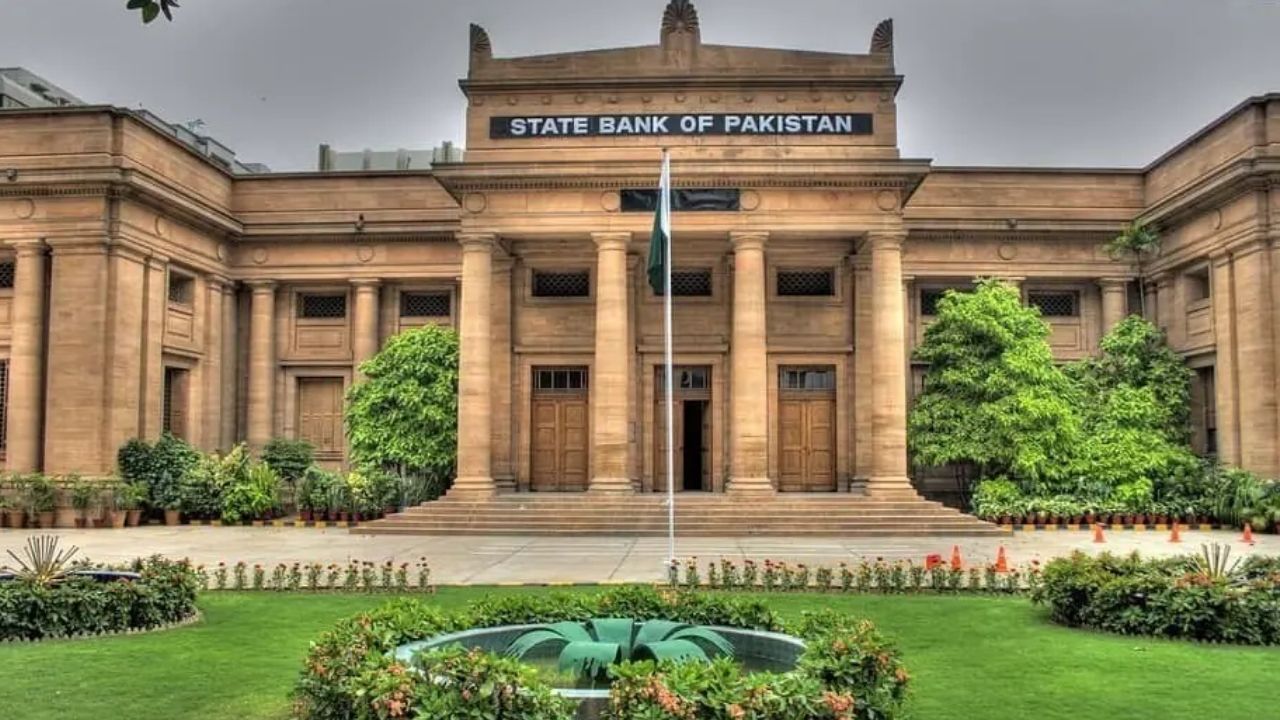
    The Federal Ombudsperson for Protection Against Harassment (FOSPAH) has fined the State Bank of Pakistan (SBP) Rs500,000 for unlawfully denying paternity leave to an employee.

    According to reports, Federal Ombudsperson Fouzia Waqar ruled in favor of Syed Basit Ali, an officer serving as OG-1 at the SBP Banking Services Corporation (BSC), who applied for 30 days of paternity leave on April 10, 2025, after his son was born on April 4.

    The bank rejected his application, stating that “no such leave existed under the prevailing policy of SBP” and only maternity leave was granted to female employees under the Maternity and Paternity Leave Act 2023.

    Since SBP BSC falls under the administrative control of the federal government, he contended that SBP and SBP BSC could not selectively adopt provisions of the Act and grant maternity leave while denying paternity leave under the same statute.

    SBP’s counsel countered that the bank, as an autonomous entity, was not bound by the act and that paternity leave had not been incorporated into its service rules. The bank’s defence focused heavily on matters of jurisdiction, claiming institutional autonomy exempted it from federal welfare legislation.

    However, Ali presented evidence, including job advertisements and bidding documents, to demonstrate that SBP BSC adhered to federal regulations.

    “The denial of paternity leave to the complainant, to which he is legally entitled as a father, while allowing maternity leave to female employees, constitutes clear gender-based discrimination,” Waqar ruled.

    The judgment directed SBP to pay Rs400,000 to Ali within 30 days and that Rs100,000 rupees be deposited into the national treasury. The bank must also grant Ali 30 days of paid paternity leave and update its leave policies to align fully with the Maternity and Paternity Leave Act 2023.

    The ruling further emphasised that statutory rights could not be overridden by internal policies and that federal institutions, including autonomous bodies, are bound by constitutional guarantees and welfare legislation.

    “The order categorically rejected the long-standing claim of institutional autonomy used to deny statutory rights. State Bank of Pakistan is owned, controlled, and supervised by the Federal Government, and SBP Banking Services Corporation, as its wholly owned subsidiary, cannot escape the application of federal welfare legislation,” the ombudsperson added.
  • ‘Nothing as such to worry about’: Law minister on Imran Khan’s medical report

    ‘Nothing as such to worry about’: Law minister on Imran Khan’s medical report

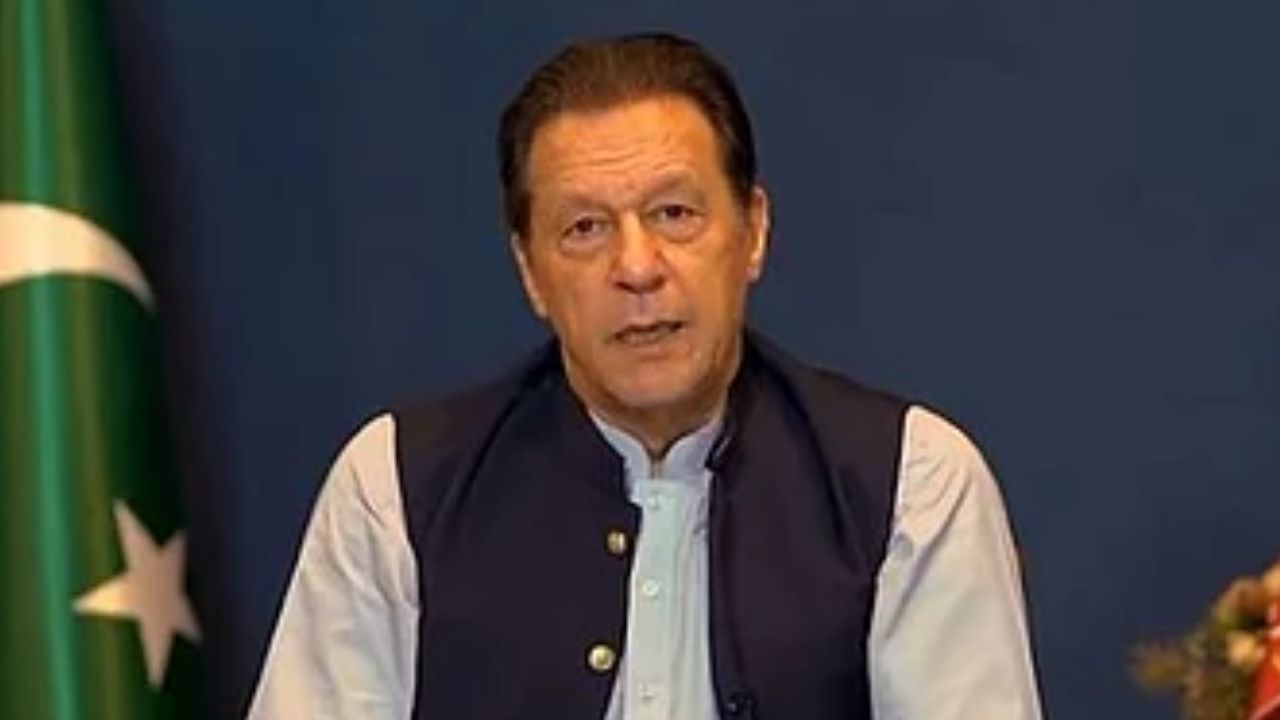
    Law Minister Azam Nazeer Tarar on Monday dismissed concerns regarding Pakistan Tehreek-e-Insaf (PTI) founder Imran Khan’s reported vision loss, saying that there was “nothing as such to worry about”.

    As per the details, the minister’s remarks came days after the Supreme Court (SC) was informed that Imran had only 15 percent vision left in his right eye, prompting the top court to form a medical team and directing that an examination be conducted before February 16.

    On Sunday, a five-member medical team visited Adiala jail in Rawalpindi, where Imran is incarcerated, and conducted an eye examination. Blood samples were taken and blood pressure was checked. The PTI rejected the check-up, stating it was carried out without the presence of his family and personal physicians.

    Addressing the Bar Association Ferozewala in Shahdara on Monday, Tarar referred to the “latest report that had to be submitted” regarding Imran’s health. The minister said he had discussed the matter with Attorney General for Pakistan (AGP) Mansoor Usman Awan and other “relevant” individuals before attending the event.

    “They said thanks to God, the examination was carried out again on the Supreme Court’s order and there is no such thing about 35 or 25 [percent],” he said.

    “If he uses glasses for his eyesight, then one eye is approximately 70 percent fine and the other eye is 6/6. There is nothing as such to worry about.” In medical terms, 6/6 or 20/20 vision refers to normal clarity and sharpness of sight.

    Before commenting on Imran’s health, Tarar also said there was a need to pay attention to our national issues. 

    “We took difficult financial decisions, but the fruits of those can be seen now,” he stated, adding that Pakistan was now “performing way better economically”.

    He said political stability was necessary for economic stability. “There is a lot of noise these days that what is about happen and what has been done to the PTI founder,” he noted.

    Referring to the PTI-led government in Khyber Pakhtunkhwa (KP), Tarar said it was the “first time that a government was taking official measures to deprive the citizens of their rights”. 

    He cited road blockades at multiple entry and exit points of the province, including Peshawar-Islamabad Motorway at Swabi’s Anbar Interchange, GT Road at Khairabad Bridge, Dera Ismail Khan-Bhakkar Road, Lakki Marwat-Mianwali Road, Hazara Motorway at Abbottabad-Havelian Interchange, Kohat-Pindi Road near Khushal Garh and Upper Kohistan-Gilgit Karakoram Highway.

    “Article 15 [of the Constitution] allows freedom of movement, but the blockage of motorways and GT Road on the official level is unconstitutional,” he said.

    The minister expressed hope that the PTI would “rectify” the situation after reviewing the latest report.

    “Otherwise, the federal government will have to take some action,” he warned.

    Separately, a medical report dated February 6 and signed by Pakistan Institute of Medical Science (PIMS) Executive Director Professor Dr Rana Imran Sikander stated that a qualified ophthalmologist examined Imran at Adiala and a “diagnosis of right central retinal vein occlusion was made”.

    The PTI and Imran’s family have demanded his transfer to Shifa International Hospital for further examination.

  • Pakistan considers dropping Babar, Shaheen against Namibia: reports

    Pakistan considers dropping Babar, Shaheen against Namibia: reports

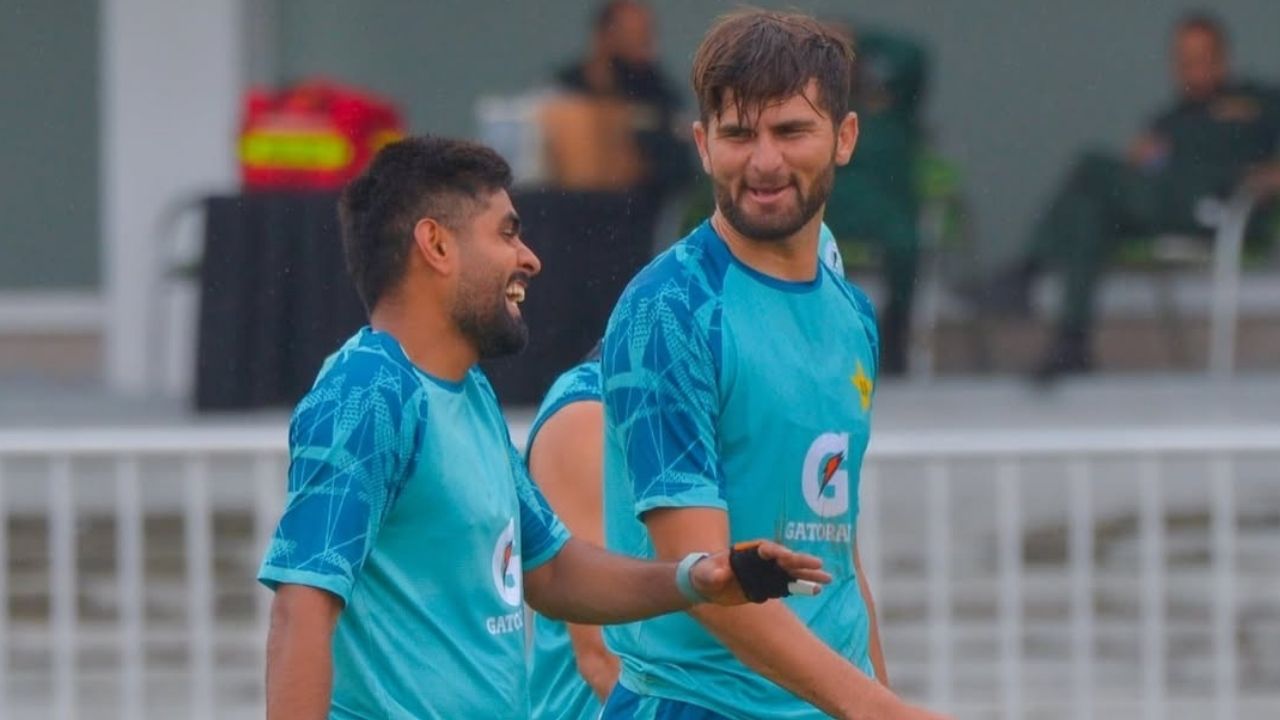
    Pakistan’s team management is seriously considering dropping senior players Babar Azam and Shaheen Afridi for their crucial T20 World Cup match against Namibia following a humiliating 61-run defeat to India on Sunday.

    According to news reports,  sources within the team have revealed that management is frustrated with the continued poor performances of senior players in crucial matches and is now looking at giving bench strength a chance.

    The team is planning two to three changes for the Namibia match on February 18, which has become a do-or-die encounter for Pakistan. The Green Shirts must win this final group stage match to advance to the Super Eight stage of the tournament.

    Pakistan collapsed to 114 all out in 18 overs while chasing India’s target of 176 runs. The defeat exposed glaring weaknesses in both batting and bowling departments.

    Babar Azam managed just five runs before getting dismissed while playing an unnecessary shot, continuing his poor form in the tournament. Shaheen Afridi’s bowling also came under scrutiny after he conceded 31 runs in just two overs against India.

    Pakistan will qualify for the Super Eight even if the Namibia match gets washed out due to rain. However, the team management appears determined to make changes regardless, signaling a potential shift in strategy for the remainder of the tournament.

  • British Prime Minister pledges faster action on children’s online safety

    British Prime Minister pledges faster action on children’s online safety

    British Prime Minister Keir Starmer has committed to tightening loopholes in laws designed to protect children online, insisting that no platform will be given a “free pass” on  children’s safety.

    The government is considering a range of measures, including a requirement for tech companies to preserve all data on a child’s device if they die, a proposal campaigned for by the Jools’ Law group. Officials are also consulting on a potential ban for under-16s from social media platforms.

    A public consultation is scheduled for March, seeking views on restricting children’s access to AI chatbots and limiting features such as infinite scrolling, commonly referred to as doomscrolling. The move follows earlier disputes between ministers and X’s Elon Musk, after the platform’s Grok AI chatbot was reportedly used to create fake nude images of women and children.

    Keir said the government now wants powers that would allow it to act quickly on consultation findings, rather than waiting years for new legislation each time technology evolves. “Technology is moving really fast, and the law has got to keep up. With my government, Britain will be a leader, not a follower, when it comes to online safety,” he said.

    The Online Safety Act, passed in 2023, predates the rise of AI chatbots such as ChatGPT. Planned amendments to the law and the Crime and Policing Bill aim to include these technologies and ensure they protect users from illegal content.

    Other measures under consideration include preventing children from bypassing restrictions using Virtual Private Networks and addressing age-limit enforcement.

    In a post on Substack, Keir Stammer, a parent of two teenagers, said social media has evolved in the past two decades to a form that “is quietly harming our children.” He added that the government will seek powers to address addictive features, including auto-play and endless scrolling. “And if that means a fight with the big social media companies, then bring it on,” he said.

    Ellen Roome, whose son Jools died at 14, said: “This going forward will help other bereaved families. What we now need to do is stop the harm happening in the first place.” Lord Nash, a former Conservative minister, also welcomed the adoption of Jools’ Law.

  • ‘Ordered Peshawari food’: Rashid Khan reveals what Afghan players did after losing double super over to South Africa

    ‘Ordered Peshawari food’: Rashid Khan reveals what Afghan players did after losing double super over to South Africa

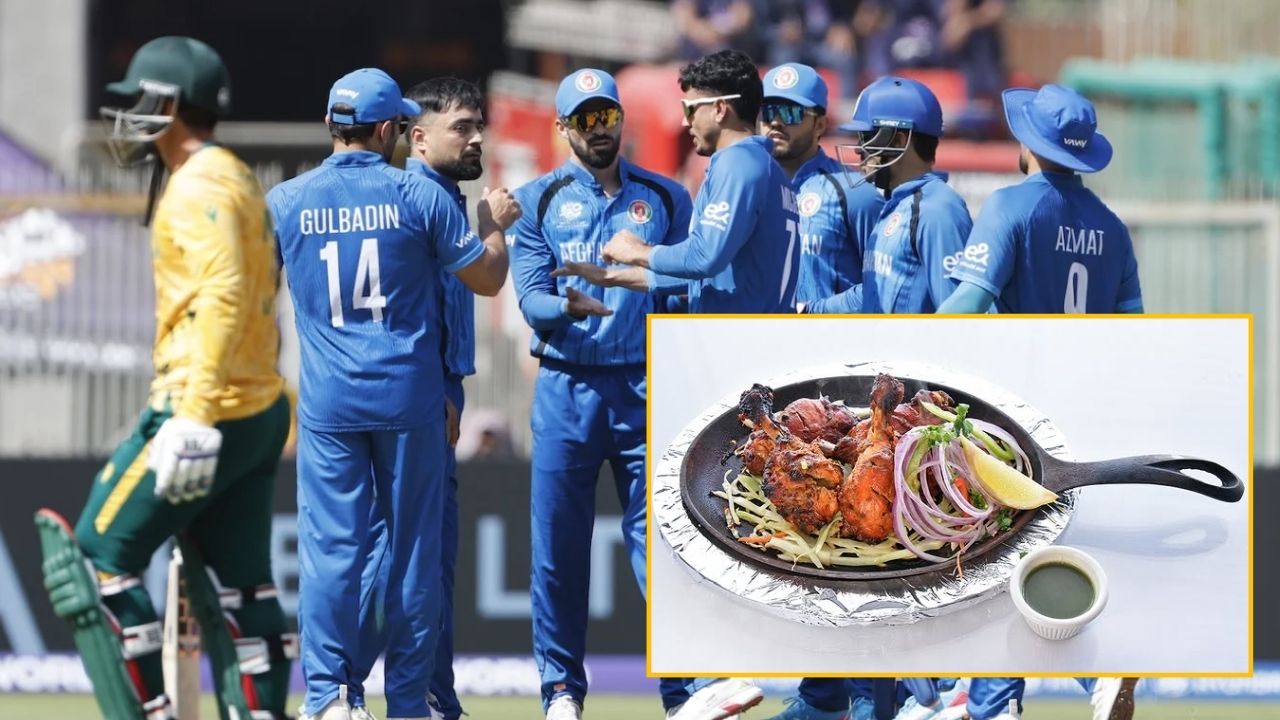
    Afghanistan captain Rashid Khan has revealed how his team coped with their heartbreaking double super over defeat to South Africa by indulging in comfort food and supporting each other through the disappointment.

    The loss in Ahmedabad has virtually ended Afghanistan’s hopes of advancing to the Super Eight stage of the T20 World Cup 2026, but Khan refuses to let his players dwell on individual mistakes.

    Speaking in Delhi ahead of his team’s match against UAE, Khan described how the squad dealt with the crushing defeat. “We were in Ahmedabad and we told the manager to order food. Peshawari food: their dal bukhara, dal makhani, I told him to order that and bring some tandoori chicken so that we can vent our anger on that,” he said with a smile.

    The Afghan skipper made it clear that blame culture has no place in his dressing room. 

    “No one should say that he did this or he did that because it brings negativity in the team. No one has lost, just our team has lost. We put in a lot of effort, but we never blame any player for being in a Super Over. I always tell everyone that as a captain I don’t want to hear any of these things. It disappoints me more than the game when you’re blaming the players.”

    Khan compared the loss to Afghanistan’s defeat against Australia in the 2023 ODI World Cup in Mumbai, where Glenn Maxwell’s extraordinary double-century knocked them out of semi-final contention after they had Australia reeling at 91 for 7 while defending 291.

    “To be honest, it’s pretty hard. It’s very, very hard to lose that game where we had it in our hand a couple of times and then it just slips off your hand and it disappoints you. It doesn’t go away from your mind. Like, the game we played against Australia in the 2023 World Cup at Wankhede, it never goes out of the mind, until we won against them in the 2024 World Cup. And then slowly it got out of the mind,” he said.

    In the match against South Africa, both teams scored 187 in regulation play, forcing the first super over. Afghanistan posted 17 runs in the first super over, but South Africa’s Tristan Stubbs hit a six off the final ball to tie it at 17 and force a second super over. 

    In the second super over, South Africa scored 23 runs. Afghanistan, chasing 24 from four balls after losing a wicket early, saw Rahmanullah Gurbaz hit three consecutive sixes off Keshav Maharaj, needing just a boundary off the final ball after a wide. However, Gurbaz was caught at point, giving South Africa victory by four runs in one of the most dramatic finishes in T20 World Cup history.

    It is worth noting that during the match against UAE on Monday in Delhi, Khan made history by becoming the first bowler to take 700 wickets in T20 cricket.

  • Bad Bunny wears Pakistani brand FOUND on stage

    Bad Bunny wears Pakistani brand FOUND on stage

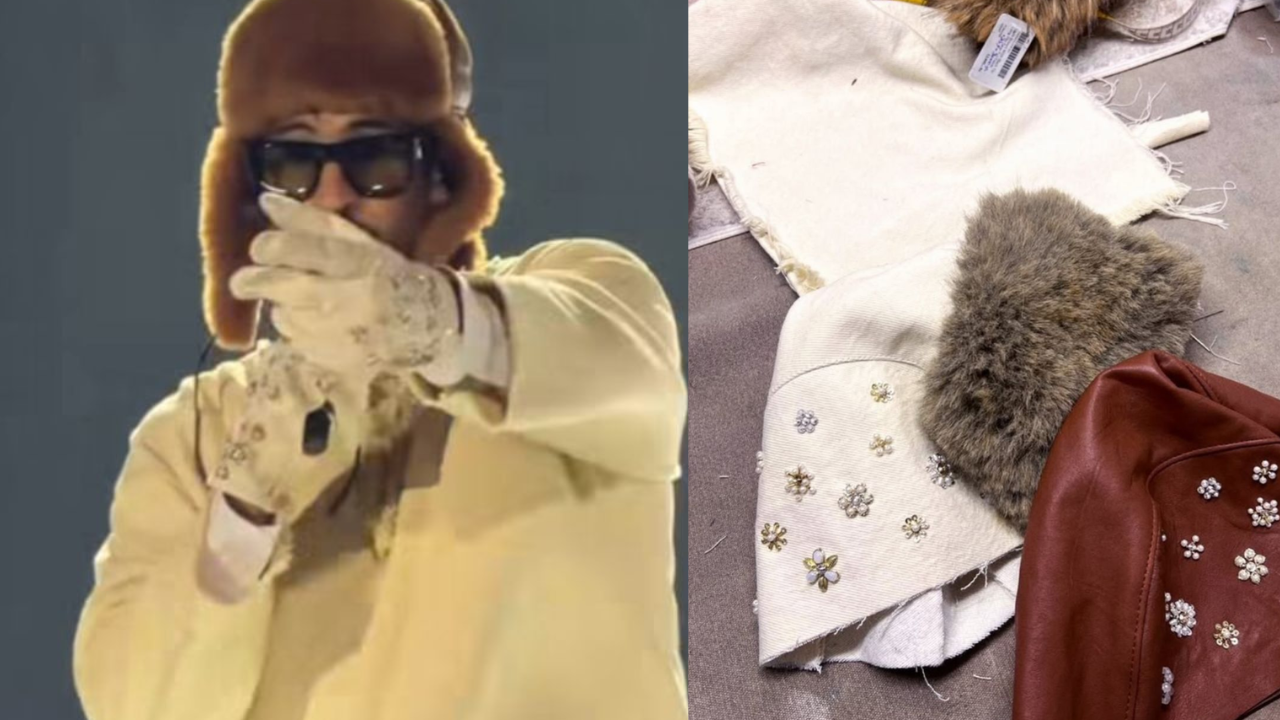
    Pakistani fashion brand FOUND’s accessories were seen worn on stage by Bad Bunny after the Super Bowl, following an earlier near-selection to dress the artist for the halftime show.

    Videos circulating online after the event showed Bad Bunny wearing custom pieces by FOUND during a stage appearance. The development came days after the Lahore-based brand disclosed that it had been in contention to design accessories for the Super Bowl halftime performance, a task that ultimately went to Spanish brand Zara.

    FOUND had shared that it custom-designed a set of accessories intended for the Super Bowl stage. These included hats, gloves and related pieces featuring hand embroidery. The brand said the items were produced in Lahore under a short timeline and shipped internationally ahead of the performance.

    Creative director Faraz Zaidi described the near selection in an Instagram post, writing, “‘Almost’ stories rarely matter. It only counts when you land it.” He added, “We custom-designed sets for Bad Bunny that almost made it to the Super Bowl stage.”

    According to FOUND, a press release had been prepared in advance of the halftime show. “We had a press release locked and loaded, ready to go the second the halftime show hit,” the brand said, adding that the direction shifted in the final days before the performance. “Somewhere in the final days, the direction shifted. Ultimately, Zara won the bid for the full look.”

    In an interview with Dazed, Zaidi said the Super Bowl work was part of a longer collaboration with the artist’s team. “Over the past year, we’ve been working closely with Bad Bunny’s stylist, Storm Pablo, on a series of custom, hand-embroidered accessories created for his tour performances,” he said. “Over time, those pieces became something of a uniform, worn consistently by him across multiple shows. The Super Bowl moment was an extension of that ongoing relationship and creative dialogue.”

    Explaining the design approach, Zaidi said, “I approached these pieces through a similar lens in the blend of workwear and ornamentation, using heavyweight cotton twills and canvas as a foundation, then contrasting those materials with intricate hand embroidery inspired by South Asian techniques.”

    On the final decision, Zaidi said the team learned of the outcome only once the performance began. “We had our fingers crossed right up until the moment the show began,” he said. “Our focus was on making sure the pieces were created and delivered on time, which they were.”

    FOUND said it chose to share the experience publicly to reflect the process behind large-scale collaborations. “There’s near misses that should be equally held,” the brand said, adding that it thanked the artist’s team for the opportunity. Stylist Storm Pablo responded in the comments, thanking the label for the garments.

  • KP raises Rs470.3m in second personalised number plate auction

    KP raises Rs470.3m in second personalised number plate auction

    The Excise, Taxation and Narcotics Control Department of Khyber-Pakhtunkhwa has generated Rs470.3 million on Saturday during its second auction of personalised vehicle number plates.

    The auction was held at Arena Hall, Qayyum Sports Complex, where 30 selected number plates were put up for bidding. Several of the plates featured names of tribes and districts written in transliterated English.

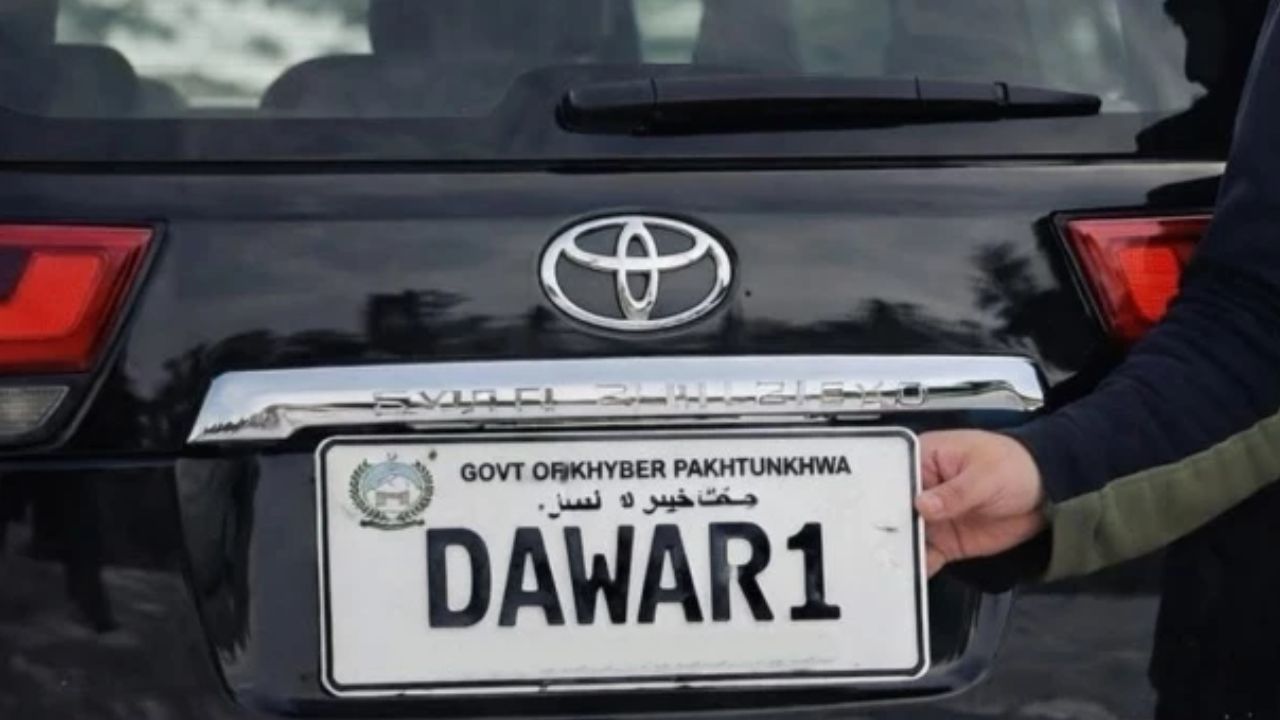
    According to official figures, DAWAR 1 received the highest bid of Rs175 million. The plate was purchased by Inzamam-ul-Haq. Officials said it is the highest amount paid for a personalised number plate in the province to date.

    ORAKZAI 1 was the second most expensive plate, sold for Rs41 million to former senator and MPA Aurangzeb Khan.

    Other plates that attracted high bids included WAZIRISTAN 1, sold for Rs40.6 million; BAJAUR 1 for Rs33.5 million; MOHMAND 1 for Rs32.1 million; MEHSUD 1 for Rs22 million; KHYBER 1 for Rs20.1 million; GUJJAR 1 for Rs16.3 million; and PASHTUN 1 for Rs13.2 million.


    Additional plates auctioned during the event included BUNER 1, which fetched Rs9.5 million; JADOON 1 for Rs7.1 million; MARDAN 1 for Rs6.8 million; DIR 1 for Rs6.7 million; KHALIL 1 for Rs6.5 million; KHATTAK 1 for Rs6.1 million; and TAJ 1 for Rs4.2 million.


    The auction was supervised by the Director General of Excise, Taxation and Narcotics Control, Abdul Haleem Khan and attended by senior officials of the department. Participants included members of business and tribal communities.


    Officials said the auction was part of a revenue generation initiative by the provincial government.


    In 2024, the Sindh Excise Department auctioned the premium number plate A 1 for Rs100 million. Muzammil Kareem placed the highest bid. Senior Minister Sharjeel Inam Memon handed over the ownership certificate to Mazhar Kareem.


    In the same year, the number plate 786 was auctioned for Rs26.5 million. A businessman named Sarosh placed the highest bid, while Provincial Minister Syed Nasir Hussain Shah presented the ownership certificate to him.

  • Israel moves to annex West Bank as state property

    Israel moves to annex West Bank as state property

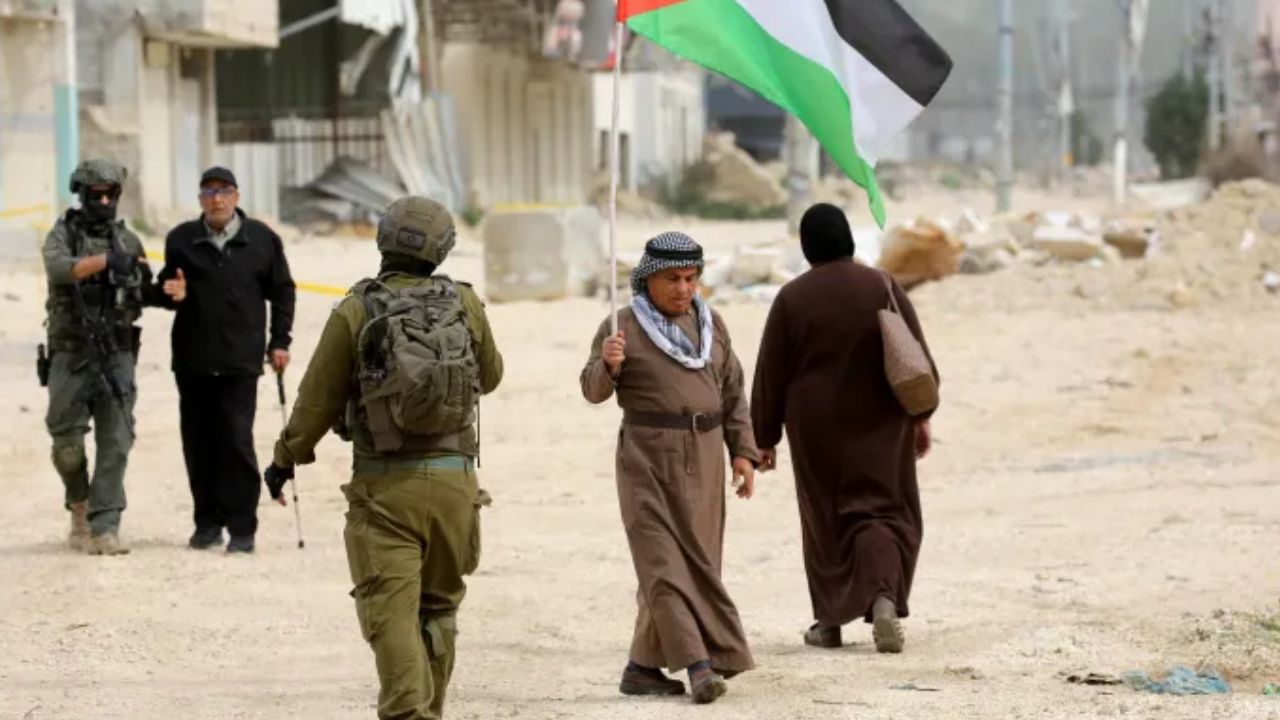
    The Israeli government has approved an illegal plan to register large areas of the occupied West Bank as “state property” if Palestinians cannot prove ownership, prompting global outcry and accusations of de-facto annexation. 


    Israel’s Kan broadcaster reported on Sunday that the proposal was submitted by Minister of Finance Bezalel Smotrich, Minister of Justice Yariv Levin and Minister of Defence Israel Katz.

    Smotrich said the move was a continuation of “the settlement revolution to control all our lands”, while Levin described it as an expression of the government’s commitment “to strengthening its grip on all its parts”.

    The decision allows for the resumption of the “settlement of land title” process, which has remained frozen since Israel’s occupation of the West Bank in 1967. Under the process, when authorities begin land registration in a specific area, anyone claiming ownership must submit documents proving their claim.

    Palestinian officials and rights groups say that after decades of occupation, many residents lack the required documentation due to legal complexities and the loss of records during conflict. The move could affect thousands of Palestinians living in Area C, which is under full Israeli military control under the Oslo Accords. More than 300,000 Palestinians are estimated to reside in Area C, with others dependent on its agricultural and grazing lands.

    The Palestinian presidency condemned the decision in a statement, calling it a “grave escalation and a flagrant violation of international law”, which amounts to “de-facto annexation”. It urged the international community, particularly the United States (US) and the United Nations Security Council, to intervene.

    Hamas also denounced the decision, calling it an attempt “to steal and Judaise lands in the occupied West Bank by registering them as so-called ‘state lands’”. The group described the approval as “a null and void decision issued by an illegitimate occupying power”.

    Israeli anti-settlement organisation Peace Now said the process likely amounts to a “mega land grab” from Palestinians. Hagit Ofran, director of the group’s Settlement Watch programme, said, “Palestinians will be sent to prove ownership in a way that they will never be able to do.” She added that Israel “might take over 83 percent of Area C, which is about half of the West Bank.”

    Jordan’s Ministry of Foreign Affairs, Qatar’s Ministry of Foreign Affairs, Egypt’s Ministry of Foreign Affairs and Turkey’s Ministry of Foreign Affairs issued statements condemning the move as a violation of international law. Egypt cited the Fourth Geneva Convention and United Nations Security Council Resolution 2334 of 2016.

    There was no immediate comment from the United States. More than 700,000 Israelis live in settlements in the occupied West Bank. The UN’s highest court, meanwhile, said in a non-binding advisory opinion in 2024 that Israel’s occupation of Palestinian territory and settlements in the West Bank are illegal and should be ended as soon as possible.

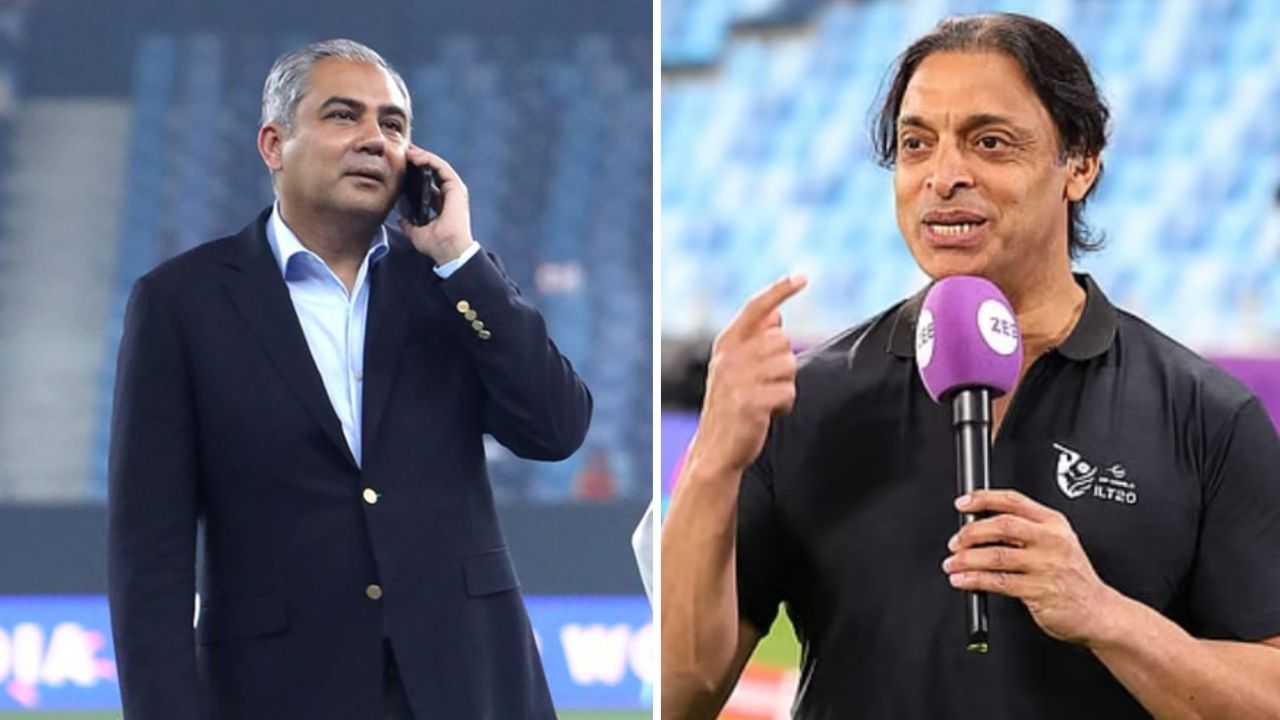
  • ‘Incompetent, ignorant’: Shoaib Akhtar slams PCB chief after India thrash Pakistan at T20 World Cup

    ‘Incompetent, ignorant’: Shoaib Akhtar slams PCB chief after India thrash Pakistan at T20 World Cup

    Former Pakistan fast bowler Shoaib Akhtar has launched a scathing attack on the Pakistan Cricket Board (PCB) and its chairman following the team’s humiliating 61-run defeat to India in Sunday’s T20 World Cup group stage match at the R Premadasa Stadium in Colombo.

    As per the details, the legendary pacer, in conversation with an Indian TV channel, did not pull his punches, questioning the chairman’s credentials to lead Pakistan cricket and accusing the PCB of repeatedly selecting underperforming senior players.

    “Now, one guy doesn’t even know about cricket and he’s the chairman of the Pakistan Cricket Board. How will the team be run now? You’re saying one guy, you’ve made him a superstar, he can’t win a single match. You’ve made him a star who can’t bowl 10 overs,” he said.

    While Akhtar did not name specific players, his comments appeared to reference Babar Azam and Shaheen Afridi who were heavily criticised by experts and fans over their poor performance against India.

    The former speedster then issued a stark warning about placing incompetent people in positions of power. 

    “When you give a big job to an incompetent and ignorant person, he will destroy the country. He will bring down any organisation. The example is in front of you; you’re intelligent enough to understand,” Akhtar said without naming PCB chief Mohsin Naqvi.

    He described such appointments as the biggest crime in the world, emphasising the destructive consequences of allowing unqualified individuals to hold major responsibilities.

    Earlier, Pakistan’s batting lineup collapsed during the match as seven batters failed to reach double figures and India secured their fourth T20I victory over Pakistan in the last six months.

    Naqvi, who received praise just days ago for his handling of the boycott of India match and bringing the International Cricket Council (ICC) to the talks table, now finds himself facing intense criticism as questions mount about his leadership and the team’s continued struggles against major opponents.

  • Petrol, diesel prices rise amid global price hike

    Petrol, diesel prices rise amid global price hike

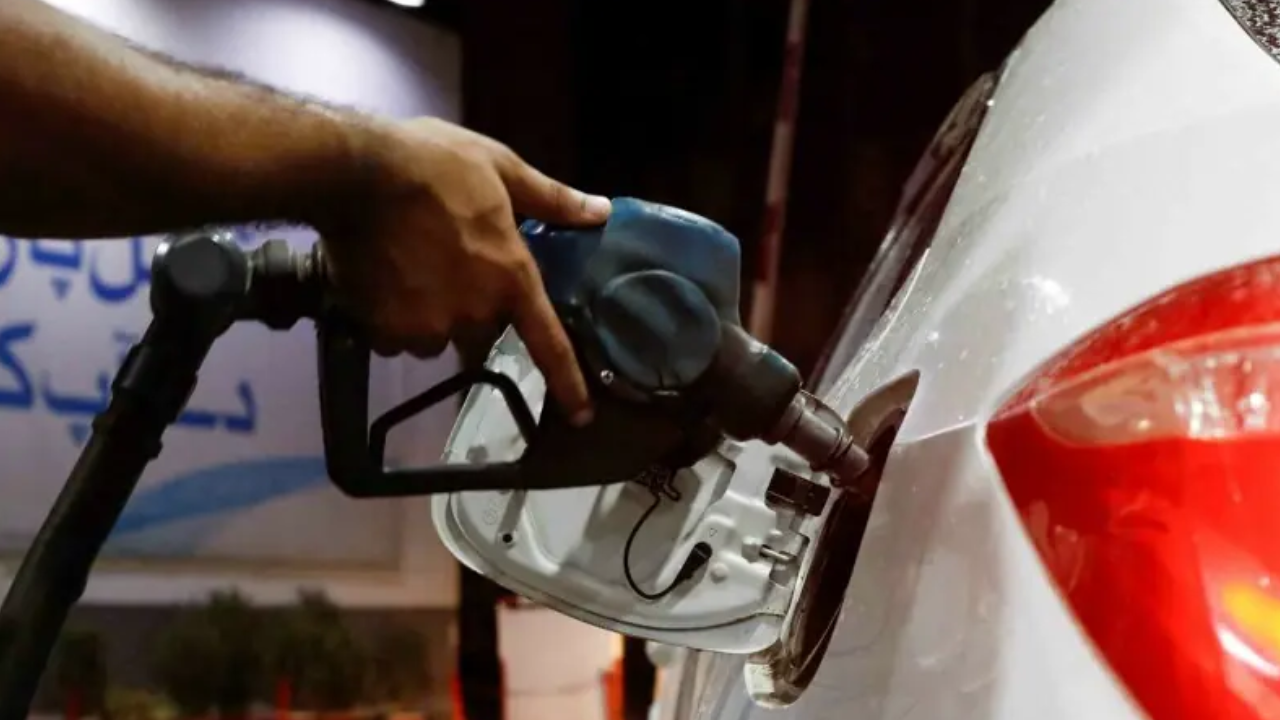
    The federal government has increased the prices of petrol and high-speed diesel (HSD) for the remainder of February, citing changes in international market prices. According to a notification issued on Sunday, petrol prices were raised by Rs5 per litre, while HSD prices went up by Rs7.32 per litre. 

    The revision was made following recommendations from the Oil and Gas Regulatory Authority (Oil and Gas Regulatory Authority) and in line with movements in global oil markets, the Petroleum Division said.

    With the latest increase, the price of HSD now stands at Rs275.70 per litre, up from Rs268.38 per litre, reflecting an increase of 2.7 per cent for the current fortnight. HSD is widely used in the transport and agriculture sectors, including trucks, buses, trains, tractors, tube-wells and threshers, and its price has a bearing on the cost of transporting goods and agricultural output.

    The price of petrol has been revised to Rs258.17 per litre from Rs253.17 per litre, an increase of 2 per cent. Petrol is mainly used in private vehicles, motorcycles, rickshaws and small transport, with a direct impact on household transport expenses.

    The government is currently charging around Rs105 per litre on petrol and about Rs97 per litre on diesel in the form of taxes and levies. 

    Petrol and HSD remain the government’s primary revenue-generating petroleum products, with combined monthly sales averaging between 700,000 and 800,000 tonnes. In comparison, monthly demand for kerosene stands at around 10,000 tonnes.

    During FY2025, the government collected approximately Rs1.161 trillion through petroleum levy. For the current fiscal year, revenue from petroleum levy is projected to rise by around 27 per cent to Rs1.470 trillion.