Author: News Desk

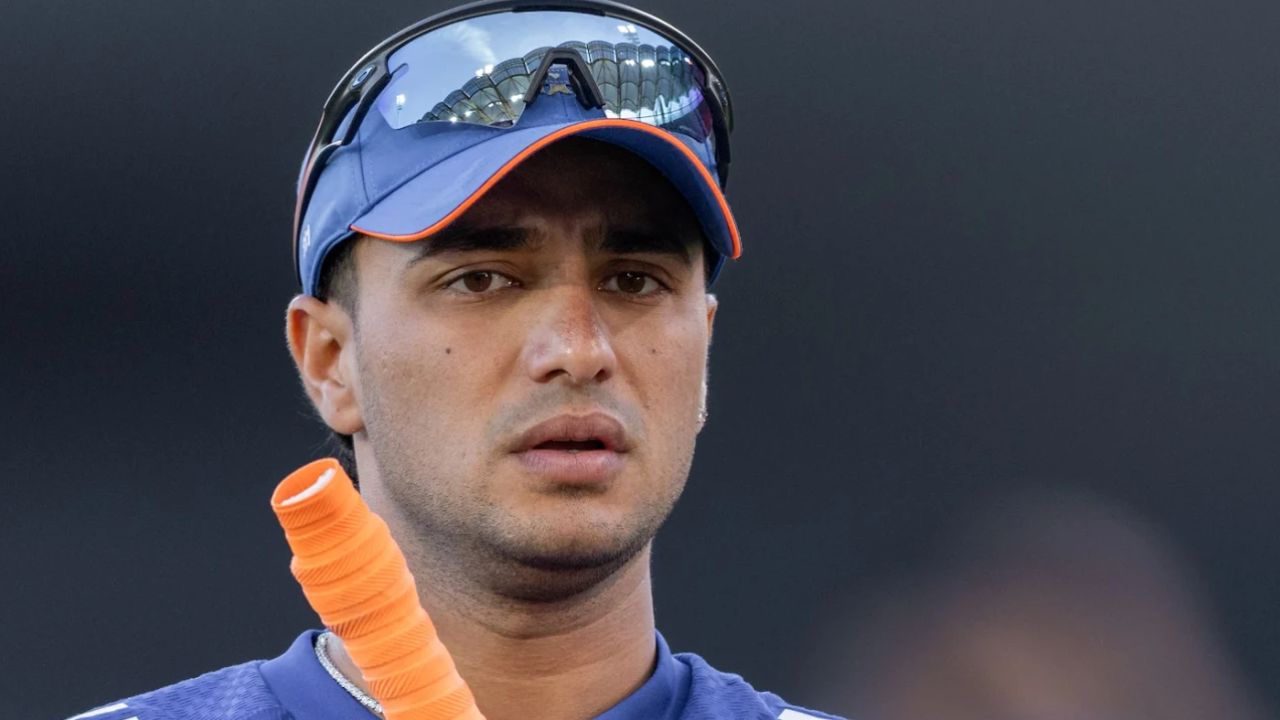
  • India suffers setback as Abhishek Sharma hospitalised during T20 World Cup

    India suffers setback as Abhishek Sharma hospitalised during T20 World Cup

    Indian opener Abhishek Sharma faces uncertainty ahead of the T20 World Cup match against Namibia after doctors admitted him to hospital with a stomach infection.

    According to Indian media reports, Sharma had been unwell even before the recent match against the United States. Despite the illness, he took the field, but his condition worsened after the game. Doctors noted a high fever and immediately put him on intravenous drips to stabilize him.

    Sharma skipped India’s practice session at the Arun Jaitley Stadium in New Delhi and later checked into a private hospital in the city. Medical staff are running multiple tests to identify the exact nature of the infection and decide the next course of treatment.

    Sharma got out on the very first ball of the innings and did not return to the field during India’s defensive effort. Sanju Samson replaced him in the field, while Sharma also missed the post-match handshake ceremony.

    India assistant coach Ryan ten Doeschate addressed the situation while speaking to reporters. “Abhishek has some stomach-related issues. We hope he will recover within two days,” he said. However, a BCCI official later told local media that Sharma’s availability for the Namibia game remains doubtful at this stage.

    India received some positive updates on the fitness front. Washington Sundar has rejoined the squad, strengthening the team’s all-round options. Jasprit Bumrah has also resumed bowling after a 10-day break and feels sharper with each session.

    According to media reports, Bumrah recently dealt with a brief fever but has now recovered fully.

  • ‘Freedom or death’: PTI finalises post-Eid long march

    ‘Freedom or death’: PTI finalises post-Eid long march

    Pakistan Tehreek-e-Insaf (PTI) has finalised plans for a long march two weeks after Eidul Fitr, aiming to press for the release of its founder and former prime minister Imran Khan, party sources confirmed to a private media outlet’s reporter. 

    Preparations are already underway, including a specially equipped container that will serve as the command and protest hub during the demonstration. The container has been fitted with modern amenities such as CCTV cameras, air-conditioning units, and speakers to help with coordination and ensure participant comfort in case of an extended sit-in.

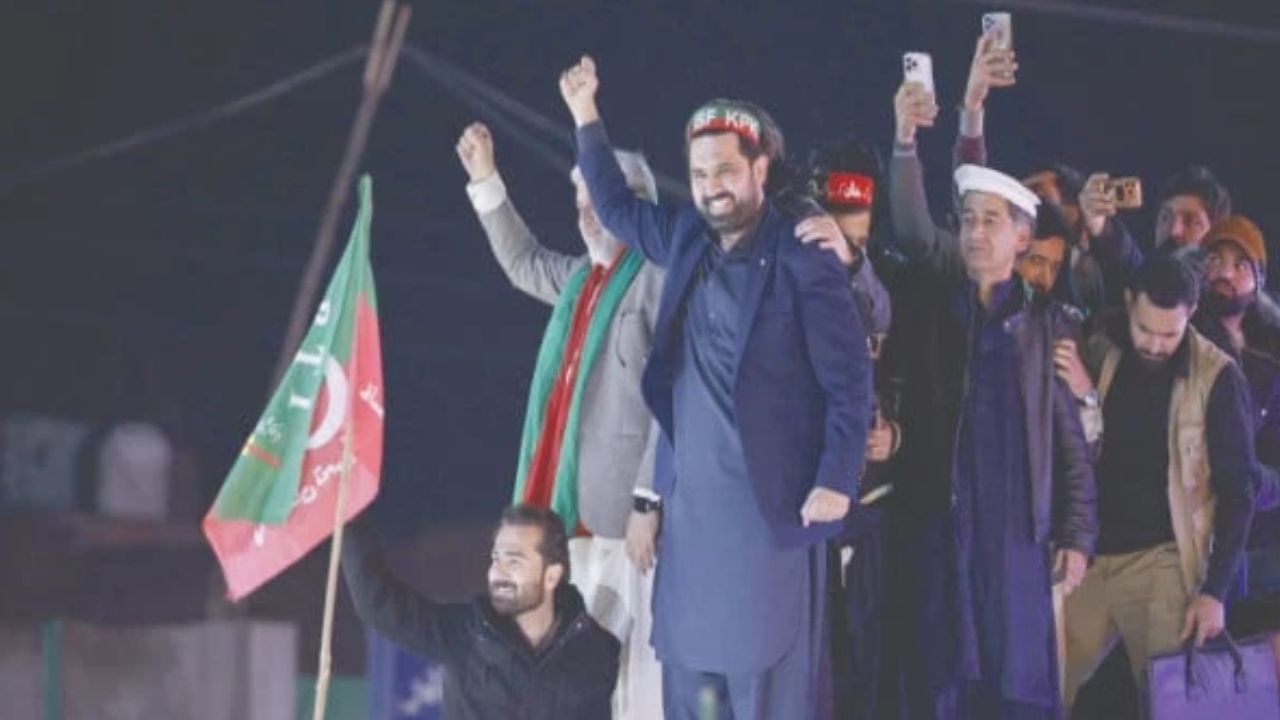
    Khyber-Pakhtunkhwa Chief Minister (CM) Sohail Afridi inspected the container, which prominently displays the slogan “Freedom or Death” on its exterior, reflecting the party’s stance ahead of the planned protest. According to PTI insiders, the march is expected to culminate at Adiala Jail, where protesters will stage a sit-in (dharna) until the party founder is released.

    The announcement follows directives issued to PTI’s organisational wings and district units to prepare for the march. Party leadership has indicated that the exact date will be announced before the end of Ramazan to allow time for mobilisation.

    Confirming the development, PTI Peshawar District President Irfan Saleem said the party had taken a clear decision to proceed with the protest. “Our leadership has instructed all workers to prepare for the demonstration,” he said.

    “The protest will remain peaceful, and we will continue our democratic struggle. The party will announce the route, whether to Islamabad or directly to Adiala Jail, and workers will follow the instructions accordingly.”

    Imran Khan has been imprisoned since August 2023 and is currently serving a sentence at Adiala Jail in a £190 million corruption case. He also faces trials under the Anti-Terrorism Act related to the protests of May 9, 2023.

  • Malala becomes second Pakistani woman with portrait at Oxford

    Malala becomes second Pakistani woman with portrait at Oxford

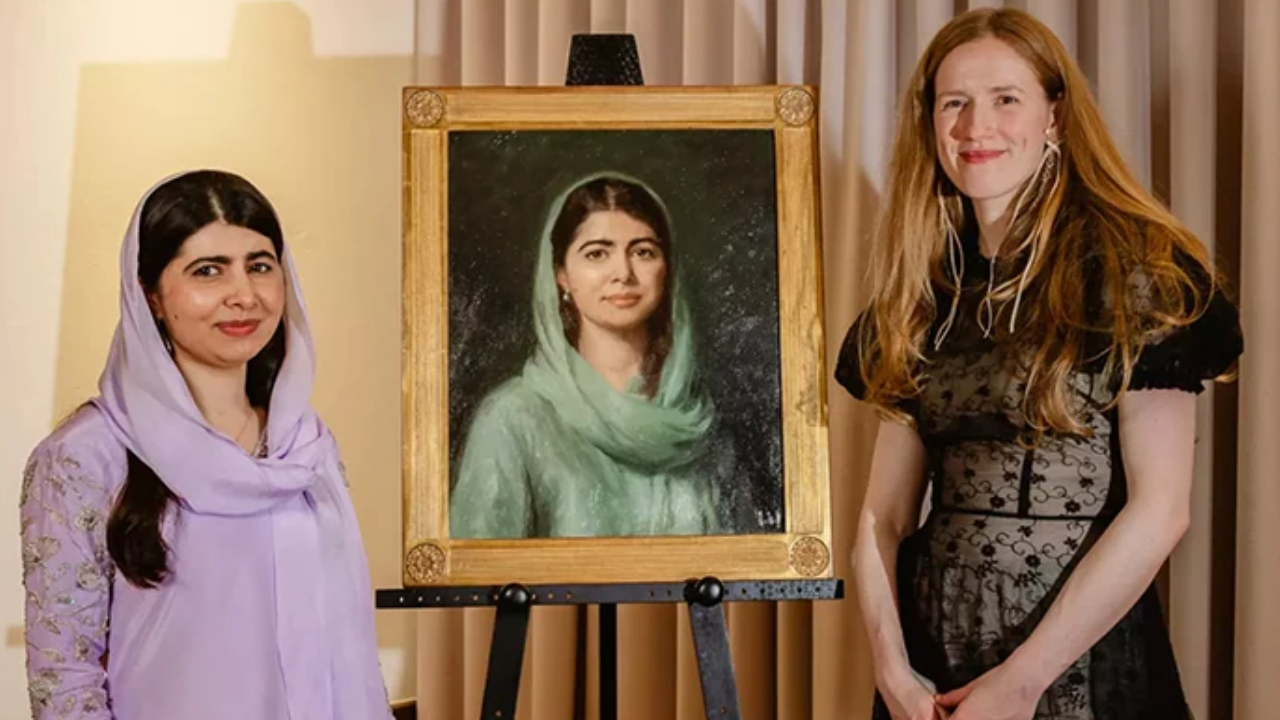
    Nobel Peace Prize laureate Malala Yousafzai’s portrait was unveiled at Oxford University’s Lady Margaret Hall, making her the second Pakistani woman, after the late former prime minister Benazir Bhutto, to have her portrait displayed at the university.

    The portrait was painted by artist Isabella Watling and was unveiled at an event attended by nearly 200 people, including Oxford alumni, academics and members of Malala’s family. Those present also included her parents Ziauddin Yousafzai and Toor Pekai Yousafzai, her brother Khushal Khan Yousafzai and her husband Asser Malik.

    Speaking to a private news channel, Malala said Benazir Bhutto remained a source of inspiration for her and described it as an honour that her portrait would be placed at the same college where Bhutto’s portrait is displayed.

    “Benazir is not only an inspiration for women in Pakistan but for women around the world. I have always adored her,” she said.

    Malala said countries should act in line with human rights and said Muslim countries also had a responsibility to condemn the Taliban’s actions. She said the Taliban must understand that acquiring knowledge is part of faith and that denying girls education in the name of religion was not acceptable.

    “This is an extremely dangerous time regarding the ban on girls’ education in Afghanistan,” she said, adding that Taliban were stripping girls of their fundamental right to education.

    She also said that preventing girls from receiving education was against the message of Islam. “The Taliban are not allowing women to go outside their homes or work, and the future of children there looks bleak.”

    Malala said Afghan women and girls continued to pursue education despite restrictions. “Afghan women and girls have not lost hope and are still pursuing education through secret schools and online learning,” she said.

    “I stand with Afghan girls and is supporting their projects. I call on Pakistanis to show solidarity with Afghans and condemn the Taliban’s actions.”

    Malala studied Philosophy, Politics and Economics at Oxford University and graduated in 2020. She is a member of the advisory body of the Oxford Pakistan Programme, which aims to build academic links between Oxford and Pakistan, and provides scholarships for Pakistani and British-Pakistani students.

  • Chicken worth Rs10.75 billion sold during Basant celebrations in Lahore

    Chicken worth Rs10.75 billion sold during Basant celebrations in Lahore

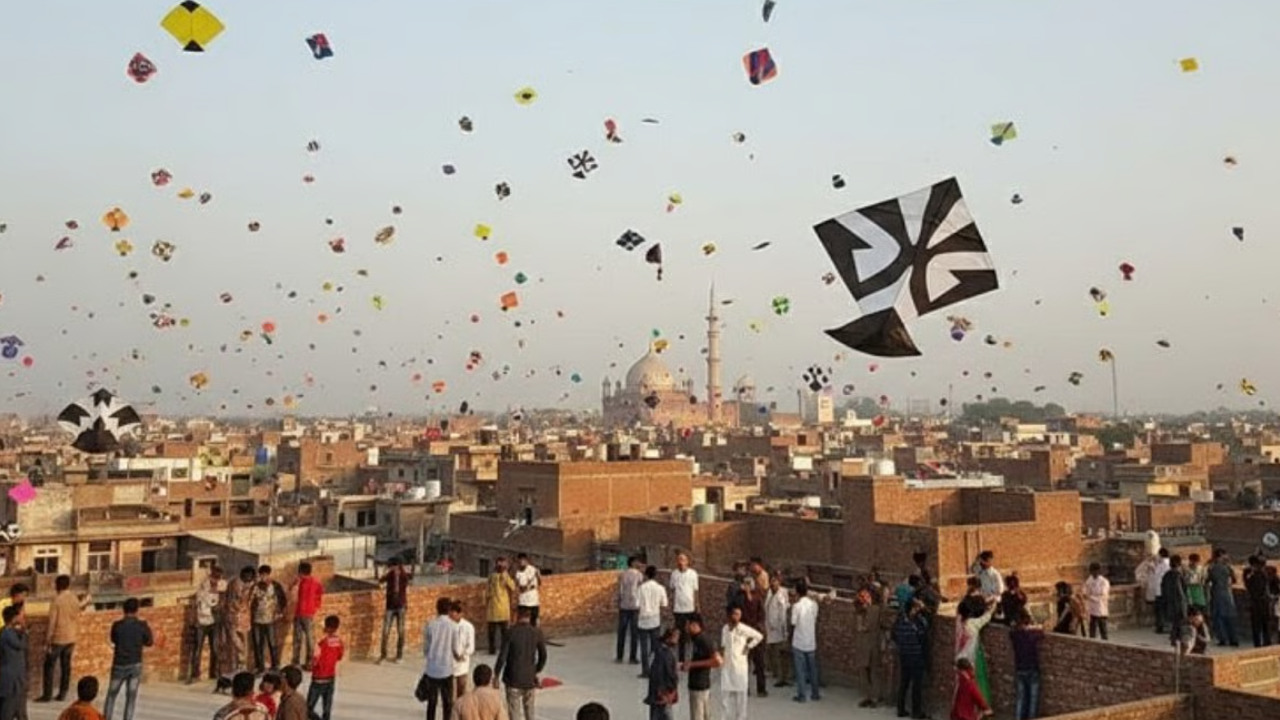
    Chicken worth whopping Rs10.75 billion was sold during the three-day Basant festivities in Lahore, an X post reshared by Punjab Chief Minister (CM) Maryam Nawaz has revealed.

    “In Lahore, chicken worth Rs10.75 billion was sold during three Basant days: Poultry Association… over one million vehicles entered Lahore, generating millions of rupees in toll tax,” the post read.

    Separately, data also showed economic gains across several sectors during the celebrations as the event drew residents from Lahore, other cities and even foreigners or expats. These included the purchase of kites and strings, food items, beverages, event tickets, and travel or lodging costs.

    Sales of kites and strings alone generated an estimated Rs2 billion. Hotels in Lahore reported higher occupancy levels during the period, while restaurants and fast-food outlets recorded an increase in customer volume.

    While dessert and sweet shops also reported a rise in sales, analysts estimated that overall business activity during the three days ranged between Rs4 billion to Rs6 billion, reflecting the scale of commercial engagement linked to the celebrations.

    The event also contributed to Pakistan’s visibility abroad. International diplomats and foreign tourists were present during the celebrations, while global media outlets, including BBC and CNN, covered Basant-related developments.

    The coverage focused on the scale of the event, security arrangements and public participation, placing Pakistan on international platforms.

    Urban transport and mobility formed another key aspect of the celebrations. Authorities managed the movement of more than 1.4 million passengers across the city as Lahore’s public transport systems, including the Metrobus and Orange Line, were used extensively.

  • Made-for-Pakistan solution ARVO launches ARVO Education Press (AEP), tailored to out perform global standards

    Made-for-Pakistan solution ARVO launches ARVO Education Press (AEP), tailored to out perform global standards

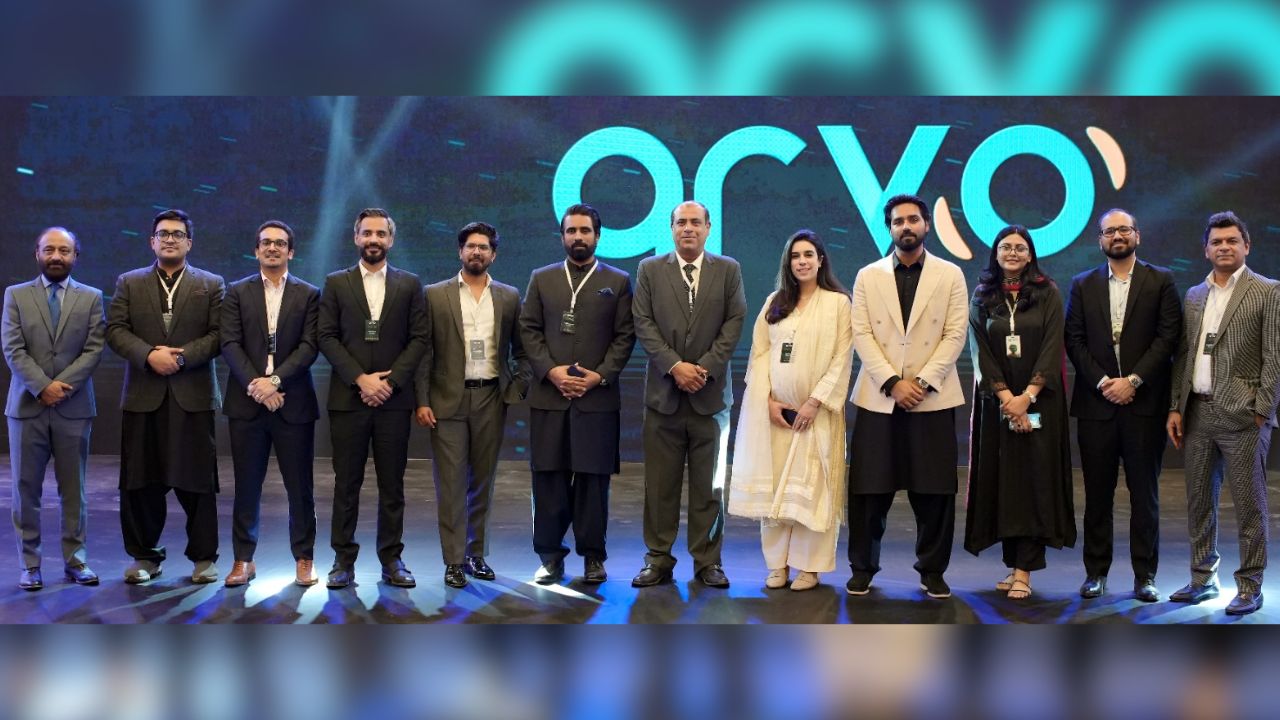
    Monday, 9th February 2026, marks the official launch of ARVO, during a grand event at Pearl Continental Lahore. Prominent education leaders, principals, and franchisees from Allied Schools network, and educators gathered to experience a system built to deliver value through integration. 


    Chairman, Mian Amer Mehmood, outlined the long-term vision of an education model where curriculum, technology, and teacher-enablement function as one strategic framework. During the event, attendees experienced demonstrations in the interactive zones and witnessed how QR-enabled textbooks, digital platforms, and structured resources operate seamlessly together. 


    This was not a conceptual presentation; it was a visual model working live!


    The key milestone of the ARVO launch was the introduction of ARVO Education Press (AEP), the publishing engine behind the ARVO ecosystem. AEP delivers high-quality, reasonably priced textbooks, crafted by leading subject experts. These books are grounded in learning science and aligned with current standards. 


    Emerging from the four-decade legacy of educational excellence of the Punjab Group, ARVO is a transformative EdTech platform that brings together three essential pillars in one cohesive system: affordable, high-quality curriculum, integrated technologies, LMS capabilities, and structured professional development for teachers. 


    The question may arise: Why is ARVO needed? Across Pakistan, schools are under pressure to modernize. School administrators grapple to balance the quality and costs. Teachers struggle to deliver deep conceptual learning, Parents demand visibility and progress, and students need future-ready skills. Yet many institutions operate through disconnected, manual, and dated tools. 


    ARVO is built to change that!


    Derived from the Finnish word for ‘value’, ARVO is a platform whose core principle is creating measurable value for schools, teachers, students, and parents through integration, not addition.

    ARVO has officially introduced its integrated platform in Pakistan, designed to modernize curriculum delivery, strengthen teachers’ support, and improve student engagement while reducing the time and cost impact of the fragmented systems.


    Instead of managing separate publishers, portals, and training providers, with ARVO, schools operate through one connected ecosystem. Textbooks link directly to digital resources; teachers access structured guides, and administrators gain measurable visibility into implementation and engagement. As a result, the outcome is practical and immediate. ARVO saves time, reduces complexity, and delivers measurable value. 

    As part of the initial rollout, ARVO launched 30 student books and 30 teacher guides for Classes 1–5, covering core subjects including English, Urdu, Social Science, ICT, Mathematics, and Science. In parallel, ARVO introduced a training and certification program focused on pedagogy and effective classroom teaching. 

    ARVO is engineered for sustainable collaboration. Its ecosystem model enables schools to standardize delivery, strengthen instructional quality, monitor outcomes, and eliminate inefficiencies caused by disconnected systems. As ARVO expands, its objective remains clear: deliver lasting change through integration, not addition.

    For Pakistan’s educational leaders, the question is no longer whether to modernize, but how. ARVO offers a Made-for-Pakistan solution, built to outperform global standards and anchored in local value.

    The future of learning is not theoretical.

    With ARVO, it is operational.


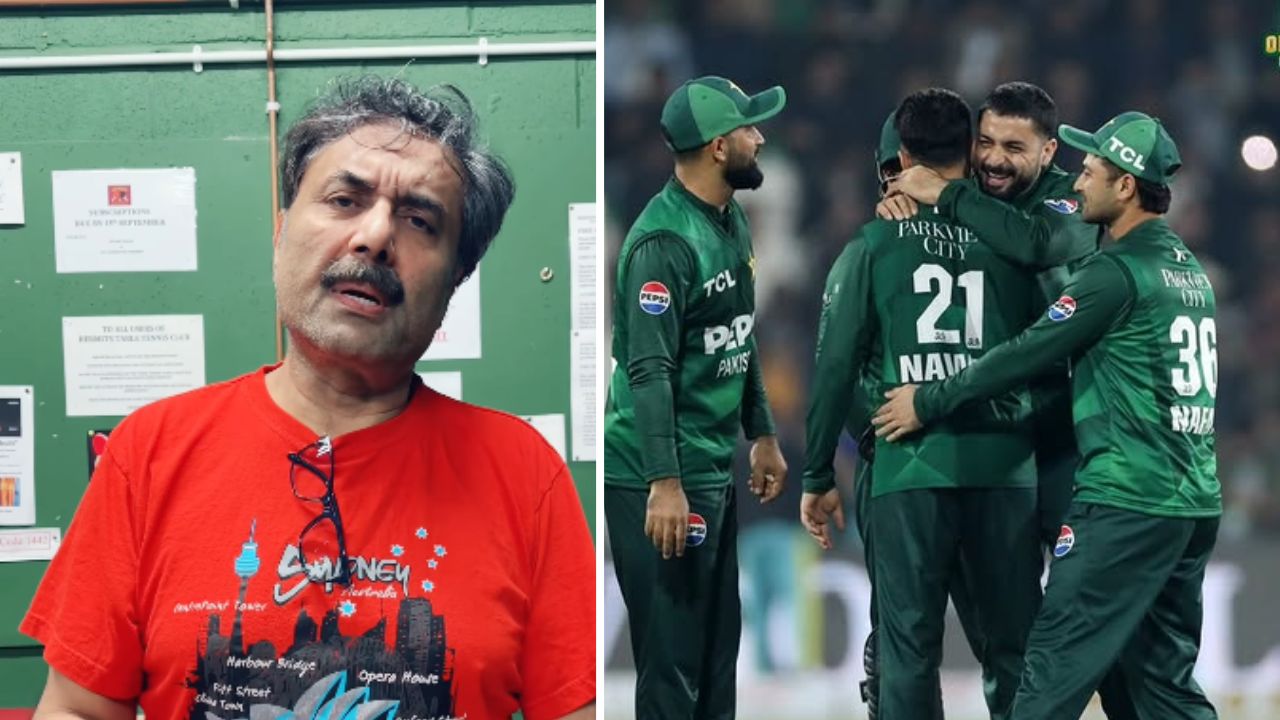
  • Internet bashes Aftab Iqbal for undermining Pakistan’s World Cup stance, ‘supporting Indian narrative’

    Internet bashes Aftab Iqbal for undermining Pakistan’s World Cup stance, ‘supporting Indian narrative’

    Pakistani journalist Aftab Iqbal faced a wave of criticism on social media after commenting on Pakistan’s decision to play against India in the ongoing T20 World Cup.

    Pakistan had initially refused to play following government instructions and tensions over the ICC’s handling of Bangladesh-related issues. The match, scheduled for February 15 in Colombo, became a hot topic after the PCB accused the ICC of bias.

    In a video posted on his social media accounts, Aftab Iqbal was asked about the U-turn on Pakistan’s cricket decision.

    “Frankly, it is an embarrassment. I would like to advise my general viewers that you should never issue a threat that you cannot act upon. When you threaten someone, you must be mentally prepared to follow through,” he said.

    He added, “It is exactly like giving someone a loan; you should already be mentally prepared for the possibility that the money may never come back.”

    Aftab Iqbal explained the wider impact of Pakistan’s decision.

    “The damage of this decision is that Pakistan is already known for making empty threats. Tomorrow, if someone threatens India again, what credibility will that threat have? We once said, ‘If you stop our water, we will stop your breathing.’ Neither was the water stopped, nor was anyone’s breathing stopped. Exactly the same thing has happened here.”

    He also warned about future credibility issues.

    “In the future, this pattern will continue. You will keep saying, ‘We have nuclear power, we have nuclear power,’ but people will stop taking you seriously. So now the question is: what should be done? The only answer is this: you must win the match against India at all costs. Your team is a good team. India’s team is not some unbeatable force. Comparatively, you are better than them.”

    He concluded by addressing the team’s morale.

    “Right now, you are demoralised. Your morale is down. And the biggest role in destroying your morale is played by your own government and rulers, who lower your morale day and night,” he said.

    Social media users were quick to react to his statements, with some suggesting he sounded like an Indian journalist.

    One wrote, “It was a tactic to pressurise ICC and BCCI. All Pakistan knew (except Aftab Iqbal) that the match will be played eventually.” Another asked, “Tu phly ya bta k Pakistani ho ya Indian?” A third commented, “Bewakuf ka dosra nam Aftab Iqbal hai. Bhai ICC khud ap k pass chal k aya hai.”

    Other users added, “Allah pak e hadiyat de apko,” “Waise bhi aapki credibility kya hai?” and “Sir aap se aisi language ki umeed nahi thi.”

    The controversy escalated after Bangladesh’s fast bowler Mustafizur Rahman was dropped from the IPL at the direction of the BCCI, leading Bangladesh to request the ICC move matches outside India. The ICC rejected the request and later replaced Bangladesh with Scotland.

    Pakistan stood in support of Bangladesh and initially refused to play India. However, after a request from the President of Sri Lanka and appeals from the Bangladesh Cricket Board, Pakistan agreed to play the fixture as per the schedule.

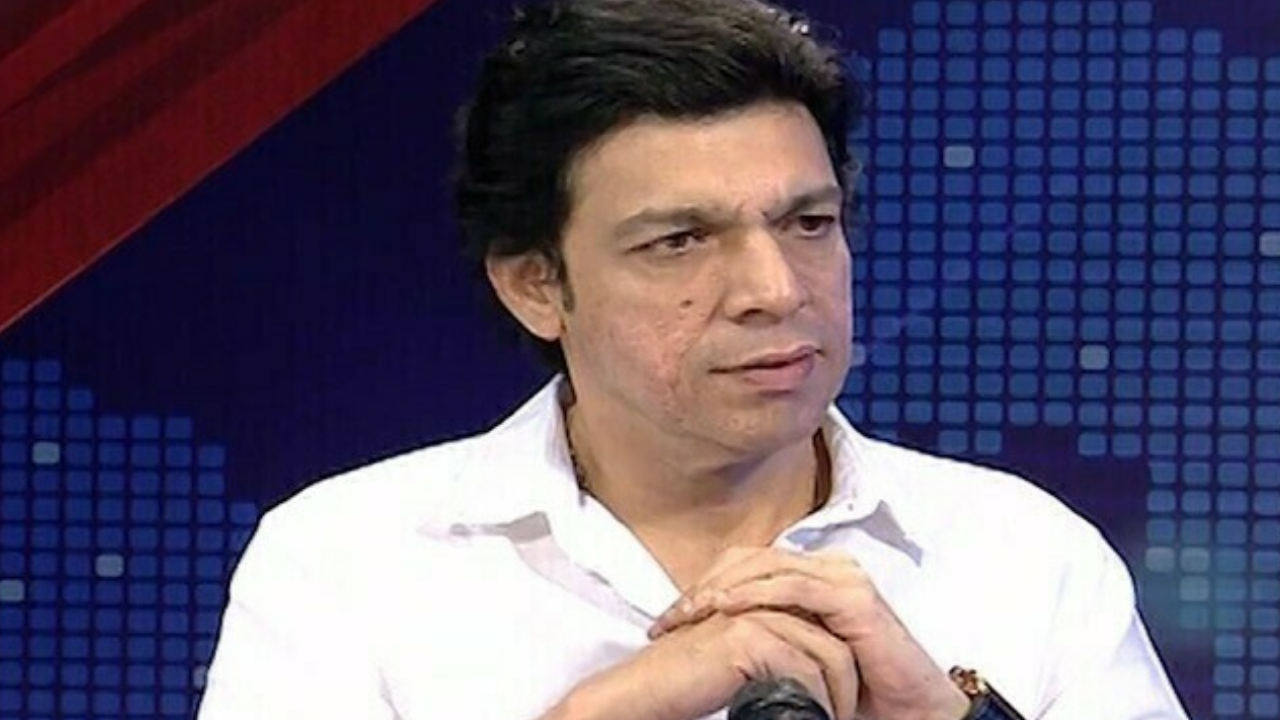
  • Faisal Vawda says ‘shooting 500 politicians’ could solve Pakistan’s problems

    Faisal Vawda says ‘shooting 500 politicians’ could solve Pakistan’s problems

    Senator Faisal Vawda has said that Pakistan’s problems cannot be resolved unless a large number of politicians from the past several decades are made examples of, including those who have died.

    Speaking on a private news channel’s program, Vawda said, “Until a minimum of 500 politicians, including those who have already died are made examples of, the country cannot move forward.” He added that the number could go up to 5,000, referring to top politicians who had governed Pakistan over the last 30 to 40 years.

    Vawda said even deceased politicians should be included. “They should be taken out of their graves and made examples of. They should be hanged or shot in public,” he stated. He said that punishments should be carried out openly.

    Recalling similar remarks he made after winning the 2018 general election, Vawda said, “I never forget what I say. In 2018, I said in the assembly that 5,000 people are responsible for the state of the country. Today, I say at least 500 of the top politicians should be executed.”

    Referring to Islamabad’s D-Chowk, a site frequently used for political protests, Vawda said, “D-Chowk is very famous because of protests, and this is where punishments should be carried out publicly.”

    During the discussion, Vawda also spoke about the 28th constitutional amendment, saying, “The 28th amendment will come, and the country will move into a better position. NFC and several other matters will also be addressed. Consensus, democratic consensus, will be achieved.”

    Separately,Vawda met President Asif Ali Zardari, where he said the political situation, parliamentary affairs, and other matters of mutual interest were discussed.

  • Pakistan’s decision to play India match saves ICC $174 million

    Pakistan’s decision to play India match saves ICC $174 million

    Pakistan’s decision to play against India in the group stage of the ongoing T20 World Cup has reportedly saved the International Cricket Council (ICC) around $174 million (around PKR48 billion).

    Media reports suggest that the estimated loss had been calculated in terms of broadcaster gate money and other sponsorship revenue. Following the announcement to restore the match, air ticket prices between Mumbai and Colombo saw a sharp increase.

    According to reports, ticket prices initially rose by 10,000 to 60,000 rupees. The hotel industry in Colombo also welcomed the decision, with many establishments expecting increased bookings due to the high-profile match.

    Earlier, after Pakistan announced a boycott, hotels were contacted for cancellations, and many cricket fans sought information regarding ticket refund policies for the Pakistan-India fixture.

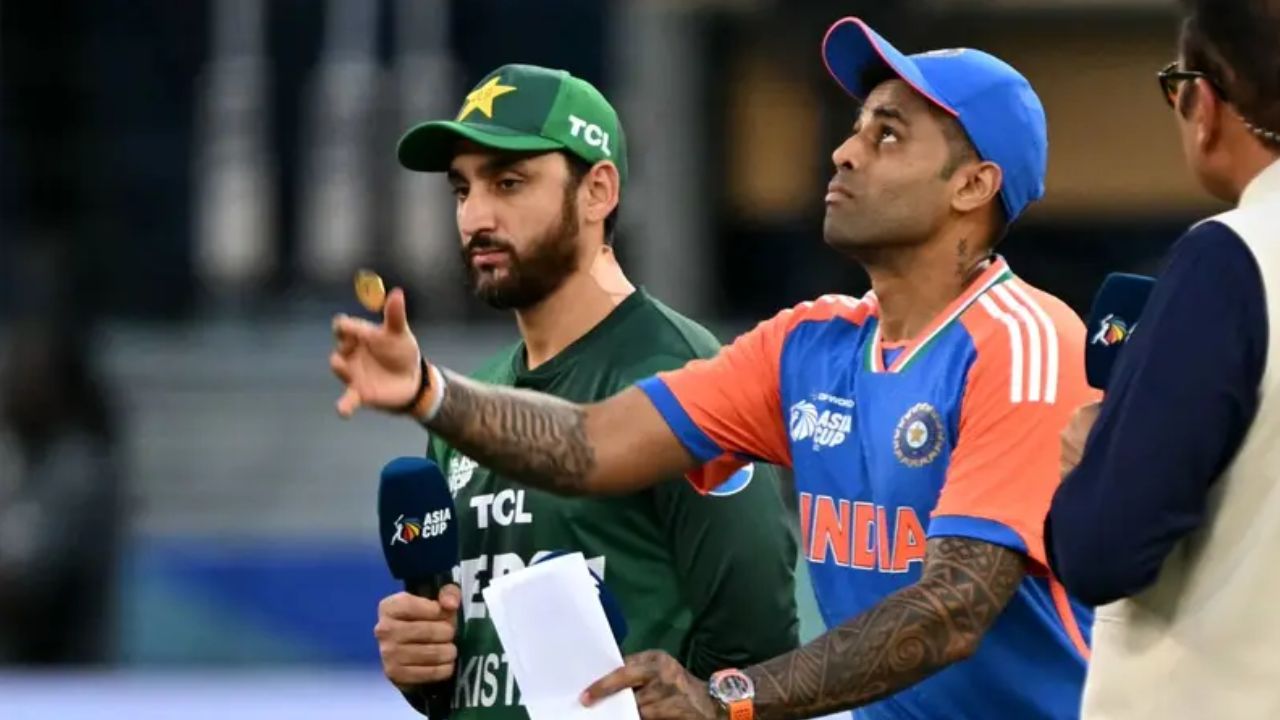
    Last night, the government of Pakistan allowed the national cricket team to play against India in the T20 World Cup 2026. In an official statement, the government confirmed that Pakistan will face India on February 15 as per the original schedule.

    Previously, Pakistan had announced a boycott of the match against India in solidarity with Bangladesh.

  • Internet reacts to Shehzadi Samra’s cameo in Mahira Khan, Fahad Mustafa’s upcoming movie

    Internet reacts to Shehzadi Samra’s cameo in Mahira Khan, Fahad Mustafa’s upcoming movie

    The 19-year-old social media star who went famous for her catchphrase “Acha jee, aisa hai kya” has made a cameo in the upcoming Pakistani film ‘Aag Lagay Basti Mein’, and the internet cannot keep calm.

    As per the details, first trailer of the upcoming film dropped on Monday, featuring Fahad Mustafa as Barkat, an honest man who struggles to get by, and Mahira Khan as his wife Almaas, who pushes him into petty crime.

    Javed Sheikh plays a crime boss, and comedian Tabish Hashmi appears as a menacing villain.

    While the trailer features action, cars, guns, comedy and glimpses of the couple’s domestic life – one scene even showing Mustafa in a prison jumpsuit – what caught everyone’s attention was a cameo by teenage social media star Shehzadi Samra. 

    “Featuring along with Fahad and Mahira is a lifelong achievement,” wrote one user while another said it was “plain awesome”.

    A third wrote, “So happy for her.” 

    Many others praised the movie itself, saying, “Na Maloom Afraad vibes” and “blockbuster trailer”.

    The film is set to release on Eidul Fitr, and audiences are excited to see this mix of star power, comedy and action.

  • Your existing solar contract is NOT at risk under new policy; here’s what really happened…

    Your existing solar contract is NOT at risk under new policy; here’s what really happened…

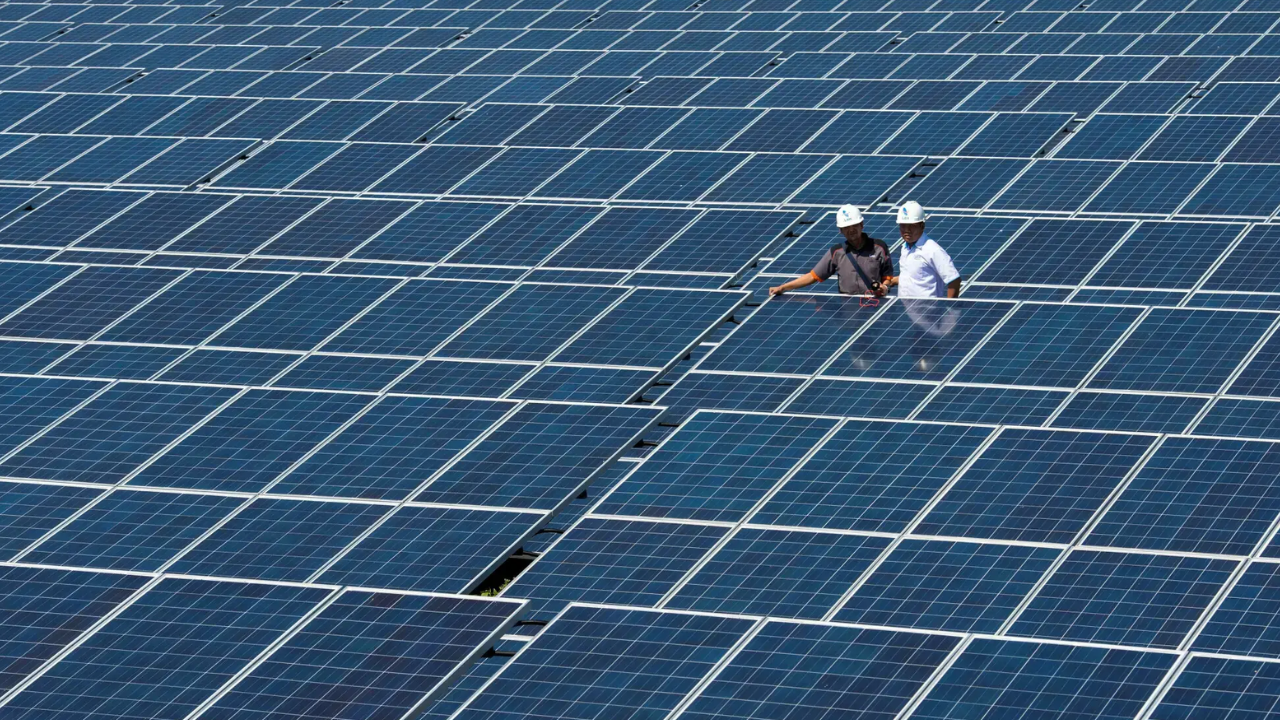
    The National Electric Power Regulatory Authority (NEPRA) has notified new regulations replacing Pakistan’s net-metering framework with a net-billing system for rooftop solar and other small-scale power producers, while allowing existing prosumers to continue under their current contracts until the end of their agreed term.

    The changes were introduced through the NEPRA (Prosumer) Regulations, 2026, which take effect immediately and repeal the Alternative & Renewable Energy Distributed Generation and Net Metering Regulations, 2015. The new framework applies to solar, wind and biogas systems.

    Under the revised regime, utilities will purchase surplus electricity generated by prosumers at the National Average Energy Purchase Price (NAEPP), currently around Rs11 per unit, while electricity supplied by distribution companies (Discos) will be billed to consumers at applicable tariffs ranging between Rs37 and Rs55 per unit, excluding taxes, surcharges and duties. The unit-for-unit exchange mechanism under net metering has been discontinued for future connections.

    Nepra clarified that existing registered prosumers will continue under their present agreements until expiry of their seven-year contracts. Any renewals or extensions after expiry will fall under the new net-billing framework. New applicants will be offered contracts limited to five years, renewable by mutual consent.

    The regulator notified the rules shortly after holding a public hearing, issuing the same draft without amendments. The notification has prompted claims that net metering has been abolished for all solar consumers, though the regulations maintain the existing contractual protections until expiry.

    Under net billing, electricity exported by a prosumer is sold to the Disco, while imported electricity is charged at the applicable consumer tariff. “In case the billed amount of the units supplied by prosumers exceeds the billed amount of units supplied by Disco, the net billed amount shall be credited against the prosumer’s next billing cycle or shall be paid by the licensee to the prosumer quarterly,” Nepra stated. Discos have not consistently made such payments in previous arrangements.

    For existing prosumers, export units will continue to be valued at Rs26 per unit for the remaining contract period, though credits will now be adjusted monthly instead of over three months. 

    The regulations restrict system size to the consumer’s sanctioned load and bar installations exceeding that limit. Discos are also prohibited from approving new connections if distributed generation capacity connected to a transformer reaches 80 per cent of its rated capacity. Systems of 250kW or above will require a mandatory load flow study.

    Nepra stated that all interconnection costs, including meters and grid upgrades, will be borne by the prosumer. A non-refundable concurrence fee of Rs1,000 per kilowatt has been introduced, and metering must support two-way measurement through bidirectional or dual meters.

    Utilities are required to acknowledge applications for interconnection of distributed generation facilities within five working days, complete technical assessments within 15 days and install interconnection facilities within 15 days after payment. Prosumers must also obtain formal concurrence from Nepra, which the regulator said would be issued within seven working days.

    The Power Division and Nepra have attributed grid pressures and rising capacity charges to the expansion of distributed solar generation. Officials have cited on-grid solar capacity of about 7,000MW and off-grid capacity exceeding 13,000MW, while pointing to widespread use of hybrid systems without meters. The new regulations, however, apply only to metered prosumers.

    Nepra has previously stated that high electricity costs were driving consumers toward decentralised generation. “Compounded by heavy taxes, levies and surcharges, particularly the Debt Servicing Surcharge, these factors collectively inflate electricity costs for consumers. The result is a shifting of consumers towards decentralised or off-grid solutions,” the regulator said in a recent observation.

    The regulations also grant Nepra authority to revise purchase rates during the life of agreements, issue binding directions, demand operational data and impose penalties. Discos retain the right to disconnect systems in cases of faults, non-compliance or maintenance, with or without notice, and prosumers are barred from selling electricity to third parties using the utility network.