Author: Hafiz Usman Aftab

  • Gianluigi Aponte: The Italian Tycoon Behind the $19 Billion Port Deal with Li Ka-shing

    Gianluigi Aponte: The Italian Tycoon Behind the $19 Billion Port Deal with Li Ka-shing

    In a massive global deal that has caught the attention of world powers, Italian shipping billionaire Gianluigi Aponte has taken center stage. His family-run company has emerged as the lead investor in a consortium set to acquire 43 port terminals from Hong Kong business legend Li Ka-shing. The agreement, valued at over $19 billion, marks one of the biggest shipping transactions in recent memory, and it’s already sparking geopolitical waves.


    Who is Gianluigi Aponte?

    Gianluigi Aponte, a self-made billionaire from Italy, is the founder of MSC (Mediterranean Shipping Company) — the world’s largest container shipping line. His low-key yet powerful presence in the global shipping industry has kept him out of the spotlight until now.

    With this latest move, Aponte’s Terminal Investment Ltd. (TiL), based in Geneva, will gain control of most of the 43 ports being sold. This puts Aponte at the heart of a transaction that stretches from Latin America to Europe and Asia and includes some of the most strategically vital ports in the world.


    What’s in the Deal?

    • Total ports involved: 43

    • Seller: CK Hutchison Holdings Ltd., owned by Li Ka-shing

    • Lead investor: Gianluigi Aponte’s TiL

    • Other investors: BlackRock Inc. and Global Infrastructure Partners (GIP)

    • Deal value: $19+ billion

    • Notable assets: Two major ports along the Panama Canal

    While TiL will take ownership of all but two ports, the Panama Canal terminals will be jointly owned: BlackRock’s GIP will hold 51%, while TiL holds the remaining 49%. These Panama ports make up around 4% of the deal’s total value.


    Why This Deal Matters

    This deal isn’t just a financial move—it’s a geopolitical chess game. The United States, China, and Panama are all watching closely:

    • China’s Concern: Beijing has openly opposed the transaction, largely due to US investment via BlackRock and GIP. China has previously enjoyed a strong influence over CK Hutchison’s port assets.

    • Panama’s Scrutiny: Panama’s top auditor has accused CK Hutchison of past irregularities, though the company has denied any wrongdoing.

    • Global Impact: The ports being sold span across multiple continents, handling massive volumes of global trade. Ownership of these terminals gives Aponte significant leverage in international shipping routes.


    Why Gianluigi Aponte’s Role Is Crucial

    CK Hutchison reportedly selected the Aponte-led group over other bidders because of the longstanding relationship between Aponte and Li Ka-shing. According to sources close to the matter, CK Hutchison believes the ports will remain in “trusted hands” under Aponte’s guidance.

    What makes this especially notable is how Gianluigi Aponte’s family business now controls a major part of the global port network, elevating his influence in both commercial and political circles. Despite his preference for privacy, Aponte is now in the spotlight.


    What Happens Next?

    The deal is not yet final. A number of steps remain:

    • Due diligence

    • Regulatory approvals from every country where the ports operate

    • Tax and accounting checks

    However, the buyers have already promised to maintain current port operations. Most terminals will remain open-access for all shipping lines, keeping the global shipping industry competitive and fair.


    What is Terminal Investment Ltd. (TiL)?

    TiL is the port operating arm of MSC, co-owned by Aponte’s family. It manages over 70 terminals in 31 countries, and now, it’s about to add dozens more to its global portfolio.

    TiL’s partners include BlackRock and Singapore’s GIC, which together own roughly 30% of the company. This strategic partnership adds financial firepower and global backing to Aponte’s already massive shipping empire.


    Stock Market Reaction

    Following news of the deal, CK Hutchison shares jumped by as much as 3.8% in Hong Kong trading, showing strong investor confidence. However, the company’s stock remains down nearly 1% for the year.


    Key Takeaways

    • Gianluigi Aponte’s TiL will lead the $19 billion acquisition of 43 ports from Li Ka-shing’s CK Hutchison.

    • The deal has sparked political pushback from China and regulatory concerns from Panama.

    • Terminal Investment Ltd. will control nearly all ports, while BlackRock will co-own the Panama terminals.

    • This move cements Aponte’s influence in the global port and shipping industry.


    Final Thoughts

    This deal puts Gianluigi Aponte front and center in a battle that goes far beyond business. With billions at stake, and the eyes of China, the U.S., and global regulators watching closely, Aponte is now a key player in both shipping and geopolitics.

    It’s not just a port deal. It’s a global power shift — and Gianluigi Aponte is steering the ship.

    Read More: Tiger Woods Congratulates Rory McIlroy on Masters Win and Career Grand Slam Achievement

  • China Exposing Luxury Brands: Truth Behind Western Luxury Uncovered

    China Exposing Luxury Brands: Truth Behind Western Luxury Uncovered

    In a world where luxury items like Chanel, Hermès, and Prada are seen as ultimate status symbols, a new wave of revelations has shaken the global fashion scene. Thanks to viral social media clips, Chinese manufacturers and influencers are exposing luxury brands, revealing how many of these pricey items are made cheaply in Chinese factories, then sold at jaw-dropping prices with fancy European labels. This exposé is turning heads and raising eyebrows in the ongoing tariff war between China and the United States.


    The Modern “Emperor’s New Clothes”

    The situation feels eerily similar to the old tale of The Emperor’s New Clothes. In the story, a vain emperor is tricked into believing he’s wearing clothes invisible to the unworthy. Today, it’s luxury brand consumers who are realizing the expensive items they bought for prestige are often made for pennies in the same factories as lower-end products.

    Chinese business insiders and social media influencers have started showing behind-the-scenes factory footage, exposing how high-end bags, shoes, and accessories are produced at incredibly low costs. One TikTok video even revealed that Birkin bags, which can retail for over $30,000, might only cost around $1,400 to manufacture in China.


    What Brands Are Being Exposed?

    From Chanel, Gucci, Dior, Hermès, Prada, to Ralph Lauren, many well-known names are being called out. A popular Chinese consulting CEO even listed 30+ luxury brands said to manufacture their products in China.

    These include:

    • Chanel

    • Hermès

    • Dior

    • Prada

    • Gucci

    • Louis Vuitton

    • Coach

    • Michael Kors

    • Lululemon

    • Nike

    • Apple (for accessories)

    Despite the Made in China origin, these products are later shipped to Europe or the US for branding and packaging, allowing them to carry “Made in Italy” or “Made in France” labels.


    The Price Gap: Why It Matters

    The production cost of luxury items is often less than 10% of the retail price. For example, a $500 luxury bag might cost just $30 to produce. The remaining cost goes to branding, marketing, retail markup, and prestige pricing.

    This gap not only questions the value of luxury goods, but also the ethics of the brands, who rely on the illusion of exclusivity and “superior quality” while paying minimal wages to manufacturers.


    China’s Role: Pulling Back the Curtain

    By sharing this information, China is exposing luxury brands and peeling back the glamorous image that many Western companies have carefully built. TikTok creators and factory insiders are boldly saying what many already suspected: “Luxury doesn’t always mean better quality—it just means better marketing.”

    This movement has also led to a rise in direct-to-consumer sales, where people are encouraged to buy factory-made products without the label markup, saving hundreds or even thousands of dollars.


    Impact of Trump’s Tariff War

    This exposure coincides with escalating US-China trade tensions. Under former President Donald Trump’s “Liberation Day” tariff policy, the US imposed steep tariffs on Chinese imports, going from 10% in February 2025 to a whopping 145% by April.

    In retaliation, China slapped a 125% tariff on US goods. But while the trade war rages on, China has used the spotlight to show that Western economies heavily rely on Chinese production, even for their most expensive, high-end goods.

    Ironically, even luxury electronics and smartphones, once considered exempt, are now subject to tariffs. While the US claims it’s “punishing China,” the exposure of luxury brands has started turning public sentiment the other way.


    Global Reactions and Soft Power Shift

    Many consumers, especially Gen Z and Millennials, are applauding China’s efforts. They see this not as an attack, but as an honest revelation of what the luxury industry is: a symbol of wealth more than craftsmanship.

    Some influencers have gone as far as saying that Western luxury goods are one of the last forms of soft power left for the US and Europe, and now that power is being questioned.

    Comments like, “Why pay $3,000 for a bag that costs $80 to make?” are gaining traction online.


    What This Means for the Future of Fashion

    The exposure has triggered a conversation about:

    • Ethical pricing

    • Supply chain transparency

    • The illusion of luxury

    • Empowering consumers to make informed purchases

    Luxury brands now face a crucial decision: either open up about their production practices or risk losing trust among younger, more informed buyers.


    Conclusion

    China exposing luxury brands is more than just a viral moment—it’s a turning point in how we view luxury, economics, and global trade. Much like the emperor in the fairytale, the public is waking up to the truth: many of these expensive brands aren’t as exclusive or special as they seem.

    As the trade war unfolds and more manufacturers speak out, one thing is clear: the veil of Western luxury has been lifted, and the world is finally seeing what lies beneath.

    Read More: Yusuf Pathan Faces Backlash for ‘Good Chai’ Post Amid Murshidabad Violence

  • Jude Bellingham Sparks Real Madrid Drama Before Arsenal Tie

    Jude Bellingham Sparks Real Madrid Drama Before Arsenal Tie

    Just days before Real Madrid’s high-stakes clash against Arsenal in the Champions League, chaos seemed to erupt behind the scenes. A tense training ground altercation, mounting scrutiny from fans, and a noticeable dip in form have all placed the spotlight firmly on one of the club’s biggest stars: Jude Bellingham. In the lead-up to what many consider a season-defining match, drama off the pitch may end up influencing what happens on it.


    Training Ground Tension with Rudiger

    The situation escalated when reports emerged of a heated exchange between Jude Bellingham and teammate Antonio Rudiger during a closed-door training session. Witnesses described the confrontation as intense enough to warrant physical intervention from fellow players. Though no official statements were released, whispers around Valdebebas indicate that frustrations have been simmering for weeks, fueled by the immense pressure of the upcoming fixture and recent setbacks on the field.

    This isn’t the first time tensions have flared within the squad. A few weeks prior, murmurs of discord had begun surfacing during Madrid’s league performances, hinting at potential cracks within the star-studded lineup. The Rudiger incident may just be the most visible sign yet of deeper undercurrents within the dressing room.


    Ancelotti and Bellingham: The Relationship Strain

    Further adding to the narrative is the reported tension between Bellingham and Real Madrid’s manager, Carlo Ancelotti. Cameras caught a frosty moment during their last Champions League outing, where tactical instructions appeared to be shrugged off mid-match. Ancelotti’s subtle post-match remarks hinted at frustration without naming names, but for those reading between the lines, the message felt pointed.

    Moments like these raise questions about cohesion and leadership. With the Arsenal clash looming large, any disharmony could prove costly. Whether this strain between manager and midfield star is tactical or personal, the timing couldn’t be worse.


    Fan Frenzy: Online Reactions & Trends

    While the drama unfolded on the pitch and training ground, fans took the action to social media, fueling a wave of trending discussions and memes. One standout topic? The Jude Bellingham haircut. What started as a casual snapshot from practice turned into a viral sensation, with memes, side-by-side comparisons, and parody accounts springing up overnight.

    Alongside the haircut craze, merchandise sales saw an unexpected boost. The Jude Bellingham jersey became one of the top-selling items on several sports apparel sites, reflecting both his enduring popularity and the heightened attention surrounding him. The viral nature of this trend underscores how football today is as much about personality and image as it is about performance.

    And in the age of pop culture crossovers, Bellingham’s haircut was even referenced by influencers, TikTok creators, and fashion pages. Suddenly, a moment that could’ve faded quietly turned into a defining aspect of his current media cycle.


    Bellingham’s Current Form: Stats Don’t Lie

    Beneath the memes and drama lies a critical footballing question—how has Jude Bellingham really performed in recent weeks? According to recent Jude Bellingham stats, there’s been a clear decline in attacking output. After a blistering start to the season with goals flowing consistently, his contributions have dipped noticeably since Real Madrid adjusted their formation to accommodate new attacking talents.

    Now operating in a deeper midfield role, his influence has shifted from goalscorer to distributor. While his passing accuracy and tackles remain impressive, the lack of goal involvements has drawn criticism from pundits and fans alike. The timing of this slump is particularly unfortunate, as expectations are sky-high heading into the quarter-final clash.

    A full breakdown of his stats reveals a nuanced picture—less flashy, more functional. The real question is whether this role shift is a strategic decision or a symptom of waning form.


    The Bigger Picture: Age, Pressure & Expectations

    At the heart of all the conversation lies a simple but crucial fact—Jude Bellingham age is just 21. For a player carrying the weight of one of the world’s biggest clubs, it’s easy to forget how young he is. Comparisons to club legends and the pressure to perform week in and week out have created an environment few players his age could thrive in without occasional friction.

    The weight of expectation is enormous. Every missed pass, every substitution, every facial expression is analyzed to exhaustion. With a young age comes boundless potential, but also a margin for growing pains. The recent string of events might not signal a permanent problem, but rather a normal ebb in a player’s development arc.

    Even the most iconic careers are built not just on victories, but on how challenges are handled along the way.


    Conclusion: Distraction or Determination?

    As kickoff against Arsenal approaches, all eyes are fixed on how Real Madrid and their midfield talisman will respond. Will the training ground spat linger in the locker room? Will the dip in form continue under pressure? Or will this moment of adversity ignite a powerful comeback?

    The stage is set, and the storylines are many. One can explore more angles and match-related breakdowns in this related post: Arsenal Stun Real Madrid 3-0 in Champions League Quarter Final

    Whatever unfolds on matchday, one thing is certain—Jude Bellingham remains the name on everyone’s lips, whether for his skill, his swagger, or the storm he’s stirring in Madrid.

  • Bangladesh women vs Scotland women: T20WC 2024 Shocker

    Bangladesh women vs Scotland women: T20WC 2024 Shocker

    Match Overview

    The stage was set in Sharjah for a historic Group B opener in the ICC Women’s T20 World Cup 2024, where Bangladesh and Scotland met in a showdown that delivered drama, grit, and an unexpected shift in the tournament narrative. The Bangladesh women vs Scotland women match wasn’t just another fixture; it was an emotionally charged contest between a side desperate to break a long streak of losses and another scripting its first-ever chapter on this world stage.

    For Bangladesh, the match carried the weight of past disappointments. Having gone winless across 16 previous World Cup matches, the pressure to perform wasn’t just sporting—it was symbolic. Scotland, meanwhile, entered as newcomers, unburdened by past records but fueled by the hunger to prove their place among cricket’s elite. Recent form hinted at a close contest, but no one quite expected what was about to unfold.


    Toss, Pitch Report & Playing XIs

    A dry, low-bouncing surface at Sharjah greeted both teams. Winning the toss, Bangladesh chose to bat first—an aggressive decision that surprised many, given the general trend of chasing at this venue. The pitch, however, was a slow-turning track better suited for defending totals, especially under lights.

    The lineups featured familiar names and fresh faces. Bangladesh fielded a balanced XI with key players like Murshida Khatun, Ritu Moni, and captain Nigar Sultana leading the charge. Scotland, debuting at this level, placed their hopes on experienced campaigners like Sarah Bryce and captain Kathryn Bryce.


    Bangladesh Women’s Innings

    From the onset, Bangladesh played with intent. Opener Shathi Rani and Murshida Khatun set the tone early, stitching together a patient yet purposeful partnership. The powerplay didn’t see fireworks, but a stable 38/1 ensured a foundation was laid.

    Murshida, anchoring the innings, played a calculated knock of 36 runs. Boundaries were rare, but rotation of strike and sharp running made up for it. The innings peaked in the middle overs, where Bangladesh capitalized on loose deliveries and misfields, pushing the score beyond the psychological 100-run mark.

    The final push came courtesy of Ritu Moni and Nahida Akter, who added crucial runs at the death. Ending at 119/7, it wasn’t a massive total, but on a sluggish Sharjah pitch, it felt like a defendable one.


    Scotland Women’s Response

    In reply, Scotland found themselves under immediate pressure. Wickets fell in clusters, with the scoreboard reading 26/3 inside six overs. Bangladesh’s spinners were clinical, applying pressure with disciplined lines and teasing lengths.

    Sarah Bryce stood as a lone warrior, crafting an unbeaten 49 that held the innings together. Despite her resilience, the lack of partnerships around her meant Scotland could never quite recover. Boundaries dried up, and the required rate kept creeping.

    Finishing at 103/7, Scotland fell 16 runs short in their T20 World Cup debut. It was a valiant effort but came undone by Bangladesh’s calculated bowling and sharper fielding.


    Bangladesh Women vs Scotland Women Match Scorecard

    The Bangladesh Women vs Scotland Women match scorecard highlighted the key moments. Murshida’s 36, Ritu Moni’s 2/15, and Bryce’s 49 not out were standout entries on the sheet. Bangladesh’s economical bowling—especially from the spinners—proved decisive, with four bowlers conceding under six runs per over.

    Fall of wickets told a compelling story. Scotland never had a settled partnership beyond the initial few overs, which tilted the game early. Bangladesh, though not dominant with the bat, were clinical in execution when it mattered most.


    Bangladesh Women vs Scotland Women Dream 11 Insights

    Pre-match fantasy leagues leaned heavily on Bangladesh’s batters and Scotland’s top order. However, the Bangladesh women vs Scotland women dream 11 scenario played out quite differently.

    Ritu Moni emerged as the dark horse, not only picking up two wickets but also contributing valuable runs. Most fantasy players who banked on her were pleasantly surprised. Murshida’s stable knock added dependable points, while Sarah Bryce rewarded fantasy selectors who trusted her experience.

    Interestingly, many Dream 11 players avoided Bangladesh’s bowlers in anticipation of Scottish batters making a bigger impact—a miscalculation that proved costly. As the tournament progresses, this match will serve as a learning curve for fantasy enthusiasts keeping an eye on unpredictable turning points.


    Key Highlights & Takeaways

    Ritu Moni deservedly walked away with the Player of the Match title. Her composure under pressure, both with bat and ball, was instrumental in scripting Bangladesh’s first-ever win at a T20 World Cup. The emotional weight of that moment can’t be overstated.

    For Bangladesh, the victory wasn’t just about two points—it was about belief. A 16-match winless streak shattered, and a new chapter begun. For Scotland, though the result stung, the match offered valuable exposure. Sarah Bryce’s maturity, even in defeat, was a major positive.

    Beyond numbers, this game reminded fans of why sports matter—redemption, hope, and resilience. It mirrored the everyday journey of trying, failing, and finally breaking through.


    What’s Next in Group B

    Looking ahead, both teams will face stiffer competition. Bangladesh, buoyed by confidence, will eye a spot in the semifinals. Their next matches against stronger opposition like South Africa and England will demand more consistency and sharper execution.

    Scotland, on the other hand, must regroup quickly. With matches still to play, a spirited comeback isn’t off the table. The key will be building partnerships and maintaining composure under pressure.

    Group B now feels more open than expected. The upset in this Bangladesh women vs Scotland women match has already reshaped predictions and given fans a reason to stay hooked.

    Explore more international women’s cricket match coverage, including thrilling moments from the Pakistan Women vs West Indies Women clash, where another underdog narrative unfolded in style.

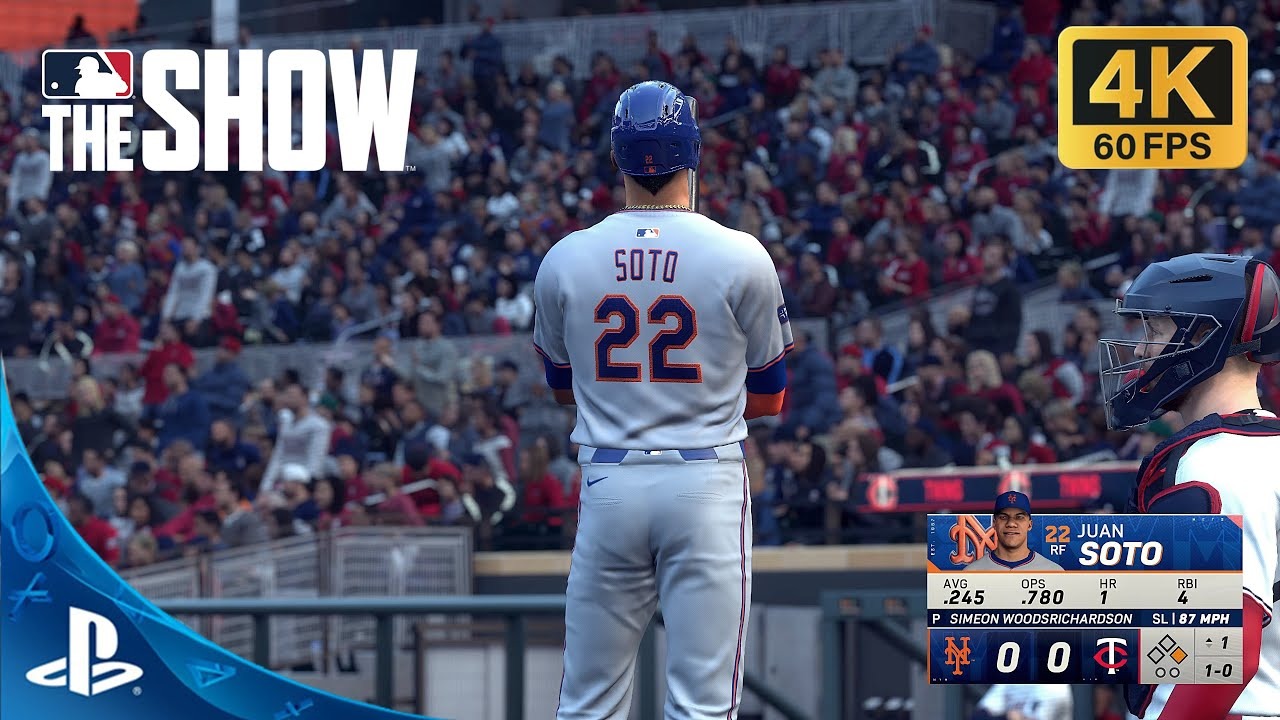
  • Mets vs Twins: Soto’s Blast and Alonso’s Fire Power Win

    Mets vs Twins: Soto’s Blast and Alonso’s Fire Power Win

    When the Mets faced off against the Twins this April, expectations were sky-high. With both teams eyeing momentum early in the season, this Mets vs Twins matchup wasn’t just another game – it was a statement. Packed stadiums, buzzing commentary, and heated predictions set the tone well before the first pitch.

    The buzz around the Mets vs Twins prediction had already stirred discussions across sports networks. Analysts leaned toward the Mets, citing recent offensive bursts and a tighter bullpen. Others gave the edge to the Twins, banking on their consistency and home field advantage. All signs pointed toward a battle, and what unfolded delivered exactly that – plus a few fireworks.


    Game Highlights & Score Summary

    The Mets vs Twins score read 5-1 by the final inning, but the game told a far more nuanced story. The early innings were a classic back-and-forth, each side probing for weakness. A standout defensive play by the Twins in the second hinted at resilience, while a missed opportunity with runners in scoring position suggested frustration brewing in the Mets’ dugout.

    It wasn’t until the fourth inning that things exploded. With runners on and pressure mounting, Juan Soto launched a towering two-run homer that not only broke his personal drought but cracked the game wide open. That swing, smooth and savage, set the tone for what was to come.

    By the sixth, Pete Alonso added his stamp to the narrative. With precision and power, he punched a double that brought in another run, extending the Mets’ lead. Key plays like these turned the tide and laid the foundation for a final Mets vs Twins score that, while dominant, was built on smart baseball and critical timing.


    Soto’s Home Run: Breaking the Slump

    Before this game, whispers of concern had started to circle Juan Soto. A 13-game home run drought isn’t exactly panic-worthy, but for someone of Soto’s caliber, eyes were watching. Then came the swing. It wasn’t just a homer – it was a message.

    Mets vs Twins stats from that moment forward reflected a shift. Soto ended with multiple RBIs, showing not just power, but renewed timing at the plate. His blast injected life into the Mets’ offense and ignited the crowd. More than just breaking a slump, it rekindled confidence in the heart of the lineup.


    Alonso’s Dominance at the Plate

    If Soto was the spark, Pete Alonso was the engine. His performance in the Mets vs Minnesota Twins match player stats told a story of consistency and impact. Alonso reached base four times, drove in a run, and dictated the pace with his disciplined approach.

    Statistically, he continues to anchor the Mets’ offense with reliability. His ability to produce under pressure, particularly against a formidable Twins pitching staff, reflected the kind of leadership this squad relies on. In a game where opportunities were limited, Alonso made the most of every moment.


    Team Performance Breakdown

    Beyond the headline names, the Mets delivered as a cohesive unit. Offensively, the batting lineup showed depth, with multiple hitters reaching base and applying pressure. Defensively, there were clean innings, heads-up plays, and controlled pitching from the bullpen.

    In contrast, the Twins struggled to capitalize. The Mets vs Twins stats revealed a dip in execution for Minnesota – particularly with runners on base. While the Twins showed flashes of potential, they lacked the finishing edge that the Mets maintained across all nine innings.

    Looking at the Mets vs Minnesota Twins match player stats collectively, the edge clearly tilted toward New York. From OBP to slugging percentages, the numbers backed the narrative.


    What This Means Going Forward

    Momentum can be everything early in a baseball season. For the Mets, this win not only extends their hot streak but fuels confidence heading into the next games of the series. Updated Mets vs Twins prediction models now favor New York even more strongly, especially given their current run of 9 wins in 11 games.

    But it’s not just about numbers. This game showcased chemistry, resilience, and timely execution. The Twins, while falling short this time, have the tools to bounce back – and they’ll look to adjust in the next outing.

    As anticipation builds for the continuation of this series, all eyes are on how the Twins will respond and whether the Mets can maintain this energy. For those tracking the narrative, the next clash in the twins vs mets storyline could shift the tone of the season.

    For deeper analysis of parallel matchups and similar game dynamics, readers can explore this related post: Canada vs Argentina: Copa Clash Recap and Key Moments. It offers a broader view on how early momentum swings can define the path forward for competitive teams.


    Conclusion

    The latest chapter in the Mets vs Twins rivalry delivered action, storylines, and standout stats. With Soto finding his swing and Alonso leading the charge, the Mets have sent a clear signal. As the series progresses, prediction models and fan expectations will evolve – but one thing remains certain: this matchup has become must-watch baseball.

    Stay tuned as the story continues to unfold, one inning at a time.

  • Karmelo Anthony Case: Teen Murder Suspect Sparks Uproar

    Karmelo Anthony Case: Teen Murder Suspect Sparks Uproar

    A name familiar to many sports fans suddenly found itself attached to an entirely different story—one rooted not in arenas or athleticism, but in violence, tragedy, and courtroom drama. The Karmelo Anthony case surged into the global spotlight after a fatal stabbing at a Texas high school track meet shocked an entire community and reignited fiery debates over juvenile justice.

    What makes this headline even more gripping is the confusion tied to the name. Despite the similarity, this Karmelo Anthony bears no relation to the famed NBA player. Instead, the story centers on a 17-year-old student whose involvement in a fatal altercation led to murder charges and intense national scrutiny.

    The sudden virality of the Karmelo Anthony case has more to do with the brutality of the incident and the controversy surrounding the legal handling, than it does with name recognition. And as events unfold, what started as a local tragedy has spiraled into a larger conversation about how the justice system treats young offenders.


    What Sparked the Violence?

    The confrontation reportedly began over something as simple—and tragically common—as seating arrangements. On April 2, 2025, during a high school track meet in Frisco, Texas, a disagreement between students escalated quickly. According to multiple reports, the accused teenager—Karmelo Anthony—allegedly stabbed Austin Metcalf, another student, in what authorities describe as a premeditated act following rising tensions.

    Eyewitness accounts vary in specifics, but all agree on one detail: the altercation happened in front of dozens of stunned students and spectators. Some witnesses claim there had been prior exchanges of words and tension between the two. Others noted that the speed of escalation took everyone by surprise.

    What began as a seating dispute ended in a fatal act that has left a school community reeling and a family mourning.


    The Karmelo Anthony Judge’s Pivotal Decisions

    In the courtroom, the decisions that followed sparked widespread controversy. Initially held on a $1 million bond, the accused was later granted release after the Karmelo Anthony case judge approved a reduced bail of $250,000. As part of the release conditions, the teen was placed under house arrest and fitted with an electronic ankle monitor.

    The role of the Karmelo Anthony judge became a key focus point of public discourse. Many questioned the leniency of the bail reduction, especially in a case involving first-degree murder charges. Legal experts were quick to point out that because of Supreme Court rulings regarding minors, neither the death penalty nor life without parole could be applied—fueling more frustration from those seeking harsher accountability.

    The Karmelo Anthony case judge, however, was operating within the boundaries of existing juvenile justice guidelines, leaving critics torn between legal precedent and public expectations.


    Internet Reactions and Backlash

    What unfolded online was a storm of commentary. Hashtags tied to the Karmelo Anthony case began trending across platforms like X (formerly Twitter), TikTok, and Instagram. Public outrage centered around the perceived lightness of the punishment and fears of a flawed system giving a violent offender an opportunity to walk free.

    Petitions began circulating, demanding a reevaluation of juvenile crime laws. Comment sections flooded with debate, ranging from concerns over public safety to deeper issues of racial and socio-economic bias within the judicial system.

    One viral post questioned whether a different judge or jurisdiction would have made the same decisions, sparking comparisons to similar high-profile cases from the past. Others defended the court’s actions, pointing out the age of the defendant and the constitutional protections afforded to juveniles.

    Even within professional legal circles, opinions were split. Some defended the judge’s ruling as consistent with juvenile law doctrine. Others claimed the decision failed to acknowledge the severity of the alleged crime.


    Implications for Juvenile Justice Policy

    The Karmelo Anthony case has exposed significant fissures in the public understanding of juvenile law. While the system emphasizes rehabilitation over punishment for minors, cases involving violent crimes challenge that framework in emotionally charged ways.

    Critics argue that the system struggles to balance fairness with public safety. The ruling in this case raised the question: How should society handle minors who commit adult-level crimes? And does leniency in sentencing unintentionally diminish the seriousness of such offenses?

    Drawing parallels to similar past cases, some have pointed to the 2020 stabbing incident in Colorado Springs involving a 16-year-old, where community members also expressed outrage at perceived judicial leniency. In both instances, the spotlight landed squarely on the judge’s discretion—bringing renewed scrutiny to policies governing youth offenders.

    For those interested in legal matters involving public backlash, the latest exploration of controversial cases may want to explore this Court jails three in Khalil ur Rehman Qamar kidnapping case.


    Summary

    As it stands, the Karmelo Anthony case is still unfolding. The next court appearance will determine whether the teen’s trial proceeds to a jury. Meanwhile, public debate rages on, not only about the judge’s decisions, but about the broader implications for justice in cases involving youth and violent crime.

    The Karmelo Anthony case judge may have followed the letter of the law, but the court of public opinion remains divided. What unfolds in the coming weeks could influence not just the outcome of one trial, but the national conversation around juvenile justice for years to come.

    Those following this case closely can expect updates as legal proceedings continue and new details emerge. And for readers seeking a deeper understanding of how justice and controversy intersect, the case remains a compelling—if troubling—study in the limits of law and the weight of public reaction.

  • Harvard in Crisis: $2.3B Funding Blocked by U.S. Feds

    Harvard in Crisis: $2.3B Funding Blocked by U.S. Feds

    In a decision sending shockwaves through academic and political circles alike, the U.S. federal government has frozen $2.3 billion in funding allocated to Harvard. The move, described by many as unprecedented, is part of a growing standoff between national leadership and some of the country’s most prestigious educational institutions.

    This Harvard funds freeze isn’t just about numbers—though the $2.3B figure alone is staggering. It’s about deeper ideological divides, conflicting visions of education’s role in society, and an evolving debate over who controls the future of learning in America. From scholarships to research programs, the impact is expected to ripple across multiple layers of the university structure.


    Why the U.S. Government Froze Harvard’s Funds

    The freeze didn’t happen in a vacuum. It follows a series of clashes over federal policy mandates, particularly around diversity, equity, and inclusion (DEI) initiatives, cooperation with immigration enforcement, and the use of face coverings during student protests. These issues have been flashpoints not just at Harvard, but across several elite institutions nationwide.

    At the heart of the conflict lies a demand from federal agencies: comply with new requirements around merit-based admissions, restrict protest activity, and scale back programs seen as ideologically biased—or face the loss of federal support.

    While the measures have been publicly framed as efforts to restore neutrality and academic rigor, critics argue they’re politically motivated. For Harvard, the issue transcends politics. It’s a matter of academic freedom, institutional autonomy, and cultural identity.


    Harvard Refuses to Comply: A Statement of Principle

    In response, Harvard refuses to bow to pressure. University officials released a statement asserting their commitment to core values of inclusion, free inquiry, and intellectual independence. “We will not compromise the integrity of our mission for political expediency,” the university declared in a press briefing last week.

    The stance has garnered both praise and backlash. Some members of the academic community view it as a courageous defense of freedom, while others, particularly on Capitol Hill, see it as defiance. Demonstrations erupted on campus, student groups held solidarity events, and university faculty voiced support for the leadership’s decision.

    This moment echoes past stand-offs between institutions and the government. But the scale is different. The Harvard funds freeze could mark a turning point in how funding and policy interact in higher education.


    What This Means for the Future of Harvard

    With billions in funding now frozen, the university faces difficult decisions. Potential cuts to financial aid, delays in research grants, and restructuring of administrative roles are all on the table. Ongoing programs supporting international collaboration and public service may also be affected.

    There is talk of legal action, and Harvard’s governing board is reportedly consulting constitutional scholars and federal law specialists. Regardless of the outcome, the crisis has forced a larger question into the spotlight: who decides what universities can and cannot do?

    Some insiders speculate that the funding freeze might drive reforms in how universities govern themselves. Others worry it could set a precedent—one where academic compliance is tied more directly to political ideologies than to educational standards.


    Fast Facts About Harvard

    For readers curious about the institution at the center of the storm, a few clarifying points are worth noting. First off, is Harvard in Boston? Not exactly. Harvard University is located in Cambridge, Massachusetts, just across the Charles River from Boston. The proximity often causes confusion, but it’s technically a separate city.

    And for global readers wondering, Harvard University in which country?—it’s in the United States, and is considered one of the oldest and most prestigious universities in the country. Established in 1636, it has long been a symbol of academic excellence, drawing students and faculty from across the world.

    Despite its elite reputation, Harvard has continually evolved to reflect changing societal norms, embracing a more inclusive and globally conscious identity in recent years.

    For those interested in how global education programs are being impacted more broadly, especially in light of funding and policy changes, related updates can be found in this coverage on UGRAD Pakistan ending its global exchange program. It presents another perspective on how institutions are adjusting to new realities.


    What Comes Next in the Harvard Crisis?

    As legal teams mobilize and media coverage intensifies, all eyes are on the next move—on both sides. Will the federal government double down on its demands, or will negotiation open a path forward? And will other universities follow Harvard’s lead or take a more cautious route?

    The outcome may well define a new chapter in U.S. higher education policy. For now, the Harvard community remains in a holding pattern—balancing resilience with uncertainty.

    And while the Harvard funds freeze has placed the institution under a harsh spotlight, it has also sparked a wider reflection on the intersection of education, governance, and freedom.

  • Why Maxton Hall Is Trending in 120+ Countries Right Now

    Why Maxton Hall Is Trending in 120+ Countries Right Now

    In recent weeks, the buzz surrounding Maxton Hall has become undeniable. What began as an under-the-radar release has quickly grown into a worldwide sensation, topping charts and captivating audiences in more than 120 countries. Its global reach is impressive, especially considering how rapidly it spread across streaming platforms. Whether it’s the gripping storyline or the chemistry between the characters, Maxton Hall has sparked a global obsession.

    But what’s behind its sudden rise to fame? Why has Maxton Hall captured the attention of viewers worldwide? Let’s dive in.


    What Is Maxton Hall All About?

    Maxton Hall is set in an elite British boarding school where wealth, power, and secrets run deep. The story centers around Ruby Bell, a scholarship student, who finds herself tangled in a complicated and intense romance with James Beaufort, a member of the privileged class. As their relationship develops, Ruby must navigate class divides, emotional turmoil, and the pressure that comes with being in such a high-stakes environment.

    The characters are a major draw. Ruby’s journey, from an outsider to someone deeply embedded in the school’s world, strikes a chord with viewers who are fascinated by the complexities of privilege, identity, and social dynamics. The tension between Ruby and James, combined with the elite setting, keeps audiences on the edge of their seats, making Maxton Hall not just a show, but a deeply immersive experience.

    It’s more than just a typical romance story; it’s a drama that explores how love and betrayal can complicate lives that already seem complicated enough.


    The Maxton Hall Release Date & Global Rollout

    When Maxton Hall was first released, it was strategically timed to hit the global market, creating an immediate impact. Premiering on Amazon Prime Video, the show was available in multiple languages, expanding its reach to international audiences right from the start. The Maxton Hall release date was set in such a way that it aligned with a time when streaming content was experiencing massive growth, and the timing couldn’t have been better.

    From day one, the show quickly gained traction thanks to social media, word of mouth, and Prime Video’s marketing efforts. The decision to release it globally at once helped the series build momentum in various markets, increasing its chances of becoming a viral sensation. Not only did this allow Maxton Hall to dominate local charts in places like Germany and the United States, but it also allowed the show to reach fans in countries as far-flung as Brazil and Japan.


    Is It a Series or a Maxton Hall Movie?

    While there has been some confusion regarding the format of Maxton Hall, it is, in fact, a TV series, not a Maxton Hall Movie. This is an important distinction for viewers wondering how many episodes to expect. With a compelling storyline and a great deal of character development, the show naturally lends itself to a series format rather than a one-time movie.

    Currently, Maxton Hall consists of several episodes, each one building on the previous to deepen the story and the emotional stakes. Fans are eagerly awaiting more content as the Maxton Hall total episodes number grows with each new release. The first season has been particularly popular, and there’s already speculation about what will happen in season 2.

    The anticipation surrounding future episodes continues to build, with many wondering where Ruby and James’ relationship will go next, and how the broader dynamics at Maxton Hall will evolve.


    What’s in the Maxton Hall Trailer That Hooked Millions?

    If you’ve seen the Maxton Hall trailer, you probably understand why the show quickly gained such massive popularity. The trailer was carefully crafted to tease just enough about the intense relationships and emotional roller coasters that await viewers, without giving too much away. The combination of fast-paced editing, dramatic music, and brief glimpses of the characters’ journeys set the tone for the show, making it irresistible for fans who crave drama, romance, and suspense.

    It’s no wonder that the Maxton Hall trailer quickly went viral across social media platforms like TikTok, Instagram, and YouTube. Short clips from the trailer were shared and reshared, creating waves of anticipation. Fans couldn’t get enough of the emotional tension between the main characters, and the trailer sparked endless discussions and fan theories. The trailer’s ability to create such a buzz speaks to the high-quality content that Amazon Prime Video invested in, capturing the hearts of a wide audience and pulling them in for more.


    Why Maxton Hall Is So Popular in 120+ Countries

    So, what exactly makes Maxton Hall such a global phenomenon? The show’s themes—love, betrayal, class struggle, and the tension between the haves and have-nots—are universal. Whether it’s the gorgeous setting of a prestigious school or the relatable emotional conflicts, the show resonates with audiences of all backgrounds. It taps into the very human experiences of longing, frustration, and the desire for acceptance.

    Moreover, the characters are not just black-and-white figures; they are complex, multifaceted, and flawed in ways that viewers can relate to. Ruby’s struggle to find her place in a world that doesn’t quite accept her mirrors the experiences of many viewers, making her journey all the more compelling. Fans from all over the world have found themselves invested in her story, as well as the stories of the other characters in the series.

    The show’s popularity has also been driven by social media. Maxton Hall became a trending topic across various platforms, with viewers creating fan edits, writing stories, and sharing memes. This kind of organic, fan-driven content only serves to enhance the show’s popularity, drawing in new viewers who may not have initially considered watching. The combination of relatable themes and viral marketing has led Maxton Hall to dominate in markets across the globe.


    Final Thoughts: What’s Next for the Maxton Hall Universe?

    With its first season being such a massive success, fans are eagerly awaiting what comes next for the Maxton Hall universe. While there hasn’t been an official announcement yet, rumors are circulating that season 2 is already in the works. The show’s creators have hinted at more twists and turns in Ruby and James’ relationship, as well as deeper dives into the lives of other characters at Maxton Hall.

    The show’s continued popularity suggests that it has staying power, and with the kind of fanbase it’s already built, it’s likely to remain a major player in the world of international television for some time. So, if you haven’t jumped on the Maxton Hall bandwagon yet, now is the perfect time to catch up. Who knows where the next season will take these beloved characters—and whether the drama will continue to captivate audiences worldwide.

    For a deeper dive into the role of elite schools in popular culture, explore this article on Motorcycle Girl Leading Pakistani Films in Jordan Festival.

  • Brandon Sklenar Opens Up About Head Injury on ‘1923’ Set

    Brandon Sklenar Opens Up About Head Injury on ‘1923’ Set

    Brandon Sklenar has quickly become a household name, thanks to his captivating performances on the small and big screen. Known for his role in 1923, the prequel to the iconic Yellowstone series, Sklenar has earned a place in the hearts of fans worldwide. But recently, he made headlines for a much more personal reason.

    While filming a particularly intense scene for 1923, Sklenar suffered a head injury that could have been disastrous, but his recovery and reaction only added to the respect fans and colleagues have for him. The incident shed light not only on the dangers actors face while filming but also on Sklenar’s resilience and dedication to his craft.


    The Incident on Set: What Happened

    During a particularly dramatic scene in 1923, where action and physicality were essential, Brandon Sklenar accidentally injured himself. In a fight sequence, he struck his head on a piece of equipment, resulting in a gash that needed immediate medical attention. This type of injury, while shocking, is not unheard of on high-intensity film sets. Yet, what stood out was how the crew, Sklenar included, handled the situation.

    Instead of halting production completely, Sklenar powered through the injury. The team worked quickly to clean up the wound, using superglue to seal it before finishing the scene. Later, digital effects were used to ensure continuity in the final cut, covering up the visible scar. This speaks volumes about the demanding nature of 1923 and the professionalism of both Sklenar and the crew. The actor’s ability to continue working despite the injury highlights the level of commitment required to portray such a physical role in a period drama like 1923.


    Sklenar’s Reaction and Recovery

    While the incident could have been a major setback, Sklenar’s reaction to the injury was nothing short of remarkable. He has since spoken openly about the incident, admitting that while it was a scary moment, it was just part of the job. For an actor in a physically demanding role like his in 1923, injuries, though unfortunate, are something to be expected. Sklenar mentioned that the hardest part wasn’t the injury itself, but the pressure to continue shooting while ensuring the show must go on.

    Recovery from such an injury wasn’t immediate, but Sklenar took the time to heal properly. He shared that the most challenging aspect was keeping up with the physical demands of his role while managing the injury. However, he took it all in stride, reflecting on how much it taught him about working under pressure and the importance of maintaining focus despite the unexpected challenges that arise on set. His recovery, paired with his dedication to the show, further solidified his reputation as a hardworking and resilient actor.


    Brandon Sklenar’s Journey to 1923

    Before landing the role that would define his current career in 1923, Brandon Sklenar had already made a name for himself in the entertainment industry. He starred in several Brandon Sklenar movies and TV shows, but it was his breakthrough role in 1923 that truly put him on the map. The show, set in the rugged landscapes of early 20th-century Montana, required Sklenar to step into a physically demanding role that challenged him both mentally and physically.

    His preparation for 1923 was intense, requiring him to learn about the period, hone his physicality, and fully immerse himself in the character. Sklenar’s dedication was clear, as he worked tirelessly to portray the intensity and grit necessary for a character living on the edge of survival in a harsh, unforgiving world. His performance did not go unnoticed, and the role has since catapulted him into the spotlight.

    It wasn’t just the acting that got him the part, but his unwavering passion and commitment to his craft. Landing the role in 1923 was a turning point in Sklenar’s career, marking the beginning of his rise in Hollywood.


    Beyond the Role: His Life and Rise

    Brandon Sklenar’s success in 1923 has undoubtedly led to more opportunities in the industry. With his acting abilities and physical commitment to his roles, his future in the entertainment world looks bright. But it’s not just his talent that’s drawn attention – fans are equally curious about his personal life, including his relationships and lifestyle. Speculations surrounding Brandon Sklenar’s wife and his private life have become a talking point among those who follow his career.

    Despite his rising fame, Sklenar has managed to keep much of his personal life private. He is not one to shy away from the spotlight when it comes to his work, but when it comes to his relationships, he maintains a degree of privacy. This has only added to the intrigue surrounding him, making his personal life one of the most talked-about aspects of his rise to stardom.

    Moreover, Sklenar’s growing prominence has had a direct impact on his financial success. With a series of successful projects under his belt, Brandon Sklenar’s net worth has increased significantly. His role in 1923 alone has bolstered his value, but his ability to take on varied roles in both television and film will likely continue to add to his financial success in the future


    What’s Next for Brandon Sklenar?

    Looking ahead, Brandon Sklenar’s career seems to be on an upward trajectory. As he continues to take on new roles, fans eagerly anticipate his next moves. With his growing reputation and dedication to his craft, it’s clear that he is far from a one-hit wonder. The actor has already proven that he can handle both physical and emotionally demanding roles, which only opens up more possibilities for him in the industry.

    In the coming years, audiences can expect to see more from Brandon Sklenar as he takes on diverse and challenging roles. Whether it’s in films or TV shows, his ability to capture the essence of a character with depth and authenticity ensures that he will remain in the limelight for years to come.


    FAQs

    1. What happened to Brandon Sklenar on the set of 1923?

    Brandon Sklenar suffered a head injury while filming a fight scene for 1923. He accidentally struck his head on equipment, causing a gash that required superglue for initial treatment. Despite the injury, Sklenar continued filming, and digital effects were later used to cover the scar for continuity in the final production.


    2. How did Brandon Sklenar handle his head injury during filming?

    Sklenar reacted to the injury with professionalism, continuing to work through the pain. After the injury occurred, the production team quickly treated the wound, allowing him to complete the scene. His calm demeanor and ability to power through the situation earned him admiration from fans and colleagues alike.


    3. What are some notable Brandon Sklenar movies and TV shows?

    Brandon Sklenar’s career includes notable roles in TV shows and films, with 1923 being a standout. He has appeared in various films and TV series, building a reputation for taking on diverse roles. His breakthrough role in 1923 catapulted him into the limelight, further solidifying his place in Hollywood.


    4. What is Brandon Sklenar’s net worth?

    Brandon Sklenar’s net worth has significantly increased thanks to his rising career in Hollywood. While exact figures vary, his roles in major productions like 1923 have contributed to his financial success, making him one of the up-and-coming stars to watch in the entertainment industry.


    Conclusion

    Brandon Sklenar’s journey from struggling actor to 1923 star is a testament to his dedication, hard work, and resilience. The head injury he sustained on set was just a brief setback in an otherwise successful career. His reaction to the injury, his recovery, and his unwavering commitment to the craft serve as an inspiration for anyone looking to follow in his footsteps. As he continues to rise in the entertainment industry, Sklenar’s story is far from over. His fans will undoubtedly continue to support him as he takes on new challenges, both professionally and personally, in the years to come.

    For a deeper dive into the career of different actors, check out this article on Where Is Rebecca Soteros Now? Exploring Her Life After Paul Walker.

  • Anna Eberstein Steals the Spotlight at Hugh Grant’s Premiere

    Anna Eberstein Steals the Spotlight at Hugh Grant’s Premiere

    The cameras may have been set for Hugh Grant, but it was Anna Eberstein who commanded attention. As the actor made a return to the beloved Bridget Jones franchise, Eberstein’s poised appearance at the London premiere effortlessly shifted the buzz. With flashbulbs firing and fashion critics raving, her rare red carpet presence lit up the evening with a quiet, magnetic energy that couldn’t be ignored.

    While celebrity couples often draw the spotlight, this event painted a different picture. The elegance wasn’t forced, the chemistry wasn’t staged. Instead, the genuine nature of the moment—her subtle smile, her graceful stance—became the conversation starter across media platforms. A red carpet, once dominated by Hollywood regulars, had found a new favorite in Anna Eberstein.


    Who Is Anna Eberstein? A Quick Overview

    Not often found under glaring lights or splashed across tabloids, Anna Eberstein has spent most of her life beyond the flash of celebrity culture. A Swedish native with a background in business and fashion, she worked as a television producer and later delved into design. Her sharp intellect and refined taste shaped both her career and personal aesthetic.

    Currently in her early 40s, Anna Eberstein age has sparked curiosity, especially with admirers noting how her youthful glow contradicts the passing years. Originally from Sundsvall, Sweden, she brings a European sensibility to Hollywood’s often brash glamour—a balance between sophistication and understated charm.


    Red Carpet Presence: Fashion, Poise, and Public Reaction

    Draped in an effortlessly tailored gown, Eberstein’s red carpet ensemble was the kind that quietly demanded attention. Rather than chasing trends, she embodied a classic allure reminiscent of iconic European muses. Fashion commentators applauded the look for its blend of modern minimalism and retro elegance.

    What made the moment even more remarkable was how it contrasted her earlier appearances. Anna Eberstein young photos often reveal a more casual, almost unbothered aesthetic. But at the premiere, the transformation wasn’t about reinvention—it was evolution. Her ability to embrace style without letting it overpower her presence revealed a rare kind of confidence.

    Social media lit up, not with scandal or spectacle, but with admiration. Posts praised her elegance, her natural beauty, and the ease with which she shared the limelight with her husband without competing for it. Even among the star-studded crowd, it was Anna who defined the tone of the evening.


    The Private Life Behind the Public Glamour

    While Eberstein’s public appearances are limited, her private life with Hugh Grant paints the picture of a grounded and deeply connected family. The couple shares three children, and Anna Eberstein children have been kept mostly out of the public eye—a testament to the couple’s commitment to shielding their family from the often relentless gaze of fame.

    Unlike many celebrity families, they’ve built a life centered on privacy. Paparazzi snaps are rare, interviews even rarer. Yet, these deliberate absences only deepen public interest, especially when such a moment as the premiere offers a rare glimpse into their world.

    The balancing act of raising children, maintaining personal identity, and occasionally stepping into the public sphere is no small feat. And yet, the way Anna Eberstein navigates this space—gracefully and on her own terms—makes the intrigue surrounding her feel well-earned.


    Curious Queries: What the Public Wants to Know

    In the hours following the event, search engines saw a noticeable spike in queries. Terms like Anna Eberstein height, Anna Eberstein age, and her relationship details were suddenly everywhere. Public interest, fueled by curiosity and admiration, led to a flurry of online chatter.

    For the record, Anna Eberstein height is estimated around 5 ‘7”, though she rarely makes public statements about her personal stats. Her height, age, and lifestyle choices seem to reflect a broader fascination with how she maintains her elegance and privacy in a very public marriage.

    It’s not just vanity that drives these questions. There’s a real curiosity in how someone can exist at the intersection of fame and privacy so effortlessly. And for those looking deeper into that question, Eberstein offers no press statements or brand deals—just presence.

    For those interested in how other notable figures maintain their space in the spotlight with dignity and intent, explore more stories like Hollywood A-listers who support social causes and their lesser-seen sides.


    FAQs


    1. Why is Anna Eberstein trending after Hugh Grant’s premiere?

    Anna Eberstein captured public attention with her rare and elegant appearance at the London premiere of Bridget Jones: Mad About the Boy. Her understated glamour and confident presence sparked a surge in online interest and media coverage.


    2. What is Anna Eberstein’s age and background?

    Anna Eberstein age is in her early 40s. She hails from Sweden and has a background in television production and fashion. Her European roots contribute to her refined and minimalistic public style.


    3. How many children does Anna Eberstein have with Hugh Grant?

    Anna Eberstein children include three shared with Hugh Grant. The couple values privacy and keeps their family life largely out of the spotlight.


    4. What is Anna Eberstein height and why are people searching for it?

    Anna Eberstein height is estimated to be around 5 feet 7 inches. Her recent red carpet appearance led to a spike in curiosity about her personal details, including her age, height, and past style as seen in Anna Eberstein young photos.


    Conclusion: Quiet Star, Strong Presence

    Not all stars shine with glare. Some, like Anna Eberstein, glow with quiet confidence. Her appearance at the premiere was more than a style statement—it was a reflection of poise earned through years of choosing privacy over popularity, family over fame, authenticity over artifice.

    In a world where celebrity culture often rewards noise, Anna Eberstein is a reminder of the power of presence. No interviews, no social media frenzy—just one appearance, and the world took notice.

    And maybe that’s the most refreshing story of all.