Author: Hafiz Usman Aftab

  • Cheers to National Beer Day: A Celebration of Brews, History, and Craftsmanship

    Cheers to National Beer Day: A Celebration of Brews, History, and Craftsmanship

    Every year on April 7th, beer enthusiasts worldwide raise a glass to National Beer Day, a celebration honouring one of the world’s most beloved beverages. National Beer Day marks the day in 1933 when President Franklin Roosevelt signed the Cullen-Harrison Act, which allowed the sale and production of beer in the United States for the first time in 13 years. This pivotal moment in history signaled the end of Prohibition and ushered in a new era of beer brewing and consumption.

    But what makes National Beer Day truly special is how it brings together beer lovers, both seasoned connoisseurs and casual drinkers, to celebrate their favorite brews. Whether you’re sipping on a rich stout, a refreshing lager, or a hop-heavy IPA, National Beer Day is the perfect excuse to explore the world of beer, learn about its history, and enjoy some quality time with friends. Let’s take a closer look at this unique celebration and how it has evolved over the years.

    A Glimpse into Beer’s History: From Ancient Civilizations to Prohibition

    Beer has a long and storied history, with evidence suggesting it was brewed as far back as 9500 BC, when cereal grains like barley were first farmed. Ancient civilizations like the Sumerians and Egyptians were among the first to record the art of brewing beer, and it quickly became a staple in their daily lives.

    For centuries, beer remained a fundamental part of many cultures, evolving in flavor and brewing methods as techniques advanced. However, in the United States, beer faced a major setback during Prohibition, which lasted from 1920 to 1933. During this time, the production, sale, and transportation of alcohol were banned, severely limiting access to beer for the American public.

    This is where National Beer Day comes in. On April 7, 1933, President Franklin Roosevelt took a monumental step toward ending Prohibition by signing the Cullen-Harrison Act. This law legalized the sale and brewing of beer with an alcohol content of up to 4% ABV, effectively ending the dry spell for beer drinkers. The day the law was signed became a symbol of liberation for beer lovers everywhere, and in the years that followed, beer culture began to thrive again.

    How National Beer Day Came to Be

    While the historical significance of National Beer Day is rooted in the United States, it wasn’t until 2009 that the celebration gained momentum through social media. Two beer aficionados, Justin Smith from Richmond, Virginia, and Mike Connolly from Liverpool, England, created a Facebook page dedicated to National Beer Day. Their goal was simple: to celebrate the end of Prohibition and the rebirth of the beer industry.

    The page quickly gained traction, attracting beer enthusiasts from around the world. Through their efforts, National Beer Day began to take on a life of its own, with people posting photos of their favorite beers, sharing their love for brewing, and participating in events to commemorate the day. What started as a small social media initiative soon became a global celebration, with people from all corners of the world uniting over their shared love of beer.

    Celebrating National Beer Day: Ways to Get Involved

    National Beer Day is a fun and relaxed occasion, perfect for enjoying a cold one with friends, family, or fellow beer lovers. Here are a few ways to get involved in the festivities:

    • Grab a Beer and Celebrate: The most obvious way to mark National Beer Day is by raising a glass of your favorite brew. Whether you’re a fan of classic lagers, bold stouts, or experimental IPAs, there’s a beer out there for everyone.

    • Explore New Flavors: National Beer Day is a great opportunity to expand your beer palate. Head to a local craft brewery or beer store to discover new styles, from fruity wheat beers to dark porters and everything in between.

    • Share on Social Media: Use the hashtag #NationalBeerDay to post your beer-related content on social media. Whether it’s a picture of your beer, a fun story about your favorite brew, or a shoutout to your local brewery, it’s all about celebrating the culture of beer.

    • Visit Your Local Brewery: On National Beer Day, many breweries offer special deals, tastings, and events. Support local businesses while enjoying a few pints.

    Craft Beer: The Heartbeat of National Beer Day

    While traditional beer brands are still popular, National Beer Day has coincided with the rise of the craft beer movement, which has revolutionized the way we experience beer. Craft brewers emphasize quality, creativity, and innovation, producing a wide range of styles and flavors that cater to different tastes. Whether you prefer hoppy IPAs, fruity wheat beers, or rich stouts, craft breweries offer something for every beer lover.

    In countries like India, the craft beer scene has flourished, with many local breweries introducing unique and flavorful beers that showcase the country’s rich brewing traditions. Brands like Godfather Super 8, brewed in the foothills of the Himalayas, bring new dimensions to the beer world with their distinct flavors and high alcohol content. National Beer Day provides the perfect platform to celebrate the innovation and artistry behind these brews.

    The Global Reach of National Beer Day

    Though National Beer Day originated in the United States, the celebration has spread far beyond American borders. Beer lovers from all over the world partake in the festivities, highlighting beer’s universal appeal. Whether it’s a Belgian brewing tradition, an English pint of ale, or an American craft brew, National Beer Day reminds people of how beer connects people from different cultures and backgrounds.

    In countries like Germany, where beer is deeply ingrained in the culture, similar celebrations take place, honoring the centuries-old brewing traditions that have shaped their beer industry. Meanwhile, in countries like Mexico, where cerveza is a staple of social gatherings, National Beer Day becomes an occasion to enjoy a cold one with friends and family.

    Final Thoughts: Raise Your Glass to National Beer Day

    National Beer Day is more than just an excuse to drink beer; it’s a celebration of history, craftsmanship, and the global beer community. From the end of Prohibition to the explosion of the craft beer movement, this day reminds us of how far beer has come and how much it continues to evolve. So, whether you’re savoring a classic brew or exploring the latest craft beer trend, National Beer Day is the perfect time to celebrate your love for this timeless beverage.

    So, let’s raise a glass to the brewers, the innovators, and the beer drinkers who make National Beer Day a worldwide celebration. Cheers!

    Read More: Supreme Court Backs Trump’s Controversial Deportation Order: A Deep Dive into the Decision

  • Supreme Court Backs Trump’s Controversial Deportation Order: A Deep Dive into the Decision

    Supreme Court Backs Trump’s Controversial Deportation Order: A Deep Dive into the Decision

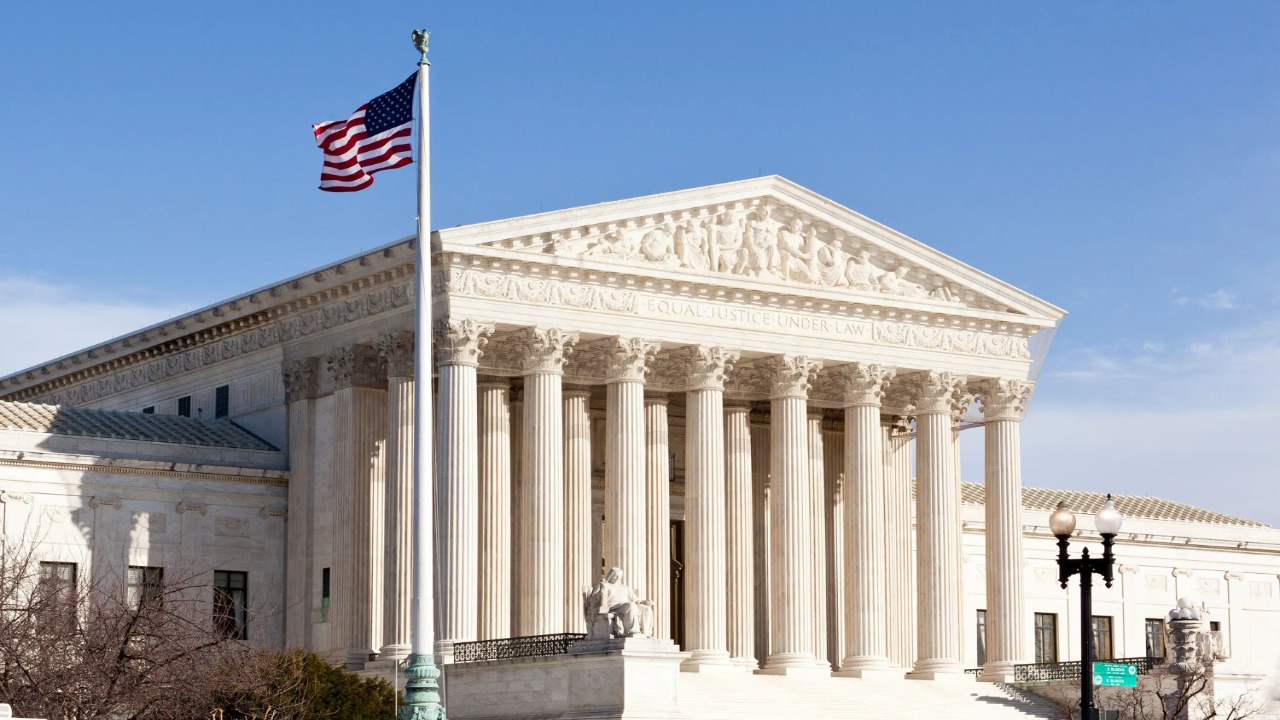
    In a significant decision that will reverberate through the U.S. legal and political landscapes, the Supreme Court sided with the Trump administration regarding the controversial deportation of Venezuelan gang members under the 1798 Alien Enemies Act. This decision, delivered on April 7, 2025, marks a key moment in the administration’s ongoing attempts to assert control over national security and immigration policies.

    The ruling was a 5-to-4 vote, with conservative justices in the majority and liberal justices dissenting. It has ignited intense debate about the balance of power between the executive and judicial branches, the rights of individuals facing deportation, and the legal interpretations of laws that have been dormant for over two centuries.

    What is the Alien Enemies Act?

    The Alien Enemies Act, dating back to 1798, was originally designed to grant the U.S. government the authority to detain and deport foreign nationals from countries involved in war with the United States. Historically, it was invoked only during wartime, most notably against Japanese, German, and Italian nationals during World War II.

    The Trump administration argued that the law applied to Venezuelan nationals, specifically members of the gang Tren de Aragua (TdA), which the U.S. government labeled a Foreign Terrorist Organization (FTO) in February 2025. According to the Trump administration, this group posed a national security threat, and their presence in the U.S. could be seen as an “invasion,” justifying deportation under the Alien Enemies Act.

    The Supreme Court Decision: What Does it Mean?

    In essence, the Supreme Court did not directly rule on whether the Alien Enemies Act could be applied to Venezuelan gang members. Instead, the Court allowed the Trump administration to continue the deportations but with one key caveat: detainees must be given notice of their deportation and an opportunity to challenge it in court on an individual basis.

    The Court’s decision means that alleged gang members being deported under this law will not be able to file a class-action lawsuit, as civil rights organizations had sought. Instead, those who wish to contest their deportation must do so individually through “habeas petitions,” a legal process that allows detainees to challenge their imprisonment.

    This decision is seen as a win for the Trump administration. It enables continued deportations of what they consider dangerous foreign nationals, but with some procedural safeguards to ensure due process rights are upheld.

    Why is the Decision Controversial?

    The ruling has sparked immediate controversy for several reasons. First, the legal application of the Alien Enemies Act to gang members, rather than state actors from a nation at war with the U.S., is unprecedented. Critics argue that using this 1798 law to target individuals linked to a gang rather than an actual nation at war could set a dangerous precedent.

    Additionally, the Court’s decision to allow the Trump administration to continue deportations with minimal procedural protections for detainees has raised concerns about due process. Justice Sonia Sotomayor, one of the dissenting justices, argued that even the majority of the Court recognized that detainees should be notified of their removal and given a chance to contest it before deportation. However, she lamented that the Court went too far in granting the government “extraordinary relief,” which bypasses much of the typical judicial review process.

    The Dissenting Opinions: Concerns Over the Rule of Law

    Justices Sonia Sotomayor, Ketanji Brown Jackson, and others who dissented in the case warned about the potential erosion of judicial oversight in the context of national security decisions. Justice Jackson specifically cautioned that decisions like this could set a harmful precedent for future cases, where executive powers are expanded without adequate judicial scrutiny.

    The dissenters also expressed concerns about the Court’s growing reliance on emergency orders, which can often sidestep the usual, more deliberate process of hearings and debates. This trend is what some have dubbed the “shadow docket,” where significant decisions are made with limited transparency or discussion.

    Furthermore, Justice Sotomayor pointed to past instances where the U.S. government overstepped its bounds, such as the internment of Japanese Americans during World War II, as a cautionary tale. She argued that by allowing the government to bypass normal legal processes in the name of national security, the Court was opening the door to potentially harmful decisions that could impact civil liberties.

    The Broader Implications for Immigration and National Security

    The Supreme Court’s ruling also has significant implications for immigration law and national security policy in the U.S. The decision aligns with the Trump administration’s broader approach to immigration enforcement, which often prioritizes deportation for individuals deemed to pose a national security threat, regardless of their ties to specific nation-states.

    This case underscores the tension between national security concerns and the rights of individuals facing deportation. Critics of the ruling argue that it allows the government too much latitude to detain and remove people from the country without adequate due process protections. They also express concern about how this decision could affect future deportations and the broader treatment of immigrants and foreign nationals in the U.S.

    At the same time, supporters of the ruling argue that the Court has correctly recognized the government’s responsibility to protect national security and the safety of its citizens. They assert that allowing the administration to continue deportations, even under controversial legal grounds, is essential for maintaining order and protecting Americans from potential threats.

    What’s Next for the Deportation Battle?

    The battle over the use of the Alien Enemies Act is far from over. The Court’s decision allows deportations to continue, but it also opens the door for further legal challenges. Individuals affected by the ruling will likely file habeas petitions to challenge their detention and deportation on a case-by-case basis.

    This decision will undoubtedly influence the future of U.S. immigration policy, especially as the Trump administration (or future administrations) seeks to expand executive powers in the realm of national security. The continuing legal battles will likely focus on finding a balance between ensuring national security and protecting individuals’ constitutional rights.

    Conclusion: The Supreme Court’s Role in Shaping Policy

    In this highly contentious case, the Supreme Court has played a pivotal role in shaping the future of U.S. immigration and deportation policy. While the decision is a victory for the Trump administration, it is clear that the legal and moral questions surrounding the case will continue to evolve. As the country grapples with the intersection of national security and individual rights, the Supreme Court will undoubtedly be at the center of the debate, making decisions that will affect the lives of many.

    Read More: Discover the Fascinating World of Capes: From Coastal Landmarks to Iconic Fashion Statements

  • Discover the Fascinating World of Capes: From Coastal Landmarks to Iconic Fashion Statements

    Discover the Fascinating World of Capes: From Coastal Landmarks to Iconic Fashion Statements

    The word “cape” can take on several meanings depending on the context, but it almost always refers to something that stands out or extends into something larger. Whether it’s a dramatic land formation, a stylish outer garment, or a gesture of support, the term “cape” has a wide-reaching significance in both nature and culture. Let’s explore these various uses and meanings of “cape” to better understand why this simple word holds so much value in our world.


    A Cape in Geography: Land That Juts Out

    The most natural place to begin is with the geographic cape, which refers to a point of land that extends into a body of water. These landforms, often dramatically jutting out into oceans, seas, or rivers, create distinctive coastal landmarks.


    Famous Geographical Capes Around the World

    Capes are a unique feature of many coastlines around the globe. Some of the most famous capes include:

    • Cape Cod in Massachusetts, USA, is known for its hook-shaped peninsula that stretches into the Atlantic Ocean.

    • Cape Horn is the southernmost point of South America, where the Atlantic and Pacific Oceans meet. It is is known for its rough seas and dangerous waters.

    • Cape of Good Hope, located in South Africa, where the Atlantic and Indian Oceans converge.

    Capes are often places of beauty and intrigue, attracting travelers and nature enthusiasts. Their coastal settings make them ideal for exploration, whether on foot or by sea.

    A Cape in Fashion: An Elegant Outer Garment

    Next, the word “cape” is widely known in the world of fashion. A cape is an outer garment that drapes over the shoulders and fastens around the neck, leaving the arms free. It’s typically worn over other clothing and adds a dramatic touch to any outfit.

    The Evolution of the Cape in Fashion

    Capes have been worn for centuries, from medieval times when knights wore them as part of their attire to more modern times when they became a popular fashion piece. In the 18th and 19th centuries, capes were worn by both men and women as part of formal wear. These capes were typically made of heavy materials like wool and were designed to protect from the elements.

    In today’s fashion world, capes have made a comeback, gracing the runways of many designers. They are often seen in high fashion collections, such as in the designs of Valentino, Burberry, and many other top labels. Whether it’s a short, tailored cape or a flowing, floor-length cloak, capes are known for adding sophistication and an air of mystery to the wearer’s look.

    Iconic Cape Moments in Pop Culture

    Beyond the fashion industry, capes have also become synonymous with superheroes, particularly in comic books and films. Characters like Superman, Batman, and Wonder Woman are often depicted wearing capes, symbolizing their power and heroism. These capes are not just for show—they are an integral part of the superhero’s identity and often signify their ability to protect and defend.

    The Verb “To Cape”: Supporting or Defending

    The term “cape” is also a verb. While it may not be as commonly used, to “cape” means to defend or support something or someone. This usage likely stems from the capes worn by superheroes who defend the innocent.

    Using “Cape” in Modern Contexts

    In today’s social media-driven world, the verb “to cape” describes the act of advocating for someone or something, especially in a public or vocal manner. For example, you might hear someone say that they are “capping for” an organization or individual, meaning they are voicing their support.

    Example: “She’s been campaigning for climate change awareness for years, using her platform to urge others to take action.”

    This modern slang also often appears in sports and entertainment, where people show their support for athletes, teams, or causes. For instance, fans may “cape” for their favorite team or coach, meaning they go out of their way to show public support during tough times.

    Caping an Animal: Taxidermy

    The verb “cape” also has a more specific meaning in hunting and taxidermy. To “cape” an animal refers to removing the hide and head for preservation, typically for a shoulder mount. The “cape” is carefully cut around the shoulders and neck area to preserve the skin and fur for display.

    Why Do Hunters “Cape” Animals?

    Caping is an important practice in taxidermy. It ensures that the preserved animal looks lifelike when mounted. A well-caped hide can allow hunters to create lasting memories of their experience while also contributing to the appreciation of wildlife.

    Understanding the process of caping an animal is essential, as improper handling can damage the hide. Many hunters choose to bring their game to a professional taxidermist, who ensures that the process is done correctly and that the final mount looks realistic.


    Cape Symbolism: A Sign of Protection and Power

    Capes have long been symbols of protection, strength, and power. Whether worn by historical figures, celebrities, or superheroes, capes often convey a sense of authority or grandeur.

    In ancient times, capes were often worn by kings, warriors, and dignitaries as a status symbol. The flowing fabric would symbolize the wearer’s high status and often served as a form of armor against the elements. Today, capes continue to evoke a sense of elegance, nobility, and sometimes, mystery.


    Capes in Modern-Day Fashion: Why Are They Still Relevant?

    In recent years, capes have experienced a resurgence in the fashion world, often appearing in collections designed for the cooler months. From sleek, contemporary capes to dramatic, floor-length styles, these garments are loved for elevating an outfit while providing warmth and comfort.


    How to Wear a Cape?

    Wearing a cape can be an exciting fashion choice, but it’s essential to style it right to avoid feeling overwhelmed by the garment’s dramatic nature. Here are a few tips:

    1. Keep It Simple: Pair your cape with a sleek, monochrome outfit to let the cape shine.

    2. Accessorize: Consider using bold accessories like statement jewelry to complement your cape without overshadowing it.

    3. Layering: A cape can be layered over both formal and casual wear, making it a versatile piece for many occasions.


    Conclusion

    Whether you’re exploring a geographical cape, donning a stylish outer garment, or advocating for a cause, the concept of the cape has timeless appeal. Its ability to evoke power, elegance, and a sense of adventure makes it an enduring symbol in both nature and culture.

    From its historic significance to its pop culture impact, the cape continues to captivate us in various forms. As we embrace new interpretations of the cape, whether in fashion or action, we celebrate its enduring relevance and timeless charm.

    Read More: Ella Rae Wise Confirms Shocking Split from Dan Edgar as She Joins Celebrity Big Brother Single

  • Ella Rae Wise Confirms Shocking Split from Dan Edgar as She Joins Celebrity Big Brother Single

    Ella Rae Wise Confirms Shocking Split from Dan Edgar as She Joins Celebrity Big Brother Single

    Ella Rae Wise, a prominent star from The Only Way is Essex (TOWIE), has made headlines once again, but this time for a surprising reason. Just days before entering the Celebrity Big Brother house, Ella confirmed that she had split from her boyfriend, Dan Edgar. This shocking news sent waves through her fanbase and the media, with many wondering what had led to the breakup after 18 months of dating.

    In a candid conversation with The Sun, Ella explained the reasons behind the breakup, offering a heartfelt and honest perspective. Let’s dive into the details of this dramatic turn of events and what it means for Ella Rae Wise as she embarks on her Celebrity Big Brother journey.

    A Shock Breakup: What Led to the Split?

    Ella Rae Wise’s relationship with Dan Edgar has always been a topic of conversation for fans and reality TV watchers. The couple’s relationship began during a cast trip to Bali, and despite rumors of a fake romance, their relationship appeared to be growing stronger. However, it seems that behind the scenes, things were far from perfect.

    Ella opened up about the emotional split, saying, “We can’t just be together because we have a great sex life.” She emphasized that although they had a good relationship at one point, something was missing, and she didn’t want to waste either of their time. According to Ella, the two simply weren’t meant to be, and it was time to move on.

    “It’s really, really sad that we’re not together,” she added. “We split up a week ago.”

    Despite the breakup, Ella insisted that her participation in Celebrity Big Brother wasn’t the cause of their split. However, the timing of the breakup, just before entering the house, raised some eyebrows. Was it an attempt to focus on herself during the show, or were there deeper issues at play?

    The Role of Dan Edgar in Ella’s Life

    Ella Rae Wise spoke highly of Dan Edgar despite the breakup. She described him as “sweet” and acknowledged the good aspects of their relationship. However, she made it clear that there was an essential part of their connection missing, which led to their decision to part ways.

    She also revealed that Dan is “set in his ways” and content with his approach to relationships, while she needed more from her partner. “If he’s comfortable in how he is and thinks what he gives in a relationship is enough, that’s okay for some people, but it wasn’t enough for me,” Ella explained.

    This honest reflection shows that sometimes, love is not enough to keep a relationship going. 

    Both partners have to be aligned in terms of their goals, feelings, and values. For Ella, it was clear that they were no longer in sync.

    A Promised Commitment: Will Ella Flirt with Chris Hughes?

    Before entering the Celebrity Big Brother house, Ella Rae Wise reportedly made a promise to Dan Edgar that she wouldn’t flirt with her fellow housemate, Chris Hughes, a former Love Island contestant. This promise was made to reassure Dan, who may have had concerns about Ella’s interactions with Chris while they were both in the house.

    However, it’s well-known that Celebrity Big Brother producers love to create drama, and there is already speculation that Ella and Chris may be paired together for tasks or activities that could lead to some intriguing on-screen chemistry. While Ella swore she would remain faithful to her promise, reality TV fans know that producers often have a hand in guiding relationships and interactions among contestants.

    A source close to the production revealed, “Ella and Dan have worked hard on their relationship to get to this point, having overcome several bumps in the road. The last thing Ella wants is for Dan to feel insecure about Chris while she’s in the house with him.”

    It remains to be seen whether Ella will stick to her word, or if her dynamic with Chris will evolve in a way that adds fuel to the drama in the house.

    Ella’s Time on Celebrity Big Brother: What to Expect

    Now that Ella Rae Wise has entered the Celebrity Big Brother house single, fans are eagerly waiting to see how she will navigate the complex dynamics of the house without the emotional baggage of her recent breakup. As one of the latest celebrity housemates, Ella is poised to be at the center of attention, whether through tasks, alliances, or potential conflicts with her fellow contestants.

    Producers have high hopes for Ella, believing that her candidness and bold personality will make her a standout star. They’re also keen to see whether she will spill any tea about her famous exes, adding an extra layer of intrigue for her followers and fans of reality TV.


    The Impact of the Breakup on Ella’s Personal Journey

    For Ella Rae Wise, Celebrity Big Brother represents more than just a reality TV competition. It is an opportunity to rebuild her identity, explore new relationships, and take on challenges that will help her grow both personally and professionally. While the breakup with Dan Edgar may have been a painful experience, it could also serve as a stepping stone toward a more self-aware and confident version of Ella.

    It’s worth noting that Ella’s time on Celebrity Big Brother is also a platform for her to show fans a side of herself that may not have been visible on TOWIE. Her previous relationships, particularly with Pete Wicks, have kept fans talking, and now, with her single status, Ella has the chance to navigate her personal and professional life in the spotlight in a way that hasn’t been seen before.


    Ella Rae Wise’s Future: A New Chapter Begins

    As Ella Rae Wise enters Celebrity Big Brother single and ready to take on new challenges, fans are eagerly waiting to see how her story unfolds. Will she find new connections in the house? Will she focus on her personal growth and learning more about herself? And what role will the memory of her breakup with Dan Edgar play in her journey throughout the show?

    Ella’s story is one of resilience, honesty, and self-awareness. Whether or not she connects romantically with anyone in the Celebrity Big Brother house, it’s clear that Ella is using this time to embrace new opportunities, including the chance to show her true self to the world.

    As the competition progresses, fans can expect plenty of drama, unexpected moments, and perhaps even some twists in Ella’s journey. Whatever happens, it’s safe to say that her time on the show will keep viewers hooked, with many eager to see what’s next for the star.


    Conclusion:

    Ella Rae Wise’s split from Dan Edgar has certainly shaken things up as she enters the Celebrity Big Brother house single. This dramatic breakup adds an exciting layer to the ongoing show, and fans are sure to watch eagerly as Ella navigates this new chapter of her life. With the promise of drama, challenges, and new relationships, Ella’s time on Celebrity Big Brother is bound to be a memorable one. Stay tuned!


  • The Last of Us Season 2: Everything You Need to Know About the Highly Anticipated Show’s Return

    The Last of Us Season 2: Everything You Need to Know About the Highly Anticipated Show’s Return

    The Last of Us Season 2 is right around the corner, and fans of the hit show and video game series are eagerly waiting for what’s next. After a successful first season, which covered the events of the original game, the second season will dive into the gripping storylines of The Last of Us Part II. With the show set to premiere on HBO on April 13, 2025, here’s everything you need to know about what’s coming.


    What to Expect from The Last of Us Season 2

    Season 2 of The Last of Us will follow Joel (Pedro Pascal) and Ellie (Bella Ramsey) five years after the events of Season 1. This time, Ellie is 19 years old and is no longer the young, naive girl from Season 1. She has grown tougher, much like Joel, and the pair face new challenges as they navigate a brutal post-apocalyptic world.

    Based on the 2020 video game The Last of Us Part II, this season will explore the darker and more complex themes of vengeance, loss, and survival. Fans of the game will recognize familiar locations, characters, and emotional storylines, but new twists will also surprise even the most dedicated players.


    The Cast: New Faces and Returning Heroes

    One of the most exciting parts of The Last of Us Season 2 is the addition of several new characters who will play crucial roles in the story.

    • Pedro Pascal will reprise his role as Joel, the battle-hardened survivor who has spent years trying to protect Ellie.

    • Bella Ramsey returns as Ellie, now older and facing the complexities of adulthood in a world ravaged by a deadly fungal infection.

    • Gabriel Luna will return as Tommy, Joel’s younger brother, who still holds onto hope for a better world despite the harshness of their reality.

    However, the new additions to the cast are just as exciting:

    • Kaitlyn Dever has been cast as Abby, a key character whose quest for vengeance will shake the very foundation of Ellie and Joel’s world.

    • Isabela Merced plays Dina, Ellie’s romantic interest, whose relationship with Ellie will grow as they navigate the challenges of this hostile environment.

    • Young Mazino plays Jesse, an important member of Ellie’s community who is defined by his selflessness.

    Other new cast members include Rutina Wesley as Maria, Danny Ramirez as Manny, and Tati Gabrielle as Nora, among others. These new characters will bring fresh dynamics to the story, creating even more drama and tension as the season unfolds.

    The Plot: Vengeance, Survival, and New Alliances

    In Season 2, Ellie and Joel will face both new and old challenges. The plot will pick up five years after the events of Season 1, with Ellie now an older, more capable survivor. She continues to live in Jackson, a relatively peaceful community, but the world outside remains a brutal and dangerous place.

    The season’s central plot revolves around Ellie’s struggle with vengeance and the consequences of her actions. Abby’s introduction will bring a new perspective to the story, challenging Ellie’s worldview and the decisions she makes along the way. The complex relationships between Ellie, Joel, and Abby will be explored in depth, with each character forced to confront their past and make choices that will define their futures.


    Production: Behind the Scenes of The Last of Us Season 2

    Production for The Last of Us Season 2 began in early 2024, with filming taking place in various locations across British Columbia. The team worked diligently to capture the same emotional depth and intensity that made the first season so successful.

    Craig Mazin and Neil Druckmann, the show’s creators, have ensured that the second season stays true to the heart of the game while offering something new for viewers. They have also teased that the season will be more expansive, with longer episodes and a bigger scope, allowing for a deeper exploration of the complex themes from The Last of Us Part II.


    What Makes The Last of Us Season 2 Different?

    While the first season of The Last of Us focused on the emotional bond between Joel and Ellie, Season 2 will delve into more complex and challenging themes, particularly the concept of vengeance. The series will continue to explore the impact of the Cordyceps fungus outbreak, but the narrative will take darker turns as characters are forced to deal with grief, anger, and the consequences of their actions.

    Another key difference in Season 2 is the introduction of Abby, a character who is driven by a desire for revenge after a personal tragedy. Her storyline will challenge viewers’ perceptions of right and wrong, blurring the lines between heroes and villains. This moral ambiguity will add a new layer of depth to the series, making it even more compelling to watch.


    Fan Reactions and Expectations

    Fans are eagerly awaiting Season 2, especially after the success of the first season. Many are curious about how the show will handle the adaptation of The Last of Us Part II, which is known for its divisive and emotionally charged plot. The decision to cast Kaitlyn Dever as Abby has already sparked a lot of discussions, as many players of the game have strong opinions about the character and her storyline.

    However, the show is highly anticipated, with many praising the performances of Pedro Pascal and Bella Ramsey. They have both become fan favorites for their portrayals of Joel and Ellie. Fans are also excited to see how the series will handle the emotional and dramatic elements of The Last of Us Part II, which explores difficult themes like revenge, forgiveness, and the cost of survival.


    The Last of Us Season 2: What’s Next for the Future of the Series?

    While Season 2 will cover the events of The Last of Us Part II, the series will likely continue to expand beyond the game’s events. Neil Druckmann and Craig Mazin have hinted that the story may span multiple seasons to capture the depth of the source material fully. Fans can expect more twists, heartbreak, and drama as the series explores the characters’ journeys through this devastating, post-apocalyptic world.

    For now, the future of The Last of Us looks bright, with Season 2 set to air in 2025. With its intense storytelling, powerful performances, and emotional depth, this season is sure to captivate both longtime fans of the video game and newcomers to the series.


    Final Thoughts: Get Ready for The Last of Us Season 2

    The Last of Us Season 2 promises to be an unforgettable journey. From the return of beloved characters to the introduction of new faces and storylines, this season will continue to push the boundaries of storytelling in television. If you thought the first season was intense, get ready for a whole new level of drama, action, and emotion when The Last of Us Season 2 premieres on April 13, 2025.

    Read More: 

  • Angellica Bell: From CBBC Presenter to MasterChef Champion and Celebrity Star – Everything You Need to Know!”

    Angellica Bell: From CBBC Presenter to MasterChef Champion and Celebrity Star – Everything You Need to Know!”

    Angellica Bell is a name many may recognise from British television. Known for her cheerful personality, engaging presence, and versatility, she has made an indelible mark on the entertainment industry. From her early days presenting children’s TV to her more recent culinary triumphs and mainstream television roles, Bell’s career is as dynamic as it is inspiring. But what’s the story behind this beloved presenter and actress? Let’s explore Angellica Bell’s life, career, and accomplishments.


    Early Life and Background

    Born on March 24, 1975, in the UK, Angellica Bell’s roots run deep. Raised with a St. Lucian heritage, she was brought up in a family that valued education and discipline. As a young woman, Bell was grounded in her faith, being raised a Mormon, which played a significant part in her upbringing. She attended Notting Hill & Ealing High School in West London and later pursued her academic interests at the University of the West of England, where she earned a BA Honours degree in Politics in 1996.

    Her early years were shaped by hard work and determination, setting the stage for her future career in the media world.


    Breaking into Television: Angellica Bell’s Rise to Fame

    Bell’s career took off in the late 1990s when she began working as a roving reporter on Channel 4’s The Big Breakfast. It was here that she first gained recognition for her lively energy and keen ability to connect with people. However, it was her time at CBBC in 2000 that truly solidified her place in the public eye. Angellica joined the children’s programming team, becoming a central figure on shows like “That’s Genius!”, “Xchange”, and “50/50”. She was the main anchor for various CBBC shows, becoming a beloved figure for a generation of young viewers.

    Her charm and ability to entertain audiences allowed her to transition smoothly to other roles, including hosting the popular CBBC show “The Saturday Show” from 2004 to 2005.


    Transitioning to Mainstream Television

    After leaving CBBC in 2006, Angellica Bell made her move to mainstream television, where she continued to shine. She presented the BBC’s “The Great British Village Show” alongside Alan Titchmarsh and James Martin, a program that showcased rural communities and their traditions. Angellica’s engaging presence made her a perfect fit for the show, further cementing her credentials as a versatile TV host.

    Her versatility extended to reality TV, as she became a key figure in shows like “Comic Relief 

    Does Fame Academy” in 2007 and “Children in Need” that same year. Whether she was reporting on “The One Show” or hosting “Dance Xtra” on BBC Three, Angellica’s ability to adapt to various formats was clear.


    A Culinary Triumph: Winning Celebrity MasterChef

    In 2017, Angellica Bell added a new feather to her cap when she won the Celebrity MasterChef title. Her journey to victory was a thrilling one as she faced off against other celebrities, impressing judges with her cooking skills and her perseverance. Bell’s culinary talent was on full display, and she proved that there’s more to her than just presenting. Winning Celebrity MasterChef was a milestone that showcased her hidden talents and earned her admiration from fans who were used to seeing her in front of the camera.


    Other Notable Roles and Achievements

    Angellica Bell’s career didn’t stop there. In 2008, she hosted the ITV2 reality show “CelebAir”, a fun and light-hearted program that saw celebrities taking on the role of airline staff. Her natural charisma made her a fan favorite, and the show added another layer to her already diverse career.

    Bell continued to expand her media presence in the 2010s, appearing on “The Zone” with her husband, Michael Underwood, and hosting “Project Parent” on CBBC. She also had guest appearances on shows like “The One Show” and “Weekend Kitchen with Waitrose”, where her cooking and hosting skills shone through.

    In 2016, Angellica participated in a special challenge for Sport Relief called “Hell on High Seas”, where she sailed across the sea with fellow celebrities to raise money for charity. This was just another example of her willingness to step out of her comfort zone for a good cause.


    Angellica Bell’s Personal Life: Love and Family

    Angellica’s personal life has been equally intriguing. In January 2007, she married Stuart Amory, but their marriage ended in 2008. Later, she found love with fellow TV presenter Michael Underwood, and the two tied the knot in New York on December 27, 2010. Together, they have two children, and their relationship is often highlighted in the media, showing a picture of a strong family bond.

    Her family life is something Bell treasures deeply, and she often shares glimpses of her life as a mother and wife, giving fans a personal connection to the TV personality they admire.


    Angellica Bell’s Recent Work and Media Presence

    Between 2020 and 2023, Angellica took on the important role of presenting “The Martin Lewis Money Show”, a program focused on personal finance. Bell’s informative yet engaging approach to the complex world of money earned her praise from viewers. Her ability to explain financial matters in a relatable way made her a trusted voice in the world of consumer advice.

    As of 2025, Angellica Bell’s career is still going strong, with her involvement in reality TV, guest presenting, and regular appearances on popular talk shows. She is always eager to take on new challenges, from presenting to participating in charity events and exploring new creative avenues.


    Conclusion: Angellica Bell’s Legacy

    From her humble beginnings as a children’s TV presenter to becoming a reality TV star and a Celebrity MasterChef winner, Angellica Bell has truly established herself as one of the UK’s most beloved media personalities. Her diverse career, strong work ethic, and engaging personality have earned her a lasting place in the hearts of fans. Bell’s ability to balance her professional life with her commitments makes her a role model for many. Whether she’s hosting a TV show, cooking up a storm in the kitchen, or spending time with her family, Angellica Bell is a name that continues to shine in the world of entertainment.

    As she continues to explore new opportunities in the industry, we can only expect more exciting things from Angellica Bell in the years to come.

  • Allu Arjun’s Pushpa 2 Breaks Records: Why It’s a Global Phenomenon

    Allu Arjun’s Pushpa 2 Breaks Records: Why It’s a Global Phenomenon

    Pushpa 2: The Rule is no longer just a film, it’s a movement. Surpassing every expectation, it has emerged as one of the biggest cinematic milestones of the decade. Released with massive anticipation, it didn’t just dominate the Indian box office; it ignited global conversations, uniting film enthusiasts from different cultures under one banner: Allu Arjun. The buzz surrounding the film is relentless, fueled by the unstoppable momentum of a star whose appeal knows no boundaries.

    Allu Arjun: A Cinematic Icon

    A journey that began with the 2003 hit Gangotri has now evolved into a legacy shaping modern Indian cinema. Allu Arjun, known for his impeccable dance moves, expressive acting, and magnetic screen presence, steadily climbed the ladder of stardom through a string of successful projects. Films like Arya, Bunny, and Race Gurram didn’t just entertain, they carved out a loyal fanbase. Each of these Allu Arjun movies played a pivotal role in building a pan-Indian identity long before that term became a trend.

    At 42, Allu Arjun age-wise might be considered a veteran, but his on-screen energy rivals newcomers. His National Film Award for Pushpa: The Rise reaffirmed what fans already knew, he isn’t just a star; he’s an artist who delivers excellence with consistency.

    The accolades don’t stop there. From Filmfare Awards South to SIIMA trophies, recognition has followed him like a shadow. But what sets Allu Arjun apart is not just the hardware on his shelf, it’s the way he connects through each performance, giving life to stories that often transcend regional boundaries.


    Pushpa 2’s Global Impact

    Few films achieve what Pushpa 2: The Rule has managed in its opening weeks. Grossing over ₹1,800 crore globally, with ₹800 crore from Indian theaters alone, the numbers speak louder than headlines. But box office records are only the tip of the iceberg.

    The film has become a sensation across platforms. Trending on major OTT services and dominating social media reels, Pushpa 2 has seeped into pop culture in a way that few Indian films have done. The character of Pushpa Raj, with his swagger and resilience, has become a global symbol of rebellion and strength.

    International audiences, especially in countries like Pakistan, UAE, and the U.S., have embraced the film with surprising enthusiasm. Fan screenings, dubbed versions, and cross-cultural memes continue to flood platforms like Instagram and TikTok. It’s a testament to how storytelling, when done right, can transcend language and geography.

    For more on Allu Arjun’s global rise, see the detailed coverage here: Pushpa 2’s Allu Arjun granted bail in deadly stampede case. 


    The Role of Allu Arjun in Pushpa 2’s Success

    The character of Pushpa Raj is more than just a role, it’s a statement. And the actor behind it, Allu Arjun, molded that persona with an intensity that resonated worldwide. From method acting to undergoing physical transformations, he immersed himself completely into the role, giving audiences a performance both gritty and graceful.

    A topic of constant curiosity has been: how much does Allu Arjun charge for Pushpa 2? Reports estimate his fee to be over ₹125 crore, placing him among the highest-paid actors in Indian cinema. It’s not just a paycheck, it’s a validation of his unmatched drawing power.

    Such commitment, both artistic and financial, reflects a deep understanding of what modern cinema demands: authenticity, scale, and soul. And with Pushpa 2, all three were delivered in surplus.


    Behind the Scenes: Allu Arjun’s Personal Life

    Beyond the lights, cameras, and roaring applause lies a man grounded by family. Allu Arjun’s wife Sneha Reddy has often been credited for being a constant pillar of support in his life. Their story, often shared in glimpses on social media, paints a picture of partnership that thrives despite the chaos of fame.

    Their family life is a blend of tradition and modernity, where time is carved out for children amid packed shooting schedules. Balancing a career that demands global travel with a home rooted in Hyderabad, Allu Arjun exemplifies the modern Indian superstar, ambitious, yet rooted.

    Such balance reflects in his on-screen roles too. While Pushpa may be raw and aggressive, the man behind the role remains quietly resilient. Observers note that this duality, of fierce performer and calm family man, is precisely what deepens his appeal.


    Conclusion

    Allu Arjun has not just delivered a blockbuster; he has orchestrated a cultural event. With Pushpa 2, he’s proven that regional cinema can achieve global relevance when storytelling, performance, and production align flawlessly. It’s not merely about box office numbers anymore, it’s about influence, recognition, and legacy.

    As international interest in Indian cinema continues to grow, Allu Arjun remains at the forefront, bridging gaps and building new cinematic bridges. His journey from Arya to Pushpa is more than a filmography, it’s a blueprint for stardom in the 21st century.

    Explore more perspectives on Allu Arjun’s career evolution and future projects through our related insights here: Salman Khan out, Allu Arjun in; Atlee’s upcoming action film goes through casting upheaval.

  • Corruption Exposed: Shocking Revelations Rock World Governments

    Corruption Exposed: Shocking Revelations Rock World Governments

    Every few years, a scandal emerges that jolts the foundations of trust between people and power. Lately, however, it hasn’t been just one. From Eastern Europe to Southeast Asia, revelations of corruption are erupting across continents, unraveling empires built behind closed doors. Whether through covert financial manipulations or blatant misuse of power, these scandals are pulling the curtain back on government operations worldwide.

    The scale is staggering. Investigations are exposing intricate networks of deceit, implicating leaders once considered untouchable. As more records become public, protests gain momentum, and once-stable administrations find themselves navigating storms of outrage and accountability.


    What is Corruption and Why Does it Matter?

    The term may sound like just another political buzzword, but what is corruption, really? It’s not limited to the stereotypical image of a shady official slipping envelopes under the table. Corruption is any abuse of power for private gain—be it financial, political, or social.

    It shows up in many forms: embezzlement of public funds, manipulation of procurement processes, election rigging, and even the favoring of allies in policy decisions. The danger lies in its subtlety. It slowly erodes systems from within, weakening institutions, distorting justice, and widening the gap between leaders and the people they’re supposed to serve.

    And the costs? Monumental. Lost public funds, failed infrastructure, skewed healthcare delivery, and education systems that crumble under mismanagement—these are just a few examples. When corruption is embedded in the fabric of governance, everyday lives suffer silently while a few grow unjustly wealthy.


    Corruption in Government: Case Studies

    Consider Istanbul, where recent probes into the administration have shaken Turkish politics. The mayor, once seen as a potential challenger to national leadership, now faces charges that critics claim are politically motivated. Similarly, France witnessed a judicial earthquake when Marine Le Pen and over 20 others were convicted for embezzling EU funds, misdirecting resources to partisan uses.

    In China, a leaked U.S. intelligence report has spotlighted elite wealth concealed by top officials. While President Xi Jinping publicly champions an anti-corruption crusade, whispers of unchecked wealth among his inner circle paint a stark contrast.

    These aren’t isolated cases. They represent a pattern—leaders accused of siphoning public trust for personal agendas. When exposed, the fallout doesn’t stop at legal action; it damages civic morale and raises critical questions about governance models once held in high regard.


    Understanding the Corruption Perceptions Index

    To better grasp the scale of these issues, organizations like Transparency International have created tools to measure public sector corruption. One of the most recognized is the Corruption Perceptions Index.

    This index ranks countries based on expert assessments and opinion surveys. A high score means a cleaner government; a low one indicates widespread corrupt practices. Over the past few years, nations like Denmark, Finland, and New Zealand have consistently topped the rankings for their transparency and integrity.

    Meanwhile, countries plagued by weak rule of law, ongoing conflict, or authoritarian rule tend to languish at the bottom. The Corruption Perceptions Index does more than provide a snapshot—it acts as a global accountability mirror, reflecting the effectiveness (or failure) of each country’s governance systems.


    Causes of Corruption: A Multifaceted Issue

    Peeling back the layers reveals that the causes of corruption are rarely simple. Often, it’s a toxic mix of inadequate oversight, blurred separation of powers, and entrenched socio-political hierarchies.

    In some regions, bribery is normalized as part of everyday transactions, from securing school admissions to accessing basic utilities. Elsewhere, corruption is institutional, baked into the very design of systems that prioritize loyalty over merit and secrecy over transparency.

    But beyond governance flaws, socio-economic instability also fuels it. When wages are low and opportunity scarce, the temptation to misuse authority can be overwhelming. Combined with lax enforcement of anti-corruption laws and poor media freedom, a perfect breeding ground emerges.


    Corruption Index by Country: Key Insights

    Looking at the corruption index by country reveals trends that speak volumes. Sub-Saharan Africa, parts of the Middle East, and certain Latin American countries consistently rank low. These regions face challenges including autocratic regimes, weak judicial systems, and limited civic engagement.

    On the other end, Scandinavian nations often showcase successful models of clean governance—built through transparent public systems, strong civic institutions, and independent media.

    Interestingly, some middle-income countries show sharp fluctuations. In places like India, Brazil, or South Africa, public awareness and digital transparency have improved rankings, but political interference still threatens reform longevity.

    Explore how corruption in Pakistan is being tackled through international cooperation and diagnostics, check our guide on IMF launches second diagnostic mission to address corruption in Pakistan


    Shining a Light on Global Anti-Corruption Efforts

    Despite grim headlines, not all is bleak. Around the world, waves of reform and resistance are turning the tide. In countries like Georgia and Estonia, technological innovation—such as e-governance—has reduced bureaucratic opacity. In Latin America, mass protests have ousted corrupt regimes, triggering long-awaited judicial reforms.

    International bodies, including the United Nations and the World Bank, are pushing for stricter compliance standards and encouraging whistleblower protections. Meanwhile, investigative journalism and civil society organizations continue to unearth scandals and demand justice, refusing to let the truth be buried.

    Some governments are also beginning to take accountability seriously. New laws, stronger watchdog institutions, and digital transparency tools are being introduced—small steps, perhaps, but ones that hold immense potential.


    Conclusion

    Corruption isn’t just a news headline—it’s a persistent threat that undermines democratic values and sabotages development. When unchecked, it festers, cloaking injustice in bureaucracy and enabling the powerful to evade responsibility.

    As scandals continue to surface and the Corruption Perceptions Index evolves, the global community faces a choice: tolerate silence or demand reform. For those willing to look deeper into how systems can be rebuilt, the blueprint already exists—in data, in laws, in the courage of those who speak out.

    Explore more stories on how transparency is reshaping governance worldwide—and why the fight against corruption is far from over.

  • Why Iran’s Nuclear Program Is a Global Focus Right Now?

    Why Iran’s Nuclear Program Is a Global Focus Right Now?

    Global headlines continue to spotlight Iran — not for sports or cultural triumphs, but for its advancing nuclear program that has stirred anxiety and urgency in diplomatic circles. The gravity of the issue isn’t confined to regional politics; it stretches across continents, pulling world powers into a high-stakes balancing act. The concern is not just what Iran is building, but why, and how the ripple effects could alter global stability.

    Nuclear ambitions, direct negotiations, regional rivalries, and global diplomacy are all pieces of the puzzle. Understanding the strategic depth behind this focus begins with tracing Iran’s goals, recent talks, and the complex web of geopolitical implications that follow.


    Understanding Iran’s Nuclear Goals

    When looking at Iran’s nuclear ambitions on the surface, it’s easy to assume the worst — a pursuit of weapons. However, Iran has consistently emphasized its intention to develop nuclear technology for peaceful purposes, such as energy production and medical research. Whether that claim is universally accepted remains a different matter.

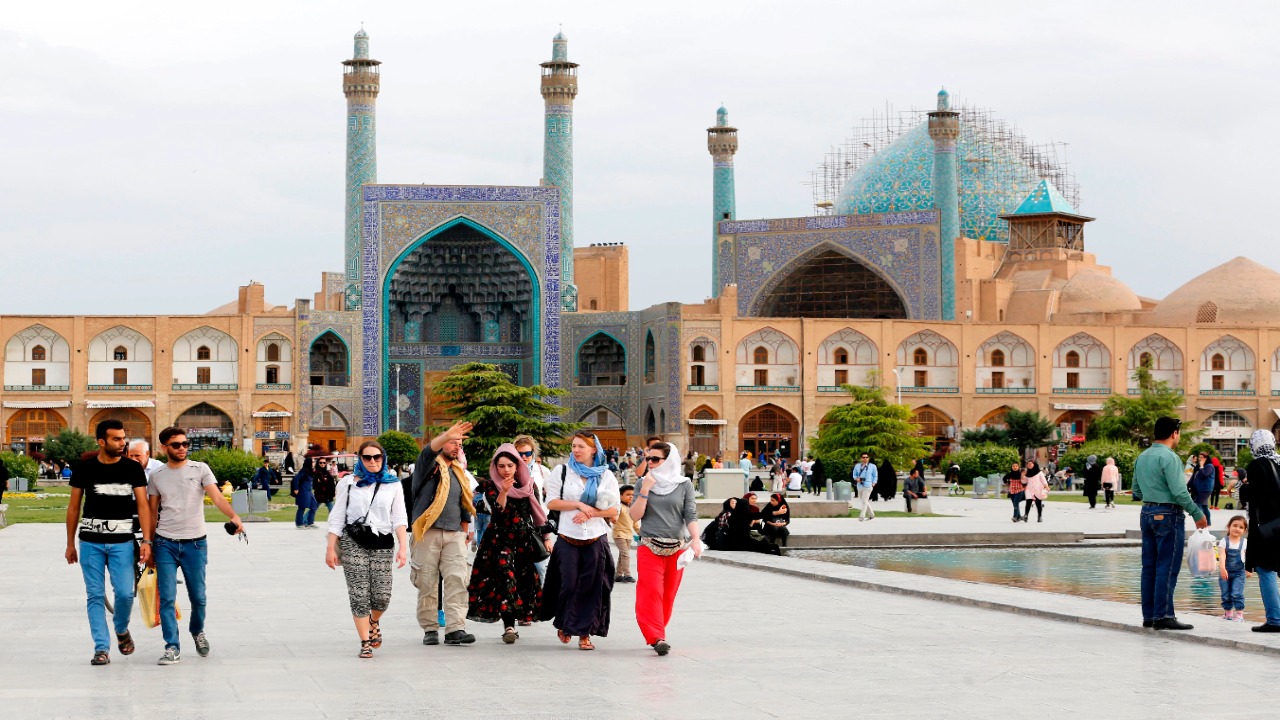
    The strategic significance lies in energy independence and regional power assertion. On the Iran map, key nuclear facilities like Natanz and Fordo highlight how infrastructure has evolved even under sanctions and surveillance. These installations are not just technical projects — they represent sovereignty and resistance in the eyes of Iranian leadership.

    In recent Iran news, the country has continued to enrich uranium at levels far beyond what’s allowed under previous international agreements. This has kept global attention firmly locked, as such activity edges closer to weapons-grade thresholds.


    Direct Talks with Iran: The Role of International Diplomacy

    Diplomatic channels have been buzzing with activity. Talks with Iran are no longer theoretical or behind closed doors. Multiple global powers — including the U.S., European nations, China, and Russia — have been engaging directly or through intermediaries to reach a consensus on limiting Iran’s nuclear activities.

    Recent Iran direct talks marked a pivotal moment. Statements from the U.S. suggested a willingness to initiate direct dialogue, while Iranian officials emphasized indirect communication through regional mediators like Oman. Despite semantic disagreements, the existence of any dialogue is significant.

    The stakes are clear: preventing nuclear proliferation while avoiding military confrontation. These talks are driven by more than just security; they reflect deep-rooted mistrust, historical grievances, and power dynamics that go far beyond centrifuges and uranium.


    Rising Tensions: Iran vs. Israel and Regional Stability

    Nowhere are the consequences of Iran’s nuclear program more volatile than in its relationship with Israel. The mere possibility of a nuclear-armed Iran has long been a red line for Tel Aviv. Military drills, intelligence exchanges, and international lobbying from Israel all point to growing concern.

    Headlines like “Iran attack Israel” trend periodically, often spurred by rhetoric or covert operations that flare tensions. While no official military confrontation has occurred on a large scale, cyberattacks, sabotage missions, and proxy conflicts have intensified.

    The Iran Israel dynamic is central to understanding why the world watches Iran’s nuclear advancements so closely. It’s not just about two countries; it’s about a chain reaction that could involve Saudi Arabia, the UAE, and even NATO-aligned forces. The nuclear question is a match near a powder keg, with regional stability hanging by a thread.


    How the World is Reacting to Iran’s Nuclear Program

    The international community hasn’t been passive. Sanctions have long been the primary tool used to apply pressure, targeting Iran’s financial sector, oil exports, and military development. The effectiveness of these sanctions is often debated, but their impact on the Iranian economy is undeniable.

    Iran news continues to spotlight new rounds of sanctions, diplomatic meetings, and UN reports outlining violations or progress. The talks with Iran are not isolated efforts but part of a coordinated international strategy involving entities like the International Atomic Energy Agency (IAEA).

    Major powers are walking a tightrope — too much pressure could collapse negotiations, but too little could embolden Iran’s nuclear progression. Recent developments suggest a mixed approach: carrot and stick diplomacy, with both incentives and consequences on the table.

    For readers interested in Iran’s other global roles, including its recent football achievements, see this related article: Iran qualifies for 2026 FIFA World Cup.


    Conclusion

    Iran’s nuclear program has grown beyond a domestic initiative — it’s now a global flashpoint. With high-level Iran direct talks unfolding and regional friction peaking, the world remains on alert. The issue isn’t simply about enrichment levels or facility inspections. It’s about global trust, balance of power, and the future of nuclear diplomacy.

    As long as the Iran map remains dotted with expanding facilities and as long as “Iran attack Israel” headlines loom as real possibilities, this story will stay front and center. The pathway to peace is narrow and demands cooperation from all corners — not just to resolve the Iranian nuclear dilemma but to set a precedent for future global crises.

    For a deeper dive into Iran’s broader international profile, cultural contributions, and other ongoing developments, explore more articles covering diverse aspects of Iran in our global affairs section.

  • WWE Raw Shakes the World: Major Highlights and Surprises!

    WWE Raw Shakes the World: Major Highlights and Surprises!

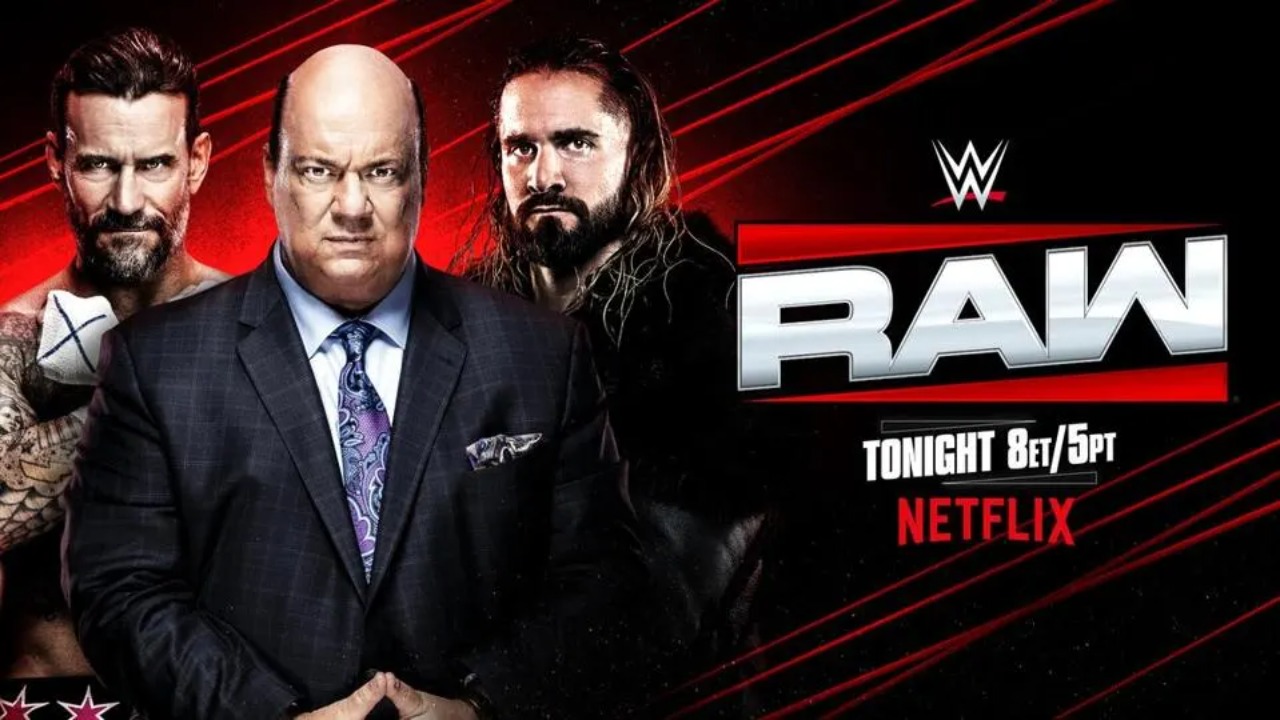
    WWE Raw today stands as more than just a wrestling show—it’s a cultural phenomenon. Broadcasting weekly with a loyal fan base that spans generations, it consistently delivers edge-of-the-seat action, emotional storylines, and headline-making surprises. In recent weeks, the landscape of WWE Raw has shifted dramatically, drawing even more attention from longtime followers and curious newcomers alike.

    The weekly spectacle is not just about muscle and mayhem; it’s about storytelling that resonates. Packed arenas, roaring chants, and jaw-dropping moments have kept the brand alive for decades. And with its new transition to Netflix, WWE Raw is shaking the foundation of how wrestling content is consumed worldwide.


    What Makes WWE Raw Unique

    The format of WWE Raw blends high-octane athleticism with dramatic, serialized storytelling. This isn’t a mere wrestling match—it’s an episodic thriller where each match advances a deeper narrative. What sets it apart from other wrestling programs is its ability to seamlessly combine entertainment, suspense, and character evolution.

    The WWE Raw report from recent episodes highlights this hybrid approach. From explosive tag team rivalries to long-awaited championship showdowns, each segment is carefully designed to engage the audience on multiple levels. The unpredictability factor also plays a huge role. With surprise entrances, shocking betrayals, and spontaneous brawls, every Monday night brings fresh twists.

    Its cultural relevance cannot be overstated. WWE Raw has become a launchpad for mainstream stars, a trendsetter in entertainment, and a unifying platform for fans across diverse backgrounds. Whether it’s in the U.S., the UK, or Brazil, it remains a global staple of sports entertainment.


    Recent Highlights and Shocking Moments

    Recent episodes have thrown fans into a whirlwind of emotions. The unexpected return of CM Punk sent shockwaves across the WWE Universe. A steel cage match against Seth Rollins lit up the arena, reminding everyone why Raw continues to headline global conversations.

    Another highlight was the explosive women’s Intercontinental Championship clash between Lyra Valkyria and Bayley. The athletic display and the unexpected ending left audiences talking for days. These moments, as documented in the latest WWE Raw preview, showcase the creative highs the show has been reaching.

    Also making headlines was comedian Bert Kreischer stepping into the ring in a chaotic dark match with CM Punk, creating one of the most unforgettable non-traditional segments in Raw history. These elements not only surprise the viewers but also redefine what to expect from a weekly wrestling program.


    Fans React: How WWE Raw Is Changing the Game

    Fan engagement with WWE Raw is at an all-time high. Hashtags like #WWERaw and #RAWonNetflix trend weekly, signaling a digital audience that is as passionate as the live crowd. Ticket sales have surged, with WWE Raw tickets for upcoming events selling out faster than usual.

    Social media is buzzing with theories, reactions, and predictions after every episode. The emotional investment fans put into the characters and storylines reflects the program’s ability to connect on a personal level. From arena chants to viral TikToks, the WWE Raw experience transcends the ring.

    Online forums and platforms such as Reddit and Twitter feature extensive discussions after every show, mirroring the deep impact of each episode. The energy and anticipation felt in the arenas are mirrored in online communities, further boosting the demand for WWE Raw tickets worldwide.


    The Road Ahead for WWE Raw

    The future of WWE Raw promises more than just in-ring excellence. Upcoming storylines teased in the most recent WWE Raw preview suggest a collision between legends and rising stars, fueling anticipation like never before. New rivalries are brewing, titles are on the line, and alliances are shifting rapidly.

    One of the most anticipated developments includes the rumored showdown involving Roman Reigns and Cody Rhodes, hinting at long-term storytelling that keeps fans invested. With John Cena hinting at a retirement tour by year’s end, fans are already speculating about farewell appearances on Raw.

    Additionally, the global expansion of live events is leading to new market opportunities. International fans are flocking to get WWE Raw tickets, especially in markets like Australia and the UK, where the brand continues to grow.

    WWE’s Netflix debut also marks a new chapter. With more flexible viewing options, audiences can relive iconic matches, catch up on episodes, and follow the action on-demand, reshaping how wrestling fans engage with content.


    Conclusion

    WWE Raw isn’t just evolving—it’s revolutionizing the way wrestling is consumed and celebrated. With unforgettable moments, deep fan investment, and a storytelling model that keeps reinventing itself, the show remains a cornerstone of modern entertainment.

    Whether it’s the roaring arenas, the viral social media chatter, or the anticipation surrounding future episodes, WWE Raw today continues to shape the narrative of global wrestling culture. For anyone looking to experience the thrill firsthand, exploring upcoming shows and securing WWE Raw tickets offers a front-row seat to history in the making.

    For more on how WWE personalities shape the atmosphere of live shows, don’t miss this feature on the dynamic ring announcer Samantha Irvin.