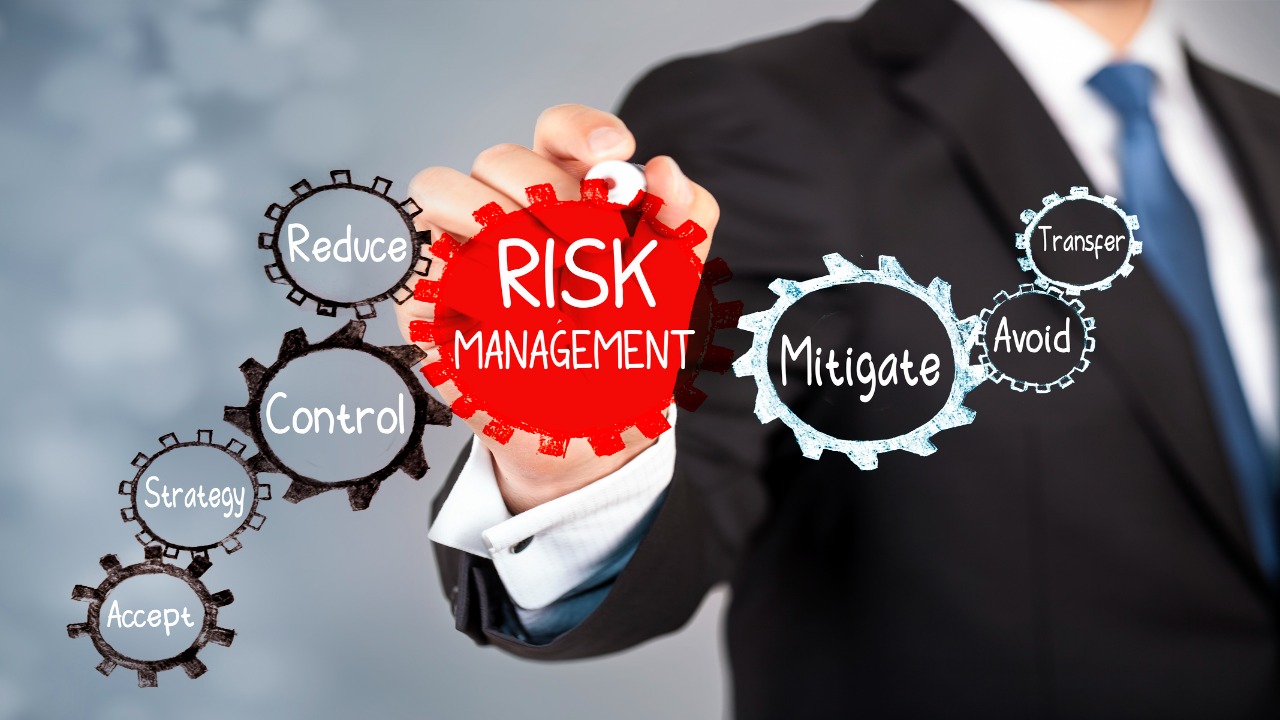
Risk management might sound like a concept only for big corporations or financial firms, but the truth is, it’s something used in everyday life, from crossing the road to running a business. Understanding what risk management is and how it applies can help protect what matters most, whether that’s money, reputation, health, or future plans.
This guide breaks down risk management in the simplest way possible, helping readers in the U.S. understand why it matters and how it’s used in daily life, cybersecurity, and business.
What Is Risk Management?
At its core, risk management is the practice of identifying, evaluating, and reducing threats that could harm a person, business, or system. These threats could be financial losses, data breaches, legal problems, accidents, or even natural disasters.
Imagine a ship sailing through stormy seas. The captain doesn’t just wait for trouble, they study the weather, plan the route, and have life jackets on board. That’s risk management in action.
Why Risk Management Matters in Today’s World
Every choice comes with risk. In business, ignoring risk could lead to massive losses. In technology, failing to secure systems could invite cyber-attacks. For individuals, bad planning might lead to lost savings or missed goals.
Here’s why risk management has become a must in every field:
-
Prevents problems before they start
-
Saves time and money in the long run
-
Builds trust with clients and customers
-
Keeps operations running during disruptions
The Risk Management Process: Step-by-Step
The risk management process is not just guesswork, it’s a structured and smart way to handle uncertainty. Here are the main steps:
1. Identify the Risks
What could go wrong? Risks come from many places:
-
Financial market changes
-
Cybersecurity threats
-
Natural disasters
-
Human error
-
Poor decisions
For example, an online business might face risks from hackers or server outages.
2. Assess the Risk
Next, it’s about asking:
-
How likely is this to happen?
-
How bad would it be if it did?
This helps in ranking the risks so that the most dangerous ones are handled first.
3. Take Action (Mitigation)
There are four main ways to deal with risk:
-
Avoid it: Don’t do the risky thing.
-
Transfer it: Use insurance or contracts.
-
Reduce it: Put controls or protections in place.
-
Accept it: Live with it if the cost of fixing it is too high.
4. Monitor and Review
Risk isn’t something you check once and forget. Things change. New threats come up. That’s why ongoing monitoring is key to good risk management.
Composite Risk Management Meaning Explained
Composite risk management is a method used mainly by the military, but it’s gaining popularity in other fields too. It looks at both hazards (like physical dangers) and risks (likelihood and severity) to make balanced decisions.
Think of it as a tool that combines safety, planning, and smart judgment to reduce problems while still getting things done.
So when someone asks, “What’s the composite risk management meaning?” the answer is: it’s a full-circle approach to managing all types of threats by weighing the mission (or goal) against the risk.
How Risk Management Helps in Cybersecurity
With digital threats on the rise, risk management cybersecurity strategies are more important than ever.
Cyber risks include:
-
Hacking
-
Data theft
-
System crashes
-
Ransomware attacks
Risk management cybersecurity planning involves:
-
Identifying vulnerabilities in systems
-
Protecting data with encryption and firewalls
-
Training staff on safe digital practices
-
Having a backup and response plan
Big companies, small businesses, and even schools now follow cybersecurity risk plans to stay safe in the digital world.
Real-Life Example: Risk Management in Action
A food delivery company in the U.S. once had a simple app glitch. It caused missed orders, unhappy customers, and lost income.
After this, they added:
-
A backup server
-
Alerts for app errors
-
A crisis response team
By using the risk management process, they avoided future disasters, showing how planning today prevents panic tomorrow.
Who Should Take a Risk Management Course?
Whether someone runs a business, works in IT, or manages a team, a risk management course can offer valuable knowledge.
These courses teach how to:
-
Spot problems early
-
Make smart decisions
-
Protect people and money
-
Lead teams in tough times
They’re popular among:
-
Business owners
-
IT and cybersecurity professionals
-
Project managers
-
Emergency planners
Online and in-person risk management courses are now widely available and often tailored to specific industries.
Insights That Go Beyond the Basics
While many guides explain what risk management is, few explore the mindset behind it. Here’s the deeper truth:
Risk management isn’t about avoiding all risk. It’s about knowing which risks are worth taking.
Smart leaders use risk to grow, expand, and try new things, but they never dive in blind. They ask:
-
What could go wrong?
-
Can we handle it if it does?
-
Is the reward worth the risk?
This mindset shift helps businesses innovate safely.
Final Thoughts: Making Risk Management Part of Daily Life
From tech firms to small shops, from school districts to personal finance, risk management helps people and systems survive and succeed.
When it’s built into daily habits, it becomes second nature:
-
Always have a backup plan.
-
Don’t ignore small warning signs.
-
Think before acting, but don’t let fear stop you.
With the right knowledge, tools, and awareness, anyone can use risk management to make smarter, safer decisions in life and work. Learn more about how the Asian Development Bank is supporting Pakistan’s economy with a $500 million loan.