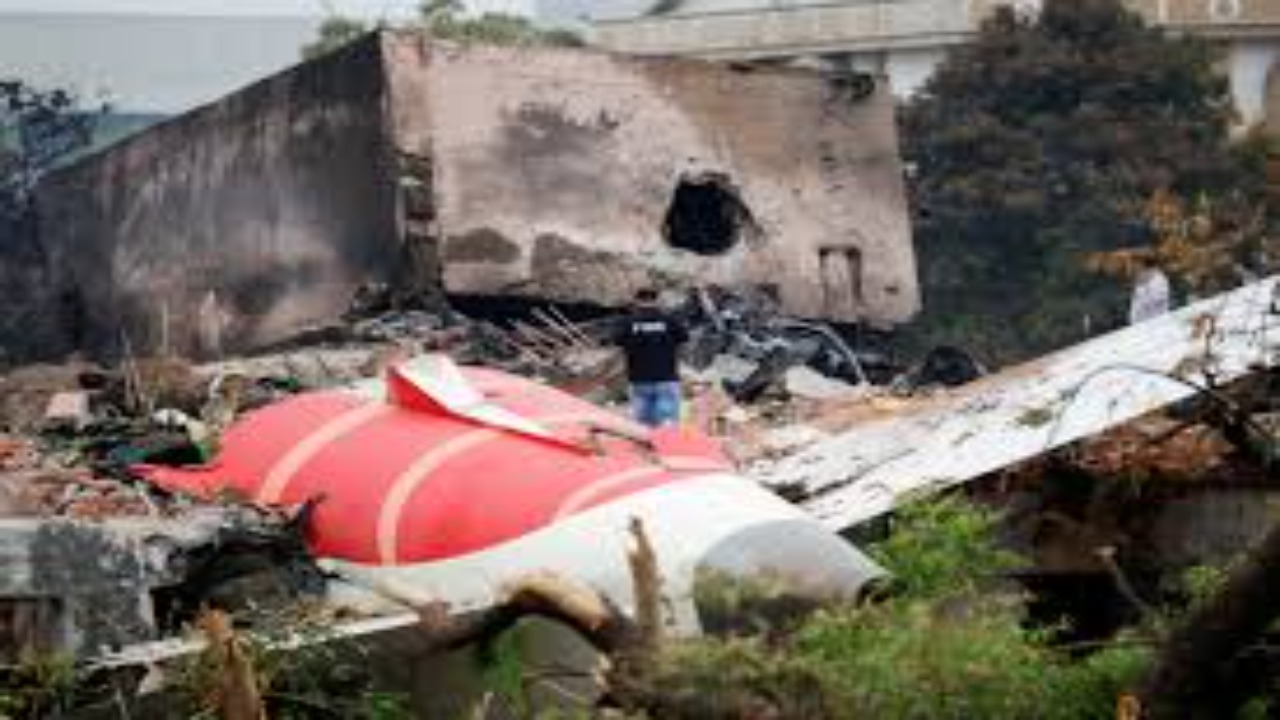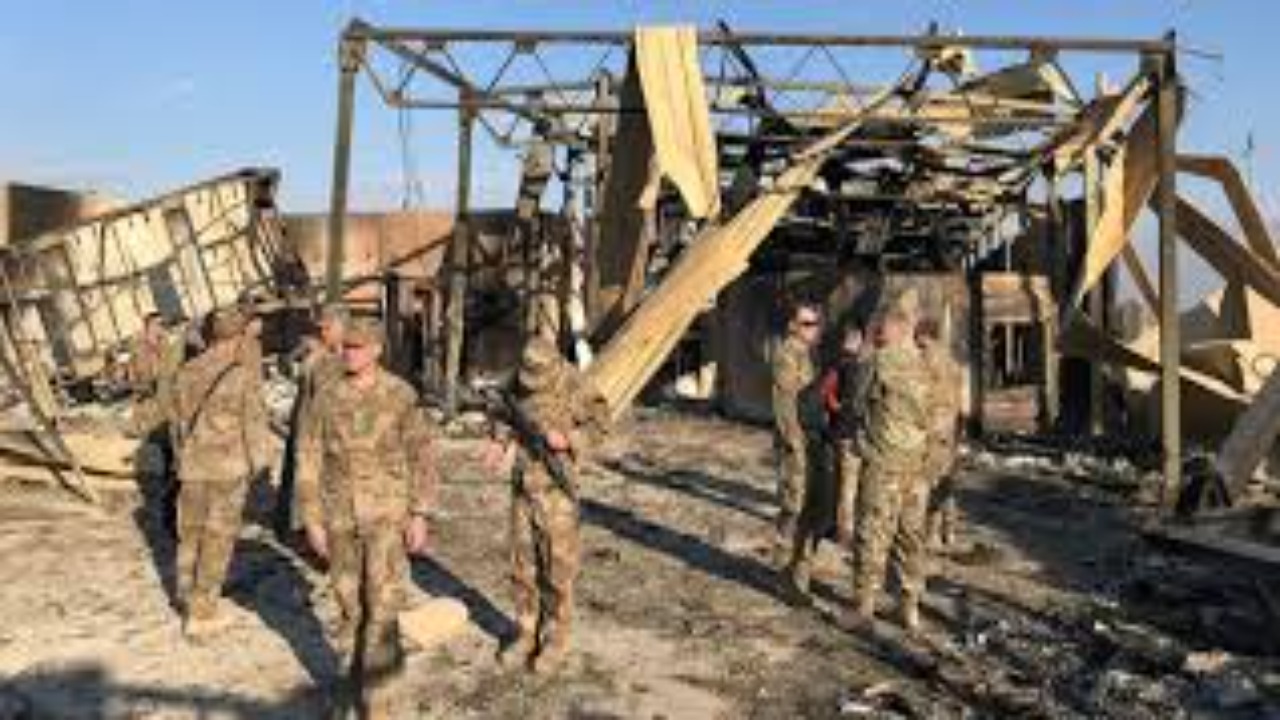
The world woke up to rising tensions in the Middle East as Iran attacks US airbase in Qatar, sending a clear message in response to recent US military action. The strike, which targeted the Al Udeid Air Base, the largest American military installation in the region, has sparked global concern and intense speculation about what happens next.
This article breaks down the facts, uncovers deeper insights, and offers a simple, human-readable view of this critical global moment.
Why Did Iran Attack the US Airbase in Qatar?
According to Iran’s Islamic Revolutionary Guard Corps (IRGC), the attack was a direct retaliation for recent U.S. airstrikes on Iranian nuclear facilities. Iran described the missile strikes as part of “Operation Annunciation of Victory,” a calculated response to what it called “blatant military aggression.”
The IRGC said the attack was a “powerful and devastating missile strike” targeting the Al Udeid Air Base. This base isn’t just any location, it is the command hub for U.S. air operations in West Asia. Iran claims its action aimed to signal that such strategic positions are more vulnerable than they appear.
The response raises a bigger question: Why is Iran fighting the USA?
Historical Tensions and Rising Retaliations
For decades, the US and Iran have had a rocky relationship, filled with diplomatic breakdowns, military escalations, and proxy conflicts. Tensions rose dramatically after the U.S. withdrew from the Iran nuclear deal and reimposed sanctions. In recent weeks, those tensions boiled over as U.S. forces reportedly targeted Iranian nuclear sites.
That strike became the trigger. As expected, Iran countered, choosing to hit a symbolic and strategic target: the US airbase in Qatar.
What Airbase Did Iran Attack?
Iran specifically targeted the Al Udeid Air Base, located near Doha, the capital of Qatar. This massive facility houses more than 10,000 U.S. and coalition troops. It’s also a logistics and command center for U.S. operations in the region.
The Al Udeid Air Base attack did not result in casualties, thanks to the effectiveness of Qatar’s air defense systems. Air raid sirens and explosions were reported in parts of Doha, but all missiles were intercepted before hitting key installations.
Iran’s Message: Not Against Qatar
In a rare diplomatic move, Iran emphasized that the attack was not aimed at harming Qatar. In its statement, the IRGC stressed that the missile launches were conducted away from residential areas and that Iran remains committed to friendly relations with Qatar.
According to Iran’s Supreme National Security Council, the strike was targeted carefully to avoid civilian harm. It framed the attack as a message to Washington, not to Doha.
Regional and Global Reactions
As news of the Iran attacked US airbase in Qatar spread, global markets reacted with nervous volatility. Oil prices briefly surged, and international airlines rerouted flights away from the Gulf region.
Nearby countries, including the UAE, Bahrain, and Kuwait, temporarily closed their airspace as a safety measure. The United Nations called for restraint, while the U.S. government held emergency meetings in Washington.
Will There Be a US Iran Ceasefire?
The idea of a US Iran ceasefire is now being discussed more openly. Analysts suggest both nations might avoid a full-scale war, especially after Iran’s symbolic but limited strike. The U.S. military has not reported casualties, signaling a possible window for de-escalation.
Still, experts warn that any miscalculation could spiral into wider conflict. The situation remains fluid, and any future military response by the U.S. could reignite a new round of escalation.
Inside the Qatar Airbase: Why It Matters
The Qatar airbase, formally known as Al Udeid, is more than just a military site. It’s a hub for U.S. Central Command (CENTCOM) operations, overseeing missions in Iraq, Syria, and Afghanistan. Its strategic value makes it a prime target during regional disputes.
Iran’s decision to strike this specific base underscores its intent to challenge U.S. military presence without sparking a full war. As such, the US airbase in Qatar news is dominating international headlines.
Could This Lead to Bigger Conflict?
Military analysts are divided. Some believe this is part of a controlled escalation, both sides flexing muscle without pushing into all-out war. Others see it as a sign of worsening conditions in U.S.-Iran relations.
The bigger concern is how other regional powers respond. Israel, Saudi Arabia, and Gulf nations are watching closely. If another strike occurs, either by or against Iran, the situation could quickly become a wider conflict.
What’s Next for US Troops in Qatar?
While the U.S. has not confirmed any troop movements yet, there’s speculation that American forces at Al Udeid Air Base are on high alert. New defense measures are likely underway to reinforce the base’s missile shields and early warning systems.
The Pentagon has reiterated its commitment to protecting its assets and personnel abroad, hinting at possible future responses.
Final Thoughts: What This Means for the World
The fact that Iran attacks US airbase, even in a restrained way, shows how dangerous the situation has become. The attack on the Qatar airbase is a message, a warning, and a show of strength from Tehran.
At the same time, the care Iran took to avoid civilian areas suggests it is not seeking total war. This makes diplomacy even more critical right now.
For people in the U.S., this event is a reminder of how quickly far-away tensions can affect global safety, energy markets, and international politics.
For more insights on regional tensions, read how Israel’s attack on Iran unfolded and why it matters.