Author: Hafiz Usman Aftab

  • Getting wet is the new viral trend in photoshoots

    Getting wet is the new viral trend in photoshoots

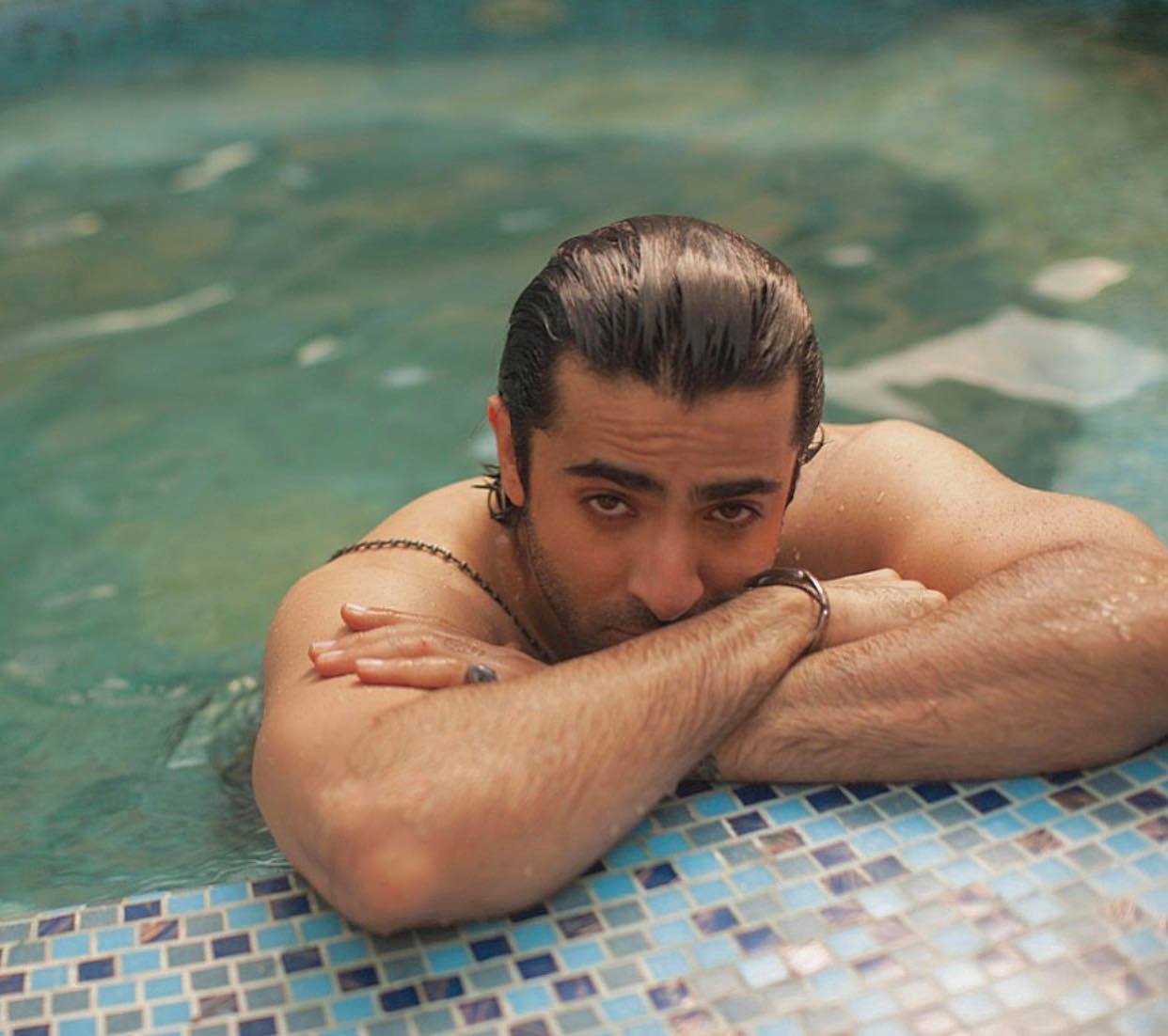
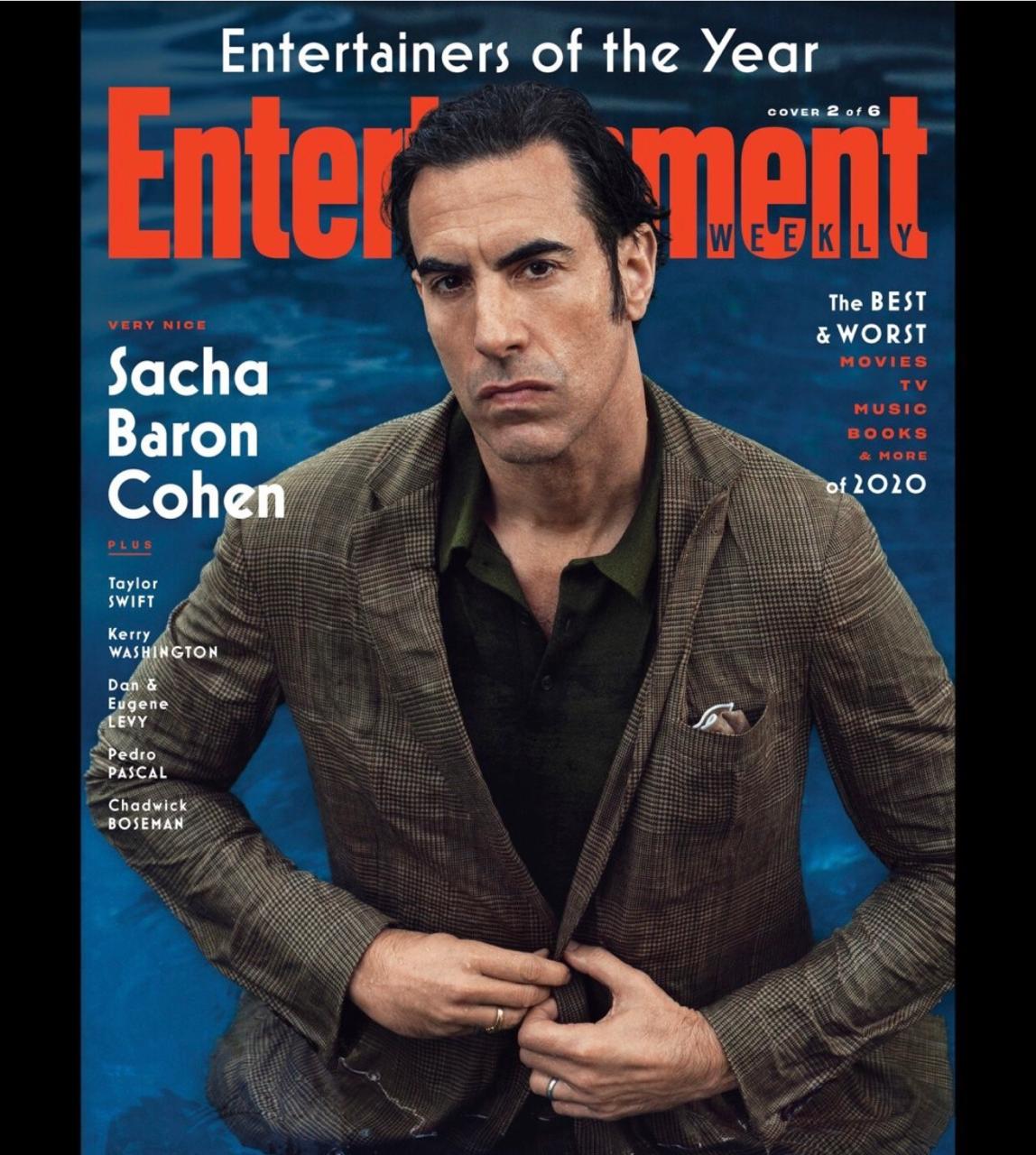
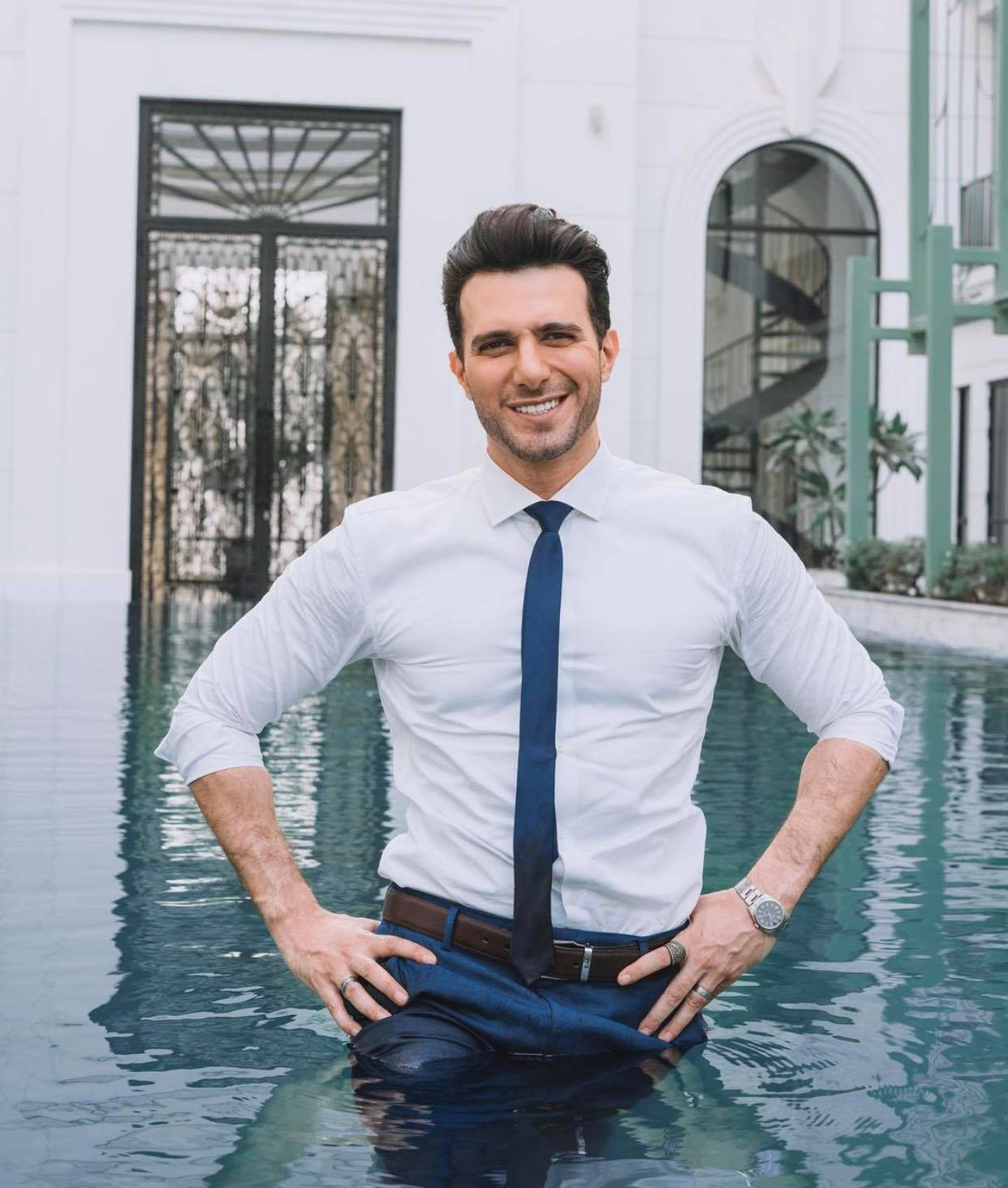
    If you are an Insta-stalker like myself, you may have noticed that several A-list celebrities were spotted lounging and posing away in the pool. While I initially thought that it was just a new Pakistani trend, I stumbled upon pictures of Hollywood celebrities posing in the pool as well, establishing the fact that getting wet (and wild) is the new trend in fashion and editorial photoshoots.

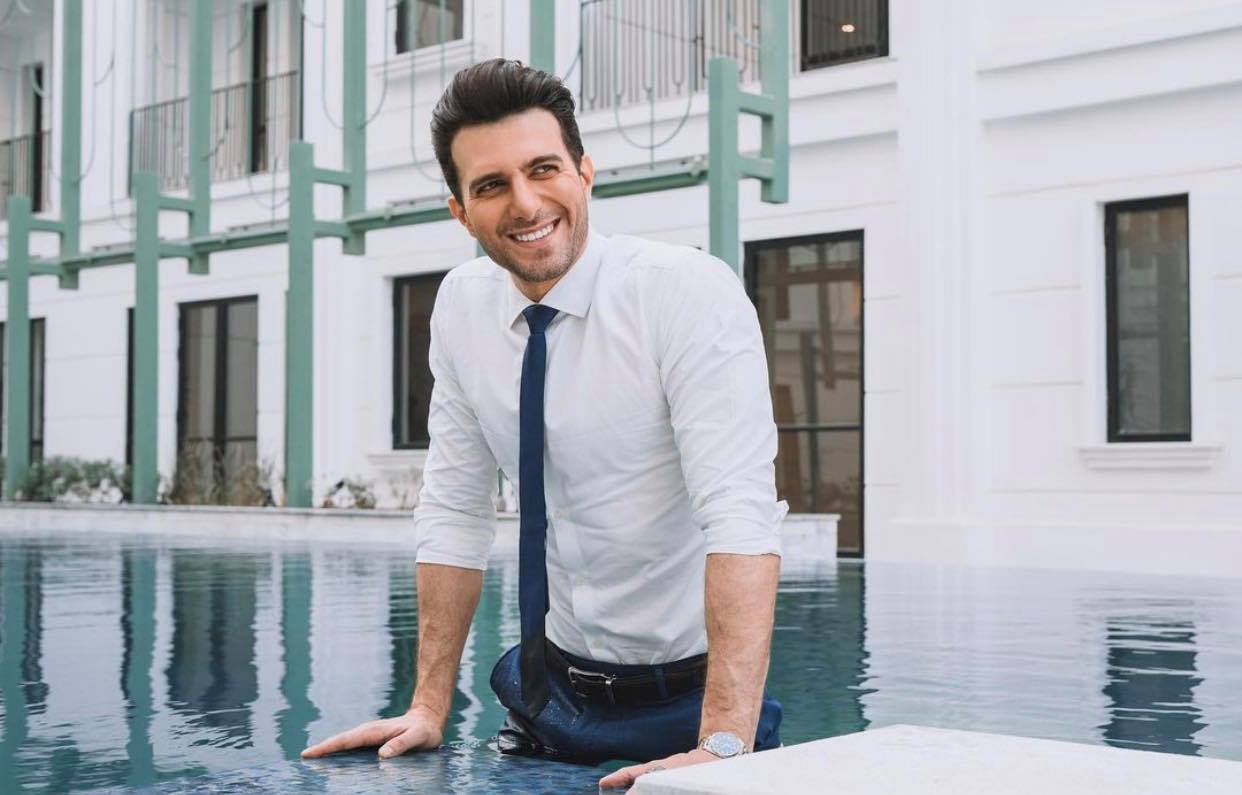
    It all started with Emmad Irfani, who did an entire editorial shoot wearing dress pants and a dress shirt while standing in a pool.

    Damn, check that style and swag.

    Photo Credits – Natasha Zubair

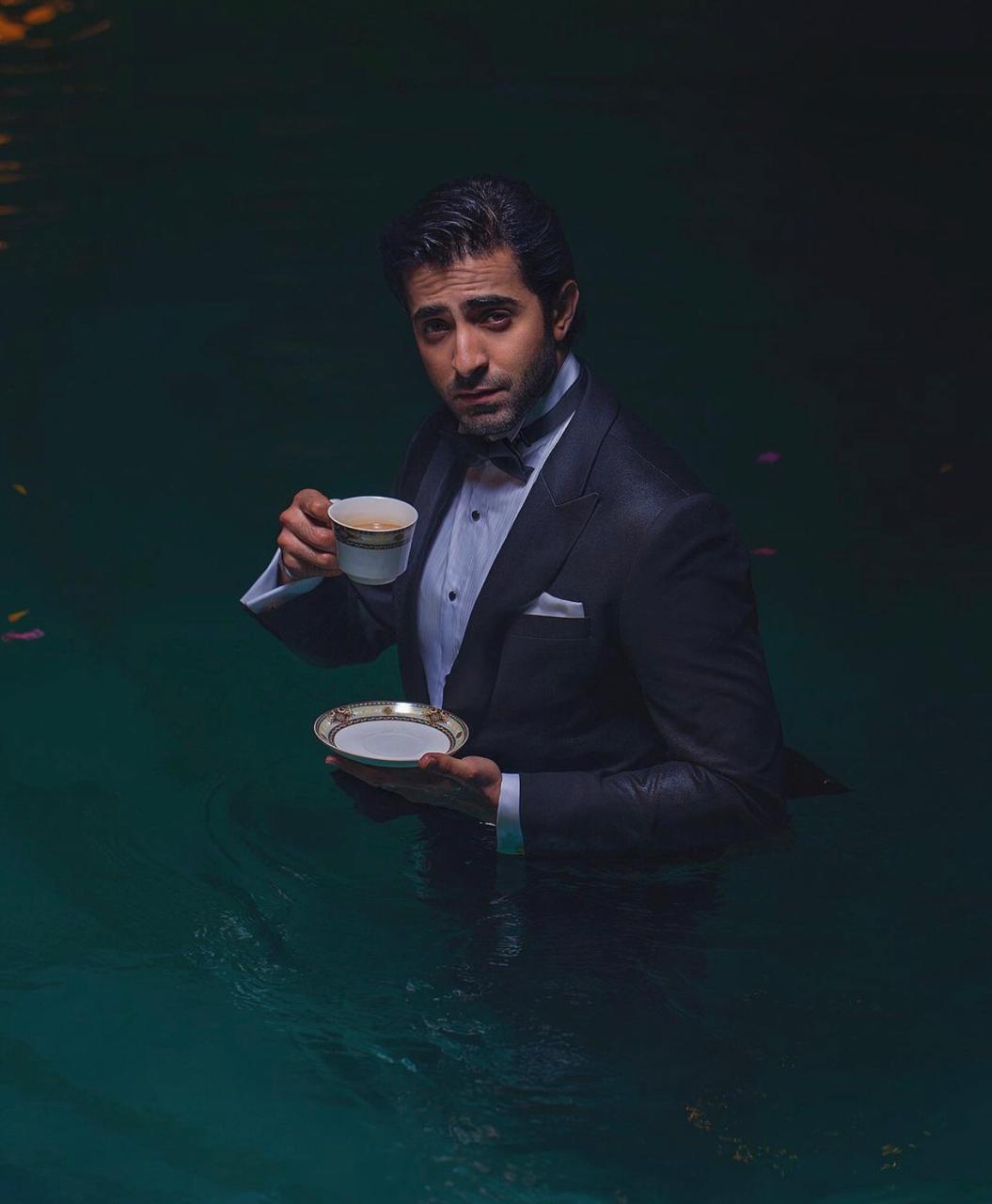
    Sheheryar Munawar was next, who took it a notch higher and wore a full suit in the pool while inviting us to join him for a cup of tea.

    Photo Credits – Rizwan Haq

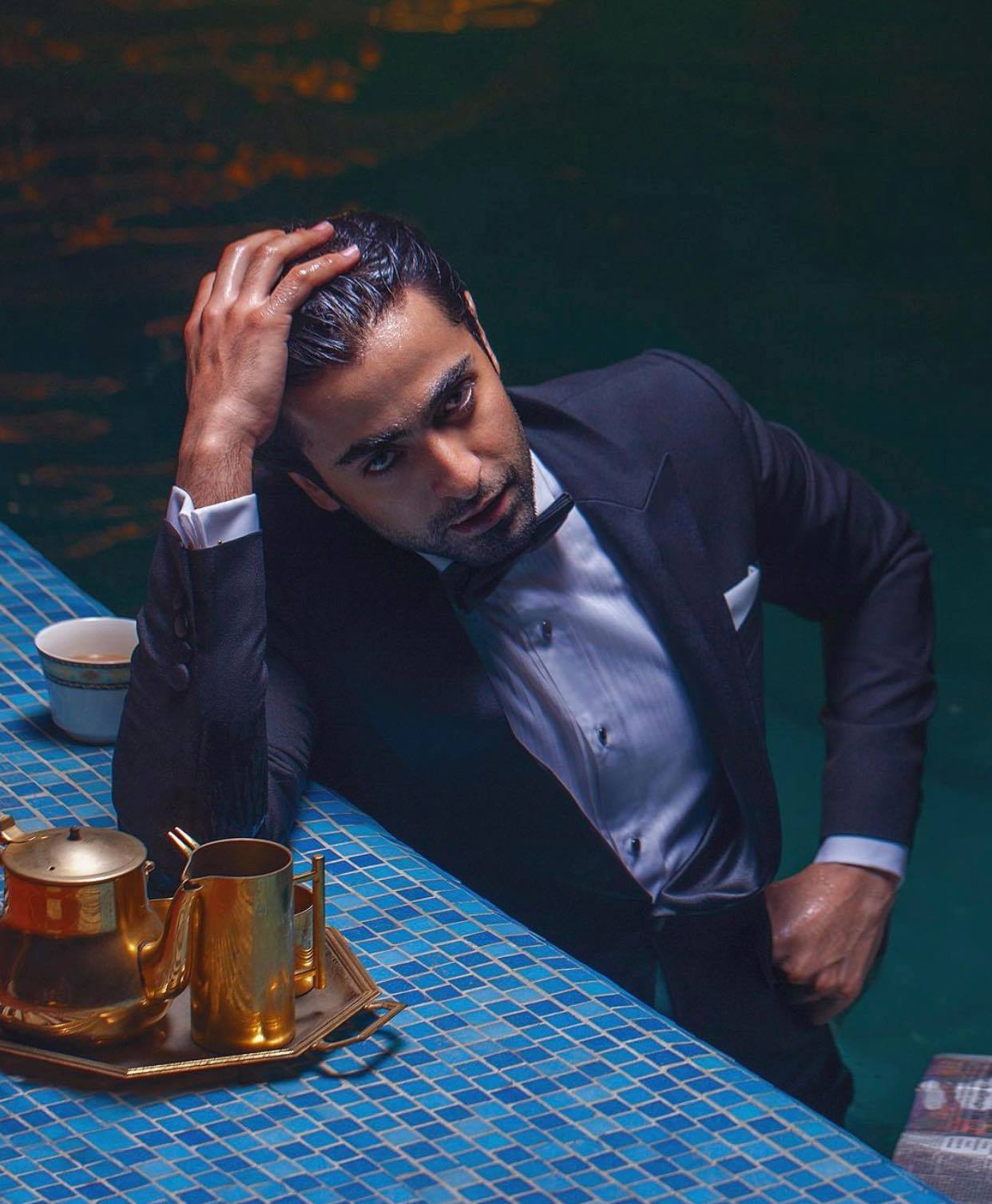
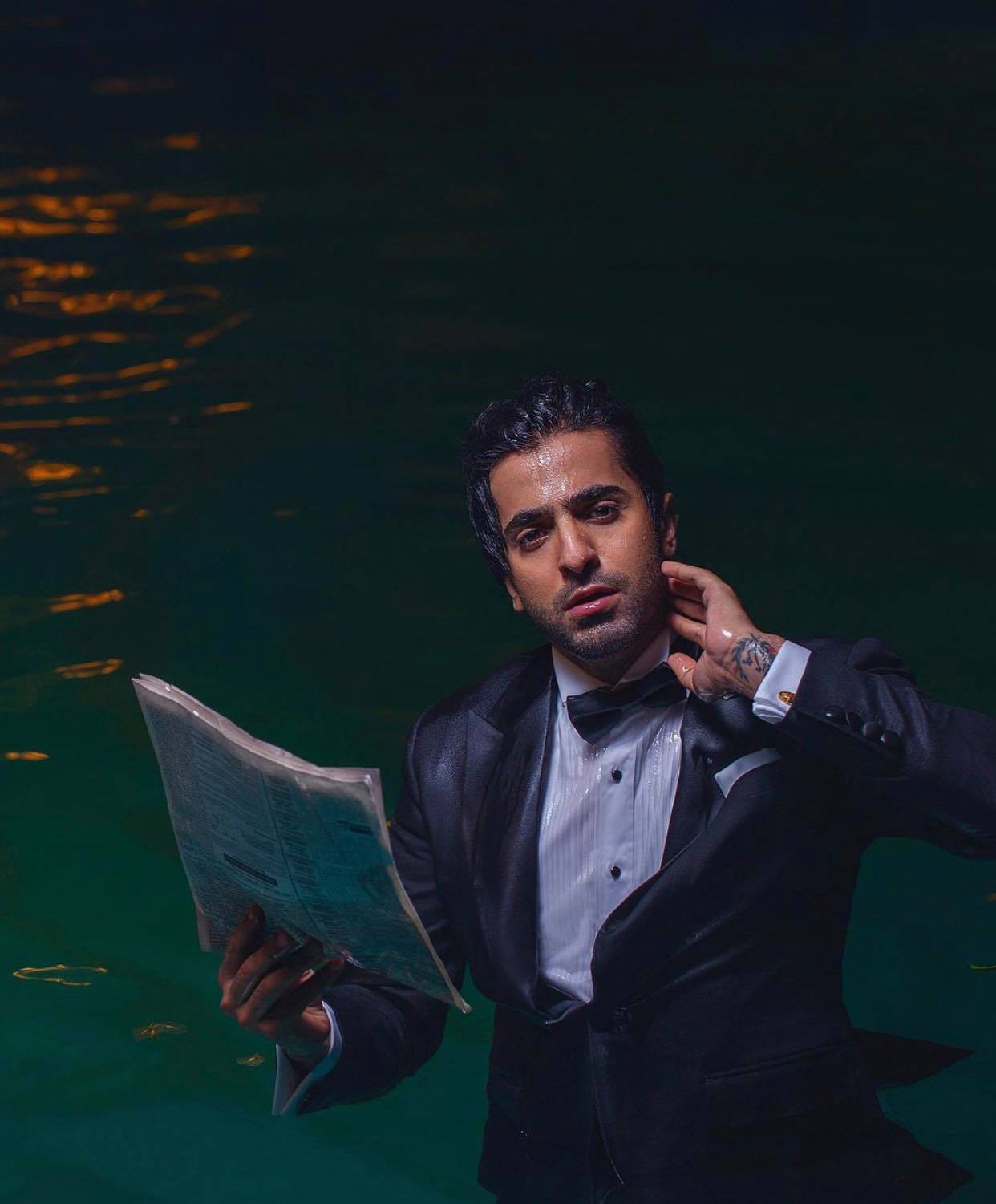
    Munawar then went on to do another shoot in the pool, this time without a shirt.

    Photo Credits – Rizwan Haq

    Read more – Syra Yousuf, Sheheryar Munawar turn up the heat with their latest photoshoot

    We then spotted Minal Khan also posing away in the pool wearing a black high-neck sweater.

    Next up we have Jennifer Lopez aka JLo, who turned up the heat and she stood in the pool. The shoot was from her upcoming skincare brand ‘JLo Beauty’. From where does the actor look 51?

    Last but not the least there is Sacha Baron Cohen, who also suited up in the pool. Though we do have to add here that our boys slayed it better.

    Which pool shot was your favourite? Ours has to be JLo and Sheheryar.

  • Politics in the time of corona

    Politics in the time of corona

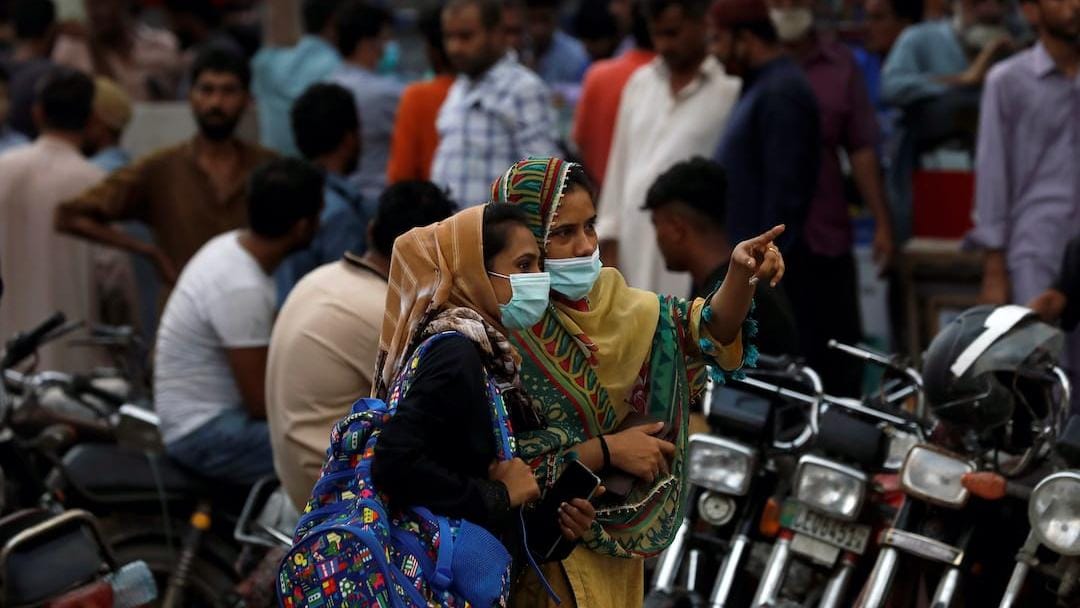
    The second wave of COVID-19 is here in Pakistan. The number of new coronavirus cases in the last few weeks has been gradually increasing. Reports indicate that hospital beds for corona-positive patients in several cities have reached maximum capacity.

    Pakistan had quite successfully controlled the coronavirus after its first wave. By August, the number of cases had gone down considerably. However, the success was short-lived. Come winter, the second wave was sudden but it spread quite rapidly. The positivity rate has now reached 7 percent in a matter of weeks. It is important that people follow SOPs like wearing a mask, sanitising their hands frequently, and maintaining social distance. Unfortunately, most of us have become careless.

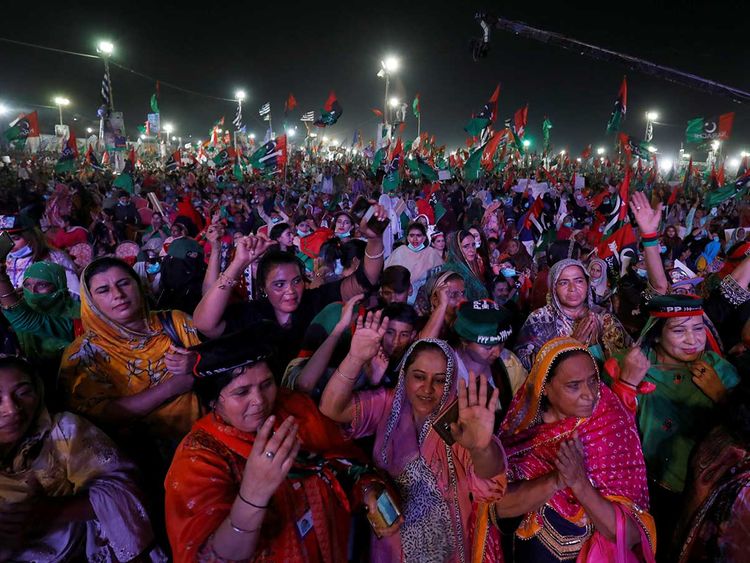
    On top of that, both the Opposition and the government are also being irresponsible. Leaders lead by examples but our leadership wants to spend more time in political point-scoring and blame-game than doing something for the people. The Pakistan Democratic Movement (PDM) has refused to postpone their rallies despite the fact that it can risk the lives of thousands of people who will be attending those jalsas.

    As if the PDM jalsas are not enough of super-spreader events, government officials don’t want to be left behind. Federal Minister Asad Umar, who also chairs the National Command and Operations Centre (NCOC), addressed a workers’ convention titled ‘Youth of Sukkur’ just yesterday.

    Tomorrow, the PDM is holding a rally in Multan. Chairman PPP Bilawal Bhutto-Zardari will be addressing the rally via video link because he contracted COVID-19 after the Peshawar jalsa. Both the Opposition and the government need to stop all public gatherings.

    Opposition leaders who are making light of the global pandemic by saying that the government is more dangerous than COVID-19 should really stop. They not just sound absurd but making light of a virus that can be deadly is highly irresponsible. The government, instead of threatening the Opposition and arresting their workers and leadership, should talk to the PDM leadership and talk them out of holding rallies. Such political rallies can hardly be stopped through sheer force. The Opposition really needs to put aside their egos and postpone their rallies for the larger good of the public. If our leadership will not set an example by acting responsibly, the public will not either.

    Educational institutions have now been closed. If people are not careful, soon the government may have to close down public places like parks, restaurants, gyms, malls, etc. We cannot take this new wave lightly. People are losing their lives across the world. We must stay vigilant.

  • ‘Over 20 mobile phones, Rs90,000 in cash’: Johar Town cafe robbed in ‘two minutes’

    ‘Over 20 mobile phones, Rs90,000 in cash’: Johar Town cafe robbed in ‘two minutes’

    Police have registered a case against two unidentified suspects for robbing a restaurant in Lahore’s Johar Town area on the night of November 26 and getting away with a loot of almost Rs1 million.

    Chai Khas, an eatery located on Main Boulevard, was jam-packed at 10:30 pm (despite coronavirus SOPs) when two alleged robbers entered the premises. According to eyewitnesses, the suspects armed with handguns took the “entire floor hostage and started taking away people’s mobile phones, jewellry, and wallets”.

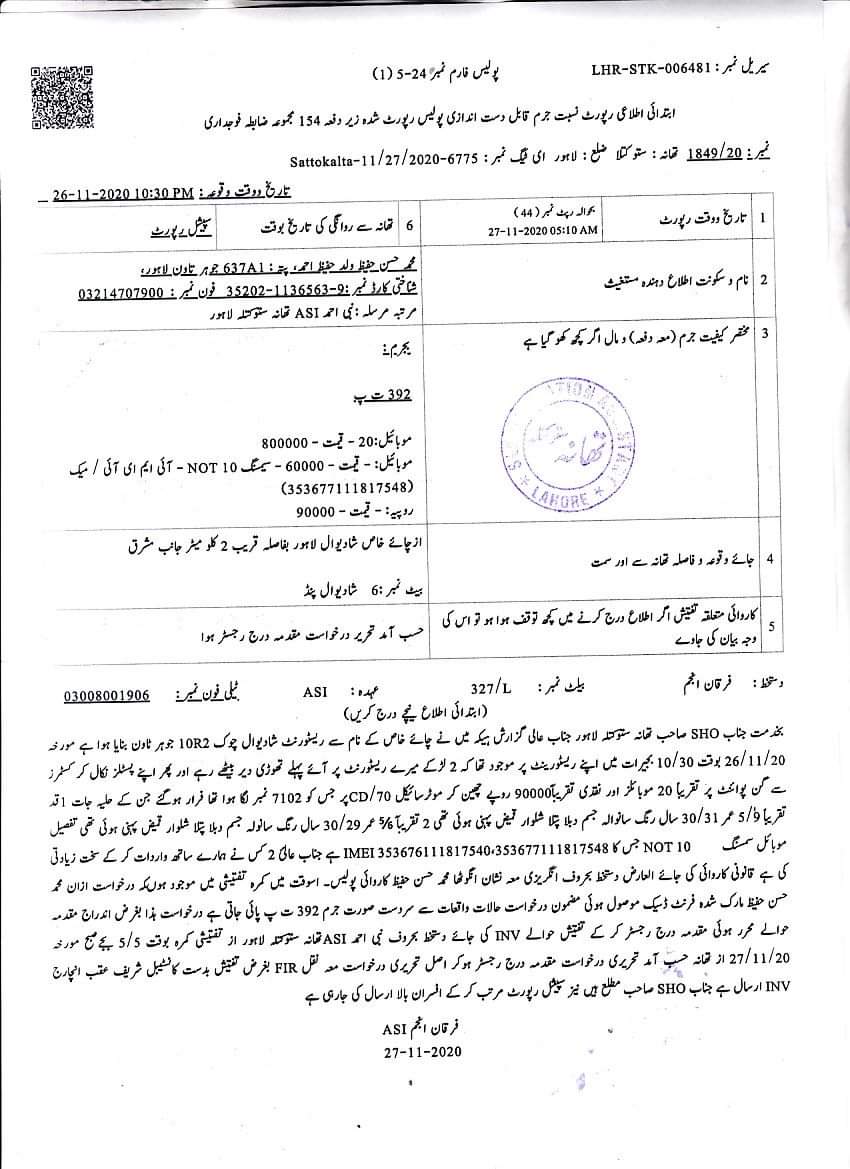
    FIR of the incident

    The FIR of the robbery registered at the SattoKatlan police station claims that at least 21 mobile phones, worth almost Rs1 million, and Rs90,000 in cash was looted in the alleged robbery. The FIR, however, doesn’t mention the details or the worth of the jewellry. The suspects managed to finish their job in two minutes before getting away on a 70cc motorbike numbered 7102, as per the FIR.

    The incident took place at 10:30 pm on Thursday while the FIR was registered around 5 am on Friday, as the owner was allegedly reluctant to approach the police at first. However, after the insistence of the robbed customers, the owner decided to visit the police station in the wee hours of the morning, accompanied by one of the customers, who also shared the account of the robbery on a Facebook group.

    According to the FIR, the two suspects in their early 30s entered the restaurant on Thursday night. They sat in the cafe for a while before they took out their weapons and started robbing people at gunpoint.

    Subsequently, the police booked the suspects under Section 392 of the Pakistan Penal Code that pertains to robbery. “Whoever commits robbery shall be punished with rigorous imprisonment for a term which [shall not be less than three years nor more than] ten years, and shall also be liable to fine; and, if the robbery be committed on the Highway […..] the imprisonment may be extended to fourteen years,” the section reads.

    The police ASI, Furqan Anjum, remained unavailable for comments when The Current called him, seeking updates on the probe.

    RELUCTANCE OF CAFE OWNER:

    The people who were robbed at the restaurant have accused the cafe management of dilly-dallying in the registration of the FIR and the release of the CCTV footage of the incident. An eyewitness claimed that the owner didn’t want to go to the police because it could “damage the reputation of his cafe”. “The owner remained insensitive to the episode and remained reluctant to file an FIR,” the customer complained.

    People, who were robbed at the restaurant, have asked the Punjab IGP and Lahore police chief to take notice of the incident in light of a spike in street crimes over the past several months.

  • Pakistan’s new social media rules

    Pakistan’s new social media rules

    Pakistan’s new social media rules have ‘alarmed’ the Asia Internet Coalition (AIC), an industry association that promotes the understanding and resolution of Internet policy issues in the Asia Pacific region. It comprises leading internet and technology companies such as Amazon, Airbnb, Apple, Facebook, Google, LinkedIn, Twitter, and Yahoo, among others.

    AIC issued a statement on Thursday about the Removal and Blocking of Unlawful Online Content (Procedure, Oversight and Safeguards) Rules 2020. As per the AIC statement, “The Rules would make it extremely difficult for AIC Members to make their services available to Pakistani users and businesses. If Pakistan wants to be an attractive destination for technology investment and realise its goal of digital transformation, we urge the Government to work with industry on practical, clear rules that protect the benefits of the internet and keep people safe from harm.”

    Digital rights activists in Pakistan have also condemned the move.

    In a world that is now all about technology, Pakistan should be embracing the digital spaces instead of alienating tech giants. Not only will it be a huge blow to everyone in Pakistan who uses the internet but it also means that leading tech companies will not consider investing in Pakistan.

    During the corona pandemic, we saw how tech companies were successful and also made life easier for people during lockdown. It is thus baffling to see a government that always talks about Digital Pakistan and has actually used social media and digital media to its advantage now come up with rules that are draconian and not practical.

    Such shortsighted moves could lead to consequences that we can ill afford. With a struggling economy, we should ideally be more open and welcoming to tech companies. Instead, these companies are now expressing alarm at the new rules.

    If we just look at countries around us, including China and India, they have taken full advantage of the digital world. The US economy is helped immensely by technology companies. Pakistan’s new rules make it almost impossible for international tech companies to even consider opening their offices in the country.

    In the past, the ban on Facebook and YouTube pushed Pakistan back digitally by several years according to digital rights experts. The new rules, if not improved, could have far-reaching consequences. While these companies have not given an inkling of their next move, what if they stop providing these services in Pakistan? We need to factor in that there can be such a possibility and how it will affect hundreds of thousands of users.

    Why is it that we want to ban games or apps or even bring in new rules that take away fundamental freedoms when we are a democratic country and not an autocratic state. It is hoped that the government would rethink this strategy and make Pakistan a more open and tech-savvy country that is on par with the digital world.

  • ‘Ludo’ is delightfully entertaining

    ‘Ludo’ is delightfully entertaining

    Just when I thought I was done with Bollywood films for this year, given how terrible this year’s releases have been, Ludo popped up as I was scrolling through Netflix. The film had just released and was already trending in the top ten on Netflix Pakistan.

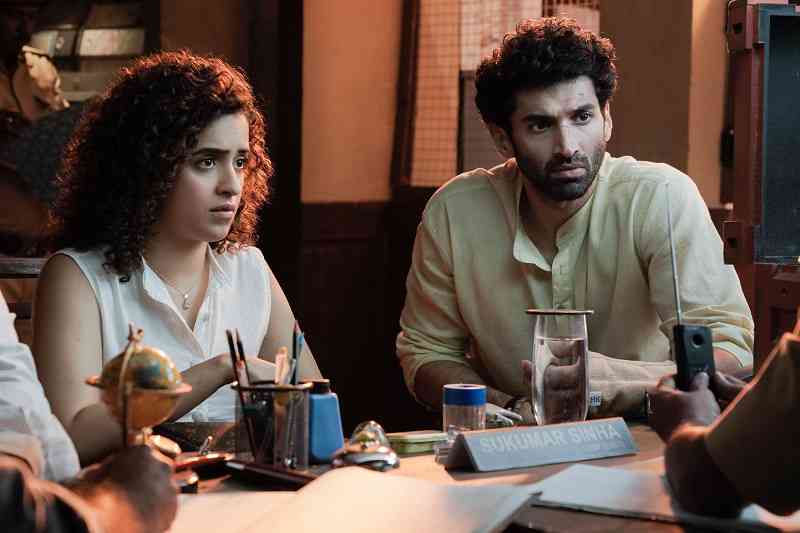
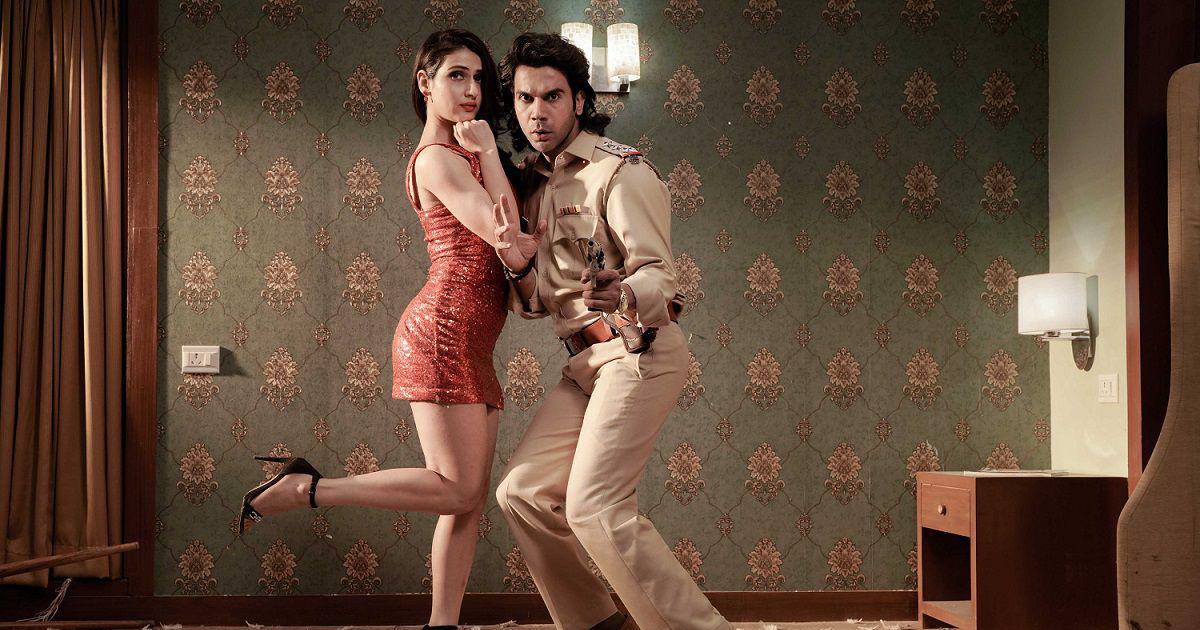
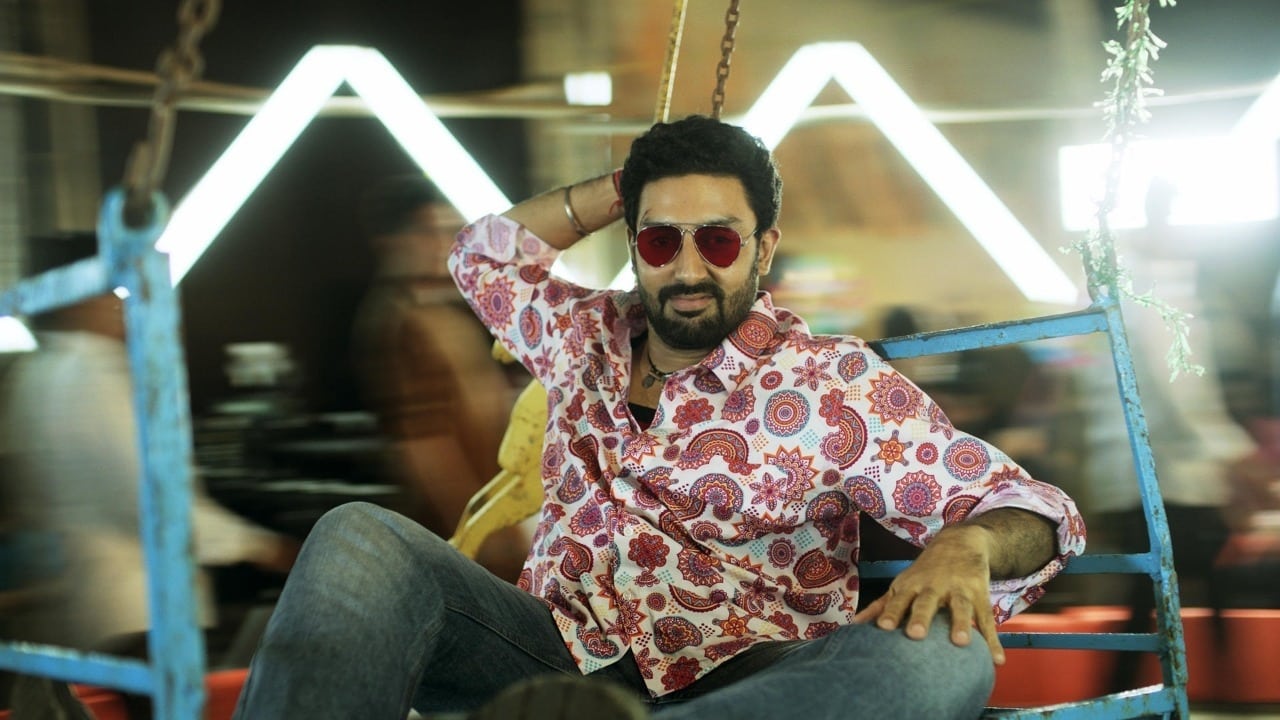
    Featuring an ensemble cast of Pankaj Tripathi, Aditya Roy Kapur, Abhishek Bachchan, Fatima Sana Shaikh, Rajkummar Rao, Sanya Malhotra, Rohit Suresh Saraf and Pearle Maaney, Ludo is a tough film to describe considering the multiple storylines running side by side. On one hand, you have Akash (Kapur) and Shruti (Malhotra), who are trying to cover up a sex tape before Sanya gets married to the man of her dreams, while on the other you have Bittu (Bachchan), who just came out of jail and ends up running into a little girl who kidnapped herself so her parents would pay attention to her. Then you have Alu (Rao), who runs a restaurant and dances to Mithun’s disco moves when he is stressed. He deeply loves his childhood crush Pinky (Shaikh), though she is married with a baby.

    Akash and Shruti

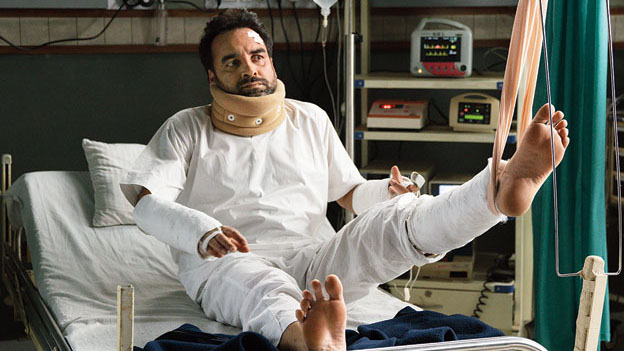
    On the surface, the characters have nothing to do with one another but their fates are all connected through Sattu Bhaiya (Pankaj) who is the resident gangster. As the leads try to sort out the problems in their lives, they end up getting entangled with one another in a very messy web controlled by Sattu Bhaiya. He manages to run everyone’s lives even while lying on a hospital bed.

    Sattu Bhaiya

    Written and directed by Anurag Basu, Ludo is a highly entertaining and enthralling watch. It keeps you gripped with its twists and turns and has been masterfully directed. A movie like this, which has multiple plotlines and characters, each with a different, distinct story, running side by side, could have easily fallen apart. But Basu holds it all together skilfully.

    Though it is slightly longer than average films these days, you will not feel yourself getting bored at any point – there is enough drama, comedy and romance to keep you hooked.

    Alu and Pinky

    All the leads gave brilliant performances though it was Pankaj who blew me away with his acting and expressions. Despite being a gangster, you couldn’t help but like his character all because of how Tripathi brought it to life.

    Bittu

    The cherry on top was the songs and background music, which perfectly complemented the theme and mood of the film. I have been listening to Aabaad Barbaad and Hardum Humdum on repeat.

    Read more – All single Pakistanis will relate to trending rom-com ‘Holidate’

    While Ludo may not be a cinematic marvel or an extraordinary film, it makes a fun, cosy watch especially on a chilly winter evening.

  • ‘Jalan’ continues to be a cringefest

    ‘Jalan’ continues to be a cringefest

    Every season, there is at least one, if not more, drama which creates a stir and causes an uproar on social media. This season, it is Jalan, with its twisted and very problematic storyline.

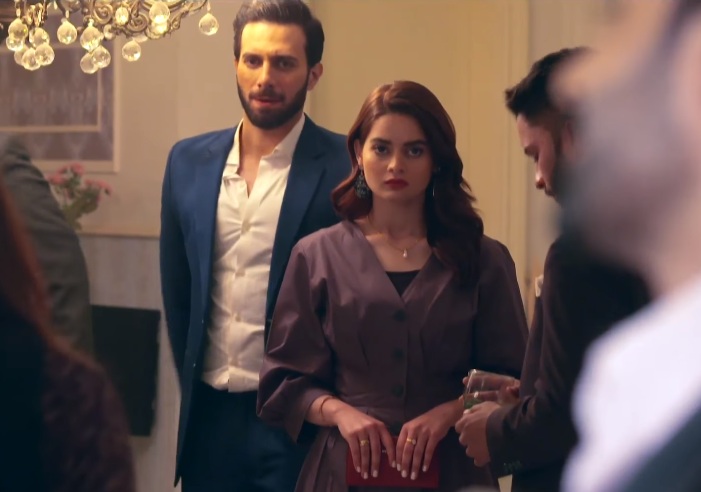
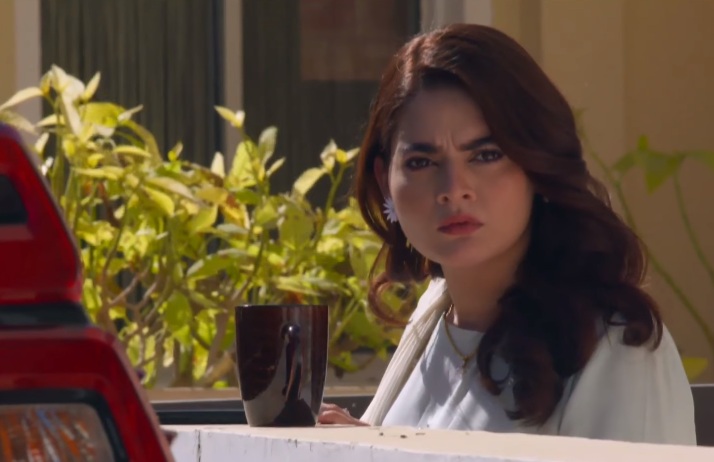
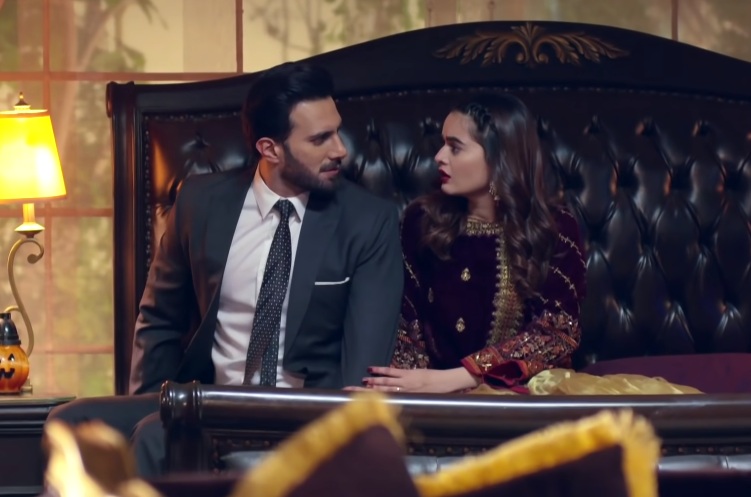
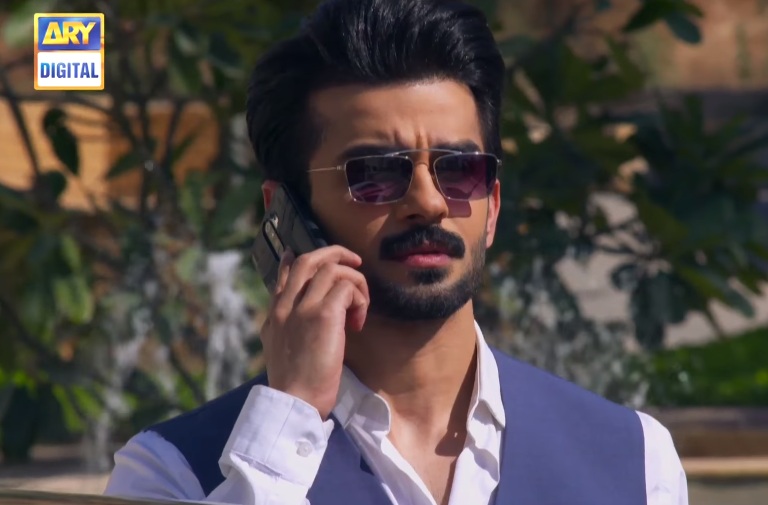
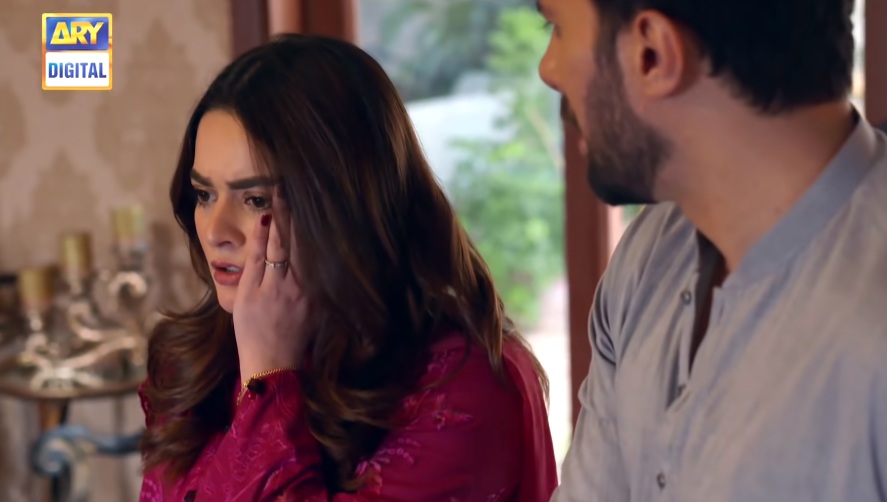
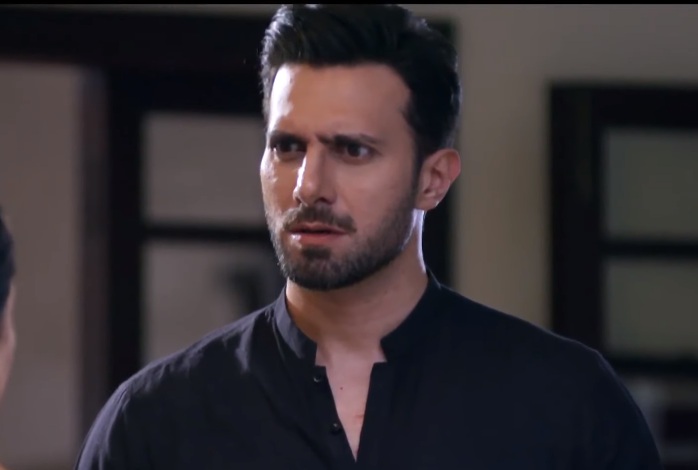
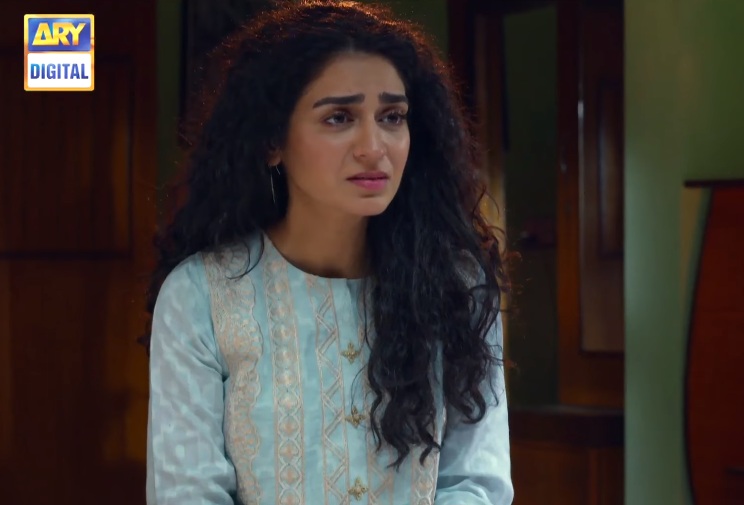
    For those who have been oblivious to the drama and PEMRA’s short-lived ban on it, Jalan is about two sisters Nisha (Minal Khan) and Misha (Areeba Habib) who are after the same guy. While Misha is the sweet and obedient sister, Nisha is a spoiled brat and wants to be better than her sister, so she sets her sights on her brother-in-law Asfandyar (Emmad Irfani) because he’s rich and good-looking. Ignoring the fact that her sister is married to Asfandyar (Asfi) and pregnant with his child, Nisha openly flirts with him and urges him to divorce his wife. Nisha eventually gets her way and Asfi not only divorces his wife but also pushes her as a result of which she falls to the floor and ends up delivering their baby prematurely. Nisha’s parents throw her out of the house and she seeks refuge with Asfi pushing him to marry her as soon as possible. As Nisha and Asfi get married, Meenu, who cannot bear the heartbreak and humiliation sets herself on fire and eventually dies leaving behind her infant child.

    Asfi and Nisha’s marital bliss doesn’t last long and the cracks become wider when Nisha’s ex-fiance Ahmer (Fahad Sheikh), makes a dramatic re-entry into her life richer and better-dressed. Nisha then sets her sights on him, straight-up asking him to marry her the second time they meet after their breakup.

    If the entire situation wasn’t bizarre enough, it’s execution is even more mind-boggling. The script is weak and the characters terribly developed. It’s as if the writer after every scene forgot what she had written in the previous scene and started the new chapter afresh – there is no flow in scenes. Even though Nisha is the protagonist, her character and callous actions are incomprehensible and beyond basic understanding. The drama’s writer Sidra Sehar Imran, in a recent interview, said that the drama is a true story but I’m finding that a little hard to believe. In the past (I’m looking at you Meray Paas Tum Ho), several writers have used the ‘true story’ trope as a marketing gimmick in an attempt to hype up their dramas and push up ratings. This time round I am not definitely not buying it.

    If we thought Nisha was messed up, Asfi is even worse. He barely has any dialogues and mostly just moves around with either a sullen expression on his face or screaming his head off. While Irfani does a decent job with the role, Asfi’s one-dimensional personality is irritating, to say the least.

    I am unable to fathom what the makers of the drama are trying to show with this plot and storyline. A few words simply cannot sum up the disaster this drama is. It is quite clear that ARY just wanted to create a stir with this and they have gotten exactly that. Substance and content do not matter. It appears that with Jalan, we’ve hit a new low.

    Jalan is one of those dramas which are so bad that they don’t even qualify as a guilty pleasure. Every time you tune into it, you are bound to get your blood pressure high.

  • Anti-democracy rules

    Anti-democracy rules

    “Our democratic dispensation now rests on the courts to strike these draconian rules down, on the Parliament and especially the opposition parties to walk the talk of protecting democracy, and on the government to prove its sincerity to its digital dreams. Or should we stop pretending?”

    If the internet offers an open space for citizens to freely express themselves, the newly notified internet rules seek to clampdown on those very freedoms in an autocratic manner. Whether one considers the process by which they were drafted, or the substantive matter of the tules, they flout democracy.

    In a democracy, rules relating to the internet would at the very least be well-informed in terms of the functioning of technology; take input of the technology sector, human rights experts, the companies that these rules would impact, students, as well citizen groups; and follow a consultative process where multiple drafts were shared with stakeholders and discussed and revised before being notified.

    What we saw instead was surprise news early on in the year that rules had been notified by the federal cabinet. No consultation was held or stakeholder input sought.

    After national and international outcry by human rights groups, consortium of technology companies such as the Asia Internet Coalition (AIC), and multistakeholder forums such as the Global Network Initiative (GNI), the PM said he will “suspend” the rules and hold more consultations. Except legally, a cabinet notification can only be “taken back” — denotified — by the cabinet itself, and not the PM, as held in the Mustafa Impex case in the Supreme Court, as well as the rules of business.

    However, the cabinet never denotified the previous set of rules, and has recently notified yet another set.

    For the new set of rules, consultations were an eyewash as expected, as not only are the new ones any less draconian than the last, but also make several additions that raise several questions.

    For one, in an attempt to include safeguards and protections, they give the powers of judge, jury, and executioner to the PTA where the authority, which is clearly not above pressure of the federal government, has the power to order social media companies to block or restrict content on the internet, decide what content is unlawful, and also review appeals against such a decision. The stipulation for appeal at high court comes after all of these steps. This goes against the separation of powers that the Constitution outlines and forms the basis of democratic governance.

    “The important question is who is making these decisions? Is the PM sincere in his wishes for a Digital Pakistan?”

    That is all the more problematic when one sees the exceptions to freedom of speech that the rules stipulate. They empower the PTA to not only interpret Articles of the Constitution but also sections of the Pakistan Penal Code (PPC) relating to the blasphemy laws for defining “glory of Islam”, “obscenity and decency”, and “public order” where powers under section 144 are cited as the yardstick for determining what online content can be deemed illegal.

    Most problematic is the rule regarding “integrity, security and defence of Pakistan” whereby it goes on to not only give PTA the powers to interpret Article 260 of the Constitution with regards to defining these terms – which is a function of the higher judiciary – but also expands it to “also mean and include the dissemination of an information which intimidates or harms the reputation of federal or provincial government or any person holding public office” and “brings or attempts to bring into hatred or contempt, or excites or attempts to excite disaffection towards the federal or provincial government”, effectively covering any criticism of the government on the internet to be restricted or blocked on the orders of the PTA as it wishes.     

    Additionally, the rules also go against the parent legislation – PECA – by making intermediaries, i.e. internet companies and internet service providers liable for content regulation and data sharing, hence privatising censorship. Section 38 of PECA explicitly limits intermediary liability. No company is going to agree to implementing a government’s rules over its own detailed community standards, as obvious form the AIC statement that signaled that internet companies may exit Pakistan if these rules are to remain. Rules also expect the companies in face of these orders to open an office in Pakistan, establish local databases, and offer the FIA unrestricted access to user data.     

    The important question is who is making these decisions? Is the PM sincere in his wishes for a Digital Pakistan? Or is the vision to make it like China where the country is cut off from the rest of the world, capacity for which is lacking here exactly because of years of similar shortsighted policymaking mistakes, lack of state investment in encouraging a robust IT ecosystem, and ad-hoc policy of censorship and privacy violations that discourage potential investment and growth?

    Our democratic dispensation now rests on the courts to strike these draconian rules down, on the parliament and especially the opposition parties to walk the talk of protecting democracy, and on the government to prove its sincerity to its digital dreams. Or should we stop pretending?

  • New wave of COVID-19 in Pakistan

    New wave of COVID-19 in Pakistan

    Pakistan is seeing another wave of COVID-19 in the country. On Saturday, the country saw over 2,000 cases reported for the second consecutive day, which means more than a 20 per cent increase in cases. These numbers are the highest since July. Seventeen people lost their lives to the coronavirus on Saturday as per the data from the National Command and Operation Centre (NCOC). Geo’s Arshad Waheed Chaudhry also lost his battle against COVID-19 on Saturday.

    After successfully controlling the pandemic, Pakistan’s new cases also point to the fact that people have become complacent in following the SOPs necessary till a vaccine comes out and is readily available across the country. From less than 6,000 active cases in September, we now have 24,938 active cases. While the NCOC has imposed a ban on indoor weddings in major cities with “high positivity and higher disease spread potential”, marriage hall owners are refusing to follow the government’s guidelines. They say that the new SOPs would not just lead to financial problems for the marriage hall owners but thousands of employees and businesses associated with the wedding industry would also suffer economic marginalisation.

    Federal Education Minister Shafqat Mahmood tweeted yesterday: “We have convened an important meeting of provincial education ministers on Monday at 11 am to discuss the latest coronavirus situation in the country. As stated before health of students is our no one priority.” Most schools across the country have reopened. Punjab’s Education Minister Dr Murad Raas also tweeted that there is a meeting of all provincial education ministers tomorrow to discuss the prevailing condition of COVID-19. “In my opinion, we should focus on a Smart Lockdown rather than an across the board shutdown of Schools,” tweeted Raas. NCOC has decided to close cinemas, theatres and shrines.

    The government will now have to decide what measures to take next. The new wave is turning out to be quite dangerous. The opposition parties are taking out rallies across the country while the government, too, has held some jalsas recently. Not many were seen following the SOPs, i.e. wearing masks, maintaining social distancing, etc.

    Such large gatherings apart from social gatherings will lead to more increase in the number of corona cases. It is time that all political parties as well as the people of Pakistan show responsibility before this new wave turns into a nightmare. Some organisations in the country have started implementing work from home again. Others may have to follow in case there is an increase in cases.

    There have also been some instances of faulty test results in recent months. Some people who have tested positive have had their tests done the next day from a different laboratory only to find out they were negative. The government also needs to increase testing across the country. We hope that this time around, the people will follow proper SOPs so that the new wave can be curtailed as soon as possible.

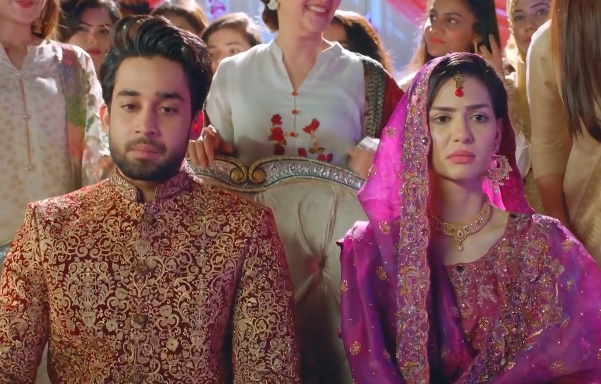
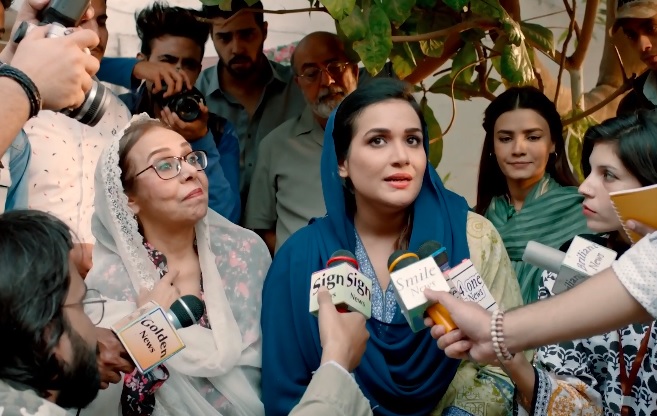
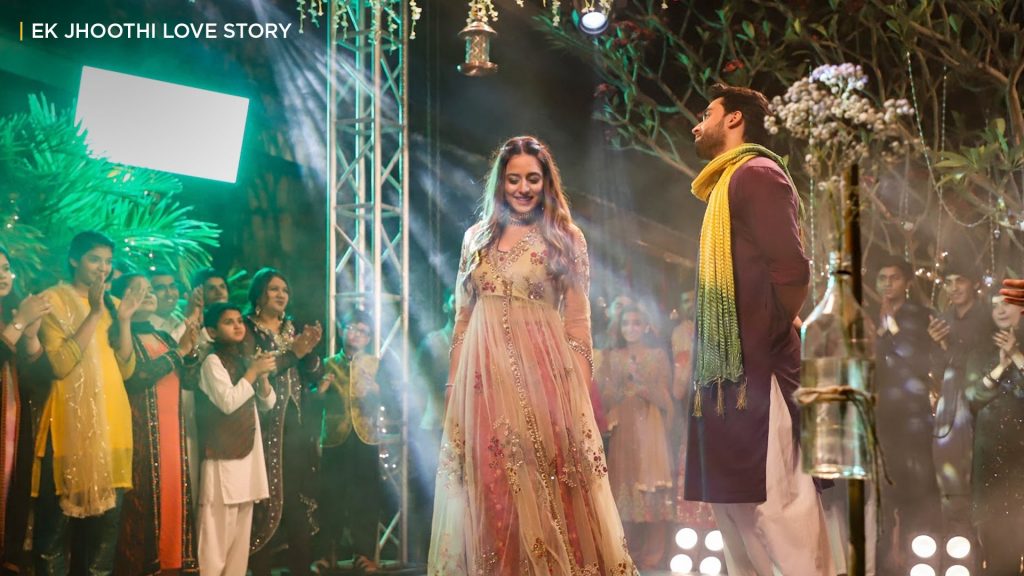
  • ‘Eik Jhoothi Love Story’ hits all the right spots with its heartwarming and sweet story

    ‘Eik Jhoothi Love Story’ hits all the right spots with its heartwarming and sweet story

    As someone who has grown up on romcoms, I’ve often yearned for a story that I can relate to. Hollywood and Bollywood romcoms are dreamy but often unrelatable and something that you cannot envision happening in Pakistan, given the cultural differences. But with Eik Jhoothi Love Story (EJLS), I feel there is finally a romantic, feel-good and quirky show that I can connect with.

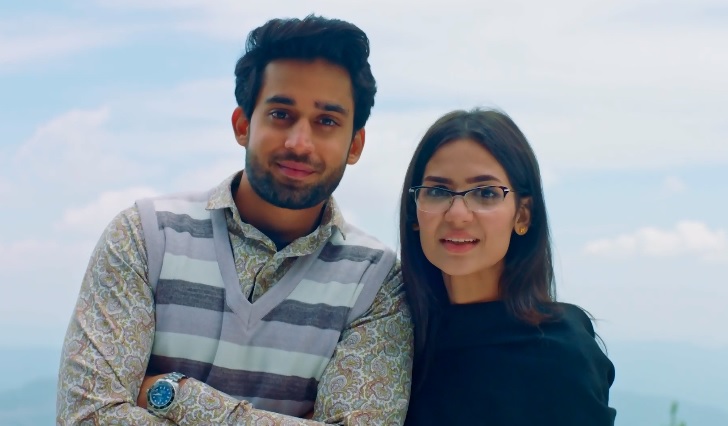
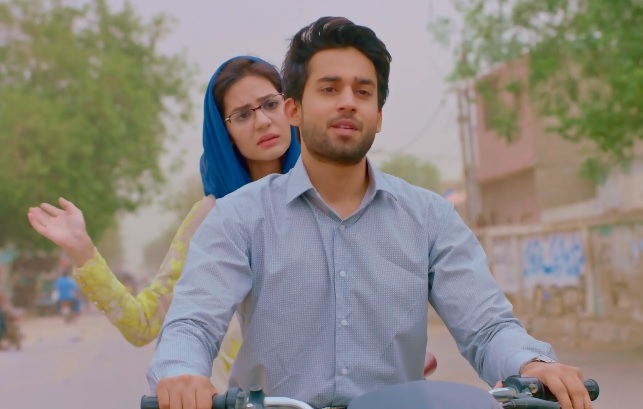
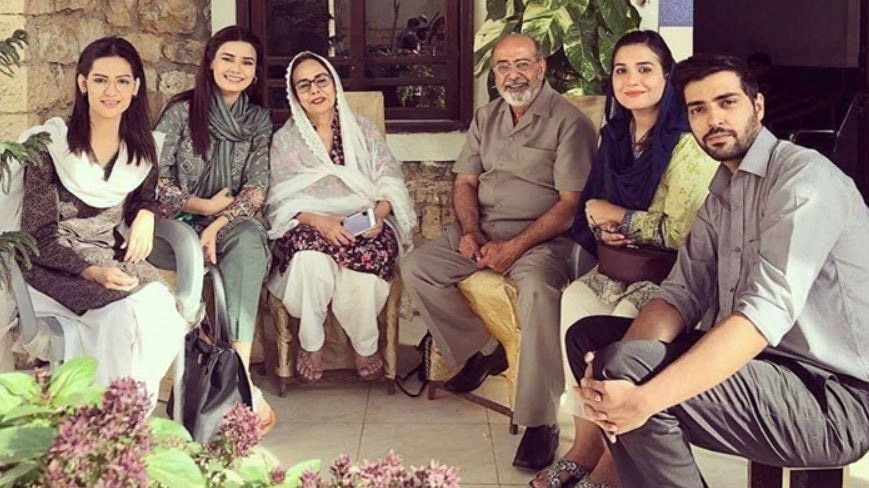
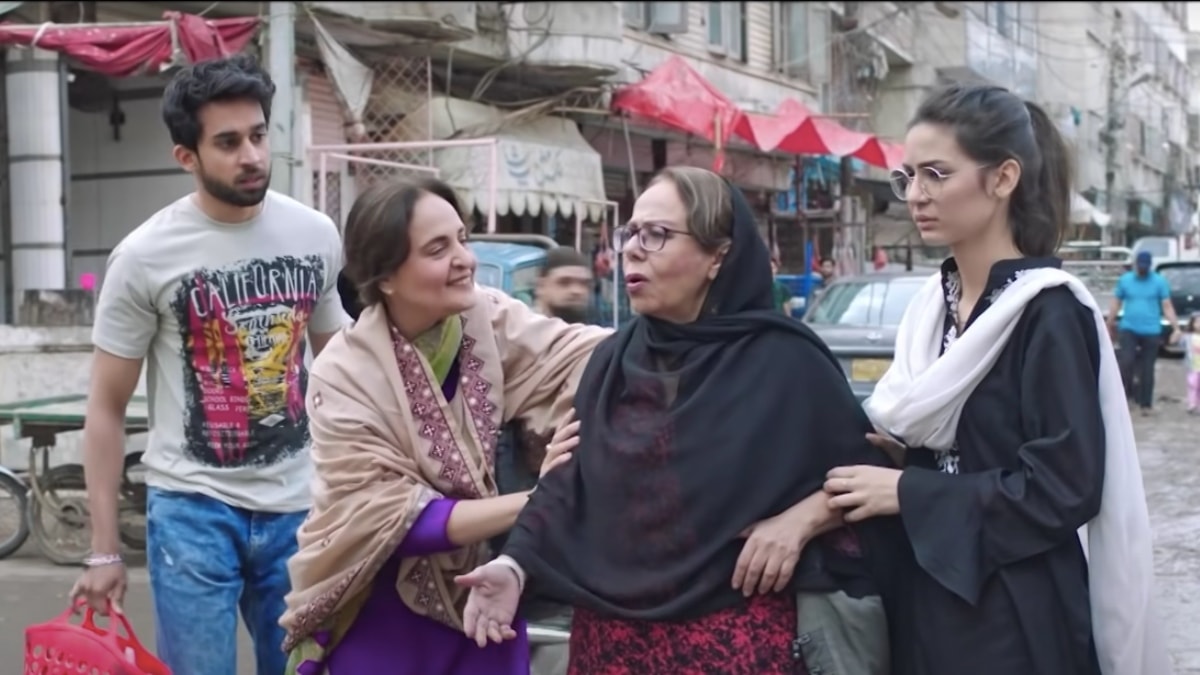
    Written by Umera Ahmed and directed by Mehreen Jabbar, EJLS tells the story of Salma (Madiha Imam) and Sohail (Bilal Abbas Khan), who live in the same mohalla in Karachi. Salma is the youngest in four siblings with a very overbearing mother Nusrat Jahan (Beo Zafar) who is only in the pursuit of finding behtar say behtar rishtas for her children. In this quest, she has spent years parading her daughters – Shabana (Kiran Haq) and Shazia (Mariam Saleem) – in front of rishta aunties and prospective in-laws but not finding the ‘ideal’ match.

    On the other hand, Sohail (Bilal Abbas Khan) is the only son of his parents. His father passed away when he was very young, leaving him with the responsibility of an entire household. Sohail wanted to study further but because of family obligations, he was unable to so now he runs a computer repair shop. His mother (Hina Khawaja Bayat) dotes on him, while he shares a very loving relationship with his younger sister Sobia (Srha Asghar).

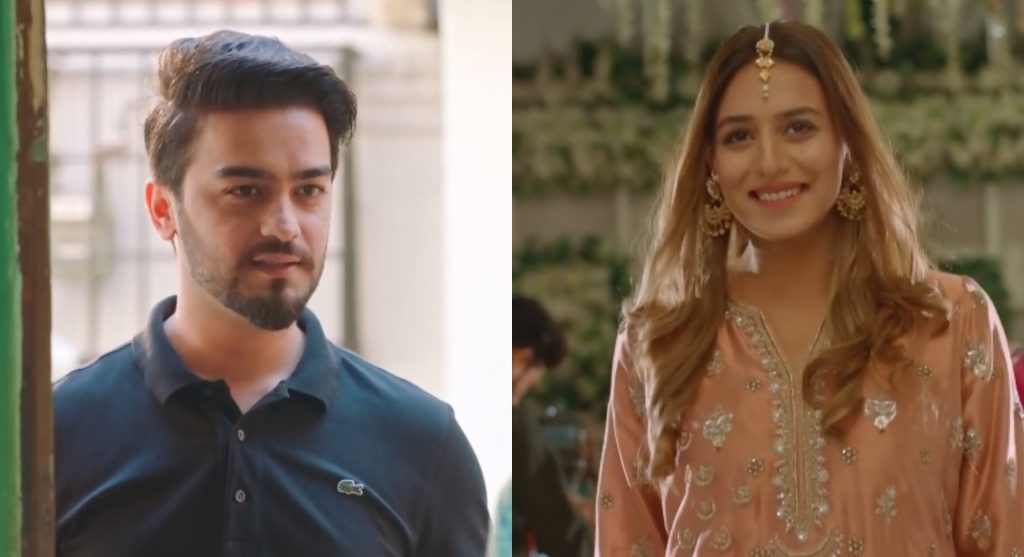
    To escape their middle-class existence, Salma and Sohail make fake profiles on Facebook. While Salma impersonates her best friend’s cousin Natalia (Kinza Razzak), Sohail makes a profile using his childhood friend Nofil’s (Ahmad Zeb) name. Nofil and Natalia belong to rich, upper-class households and Nofil is settled in America. Salma and Sohail using their fake profile become friends online and begin interacting with each other. Over the course of their messages, they fall in love. However as fate would have it, real-life Natalia and Nofil also get married. Salma and Sohail are heartbroken with this and agree to their parent’s suggestion of getting married to each other. To find out what happens next, you need to watch the series but be prepared to feel a myriad of emotions from fuzziness and warmth to sadness.

    Nofil and Natalia

    Umera has done a phenomenal job with the script and Mehreen brought it to life perfectly. While the series in its essence in a love story, it touches upon many themes, highlighting society’s obsession with finding the ‘ideal’ life partner, who by the way is not someone you connect with, but someone who checks all the right boxes. The series also playfully criticises the different customs we’ve made – like the younger sister cannot marry till the older siblings are married or the brother cannot marry till he has fulfilled his responsibility of marrying his sisters or the simple fact that shaadi is not the end goal. Life is more than that. EJLS is a beautiful reflection of society which is probably why I enjoyed it so much. I have to add here that there were certain angles about online romance which I did find unconvincing but I let it go considering how very binge-able the series is. You end up watching several episodes in one go because the pace is so good. The initial episodes are fairly short between 25 and 35 minutes, while the later ones are slightly longer – but even then you don’t want them to end. They are so gripping. Really hoping that Mehreen and Umera are considering a season two for the series.

    Onto the performances – for me the star of the show was Madiha. She was brilliant as the simple Salma, the Choti of the house who everyone treats as a doormat. Her expressions, body language and dialogue delivery were on-point. Bilal, on the other hand, is a seasoned actor and has given a plethora of mind-blowing performances – with EJLS he just proved how versatile he is.

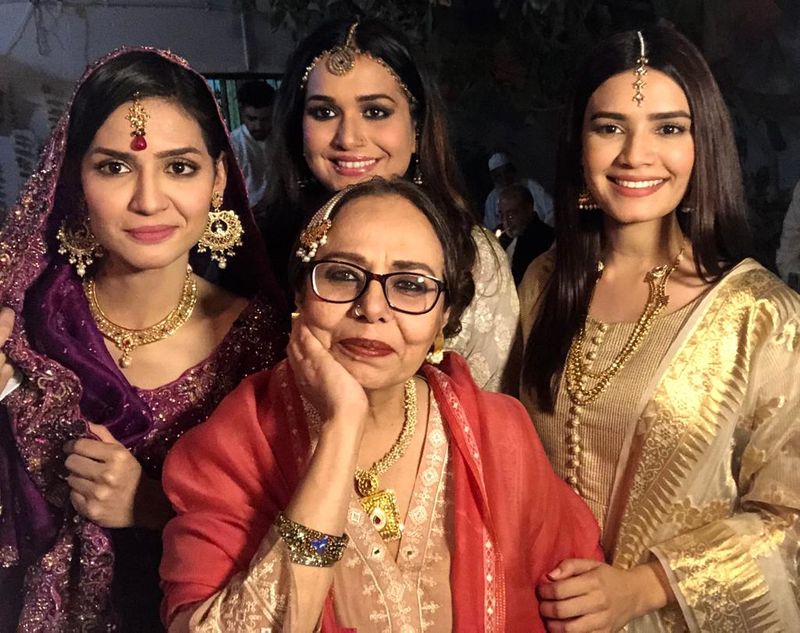
    The rest of the cast was also brilliant. Mehreen, while speaking to The Current, had shared that she had hand-picked the cast according to the characters and her choices couldn’t have been more on-point. My favourite character has to be Shazia – Salma’s fiesty and outgoing elder sister. Shazia had some of the best dialogues in the show and Mariam played her to perfection – absolutely loved her performance.

    Shazia

    One of the highlights of the show is definitely the OST Meherma. It complements the mood and feel of the show so well and adds to the overall experience. I haven’t come across many Pakistanis shows with such a fitting OST.

    The beauty of Eik Jhoothi Love Story lies in its simplicity – from the wardrobe to the sets, everything was so well-suited to the plot and theme of the show.

    Apart from being highly-relatable, EJLS is a fun, easy watch and something you can watch with the entire fam. Who knows they might stop pestering you to get married after watching this.

    EJLS has 18 episodes and is currently streaming on Zee5.

    Watch the video review on the series below:

    https://youtu.be/vgL7kfuprIg
  • Biden is in the house

    Democratic challenger Joe Biden has won an extremely close US election battle against outgoing president Donald Trump. The election results were finally called on Saturday. Biden will become the 46th US president and leaders around the world have started sending congratulatory messages to the president-elect. Kamala Harris, the vice president-elect, has made history. She will be the first woman, the first black person and the first person of South Asian descent to become VP. Yesterday, she said, “While I may be the first woman in this office, I will not be the last, because every little girl watching tonight sees that this is a country of possibilities.”

    This US election was different in many ways. From an election held during a pandemic to one of the most polarised election in recent history, it was indeed a nail-biter. The two rivals were neck and neck in a few key battleground states before the final results were announced. According to NBC News, at least 159.8 million Americans voted. The number of votes has been the highest in US presidential election in history while the voter turnout has been the highest in over a century.

    Trump’s term has made politics extremely divisive in the US where racism is on the rise. Due to Trump’s policy on climate change, the US became the first nation in the world to formally withdraw from the Paris climate agreement. Trump also gravely mishandled the COVID-19 situation in the US. More than 200,000 people died due to coronavirus before the presidential election.

    On the day of the election when millions of ballots were left to count, Trump decided to claim victory. In the same breath, he suggested “major fraud on the nation” without offering any evidence and said he would take the election results to the US Supreme Court. Trump has been crying rigging, an all too familiar word in our part of the world, even before the election. Trump’s campaign filed lawsuits in some states as Trump has also been crying foul on Twitter, where most of his tweets are being flagged by the social network. Biden, on the other hand, was conciliatory in a speech after the election where he called for healing and unity in the wake of the brutal election. “We are not enemies… to make progress, we have to stop treating our opponents as enemies… we are campaigning as Democrats, but I will govern as an American president.”

    We hope that with the end of the four tumultuous years of Trump’s presidency, while the Democrats heal their own country, they do not end up hurting the rest of the world. For all his faults, Trump was not seen as a war-president. We hope that the US will not restart its interventionist policies under Biden.