Author: Hafiz Usman Aftab

  • ‘Kahin Deep Jalay’ is terribly typical but full of masala

    ‘Kahin Deep Jalay’ is terribly typical but full of masala

    Neelam Muneer and Imran Ashraf’s Kahin Deep Jalay is halfway through and though the drama is problematic at points and follows the typical nand-bhabi jealousy, it is still a fun, masalaydaar watch and works.
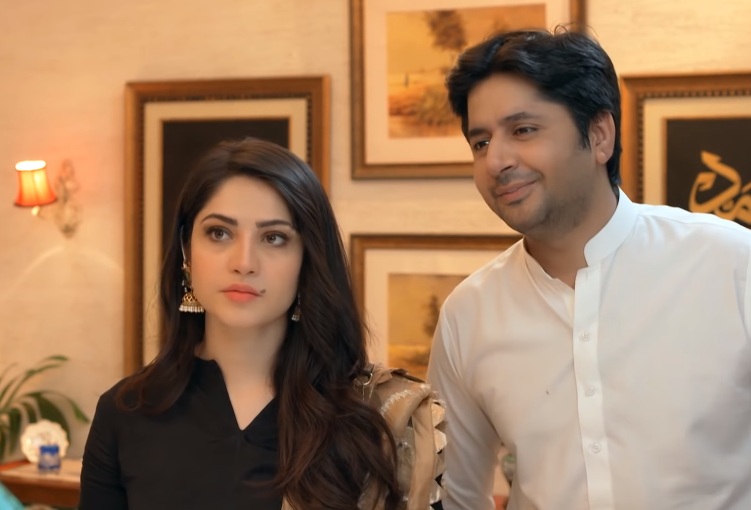
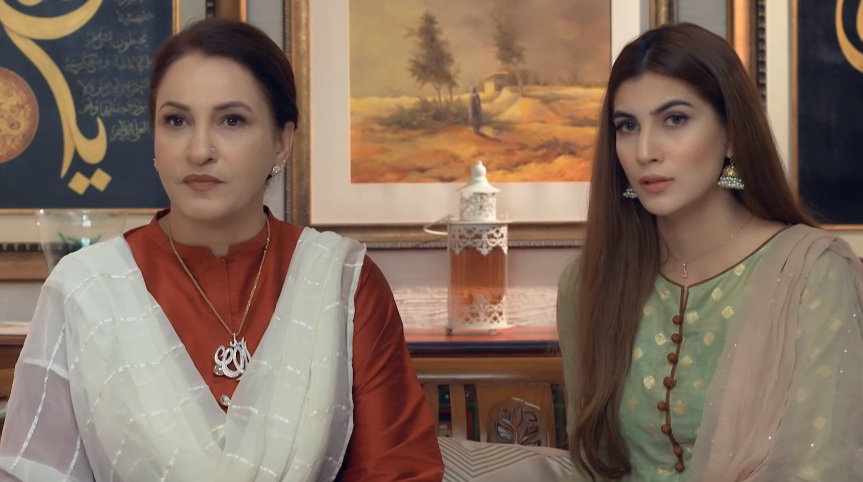
    Written by Qaisra Hayat and directed by Saima Waseem, Kahin Deep Jalay is centred on Rida, played by Neelam Muneer, who is the only sister of three brothers. Her brothers and mother, played by Saba Faisal, dot on her and pamper her to no extent. Despite that she is not a spoiled brat. Rida’s brother Fahaam is married to their Khala’s daughter Shamila, played by Nazish Jahangir, who is the main antagonist in the plot. Shamila bhabhi is a materialistic woman and is super jealous of Rida because of the love and attention she receives from her brothers. Let’s just say her middle name is ‘troublemaker’.
    On the other hand, we have the humble Zeeshan, played by Imran Ashraf, an ordinary guy from a middle-class background. He sees Rida at her brother’s wedding and falls head over heels in love with her. Eventually Rida and Zeeshan get married and begin their new life together. The latest episode shows the beginning of their new life and sets the grounds for the troubles that are to come.

    While the plot is typical, the heavy dose of masala and dramatic dialogues coupled with superb acting make it a fun and entertaining watch. The drama is perfect for those times when you feel like watching something that doesn’t require too much attention or brain cells.

    All the lead actors have performed brilliantly and Imran particularly has slipped into his character of a romantic hero with ease. His expressions and the way he shies away everytime he sees Rida are brilliant. Nazish as the spiteful and vengeful Shamila bhabhi is also great – you cannot help but hate her character.
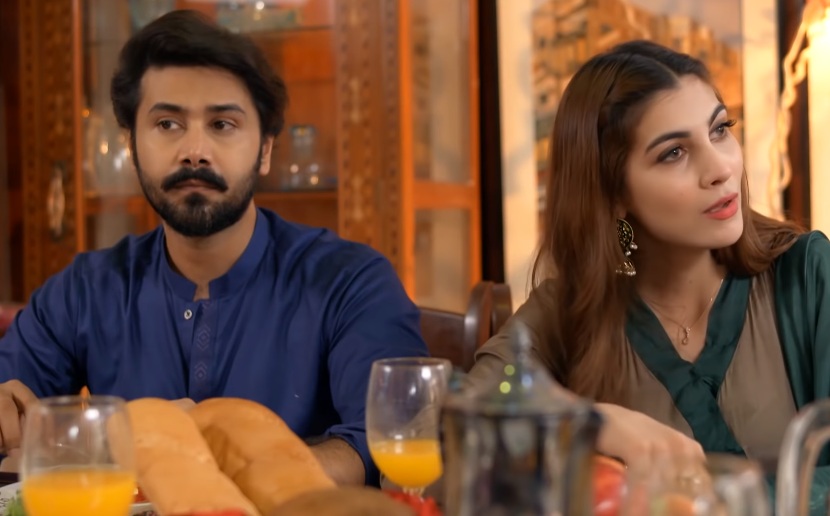
    Fahaam bhai and Shamila bhabi

    Meray Paas Tum Ho may be the drama everyone is talking about these days, but Kahin Deep Jalay is not too far behind either – the drama is usually trending at number four or five on Youtube and has a couple of millions views on each episode. If you’re the sort of person who likes their dramas to be extra, slightly Star-plussy (I just made up that word) and full of masala, you’ll definitely enjoy Kahin Deep Jalay.

    It airs every Thursday at 8pm on Geo Entertainment.

  • For all chipotle lovers out there, Adobo is for you

    For all chipotle lovers out there, Adobo is for you

    Before I pen this review, I just want to put it out there that I absolutely love Mexican food – it’s my ultimate comfort food. Which is why I was super excited to try it out.

    Adobo is a small, cosy restaurant located at Shahbaz Commercial with limited sitting. The interior is very bohemian with graffiti on the walls.

    Like the sitting, the menu is also limited. However, the options are enough to satisfy your Mexican cravings. The menu includes tacos, mini tacos, Burrito Bowls and guacamole among other things.

    Considering that my husband and I visit this place almost every week, I can confidently say that the food is fresh, clean and absolutely delicious. The spice levels are perfect and sauces perfectly curated. The satisfaction at the end of a meal here is unlike any other I’ve experienced in the past.

    However, the food is not the best part. The best part of the restaurant is the warmth it has to offer. The owner is almost always there to make sure his customers are comfortable and get the best service.

    As far as the price factor is concerned, the restaurant is reasonably priced. But if you order items like guacamole, except the bill to be slightly higher.

    All in all, if you don’t care about the calories, Adobo is the place for you to go.

  • 10 must-read books from 2019

    10 must-read books from 2019

    With the winter chills settling in, all we want to do is snuggle in front of the heater and possibly read a good book. Kamila Habib of My Bookshelf Pk rounds up this year’s must-read books:

    10. Where the Crawdads Sing by Delia Owens

    What a brilliant debut novel. A heart-warming yet disturbing story of a young girl alone and abandoned, raising herself in the marshes of middle America. This story shows us the best and worst of humanity and is not to be missed.

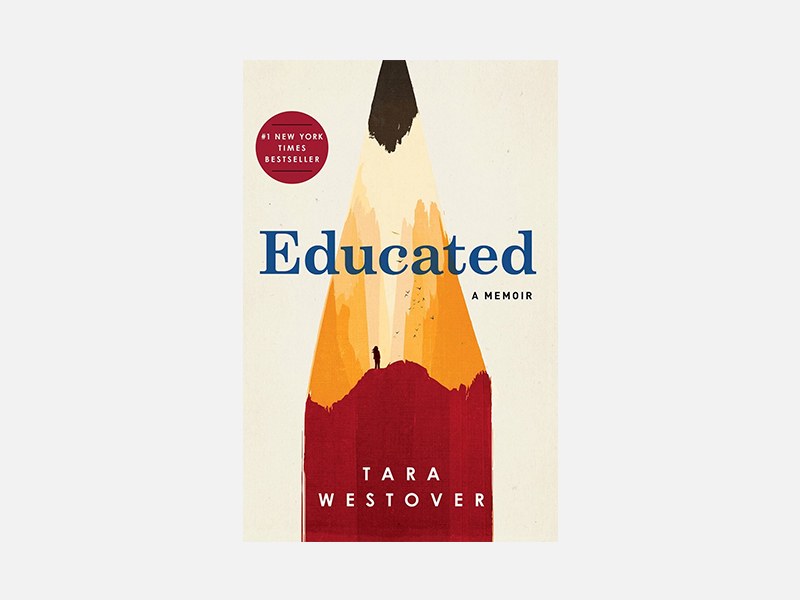
    9. Educated: A Memoir by Tara Westover

    The facts in this book were so extraordinary that for a while I couldn’t believe it was non-fiction. Every person needs to read this to learn important life lessons. The take away from this profound story is that no matter what the circumstances, the human spirit can conquer all.

    8. The Silent Patient by Alex Michaelides

    Why would a seemingly normal, highly successful artist shoot her husband for no good reason? This riveting mystery is definitely one of the better thrillers to release in recent times. The fact that it would make a great movie just adds to the attraction.

    7. Girl, Woman, Other by Bernardine Evaristo

    This 2019 Man Booker winner follows twelve women as they navigate through their lives. It touches upon important subjects such as politics, feminism, cultural identity and orientation. This is definitely a very important novel for our time.

    6. 10 minutes 38 seconds in this Strange World by Elif Shafak

    This Booker Prize nominee delves into a myriad of relevant topics especially relating to countries where there is a tussle between religious fundamentalism and western perspectives I think this novel is timeless as well as timely.

    5. The Ninth House by Leigh Bardugo

    This mystery, fantasy novel explores darker themes of the occult and ghost stories. A homicide survivor tries to navigate an Ivy League school while battling her literal demons. A spooky novel is a must, every once in a while.

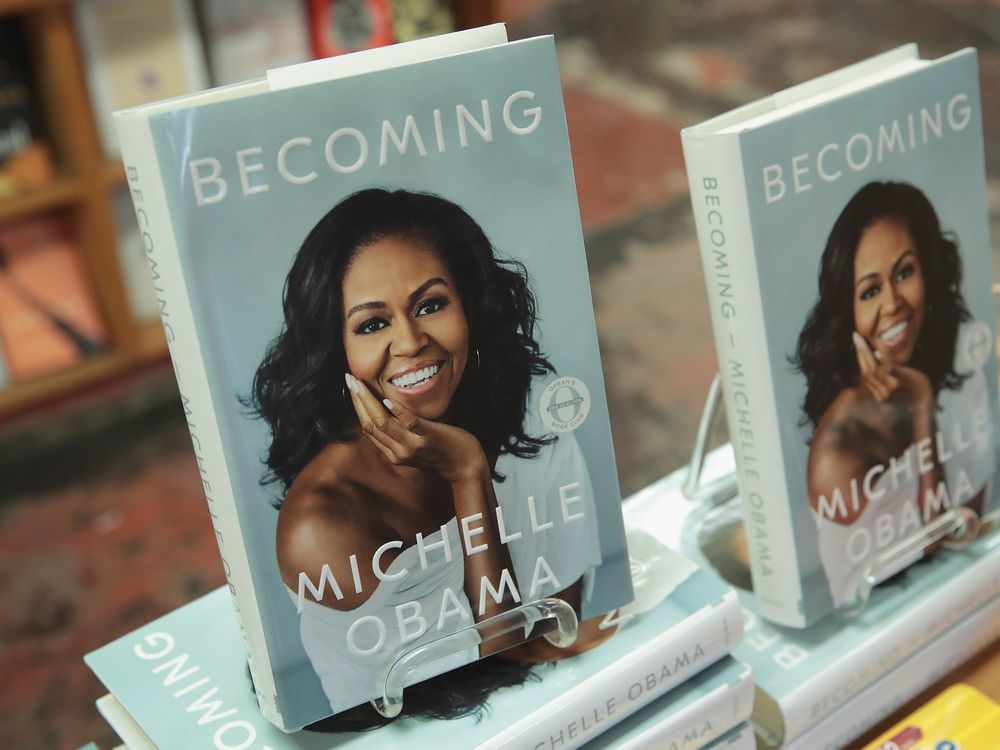
    4. Becoming by Michelle Obama

    This celebrated memoir of former American first lady is an easy, heart-warming read. The take away from this narrative is that hard work and persistence overcome even the most abject of odds. For me the stand out was definitely Michelle’s mother as the poised, patient parent. We could all learn some parenting tips from her.

    3. Normal People by Sally Rooney

    I love divisive books even if I personally dislike them. This book definitely falls within this category by evoking extreme reactions within the reading community. You have to read it to decide which side you are on.

    2. On the Come Up by Angie Thomas

    This Young Adult book is definitely a must read. Sometimes stepping away from one’s usual genre is a struggle but a necessity. This is a simple yet relevant story about a young girl from a poor side of town trying to make her dreams a reality despite numerous odds.

    1. The Testaments by Margaret Atwood

    This Booker Prize winner picks up from where The Handmaids Tale left off. Gilead is as stringent and suffocating as ever, yet the powers that be, can never quite quell the strength of the human spirit and the will to survive. If you are into dystopian/feminist fiction this is definitely the book for you.

  • Death Penalty: Timeline of Musharraf’s high treason case

    Death Penalty: Timeline of Musharraf’s high treason case

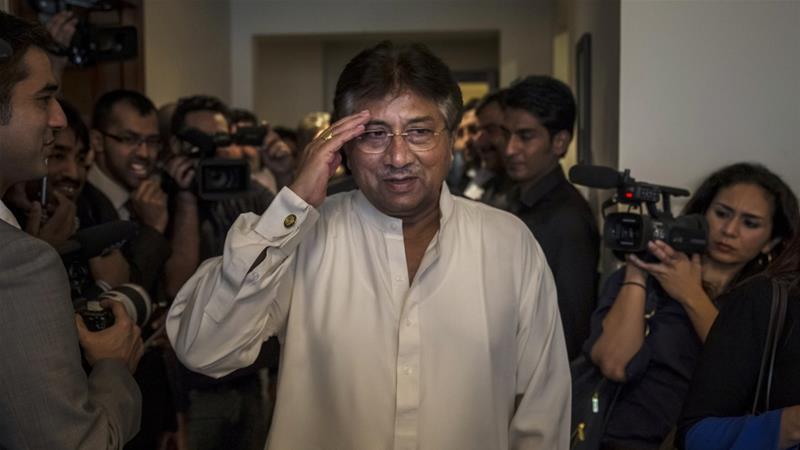
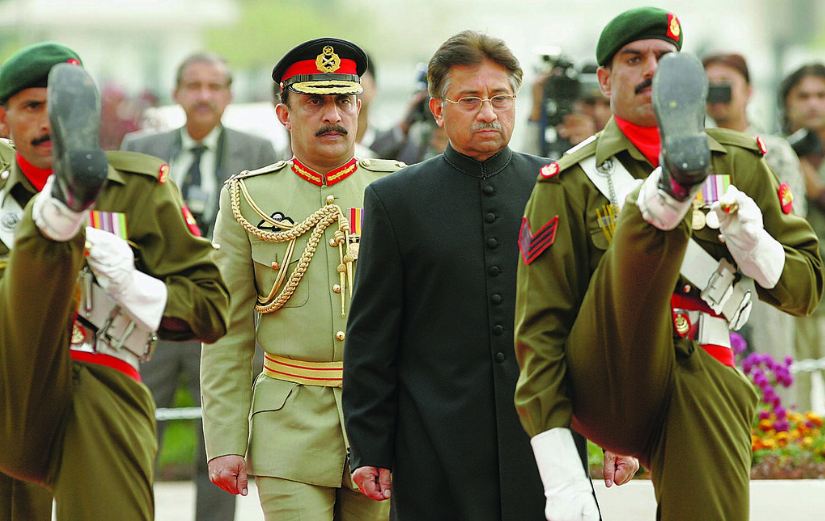
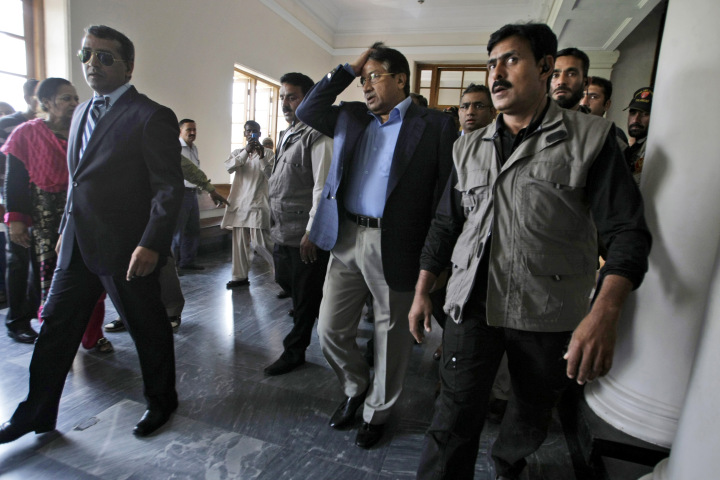
    The special court on Tuesday handed over the death sentence to the former military dictator General (r) Pervez Musharraf after analysing the complaints, records, arguments and facts in the case for three months.

    The court ruled that it found Musharraf guilty of high treason according to Article 6 of the constitution.

    The special bench hearing the high treason comprised of Peshawar High Court (PHC) Chief Justice (CJ) Waqar Ahmad Seth Akbar and Justice Shahid Karim of the Lahore High Court (LHC). The bench was formed on the orders of the Supreme Court (SC).

    EXPLAINED: MUSHARRAF’S CRIMES, PUNISHMENT

    The Pakistan Muslim League-Nawaz (PML-N) government had in 2013 filed the treason case against Musharraf over the president’s imposition of extra-constitutional emergency in November 2007.

    Here is the timeline of the high treason case

    • July 22, 2009: The Supreme Court (SC) in an unprecedented move, calls Gen (r) Musharraf to defend his actions on November 3, 2007, following the president’s resignation after a nine-year rule on the country.
    • July 31, 2009: The SC rules that Musharraf’s decision to impose an emergency on November 3, 2007, as well as his PCO [Provisional Constitutional Order] were illegal and unconstitutional. The court gives him seven days to respond.
    • August 6, 2009: Musharraf refuses to answer the charges against him and leaves Pakistan for the United Kingdom (UK).
    • March 22, 2013: Musharraf plans to return to Pakistan after exile and gets a protective bail for 10 days in three high-profile cases against him.
    • March 27, 2013: Senior counsel A.K. Dogar, during a hearing pertaining to strict adherence to articles 62 and 63 during elections, refers to SC’s ruling on Musharraf’s actions on November 3, 2007. A.K Dogar argues that in overthrowing the constitution, Musharraf had committed the offence of high treason.
    • March 29, 2013: Sindh High Court (HC) grants an extension in bail for Musharraf, but rules that he cannot leave Pakistan without permission.
    • April 5, 2013: SC agrees to hear a petition seeking to prosecute the former military dictator under sections 2 and 3 of the High Treason (Punishment) Act 1973.
    • April 7, 2013: Chief Justice (CJ) Iftikhar Mohammad Chaudhry withdraws himself from the three-member bench formed to hear the treason case against Musharraf.
    • April 8, 2013: Supreme Court summons Musharraf in the treason case against him. The court also instructs the interior ministry to add his name to the Exit Control List (ECL).
    • April 18, 2013: Musharraf after the cancellation of his bail application flees from the premises of the Islamabad High Court (IHC).
    • April 19, 2013: The former president surrenders in a magistrate’s court in the judges’ detention case and his farmhouse residence at Chak Shahzad, Islamabad, is declared a sub-jail.
    • April 30, 2013: Peshawar High Court (PHC) bars Musharraf from ever contesting elections for either the National Assembly (NA) or the Senate.
    • June 5, 2013: IHC judge Shaukat Aziz Siddiqui recuses himself from hearing former president’s post-arrest bail plea in the judges’ detention case.
    • June 14, 2013: Minister for Law and Justice Zahid Hamid distances himself from the 2007 emergency. Zahid says there was no question of him having allegedly abetted Musharraf as the proclamation of emergency came from the former dictator’s person. The minister also denies having had any contact with Musharraf.
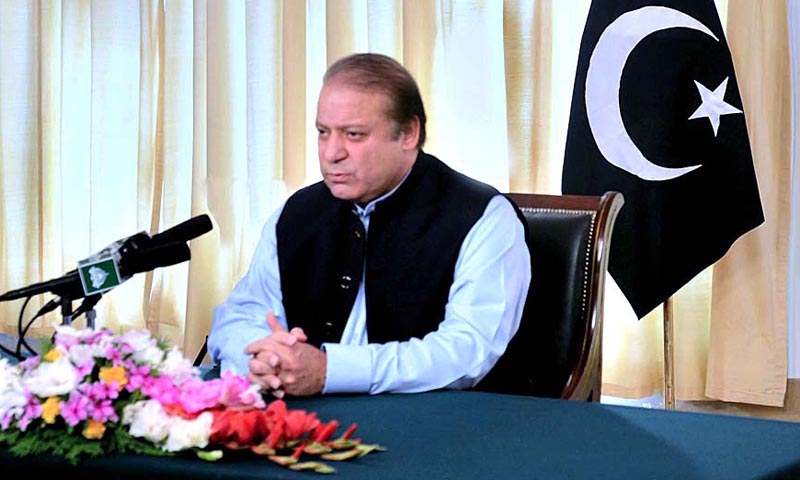
    • June 24, 2013: Prime Minister (PM) Nawaz Sharif tells the NA that his government will request the SC to try Musharraf under Article 6 of the Constitution.
    • November 18, 2013: SC, headed by CJP Iftikhar Chaudhry, agrees to set up a special board to try Musharraf for high treason.
    • November 19, 2013: The PML-N government submits five charges of high treason against the former military ruler in a special court. A three-member bench to hear the treason case is also formed.
    • December 12, 2013: Special bench summons Musharraf to face treason charges.
    • December 20, 2013: Musharraf, in an interview, seeks “forgiveness” for any wrongs he may have committed during his rule on the country for nine-years.
    • January 2, 2014: Musharraf is shifted to hospital after suffering a “heart problem” while on his way to a special court hearing of the treason case. His arrest warrant is not issued on medical grounds.
    • January 7, 2014: The Armed Forces Institute of Cardiology (AFIC) submits former army chief’s medical report to special court, detailing that Musharraf is suffering from “triple-vessel coronary artery disease and eight other diseases”.
    • January 16, 2014: Special court orders AFIC to constitute a medical board to assess Musharraf’s health and to submit a detailed report. The medical board subsequently declares Musharraf to be in a “critical state” and recommends his treatment at a place of his choice.
    • January 28, 2014: Prosecution expresses lack of confidence in former army chief’s medical report and requests court to summon the AFIC head for cross-examination.
    • February 7, 2014: Special court once again orders Musharraf to appear in the treason case.
    • February 18, 2014: Musharraf after avoiding 22 consecutive hearings, finally appears in special court, but no charges are framed against him as the defence argues that the case should be heard in a military court.
    • February 21, 2014: Special court rules that Musharraf is not to be tried in a military court.
    • March 30, 2014: The former army chief is indicted for treason and pleads not guilty to all charges.
    • April 1, 2014: The PML-N government offers to fly former president’s ailing mother to Pakistan from Sharjah.
    • April 2, 2014: The PML-N government rejects Musharraf’s petition seeking the removal of his name from the no-fly list.
    • April 3, 2014: Musharraf petitions SC for the removal of his name from the ECL so he may travel abroad to visit his ailing mother.
    • May 14, 2014: Federal Investigation Agency (FIA) declares it has “irrefutable proof” that former army chief illegally imposed emergency in 2007.
    • June 12, 2014: SHC strikes down the government’s order barring Musharraf from overseas travel, ruling that “not a single ground was mentioned in the memorandum placing the former president’s name on the ECL”.
    • June 13, 2014: Special court rejects former president’s plea for details of “abettors” who had suggested, endorsed or implemented the 2007 emergency.
    • June 14, 2014: The government moves SC against the SHC ruling allowing Musharraf to travel abroad.
    • June 23, 2014: The apex court suspends the SHC judgment allowing former military ruler to travel abroad until it decides the pending appeal.
    • September 8, 2014: Musharraf’s legal team gets hold of crucial evidence pointing towards then prime minister (PM) Shaukat Aziz’s role in the imposition of the November 3 emergency.
    • October 15, 2014: Musharraf’s defence team asks the special court for a collective trial of all his accomplices.
    • November 21, 2014: Special court directs the federal government to resubmit its complaint in the high treason case, this time including the names of former PM Shaukat Aziz, former law minister Zahid Hamid and former CJ Abdul Hameed Dogar to the charge-sheet.
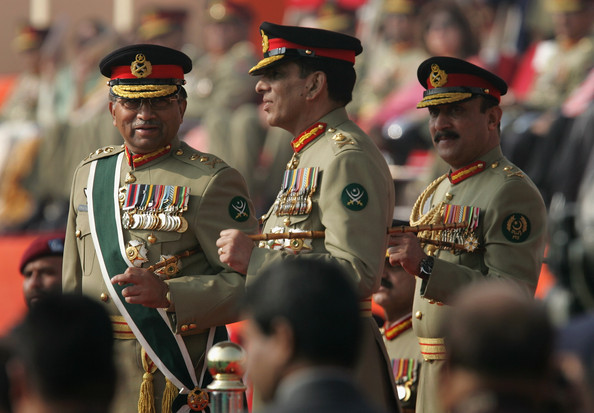
    • December 22, 2015: The former president says he invoked emergency after consulting Gen Ashfaq Parvez Kayani among other civilian and military leaders.
    • March 14, 2016: Musharraf seeks one-time permission to go abroad on medical grounds.
    • March 16, 2016: SC orders the fovernemnt to remove Musharraf’s name from the no-fly list, allowing him to travel abroad on medical grounds.
    • March 18, 2016: The former president leaves for Dubai to seek medical treatment, promising to come back to his “beloved homeland” in a few weeks.
    • May 11, 2016: Special bench declares former army chief an absconder in the treason case.
    • March 29, 2018: Special court dissolves after Justice Yahya Afridi recuses himself from hearing the high treason case against Musharraf.
    • April 7, 2018: CJ Mian Saqib Nisar reconstitutes special bench hearing Musharraf high treason case.
    • May 31, 2018: Interior ministry, complying with the special court’s orders, asks the National Database and Registration Authority (NADRA) and the Directorate General of Immigration & Passports to suspend former army chief’s national identity card and passport.
    • June 7, 2018: SC allows Musharraf to run for polls on the condition that he appear in person before the court.
    • June 20, 2018: Former president says he was set to return to the country but SC’s orders barring authorities from arresting him made him change his mind.
    • July 30, 2018: Prosecution head in the high treason case against Musharraf quits.
    • August 3, 2018: Special court decides to resume the trial which was delayed due to Musharraf’s departure from Pakistan — beginning August 20.
    • August 20, 2018: Musharraf citing threats to his life, seeks presidential security to appear before the special court in the high treason case.
    • August 29, 2018: Special court is told that Interpol refuses to issue red warrants for former army chief’s repatriation from the United Arab Emirates (UAE) where he has been living since 2016.
    • October 2, 2018: CJ Saqib Nisar grills Musharraf’s councel on the “brave commando’s” overdue return to the country.
    • October 24, 2018: APML discloses that former president is suffering from amyloidosis and has difficulty standing and walking.
    • November 19, 2018: Court tells Musharraf’s lawyer to convince former president to return and provide his itinerary so the high treason case could proceed.
    • March 31, 2019: Supreme Court orders Musharraf to appear before the special court in the treason case on May 2 or lose his right of defence.
    • April 1, 2019: SC, under CJ Asif Saeed Khosa, issues a decree telling the special bench to proceed in the high treason case without Musharraf’s statement if he fails to appear the following month.
    • June 11, 2019: SC orders NADRA to unblock former dictators’s CNIC and passport.
    • July 30, 2019: Prosecution head in high treason case against Musharraf quits.
    • October 8, 2019: Special court decides to hear the high treason trial on a daily basis from October 24.
    • October 24, 2019: The Pakistan Terhreeke Insaf (PTI) government sacks the prosecution team in the high treason case.
    • November 19, 2019: The special court concludes its proceedings in the treason case against Musharraf, saying that a verdict will be pronounced on November 28.
    • November 23, 2019: Former army chief petitions the Lahore High Court (LHC) to challenge the reservation of the judgment in the treason case.
    • November 25, 2019: The case takes a new turn as interior ministry files a petition in the IHC requesting it to set aside the special court’s decision to reserve a judgement in the case without hearing from the prosecution.
    • November 26, 2019: LHC accepts for hearing former president’s petition challenging the special court’s decision.
    • November 27, 2019: IHC stops special court from announcing verdict in Musharraf high treason case.
    • December 2019: Special court says it will announce the verdict in the case on Dec 17. Former army chief moves the LHC to stay the trial at the special court until his earlier petition pending adjudication by the high court is decided.
    • December 17, 2019: Special court hands Musharraf death sentence in the long-drawn high treason case against him.
  • We forget…

    It was a cold December morning when Pakistan had woken up to the gloom of having lost Dhaka over four decades ago.

    Leaving their abodes, hundreds of thousands – if not millions – had taken to social networks to vent their frustration over the tragedy that until December 16, 2014, was deemed the darkest in the 70-something years history of the country.

    Little did they know that 150 coffins, 134 of which were to be the heaviest, were to be lifted later that day; that a tragedy much similar to 2004’s Beslan massacre in Russia, was in the offing.

    Six gunmen affiliated with Tehrike Taliban Pakistan (TTP) conducted a terrorist attack on Army Public School (APS) Peshawar at around 10 am. The militants, all of whom were foreign nationals, entered the school and opened fire on staff and children, killing 150, including 134 between the ages of eight and 18.

    The attack sparked widespread reactions from across the country, as condemnations from the public, government, political and religious entities, journalists and celebrities, poured in. Imran Khan’s infamous 126-day Islamabad sit-in as a member of the opposition was also called off.

    While media reacted strongly to the events as major newspapers, news channels and many commentators called for a renewed and strong action against militants, many countries, international organisations and important personalities also condemned the attack.

    Reacting to the carnage at the army-run school, terrorist organisation Al-Qaeda said that “soldiers should be targeted, not their children”.

    Today marks five years since wails of the nation broke through the deafening silence of December amid the state’s failure to protect its own; since those at odds vowed to rise above their differences to unite and fight extremism, and since the moment when we started forgetting yet another tragedy.

    Although it is believed that memories hanging heaviest are the easiest to recall, it is regrettable how we tend to forget even the ones that hold in their crinkles the ability to change not only our lives as individuals but also the fate of the entire nation.

    It is regrettable how we have limited our recalling of these painful memories to certain days such as December 16, without thinking of the families that go through the pain of losing their loved ones, especially minors, all day every day.

    Make no mistake as what we argue is not torturing ourselves with the misery that is our own creation, but what we advocate for is realising every day what led to the tragic episode that should’ve defined us for the generations to come.

    Because it is regrettable how we were let down, it is regrettable how we let down those 150 innocents, regrettable how we let down millions of others killed because of the failure of the state to protect its citizens, and regrettable how many of us fail to realise there still is time for us to pick ourselves up, dust ourselves off and get back in the saddle.

    Here’s to the courageous survivours who beat the cowards five years ago… here’s to the memory of the 150 souls, from the ashes of whom, we must rise.

  • Aleem Dar breaks world record of umpiring in most Tests

    Aleem Dar breaks world record of umpiring in most Tests

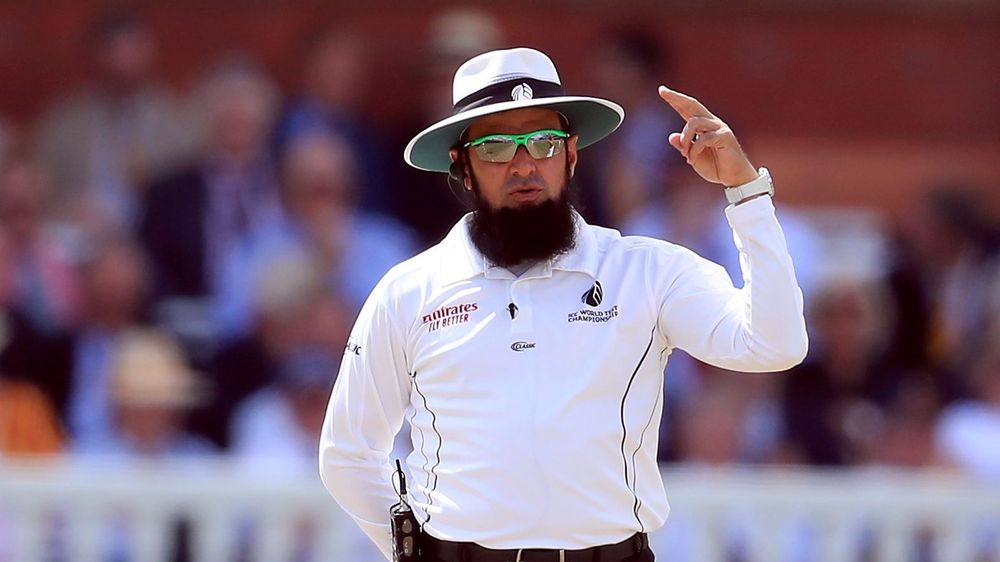
    Pakistani umpire Aleem Dar has surpassed Steve Bucknor’s record for umpiring in most number of Test matches as he walked on to the field to officiate his 129th Test match between Australia and New Zealand at Perth, a private news outlet has reported.

    According to the details, the 51-year-old, who took up umpiring after a decade of playing first class cricket in Pakistan is standing in his 129th Test match as on-field umpire breaking Bucknor’s record of umpiring 128 test matches.

    Dar first umpired in a Test match in Bangladesh when England toured the country in 2003 and he also needs only two more ODIs to break former South African umpire, Rudi Koertzen’s record of umpiring in 209 ODI matches.

    Dar made his international debut in 2000 in a home ODI against Sri Lanka and has also officiated 46 T20Is in his career which spans over 2 decades.

    Talking to the ICC before the match, Dar said, “This is one milestone I had never thought of when I began my umpiring career. It is a truly amazing feeling and a high point of my life when I take the field here in Australia”.

    “Steve Bucknor was my idol and it is only sinking in now that I will have officiated in more Test matches than him”, Dar added.

  • Biryani wins hearts at Morocco

    Biryani is by far the most favorite dish of Pakistanis and now it has made its way to Morocco and they are also in love with this exotic spicy dish and we are not surprised.

    The embassy, in collaboration with Pakistan Morocco Joint Business Council (PMJBC), organized a biryani festival in the capital of Morocco Rabat. The event was aimed at introducing the people of Morocco to Pakistani rice and spices, and also creating a soft image of the country as a tourism destination.

    Hosted by Pakistan’s Ambassador to Morocco, Hamid Asghar Khan, the festival was attended by the business personalities from both countries. Chairman PMJBC and the Honorary Consul General of Morocco, Ishtiaq Baig, led a delegation of 25 top businessmen from Karachi. Among the other guests were the vice-chairman of the Moroccan Parliament, members of the National Assembly, rice buyers, and restaurant/hotel operators.

    Pakistani chef Gulzar Hussain along with his team went to attend the event. He served four different types of Biryanis – prawn biryani, mutton biryani, vegetable biryani, and chicken biryani. The festival was the first event held under the plan of Engage Africa Policy. Prime Minister Imran Khan had announced the policy last week.

    Speaking on the occasion, Ambassador Khan highlighted that the event was organized to facilitate the private sector and drive active engagement for the trade policy.

  • Plus-size fashion remains a distant dream in Pakistan

    Plus-size fashion remains a distant dream in Pakistan

    Like it or not, plus-size individuals very much exist. Fat-shaming and fatphobia are real and not just in Pakistan but across the world as well. People look down upon those who don’t fit the society’s standard of what a person should look like. ‘Thin-ess’ is equated to beauty and fat is considered ugly, no matter what.

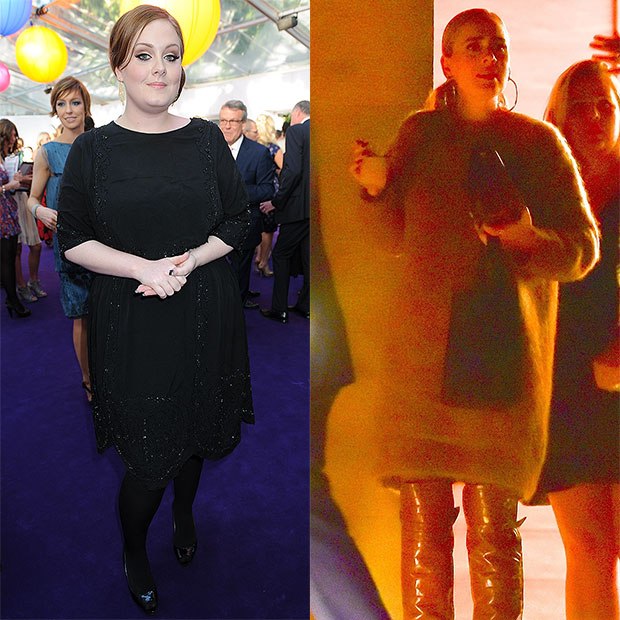
    For instance, award-winning singer Adele recently lost 10 kgs following her divorce and people cannot stop praising her for hitting back at her estranged husband by losing weight. Any other reason is irrelevant.

    Closer to home, across the border, Bollywood actor Sonakshi Sinha recently released a powerful video in which she recounted being fat-shamed and shared all the names which were used to describe her. They ranged from ‘Fatso’ and ‘Aunty’ to harsher ones like ‘Motakshi Sinha’. Just reading such terms should be enough to make you uncomfortable.

    Despite all this, the world is making efforts to tackle body shaming. You visit any international clothing brand and you’ll find a section dedicated to plus-sized outfits. However, in Pakistan, this is not the case.

    Last month, comedian and actor, Faiza Saleem, who is one of the leading ambassadors of plus-sized women in our country, did a campaign with Lulusar for plus-sized clothing. While on one hand people appreciated the campaign for being inclusive, there was a large population of people who wrote degrading comments on social media posts.

    Speaking exclusively to The Current about the collection and backlash, Lulusar said: “Initially, this collection was never intended to become a body positivity statement. From our end, ‘Faiza Saleem x LULUSAR’ was just another collaboration in our series. We did introduce a new size-set so that Faiza could be represented accurately and fully.”

    “However, the comments and messages we received on the campaign were a shock. We debated on deleting disparaging & hateful comments in the beginning, but they multiplied every hour,” they stated.

    “After this, we did release a statement with Faiza standing up for our values and our philosophy, highlighting the fact that Lulusar is for all. As a brand, we realised we have the platform to ignite change and breakthrough social barriers that all of us are bound by in this society,” added Lulusar.

    Speaking further, the brand said, “We began to see comments from women talking about how they regained confidence, how they wanted to dress in bright colors and patterns and never thought they could until this campaign, and the overwhelming support that poured in helped us realise the impact we had made.”

    On whether plus-sized fashion has made its way to Pakistan, Lulusar said, “We think that there is definitely a dialogue that has started about the concept of inclusivity, but it hasn’t reached the masses yet.”

    “Major brands still don’t have options for women of all shapes and sizes and, if they do, they’re not advertised or they are extremely limited. Plus-sized women are not invited to take part in the newest trends, prints or designs and still have to resort to unstitched dresses. There’s a long way to go in local fashion when it comes to making sure it’s available for all women,” they added.

    On the other hand, Khadijah Shah, who is the brains behind one of Pakistan’s most successful fashion brands, Élan said that plus-sized fashion has not yet made its way to Pakistan as it should have.

    “I don’t think it has as [of] yet. But, I feel like I see the winds of change,” said Khadijah in her interview with The Current.

    In the past, Generation has experimented with plus-size clothing and has even received a positive response for it, but apart from a few campaigns here and there, no one has really carried forward the idea or made it a permanent feature.

    On why most Pakistani brands resist from making plus-size clothing, Lulusar remarked, “Cost could definitely be a factor since this is a very niche market and the lower return on investment when compared to conventional campaigns wouldn’t be preferable.”

    “However, more than that, it’s the fact that our general society is more receptive towards conventional campaigns, models and fashion. Fear of backlash is probably a greater reason why most brands haven’t taken a step towards inclusivity. For most brands, the negative response is just not worth it.”

  • ‘Ehd-e-Wafa’ takes a dramatic turn, begins to gather momentum

    ‘Ehd-e-Wafa’ takes a dramatic turn, begins to gather momentum

    Eleven episodes in, ISPR and Hum TV’s joint collaboration Ehd-e-Wafa has begun to gather momentum and is picking up pace.

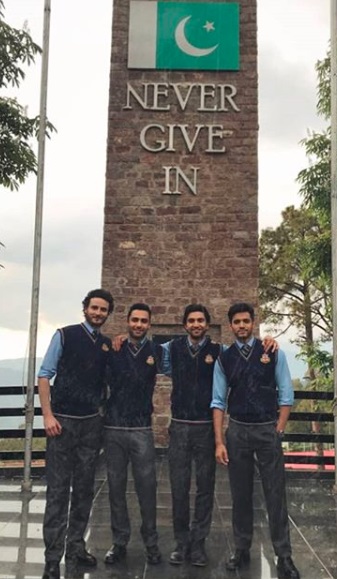
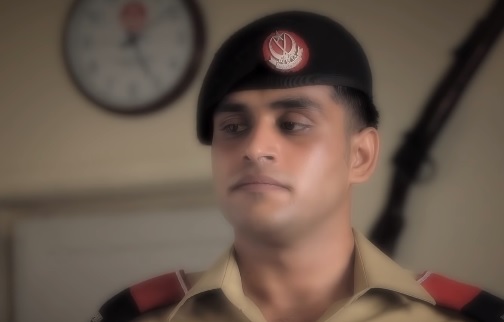
    Directed by Saifee Hassan, the drama follows the life of four friends – Shahzain (Osman Khalid Butt), Saad (Ahad Raza Mir), Sheheryar (Ahmed Ali Akbar) and Shariq (Wahaj Ali). The boys were together in Lawrence College Murree before they were expelled because of their shenanigans. While Saad went onto join the army, Shariq is pursuing a career and education in journalism. Sheheryar’s profession is still unclear and Shahzain, who belongs to a feudal family is incorporating himself into the family business.

    All four boys also have their love interests, though the stories of Shariq and Sheheryar aren’t as well developed yet. Alizeh Shah as Dua plays Ahad’s love interests while Zara Noor Abbas as Rani is Osman’s.

    While the premise and central plot of the story is the life of the four boys, there are several subplots running side by side because of which the episodes are a bit packed and muddled at some points. Instead of one scene flowing into the next, the episode tends jumps from scene to scene.

    However, the acting of all the main characters is superb. Particularly note-worthy is Zara Noor Abbas as Rani, whose lively and colourful performance puts a smile on your face no matter what. Adnan Samad Khan, who is playing Gulzar Hussain from Basti Malook, Dera Ghazi Khan, is phenomenal in his character and has won the audiences with his strong performance. Ahad and Alizeh’s chemistry is very lit and their scenes together are very adorable.

    Zara Noor Abbas as Rani
    Adnan Samad Khan as Gulzar Hussain
    Saad and Dua

    The supporting cast of the drama including Vaneezah Ahmed and Syed Muhammad Ahmed are also doing a commendable job.

    Last but not least, the background score and OST is very enjoyable – the upbeat tune perfectly complements the mood of the drama.

    Ehd-e-Wafa is no Alpha Bravo Charlie but the drama is a much-needed refresher in the list of dramas which are either tackling serious topics such as rape (Ruswai) or are the usual masala fest (Meray Paas Tum Ho). Moreso, it also qualifies as a great family entertainer.

  • ‘Treason’ for a better Pakistan

    On November 29, hundreds of thousands of students marched in 50 cities of Pakistan. Their main demand was that the ban on student unions be lifted; other demands included right to free education, better education facilities, etc.

    Any civilised country would have celebrated that the country’s youth came out on the streets to ask for their rights. In a country where more than 64 per cent of its population is under the age of 30, Students’ Solidarity March should have been a moment of pride for Pakistan. Instead, we saw that the top trend on Twitter the following day (November 30) was #StudentsMarchExposed.

    From calling these students ‘foreign agents’ to ‘traitors’, this and many other comments on social media portrayed this march in a negative colour. This isn’t entirely a Pakistani phenomenon. In our neighbouring India, the same card has been used against students. The sedition case against Jawaharlal Nehru University (JNU) students comes to mind. A sedition case was registered against JNU Students’ Union President Kanhaiya Kumar, Umar Khalid, Anirban Bhattacharya and eight others for allegedly raising ‘anti-national slogans’ during an event at JNU in February 2016.

    This is not to say that all comments pertaining to the Students’ Solidarity March in Pakistan were negative – our mainstream media and many on social media praised the students for organising such a successful march on the streets of Pakistan. But we must question this negativity regarding an indigenous movement that should be lauded for its efforts.

    On December 1, an FIR pertaining to sedition charges was registered against the organisers of the march in Lahore as well as some of the participants, including Iqbal Lala who is the father of Mashal Khan, a student lynched on allegations of blasphemy, academic Ammar Ali Jan, labour rights activist Farooq Tariq, Alamgir Wazir Mohammad Shabbir and Kamil Khan. One can only wonder why sedition charges were brought against peaceful protestors.

    Well, if there is one thing common since Pakistan came into being, it is how the state hands out certificates of who is a ‘traitor’/‘anti-national’/‘anti-state’ to whosoever challenges the status quo. What to talk of others if someone like Māder-e-Millat (Mother of the Nation) Fatima Jinnah – who fought for Pakistan’s independence alongside her brother Quaid-e-Azam Mohammad Ali Jinnah – couldn’t escape the tag of being a ‘foreign agent’ by the then military dictator Ayub Khan. Nationalist leaders were also dubbed anti-state. From Bacha Khan to Baloch nationalists, from G.M. Syed to mainstream leaders like Benazir Bhutto and Nawaz Sharif, all have been labelled ‘anti-national’ at one point of time or another.

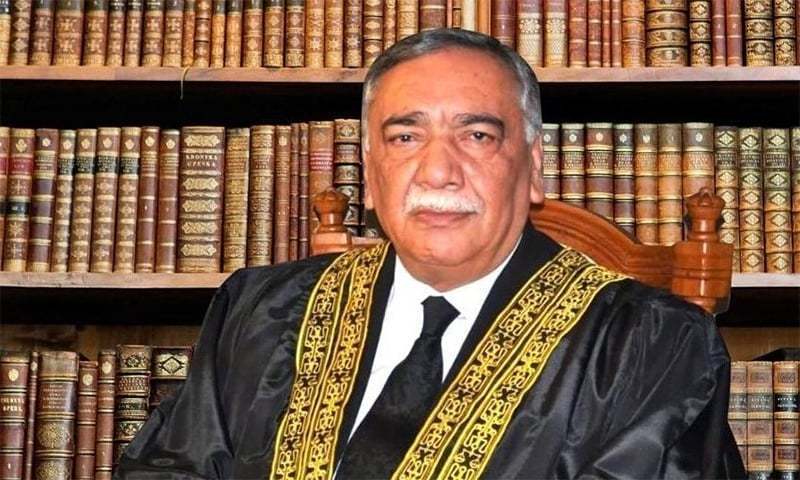
    Dissenting voices that challenge how the state has failed its citizens or those who question the flawed policies of the Pakistani state are dubbed as ‘foreign agents’ working on the agendas of some foreign powers. Patriotism of politicians, students, human rights activists, civil society, NGOs, lawyers, social media activists, media groups, journalists and anyone who has crossed a ‘red line’ or gone against the status quo has been called into question. Just recently, Chief Justice Asif Saeed Khosa lamented how the three judges including the CJP were being called Indian agents, CIA agents, etc., for questioning the government’s notification regarding the army chief’s extension.

    Pakistanis should realise that dissenting voices are the conscience of a country and that freedom of expression is a fundamental right. We must not go down this dangerous path of silencing dissent for if we do, there will no one to speak for the rights of the marginalised, the rights of minorities, the rights of any human being. Let us not go down a disastrous path from where there is no turning back.