Author: Hafiz Usman Aftab

  • The curious case of three Khans of Bollywood

    The curious case of three Khans of Bollywood

    I can’t help worrying about Shah Rukh’s health. Can a damaged spine send wrong signals to the brain?

    Ever since I suffered a back injury a few years ago, I have been deeply interested in the functioning of the spinal cord. Especially, of celebrities I admire.

    Shah Rukh Khan, the Badshah of Bollywood, headlines my list. For years, I have been closely following details of his knee, shoulder and back injuries and his pain management technique(s). I admire his ability to endure excruciating pain with a chuckle.

    I have seen pictures of him walking away wearing his characteristic dimpled smile after surgical procedures as I sat around worried about being rendered spineless, at least literally if not metaphorically.

    My hero, going strong on the other side of 50, has continued to stun me with real-life lessons on how to survive successfully with pain in the spine. Just a few years ago, he won a million more fans, and me all over, when he articulated his angst against the growing intolerance in India. “…religious intolerance and not being secular… is the worst kind of crime that you can do as a patriot,” he was quoted as saying by the media back then.

    This Shashi Tharoor of Bollywood has cast a spell on almost everyone with his insights on such soul-stirring issues and more. However, his latest lesson – batting for a totally spine-free existence – has left me stumped.

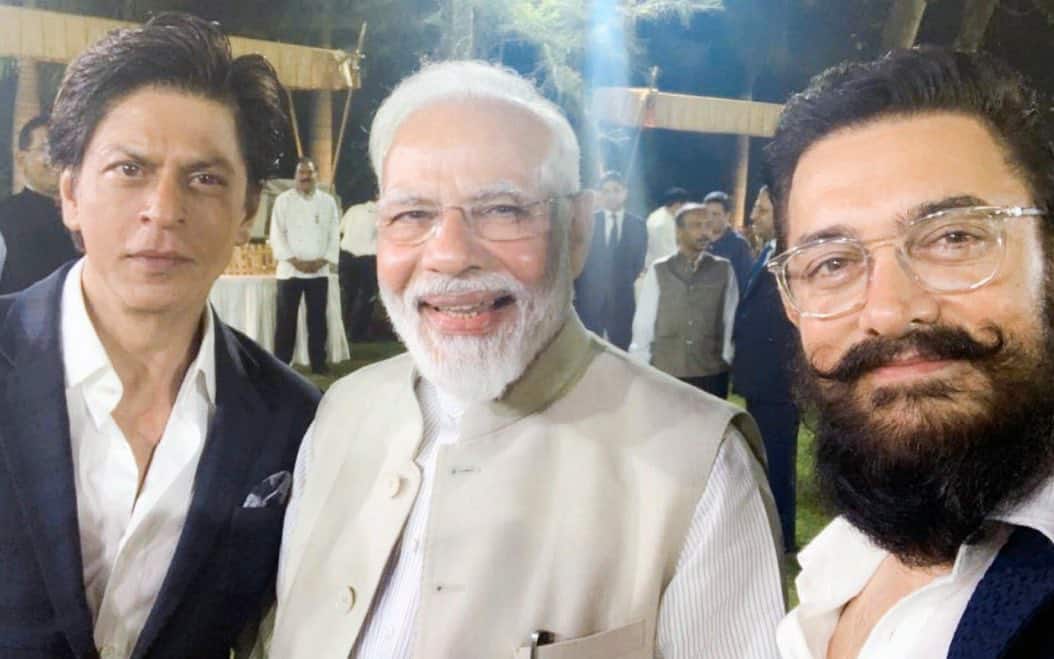
    Earlier this week, a much haggard version of Shah Rukh was seen taking a selfie with the prime minister (PM) of India, Narendra Modi, to commemorate the 150th anniversary of the Father of the Nation, Mahatma Gandhi, at an event called #ChangeWithin.

    The resultant candid shot, Shah Rukh smiling ear-to-ear, along with another famous Khan of Bollywood, Aamir Khan, was telling of the early onset of degenerative and, perhaps, irreversible changes in Shah Rukh’s spine.

    Eloquence has been Khan’s constant companion right from the days when he had an impeccable spine. “Thank u @narendramodi for hosting us & having such an open discussion on #ChangeWithin & the role artistes can play in spreading awareness of the msgs of The Mahatma. Also, the idea of a University of Cinema is extremely opportune!” he later tweeted.

    That’s the #ChangeWithin, if you like.

    And, now I can’t help worrying about Shah Rukh’s health. Who would have thought that the many expensive surgical interventions would not have helped his nerves behave better? I know that messages are sent from the brain through the spinal cord to the different parts of the body, but I am left wondering if the reverse is true too? Can a damaged spine send wrong signals to the brain? Or do brain cells, at the tail end of their life, only send signals to parts of the body that are able to decode words that are spelling variants of the word money?  

    Which brings me to the curious case of the other Khan of Bollywood I admire – Aamir. The man who has long exemplified Mahatma Gandhi’s three monkeys – hear no evil, speak no evil and see no evil. His larger-than-life image, thanks to his choice of films and his association with social issues (spoke out against the Gujarat genocide of 2002), was bolstered by his flagship television show a few years ago “Satyameva Jayate” (Truth Shall Prevail).

    Aamir raised issues that are usually brushed under the carpet and exposed India’s hypocrisy. He talked about LGBT rights and honour killings, and there was an hour-long episode on elections and corruption. That Aamir posed with the PM barely hours before Maharashtra state was to go to polls may be a coincidence, but what wasn’t was that he was also smiling through an increasingly intolerant India he expressed shock at a few years ago. An India where lynching of minorities is no longer news.

    In a film called “Ghajini”, Aamir plays a tycoon suffering from acute short-term memory loss and he does everything possible to preserve that memory. In real-life, Aamir, the tycoon, seems to be suffering from long-term memory loss. A messed up nervous system?

    This brings me to the third Khan of Bollywood – who rules hearts, owns roads and also a clothing line called Being Human. I was never a fan of Salman. I always dismissed him as an overgrown kid whose nervous system liked sending wrong messages to his body all the time — kill wildlife, run over pedestrians, punch women.

    However, in this vicious circle of pain called Khans, I would vote for a familiar pain near the spine. Let’s call it Salmanitis.
  • EXCLUSIVE: What did Mehwish Hayat & Prince William talk about and other inside details from the grand royal reception

    EXCLUSIVE: What did Mehwish Hayat & Prince William talk about and other inside details from the grand royal reception

    Prince William and Kate Middleton may have bid goodbye to Pakistan for now but that doesn’t mean us Pakistanis are getting over the royal visit anytime soon. The couple’s maiden trip was the first royal trip in almost 13 years and frankly speaking one we very much needed as we try to build ourselves up after years of being labelled a terrorist and backward country.

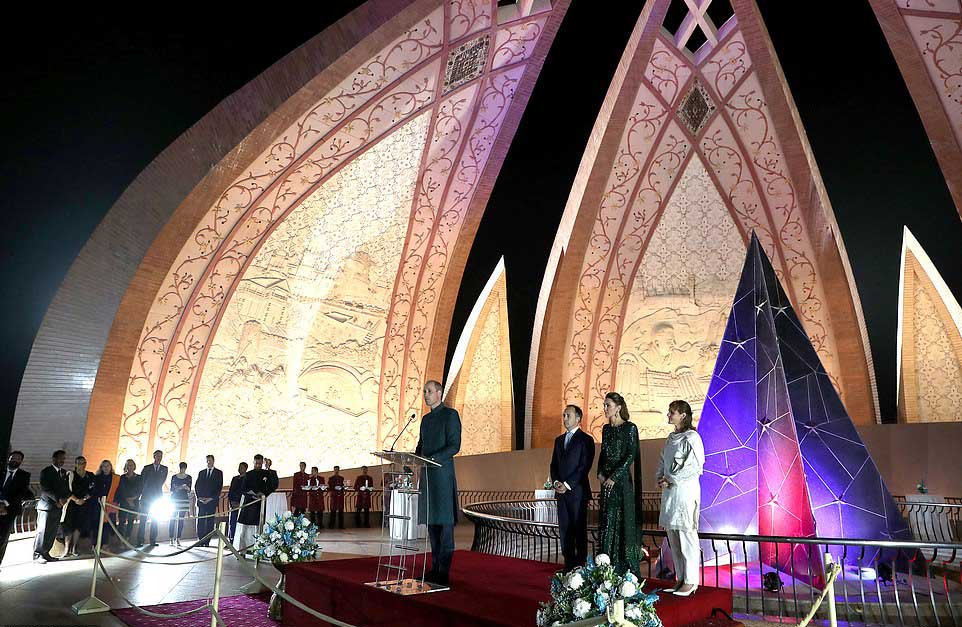
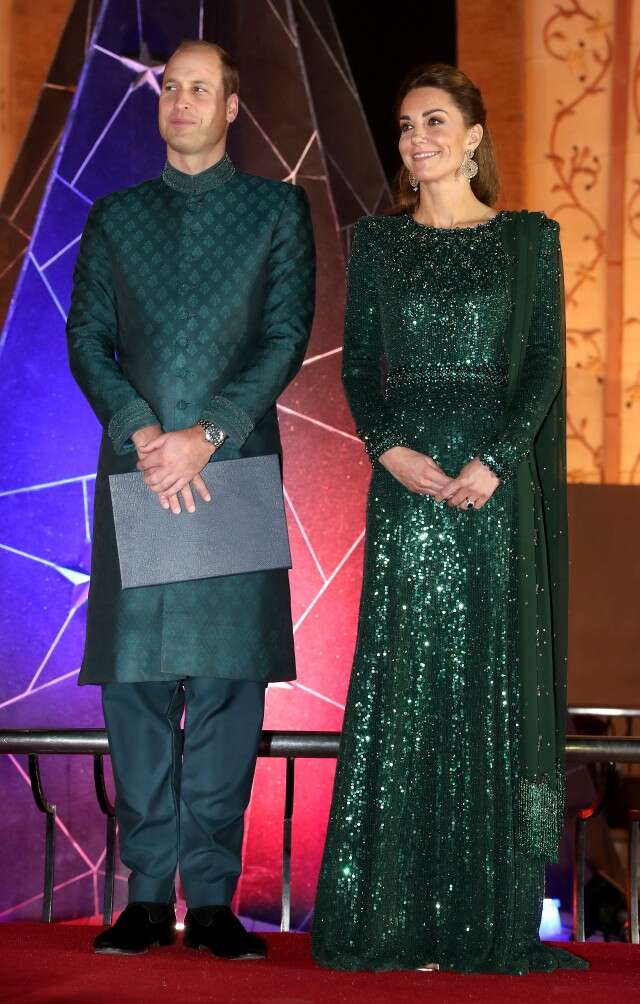
    The first full day of the Royals tour wrapped up with a grand reception hosted in their honour at the Pakistan Monument in Islamabad. The reception saw who’s who of Pakistan in attendance and it was without a doubt one of the most lit nights in recent times as the royals mingled with celebrities, sportspersons, politicians, humanitarians, business tycoons and entrepreneurs.

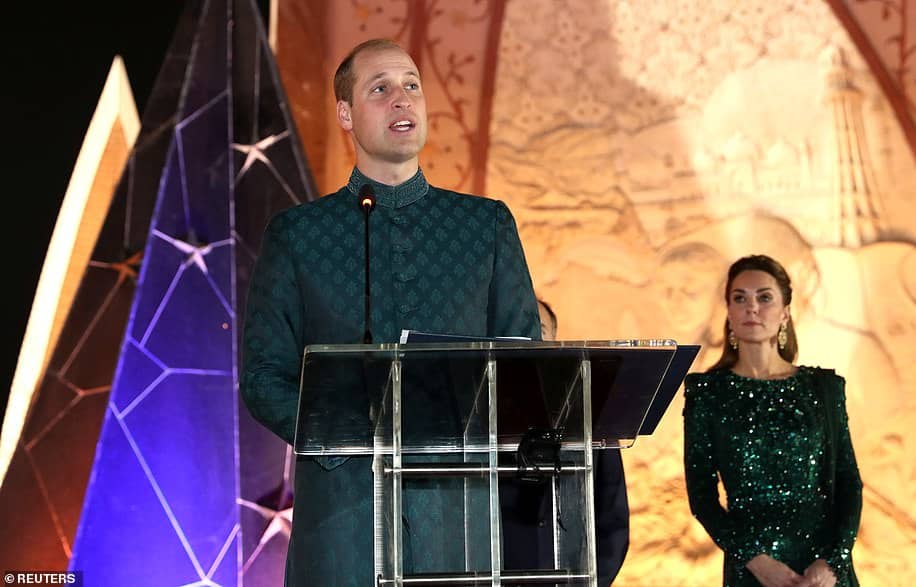
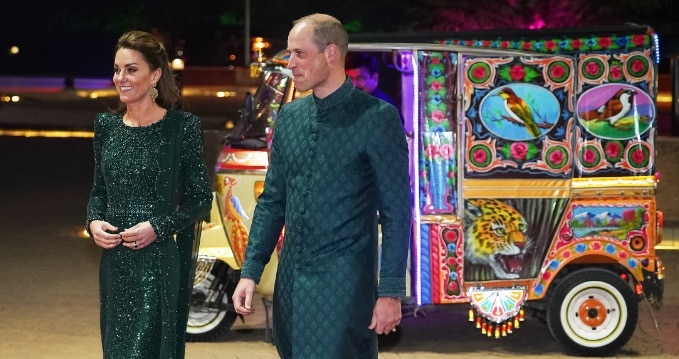
    While Kate glittered in a gown by Jenny Packham, Prince William donned a teal sherwani by Karachi-based designer Nauman Afreen becoming the first-ever Royal to do so.

    I secretly wished that I had attended the event and my Insta and Twitter stalking throughout the event I was glued to my phone getting excited over every update. Lucky for me, I managed to speak to a few people who attended the event and gave me all the inside details including what was on the menu and how it was like meeting William and Kate.

    First things first. Everyone who attended the event literally had the same thing to say about the Duke and Duchess. They described the couple as extremely pleasant, down to earth and very friendly. They said that they paid great attention to whoever they were talking to and had lots of positive things to say about Pakistan and it’s people.

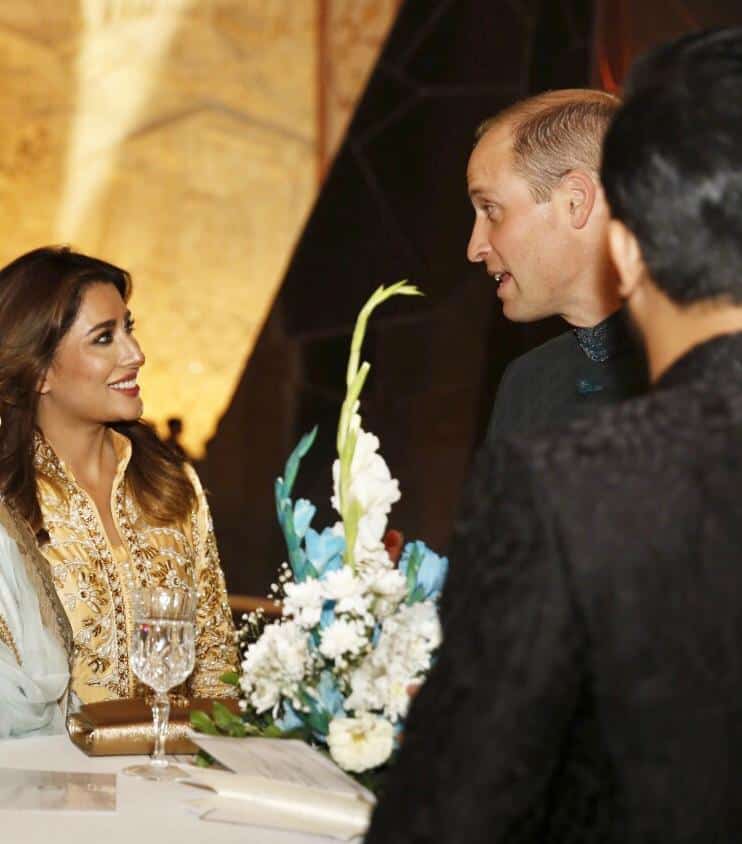
    Mehwish Hayat, in a Whatsapp conversation, said that Willam “was genuinely very happy to visit Pakistan and getting the chance to meet ‘amazing people’ and receiving so much love and warmth.”

    “No wonder my mother loved coming here,” he said to Mehwish.

    Mehwish also shared that she spoke to him about running the London Marathon next year for girl’s education in Pakistan and her work with the Ministry of Human Rights for girl’s rights in the country, something the Prince was very delighted to know about.

    “He shared their experience of visiting the kids at the school earlier during the day and how the kids were so keen to get an education,” Mehwish revealed.

    The event was invite-based only. Cars were parked a little bit away from the venue, and rickshaws were in place to take everyone from the parking to the main event. The decorations were beautifully done and the ambiance was very nice.

    Initially, the guests mingled among themselves. There were two sections – one section for the VVIPS and one for all the others who were invited. When the royal couple arrived, they went there directly to the VVIP section where they made rounds and spoke to people before Prince William delivered his first speech.

    During his keynote speech, Prince William highlighted the relationship between the UK and Pakistan – and also referred to when his grandmother the Queen visited more than fifty years ago, saying: “Stood here with this magnificent monument behind me, I am struck by the great strides Pakistan has made since its birth seventy-two years ago.”

    “And with successive visits by my mother and my father, this view has continued to change, with the city constantly growing and with it my family’s affection for Pakistan.”

    William also spoke of the “unique bonds” between the two countries and that Pakistan can “rely on the UK to keep playing an important role as a key partner and [a] friend”.

    The most important part of any event is the food so we did some research on what was served to the guests. As per our sources, the menu had a variety of options available. There was paneer tikka, savoury tarts, small quiche bites, lemon tarts and macarons.

    It was a royal night indeed and everyone seemed to have had a ball. Kate and William’s maiden visit will go down in history and will definitely be one to remember for times to come.

  • To brunch or not to brunch at Thanda Garam?

    To brunch or not to brunch at Thanda Garam?

    Finding a decent place to brunch in Lahore is quite a feat considering most of the good brunches are buffets. And those that aren’t, aren’t really all that great. You have them once and you don’t want to visit again.

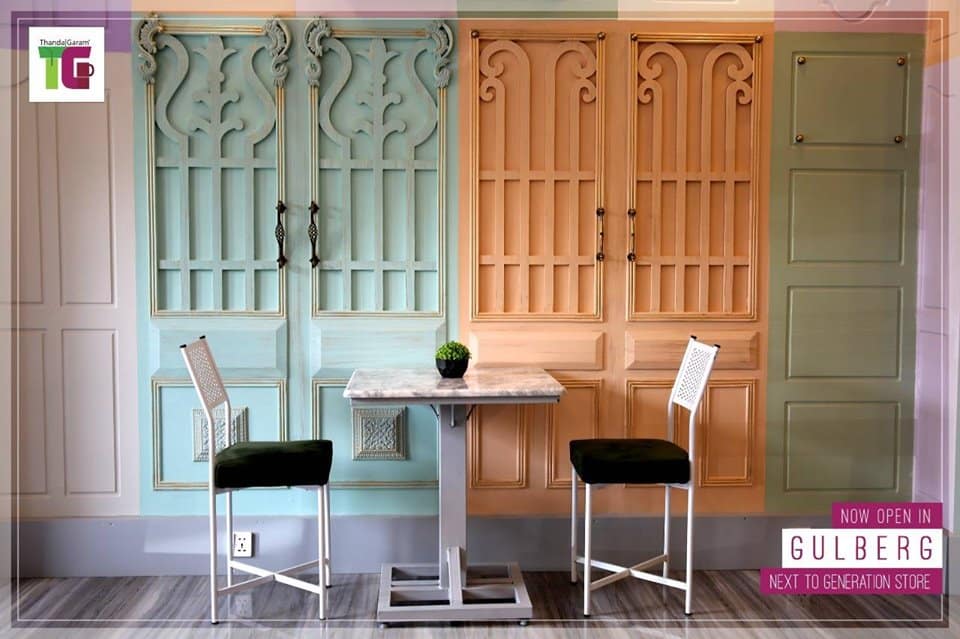
    Thanda Garam had been on my list for quite a while and last weekend, I finally got the chance to brunch there. We went to the Gulberg branch, which is located off MM Alam Road. The interior of the place was done in pastels and it was bright and lit. The staff was also welcoming and very friendly which added brownie points to the overall experience.

    The restaurant/cafe had a simple brunch menu with only a handful of options to choose from. Most of their brunch dishes are perfect for those who are health conscious since they consist of eggs and fresh vegetables. The waiter who took our order recommended us the Hugo based upon our preferences and so we ordered that.

    Hugo Bowl

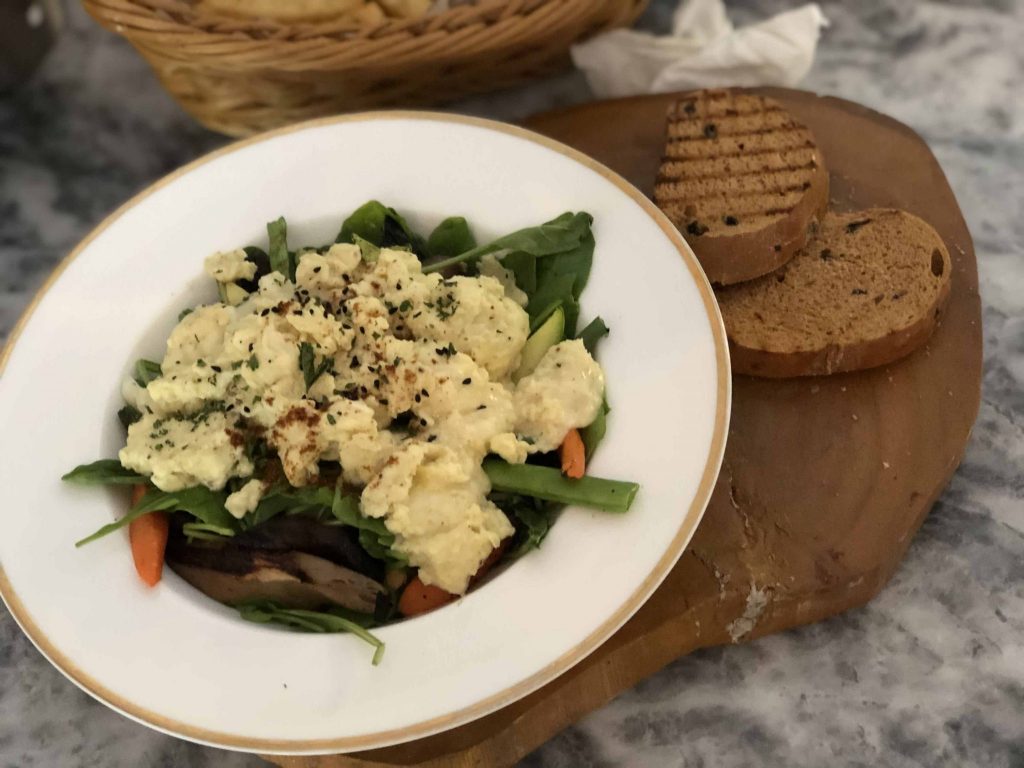
    When our order arrived, it looked very appealing. The breakfast bowl had eggs, spinach, grilled chicken, carrots, mushrooms and rocket leaves. Two small pieces of multi-grain bread accompanied it. The taste of it, however, wasn’t all that great – there was too much creamy spinach which overpowered the rest of things in the bowl. The scrambled eggs were fluffy but lacked flavour. The best part of the entire dish was the bread – it was absolutely delicious.

    French Toast

    After the overdose of spinach, we needed something to tantalise our tastebuds so we ordered their French Toast and oh God, those were divine. They were crispy from the outside and fluffy from the inside. The cream that accompanied was so delectable that I had to stop myself from licking clean the plate. The only thing I disliked about the dish was that there was too much Nutella – but then again those who love Nutella will absolutely love this. I’d recommend the restaurant to make Nutella optional and add a jam option as well – Strawberry or Apple Jam with these french toast would be delightful.

    Last but not least, I also tried their Mocca Mocca Frappuccino and didn’t like it much. The taste of the coffee was too strong because of which the frappe ended up tasting bitter. The perfect Mocha Frappe strikes the perfect balance between chocolate and coffee and this one sadly missed the mark.

    Though the food was well presented and I quite enjoyed the ambience of the place, Thanda Garam’s brunch failed to impress. The only thing I’ll be going back for is the french toast.

  • Minal Khan’s ‘Qismat’ is a mindless entertainer

    Minal Khan’s ‘Qismat’ is a mindless entertainer

    Let’s be honest. No matter what we say, us Pakistanis love a little drama – whether in real life or in our dramas. Which is why Minal Khan’s latest drama Qismat, which airs on Hum Tv on Saturdays provides the perfect weekly dose of drama. It has all the masala and ingredients needed for an OTT dramatic experience and is without a doubt one of my weekend guilty pleasures.

    While the storyline and plot are predictable and irks you at some points, Qismat is like that mindless entertainment you need at the end of a long working week.

    Maham & Soha

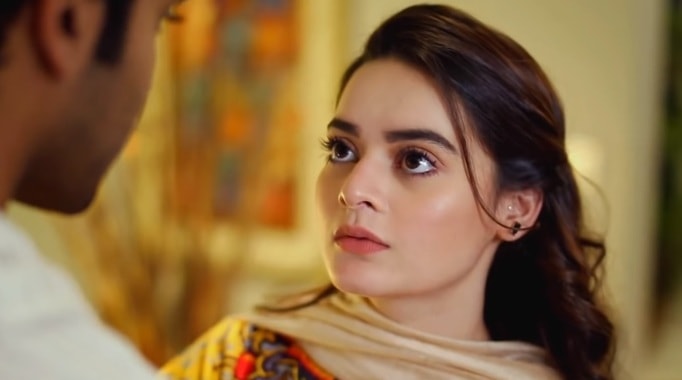
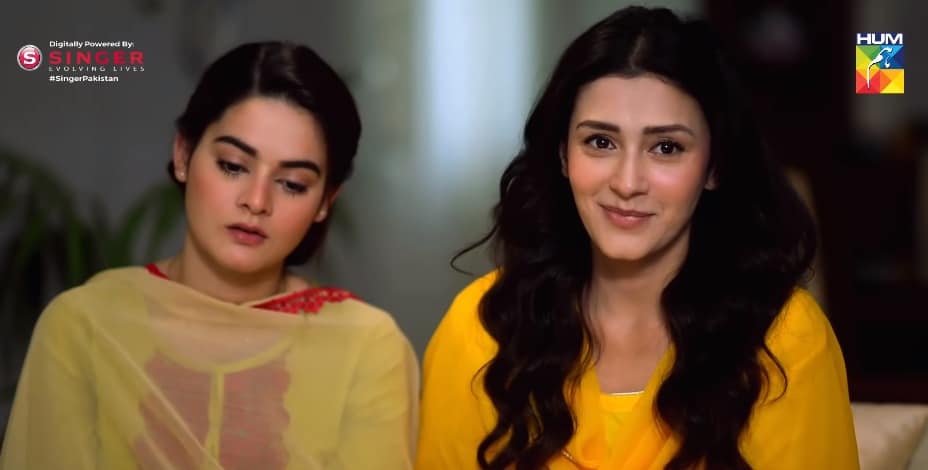
    Qismat revolves around two cousins – Maham (Sharmeen Ali) and Soha (Minal Khan). Soha’s parents have passed away so she has been adopted by her Khala, Maham’s mom. The drama starts with Maham getting married into a rich family. Meanwhile, Soha is in love with her colleague Walid and the two of them want to get married except Walid’s mother and sister oppose the rishta.

    Rayyan and Soha

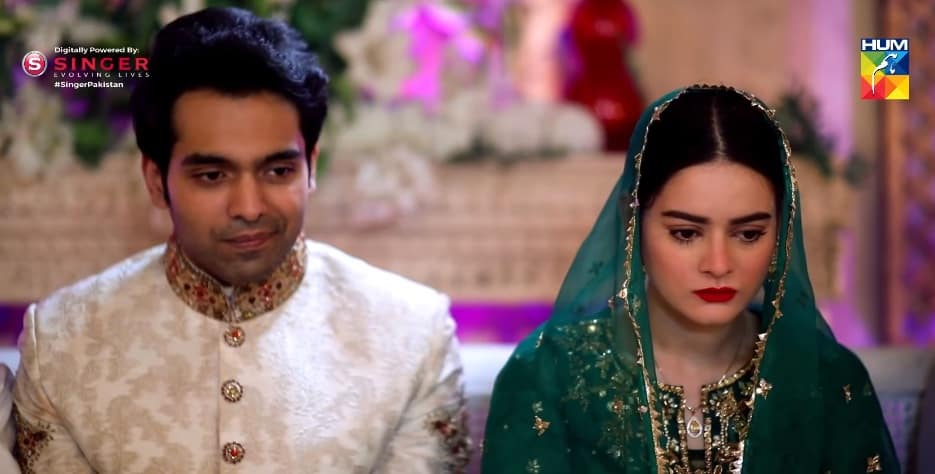
    Maham’s husband Adnan’s (played by Kamran Jilani) brother Rayyan (Faizan Khawaja) sees Soha when he comes from Australia for the wedding and falls in love with her. The two get married on Maham’s wedding with everyone’s blessings. Everyone is happy with this except Soha who still wants to get married to Walid. So she goes and tells Rayyan that she loves someone else and doesn’t want to marry him. This breaks Rayyan’s heart and after much contemplation, he finally tells his brother the truth and sends Soha the divorce papers. Adnan is very angry with this development and in turn, becomes cold towards his wife. In the midst of all this, Maham gets pregnant, which means that her marriage is no longer in trouble. Soon both families find out about what is happening following which drama ensues.

    I am loving the masala and twists because one: they are not entirely unbelievable and secondly because there are not too many. Qismat may be a mindless watch and its plot may have been done to death, but it is entertaining and keeps you interested. I have to add here that the pace of the drama is a little slow and there are a few scenes that could have been easily eliminated and made the drama crisper.

    The only annoying part of the drama is Walid and his sadistic family – his sister boils my blood.

    As far as the performances are concerned, all of the actors have done a good job. Minal has perfected the role of a crying heroine and this is exactly what she does in this drama as well.

    So far, seven episodes of the series have aired and each of them has received more than a million hits which means that I’m not the only one enjoying this. If you do plan on watching it, keep your sense and sensibility aside and watch the drama for some entertainment and masala.

  • Review – ‘Salam – The First ****** Nobel Laureate’

    Review – ‘Salam – The First ****** Nobel Laureate’

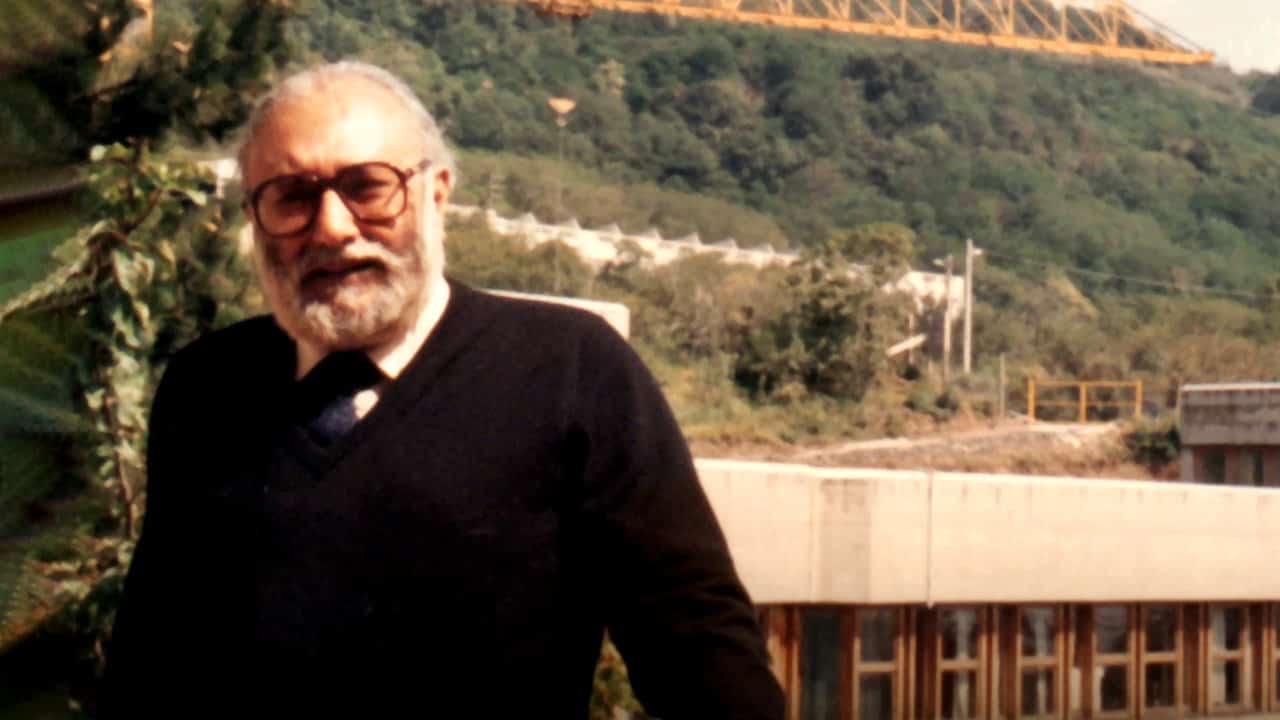
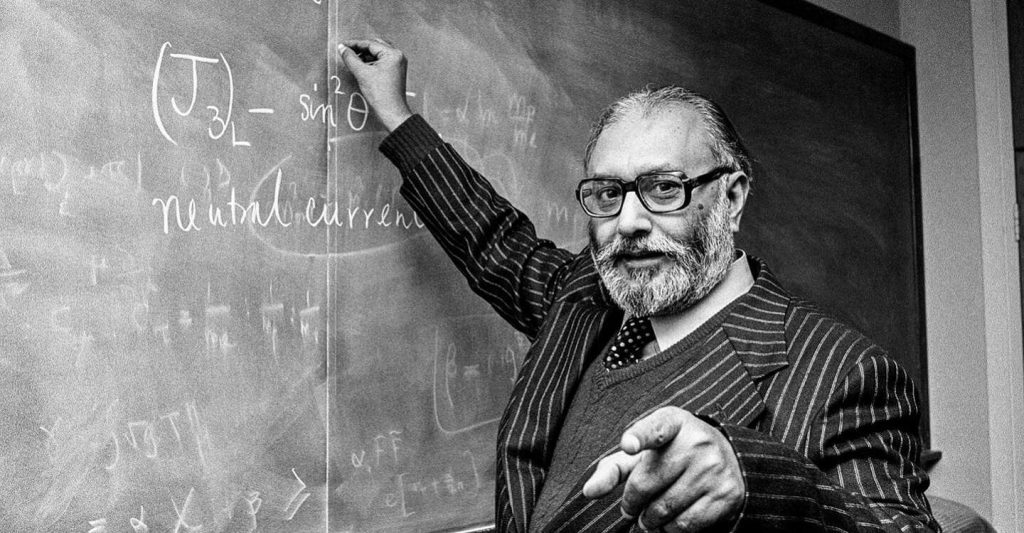
    As Dr Abdus Salam walks on to the stage at the Nobel ceremony of 1979, there is almost a whiff of costumery, of a flamboyant display of identity. In front and behind him in the procession are men in a uniform of “penguin” tuxedoes. And there is Dr Salam, resplendent from the top of his whipped-cream turban, the black sherwani, the white shalwar, down to his up-curled khussas. He was clearly fond of his three-piece suits too. But on that day in Stockholm: I am Muslim, I am Pakistani, his attire shouted. The world heard him, but his country did not.

    Such is the premise of Salam: The First ****** Nobel Laureate, the fourteen years-in-the-making documentary about Dr Abdus Salam streaming now on Netflix. It is not a film about the science that made the man, but the politics of his identity. Should it matter that an internationally feted theoretical physicist is of the minority Ahmadi faith? It did to both Dr Salam and Pakistan.

    Produced by Pakistanis Zakir Thaver and Omar Vandal and directed by an American-Indian, Anand Kamalakar, it has already won awards and been seen in 30 countries on the festival circuit as well as private screenings in Pakistan. However, the film’s release on Netflix makes it far more accessible, particularly where it matters, in Pakistan.

    Stitched together with rare archival footage, newspaper clippings and interviews of colleagues, wives, children, admirers, assistants and associates, Salam is threaded through with details and footage that were unseen or not commonly known.

    Particularly memorable is his moment in Stockholm, his interaction with the two men who broke his heart and condemned his community to a virtual prison – Bhutto and Zia – and his funeral attended by the thousands.

    Moreover, the documentary does not paper over his flaws: his whacky ideas, his vanity, his quirks, his testiness; genius becomes more humane in its layers. The story of the young boy from a small town in a developing country who ended up rubbing shoulders with global scientific superstars should just be inspirational, but it also leaves you heartbroken.

    Dr. Abdus Salam, a theoretical physicist, Nobel laureate, twice-married, Pakistani-for-life, global citizen, rags-to-researcher, died over two decades ago, but his life is still so achingly contemporary. The politics of identity are foremost in this age of right-wing populism.

    I travelled to Rabwah several years ago, to the hostel where men and women of the Ahmadi faith live in a state of limbo, hiding, or waiting for their asylum papers to come through. Their stories of everyday discrimination and brute violence never leave you.

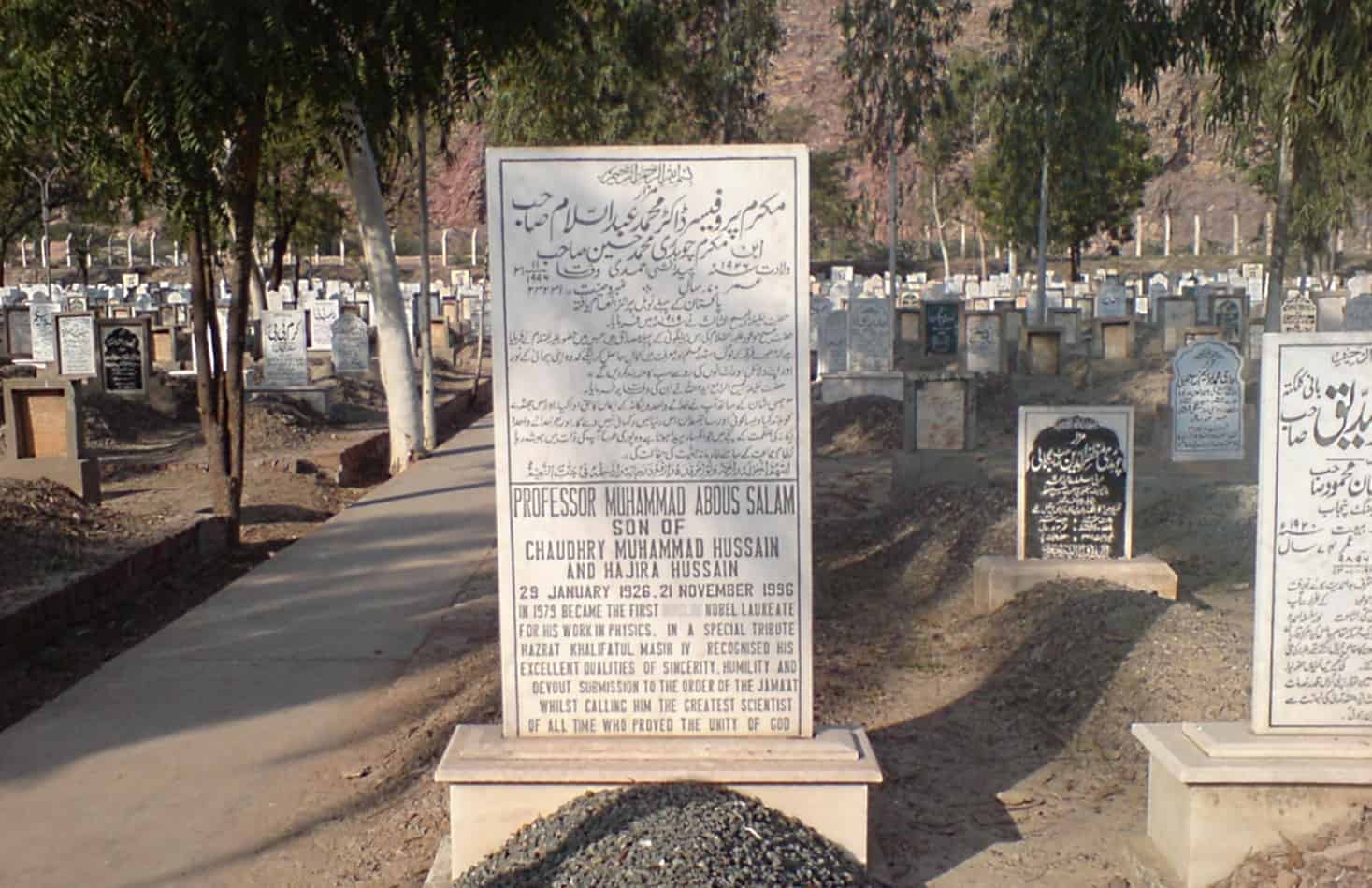
    Dr Salam’s grave

    It is a well-kept town with broad tree-lined roads, a state of the art hospital and educational facilities, ringed by the Kirana hills and encircled by hate. Here is where Dr Salam chose to be buried, the Muslim on his gravestone effaced, his life and work all but forgotten in the country where he derived his identity, where he deserved recognition, and where he wanted to promote scientific research the most.

  • Cafe Rustic – A burger lover’s delight

    Cafe Rustic – A burger lover’s delight

    Nestled in a quiet corner in Shaheen Market, E-7 Islamabad is a tiny eatery called Cafe Rustic. According to the cafe’s Facebook page, the eatery is the “dream mixed with a perfect dash of passion, vision and perseverance” of two foodie friends. With Cafe Rustic, they hope to present a “handcrafted selection” of foods from around the world. Though the eatery has several options on the menu, it is their burgers that really stood out.

    Considering burgers are a staple diet of millennials, it was actually my teenage son who introduced me to this cosy, little cafe. Though I was content with my favourite joints in Islamabad, I decided to give this place a shot and I’ve been a regular ever since.

    I’m not really a big fan of chicken burgers, so I opted for their lamb burger and voila! I was sold. The patty was thick, juicy, with just right amount of toppings. And the best part is that the burger was not sloppy. Lamb burgers are tricky to make and not everyone can get them right, but Cafe Rustic managed to nail it with their offering. The size of the burger is also adequate and leaves you more than full.

    Watch how they make their lamb burger in this video:

    https://www.facebook.com/caferusticislamabad/videos/688691434935829/

    Meanwhile, my friend ordered their chicken burger and he was quite satisfied with it. According to him, the chicken burger was the right amount of juicy and full of flavour – it struck the right balance between mild and spicy – which was a winner. The bun was also great as it didn’t crumble.

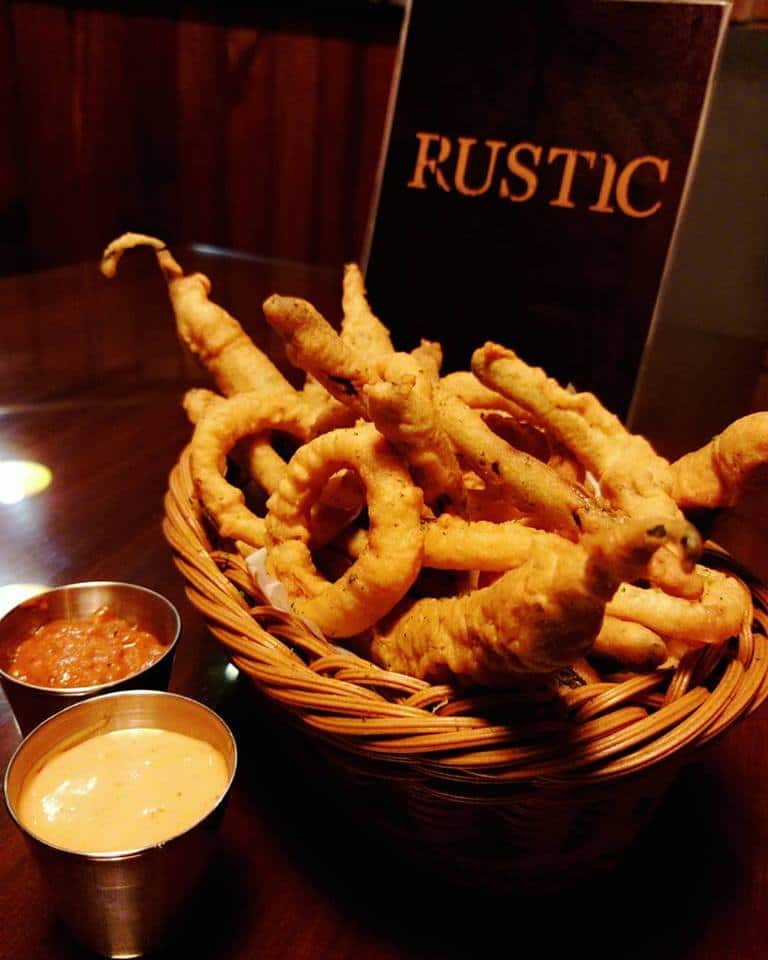
    Apart from their burgers, we also tried their fries. Cafe Rustic offers three different types of fries – Halloumi, Green and Sweet Potato – and each one of them has a unique flavour, are absolutely delicious and a must-try. Their Halloumi fries, in particular, are excellent- they are crunchy, fried to perfection, and have an amazing taste.

    Photo Credits – Momina’s Space

    As far as the drinks are concerned, once you’re done eating, you will definitely need their Peshawari Tea to wash down all the food and digest it. Other than that, their coffee is authentic and frothy – absolutely loved it.

    The only problem with the eatery is that it is small and there is not much place to sit which can be a little overwhelming and a nuisance, especially if you’re a bigger crowd.

    Nonetheless, the place is a must-try for everyone who loves their meat and is looking to try some succulent, gourmet burgers. Hope the owners can maintain the standards and their interest in keeping it alive.

  • Shoes that make a celebrity

    Shoes that make a celebrity

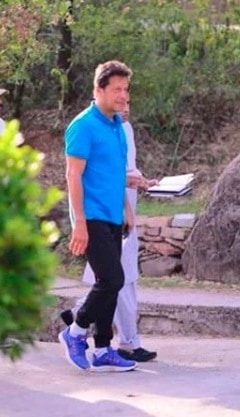
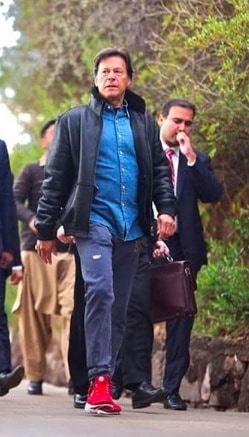
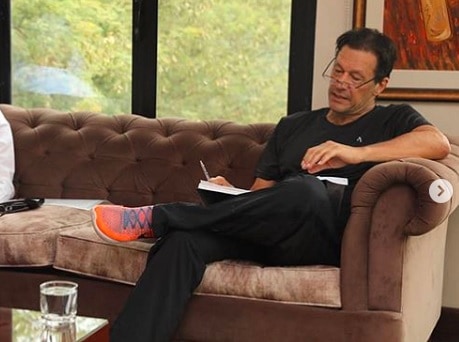
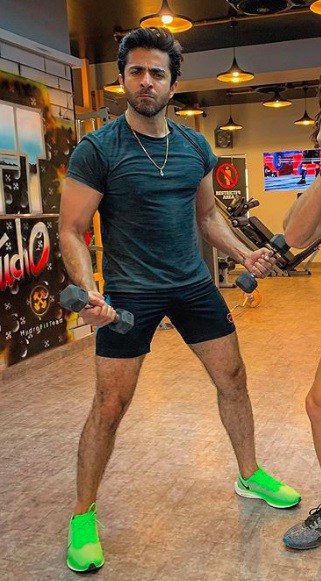
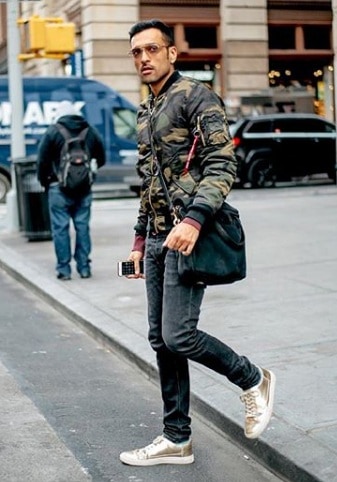
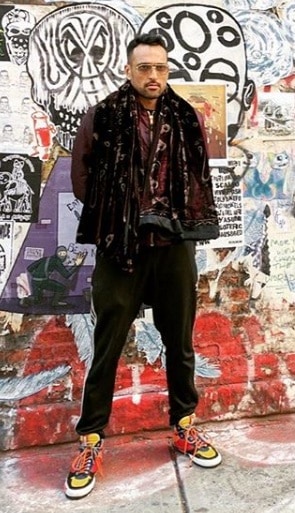
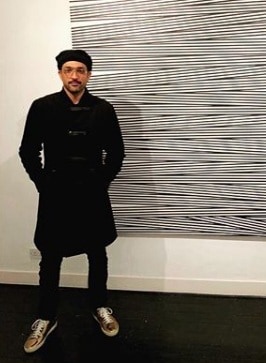
    They say “Clothes make the man” but in this case, we have noticed that funky and upbeat joggers make a celebrity. Here are some examples.

    Imran Khan

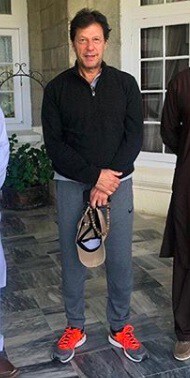
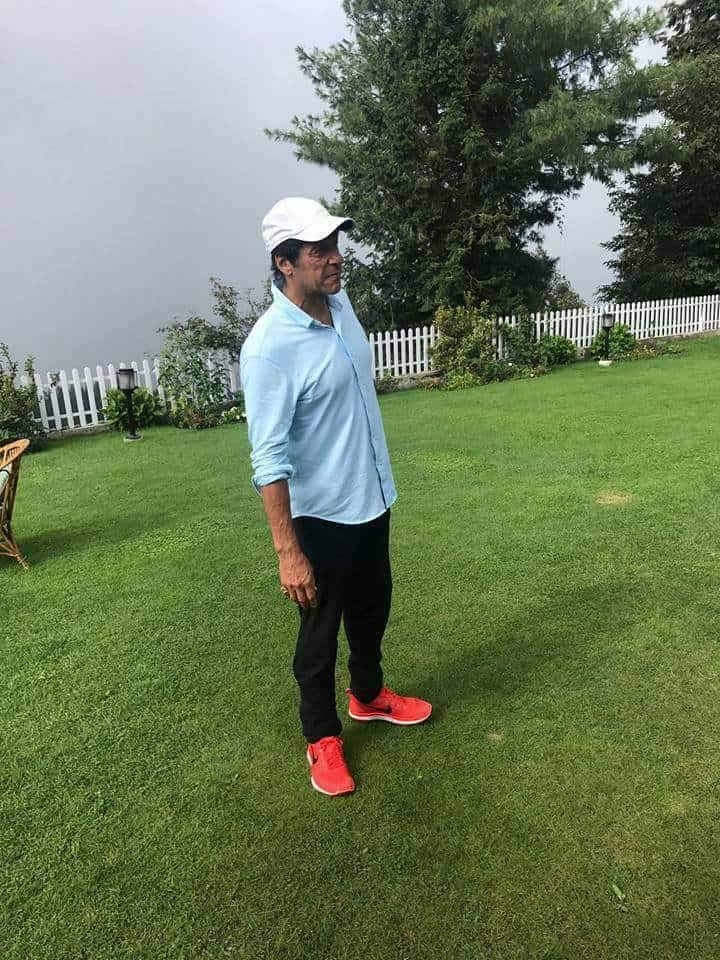
    We are convinced that Prime Minister Imran Khan has the funkiest joggers on this planet. He pretty much has every colour from reds and oranges to blue in his collection. Don’t believe us? Check out these pictures. We do wish we had better quality pictures.

    Sheheryar Munawar

    In a world full of boring, be Sheheryar Munawar. Who knew the actor had a quirky side to him – we didn’t either but thanks to his joggers we now know. He really knows how to rock those neons.

    Ali Sethi

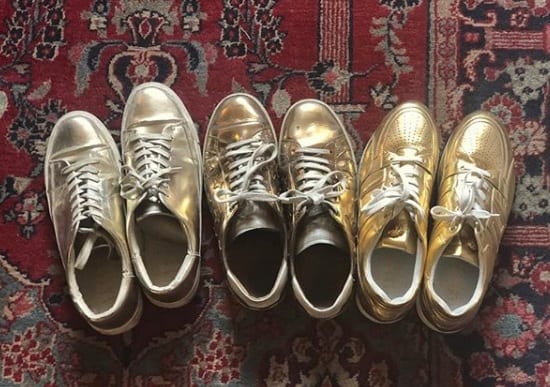
    Anyone who is an Ali Sethi fan knows how much the singer loves his golden sneakers. He’s made no secret of his jogger collection. Here’s giving you a sneak peek too.

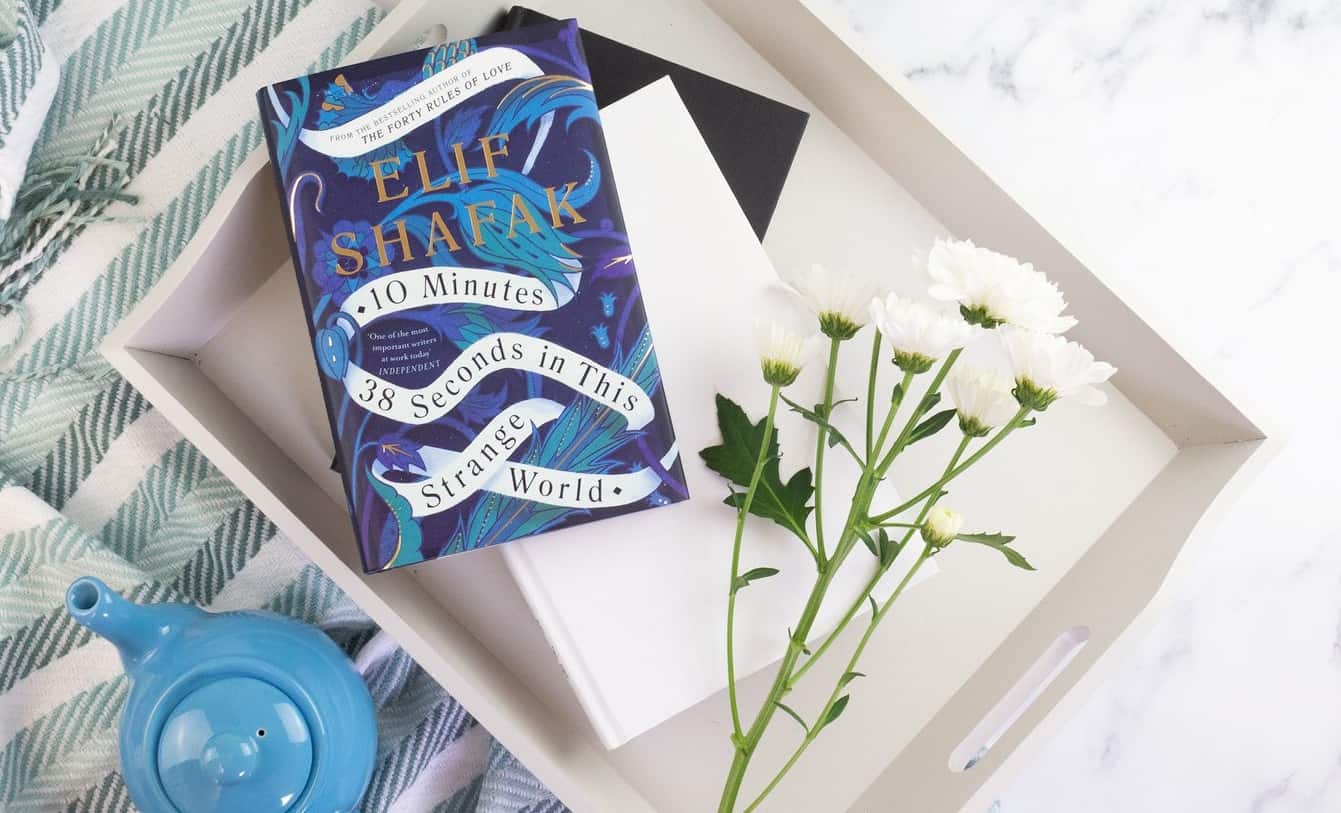
  • Elif Shafak’s ’10 minutes 38 seconds’ is thought-provoking, insightful and relevant

    Elif Shafak’s ’10 minutes 38 seconds’ is thought-provoking, insightful and relevant

    “We must do what we can to mend our lives, we owe that to ourselves – but we need to be careful not to break others while achieving that”.

    The main theme in Elif Shafak’s new book 10 minutes 38 seconds in this strange world is kindness and tolerance, or rather the lack of them in this world.

    The novel follows the journey of a young girl Leila from her small rustic village in the backroads of Turkey, to the bright lights, fast lanes and seedy underbelly of Istanbul. Here she suffers unspeakable ordeals, but at the same time also befriends a motley crew of vagrants, all trying to find their way in this strange world. Each has a different story, a different background but what is common to all of them is that each one lives on the outskirts of society; never really accepted. Never really loved.

    Elif has weaved the story in the beautiful way she usually does. Her words pulse with spirituality and insightful meaning. She has taken up the cause of those who cant stand up for themselves and whom society shuns.

    What really stands out for the reader is that humanity and human emotions are the same everywhere, as is bigotry and prejudice even if they have different faces in different cultures. This world ought to be safe place for everyone regardless of race, religion or orientation.

    Do read this for all the various themes she has addressed and definitely for her prose.

  • The state of mental health in Pakistan

    The state of mental health in Pakistan

    World Mental Health Day – 10 October – is a day for global mental health education, awareness and advocacy. On 10/10 each year professionals, health care organisations, advocacy groups, international and national agencies and individuals aim to bring attention to mental illness and its effects on people’s lives.

    Over the years, as a therapist, I have observed an increase in awareness and focus by individuals and advocacy groups in Pakistan to highlight mental health challenges. Though that’s brilliant, it also serves as a reminder of the state of the mental health in Pakistan and the uphill challenges we have to face. A day of celebration and remembrance is gone by 11/10 but the suffering of someone facing psychological issues isn’t. And we’ve all got to think about it because there’s a high likelihood that someone you know is facing mental health issues: in your own home, your class, your gym, your club or at your workplace.

    Here are some things that would be useful for you to know to educate yourself on this World Mental Health Day:

    1. Stop stigmatising the topic

    With the topic being stigmatised, most individuals don’t seek treatment believing that this wasn’t meant to happen to them, or it must be something else e.g. supernatural, temporary, etc. It’s a lot easier to ascribe our ill mental health to causes outside of us than to believe that we’re losing our mind. So people conceal their inner life and wear a mask showing they’re ok. The person sitting next to you may be wearing one, and you won’t know. In the rare instances that individuals open up to friends, coworkers and family about struggling the men are told that they are meant to be stronger; the women are told to stop thinking too much and serve families; the children are told to stop wasting time and focus on their studies; and the elderly are advised to attend to God and be grateful.

    WHAT CAN YOU DO – If your brother, spouse, friend, co-worker seems distressed, irritated, gloomy, distracted, offer to listen to them if they’d like to share what’s bothering them. Don’t offer any advice, just listen to them and offer support and understanding. Validate their struggle and where you feel you can’t offer help, encourage them to seek professional help.

    2. Emotional and psychological wounds don’t always show

    Someone who was teased for their looks or weight, mocked for their grades, made fun of for their complexion, touched without their consent, humiliated in front of others or unfriended without explaining may seem okay on the outside, but even 20 years later be struggling very deeply as a consequence of it. We assume that someone who holds a degree, a job or having a family has come out okay, but there’s more to it than meets the eye.

    WHAT CAN YOU DO – If you’ve caused this kind of sorrow to your child or friend, take responsibility. Commit to being mindful of your words from now onwards. As a parent, don’t break your child’s bones or their self-esteem thinking this is for their best. It is not, and chances are you’re reliving the trauma of your own parents treating you this way, and this cycle has got to stop with your seeking help.

    As a friend, be a safe one, and not the jerk who’d be spoken about in my office 20 years later as the reason why someone quit university or didn’t aim higher in life. Be the friend that understood others when they were at our weakest.

    3. Anxiety, depression, trauma, eating disorders are medically as valid conditions as hepatitis, ulcers and cholesterol.

    Just like cholesterol can’t be exorcised away, and hepatitis cured by praying for it, anxiety, depression, trauma, eating disorders, etc also require attention. Mental illnesses especially psychosis, eating disorders, bipolar disorder and autism are understood to have biological roots. The estimated heritability for bipolar disorder, schizophrenia, and autism (80% or higher) is much higher than that of diseases like breast cancer and Parkinson’s disease.

    WHAT CAN YOU DO – Refer them to a proper mental health specialist and encourage them to seek treatment. Don’t act doctor to your friend who says nothing makes them happy and they don’t wish to live. You won’t try to cure someone’s cancer would you? Stop trying to treat mental health concerns if you’re not qualified to do so.

    4. A psychologist or therapist is not meant to give you medication

    This one’s straight – if they’re doing that, they are acting unethically, and that is considered a good ground for malpractice in countries abroad. Only a psychiatrist (someone who holds a medical degree as well as a training to diagnose mental illnesses) is authorised to prescribe medication and that too if needed.

    WHAT CAN YOU DO – If someone seeking help has severe symptoms (e.g. suicidal ideation and intent is strong, are hallucinating, have impaired functionality) they should first be assessed by a psychiatrist to determine if medication is necessary. For someone who feels they can work on their issues for weeks and months, a good starting point would be a therapist or psychologist.

    5. People recover from mental health issues

    Our brain over its entire lifespan is capable of changing and rewiring. Don’t assume that you visited a shrink 30 years ago and that didn’t help, and now it’s too late. Things have drastically changed since then, in terms of how and what we can do to help. Every year new technologies are emerging which promise better care, management, and treatments available.

    WHAT CAN YOU DO – It is human to be affected by pain. If you’re in pain, seek help. It’s never too late. I work with people in a broad age range, professions, classes, sexual orientations, ethnic backgrounds, status who have benefited from being in therapy.

    On this mental health day, let’s be more mindful of attending to the every day stuff that happens in our emotional lives as well as that of people whom we love and live with. Let’s not let these every day stressors become something more difficult. One day you’ll have to attend to them. So don’t wait for that. And if you or a loved one are in the midst of complicated emotional circumstances please seek help.

  • Raheela: The Girl Child

    It’s the International Day of the Girl and Pakistan is shamelessly on the bottom of the global ranking in empowering them. They face death; stunted growth; violence; child labour and limited or no access to education and medical care.

    I took a dirt road two hours away from Peshawar in 2017 to find out more about how young girls with no access to education can be brought back into the gig economy.

    I spoke to about a dozen young girls and recorded their interviews to put a report for the people who were working to change the traditional set up in the conservative Khyber Pakhtunkhwa (KP) district.

    I spoke to the adolescent girls learning vocational skills like tutoring, tailoring and computer skills. Some girls between 15 and 19 were clad in burqas, others in chadors and most, in a deep sense of shame. Their body language was subdued and their presence was mild like they were a bit too grateful for the donor support I had gone to assess.

    Raheela was an unforgettable young girl. She was a Frida Pinto lookalike, big eyes and a chiseled jawbone with fierceness about her life story that both humbled and awed me. She was what we call a success story that we were to tout for more funding in the area of adolescent girls, where government support failed or was neglectful.

    Raheela had learned to make a lot of money over the past few months. She was given a grant to receive a brand new Singer sewing machine. The machine allowed her to sell clothes to local women that she sewed faster and better. She could now afford to send her younger siblings to school. That month, she made more money in thirty days than her drunk and abusive father made in a year.

    Many would consider this a success, but for Raheela, it meant a disrupted order of status quo that led her father to rage and episodic beatings.

    She looked at me to answer questions with a black eye that she unsuccessfully attempted to mask under a cheap concealer, three shades lighter than her wheat skin colour. I had to, so I asked her about the black-blue eye.

    Her face comes to me like a floating ghost when I hear politicians rattle their podiums and make big promises. When big men with power claim justice for the common people who are facing stagflation in the economy, I wonder if they really ever see Raheela.

    Am I ugly, bad and unworthy? She asked me in response.

    No.

    I said she was beautiful and good and worthy and that it was the people who exploited her that should be put away.

    She was not fearless, but she was incredibly brave.

    Today, we mark the International Day of the Girl Child, so I went back to my notes from that day I met Raheela.

    I often think of Raheela because she is far away from the cult of cool that many young adolescent girls her age are obsessed with. She cares more about how to hide her siblings when her father picks up the rod than she does about getting the corners of her wing eyeliner right. Her life is more immediate and her troubles are not imagined.

    Her face comes to me like a floating ghost when I hear politicians rattle their podiums and make big promises. When big men with power claim justice for the common people who are facing stagflation in the economy, I wonder if they really ever see Raheela. I wonder if they hear the tremble in her voice when she describes going back to a home where she faces chronic punishment for working to support her family. I wonder if they even know that in this country, girls are prematurely sexualised and prematurely made into grown-up adults when they are too young to even understand their own bodies.

    I’m going to dare to dream a world for her today because that is what the day calls for – after all the GirlForce is unscripted and unstoppable.

    If I could reimagine a world for Pakistan’s Raheela, I would dare to dream that she has a lot of hygiene. That she has access to sanitary pads that are biodegradable and safe. Many girls in the programme who enter puberty end up missing their vocational classes just because they are on their period. The norm is unsanitary cloth packs that leak and limit their mobility. I want a world where a period doesn’t signal young women’s child-bearing age, but an age that needs care and protection from people who have an exploitative mindset. Commercial sanitary pads are prohibitively expensive in rural areas and there is no education on how to maintain mobility during menstruation. As a result, menstruation is used as a weapon to ground Raheela.

    I often think of Raheela because she is far away from the cult of cool that many young adolescent girls her age are obsessed with. She cares more about how to hide her siblings when her father picks up the rod than she does about getting the corners of her wing eyeliner right.

    I would also imagine a world for her where the road to the vocational centre would not be planted with land mines of honour culture. Where the local village perverts won’t call her a slut for wandering instead of being invisible. I’d want local police to punish those men if they dare make her feel threatened. Instead, local police usually victim-blame young women who face eve-teasing and sexual harassment. Raheela was asked to go back home and fetch her abusive father before a legal complaint is lodged. She ended up not complaining and facing the men in her path day after day, passively.

    It would be rather nice if Raheela had a basic smartphone that allowed her to receive her stipend in a mobile wallet, safe from the drug-addiction ambitions of her father. A mobile wallet that allows her to buy her mother the medicines she needs to repair her mental health, her self-esteem and her social embarrassment for only giving birth to girls.

    Access to the internet would be great for Raheela. She could get socially connected to friends and family she trusts and can rely on. She could even search the latest fashion trends to remix in the clothes she designs and sells in larger cities. She could learn English, the language the internet uses and sharpen her Urdu skills using tutorials. She could search for entertainment and watch shows that give her respite from her reality. She could use YouTube to research how to manage money and do basic bookkeeping so her business can stay afloat longer.

    I’d want a world where Raheela knows that elsewhere in the universe, there are doctors who perform surgeries remotely; that holograms exist; that future jobs will focus on creativity and collaboration; that there are smart shoes that measure everything including steps. Most importantly, that she can protect her digital footprint and have her cyber world secure from prying eyes of men who can hurt her now or in the future. She could know her rights as a citizen. She would know then, that the state has promised to protect her, educate her for free and punish anyone who harms her physically. That would change her mindset.

    I want Raheela to know that clothes look better when you wear them on your back while standing up straight, chin up, shoulders back. Raheela is not ugly, not a bad person and she is not unworthy of this dream I have dreamed entirely on her behalf.

    I’d like to give her some representation in the local government, perhaps even as a citizen. She could understand that there are others like her suffering in the community and hold a town hall with them to support community involvement. Raheela could help create public pressure to have easier access to schools, transport, healthcare and plumbing by speaking up for more young women.

    I want Raheela to know that clothes look better when you wear them on your back while standing up straight, chin up, shoulders back. Raheela is not ugly, not a bad person and she is not unworthy of this dream I have dreamed entirely on her behalf.

    It’s the International Day of the Girl. Pakistan is shamelessly on the bottom of the global ranking in empowering them. Girls in Pakistan face death; stunted growth; violence; child labour and limited or no access to education and medical care.

    It’s too late for Raheela, by now she may have a few girls of her own, her father may have won at patriarchy and she may have lost at it. Can we please get this dream in a politician’s speech so it could maybe… maybe become a part of the cult of cool that some girls can never reach.