Category: Blog

  • Demi Lovato: A Journey of Resilience, Talent, and Transformation

    Demi Lovato: A Journey of Resilience, Talent, and Transformation

    Demi Lovato is one of Hollywood’s most influential stars, a multi-talented singer, songwriter, actress, and activist. With a career that spans over a decade, she has faced personal struggles and triumphs, making her one of the most resilient and inspiring figures in the entertainment industry. Her journey is a testament to perseverance, growth, and the ability to transform pain into art. In this blog, we’ll explore the various phases of Demi Lovato’s life and career, from her breakout roles in Disney to her struggles with mental health and substance abuse, and ultimately, her remarkable comeback.


    Early Years: A Star in the Making

    Demi Lovato’s rise to fame began when she was a teenager, and her natural talent was clear from the start. Born on August 20, 1992, in Albuquerque, New Mexico, Demi showed an interest in music and acting early on. She gained attention as a young child by performing in local talent shows and later landed roles in various TV shows. However, it was her role as Mitchie Torres in Disney Channel’s Camp Rock in 2008 that truly catapulted her into stardom. Alongside the Jonas Brothers, Demi’s performance resonated with millions of young viewers, and soon she became one of Disney Channel’s most beloved stars. Her first album, Don’t Forget, released in 2008, showcased her vocal prowess and solidified her place in the music world. With catchy pop-rock tunes and emotional ballads, Demi proved that she was more than just a TV star. The album’s success was followed by Here We Go Again, which not only earned her critical acclaim but also debuted at number one on the Billboard 200 chart, showcasing her ability to balance both her acting and music careers.


    Personal Struggles: Battling Demons

    While Demi’s career was skyrocketing, her personal life was not as smooth. Behind the glitz and glamour of Hollywood, she was grappling with serious mental health issues and substance abuse. In 2010, Demi Lovato checked herself into a treatment facility to address emotional and physical issues, including an eating disorder, self-harm, and the pressures of being in the public eye at such a young age.

    Her battle with addiction became public in 2018 when she suffered a near-fatal overdose. This incident was a wake-up call for Demi, and she opened up about her struggles in interviews, allowing fans to witness her vulnerability and strength firsthand. She bravely shared her recovery journey, acknowledging that it was an ongoing process, and in doing so, she became a powerful voice for mental health awareness. In 2020, Demi released the emotional song Anyone, which she had recorded just days before her overdose. The raw lyrics and haunting melody reflected the depths of her pain and the hope for healing. The song was a powerful reminder of how important it is to be open about one’s struggles and seek help when needed. It also served as a testament to Demi’s incredible vocal range and songwriting ability, showing that despite her hardships, she had the strength to continue creating music that resonated with millions of people around the world.


    Advocacy and Self-Love: A New Chapter

    One of the most remarkable aspects of Demi Lovato’s life and career is her advocacy for mental health and self-love. Over the years, she has used her platform to speak out about issues like body positivity, addiction recovery, and the importance of therapy. She has consistently encouraged her fans to embrace their true selves and seek help when they are struggling. In 2020, Demi released her YouTube documentary, Demi Lovato: Dancing with the Devil, which chronicled her overdose, recovery, and the ongoing process of healing. The documentary was both raw and empowering, showing her in a vulnerable light while also demonstrating the immense strength it takes to face one’s darkest moments. She opened up about her journey with sobriety and how she had to rediscover herself after hitting rock bottom. The film offered a powerful message about overcoming personal battles and finding hope in even the most difficult circumstances. Beyond her music and personal struggles, Demi has become a fierce advocate for the LGBTQ+ community. In 2020, she came out as pansexual, explaining that her attraction to people was not based on gender, but on their soul and personality. Her openness about her sexuality was a significant moment for many of her fans who saw her as a role model and someone who was willing to break down barriers in the name of authenticity.


    Musical Evolution: From Pop Princess to Empowered Artist

    Demi’s musical evolution is as diverse and dynamic as her personal journey. Over the years, her sound has changed and grown, embracing different genres and exploring deeper themes. Her early pop-rock albums were filled with catchy hooks and relatable lyrics, but as she matured, so did her music. Her 2017 album, Tell Me You Love Me, showcased a more mature and soulful side of Demi, with tracks that ranged from pop to R&B, all while focusing on themes of love, heartbreak, and empowerment. As she continues to grow both personally and professionally, Demi has shown that she is not just a pop star, but an artist who is unafraid to experiment with her sound and speak her truth. Her ability to transform her pain into powerful music is a testament to her resilience and talent.


    The Future: A Bright and Bold Path Ahead

    Demi Lovato’s journey has been anything but easy, but it has made her who she is today: a fierce, resilient, and empowered artist and activist. From her early days as a Disney star to her struggles with mental health and addiction, and ultimately, her triumphant return to the music world, Demi has proven that she is unstoppable. Her story is a reminder that no matter what challenges we face, there is always room for growth, healing, and transformation. As Demi continues to inspire millions around the world with her music and advocacy, there’s no telling what she’ll do next. One thing is for sure: she will continue to break barriers, spread messages of self-love and empowerment, and most importantly, stay true to herself. For more inspiring stories of personal growth and transformation, check out Found My Peace Here: Saif Ali Khan Buys Dream Home in Qatar.

  • Gal Gadot: From Military Service to Global Superhero Icon

    Gal Gadot: From Military Service to Global Superhero Icon

    Gal Gadot is more than just an actress. She is a symbol of strength, grace, and resilience. Known worldwide for her portrayal of Wonder Woman, Gadot’s journey to stardom is an inspiring tale of hard work, passion, and determination. With a career that spans action films, drama, and activism, Gal has firmly established herself as one of Hollywood’s most influential figures. Her path from a military service in Israel to becoming a global icon is nothing short of remarkable. In this blog, we’ll delve into the life and career of Gal Gadot, exploring her early years, breakthrough role, and the impact she’s made both on and off-screen.


    Early Life: A Dreamer from Israel

    Born on April 30, 1985, in Rosh HaAyin, Israel, Gal Gadot’s journey to Hollywood wasn’t a typical one. She grew up in a modest household, raised by her mother, Irit, who was a teacher, and her father, Michael, who was an engineer. From a young age, Gal was exposed to the arts and encouraged to pursue her passions. But before becoming an actress, Gadot’s path included a solid foundation in physical fitness and discipline.

    As a teenager, Gadot was drawn to sports, particularly basketball, and she even competed in national level championships in Israel. However, her love for modeling and beauty pageants also sparked an interest in the entertainment industry. At the age of 18, Gal won the title of Miss Israel in 2004, which gave her the first major exposure she needed. This win was the springboard that launched her career in modeling and acting.

    But before stepping into the glamorous world of Hollywood, Gal Gadot served two years in the Israel Defense Forces (IDF), which is mandatory for all Israeli citizens. During her service, she worked as a combat instructor, which not only shaped her physical strength but also instilled a deep sense of discipline and leadership. Gadot has often spoken about how her military service played a significant role in shaping her as a person and an actress, particularly when it came to her portrayal of Wonder Woman—a character that embodies both strength and compassion.


    Breaking Into Hollywood: From Fast & Furious to Wonder Woman

    Gal Gadot’s big break in Hollywood came in 2009 when she was cast as Gisele Yashar in the Fast & Furious franchise. Initially appearing in Fast & Furious 4, her role was relatively small, but it didn’t take long for her to make an impression. She returned for subsequent films in the series, including Fast Five (2011) and Fast & Furious 6 (2013), gaining a loyal fanbase and proving her action movie credentials.

    Despite her growing success in action films, Gadot’s true breakthrough came in 2016 when she was cast as Diana Prince, aka Wonder Woman, in Batman v Superman: Dawn of Justice. Directed by Zack Snyder, the film marked the first live-action appearance of the iconic DC superhero, and Gadot’s portrayal of the character immediately captivated audiences worldwide. Her combination of strength, vulnerability, and authenticity made her the perfect fit for the role, and it was clear that a star was born.

    The following year, in 2017, Gadot reprised her role in Wonder Woman, the solo film that would solidify her status as a global superstar. Directed by Patty Jenkins, the film was a box office sensation, grossing over $820 million worldwide. Gadot’s portrayal of Wonder Woman became iconic, not just for her action scenes, but for the character’s strong moral compass, resilience, and determination. Wonder Woman was hailed as a groundbreaking film, especially as it represented a female superhero at the forefront of a major Hollywood blockbuster something that had been long overdue.


    Balancing Motherhood, Acting, and Activism

    While Gal Gadot’s career continues to thrive, one of the most remarkable aspects of her life is her ability to balance her professional commitments with her personal life. Gal is a devoted mother to her two daughters, Alma and Maya, whom she shares with her husband, Yaron Varsano. Her ability to juggle a high-profile career with family life has made her a role model for many women around the world.

    Despite her hectic schedule, Gadot remains deeply involved in various charitable causes and activism. She is a strong advocate for women’s rights and equality, often using her platform to speak out on important issues. Gadot has supported organizations such as the United Nations Women and The Anti-Defamation League (ADL), advocating for gender equality and fighting against anti-Semitism. In 2020, Gadot’s viral “Imagine” video, where she and a group of celebrities sang John Lennon’s song to raise awareness for the global COVID-19 pandemic, received mixed reactions. While the video was meant to inspire hope during difficult times, some criticized it for its perceived tone-deafness. Nevertheless, Gadot remained committed to using her celebrity status to make a positive impact.


    Behind the Scenes: A Producer and Director

    Gal Gadot’s ambitions extend beyond acting. In addition to her work as an actress, she has ventured into the world of producing. In 2019, Gadot founded her own production company, Pilot Wave, along with her husband Yaron Varsano. The company’s goal is to produce high-quality films and TV series, with an emphasis on empowering female voices in front of and behind the camera. Gadot’s role as a producer allows her to have more creative control over the projects she works on, further solidifying her place in the industry.

    In addition to producing, Gadot is also set to explore directing in the near future. She has expressed her desire to create films that resonate with audiences on a deeper level, particularly stories that empower women and showcase diverse perspectives. As she continues to rise in the ranks of Hollywood, her influence is expected to grow, not just as an actress, but as a force for change in the industry.


    The Future: More than Just a Superhero

    Looking ahead, Gal Gadot’s future in Hollywood seems brighter than ever. With multiple projects in the works, including a sequel to Red Notice (2021) and her upcoming role in the action film Heart of Stone for Netflix, Gadot’s star is only continuing to rise. Beyond the big screen, she is also focused on creating content that uplifts and inspires, particularly in the realm of female empowerment.

    Gal Gadot’s impact extends far beyond her role as Wonder Woman. She has become a symbol of strength, resilience, and compassion, not just for women, but for people of all backgrounds. Her ability to balance a successful career with motherhood and her advocacy work makes her one of the most well-rounded and inspiring figures in Hollywood today. For more stories of unexpected turns in life and career, check out Farmer Shoots Boy Dead for Bathing at His Tubewell.

  • Arshad Nadeem Declines Neeraj Chopra’s Invitation: Focusing on Upcoming Competitions

    Arshad Nadeem Declines Neeraj Chopra’s Invitation: Focusing on Upcoming Competitions

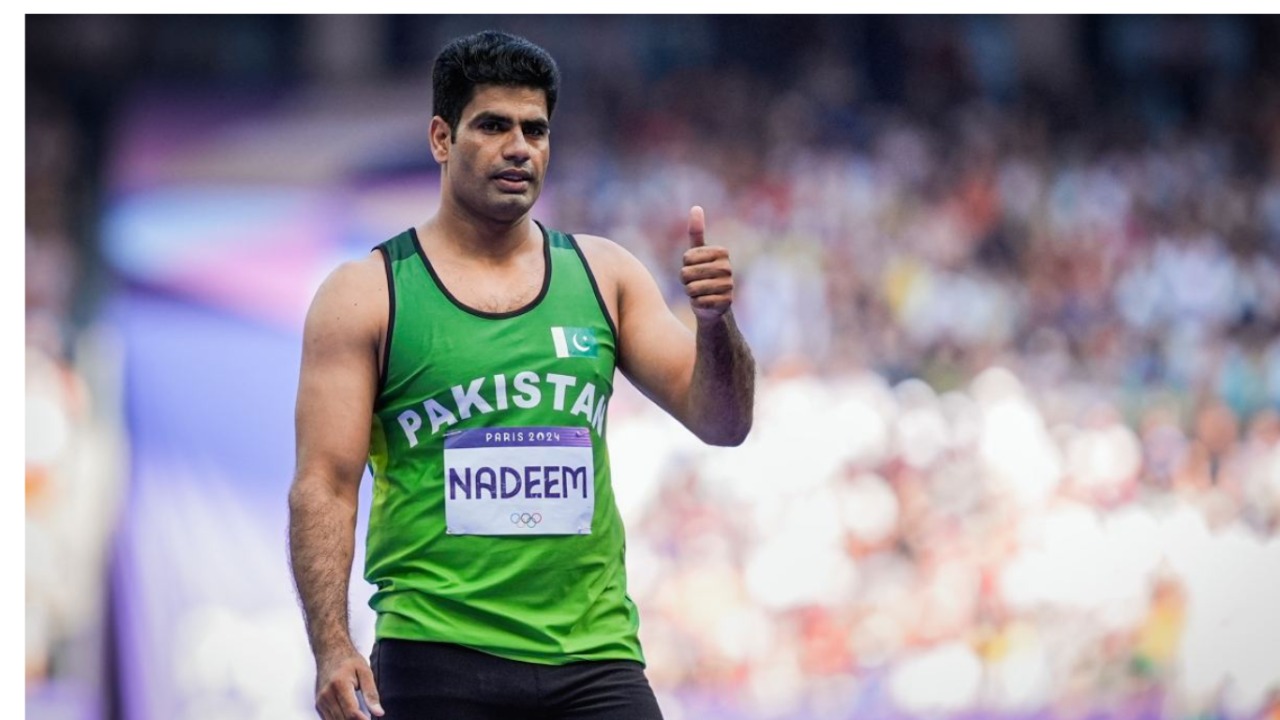
    In a move that has caught the attention of sports fans across the globe, Arshad Nadeem, Pakistan’s javelin sensation, has reportedly declined an invitation from India’s Olympic gold medalist Neeraj Chopra to participate in the inaugural Neeraj Chopra Classic in Bengaluru. While many hoped for another epic showdown between the two javelin stars, Nadeem’s decision to focus on his training and upcoming events shows his dedication to his goals and his desire to remain at the top of his game.

    The Neeraj Chopra Classic is set to take place on May 24, 2025, and it is expected to feature some of the biggest names in javelin throw, including world champions Anderson Peters, Julius Yego, and Thomas Röhler. Despite the star-studded lineup, Nadeem has chosen not to participate, citing a packed training schedule and preparation for the upcoming Asian Athletics Championships in South Korea, scheduled to begin on May 27.


    A Gracious Decline

    Arshad Nadeem’s decision to decline the invitation was not made lightly. According to media reports, Nadeem expressed his gratitude to Neeraj Chopra for the invitation in a formal letter. He acknowledged the gesture and thanked Chopra for considering him for the event. However, due to his already finalized training and event commitments, Nadeem explained that he simply could not make room for additional engagements at this time.

    In his message, Nadeem also wished the Neeraj Chopra Classic great success and praised Chopra’s efforts in promoting the sport of javelin throw on a global scale. The two athletes have shared mutual respect for one another over the years, and this gesture of sportsmanship further underscores their professional relationship.

    Although the fans were excited about the possibility of watching Nadeem and Chopra go head-to-head in another iconic battle, Nadeem’s focus on his preparation for the Asian Athletics Championships speaks volumes about his discipline and commitment to his goals. His decision reflects his priority to continue improving and preparing for the big stage, where he aims to defend and build on his previous achievements.


    Why Arshad Nadeem is Focusing on the Asian Championships

    The Asian Athletics Championships in South Korea are set to begin on May 27, and for Nadeem, this event is crucial. As one of the top javelin throwers in Asia, Nadeem has already made his mark in the sport, and the upcoming championships will be an important opportunity to further solidify his legacy.

    In 2024, Nadeem made history at the Paris Olympics, where he became the first Pakistani to win an individual Olympic gold medal in athletics. His stunning 92.97-meter throw not only secured the gold but also out-threw the defending champion Neeraj Chopra. That victory was a monumental moment for Pakistan in the world of sports, and it elevated Nadeem to international stardom.

    After such a remarkable achievement, Nadeem is determined to maintain his position as one of the best in the world. By focusing on the Asian Athletics Championships, he is setting his sights on continuing his success and proving that his Olympic victory was not a one-time occurrence. With the event just around the corner, Nadeem’s training schedule is packed with intensive preparation to ensure that he is in top form when he steps onto the field in South Korea.


    A Rivalry That Inspires

    While fans may be disappointed that the two javelin giants, Nadeem and Chopra, won’t be facing off in Bengaluru, it’s important to recognize the respect and camaraderie that exists between the two athletes. Over the years, both Nadeem and Chopra have shared podiums and mutual admiration for each other’s talent and hard work.

    Their rivalry reached a fever pitch at the 2024 Paris Olympics when Nadeem’s historic throw not only earned him the gold but also put him in direct competition with Chopra. The two athletes have consistently pushed each other to greater heights, and their rivalry has been one of the most talked-about in the world of athletics. While the fans were hoping to see another showdown between the two in Bengaluru, it’s clear that both Nadeem and Chopra are focused on their individual journeys, and that their competition will only continue to grow in the years to come.


    The Importance of Focus and Dedication

    Arshad Nadeem’s decision to decline the invitation to the Neeraj Chopra Classic highlights the importance of focus and dedication in the world of professional athletics. In a sport like javelin throw, where milliseconds and inches make the difference between victory and defeat, athletes must prioritize their training and preparation above all else. For Nadeem, every decision he makes is with the goal of improving and maintaining his position as one of the top javelin throwers in the world.

    It’s also worth noting that Nadeem’s decision reflects his understanding of the long-term nature of athletic careers. While events like the Neeraj Chopra Classic are important for building fans and recognition, major competitions like the Asian Athletics Championships have a much larger impact on an athlete’s career trajectory. By choosing to focus on the upcoming championship, Nadeem is ensuring that his legacy in the sport is built on consistent, top-level performances rather than one-off appearances.


    Looking Ahead: The Future of Javelin in South Asia

    As the rivalry between Arshad Nadeem and Neeraj Chopra continues to captivate fans around the world, both athletes are pushing the limits of what’s possible in javelin throw. The two have proven that athletes from South Asia can excel on the world stage, and their successes are a testament to the growing strength of athletics in the region.

    For Arshad Nadeem, the road ahead is filled with opportunities. After the Asian Athletics Championships, Nadeem will likely shift his focus toward the 2024 Paris Olympics, where he aims to defend his Olympic gold. With his discipline, focus, and relentless determination, it’s clear that Nadeem will continue to be a force to be reckoned with in the world of athletics. For those interested in other developments in the world of sports, read about Khushdil Shah Breaks Silence on Fight with Fans in New Zealand.

  • Saudi Arabia vs Thailand: A Thrilling Showdown in the Malaysia Quadrangular T20I Series 2025

    Saudi Arabia vs Thailand: A Thrilling Showdown in the Malaysia Quadrangular T20I Series 2025

    The cricketing world is once again buzzing with excitement as two underdog teams, Saudi Arabia and Thailand, are set to clash in the second match of the Malaysia Quadrangular T20I Series 2025. This exciting T20 series features four teamsMalaysia, Singapore, Saudi Arabia, and Thailand Competing against each other for the prestigious title. The tournament offers a unique opportunity for emerging teams to showcase their talent on the international stage.

    In this blog, we’ll delve into all the exciting details surrounding the Saudi Arabia vs Thailand game, including toss updates, playing XIs, squad information, and what fans can expect from this thrilling encounter.


    Malaysia Quadrangular T20I Series 2025: What’s at Stake?

    The Malaysia Quadrangular T20I Series 2025 is a round-robin tournament featuring four teams: hosts Malaysia, Singapore, Saudi Arabia, and Thailand. Each team is scheduled to play six matches in the group stages. The top two teams will then face off in the final, which promises to be an exciting climax to the series.

    Saudi Arabia and Thailand, both of which are relatively newer names in international cricket, are determined to leave a mark in this competition. For these teams, it’s not just about winning, but also about proving themselves on the global stage, gaining experience, and building a stronger foundation for future competitions.


    Saudi Arabia vs Thailand: Toss Update

    In a crucial update for the fans eagerly awaiting the match, Saudi Arabia won the toss and opted to bat first in this encounter. The decision to bat first is often influenced by the pitch conditions, and both teams will be keen to make the most of the surface and set a competitive target for the opposition.

    With a total of six matches to play in the group stages, every team needs to maximize their points and capitalize on early victories. Therefore, setting a challenging target will be key for Saudi Arabia in this game.


    Thailand vs Saudi Arabia: Playing XIs

    Thailand Playing XI:

    1. Nopphon Senamontree

    2. Austin Lazarus (c)

    3. Sarawut Maliwan

    4. Satarut Rungrueang

    5. Chaloemwong Chatphaisan

    6. Sorawat Desungnoen

    7. Wiraphan Ngowhuad

    8. Phanuphong Thongsa

    9. Nitish Salekar

    10. Narawit Nuntarach

    11. Akshaykumar Yadav (w)

    Saudi Arabia Playing XI:

    1. Hisham Shaikh

    2. Abdul Waheed Ghaffar

    3. Abdul Manan Ali (w)

    4. Faisal Khan

    5. Waji Ul Hassan (c)

    6. Ishtiaq Ahmad

    7. Usman Najeeb

    8. Zain Ul Abidin

    9. Usman Khalid

    10. Imtiaz Khan

    11. Faizan Tahir

    Both teams have solid line-ups with a mix of experienced players and young talent. Thailand, led by captain Austin Lazarus, has a well-rounded squad with a blend of batting and bowling strength. Players like Nopphon Senamontree and Sarawut Maliwan will be key to Thailand’s chances of containing Saudi Arabia’s batting order, while Akshaykumar Yadav is expected to provide stability behind the stumps.

    On the other hand, Saudi Arabia, captained by Waji Ul Hassan, is not short on talent either. With players like Abdul Waheed Ghaffar and Faisal Khan in the batting order and Imtiaz Khan in the bowling department, they are well-equipped to take on any challenge. The team’s success in this match will likely depend on their middle-order batsmen holding firm and providing support to their openers.


    Key Players to Watch

    Both teams feature some exciting talent, and there are a few key players to keep an eye on in this match.

    Austin Lazarus (Thailand Captain):
    As the captain of the Thai team, Austin Lazarus has the responsibility to lead from the front. Known for his consistent batting and astute leadership, Lazarus is a crucial figure in Thailand’s lineup. He will be expected to provide stability in the middle order and anchor his team’s batting effort. His leadership could prove vital in guiding Thailand to a crucial victory.

    Waji Ul Hassan (Saudi Arabia Captain):
    The captain of Saudi Arabia, Waji Ul Hassan, has shown his potential in past games. Known for his ability to adapt to various conditions and lead from the front, Hassan’s leadership will be key for his team’s success in this series. He is also a capable batsman, and his performance will be closely watched.

    Abdul Waheed Ghaffar (Saudi Arabia):
    One of Saudi Arabia’s most promising players, Ghaffar is a solid middle-order batsman who can change the game in a matter of overs. His ability to play under pressure will be essential if Saudi Arabia needs to accelerate in the latter stages of the innings.

    Nopphon Senamontree (Thailand):
    Senamontree is one of Thailand’s most promising young talents. His attacking style of batting has the ability to set the tone early in the innings, and he could be a game-changer for Thailand if he gets going.


    Pitch Report and Conditions

    The pitch at the venue in Malaysia is expected to provide a balanced contest between bat and ball. With the weather conditions typically warm and humid, teams will look to exploit any help the pitch offers early in the innings. The toss could play a significant role in determining the outcome, as batting first could allow a team to set a challenging target.

    The bowlers will need to adjust to the conditions quickly, particularly in the middle overs. If the team batting first sets a decent total, the chasing side will face the pressure of accelerating the run rate without losing wickets.


    What’s at Stake?

    For both teams, this match is critical in the context of the group stages. Every win counts in the round-robin format, and both Saudi Arabia and Thailand will want to ensure they start their campaign with a strong performance.

    With the final in sight, the top two teams from the group stage will battle it out for the championship, and a victory in this match will provide a significant boost to either team’s chances of making it to the final.


    Conclusion

    The Saudi Arabia vs Thailand match in the Malaysia Quadrangular T20I Series 2025 is expected to be an exciting and fiercely contested battle. With both teams eager to prove themselves on the international stage, the match promises to be a spectacle of skill, strategy, and sportsmanship.

    For fans of cricket, this series offers a unique chance to watch emerging teams compete at the highest level. Both Saudi Arabia and Thailand have much to offer, and this match could serve as a springboard for future cricketing success in their respective regions. For more updates on current events and news, you can also read Pope Francis Has Died: Vatican Announces His Passing.

  • Mission: Impossible – The Final Reckoning: What the Record-Setting Runtime Means for the Movie’s Success

    Mission: Impossible – The Final Reckoning: What the Record-Setting Runtime Means for the Movie’s Success

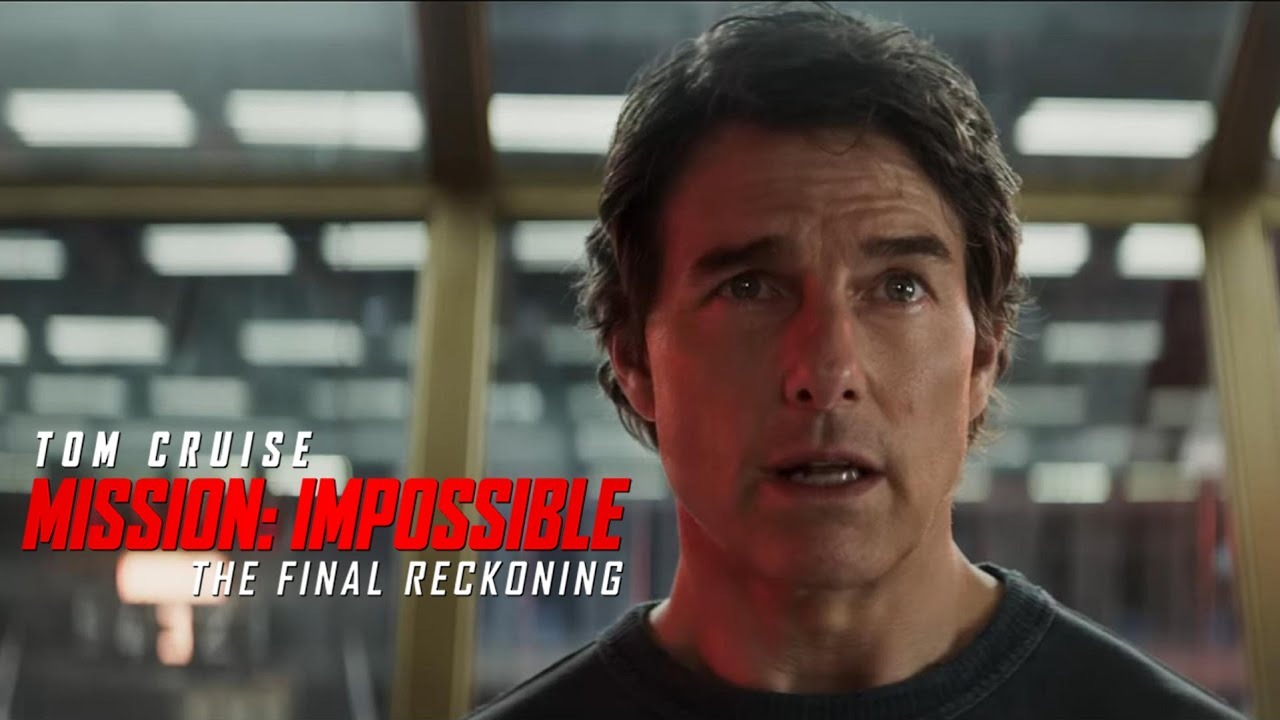
    The Mission: Impossible franchise has been a trailblazer in action movies for nearly three decades, and as Tom Cruise returns as superspy Ethan Hunt for one final adventure, the anticipation surrounding Mission: Impossible – The Final Reckoning is palpable. With the movie’s release just around the corner, an exciting new detail has emerged: the film will run for a whopping two hours and 49 minutes, including credits, making it the longest installment in the franchise’s history.

    This extended runtime has sparked discussion among movie enthusiasts and industry experts alike. Is this longer runtime a sign of an epic conclusion to the franchise, or could it hurt the movie’s box office performance? In this blog, we’ll explore what this unprecedented length means for The Final Reckoning, its potential impact on the film’s success, and what we can expect from Ethan Hunt’s last mission.


    The Mission: Impossible Legacy

    The Mission: Impossible franchise began in 1996 with the release of the first film, directed by Brian De Palma. Based on the 1960s television series of the same name, Mission: Impossible introduced audiences to Ethan Hunt, a CIA agent who is constantly tasked with impossible missions that put his life at risk. The franchise quickly became known for its heart-pounding action sequences, high-tech gadgets, and daring stunts, many of which were performed by Tom Cruise himself.

    Over the years, the franchise evolved, with each film surpassing the previous one in terms of scale and excitement. The films have become known for their memorable set pieces, with Cruise famously hanging off the side of skyscrapers, running from explosions, and engaging in jaw-dropping car chases. As the series progressed, so did the stakes, culminating in the release of Mission: Impossible – Fallout in 2018, which many critics consider one of the best action movies of all time.


    Record-Breaking Runtime

    The runtime of Mission: Impossible – The Final Reckoning has been confirmed to be a staggering two hours and 49 minutes, making it the longest film in the franchise. This is significant for several reasons. First and foremost, it signals that the filmmakers are committed to delivering an epic conclusion to the series, one that fully explores the storylines and characters that have been developed over the course of the last several movies.

    While it’s not unusual for blockbuster films, especially those in the action genre, to have long runtimes, the decision to make The Final Reckoning the longest movie in the franchise could be a reflection of how complex and intense Ethan Hunt’s final mission will be. After all, with such a significant plot and the return of both old and new faces, the filmmakers likely want to ensure that every aspect of the story is given its due time on screen.


    Will The Length Help or Hurt the Movie?

    The extended runtime of The Final Reckoning could have both positive and negative effects on the film’s reception and box office performance. On the one hand, a longer movie might signal to audiences that this is a grand, final installment that is deserving of a more in-depth exploration of the characters and the high-stakes plot. Fans of the franchise may appreciate the extra screen time to watch their favorite characters in action, especially as this could be the last time they see Ethan Hunt in the field.


    The Impact of Box Office Giants

    Interestingly, some of the highest-grossing films of all time have had runtimes that exceed two and a half hours, which bodes well for Mission: Impossible – The Final Reckoning. Films like Avatar (2 hours 42 minutes), Avengers: Endgame (3 hours 1 minute), and Avatar: The Way of Water (3 hours 12 minutes) have shown that audiences are still willing to commit to long movies when the content is engaging enough. These films not only broke box office records but also attracted large crowds despite their lengthy runtimes.

    It’s worth noting that Avengers: Endgame, despite its nearly three-hour runtime, became the highest-grossing film of all time (until Avatar: The Way of Water surpassed it). This indicates that, when done right, a lengthy blockbuster can still captivate audiences and deliver huge profits at the box office. The key, however, is ensuring that the movie justifies its length by providing a satisfying and immersive experience for the audience.


    Will The Final Reckoning Be the Last Mission?

    While the film’s title and trailers suggest that Mission: Impossible – The Final Reckoning will be the end of Ethan Hunt’s journey, nothing is set in stone. Tom Cruise has previously expressed his willingness to continue playing Ethan Hunt as long as the films remain successful, and given the ongoing popularity of the franchise, there’s always the possibility that the series could extend beyond this final installment.

    However, if this indeed marks the end of the franchise, the long runtime could be the perfect way to say goodbye to fans. A three-hour adventure filled with high-stakes action, emotional moments, and a fitting conclusion could leave audiences satisfied and ensure that Mission: Impossible goes out with a bang.


    Conclusion

    The record-breaking runtime of Mission: Impossible – The Final Reckoning is undoubtedly a bold choice, one that signals the filmmakers’ commitment to delivering an epic and unforgettable conclusion to the beloved franchise. While the longer runtime may pose some challenges in terms of box office performance, history has shown that audiences are still willing to invest time in long movies if they offer an engaging and immersive experience. With Tom Cruise’s return as Ethan Hunt and the stakes higher than ever, The Final Reckoning is shaping up to be one of the most thrilling and action-packed films of 2025. For more updates on current events and news, check out Sajal Malik Breaks Silence After Leaks Claim, Approaches FIA Over Fake Videos.

  • Addressing Violence at West Potomac High School: A Call for Enhanced Safety Measures

    Addressing Violence at West Potomac High School: A Call for Enhanced Safety Measures

     Safety at schools is a top priority for educators, parents, and policymakers. However, when violent incidents occur, they often reveal gaps in security measures and prompt urgent conversations about how to better protect students. On April 23, 2025, West Potomac High School in Fairfax County, Virginia, experienced a troubling event when a 16-year-old student was stabbed in a hallway fight. While the victim’s injuries have stabilized and a suspect is in custody, the incident raises pressing questions about school safety protocols. This article delves into what happened, the community’s reaction, and the proposed measures to prevent future violence.


    The Incident: What Happened at West Potomac High School

    The stabbing took place just before 9:40 a.m. in a hallway at West Potomac High School. According to Fairfax County Police, a conflict between three students escalated into violence. One 16-year-old was hospitalized with initially life-threatening injuries, which have since been downgraded to stable. A 15-year-old was arrested and charged with malicious wounding, and the knife used in the attack was recovered. A third student, also 15, is being questioned, but authorities do not expect to press charges against them.

    For parents, students, and staff, this sudden act of violence was both shocking and distressing. Joanne Boice, whose son witnessed the incident, expressed her fear and desire to take her child home. School officials, however, decided not to immediately dismiss classes, instead opting for a modified schedule while security measures were reviewed. Superintendent Michelle Reid assured the community that West Potomac High School remains safe and commended the staff’s swift response.


    Community Reactions and Concerns

    The stabbing sent ripples of concern throughout the West Potomac community. Parents gathered at the school, seeking reassurance and answers about their children’s safety. Many questioned why students were not immediately released after the attack, expressing frustration at the delay. School administrators explained that dismissing students early required careful planning to ensure everyone’s safety.

    Local teacher organizations and school board members also weighed in on the incident. The Fairfax County Federation of Teachers (FCFT) released a statement condemning the violence and emphasizing the importance of keeping schools safe. They urged the district to implement additional security measures to protect students and staff.


    Examining Safety Measures

    While Fairfax County Public Schools (FCPS) is widely regarded as one of the nation’s safest districts, this incident underscores the need for continual improvement. Just days before the stabbing, FCPS began testing new weapons screening technology at another school in the district. The pilot program, which debuted at Edison High School, uses open gate detection systems similar to those used by the Secret Service. The goal is to prevent weapons from ever entering school premises.

    In addition to weapons detection, the school board’s proposed measures include building security vestibules, adding more surveillance cameras, and conducting security audits of all campuses. These steps aim to strengthen both physical and procedural defenses against violence.


    The Path Forward

    As Fairfax County moves forward, the focus remains on restoring a sense of security at West Potomac High School and across the district. Implementing the proposed safety measures will require funding, coordination, and community involvement. Parents, teachers, and students all have a role to play in shaping a safer school environment.

    This incident also highlights the importance of communication and transparency. Keeping families informed and involved can help rebuild trust and ensure that everyone understands the steps being taken to prevent future violence. By fostering open dialogue and working together, the West Potomac community can overcome this challenging moment and emerge stronger.


    A Closing Note on Addressing Violence in Schools

    Ultimately, the incident at West Potomac High School serves as a reminder that school safety is a continuous effort. It requires vigilance, innovation, and collaboration from all stakeholders. As FCPS evaluates its current policies and adopts new measures, the district sets an example for how communities can respond to violence thoughtfully and proactively. By prioritizing student well-being and implementing comprehensive safety protocols, West Potomac High School and Fairfax County can continue to uphold their commitment to providing a secure and supportive educational environment.

    For more on how artists explore themes of resilience and vulnerability, check out our feature on Talhah Yunus’s album “Shikwa” a raw, emotional work that captures the challenges and triumphs of the human experience.

  • Rizwan’s Helmet Throw Sparks Debate: What Happened Next?

    Rizwan’s Helmet Throw Sparks Debate: What Happened Next?

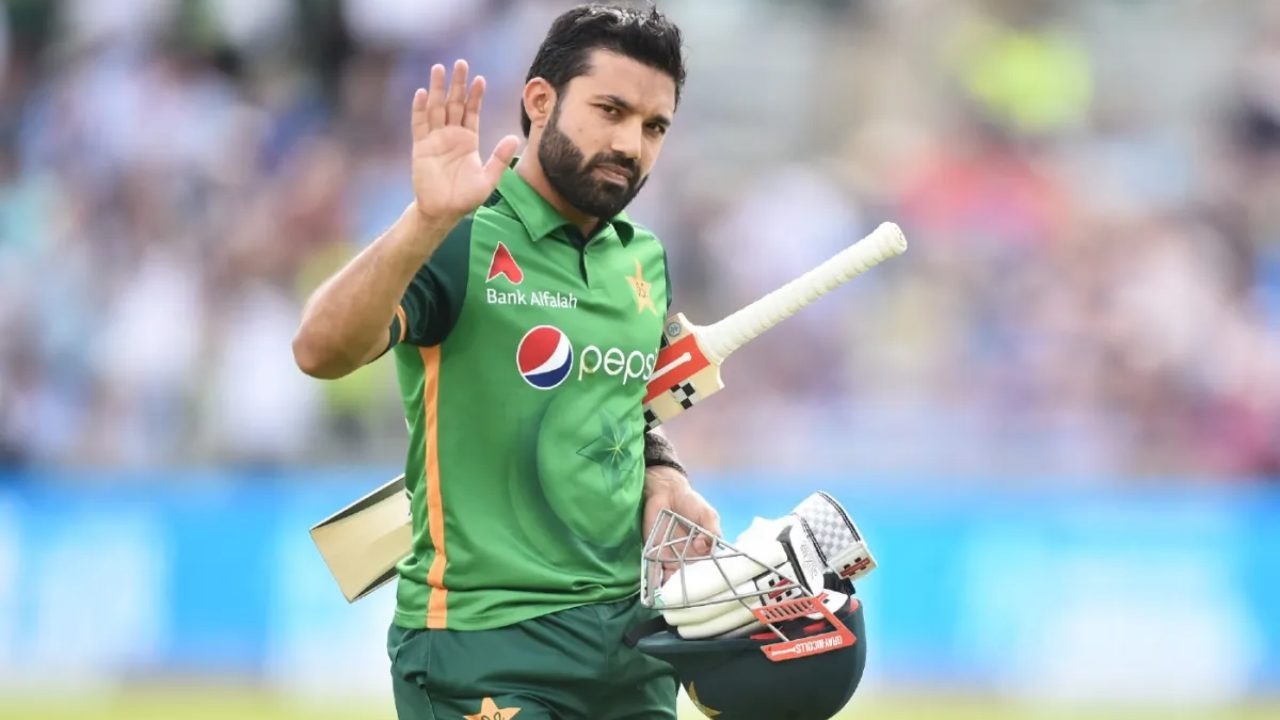
    In a dramatic turn of events during a recent cricket match, Mohammad Rizwan’s helmet throw after a dismissal sparked a debate that quickly made headlines. Known for his calm and composed demeanor on the field, this outburst was a rare sight and raised questions about the emotional side of sportsmanship. But what does this moment truly signify in the context of his career, and how has it been received by fans and media alike?

    Rizwan, a key figure in Pakistan’s cricket team, has been celebrated not only for his impressive performance but also for his leadership. So, when the “helmet throw” incident occurred, it naturally left many wondering whether this was just a fleeting moment of frustration or something more.


    The Incident: Rizwan’s Helmet Throw

    It was an unexpected scene. As Rizwan walked back to the pavilion after being dismissed in a tense match, he suddenly threw his helmet in frustration. The throw wasn’t just a momentary lapse of control, it was captured in vivid detail by cameras and immediately became a focal point for cricket fans worldwide.

    Fans and media reactions were swift. While some viewed it as an emotional response to the high pressure of the game, others were taken aback, considering it uncharacteristic of the usually calm Rizwan. This was a player who, until that moment, had largely kept his composure, even in the face of difficult situations.

    Rizwan’s Helmet, as it was later referred to in discussions, symbolized more than just a display of frustration, it became a metaphor for the intense emotions that often accompany the pressures of international cricket. The helmet, typically associated with protection and focus, was now a symbol of a momentary loss of control, sparking both empathy and criticism.


    Understanding Rizwan’s Temperament: What Led to the Outburst?

    Mohammad Rizwan has always been the embodiment of calm on the field. Known for his cool-headed approach to batting, many fans and analysts often point to his ability to remain unfazed in high-pressure situations as one of his standout qualities. His consistency has been remarkable, particularly in T20 internationals, where his resilience is often reflected in his centuries and ability to anchor the innings.

    However, this incident showed a different side of Rizwan. Was it just a momentary slip, or was it a reflection of deeper frustrations? To fully understand the significance of the helmet throw, one must look at Rizwan’s history on the field. Over the years, his performances have been filled with determination, and his calm demeanor has often helped Pakistan steer through turbulent times.


    The Role of Mohammad Rizwan in Pakistan’s Cricket Team

    Rizwan’s importance to Pakistan cricket goes far beyond his batting. Since Mohammad Rizwan dates joined the national team, he has become an indispensable part of Pakistan’s lineup. His consistency with the bat, his ability to adapt in pressure situations, and his leadership qualities have made him a player to watch.

    Throughout his career, Rizwan has been more than just a player, he has become a leader, showing remarkable resilience even in the face of adversity. His ability to rise to the occasion has not only helped him achieve milestones but has also played a pivotal role in Pakistan’s recent successes. The Mohammad Rizwan centuries he has scored are a testament to his ability to deliver under pressure. But his leadership qualities, especially his role behind the stumps, have also been crucial in shaping Pakistan’s cricketing identity.

    This helmet throw, while alarming, also serves as a reminder that even the strongest leaders and most consistent players can be affected by the game’s emotional rollercoaster. It is this emotional investment that makes Rizwan such a relatable figure for cricket fans across the world.


    Impact on Fans and Media: Public Reactions

    The moment Rizwan’s helmet hit the ground, social media lit up. Fans took to Twitter, Instagram, and other platforms to share their views. Some were surprised, noting it was out of character for the usually composed Rizwan. Others were more understanding, calling it a human moment born from intense pressure.

    As expected, the media quickly picked up the story, with debates flaring across cricket forums and news outlets. Was it a brief lapse in judgment or a sign of deeper issues in Pakistan’s cricket setup? Analysts compared the outburst to similar incidents in cricket history, framing it within broader discussions on sportsmanship.


    What Happened Next? The Aftermath of the Helmet Throw

    Following the incident, Rizwan’s teammates and coaches weighed in. While most of the reactions were supportive, acknowledging the emotional toll cricket can take on players, some suggested that Rizwan might have to address his emotional response more carefully in the future. After all, maintaining composure is key for a leader on the field.

    There were no immediate consequences in terms of fines or reprimands, but the incident did prompt discussions about how players handle frustration and how moments like these could potentially impact their image. For Rizwan, known for his professionalism, this outburst didn’t define him, it simply highlighted the intense emotions that even the most composed players experience.


    Conclusion: Rizwan’s Path Forward in International Cricket

    In the aftermath of the helmet throw, Rizwan’s career remains on a promising path. His evolution as both player and leader is well-documented, and while the incident raised eyebrows, it hasn’t overshadowed his impact on the game.

    This moment highlights that no player, not even one as composed as Rizwan, is immune to emotional reactions. As his international journey continues, the balance between passion and performance will be crucial.

    His growth is ongoing, and moments like these, though surprising, add depth to his story. Whether the outburst becomes a defining chapter or a brief flash, one thing is clear: Rizwan’s helmet throw ignited a debate that’s etched into cricketing conversation.

    For more latest updates, check out our guide on ‘Not ashamed that I can’t speak English’: Rizwan responds to critics

  • Bigg Boss Buzz: What’s Behind the Global Trending Phenomenon?

    Bigg Boss Buzz: What’s Behind the Global Trending Phenomenon?

    Bigg Boss has become more than just a reality TV show—it’s a global cultural phenomenon. Since its debut, the franchise has been captivating millions of viewers across various countries, from India to international adaptations. The latest season, Bigg Boss 18, has taken the excitement up a notch, and the buzz is louder than ever before.

    For those unfamiliar, Bigg Boss is a reality competition where celebrities and commoners live together under constant surveillance, engaging in tasks and facing eliminations based on audience votes. Over the years, this format has spread across the world, with local versions in different languages such as Bigg Boss Tamil and Bigg Boss Telugu. But why is Bigg Boss still trending, and what makes it so irresistible to audiences worldwide?


    What Makes Bigg Boss a Global Trend?

    When Bigg Boss first aired in India in 2006, it quickly became a hit, though few anticipated its global reach. Over time, the show expanded into international markets, with local versions in the UK, US, and South Africa. Its compelling mix of human drama and an ever-evolving format has kept audiences engaged.

    At its core, Bigg Boss thrives on the dynamic of diverse individuals living under one roof, sparking interactions, alliances, and conflicts. What truly sets it apart, though, is audience involvement. With voting systems like the Bigg Boss Telugu vote, fans directly shape outcomes, forging a powerful connection with the show.

    Regional versions such as Bigg Boss Tamil and Bigg Boss Telugu have become cultural fixtures in Tamil Nadu and Andhra Pradesh, respectively. These adaptations embrace local languages and traditions, deepening viewer investment across regions.


    Bigg Boss 18: The Latest Season Dominating Conversations

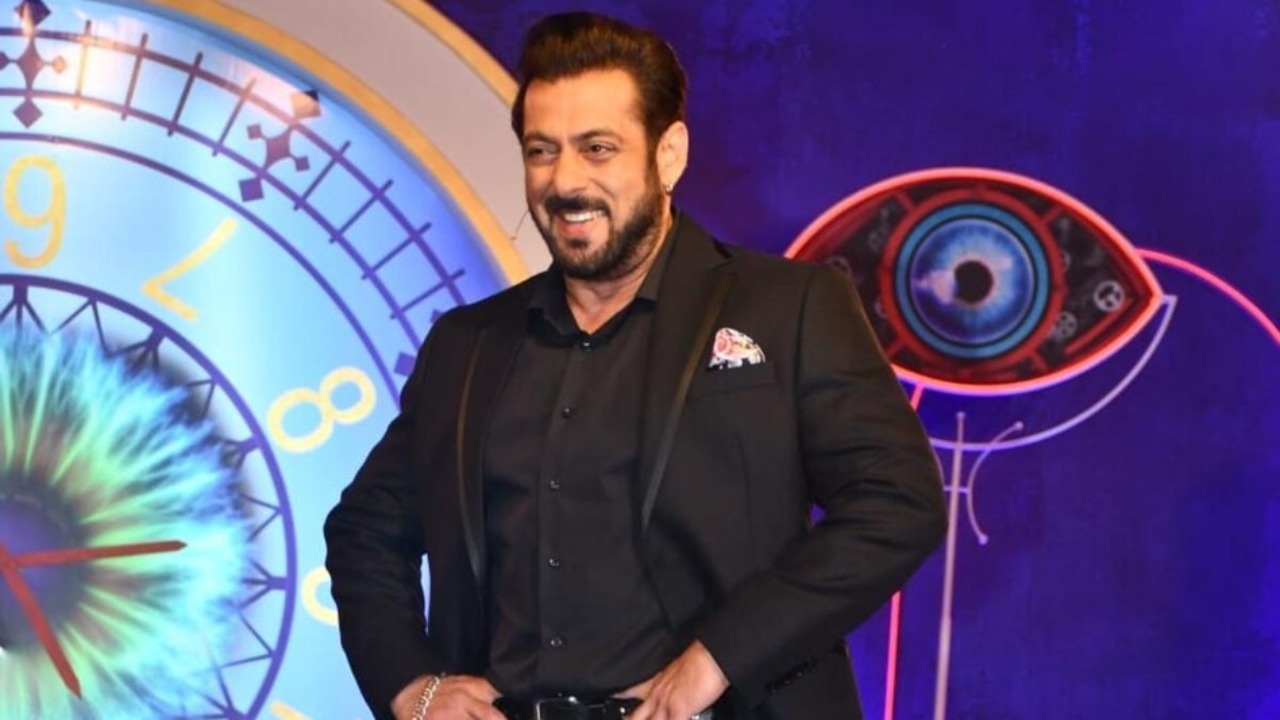
    The current season, Bigg Boss 18, has sparked a fresh wave of excitement, with the internet buzzing in real time. Hosted by Salman Khan, the show delivers its signature mix of drama—controversies, emotional breakdowns, and surprise eliminations that keep audiences hooked. Contestants from diverse backgrounds—film stars, influencers, and more—bring dynamic personalities that lead to constant twists and intense arguments.

    A major draw of Bigg Boss 18 is the unpredictability of its housemates. Alliances form and crumble, challenges expose hidden sides, and emotional moments reveal their human side. This evolving connection with the audience fuels continued interest.

    What sets Bigg Boss 18 apart in today’s digital era is viewer participation. With live updates, sneak peeks, and the all-important voting—especially through the Bigg Boss Telugu vote—fans are no longer passive observers. They actively shape the narrative, voting for favorites or predicting the next twist, deepening their engagement like never before.


    Bigg Boss Telugu Vote: Fan Engagement and Voting Culture

    One of the most defining features of Bigg Boss is the audience’s role in shaping the outcome. The Bigg Boss Telugu vote has become a massive phenomenon, with fans eagerly voting each week for their favorite contestants. Viewer votes decide who stays and who leaves, making the show highly interactive. In the Telugu version, social media buzzes with passionate debates about who deserves to remain in the house.

    This voting culture not only keeps fans engaged but also builds a strong community. Supporters form online voting teams, rallying together to campaign for their favorites. The impact goes beyond eliminations—it sparks a vibrant, opinion-driven fan culture. The Bigg Boss Telugu vote drives discussions, unites fandoms, and celebrates shared wins.

    Strategically, the voting system shapes in-house dynamics. Contestants, aware of the public’s power, often adjust their behavior to stay favorable. This blurring of gameplay and genuine emotion is part of what keeps audiences hooked season after season.


    Cultural Impact of Bigg Boss Across Regions

    While Bigg Boss is a reality show at its core, it also serves as a mirror to societal norms, attitudes, and values. The regional versions, such as Bigg Boss Tamil and Bigg Boss Telugu, bring local culture into play, allowing the show to resonate deeply with specific communities. For example, Bigg Boss Tamil has garnered a massive fan base in Tamil Nadu, with fans not only tuning in for the entertainment but also discussing the social and cultural nuances displayed by contestants.

    Each regional version adapts to its cultural setting, offering unique insights into the values and traditions of the community. The contestants in Bigg Boss Tamil often reflect the diversity of Tamil Nadu, which makes their stories more relatable to viewers. Similarly, Bigg Boss Telugu connects with the people of Andhra Pradesh and Telangana by featuring contestants who speak the language and embody local customs and habits.

    What’s fascinating is how Bigg Boss transcends language barriers. Though the show’s format remains the same across versions, the cultural elements make each iteration special. The real drama lies not just in the tasks but in the way contestants react to the challenges based on their backgrounds. It’s this blend of personal growth, cultural representation, and audience interaction that makes Bigg Boss a global success.


    Conclusion: Why Bigg Boss Continues to Thrive Globally

    Bigg Boss continues to captivate audiences worldwide because it taps into universal themes: human behavior, competition, and social dynamics. Whether it’s Bigg Boss 18, the regional versions like Bigg Boss Tamil, or the power of the Bigg Boss Telugu vote, the show brings people together across borders. It’s more than just a reality show; it’s a conversation starter, a cultural touchstone, and an interactive experience that keeps audiences hooked season after season.

    The global success of Bigg Boss can be attributed to its evolving format, its cultural adaptability, and, most importantly, the deep connection it creates between the audience and the contestants. As fans continue to engage with the show through voting and social media, it’s clear that Bigg Boss isn’t just a passing trend—it’s a global phenomenon that shows no signs of slowing down.

    For more on the cultural impact of reality shows, check out this article on how reality TV shapes modern entertainment: ‘Got an offer from Bigg Boss again but turned it down,’ reveals Veena Malik.

  • Ramiz Raja Slams PCB After Pakistan’s World Cup Exit

    Ramiz Raja Slams PCB After Pakistan’s World Cup Exit

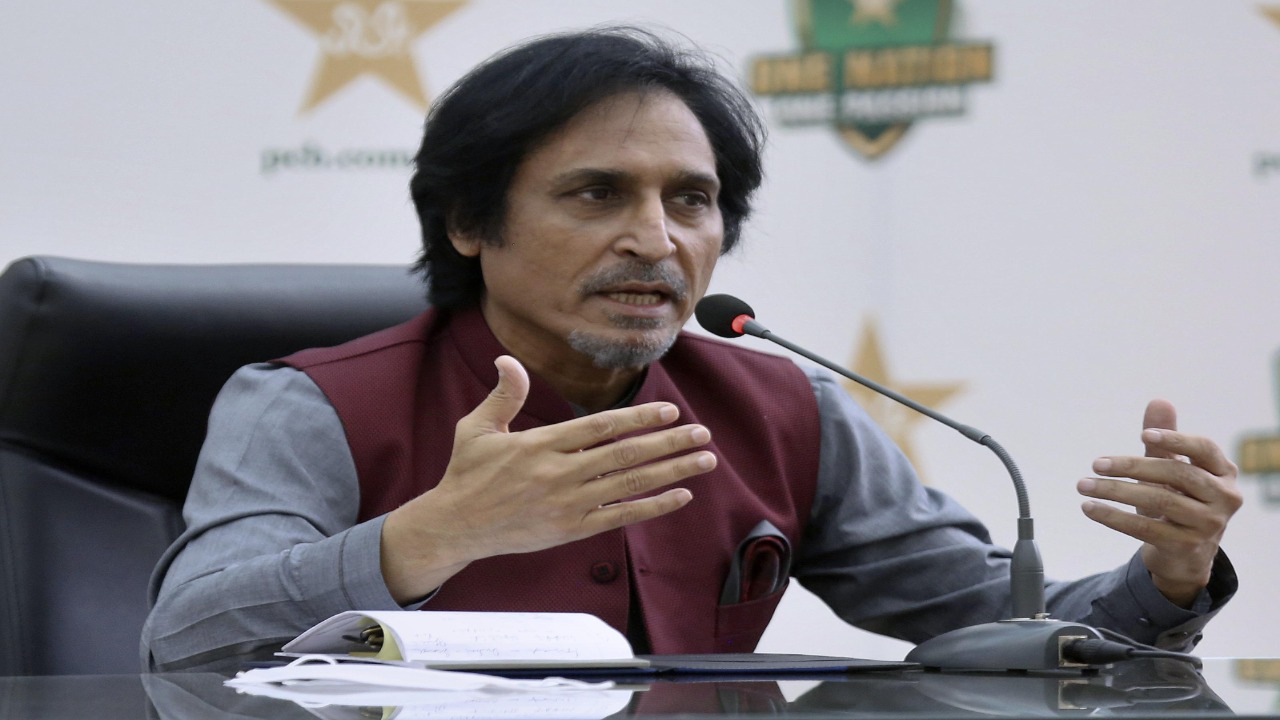
    A wave of discussion has swept through cricket circles following a post-World Cup media interaction where Ramiz Raja offered sharp remarks about the state of Pakistan cricket. His comments came in the wake of Pakistan’s disappointing World Cup exit, which has left fans, analysts, and former players dissecting every misstep.

    In what has now turned into a trending media storm, Raja’s statements weren’t just routine post-tournament observations. Instead, they triggered a larger conversation—one that’s now pointing fingers directly at the leadership and structural decisions of the Pakistan Cricket Board.

    The moment quickly went viral. Clips of Raja’s interview began circulating across social platforms, fueling a digital blaze of opinions, reactions, and fierce debate.


    Case Against PCB: Raja’s Viewpoint

    In what’s being described by many as a “cricketing call-out,” the former cricketer didn’t mince words. The tone was direct, the language firm, and the target was unmistakable. Ramiz Raja slammed the PCB’s preparation and strategic execution leading into the tournament, labeling it a “structural collapse.”

    While critiquing team composition and coaching choices, Raja emphasized a deeper concern—long-term neglect of player development pathways. Without directly naming individuals, his references painted a picture of board-level dysfunction.

    His tenure hasn’t been far removed either. As Ramiz Raja PCB chairman, his leadership period was marked by reform attempts, from a domestic cricket overhaul to administrative shakeups. Although his time in office was relatively short, it now serves as a reference point for comparison.

    The contrast is stark. While he once pushed for continuity and vision-driven planning, current criticisms suggest the board has regressed, clinging to reactive decisions instead of sustainable strategies.


    Counterpoints from PCB and Critics

    Not everyone has echoed Raja’s concerns. In the aftermath of his comments, unnamed PCB officials hinted at internal assessments being underway. According to a board representative, “accountability is part of the post-tournament process,” subtly deflecting direct confrontation with Raja’s critiques.

    Former cricketers and media personalities have also chimed in. Some highlighted inconsistencies during Ramiz Raja’s PCB chairman era, questioning whether his reforms delivered measurable results. Others pointed out that systemic problems date back decades, suggesting that a single chairman, no matter how visionary, cannot single-handedly transform a legacy of instability.

    Yet the timing of his statements, just as public outrage peaked, has led many to believe his remarks reflect more than personal dissatisfaction—they echo a sentiment that’s been simmering across the cricket community.

    For an alternate perspective on Raja’s commentary, readers can explore how he responded to Shan Masood in another debated instance: Ramiz Raja responds to ‘controversial’ interview with Shan Masood.


    Public Verdict: Who’s Right?

    Social media platforms have become the arena for this unfolding debate. Hashtags like #RamizRaja, #PCB, and #WorldCupExit has flooded X (formerly Twitter), accompanied by fan polls, memes, and emotionally charged threads.

    One poll by a prominent sports outlet asked whether Raja’s criticism was fair or opportunistic. Results leaned heavily in his favor, with over 68% of respondents agreeing with his take on the PCBs failures. YouTube cricket channels and TikTok compilations featuring his statements have further amplified his message, turning a media bite into a nationwide discussion.

    Analysts on sports panels dissected his statements frame by frame. Some praised the bluntness. Others questioned the timing. Yet, the takeaway remains the same, Ramiz Raja has rekindled an old conversation, now burning brighter than ever.


    Conclusion: The Bigger Question

    What began as a scathing post-tournament remark has escalated into something much more consequential—a referendum on Pakistan cricket’s future. Ramiz Raja, long a vocal figure in the game’s evolution, has once again positioned himself at the center of its most pressing narrative.

    Whether his words will influence change or fade into the news cycle remains uncertain. What’s clear is this: fans are no longer willing to accept rinse-and-repeat performances. The system is under the microscope, and voices like Raja’s are amplifying the demand for structural change.

    With Pakistan cricket at a crossroads, this moment could serve as the ignition point for reform. Or, it could become another echo lost in a long hallway of unfulfilled promises.

  • Generali Power Struggle Shakes Up Italy’s Corporate Scene

    Generali Power Struggle Shakes Up Italy’s Corporate Scene

    Boardroom drama is rarely dull, especially when it involves one of Europe’s largest insurance powerhouses. That’s exactly what’s playing out as Generali finds itself at the center of a high-stakes leadership tug-of-war, turning boardrooms into battlegrounds and headlines into financial cliffhangers. The tension has reached a boiling point in Italy, sending ripples far beyond corporate headquarters.

    Generali, the Italian insurance titan with roots stretching back to 1831, has long been a symbol of stability in Europe’s financial landscape. Yet behind the polished reputation lies an internal crisis, one that’s exposing fractures within the company’s top brass—and shaking the foundations of Italy’s broader corporate scene.


    Inside the Power Struggle: Names That Matter

    The chessboard is set. On one side sits Mediobanca, Generali’s largest shareholder and a long-standing pillar of Italian finance. Opposing it, an alliance led by billionaire Francesco Gaetano Caltagirone, backed by the Benetton family and holding nearly 20% of Generali’s voting power. At the heart of the dispute? The reappointment of CEO Philippe Donnet.

    Mediobanca supports Donnet’s vision, championing his ambitious strategy to propel Generali into the next decade. But Caltagirone and his camp argue for a fresh approach, voicing concerns over transparency, autonomy, and governance. These aren’t just boardroom whispers—they’re public shots fired across press conferences and investor statements.

    The outcome of this battle isn’t just about who gets the top job. It determines the trajectory of Generali’s future. The clash of corporate titans over the fate of Italy’s largest insurer feels less like a standard shareholder meeting and more like a high-profile political summit.


    Generali Health Insurance: At the Heart of the Matter

    It’s easy to get caught up in names and numbers, but what’s often overlooked is the real engine behind the struggle: Generali’s expansive portfolio, especially its booming health insurance business.

    Generali health insurance has become a cornerstone of the company’s market presence, not only in Italy but across Europe. In an age of rising healthcare demands and evolving demographics, health coverage isn’t just a product—it’s a power move. The division’s performance has been strong, making it a key point of leverage for both sides of the power struggle.

    Strategically, health insurance isn’t just about policies—it’s about market influence, consumer trust, and digital transformation. Whoever holds the reins of Generali also controls how this crucial sector adapts to technological innovation and shifting societal needs. And right now, that question remains unanswered.


    Bigger Than Boardrooms: Impact on Italy’s Economy

    Generali isn’t just another player in the financial field—it’s a keystone in Italy’s corporate infrastructure. With over €70 billion in premiums and operations in 50+ countries, any significant shake-up sends tremors through the country’s economy.

    The uncertainty surrounding Generali’s leadership raises concerns about market stability and investor confidence. There’s already talk among analysts about how this conflict could influence foreign investment in Italian firms, especially if it signals deeper issues of governance and corporate culture.

    Then there’s employment. Generali supports tens of thousands of jobs. Strategic shifts in response to internal conflict could influence job security, business direction, and Italy’s international competitiveness.

    In times like these, corporate battles aren’t just internal—they become national stories with real-world consequences. And with Italy’s economy still navigating post-pandemic recovery, the timing couldn’t be more sensitive.


    Future-Proofing Generali: Strategic Visions and Bold Moves

    Lost amid the drama is the actual strategic plan proposed by CEO Donnet—one that includes generating €11 billion in cash and investing heavily in digitalization and customer experience. Whether the current leadership remains or new voices rise to power, the company’s direction needs clarity.

    Generali’s future hinges on more than shareholder alliances. It’s about navigating a competitive global insurance market where agility, innovation, and trust drive success. The resolution of this internal feud will determine not only who’s steering the ship but also how well that ship can weather coming storms—be it technological disruption or economic uncertainty.

    Curious how insurance shapes major sectors beyond boardrooms? Take a closer look at how insurance protects agriculture in developing economies—a perfect example of why these industries matter more than ever.


    Closing Notes: What Generali’s Battle Really Reveals

    Generali’s ongoing boardroom brawl has become more than an internal matter—it’s a reflection of changing tides in global business. Behind the suits and strategies lie key themes: legacy versus innovation, control versus collaboration, and tradition versus transformation.

    Whatever the outcome, one thing is certain: Generali will emerge from this chapter changed. And with it, perhaps, the very structure of Italian corporate governance. For now, all eyes remain on the boardroom—because what happens next won’t just define one company, but may shape the narrative of corporate power in Europe for years to come.