Category: Blog

  • Eric Gill’s Controversial Sculpture Returns to BBC’s HQ

    Eric Gill’s Controversial Sculpture Returns to BBC’s HQ

    Eric Gill, a name synonymous with early 20th-century British art, has long been regarded as a key figure in the worlds of sculpture, typography, and printmaking. His iconic works, like the Prospero and Ariel sculpture, are celebrated for their detail and emotional depth. However, Gill’s legacy is now under intense scrutiny due to disturbing revelations about his personal life. Recently, the BBC made the controversial decision to reinstall one of his sculptures at its London headquarters. This move has reignited debates about the intersection of art and the artist’s personal ethics. For many, this decision raises an important question: can the brilliance of an artist’s work overshadow their personal misdeeds?

    In this article, we’ll explore the complexities surrounding Eric Gill’s legacy, his artwork, and the moral dilemmas faced by institutions like the BBC when dealing with such controversial figures. From Gill’s lasting impact on art and design to the ongoing discussions about whether art should be separated from its creator, the return of his sculpture to BBC’s headquarters serves as the perfect backdrop for this conversation.


    Eric Gill’s Art and Its Lasting Impact

    Eric Gill’s contributions to modern art are undeniable, spanning sculpture, typography, and prints. His famous sculpture Prospero and Ariel, located at the BBC headquarters, demonstrates his skill in conveying emotion through stone. The piece, inspired by Shakespeare’s The Tempest, captures Gill’s mastery of classical style with a modern twist.

    Gill’s influence goes beyond sculpture. His Eric Gill prints are iconic in graphic design, blending traditional techniques with innovation. His typeface, Gill Sans, continues to be a staple in design education.

    Though his artwork is undeniably influential, the complexity of Gill’s personal life complicates his legacy. As awareness of his personal history grows, institutions are forced to reconsider how they engage with his work.


    The Controversy Surrounding Eric Gill’s Personal Life

    The story of Eric Gill is one of both artistic triumphs and moral failings that continue to haunt his legacy. Gill, a celebrated artist, was also a deeply troubled individual. His personal diaries, made public after his death, revealed disturbing details about his relationships with his family, including allegations of sexual abuse of his daughters. These revelations have sparked a debate about the moral responsibility of institutions that display or preserve works by artists with questionable personal histories. Should an artist’s work be viewed in isolation, or should it be evaluated alongside their actions?

    The public response to the return of Gill’s sculpture to the BBC reflects this dilemma. Some believe his personal transgressions should not diminish his artwork’s value, while others argue that no amount of artistic brilliance can erase his moral failings. This controversy is especially complex when considering the Eric Gill family tree, where relationships marked by manipulation and abuse complicate assessments of his life and work. The debate surrounding Gill’s legacy touches on art, ethics, family, and how institutions should handle controversial figures in the public eye.


    The BBC’s Decision: Restoration or Controversy?

    The BBC’s decision to reinstall the Prospero and Ariel sculpture has sparked significant controversy. Removed in 2022 due to public outcry over Gill’s personal history, the sculpture was returned after careful deliberation, accompanied by a protective screen and a QR code. The code provides visitors with context on Gill’s past.

    Public reactions are divided. Some view the return as an act of preserving art, emphasizing the historical value of Gill’s work, while others see it as an attempt to overlook his actions. The BBC’s decision raises a key question: How should institutions handle art by controversial figures? Similar debates have arisen around statues of figures like Edward Colston and Cecil Rhodes, but the BBC’s handling of Gill’s work presents a unique challenge due to the lasting impact of his Eric Gill prints and sculptures..

    Explore more about art exhibitions and how the public responds to artistic tributes, check our guide on Indian Sculptor Pays Homage to Late Shaukat Ali with a Bust.


    The Ongoing Debate: Should Art and Artist Be Separated?

    The debate over whether art should be separated from the artist has gained new relevance with revelations about Eric Gill and others. Some argue that an artwork’s value lies in its aesthetic and intellectual qualities, regardless of the artist’s personal life. In this view, Gill’s artwork should be admired for its technical brilliance and impact on design, despite his personal failings.

    Others believe an artist’s personal history cannot be divorced from their work. The moral implications of Gill’s actions, particularly the abuse of his daughters, complicate public perception of his art. Should his sculptures or Eric Gill prints be displayed, or should society reject works from artists with dark histories?


    Eric Gill’s Legacy: A Complex Intersection of Art and Ethics

    Eric Gill’s legacy is a complicated one. On one hand, he was a brilliant artist whose works shaped the course of modern design. On the other hand, his personal life was marked by actions that are difficult to reconcile with his artistic achievements. The BBC’s decision to reinstall his sculpture is a reminder of the tension between these two aspects of his legacy.

    In the end, it seems that Gill’s artwork will continue to provoke discussion. Whether he will be remembered for his genius or his failings – or perhaps a bit of both – remains to be seen. What is clear is that institutions like the BBC will have to continue navigating the delicate balance between preserving art and acknowledging the complexities of the artists who created it.


    Conclusion

    The return of Eric Gill’s controversial sculpture to the BBC’s headquarters raises important questions about the relationship between art and ethics. While his Eric Gill artwork continues to be admired for its technical mastery, the disturbing revelations about his personal life complicate his legacy. 

    As institutions like the BBC continue to engage with works by controversial figures, it will be important to consider both the value of the artwork and the artist’s moral history. The conversation surrounding Eric Gill’s work is far from over, and it will likely continue to evolve as we grapple with how best to address the complex intersection of art and ethics.


  • The Shocking Truth Behind Natalia Grace’s Adoption Story

    The Shocking Truth Behind Natalia Grace’s Adoption Story

    In the world of adoption, stories can often be heartwarming, full of hope and second chances. But some stories take an unexpected twist that leaves us questioning the very nature of family, truth, and trust. The tale of Natalia Grace is one such story that has captivated global attention, leaving many wondering: what’s the truth behind this young woman’s extraordinary life?

    With “The Curious Case of Natalia Grace” documentary sparking widespread interest, the shocking details of her adoption, her survival through years of controversy, and her fight for a new life have become the talk of the town. But the question remains: Is Natalia Grace still alive? And what’s her journey like today, in 2025?

    This article dives deep into the shocking truth behind Natalia Grace’s adoption, examining the controversies, legal battles, and the path she’s taken to rebuild her life.


    Who is Natalia Grace?

    Born in Ukraine, Natalia Grace was diagnosed with a rare form of dwarfism, a condition that greatly affected her appearance and physical development. At the age of six, she was adopted by Michael and Kristine Barnett, an American couple who believed they were offering a loving home to a vulnerable child. But what started as an act of kindness soon turned into a nightmare.

    The Barnetts claimed that their adopted daughter wasn’t a child at all, but an adult woman posing as a young girl. The Barnetts alleged that Natalia, despite appearing like a child, was actually in her twenties, manipulating them and causing them physical harm. These shocking claims eventually led to legal disputes, media frenzy, and a growing public interest in Natalia’s true age and identity.

    The “Curious Case of Natalia Grace” documentary has been a significant source of information, shedding light on the complex layers of her story. It’s no surprise that people are searching for “Where to watch the curious case of Natalia Grace” as they seek to understand the baffling circumstances surrounding her life.


    The Adoption Controversy

    As Natalia’s story unfolded, the world was shocked by the accusations made by the Barnetts. They claimed that Natalia was not the child they had thought they adopted, but an adult with malicious intentions. In court, they argued that Natalia had been posing as a minor and had even attempted to harm them, prompting them to abandon her and leave her to fend for herself.

    This set the stage for a media frenzy, with the public split on whether to believe the Barnetts’ claims or to sympathize with Natalia’s plight. The case raised important ethical questions about the responsibility of adoptive parents and the legal definition of a child. But the drama didn’t end there. A DNA test revealed that Natalia was, in fact, a child at the time of adoption, further complicating the narrative and casting doubt on the Barnetts’ motives.

    The case sparked widespread debate, leaving many to wonder, “Is Natalia Grace still alive?” After all, the media portrayal of her was often grim, leading to concerns about her safety and well-being. But, thankfully, Natalia was not only alive but had managed to survive the trauma of being abandoned and was ready to build a new life.


    What Happened After the Barnetts?

    After being abandoned by the Barnetts, Natalia faced an uncertain future. However, she didn’t give up. With the legal battle behind her, she eventually found a new family who accepted her for who she truly was. As of 2025, Natalia is living in upstate New York with the DePaul family. They have provided her with the love and care she had longed for, allowing her to pursue a path to independence.

    In this new chapter of her life, Natalia is not only focusing on her education but is also setting her sights on the future. She is currently working toward obtaining her GED and has dreams of becoming a teacher. It’s clear that despite the traumatic years she endured, Natalia is determined to take control of her destiny. Natalia Grace 2025 is a story of resilience and growth, as she embraces her new family and the opportunities that lie ahead.


    The Financial Side of Natalia Grace’s Story

    While Natalia’s emotional and physical recovery is a central part of her journey, the financial aspect cannot be overlooked. The media frenzy, combined with the legal battles and public interest, has undoubtedly played a role in her financial situation. Natalia Grace’s net worth has likely been influenced by her appearance in documentaries, television shows, and public speaking engagements.

    The Barnetts’ accusations and the subsequent media coverage led to several legal battles, some of which have resulted in financial settlements. The income from her story, including television deals and potential book deals, could significantly impact her future. However, the financial side of her story remains a sensitive topic, especially given the trauma she endured during the years of legal and emotional turmoil.


    Conclusion

    Natalia Grace’s story is one of intrigue, heartbreak, and ultimately, survival. From the shocking allegations made by the Barnetts to the legal battles that followed, her journey has captured the attention of millions around the world. Today, as she builds a new life in 2025, Natalia’s strength and resilience serve as a reminder of the power of determination in the face of overwhelming odds.

    As more documentaries and series continue to be released, the public’s interest in Natalia’s story remains strong. The Curious Case of Natalia Grace has already sparked discussions, and with upcoming projects, such as a dramatized series, the world is sure to continue following her journey. If you want to learn more, be sure to check out the latest documentaries and series, and explore other perspectives on this fascinating story.

    To dive into more intriguing content, such as Mahira Khan’s hilarious take on her inner Chand Nawab, check out this fun video.

  • Douglas Henshall: Why His Final Shetland Season is Unmissable

    Douglas Henshall: Why His Final Shetland Season is Unmissable

    Douglas Henshall, a name synonymous with captivating performances and emotional depth, is a star who has left an indelible mark on television. As the beloved DI Jimmy Perez in Shetland, Henshall has become a fixture in the world of crime drama. With his departure in the final season of the show, it’s clear that his exit will leave a huge gap in both the audience’s hearts and the show’s dynamic.

    In this article, we explore why Douglas Henshall’s exit from Shetland is an event fans won’t want to miss, reflect on his career, and delve into the personal journey that has shaped him into one of television’s most respected actors.


    Why Shetland Fans Are Saying Goodbye to a Legend

    Douglas Henshall’s portrayal of DI Jimmy Perez has been a highlight of Shetland since the show’s debut in 2013. The detective, often reserved but always empathetic, quickly became a fan favorite. Henshall’s nuanced performance brought a rare depth to the role, turning what could have been a typical police procedural into a character-driven story that resonated deeply with audiences.

    Over the years, Henshall’s portrayal of Perez has evolved from a grieving widower to a man facing the complexities of law enforcement in the harsh, isolated environment of the Shetland Islands. His ability to balance stoic professionalism with emotional vulnerability has made him one of the most compelling characters in modern crime drama. For fans of Shetland, the end of Henshall’s journey as DI Perez marks a bittersweet farewell. His presence on-screen has felt like a quiet, unshakable constant that will be sorely missed.

    While Shetland has been the defining role of Henshall’s career, his contributions to the entertainment industry extend beyond the show. His work in a range of Douglas Henshall movies and Douglas Henshall films showcases his versatility as an actor and his ability to embody a variety of characters with depth and authenticity.


    Douglas Henshall’s Journey in Film and Television

    Before Shetland, Douglas Henshall had already built a strong reputation in both film and television. His roles in Douglas Henshall movies like The Silence (2010) and Paris (2004) showcased his ability to portray complex characters. In The Silence, Henshall played a detective grappling with personal demons while investigating a morally ambiguous case—requiring both intensity and vulnerability.

    Henshall’s television credits are equally notable. From The Strange Case of the End of Civilization As We Know It (2000) to Fortitude (2015), Henshall’s ability to shift between genres, from mystery to drama, kept him at the top of his game. His diverse filmography demonstrates his versatility, proving that Henshall is much more than just DI Perez.

    Whether on screen or in TV dramas, Henshall’s performances have consistently displayed emotional depth and authenticity, making his work in Shetland just one remarkable chapter in his extensive career.


    Personal Life: Behind the Actor’s Public Persona

    Despite his fame, Douglas Henshall has always kept his personal life relatively private. However, some aspects of his life have piqued the interest of fans. One of the more common questions is, Who was Douglas Henshall’s first wife? While Henshall has kept details of his personal relationships out of the public eye, it’s clear that his private life has shaped the person he is today.

    In addition to his personal relationships, Henshall has faced his share of struggles, particularly regarding his health. Over the years, there have been discussions about Douglas Henshall illness and how it has affected his career. Despite these challenges, Henshall’s resilience has been evident, both in his personal life and on-screen. His ability to continue delivering powerful performances despite personal obstacles has only made him more relatable to his audience.

    Henshall’s ability to keep his personal life separate from his work has allowed fans to focus on his incredible talent. His portrayal of DI Perez is a testament to his ability to channel personal experience into his performances, even when his private life remains out of the spotlight.


    The Legacy of Douglas Henshall: What’s Next for the Actor?

    As Shetland wraps up its final season, many fans are left wondering what’s next for Douglas Henshall. Fortunately, there’s plenty on the horizon for the talented actor. Henshall is set to star in an exciting new project, including a BBC adaptation of Agatha Christie’s Murder is Easy. This role will allow Henshall to showcase yet another side of his acting ability, taking on a new challenge with his trademark intensity and depth.

    Henshall’s legacy as a versatile actor is already well-established, and with several new projects in the pipeline, it’s clear that he won’t be disappearing from our screens anytime soon. His ability to take on complex, emotionally charged roles has earned him a lasting place in the world of television and film.


    Conclusion

    Douglas Henshall’s final season of Shetland is a must-watch for fans who have followed his incredible journey as DI Jimmy Perez. Henshall’s nuanced portrayal of the character has made him an unforgettable part of television history. Whether through his work in Douglas Henshall films or on the small screen, his dedication to his craft has consistently impressed audiences.

    As Henshall moves on to new projects, his departure from Shetland marks the end of an era, but it’s not the end of his legacy. His future roles promise to be just as compelling as his past ones, and fans can look forward to seeing more of his remarkable talent in the years to come.

    For more insights into career and other iconic actors in crime dramas, be sure to check out this article about another actor in the world of film: American actor Alec Baldwin shoots a woman on a movie set.

  • Graeme Dott Suspended Amid Child Abuse Allegations: What’s Next?

    Graeme Dott Suspended Amid Child Abuse Allegations: What’s Next?

    In a shocking turn of events, former World Snooker Champion Graeme Dott has been suspended amid serious allegations of child abuse. For those who have followed Dott’s storied career, this news has sent shockwaves through the snooker community. Once hailed as one of the sport’s most talented players, his sudden fall from grace has left many questioning what this means for him, his career, and the sport itself. As the investigation unfolds, fans and critics alike are left wondering: what’s next for Graeme Dott?

    The news first broke just days before the highly anticipated World Snooker Championship, and the impact on Dott’s career has been immediate. The suspension has thrown his future in professional snooker into jeopardy. But the charges against him aren’t the only aspect of this unfolding drama. The snooker world is now grappling with the broader implications of these allegations, not just for one of its brightest stars but for the sport as a whole.


    Graeme Dott’s Career Milestones

    Before the controversy, Graeme Dott was a respected figure in snooker. His rise to prominence began in the late 1990s, and by 2006, he had reached the sport’s pinnacle, winning the World Snooker Championship title in a thrilling final. Known for his tactical approach, calm demeanor, and consistency, Dott became a fan favorite and a formidable opponent.

    Over the years, Dott earned numerous accolades, including several ranking titles, and developed a reputation as one of the game’s best tacticians. His ability to stay composed under pressure and outlast opponents in long frames earned him comparisons to snooker greats. His humility and respect among peers added to his popularity.

    Although his last major title came in 2010, and while he struggled to replicate his earlier success, Graeme Dott’s legacy was solidified through his work ethic, contributions, and consistency in the sport.


    Breaking Down the Allegations

    The charges against Graeme Dott have raised significant questions, with child abuse allegations dating back to the 1990s and 2000s involving a girl and a boy. While details are still emerging, the seriousness of these accusations has already led to Dott’s suspension from the World Snooker Championship by the WPBSA.

    What makes this case particularly shocking is its timing. Just as Dott was preparing for a potential comeback at the prestigious World Snooker Championship, the allegations surfaced, shaking the snooker community. These accusations carry serious emotional and societal weight, and though they are still under investigation, the impact on Dott’s career is undeniable. Regardless of the outcome, this case could significantly affect his reputation and legacy in the sport.


    The Legal Process and Suspension

    The WPBSA’s role in suspending Graeme Dott is crucial. In cases involving serious allegations, especially those related to children, sports organizations must act swiftly to maintain integrity and trust. By suspending Dott pending further investigation, the WPBSA has emphasized the importance of a safe and respectful environment in professional sports.

    The legal investigation is still in its early stages, meaning the outcome could take months, if not years. The future of Graeme Dott largely depends on the evidence and legal proceedings. If found guilty, it could lead to criminal charges and long-term consequences. On the other hand, an acquittal could spark broader questions about how such allegations impact athletes’ careers. Meanwhile, the snooker world must confront the reality that one of its own is entangled in an issue that challenges the sport’s moral foundations.


    Reactions from the Snooker World

    The news of Graeme Dott’s suspension has sparked strong reactions from both the public and the snooker community. Fans, who admired him for his skill and sportsmanship, expressed shock and disbelief, struggling to reconcile the Dott they knew with the serious allegations.

    Professional snooker players have also weighed in, with some offering support for Dott’s past contributions, while others stress the importance of taking the allegations seriously. This division highlights the tension in sports when scandals emerge: balancing support for an athlete with the need to uphold justice.

    This incident has drawn comparisons to similar controversies in sports, where misconduct accusations have impacted high-profile careers. How these cases are handled often shapes the future conduct of both organizations and athletes.


    What’s Next for Graeme Dott and Snooker?

    For Graeme Dott, the road ahead is uncertain. The legal process will determine his future, but the damage to his reputation and career could be irreversible, regardless of the outcome. His suspension from the World Snooker Championship may mark the end of his playing days, and he may never again compete at the highest level.

    For snooker as a sport, the implications of this scandal go beyond one man’s career. The governing bodies may introduce stricter guidelines and policies regarding athlete conduct, both on and off the table. This case also highlights the need for greater support systems within sports organizations to handle allegations of misconduct and protect both athletes and the public.


    Conclusion

    The allegations against Graeme Dott have cast a long shadow over what was once a celebrated snooker career. Whether he is ultimately found guilty or acquitted, the impact of these charges will be felt for years to come. The snooker world, too, will have to come to terms with how it responds to such scandals and how it ensures that the integrity of the sport remains intact.

    For now, all eyes remain on the legal proceedings. Fans and players alike are waiting to see what the future holds for Graeme Dott. Will he be able to clear his name and rebuild his career, or will this mark the end of a once-promising journey in professional snooker?

    For more latest update & news, check our guide on Muhammad Asif Wins SAARC Snooker Championship 2025

  • Why Shimron Hetmyer Is Dominating the Cricket Scene Right Now

    Why Shimron Hetmyer Is Dominating the Cricket Scene Right Now

    In the fast-paced world of cricket, there are certain players who seem to rise above the rest, carving a unique space for themselves in the hearts of fans. One such player is Shimron Hetmyer. His performance in IPL 2025 has certainly caught the eye of the cricketing world, sparking conversations across social media and news outlets. But what is it about this explosive batsman that has cricket enthusiasts everywhere buzzing?

    Whether it’s his electrifying performances or his personal journey to success, Shimron Hetmyer has captured the imagination of fans and critics alike. His aggressive batting style, combined with his ability to perform in high-pressure situations, has made him a standout player in the tournament. And it’s not just his cricketing prowess that’s drawing attention; his growing net worth, family life, and future prospects are all part of the story that has the world watching closely.


    Shimron Hetmyer: From Rising Star to IPL Sensation

    For those asking, who is Shimron Hetmyer? The 27-year-old cricketer from Guyana, born on December 26, 1996, burst onto the international scene in 2016. His aggressive style of batting and fearless approach to the game quickly earned him a reputation as one of the most exciting young talents in West Indian cricket. His performances in T20 cricket, especially in leagues like the IPL, solidified his place among the top hitters in the world.

    Despite his relatively young age, Shimron Hetmyer’s age hasn’t stopped him from making waves across various formats. Known for his remarkable ability to adapt to different conditions, Hetmyer has consistently shown that he can perform under pressure, whether it’s in international cricket or franchise leagues.

    From his debut in the Caribbean Premier League (CPL) to his explosive performances in the IPL, Hetmyer’s career trajectory has been nothing short of impressive. His journey, however, hasn’t always been smooth, but his resilience and determination to succeed have been key factors in his rise to fame.


    Explosive Batting and Stats: The Numbers Behind Hetmyer’s Success

    Looking at Shimron Hetmyer stats, his explosive batting has been a game-changer across all formats. As of 2025, he maintains an impressive strike rate in T20s, consistently delivering high averages in both IPL and international matches. His ability to clear boundaries and challenge top bowlers makes him one of the most dangerous hitters in T20 cricket today.

    In IPL 2025, Hetmyer has been crucial for his team with several match-winning innings, earning respect from players and coaches. His ability to accelerate the scoring in death overs or stabilize the innings at key moments has made him invaluable. His standout performance in the tournament has not only boosted his team’s prospects but also elevated his status as a current sensation in world cricket.


    The Financial Side of Shimron Hetmyer’s Success

    Success in cricket, particularly in leagues like the IPL, doesn’t just come with accolades – it brings substantial financial rewards. Shimron Hetmyer net worth has been steadily growing, and much of it is due to his lucrative contracts with IPL franchises and various endorsement deals. Over the years, his rise as a star player in global cricket leagues has significantly boosted his earnings.

    Hetmyer’s financial portfolio is impressive, with endorsement deals that reflect his growing popularity. His brand value is expected to increase further, especially given his stellar performances in 2025. As more brands align themselves with his image, Hetmyer’s net worth will continue to soar, solidifying his place as one of the most marketable young stars in cricket today.


    IPL 2025: Key Moments and Matches for Hetmyer

    The IPL 2025 season has been a turning point in Shimron Hetmyer IPL 2025 career. Key performances have made him a household name, with his game-changing innings in several critical matches being the highlight of the season. Whether it was a quickfire 50 in a rain-affected match or his ability to lead the team from the front in tight situations, Hetmyer’s performances have been pivotal.

    One standout moment was his brilliant knock against one of the top teams in the league, where he single-handedly turned the game around with his aggressive batting. His composure under pressure and ability to deliver when it mattered most is a hallmark of his growth as a cricketer. As the season progressed, it became evident that Hetmyer had evolved from a promising young talent into one of the most reliable players in IPL 2025.


    Shimron Hetmyer’s Family Life: Behind the Cricketer

    Away from the field, Shimron Hetmyer wife Nirvani Umrao plays a crucial role in his success, offering support through both challenges and triumphs. A notable example of the camaraderie in cricket was when Babar Azam showed sportsmanship by calling back Hetmyer during a key moment. This moment can be read about here.

    Hetmyer’s family has been instrumental in his journey, teaching him the values of discipline and hard work, which have been key to his cricketing success. His close relationship with his family allows him to perform under pressure, offering stability in the high-stakes world of professional cricket.


    Conclusion

    As Shimron Hetmyer continues to dominate the cricket scene, it’s clear that his journey is far from over. From his rise as a powerful batsman to his financial success and family support, Hetmyer’s story is one of perseverance, talent, and relentless ambition. His performances in IPL 2025 have further solidified his place as one of the brightest stars in cricket, and as the world watches, it’s safe to say that his best is yet to come.

    With his growing influence both on and off the field, Shimron Hetmyer is on track to achieve even greater heights. Fans, analysts, and cricket experts alike are eagerly watching his every move, and for good reason. The future of cricket looks brighter with players like him leading the way. Whether it’s through his power-hitting, his leadership, or his financial success, Shimron Hetmyer has certainly earned his place in the spotlight.

  • Salim Akhtar, Iconic Indian Film Producer, Passes Away at 82

    Salim Akhtar, Iconic Indian Film Producer, Passes Away at 82

    The news of Salim Akhtar’s passing at the age of 82 has reverberated through the Indian film industry, marking the end of an era. Known for his significant contributions to Bollywood, Akhtar played a pivotal role in shaping the landscape of Indian cinema. From discovering new talent to producing iconic films, his impact is undeniable, and his death leaves behind a void in the world of entertainment. In this article, we take a deeper look at his life, his work, and the legacy he leaves behind in Bollywood.


    The Early Years of Salim Akhtar

    Salim Akhtar’s journey into the world of cinema was anything but ordinary. Born in the vibrant city of Mumbai, Akhtar grew up with a deep appreciation for films. His early life was filled with an almost poetic blend of hardship and opportunity—a common story for many who eventually find their way into Bollywood. But unlike some, Akhtar didn’t begin his career with a silver spoon. He worked his way up, first gaining experience in various production roles before making his mark as a producer.

    In the early days, Akhtar faced the kind of challenges many newcomers to the industry encounter—lack of resources, connections, and recognition. But, as with many success stories, persistence paid off. His first major break came when he decided to take a risk on a few untested filmmakers. His instinct proved spot-on, as the films he chose to produce were both commercially successful and critically acclaimed. This set the stage for his long and illustrious career in the film industry.

    Akhtar’s work as a producer was often marked by a sense of innovation. He was able to identify trends before they became mainstream, which made him one of the most sought-after producers in Bollywood. 


    Salim Akhtar’s Impact on the Film Industry

    When reflecting on Salim Akhtar’s career, it’s impossible not to highlight his role in launching and nurturing the careers of some of Bollywood’s biggest stars. Notably, his partnership with Rani Mukerji was one of the defining moments in his career. Akhtar was instrumental in bringing the then-new actress into the spotlight, recognizing her potential when few others could see it. Today, Rani Mukerji is a household name, and her rise to fame owes much to Akhtar’s visionary leadership.

    But Akhtar’s work didn’t stop at nurturing stars. He was also known for producing films that resonated deeply with audiences. Films such as Badal and Qayamat—which Akhtar produced—are still remembered for their gripping storylines and larger-than-life appeal. 


    The Rise of New Talent Through Salim Akhtar

    Salim Akhtar wasn’t just a producer; he was a mentor, a guide, and a visionary. One of his most remarkable traits was his ability to spot raw talent and help cultivate it. He played a crucial role in introducing new actors to the industry, believing in them when they were yet to establish themselves.

    Rani Mukerji’s rise to fame under his guidance is a perfect example. Akhtar recognized her talent early and gave her the platform to showcase her skills. His commitment to supporting new talent extended beyond just actors, as he was also known for working with fresh filmmakers, helping them gain recognition in an industry dominated by established names.

    His mentorship didn’t end with casting unknowns in lead roles. Akhtar’s philosophy was to create a space where new voices could be heard, and young filmmakers could take risks. This approach ensured that Bollywood stayed fresh, evolving with the changing tastes of its audience while remaining rooted in its traditions.


    Salim Akhtar’s Legacy and His Contributions to Cinema

    As news of his death spread, the industry paused to reflect on the immense legacy Salim Akhtar leaves behind. He was a pivotal figure in transforming Bollywood into what it is today. More than just a producer, Akhtar was a shaper of trends, an instigator of change, and a key player in modernizing Indian cinema.

    Akhtar’s films, like Badal and Qayamat, aren’t just remembered for their entertainment value. They continue to influence filmmakers who strive to achieve the same perfect balance between commercial success and critical acclaim. He set a precedent for future generations, emphasizing the importance of strong storytelling, innovative production techniques, and a keen eye for talent.

    His influence extends far beyond the films he produced. As Bollywood continues to grow globally, Akhtar’s contributions are often cited as a foundation upon which much of the industry’s international success was built. His legacy will continue to inspire filmmakers and producers who wish to make a mark in the world of cinema.


    Conclusion

    Salim Akhtar’s passing at the age of 82 is a loss not only to his family and friends but to the entire Indian film industry. His legacy lives on through the countless stars he helped discover, the films he produced, and the impact he made on Bollywood’s global reach. While the industry mourns the loss of one of its true icons, it also celebrates his life, his work, and the indelible mark he left on Indian cinema.

    As the film community reflects on his contributions, there is a shared sense of gratitude for the role Akhtar played in shaping modern Bollywood. His films remain a testament to his creative vision and dedication to his craft. Fans and industry professionals alike will continue to celebrate his work for years to come.

    Explore more about his legacy through our related articles on the history of Bollywood and the rise of iconic film producers. For more on the rising stars of global cinema, check out this related article on Fahad Mustafa unveils Parwarish.

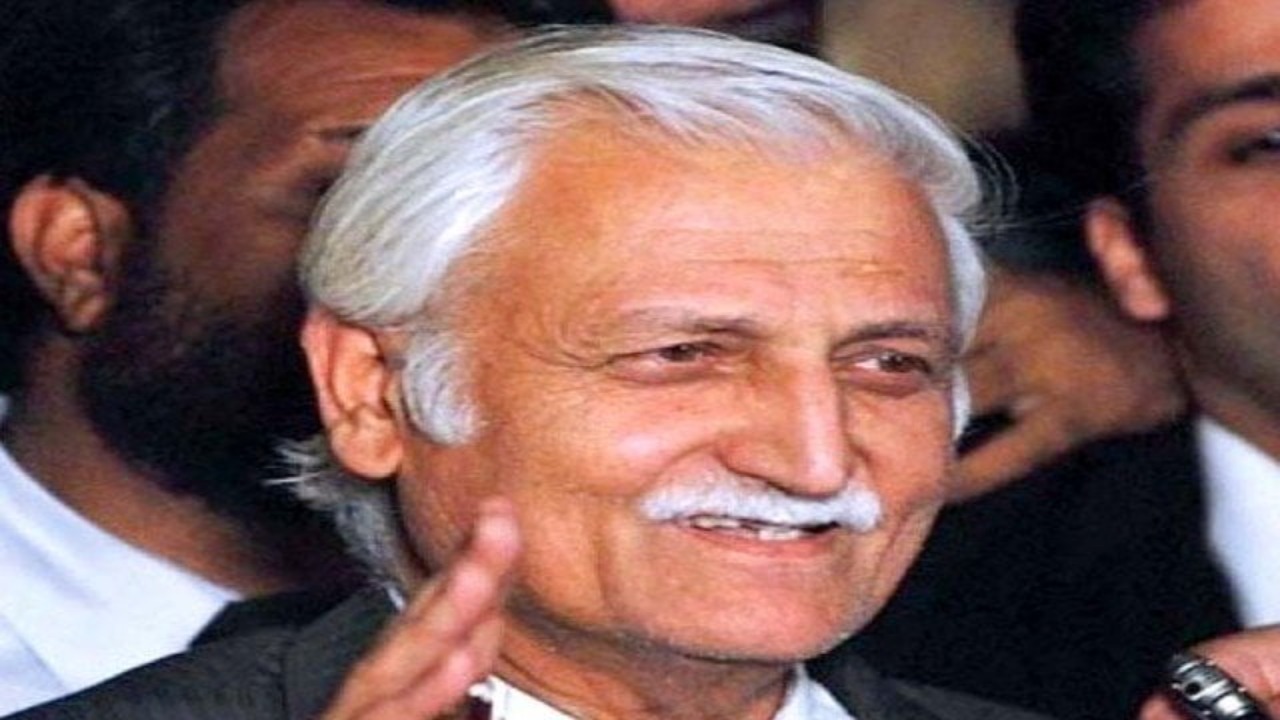
  • Farhatullah Babar Faces Inquiry by FIA After Complaint Filed by Citizen

    Farhatullah Babar Faces Inquiry by FIA After Complaint Filed by Citizen

    The Federal Investigation Agency (FIA) has launched an inquiry against Farhatullah Babar, the president of the Human Rights Cell of the Pakistan Peoples Party (PPP) and former senator. The inquiry comes after a citizen from Rawalpindi filed a complaint against him, accusing him of corruption, tax evasion, and illicit asset accumulation. This development has raised questions and sparked the public’s curiosity regarding the inquiry’s timing and nature.


    The Background of the Inquiry

    Farhatullah Babar, a prominent figure in Pakistan’s political landscape, has long been involved in human rights advocacy and served as a spokesperson for former President Asif Ali Zardari. However, recently, the FIA began investigating him based on a complaint filed by an ordinary citizen residing in Rawalpindi’s Morgah locality. According to sources, the complaint accuses Babar of engaging in corrupt activities, evading taxes, and amassing illicit wealth.

    The FIA’s Anti-Corruption Cell in Islamabad initiated the investigation after receiving the complaint. Mr. Babar had already appeared before the FIA on the day before the Eid holidays to respond to the agency’s notice. During this appearance, he was asked to provide his income and assets documents. The FIA authorities requested these documents after the Eid holidays, indicating the ongoing investigation.


    Farhatullah Babar’s Response

    Upon receiving the notice, Farhatullah Babar immediately took action. He asked the FIA to provide him with copies of the complaint, the notices issued by the Federal Board of Revenue (FBR), his tax returns, asset declarations, and any other documents that formed the basis of the allegations against him. Babar was keen on understanding the exact nature of the complaint and the evidence supporting it.

    In his defense, Farhatullah Babar stated that he had not held any official position since 2013 when he served as the spokesperson to former President Asif Ali Zardari. He emphasized that he had no idea who was behind the complaint but expressed willingness to follow the legal process to clear his name.

    “The sequence and timing of the events, the abruptness of launching inquiry based on a private complaint, is highly puzzling,” said Babar. He also questioned the timing of the notice, mentioning that he had not received the FBR notice until 21 March. However, the complaint was filed on 23 March, even before he received the FBR notice.


    The FIA’s Role and Investigation Process

    The FIA is one of Pakistan’s top agencies investigating corruption and financial crimes. The inquiry against Farhatullah Babar has drawn attention due to its speed and the unusual circumstances. The FIA accepted the complaint and notified Babar on 25 March, asking him to appear before the agency on 28 March, just a day before the Eid holidays. This timeline has raised eyebrows and led to questions about the motivations behind the investigation.

    The FIA’s Anti-Corruption Cell has begun its work, and while Babar has cooperated with the investigation, the outcome remains uncertain. Babar’s request for the FIA to share the complaint details suggests that he is keen to understand the full scope of the allegations and defend himself accordingly.


    What Could Be the Outcome?

    At this stage, the outcome of the FIA inquiry is unclear. Farhatullah Babar has denied all the allegations and remains confident he can clear his name. However, the investigation could reveal important details regarding his financial dealings, tax returns, and asset declarations.

    If the inquiry proves the allegations factual, Babar could face legal consequences. On the other hand, if the claims are found to be baseless, it could lead to questions about the motives behind the complaint. Given Babar’s prominence in the PPP and his role in advocating for human rights, this case will likely continue to attract significant attention.


    The Bigger Picture: Political Implications

    The inquiry against Farhatullah Babar has also sparked political debates. As a key member of the PPP, Babar’s case may be viewed through a political lens. Critics might argue that the investigation is politically motivated, especially given the timing of the complaint and the inquiry. Some believe the investigation could be an attempt to undermine Babar’s position within the PPP.

    On the other hand, supporters of the inquiry argue that no one, regardless of their political affiliation, should be exempt from scrutiny. If Babar is found guilty of corruption or other illicit activities, it would send a strong message that corruption will not be tolerated at any level of government.


    Conclusion

    The inquiry against Farhatullah Babar is still in its early stages, and the outcome remains to be seen. For now, Babar is cooperating with the FIA and seeking to clear his name by requesting all relevant documents related to the complaint. As the investigation progresses, more details may emerge that could shed light on the true nature of the allegations against him.

    As the case develops, the public will watch closely to see if it results in significant legal consequences for Babar or if it will fade into the background as another political controversy. Whatever the outcome, it is clear that this inquiry will have lasting implications, not only for Farhatullah Babar but also for the political landscape in Pakistan.

    While investigations unfold on political figures like Farhatullah Babar, another compelling story has caught public attention: “Maggots were eating him alive — one person saved him: Celebs praise viral act of humanity.” Read more about this inspiring story here.

  • The Smart Substitution: Kulwant Khejroliya vs Washington Sundar in GT vs RR IPL 2025

    The Smart Substitution: Kulwant Khejroliya vs Washington Sundar in GT vs RR IPL 2025

    The IPL 2025 season has seen some clever strategies from the Gujarat Titans (GT), especially when utilizing their Impact Substitution. One key decision that stood out during their match against Rajasthan Royals (RR) was opting for Kulwant Khejroliya over Washington Sundar as the Impact Sub. This tactical move raised eyebrows, but it turned out to be a brilliant choice by GT. Let’s dive into why this decision made so much sense.


    The Importance of Impact Substitutes in IPL 2025

    The Impact Player rule, introduced in IPL 2023, has completely changed the game’s dynamics. Teams now have the flexibility to bring in an additional player midway through the match, depending on the situation. This allows captains and coaches to adjust their playing XI based on what’s happening in the game, making it more strategic.

    In this particular match between GT and RR, the choice of Impact Sub was crucial. GT’s innovative use of this rule allowed them to field Kulwant Khejroliya as a pacer instead of Washington Sundar, primarily a spinner. This decision proved a key turning point in their defense of a massive 218-run target.


    Why GT Chose Kulwant Khejroliya Over Washington Sundar

    Washington Sundar was in exceptional form with the bat in the previous match against SRH, scoring 49 off 29 balls. Based on his recent performances, many teams would have immediately included him in the playing XI. However, the  Gujarat Titans made a different choice. They decided not to include Sundar in the XI for this match, instead keeping him as an option for a potential substitution.

    GT’s strategy was to bring in Sundar only if the situation demanded a batsman. They knew they could rely on his batting prowess in the first innings if needed. However, they also kept the option open to use a pacer. This flexibility allowed them to carefully assess the game situation before deciding.

    At the halfway stage, when GT felt they needed an extra pacer to defend the 218-run target, Kulwant Khejroliya was brought in. His pace attack proved the perfect complement to the existing bowling lineup, which made a massive difference in the game.


    Kulwant Khejroliya’s Impact

    Kulwant Khejroliya’s role as the Impact Sub was vital. When Gujarat Titans needed a pacer to defend a hefty target, Khejroliya stepped up. His pace and accuracy added depth to the bowling attack, allowing the team to limit RR’s progress. His inclusion allowed GT to vary the pace of the attack, keeping the batters guessing.

    The decision to bring Khejroliya into the fold wasn’t just about his pace. GT’s management made a strategic move to introduce variety into their attack. While spinners like Sundar could have been practical, having a pacer gave the Titans a more balanced approach, especially on a pitch conducive to pace bowling.


    The Flexible Approach to Batting and Bowling

    One key reason the Gujarat Titans have been so successful with their use of Impact Substitutes is their flexible approach. They carefully analyze the situation and adjust accordingly. In the case of Sundar, the team understood that they could rely on him if the batting needed a boost, but they also recognized that a pacer might be more useful in the given scenario.

    By keeping their options open and assessing the game situation, GT ensured they had the right balance in both batting and bowling. This versatility is what makes Gujarat Titans such a strong team. Their tactical awareness gives them the edge over opponents who may be less flexible.


    GT’s Winning Strategy in the IPL 2025

    Gujarat Titans’ strategy in the GT vs RR IPL 2025 match paid off. They posted an impressive total of 217/6, thanks to an outstanding knock by Sai Sudharsan (82 off 53 balls). Alongside him, Jos Buttler (36 off 25) and Shahrukh Khan (36 off 29) provided key cameos. Rahul Tewatia finished things with a quickfire 24* off 12 balls, adding further firepower to their total.

    With a target of 218, the RR bowlers had their work cut out. Maheesh Theekshana and Tushar Deshpande took two wickets each, while Jofra Archer and Sandeep Sharma took one wicket apiece. However, despite their efforts, RR struggled at 12/2 after 2.4 overs, with the pressure mounting on their top order.

    At this point, Khejroliya’s impact as a pacer proved crucial. His ability to bowl in the right areas and give GT vital breakthroughs helped them stay in control of the game.


    Conclusion

    In the IPL 2025 season, Gujarat Titans have shown how impactful the new substitution rule can be when used strategically. The decision to bring Kulwant Khejroliya as the Impact Sub over Washington Sundar in the GT vs RR match was a testament to their tactical brilliance. Khejroliya’s pace attack gave the team an extra edge as they defended their 218-run target.

    This smart substitution by GT proves that, in T20 cricket, being adaptable and having the right balance in your XI can make all the difference. By carefully assessing the match situation and using the Impact Sub rule wisely, the Gujarat Titans have set a high bar for other teams to follow.

    In a recent legal development, the Lahore High Court ruled that mothers cannot be denied child custody if they remarry.

  • Prithvi Shaw Advised to Avoid Kambli’s Fate as Young Stars Watch in Awe

    Prithvi Shaw Advised to Avoid Kambli’s Fate as Young Stars Watch in Awe

    Prithvi Shaw was once seen as Indian cricket’s next big superstar. A naturally gifted batter, he came into the spotlight as a child prodigy and rose quickly through the ranks. Today, at 25, he finds himself at a crossroads. With time still on his side, experts and fans hope he doesn’t follow the same unfortunate path as Vinod Kambli—a story that began with promise but ended too soon.


    The Early Rise of Prithvi Shaw

    Prithvi Shaw’s story began over a decade ago and was nothing short of spectacular. At just 14, he was already dominating school-level cricket in Mumbai. His legendary innings of 546 runs in the Harris Shield caught the attention of the entire cricketing community. It was clear—India had found a rare gem.

    As he progressed, Shaw continued to impress. He began scoring heavily in domestic cricket, especially in the Ranji Trophy for Mumbai. He wasn’t just scoring runs—he was piling them up. Fans and critics alike couldn’t help but compare him to legends. Some saw shades of Sachin Tendulkar, while others said he had a mix of Brian Lara’s elegance and Sehwag’s aggression.

    In 2018, everything aligned perfectly. Shaw led India to victory in the Under-19 World Cup. That same year, he made a historic debut for the Indian Test team, scoring a century against the West Indies in Rajkot. It was a dream start. Everyone thought he was destined for greatness. The belief was that he would soon become a permanent feature in India’s batting line-up.


    A Sudden Fall from Grace

    But fast forward to 2025, and things are very different. Prithvi Shaw is no longer a regular name in the Indian squad. His career, once full of momentum, has slowed down sharply. Many now ask the question: What happened to Prithvi Shaw?

    Soon after his stunning debut, Shaw faced a series of setbacks. Injuries, a suspension due to a doping violation, inconsistent performances, and fitness issues started affecting his career. Shaw faded into the background as others from the same U-19 team rose to stardom.


    His Teammates Are Now Stars

    Shaw’s 2018 U-19 World Cup teammates are now leading India’s new generation of cricket. Shubman Gill is the national team’s vice-captain and is being groomed as a future leader. Arshdeep Singh is among the best T20 bowlers in the country and is known for his sharp skills in death overs. Riyan Parag has impressed in IPL 2025, even leading Rajasthan Royals for a few games and being touted as a future T20 regular for India.

    All of them looked up to Prithvi Shaw at one point. He was ahead of them in skill and performance. Now, they’ve surpassed him. This reversal has caught the attention of fans and experts alike.


    “Kitna Aage Nikal Gaya” – A Cautionary Tale

    Famous cricket presenter Tanay Tiwari spoke about Prithvi Shaw’s journey on a podcast with Raj Shamani. He described how players like Gill, Arshdeep, and Parag still talk about Shaw’s unmatched early rise. “Dekh yaar, kitna aage nikal gaya,” they say—expressing disbelief at how far ahead he once was compared to them.

    Tiwari pointed out that it’s hard to identify just one reason behind Shaw’s fall. But the signs are visible. His fitness declined, and his form dropped. Reports also mentioned that he skipped fielding drills and didn’t meet team expectations regarding discipline and preparation.

    However, Tiwari believes that the raw talent is still there. “Skill doesn’t vanish overnight,” he said. Shaw still has what it takes. But he needs to get back on track with hard work and focus.


    Vinod Kambli Comparison: Harsh but Real

    The comparison with Vinod Kambli has become a talking point. Kambli, like Shaw, burst onto the scene with sensational talent. He scored back-to-back double centuries and had a remarkable early Test record. But despite his ability, Kambli’s career faded quickly.

    Kambli and Sachin Tendulkar began their journeys around the same time. One became an icon, while the other struggled to stay in the spotlight. Now, people fear Shaw could follow the same pattern.

    Tiwari addressed this comparison. He hopes Shaw doesn’t go down that path. “Pretty similar trajectories,” he said. “But Shaw still has time to turn it around.” He highlighted the classic truth—hard work beats talent when talent doesn’t work hard.


    Hope Remains for Prithvi Shaw

    Despite the concerns, the cricket world is not giving up on Prithvi Shaw. At 25, he still has a long road ahead. There are examples of players who staged comebacks even later in their careers. Shaw has the skill, the experience, and most importantly, the time to prove himself again.

    He must now focus on his fitness, rebuild his mindset, and show commitment to the game. If he does that, fans will support him all the way. His journey can still be one of redemption.

    Prithvi Shaw’s story is not over. The next chapter could be his most powerful one yet.


    Final Thoughts

    Prithvi Shaw was once the brightest young star in Indian cricket. While his career has taken a difficult turn, it’s far from the end. With the proper guidance and effort, he can rise again. The world is watching. His teammates still admire his talent. The only question is—can Prithvi Shaw bounce back and avoid the fate of Vinod Kambli?

    Time will tell.

    Also Read: Liverpool confident in securing new deal for Salah: reports
    Get the latest update on Mohamed Salah’s future with Liverpool and what it could mean for the club.

  • Sabeer Bhatia Drops a Truth Bomb: “India’s GDP Numbers Are a Sham”

    Sabeer Bhatia Drops a Truth Bomb: “India’s GDP Numbers Are a Sham”

    Sabeer Bhatia, the co-founder of Hotmail, is back in the spotlight. This time, it’s not for tech innovation but for sparking a bold debate about India’s economy. In a recent podcast, Bhatia made a strong claim that India’s GDP numbers are misleading and do not reflect real progress.

    This statement has stirred strong reactions in business and policy circles. But what exactly did Sabeer Bhatia mean when he said, “India’s GDP numbers are a sham”? Let’s break it down.


    What’s Wrong With India’s GDP Model?

    According to Sabeer Bhatia, India’s current GDP model overvalues financial transactions and ignores actual human productivity. He believes this system rewards the movement of money over meaningful work, which can misrepresent the true health of the economy.

    To illustrate his point, he used a simple example that everyone can understand. If he gives someone Rs 1,000 and gets the same amount of money back, the GDP model would count it as Rs 2,000. But no value has been added to the economy. Nothing has been created, and no productive work has been done. It’s just a simple transaction.

    “Giving money is not work. Correct work is work,” Bhatia emphasized.

    This view challenges the traditional definition of economic progress. Instead of measuring the value of financial transactions alone, Bhatia argues that the focus should shift to measuring the actual effort that goes into creating value. This raises critical questions: Are we measuring economic growth in a way that truly reflects the contributions people make? Are we focusing on the right indicators?


    A New Way to Measure Growth

    Sabeer Bhatia proposed an alternative way to measure economic output. Instead of focusing on the money flowing through the system, he suggested that India should adopt a model similar to the one used in the United States, where GDP is calculated based on the number of hours worked.

    In the U.S., everyone has an hourly rate, which serves as a direct link between the hours worked and economic productivity. Bhatia believes that tracking the hours of effort, not just financial transactions, would paint a much clearer picture of a country’s true economic output.

    Bhatia’s suggestion may sound radical, but it’s rooted in the idea of fairness and transparency. By measuring work based on actual human effort, people in every profession—from manual laborers to high-tech engineers—would be recognized for the value they bring through their time and skill.

    “Hours of effort lead to progress, not transactions,” he argued, proposing a more honest approach to calculating GDP. This shift, according to Bhatia, could not only improve the accuracy of economic reports but also motivate people to work harder and value their contributions more.


    A Call for Mindset Change

    But Sabeer Bhatia didn’t stop at discussing GDP. He used this opportunity to push for a broader mindset change in India. He pointed out that the country needs to shift its focus away from just economic transactions and toward creating real value through work and effort.

    Bhatia highlighted a significant flaw in India’s work culture, particularly in the tech industry. Many graduates from top engineering colleges in India end up in managerial roles instead of utilizing their technical skills. In his view, these engineers don’t contribute much to building anything concrete or advancing technology.

    “99% of Indian engineers don’t do engineering work,” Bhatia said.

    This was a sharp critique of the “management” culture in India’s tech and engineering fields, where individuals with technical expertise are often assigned roles that have little to do with their actual training or knowledge. They’re seen as managers, consultants, or administrators, and often never get their hands dirty with the actual work of building or creating.

    Bhatia also criticized the IT industry’s focus on “body shopping”—a model where companies employ vast numbers of workers who primarily work on staffing and recruitment rather than on actual software development. This model, he argues, stifles genuine innovation and prevents India from reaching its full potential as a technology leader.

    The message is clear: India needs to value hard work and technical expertise over superficial roles that don’t add real value to the economy.


    Education Should Be for All

    Beyond economics and work culture, Sabeer Bhatia also criticized India’s education system. He argued that it is heavily skewed in favor of the rich, with quality education being accessible mainly to the wealthy. In contrast, countries like China provide subsidized education to everyone, which leads to a more equitable distribution of skills and opportunities.

    Bhatia’s criticism of India’s education system is sharp. He said, “What do the rich do after getting educated? They get married for dowry.” This harsh statement underscores the disconnect between education and practical skills in India’s social fabric.

    India’s education system, Bhatia suggests, is focused too much on degrees and formal titles, without necessarily equipping students with the skills they need to solve real-world problems. He also pointed out that India’s obsession with rote learning and exam results means that many students graduate without the critical thinking skills they need to succeed in today’s fast-changing world.

    While building a new educational infrastructure overnight is unrealistic, Bhatia believes that India can use digital tools to teach critical thinking and problem-solving. He proposed using apps to help people learn how to address real-life problems, thus offering a more practical and valuable form of education that focuses on outcome-based learning rather than traditional exams.


    Gen Z Can Lead the Change

    Despite his criticism, Sabeer Bhatia remains optimistic about the future of India. He believes that India’s youth, especially Gen Z, has the potential to lead the country toward a brighter future. This generation, he says, is better equipped to adapt to new technologies and shift the country’s mindset toward effort-driven growth.

    “This change must start with Gen Z,” Bhatia said. “They can adapt faster. They can lead us into the future.”

    Bhatia’s message to the younger generation is clear: use technology to your advantage. Use AI tools to track your work and report your hours honestly. Take personal responsibility for your work and your progress. If Gen Z can adopt these practices, India can move away from superficial growth metrics and focus on what truly matters—effort and results.


    Final Thoughts

    Sabeer Bhatia has once again sparked an important conversation. His views may seem radical to some, but they challenge the status quo and push us to think critically about the way we measure success, growth, and work in India.

    Are we rewarding the right kind of work? Are we tracking growth in a way that truly reflects progress? And most importantly, are we creating an environment that values effort, skill, and contribution over mere financial transactions?

    These are questions that India must answer if it wants to stay competitive in the global economy.

    Sabeer Bhatia is not just a tech pioneer. He’s also a visionary calling for deep structural changes in India’s economic and social systems. His message is clear: true progress doesn’t come from the movement of money. It comes from the hours of hard work and effort that people put into creating something meaningful.

    Looking for more bold voices? Check out this story: US senator smashes record with 25-hour anti-Trump speech