Category: Blog

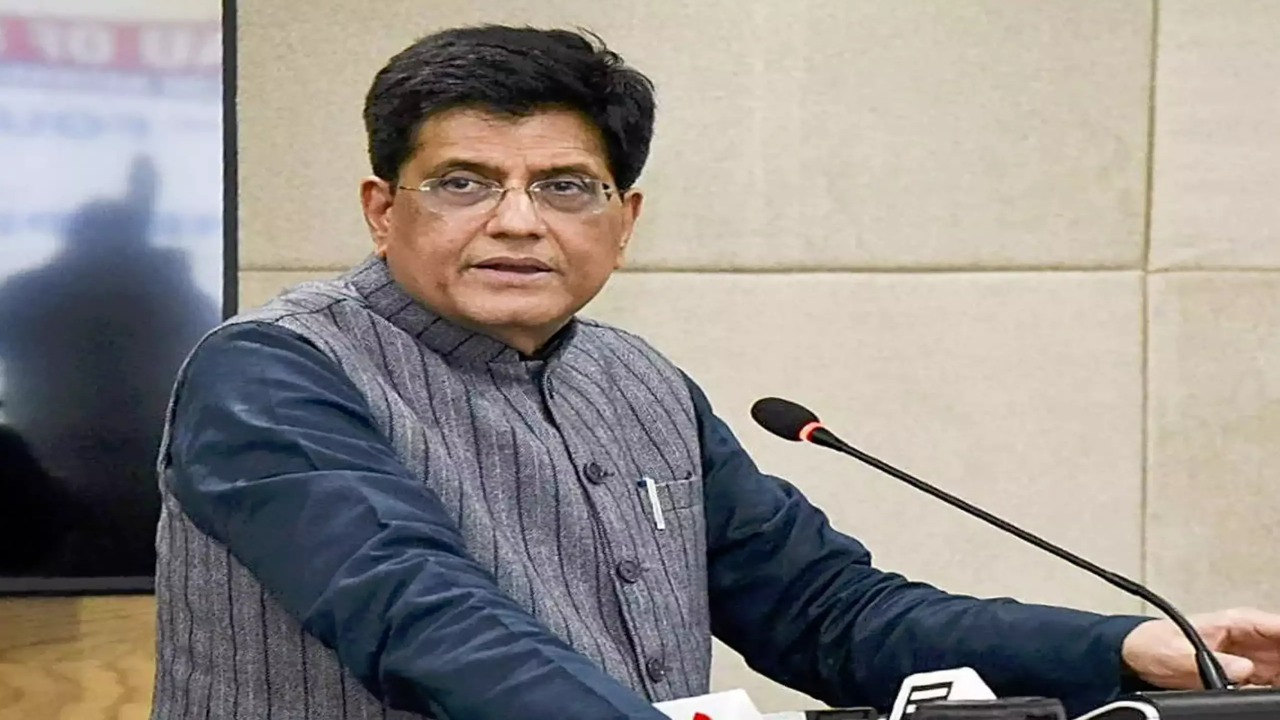
  • Piyush Goyal on Indian startups hits the mark: Innovation, Job Creation, and the Real Value Question

    Piyush Goyal on Indian startups hits the mark: Innovation, Job Creation, and the Real Value Question

    India’s startup ecosystem has grown tremendously in recent years. The country is now home to numerous unicorns and a wide range of entrepreneurial ventures. However, despite the growth, many experts and industry leaders are raising concerns about the quality and impact of these startups. Piyush Goyal, India’s Union Minister for Commerce and Industry, recently voiced his frustrations, arguing that Indian startups are focusing too much on short-term, consumer-focused businesses rather than creating groundbreaking, future-oriented technologies or innovations. Let’s explore why this is happening and why Indian startups may be failing to build the future.


    The Rise of Consumer-Focused Startups

    Many of the most well-known startups in India today are in the consumer space. These businesses typically focus on providing services like food delivery, e-commerce, or ride-hailing. While these companies have grown rapidly, the question is: are they really innovating, or are they just offering services that already exist in a slightly more efficient or convenient form?

    Take food delivery apps like Zomato and Swiggy, for example. They didn’t invent food. They simply connect consumers to existing restaurants. Similarly, ride-hailing apps like Ola and Uber didn’t create the taxis—they just made it easier to book a ride. This model is great for consumers in the short term, but it doesn’t create new industries or push forward new technology that will shape the future.


    Lack of Original Research and Innovation

    One of the major criticisms of the Indian startup ecosystem is that it often doesn’t focus on original research or innovation. Most startups are based on ideas that have already been tested in other countries or even in India. They improve on existing ideas but don’t create completely new solutions to big, global problems.

    For instance, while there are a few companies developing innovative products in areas like artificial intelligence (AI), robotics, and biotechnology, they are in the minority. The majority of successful startups focus on services that enhance convenience for consumers rather than tackling large-scale issues like healthcare, education, or renewable energy.


    Venture Capital and the Drive for Quick Profits

    Another factor contributing to the lack of long-term innovation in Indian startups is the influence of venture capital (VC). VCs are always looking for businesses that can scale quickly and deliver high returns. This often leads startups to focus on short-term growth rather than long-term research or developing technologies that might take years to become profitable.

    Take the case of many e-commerce companies in India. While they have become massive businesses, much of their growth has been driven by heavy discounts, often funded by venture capital. This creates a cycle where the company needs to continually attract investment rather than focus on long-term, sustainable growth. As a result, these companies are not building the kind of technological infrastructure or solutions that will shape the future.


    Disrupting Existing Businesses Without Creating Value

    One of the biggest debates in the startup world is whether these new companies are creating real value or just disrupting existing businesses. The emergence of quick-commerce businesses (companies that deliver groceries and other essentials in minutes) and food delivery apps, for example, has led to the destruction of many small businesses.

    While these startups claim to create jobs, the reality is that they often take business away from local mom-and-pop stores, forcing them to close down. Is that truly value creation? In the case of Lenskart, which has become a dominant player in the eyewear market, it raises the question of whether it is simply drawing customers away from traditional eyewear shops through discounts rather than creating value.


    The Job Creation Debate

    Startups are often praised for creating jobs, but there is a deeper question here: Are these jobs really adding value to the economy, or are they just reshuffling existing jobs? Take food delivery, for instance. While it’s true that many people are employed as delivery drivers, these jobs often come with low wages and a lack of benefits. They’re also largely dependent on the growth of these apps, which may not be sustainable in the long term.

    Many startups are designed to scale quickly and disrupt industries. However, they rarely focus on creating stable, long-term employment opportunities or adding value to the economy as a whole. The real test for these startups will be whether they can create jobs and growth that benefit society, rather than simply shifting profits and business from one player to another.


    The Rentier Economy: Profiting from Inefficiencies

    One of the clearest examples of how many startups in India are failing to build the future is the rise of businesses that profit from existing inefficiencies rather than trying to solve fundamental problems. The education technology (EdTech) sector in India is a prime example of this. Companies like Byju’s have raised billions of dollars, but their business models often rely on exploiting the insecurities of parents and students rather than addressing the core issues in India’s education system.

    These startups make money by offering expensive courses, often at the cost of the consumers’ financial well-being. In many cases, these companies haven’t truly revolutionized education. Instead, they’ve taken advantage of the gaps in public education and sold overpriced solutions, without offering substantial value.


    The Need for a Shift in Focus

    The Indian startup ecosystem is at a crossroads. If India is to become a global leader in innovation, the focus must shift from creating short-term, consumer-driven businesses to long-term, technology-driven solutions. Indian entrepreneurs need to think bigger—focusing on areas like renewable energy, healthcare technology, infrastructure, and education reform. These are the sectors that have the potential to truly change the world and provide sustainable growth for the Indian economy.

    It’s time for Indian startups to think beyond consumer convenience and start solving real-world problems. Building groundbreaking technology and infrastructure may take time, but that’s the kind of innovation that will define the future.


    What Needs to Change?

    There are several ways India can foster the kind of innovation that will build the future:

    • Encourage Risk-Taking: The Indian government and investors must create an environment where entrepreneurs feel safe to take risks, especially in fields like research and development.

    • Focus on Education and Skill Development: India’s education system needs to evolve to support entrepreneurship and innovation, not just job placement.

    • Provide Long-Term Support: Rather than focusing solely on quick profits, startups should be given more long-term support to develop disruptive technologies and ideas.


    Conclusion

    While Indian startups have made impressive strides in creating convenient solutions for consumers, the real challenge lies in creating businesses that will change the future. It’s not just about food delivery apps or e-commerce true innovation will come from industries like healthcare, energy, and education. If Indian entrepreneurs can focus on these areas and think long-term, they can build the kind of businesses that will shape the world of tomorrow. It’s time to move beyond the status quo and build something that will truly make a difference.


    Read More: Isha M. Ambani: Visionary Leader Driving Innovation, Retail Expansion, and Cultural Impact at Reliance

  • Isha M. Ambani: Visionary Leader Driving Innovation, Retail Expansion, and Cultural Impact at Reliance

    Isha M. Ambani: Visionary Leader Driving Innovation, Retail Expansion, and Cultural Impact at Reliance

    Isha M. Ambani is a prominent business leader in India who has made significant strides in the world of business, culture, and social change. As a non-executive director and an influential member of the executive teams at several major companies, Isha has been driving innovation, expansion, and inclusion at Reliance Retail and beyond. She is also a passionate advocate for education, art, and social equality. In this article, we’ll explore her role in Reliance Retail, her leadership in cultural and social initiatives, and her impact on the future of India.


    Isha M. Ambani: A Rising Star in the Business World

    Isha M. Ambani is one of the key leaders shaping the future of Reliance Industries, one of India’s largest and most influential conglomerates. As the daughter of business magnate Mukesh Ambani, she has inherited a legacy of entrepreneurship, but she has also carved out her own identity by pushing for innovation and modernization in her respective fields.

    She holds leadership roles in various Reliance companies, such as Reliance Retail Ventures Limited, Reliance Jio Infocomm Limited, Jio Financial Services Limited, and Reliance Foundation. As a director and member of these organizations, she plays a key role in setting the strategic direction of some of the most successful businesses in India.


    Expanding Reliance Retail: Innovation and New Formats

    One of Isha’s most significant contributions is in the expansion of Reliance Retail, the retail arm of Reliance Industries. Under her leadership, Reliance Retail has grown exponentially, becoming India’s largest retailer by reach, scale, revenue, and profitability. Isha has been instrumental in pushing the company into new categories, geographies, and formats, ensuring it remains a pioneer in India’s retail sector.


    E-commerce Revolution: Launch of Ajio

    As part of her efforts to expand Reliance Retail’s digital footprint, Isha played a pivotal role in the creation of Ajio, an e-commerce platform that focuses on fashion, lifestyle, and consumer goods. With the rise of online shopping, Ajio has positioned itself as a key player in the highly competitive e-commerce market. The platform offers a wide range of products from leading brands and has made online shopping more accessible to millions of Indians.


    Tira: The Omni-Channel Beauty Platform

    In addition to fashion, Isha is also behind the launch of Tira, an omnichannel beauty platform. Tira offers customers the ability to shop for cosmetics and beauty products both online and in physical stores. This seamless integration of digital and physical shopping experiences is a testament to Isha’s vision of providing the best customer experience in the retail industry. It’s a step towards creating a personalized shopping journey that caters to modern consumers’ preferences.


    Building Reliance’s Own Brand Portfolio

    Reliance Retail is known for its wide range of products, from food and consumer electronics to fashion retail. Under Isha’s guidance, the company has not only expanded its portfolio but also acquired some exciting Indian brands, strengthening its position in the market. One of the most notable accomplishments is the launch of the Independence brand, which aims to provide high-quality products at affordable prices.

    The expansion of Reliance’s brand portfolio demonstrates Isha’s commitment to offering Indian consumers a variety of high-quality, locally relevant products. By integrating Indian cultural values with modern consumer preferences, she has helped Reliance Retail become a household name in India.


    Championing Diversity and Inclusion

    Another key area where Isha has made a significant impact is in the promotion of diversity and inclusion (D&I). She has led several initiatives at Reliance to foster a more equitable and inclusive work environment. One of the major steps in this direction was the formation of a Group-wide D&I Council, which provides strategic guidance on creating a diverse, respectful, and inclusive ecosystem within the company.

    Through these efforts, Isha is not only helping Reliance attract and retain diverse talent but also making sure the company’s corporate culture supports individuals from all walks of life. The D&I initiatives she has spearheaded are critical for the growth and success of Reliance Retail, ensuring that the company remains a place where people from diverse backgrounds can thrive.


    Isha’s Role in the Reliance Foundation: Advancing Social Causes

    Isha M. Ambani is also deeply involved in the work done by Reliance Foundation, the philanthropic arm of Reliance Industries. As a passionate advocate for education, women’s empowerment, and children’s rights, she has led several initiatives to improve the lives of millions across India.

    One of the major areas where Isha has focused her efforts is education. She believes that access to quality education is essential for creating a better future for children, especially in rural areas. Through the Reliance Foundation’s initiatives, she has helped provide educational resources, scholarships, and infrastructure to underserved communities, aiming to uplift the next generation of leaders and innovators.


    Empowering Women and Children

    Isha is also deeply involved in programs aimed at empowering women and improving their social standing. These programs focus on providing women with the tools and opportunities they need to succeed in education, business, and life. Isha’s passion for women’s empowerment is evident in the many programs under the Reliance Foundation that aim to improve the lives of women and children.


    Promoting Art and Culture: The Nita Mukesh Ambani Cultural Centre

    Art and culture hold a special place in Isha’s heart, and she has taken significant steps to promote Indian culture both within the country and internationally. One of the most notable examples of her efforts is her leadership role in the creation of the Nita Mukesh Ambani Cultural Centre (NMACC), launched in Mumbai in March 2023.

    NMACC is a state-of-the-art cultural space designed to showcase the best of Indian and global arts, including visual arts, theatre, music, and dance. The centre has already become a hub for art enthusiasts, providing a platform for both established and emerging artists to showcase their work. It’s a testament to Isha’s belief in the power of art to bring people together, create conversations, and inspire change.


    A Global Leader with a Vision

    Isha M. Ambani’s impressive achievements extend beyond India’s borders. She has earned recognition globally, being named to TIME magazine’s TIME100 Next list, which highlights rising stars across industries. She was also honored with the GenNext Entrepreneur Award at the Forbes India Leadership Awards in 2023.

    Her education at Yale University and Stanford University has equipped her with the skills and vision needed to lead on a global stage. Isha serves on various prestigious boards, including the Advisory Board of the Yale Schwarzman Center, the Board of Trustees of the Smithsonian’s National Museum of Asian Art, Jio MAMI, and the Dia Art Foundation, where she continues to shape the cultural landscape on an international level.


    Conclusion: A Legacy of Innovation and Empowerment

    Isha M. Ambani’s leadership and contributions to business, culture, and social change have left a lasting impact on India and the world. Through her work at Reliance Retail, Reliance Foundation, and her commitment to promoting art and culture, Isha is creating a future that is more inclusive, innovative, and empowering for all.

    Her vision for growth, education, and diversity continues to inspire and make a difference, proving that business success is not just about profits but also about making a positive impact on society. Isha’s journey is an inspiring example of how passion, innovation, and dedication can transform industries, cultures, and lives.

    Read Also: IndiGo Flight Attendant Accused of Stealing 5-Year-Old’s Gold Chain, Police Investigate

  • IndiGo Flight Attendant Accused of Stealing 5-Year-Old’s Gold Chain, Police Investigate

    IndiGo Flight Attendant Accused of Stealing 5-Year-Old’s Gold Chain, Police Investigate

    A shocking incident has emerged involving a crew member of IndiGo Airlines. A flight attendant, identified as Aditi Ashwini Sharma, has been accused of stealing a gold chain from a child onboard an IndiGo flight. The incident, which took place on Flight 6E 661, has led to an official investigation and has caught the attention of many. Here’s everything you need to know about this incident.


    Indigo Airlines Crew Theft Allegations: What Happened on the Flight?

    The story began on a routine flight from Thiruvananthapuram (Kerala) to Bengaluru, operated by IndiGo Airlines. Priyanka Mukherjee, the mother of two young children, was flying with her family. During the flight, her five-year-old child was wearing a gold chain, which later went missing under mysterious circumstances.

    According to the complaint filed by Priyanka Mukherjee, her child was taken by the flight attendant, Aditi Ashwini Sharma, to the washroom. After returning from the washroom, the gold chain, which was worth about Rs 80,000 and weighed 20 grams, was nowhere to be found. The incident was reported to the airline staff immediately, but there was no resolution at that point.


    Indigo Airlines Crew Theft Allegations: The FIR and Investigation

    Following the incident, Priyanka Mukherjee filed a First Information Report (FIR) at a police station in Bengaluru. In the FIR, she accused the IndiGo flight attendant, Aditi Ashwini Sharma, of stealing the gold chain from her child. The police have now launched an investigation to determine the facts surrounding the incident.

    The accused flight attendant, Aditi Ashwini Sharma, is under investigation, and authorities are working to gather evidence to support or refute the allegations. As of now, no arrests have been made, but the investigation is ongoing.


    IndiGo’s Response to the Incident

    IndiGo Airlines has responded to the allegations, stating that they are aware of the situation and is fully cooperating with the authorities to resolve the matter. The airline issued a public statement saying:

    “We are aware of a recent incident involving a staff member on flight 6E 661 from Thiruvananthapuram to Bengaluru, regarding a concern raised by our customer. We take such matters extremely seriously and are providing full support and cooperation to the relevant authorities in carrying out the investigations.”

    IndiGo also assured its customers that it is committed to addressing such issues and will take necessary actions based on the outcome of the investigation.


    What We Know About the Accused Flight Attendant

    The flight attendant at the center of the controversy, Aditi Ashwini Sharma, is currently facing serious accusations. While details about her background remain limited, it is important to note that IndiGo Airlines has not yet made any public statements regarding her employment status. Whether she will face suspension or any disciplinary action depends on the investigation’s outcome.

    Flight attendants are responsible for ensuring the safety and comfort of passengers during flights. In this case, the trust placed in the flight attendant has been shattered due to the alleged theft. This case has raised concerns about security and accountability within the airline industry, particularly when it comes to handling passengers’ personal belongings.


    The Impact on the Family

    For Priyanka Mukherjee and her children, this incident has been both traumatic and distressing. Losing a valuable item, especially something with emotional and monetary value, is always difficult. In this case, the 20-gram gold chain was a significant item for the family, and its loss has led to not only a sense of violation but also a deep sense of mistrust.

    Moreover, the emotional impact on the child who was involved in the incident cannot be ignored. Children, especially at such a young age, often struggle to understand and process such traumatic events, which can have lasting effects on their trust in others.


    Public Reaction and Media Coverage

    As the story continues to unfold, it has garnered significant attention from the media and the public. The news of a flight attendant allegedly stealing from a child has shocked many, especially since such an incident is highly unusual in the airline industry.

    Social media platforms have been abuzz with discussions surrounding the case, with many users expressing their anger and disbelief at the alleged theft. Some people have called for more stringent security measures on board flights to prevent such incidents in the future.

    Others have shown support for the family, expressing sympathy for their loss and hoping that justice will be served. The incident has raised awareness about the importance of ensuring that flight crew members are trustworthy and held accountable for their actions.


    Possible Consequences for IndiGo Airlines

    The allegations against the flight attendant, if proven true, could have serious consequences for IndiGo Airlines. First, the airline’s reputation might be affected, especially when it comes to customer trust. Passengers may feel concerned about the safety of their personal belongings during flights, which could affect the airline’s overall business.

    IndiGo will likely face increased scrutiny from regulators, authorities, and the public in the coming weeks. The airline may need to reassess its internal policies and security procedures to avoid such incidents in the future. The company could also face legal consequences depending on the outcome of the investigation.


    What Measures Could Be Taken to Prevent Similar Incidents?

    This case highlights a need for stronger safeguards to protect passengers’ belongings on flights. Some measures that could help prevent similar incidents in the future include the following:

    1. Stricter Background Checks: Airlines could implement more stringent background checks on their staff, including flight attendants, to ensure they have a history of integrity and professionalism.

    2. Onboard Security Measures: The implementation of security cameras in sensitive areas like washrooms or restricted zones could act as a deterrent against theft or misconduct.

    3. Clearer Policies and Training: Airlines could offer more comprehensive training programs for flight attendants, focusing on ethics, integrity, and customer service.

    4. Enhanced Communication with Passengers: Providing passengers with clear information about how to protect their valuables and what to do in case of an incident could help prevent future thefts.


    What’s Next in the Investigation?

    As the police continue to investigate the theft of the gold chain, it remains to be seen whether the allegations against Aditi Ashwini Sharma are proven true. The investigation will likely include questioning the flight attendants, checking CCTV footage, and interviewing other passengers who were on the flight.

    The outcome of this case could set a precedent for how similar incidents are handled in the future and may lead to changes in how airlines handle security and employee conduct.


    Conclusion

    The allegations against the IndiGo flight attendant have shocked many, raising questions about trust, security, and accountability in the airline industry. As the investigation continues, the family, the airline, and the public await answers. Whether the flight attendant is found guilty or not, this incident serves as a reminder of the importance of trust in ensuring passenger safety and satisfaction during air travel. For now, all eyes will remain on the investigation and its outcome.

    Read More: Sevilla vs atletico madrid: Atlético Madrid Stuns Sevilla with Last-Minute Victory in La Liga Showdown

  • Sevilla vs atletico madrid: Atlético Madrid Stuns Sevilla with Last-Minute Victory in La Liga Showdown

    Sevilla vs atletico madrid: Atlético Madrid Stuns Sevilla with Last-Minute Victory in La Liga Showdown

    In a thrilling La Liga encounter on April 6, 2025, Atlético Madrid emerged victorious against Sevilla, securing a 2-1 win in a nail-biting match at the Estadio Ramón Sánchez Pizjuán. This game was filled with intense action, dramatic moments, and a last-minute goal that left fans on the edge of their seats. Let’s break down everything that happened in this exciting match.


    A Clash of Titans: Sevilla vs Atlético Madrid

    The match between Sevilla and Atlético Madrid was one of the most anticipated fixtures of the La Liga weekend. Both teams were eager to secure three points, as Sevilla sought to push up the league table while Atlético Madrid aimed to maintain their position at the top of the standings. With the stakes high, the atmosphere at the Estadio Ramón Sánchez Pizjuán was electric, with over 34,000 fans in attendance to witness this thrilling contest.


    Early Action: Sevilla Takes the Lead

    The game kicked off with high intensity, and it didn’t take long for the first goal to arrive. Sevilla took the lead in the 7th minute, thanks to a fantastic strike from midfielder Lamine Agoumé. The young player capitalised on a loose ball in the Atlético Madrid box, sending a powerful shot past Atlético goalkeeper Jan Oblak. The crowd erupted as Sevilla went 1-0 up early in the match.


    Atlético Madrid Fights Back: A Penalty Equalizer

    Despite going behind, Atlético Madrid did not let the early goal discourage them. In the 25th minute, they were awarded a penalty after a foul inside the Sevilla box. Spanish forward José Álvarez stepped up to take the spot-kick. With cool composure, he converted the penalty into the back of the net, leveling the score at 1-1. It was a crucial moment for Atlético Madrid as they bounced back quickly from their early setback.

    The equalizer brought a sense of urgency to both sides, with Sevilla and Atlético Madrid both creating opportunities but failing to find the back of the net in the remaining minutes of the first half. The match entered the break at 1-1, with everything still to play for.


    Second Half: Drama Unfolds

    The second half continued at a frenetic pace, with both teams pushing forward in search of a winner. Sevilla’s attacking trio, led by Youssef En-Nesyri and Erik Lamela, was constantly testing Atlético’s defense. However, Atlético’s defense, organized by veteran center-back José María Giménez, stood firm, blocking several attempts from the home team.

    As the clock ticked down, both teams seemed resigned to sharing the spoils, but there was still drama left in the game.


    The Heart-Stopping Moment: A Last-Minute Winner

    As the game entered injury time, it looked like the match was heading for a draw. However, Atlético Madrid had other plans. In the 90+3 minutes, a well-timed counter-attack caught Sevilla off guard. Marcos Llorente, who had been a key figure in the second half, delivered a pinpoint assist to Pablo Barrios. The young midfielder made no mistake, calmly slotting the ball past Sevilla goalkeeper Bono to give Atlético Madrid a 2-1 lead.

    The goal sent the Atlético players and their fans into wild celebrations, while Sevilla was left heartbroken by the late strike. Barrios’s last-minute goal secured Atlético’s victory, taking all three points back to Madrid.


    Key Moments of the Match

    • 7th minute: Lamine Agoumé scores for Sevilla, giving them an early 1-0 lead.

    • 25th minute: José Álvarez converts a penalty for Atlético Madrid, leveling the score at 1-1.

    • 90+3 minute: Pablo Barrios scores the match-winning goal for Atlético Madrid, making it 2-1.


    Match Stats: A Tight Contest

    Despite the final scoreline, this match was incredibly close in terms of statistics. Here’s a breakdown of some key match stats:

    • Possession:

      • Sevilla: 44.2%

      • Atlético Madrid: 55.8%

    • Shots on Target:

      • Sevilla: 6

      • Atlético Madrid: 5

    • Total Shots:

      • Sevilla: 11

      • Atlético Madrid: 13

    • Touches Inside the Box:

      • Sevilla: 18

      • Atlético Madrid: 28

    • Goalkeeper Saves:

      • Sevilla: 3

      • Atlético Madrid: 4

    • Fouls Committed:

      • Sevilla: 14

      • Atlético Madrid: 12

    • Corners:

      • Sevilla: 7

      • Atlético Madrid: 7

    These stats show how closely matched both teams were, with Atlético Madrid having a slight edge in terms of possession and overall shots. However, it was their clinical finishing and timely defense that ultimately made the difference.


    Player of the Match: Pablo Barrios

    While many players contributed to Atlético’s victory, the standout performer of the match was undoubtedly Pablo Barrios. The young midfielder not only scored the winning goal in the dying moments of the game but also displayed excellent composure and vision throughout the match. His performance was a testament to his talent, and the Atlético Madrid fans will be hoping for more of the same in future games.


    Sevilla’s Struggles

    While Sevilla fought valiantly throughout the match, they were ultimately undone by Atlético Madrid’s late goal. The home team’s inability to capitalize on their chances, particularly in the second half, proved costly. They had 11 shots on goal, with 6 on target, but failed to find the back of the net after their early opener. Manager José Luis Mendilibar will be disappointed with the outcome but will likely take solace in his team’s spirited display.


    Atlético Madrid’s Resilience

    On the other hand, Atlético Madrid showcased their trademark resilience and ability to perform under pressure. The team weathered the storm after conceding early and responded with a calm and calculated performance. Their persistence in the second half paid off, with the late goal securing all three points. Atlético’s ability to snatch victory from the jaws of a draw speaks volumes about their mentality, and they will be pleased with the outcome.


    What’s Next for Both Teams?

    • Sevilla will need to regroup quickly as they face another tough fixture in La Liga. Despite the loss, they can take positives from their performance and will be hoping to bounce back in their next match.

    • Atlético Madrid, on the other hand, will be delighted with the win as they continue their pursuit of the La Liga title. With this crucial victory, they remain firmly in the title race, and their next matches will be vital in maintaining their momentum.


    Conclusion: A Memorable La Liga Encounter

    In the end, Atlético Madrid’s 2-1 win over Sevilla will go down as one of the most exciting and dramatic encounters of the season. Both teams gave it their all, but it was Atlético who emerged victorious, thanks to a late goal from Pablo Barrios. With such a closely contested match, La Liga fans can’t wait to see what both of these teams do next in their quest for glory.

    Read More: IPL 2025: Aakash Chopra Slams SRH for Mismanaging Washington Sundar, Praises His Match-Winning Cameo for GT

  • IPL 2025: Aakash Chopra Slams SRH for Mismanaging Washington Sundar, Praises His Match-Winning Cameo for GT

    IPL 2025: Aakash Chopra Slams SRH for Mismanaging Washington Sundar, Praises His Match-Winning Cameo for GT

    The Indian Premier League (IPL) has always been a stage for talented cricketers to shine and make a mark for their respective teams and the national selectors. One such player who has been in the spotlight recently is Washington Sundar, the all-rounder who has been making waves with his performance for the Gujarat Titans (GT) in IPL 2025. Despite his undeniable talent, the cricketer has faced some criticism regarding how his potential was managed by his previous team, Sunrisers Hyderabad (SRH), and even at GT until now. Former Indian cricketer Aakash Chopra recently spoke out about this issue, calling out SRH for not giving Sundar a fair chance and highlighting how GT is now beginning to make the most of his skills.


    Aakash Chopra’s Criticism of SRH’s Management of Washington Sundar

    Aakash Chopra, a well-known cricket analyst and commentator, made a strong statement regarding Washington Sundar’s treatment at SRH. Chopra was speaking on Jio Hotstar during a live session when he expressed his disappointment over how the all-rounder was handled by the Hyderabad-based franchise. He pointed out that despite SRH paying a hefty sum of Rs 8 crore to acquire Sundar’s services, they failed to give him the opportunities he deserved.

    “Sundar was with SRH for the longest time, and despite the heavy price tag, they didn’t provide him with a proper chance to prove himself. Even at Gujarat Titans, he was picked but didn’t get a single game until today,” Chopra said.

    He added that it was quite “bizarre” how a player of Sundar’s caliber was not utilized properly, considering his skill set and the versatility he offers. While SRH might have failed to use him effectively, Chopra expressed his optimism about Sundar’s future with GT, particularly as he adds value with his left-handed batting.


    Washington Sundar’s Impact on the Gujarat Titans in IPL 2025

    When Washington Sundar made his debut for the Gujarat Titans in IPL 2025, it was a game-changer. In their recent match against Sunrisers Hyderabad, Sundar proved his worth with a quickfire cameo of 49 runs off just 29 balls. His innings were impressive, filled with five boundaries and two sixes, and his strike rate of 168.97 was a testament to his attacking play.

    Despite the early setback, with the Gujarat Titans struggling at 16/2, Sundar’s positive contribution helped his team get back on track. He played a crucial role in stabilizing the innings and pushing the chase forward. His match-winning knock was just one of the many reasons why his performance stood out in IPL 2025.

    Shubman Gill, the captain of the Gujarat Titans, played a sensational role in their chase, but Sundar’s contribution cannot be overlooked. Along with Sherfane Rutherford, Sundar played a vital role in keeping the scoreboard ticking and building partnerships that eventually led the Gujarat Titans to an easy victory over SRH.


    Aakash Chopra’s Praise for Sundar’s Bowling Skills

    While Sundar’s batting abilities were on full display during the match, Chopra also highlighted another crucial aspect of his game — his bowling skills. Many critics have underrated Sundar as a bowler, but Chopra believes he has the potential to play an important role with the ball, especially during the power play.

    “And the bowling doesn’t get depleted because Ishant Sharma bowled his full quota of overs, went for a lot, and still, Washington wasn’t even needed. Yet, they restricted the opposition to just 153 runs. Their bowling depth is fine, and I think we’ll see Sundar play many more games from here on — and play a bigger role, including with the ball,” Chopra said.

    Washington Sundar’s ability to bowl with the new ball in the powerplay is an added dimension to his game, which could prove to be valuable for the Gujarat Titans. His accuracy and control make him a reliable bowler, and his skillset makes him a useful option for any team, especially in the early stages of an innings.


    Why SRH Didn’t Give Sundar Enough Opportunities

    Washington Sundar’s situation with SRH is a curious case. Despite being a promising all-rounder, he was often kept on the bench, with SRH failing to give him regular opportunities. Chopra highlighted how SRH’s lack of faith in Sundar raised questions about their player management strategy.

    Even though Sundar was bought for a significant sum, SRH seemed more focused on their other international players and local stars, neglecting the talented Indian all-rounder. This approach left many fans and analysts puzzled, especially given that Sundar’s versatile skill set both with bat and ball could have made a difference in many of their matches.

    Sundar was not just a reliable bowler, but his left-handed batting also gave SRH a unique option in their middle order. Chopra pointed out that SRH’s failure to utilize Sundar’s left-handed batting potential meant they were missing out on a valuable asset that could have added depth to their batting lineup.


    Sundar’s Performance in IPL 2025: What Lies Ahead

    After his impressive knock for the Gujarat Titans, fans are hopeful that Washington Sundar will play a more prominent role in the upcoming matches of IPL 2025. His ability to deliver with both bat and ball makes him a complete package for any IPL franchise.

    For the Gujarat Titans, Sundar’s inclusion in the lineup is already proving to be a game-changer. His batting depth has added another layer of flexibility to their top order, especially with the team having Sai Sudharsan and Rahul Tewatia already in their ranks. By adding Sundar to the mix, GT has one more left-handed option in their batting order, which can be crucial in breaking the opposition bowling attacks.

    From a bowling perspective, Sundar’s role could increase as well, especially in the powerplay and middle overs. His ability to keep runs in check and take crucial wickets can give GT an edge over the competition in IPL 2025.


    Conclusion: Sundar’s Potential Finally Recognized

    The treatment of Washington Sundar by SRH left many wondering about his future in IPL. However, with his recent performance for the Gujarat Titans, it seems like the all-rounder’s potential is finally being recognized. As Aakash Chopra pointed out, Sundar’s batting and bowling can be assets to any team, and if used correctly, he can become a match-winner for the Gujarat Titans.

    Given his talent, it’s clear that Sundar’s IPL journey is just beginning. His recent cameo against SRH could be a sign of even bigger things to come as he starts to feature more regularly in GT’s playing XI. Sundar is not only a promising cricketer for the Gujarat Titans but also someone who could soon become a key player for India in the future. Fans and analysts alike are excited to see what lies ahead for this young all-rounder in IPL 2025.

    While discussions around sports and business innovation continue to make headlines, Why Indian Startups Are Failing to Build the Future: The Lack of Innovation and Value Creation highlights how even high-stakes industries face unexpected challenges. Just like Indian startups struggling with innovation, the unpredictability in the IPL further emphasizes the need for forward-thinking strategies.

  • Nasser Hospital: A Center of Controversy Amid Gaza Crisis

    Nasser Hospital: A Center of Controversy Amid Gaza Crisis

    When we think of hospitals, we often picture places of healing and care. But Nasser Hospital, located in the heart of Gaza, has become a symbol of both resilience and controversy amid the ongoing conflict. While it’s been an essential part of Gaza’s healthcare system, recent events have thrust it into the global spotlight. The hospital’s role in the Gaza crisis has sparked heated debates, bringing it to the center of the world’s attention.

    What makes Nasser Hospital so significant? Beyond its medical functions, the facility has become a focal point of political debates and humanitarian concerns. The question on many minds is: why has Nasser Hospital become so controversial? And what does its future hold amidst the ongoing turmoil?


    Where is Nasser Hospital?

    Before diving into the controversy, it’s crucial to understand where Nasser Hospital is located and why its position is so important. Situated in the southern part of the Gaza Strip, in the city of Khan Younis, Nasser Hospital has been a cornerstone of healthcare in this region for decades.

    Where is Nasser Hospital? This might seem like a simple question, but it’s the answer to this that unlocks the hospital’s deep connection to the people of Gaza. Strategically located near key conflict zones, Nasser Hospital is often one of the first facilities to treat casualties from the ongoing violence. Its proximity to Gaza’s border makes it one of the few hospitals that can offer immediate medical care to residents affected by the conflict.

    Despite the hospital’s crucial role, its location also makes it a target during periods of escalation. The geographic significance of Nasser Hospital, combined with its central role in Gaza’s healthcare infrastructure, means it often bears the brunt of the region’s challenges. From treating casualties to providing essential healthcare services, Nasser Hospital has become a symbol of the resilience of Gaza’s healthcare workers.


    The Key Controversies Surrounding Nasser Hospital

    No discussion of Nasser Hospital is complete without touching on the controversies that surround it. Over the years, it has been at the center of several incidents that have drawn global attention and stirred debate.

    During recent escalations in Gaza, Nasser Hospital Gaza has been caught in conflicting reports. Allegations suggest the hospital may have been used by militant groups, either as a base or a shield—claims that have endangered both patients and staff while raising difficult questions about its role in the conflict.

    Media coverage has added another layer of complexity. Some outlets depict the hospital as a symbol of hope, while others criticize its operations amidst war. The conflicting narratives have turned Nasser Hospital into an information flashpoint, influenced by political agendas.

    Despite these challenges, the hospital’s leadership continues to emphasize its neutrality and focus on providing care. Yet, the broader political tensions in Gaza make it nearly impossible to avoid being drawn into the conflict’s crossfire.


    The Humanitarian Crisis at Nasser Hospital

    The healthcare crisis in Gaza has become a global concern, and Nasser Hospital stands at its core. As one of the region’s main facilities, it has faced overwhelming pressure amid rising casualties.

    With a surge in injured civilians, Nasser Hospital is struggling to meet the growing demand. Medical staff work tirelessly with limited resources, treating critical injuries under dire conditions.

    This reflects the broader healthcare collapse in Gaza. Hospitals like Nasser operate with scarce supplies and constant safety risks, yet they continue to serve as vital lifelines.

    International aid is crucial but often arrives late or in insufficient amounts. The crisis at Nasser Hospital highlights the urgent need for sustained global support to keep such facilities operational.


    The Future of Nasser Hospital Amid Continued Conflict

    So, what does the future hold for Nasser Hospital? As the conflict in Gaza drags on, it’s uncertain how much longer the hospital can continue operating under such intense pressure. The healthcare system in Gaza is already fragile, and Nasser Hospital’s ability to provide care depends heavily on the availability of supplies and the safety of its staff.

    Looking ahead, the future of Nasser Hospital largely depends on international support. Medical aid, funding, and political pressure on conflict parties to respect healthcare facilities are crucial for ensuring that hospitals like Nasser can continue to operate. The global community has a significant role to play in securing the safety of healthcare workers and ensuring that hospitals in conflict zones can function without interference.

    As the Gaza crisis continues to unfold, Nasser Hospital will undoubtedly remain a focal point for both humanitarian efforts and political debates. The hospital’s continued existence is a powerful reminder of the resilience of Gaza’s healthcare system and the importance of protecting healthcare infrastructure in times of war.

    In the coming months, the international community will need to step up its efforts to ensure that Nasser Hospital, along with other healthcare facilities in Gaza, can continue to provide essential services to those in need.


    Conclusion

    Nasser Hospital has proven itself to be more than just a healthcare provider—it is a symbol of hope, resilience, and controversy amid one of the most challenging conflicts of our time. From its strategic location to its role in the humanitarian crisis, Nasser Hospital has faced immense challenges, yet it remains an essential lifeline for the people of Gaza.

    As the situation continues to evolve, the global community must rally behind Nasser Hospital and other healthcare facilities in Gaza. Ensuring the safety and effectiveness of these hospitals is critical to alleviating the suffering of civilians and providing care in the midst of conflict.

    For more insights into the ongoing situation in Gaza, explore related articles that dive deeper into the challenges faced by healthcare providers in conflict zones.

    Learn more about Israel’s military operations surrounding Nasser Hospital.

  • The Dow Jones Hits Record Low Amid Trade War Tensions

    The Dow Jones Hits Record Low Amid Trade War Tensions

    The Dow Jones Industrial Average, or simply The Dow Jones, is a key index that tracks the performance of 30 major U.S. companies. For years, it has been a barometer of the nation’s economic health. However, recently, it made headlines for all the wrong reasons—hitting a record low amid escalating trade war tensions between the U.S. and its global partners. For many investors and market watchers, the drop was a stark reminder of the volatility that can affect even the most well-established financial indices.

    As the trade war intensifies, questions like “What did the Dow Jones close at today?” are on everyone’s lips. Understanding the movements of The Dow Jones, especially when it faces such extreme shifts, is crucial for anyone tracking the pulse of the global economy. This article dives into the reasons behind the recent downturn, how trade tensions are playing a significant role, and what this means for investors moving forward.


    Understanding The Dow Jones

    The Dow Jones Industrial Average is a key U.S. stock index, tracking 30 major companies across industries—like Apple, Microsoft, General Electric, and JPMorgan Chase. These firms offer a snapshot of overall economic performance.

    Historically, The Dow Jones has reflected economic health. Strong performance signals growth and high consumer confidence, while declines often point to inflation concerns, geopolitical risks, or trade tensions.

    The recent sharp drop in The Dow Jones is more than just a market blip. Such volatility affects real-world decisions for businesses, investors, and economies globally. So what’s driving this sudden shift?


    The Impact of Trade War Tensions on The Dow Jones

    One of the primary factors contributing to the recent downturn in The Dow Jones is the escalating trade war tensions between the U.S. and countries like China, the EU, and others. In the last year, tariffs and trade restrictions have been introduced, each one sending ripples through the stock market. The uncertainty surrounding these trade policies has made investors nervous, causing a sell-off in major indices like The Dow Jones.

    Trade wars often create instability in global markets. As tariffs are imposed, businesses face higher costs for goods and services, which can lead to reduced profits. In turn, investors may become wary of future earnings, prompting them to pull out of the stock market, leading to a further decline in stock prices.

    The U.S.-China trade war, for example, has been particularly damaging. With tariffs placed on Chinese imports, U.S. companies that rely on Chinese goods have seen their profit margins squeezed. Moreover, China’s retaliatory tariffs on U.S. products have exacerbated the situation. The Dow Jones Monday after these announcements often sees significant drops, reflecting the broader market’s concern.


    The Dow Jones Performance Today

    So, what did the Dow Jones close at today? As of the latest market data, The Dow Jones ended the day at a substantially lower value, reflecting the continued uncertainty surrounding the ongoing trade war. On this particular day, the index closed at 27,000 points, a drop of nearly 3%, marking one of the largest declines of the week.

    This drop wasn’t an isolated incident. The Dow Jones Monday saw a similar downward trend, as concerns over the trade war escalated even further. Global markets, particularly in Europe and Asia, also mirrored the decline, with many major indices facing significant losses. The ripple effect of U.S. trade policies has been felt across borders, highlighting the interconnectedness of today’s global financial system.

    A similar trend was observed recently in emerging markets. For instance, Pakistan’s stock exchange experienced a significant rally when the government announced a slash in power rates, showing how policy shifts can directly influence market sentiment. This development can be explored further in this detailed look at a record-breaking high at PSX, which offers insights into how local economic decisions impact investor confidence—paralleling the current scenario with The Dow Jones.


    Market Predictions and What Investors Should Know

    As the trade war continues to unfold, what can investors expect moving forward? Market predictions are mixed. Some experts believe that The Dow Jones will continue to face downward pressure as the trade war rages on, while others see potential for a rebound once the uncertainty surrounding tariffs and trade policies subsides.

    What’s crucial for investors to remember is that market cycles are natural. There will always be ups and downs, especially in volatile times. A drop in The Dow Jones doesn’t mean the end of the road—it’s just part of the process. For those interested in Dow Jones investing, this could be an opportunity to buy stocks at a lower price, assuming that the investor has a long-term strategy.

    In these uncertain times, experts advise maintaining a diversified portfolio. Spreading investments across various sectors—technology, healthcare, energy, etc.—can help mitigate the risks associated with market downturns. It’s also a good idea to keep an eye on market trends and economic indicators, such as GDP growth, unemployment rates, and global trade policies.


    Conclusion

    The Dow Jones has taken a significant hit amid trade war tensions, reaching a record low that has left investors and market watchers on edge. However, this downturn is not the end of the story. The stock market, while volatile, is also resilient. As trade policies evolve and the global economy adjusts, there may be opportunities for recovery.

    For those wondering what did the Dow Jones close at today?, it’s clear that the market is experiencing a period of uncertainty, but that doesn’t mean the story is over. Investors should focus on the long-term perspective, maintain diversification in their portfolios, and stay informed about global trade developments.

    As history has shown, The Dow Jones will likely bounce back once the dust settles. However, the path to recovery will depend on the resolution of current trade tensions. So, for now, the best strategy is to stay calm, stay informed, and prepare for whatever the market might bring next.

  • Why Bihar is Trending Globally: Key Developments You Need to Know

    Why Bihar is Trending Globally: Key Developments You Need to Know

    Bihar, a state in eastern India, has been making waves globally in recent years. Known for its rich history, cultural significance, and agricultural potential, Bihar is quickly gaining recognition for more than just its past. From economic reforms to educational developments and growing cultural influence, there are several reasons why Bihar is trending globally. This article dives deep into the key developments that are putting Bihar on the global map, highlighting why it’s more than just a name on the map – it’s a rising star.


    The Economic Boom in Bihar

    Over the past few years, Bihar’s economy has been undergoing significant transformation. The state’s economy, historically agrarian, is now embracing a diverse range of industries, startups, and tourism initiatives. This economic boom can be traced to several key sectors, including agriculture, manufacturing, and services.

    Bihar’s fertile Bihar bhumi has long been an asset for its agricultural industry. However, the state’s focus on land reforms, infrastructure improvements, and modernization of farming techniques has turned it into a key player in the national economy. Land reforms have allowed for better land management and cultivation practices, further boosting agricultural output. As a result, Bihar’s farmers are not only feeding the country but also contributing to international markets.

    Moreover, Bihar has become a hotspot for startups and industrial growth. Major investments are flooding into the state, with new industries setting up in sectors such as manufacturing, technology, and education. Bihar’s capital, Patna, has transformed into a vibrant business hub, attracting entrepreneurs from across India and beyond. This thriving entrepreneurial ecosystem is a key reason why Bihar is increasingly being noticed on the global stage.

    The tourism industry is also witnessing a resurgence. Bihar’s rich history, particularly in ancient Buddhism, draws international visitors to landmarks like Bodh Gaya, where the Buddha attained enlightenment. This combination of economic diversification, investment opportunities, and tourism growth is why Bihar is trending globally as an emerging economic powerhouse.


    Education and Development in Bihar

    While Bihar’s economy is growing rapidly, its educational reforms have been just as significant. The state’s commitment to improving literacy rates, education infrastructure, and access to quality schooling has turned the spotlight on Bihar in the global education community.

    In recent years, Bihar has made remarkable progress in improving its literacy rates. The state’s educational reforms have helped bridge gaps in access to education, especially in rural areas. Bihar’s success stories in education are now being studied as models for other developing regions.

    A key figure in these educational reforms is the Education Minister of Bihar, who has been at the forefront of driving change. Under his leadership, the state has implemented new policies aimed at improving school infrastructure, increasing teacher training, and expanding access to higher education. With these efforts, Bihar is positioning itself as a key player in India’s educational landscape.

    Moreover, Bihar’s growing number of educational institutions is attracting students from around the world. The state’s universities and colleges are expanding, offering specialized courses and programs in fields like science, engineering, and the arts. As a result, Bihar is becoming known as an educational hub in India, attracting international students and fostering global academic exchange.


    Cultural Heritage and Festivals of Bihar

    Bihar’s cultural influence has long been felt across India and beyond. The state is home to a rich heritage that spans thousands of years, from ancient civilizations to modern-day cultural celebrations. One of the most notable aspects of Bihar’s cultural resurgence is the global recognition of its festivals and events.

    Bihar masti in, a popular cultural event, has garnered global attention in recent years. The event celebrates the vibrant traditions, music, dance, and culinary delights of Bihar. It’s not just a celebration of Bihari culture but an invitation for the world to experience its warmth, diversity, and hospitality. With increasing participation from international visitors, Bihar’s cultural events have become a major draw for tourists and culture enthusiasts alike.


    Administrative and Political Shifts

    Political leadership in Bihar has seen significant changes in recent years, with a focus on governance reforms and administrative restructuring. These shifts have not only improved the political landscape of Bihar but have also brought international attention to the state’s changing dynamics.

    Bihar’s leadership has made considerable efforts to implement reforms in governance, focusing on transparency, efficiency, and public welfare. These reforms have attracted both national and international interest, with experts praising the state for its proactive approach to political and administrative changes.

    One important aspect of Bihar’s administrative structure is its district system. How many districts in Bihar? The state is divided into 38 districts, each with its own unique administrative needs and challenges. The political leadership’s ability to manage such a large administrative structure effectively has been a key factor in the state’s growth and development. Through decentralization and better resource allocation, Bihar has made strides in improving governance at the grassroots level, benefiting its citizens and contributing to its global recognition.


    Conclusion

    Bihar’s global influence is undeniable. The state’s economic boom, educational reforms, cultural heritage, and political shifts are all contributing to its rise on the global stage. From its bustling industries to its rich history, Bihar is positioning itself as a major player in India’s future.

    As Bihar continues to embrace change and development, it’s clear that the state’s influence will only grow. With its unique blend of economic growth, educational advancements, and cultural significance, Bihar is a rising star on the global map. Whether it’s through increased investment, a better-educated population, or the growing appeal of its cultural heritage, Bihar is quickly becoming a name to watch in the global arena.

    Explore more about economic transformation and educational development, check our latest guide on Motion to expel illegal immigrants.

  • FTSE 100 Hits Lowest in 14 Months Amid Global Trade Turmoil

    FTSE 100 Hits Lowest in 14 Months Amid Global Trade Turmoil

    The FTSE 100 index has recently seen a dramatic drop, plunging to its lowest level in 14 months. This downturn has caught the attention of investors, analysts, and policymakers, raising important questions about the future of the UK economy. What does this mean for the broader market, and how does it reflect global trade tensions? For anyone watching the financial world closely, it’s clear that the performance of the FTSE 100 offers critical insights into current economic conditions.

    In this article, we will explore what the FTSE 100 is, how global trade turmoil has impacted its performance, and what sectors and companies are most affected. We’ll also dive into historical trends to see how this recent slump compares to past downturns and offer practical advice on how to navigate such volatile market conditions.


    What is FTSE 100?

    Before diving into the current slump, it’s important to understand what the FTSE 100 is and why it holds such weight in financial markets.

    The FTSE 100 index is a market-capitalization-weighted index that tracks the top 100 companies listed on the London Stock Exchange. These companies are some of the largest, most established firms in the UK, spanning multiple sectors from finance and energy to technology and healthcare. In essence, the FTSE 100 represents the financial health of the UK’s most influential businesses, and its movements are often seen as a barometer for the country’s economic performance.


    How Global Trade Turmoil Affects FTSE 100

    Over the past few years, global trade tensions—particularly between the U.S. and China—have sent shockwaves through markets worldwide. These trade wars, characterized by tariffs, sanctions, and uncertain trade policies, have disrupted international supply chains, raised costs, and created significant market volatility.

    The FTSE 100 index is not immune to these global shifts. Many of the companies within the index rely heavily on international trade and overseas markets. For example, large multinationals such as BP, Unilever, and GlaxoSmithKline are significantly impacted by the policies of foreign governments. When tariffs are imposed or trade relations sour, it can lead to decreased profits, lower stock prices, and increased market uncertainty.


    FTSE 100 Index Breakdown: Key Players and Sectors

    The FTSE 100 is made up of a diverse range of companies, but not all sectors are equally affected by global trade turmoil. To fully understand why the FTSE 100 has fallen, it’s important to look at which sectors have been hit hardest.


    Financial Sector

    Financial companies such as HSBC and Barclays make up a significant portion of the FTSE 100 index. These firms are particularly sensitive to changes in global economic conditions, as they rely on stable international markets to thrive. The uncertainty caused by trade conflicts has made markets more volatile, which directly impacts the performance of financial stocks.


    Energy Sector

    Another major player in the FTSE 100 is the energy sector, which includes companies like Royal Dutch Shell and BP. With trade tensions disrupting global oil supply chains, energy companies have experienced a significant decline in stock value. Additionally, fluctuations in oil prices can have a direct impact on the profitability of these companies, further exacerbating the FTSE 100’s struggles.


    Technology Sector

    While not as heavily weighted as financial and energy stocks, the technology sector still plays a crucial role in the FTSE 100. Companies like Sage and ARM Holdings are part of the index, and any global instability can cause fluctuations in their stock prices. Tariffs on tech products or disruptions in the supply chain can slow down growth and reduce profits, adding to the pressure on the FTSE 100.


    Historical Trends of FTSE 100 Index

    To understand the current downturn, it’s helpful to look at how the FTSE 100 has performed during past global crises. The index has weathered financial storms before—most notably during the 2008 financial crisis and the initial Brexit vote in 2016.

    However, each time, the FTSE 100 has eventually recovered. History has shown that market volatility often leads to a period of recovery, albeit with bumps along the way. For instance, after the Brexit vote, the FTSE 100 took a sharp dive but rebounded in the months that followed, as companies adjusted to the new economic environment.


    Investor Strategy in a Volatile Market

    So, what does this mean for investors? Should they sell, buy, or hold their FTSE 100 stocks during this volatile period?

    First, it’s essential to remember that market downturns are often temporary. While the FTSE 100 may be struggling now, many analysts believe it will bounce back in the future. That said, investors should assess their risk tolerance and long-term goals before making any decisions.


    Hold Strategy

    For long-term investors, holding onto FTSE 100 stocks may be the best strategy. While short-term fluctuations can be unsettling, the FTSE 100’s historical performance suggests it will likely recover over time. Patience, in this case, could pay off.


    Diversify Portfolio

    For those more risk-averse, diversifying their portfolio could be a prudent move. By investing in sectors not as closely tied to global trade—such as healthcare or consumer goods—investors can mitigate some of the risks associated with the FTSE 100’s volatility.


    Monitor Economic Indicators

    Investors should also stay informed about developments in global trade and UK economic policy. By keeping a close eye on how trade negotiations evolve, investors can make more informed decisions about their portfolios.


    Conclusion

    The FTSE 100 index’s recent drop is a stark reminder of how global events can influence national economies. Global trade tensions, Brexit uncertainty, and market volatility have all played a role in the current slump, but history suggests that the FTSE 100 will likely recover over time. For investors, the key is to remain informed, patient, and adaptable. Whether holding onto stocks, diversifying portfolios, or simply waiting for the storm to pass, maintaining a long-term perspective is crucial.

    As the situation unfolds, the FTSE 100 will continue to serve as an important indicator of the UK’s economic health. Keep an eye on future trends and be ready to adjust your investment strategy accordingly. Learn more about the FTSE 100 to stay ahead of the curve.

  • Ethereum Price Drops Significantly: What’s Next for Investors?

    Ethereum Price Drops Significantly: What’s Next for Investors?

    The cryptocurrency market has always been a roller coaster ride, and Ethereum, a leader in the space, is no exception. Recently, Ethereum price experienced a notable drop, sending waves through the crypto community. For both seasoned investors and newcomers, this sudden shift raises crucial questions: Why did this happen? What does it mean for the future of Ethereum? And, perhaps most importantly, what should investors do next?

    Ethereum price has long been a topic of interest, with investors closely watching its fluctuations. In the wake of its significant price drop, many are left wondering what lies ahead. Understanding the current situation and the factors influencing the Ethereum price today can provide valuable insights for making informed decisions moving forward.


    What’s Driving the Drop in Ethereum Price?

    Ethereum price has been on a downward trajectory for several months now, and the recent dip has left many wondering what triggered such a sharp decline. While the cryptocurrency market is volatile by nature, certain underlying factors are contributing to Ethereum’s current struggles.

    1. Global Economic Uncertainty The broader financial environment plays a significant role in the cryptocurrency market. In times of economic turbulence, investors often pull back from risky assets, including cryptocurrencies like Ethereum. With inflation concerns, geopolitical tensions, and fluctuating stock markets, many are seeking more stable investments, which has led to a decline in demand for Ethereum and other cryptocurrencies.

    2. Increased Competition Ethereum has long dominated the smart contract space, but it now faces stiffer competition from emerging platforms like Solana and Cardano. These alternatives are gaining traction due to their promise of faster transaction speeds and lower fees, which have contributed to Ethereum’s struggles in maintaining its market dominance.

    3. Ethereum’s Transition to Proof-of-Stake Ethereum’s much-anticipated shift from Proof-of-Work to Proof-of-Stake (PoS) has been a major topic of discussion. While PoS is expected to make Ethereum more energy-efficient, the transition has caused a great deal of uncertainty. The technical challenges and delays in completing this upgrade have led to some investors pulling back from Ethereum.

    These factors, among others, have caused a significant decline in Ethereum price today, with many questioning whether the digital asset can recover.


    Ethereum Price Prediction: What Experts Are Saying

    Despite the recent drop, experts continue to offer their opinions on where Ethereum price is headed. While the short-term outlook is unclear, many are optimistic about Ethereum’s long-term potential.

    According to several industry analysts, Ethereum price prediction for the coming years remains positive. The Ethereum network’s ability to facilitate decentralized applications (dApps) and smart contracts is expected to continue driving demand. Additionally, the implementation of Ethereum 2.0 (PoS) could attract more institutional investors, providing a boost to Ethereum price in the long run.

    Looking ahead to Ethereum price prediction 2025, experts suggest that Ethereum could see a resurgence as the ecosystem matures. Analysts point to the network’s ongoing upgrades and the potential for increased adoption of blockchain technology. Some predict that Ethereum could reach new all-time highs by 2025, though this depends on how successfully Ethereum navigates its transition and the broader market conditions.


    What to Expect from Ethereum Price in 2025

    So, what does the future hold for Ethereum? As the digital asset continues to evolve, Ethereum price prediction 2025 suggests that the next few years could be a turning point for the platform. Several factors will influence Ethereum’s price trajectory, including:

    1. Completion of Ethereum 2.0 Ethereum’s upgrade to Ethereum 2.0, which is focused on scalability and security, is a major catalyst for future growth. With the transition to Proof-of-Stake, Ethereum is expected to become more efficient and capable of handling a greater volume of transactions. This improvement could lead to greater adoption by developers, enterprises, and institutional investors, pushing Ethereum’s price higher.

    2. Increased Institutional Adoption The institutional interest in Ethereum continues to grow. Many large financial institutions are looking at Ethereum as a long-term investment, especially with the promise of decentralized finance (DeFi) applications. As more enterprises embrace Ethereum’s capabilities, the demand for Ethereum could push the price upward.

    3. Ethereum’s Position in the DeFi Ecosystem Ethereum’s dominance in the DeFi space is another factor that could influence its price. DeFi platforms rely heavily on Ethereum’s blockchain to offer decentralized lending, borrowing, and trading services. If Ethereum continues to be the go-to platform for DeFi, its price could experience substantial growth as the DeFi sector expands.


    How Should Investors React to the Current Ethereum Price Drop?

    For investors who have been watching the recent dip in Ethereum price, it’s natural to feel uncertain about the future. However, drops in price can often present opportunities, especially for long-term investors who believe in Ethereum’s potential.

    1. Evaluate the Fundamentals Even with the current dip in Ethereum price, the fundamentals of the network remain strong. Ethereum continues to be the leading platform for decentralized applications and smart contracts. Investors should consider Ethereum’s technological advancements, such as the transition to Proof-of-Stake and the ongoing upgrades, before making hasty decisions.

    2. Take Advantage of Market Corrections Market corrections are common in the crypto space, and drops in Ethereum price can present buying opportunities. Long-term investors who believe in Ethereum’s future growth might find this to be a good time to accumulate more assets at a discounted price.

    3. Diversify Your Portfolio While Ethereum is a strong player in the cryptocurrency space, it’s always wise to diversify your portfolio. Investing in other cryptocurrencies, stocks, or commodities can help reduce the risk associated with market volatility.


    Conclusion

    Ethereum price may have taken a hit in recent months, but the outlook for the future remains optimistic. As the network continues to evolve and adapt to the growing demands of the blockchain ecosystem, Ethereum could emerge stronger than ever. Ethereum price prediction suggests a potential recovery in the coming years, with Ethereum price prediction 2025 offering a hopeful outlook for long-term investors.

    For those invested in Ethereum or considering entering the market, it’s important to stay informed about ongoing developments. Tracking Ethereum prices today and understanding the factors driving its fluctuations can help investors make more informed decisions. Ultimately, Ethereum’s role as a market leader remains intact, and its future potential continues to be worth watching closely.

    For a deeper dive into cryptocurrency trends, check out this article on Bitcoin’s recent market movements: Bitcoin Price Insights.