Category: Blog

  • Marathi: A Language on the Rise – Why It’s Trending Worldwide

    Marathi: A Language on the Rise – Why It’s Trending Worldwide

    The Marathi language, deeply rooted in the history and culture of India, is experiencing a remarkable resurgence in the global arena. This once regional language is making waves across the world, with increasing recognition from global audiences and a growing presence on international platforms. From Bollywood to social media, the Marathi language has transcended borders, capturing the attention of millions, and this surge in its popularity seems only to be accelerating.

    Globally, people are discovering the charm and richness of the Marathi language and its associated culture. Whether it’s through Marathi films making their way to international film festivals or digital content creators sharing snippets of their Marathi heritage, the language is gaining attention like never before. Platforms like YouTube, Netflix, and regional streaming services have played a crucial role in amplifying Marathi content, making it accessible to a wider audience.

    As Marathi continues to thrive, it’s becoming evident that this language is much more than just a means of communication, it’s a bridge between generations, a testament to a rich history, and a living culture that’s now on the global stage.


    Marathi Language: Richness and Significance

    The Marathi language has deep historical roots, with over a thousand years of rich literary and cultural development. From the ancient writings of Dnyaneshwar to modern works by authors like P. L. Deshpande, Marathi has nurtured a vibrant literary tradition. The language’s connection to Maharashtra’s identity has made it more than just a tool for communication; it is a cultural symbol.

    Though Marathi shares linguistic roots with Hindi, it is distinct in its phonetics and vocabulary. Exploring how similar are Marathi and Hindi can give deeper insight into the nuances that define Marathi’s identity. It’s a language that celebrates both modernity and tradition.


    Marathi in Cinema: A Worldwide Sensation

    Marathi cinema, or M-Town, is making waves on the international scene. Films like Court and Swaas have garnered critical acclaim at major film festivals such as Cannes and Venice. These films often highlight Marathi culture, addressing social issues while retaining a distinct regional flavor. Such global exposure has helped propel Marathi into the international spotlight.

    Many of these films are subtitled in Marathi to English, making them accessible to a global audience. Marathi cinema’s storytelling power lies in its ability to blend universal themes with culturally specific narratives, making it relatable to viewers worldwide.


    The Role of Social Media and Digital Platforms

    Social media and digital platforms have been game-changers for the Marathi language. YouTube channels, Instagram accounts, and TikTok videos by Marathi-speaking influencers have helped spread the language far beyond Maharashtra’s borders. These platforms have allowed creators to share Marathi culture with a global audience, showcasing everything from traditional food recipes to Marathi lessons.

    In today’s digital age, language barriers are being broken down. Tools that translate Marathi to English have made the language more accessible to non-Marathi speakers, expanding its reach even further. The impact of Marathi on platforms like YouTube is undeniable, with an ever-growing community of creators keeping the language alive and relevant.


    Marathi Language and Culture in Global Communities

    The growing Marathi people diaspora has been key to promoting the language abroad. From the United States to the UAE, Marathi-speaking communities have established strong cultural ties that preserve their linguistic heritage. Festivals, language classes, and cultural organizations help ensure that the Marathi language continues to thrive globally.

    In these communities, the celebration of traditional festivals like Ganesh Chaturthi and Diwali keeps the language and culture alive. These events not only cater to local Marathi speakers but also introduce others to the richness of the language, fostering greater cultural exchange and understanding.


    Conclusion: The Future of Marathi on the World Stage

    Marathi is no longer just a regional language; it is becoming a global presence, influencing cinema, digital content, and global communities. With the rise of Marathi media and a growing diaspora, the language is poised to continue its upward trajectory on the global stage. The cultural depth and unique identity of Marathi make it a language worth exploring for anyone interested in India’s linguistic diversity.

    As the world becomes more interconnected, the opportunity to engage with Marathi has never been greater. Whether through films, social media, or direct language learning, there are countless ways to connect with this vibrant language and its rich heritage.

    Feel free to explore more on Marathi language, culture, and cinema in related content like; Amitabh Bachchan apologises for mispronouncing Marathi
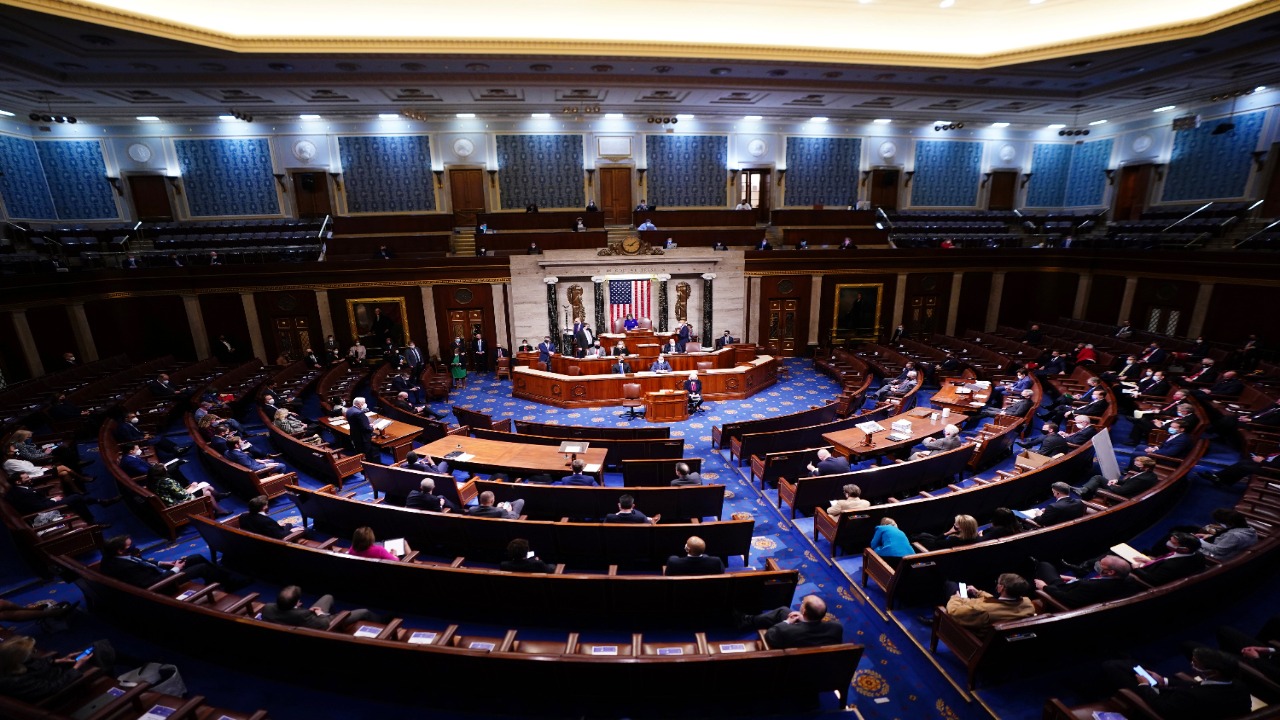
  • Inside the Senate’s Battle Over Trade Tariffs and Tax Cuts

    Inside the Senate’s Battle Over Trade Tariffs and Tax Cuts

    The Senate has a pivotal role in shaping U.S. economic policies, especially concerning trade tariffs and tax cuts. The decisions made within this legislative body can have far-reaching consequences, from the goods Americans purchase to the taxes they pay. With tariffs and tax cuts remaining central issues in political discourse, the Senate’s influence cannot be overstated.

    In recent years, tariffs have become a key part of the political agenda, particularly with the U.S.’s economic stance on international trade. Simultaneously, the debate over tax cuts, especially those linked to President Trump’s agenda, continues to affect the national budget. Understanding how the Senate impacts these policies gives valuable insight into future economic directions.


    Understanding Trade Tariffs: What’s at Stake?

    Trade tariffs are taxes on imported goods, typically imposed to protect domestic industries. They can make foreign products more expensive, prompting consumers to buy domestically. However, they can also lead to higher prices for consumers and strain international relations.

    The Senate tariff vote is crucial because it directly influences how these tariffs are implemented. The Senate holds the power to approve or reject trade policies that may affect the economy significantly. For example, the Senate’s approval of tariffs on steel and aluminum imports marked a major point of contention in U.S. trade policy. These decisions have far-reaching impacts on U.S. industries and global trade relations.


    The Battle Over Tax Cuts: Senate’s Crucial Vote

    The Senate also plays a decisive role in passing tax cuts, a key policy area with major implications for the economy. President Trump’s tax cuts, which were implemented under the Tax Cuts and Jobs Act, reflect the ongoing struggle to balance corporate interests with public welfare.

    These Trump Senate appointments since election day have allowed the President to shape the Senate’s policy agenda, including tax reform. The Senate’s approval of tax cuts has sparked debate over whether such measures benefit the wealthy or stimulate economic growth. With the balance of power in the Senate, key votes on tax cuts have been closely contested, influencing whether these reforms pass or fail.


    Key Senate Votes: Trade and Tax Policy Shifts

    The Senate tariff vote and votes on tax cuts are often influenced by party dynamics. Senate votes are not only shaped by the policy itself but also by the broader political context. For instance, the recent tariff votes were largely partisan, with Republicans typically supporting the tariffs and Democrats voicing concerns over their impact on consumers and international relations.

    Similarly, the Senate’s stance on tax cuts often hinges on its political composition. The US Senate seats determine how easily such policies can pass. If Democrats hold a majority, they may push for policies aimed at protecting social programs, while Republicans may prioritize pro-business tax cuts. The high-stakes nature of these votes reveals how crucial the Senate is in shaping U.S. economic policy.


    The Balance of Power: How Many Democrats Are in the Senate?

    The balance of power in the Senate heavily influences policy outcomes. As of the most recent elections, the composition of the Senate has shifted, and this balance determines how easily policies like tax cuts and tariffs can be passed.

    How many Democrats are in the Senate? This question is vital in understanding the direction of economic policy. When Democrats hold a significant number of seats, they are more likely to challenge tax cuts that benefit the wealthy, arguing instead for policies that focus on public welfare. Conversely, a Republican-controlled Senate has generally favored tax cuts and tariffs that support business interests. These shifts in Senate seats can create a dynamic where economic policies are continuously challenged and redefined.


    Conclusion: The Senate’s Ongoing Influence on U.S. Economic Policies

    The Senate’s involvement in trade tariffs and tax cuts remains a defining feature of U.S. economic policy. From the Senate tariff vote to decisions on tax reforms, the Senate plays a critical role in determining the nation’s economic trajectory. Whether it’s the tariffs imposed on imports or the ongoing debate about tax cuts, the Senate’s decisions are central to shaping U.S. fiscal policy.

    As political dynamics continue to evolve, the Senate’s power to influence trade and tax policies will remain significant. The ongoing battles in the Senate over these issues will undoubtedly shape the future of U.S. economic policy, impacting everything from consumer goods to international trade relations. By staying informed on the Senate’s actions, citizens can gain a deeper understanding of how these decisions will affect their lives.

    For further insights into Senate dynamics and economic policy, be sure to explore related content on US senator smashes record with 25-hour anti-Trump speech.

  • Kaitlan Collins Grills Trump in Fiery White House Clash

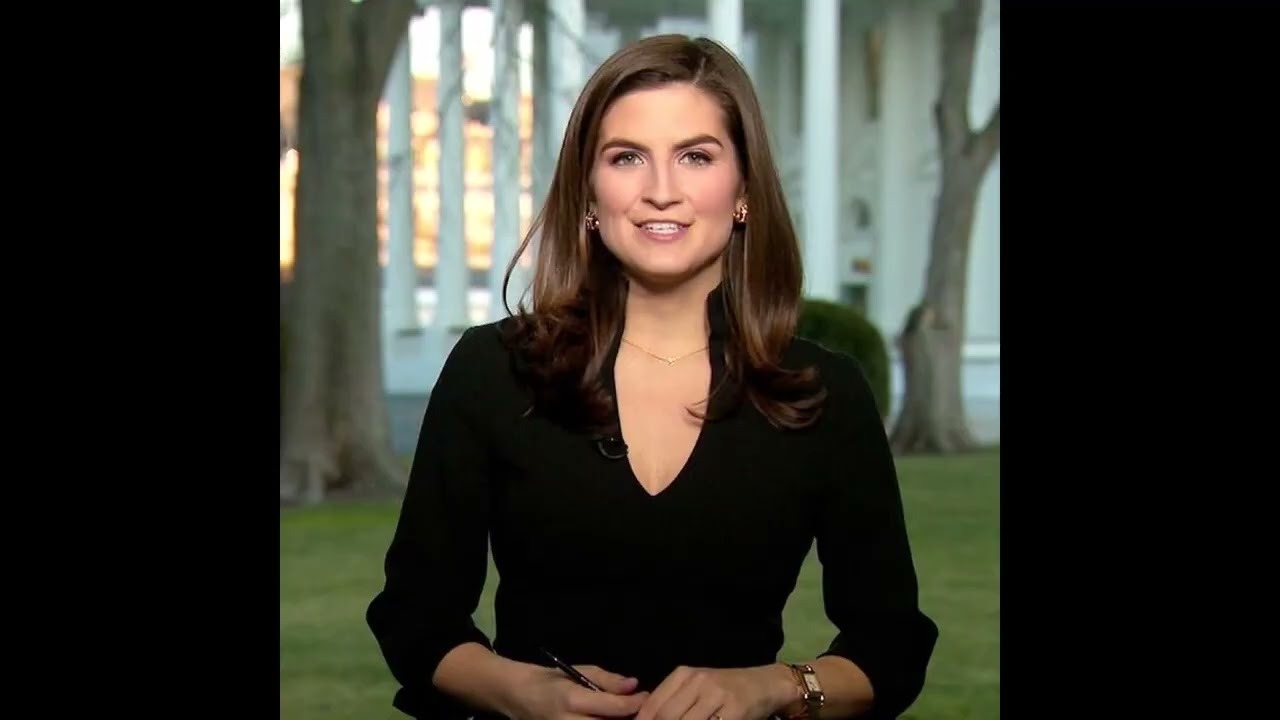
    Kaitlan Collins Grills Trump in Fiery White House Clash

    In a moment that shook the White House press room, CNN’s Kaitlan Collins confronted former President Donald Trump with a question that stopped him in his tracks. Known for her fearless approach and incisive questioning, Collins made headlines when she grilled Trump during a press briefing. This clash not only captured the public’s attention but also underscored the growing influence of Collins in modern political journalism. Her directness and unyielding pursuit of answers reflect the changing dynamics of press interactions with political figures. As the media landscape shifts, Collins continues to rise, making her an increasingly influential figure in American journalism.


    Background of the White House Clash

    The fiery exchange between Kaitlan Collins and Donald Trump didn’t happen in a vacuum. It was the culmination of months, if not years, of evolving tensions between the White House and the press. In this particular moment, Collins, as CNN’s Chief White House Correspondent, pushed Trump on issues related to his administration’s handling of sensitive information..

    What made this exchange even more impactful was Collins’ reputation for not shying away from tough questions. Time and again, she’s been known to ask questions that challenge authority, never allowing political figures to sidestep the truth. Her tenacity has earned her respect among colleagues and viewers alike.


    Kaitlan Collins’ Rising Role in Journalism

    Kaitlan Collins’ journey to becoming CNN’s Chief White House Correspondent is a testament to her perseverance and skill. Starting as an intern at The Daily Caller, Collins quickly climbed the ranks, proving her ability to cover complex political stories with a sharp eye for detail. Her candid style and commitment to asking difficult questions set her apart in the competitive world of journalism.

    Today, as the face of CNN’s political coverage, Collins is a trusted voice in the field. Her role in White House press briefings is pivotal, as she frequently finds herself in the hot seat, questioning politicians and holding them accountable. But it’s not just her ability to ask the right questions that has garnered attention; it’s her ability to handle pressure with grace. Whether it’s her poised delivery in the face of hostility or her strategic questioning, Kaitlan Collins has redefined what it means to be a political journalist in the 21st century.


    Public Reactions and Media Coverage

    After the clash, reactions from the public were swift and varied. Some lauded Collins for her boldness and unwavering commitment to holding political leaders accountable. Social media buzzed with praise for her handling of the confrontation, with many noting that this moment might just be a turning point in the way the press covers political figures.

    On the other hand, there were those who criticized Collins for being too confrontational. They argued that the press, while necessary, should remain impartial and avoid direct conflict with those in power. However, the majority of commentators viewed Collins’ actions as a necessary evolution in political reporting, especially in a climate where transparency is often elusive. Her willingness to ask hard-hitting questions during press briefings is precisely what makes her stand out among other journalists.

    Coverage of the incident across different media outlets also reflected the public’s split views. Some outlets focused on the drama of the moment, highlighting the tension between Collins and Trump.


    Is Kaitlan Collins Married? Personal Life Insights

    While Kaitlan Collins’ professional accomplishments are well-documented, her personal life has also sparked curiosity among her followers. The question “Is Kaitlan Collins married?” has frequently been searched by those interested in the journalist’s life beyond the headlines.

    As of now, Kaitlan’s relationship status remains private, but she has been linked to Will Douglas, a businessman and political figure. Despite the public’s interest, Collins has successfully managed to keep her personal life away from the spotlight, allowing her to maintain a level of privacy that many celebrities and public figures struggle to achieve.

    Her relationship with Will Douglas has also sparked questions regarding her future, both personally and professionally. As Kaitlan continues to break barriers in her career, many wonder how her personal life may evolve. But for now, it’s clear that her focus remains on her work in the White House press room and her mission to bring transparency to political coverage.


    Kaitlan Collins’ Impact on Modern Journalism

    Kaitlan Collins’ approach to journalism is making waves. Her style, direct, persistent, and unafraid of controversy, is what sets her apart in the fast-paced world of political reporting. In an era when political leaders often try to sidestep difficult questions, Collins has made it clear that no subject is off-limits. Whether questioning a sitting president or holding officials accountable for their actions, Kaitlan Collins’ impact on modern journalism cannot be overstated.

    Her rise to prominence is not just a reflection of her hard work and dedication; it also speaks to a broader shift in the media landscape. As public trust in traditional media continues to erode, journalists like Kaitlan are taking on the responsibility of restoring that trust. By demanding answers, Collins ensures that the press remains an essential tool for democracy.

    Looking ahead, the future of White House press briefings will likely be shaped by figures like Kaitlan. Her influence is undeniable, and as she continues to ask the tough questions, it’s clear that political journalism will never be the same.


    Conclusion

    Kaitlan Collins is more than just a White House Correspondent, she is a trailblazer in the world of political journalism. Her fiery clash with Donald Trump has solidified her place as one of the most influential journalists of our time. Whether it’s her tough questioning or her rise through the ranks of CNN, Collins’ story is one of determination, impact, and transformation. As she continues to shape the future of political reporting, Kaitlan Collins is proving that the press has an indispensable role in holding power to account.

    For a deeper dive into other articles that explore these facts, check our guide on British-American journalists deported from Pakistan.

  • AIPAC’s Power Play: How It Shapes U.S. Elections

    AIPAC’s Power Play: How It Shapes U.S. Elections

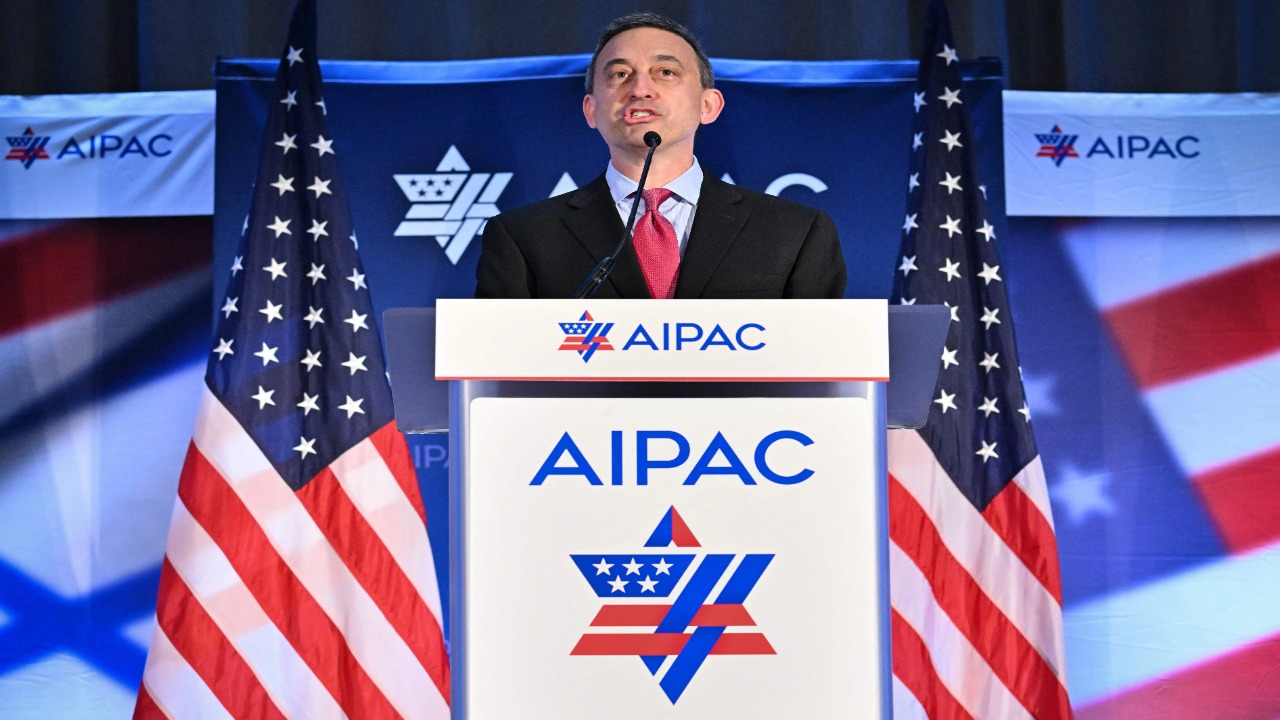
    AIPAC (American Israel Public Affairs Committee) has long been a central player in U.S. politics, influencing everything from foreign policy to the outcomes of elections. But what exactly is AIPAC, and why does its influence matter so much in the context of U.S. elections? The answer lies in its ability to shape public policy through lobbying, a practice that’s become even more crucial as the 2024 elections approach. Understanding the role AIPAC plays, especially in the political landscape of the United States, is more important than ever. In this article, we’ll take an in-depth look at how AIPAC’s strategies impact the U.S. elections, including its powerful Board of Directors, the role of its members, and tools like the AIPAC Tracker that help monitor its influence.


    What is AIPAC?

    Before diving into the specifics of AIPAC’s influence, it’s important to first answer the question: What is AIPAC? Simply put, AIPAC is a powerful lobbying organization in the U.S. that advocates for pro-Israel policies. Founded in 1951, the organization’s main goal is to strengthen the relationship between the United States and Israel, particularly in terms of military, economic, and diplomatic support.

    AIPAC’s mission has always been clear: ensure that the U.S. government supports Israel in its efforts to maintain security in a highly volatile region. Over the decades, AIPAC has expanded its reach, now playing a key role in shaping U.S. foreign policy, especially when it comes to Middle Eastern affairs. By working with lawmakers, U.S. leaders, and even presidential candidates, AIPAC has solidified itself as one of the most influential lobbying groups in the country.

    In terms of elections, AIPAC’s influence cannot be overstated. The group’s lobbying efforts, financial contributions, and its strategic approach to influencing legislation have all contributed to significant shifts in U.S. politics. Whether through direct donations or organizing political rallies, AIPAC is a force to be reckoned with.


    The AIPAC Board of Directors: The Power Behind the Scenes

    One of the most critical aspects of AIPAC’s operations is its Board of Directors. This group of individuals is responsible for shaping the direction of the organization, from policy decisions to lobbying efforts. Understanding the composition and influence of the AIPAC Board of Directors helps to clarify how the organization operates and exerts power over U.S. politics.

    The board is made up of key figures from various sectors, including business, law, and politics, all of whom play a pivotal role in crafting AIPAC’s strategies. These directors are often influential in their own right, holding powerful positions in American society, which allows them to leverage AIPAC’s platform to promote pro-Israel policies.

    One notable example of the AIPAC Board of Directors influencing elections can be seen in the 2020 U.S. elections, where the organization played a significant role in pushing candidates to adopt more favorable positions towards Israel. By exerting pressure on political candidates, AIPAC ensures that U.S. foreign policy remains aligned with its goals. In this way, the AIPAC Board of Directors not only influences policy but also the very outcome of elections, with the board guiding the lobbying efforts to match the political climate.


    AIPAC Tracker: Monitoring its Influence on U.S. Elections

    In the digital age, transparency has become a vital part of lobbying. Enter the AIPAC Tracker, a tool designed to track and monitor AIPAC’s lobbying activities. This tracker provides valuable insights into the organization’s financial contributions, lobbying efforts, and overall influence on U.S. politics, especially during elections.

    The AIPAC Tracker is an essential resource for understanding how AIPAC’s financial resources are allocated during election cycles. It highlights the organization’s contributions to political candidates, lobbying expenditures, and the issues it prioritizes in the political arena. By tracking AIPAC’s activities, political analysts and the public can see just how deeply the organization’s influence runs in U.S. politics.

    For instance, in the 2020 presidential race, the AIPAC Tracker showed a surge in donations and lobbying efforts directed towards candidates who supported strong U.S.-Israel relations. This information was pivotal in understanding how AIPAC could potentially sway the election’s outcome through financial backing and strategic lobbying.


    AIPAC Members List: Who Are They?

    Another key element to understanding AIPAC’s influence is its members list. This list is made up of individuals who support the organization’s mission, ranging from ordinary citizens to high-profile political figures. Knowing who is on the AIPAC members list provides a deeper understanding of the organization’s reach and the people who help shape its political strategies.

    The AIPAC members list includes influential politicians, donors, and activists who play a significant role in lobbying efforts during election cycles. By highlighting the names of these individuals, AIPAC not only garners support from its base but also increases its credibility with lawmakers and candidates. Many of the individuals on this list are known for their contributions to U.S. foreign policy and their involvement in electoral politics, further strengthening AIPAC’s position as a political powerhouse.

    For example, the 2024 election cycle, where several high-profile AIPAC members are expected to play pivotal roles in rallying support for candidates who favor policies aligned with Israel’s interests. These members often host fundraisers, engage in political advocacy, and organize grassroots movements to ensure that AIPAC’s agenda is at the forefront of U.S. politics.


    Conclusion

    In conclusion, AIPAC’s influence on U.S. elections cannot be underestimated. From its Board of Directors shaping its strategies to the AIPAC Tracker monitoring its lobbying efforts, AIPAC has created a sophisticated infrastructure designed to shape U.S. foreign policy and sway election outcomes. The AIPAC members list serves as a testament to the broad network of supporters who help further its political agenda.

    As the 2024 elections draw closer, the debate surrounding AIPAC’s influence continues to grow. While some argue that the organization’s power undermines democratic processes, others maintain that its advocacy for U.S.-Israel relations is crucial to national security. One thing is clear: AIPAC’s power play will continue to be a significant factor in shaping U.S. elections for years to come.

    For more latest updates & news, check out this guide on Pakistan lands on tariffs block as Trump escalates global trade war.

  • Timothy Haugh Fired: What’s Behind the Shocking Dismissal?

    Timothy Haugh Fired: What’s Behind the Shocking Dismissal?

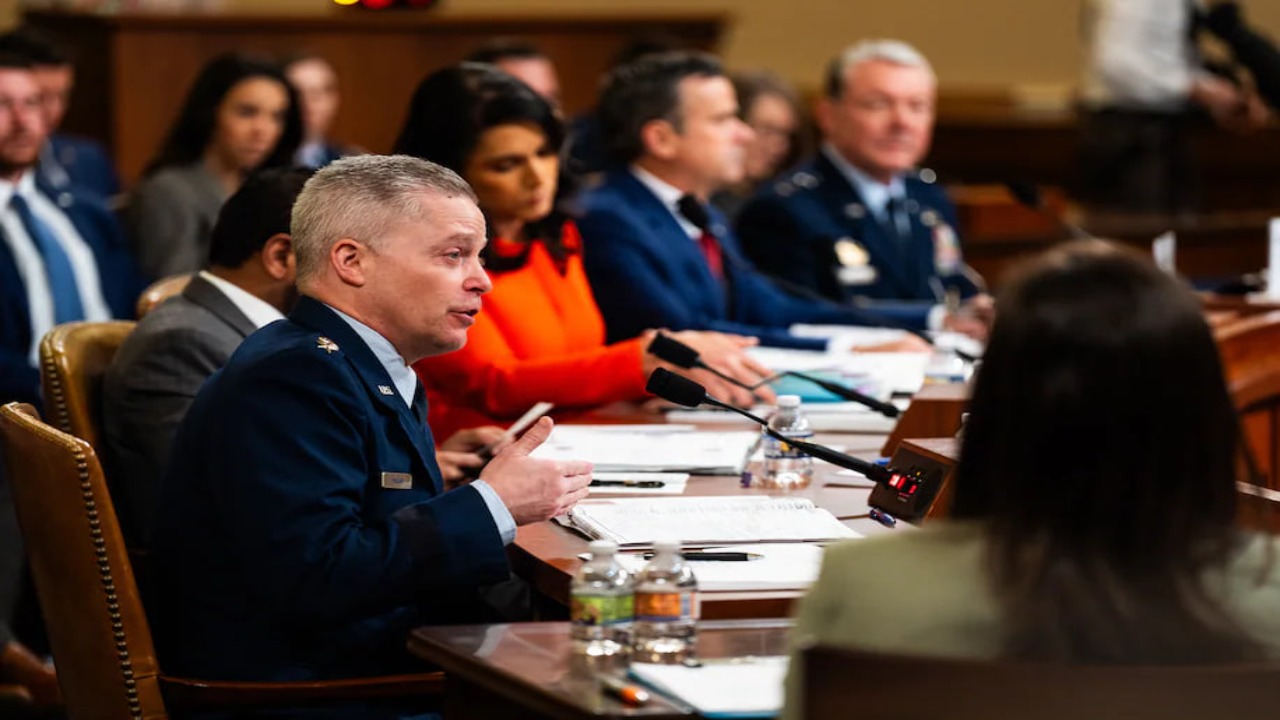
    The sudden dismissal of Timothy Haugh, the former Director of the National Security Agency (NSA) and Chief of U.S. Cyber Command, has sent shockwaves through the cybersecurity and defense sectors. Known for his pivotal role in overseeing national cyber operations, his abrupt removal has raised critical questions about the underlying reasons and potential consequences. Was this a routine leadership change, or is there more beneath the surface?


    Who is Timothy Haugh?

    General Timothy Haugh has long been a key figure in U.S. military and cybersecurity leadership. A highly decorated officer, Timothy D. Haugh rose through the ranks, becoming a trusted name in intelligence and cyber defense. His career spans decades, with key assignments that shaped modern digital warfare strategies.

    Before leading the NSA, he played a crucial role in the U.S. Cyber Command, focusing on countering foreign cyber threats. His tenure at the NSA saw significant advancements in intelligence-gathering techniques and cyber threat mitigation, making his sudden firing all the more surprising.


    Why Was Timothy Haugh Fired?


    Official Reason vs. Speculation

    While official sources remain tight-lipped, various reports suggest that Timothy Haugh’s NSA exit may be linked to internal disagreements over cybersecurity policies. The abrupt nature of his removal has fueled speculation, with some pointing to political motivations, while others cite operational concerns.

    According to government insiders, tensions within the intelligence community may have played a role. Some reports indicate that a shift in cybersecurity strategy led to conflicts between General Timothy Haugh and top officials. Others believe that external pressures, possibly from political figures, may have influenced the decision.


    Security and Political Factors

    Haugh’s dismissal comes at a time of heightened cyber threats, with increasing attacks from state-backed hackers. His exit raises concerns about continuity in leadership and the ability to respond to evolving threats. Was this a strategic decision to bring in fresh leadership, or does it signal internal instability?


    The Impact of His Dismissal on NSA and Cybersecurity


    National Security Implications

    The removal of a top cybersecurity official at a critical time can create vulnerabilities. Experts warn that such leadership changes could lead to disruptions in ongoing intelligence operations. With cyber threats from nations like China and Russia escalating, maintaining strong leadership at the Timothy Haugh NSA level is essential.


    Reactions from Officials and Cybersecurity Experts

    The response to Haugh’s firing has been mixed. Some officials argue that leadership changes are routine, while others express concern over the potential instability this move could create. Cybersecurity experts caution that a shift in strategy, without proper transition planning, could expose the U.S. to cyber risks.


    Possible Successors

    Speculation about Haugh’s replacement is already underway. Potential candidates include high-ranking intelligence officers with experience in cyber warfare. The appointment of a new NSA director will be closely watched, as it could indicate a shift in cybersecurity priorities.

    For more updates about U.S. intelligence developments, visit this coverage.


    Timothy Haugh’s Net Worth and Career Future


    General Timothy D. Haugh Net Worth

    While exact figures remain undisclosed, General Timothy D. Haugh net worth is estimated to be significant, given his decades-long career in the military and intelligence community. His financial standing includes government salaries, military benefits, and potential future opportunities in the private sector.


    Transition to Private Cybersecurity Roles?

    Many former high-ranking officials move into private cybersecurity firms or consulting roles. With Haugh’s expertise, he is well-positioned for lucrative opportunities in the private sector, where companies highly value former government cybersecurity experts.


    Legal or Political Repercussions?

    Depending on the true nature of his dismissal, legal or political ramifications could follow. If internal conflicts played a role, future hearings or investigations might shed more light on the decision.


    Conclusion

    The firing of Timothy Haugh raises important questions about the future of U.S. cybersecurity. Whether this move was part of a broader strategic shift or a response to internal disputes, its impact will be felt in the intelligence community. As the NSA looks for new leadership, ensuring stability in cybersecurity operations remains a top priority.

    For a deeper dive, check out our guide on U.S. Congress sanctions proposals.

  • David Joyce’s Surprising Victory: What It Means for Ohio’s Future

    David Joyce’s Surprising Victory: What It Means for Ohio’s Future

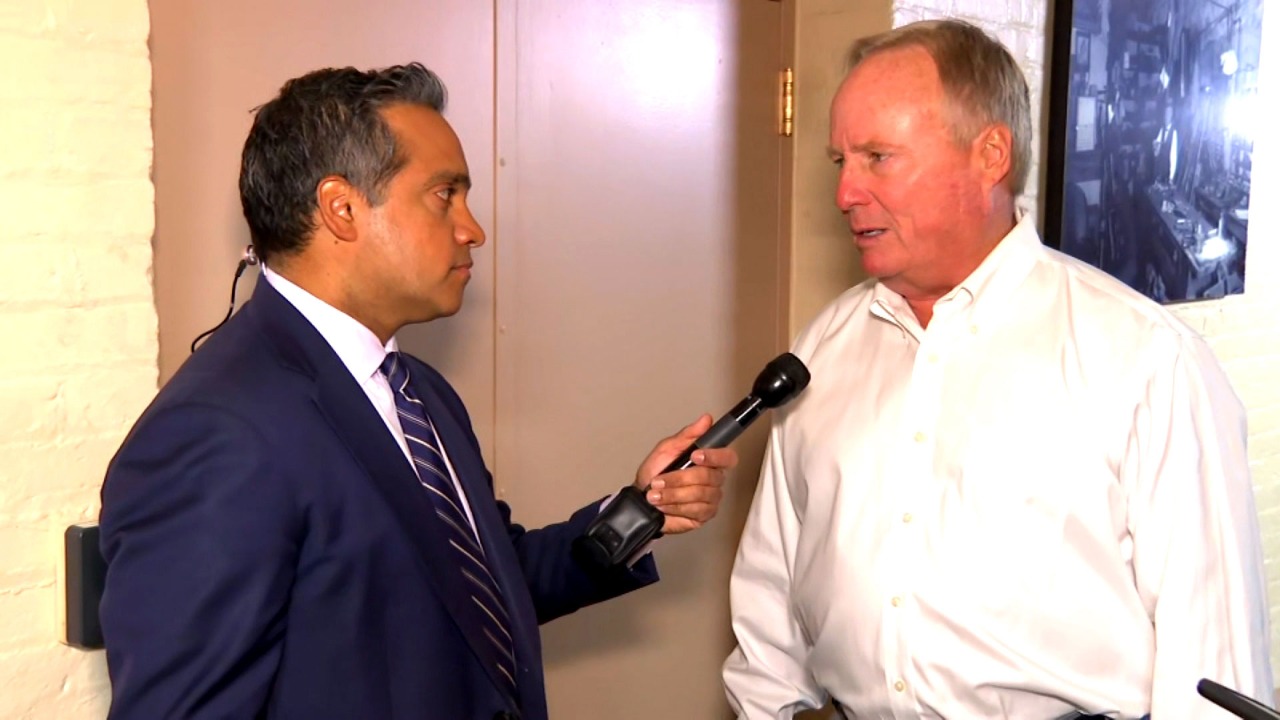
    David Joyce’s victory in the 2024 election was not only a personal triumph but also a pivotal moment for Ohio’s political future. Representing Ohio’s 14th Congressional District, Joyce’s reelection sparked a renewed conversation about the shifting political tides in Ohio. This article explores the key elements of his victory, his role in the Republican Party, and what Ohioans can expect from his continued leadership.


    A New Chapter for David Joyce in Ohio Politics

    David Joyce’s career has been a testament to persistence and political acumen. Having first taken office in 2013, Joyce has represented Ohio’s 14th Congressional District for over a decade. His political journey has been deeply influenced by his affiliation with the Republican Party.

    Is David Joyce a Republican? Absolutely. Joyce has consistently aligned himself with conservative values, focusing on limited government, fiscal responsibility, and national defense. His role within the Republican Party has made him a prominent figure in Ohio’s political landscape. His leadership has ensured his relevance as a key player within the state’s political scene, gaining both the support of the GOP and some moderate voters.

    For a closer look at the US Representative, visit US Representative AOC stands up for Kashmiris.


    Key Factors Behind David Joyce’s 2024 Victory

    While Joyce’s 2024 victory wasn’t entirely expected, several factors played a crucial role in securing his place for another term. His strong connection with voters, especially on key local issues like healthcare and economic growth, solidified his campaign.

    The David Joyce GE (General Election) results highlighted his ability to outperform his competitors, even in a competitive race. His success came from focusing on issues that mattered to his district, including job creation, tax policies, and healthcare reform. Joyce’s direct engagement with voters, particularly in smaller communities, allowed him to connect on a personal level, making his victory feel even more significant.

    Endorsements from key figures within Ohio helped boost his credibility, ultimately ensuring his win.


    David Joyce’s Voting Record: A Reflection of His Values

    David Joyce’s voting record is a critical piece of his political identity. Joyce has consistently voted in line with the Republican agenda, supporting tax cuts, defense spending, and deregulation. His stance on these issues has often aligned with his constituents’ values, particularly his focus on economic growth.

    For instance, Joyce has championed tax policies aimed at stimulating job growth, especially for small businesses. His voting history also reflects his belief in strong national defense, with consistent support for military funding and security measures.

    The David Joyce voting record also shows a more nuanced side to his politics. While he has been a reliable Republican voice, Joyce has occasionally worked across party lines on issues like criminal justice reform and bipartisan infrastructure projects, earning respect from both sides of the aisle.


    Joyce’s Personal Life: Family and Financials

    David Joyce’s personal life has played a key role in his public persona. His strong family foundation has been a pillar throughout his political career. David Joyce’s wife has been an integral part of his success, providing unwavering support during his time in office. The couple has often been seen at local events, further strengthening Joyce’s connection with Ohio voters.

    In terms of finances, Joyce’s career as a politician has afforded him a comfortable lifestyle. The discussion around joyce and Dave Meyer net worth often compares Joyce’s financial standing to other Ohio politicians, highlighting his transparency and modesty in terms of wealth accumulation. While not among the wealthiest in Congress, Joyce’s financial profile reflects his status as a public servant dedicated to his district rather than personal gain.


    The Future of Ohio Under David Joyce’s Leadership

    Looking ahead, David Joyce’s leadership will continue to shape Ohio’s political landscape. Joyce has consistently advocated for policies that support economic growth, small businesses, and job creation. His reelection ensures that Ohio will maintain a focus on conservative economic principles while tackling local issues like infrastructure and healthcare.

    With Joyce in office, Ohioans can expect continued efforts to secure federal funding for state projects and further push for tax reform to stimulate local businesses. His leadership will likely influence the state’s approach to challenges such as rural development, urban revitalization, and public health reform.


    Conclusion: David Joyce’s Impact on Ohio’s Future

    David Joyce’s 2024 victory signals a fresh chapter for Ohio’s political future. His alignment with Republican values, strong voting record, and personal engagement with constituents will ensure that his leadership continues to make an impact in Ohio. For Ohioans, Joyce’s continued presence in Congress promises ongoing economic support, bipartisan cooperation, and a focus on key state issues.

    Stay informed about politics news and explore more in-depth articles on US monitoring rising HR abuses in India for further updates.

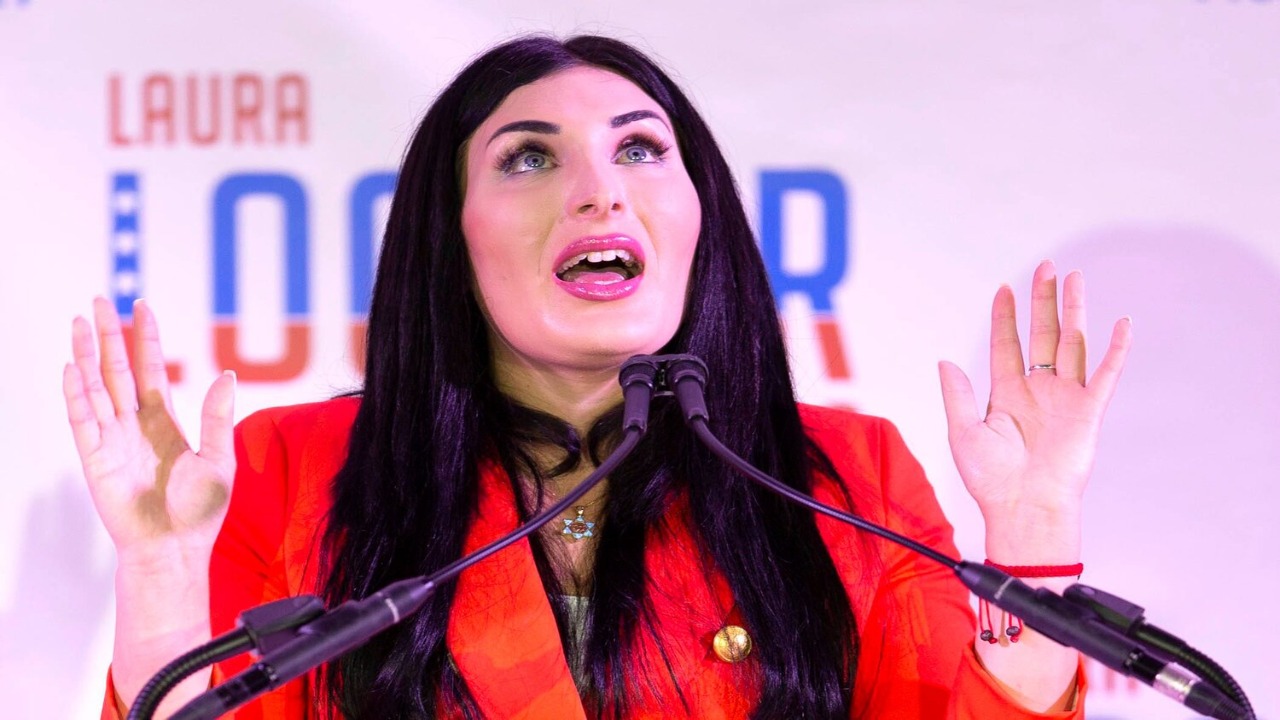
  • Laura Loomer’s Influence on Trump’s Staff Shakes the Political Scene

    Laura Loomer’s Influence on Trump’s Staff Shakes the Political Scene

    In the whirlwind of U.S. politics, few figures have made such a polarizing impact as Laura Loomer. Once a fringe personality known for her controversial views, Loomer has managed to carve a significant space for herself in the political landscape, especially in relation to former President Donald Trump. 

    Today, Loomer’s influence on Trump’s staff has become a key talking point, sparking debates about the future direction of U.S. politics. Her actions, particularly within the context of the National Security Council and Trump’s inner circle, are shaking the foundations of political decision-making.


    Who Is Laura Loomer?

    To understand the profound impact of Laura Loomer on the political landscape, it’s essential to first explore who is Laura Loomer and how she arrived at this pivotal moment in her career. Loomer is a political activist, journalist, and social media personality who became widely known for her provocative stances and far-right ideology. Her rise to fame can be traced back to her work as an investigative reporter, where she gained attention for her hard-hitting, often controversial, stories.

    Loomer transitioned from journalism to activism, using social media platforms to voice her opinions. Her outspoken nature and sharp criticism of political figures quickly garnered her a substantial following, and her provocative tactics have made her a polarizing figure.


    Laura Loomer’s Relationship with Donald Trump

    One of the most significant aspects of Laura Loomer’s rise to prominence is her close relationship with former President Donald Trump. Loomer’s path to Trump’s inner circle was not instant; rather, it evolved over time as she became a prominent figure in the far-right movement. Her support for Trump has been unwavering, with Loomer often acting as a vocal defender of his policies, especially on topics related to immigration, free speech, and national security.

    Laura Loomer Trump interactions have led her to gain favor within Trump’s administration, with some speculating that her influence over his decisions has played a role in staff changes within the National Security Council. Recent news reports suggest that her interactions with Trump have directly contributed to the firing of key staff members who were deemed insufficiently loyal. This reshuffling of staff has raised questions about the broader impact Loomer’s influence will have on Trump’s future political decisions.


    Laura Loomer’s Impact on Trump’s Administration

    Loomer’s impact on Trump’s administration is both undeniable and controversial. As her relationship with the former president has deepened, her influence over his political decision-making has grown. The recent reshuffling of Trump’s National Security Council serves as a perfect example of this. Several reports indicate that Loomer’s criticisms of certain staff members, particularly those involved in national security matters, led to their dismissal.

    This move was seen as a direct consequence of Loomer’s influence over Trump, showcasing her ability to affect staffing decisions within one of the most powerful governments in the world.


    The Role of Media and Public Perception

    While Loomer’s political influence is becoming increasingly apparent, her image in the media plays a significant role in shaping her effectiveness. The media’s portrayal of “Laura Loomer’s face” has contributed to her persona as both a controversial and influential figure. From appearing in public rallies to engaging in highly publicized clashes with other political figures, Loomer has consistently found herself at the center of media attention.

    The way she is presented in the press, often as the face of right-wing populism, affects how her political actions are perceived. For some, she is a champion of free speech and conservative values. For others, she embodies the extremism that is sometimes associated with fringe political movements. How Loomer’s face appears in the media can significantly influence public opinion and, consequently, her ability to impact Trump’s decisions.


    Laura Loomer’s Net Worth and Plastic Surgery Speculations

    As a well-known political figure, Laura Loomer’s net worth is often a topic of discussion. It’s estimated that her net worth has grown considerably due to her online presence, media appearances, and involvement in political activism. Loomer has built a career around her controversial views, which has allowed her to monetize her platform in various ways, from speaking engagements to online content.

    While her financial success is impressive, it has also led to speculation surrounding her personal life. One common topic of discussion in the media has been rumors about “Laura Loomer plastic surgery.” These rumors often center around her physical appearance, particularly her facial features. While some have speculated that she has undergone cosmetic procedures, Loomer herself has not publicly commented on these rumors. Regardless of the truth behind these speculations, they have played a role in shaping her public image, particularly in the context of her media portrayal.


    Conclusion

    Laura Loomer’s rise in the political sphere is a testament to the power of social media and the growing influence of far-right activism. Through her relationship with Donald Trump and her ability to shape political decisions, Loomer has emerged as a significant figure within the American political landscape. Her influence over Trump’s staff and the resulting changes in policy have sparked both admiration and criticism, highlighting the complex nature of her role.

    As we look to the future, the question remains: Will Laura Loomer’s influence continue to grow, or will it fade as quickly as it rose? Given her ability to affect political decisions, particularly within Trump’s inner circle, it’s clear that her voice will remain a key factor in U.S. politics for the foreseeable future. 

    For more insights into the intersection of activism and politics, explore other related content on Indian Americans Rise In US Politics, Navigate Identity.

  • How Is Jack Doohan Doing After His FP2 Crash? Latest Health Update

    How Is Jack Doohan Doing After His FP2 Crash? Latest Health Update

    Jack Doohan is the young Alpine driver. He faced a terrifying moment during Free Practice 2 (FP2) at the Suzuka Circuit on Friday. His car spun wildly into the barriers at Turn 1 just five laps into the session. The high-speed crash scattered debris across the track, and the force of the impact left both left-side wheels torn off from his car. The incident caused a great deal of concern as medical teams rushed to assess the situation. But what happened after the crash? How is Jack Doohan doing now?


    The Moment of the Crash

    The crash occurred during a critical part of FP2. Jack Doohan was just starting to find his rhythm when his Alpine car lost control. The spin was violent and fast, making for a heart-stopping moment for fans and team members alike. The impact was severe enough to leave his car severely damaged, but Jack’s well-being was the immediate concern.

    As soon as the crash happened, Suzuka’s medical team was on the scene within seconds. Doohan, visibly shaken by the impact, was swiftly extracted from the wreckage of his car. However, his condition at the time was unclear. The sight of the crash left many wondering how badly he had been injured, and fans anxiously awaited news.


    The Immediate Aftermath: A Miraculous Escape

    Miraculously, Jack Doohan managed to emerge from the wreckage without serious injuries. Despite the severity of the crash, he was able to unbuckle himself and climb out of the car on his own. However, he did need assistance from marshals to navigate the gravel trap. He appeared shaken but conscious.

    When Alpine’s engineering team radioed in to check on his condition, Doohan responded with his usual calmness. “I’m OK, yeah. What happened?” he said, brushing off the concern with characteristic brevity. His response gave fans some relief, but the uncertainty of his condition lingered.

    Following the crash, Doohan was taken to the medical center for evaluation. Thankfully, the medical team confirmed that he had avoided any fractures or serious injuries. However, he did suffer from soreness and bruising, which is common after such an intense impact.


    The Role of F1’s Safety Features

    Jack Doohan’s survival and relatively quick recovery can be attributed to the incredible safety advancements in Formula 1. Modern F1 cars are designed with multiple layers of protection, including the halo device and reinforced cockpits. These technologies are critical in protecting drivers during high-speed crashes like the one Jack experienced.

    The quick response of the Suzuka medical team also played a vital role in ensuring his well-being. The F1 community collectively praised the safety measures, which allowed Doohan to walk away from the incident relatively unscathed. His escape from what could have been a catastrophic crash highlights how far the sport has come in terms of driver protection.


    Speculation About Jack Doohan’s Future

    While Jack Doohan’s health update brings relief, there’s another layer of uncertainty surrounding his future with Alpine. Earlier in the season, the team signed Argentine driver Franco Colapinto as a reserve driver. This raised questions about Doohan’s place in the team, with rumors suggesting that Colapinto could be promoted to a full-time seat as early as the Miami Grand Prix in May.

    Moreover, Doohan had already sacrificed some track time in FP1 to give Japanese reserve driver Ryo Hirakawa an opportunity to drive. This decision was made to engage local fans during the Japanese Grand Prix weekend. Should Doohan face any fitness concerns following his crash, Hirakawa could be called upon to replace him for Saturday’s qualifying. Alpine is undoubtedly hoping that Doohan’s recovery will be swift so that the team does not have to rely on Hirakawa.


    The Road to Recovery

    Despite the crash, Jack Doohan’s resilience is undeniable. The 21-year-old is known for his determination and grit, and he will undoubtedly push through this setback. Alpine has yet to confirm whether Doohan will take part in the rest of the Japanese Grand Prix weekend, but medical evaluations will determine his readiness.

    For now, Doohan’s fans are breathing a sigh of relief as they await further updates. The young Australian’s ability to walk away from such a violent crash is a testament to both his own strength and the sport’s safety innovations.


    Conclusion

    In conclusion, Jack Doohan’s health update after his FP2 crash at Suzuka brings both relief and a sense of uncertainty. While he suffered no major injuries, the crash serves as a reminder of the inherent risks in Formula 1. His recovery is expected to be quick, though questions about his future with Alpine remain unanswered.

    For now, all eyes are on Doohan as he continues his journey in Formula 1. His miraculous escape from the crash is a reminder of the importance of safety in motorsport. Fans around the world are hoping to see him back in action soon, but his next steps with Alpine remain to be seen.

    If you’re interested in other current news, check out this article about a massive Rs7.41 per unit drop in power rates announced by the Prime Minister. Read more about it.

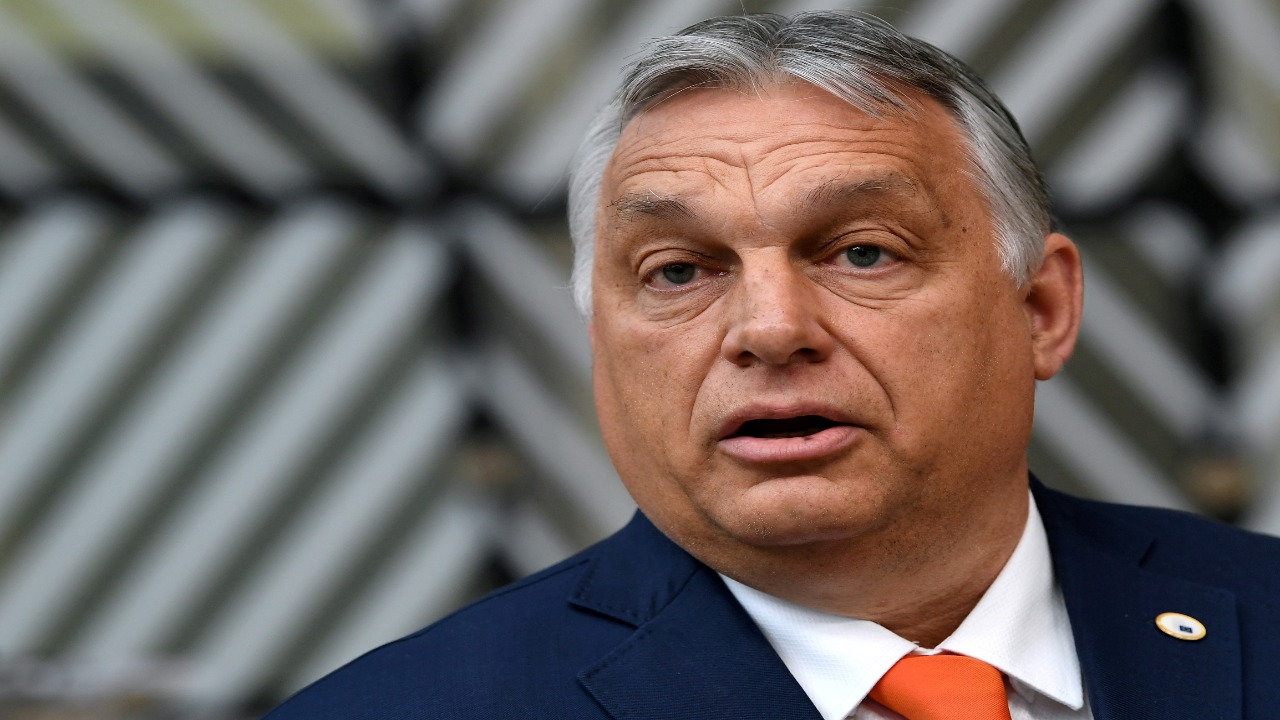
  • Orban Declares Hungary’s Decision to Leave ICC Over ‘Half-Hearted’ Involvement

    Orban Declares Hungary’s Decision to Leave ICC Over ‘Half-Hearted’ Involvement

    Hungary’s Prime Minister, Viktor Orban, has made a bold decision to pull the country out of the International Criminal Court (ICC). He cited the nation’s “half-hearted” involvement in the global institution. The move has raised eyebrows, especially given the implications for Hungary’s relationship with international law and its standing in the European Union. This decision marks a significant shift in Hungary’s foreign policy and legal stance, signaling a clear departure from global justice norms.


    Hungary’s Relationship with the ICC

    Hungary’s ties to the ICC have long been fraught with ambiguity. While the country signed the treaty to join the ICC in 2001, Orban’s government has consistently been reluctant to fully commit to the court’s mandates. This hesitancy stems from Hungary never fully integrating the court’s statute into national law, making it easier for the country to distance itself from the court’s jurisdiction.

    Despite Hungary being a signatory to the ICC, the country has not always adhered to the court’s rulings. One of the most recent examples came when Orban’s government decided not to arrest Israeli Prime Minister Benjamin Netanyahu during his state visit to Budapest. This was despite an active arrest warrant from the ICC accusing Netanyahu of crimes against humanity related to Israel’s actions in Gaza. Orban defended the decision by stating that Hungary has never been fully committed to enforcing ICC rulings.


    Orban’s Criticism of the ICC

    Orban has been a vocal critic of the ICC, describing it as no longer an impartial institution. According to Orban, the ICC has evolved into a “political court” rather than a genuine court of law. He believes that the court has become biased, particularly when it comes to matters involving powerful countries. The Hungarian Prime Minister’s comments align with his broader skepticism toward international institutions and their influence on national sovereignty.

    In his recent remarks, Orban emphasized that Hungary’s decision to leave the ICC was long overdue. He argued that the country had always been “half-hearted” in its membership and that the government had never fully embraced the obligations that come with it. Orban’s justification for withdrawing from the court is rooted in his belief that Hungary should prioritize its national interests over international obligations, especially when those obligations are seen as politically motivated.


    The Controversial Decision to Leave the ICC

    Hungary’s move to exit the ICC is significant for several reasons. The ICC, based in The Hague, Netherlands, is the only permanent international court dedicated to prosecuting individuals for war crimes, crimes against humanity, and genocide. Hungary’s decision to withdraw from the court will make it the only EU member state not a signatory to the ICC, leaving it isolated within the bloc.

    Orban’s decision comes just months after the ICC issued an arrest warrant for Russian President Vladimir Putin for war crimes. Putin is another ally of Orban, and the Hungarian Prime Minister’s support for the Russian leader has raised concerns in Europe. By distancing Hungary from the ICC, Orban appears to be aligning his country with global leaders who are critical of international law and institutions.


    The International Response

    The ICC has expressed disappointment over Hungary’s decision to leave the court. The court’s oversight body had previously reminded Hungary of its legal obligations, especially regarding the arrest warrant for Netanyahu. Despite these warnings, Orban’s government has remained defiant, with no indication that Hungary will reverse its decision.

    In addition to the international legal community, human rights organizations have also criticized Hungary’s move. Critics argue that withdrawing from the ICC sends a dangerous message about the country’s commitment to justice and accountability on the global stage. Hungary’s exit from the ICC could embolden other nations to follow suit, undermining the court’s ability to hold individuals accountable for war crimes and atrocities.


    Hungary’s Growing Isolation in Europe

    Orban’s decision to pull Hungary out of the ICC further deepens the country’s growing isolation within the European Union. Over the years, Orban has increasingly clashed with EU leaders over issues such as immigration, judicial independence, and civil liberties. His government’s approach to the rule of law and human rights has been a point of contention with Brussels, and the decision to leave the ICC only adds to the tension.

    Hungary’s exit from the ICC could have long-term consequences for its relationship with other EU member states. The EU has been a strong supporter of the ICC and its efforts to promote justice and accountability worldwide. Hungary’s decision to distance itself from the court could strain its diplomatic ties with EU institutions and other member states.


    The Bigger Picture: Orban’s Foreign Policy Strategy

    Orban’s foreign policy has been characterized by a pragmatic approach to alliances, often seeking to strengthen ties with non-EU powers such as Russia and the United States. Orban has cultivated close relationships with leaders like Russian President Vladimir Putin and former US President Donald Trump, both of whom have expressed criticism of the ICC. By withdrawing from the court, Orban is making a statement about Hungary’s sovereignty and its reluctance to bow to international pressures.

    The Hungarian leader’s foreign policy strategy is also driven by a desire to protect the country’s interests and maintain control over its domestic affairs. Orban has long argued that Hungary should not be subject to the influence of global institutions that may impose policies contrary to the country’s values and priorities. In this sense, his decision to leave the ICC is in line with his broader vision of a Hungary that is free from external interference.


    What’s Next for Hungary and the ICC?

    Hungary’s decision to leave the ICC will take at least a year to fully process. During this time, the country will continue to be a signatory, but its legal obligations will be nullified once the withdrawal is complete. The move raises questions about the future of international justice and whether more countries will follow Hungary’s example.

    Orban’s actions suggest that Hungary is charting its own course, independent of international institutions like the ICC. Whether this will lead to further isolation or a stronger global presence remains to be seen.

    As Hungary moves forward with its decision to leave the ICC, the world will be watching closely to see how this decision affects the country’s role in global governance and its relationships with both EU allies and non-EU partners.

    Check out our latest article on how the government’s policies have impacted inflation in Hungary and led to record lows: PM credits govt policies as inflation hits record low.

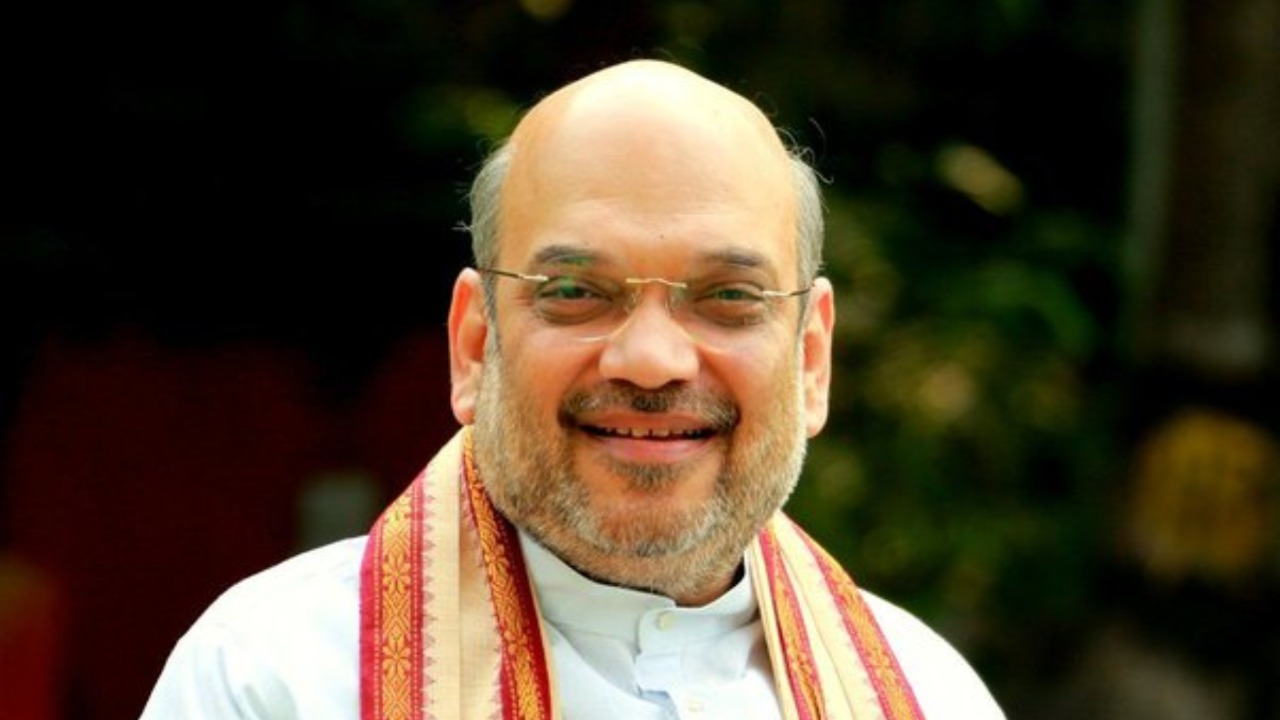
  • Amit Shah Heads to J&K on April 6 to Address Security Concerns

    Amit Shah Heads to J&K on April 6 to Address Security Concerns

    Home Minister Amit Shah is set to embark on a crucial three-day visit to Jammu and Kashmir (J&K) starting April 6. This visit aims to address the ongoing security challenges in the region, especially following recent incidents that have raised alarm. With rising militant activities and tensions along the borders, Amit Shah’s visit underscores the government’s commitment to ensuring peace and security in the Union Territory.


    Focus on Security and Border Strengthening

    The primary focus of Amit Shah’s visit will be to review the prevailing security situation in J&K. Recent events, including an encounter in the forest area of Kathua district, where four policemen and two militants lost their lives, have intensified concerns over the safety of both residents and security forces. Additionally, frequent ceasefire violations by Pakistani troops along the Line of Control (LoC) have further heightened the urgency for a comprehensive security strategy.

    During his visit, Amit Shah will be holding separate security review meetings in Jammu and Srinagar. These discussions will prioritize strengthening the border grid to prevent militant infiltration from across the border. Experts agree that enhancing the security infrastructure along the LoC and International Border (IB) is crucial to curbing the rising number of militant attacks in the region.


    A Thorough Review of Security Challenges

    Sources indicate that the Home Minister will be briefed about the latest security developments, including the spike in militant activities and encounters, particularly in the Jammu region. The infiltration of militants across the border and the growing number of terrorist attacks will be at the forefront of the security review. By addressing these issues head-on, Amit Shah aims to ensure that law enforcement agencies are fully prepared to counter any threats.

    One of the key elements of the Home Minister’s visit will be to assess and address any existing security loopholes along the LoC and IB. Officials are expected to identify areas that need strengthening to ensure greater protection against infiltration. Additionally, Amit Shah may visit forward areas near the LoC and IB, interacting with security officials on the ground to understand the challenges they face in combating terrorism.


    A Strategic Move to Prevent Revival of Militancy

    The government is taking decisive steps to combat the growing threats in J&K. With increasing tourist activity in Kashmir, particularly with the commencement of the Katra to Srinagar train service, security measures are being intensified to prevent attempts to revive militancy. The government’s focus is on ensuring a peaceful atmosphere in the Valley, especially as it prepares for a potential influx of tourists.

    Amit Shah will likely direct security agencies to adopt stringent measures to thwart any attempts by Pakistan to fuel unrest. This includes going after Over Ground Workers (OGWs) and militant sympathizers who may be involved in supporting or aiding terrorist activities. The government remains committed to preserving peace in the region and taking swift action against those who seek to disrupt stability.


    The Role of J&K BJP Leadership

    Throughout his visit, Amit Shah will also meet with senior BJP leaders and legislators in J&K. These meetings are crucial for ensuring political coordination in the region and addressing local concerns. By involving regional leaders in discussions about security, Amit Shah hopes to strengthen the collaboration between the central government and the local administration.

    This visit will be particularly significant as it marks Amit Shah’s first visit to J&K after the National Conference (NC) led by Omar Abdullah assumed power in the region. While Omar Abdullah has not been invited to security review meetings in the past, there is a possibility that he may be invited for discussions during this trip. This could indicate a shift in the approach towards more inclusive dialogue on security matters.


    Amit Shah’s Message to Security Forces

    Amit Shah’s visit to J&K is also an opportunity to send a strong message to the security forces. The Home Minister is expected to emphasize the need for a firm and comprehensive approach in combating terrorism. He will likely push for an all-out operation against remaining militants and their supporters, ensuring that no stone is left unturned in efforts to restore peace to the region.

    By focusing on counterterrorism strategies and the elimination of militant networks, Amit Shah aims to send a clear message that the government will not tolerate any form of violence in the region. The security forces will be given the full backing of the government in their operations to maintain peace and order in J&K.


    A Turning Point for J&K’s Future

    This visit comes at a crucial time for J&K, as the government continues its efforts to restore normalcy and stability. With Amit Shah at the helm of this security review, the government’s strong stance against terrorism is clear. It remains to be seen how the outcomes of these meetings will shape the future of J&K, but one thing is certain: security will be a top priority for the government in the coming months.

    Amit Shah’s leadership and his hands-on approach to addressing the security challenges in J&K reflect the central government’s commitment to ensuring the safety of citizens and security forces alike. As the region faces these challenges, the government remains determined to take every necessary step to maintain peace and prevent further escalation.

    For more updates, check out this related news on US Senator setting a record with a 25-hour anti-Trump speech: US Senator smashes record with 25-hour anti-Trump speech.