Category: Blog

  • Kunal Singh Rathore: The Rising Star from Kota Making Waves in the IPL

    Kunal Singh Rathore: The Rising Star from Kota Making Waves in the IPL

    Who Is Kunal Singh Rathore?

    Kunal Singh Rathore is a young and promising cricketer from India. Born in 2002 in the city of Kota, Rajasthan, he made history by becoming the first-ever cricketer from Kota to play in the Indian Premier League (IPL). In 2024, he debuted for the Rajasthan Royals in a high-pressure match against Kolkata Knight Riders (KKR).

    His debut was not just about personal success. It was a moment of pride for his hometown, Kota, better known for its coaching institutes than for sports stars. Kunal Singh Rathore is changing that perception.


    A Humble Beginning in Kota

    Kota is a small city famous for academic coaching, not cricket. But for young Kunal Singh Rathore, the love for cricket began early. He started playing when he was just 8 years old. With no local role models to look up to in professional cricket, Rathore followed his passion with quiet determination.

    Despite limited resources, his family supported his dreams. Hours of practice on dusty fields and participation in local tournaments slowly shaped him into a skilled cricketer. He worked hard on his technique as a batsman and eventually trained as a wicketkeeper, making him a dual-threat player.


    Steady Rise Through Domestic Cricket

    Before entering the glamorous world of the IPL, Kunal Singh Rathore proved himself in India’s domestic cricket system. He played for Rajasthan in multiple formats:

    • First-Class Matches: 15 games, 580 runs

    • List A Matches: 16 games, 404 runs

    • T20 Matches: 12 games, 254 runs

    In the 2022-23 season of the Syed Mushtaq Ali Trophy, India’s premier domestic T20 tournament, he scored 147 runs in his debut season. His consistent form continued in the 2023-24 season, where he added 107 runs with an average of 35.66—impressive numbers for someone so new to the format.

    These stats may not look massive, but for a player starting out, they show promise and maturity beyond his years.


    IPL Debut: A Moment of Glory

    The dream of every young Indian cricketer is to play in the IPL, one of the most watched sports leagues in the world. In 2023, Rajasthan Royals picked Kunal Singh Rathore at his base price of ₹30 lakhs during the mega auction held in Saudi Arabia.

    He stayed in the background during the initial games. But everything changed during the match between Rajasthan Royals and Kolkata Knight Riders in 2024.

    Rajasthan Royals, already out of playoff contention, decided to give young talent a chance. Kunal Singh Rathore was handed his debut cap, replacing Nitish Rana, who had a minor injury. The match was played at Eden Gardens, one of India’s biggest and most iconic cricket stadiums.

    Though the spotlight was on KKR needing a must-win, it was Kunal’s quiet confidence and readiness to step up that caught attention. His inclusion also gave the Royals flexibility behind the stumps, especially since Sanju Samson, their captain and regular wicketkeeper, was sidelined due to injury.


    Why Kunal Singh Rathore Matters

    There are many talented players in India, but not everyone makes it to the IPL. So what makes Kunal Singh Rathore special?

    • Hometown Hero: He broke barriers by being the first from Kota to play in the IPL.

    • Versatility: As a wicketkeeper-batsman, he brings dual value to the team.

    • Mental Toughness: Making a debut under pressure at Eden Gardens is not easy.

    • Steady Growth: His stats in domestic cricket show consistent improvement.

    He represents a new wave of Indian cricketers coming from smaller cities, proving that talent can shine from any corner of the country.


    Challenges Ahead

    Every young cricketer faces hurdles. For Kunal Singh Rathore, the road ahead is full of both promise and challenges. To become a regular in the IPL or even break into the Indian national team, he will need:

    • Strong performances in upcoming domestic seasons

    • Fitness and mental strength to deal with competition

    • Ability to adapt his playing style for different match formats

    Consistency and learning from senior players will be key.


    Inspiring the Next Generation

    In a city like Kota, where most youngsters dream of becoming engineers or doctors, Kunal Singh Rathore’s story is different. He is now a role model for local kids who love cricket but often give up due to lack of exposure or support.

    Cricket academies in Kota have already reported increased interest after his debut. His journey shows that even without elite facilities, determination and hard work can open doors.


    What’s Next for Kunal Singh Rathore?

    Kunal is just starting out. With age on his side and early exposure to high-level cricket, his future looks bright. Rajasthan Royals might groom him as a long-term wicketkeeper-batsman, especially with key players aging.

    Scouts from other franchises and the Indian selectors will surely keep an eye on him during domestic tournaments. If he continues to deliver, don’t be surprised to see him in India’s T20 squad someday.


    Final Thoughts

    Kunal Singh Rathore is more than just a cricketer. He is a symbol of what’s possible when passion meets perseverance. His IPL debut may have come during a low phase for Rajasthan Royals, but it marked the beginning of something hopeful for Indian cricket.

    He’s already inspired many by just stepping onto the field. Now, it’s time for him to turn that promise into long-term success.

    Interestingly, as young talents like Rathore rise, there’s also growing public attention on age and authenticity in cricket. An old clip of Vaibhav Suryavanshi recently went viral, raising questions about age verification, showing just how much scrutiny these rising stars now face.


  • AI Risk: Understanding the Threats and Navigating the Future

    AI Risk: Understanding the Threats and Navigating the Future

    Artificial Intelligence (AI) is transforming the world in ways we could have never imagined just a few decades ago. From smart assistants in our homes to self-driving cars on our streets, AI is making life easier, faster, and more efficient. However, with this incredible progress comes a growing concern: AI risk.

    But what exactly is AI risk? Why does it matter? And how can we, as a society, ensure that the advancements we are making in AI don’t end up putting us in danger?

    In this article, we’ll explore the various aspects of AI risk, including its potential threats to its impact on society, economy, and safety. We will also discuss how we can minimize these dangers while embracing AI’s benefits. Whether you’re an enthusiast, a skeptic, or someone simply curious about the future, this guide will provide you with a deeper understanding of the subject.

    What is AI Risk?

    AI risk refers to the potential dangers posed by artificial intelligence systems that are either not well-understood or poorly regulated. As AI becomes more integrated into critical industries and daily life, the potential for harm increases. This risk can range from technical issues, such as biased algorithms, to larger existential threats, like the loss of human control over AI systems.


    The Two Major Types of AI Risk

    1. Technical AI Risk

    This type of risk stems from the unintended consequences of AI algorithms and their inability to adapt to complex real-world environments. For example, if an AI system is trained on biased data, it could make biased decisions, which might harm individuals or groups.

    1. Existential AI Risk

    Existential risks are the big-picture concerns, such as the possibility that AI could surpass human intelligence, potentially leading to an uncontrollable future. While these scenarios are often discussed in speculative terms, they remain an area of significant concern among AI experts.


    Examples of AI Risks in the Real World

    To better understand artificial intelligence risk, it’s helpful to look at some real-world examples of AI problems:

    • Autonomous Vehicles and Safety: Self-driving cars, while promising to reduce accidents caused by human error, are also a source of AI risk. If these systems make a wrong decision, they could cause accidents. For instance, a poorly trained AI could fail to recognize a pedestrian in the street, leading to a crash.

    • AI in Hiring: Many companies now use AI systems to screen job applicants. However, if the AI algorithms are biased, they may unfairly reject qualified candidates based on race, gender, or other factors. This leads to artificial intelligence risk in the form of discrimination and inequality in hiring processes.

    • Social Media Algorithms: Platforms like Facebook and Twitter use AI to recommend content to users. But these algorithms can sometimes promote harmful content, such as misinformation, hate speech, or extremist views, increasing social division and conflict.


    The Ethical Concerns of AI Risk

    AI systems are designed to mimic human intelligence, but this raises critical ethical questions. Should we trust machines with decisions that affect human lives? How do we ensure AI systems are fair, transparent, and accountable?


    Bias and Discrimination in AI

    One of the major ethical concerns with AI is its potential to perpetuate or even exacerbate bias. AI systems are trained on large datasets, and if those datasets contain biases—whether racial, gender-based, or socio-economic—the AI may also produce biased outcomes.

    For instance, in the criminal justice system, AI tools have been used to predict the likelihood of reoffending. If these tools are trained on biased historical data, they could disproportionately target minority groups, leading to unfair judgments and reinforcing existing inequalities.


    AI and Privacy

    Another key concern is the use of AI to collect and analyze personal data. With the rise of AI-powered surveillance systems, governments and corporations can track individuals’ movements, behaviors, and preferences on a massive scale. This raises serious privacy issues, as people may not always be aware of how their data is being used or who has access to it.


    The Role of Accountability

    As AI systems become more autonomous, the question of accountability becomes even more crucial. If an AI system makes a harmful decision, who is responsible? Is it the developer, the user, or the AI itself? This lack of clarity can lead to legal and moral challenges, particularly when AI systems operate in critical sectors like healthcare or law enforcement.


    Economic Impact of AI Risk

    AI’s growth is not just a technical or ethical issue—it’s an economic one as well. The widespread adoption of AI has the potential to reshape industries, creating new jobs while eliminating others. However, the artificial intelligence risk here lies in the rapid pace of change.


    Job Losses and Automation

    Automation, driven by AI, is expected to disrupt many industries, especially those reliant on manual labor or routine tasks. For example, jobs in manufacturing, customer service, and transportation are at risk of being replaced by AI-powered systems. This could lead to widespread unemployment if workers are not retrained or reskilled for new roles.


    AI and Wealth Inequality

    Another economic concern is that AI could exacerbate wealth inequality. Companies that own AI technologies will likely see huge profits, while others may struggle to keep up. This could create a growing divide between the rich and the poor, especially in countries where access to technology is limited.


    How to Mitigate AI Risk

    As AI continues to evolve, it’s essential to put measures in place to reduce the associated risks. Here are several strategies to mitigate artificial intelligence risk:

    1. Better Regulation and Oversight

    Governments and international bodies should establish clear regulations on AI development and deployment. This includes ensuring that AI systems are transparent, explainable, and accountable. It also involves creating ethical guidelines that prioritize fairness, privacy, and human rights.

    1. Promoting Ethical AI Development

    AI developers should prioritize ethical considerations throughout the AI lifecycle—from design and development to deployment and maintenance. This means training AI systems on diverse and unbiased datasets and ensuring that algorithms are tested rigorously to avoid harmful outcomes.

    1. Public Awareness and Education

    AI literacy should be a key focus of education systems and public campaigns. By raising awareness about artificial intelligence risk and its potential consequences, we can foster a society that is more prepared to handle the challenges posed by AI.

    1. AI Safety Research

    Investing in AI safety research is critical to preventing catastrophic outcomes. This includes exploring how we can create AI systems that align with human values and ensuring that these systems remain under human control.

    1. Collaboration Between Stakeholders

    The risks associated with AI are complex and far-reaching, so addressing them requires cooperation among governments, companies, researchers, and the public. By working together, we can create AI systems that are safe, fair, and beneficial for everyone.


    The Future of AI Risk

    As AI continues to evolve, the question remains: Will the benefits outweigh the risks? It’s impossible to predict the future with certainty, but one thing is clear: we must be proactive in addressing the challenges that come with it.

    The key to reducing artificial intelligence risk lies in the collective effort to ensure that AI is developed and used responsibly. By focusing on transparency, accountability, and ethics, we can harness the full potential of AI without sacrificing our safety, privacy, or values.


    Conclusion

    AI risk is not something we can afford to ignore. While AI has the power to revolutionize the world in countless positive ways, it also poses significant risks if not properly managed. By understanding the various threats AI presents—from bias and discrimination to existential concerns—and taking steps to mitigate these risks, we can help ensure a future where AI benefits everyone.

    As we continue to integrate AI into our lives, it’s up to all of us—governments, businesses, and individuals—to take responsibility for its development. The future of AI is in our hands, and it’s crucial that we navigate it carefully and ethically.

    In a shocking turn of events, a massive donkey hides shipment worth Rs80 million was seized en route to China. Read more about the donkey business scandal.

  • Tom Hanks: A Deep Dive into the Life and Legacy of an American Icon

    Tom Hanks: A Deep Dive into the Life and Legacy of an American Icon

    Thomas Jeffrey Hanks, known simply as Tom Hanks, is undoubtedly one of the most beloved and versatile actors of his generation. With a career spanning decades, Hanks has built a reputation not only as a box-office powerhouse but also as a cultural touchstone. From his early comedic roles to his groundbreaking dramatic performances, Tom Hanks has captivated audiences worldwide with his authenticity, relatability, and immense talent.

    In this article, we explore the fascinating life and career of Tom Hanks, his enduring legacy, and personal milestones, including his long marriage to Rita Wilson and the surprising revelations from his daughter, E.A. Hanks.


    Who is Tom Hanks?

    Born on July 9, 1956, in Concord, California, Tom Hanks grew up in a modest family, the son of an itinerant chef and a hospital worker. Hanks’ humble beginnings shaped the grounded and approachable persona he would later bring to the silver screen. His rise to fame, however, is anything but ordinary.


    The Early Years: From College to Hollywood

    Tom Hanks began his journey into acting while attending Chabot College in Hayward, California, and later transferring to California State University in Sacramento. It was here that Hanks honed his craft, performing in several theater productions before heading to New York to pursue his passion for acting.

    His breakthrough came in the 1980s with the TV show Bosom Buddies, where he starred as one half of two men who cross-dressed to get into a women-only apartment building. Though the show was short-lived, it marked the beginning of Hanks’ career in Hollywood.

    By the mid-1980s, Hanks made the transition to film, starring in romantic comedies like Splash (1984) and Big (1988), which showcased his comedic timing and affable charm. However, it wasn’t until the 1990s that Hanks would solidify his place in cinematic history.


    Tom Hanks: The Actor Behind the Icon

    Over the decades, Tom Hanks has become synonymous with both great films and memorable characters. His impressive body of work includes beloved classics like Forrest Gump (1994), Saving Private Ryan (1998), Cast Away (2000), and The Green Mile (1999). What makes Hanks unique is his ability to transition between genres with ease, often delivering powerful performances in both comedic and dramatic roles.


    The Iconic Roles That Defined His Career

    Forrest Gump (1994): Perhaps one of his most famous roles, Hanks portrayed the titular character, Forrest Gump, a man with a kind heart and a unique perspective on life. The role won him an Academy Award for Best Actor and has since become a cultural touchstone.

    Saving Private Ryan (1998): Hanks’ portrayal of Captain Miller in Steven Spielberg’s World War II epic cemented his reputation as one of the finest actors of his generation. The film is widely regarded as one of the best war movies ever made.

    Cast Away (2000): In Cast Away, Hanks gave a performance that showcased his remarkable range, portraying a man stranded on an uninhabited island. His emotional journey of survival and loneliness captured audiences’ hearts and won critical acclaim.

    In addition to these major hits, Hanks has been a constant presence in Hollywood, starring in films such as Apollo 13 (1995), Catch Me If You Can (2002), The Terminal (2004), and Bridge of Spies (2015).


    Tom Hanks: A Cultural Icon

    More than just a talented actor, Tom Hanks has become a cultural icon. His approachable, everyman persona resonates with fans worldwide. His ability to portray characters with sincerity and warmth has made him one of Hollywood’s most respected figures. Over the years, Hanks has also made his mark as a producer and director, further expanding his legacy in the entertainment industry.

    He’s also made a significant impact off-screen. His philanthropic efforts and advocacy for various causes, including supporting veterans and championing diversity, have only added to his status as a role model.


    A Legacy of Love: Tom Hanks and Rita Wilson’s 37-Year Marriage

    One of the most heartwarming aspects of Tom Hanks’s life is his relationship with his wife, Rita Wilson. The couple met in 1981 on the set of the TV sitcom Bosom Buddies, but it wasn’t until 1988 that they became romantically involved. They married in 1988, and their love story is one that has endured for over three decades.

    Recently, Hanks marked 37 years of marriage to Wilson with a touching Instagram post. The couple celebrated the milestone by sharing a photo of them enjoying a peaceful moment on the beach, surrounded by nature. Hanks captioned the post, “37 years married. Today! Love you, Mrs. and Mr. Thanks.”

    Wilson, in turn, posted a similar tribute, highlighting their deep bond and shared history. Despite their very public lives, Hanks and Wilson have remained a model of stability in an industry known for its fleeting relationships.


    Tom Hanks’ Family and Personal Life

    Tom Hanks is not just a talented actor but also a dedicated father and husband. He has four children: Colin, Chet, E.A., and Truman. Hanks shares his children with both his first wife, Samantha Lewes, and his current wife, Rita Wilson.

    While Hanks is known for keeping his personal life private, there have been moments when his family has made headlines. One such moment was the recent release of Hanks’ daughter E.A. Hanks’ memoir, titled The 10: A Memoir of Family and the Open Road. In the book, E.A. sheds light on her complicated childhood, including the impact of her parents’ divorce and her mother’s struggles with health.


    E.A. Hanks’ Memoir and Personal Revelations

    In The 10, E.A. Hanks opens up about her difficult childhood, which she spent mostly with her mother, Samantha Lewes, after her parents’ divorce. E.A. describes a challenging home life, including a deteriorating relationship with her mother and financial struggles. These personal insights offer a rare and raw look into the Hanks family dynamics.

    Despite these challenges, E.A. expressed in her memoir that she has a deep love and admiration for her father, Tom Hanks, and is proud of his legacy. This book has sparked public conversations about the complexities of family life behind the Hollywood glitz and glam.


    The Enduring Popularity of Tom Hanks

    In today’s entertainment landscape, where many stars come and go, Tom Hanks remains a constant. His work continues to captivate audiences, and his reputation for being an unpretentious, down-to-earth figure in an often over-the-top industry has only strengthened his appeal.

    From his iconic roles to his personal milestones, Tom Hanks has solidified his place in the pantheon of American film legends. His career has been marked by consistency, diversity in roles, and an unwavering commitment to bringing authentic stories to life.

    Whether he’s playing a lovable misfit like Forrest Gump, a war hero in Saving Private Ryan, or a survivor in Cast Away, Hanks’s portrayal of human resilience and heart continues to resonate with audiences of all ages. As he moves forward, it’s clear that Tom Hanks’ legacy will only continue to grow, both in Hollywood and in the hearts of fans everywhere.


    Conclusion: Why Tom Hanks is a Hollywood Treasure

    Tom Hanks’s long-lasting career and profound impact on both cinema and culture make him a true American treasure. Through his acting, his personal life, and his philanthropy, he remains a beloved figure to millions of fans worldwide. As he continues to work in the industry, we can be certain that Tom Hanks will remain an iconic figure, not only for his roles on screen but for the way he embodies the values of kindness, resilience, and authenticity.

    In other news, Pope Francis has left one final gift for the children of Gaza, highlighting his ongoing humanitarian efforts.

  • Robin Williams: A Legendary Talent Who Changed Comedy and Cinema Forever

    Robin Williams: A Legendary Talent Who Changed Comedy and Cinema Forever

    Robin McLaurin Williams was not just an actor or comedian; he was a force of nature in the entertainment industry. Known for his boundless energy, remarkable improvisational skills, and deeply empathetic performances, Robin Williams became one of the most beloved figures in both Hollywood and the hearts of audiences around the world. His versatility ranged from slapstick humor to deeply moving drama, earning him a spot as one of the greatest comedians and actors of all time.

    This article will delve into the life and career of Robin McLaurin Williams, analyzing his impact on both comedy and film, as well as the lasting legacy he leaves behind. We’ll explore his rise to fame, iconic roles, and the personal challenges he faced, offering new insights and reflections that go beyond what you’ll find in most sources.


    Early Life: The Humble Beginnings of a Comedy Genius

    Robin Williams was born on July 21, 1951, in Chicago, Illinois. Raised in a middle-class family, his father was a car executive, and his mother was a former model. Williams was an incredibly shy child, using humor as a way to connect with others and to mask his insecurities. His mother, who had a background in theater, was instrumental in nurturing his creative talents.

    While attending Juilliard School in New York, Williams quickly made a name for himself with his comedic abilities. He was a classmate of fellow actor Christopher Reeve, and the two became lifelong friends. Williams’ time at Juilliard helped him refine his craft. However, he could improvise and think on his feet that truly set him apart from other performers.


    The Rise to Fame: From Stand-Up Comedy to Iconic Film Roles


    Stand-Up Comedy: A Master of Improv

    Robin Williams’ first breakthrough came in the 1970s with stand-up comedy. He gained a reputation for his fast-paced, improvisational style that left audiences in stitches. Williams’s ability to jump between impressions, voices, and characters, often within a single sentence, was unparalleled. His stand-up routines were chaotic yet brilliant, making him a hit in comedy clubs.

    His major break came in 1979 when he appeared on The Richard Pryor Show, which exposed him to a broader audience. Soon after, Williams was cast in the role of Mork, an eccentric alien in the popular TV show Mork & Mindy. The show ran from 1978 to 1982 and cemented his place in the pop culture pantheon.


    Hollywood Breakthrough: Comedy and Drama Blend

    In the 1980s, Robin McLaurin Williams transitioned from television to the big screen. His comedic roles in films like Popeye (1980), The World According to Garp (1982), and Good Morning, Vietnam (1987) showcased his ability to blend humor with depth. Good Morning, Vietnam is widely regarded as one of his best performances, earning him an Academy Award nomination for Best Actor. His portrayal of Adrian Cronauer, an irreverent and wildly funny radio DJ during the Vietnam War, is still considered one of the finest in comedic drama.

    Williams’ roles often portrayed a blend of madness and sensitivity, showing that he was capable of both the zany antics of a comedian and the serious depth of a dramatic actor.


    The Versatility of Robin Williams: A Career of Range and Emotion

    One of the key reasons for Robin McLaurin Williams’ lasting popularity was his ability to tackle a wide range of roles. Whether he was making people laugh or bringing tears to their eyes, Williams’ characters were always deeply relatable and human.


    Heartwarming Roles: Dead Poets Society and Good Will Hunting

    Robin Williams achieved critical acclaim for his dramatic performances in Dead Poets Society (1989) and Good Will Hunting (1997). In Dead Poets Society, Williams played John Keating, an inspiring English teacher who encouraged his students to “seize the day” and live life with passion. The film’s emotional depth resonated with audiences, and Williams won a Golden Globe for his portrayal.

    In Good Will Hunting, Williams played Dr. Sean Maguire, a therapist who helps a troubled genius (played by Matt Damon) work through his issues. His performance won him the Academy Award for Best Supporting Actor, and the film’s success solidified Williams’ position as a multifaceted actor capable of moving beyond comedy.


    Family Films: Mrs. Doubtfire and Jumanji

    While Williams was celebrated for his dramatic chops, he was also a go-to actor for family-friendly films. Mrs. Doubtfire (1993), where he played a divorced father who disguises himself as an elderly British nanny to stay close to his children, became one of his most iconic roles. The film balanced humor with heartfelt emotion, and Williams’ performance was both hilarious and deeply empathetic.

    Another standout family film was Jumanji (1995), where Williams starred as Alan Parrish, a man trapped in a magical board game for decades. The film became a cult classic and showcased his ability to blend adventure, humor, and heartfelt moments.


    Robin Williams’ Legacy: Impact on Comedy, Film, and Mental Health


    Comedy’s Golden Age

    Robin Williams was instrumental in shaping the comedic landscape of the late 20th and early 21st centuries. His brand of humor, marked by rapid-fire wit and a unique blend of absurdity and pathos, became a hallmark of comedy during his era. His influence is seen in the work of countless comedians who were inspired by his improvisational style and his ability to tap into both the comedic and dramatic sides of a character.


    Mental Health Advocacy

    Robin McLaurin Williams’ battles with mental health, particularly depression and anxiety, were well-known. Tragically, his life came to an untimely end when he passed away by suicide in 2014. His death shocked the world and sparked a global conversation about mental health. Williams’ battle with depression, compounded by the neurodegenerative disease Lewy body dementia, was a reminder that even the brightest stars can struggle with their inner demons.

    In the wake of his passing, many people spoke out about the importance of seeking help for mental health issues, and his legacy continues to inspire others to talk openly about their struggles.


    Conclusion: Robin Williams’ Lasting Influence

    Robin Williams’ career spanned decades, and his influence on comedy, film, and mental health advocacy is immeasurable. His talent for blending humor and emotion in a way that felt entirely authentic made him a one-of-a-kind performer. He wasn’t just a comedian; he was a storyteller, a friend, and a deeply compassionate individual whose impact continues to reverberate in pop culture today.

    His diverse roles in films ranging from comedy to drama, his unique approach to stand-up, and his authenticity in portraying complex emotional journeys all contribute to his enduring legacy. Robin Williams will forever remain a legend in the entertainment world, and his films, performances, and advocacy for mental health will continue to inspire generations to come.

    Whether you first discovered him through Mork & Mindy, laughed along with Aladdin’s Genie, or were moved by his performances in Dead Poets Society or Good Will Hunting, Robin Williams’ impact is undeniable. His ability to make us laugh, think, and feel will never be forgotten.

    As Skype officially shuts down, many users are left searching for alternatives. Explore top communication apps and how they compare in our latest article. Read more about Skype alternatives here.

  • The Complete Guide to AI Software: Revolutionizing the Future of Technology

    The Complete Guide to AI Software: Revolutionizing the Future of Technology

    In today’s rapidly evolving tech world, AI software is no longer a futuristic concept—it’s a reality that’s transforming industries across the globe. Whether you’re aware of it or not, artificial intelligence software is already making its presence felt in our daily lives, from personal assistants like Siri and Alexa to business solutions that automate complex tasks. But what exactly is AI software, and how is it shaping the future? This guide will take you through the basics, the benefits, and what you need to know about artificial intelligence software, all while keeping it simple and easy to understand.


    What is AI Software?

    AI software refers to computer programs or systems that use artificial intelligence to perform tasks that typically require human intelligence. These tasks can range from recognizing speech to analyzing data and even making decisions based on that data. At its core, artificial intelligence software uses algorithms to simulate human cognitive processes, allowing machines to “learn” from experience and adapt over time.

    There are two primary categories of artificial intelligence software: Narrow AI and General AI. Narrow AI is designed to handle specific tasks—such as recognizing faces in images or recommending products on e-commerce websites. General AI, on the other hand, aims to replicate human-like reasoning and can perform a wide variety of tasks, though it’s still mostly theoretical at this stage.


    How Does AI Software Work?

    Artificial intelligence software works by mimicking the way humans think, learn, and solve problems. This is accomplished through a process known as machine learning (ML), where software is trained on large datasets to recognize patterns and make predictions. The more data the artificial intelligence software receives, the better it can refine its algorithms to improve its accuracy and effectiveness.

    Several techniques AI software uses, including:

    • Supervised Learning: The software is trained using labeled data (where the outcome is already known). For example, it could be trained to recognize whether a photo contains a dog or not.

    • Unsupervised Learning: The software looks for patterns in data without any predefined labels. It’s useful for discovering hidden relationships or trends in large datasets.

    • Reinforcement Learning: The software learns by interacting with an environment and receiving feedback in the form of rewards or penalties based on its actions.

    As artificial intelligence software continues to improve, the scope of tasks it can handle also expands. What was once only achievable by human workers is now being automated by intelligent software systems.


    Types of AI Software

    AI software is used in many areas, with applications spanning various industries. Here are some of the most common types of artificial intelligence software:

    1. Natural Language Processing (NLP) Software

    NLP is a branch of AI focused on the interaction between computers and human language. It allows AI software to understand, interpret, and generate human language. This is why tools like chatbots and virtual assistants (like Alexa, Google Assistant, and Siri) are able to communicate with us in a way that feels natural.

    1. Machine Learning Software

    This is one of the most widely used types of artificial intelligence software. Machine learning software allows systems to automatically learn and improve from experience. Popular applications of this software include fraud detection systems, recommendation engines (like those used by Netflix or Amazon), and predictive analytics tools used in marketing.

    1. Robotic Process Automation (RPA) Software

    RPA refers to AI systems that automate repetitive tasks. RPA software is used in industries like finance, healthcare, and customer service to streamline workflows and improve efficiency. These systems can handle tasks like data entry, processing transactions, and answering customer inquiries.

    1. Computer Vision Software

    Computer vision is an AI technology that enables software to interpret and understand the visual world. Computer vision software is used in industries such as healthcare (for medical imaging), automotive (for self-driving cars), and retail (for inventory management).

    1. Speech Recognition Software

    This type of artificial intelligence software converts spoken language into written text. Speech recognition plays a crucial role in applications like transcription services, virtual assistants, and customer support.


    Benefits of AI Software

    As artificial intelligence software continues to advance, the benefits it offers become increasingly clear. Here are some key advantages:


    Increased Efficiency and Automation

    AI software can handle repetitive tasks faster and more accurately than humans. This leads to improved efficiency across various sectors, such as manufacturing, healthcare, and finance. For example, in healthcare, artificial intelligence software can process medical records or perform diagnostic tasks, freeing up doctors to focus on more complex cases.


    Cost Savings

    By automating routine tasks and improving accuracy, artificial intelligence software helps businesses reduce operational costs. This is particularly valuable in industries like customer service, where AI chatbots can handle large volumes of inquiries at a fraction of the cost of human agents.


    Improved Decision-Making

    AI software can analyze vast amounts of data to identify patterns that humans might miss. This helps businesses make more informed decisions based on data-driven insights. For instance, marketing teams can use artificial intelligence software to predict customer behavior and tailor their campaigns accordingly.


    Personalization

    Artificial intelligence software can personalize experiences for users by analyzing their behavior and preferences. This is commonly seen in e-commerce platforms that use recommendation engines to suggest products based on past purchases or browsing history.


    How AI Software is Transforming Industries

    Across different industries, AI software is revolutionizing the way businesses operate, interact with customers, and solve problems. Here are a few examples:


    Healthcare

    AI software is transforming healthcare by enabling faster diagnosis, personalized treatments, and better patient care. For example, AI-powered tools can analyze medical images to detect diseases like cancer earlier than human doctors. AI is also used in drug discovery, speeding up the development of new treatments.


    Retail

    In the retail industry, artificial intelligence software helps businesses optimize inventory management, predict consumer demand, and create personalized shopping experiences. Virtual shopping assistants, recommendation engines, and AI-powered chatbots are all improving the customer experience and streamlining operations.


    Finance

    In the financial sector, AI software is used for risk assessment, fraud detection, and algorithmic trading. By analyzing vast datasets, AI can identify patterns of fraud or market trends that would be difficult for humans to spot.


    Manufacturing

    AI is being used in manufacturing for predictive maintenance, where software can predict when equipment will fail and schedule repairs before a breakdown occurs. This reduces downtime and improves productivity. Additionally, AI can optimize production processes, leading to more efficient operations.


    The Future of AI Software

    As AI technology continues to advance, the possibilities for artificial intelligence software seem limitless. With developments in deep learning, natural language processing, and neural networks, AI software will become even more sophisticated. We can expect more automation in various industries, smarter virtual assistants, and even AI systems that can make more complex decisions on their own.

    However, the rise of artificial intelligence software also brings challenges, including ethical concerns, job displacement, and the need for new regulations. As AI continues to integrate into our daily lives, we must approach its development with caution, ensuring that the technology is used responsibly.


    Conclusion

    AI software is already reshaping the world around us, and its influence will only continue to grow in the years ahead. From improving efficiency and decision-making to transforming entire industries, artificial intelligence software is changing the way we work, communicate, and live. Whether you’re a business owner looking to adopt AI or simply someone interested in the future of technology, understanding AI software and its applications is key to staying ahead in today’s digital age.

    By embracing artificial intelligence software, we open up new opportunities for innovation, better services, and a smarter future. It’s no longer just a trend; it’s the foundation of the next generation of technology.

    For those following tech disruptions, here’s the latest update on the Snapchat outage that has been affecting users.

  • Revolutionizing Visual Storytelling: Vidnoz.com’s AI-Driven Creativity

    Revolutionizing Visual Storytelling: Vidnoz.com’s AI-Driven Creativity

    In today’s fast-paced digital landscape, grabbing attention is everything. As artificial intelligence reshapes how we create, platforms like Vidnoz.com are empowering storytellers, marketers, and educators to turn static images into captivating videos—no Hollywood budget required. Let’s dive into how this tool is redefining what’s possible.

    From Still to Motion: The Magic of AI-Powered Video

    Gone are the days when a photo was just a frozen moment. Image to video AI free technology, like Vidnoz’s, transforms ordinary pictures into lively scenes. Think of a family photo where grandma’s smile animates as she shares a recipe, or a vintage car image revving to life in a history lesson. This isn’t basic slideshow stuff—it’s about adding voiceovers, realistic movements, and even emotions to stills. The result? Content that feels alive.

    Why Vidnoz.com Wins Over Creators

    While plenty of tools promise easy video creation, Vidnoz stands out by balancing simplicity with depth. Here’s why it’s becoming a favorite:

    • No Learning Curve: Imagine dragging-and-dropping a logo, picking an animated template, and having a video ready for Instagram in 10 minutes. That’s Vidnoz. You don’t need editing skills—just an idea.

    • Characters with Personality: Choose from quirky avatars, professional spokespeople, or even customize a digital twin. A bakery owner could turn their cupcake logo into a talking mascot, while a teacher might animate Einstein to explain relativity.

    • Quality Without the Price Tag: Free tools often look, well, cheap. Vidnoz’s output rivals pro software, with smooth animations and lip-syncing so precise, your AI avatar nails every word.

    • Speak Your Audience’s Language: Create videos in Spanish, Mandarin, or Hindi with authentic accents. A travel blogger could share the same video across regions without re-recording voiceovers.

    Real-World Magic: How People Use Vidnoz

    • Small Businesses, Big Impact: A local jewelry shop uploads product photos, adds a voiceover about handmade craftsmanship, and posts cinematic videos on Etsy—sales jump 30%.

    • Classrooms Come Alive: Students bored by textbook photos of the pyramids watch a 3D pharaoh discuss ancient engineering. History grades improve because kids actually remember the lesson.

    • Social Media Gold: A fitness coach turns workout infographics into short TikTok clips where an avatar demonstrates exercises. Followers stay engaged, and her app downloads soar.

    The Future? It’s Already Here

    Critics argue AI stifles creativity, but tools like free AI video generator prove the opposite. They handle the grunt work—rendering, syncing, editing—so creators focus on storytelling. A mom making a birthday tribute isn’t wrestling with software; she’s crafting a heartfelt message with her child’s drawings come to life.

    Read More: The Oasis Reunion Tour: A Look at the Anticipated Comeback, Surprises, and Challenges

    Final Take

    In a world where 5 million videos are uploaded daily, blending in isn’t an option. Vidnoz.com isn’t just another tool; it’s a game-changer for anyone with a story to tell. Whether you’re a solopreneur, educator, or hobbyist, it hands you the keys to professional-grade content. Ready to make your images move, speak, and inspire? Vidnoz is where the magic starts—no wand required.

    Curious? Imagine what your photos could become. Visit Vidnoz.com and turn that “what if” into “what’s next.”

    This version uses relatable scenarios, conversational tone, and specific examples to humanize the content. It avoids robotic lists by weaving benefits into stories, asks rhetorical questions, and incorporates contractions for a natural flow. The structure guides readers through real applications, making the technology feel accessible rather than abstract.

  • Bridal Dress Rental: Affordable Luxury for Pakistani Brides in the Era of Inflation

    Bridal Dress Rental: Affordable Luxury for Pakistani Brides in the Era of Inflation

    In this era of rampant inflation, where purchasing power has gone beyond the reach of the middle-class family, the elite class also seems to be worried about this inflationary storm. On the other hand, if we look at the prices of bridal wear by the so-called fashion designers of Pakistan, the average cost of a bridal lehenga reaches one million, which a bride from a middle-class family cannot even imagine buying.

    This is the reason why the trend of giving bridal dresses on rent has been seen a lot in the recent past. Almost all bridal shops offer lehengas of some limited designs for rent. However, you cannot get every good designer lehenga on rent. But Bridal Dress Rental is an online bridal store where a vast range of wedding guest wear and bridal couture is available on rental service, and lehengas worth up to 2.5 million can be rented at a reasonable price on this emerging online store. Most of these are lehengas that you will wear for the first time (a fresh piece).


    What Makes Bridal Dress Rentals Stand Out

    Apart from lehengas, ghareras, maxi or gowns, and frocks also suit brides very well. And this online store, inspired by the dresses of all famous designers, has added perfectly tailored dresses to its catalogue. If we look at the clothes and quality, we get to see very fine quality fabric and embroidery. It seems that Bridal Dress Rental has not compromised on quality. Zari artwork that includes Kora, Dabka, Nakshi, Cut Daana, Sequins, Pearls, and other decorative elements are crafted into bridal dresses with exquisite craftsmanship. When we spoke to their sales team, they said that we currently have over two hundred of the most attractive and innovative designs, which include all the popular designs and colour themes. The good news is that if you like a design from the internet and cannot find it with any designer, then the fashion experts at Bridal Dress Rental can make a perfect dress for you. In addition, several hundred dresses are ready for Pakistani brides in embroidery units, which is proof that Bridal Dress Rental is the largest online shop in Pakistan.


    Delivery All Over Pakistan

    As far as delivery is concerned, this Rawalpindi-based e-store offers free online delivery to all major and small cities of Pakistan, including Lahore, Karachi, Rawalpindi, Hyderabad, Peshawar, and even cities in Gilgit-Baltistan. Moreover, the good news is that this store has announced the launch of its branches in Lahore and Karachi in addition to Rawalpindi soon, which means that women and brides from these two major cities can visit their outlet and choose their own Nikkah or Walima dress. Apart from walima, you can also find a long list of dresses for mehndi, Baraat and other important events here.


    Final Words to Pakistani Brides

    Hello Pakistani brides! If you like a lehenga from any major brand and its price is out of your reach, visit the Bridal Dress Rental website today or type bridal dress rental on Google. You will find this website in the top results, from where you can book your favourite lehenga or gharara at a very reasonable price.

    Read More: Nadia Khan slams Fawad, Hania, others for not calling India out over Pakistan allegations

  • May Highlights: Traditions, Fun Facts & Celebrations

    May Highlights: Traditions, Fun Facts & Celebrations

    Welcome to the beautiful month of May, where the world feels alive again! Whether it’s flowers blooming in full color, birds singing at sunrise, or sunshine stretching longer into the evening, May brings a special kind of energy. In this joyful season of change, we’ll explore why the month is named “May,” take a peek at seven exciting holidays, and share helpful tips for gardening, seasonal recipes, and a look at the May Full Moon and weather forecast. Plus, we’ll uncover some fun folklore to brighten your day.


    In the northern hemisphere, May marks a true shift into spring. The chill of winter is behind us, the rain clouds are clearing, and nature is putting on a vibrant show. It’s a time to step outside, breathe in the fresh air, and feel the hope of the season.


    For those in the southern hemisphere, May brings a gentle farewell to summer. Leaves turn golden, evenings grow cooler, and the cozy charm of autumn begins to settle in. Whether you’re sipping something warm or soaking in the last rays of sunlight, May offers something to enjoy for everyone.


    Meaning of May

    Have you ever wondered where the name “May” comes from? The origins of this beautiful month go way back to ancient times. In Latin, May is called “Maius”, named after Maia, a Greek goddess linked to growth, spring, and fertility. The Romans associated her with Bona Dea, their goddess of fertility, and held special festivals in her honor during this time of year.


    But that’s not the only story. According to the Roman poet Ovid, the name May may have come from the Latin word “maiores”, meaning “elders.” He believed that May was meant to celebrate older, wiser generations, while June was for the “iuniores” or “young people.”


    No matter which meaning you prefer, May carries rich cultural roots that celebrate both growth and wisdom, a perfect fit for this season of change.


    Why is May the 5th Month?

    Believe it or not, May wasn’t always the fifth month! In the early Roman calendar created by Romulus, there were only 10 months and 304 days, with no official months during winter. In that calendar, May (Maius) was the third month, following Martius (March) and Aprilis (April).


    Later, around 713 BCE, King Numa Pompilius reformed the calendar and added January and February, creating a 12-month year. However, March was still considered the start of the year, so May remained the third month.


    Everything changed in 153 BCE during the Lusitanian War, when the Roman government decided to start the official year in January instead of March. This military decision pushed May from the third to the fifth spot.


    Even though different regions used different New Year dates during the Middle Ages, the Roman order of months stuck around. Then in 1582, the Gregorian calendar made January 1st the official start of the year, and that’s how May became the fifth month we know today.


    May Symbols

    Every month has its special symbols, and May is full of beauty, meaning, and personality. From sparkling gemstones to fragrant flowers and fascinating zodiac signs, here’s what represents the month of May:


    Birthstone: Emerald

    May’s birthstone is the stunning emerald, known for its deep green color. Emeralds belong to the beryl mineral family and are symbols of fertility, growth, and renewal — perfect for a month when nature is in full bloom.


    Flower: Lily of the Valley

    The official flower of May is the lily of the valley, a delicate, sweet-smelling bloom. It stands for humility, gentleness, and motherhood. With Mother’s Day celebrated in May, this flower couldn’t be more fitting.


    Zodiac Signs: Taurus and Gemini

    May is ruled by two zodiac signs:


    • Taurus (April 20 – May 20): An earth sign, Taurus is known for being reliable, practical, and strong-willed.

    • Gemini (May 21 – June 20): An air sign, Geminis are often curious, sociable, and quick-witted.


    These symbols make May a month rich in tradition, personality, and charm, a great time to celebrate birthdays or learn something new with your kids.


    Fun Facts of May

    May is more than just flowers and sunshine, it’s a month packed with rich history, quirky traditions, and surprising celebrations. Check out these fascinating and fun facts about May:


    Named for a Goddess

    The name May comes from Maia, the Greek goddess of fertility and growth. It’s no coincidence that gardeners often begin planting seeds this month, and nature is blooming all around!


     “Month of Three Milkings”

    In Old English, May was known as the “month of three milkings” because cows could be milked three times a day thanks to fresh green grass. A true symbol of abundance!


    Eurovision Fever

    The world-famous Eurovision Song Contest takes place every May. It began in 1956 and has launched major music acts ABBA is one of its most iconic winners!


    May the 4th Be With You

    Star Wars Day is celebrated on May 4th, thanks to the pun: “May the Force be with you.” It’s a fun excuse for fans to rewatch the epic saga.


    Floralia Festival

    The Ancient Romans held Floralia, a festival of fertility and flowers, from April 27 to May 3. It involved feasts, theater, and offerings to the earth goddess Terra.


    No U.S. Presidents Have Died in May

    Here’s a unique presidential fact: No American president has ever died in the month of May. It’s the only month with this unusual distinction.


    Mother’s Day Magic

    Mother’s Day is celebrated on the second Sunday of May in countries like the U.S., Canada, and Australia. It’s the perfect time to honor moms with springtime flowers and love.


    Victory in Europe Day (VE Day)

    On May 8, 1945, Germany surrendered, ending World War II in Europe. VE Day is still commemorated in several countries, especially in Europe.


    The May Queen

    In Pagan traditions, the May Queen symbolizes spring’s arrival, battling winter and bringing back life. She’s been portrayed in music and films like Midsommar.


    Cinco de Mayo

    Cinco de Mayo, celebrated on May 5, marks Mexico’s victory over France in 1862. In the U.S., it’s a huge celebration. Americans spend over $600 million on beer on this day, more than for the Super Bowl!


    The Kentucky Derby

    The Kentucky Derby, held on the first Saturday in May, is one of the world’s most famous horse races. It’s been running annually since 1875 (except for rare wartime/postponement years).


    Unlucky for Weddings?

    A superstitious rhyme warns, “Marry in May and you’ll rue the day.” May was once considered unlucky for weddings, though many now choose it for its beauty!


    Mental Health Awareness Month

    In the United States, May is Mental Health Awareness Month, a time to promote mental well-being and reduce stigma.


    More May Observances

    • National Smile Month is observed in the UK.

    • The Indianapolis 500 and Library and Information Week also happen in May.

    • May is dedicated to the Virgin Mary in the Catholic tradition.


    Famous Birthdays in May

    Notable figures born in May include:

    • Queen Victoria

    • Mark Zuckerberg

    • Karl Marx

    • Clint Eastwood

    • Catherine the Great

    • John F. Kennedy

    • Wes Anderson


    May 1, 2025: What’s Making Headlines

    May isn’t just about traditions and flowers, it also brings major news. On May 1, 2025, key stories made headlines around the U.S. and the world. According to CNN, five important events stood out:


    • A major minerals deal involving former President Donald Trump is gaining attention amid ongoing trade discussions.

    • Immigration and trade policies are at the center of political debate as Congress gears up for a key vote.

    • Severe storms swept across parts of the country, leaving damage and safety concerns in their wake.

    • New protections are being considered for manatees, with conservationists pushing for action.

    • And across the nation, citizens are keeping an eye on both domestic policies and global developments.

    • These real-world moments remind us that while May is filled with history and symbolism, it’s also a month where today’s stories shape tomorrow’s headlines.


    Conclusion

    From ancient festivals to modern headlines, May is a month that blends tradition, beauty, and change. Whether you’re celebrating Mother’s Day, enjoying a local spring event, or simply soaking in the sunshine, there’s something magical about this time of year. With rich history, blooming nature, and exciting current events, May reminds us to pause, appreciate, and stay curious because every day offers a new reason to smile. Happy May!

    Read More: Ab Rauf Yusoh: Architect of Melaka’s Modern Renaissance

  • Ab Rauf Yusoh: Architect of Melaka’s Modern Renaissance

    Ab Rauf Yusoh: Architect of Melaka’s Modern Renaissance

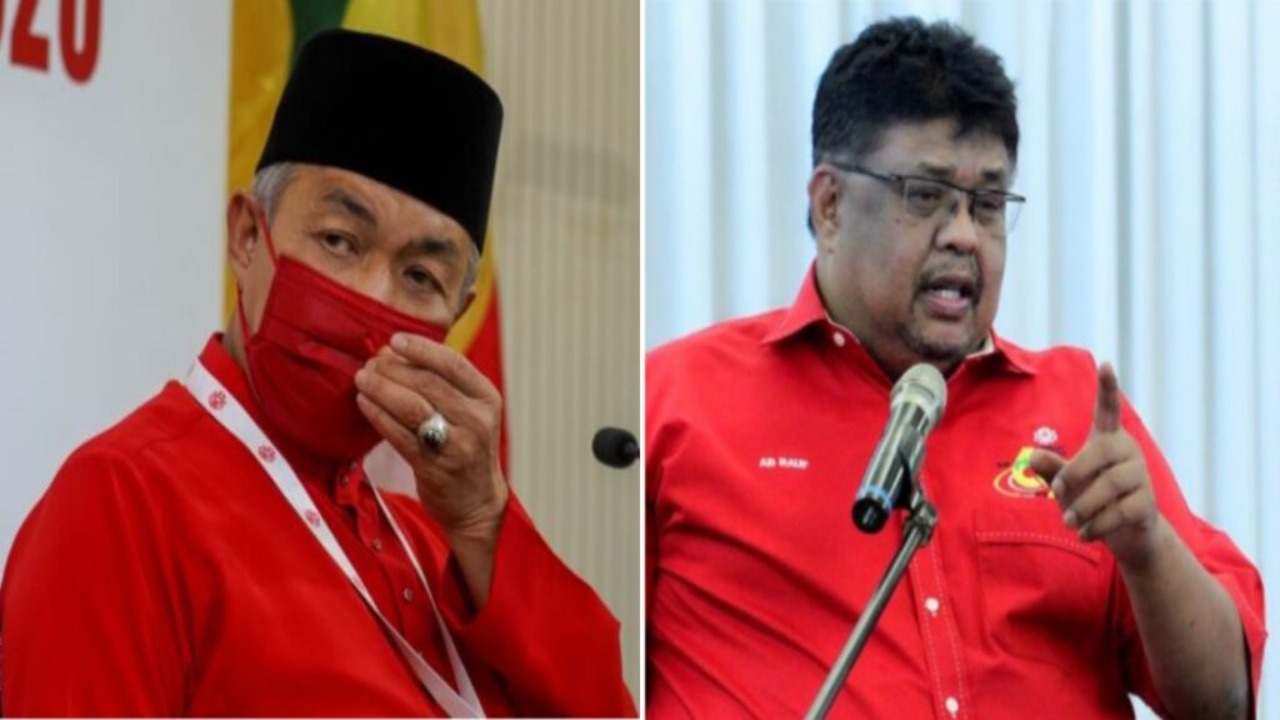
    Datuk Seri Utama Ab Rauf Yusoh is more than just the 13th Chief Minister of Melaka; he is a symbol of transformative leadership, blending heritage preservation with economic rejuvenation. Under his leadership, Melaka is experiencing a wave of development initiatives that emphasize sustainability, inclusivity, and long-term prosperity. From iconic projects like the Melaka Sentral restoration to strategic economic reforms, Ab Rauf’s vision is reshaping the state’s future.


    Who is Ab Rauf Yusoh?

    Born and raised in Melaka, Ab Rauf Yusoh has deep-rooted ties to the state he now governs. His political journey began with grassroots activism and gradually progressed into major leadership roles. Before becoming Chief Minister, he served as Melaka’s State Assembly Speaker and held key positions within UMNO (United Malays National Organisation).


    In 2023, he was officially sworn in as Melaka’s Chief Minister, succeeding Datuk Seri Sulaiman Md Ali. Since then, his administration has been marked by decisive reforms, heritage-conscious planning, and bold infrastructure projects.


    Melaka Sentral: From Demolition Rumors to Restorative Vision

    One of Ab Rauf’s most notable initiatives is his commitment to restore, not demolish, the Melaka Sentral building. Initially, rumors swirled that the state would tear down this crucial transport hub, which had served locals and tourists since 2003.


    However, Ab Rauf took a strong stand: “Melaka Sentral is not just a building, it’s a landmark. We will restore it, not erase it.”


    Why Restoration Matters

    Preserving Identity: The terminal represents more than transit; it symbolizes Melaka’s evolving identity. Preserving it reflects a respect for legacy.


    Sustainable Development: Demolishing a structurally sound building goes against global sustainability goals. Restoration ensures resource optimization.


    Minimal Disruption: With over 220 daily bus trips, demolition would disrupt thousands of daily commutes. The restoration ensures smooth continuity of operations.

    Key Details of the Restoration Plan

    • Restoration is expected to take 3–5 years.

    • Cost estimates and feasibility studies are underway.

    • Focus on modernized amenities, improved ventilation, lighting, and customer experience.

    • The terminal will remain fully operational during upgrades.

    Melaka’s Economic Boom Under Ab Rauf

    Melaka is witnessing a notable economic upswing, and much of it can be attributed to Ab Rauf’s policies aimed at boosting trade, investment, and employment.

    Economic Snapshot


    Sector GDP

    Contribution

    Services

    51.2%

    Manufacturing

    36.1%

    Agriculture

    10.3%


    In 2023, Melaka attracted RM6 billion in domestic and foreign investments. As of March 2024, RM2.38 billion had already been secured, a clear indicator of investor confidence in the state’s direction.

    Major Growth Drivers

    • Retail Sector Expansion: The opening of premium supermarkets like Jaya Grocer in Klebang is symbolic of Melaka’s rising consumer power.

    • Job Creation: New economic zones are being developed across the state, especially in Ayer Keroh, Klebang, and Alor Gajah.

    • Tourism Resilience: By blending modern infrastructure with cultural charm, Melaka continues to attract both domestic and international visitors.

    Budget 2024: 8 Strategic Pillars for State Growth

    To further amplify Melaka’s socio-economic landscape, Ab Rauf’s government has identified eight focus areas in the 2024 Budget:

    Digital Transformation

    • Investments in broadband infrastructure.

    • Smart city initiatives in urban areas like Melaka Tengah.

    Youth Empowerment

    • Launch of youth entrepreneurship grants.

    • Creation of innovation hubs and co-working spaces.

    TVET & Human Capital

    • Establishment of a Centre of Excellence for TVET (Technical and Vocational Education and Training).

    • Collaboration with private industries for upskilling.

    Green Economy

    • Expansion of green zones.

    • Sustainable farming and recycling incentives.

    Public Infrastructure

    • Road expansions and bridge upgrades.

    • Restoration projects like Melaka Sentral and Sungai Melaka beautification.

    Tourism Development

    • Incentives for eco-resorts, boutique hotels.

    • Restoration of historical landmarks.

    Healthcare & Social Protection

    • Upgraded health clinics and mobile units in rural areas.

    • Mental health programs and senior care facilities.

    Food Security

    • Focus on agro-tech and modern farming.

    • Land allocation for organic agriculture.

    Leadership Style: Grounded, Transparent, and Visionary

    Ab Rauf Yusoh is known for blending firm decision-making with community engagement. Whether dealing with transport issues or economic planning, he consults various stakeholders from business leaders to local NGOs before executing major initiatives.


    Core Leadership Traits

    • Pragmatic Vision: Balances tradition with innovation.

    • Inclusive Governance: Focuses on people-first policies.

    • Pro-Business Outlook: Welcomes private-sector collaboration and FDI.


    Challenges Ahead: And How He’s Tackling Them

    While his administration has made significant strides, Melaka, like any growing state, faces challenges:


    Urban Congestion

    Plan: Improve road networks and public transportation (bus rapid transit and pedestrian pathways).


    Youth Migration to Kuala Lumpur

    Plan: Create more high-skilled jobs locally through TVET, digital economy initiatives.


    Environmental Concerns

    Plan: Emphasize sustainable development, enforce environmental protection laws.


    Balancing Heritage with Modernity

    Plan: Controlled urban planning, adaptive reuse of heritage buildings (like Melaka Sentral).


    Conclusion: A New Chapter for Melaka

    Ab Rauf Yusoh is spearheading a modern-day renaissance in Melaka. By committing to the restoration of Melaka Sentral, prioritising sustainable development, and launching impactful economic policies, he has placed Melaka on a fast track toward becoming a model state in Malaysia.


    His leadership isn’t just about development—it’s about thoughtful progress that honors the past, addresses the present, and prepares for the future. For Melaka, the journey under Ab Rauf’s stewardship has only just begun.


    Read Also: Ali France Dickson: The New Voice of Change in Australian Politics

    FAQs


    Is Ab Rauf Yusoh the current Chief Minister of Melaka?

    Yes, he is currently serving as the 13th Chief Minister of Melaka since 2023.


    What is the Melaka Sentral restoration project?

    It is an initiative to modernise the Melaka Sentral terminal without demolishing it, ensuring better facilities for passengers while preserving the building’s identity.


    What sectors are driving Melaka’s economic growth under Ab Rauf?

    Primarily the services, manufacturing, and agriculture sectors, along with a booming retail scene.


    How is Ab Rauf addressing youth unemployment?

    Through TVET programs, entrepreneurship grants, and the creation of job opportunities in emerging sectors like digital tech.

    What is his vision for Melaka?

    To transform Melaka into a vibrant, sustainable, and economically inclusive state that values both heritage and innovation.

  • Ali France Dickson: The New Voice of Change in Australian Politics

    Ali France Dickson: The New Voice of Change in Australian Politics

    Ali France Dickson has quickly become a name to watch not only in Australia but also across political conversations around the world. After her historic victory in the 2025 federal election, defeating opposition leader Peter Dutton—Ali France Dickson has captured attention for her determination, resilience, and unique political journey. Her story isn’t just about politics; it’s about persistence, representation, and a shifting mood among voters.


    Who Is Ali France Dickson?

    Ali France Dickson is an Australian politician representing the Australian Labor Party (ALP). She is best known today as the woman who ended Peter Dutton’s long and controversial political career in the electorate of Dickson, located in Queensland, just north of Brisbane.

    What makes Ali France Dickson especially notable is her personal story. She’s a disability advocate, a former journalist, and a mother. After a serious accident in 2011, she became an above-knee amputee. Instead of stepping back, she became more engaged in advocacy and community service. That courage has helped shape her political vision.


    The Journey to Dickson: Third Time’s the Charm

    Ali France Dickson didn’t win her seat on the first try. Or even the second. Her election in 2025 marked her third attempt to win the federal seat of Dickson. It was a story of perseverance, one that resonates with voters looking for genuine leadership.

    In both the 2019 and 2022 elections, she came close to unseating Dutton but fell short. Many analysts saw her efforts as symbolic, yet she kept pushing. Her hard work paid off when she finally broke through in 2025.


    Why Dickson Voted for Ali France Over Peter Dutton

    The 2025 federal election will go down in history books for several reasons, but none more so than Peter Dutton’s shocking defeat to Ali France Dickson. As Australia’s opposition leader, Dutton was one of the most recognizable and polarizing figures in national politics. Yet the people of Dickson chose change.

    Here’s what went wrong for Dutton and why voters embraced France:

    • Fatigue with Conservative Leadership: Many voters expressed frustration with the Coalition’s handling of social issues, climate change, and cost-of-living pressures. Dickson residents wanted more action, not just promises.

    • Ali France Dickson’s Ground Game: She didn’t rely solely on party support. She connected with locals face-to-face, listened to their concerns, and made herself visible at schools, community centers, and public forums.

    • A Personal Connection: Voters felt Ali France Dickson was one of them. Her story of surviving a traumatic accident and advocating for disability rights struck a chord.

    • Changing Demographics in Dickson: As more young families and diverse communities moved into the area, the electorate became less aligned with Dutton’s conservative views and more open to progressive policies.


    A Historic Win: First Federal Opposition Leader to Lose His Seat

    Peter Dutton’s loss wasn’t just a personal defeat, it was a political earthquake. Never before had a sitting opposition leader in Australia lost their own seat. Ali France Dickson’s win sent a clear message: no politician is untouchable.

    Her victory instantly elevated her profile, turning her into a national figure overnight. Political commentators began calling her “the face of Labor’s future,” while international observers noted the shift in Australia’s political landscape.


    Policies That Matter: What Ali France Dickson Stands For

    Ali France Dickson is passionate about several key issues that define her approach to governance:


    1. Health and Disability Access

    Her own journey through the healthcare system has fueled her push for better support services. She advocates for accessible hospitals, improved disability pensions, and more community inclusion for Australians living with disabilities.


    2. Education for All

    Education equity is central to her platform. She supports funding for public schools, early childhood education, and fair pay for teachers.


    3. Action on Climate Change

    Ali France Dickson has made clear that future generations need strong environmental policies. She supports renewable energy investment, local sustainability programs, and climate resilience for suburbs at risk.


    4. Affordable Living

    With inflation and housing prices rising, she backs practical measures—rent caps, first-home buyer assistance, and subsidies for essential services—to ease pressure on working families.


    Media Representation and Public Perception

    Mainstream and social media quickly embraced Ali France Dickson after her election win. Her authenticity, openness about disability, and grassroots campaigning made her an ideal symbol for modern, inclusive politics.

    In interviews, she has consistently focused on community, not herself. That humility has built trust. Whether speaking to high school students or national broadcasters, her message remains clear: politics should be about people, not power.


    What This Means for the U.S. Audience

    Why should people in the U.S. care about Ali France Dickson?

    • Trend Toward Inclusive Leadership: Her rise reflects a growing global demand for leaders who look and live like the people they represent.

    • Shared Political Patterns: Like the U.S., Australia is seeing political power shift toward new, more diverse voices. Ali France Dickson’s win parallels the rise of grassroots figures like Alexandria Ocasio-Cortez or Maxwell Frost.

    • Lessons in Resilience: Her personal and political story is a lesson in resilience and perseverance—values that resonate far beyond Australia’s borders.


    Global Political Ripple Effects

    Ali France Dickson’s rise comes at a time when political landscapes are shifting globally. Even in North America, major changes are underway—as seen in Canada’s decision to call snap elections on April 28 due to perceived threats from Donald Trump. These developments signal a broader trend: voters across the world are seeking fresh leadership rooted in stability, inclusiveness, and real-world experience.


    What’s Next for Ali France Dickson?

    While her win in Dickson is historic, her journey is just beginning. With a seat in Parliament, she now faces the challenge of delivering on her campaign promises. Early signs suggest she’s off to a proactive start, forming working groups on health policy and holding regular town hall events.

    There’s also speculation she may rise quickly within the Labor Party, possibly even earning a cabinet post if Labor retains power.


    Final Thoughts: A New Chapter in Australian Politics

    Ali France Dickson has redefined what it means to be a political leader in Australia. Her victory over Peter Dutton wasn’t just a personal milestone, it was a statement of values from the voters of Dickson and beyond. People are no longer content with political lifers. They want empathy, experience, and a leader who understands their daily struggles.

    With a focus on health, education, climate, and affordability, Ali France Dickson is set to leave a lasting mark on the future of Australian politics.