Category: Blog

  • Guy Sebastian’s Terrifying Arrest at Gunpoint in LA: The Shocking Story Behind a Stolen Car Scandal

    Guy Sebastian’s Terrifying Arrest at Gunpoint in LA: The Shocking Story Behind a Stolen Car Scandal

    GGuy Sebastian, one of Australia’s most beloved singers, recently revisited a deeply traumatic experience from his time in the United States — an incident that could have gone tragically wrong. While living in Los Angeles in 2011, the Australian Idol winner was arrested at gunpoint after unknowingly driving a car that had been marked as stolen. What followed was a shocking series of events that Sebastian has only recently opened up about publicly.


    A New Life in Los Angeles

    At the time, Guy Sebastian was 29 and pursuing opportunities in the U.S. music industry. He had been renting a house in the Hollywood Hills from Olympic swimmer Ian Thorpe, hoping to focus on his work and perhaps get a foothold in the American entertainment scene. Little did he know that a nightmare was about to unfold.

    Sebastian had purchased a car on eBay, a common enough practice, and parked it at Thorpe’s property. One day, the car disappeared without a trace. After a frustrating search, he eventually discovered that the vehicle had been towed without his knowledge by a shady company exploiting a legal loophole.


    The Scam Behind the Tow

    Speaking in an interview on Nova’s Smallzy’s Surgery, Sebastian explained that the company responsible had a sinister tactic: tow vehicles illegally and stash them away, making them difficult to retrieve. If the owner failed to claim the car within a certain period, the company could legally sell it.

    Guy’s car had been gone for weeks before he finally tracked it down. Even worse, he was forced to pay a staggering $4,000 USD to reclaim it from the impound lot. Despite the damage to the vehicle and the unjust circumstances, he was relieved to have it back. But the nightmare was far from over.


    A Routine Drive Turns Into a Horror Movie Scene

    After retrieving his car, Sebastian attempted to notify the police that the vehicle was no longer stolen. Unfortunately, he couldn’t get through to the right department and remained on hold for nearly 45 minutes. Frustrated but thinking things were under control, he decided to get the car washed before following up again with the police.

    That’s when everything went sideways.

    At a local car wash, Sebastian found himself suddenly surrounded by police. “Next minute there’s eight or nine cops with their guns drawn, screaming: ‘SHUT UP AND GET ON THE GROUND!’” he recounted. The vehicle was still flagged as stolen in the police system, and they treated him like a high-risk criminal suspect.

    With guns aimed at him, officers forced Sebastian out of the car, destroyed his phone (which was still connected to the sheriff’s office via Bluetooth), and slammed him to the ground. “They put me in cuffs, pushing my face into this wet concrete,” he said, recalling how one officer even pressed a gun into his forehead. “I could feel the metal of the gun.”


    Trying to Explain – And Getting Ignored

    Despite trying to tell officers that he had all the correct paperwork on the front seat and was in fact on the phone with the police when they approached, the officers wouldn’t listen. It wasn’t until they verified his documentation that the mood shifted and the misunderstanding became clear. Thankfully, no physical harm was done, but the emotional trauma lingered.

    “I understood they were doing their job, but it was terrifying,” Guy admitted. “They’re pretty trigger-happy over there.”


    Reflecting on the Incident

    More than a decade later, the singer can now speak about the incident with some degree of calm  even laughing at the absurdity of parts of it. But the situation highlights serious flaws in the towing and law enforcement systems in the U.S., particularly regarding communication and the treatment of innocent civilians.

    The ordeal was a stark reminder that even celebrities aren’t immune to such injustices. Had the situation escalated even slightly differently, it could have ended in tragedy.


    Guy Sebastian’s Resilience

    Despite that traumatic experience, Guy Sebastian continued to build a successful career both in Australia and internationally. Known for hits like Angels Brought Me Here and Battle Scars, he has remained one of Australia’s most enduring and respected artists.

    As fans learn more about the adversity he has faced, stories like this only add to the admiration many have for his resilience and character. From humble beginnings to international stages — and a life-threatening mistake by law enforcement — Guy Sebastian has seen both the highs and lows of fame. Also Trending: Umar Akmal is disappointed with former teammates’ behaviour  Read the full story here



  • Jamal Fogarty Set to Join Manly Sea Eagles in 2026: Raiders Stunned by Key Departure

    Jamal Fogarty Set to Join Manly Sea Eagles in 2026: Raiders Stunned by Key Departure

    In a stunning blow to the Canberra Raiders, star halfback Jamal Fogarty has confirmed he will leave the club at the end of the 2025 NRL season. The 31-year-old playmaker has signed a lucrative three-year deal worth approximately $2 million with the Manly Sea Eagles, beginning in 2026.

    This marks a pivotal moment for both clubs — one losing a proven leader, and the other preparing to replace a legend.


    A Leadership Loss for Canberra

    After joining the Raiders in 2022, Jamal Fogarty quickly became a central figure in their lineup. Known for his cool-headed leadership and tactical control on the field, he helped guide the team through three competitive seasons. Fogarty’s departure will leave a significant gap in the Raiders’ halves, especially as the team eyes a return to the top tier of the NRL ladder.

    Raiders CEO Don Furner confirmed the news on Tuesday, saying, “We wish Jamal all the best” while acknowledging the club’s unsuccessful attempt to retain him. Canberra reportedly tabled a two-year offer worth around $1.3 million, but it was the Sea Eagles’ three-year commitment that sealed Fogarty’s decision.


    A Strategic Move by the Sea Eagles

    The Manly Sea Eagles are preparing for the end of an era, with the legendary Daly Cherry-Evans set to depart at the end of 2025. While Cherry-Evans remains a fixture in both the NRL and the Queensland State of Origin side, the club has begun shaping the next phase of its future — and Jamal Fogarty is a key piece of that plan.

    Sea Eagles management saw in Fogarty not only a capable replacement but also a mentor for younger halves like Joey Walsh and Onitoni Large, who are still finding their feet at the top level. Fogarty’s experience and composed play style offer the ideal balance as Manly seeks to remain competitive during this transitional period.


    Canberra’s Next Chapter

    Though disappointed, the Raiders are already preparing for life after Fogarty. Rising star Ethan Sanders, just 20 years old, has shown glimpses of brilliance in the early rounds of 2025. The club is also eyeing reinforcements, including potential moves for Canterbury’s Toby Sexton and the Roosters’ Sandon Smith.

    Both young talents are seen as promising additions to bolster Canberra’s depth in the halves, ensuring the team remains in strong contention even as they rework their spine.


    NRL Experts React: “Fogarty Is the Glue”

    The announcement has stirred debate in NRL circles, with former Sharks captain and commentator Paul Gallen among those surprised by the Raiders’ inability to retain Fogarty.

    Speaking on Channel Nine’s Today Show, Gallen said: “I’d be shocked if Canberra let him go. Fogarty is the glue that sticks that backline together.” Gallen went on to praise the Raiders’ squad construction, comparing it to the Sharks’ 2016 premiership-winning team and emphasizing the importance of Fogarty’s role.

    His view is shared by many fans, who have watched Fogarty guide the Raiders with consistent skill and professionalism. Losing such a leader so close to a potential premiership run is a tough pill to swallow.


    A Smart Career Finish by Fogarty

    At 31, Jamal Fogarty is entering the final phase of his NRL career, and the decision to join Manly represents both a fresh opportunity and a strategic move. Living and playing by the ocean, mentoring younger stars, and replacing one of the game’s all-time greats — it’s a fitting way to close out a solid NRL career.

    He may no longer wear green, but Fogarty’s impact on the Raiders will be long remembered. Meanwhile, Manly fans will be hoping he can bring the same magic to Brookvale Oval that he did in the nation’s capital.  Video: Unidentified men attack Rajab Butt in London  Watch the full video here


  • India Women vs South Africa Women: Sneh Rana Stars as India Clinch 15-Run Victory in Tri-Nation Thriller

    India Women vs South Africa Women: Sneh Rana Stars as India Clinch 15-Run Victory in Tri-Nation Thriller

    In an edge-of-the-seat contest at the R. Premadasa Stadium in Colombo, India Women secured a hard-fought 15-run win over South Africa Women in the second match of the Sri Lanka Women’s Tri-Nation Series 2025. This victory marked India’s second consecutive win in the tournament, further solidifying their dominance after a convincing opening performance against Sri Lanka.

    Despite a strong opening partnership from South Africa, it was Sneh Rana’s stunning bowling performance that turned the match around and earned her the Player of the Match award.


    South Africa’s Solid Start

    Batting second in pursuit of 277, South Africa Women started strongly with a superb 140-run opening stand between captain Laura Wolvaardt and Tazmin Brits. Brits, in particular, looked in imperious form, scoring at a run-a-ball and punishing the Indian bowlers for any loose deliveries. She was given two lifelines, dropped on 51 and 67, and made the most of it by registering her third ODI century.

    However, her innings was cut short at 108 when she retired hurt due to severe cramps, a moment that proved pivotal in the outcome of the match.


    Sneh Rana’s Game-Changing Spell

    With South Africa poised at 140 for 0, India were desperate for a breakthrough. Enter Sneh Rana. The experienced off-spinner showcased her full range of variations, removing Chloe Tryon in her ninth over before unleashing a three-wicket over that ripped through the South African middle order.

    Rana dismissed Nadine de Klerk, Annerie Dercksen, and the returning Tazmin Brits in a devastating spell that halted South Africa’s momentum. Her clever use of the crease and pace-off deliveries dismantled the Proteas’ batting unit just when they looked set to chase down the total.


    Late Drama and Tight Bowling

    Despite the collapse, South Africa continued to fight, thanks to late cameos from Dercksen and Mlaba. With just 25 runs required off the final two overs and two wickets in hand, the match hung in the balance. But India held their nerve, producing two crucial run-outs to seal the game.

    Kashvee Gautam returned for the final over, and though Mlaba managed a six on the first ball, her attempt for a second run off the next delivery ended in a brilliant run-out from Deepti Sharma and Richa Ghosh.


    Captain’s Insight

    Speaking after the match, Indian skipper Harmanpreet Kaur praised her team’s commitment and fielding efforts:

    “From ball one, we were trying to give our 100%. We saved so many runs and that’s the only reason we were in the game. The bowling partnership really helped us to win this game.”

    She also acknowledged that another 10–20 runs would’ve provided a greater cushion, but remained proud of how her bowlers and fielders stepped up under pressure.


    South Africa Reflects on Missed Opportunity

    South African captain Laura Wolvaardt admitted the loss was disappointing but praised the team’s strong start:
    “Taz was amazing and the partnership that we had set us quite well. Unfortunately, we lost our way after that. We felt we could chase it until the very last over.”

    Brits’ injury and lack of middle-order support eventually cost them the match, but the fight until the final over showed South Africa’s grit and potential.


    Sneh Rana on Her Performance

    Sneh Rana, the game-changer, shared insights into her mindset:
    “I was just thinking about my variation because pace-off deliveries were working really well. We had a chat with our captain and our management and they told us to use variations and use the crease well  I did that.” Her four-wicket haul (including the crucial 47th over) underlined her value as one of India’s premier all-rounders.


    What’s Next?

    The next clash in the Sri Lanka Women’s Tri-Nation Series will see Sri Lanka take on South Africa on Friday. With India sitting comfortably at the top, the competition for the second final berth will heat up.

    For fans who love the mix of grit, strategy, and last-over thrillers, this tri-series is shaping up to be a must-watch.Explore More Entertainment Stories  Visit The Current’s Entertainment Section

  • RBA Interest Rates: Australia Set for May Rate Cut Amid Global Uncertainty and Economic Slowdown

    RBA Interest Rates: Australia Set for May Rate Cut Amid Global Uncertainty and Economic Slowdown

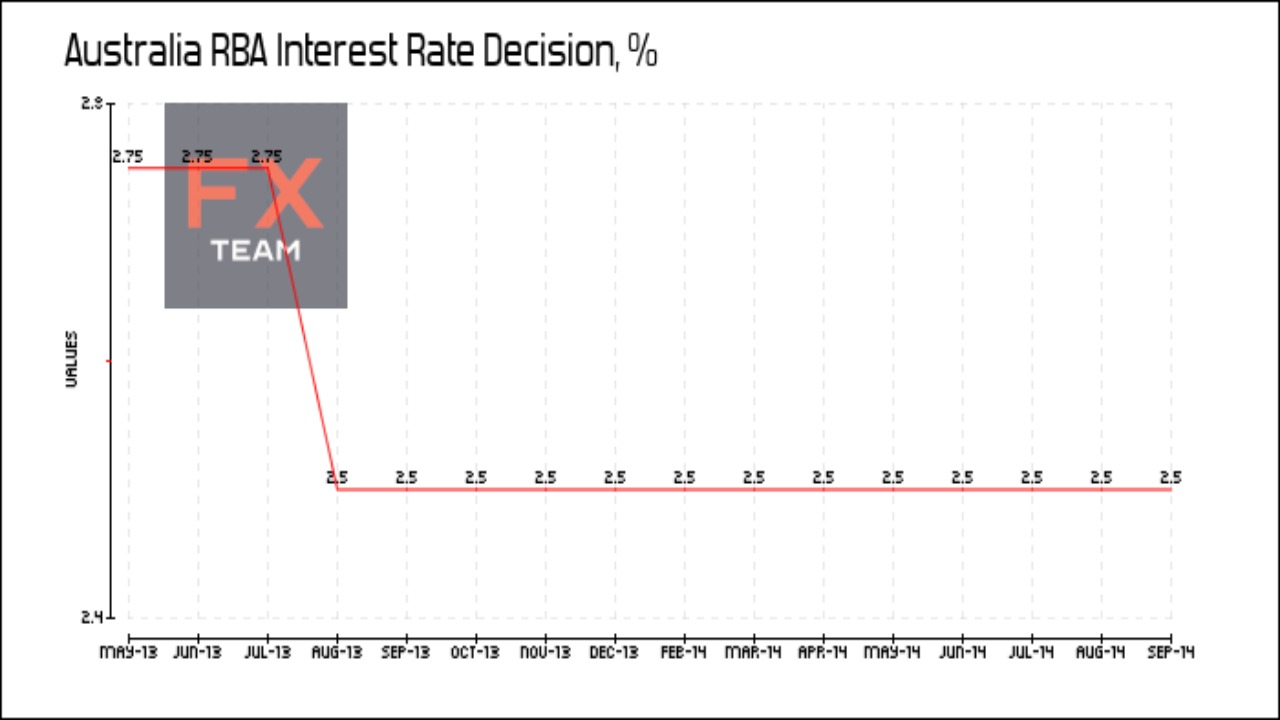
    Australian households and mortgage holders are on the brink of welcome financial relief as the RBA interest rates in Australia are forecasted to drop in May 2025. Both Westpac and the Commonwealth Bank (CBA) are tipping a 25 basis point cut from the current cash rate of 4.10% to 3.85%, a move aimed at supporting economic growth amid rising global uncertainty and a weakening domestic outlook.

    This expected shift marks a significant change in the Reserve Bank of Australia’s monetary policy strategy. After years of taking a data-driven, inflation-targeted approach, the RBA is now seen pivoting towards protecting economic momentum in the face of geopolitical turmoil, especially the escalating trade war between the United States and China.


    Westpac: “Lock In” a May Rate Cut

    Westpac’s Chief Economist Luci Ellis has boldly declared that a rate cut in May is virtually guaranteed — even if Australia’s first-quarter inflation figures fall slightly short of expectations. According to Ellis, the central bank can no longer afford to let domestic inflation metrics be the sole driver of monetary policy when broader global risks threaten the country’s economic future.

    “You can lock in a 25bp cut in May, even if the Q1 inflation data is a shade disappointing,” Ellis said. “Holding rates steady in the face of global turmoil and softer momentum in the labour market – for the sake of 0.2 percentage points on inflation – would be very hard to explain.”

    Westpac also anticipates two more cuts later in the year — one in August and another in November — with the possibility of a slightly larger 35 basis point cut in May, depending on how the RBA views the economic risks heading into the second half of 2025.


    CBA: Rate Cut a “Done Deal”

    The Commonwealth Bank of Australia echoed Westpac’s prediction, stating that the expected May rate cut is a “done deal.” CBA analysts base their forecast on the RBA’s preferred trimmed mean inflation figure, which is expected to rise by just 0.6% for the first quarter — bringing annual core inflation to a manageable 2.8%.

    With inflation appearing under control and growth risks mounting, the RBA seems to be preparing to pivot. If this cut goes ahead, it would represent the first downward move in the cash rate since the tightening cycle began.


    Geopolitical Headwinds Strengthen the Case for Cuts

    The urgency for monetary easing is further supported by intensifying global tensions. The United States, under President Donald Trump, recently imposed a massive 145% tariff on Chinese imports, sparking a retaliatory 125% tariff from Beijing. These tit-for-tat measures between the world’s two largest economies are already beginning to impact global trade and investor confidence.

    Although U.S. Treasury Secretary Scott Bessent has signaled that diplomatic channels remain open, saying, “There is a path to agreement,” he also admitted that President Trump has not directly communicated with Chinese President Xi Jinping.

    AMP’s Chief Economist Shane Oliver said the trade war has shifted the central economic narrative in Australia. “We’ve had three years where the inflation numbers have dominated, but now we’ve moved on to the trade war between the US and China,” Oliver noted. “It seems to be dominating the outlook now.”

    The International Monetary Fund (IMF) has echoed these warnings, forecasting a potential $13 billion slowdown for the Australian economy as a direct consequence of the ongoing trade conflict.


    Why the RBA Must Act

    The convergence of a global economic slowdown, flatlining domestic consumption, and a still-tight Australian labour market is pressuring the RBA to act decisively. If the central bank waits too long, it risks letting the country’s economic growth falter just as households remain burdened with high mortgage repayments and rising living costs.

    According to Ellis, even a small deviation in inflation numbers shouldn’t distract from the broader need to stimulate growth. “Now, uncertainty has escalated to a whole new level and the risks have completely flipped,” she said.

    “There’s too much downside risk from global disinflation and delayed investment decisions. This is the time to support growth.”


    Relief for Households and Borrowers

    A May rate cut would be a significant relief for millions of Australians who have been financially squeezed by more than a dozen rate hikes over the past two years. For borrowers, a 0.25% cut could save hundreds of dollars per month in mortgage repayments, potentially freeing up household budgets and boosting domestic consumption.

    Westpac and CBA’s forecasts also signal that the RBA is committed to staying ahead of global economic threats — even if it means deviating from the usual playbook.


    The Outlook: Further Cuts Likely

    With two more cuts expected before the end of 2025, borrowers and businesses alike can start preparing for a more accommodative financial environment. However, economists warn that any shocks  especially geopolitical — could still disrupt the RBA’s carefully laid plans.

    Regardless, the message from Australia’s major banks is clear: monetary easing is back on the table, and May could be just the beginning.Worse Than Hell”: Alizeh Shah Quits Social Media After Facing Constant Criticism.Read full story here


  • Exclusive Brethren’s Alleged Political Involvement Raises Election Integrity Questions in Australia

    Exclusive Brethren’s Alleged Political Involvement Raises Election Integrity Questions in Australia

    In the lead-up to Australia’s 2025 federal election, a growing chorus of voices from both independent and Labor circles is calling for transparency over what appears to be coordinated campaign support by members of the Exclusive Brethren — formally known as the Plymouth Brethren Christian Church — for Coalition candidates.

    While the church and the Coalition deny any formal agreement, the sudden surge of Liberal Party volunteers at key pre-polling booths has sparked serious concerns about external religious influence on the democratic process.


    Concerns from the Ground: Who’s Really Volunteering?

    Independent MP Andrew Gee, who is running to retain his seat of Calare against the Nationals, has demanded answers regarding what he sees as suspicious and overwhelming support for Coalition campaigns in marginal electorates.

    Gee’s team and other campaigns have noted an unusually high number of volunteers, many of whom are believed to be members of the Exclusive Brethren, manning polling booths. According to Gee, the presence has been so substantial and strategic that it appeared designed to intimidate opposing volunteers and candidates.

    “I think the National Party has to answer what they’re giving in return for all of this support they’re getting on the ground,” Gee said. “You can’t pretend to turn a blind eye to this.”

    These suspicions have been strengthened by leaked text messages, reportedly sent within Brethren circles, offering guidance on how to behave at polling stations. Volunteers were instructed to avoid discussing their religious affiliation and to avoid lengthy conversations — furthering the belief that the support effort is being deliberately concealed.


    What the Brethren and Coalition Say

    Despite the mounting scrutiny, both the Plymouth Brethren Christian Church and the Liberal-National Coalition have denied the existence of any formal campaign collaboration.

    Church spokesperson Lloyd Grimshaw stated:

    “Our church does not campaign for, nor support, any political parties and have not organised or coordinated any volunteer efforts of any type in any location.”

    He added that individual members are free to volunteer for whichever party or candidate they choose — be it the Liberal Party, Nationals, One Nation, or even Labor and the teals.

    Opposition Leader Peter Dutton also dismissed suggestions of religious favoritism or secret deals:

    “We’re not discriminating against anybody on the basis of their religion. We have people of, I suspect, every religion supporting us.”

    But Prime Minister Anthony Albanese countered that, saying:

    “They don’t vote, but they all of a sudden have found enthusiasm in their hundreds to travel around the country to hand out how-to-votes. What is going on there?”


    Allegations of Intimidation and Misinformation

    While the Brethren maintain that all volunteer activity is member-led, multiple independent and Labor campaigns report experiences that go beyond standard political engagement.

    Gee claims that Brethren volunteers followed him from polling station to polling station, suggesting an intent to intimidate. He described instances of being followed by more than two dozen volunteers in a single day, saying, “I believe it was [designed to intimidate], why else would you follow someone round from polling booth to polling booth in large numbers?”

    Labor volunteers have also alleged verbal intimidation and misinformation campaigns, including accusations that Brethren-affiliated volunteers told voters, “Labor wants to kill babies” — a dangerous falsehood aimed at influencing voter behavior.

    These claims are difficult to verify conclusively, but leaked messages obtained by the ABC seem to indicate an organized structure within the church’s supporter group, suggesting women hand out materials while men field inquiries.


    Former Members Speak Out

    Ben Woodbury, a former Brethren member who left nearly ten years ago, said the church’s political involvement has always existed — but mostly from the shadows. “We were always involved, volunteering and handing out pamphlets,” he explained. “It was always kind of secretly done after hours — under wraps.”

    This time, however, the scale and visibility are unprecedented, according to Woodbury. “I’m so surprised by this,” he said. “It looks much more like a strategic operation than a grassroots volunteer effort.”


    Why It Matters: Religion and Politics in Australia

    The Exclusive Brethren has long been a controversial group in Australia. Known for its conservative and isolationist practices, the church discourages engagement with outsiders, restricts media use, and enforces strict gender roles. Former members have described the internal culture as controlling, and the church is widely regarded as a sect.

    While participation in democratic processes — including volunteering — is a right afforded to all Australians regardless of faith, the lack of transparency and perceived coordination with one side of politics raises broader concerns about electoral fairness, voter intimidation, and religious influence in public policy.

    It also forces the Coalition to answer a critical question: Is this just coincidental support from faith-based individuals, or is it a strategically mobilized effort with political implications?


    The Path Forward: Demands for Transparency

    As pressure mounts, both Labor and independents are urging the Coalition to make clear disclosures about where their campaign support originates and whether any arrangements  formal or informal  exist with religious groups such as the Exclusive Brethren. If left unanswered, the allegations risk undermining public trust in Australia’s electoral system  especially in tight contests where just a few thousand votes could determine the outcome. Also Trending in Entertainment Visit the Entertainment section of The Current


  • Alejandro Sanz Finds Happiness in His Relationship with Candela Márquez

    Alejandro Sanz Finds Happiness in His Relationship with Candela Márquez

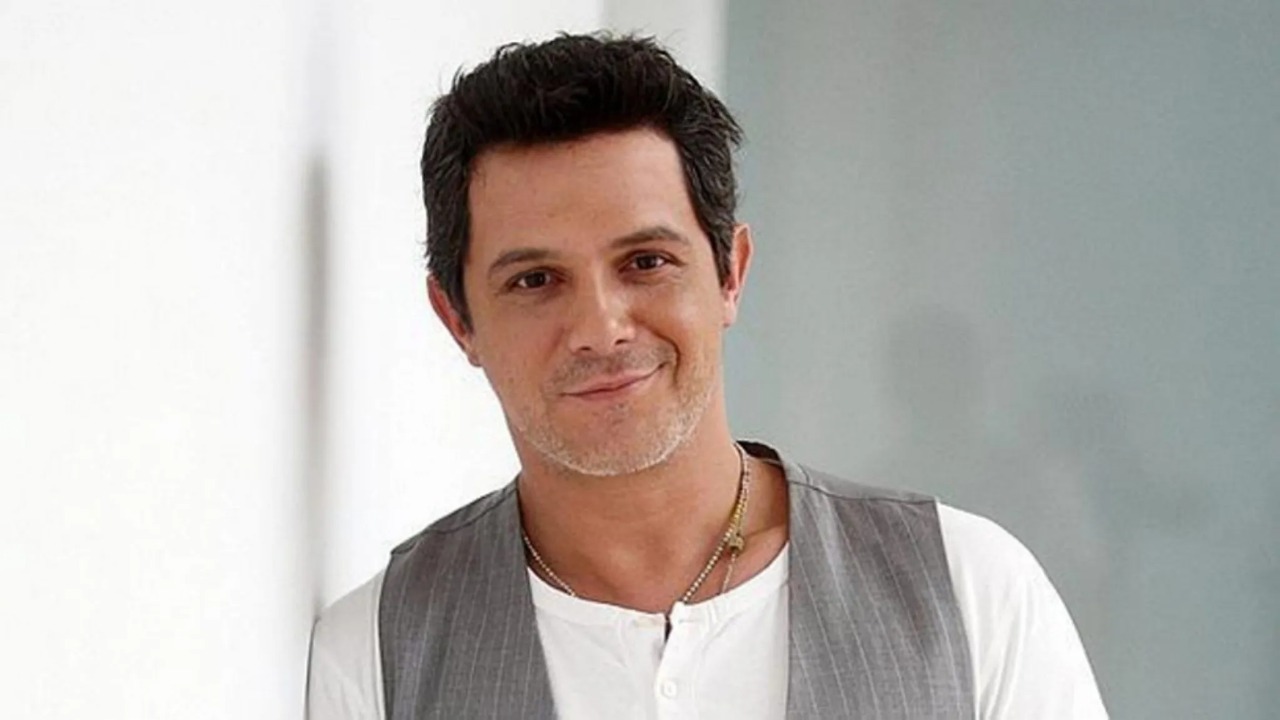
    Alejandro Sanz, the celebrated Spanish singer-songwriter, is currently experiencing one of the most joyous and emotional periods of his life, and it all revolves around his relationship with actress Candela Márquez. Known for his chart-topping songs and international success, Sanz has always kept his personal life relatively private. However, his recent social media posts have given his millions of followers a glimpse into the profound happiness Candela has brought into his life.

    Through Instagram, where he shares intimate moments with his fans, Alejandro has made it clear that Candela is not just a companion but a key figure in the positive changes he’s experiencing. Whether it’s sharing precious family memories or posting about their adventures together, Sanz’s relationship with Candela is an open celebration of love and happiness.


    Love Blossoms in the Spotlight

    Although Sanz has typically kept his private affairs away from the public eye, his bond with Candela Márquez has blossomed so beautifully that he hasn’t hesitated to share it with the world. The couple first appeared together at the 2024 Latin Grammy Awards, where Alejandro received the prestigious “Person of the Year” award. Their first public appearance as a couple sparked a wave of support from fans who were thrilled to see the artist in such a happy and fulfilled relationship.

    From that moment onward, Candela became a permanent fixture in Sanz’s life, accompanying him to various events and concerts. She has proven to be not just a loving partner but also someone who helps Alejandro maintain a sense of balance and peace in his hectic life. Candela’s presence has become a source of joy, as Sanz often expresses in his posts and interviews.


    Heartwarming Family Moments

    One of the most heartwarming aspects of Alejandro and Candela’s relationship is how naturally Candela has integrated into Alejandro’s family life. As a father of two children from previous relationships, the renowned singer needed a partner who could not only accept his busy career but also blend seamlessly with his family. And that’s exactly what Candela has done.

    Through various Instagram posts, Alejandro has shared pictures of their family vacations, dinners, and everyday activities. In one recent post, Sanz revealed a series of photos that showed him enjoying a peaceful day with Candela and his children. The images, accompanied by heartfelt captions, exuded happiness and contentment. In one such post, Alejandro expressed, “Happiness is this,” capturing the simplicity and beauty of the moments they’ve spent together.

    For Sanz, these small but meaningful moments have come to define what true happiness means. The snapshots reveal a family united by love and laughter, with Candela fitting in perfectly as a central part of this dynamic. Whether they’re enjoying a beach walk, decorating a Christmas tree, or simply laughing over dinner, it’s evident that Candela has become an essential part of the family fabric.


    Candela’s Role in Alejandro’s Personal and Professional Life

    Candela’s influence on Alejandro extends beyond their personal relationship; she has also integrated herself into his professional world. As an actress with a successful career of her own, Candela has always maintained a low profile when it comes to her work. However, her role in Alejandro’s life has clearly been one of emotional support and strength.

    Alejandro has publicly acknowledged that Candela has played a crucial role in his emotional well-being, which, in turn, has had a positive impact on his music. The singer-songwriter has revealed that Candela has helped him find a new sense of balance, making him feel more grounded and centered. Their shared moments of peace and happiness have fueled his creativity, and this harmony has even been reflected in the music he’s been working on lately.

    In return, Candela has shown unwavering support for Alejandro’s career, attending numerous events and concerts with him. She is often by his side, enjoying the success and recognition that comes with being in the spotlight. In one post, Alejandro shared how Candela has been a rock for him, saying, “She is a constant in my life. With her, I’ve learned that love is both simple and profound.”


    A Strong Family Bond

    Perhaps the most beautiful part of Alejandro and Candela’s relationship is the bond they’ve created not only as a couple but as a family. Candela has proven to be a wonderful stepmother to Alejandro’s children, Alma and Alexander, with many of her interactions with them showcasing genuine affection and care. Their family moments, shared on social media, depict a harmonious environment where love and understanding are the foundations.

    In fact, Candela’s relationship with Alejandro’s children seems to have flourished naturally. On Instagram, the family has been seen together on vacations, where they enjoy spending time outdoors, relaxing by the water, or simply enjoying each other’s company. For Alejandro, finding someone who could connect with his children and create a happy environment at home was essential, and Candela has proven to be that person.


    A Glimpse into the Future

    Looking ahead, it’s clear that Alejandro Sanz and Candela Márquez are only getting stronger as a couple. Their relationship continues to flourish, and it’s evident that love and family are at the core of their happiness. While Alejandro’s career continues to soar, his relationship with Candela provides the emotional grounding he needs to navigate the pressures that come with fame.

    Fans of the singer have been quick to support their love, celebrating their moments of happiness and the new chapter in Alejandro’s life. In his latest posts, Alejandro has shared how Candela has helped him rediscover the importance of love, joy, and family. Their bond is one of mutual respect, love, and shared dreams, and it seems to be a love that is here to stay.

    If you’re interested in reading more about how public figures are dealing with the challenges of their personal lives, check out the article on Jasprit Bumrah and his wife’s response to online trolls attacking their infant son here.

  • Xi Jinping’s Third Term: Riding the Tiger of Power and Populism

    Xi Jinping’s Third Term: Riding the Tiger of Power and Populism

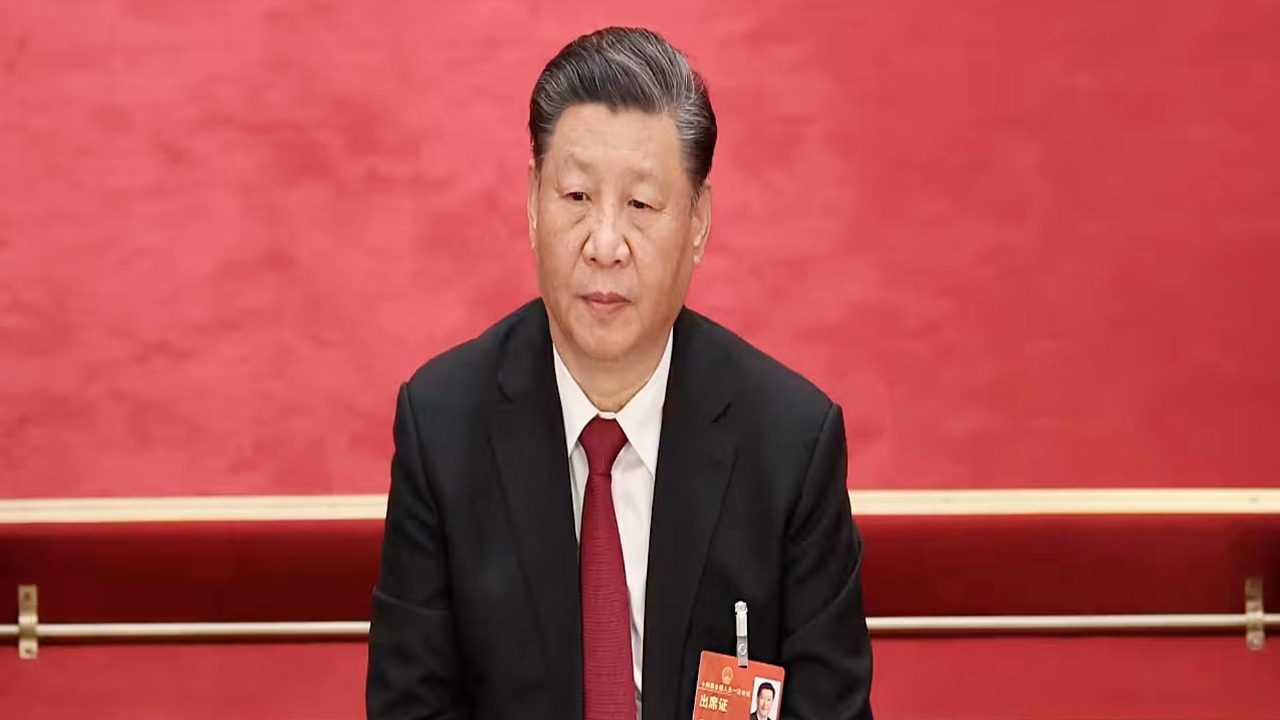
    In 2022, Xi Jinping finds himself at a pivotal crossroads, as he enters his third term as the General Secretary of the Communist Party of China (CPC). The year marks the arrival of the Chinese zodiac’s Year of the Tiger, an apt metaphor for the political and economic challenges Xi now faces. Known for its ferociousness, power, and self-assurance, the tiger symbolizes a ride fraught with risks and rewards. As the world’s second-largest economy continues to deal with the effects of the pandemic, Xi’s leadership and political decisions will be critically tested.

    Since he first took the reins of China in 2012, Xi Jinping has continuously asserted his authority, shaping the country into a powerful global force. But now, as he prepares for another term, questions loom: Will Xi’s leadership sustain China’s rise, or has he put himself in a precarious position that he cannot escape?


    Xi Jinping’s Ascent and the Role of the Tiger

    The Chinese idiom, “Riding a tiger, it’s hard to get off,” speaks to the precariousness of maintaining power once attained. The metaphor is particularly relevant to Xi Jinping’s rise to power. In November 2012, Xi became the head of China’s Communist Party, taking over from Hu Jintao, and since then, he has maintained a firm grip on leadership. However, with this powerful ascent has come immense political and economic pressure. In 2022, Xi Jinping embarks on his third term, something unprecedented in modern China due to the abolition of term limits, and enters what is often seen as the most challenging phase of his leadership.

    The year 2022 marks the first time Xi will guide China through the Year of the Tiger, a time traditionally symbolizing strength and challenges. This pivotal year could be a defining moment in Xi’s legacy, as the nation faces economic slowdowns, an aging population, and heightened geopolitical tensions, particularly with the United States.


    The Politicization of Xi Jinping’s Leadership

    Since Xi Jinping became China’s top leader, his political moves have been assertive, with the consolidation of his power being a central theme. One of the most significant moments came in 2017, when Xi’s “Thoughts” were added to the party constitution, further cementing his ideological and political control. This was followed by the removal of term limits for the presidency in 2018, setting the stage for Xi Jinping’s potential to rule indefinitely.

    However, the consolidation of power hasn’t come without challenges. Xi’s assertiveness and strong leadership style have often been critiqued, both domestically and internationally. Many analysts have pointed out the shift in China’s governance model, from a collective leadership style under previous leaders like Jiang Zemin and Hu Jintao to a more authoritarian, centralized system. This shift has led to growing concerns about the future direction of China’s political system under Xi’s leadership, with some warning that it may be heading towards a more personalist dictatorship similar to the era of Mao Zedong.


    Xi’s Populist Shift: A Response to Political Pressure

    As Xi Jinping navigates his third term, the pressure to maintain political legitimacy has resulted in a notable shift toward populism. A key area of focus has been addressing the growing social inequality in China. For years, China has experienced widening wealth gaps, with the rural poor and migrant workers bearing the brunt of economic disparity. Xi’s “common prosperity” initiative, which seeks to redistribute wealth and ensure greater economic fairness, is one of the most visible aspects of his populist agenda.

    While this initiative may appear to address the pressing issues of inequality, many critics view it as a political strategy to quell mounting public discontent. Xi’s government has also taken steps to curb the power of China’s tech giants, such as Alibaba and Tencent, by cracking down on monopolistic practices and reducing the influence of private enterprises. Additionally, there has been a push for greater state control in sectors like education and real estate, with the government attempting to rein in private tutoring companies and speculations in housing markets. These moves, while popular with some segments of the population, have also led to significant economic disruptions.


    The Failure of Anti-Corruption Campaigns and Economic Reform

    Another key aspect of Xi Jinping’s leadership has been his aggressive stance on corruption within the Communist Party. Upon coming to power, he launched a massive anti-corruption campaign that targeted both “tigers” (high-ranking officials) and “flies” (lower-level bureaucrats). The campaign was initially seen as a bold move to clean up the party and consolidate his own power. However, over time, the campaign has been criticized for its selective nature, with many viewing it as a tool to eliminate political rivals and consolidate Xi’s authority.

    While the anti-corruption campaign has been heavily publicized, it has failed to bring about any substantial changes to the bureaucratic structures that underpin the Communist Party. Critics argue that the campaign has been more about political control than genuine reform. Additionally, Xi’s push for “common prosperity” and his failure to address underlying economic imbalances have raised doubts about the efficacy of his leadership. Despite these populist measures, the Chinese economy faces long-term challenges, including stagnating growth, demographic shifts, and a widening wealth gap.


    The Global Backlash and Domestic Popularity

    On the global stage, Xi Jinping’s leadership has been met with skepticism. Many international analysts have criticized Xi’s centralization of power, with some comparing his approach to that of Mao Zedong. In recent years, Xi has shifted China away from the hybrid model of leadership introduced by Deng Xiaoping, which emphasized collective leadership and limited power for the central government. Instead, Xi has returned China to a system of strong, centralized rule, with himself at the helm.

    This shift has also led to increasing tensions with the United States and other Western powers, particularly regarding issues such as trade, technology, and human rights. Xi’s stance on Hong Kong, Xinjiang, and Taiwan has drawn international condemnation, further isolating China on the global stage.

    Despite these challenges, Xi remains largely popular within China, thanks in part to his handling of the COVID-19 pandemic. His decision to implement strict lockdowns and his strong stance on public health have earned him praise from many Chinese citizens, who view him as a leader who is capable of taking decisive action in times of crisis. Additionally, his efforts to project China as a global power, through initiatives like the Belt and Road Initiative, have also contributed to his domestic popularity.


    Will Xi Be Able to Ride the Tiger?

    As Xi Jinping enters his third term, the question remains: Can he continue to ride the tiger, or will he find himself in a position where he cannot escape? The challenges facing China—both domestically and internationally—are immense, and the path ahead for Xi is uncertain. While his leadership has been marked by significant consolidation of power and a populist shift in rhetoric, the long-term effects of these policies remain unclear.

    If Xi can successfully navigate the complexities of economic reform, political stability, and international relations, he may solidify his place as one of China’s most powerful leaders. However, if his populist measures fail to address the root causes of inequality and economic stagnation, he could face significant backlash. Only time will tell if Xi Jinping has the political skill to “ride the tiger” without falling victim to its dangers.

    For more insights on how public figures are dealing with intense pressure and criticism, check out this article about Saba Faisal’s bold stand against trolls targeting her family: Saba Faisal Refused Indian Ad Offer Weeks Before Kashmir Attack.

  • Putin Announces Three-Day Ceasefire in Ukraine: What Does It Mean for Peace Talks?

    Putin Announces Three-Day Ceasefire in Ukraine: What Does It Mean for Peace Talks?

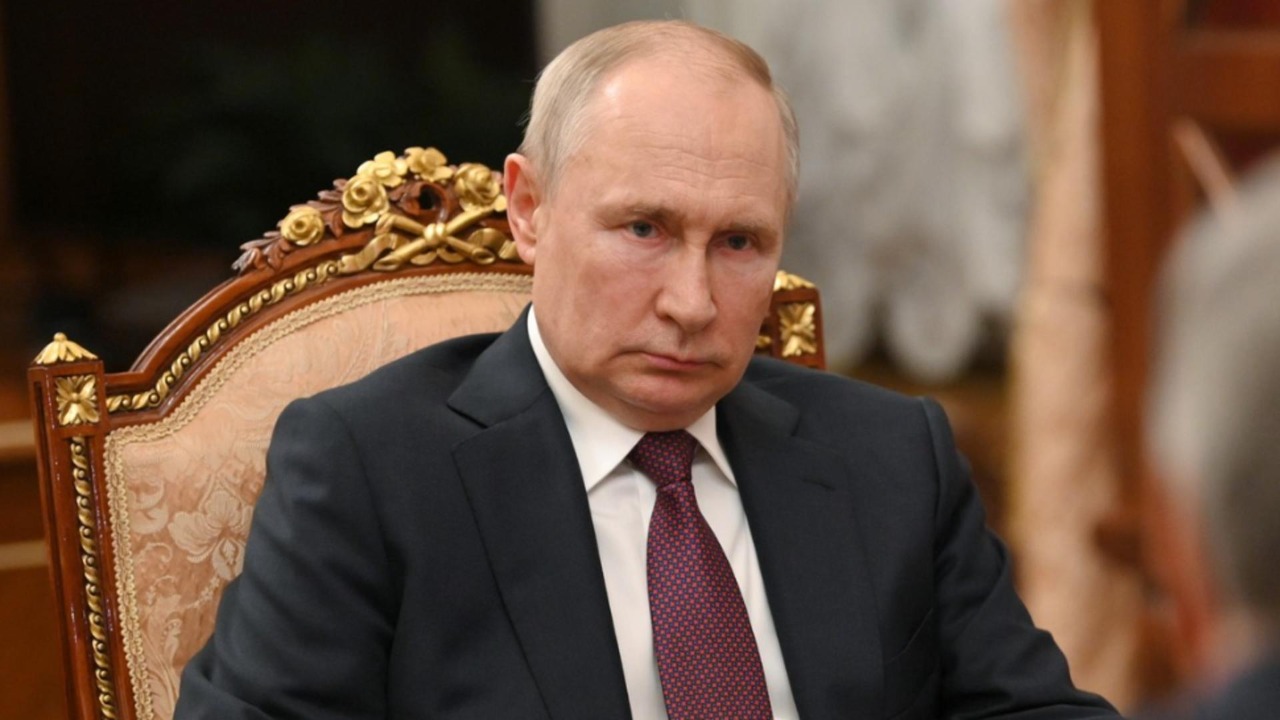
    Russian President Vladimir Putin has announced a temporary ceasefire in the ongoing war with Ukraine, beginning the morning of May 8 and ending on May 11. This three-day pause in fighting is set to coincide with the celebration of Victory Day, which marks the end of World War II. However, despite the Kremlin’s stated aim of easing humanitarian concerns, the ceasefire raises more questions than answers, especially considering the numerous failed ceasefire attempts in the past.

    While the Kremlin frames this announcement as a “humanitarian” gesture, Ukraine and other international voices are skeptical about the sincerity of this pause. Ukraine’s Foreign Minister Andrii Sybiha has urged for an immediate and longer-lasting ceasefire, echoing sentiments from the international community. Meanwhile, the United States has been actively involved in peace negotiations, with President Donald Trump also calling for a permanent cessation of hostilities.

    This latest ceasefire is another attempt to halt the bloodshed, but will it succeed where previous ceasefire efforts have failed? And, more importantly, is Vladimir Putin serious about peace? Let’s dive deeper into the context and implications of this announcement and explore whether it could serve as a genuine step toward resolving the crisis in Ukraine.


    The Context of Putin’s Ceasefire Announcement

    The announcement of the three-day ceasefire by Putin comes after multiple failed ceasefires during the ongoing Russia-Ukraine conflict, which began in February 2022 when Russia launched its full-scale invasion of Ukraine. Despite over 20 previous ceasefire attempts, hostilities have continued, with both sides accusing each other of violations. The last ceasefire, which took place over Easter 2025, lasted for just 30 hours and resulted in minimal de-escalation.

    This history of failed ceasefires cas long shadow over Putin’s new proposal. Nevertheless, the Kremlin’s official statement highlights that the ceasefire is “based on humanitarian considerations,” a language that suggests Russia is seeking to frame the move as a goodwill gesture aimed at reducing civilian suffering. The Kremlin insists that if Ukraine violates the ceasefire, the Russian Armed Forces will respond decisively. This conditional statement implies that Russia still views military escalation as a valid option, should their terms be breached.


    The Ukrainian Response: A Call for a Longer Ceasefire

    In response to Putin’s announcement, Ukrainian Foreign Minister Andrii Sybiha immediately called for a ceasefire that would last at least 30 days, rather than a mere three-day pause. He questioned why Putin would delay the ceasefire until May 8, pointing out that the fighting could stop immediately. Sybiha also emphasized that a short, temporary ceasefire would only benefit Russia’s war objectives, particularly in light of the ongoing Russian offensive in key Ukrainian territories.

    Sybiha’s appeal for a longer ceasefire echoes Ukraine’s consistent position: the country has repeatedly expressed its willingness to negotiate for a durable, comprehensive peace agreement. However, Ukraine has also stressed the importance of a real, lasting ceasefire, not just a temporary pause designed to allow for military repositioning or political posturing.

    Ukraine has also suggested that the terms of any ceasefire must include conditions to ensure Russian compliance and the withdrawal of Russian forces from occupied Ukrainian territories. Without such assurances, Ukraine argues, a ceasefire would be meaningless and would not address the root causes of the conflict.


    The United States’ Role in Peace Negotiations

    The United States has been actively involved in diplomatic efforts to end the war, with President Donald Trump recently attempting to broker a truce between Ukraine and Russia. Trump’s administration has been vocal in its desire for a permanent ceasefire to end the bloodshed. The White House has expressed frustration with the continued escalation of violence, noting that despite multiple ceasefire attempts, Russia has shown little inclination to genuinely end hostilities.

    Putin’s three-day ceasefire could be seen as an attempt to appease international pressure, particularly from Washington. Trump, in particular, has been vocal about wanting a permanent cessation of hostilities. While the United States has acknowledged Putin’s gesture, they have stressed that a temporary ceasefire will not suffice in the long term. The Trump administration’s focus remains on achieving a lasting peace agreement between both sides, something that seems elusive given the long history of failed negotiations.


    What Does Putin Want from This Ceasefire?

    Vladimir Putin’s decision to announce a ceasefire just ahead of Victory Day raises several questions about his strategic objectives. Victory Day, celebrated in Russia on May 9, is a significant national holiday marking the Soviet Union’s victory over Nazi Germany in World War II. This day holds deep historical and emotional significance for many Russians, and it is likely that Putin wants to use the ceasefire to present a face of peace and diplomacy to both his domestic audience and the international community.

    Putin’s stated willingness to negotiate peace talks without preconditions also seems aimed at reassuring the global community that Russia remains open to dialogue. However, this statement must be viewed with caution, given Russia’s long history of walking away from negotiations when its terms are not met. The announcement could also be seen as a tactical move to gain leverage in upcoming peace talks, especially as the situation on the battlefield remains fluid.

    By framing the ceasefire as a humanitarian gesture, Putin may also be trying to justify the continued military aggression by positioning Russia as a peace-seeking nation. This narrative aligns with Russia’s broader geopolitical goals, especially as it seeks to maintain control over territories such as Crimea and parts of eastern Ukraine.


    The Ongoing Human Cost of the Conflict

    The human toll of the conflict in Ukraine continues to mount. Since the invasion began in February 2022, hundreds of thousands of people, primarily soldiers, have been killed or wounded on all sides. The United Nations has estimated that millions of Ukrainians have been displaced, with many fleeing to neighboring countries in Europe. The conflict has caused widespread devastation to infrastructure, particularly in eastern Ukraine, where intense battles for control of key cities and regions continue.

    In the face of this ongoing humanitarian crisis, the idea of a ceasefire is appealing to many who seek to prevent further loss of life. However, the repeated failure of ceasefires in the past has led many to question whether any temporary pause in fighting will lead to meaningful change. The failure to address the core issues driving the conflict—Russian aggression, territorial disputes, and Ukrainian sovereignty—remains a significant obstacle to achieving lasting peace.


    Can This Ceasefire Lead to Peace?

    The announcement of a three-day ceasefire by Vladimir Putin is, at best, a temporary reprieve in an ongoing conflict. It remains to be seen whether this gesture will lead to meaningful progress in peace negotiations or whether it will simply be another footnote in a long history of failed ceasefire attempts. As the war continues to rage, the international community remains hopeful for a lasting solution, but with each failed truce, that hope diminishes.

    For further reading on the latest developments in the world of sports, including historical achievements in the IPL, check out this story about Vaibhav Suryavanshi’s IPL Milestone at Just 14 Years of Age.


  • Angela Merkel Criticizes CDU Over Far-Right Support for Migration Motion

    Angela Merkel Criticizes CDU Over Far-Right Support for Migration Motion

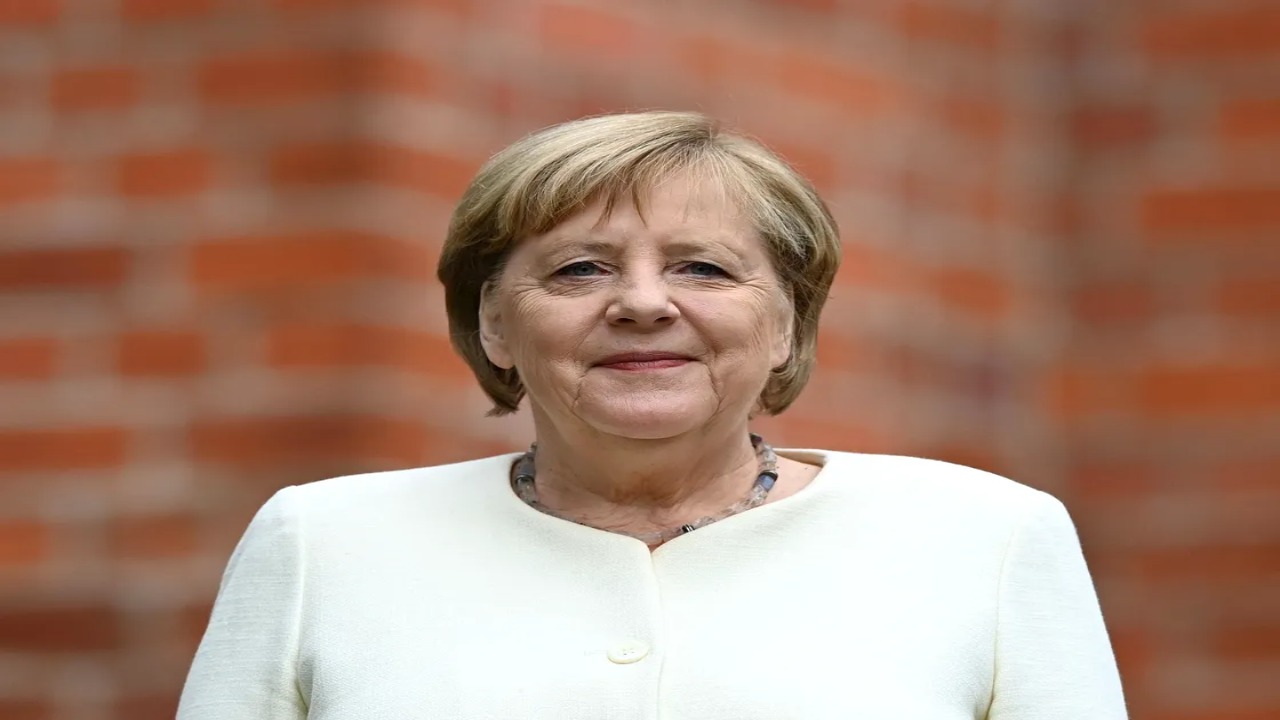
    In a rare and significant intervention, former German Chancellor Angela Merkel has criticized her former party, the Christian Democratic Union (CDU), for working with the far-right Alternative for Germany (AfD) to pass a controversial migration motion through the Bundestag. Merkel’s comments come after party leader Friedrich Merz pushed for a hard-line immigration policy, relying on AfD support to ensure the measure’s passage.

    This marks a significant shift for the CDU, a party that Merkel led for over 16 years, known for its moderate, center-right policies. Merkel’s intervention highlights a growing rift within the party, as it grapples with the rising influence of more conservative factions and the far-right AfD.


    The Migration Motion and Its Implications

    The migration motion, put forward by Merz’s CDU, calls for Germany to adopt stricter immigration controls, including turning back more migrants at its borders. This proposal is part of Merz’s broader shift toward more conservative policies, particularly on immigration. In recent months, Merz has sharply criticized Merkel’s 2015 decision to allow over a million refugees into Germany, many of whom were fleeing the Syrian civil war. Merkel’s decision was a turning point for both Germany and Europe, receiving both praise and sharp criticism.

    The motion itself is non-binding, meaning it does not immediately enact policy changes. However, it carries significant political weight, especially considering that Merz relied on the AfD’s votes to pass it. The AfD’s support was crucial in securing the motion’s passage by just three votes, making it the first time that a major piece of legislation in the Bundestag had been passed with help from the far-right.


    Merkel’s Criticism: A Call for Unity and Moderation

    Merkel’s criticism of the CDU leadership has sent shockwaves through German politics. The former chancellor expressed her disappointment in Merz for breaking his promise not to work with the AfD. In November, Merz had stated that no measures should be passed with the far-right’s support ahead of the February 23 elections. Merkel, known for her pragmatic and moderate approach, lamented that this pledge had been disregarded, saying it was “wrong to no longer feel bound by this proposal.”

    Merkel also voiced her concern about the broader implications of the CDU aligning with the AfD. She argued that this collaboration risked eroding the democratic values that have long defined the party. Merkel has consistently called for moderation and unity within Germany’s political landscape, and she urged all democratic parties to work together across party lines to address pressing issues, such as migration, without resorting to tactical alliances with extremist groups.

    The former chancellor stressed that Germany’s approach to migration must be based on European law and grounded in values of compassion and fairness. She called on all political factions to engage in honest dialogue and to seek solutions that respect Germany’s democratic traditions. Merkel’s criticism was a clear rebuke of Merz’s hard-line approach, which she sees as potentially alienating voters in the center and undermining the CDU’s credibility.


    Political Fallout: Merz Under Pressure

    Merkel’s intervention has put Friedrich Merz under significant political pressure. Political analysts suggest that this criticism from the former chancellor could seriously damage Merz’s standing within the CDU. Merkel’s words carry immense weight, and many within the party still view her as the most respected figure in German politics. Michaela Küfner, a political editor at Deutsche Welle (DW), pointed out that Merkel’s condemnation of Merz’s actions could lead to a loss of support among moderate voters, who are crucial for the CDU’s success in the upcoming elections.

    Merz’s strategy of moving the CDU toward a harder-line stance on migration has been controversial within the party. While some CDU members support his more conservative policies, others, especially those loyal to Merkel, view this as a dangerous drift towards extremism. Merkel’s intervention could be a defining moment for Merz’s leadership, as he faces increasing scrutiny not only from within his party but also from the wider public.


    The CDU’s Shifting Identity

    Under Merkel’s leadership, the CDU was known for its centrist policies and its ability to balance different political factions. Merkel herself was a figure of moderation, often seeking compromise and consensus, even in the face of political pressure. However, since Merz took over as party leader, the CDU has shifted towards more right-wing positions, particularly on migration. This shift is in part due to the increasing influence of the far-right AfD, which has gained significant support in recent years, especially in eastern Germany.

    Merz’s more conservative stance on migration reflects broader trends within European politics, where populist and far-right parties have gained traction amid concerns about immigration and security. However, this shift is not without risks for the CDU. As Merkel’s criticism suggests, working with the AfD could alienate moderate voters and undermine the CDU’s traditional role as the party of democratic stability in Germany.


    What Merkel’s Criticism Means for the CDU’s Future

    Merkel’s criticism highlights the growing divide within the CDU over its approach to migration and its relationship with the AfD. The coming weeks will be crucial for Merz and the CDU, as they face the challenge of maintaining party unity and securing electoral success in the upcoming general election.

    For Merkel, the intervention marks a rare but significant re-engagement in political affairs after stepping down from the chancellorship in 2021. While she has largely kept a low profile since her departure, her words continue to carry significant weight, especially on issues of national importance such as migration. Merkel’s influence remains a key factor in shaping the future of German politics, and her critique of Merz could have lasting consequences for the CDU’s direction.


    Looking Ahead: The February Election

    The February 23 general election will be a pivotal moment for the CDU. Migration has become one of the most contentious issues in German politics, and the outcome of the election could determine the country’s approach to this issue for years to come. Merkel’s intervention has added another layer of complexity to the election campaign, as the CDU navigates its relationship with the AfD and seeks to reclaim its position as the party of moderation and stability.

    Merkel’s call for unity and moderation may resonate with many German voters who are wary of the far-right’s growing influence. However, Merz’s hard-line stance on migration will likely remain a central theme of the CDU’s campaign, and the party will need to carefully navigate this issue if it hopes to secure a favorable outcome in the election.

    As the election approaches, all eyes will be on the CDU and its ability to reconcile its conservative wing with its traditional commitment to democratic values. Merkel’s intervention has made it clear that the future of the CDU and Germany’s political landscape will be shaped by how the party responds to the challenge posed by the far-right and the ongoing migration crisis. For more on this story, you can visit DW’s coverage of Angela Merkel’s criticism of the CDU.

  • Trump Complains to Jeff Bezos Over Amazon’s Tariff Cost Display Plan: A Political Showdown

    Trump Complains to Jeff Bezos Over Amazon’s Tariff Cost Display Plan: A Political Showdown

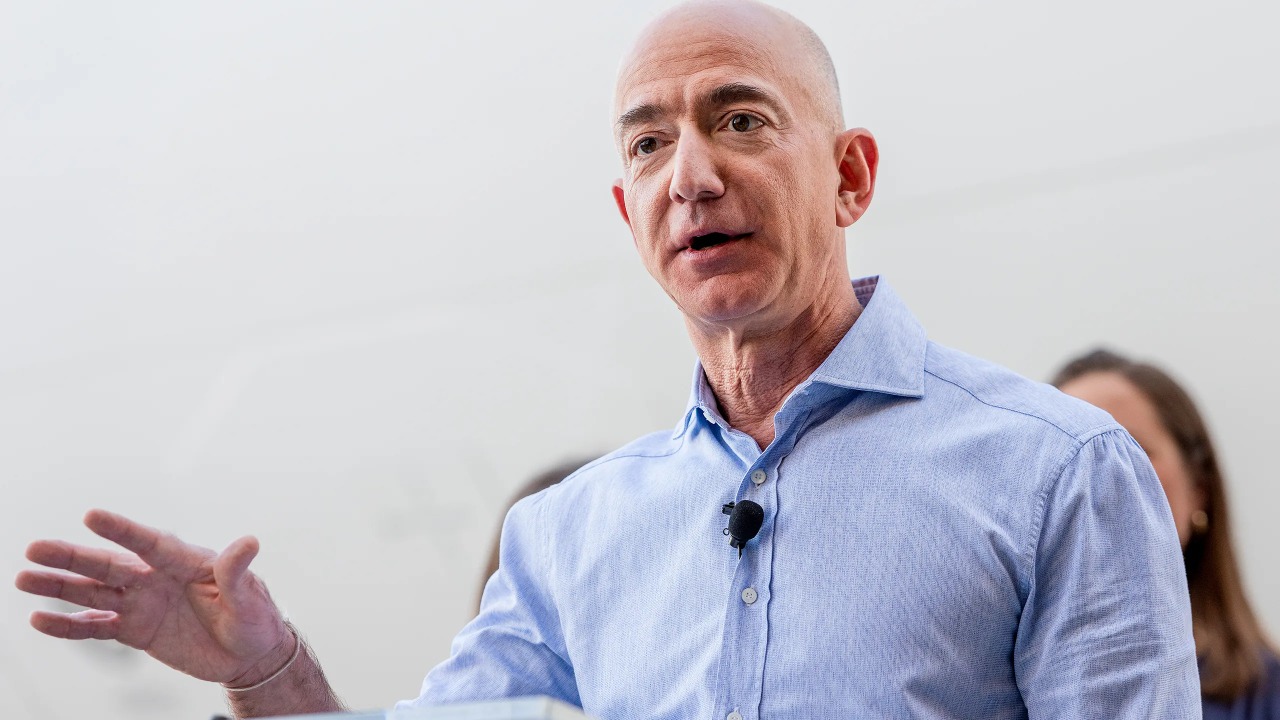
    In an unexpected move, President Donald Trump personally called Amazon founder Jeff Bezos on Tuesday morning, expressing his frustration about a report suggesting that Amazon was planning to display the costs associated with U.S. tariffs on its product listings. The report triggered a strong reaction from the White House, which denounced the idea as a “hostile and political act.” Within hours of the phone call, Amazon walked back the decision, stating that it had never officially approved such a move.

    The White House’s condemnation centered around the fact that Amazon, one of the largest online retail companies in the world, was considering a policy that would show consumers exactly how much of a product’s cost was due to President Trump’s tariffs. This would have meant that next to the listed price, Amazon would have displayed the surcharge caused by tariffs. While this might seem like a simple disclosure of costs, it quickly turned into a heated political issue, with Trump’s team accusing Amazon of using its platform for political gain.


    The Initial Controversy: Amazon and Tariff Transparency

    The controversy began when Punchbowl News reported that Amazon was planning to implement a system that displayed tariff surcharges directly on its product pages. According to the report, this would have been done across Amazon’s platform, ensuring that consumers could see how much of their purchases were affected by the ongoing trade war between the U.S. and China.

    Amazon has significant exposure to Chinese goods, with up to 70% of its products being sourced from China, according to some analysts. This made the company particularly vulnerable to Trump’s tariffs, which have been sweeping and often punitive in nature, with some products facing tariffs as high as 145%. To account for these costs, many sellers on Amazon began raising their prices, and some even considered listing the added tariff cost separately.

    However, once news of Amazon’s plan broke, it didn’t take long for the White House to react. Karoline Leavitt, the White House press secretary, slammed Amazon for what she called a “hostile and political act.” She further questioned why Amazon had not taken similar action during the Biden administration when inflation reached its highest levels in four decades. In her response, Leavitt positioned Amazon’s actions as a political maneuver designed to damage the Trump administration.


    Jeff Bezos Responds to the Pressure

    Within hours of the White House’s public criticism, Amazon responded with a clarification. The company issued a statement downplaying the extent of its plan, claiming that the idea of displaying tariff surcharges was only ever considered for a specific section of the Amazon platform—Amazon Haul, a budget-focused shopping section. Amazon stressed that this move was never approved and would not be happening.

    In a follow-up statement, Amazon confirmed that the idea had been scrapped entirely. Despite this rapid backtracking, the damage was already done. The White House had already positioned the potential tariff disclosure as a politically motivated attack on the president’s trade policies.

    The back-and-forth over this issue raised questions about the relationship between Jeff Bezos and President Trump. Although Bezos has been known for his occasional public disagreements with Trump in the past, there have been signs in recent months that Bezos has softened his stance. For example, in December 2024, Bezos expressed optimism about Trump’s second term, noting that the president had grown “calmer and more confident.” This more conciliatory tone was echoed in Amazon’s response to the tariff issue, suggesting that Bezos may have been more cautious about directly confronting the Trump administration.


    The White House’s Reaction and Further Criticism

    The White House was quick to label the proposal as part of a broader political strategy. Leavitt, during a press briefing, suggested that Amazon was trying to highlight the burden of tariffs on American consumers in a way that painted Trump’s policies negatively. She even went so far as to criticize Amazon’s past behavior, referencing a Reuters report from December 2021 that alleged Amazon complied with orders from the Chinese government to remove certain customer reviews. Leavitt’s comments drew a direct connection between Bezos’ company and Chinese influence, further escalating the political nature of the dispute.

    While other companies, such as Shein and Temu, have introduced similar surcharge policies, Amazon’s attempt to display tariff costs on their website was the most high-profile case. For Amazon, this became a fraught political issue. By highlighting the tariff burden, Jeff Bezos and Amazon were seen by some as implicitly criticizing the U.S. government’s approach to trade with China. This was especially sensitive, given the broader economic landscape and the political ramifications of Trump’s trade war with China.


    The Bigger Picture: Business, Politics, and Global Trade

    What makes this conflict particularly interesting is the intersection of business and politics. Jeff Bezos, as the founder of Amazon, is a central figure in a company that has revolutionized retail. Yet, as Amazon continues to grow, its decisions become more intertwined with political issues, especially as they relate to international trade policies and tariff costs. The company has become a global player, and its policies often have far-reaching consequences, both for consumers and for international relations.

    Despite Amazon’s claim that the tariff surcharge idea was never officially approved, the incident revealed a growing tension between large tech companies and the U.S. government. In the past, Bezos and Trump had a very antagonistic relationship, with Trump frequently criticizing Amazon and its business practices. However, as Trump settles into his second term, Bezos has expressed a more moderate stance, signaling that the lines between business and politics are increasingly blurred.


    Looking Ahead: Amazon’s Role in the Political Debate

    The impact of tariffs on Amazon’s business model is undeniable, but the way Amazon handles political issues will continue to influence its public perception. The controversy over tariff surcharges could have been a turning point in how Jeff Bezos and his company interact with the political landscape. As the 2024 election draws nearer, we can expect more scrutiny of Amazon’s role in both U.S. trade policy and its political affiliations.

    For now, Amazon has avoided a public clash with the Trump administration, but it remains to be seen how this episode will affect Jeff Bezos’ relationship with both Trump and the broader political establishment. In an era where business decisions are increasingly viewed through a political lens, Bezos’ company will need to carefully navigate its role in global trade and its relationship with the government.

    For more insights into the role of Jeff Bezos in the business world and its wider impact, check out more articles on Creator Hub.