Category: Blog

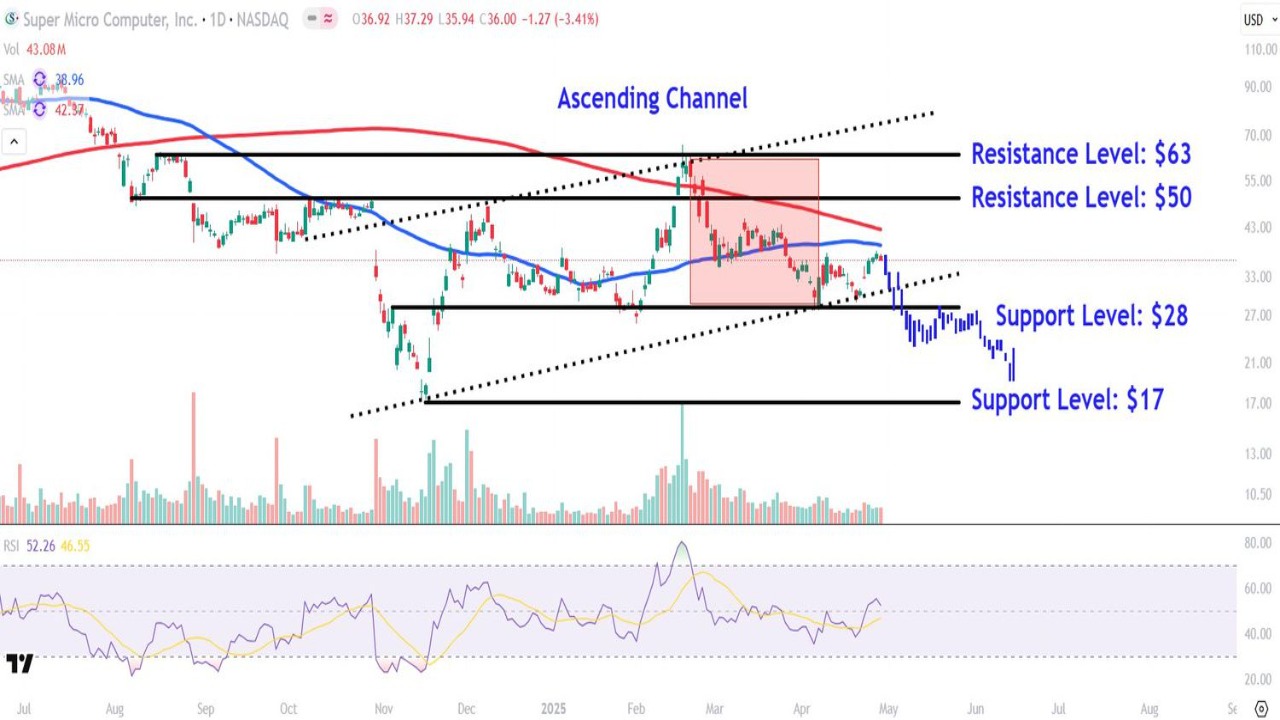
  • The Future of SMCI Stock: What You Need to Know

    The Future of SMCI Stock: What You Need to Know

    Super Micro Computer, Inc. (SMCI), a leader in high-performance server solutions, has been making waves in the tech industry. With its focus on AI-optimized servers and cutting-edge technology, the company is well-positioned for future growth and success. However, recent challenges have led to mixed reactions from investors. In this blog post, we’ll explore the future of SMCI stock, examining both its opportunities and risks.


    SMCI Stock: A Company on the Rise

    Super Micro Computer, Inc. is at the forefront of providing application-optimized, high-performance servers. The company offers a wide range of devices tailored to meet the growing demand for AI and high-performance computing (HPC) applications. This is an exciting time for SMCI, as its servers, particularly those equipped with NVIDIA GPUs, are gaining traction in the industry.

    One of the major drivers behind SMCI’s potential growth is its strategic focus on artificial intelligence. The rise of generative AI and machine learning technologies has created a massive opportunity for companies that provide the necessary infrastructure. SMCI’s AI-optimized servers are designed to accelerate these applications, which could result in strong sales in the coming years.


    Opportunities for Growth

    SMCI aims for ambitious targets, aiming to reach $40 billion in sales by FY2026. This target is driven by strong demand for Blackwell-based servers, which are optimized for AI applications. Analysts are bullish on SMCI’s future, particularly given the increasing importance of AI in various industries, including healthcare, finance, and beyond.

    In addition to AI, SMCI is well-positioned to capitalize on the increasing demand for high-performance computing (HPC) solutions. As more companies rely on data centers to run complex simulations and models, the need for powerful servers like those offered by Super Micro Computer is expected to grow.

    The company’s strategic shift towards next-gen GPUs is also a positive sign for its future. By aligning its products with the needs of the AI industry, SMCI is ensuring that it remains relevant in an ever-evolving tech landscape. Analysts believe this focus on AI-centric offerings could breathe new life into the company’s growth trajectory.


    The Risks and Challenges

    Despite its potential, SMCI faces several challenges that could impact its stock performance. The company recently issued weaker-than-expected revenue guidance for fiscal year 2025, which has caused concern among investors. The updated revenue forecast is between $23.5 billion and $25 billion, a significant reduction from previous estimates. This has led to some uncertainty about SMCI’s short-term performance.

    Another issue impacting SMCI stock is the company’s weaker-than-expected Q3 earnings outlook. SMCI has warned that delays in customer platform decisions could result in revenue coming in lower than anticipated, between $4.5 billion and $4.6 billion. This is a sharp decline from the earlier forecast of $5 billion to $6 billion. As a result, SMCI’s stock took a significant hit, falling by more than 15% in after-hours trading.

    Industry-wide trends further complicate the situation. NVIDIA’s newer Blackwell GPUs are becoming the preferred choice for AI applications, which has made SMCI’s older-generation products less competitive. This shift could result in inventory write-downs and negatively impact the company’s profit margins.


    Financial and Market Concerns

    In addition to its operational challenges, SMCI has faced scrutiny over its financial reporting practices. The company was late in filing its financial reports in February, raising concerns about its transparency and reliability. This led to fears that SMCI could be delisted from the Nasdaq, though the company ultimately avoided this fate.

    Moreover, there have been allegations of financial mismanagement, particularly after the resignation of its former auditor, Ernst & Young. A whistleblower lawsuit has also accused SMCI of accounting violations, adding further pressure on the company’s reputation.

    These issues have raised doubts about the company’s ability to maintain investor confidence. Short-seller reports from Hindenburg Research have also contributed to the negative sentiment surrounding SMCI stock. These allegations have led to significant volatility, particularly following the company’s strong performance during the AI boom in 2023.


    SMCI Stock: A Balanced View

    Despite these challenges, SMCI remains a key player in the server and AI market. The company’s commitment to developing AI-optimized servers and next-generation GPUs provides a solid foundation for future growth. Analysts remain optimistic about SMCI’s long-term prospects, particularly given its strategic shift toward AI and high-performance computing (HPC) solutions.

    That being said, investors should be cautious. The recent earnings warning and ongoing financial concerns suggest that SMCI may face some short-term volatility. However, if the company can weather these challenges and continue to innovate in the AI space, it could see a strong recovery in the coming years.


    Conclusion

    The future of SMCI stock presents both opportunities and risks. While the company’s focus on AI and next-gen technologies provides significant growth potential, it also faces challenges related to earnings guidance, customer delays, and financial controversies. Investors should carefully weigh these factors when considering SMCI stock. As always, staying informed and monitoring the company’s developments will be key to understanding the future direction of SMCI stock.

    Related News: Multan Sultans unhappy with rescheduling of two PSL matches
  • Bucks vs Pacers: Indiana’s Unbelievable Turnaround to Secure the Series Victory

    Bucks vs Pacers: Indiana’s Unbelievable Turnaround to Secure the Series Victory

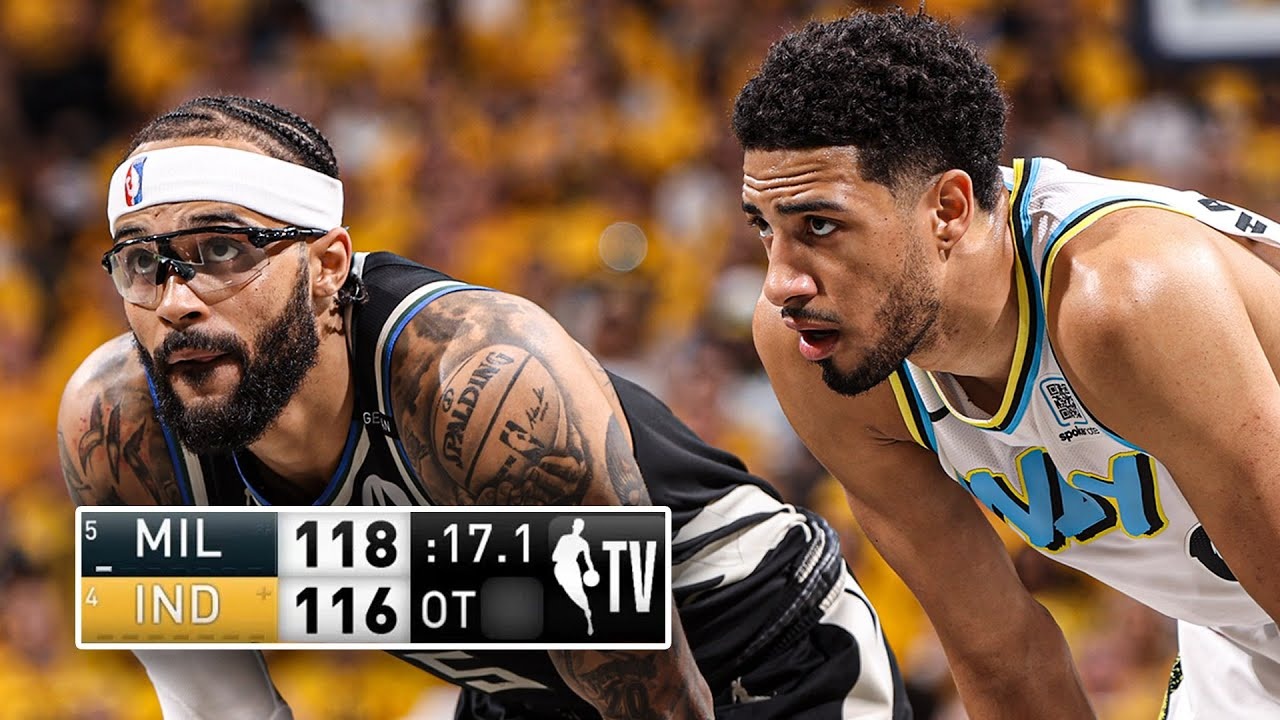
    In one of the most thrilling playoff games in recent memory, the Indiana Pacers completed an unforgettable comeback to beat the Milwaukee Bucks 119-118. This victory marked the Pacers’ progression to the second round of the playoffs. The star of the show? Tyrese Haliburton, who delivered his third game-winning shot in the last three seasons to seal the win. The dramatic conclusion of the Bucks vs Pacers matchup left fans in awe and solidified Indiana’s spot as a team to watch in the postseason.

    This blog will delve into the details of the Pacers’ remarkable turnaround, highlighting key moments, standout performances, and the aftermath of the series clincher. Let’s break down how Indiana managed to overcome an early deficit and a gritty Bucks team to secure the win.


    Pacers’ Thrilling Victory Over Bucks

    The Bucks vs Pacers game was a rollercoaster from start to finish. The Pacers found themselves in a challenging position early, with the Bucks taking control of the game. Milwaukee, led by its MVP-caliber star Giannis Antetokounmpo, came out strong. Indiana, however, wasn’t about to go down without a fight.

    After a shaky start, the Pacers slowly clawed their way back into the game. The energy in the arena shifted when Tyrese Haliburton took over in the clutch moments, hitting his signature game-winning shot to end the contest. This was Haliburton’s third game-winner against the Bucks in the last three seasons, proving just how much of a nemesis Milwaukee has become for him.


    Key Moments and Underrated Clutch Plays

    While Haliburton’s game-winning shot rightfully stole the spotlight, there were other crucial moments throughout the game that contributed to the Pacers’ win. One of the most significant plays came from T.J. McConnell. The backup point guard made an immediate impact off the bench with his defensive tenacity and ability to control the game’s pace.

    McConnell’s leadership was vital in helping the Pacers stay composed as they overcame the physical play and aggressive defense from the Bucks. His presence enabled other key contributors, such as Aaron Nesmith and Andrew Nembhard, to thrive and make crucial plays when it mattered most. Nesmith hit crucial shots, while Nembhard played excellent defense, forcing turnovers and stopping Giannis from getting easy buckets.


    Overcoming the Early Deficit and Physical Play

    The early stages of the game were challenging for Indiana. They struggled to match the intensity and physicality of the Bucks, especially with Giannis dominating the paint. The Pacers were down early, and it seemed like Milwaukee was going to take control of the series with a dominant performance.

    However, the Pacers didn’t panic. They kept chipping away at the lead and, with steady performances from their key players, started to close the gap. The resilience displayed by the Pacers was a testament to their grit and determination to fight until the final whistle. It’s moments like these that make playoff basketball so thrilling.


    Tyrese Haliburton: The Clutch Hero

    It’s impossible to talk about the Pacers’ victory without mentioning Tyrese Haliburton. The young guard was sensational in this game, especially with his game-winning shot that sealed the series. Haliburton has made a name for himself as a clutch player, and his ability to deliver under pressure was on full display.

    This wasn’t the first time Haliburton has proven his worth in the most significant moments. His composure and basketball IQ have made him one of the most exciting young players in the league. His leadership on the court is undeniable, and it’s clear that he’s going to be the cornerstone of this Pacers team moving forward.


    Post-Game Incidents and Series Rivalry

    After the game, tensions ran high between both teams. There were post-game incidents and verbal exchanges that fueled the growing rivalry between the Bucks and Pacers. This matchup has now become one of the most intense in recent seasons, with both teams displaying a deep desire to emerge victorious.

    The emotional rollercoaster of this series has undoubtedly added a new layer to the rivalry. It will be interesting to see how these two teams match up in the future. One thing is sure: the Bucks vs. Pacers series has provided basketball fans with some unforgettable moments.


    Looking Ahead for the Pacers

    The Pacers are now moving on to the second round of the playoffs. With Tyrese Haliburton leading the charge, they look poised to make a deep run. The key to their success will be maintaining their composure and continuing to rely on the clutch performances from their core players.

    Indiana’s turnaround in this series against the Bucks shows that they are a team that shouldn’t be underestimated. With their young talent and growing confidence, the Pacers are ready to make a statement in the postseason.


    Conclusion

    The Bucks vs Pacers game will be remembered as one of the most exciting matchups of the year. Indiana’s comeback, capped off by Tyrese Haliburton’s clutch game-winning shot, was nothing short of spectacular. This victory not only secured the Pacers a spot in the second round but also proved that they are a team to watch as the playoffs progress. With their solid defense, key bench performances, and Haliburton’s leadership, the Pacers are proving that they belong among the NBA’s elite.

    For more sports news and updates, check out Pakistan likely to move forward without Babar, Rizwan in T20Is.

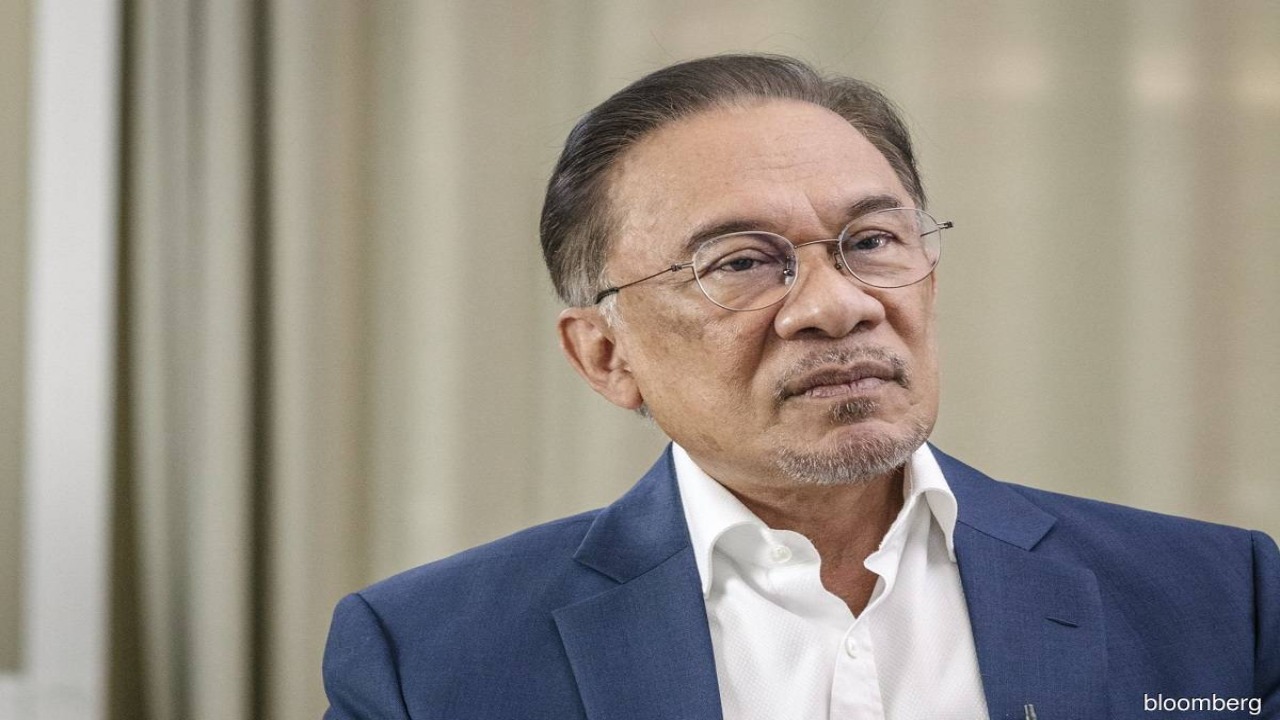
  • Anwar Ibrahim Calls for Continued Peace Efforts Following Myanmar Earthquake

    Anwar Ibrahim Calls for Continued Peace Efforts Following Myanmar Earthquake

    In the aftermath of the devastating 7.7 magnitude earthquake that struck Myanmar on March 28, 2025, Malaysian Prime Minister Anwar Ibrahim has called for a continued ceasefire in the country. The quake, which caused massive destruction and claimed the lives of nearly 3,800 people, has left Myanmar grappling with both a natural disaster and ongoing political turmoil.

    Ibrahim, a prominent figure in Southeast Asian politics, has made it clear that humanitarian aid to Myanmar should continue without any barriers. His call for peace comes at a time when Myanmar is already dealing with complex internal conflicts. The earthquake exacerbated the nation’s challenges, leaving many citizens in desperate need of assistance.


    Malaysia’s Diplomatic Response

    In a move that underscores Malaysia’s commitment to peace and regional stability, Prime Minister Anwar Ibrahim held a phone call with his Vietnamese counterpart, Pham Minh Chinh. The leaders discussed the situation in quake-hit Myanmar, emphasizing the need for continued humanitarian assistance. Anwar Ibrahim reiterated that all parties involved in the ongoing conflict in Myanmar must uphold the ceasefire agreement that was put in place after the earthquake.

    “We agreed that humanitarian assistance to all Myanmar citizens must continue without restrictions,” Anwar said in a statement posted on the social media platform X. He further stressed the importance of ensuring the safety of humanitarian workers, who have been crucial in providing aid to the victims of the earthquake.


    Myanmar’s Crisis: A Nation in Turmoil

    Myanmar has been under military rule since a coup in February 2021. This has led to widespread protests and violent clashes between the military junta and ethnic armed groups across the country. The conflict has displaced hundreds of thousands of people, further complicating the efforts to deliver aid to those in need.

    The earthquake struck at a time when Myanmar was already dealing with intense internal strife. Northern Myanmar, in particular, has been the site of fierce clashes between the junta and various rebel groups. These groups, many of which are fighting for greater autonomy or independence, have been engaged in a protracted battle with the government for years.

    In the wake of the earthquake, the junta and some rebel groups agreed to a ceasefire. This temporary truce, which began in early April 2025, aimed to allow aid to reach the affected regions. However, Ibrahim believes that the ceasefire should be maintained to ensure that both relief efforts and long-term peace can be established in Myanmar.

    The earthquake’s impact has been devastating. As of the latest reports, the death toll has risen to 3,769, with over 5,100 people injured and many more missing. Entire villages have been destroyed, leaving countless people homeless. The destruction is not only a humanitarian disaster but also a setback in the ongoing efforts to bring peace and stability to Myanmar.


    Malaysia’s Role in Regional Diplomacy

    Prime Minister Anwar Ibrahim’s comments reflect Malaysia’s active role in Southeast Asian diplomacy. As one of the key players in the Association of Southeast Asian Nations (ASEAN), Malaysia has often served as a mediator in regional conflicts. Anwar’s call for continued peace efforts in Myanmar aligns with Malaysia’s long-standing commitment to promoting regional stability and peace.

    In his statement, Anwar emphasized Malaysia’s dedication to strengthening international relations based on mutual respect and cooperation. By encouraging dialogue and understanding among Myanmar’s various factions, Malaysia aims to create an environment where both humanitarian needs and political solutions can be effectively addressed.

    Anwar’s leadership also underscores Malaysia’s broader approach to foreign policy, which is focused on peaceful negotiation and diplomatic engagement. In a region where conflicts often arise from a mix of political, ethnic, and territorial disputes, Malaysia seeks to bridge differences through collaborative dialogue rather than confrontation.


    The Importance of Continued Ceasefire

    The ceasefire in Myanmar is a crucial step in ensuring that aid reaches the most vulnerable communities. Many of Myanmar’s remote regions are difficult to access, especially in the midst of ongoing conflicts. For aid organizations and humanitarian workers, navigating these areas safely is a significant challenge.

    Anwar Ibrahim’s call for all parties to respect the ceasefire is crucial in allowing both local and international aid to flow into the country. Humanitarian organizations are already stretched thin in their efforts to provide relief, and without a stable environment, their work becomes even harder. The prime minister’s statement emphasizes the importance of prioritizing the welfare of the people, especially during such a severe crisis.

    While the ceasefire may be temporary, it represents a glimmer of hope in a country that has endured years of political unrest and civil war. Anwar Ibrahim’s appeal for peace is not only about the immediate aftermath of the earthquake but also about laying the groundwork for long-term peace and stability in Myanmar.


    Looking Ahead: Challenges and Opportunities

    As Myanmar continues to recover from the earthquake and the ongoing civil conflict, the international community must remain engaged in finding a lasting solution to the country’s challenges. Anwar Ibrahim’s call for peace is a step in the right direction, but it is just one part of a much larger diplomatic puzzle.

    The ongoing ceasefire is fragile, and there is no guarantee that it will remain in place in the long term. However, with continued international pressure and support, there may be an opportunity to establish a lasting peace that addresses both the humanitarian needs and the complex political realities of the region.

    For Malaysia, Anwar Ibrahim’s leadership serves as a reminder of the importance of diplomacy in times of crisis. Through his efforts, Malaysia has shown that even in the face of natural disasters and political unrest, the path to peace is always worth pursuing.


    Conclusion

    Anwar Ibrahim’s call for continued peace efforts in Myanmar after the devastating earthquake is a testament to his commitment to regional stability and humanitarian relief. By urging all parties in Myanmar to maintain the ceasefire, Malaysia is playing a crucial role in ensuring that aid reaches those who need it most. As Myanmar works to rebuild and recover, the international community must continue to support these peace efforts and strive toward a peaceful and prosperous future for the country.

    For more updates on regional conflicts and their impact, check out Saba Faisal’s Refusal of Indian Ad Offer Before Kashmir Attack.

  • Now You See Me: The Magic Continues with New Faces and Familiar Feats

    Now You See Me: The Magic Continues with New Faces and Familiar Feats

    The magic is back! After nearly a decade, the Now You See Me franchise is ready to amaze audiences once again with its third installment: Now You See Me: Now You Don’t. Fans of the thrilling magician heist series can finally breathe a sigh of relief, as the Four Horsemen are returning to the big screen, alongside recruits who promise to bring fresh energy to the franchise. Get ready for a spellbinding ride filled with high stakes, intricate illusions, and mind-bending tricks.


    A Familiar Cast, a Fresh Twist

    Now You See Me: Now You Don’t brings back the original Four Horsemen—J. Daniel Atlas (Jesse Eisenberg), Merritt McKinney (Woody Harrelson), Jack Wilder (Dave Franco), and Henley Reeves (Isla Fisher). Yes, you read that right! Isla Fisher, who was notably absent in the second film, returns to reprise her role as Henley, much to the excitement of long-time fans. Joining them are returning characters Dylan Rhodes (Mark Ruffalo) and Thaddeus Bradley (Morgan Freeman), who have been integral parts of the franchise’s heart-pounding action and thrilling plots.

    But the magic doesn’t stop there. Now You See Me: Now You Don’t introduces an exciting lineup of new faces. Ariana Greenblatt, Dominic Sessa, Rosamund Pike, and Justice Smith are all set to join the cast, bringing their dynamic to the already star-studded ensemble. With their fresh energy, these recruits will play pivotal roles in a bigger, more daring heist than ever before.


    The Plot: Bigger and Bolder

    In this new chapter, the Four Horsemen are once again called back into action. Having retired from the game after their previous adventures, they are drawn into an elaborate mission that promises even higher stakes and more mind-bending illusions. As with previous installments, the team’s skills will be pushed to the limit. They must use their wits, charm, and, of course, their magic to outsmart the odds and complete an impossible task.

    Director Ruben Fleischer, who takes the helm for this installment, is eager to bring a fresh perspective while staying true to the elements that fans love. Fleischer’s approach to revitalizing the Now You See Me franchise was so well-received that Lionsgate is already in the early stages of developing a fourth film, demonstrating the studio’s considerable confidence in the new movie.


    The Return of the Four Horsemen

    One of the key elements that fans loved about the first two Now You See Me films was the team dynamic of the Four Horsemen. Each member has their unique strengths and talents, from J. Daniel Atlas’s charismatic leadership to Merritt McKinney’s quick wit and Jack Wilder’s daredevil stunts. The reunion of these familiar characters, with the bonus of Isla Fisher’s return, has fans buzzing with excitement.

    The return of these beloved characters creates a sense of nostalgia while offering new opportunities for character growth and development. This dynamic team must rely on each other more than ever, with new challenges on the horizon that push them into uncharted territory. Their chemistry is sure to be a significant highlight of Now You See Me: Now You Don’t, making it a must-see for fans of the franchise.


    A New Vision for the Magic

    Lionsgate and Fleischer have taken great care in ensuring that Now You See Me: Now You Don’t will feel like a worthy continuation of the franchise. The film promises to blend the excitement and illusion-filled magic the series is known for with a deeper, more intricate storyline. Fans can expect to see even more stunning heists, jaw-dropping magic tricks, and high-octane action sequences that keep them on the edge of their seats.

    In addition to the returning magic, the inclusion of new cast members ensures a fresh and engaging dynamic. With Rosamund Pike and Justice Smith among the recruits, fans are in for a thrilling ride. Pike, known for her captivating performances, and Smith, who has impressed in previous roles, bring new layers to the Now You See Me universe, helping to elevate the franchise to new heights.


    Looking Ahead: The Future of the Franchise

    Now You See Me is far from done. Lionsgate is already planning a fourth installment, showing that they have big plans for this magician heist series. If the success of the third film is anything to go by, we can expect the magic to continue in more spectacular ways.

    Now You See Me: Now You Don’t hits theaters on November 14, 2025, and it promises to deliver the magic, excitement, and twists that fans have been eagerly awaiting. Whether you’re a long-time fan of the franchise or a newcomer looking to be wowed, this new installment is sure to keep you guessing.

    As the magic continues, fans will no doubt be left wondering just how deep the rabbit hole goes and what the Four Horsemen will pull off next.

    Related Content:

    For those interested in more behind-the-scenes insights into the world of entertainment, check out Behind the Glamour: Maheen Khan Exposes the Rotten Core of Fashion Journalism.

  • Labor Day 2025: Celebrating Workers’ Rights and Their Legacy

    Labor Day 2025: Celebrating Workers’ Rights and Their Legacy

    Labor Day 2025 will be observed on Monday, September 1. It’s a day dedicated to honoring the contributions and achievements of American workers. For many, it also marks the unofficial end of summer, a time for family gatherings, parades, and celebrations. But beyond the barbecues and picnics, this day holds significant historical meaning. Let’s delve into the origins of this holiday and examine how it continues to commemorate the labor movement and workers’ rights.


    The Origins of Labor Day

    Labor Day didn’t always exist. The holiday originated during a dark period in American labor history, when workers faced grueling conditions during the Industrial Revolution. In the late 19th century, American workers were often forced to work long hours—sometimes 12-hour days, seven days a week—just to make ends meet. Many workers, including children as young as 5, labored in dangerous conditions in factories, mills, and mines.

    In response to these harsh conditions, labor unions began to form. Workers began demanding better pay, safer working conditions, and more reasonable working hours. Strikes and protests became more common, and many of these events were marked by violence. The infamous Haymarket Riot of 1886, where several policemen and workers were killed, was one example.

    But there were also moments of unity. On September 5, 1882, workers in New York City held the first-ever this day parade. Approximately 10,000 workers marched from City Hall to Union Square, calling for better rights for American laborers. This was a powerful demonstration of solidarity and the beginning of a movement that would spread across the country.


    The Federalization of Labor Day

    By the early 1890s, the idea of a holiday to celebrate workers was gaining traction. In 1894, following a violent strike in Chicago involving the Pullman Company, the federal government was compelled to intervene. The Pullman Strike had crippled railroad traffic, and the government sent in troops to break the strike. The ensuing violence led to the deaths of over a dozen workers.

    In response, Congress passed a law making this day a federal holiday in 1894. President Grover Cleveland signed the bill into law, and Labor Day became an official holiday. However, the true founder of the holiday remains a subject of debate. Some say it was Peter J. McGuire, cofounder of the American Federation of Labor. Others believe Matthew Maguire, a secretary of the Central Labor Union, was the one who proposed the idea.


    Why Do We Celebrate Labor Day?

    This day is not just another day off; it’s a special occasion. It’s a day to recognize the hard work and sacrifice of millions of American workers throughout history. The holiday commemorates the labor movement, which fought for improved working conditions, fair wages, and shorter working hours.

    Without the struggles of past generations of workers, many of the benefits we enjoy today, such as paid vacation time, health benefits, and workplace safety standards, might not exist. This day honors those who fought for these rights and highlights the ongoing efforts to improve working conditions for all.


    Labor Day 2025: More Than Just a Day Off

    While this day is often seen as a day for rest, it’s essential to remember its deeper meaning. In 2025, as you enjoy the long weekend, take a moment to reflect on the significance of the holiday. This day is a tribute to workers who have shaped the American workforce.

    Throughout the 20th century, the labor movement continued to make progress. Workers gained the right to organize, bargain collectively, and fight for fair wages and job security. Today, millions of American workers continue to benefit from the efforts of past labor leaders.

    However, the fight for workers’ rights is far from over. While many improvements have been made, issues such as wage inequality, job insecurity, and poor working conditions continue to affect workers across the country. In 2025, Labor Day serves as a poignant reminder that the fight for workers’ rights remains ongoing. It’s a call to action for future generations to continue improving working conditions for all workers, regardless of their profession.


    Labor Day Traditions

    This day is not just about its historical roots—it’s also about how we celebrate today. For many Americans, it’s a time to enjoy a final summer celebration with family and friends. Parades, picnics, barbecues, and fireworks are common ways to mark the occasion.

    Many cities hold parades showcasing local workers and labor unions. These parades are a colorful and lively reminder of the holiday’s origins. Some people use the weekend to travel, while others stay home to relax before the start of the back-to-school season.

    For others, the day is about giving back. Some people use their day off to volunteer in their communities or participate in charity events. Regardless of how you spend the holiday, this day remains an opportunity to acknowledge the value of work and the significance of workers in shaping society.


    Labor Day and the End of Summer

    Labor Day also symbolizes the end of summer for many Americans. It’s the final long weekend before the school year begins, and families often use the time to enjoy one last outdoor gathering. It marks the transition from lazy summer days to the more structured routine of fall.

    While many associate the holiday with the end of the season, it also marks the beginning of a new chapter. For students, it’s the start of a new school year. For workers, it can be a time to reflect on their careers and aspirations.


    Labor Day 2025: Looking Ahead

    As we approach Labor Day 2025, it’s important to remember that the holiday’s significance is rooted in both historical struggles and ongoing challenges. This day serves as a reminder of how far we’ve come and how much further we still have to go in ensuring that workers’ rights are protected.

    In the end, this day is more than just a day off work—it’s a celebration of the American workforce, a tribute to the labor movement, and a call to action to continue advocating for fair and just working conditions.

    Related News: In other news, five Sikh soldiers were tragically killed as Indian Army units opened fire on each other in Kashmir.

  • Mastura Ahmad Mustafa Appointed Chief Negotiator for Malaysia-US Tariff Talks

    Mastura Ahmad Mustafa Appointed Chief Negotiator for Malaysia-US Tariff Talks

    In a significant development for Malaysia’s trade relations with the United States, Mastura Ahmad Mustafa, Deputy Secretary-General (Trade) at the Ministry of Investment, Trade, and Industry (MITI), has been appointed as the country’s chief negotiator for the upcoming formal tariff negotiations with the US. This significant appointment comes at a time when both countries are seeking to resolve issues concerning tariffs, non-tariff barriers, and trade imbalances.


    Who is Mastura Ahmad Mustafa?

    Mastura Ahmad Mustafa is one of the most experienced senior civil servants within MITI. With years of expertise in trade and investment, Mastura brings a wealth of knowledge to the negotiating table. Her leadership in these upcoming talks is expected to play a crucial role in shaping the future of Malaysia-US trade relations. As Malaysia’s chief negotiator, her responsibilities will include leading discussions on reducing tariffs, addressing non-tariff barriers, and managing the trade surplus with the United States.


    The Context of Malaysia-US Tariff Talks

    The United States recently announced higher tariffs on imports from several countries, including Malaysia. The tariff rate on most Malaysian goods is set at 24%. In response, Malaysia has advocated for a reduction in these tariffs, aiming to achieve a mutually beneficial level. However, reducing tariffs is just one of the many challenges on the agenda.

    Tengku Datuk Seri Zafrul Abdul Aziz, Malaysia’s Minister of Investment, Trade, and Industry, confirmed that the US has appointed an assistant trade representative to lead their side of the talks. The discussions will begin once Malaysia’s Cabinet approves the negotiation framework.


    Key Issues to Address

    The primary focus of the negotiations will be to reduce tariffs between Malaysia and the United States. Although neither country has set a goal of reducing tariffs to zero, they aim to reach a compromise that benefits both parties. A significant part of the talks will also focus on non-tariff barriers, particularly in the agricultural sector, as Malaysia seeks to address trade restrictions that impact its agricultural exports.

    Another critical issue is Malaysia’s trade surplus with the US, which currently stands at $25 billion (RM108 billion). Over the past four years, Malaysia has made significant progress in reducing its trade imbalance with the United States by nearly half. This has been a positive development, but both countries are keen on further addressing the trade imbalance during the negotiations.


    Impact of the US-Malaysia Tariff Talks

    The timing of these negotiations is essential, given that the US recently imposed higher tariffs on imports from approximately 60 countries, including Malaysia. However, the US has allowed a 90-day pause on these “reciprocal” tariffs, providing an opportunity for both sides to engage in trade discussions. Mastura Ahmad Mustafa’s leadership will be crucial in ensuring that Malaysia maximizes the opportunities presented by this window.

    Tengku Zafrul has emphasized that both sides will discuss various aspects of economic security, especially in areas such as technology and intellectual property protection. The US is particularly concerned about the potential transfer of sensitive technologies, which could be used in ways that are not in its best interest. As part of the discussions, Malaysia may propose a technology safeguard agreement to address these concerns.


    Next Steps in the Negotiation Process

    The first round of negotiations is expected to take place once Malaysia’s Cabinet gives its approval. Following that, discussions will be further deliberated at the National Geoeconomic Command Centre (NGCC) meeting, which the Prime Minister will chair. This meeting will help shape the strategic direction of the talks.

    During these talks, Malaysia’s focus will be on addressing both tariff and non-tariff barriers, which are key to ensuring that Malaysian businesses have better access to the US market. Furthermore, the outcome of these discussions will also affect Malaysia’s trade relations with other countries.


    Mastura Ahmad Mustafa’s Role in the Negotiations

    As the chief negotiator, Mastura Ahmad Mustafa will be at the forefront of these critical trade talks. Her experience and expertise will be instrumental in navigating the complexities of the negotiation process. With a strong background in trade policy, Mastura is well-equipped to address the challenges and opportunities that arise during this high-stakes negotiation.

    She will be responsible for representing Malaysia’s interests while working to find a mutually beneficial solution with the US. Her leadership will not only help strengthen Malaysia-US trade relations but also contribute to the broader goals of enhancing Malaysia’s position in the global trade arena.


    Conclusion

    Mastura Ahmad Mustafa’s appointment as Malaysia’s chief negotiator for the upcoming Malaysia-US tariff talks marks a significant step in the country’s efforts to improve trade relations with the United States. With her extensive experience in trade policy, Mastura is well-positioned to lead Malaysia through the complexities of these crucial negotiations.

    As both countries continue to address issues related to tariffs, trade imbalances, and economic security, the outcome of these talks will have far-reaching implications for Malaysia’s financial future. The progress made in these negotiations will help pave the way for more robust and equitable trade relations between Malaysia and the US.

    For related news, read about how Indian women married to Pakistanis face challenges, as only their children are allowed to cross the border.

  • Eco-Shop IPO Price Set at RM1.21, Making It Malaysia’s Largest in 8 Months

    Eco-Shop IPO Price Set at RM1.21, Making It Malaysia’s Largest in 8 Months

    Eco-Shop Marketing Bhd, a well-known retail brand in Malaysia, has set its Initial Public Offering (IPO) price at RM1.21 per share. This marks the largest IPO in Malaysia in the past eight months, making waves in the country’s stock market. The IPO aims to raise RM419.87 million, a significant development for both investors and shoppers.

    In this blog post, we will delve into the details of the Eco Shop IPO price, its implications for investors, and the company’s growth trajectory. Keep reading to learn everything you need to know about Eco-Shop’s IPO.


    What is the Eco Shop IPO Price?

    The Eco Shop IPO price has been set at RM1.21 per share. This price is part of Eco-Shop’s strategy to raise funds through the sale of 347 million new shares. The retail portion will offer about 187 million shares at the same price, RM1.21 each. The IPO is expected to raise a significant amount, with a total of 862 million shares on offer, including 515 million existing shares for sale.

    At this price point, Eco-Shop plans to debut with a market capitalization of RM7 billion. The company’s strong presence in Malaysia, combined with its affordable products, makes this an exciting prospect for both retail and institutional investors.


    Why Is the Eco Shop IPO Important?

    Eco-Shop’s IPO is the most significant listing in Malaysia in the past eight months. The retail chain, which operates 358 stores nationwide, has established a loyal customer base by offering a diverse range of affordable products. Its stores stock everything from daily essentials to household items, often priced at RM2.60 in Peninsular Malaysia and RM2.80 in East Malaysia.

    The Eco Shop IPO price of RM1.21 per share has garnered attention because it offers an opportunity for both small investors and large institutional investors to participate. With the IPO, Eco-Shop plans to raise capital to fund its expansion, improve its retail network, and enhance its IT infrastructure. This is a clear sign of the company’s commitment to growth and enhancing its market position.


    How the Funds Will Be Used

    Eco-Shop intends to use the proceeds from the IPO in several key areas:

    • Expansion of distribution centers: RM200 million will be allocated to increase the company’s distribution capabilities. This is essential for ensuring the company can continue to meet the demand for its products.

    • Repayment of bank loans: RM100 million will be allocated toward settling existing debts, thereby strengthening the company’s financial footing.

    • Expansion of retail network: RM56.27 million will be allocated to expand Eco-Shop’s retail footprint. This expansion is expected to increase foot traffic and drive sales.

    • Working capital and IPO-related costs: RM52.70 million will be used for general operational expenses, including working capital and the costs associated with the IPO.

    • IT investments: RM10.90 million will go into technology upgrades, which is key to staying competitive in today’s digital retail landscape.

    These strategic investments will help Eco-Shop enhance its market share and profitability, making the Eco Shop IPO price even more attractive to investors.


    What Does the IPO Mean for Eco-Shop’s Future?

    The Eco-Shop IPO represents a pivotal moment for the company. Founded in 2003 in Johor, the company has experienced rapid growth, with plans to continue expanding. As of March 31, 2025, Eco-Shop operates 358 stores, including 22 Eco-Plus outlets. By going public, Eco-Shop aims to secure the necessary funding to reach a broader customer base, expand its product offerings, and enhance its service.

    The funds raised from the IPO will allow Eco-Shop to continue its journey of providing affordable products to Malaysians while also enhancing its business operations to ensure future success.


    What Are the Risks and Opportunities for Investors?

    Investors looking to take part in the Eco Shop IPO price should consider both the opportunities and the risks involved. The key opportunity is Eco-Shop’s established brand in the Malaysian retail market. The company has demonstrated consistent growth over the years, and its IPO is likely to generate strong interest from both retail and institutional investors.

    On the risk side, investors need to be mindful of market fluctuations and competition in the retail sector. However, Eco-Shop’s strategic plans to invest in distribution centers, expand its retail network, and enhance its IT infrastructure should help mitigate these risks in the long run.


    Key Dates to Remember

    The IPO application for the retail portion will close on May 7, 2025. Following this, the company is scheduled to list on Bursa Malaysia on 23 May 2025. Investors should keep these dates in mind as they prepare for the initial public offering (IPO).

    The order-taking period for institutional investors will end on May 8, 2025. The final IPO price will be set on May 9, 2025, and it will either match the retail price of RM1.21 per share or be determined by the institutional price, whichever is lower.


    Conclusion

    The Eco Shop IPO price of RM1.21 marks a significant event for both the company and Malaysia’s retail sector. The IPO is set to be the largest in the country in the past eight months, offering investors an exciting opportunity to get involved in a growing company with a solid track record. Eco-Shop’s plans for expansion, debt repayment, and technology investments demonstrate the company’s commitment to its future success.

    If you’re interested in investing in Eco-Shop’s IPO, make sure to mark the key dates and keep an eye on the final pricing. This could be an excellent opportunity to join one of Malaysia’s most successful retail brands.

    Related News: Want to stay updated on other major sports events? Check out the latest update on the Pakistan-Bangladesh T20I series schedule, confirmed with one significant change.

  • Bringing Mark Kerr to the Big Screen: The Rock’s Most Raw Role Yet

    Bringing Mark Kerr to the Big Screen: The Rock’s Most Raw Role Yet

    Dwayne Johnson is recognized worldwide as a blockbuster superstar. From action-packed adventures to comedy roles, he has done it all. But now, he’s stepping into uncharted territory. In his latest film, The Smashing Machine, Johnson portrays Mark Kerr, a legendary UFC fighter whose real-life story is marked by both triumph and tragedy.

    This movie is not just another sports film. It’s a profound, emotional exploration of the world of mixed martial arts and the mental toll it exacts on a fighter. It’s also a raw look at addiction, fame, and personal breakdown. Directed by Benny Safdie, this film shows a side of Dwayne Johnson that fans have never seen before.


    Who Is Mark Kerr?

    Mark Kerr is a name that holds weight in the world of MMA. He was one of the most dominant fighters of his time. Between 1997 and 2009, Kerr was a force in the UFC and Pride FC. He won two UFC Heavyweight Tournaments and four ADCC World Championship titles. His grappling skills were unmatched. Inside the ring, he was known as “The Smashing Machine”—a” nickname that stuck.

    However, behind his powerful image lay a man struggling with profound issues. Mark Kerr battled addiction, depression, and the pressures of being a public figure. His career was filled with highs, but his personal life was falling apart. In 2002, HBO released a documentary titled The Smashing Machine, which revealed the truth behind Kerr’s painful journey. That same story is now being told in this feature film.


    A Transformative Role for Dwayne Johnson

    Fans are used to seeing Dwayne Johnson as the hero. Whether he’s saving the world or cracking jokes, his on-screen presence is often larger than life. But in The Smashing Machine, he becomes nearly unrecognizable. Gone are the charming smiles and witty one-liners. Instead, we see a broken, quiet, and vulnerable man.

    Playing Mark Kerr has been a personal and professional challenge for Johnson. He’s said in interviews that this film is one of the most meaningful projects of his career. He wanted to do more than entertain — he tried to tell a story that matters. He wanted to explore real pain and real struggle.

    From the first trailer, it’s clear that Johnson has committed to the role. His physical transformation is intense. But more than that, he brings a profound emotional depth to the screen. Viewers will see a side of The Rock that’s raw, real, and unforgettable.


    Benny Safdie’s Solo Directorial Debut

    The Smashing Machine also marks the solo directorial debut of Benny Safdie. Fans of independent cinema will recognize him from films like Uncut Gems and Good Time, which he co-directed with his brother Josh. Both movies are renowned for their tense and emotionally charged storytelling.

    Now, Safdie is stepping out on his own. And he’s not holding back. His direction in this film is up-close and intense. The camera lingers on moments of silence, pain, and confusion. He captures the chaos of Mark Kerr’s world — both in the ring and in his mind.

    Safdie also wrote the script and co-produced the film. This is a passion project. He has treated Kerr’s life story with care, accuracy, and depth. He also brings a unique style to the film that sets it apart from other sports dramas.


    A Strong Supporting Cast

    Emily Blunt stars alongside Johnson as Dawn Staples, Mark Kerr’s wife. Their chemistry is key to the story. Dawn stood by Kerr during some of his darkest moments. Her role adds emotional weight to the film. This is the second time Blunt and Johnson have collaborated, following their work on Jungle Cruise.

    The cast is rounded out with a strong supporting lineup, though full casting details are still under wraps. What’s clear is that the film focuses on performance and emotion, rather than just flashy fight scenes.


    More Than Just a Fight Movie

    At its core, The Smashing Machine is not about winning titles or glory. It’s about the cost of fame. It’s about what happens when a man’s body is strong but his spirit is breaking. It’s about pain that no punch can fix.

    Mark Kerr’s story is one that many athletes can relate to. It’s a warning about the pressure of performance, the trap of addiction, and the importance of mental health. This film sheds light on those issues powerfully and honestly.


    When Will the Film Release?

    The Smashing Machine is set to release in theaters on October 3, 2025. Fans of Dwayne Johnson, UFC history, and raw biographical films should mark their calendars. Judging by early buzz, the movie could be a major award contender.

    With a powerful story, standout performances, and intense direction, this film is set to make a significant impact.


    Final Thoughts

    Mark Kerr’s journey is both inspiring and heartbreaking. Bringing it to the big screen is no small task. But with Dwayne Johnson in the lead and Benny Safdie behind the camera, this story is in good hands.

    Whether you’re a fan of MMA, dramatic films, or just love seeing actors take on serious roles, The Smashing Machine is worth the hype. It’s not just a film about a fighter. It’s a film about being human.

    Want more celebrity and sports drama? Check out this story too: Umar Akmal is disappointed with his former teammate’s behaviour

  • Monika Braun: AI Art Revolution and the Viral ‘Shona Lisa’ Trend

    Monika Braun: AI Art Revolution and the Viral ‘Shona Lisa’ Trend

    Monika Braun has found herself at the center of a global conversation—one that blends technology, creativity, and cultural intrigue. The recent explosion of interest surrounding the AI-generated artwork known as “Shona Lisa” has unexpectedly turned Braun into a trending topic. The piece, credited to Rashi Pandey, has captivated digital audiences worldwide with its blend of Renaissance charm and modern absurdity. What started as a quirky AI art experiment has now spiraled into a viral moment with Monika Braun’s name at its core.

    As AI-generated images redefine how audiences interact with art and identity, this peculiar intersection of fame and digital creation reveals more than just a meme—it unpacks how public figures, intentionally or otherwise, become icons of internet culture.


    What is ‘Shona Lisa’?

    “Shona Lisa” isn’t just another AI-generated portrait floating around social media feeds. It’s a layered creation—one that borrows the visual cues of Leonardo da Vinci’s Mona Lisa and infuses them with the modern South Asian aesthetic, complete with traditional attire, elaborate jewelry, and the nickname “Shona,” a term of endearment in Bengali and Hindi. This fusion of classical and contemporary instantly sparked fascination.

    The artist behind this viral creation, Rashi Pandey, revealed that the image was generated using advanced AI tools trained on historical artwork and South Asian visual elements. It quickly went viral, shared widely across X (formerly Twitter), Instagram, and Reddit, gaining traction in both artistic and meme-loving communities. The twist? Many began associating the image with Monika Braun, interpreting her expression and features to mirror the AI-generated figure—an uncanny resemblance that caught fire on social platforms.

    Monika Braun’s name became intrinsically linked to the artwork, whether due to deliberate resemblance, algorithmic curiosity, or simply internet whimsy. Regardless, the phrase “Monika Braun” started trending alongside “Shona Lisa,” merging the two into a shared online phenomenon.


    The Role of Monika Braun in the AI Art Movement

    While not originally involved in the creation of the image, Monika Braun’s name became a cultural touchpoint within the digital art discourse. As users across the internet debated the origins and resemblance, they also inadvertently placed Braun into the narrative of AI art’s evolution. From memes to thoughtful analyses, she became part of the larger conversation about how public figures are reshaped and reimagined through artificial intelligence.

    In previous appearances and interviews, Monika Braun has often remained under the radar, particularly when compared to more outspoken figures in European public life. However, this sudden recognition thrust her into the spotlight, positioning her—perhaps accidentally—as a symbol of AI art’s impact on real-world identity.

    Her professional background remains largely grounded in the arts and social spheres, which adds depth to her unexpected role in this movement. Discussions around AI-generated art often revolve around artists, coders, and theorists, but Braun’s sudden relevance showcases how digital culture often selects its symbols in unpredictable ways.


    Monika Braun: Sister of Grzegorz Braun and a Hidden Influence

    It’s impossible to ignore the political backdrop that adds another layer to this viral saga. Monika Braun is the sister of Grzegorz Braun, a Polish far-right politician known for his controversial views and polarizing presence. While she herself has stayed distant from overt political engagement, the association has led many to draw comparisons between the siblings—especially when evaluating public reactions.

    The sister of Grzegorz Braun label has followed her across various media platforms, often serving as the initial point of recognition before the artistic association took hold. Some argue that this familial connection amplified the virality, with users diving into her background out of curiosity, only to discover a strangely compelling crossover of politics, art, and AI.

    Unlike her brother’s often severe media appearances, Monika Braun now finds her image softened and recontextualized within the AI art world. It’s a transformation few could have predicted—a shift from political adjacency to artistic muse, propelled by algorithmic aesthetics.


    Global Reactions to the Viral ‘Shona Lisa’

    The digital explosion surrounding “Shona Lisa” has not just spotlighted AI-generated art but also ignited a discussion on the roles individuals play in this space, willingly or not. Social media platforms have seen hashtags like #ShonaLisa, #MonikaBraun, and #AIArt trend in multiple regions, with users posting side-by-side comparisons, humorous commentary, and even recreations.

    Comments range from humorous quips—”Is Monika Braun the new Mona Lisa?”—to critical reflections on identity and consent in AI-generated imagery. TikTok creators and Twitter users alike have contributed to the growing narrative, creating a ripple effect that places Braun and the artwork at the heart of digital pop culture.

    Some creators have taken it further, producing derivative works featuring Monika Braun in other artistic styles, blurring the lines between tribute and parody. This viral energy echoes previous AI-generated trends but stands out for its unexpected muse and the layered narrative behind her name.

    For a deeper dive into the dynamics of viral personas and cultural symbolism, readers can explore this related feature on Rebecca Soteros, another figure whose identity has become part of an evolving online discourse.


    Conclusion

    Monika Braun’s ascent to viral fame via “Shona Lisa” exemplifies how digital culture—and particularly AI-driven content—can turn any individual into a global symbol overnight. Whether due to resemblance, randomness, or the internet’s love for irony, her name now exists at the nexus of art, technology, and culture.

    As AI-generated content continues to shape public perception and redefine creative boundaries, figures like Monika Braun will likely become more common—people whose identities are reinterpreted through the digital lens. While she may have started as the sister of Grzegorz Braun, today she stands as a new kind of icon: a symbol of how quickly the digital world can reshape reputations and redefine relevance.

    The question now isn’t just what AI can create next—but who might find themselves, like Monika Braun, in the center of it all.

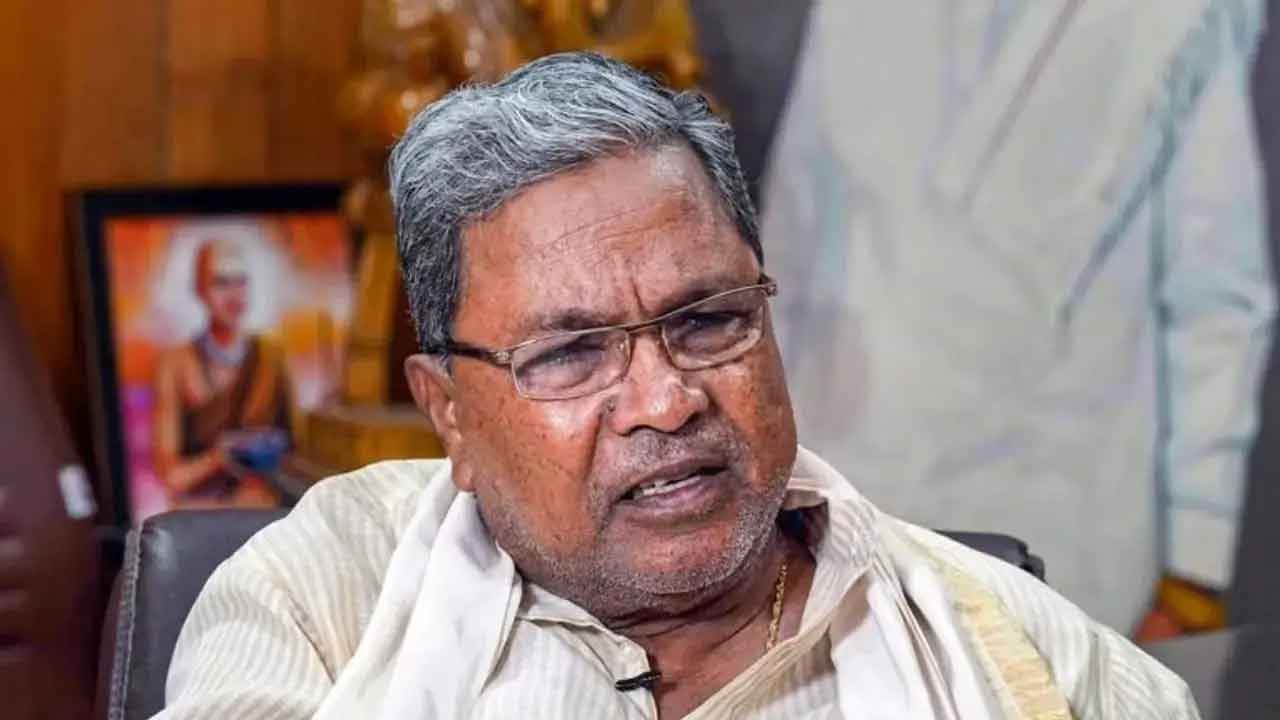
  • Siddaramaiah’s Bold Move: A Look at His Role in Karnataka Politics

    Siddaramaiah’s Bold Move: A Look at His Role in Karnataka Politics

    In the ever-shifting landscape of Indian politics, few leaders have managed to strike a balance between grassroots appeal and policy influence quite like Siddaramaiah. As Karnataka’s political tides grow increasingly turbulent in 2025, Siddaramaiah’s bold move has once again brought him to the center of national attention. Recent headlines have captured a wave of reactions surrounding his vocal criticism of the Union Budget and the reintroduction of a 4% reservation for Muslims in state contracts. These developments are not isolated events—they are a calculated extension of his long-standing political vision.


    Early Political Journey of Siddaramaiah

    Every seasoned politician carries the weight of their beginnings, and Siddaramaiah’s journey traces back to humble roots. Emerging from the Kuruba community, which plays a significant role in the narrative of Siddaramaiah cast politics, his initial foray into the legislative assembly in the early 1980s was marked by perseverance rather than privilege.

    His early association with regional parties before joining the Indian National Congress displayed strategic adaptability. As his political clout grew, so did his visibility within the Karnataka Congress, eventually positioning him as one of the state’s most influential figures. With a foundation rooted in social justice and economic equity, Siddaramaiah’s rise was not merely a tale of electoral success but a reflection of shifting caste equations and voter aspirations.


    Siddaramaiah’s Role in Karnataka’s Political Landscape

    While the corridors of Vidhana Soudha have seen many leaders come and go, few have left a mark as pronounced as that of Siddaramaiah. During his tenure as Chief Minister, numerous initiatives underscored his commitment to inclusive development. Flagship schemes like ‘Anna Bhagya’ (free rice distribution) and ‘Ksheera Bhagya’ (free milk for school children) cemented his image as a leader who prioritized welfare economics.

    But policy wasn’t just about populism. Behind the curtain of electoral rhetoric, there was a clear attempt to steer Karnataka’s growth model toward social redistribution. Amid the flurry of Siddaramaiah news updates that shaped his tenure, one thread remained constant—his drive to give voice to the underrepresented and recalibrate fiscal priorities.

    For further context on the challenges faced by leaders navigating national policy constraints, this related post explores how Former finance minister warns of unsustainable policies, low growth.


    The Impact of Siddaramaiah’s Bold Move in 2025

    Amid the heated discourse surrounding the 2025 Union Budget, Siddaramaiah’s bold move sparked immediate reactions across political and public forums. His public denouncement of the federal allocations for Karnataka raised crucial questions about state autonomy, fiscal federalism, and the prioritization of southern states in national policy.

    More notably, the announcement of a 4% reservation for Muslims in government contracts has set the stage for a wider debate around affirmative action and social equity. This move, though bold in its execution, isn’t without precedent. It aligns with Siddaramaiah’s long-standing advocacy for backward classes—a theme deeply intertwined with the narrative around Siddaramaiah caste dynamics.

    The timing of these decisions appears strategic, resonating with a broader political base while drawing clear lines between state and central governance. Within the realm of Siddaramaiah news cycles, this development has brought fresh attention to Karnataka’s internal balancing act between tradition and reform.


    Siddaramaiah’s Legacy and What Lies Ahead

    Decades in public life often blur the line between legacy and relevance. For Siddaramaiah, the two remain tightly interwoven. As questions swirl about his next political move—whether a renewed push at the state level or a pivot toward national engagement—the discussion centers not just on past accomplishments, but future potential.

    Supporters argue that his track record of bold decisions, most recently illustrated in 2025, positions him as a guiding force amid a fragmented opposition. Critics, however, question whether such moves are sustainable in the current political climate. Regardless of the debate, one fact is clear—Siddaramaiah’s bold move has rejuvenated dialogue around leadership accountability and state-led reform.

    Whether in the context of regional caste equations, fiscal priorities, or welfare governance, the enduring presence of Siddaramaiah in headlines and policy rooms alike underscores a legacy still in the making.


    Conclusion

    From humble beginnings shaped by the realities of Siddaramaiah cast politics to the commanding voice he has become in Karnataka’s assembly halls, Siddaramaiah’s political arc reflects resilience, adaptability, and strategic foresight. The bold move in 2025, whether viewed as a masterstroke or a controversial gamble, has undoubtedly reignited discussion around equitable governance.

    For readers keen to delve deeper into the changing dynamics of Indian federalism and how leaders like Siddaramaiah navigate it, other perspectives on Karnataka’s evolving political equation can offer valuable insights.

    The story of Siddaramaiah doesn’t end with one bold move—it continues with every ripple his leadership creates in Karnataka’s ever-complex political waters.