Category: Entertainment

  • Sacred Games: The new ‘Game of Thrones’

    Sacred Games: The new ‘Game of Thrones’

    We’re disappointed

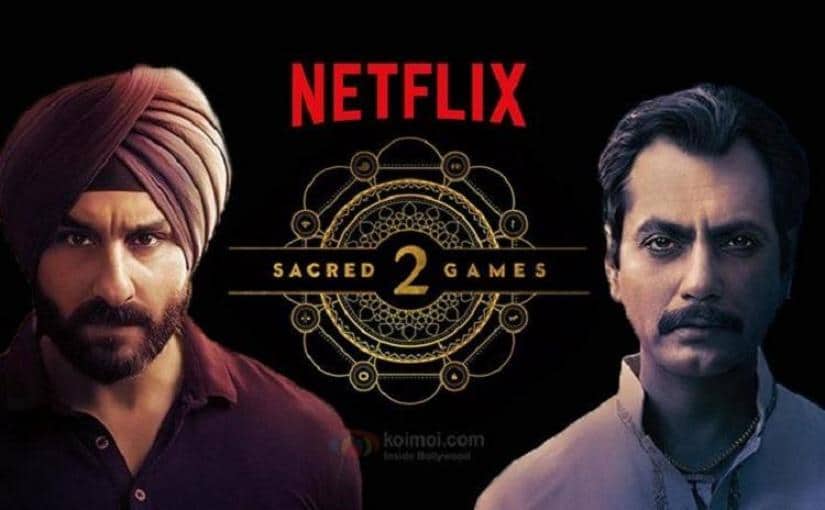
    The much-awaited second season of Netflix’s Sacred Games was dropped on Indian Independence Day, and if you want us to save you some time… we’re disappointed.

    It isn’t easy to be divided between watching Ganesh Gaitonde (Nawazuddin Siddiqui) back in action and sticking to the idea of shunning Indian productions at a time when Pakistan and India aren’t the best of friends.

    However, having watched the eight-episode series, we can guarantee that you won’t miss out on anything as great as the first season, in case you’re planning not to watch it.

    Expanding beyond the novel by Vikram Chandra, the second season has left us disillusioned of Anurag Kashyap and co.’s ability to do wonders.

    To quickly recap the first season, because Netflix won’t, Sacred Games is one drawn-out game of cat-and-mouse between notorious Mumbai gangster Gaitonde and his chosen police mark, Sartaj Singh (Saif Ali Khan), trying to figure out the former’s dastardly (and as-yet-unknown) plans set in motion.

    SPOILERS AHEAD!

    The second picks up halfway through the 25 days left to save Mumbai from uncertain calamity. Singh dives back into the investigation, following a trail that points to nuclear weapons, terrorism and Gaitonde’s link to Khanna Guruji (Pankaj Tripathi).

    Gaitonde, still narrating to Singh but actually to us, calls Guruji his third father, to whom he and so many others are drawn like moths to a flame.

    But, as one could’ve imagined (keeping in view flashbacks and those mysterious mandalas from the first season), the ashram is actually a cult and its leaders the liaisons between Gaitonde’s drug trade and the weapons Singh suspects will be used to attack Mumbai over a decade later.

    Just after the new twists are registered – and half the season is gone – one starts waiting for things to get as interesting as promised by cast members time and again. You start looking forward to something big enough for the season to beat its predecessor… and in all honesty, to make sense.

    It isn’t later you realise that Sacred Games has successfully pulled a Game of Thrones and disappointed you more than Gaitonde was upon realising how Guruji deceived him as a pawn, for his own plans to create a “new world”.

    All this remains the tip of a story lost somewhere between juggling too many balls – crowing Singh as the hero, unnecessary exaggeration, Pakistan being portrayed as the villain, gang wars, Soviet-Afghan War, 9/11 and 26/11 attacks and so much more.

    Without spoiling the not-so-much a cliffhanger finale, it’s safe to say that both Gaitonde and the show might have lost the legacy which followers strived to honour after the first season (and we don’t really mind).
  • Sonam Kapoor is upset over Pakistan’s ban on Bollywood

    Sonam Kapoor is upset over Pakistan’s ban on Bollywood

    After India revoked Article 370 which granted special status to Indian occupied Kashmir, tensions between the two neighbouring countries reached an all-time high. Following that the Government of Pakistan announced that they will cut all ties with India effective immediately. Bollywood films have been banned in Pakistani cinemas for a while now.

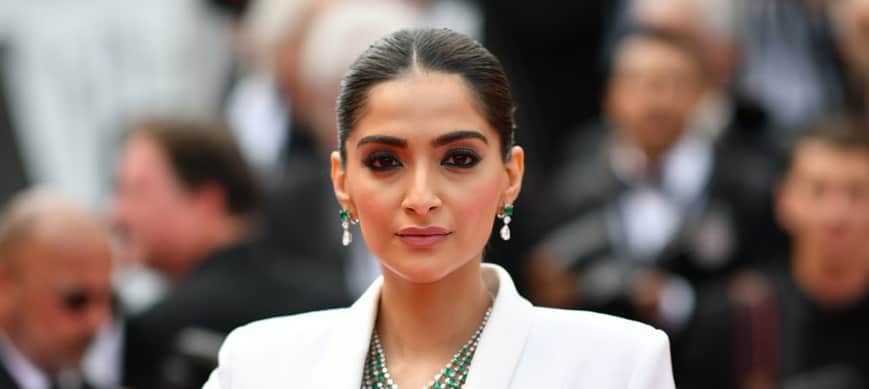
    Bollywood actor Sonam Kapoor who has a wide fanbase in Pakistan and has shared the screen with Pakistan heartthrob Fawad Khan spoke at length about the unrest in the IoK and said that she is very disturbed with all that’s happening.

    Talking to the BBC Asian Network, Kapoor said, “It’s heartbreaking to see where the situation has landed right now but I’m very patriotic. So I think for me now it’s better to keep quiet and let this pass because even this too should pass. Our countries were one country like 70 years ago and the fact that there is so much divisive politics at play is really heartbreaking.”

    Sonam continued that she is very upset about the ban on Bollywood in Pakistan because “as an artist, you want to be represented everywhere and you want your work to be shown everywhere,” adding that she was heartbroken when her film Neerja wasn’t allowed to be screened in Pakistan.

    “I have a huge Pakistani following and my two best friends are Muslims and half Pakistanis,” Sonam said.

    On her thoughts on the Kashmir conflict, Sonam remarked, “I think it’s very complicated and I don’t understand it as much because there is so much contrasting news everywhere so I don’t really know what the truth is.”

    “I believe in having a peaceful discourse and understanding what’s going on. So when I have the complete information is when I think I can give an opinion.”

    The Kapoors have been very open about their roots on this side of the border.

    “I am half Sindhi and half Peshawari. It’s heartbreaking to see that part of my culture is something that I can’t explore as well because of that,” Sonam said.

    Sonam shared that her parents named her when they visited the valley and that she hopes peace would return to the picturesque valley soon so she can also go and visit it one day.

    “I hope there is a peaceful way of working things out. I don’t know how that’s possible but I think there should be because it’s a beautiful place but I think it’s been under so much duress and I don’t think anybody knows who’s right now,” Sonam finished.

    Priyanka Chopra, take notes maybe?

  • ‘Major’ Adnan Sami reveals his family’s Indian connection

    ‘Major’ Adnan Sami reveals his family’s Indian connection

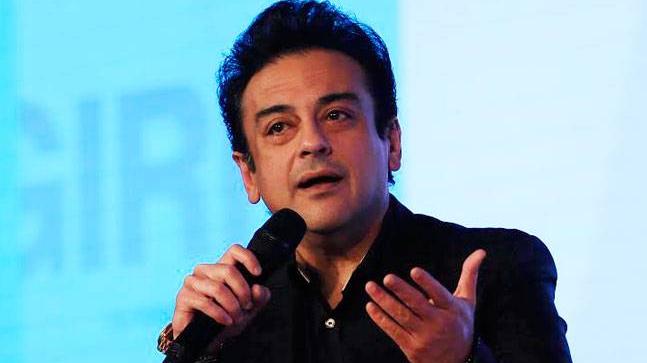
    Singer Adnan Sami, called a ‘major of Pakistan army working undercover in India’ by trolls, has revealed his family’s connection with India.

    As per the details, a Pakistani Twitter user on Sami’s recent tweet on Indian Independence asked where his father was born and where did he die.

    Replying to the tweet, the 48-year-old singer-composer replied, “My father was born in 1942 in India and died in 2009 in India! Next!”.

    Adnan, born in Britain and earlier a Canadian citizen, is of Pakistani descent. His father, Arshad Sami Khan, was a Pashtun and a Pakistan Air Force (PAF) fighter pilot who later served three Pakistani presidents as their aide-de-camp.

    An aide-de-camp is a military officer acting as a confidential assistant to a senior officer.

    The singer relocated to India some 18 years ago, and has time and again received flak for his decision and the pro-Indian statements he usually makes.

  • ‘Cheekh’ just makes you want to scream

    ‘Cheekh’ just makes you want to scream

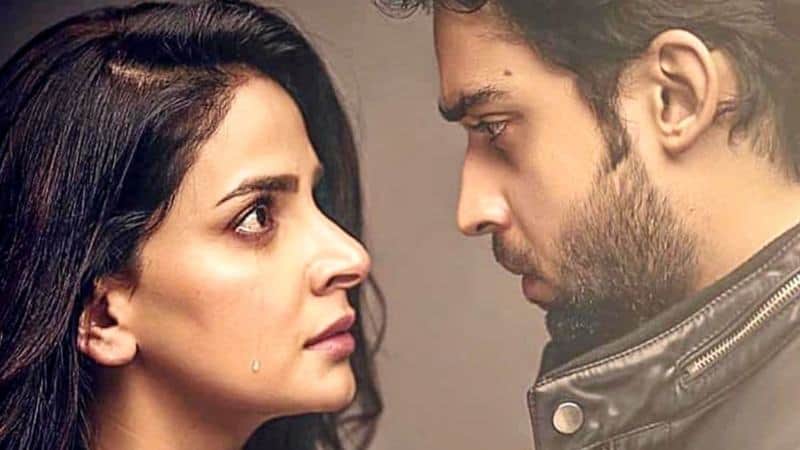
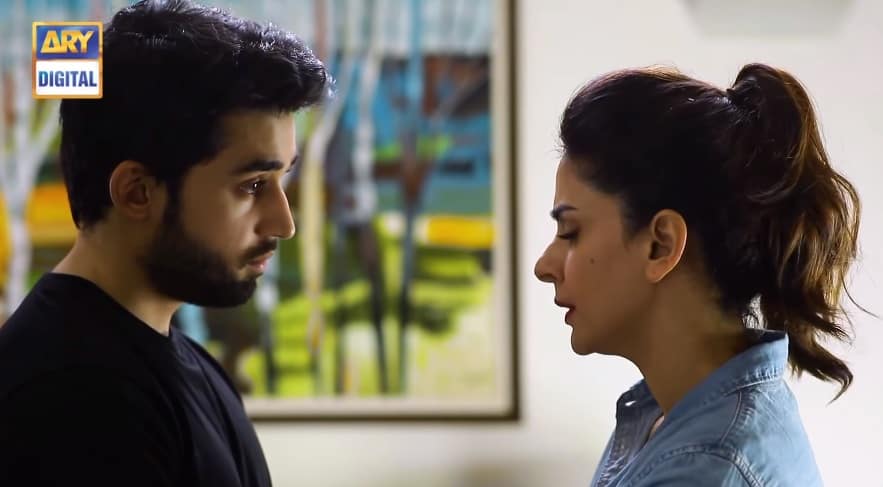
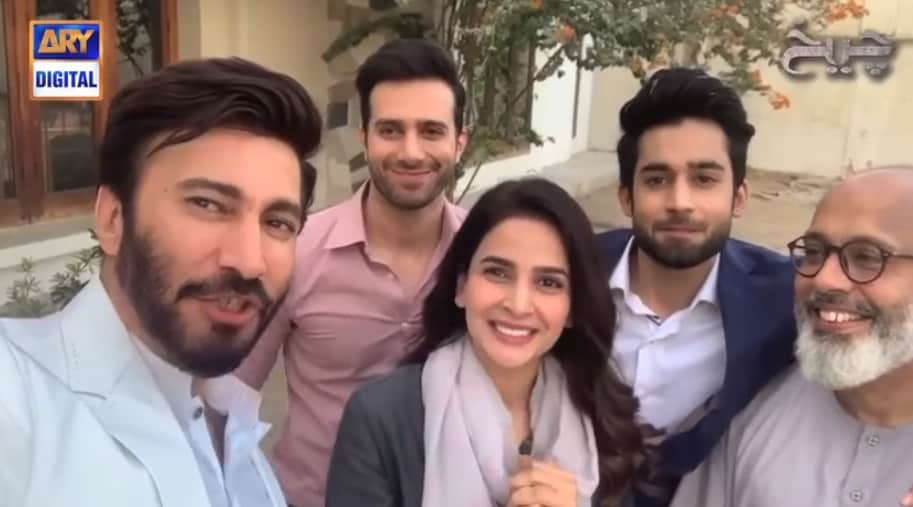
    Saba Qamar and Bilal Abbas Khan’s much-hyped drama Cheekh has finally drawn to a close and we couldn’t be more relieved.

    Despite all the phenomenal performances by the lead actors, the drama and storyline was stretched way beyond its snapping point and was getting ridiculous and unrealistic with every passing episode. What began as an ambitious and game-changing project, Cheekh soon went downhill as the makers behind it tried to keep the audiences engaged by introducing one twist after another.

    The first 10-12 episodes were brilliant and had you on the edge as Mannat (Saba Qamar) battled all odds to get her murdered friend, Nayab, justice. The plot was realistic and understandable. But after the case of Nayab’s murder went to court, everything started going downhill including the script.

    There were lots of unnecessary turns and twists which turned a perfectly good drama into a Star Plus soap opera. I mean what was the point of sending Mannat to the pagal khaana and drugging her into becoming sleeping beauty? Or scaring Mannat’s mother into testifying against her own daughter? Agreed that our justice system is extremely flawed but itna ziada? And in the quest for justice, Mannat lost her mother, husband and unborn child. The message the drama seemed to give out was that if you fight for the truth, you’ll end up getting ruined in the process – Not sure if the makers were trying to encourage women to speak up or discourage them from ever raising their voice.

    The middle of the drama was dragged for no reason and you just ended up skipping most of the scenes. Because of a lack of a proper build-up, the final episode of the drama ended up being rushed.

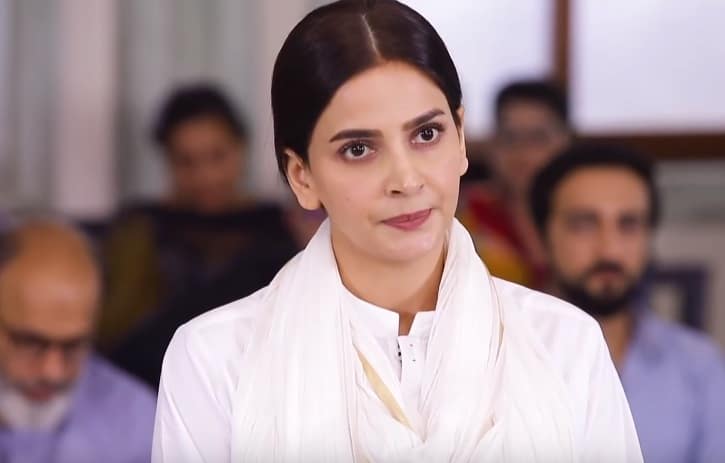
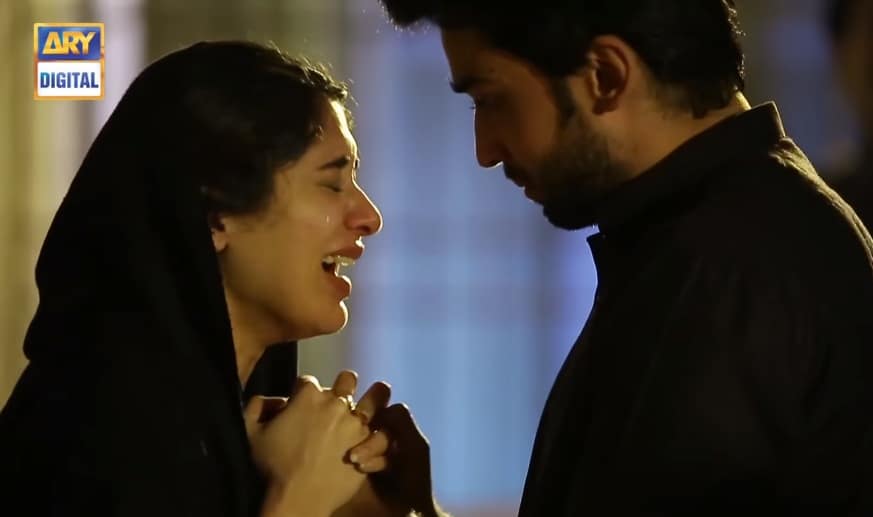
    The last episode began so abruptly with Mannat reopening Nayab’s case and representing herself in the court that you had to pause and go back to the previous episode to see if you missed anything. As expected, the makers had to give the drama a happy ending, so the series ended with Mannat getting justice and Wajih on death row. The final scene was absolutely absurd, with Wajih having read the whole Quran and justifying his actions because previously he wasn’t religiously enlightened. He then proceeded to shift the blame to his elder brother Yawar for not stopping him from doing bad things and always shielding him from the consequences of his actions. More so, in the entire scene, Haya cried as if Wajih was the victim.

    Meanwhile, Mannat becomes unnecessary. She just sits in her corner and looks up to the sky and thanks God for making an example of her.

    Khuda misaal banana ke liye na, hum sab mein se kisi eik ko chunta hai…aur woh eik, mein thi,” she says. I mean…

    Even Nayab’s father was nowhere to be seen.

    The plot aside, the cast of the drama probably delivered their finest performances to date. Saba as the headstrong and unabated Mannat was amazing. Bilal as the conniving and manipulative Wajih was remarkable. The two leads shared amazing chemistry on screen and their scenes together were so strong that you’d end up holding your breath without realising. His performance in the last scene was so strong that it gave you goosebumps. He actually ended up making you feel sorry for Wajih the killer. If he doesn’t win an award for Best Performance in a Negative Role on at least one award function, award functions should be officially be cancelled. Emmad Irfani as the doting, loving husband conflicted between his wife and family won hearts and frankly redefined the typical Pakistani drama husband. That’s definitely a win. The rest of the cast also gave superb performances. A special round of applause to director Badar Mehmood for bringing out the best in his actors.

    On the whole, Cheekh lost itself somewhere in the middle. Where it could have been a rule-changing Pakistani drama, the makers decided to play safe and follow the traditional route.

  • Mehwish Hayat pens powerful op-ed on celebrity activism for CNN

    Mehwish Hayat pens powerful op-ed on celebrity activism for CNN

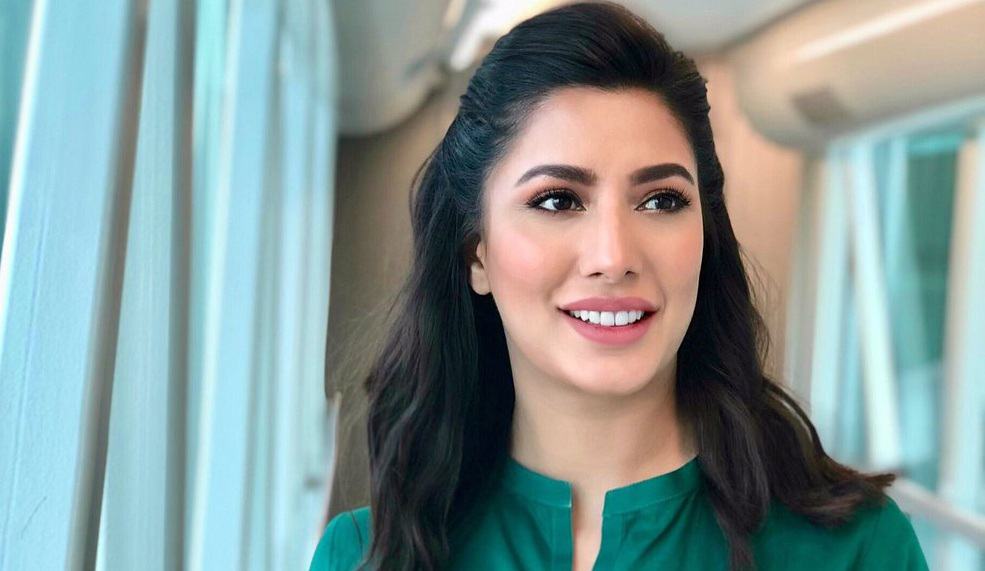
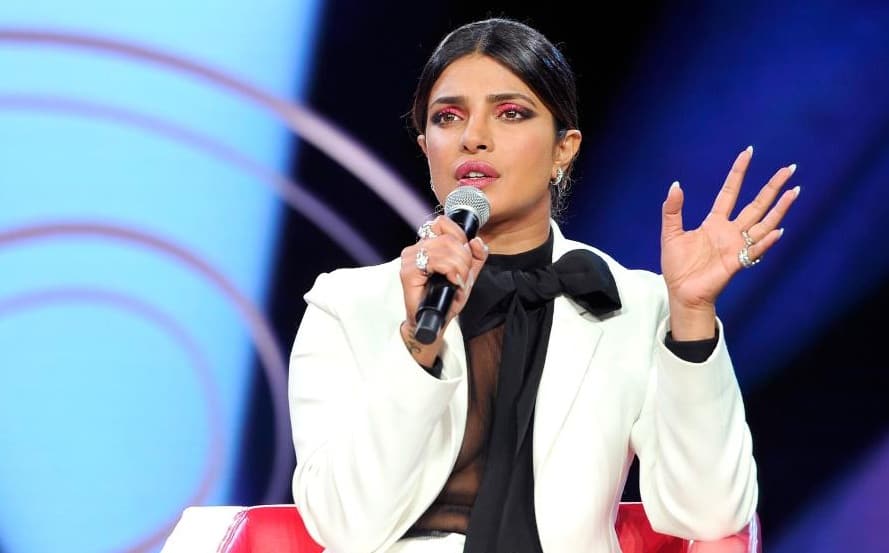
    Mehwish Hayat and Priyanka Chopra – the two women who dominated headlines this week. While one stuck to her nationalistic stance and shut down a woman for asking her a challenging question, the other spoke about the importance of using cinema to spread peace and break stereotypes. No points for guessing who said what.

    Mehwish Hayat with her positivity and message of humanity and peace wons hearts in Pakistan and across the world. The actor has now penned a powerful op-ed for CNN in which she reiterated her stance and spoke on the importance of celebrity activism in light of Priyanka’s irresponsible remarks.

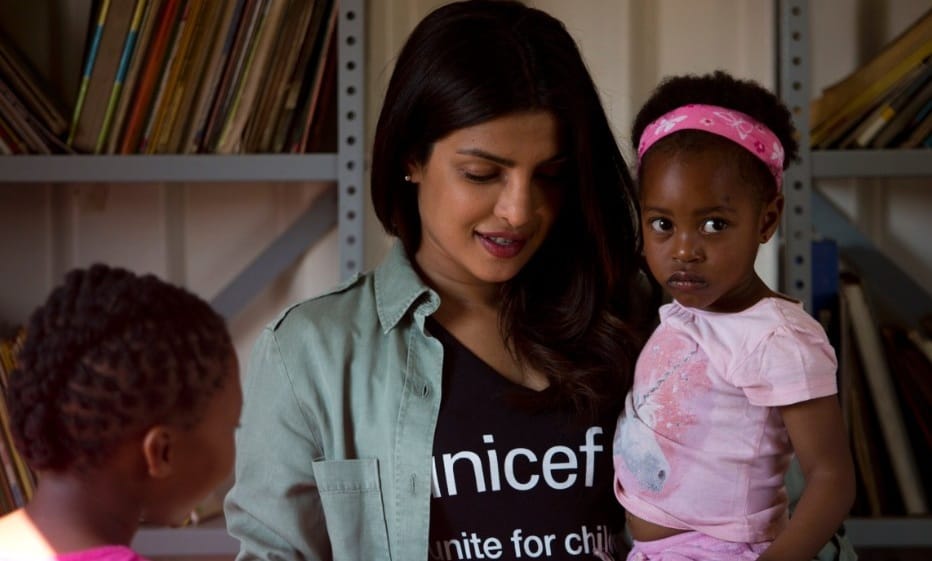
    “Chopra’s response to her questioner in LA, as well as the February tweet, did have the effect of both shining a light on the crisis in Kashmir (despite India’s media blackout and food blockade there), and forcing many of us to think about celebrity activism, its uses — and its abuses.” Mehwish wrote. “Celebrities who act as charity spokespeople should always focus on humanitarianism. Chopra — again, a UNICEF Goodwill Ambassador — should not be using her voice to legitimise a regime opposed to the values she claims to represent.

    Writing further Mehwish said, “Celebrity activism often escapes the kind of scrutiny most political activism is subjected to. It is often seen as either positive or pointless — but rarely dangerous.”

    Comparing celebrity activism in Hollywood and Bollywood, Mehwish said that the latter “has too often been used to fuel hate and Islamophobia.” She wrote that Indian Prime Minister Narendra Modi “alarmed by Hollywood’s open opposition to his ally Donald Trump, has arguably co-opted and weaponised the country’s film industry.”

    “Islamophobia is a top-down industry in India: at the top, hyper-nationalist films, songs and slogans teach the masses to hate. At the grassroots, Muslims have been killed for so-called “crimes,” such as eating beef,” she added.

    Criticising Priyanka, Mehwish further said, “This makes Chopra’s mistakes potentially all the more costly. Rather than use her position as a US-based celebrity to broaden what it means to be an Indian celebrity, she has fallen into the same jingoistic role that her fellow countrymen are forced to adopt at home.”

    Mehwish said that Priyanka’s comments do more damage than can be handled and because of such comments actors are silenced into just being mere entertainers despite having the influence to make a difference.

    Bringing in her own narrative, Mehwish wrote, “My intention when speaking about women’s rights, girls’ education, or supporting humanitarian charity work is to unite people — not divide them. The only way to do this is to avoid the path of least resistance — populist rhetoric — and focus on the universal humanitarian causes that all sides can agree on.

    “This where Priyanka Chopra and others have made a mistake: by lending their name to racism dressed up as patriotism, they have done us all a disservice.”

    “Some issues are too important to play politics with,” she asserted.

    Mehwish concluded her opinion piece saying, “It is human suffering that those with a platform must focus on. It also falls on other film industries, including my own in Pakistan, to counter the negative stereotypes pumped out in Bollywood.”

    “That might be less lucrative or effortless than the alternative, but it is what humanity needs to see – on screen, and on the streets. It is something I would love to work with my Indian colleagues on — including Priyanka Chopra.”