Category: Health

  • First case of monkeypox appears in Pakistan

    First case of monkeypox appears in Pakistan

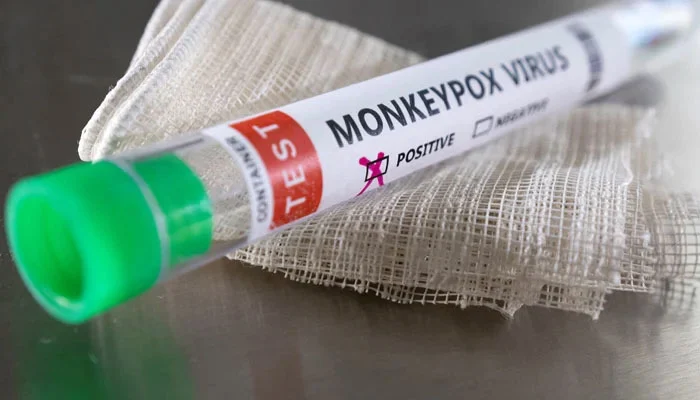
    One day after the World Health Organisation (WHO) declared the monkeypox outbreak a “public health emergency of international concern”, Pakistan yesterday reported this year’s first case of the virus diagnosed in a man from Khyber Pakhtunkhwa after the patient recently returned from Saudi Arabia.

    Consequently, the health ministry has ordered the Border Health Services to strictly monitor all entry points.

    In the past year, Pakistan has confirmed nine cases of Mpox, all among travellers returning from the Middle East and other countries.

    WHO officials confirmed the first infection with a new strain of the mpox virus in Sweden, linking it to a growing outbreak in Africa.

    There have been 27,000 cases and more than 1,100 deaths, mainly among children, in Congo since the current outbreak began in January 2023.

  • Move over chicken; mutton is Pakistan’s favourite meat

    Move over chicken; mutton is Pakistan’s favourite meat

    In a recent survey conducted by Gallup & Gilani Pakistan, people across the country were asked about their favorite type of meat.
    The survey revealed the following preferences:
    • 41 percent of respondents chose goat meat as their favorite.
    • 25 percent favored beef.
    • 23 percent preferred chicken.
    • 11 percent either didn’t know or didn’t answer.

    Gallup & Gilani Pakistan conducted the survey to gather information about people’s food preferences. Understanding what people like helps businesses and policymakers make decisions.

    We agree that nothing beats a good mutton karahi. Or a good mutton pulao. Or a good mutton haandi. Or paai.

    As you can tell, The Current too is a mutton fan.

  • Novacare Hospitals to open Pakistan’s first internationally affiliated hospital in Islamabad in 2026

    Novacare Hospitals to open Pakistan’s first internationally affiliated hospital in Islamabad in 2026

    Novacare Hospitals (Private) Limited announced today that it will start constructing a state-of-the-art hospital in Islamabad, and has signed an international affiliation agreement with Imperial College Healthcare NHS Trust, a leading UK teaching hospital group. The total investment in the project will be USD 110 million, and the hospital will be located on a 50-kanal (225,000 square foot) plot in DHA Phase-V, along the main DHA Expressway.

    The 250-bed hospital will have a covered area of 550,000 square feet and will provide comprehensive tertiary healthcare across 28 clinical services. The hospital is being designed by HKS, a leading global design firm. It aims to become Pakistan’s first LEED, WELL, and EDGE-certified hospital which are best-in-class certifications for sustainability and users’ wellbeing. It also aims to achieve Joint Commission International (JCI) accreditation, to achieve high standards of clinical quality & patient safety.

    Novacare is a recently established private healthcare provider in Pakistan, sponsored by the Maple Leaf Cement Factory Limited (part of the Kohinoor Maple Leaf Group) and managed by Andalus Holdings. Novacare aims to develop a world-class healthcare network across Pakistan and plans to open similar hospitals across other major cities of Pakistan. It will also develop satellite clinics, day surgery centers, diagnostics collection centers, medical education facilities, and a digital care navigation platform.

    The leadership team at Novacare will include seasoned healthcare professionals with local and international experience. Novacare is led by Mr. Johannes (Hans) Kedzierski who has previously served as the CEO of leading hospitals in multiple geographies including Medical Center Alkmaar, Netherlands, one of the largest Dutch teaching hospitals, Aga Khan University Hospital in Karachi, and, King’s College Hospital London in Jeddah.

    The affiliation was closely supported and facilitated by the U.K.’s Foreign, Commonwealth, and Development Office (FCDO) in Pakistan, along with the UK Department for Business and Trade (DBT) in London. A signing ceremony took place in London on March 6, 2024, at the offices of the UK DBT at Admiralty House, which was attended by representatives from Imperial College Healthcare, Novacare, and the UK government.

    As a result of its affiliation with Imperial College Healthcare, Novacare will benefit from the expertise of a leading UK teaching hospital group. Novacare will gain expert advisory input from Imperial College Healthcare on models of care, services, and staffing, and aims to implement their clinical standards and protocols. Through these measures, Novacare intends to achieve the same standards of healthcare as is delivered at Imperial College Healthcare’s five London hospitals.

    About Novacare

    Novacare is developing a world-class, hub & spoke healthcare network across Pakistan, to enhance years of quality life within our families & communities, and to create an unrivaled professional environment for the next generation of world-leading Pakistani healthcare practitioners.

    Website: www.novacare.health

    Email: info@novacare.health

    About Imperial College Healthcare Private Care

    Imperial College Healthcare Private Care is part of Imperial College Healthcare NHS Trust, one of the largest teaching hospital groups in the UK. Imperial College Healthcare NHS Trust has a global reputation for excellence in care, research, and education, and together with its affiliated university, Imperial College London, it runs the UK NHS’s largest biomedical research center. Imperial College Healthcare Private Care provides care for local and international patients across five renowned hospital sites in central and west London, including the flagship private facility, The Lindo Wing, and St Mary’s Hospital.

    Website: https://www.imperial.nhs.uk/private-care

    About Kohinoor Maple Leaf Group (KMLG)

    Kohinoor Maple Leaf Group (KMLG) is one of Pakistan’s largest conglomerates, with diverse operations in the textile, cement, and financial sectors, and traces its roots to an enterprise founded in the 1930s in Calcutta as the Kohinoor Rubber Works. The group currently is a majority shareholder in Kohinoor Textile Mills Limited (KTML), Maple Leaf Cement Factory Limited (MLCFL), and Maple Leaf Capital Limited (MLCL).

    About Andalus Holdings

    Andalus Holdings is an investment holding and advisory firm based in Abu Dhabi, comprising a dedicated team of investment and healthcare professionals with decades of local and international experience.

    About the UK Foreign, Commonwealth & Development Office (FCDO)

    The Foreign, Commonwealth & Development Office (FCDO) is a department of the Government of the United Kingdom, equivalent to other countries’ ministries of foreign affairs. The department in its various forms is responsible for representing and promoting British interests worldwide.

    About the UK Department for Business and Trade (DBT)

    The Department for Business & Trade (DBT) is the UK’s department for economic growth. DBT supports businesses to invest, grow and export, creating jobs and opportunities across the country.

    About HKS

    HKS is a global firm of architects, designers, planners and advisors who create places noted for their beauty and performance. It employs 1,600 people in 29 offices, united by the belief that an environmental, social and governance approach to design achieves design excellence. In 2023, HKS became a carbon neutral firm. HKS values honesty, diversity and inclusion and celebrates creative thinking. In partnership with its clients and collaborators, HKS crafts powerful ideas and solutions. Together HKS creates places that stand apart.

  • ‘Game changer’: Gene therapy offers hope for children born deaf

    ‘Game changer’: Gene therapy offers hope for children born deaf

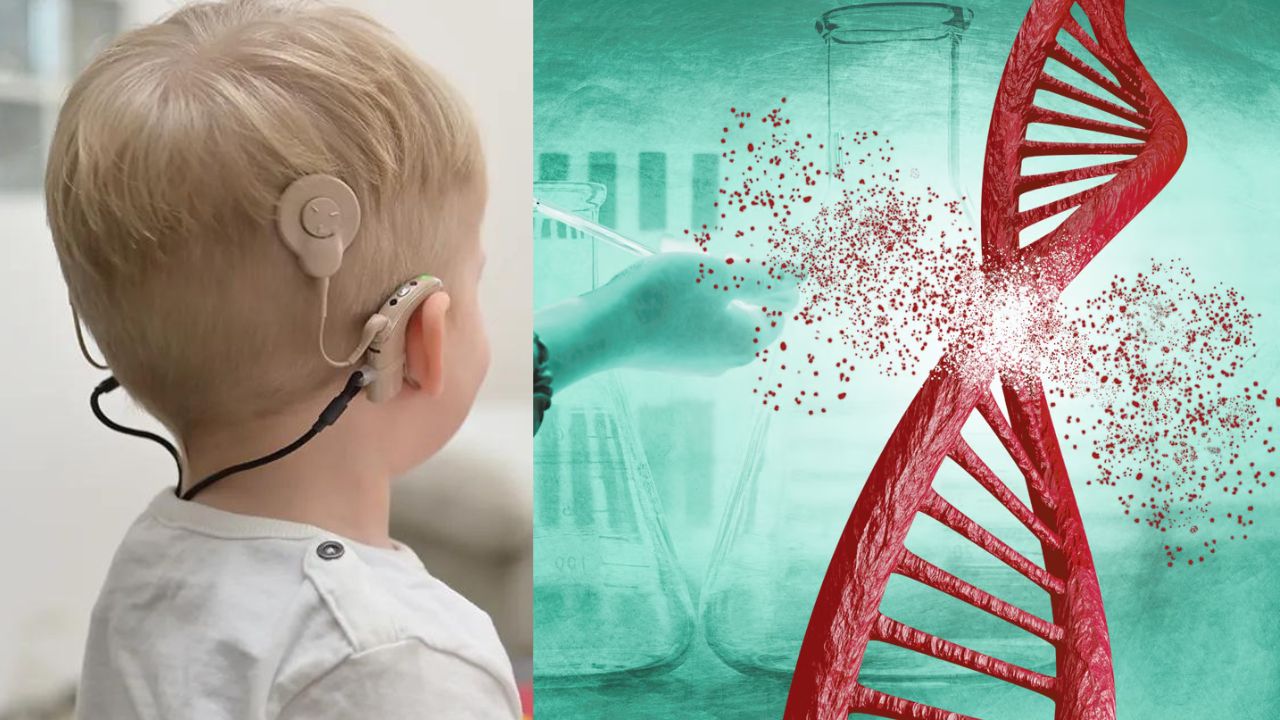
    A gene therapy that has allowed several children born deaf to hear for the first time is being hailed as a “game changer” that raises hopes of the first new treatment for hereditary deafness in decades.

    Several medical teams around the world are trialling the procedure, which focuses on a rare genetic mutation that affects only a small number of the 26 million people with congenital deafness globally.

    But several success stories announced this week are already being seen as a turning point.

    On Tuesday, the Children’s Hospital of Philadelphia revealed that 11-year-old Aissam Dam, who was born deaf, was now “literally hearing sound for the first time in his life”.

    Aissam still has mild-to-moderate hearing loss, and may never learn to talk because the brain’s window for acquiring speech closes around the age of five.

    But a trial in China, the results of which were announced in The Lancet journal on Thursday, tested a similar treatment on six younger children.

    Five gained the ability to hear, according to the findings of the trial that started in 2022, making it the first to have tested the gene therapy on humans.

    Some of the children were already able to speak thanks to a cochlear implant — which they now no longer need, study co-author Zheng-Yi Chen of the Massachusetts Eye and Ear hospital told AFP.

    But one, a baby only a year old, had never been able to communicate verbally, Chen said.

    Chen said that after the treatment, when the mother asked the baby “who am I?”, the baby responded: “Mama.”

    When asked what a chicken sounds like, the baby responded: “Coo-coo.”

    “Everyone just cried with joy, it’s really amazing,” said Chen, adding that the baby was expected to grow up speaking normally.

    Not since cochlear implants were invented 60 years has there been such an advance, Chen said, adding that the therapy “symbolises a new era in the fight against all types of hearing loss”.

    – How does it work? –

    For now, the trials in China, the United States and another announced in France this week all use a similar technique to focus on people born with a mutation of the OTOF gene.

    This defect means they can no longer produce the protein otoferlin, which is needed for hair cells in the inner ear to convert sound vibrations into electrical signals that can be sent to the brain.

    The treatment involves injecting a harmless virus into the inner ear that smuggles in a working version of the OTOF gene, restoring hearing.

    The French trial will focus on babies aged 12-31 months, in the hopes it can “enable the acquisition of language”, said Nawal Ouzren, CEO of the firm Sensorion developing the treatment.

    Natalie Loundon, a French doctor and hearing loss expert, called the technique “a game-changer, a technological advance that will revolutionise therapeutic care”.

    “The idea is to be able to offer this treatment to children rather than an implant, which is not always received well,” she told AFP.

    For the China-based trial, the researchers will continue to study the participants to find out if their improved hearing lasts.

    Chen estimated that the treatment tested in that trial could be ready to apply for regulatory approval within three to five years.

    – Targeting the other genes –

    But this particular treatment will only help a fraction of those born deaf.

    Around one in every 1,000 children are born deaf due to gene defects, but a lack of otoferlin is the cause of only around three percent of those cases.

    More than 150 other genes have been discovered that trigger genetic hearing loss.

    But Chen had some good news.

    So far, the otoferlin treatment seems to work just as well in humans as it did in during trials on mice — which is not always the case for such research.

    Trials on mice targeting other gene defects that cause hearing loss have also been successful, Chen said.

    Researchers therefore hope this first treatment opens the door to others.

    France’s Pasteur Institute, which pioneered the research on otoferlin, and Sensorion are already working on another therapy that focuses on a gene whose mutations are responsible for the most common forms of hereditary deafness.

  • World must be ready to fight ‘disease X’ : WHO

    World must be ready to fight ‘disease X’ : WHO

    Director General of the World Health Organization (WHO) Dr. Tedros Adhanom has said that Disease X is a global problem that we need to be prepared for.

    Addressing the World Economic Forum in Davos, Switzerland, the WHO head talked the next possible global epidemic, dubbed Disease X.

    The name was first added to the WHO list in 2018, before the emergence of Covid-19.

    Dr. Tedros Adhanom said, “You can call Covid the first Disease X and it may happen again in the future.”

    He acknowledged that some people will say that such a warning will spread fear, but pointed out that it is better to be prepared for everything because it has happened many times in our history and now we have to start preparing for the next epidemic.

    Dr. Tedros said that the world learned from the Covid epidemic how to deal with the next epidemic.

    WHO discussed plans for a global agreement to prevent future pandemics in 2021.

    The head of the WHO said in Davos that the agreement to prevent epidemics will be the most important to protect the world from future epidemics. So far, many countries could not agree on the terms of this agreement.

    Dr. Tedros Adhanom stated that the negotiations between the member states are going on and WHO expects the agreement to be reached in time. “If our generation does not do it, we do not think the next generation will do it. Because this is about a common enemy and without a shared response, starting from the preparedness … we will face the same problem as COVID,” added the WHO chief.

    Reminding his audience that the deadline for the pandemic agreement is May 2024, he said that he hopes countries will reach this pandemic agreement by that time.

    He went on to say that if this generation who has first-hand experienced a pandemic cannot do it, he does not think the next generation will be able to do so.

    “So for our children and grandchildren’s sake, … we have to prepare the world for the future,” added Ghebreyesus.

  • Air pollution in South Asia can cut life expectancy by more than five years per person

    Air pollution in South Asia can cut life expectancy by more than five years per person

    University of Chicago’s Energy Policy Institute (EPIC) has published its latest report about Air Quality Life Index on Tuesday. The report deduced that rising air pollution can cut life expectancy by more than five years per person in South Asia which is currently one of the most polluted places in the world.

    Primary contributors in the region’s declining air quality are increasing industrialisation and population growth. The particulate pollution levels are resultantly more than 50 percent higher in comparison to the century’s start, posing a much greater health threat.

    What does the report say about Pakistan?
    According to the report, 98.3% of Pakistan’s population lives in areas exceeding the national air quality standard of 15 micrograms per cubic meter.

    From 1998 to 2021, average annual particulate pollution increased by 49.9% in Pakistan and reduced life expectancy by 1.5 years.

    In Punjab, Islamabad, and Khyber Pakhtunkhwa 65.5 million citizens reside (69.5% of Pakistan’s population), with the country’s people potent set to lose between 3.7 to 4.6 years of life expectancy on average relative to the World Health Organization (WHO) guideline and between 2.7 to 3.6 years relative to the national standard if the current pollution levels persist.

    Moreover, if Pakistan is able to meet WHO’s guideline, Karachi residents would gain 2.7 years of life expectancy whereas residents of Lahore would gain 7.5 years and people in Islamabad would gain about 4.5 years of life expectancy.
    Pakistanis would gain 3.9 years by meeting the WHO guidelines of limiting average annual PM 2.5 concentration to 5 micrograms per cubic meter.

    Others in South Asia

    The study further expounds upon other countries in the region.

    In light of the current pollution levels, Bangladeshis can lose 6.8 years of life on average per person compared to 3.6 months in the United States.

    A Nepali would live 4.6 years longer by meeting the WHO guidelines of limiting average annual PM 2.5 concentration to 5 micrograms per cubic meter.

    It is also highlighted that India is responsible for about 59 percent of the world’s increase in pollution since 2013, threatening to reduce lifespan in some of the country’s polluted regions.

    The average lifespan in New Delhi, a heavily populated and the world’s most polluted megacity, is down by more than 10 years.

    The report added that by reducing global levels of lung-damaging airborne particles, known as PM 2.5, to levels recommended by WHO could raise average life expectancy by 2.3 years.

    China has put in work to reduce pollution by 42.3 percent between 2013 and 2021. The report suggested the governments generate accessible air quality data in order to help bridge global inequalities in accessing tools to combat pollution.

  • Live worm found in woman’s brain during MRI scan

    Live worm found in woman’s brain during MRI scan

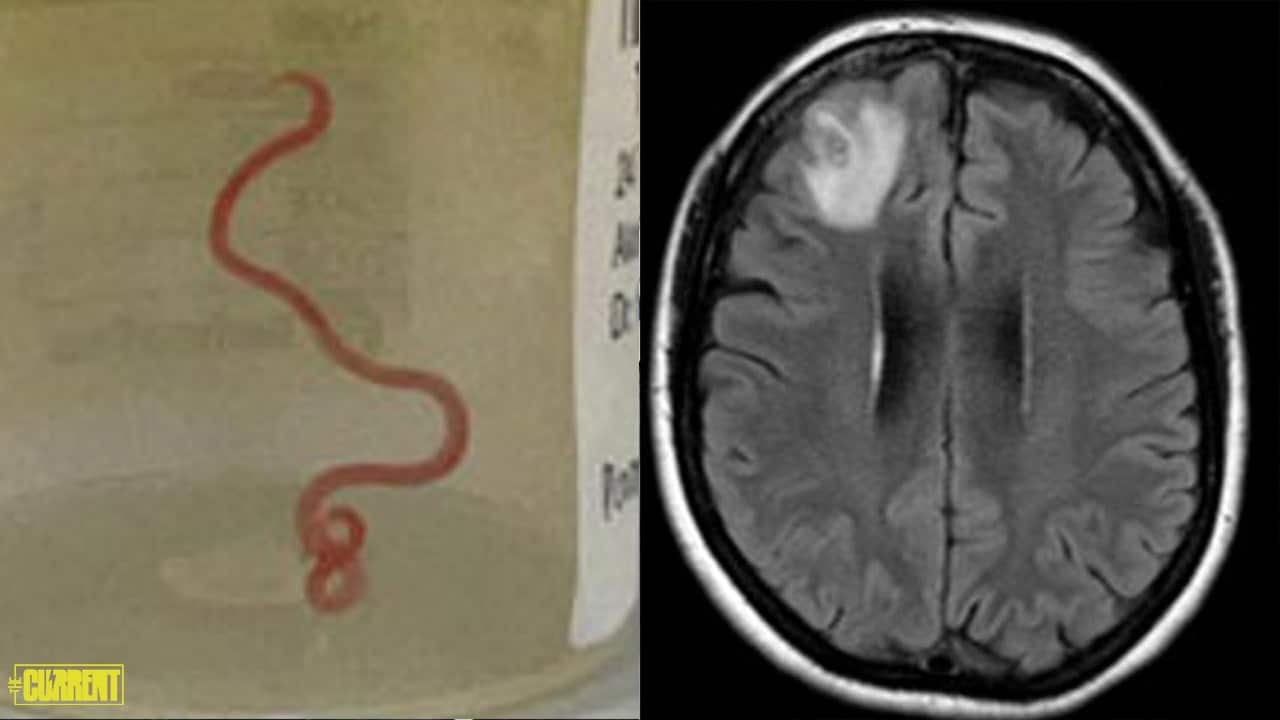
    A woman, suffering from depression and forgetfulness, has had an 8cm-long parasitic live roundworm removed from her brain.


    The 64-year-old of age resident of New South Wales in Australia was referred to the hospital in January 2021 after three weeks of diarrhoea and abdominal pain followed by night sweats and dry cough.


    In 2022 her symptoms, including depression and forgetfulness, increased with medical professionals referring her to Canberra Hospital.


    During an MRI scan of her brain, it was revealed that a living parasite, motilehelminth, was embedded in the right frontal lobe lesion of her brain, the first such instance seen in the world.


    Surgical intervention was deemed necessary. After that, doctors successfully removed the 8 cm (80mm) long 1mm wide worm from her brain.
    The parasite was identified as a third-stage larva of the Ophidascaris Roberts nematode species.


    Usually, this species lives in the digestive tract of pythons, indigenous to New South Wales in Australia. This is the first-ever discovery of that type of parasite in the human brain.

    Read More: Petrol and diesel prices expected to surpass Rs300 per liter this week


    According to medical professionals, the lady may have inadvertently eaten the worm’s eggs while eating edible grass. They suspect that eggs may have hatched in her body and then larvae made their way to her brain.

    They also believe that the larvae may be affected by the medication that she was taking. However, the actual cause of the case is still not confirmed.

  • New dengue cases reported across Punjab

    New dengue cases reported across Punjab

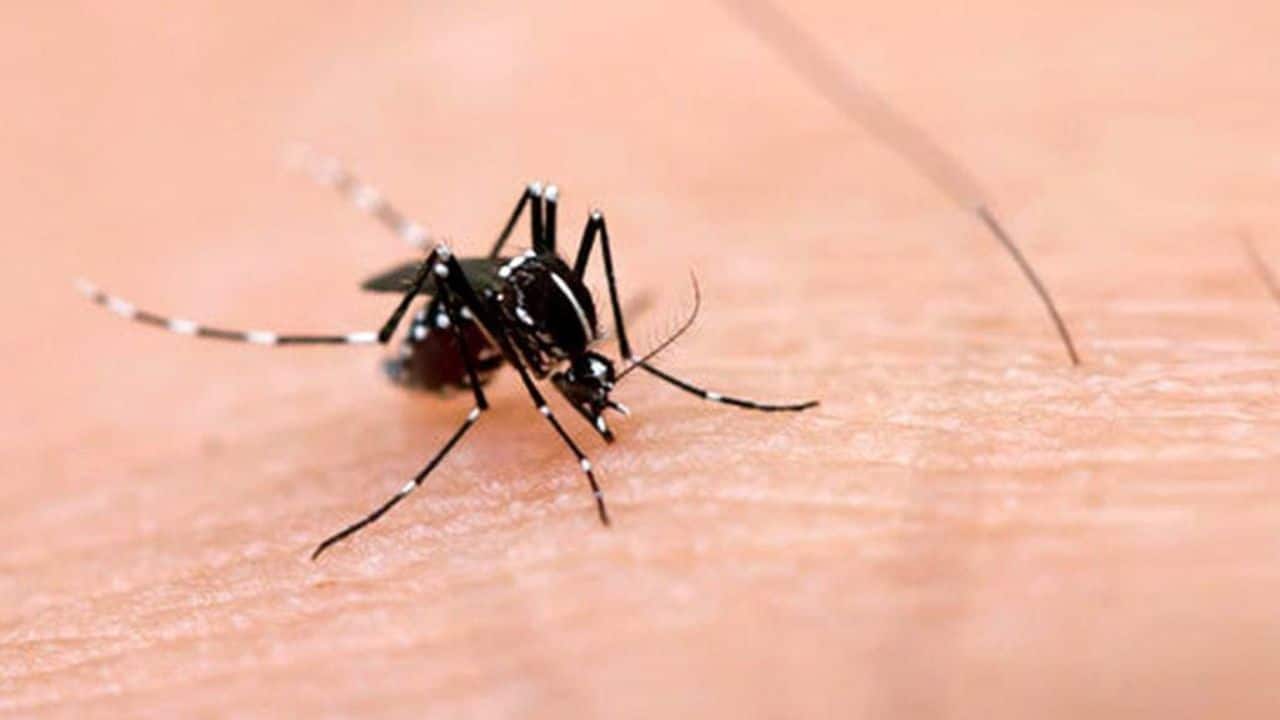
    New cases of dengue are being reported across Punjab. In Lahore alone, 18 confirmed cases have been reported in the past 24 hours while 83 confirmed cases were reported in less than a week.

    According to Dunya News, more than 30,000 dengue hotspots were found in the city by the government officials. Doctors are advising people to strictly follow standard operating procedures (SOPs).

    Similarly, dengue cases in Rawalpindi crossed 100 last week with at least 13 more patients diagnosed in the last 24 hours while 63 FIRs registered, 18 tickets issued, and 28 premises were sealed.

    District Coordinator Epidemics Prevention and Control Dr Sajjad Mehmood said the Rawalpindi administration registered as many as 1,802 FIRs on violations of anti-dengue SOPs from January 1 to date in various areas of the district.

    The Express Tribune has reported that the district administration, in collaboration with allied departments, had sealed 438 premises, issued tickets to 646 and a fine of Rs31,33,000 was imposed on violations of dengue SOPs in 2023.

    On August 23, Business Recorder reported that up till now, since January 1, 2023, a total of 678 confirmed dengue cases had been recorded in all the 36 districts of Punjab but fortunately there have been no deaths.

    Punjab Minister for Primary and Secondary Healthcare Dr Jamal Nasir has stated that on directions of caretaker Chief Minister Punjab Mohsin Naqvi, special dengue centres have been established in district and tehsil headquarters hospitals, which will provide free treatment to dengue patients.

    Dr Nasir has also claimed that larva monitoring has been increased throughout Punjab and strict legal action will be taken against the violators.

  • Poliovirus in Afghanistan poses a threat to Pakistan

    The International Health Regulations’ Emergency Committee has expressed concern over the increasing number of polio cases in Afghanistan which also pose a threat to Pakistan because of constant travel between the two countries.

    The Polio Emergency Committee issued a statement on Friday stating that there is still a risk of poliovirus spreading worldwide considering the “cross-border spread into Pakistan” from the eastern Afghan border.

    According to the committee, five new wild poliovirus cases were reported in Nangarhar province of Afghanistan. There were 32 positive environmental samples this year so far in the eastern region except for one site in Kandahar in the southern region and one from Balkh in the north.

    During the committee meeting summoned by the director general of World Health Organisation on August 16, it was stated that one new case of wild poliovirus was reported in Pakistan since May, total cases being two in 2023. Both the cases were reported from Bannu district.

    According to the committee statement, there have been 15 environmental surveillance positive samples in 2023. And while action plan in southern Khyber Pakhtunkhwa has resulted in 160,000 more children being vaccinated, it remain a challenge nonetheless due to “political instability, insecurity in some areas, with front line workers requiring police patrols to accompany them, and vaccination boycotts where communities make demands for other services in exchange for allowing polio vaccination”.

  • Sister donates womb in UK’s first successful transplant

    Sister donates womb in UK’s first successful transplant

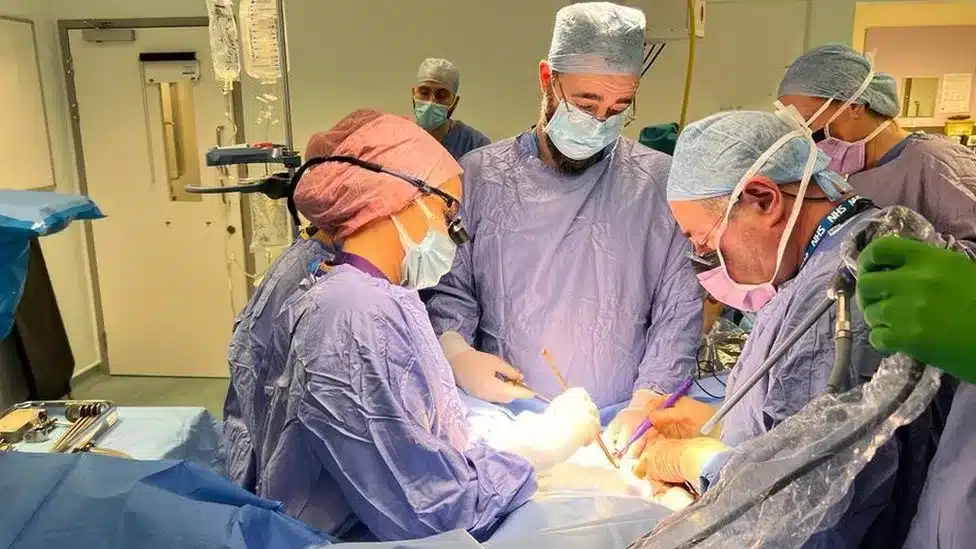
    Surgeons at Oxford have successfully carried out the first womb transplant in the UK.

    The womb was donated by a 40-year-old woman to her 34-year-old sister who was born without a uterus. The donor already had two children and considers her family to be complete. The sisters live in England and have requested to remain anonymous.

    The recipient was born with a rare condition known as Type 1 Mayer-Rokitansky-Küster-Hauser (MRKH) in which the uterus is “absent or underdeveloped, but has functioning ovaries”.

    The procedures were carried out by a team of 20 doctors which lasted around 17 hours in operating theatres at the Churchill hospital in February.

    It has been six months since the transplant and according to the doctors, both the women have “recovered well from surgery”. The recipient has embryos in storage that will be transferred.

    BBC reported that transplant surgeon Isabel Quiroga, who steered the team implanting the womb, said that the recipient was “absolutely over the moon, very happy, and is hoping that she can go on to have not one but two babies. Her womb is functioning perfectly and we are monitoring her progress very closely.”

    Prof Richard Smith, gynaecological surgeon, who led the organ retrieval team, has spent 25 years researching womb transplantation. He told the BBC it was a “massive success”.
    “The whole thing was emotional. I think we were all a bit tearful afterwards.”

    The donor is currently on immunosuppressive drugs in order to prevent tissue rejection however, the uterus will be removed after a maximum of two pregnancies due to long-term health risks.

    The first womb transplant surgery took place in Sweden in 2014 and the recipient successfully had a baby. She had received a womb from a friend in her 60s.
    Since then, 100 womb transplants have been carried out across the globe and around 50 babies have been born — mainly in the US and Sweden, but also in Turkey, India, Brazil, China, Czech Republic, Germany and France.

    According to British Journal of Obstetrics and Gynaecology, the surgeons in the UK were given permission to perform womb transplants in 2015, but “institutional delays” and Covid deferred it till now.