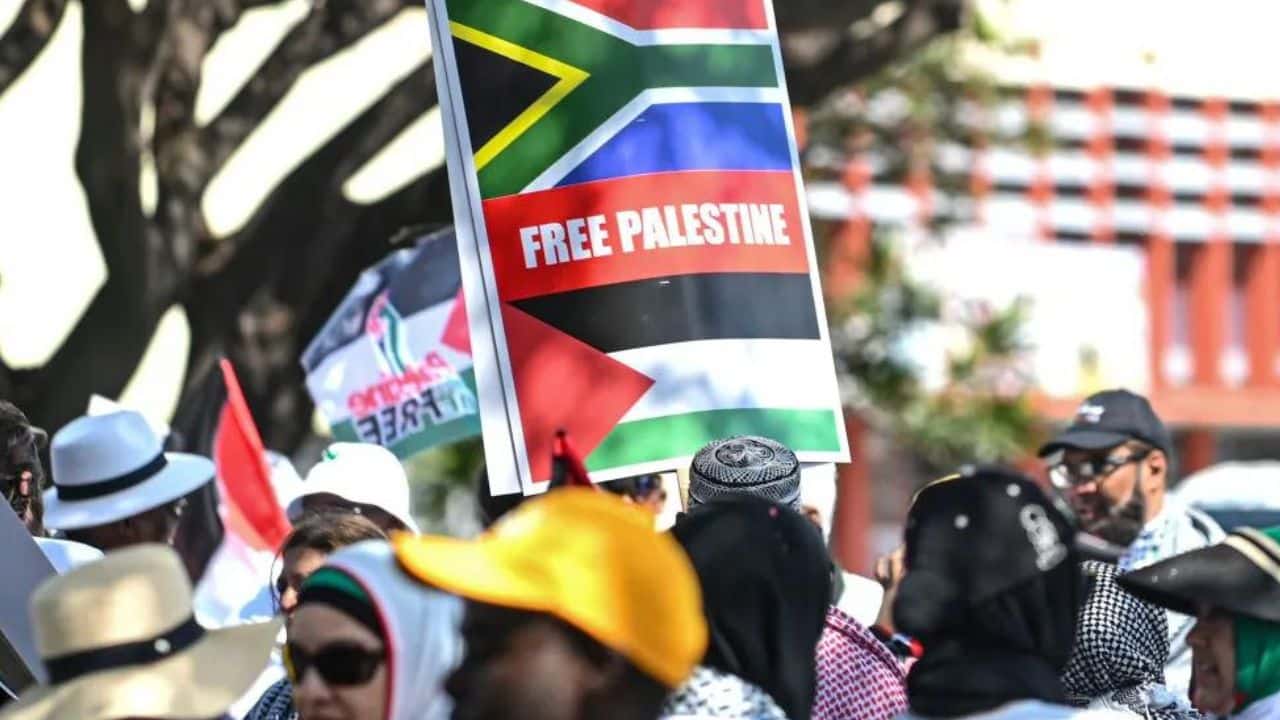
South African Parliament has voted in favour of the closure of Israel’s embassy in Pretoria and the suspension of diplomatic ties with the country amidst the siege of the Gaza Strip.
The votes in favour were 248 and 91 against the motion. The action is actually symbolic because it will be up to President Cyril Ramaphosa’s government to implement it. The President has already maintained that Israel is committing war crimes and genocide in the Gaza Strip. In a recent statement on X, President Ramaphosa, “We urge the international community to agree on urgent and concrete actions to end the suffering in #Gaza and establish a path towards a just and peaceful resolution of his conflict.”
We urge the international community to agree on urgent and concrete actions to end the suffering in #Gaza and establish a path towards a just and peaceful resolution of his conflict.
Relations between Israel and South Africa have deteriorated over the years because of the former’s apartheid of Palestine. The country has not had an ambassador in Israel since 2018.
In the BRICS summit on Tuesday, South Africa called for an “immediate, durable and sustained humanitarian truce leading to a cessation of hostilities” in Gaza.
South Africa is the most recent country to suspend ties with Israel over the Gaza war. Others include Turkey, Bahrain, Jordan, Colombia, Chile and Honduras.
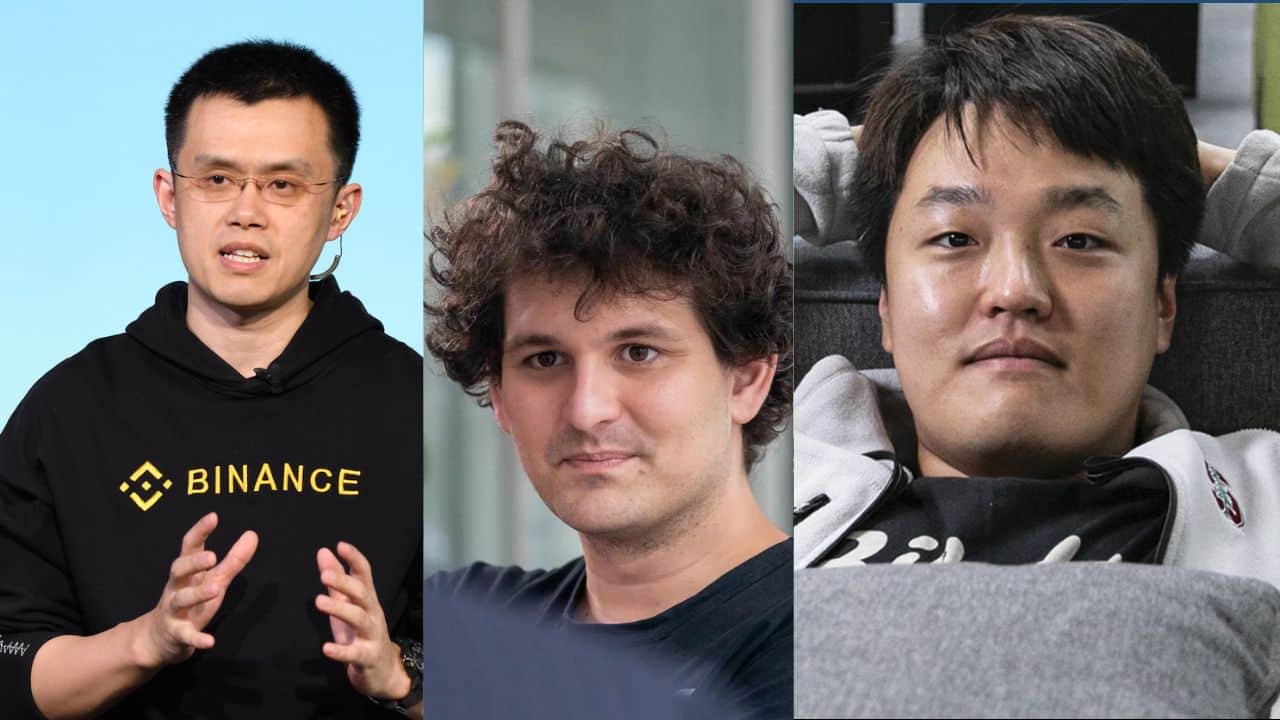
Binance boss Changpeng Zhao has become the most powerful cryptocurrency figure to fall in a two-year period chaotic even by the standards of the notoriously volatile industry.
Zhao stepped down as CEO of Binance — the largest crypto exchange in the world — after he and the company pleaded guilty on Tuesday to sweeping US money laundering violations and agreed to fines of more than $4 billion.
Here are three of the highest-profile crypto executives who have fallen foul of the law since last year:
Changpeng ‘CZ’ Zhao
Born in China in 1977, Zhao moved with his family to Canada in the 1980s and later got a degree in computer science from McGill University, according to his profile in the Bloomberg Billionaires Index.
Zhao Changpeng, chief executive officer of Binance, speaks during a Bloomberg Television interview in Tokyo, Japan, on Thursday, Jan. 11, 2018. The world’s biggest cryptocurrency exchange keeps getting bigger. Binance.com is adding “a couple of million” registered users every week, with 240,000 people signing up in just an hour on Wednesday, said Zhao. Photographer: Akio Kon/Bloomberg
He founded Binance in 2017 in Shanghai, and led the company’s explosive growth into the world’s biggest cryptocurrency exchange.
An outspoken celebrity in the crypto world with 8.7 million followers on X, Zhao became the richest known figure in the nascent industry. His net worth peaked at around $65 billion in 2022, according to a Forbes index.
With the prestige and wealth came increased scrutiny of Binance’s operations, as prominent crypto firms around the world began to buckle under a wave of criminal investigations.
The United States accused Zhao and Binance of multiple violations, including knowingly allowing transactions to militant groups such as the Islamic State and in barred jurisdictions such as North Korea and Iran.
On Tuesday, they pleaded guilty. The firm has agreed to total penalties of nearly $4.4 billion, while he will pay $50 million, according to court documents.
Zhao resigned as CEO of Binance and while he will reportedly retain his shares in the company, he has been banned from any involvement in its business. He is expected to face sentencing later.
Forbes listed his net worth as $10.2 billion as of Wednesday.
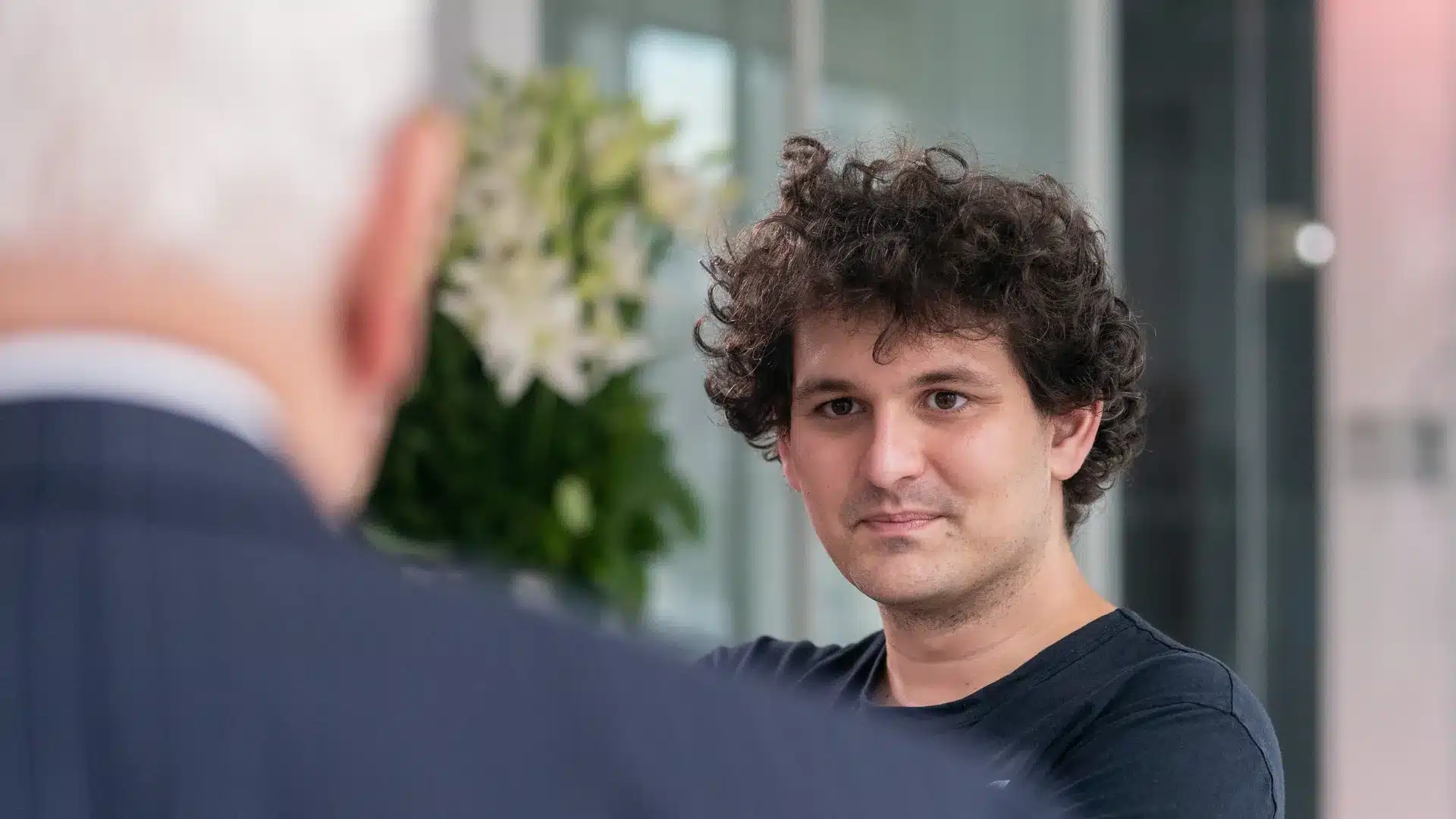
Sam Bankman-Fried
If Zhao was the richest and most powerful person in crypto, Sam Bankman-Fried was easily the most famous.
Born to Stanford University professors, Bankman-Fried graduated from MIT with a degree in physics.
In 2019, he founded FTX, which skyrocketed to become the world’s second-largest crypto exchange.
Along the way, Bankman-Fried built up his image as the unofficial ambassador for the cryptocurrency industry, with high-profile appearances in the media and even the US Congress.
At one point in 2022, he had a net worth of $24 billion, according to Forbes.
But he had been walking a dangerous path — his team used customers’ money for everything from buying posh real estate to covering risky moves by affiliate Alameda Research.
It all came crashing down when these moves were revealed in the media in November 2022. Within hours, rival CZ Zhao said Binance would sell all the FTX tokens it held.
It sparked a stunning collapse of FTX and Bankman-Fried’s empire, his fame turning to notoriety.
Arrested in the Bahamas in January, he was found guilty this month of what US prosecutors described as “one of the biggest financial frauds in American history”. He faces up to 110 years in prison.
During his trial, the 31-year-old admitted to making “mistakes” but denied trying to defraud anyone.
Do Kwon
South Korean entrepreneur Do Kwon co-founded Terraform Labs in 2018, developing the cryptocurrencies TerraUSD and Luna.
Do Kwon, co-founder and chief executive officer of Terraform Labs, poses in the company’s office in Seoul, South Korea, on Thursday, April 14, 2022. Kwon is counting on the oldest cryptocurrency as a backstop for his stablecoin, which some critics liken to a ginormous Ponzi scheme. Photographer: Woohae Cho/Bloomberg via Getty Images
The Stanford grad successfully marketed them as the next big thing in crypto, attracting billions in investments and global hype.
Media reports in South Korea described him as a “genius”.
But in May last year, the value of these currencies — marketed as “stablecoins” — plummeted, wiping out around $40 billion in investments and sending a shock wave through the rest of the industry.
It led to more than $500 billion in further losses on global crypto markets, industry data suggested.
Experts said Do Kwon — whose full name is Kwon Do-kyung — had marketed a glorified Ponzi scheme.
Brash and outspoken on social media, Do Kwon left South Korea before the collapse and spent months on the run.
He was arrested in Montenegro this year after being caught trying to catch a flight using fake Costa Rican travel documents.
He faces multiple criminal charges in the United States and South Korea.
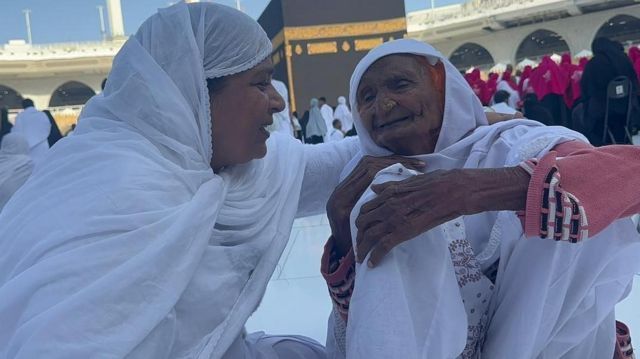
On November 21, 2023, a touching reunion happened in Makkah, bringing together families who were separated during the partition. Hujra Bibi, whose family was split during India’s partition, moved to Pakistan while her sister stayed in India, BBC shared the story.
The partition of India in 1947, led by the British, created two separate countries, India and Pakistan, causing many people to leave their homes.
Hujra Bibi’s story is special because the reunion happened in a different country. After being separated during the partition, Hujra, now living in Jhang, Punjab, Pakistan, met her sister’s family from India in Makkah, Saudi Arabia.
The credit for this emotional meeting on November 20 goes to Naseer Dhillon, a native of Faisalabad, Pakistan, and his friend. Naseer, through his YouTube channel, has been actively helping families reconnect.
Despite facing challenges from the government, the families remained determined. Hujra applied for an Umrah visa, and Hanifan, her sister’s daughter, applied from India. Naseer’s friend, Pal Singh Gill from the United States, played a crucial role in making the meeting possible.
Naseer highlighted the importance of their efforts, mentioning that despite the distance and obstacles, love and friendship can bring families back together. Hujra BiBi and her niece finally met in Makkah, ending years of being apart. Naseer traveled all the way from Dubai to Saudi Arabia to make this reunion possible. He said, “We thanked Allah for making it happen.” This story shows how families can stay strong and connected, even when they are separated by borders and obstacles. It’s truly amazing how love and determination can bring people together.
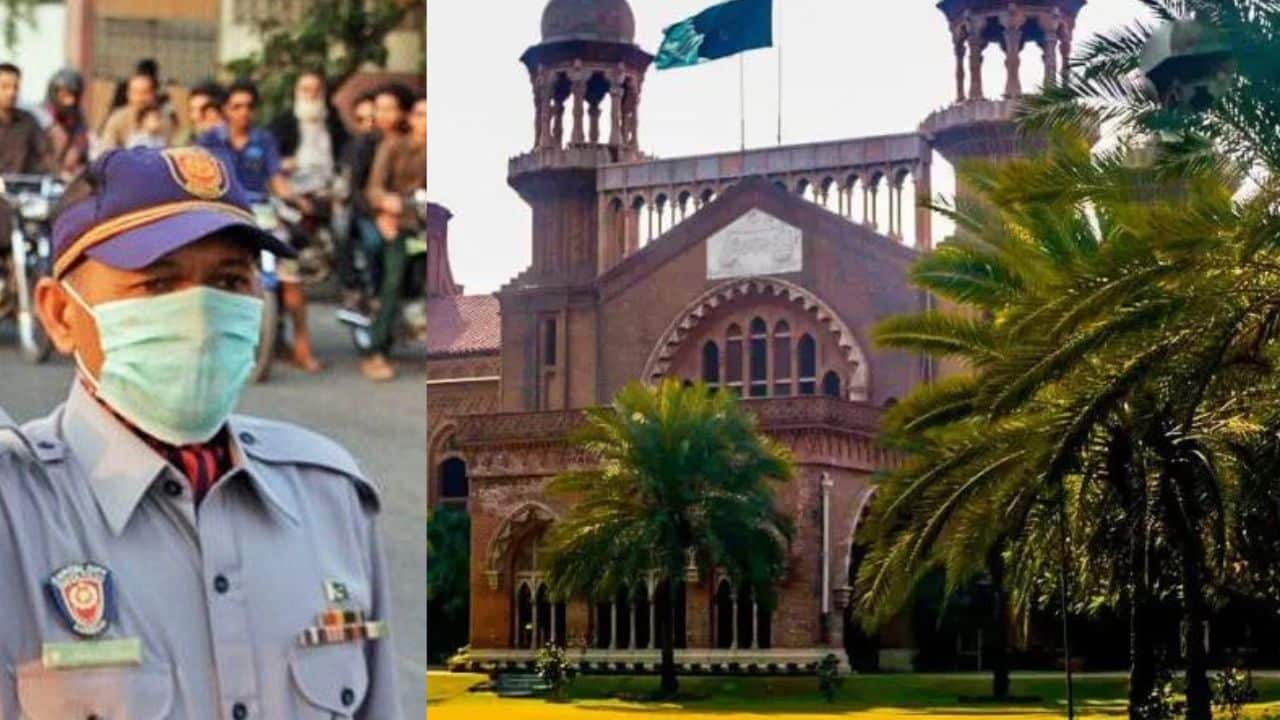
“If an underage driver causes a road accident, the relevant SHO and sector in-charge will be taken to task,” Justice Ali Zia Bajwa remarked during the hearing of a petition of Afnan Shafqat, the prime suspect in the DHA car accident that resulted in deaths of six members of a family, reports Dawn.
The underage suspect approached the court against alleged harassment by the police and for the protection of his right to fair trial.
However, the court ordered traffic police to continue its crackdown on underage drivers and warned it against any harassment to law-abiding citizens.
CTO Traffic police Mustansir Feroze told the court that a crackdown was underway against driving vehicles without licences and as many as 2,986 cases had been registered in three days.
Talking to the media, the CTO said more than 4,000 cases had been registered during the crackdown against underage driving. He said hundreds of vehicles had been confiscated in police stations and over 16,000 learner permits had been issued in a single day. He said the city had 30 licencing offices, ten mobile vans, and three 24-hour open centres. He said three new licence centres were being established in the city.
09 روز میں 3345 کم عمر ڈرائیورز جبکہ بغیر لائسنس 1670 ڈرائیورز کےخلاف مقدمات درج،190 مقامات پر خصوصی ناکہ جات قائم،کریمنل ریکارڈ بننے سے سرکاری نوکری اور ویزہ حصول میں مشکلات آسکتی ہیں، شہر میں 30 لائسنس دفاتر، 10 موبائل وینز اور 03 سینٹر 24/7 ہیں pic.twitter.com/9IpvDlZWH0
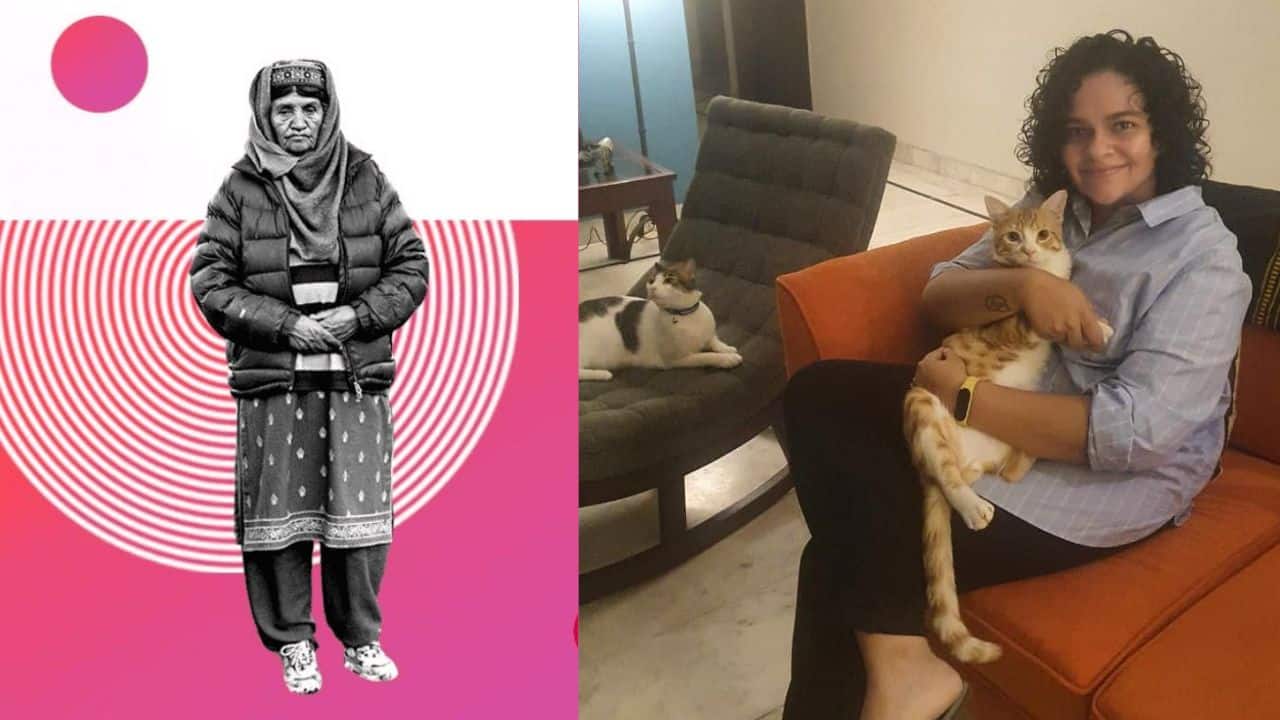
Two Pakistani women have been included into the BBC’s list of this year’s top 100 inspiring and influential women. The list highlights women who became trailblazers in their field and worked to spread awareness about issues like climate change, political instability and natural disasters. Among the list are famous Muslim figures like lawyer Amal Clooney, Pakistani Nobel Prize winner Malala Yousafzai, Iraqi-American beauty mogul Huda Kattan.
The first Pakistani woman included in the list is Afroze-Numa, one of the last Wakkhi shepherdess who has taken care of goats, yack and sheep for over three decades.
“Having learnt the trade from her mother and grandmothers,” the BBC description reads, “she is part of a centuries-old tradition that is now dying out in Pakistan’s Shimla valley.”
“Every year these shepherdesses take their flocks to pastures 4,800m (16,000ft) above sea level, where they prepare dairy products to barter, while their animals feed.
Their income has brought the village prosperity and allowed them to provide an education for their children. Afroze-Numa still fondly remembers being the first woman in the valley to own a pair of shoes.”
The second Pakistani woman included in the list is Neha Mankani, a midwife who travelled to flood-affected areas in order to provide life-saving birthing kits and midwifery care to mothers and their babies.
“Her typical practice focuses on low-resourced settings, emergency response and climate-affected communities,” the BBC said, adding that Mama Baby Fund has now raised enough money to launch a boat ambulance that will transport pregnant women living in coastal communities to nearby hospitals and clinics for urgent treatment.
Taking to Instagram to share the post, Mankani wrote she was honoured to receive the acknowledgement from BBC.
“Really honoured to be on the @bbc100women list this year as a climate hero, celebrating the important role of midwives in climate emergencies and highlighting my work with @mamababyfund in last year’s floods and in the climate affected island communities of Karachi. Head over to @bbc100women to read about all the really amazing women highlighted this year”
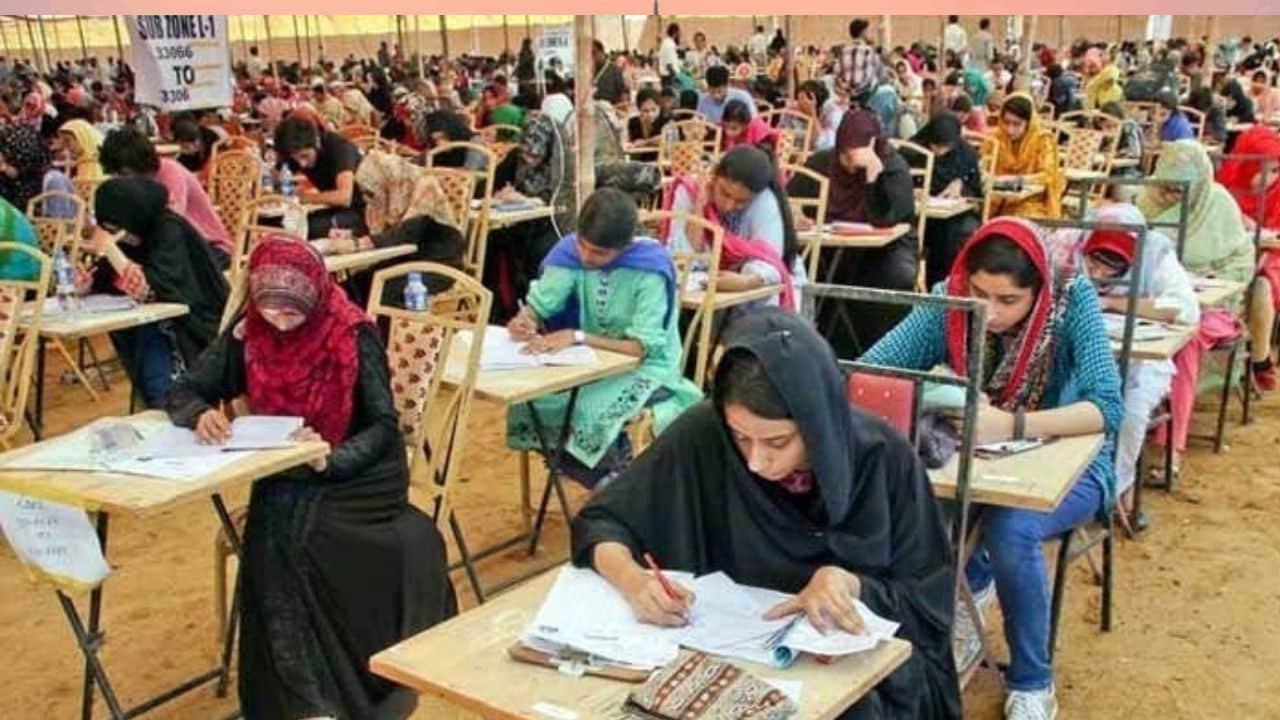
Medical and Dental College Admission Test (MDCAT) 2023 has been embroiled in major controversy involving cheating in Khyber Pakhtunkhwa (KP) and Sindh. The test is mandatory for admission in disciplines of medicine and dentistry.
Sindh
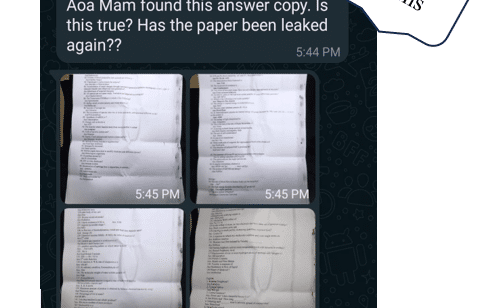
A retest was conducted on Sunday, November 19, across four centres in Sindh as the previous one was cancelled due to overwhelming complaints of cheating. Almost 41,000 students appeared for a total of 4,790 seats — 3,600 for MBBS and 1,190 for dental studies. As per the reports, answer sheets are circulating on social media, fueling speculation that the exam paper was leaked.
MDCAT-Exam-2023 Once again paper leaked. After MDCAT EXAM students confirmed these were same questions in paper. So here it is again.Dow University to conduct an inquiry into the paper circulating on social media. pic.twitter.com/4zNj5dMLRd
This raised questions over the feasibility of leaking the entire paper through social media, given the ban on phones and smart watches at test centres. Additionally, students have expressed dissatisfaction with the test’s content, citing questions beyond the prescribed syllabus and errors in the answer keys, reports The News.
In a recent statement, President PMDC Dr Rizwan Taj has acknowledged social media reports alleging the leak of MDCAT paper conducted under the supervision of DOW University of Health Sciences (DUHS). He asserted that both the managing authorities-DUHS vice-chancellor and Sindh Chief Secretary-have denied the allegations, saying the news is not correct and question papers were released by students post-test at 4pm as the test had ended at 2pm.
Khyber Pakhtunkhwa
After the cancellation of the September 10 test in Khyber Pakhtunkhwa, the exam is to be reconducted on November 26. A plan has been devised according to which police will be deployed to provide security to the staff involved in in transportation of test material to all centres in the designated cities, including Peshawar, Dera Ismail Khan, Kohat, Mardan, Dir Lower, Swat and Abbottabad. A total of 46,220 candidates will appear in test. To ensure transparency police will be also be involved during printing, packaging, transportation and scanning of examination material inside and outside Khyber Medical University Peshawar from 20 November to 30.
Section 144 will be imposed around the centres, mobile phone will remain jammed, power supply will remain uninterrupted from 9am to 3pm on date of test are also part of the plan, says the report by Dawn.
On Tuesday, the European Commission and the European External Action Service (EEAS) jointly revealed a monitoring report on Pakistan’s Generalised Scheme of Preference, or GSP Plus.
The report expressed concerns about forced disappearances, torture, and limitations on media freedom in Pakistan, which are seen as violations of international treaties.
It urged Pakistan to enforce laws protecting economic, social, and political rights and raised reservations about the misuse of anti-corruption rhetoric for political purposes.
Despite civilian rule since 2008, the report highlighted the military’s disproportionate role in politics and the economy.
Covering 2020–2022, it focused on the May 9 riots and subsequent trials in military courts, recognising legislative progress but emphasising the need for improved practical implementation.
❗️#UPDATE EU has released 4️⃣th GSP Report! Report evaluates the implementation of 27 intl core conventions in beneficiary countries,incl 🇵🇰 for sustained benefits. It 📌 points areas where progress is needed. Since award of GSP+🇵🇰’s exports to EU ⬆️ by 108% 🔗 Link to report 👇 pic.twitter.com/TU49n6KgPM
Furthermore, the report read that although initial measures have been undertaken to limit the application of the death penalty, additional steps are required to bring them in line with international standards.
This entails introducing a comprehensive revision of the mercy petition procedure.
“It has undeniably increased awareness of human rights at the grassroots level, of labour rights within businesses and export supply chains and of the significance of environmental considerations and good governance.
However, the full potential of the GSP+ benefit can only be realised by diversifying Pakistan’s exports to include more value-added products”, remarked EU Ambassador to Pakistan H.E. Dr Riina Kionka about the report.
Pakistan attained GSP Plus status in January 2014, following the ratification of 27 international conventions and a commitment to their implementation.
The GSP Plus incentive provides Pakistan with zero-rated or preferential tariffs on nearly 66 per cent of tariff lines, thereby bolstering the country’s capacity to export to the EU market.
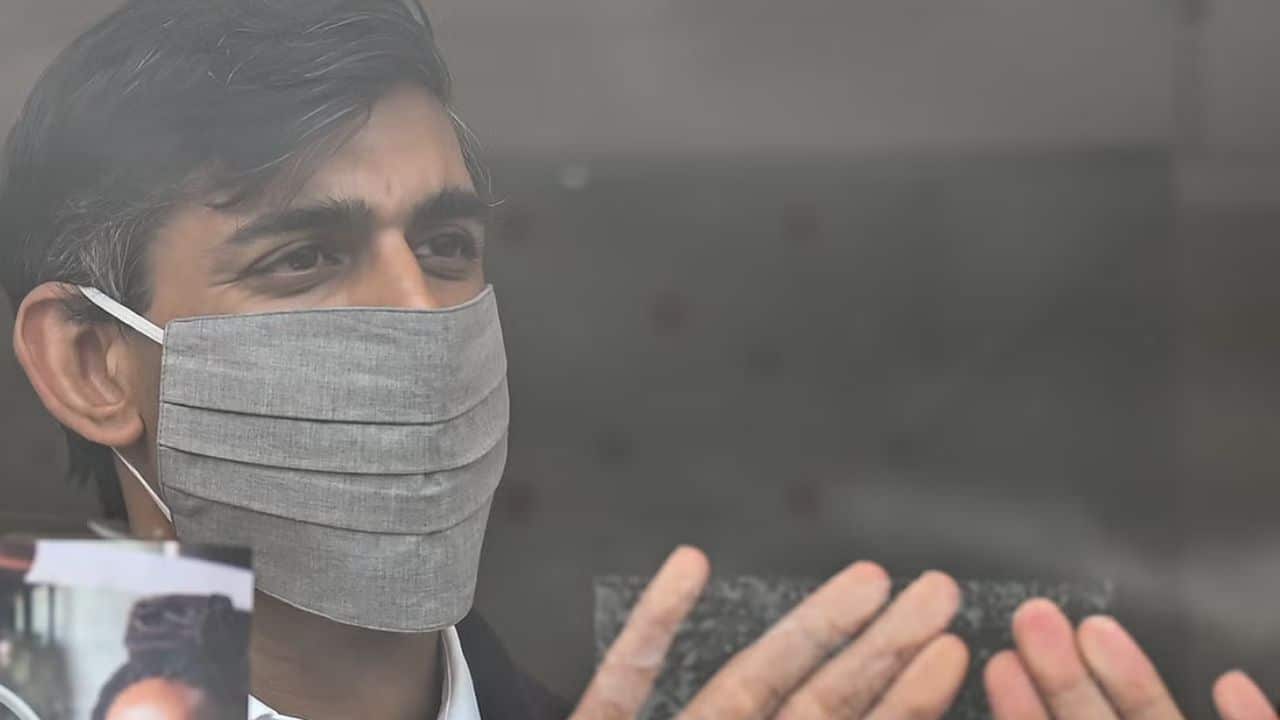
A recent inquiry into Britain’s handling of the Covid-19 pandemic has revealed that Rishi Sunak believed that the government should “just let people die” rather than impose a second national lockdown.
The concerning statement by Rishi Sunak was quoted in a hearing on Monday about UK’s handling of the Covid-19 pandemic that shut down large sections of the economy and killed more than 220,000. The explosive claim was made by Patrick Vallance, the former chief scientific adviser to the government. He claimed that the then-finance minister Sunak said during a meeting with then-prime minister Boris Johnson, that the government should “just let people die” rather than impose a second national lockdown.
Vallance noted this down in a meeting in his diary on October 25, 2020, which was presented to the inquiry on Monday. The incident was relayed to him by Dominic Cummings, Johnson’s most senior adviser during the pandemic, relayed to Vallance what he had heard at the meeting. Vallance quoted Cummings in his diary as saying: “Rishi thinks just let people die and that’s okay. This all feels like a complete lack of leadership.” According to a spokesperson for Sunak, the prime minister would set out his position when he gives evidence to the inquiry “rather than respond to each one in piecemeal”
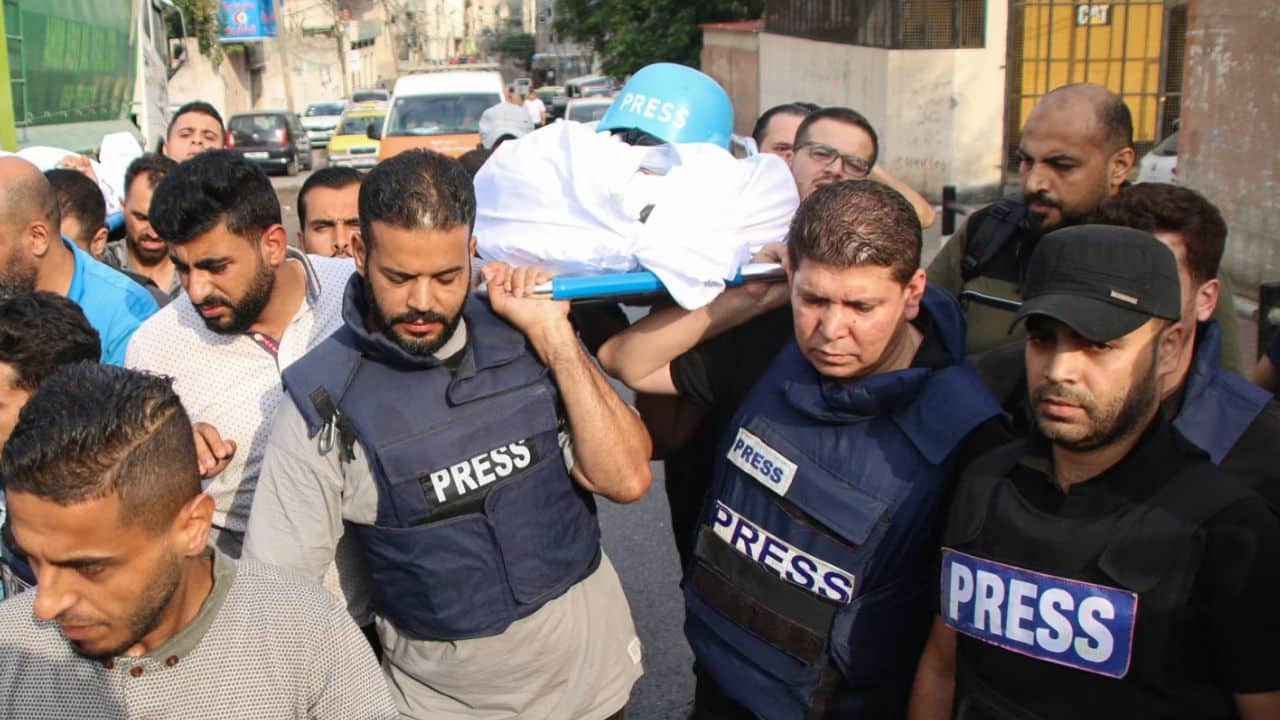
The Committee to Protect Journalists (CPJ) has reported the month following October 7 attacks has been the deadliest for journalists and media workers since CPJ began gathering data in 1992.
CPJ’s “preliminary investigations” reveals that as of November 21, at least 50 journalists and media workers are among the 14,000 plus people killed since October 7.
The deadliest day for journalists was October 7 itself as six journalists were killed; followed by November 18, the second-deadliest day when five were killed.
50 journalists and media workers were confirmed dead: 45 Palestinian, four Israeli, and one Lebanese.
11 journalists were reported injured.
Three journalists were reported missing.
18 journalists were reported arrested.
Multiple assaults, threats, cyberattacks, censorship, and killings of family members has also been recorded.
CPJ is also probing a number of unconfirmed reports of other journalists being killed, being missing, detained, hurt, or threatened, and of damage to media offices and journalists’ homes.
“CPJ emphasizes that journalists are civilians doing important work during times of crisis and must not be targeted by warring parties,” states Sherif Mansour, CPJ’s Middle East and North Africa program coordinator.
“Journalists across the region are making great sacrifices to cover this heart-breaking conflict. Those in Gaza, in particular, have paid, and continue to pay, an unprecedented toll and face exponential threats. Many have lost colleagues, families, and media facilities, and have fled seeking safety when there is no safe haven or exit.”
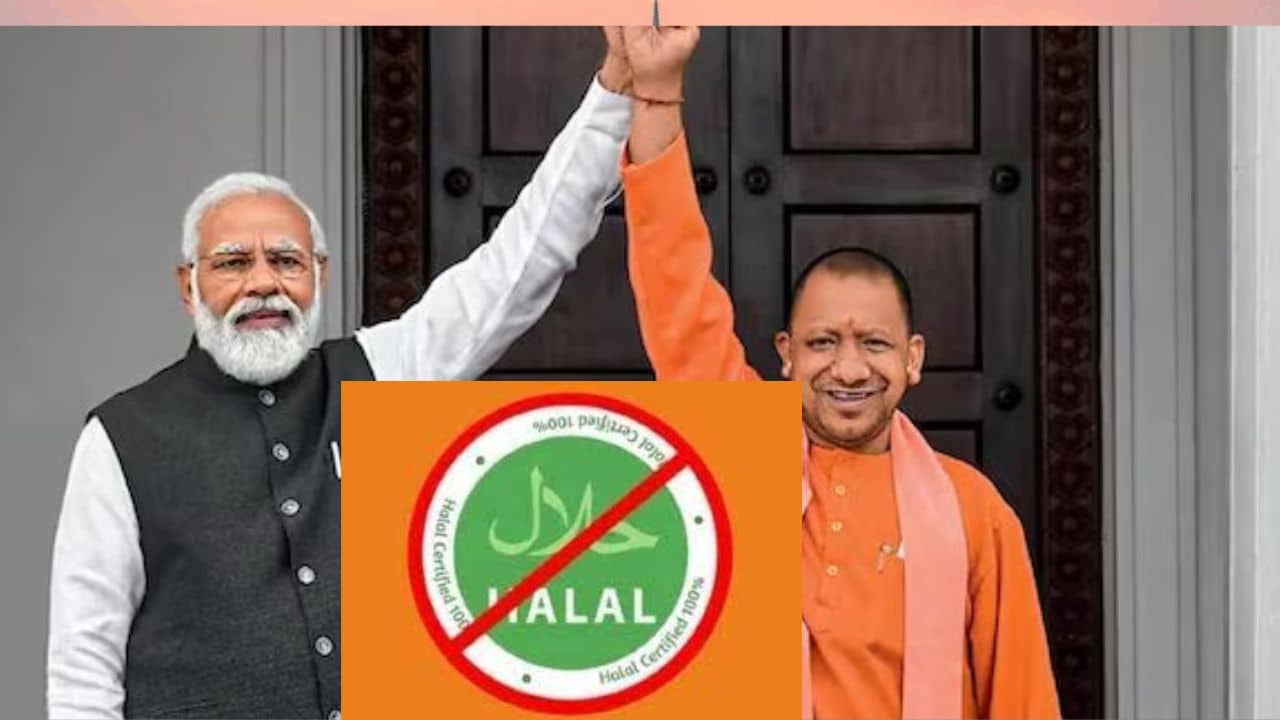
Authorities in India’s most populous Indian state Uttar Pradesh have banned the distribution and sale of Halal-certified products. These include dairy products, garments and medicines. A notificaton from the state government proclaims that the halal certification of the products is illegal.
Uttar Pradesh, or UP as it is commonly called, is ruled by firebrand right-wing Hindu monk Yogi Adityanath, a member of Prime Minister Narendra Modi’s Bharatiya Janata Party.
UP Govt. banned sale of Halal Certified products in the state.Several organisations issuing #HalalCertification for financial gains & exploiting religious sentiments of a particular community in country. We request Central Govt. to ban Halal in whole country.#Yogi_Against_Halalpic.twitter.com/iAwUxUFrBn
“Halal certification of food products is a parallel system which creates confusion regarding the quality of food items,” the notification said.
The Food Safety and Standards Authority of India (FSSAI) is the country’s apex body in charge of determining standards for most food products sold in the country and determines the standards food products should meet, the notification said.
Officials have conducted inspections all around the state.
After the ban on Halal products by BJP-ruled Uttar Pradesh Government,a team of Food Safety and Drug Administration officials conducted an inspection of food items at Sahara Mall. Lucknow,Uttar Pradesh #HalalBanInUP | #HalalCertification | #Indiapic.twitter.com/gpGgRt1TW0
Extremists from the right wing are appreciating the step as a way to curb “jihad”, alleging that it is funded by the sale of halal products.
Halal Money funds Jihad..period!! On the #HalalCertification ban in UP, I applaud the decision by Yogiji and ask – What do the Muslims actually want? They want personal laws, Halal food, madarssas and then they complain about not being mainstream ♂️
“Religion should not be brought into food. There were many items such as garments, sugar, etc which were being branded as Halal, which is against the law,” state BJP spokesperson Rakesh Tripathi said on Monday.