Category: Lifestyle

  • Kazakhstan puts ban on Hijab in schools

    Kazakhstan puts ban on Hijab in schools

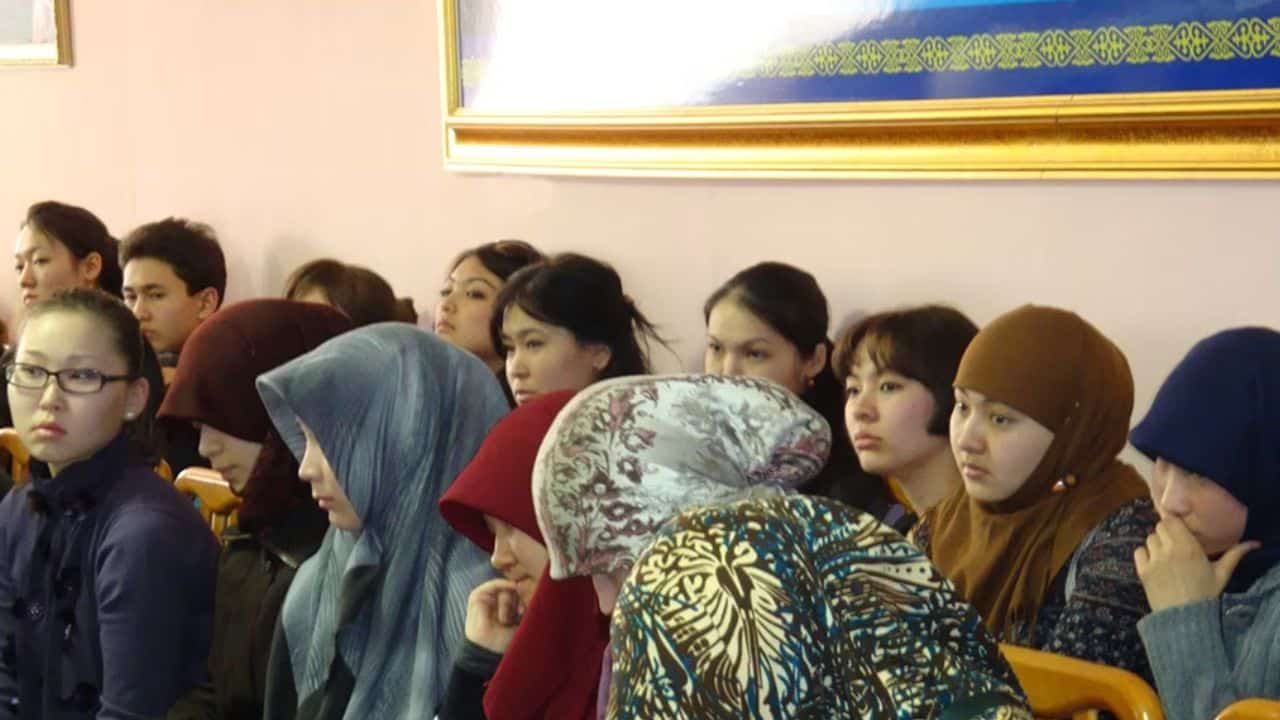
    Kazakhstan government, home to a population with 70 per cent Muslims, has announced a ban on head-scarves for students and teachers in schools and educational institutions.

    “Requirements for the school uniform prohibit the wearing of the hijab, since any attribute, symbol, element in one way or another implies propaganda of the dogma to which they relate. Ensuring the equality of all religions before the law, the principles of secularism do not allow the advantage of any religion,” the Kazakh Government’s website stated on October 16.

    The ban has initiated a fierce debate on different levels of the populace. The Government, however, has maintained that Kazakhstan is a secular country. The opposing group consider the ban a violation of the freedom of expression and conscience.

    Consequently, many students have dropped out of the school. Education Minister Gani Beisembayev confirmed that a total of 150 girls dropped out of school in the Atyarau region, whereas in Turkestan, two men reportedly beat a school director for not allowing the girls wearing hijab to attend lectures.

    As a sign of protest, many are posting videos of burning down their books or pictures of them wearing a hijab stating that they will not trade anything for their right to wearing the head covering.
    A member of Almaty Social Council in Qojaly believes that “First of all, you have to know that the hijab is actually a headscarf with which girls in Kazakhstan were covered from puberty, that is, from the age of 13.There is no religious connotation here. Second, the law enshrines the right to education, and the ban that has been enacted is an artificial barrier to exercising that right. Why do headscarves suddenly prevent Muslim girls from joining secular life? No one is banning the wearing of Christian crosses or tubeteika caps. In fact, we are talking about a certain form of segregation.”

    The Grand Mufti of Kazakhstan, Nauryzbay Kazhy Taganuly, has proposed that the girls who want to wear hijab should join Madrassas or any Muslim Educational institution from grade 10 onwards. So far nobody has objected to this.

    Amidst all this, President Kassym-Jomart has expressed his determination to ensure “freedom of religion” as per the law of his secular state.
  • 23 journalists killed in Israeli airstrikes since October 7

    23 journalists killed in Israeli airstrikes since October 7

    The Israel-Gaza escalation has resulted in the killings of more than 4,700 people in Gaza —mainly Palestinians — as increasingly heavy Israeli air raids continue following October 7 Hamas attacks on Israel.

    Committee to Protect Journalists (CPJ) has been keeping a track of journalists who have been killed, injured, detained, or missing in the Israeli-declared war.

    Amidst Israeli airstrikes, disrupted communications, and extensive power outages, journalists are at risk at all times as they cover the situation in Gaza.

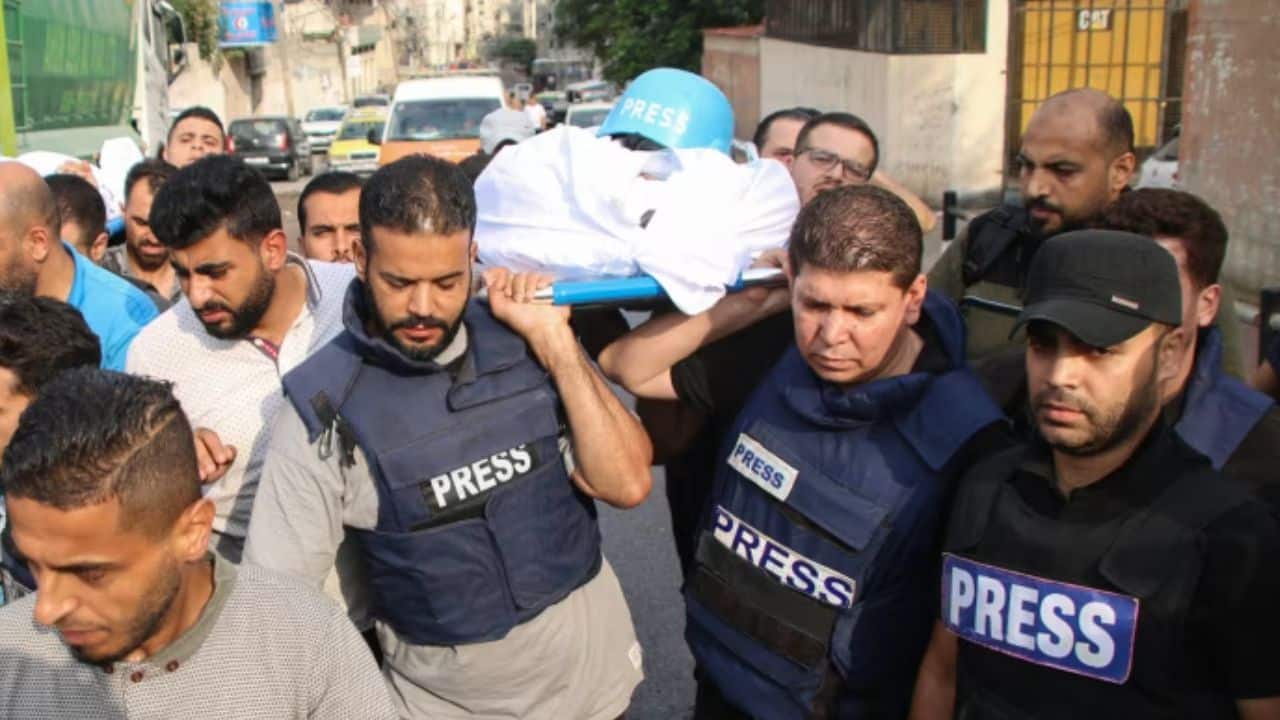
    As of yesterday, 23 journalists have reportedly been killed, including 19 Palestinians, three Israelis, and one Lebanese.

    The victims are identified as Khalil Abu Aathra, Sameeh Al-Nady, Mohammad Balousha, Issam Bhar, Abdulhadi Habib, Yousef Maher Dawas, Salam Mema, Husam Mubarak, Issam Abdallah, Ahmed Shehab, Mohamed Fayez Abu Matar, Saeed al-Taweel, Mohammed Sobh, Hisham Alnwajha, Assaad Shamlakh, Shai Regev, Ayelet Arnin, Yaniv Zohar, Mohammad Al-Salhi, Mohammad Jarghoun, and Ibrahim Mohammad Lafi.

    Additionally, eight journalists are reported injured and three are missing or detained.

    CPJ has also claimed to have been investigating a number of unconfirmed reports of other journalists being “killed, missing, detained, hurt or threatened, and of damage to media offices and journalists’ home.”

    According to CPJ’s Middle East and North Africa program coordinator, Sherif Mansour, “CPJ emphasises that journalists are civilians doing important work during times of crisis and must not be targeted by warring parties,

    “Journalists across the region are making great sacrifices to cover this heartbreaking conflict. All parties must take steps to ensure their safety.”

  • 62,079 undocumented Afghans repatriated so far

    62,079 undocumented Afghans repatriated so far

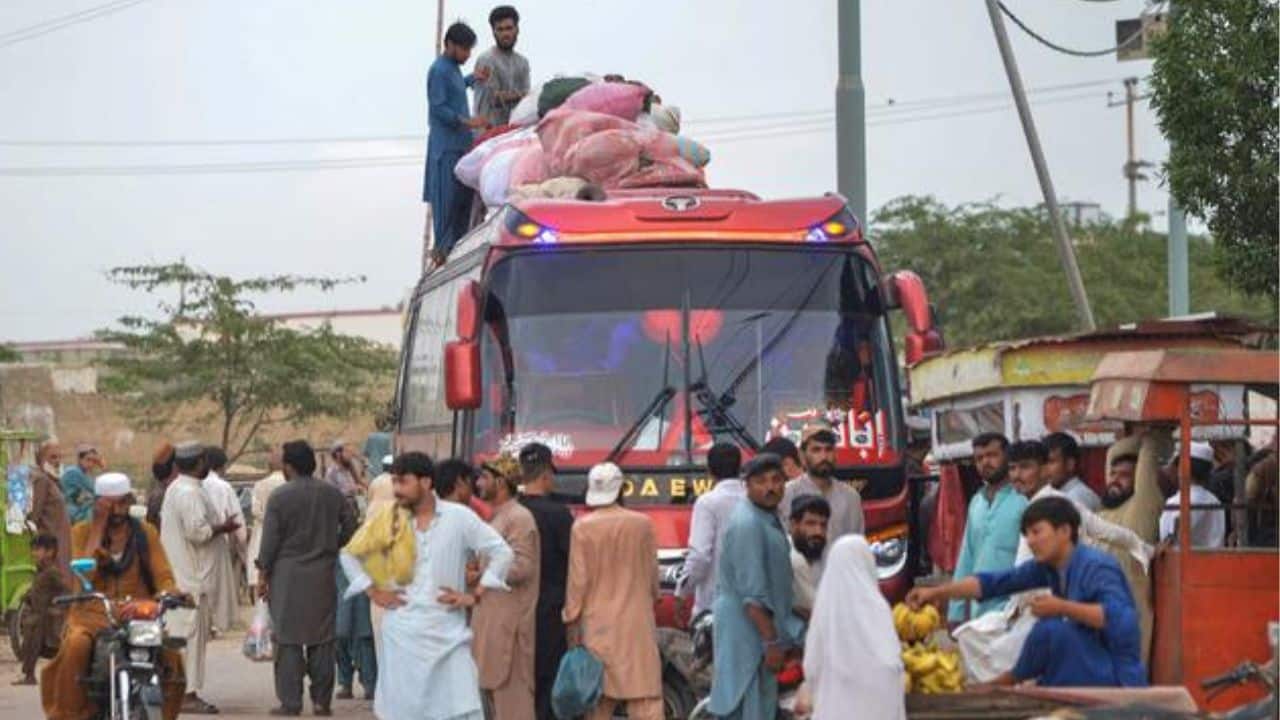
    Many illegal Afghan citizens living in Pakistan are heading back to their homeland by October 31.

    So far, 62,079 undocumented Afghans have been repatriated.

    On October 22 alone, 2518 Afghans went back to Afghanistan.

    Among these 2518 Afghan citizens were 522 men, 218 women and 1778 children.

    Pakistan has accelerated the process of sending back illegal Afghans. As per reports, Afghans in Peshawar, Khyber and other areas have started selling their properties.

    Operations to arrest and deport illegal citizens have been under way.

    On October 4, the caretaker government set November 1 as the deadline for illegal immigrants residing in Pakistan, warning that action will be taken against them after the deadline. The decision was taken during an apex committee meeting on the National Action Plan (NAP) at the Prime Minister’s House.

    “We have given them [foreigners residing in Pakistan unlawfully] a deadline of November 1 to willingly return to their countries and if they don’t, all law enforcement agencies (LEAs) of the state and provinces will deport them,” Interim Interior Minister Sarfraz Bugti had stated at a press conference.

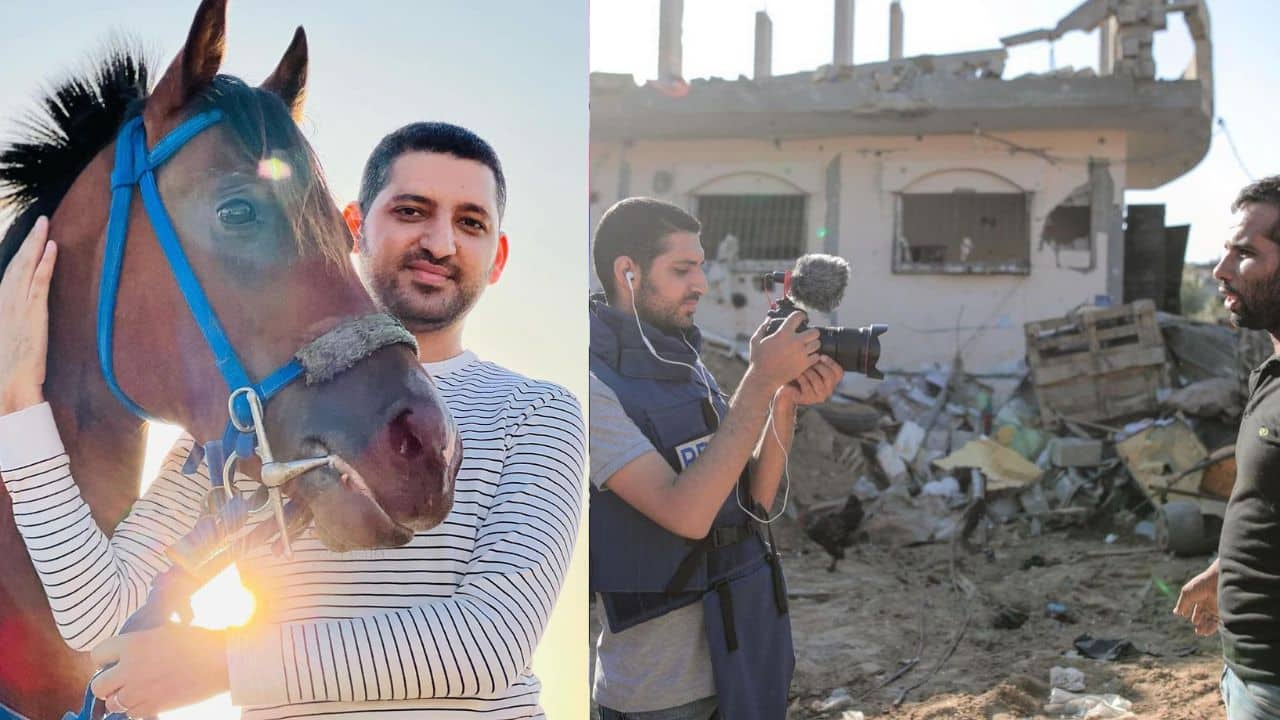
  • Gaza journalist Roshdie Sarraj martyred after Israel airstrike hits his home

    Gaza journalist Roshdie Sarraj martyred after Israel airstrike hits his home

    Palestinian journalist Roshdie Sarraj was martyred on Sunday after Israaeli air strikes bombed his home in Gaza, taking the total number of journalists killed since the beginning of Israel’s war on Gaza to 23.

    In his last Twitter post, Sarraj appealed to the international community to urgently call upon their leaders after another hospital in Gaza Al-Quds received a warning from Israel to evacuate before it is bombed. Currently, the hospital is housing more than 12,000 refugees.

    Putlitzer Prize nominated journalist Wissam Nassar confirmed Sarraj’s death on his Instagram account by writing: “My close friend, Rushdi Sarraj, was killed in Israeli bombardment on his home. He was a talented photojournalist and director creatively telling the stories of Gazans under war and siege. May you rest in peace, Roshdi. Please remember me to all journalists in the heaven, whom Israel killed.”

    Sarraj had actively used his Instagram account to spread awareness of the on-going genocide in Gaza. A recent picture showed how Israel had laid destruction over civilian homes.

    May he rest under Allah’s shade.

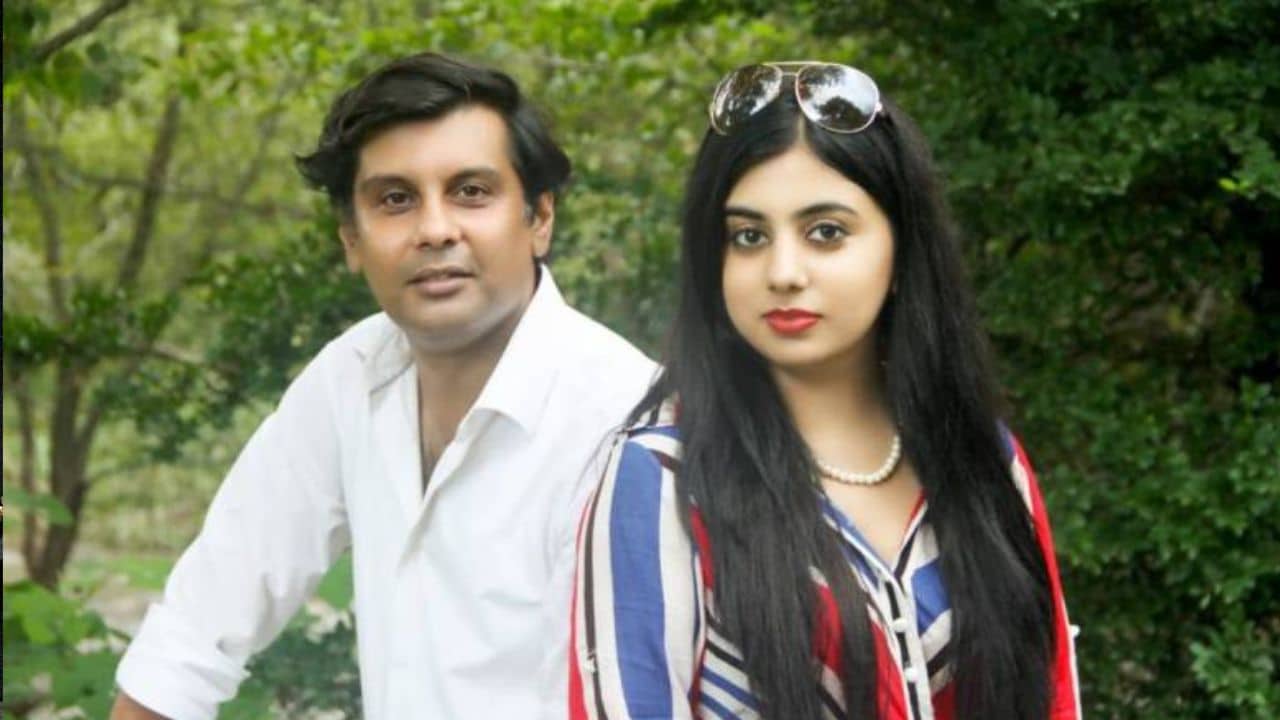
  • ‘Last year took away my life’, Arshad Sharif remembered on first death anniversary 

    ‘Last year took away my life’, Arshad Sharif remembered on first death anniversary 

    It’s been a year since the demise of senior journalist Arshad Sharif who was killed in Kenya. The culprits, however, are still at large and the family awaits justice.

    The investigation so far has been futile. According to a Kenyan investigative journalist Nyaboga Kiage, five policemen involved in the case were initially suspended and have now resumed their duties without facing any liability. Two of them have been promoted. 

    Sharif’s death made headlines across the globe. On his first death anniversary, his family and colleagues are remembering him and pressing hard for justice. Journalism organisations are holding prayer ceremonies in his honour, where well-wishers are paying their respects and reflecting on the impact he had on the field.

    Sharif’s wife Javeria Siddique remembers the last twelve months as “last year took away my life”. She stated the struggles she is going through to get justice.

    Sharif’s former boss Salman Iqbal recalled his last conversation with the late journalist, saying, “bhai we are here to make this world a better place and we shall do what we were created for.”

    Fellow journalist Murtaza Ali Shah tweeted, “One year after assassination in Kenya, no justice for Arshad Sharif. Cops involved in firing bullets at him are back to their work.”

    Journalist Jameel Farouqi remembered him as a “big brother” and appreciated Sharif for his “sense of humour”

    His friend Tahir Malik misses him for ‘all the colours in life are lost after him.’

    Arshad’s colleague Kashif Abbasi still “can’t believe” he has lost his friend. It’s beyond ‘heart-breaking” for him. 

    Caretaker PM Kakar, in his meeting with Kenyan President Dr. William Ruto, when Kakar was in China last week, also asked for the process of investigation to be expedited.

    Sharif’s wife has already registered a case against the Kenyan Police in a Nairobi court.

  • Aurat-March lambasts Nawaz Sharif over sexist remarks

    The Karachi chapter of women’s rights movement Aurat March has taken to X (former Twitter) to criticize former Prime Minister and Pakistan Muslim League-Nawaz (PML-N) Nawaz Sharif over his remarks delivered in a speech in Minar e Pakistan’s procession on Saturday.

    The tweet started with a sardonic tone, “Bohat Khoob”. It further criticised Nawaz Sharif for jibing at women’s politics. “He has not learnt up till now that categorising women as “good” or “bad” is a thing of ancient times.” The tweet said that raising questions over a woman’s character on the basis of dance is a “ghatiya harqat” [an extremely bad action].

    The tweets came in response to Nawaz praising the women at his rally for not dancing with the beat of drum, a thinly veiled swipe at arch rivals Pakistan Tehreek-e-Insaf (PTI). He asked the crowd to clap for him if they understood what he implied.

    Aurat March suggested to the PML-N leader to let go of misogyny.

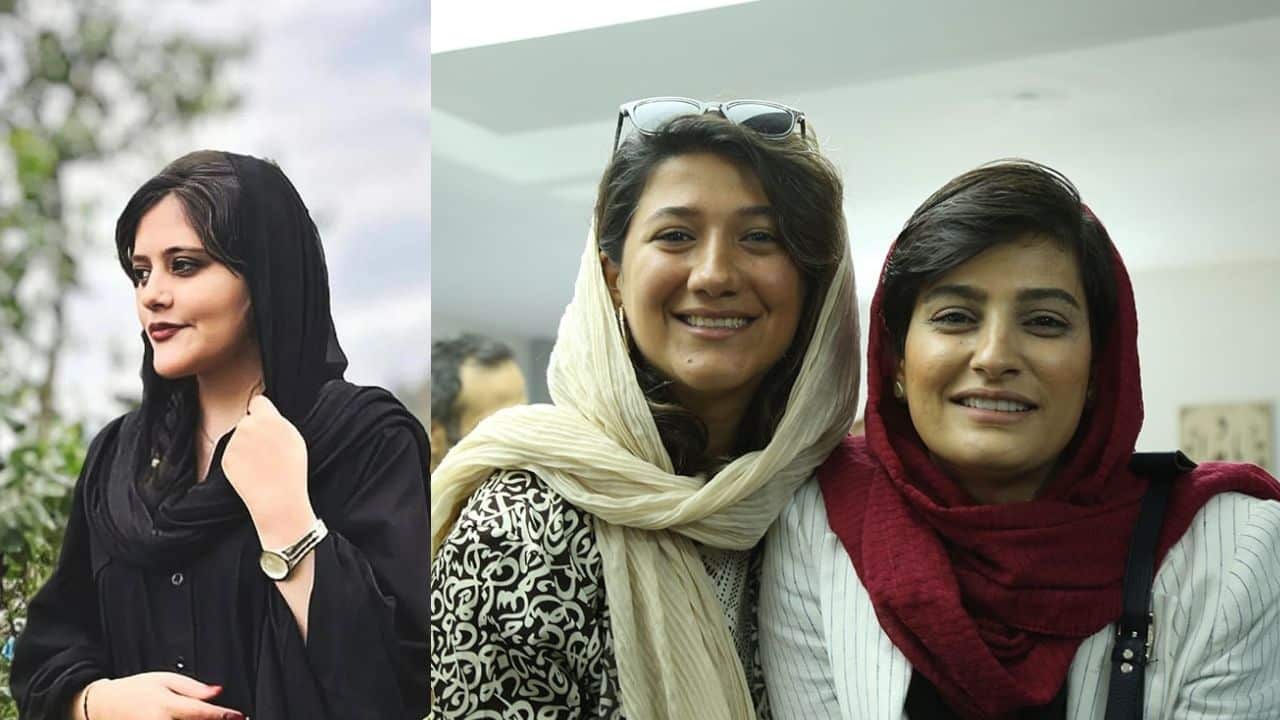
  • Iran sentences two women journalists for covering Mahsa Amini’s protests

    Iran sentences two women journalists for covering Mahsa Amini’s protests

    Two female journalists in Iran have been sentenced to a long period of imprisonment on national security charges after they covered Mahsa Amini protests.

    In September 2022, 22-year-old Mahsa Amini was taken into custody by Iran’s morality police for violating ‘Islamic dress code’ and refusing to wear a hijab. She died in police custody. Huge protests then burst out across the country.

    Days after the protests, Niloofar Hamedi and Elaheh Mohammadi were arrested while their trials started in May.

    Both were reporting for reformist newspapers.

    Hamedi had posted an image on social media of Amini’s parents holding each other and crying at the hospital where she died, while Mohammadi reported on her funeral from Amini’s hometown.

    According to the official news website of the Iranian judiciary, Hamedi and Mohammadi will serve sentences of 13 years and 12 years in prison, respectively.

    Hamedi’s preliminary sentence is seven years in prison for “cooperating with the hostile government of the United States” whereas Mohammadi has received six years for the same offence.

    They both received an additional five years in prison for “collusion to commit crimes against the country’s security” and a one-year sentence for “propaganda against the establishment of the Islamic Republic of Iran”.

    Hamedi has also been sentenced to a two-year ban on “membership in political parties or groups, being active on social media, or working in media,” reports Al Jazeera.

    “In the cases of both aforementioned individuals, there is proven evidence of links with some entities and individuals linked with the US government, which was done knowingly and in following anti-security policies,” the judiciary website said.

    The sentences, however, are subjected to appeal and thus, can be reduced.

  • Bodies of 12 girls found drugged and dumped in Karachi, says Sindh Police

    Bodies of 12 girls found drugged and dumped in Karachi, says Sindh Police

    In a shocking discovery by the Sindh Police, bodies of at least twelve young girls have been found over a short span of time. They are suspected to be killed by overdose of prohibited drugs at dance parties in different farmhouses in Karachi.

    The body of the first girl was found in the jurisdiction of Sachal Police Station on September 27. In a first of its kind case, Sindh Police Special Investigation Unit (SIU) SSP Junaid Sheikh has revealed that as per the records of rescue agencies, 12 young girls have been found in the past few weeks. They were given illegal drugs before being dumped at unknown locations.

    Police could not find any related records of the deceased, leading them to connecting the dots and starting an investigation into the deaths as a continuation of previous occurrences.

    SIU has sealed the farmhouse of a government servant and arrest four caretakers, including a woman and a manager. They are being interrogated about the corpses.

    The police have also taken rescue agencies on board to prevent such cases in future.

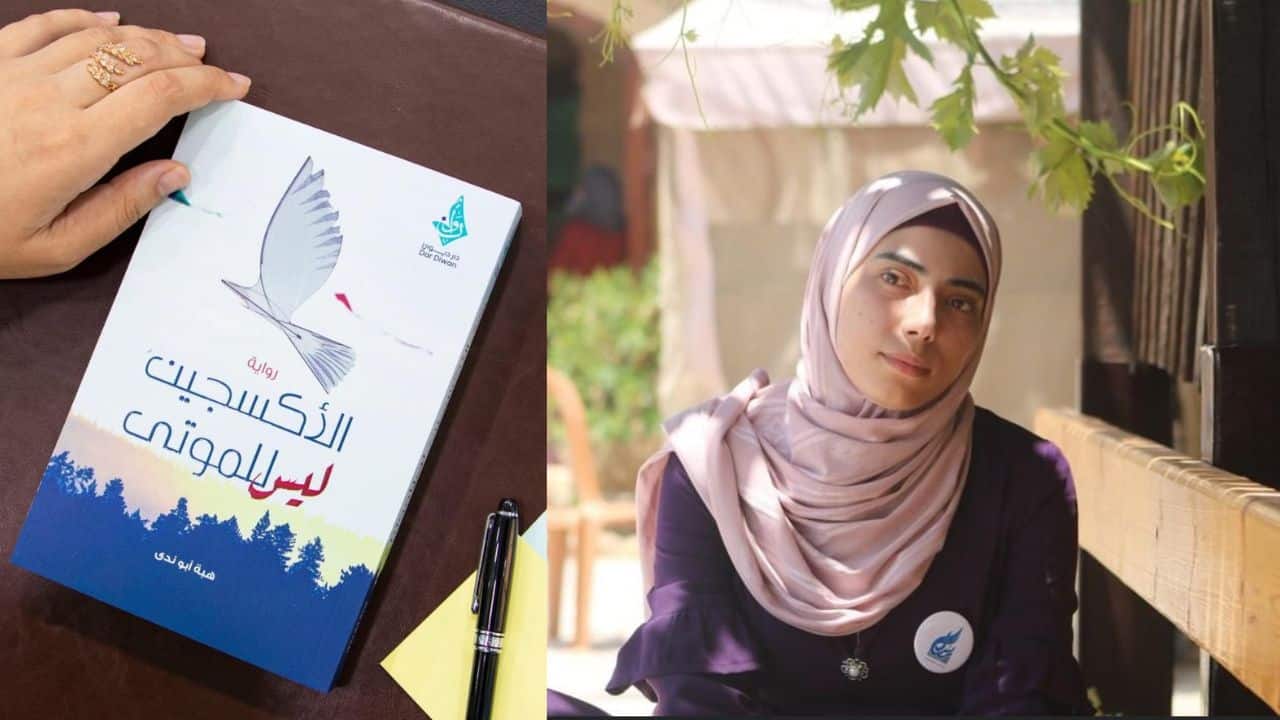
  • Palestinian poet, novelist Heba Abu Nada killed by Israeli strike

    Palestinian poet, novelist Heba Abu Nada killed by Israeli strike

    On Friday, the Palestinian Ministry of Culture announced the death of Palestinian poet and novelist Heba Abu Nada. The author was killed during bombardment at Khan Younis by the Israel.

    Heba’s debut novel ‘Oxygen Is Not For The Dead’ in 2017 won her the second place at the Sharjah Award for Arab Creativity.

    Abu Nada was born in Mecca in 1991, studied bio chemistry at the Islamic University of Gaza, and completed her Masters in Clinical Nutrition.

    Palestinian-Swedish political scientist Abdalhadi Alija, who announced Heba’s death on social media, added a declaration she had made before passing away: “If we die, know that we are content and steadfast, and convey on our behalf that we are people of truth.”

  • Meta issues apology for labelling pro-Palestinian users as terrorists on Instagram 

    Meta issues apology for labelling pro-Palestinian users as terrorists on Instagram 

    Meta, the parent company of Instagram, has issued an apology for an incident where the term “terrorist” was added to the profile bios of certain Instagram users identifying themselves as Palestinian.

    The issue arose when the word “Palestinian” was written in English on their profiles, along with the Palestinian flag emoji and the Arabic phrase “Alhamdulillah” (which translates to “Praise be to God”). 

    Upon auto-translation to English, the phrase read: “Praise be to God, Palestinian terrorists are fighting for their freedom.”

    “We fixed a problem that briefly caused inappropriate Arabic translations in some of our products. We sincerely apologise that this happened,” a Meta spokesperson said.

    This translation error was pointed out by a TikTok user, khanman1996, who tested various combinations and found that they all translated to “terrorist.” It’s worth noting that @khanman1996, although not Palestinian himself, discovered this issue after being informed by a Palestinian friend. 

    Meta has acknowledged and rectified the problem, stating that it was a technical error rather than an intentional action. Additionally, the platform has faced accusations of suppressing content expressing support for Palestinians, particularly during the Israel-Gaza conflict.

    Some users reported being “shadow banned,” a practice where posts are intentionally made less visible to others, allegedly due to their pro-Palestinian content. 

    Meta responded to these accusations, clarifying that a bug affecting Stories (a feature on Instagram) occurred, reducing the reach of posts, but insisted that it was unrelated to the content’s subject matter.

    The company stated that new measures have been implemented to tackle harmful content on their platforms, particularly during times of conflict, and denied deliberately suppressing anyone’s voice.

    This follows previous accusations of Instagram suppressing pro-Palestinian content, raising concerns about social media platforms’ handling of sensitive political topics.