Category: Lifestyle

  • Illegal Afghan residents arrested in Islamabad

    Illegal Afghan residents arrested in Islamabad

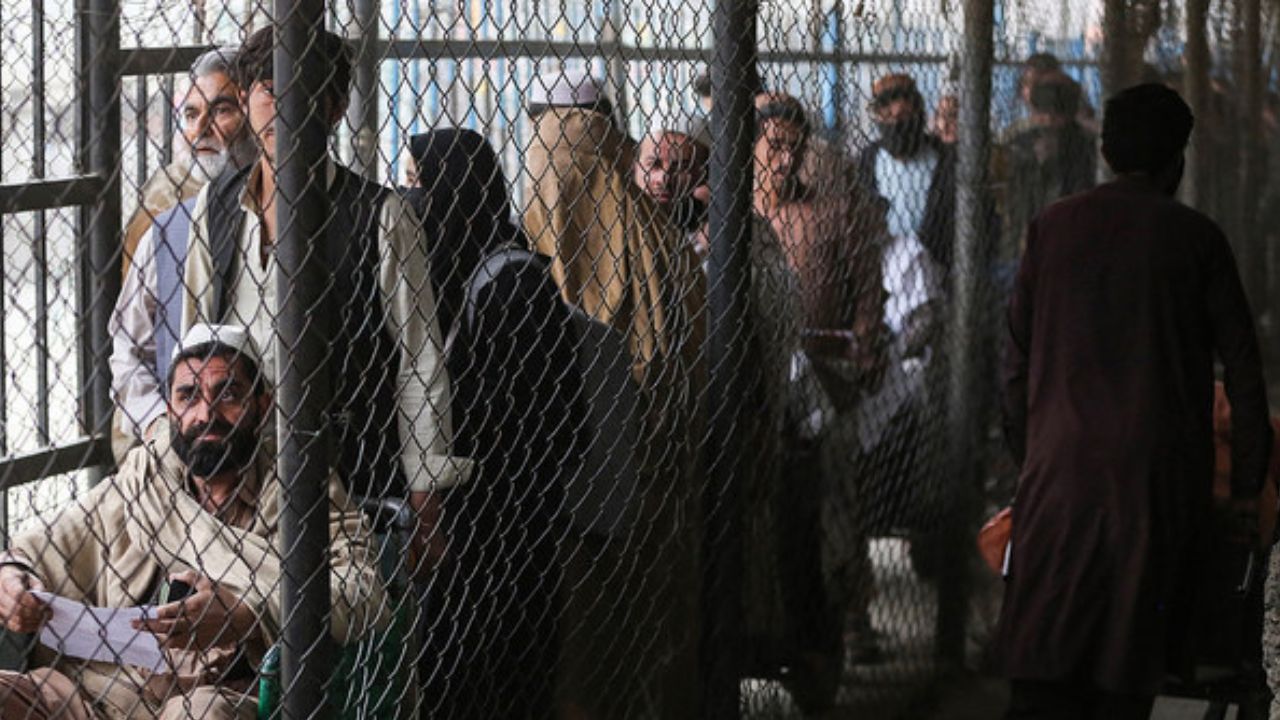
    The Counter-Terrorism Department (CTD) in Islamabad has conducted a major search operation on Sunday against Afghans residing illegally in the city.

    Afghans with legal documents are allowed to stay in Pakistan, while a crackdown on illegal residents and criminals is still in process.

    CTD has conducted operations in Bhara Kahu, Tarnool, Mehrabadi, Golra, Shams Colony and other areas.

    According to the CTD spokesperson, 375 Afghan citizens without any identification documents were arrested for illegal stay, while many criminals were also identified. The accused will be deported to Pakistan after completion of legal proceedings.

    During the operation, 400 Afghan nationals were released on providing proof of residency, while 25 Afghans will remain in detention until their documents are verified.

  • Journalist corrects Indian media spreading misinformation about Pakistan

    Journalist corrects Indian media spreading misinformation about Pakistan

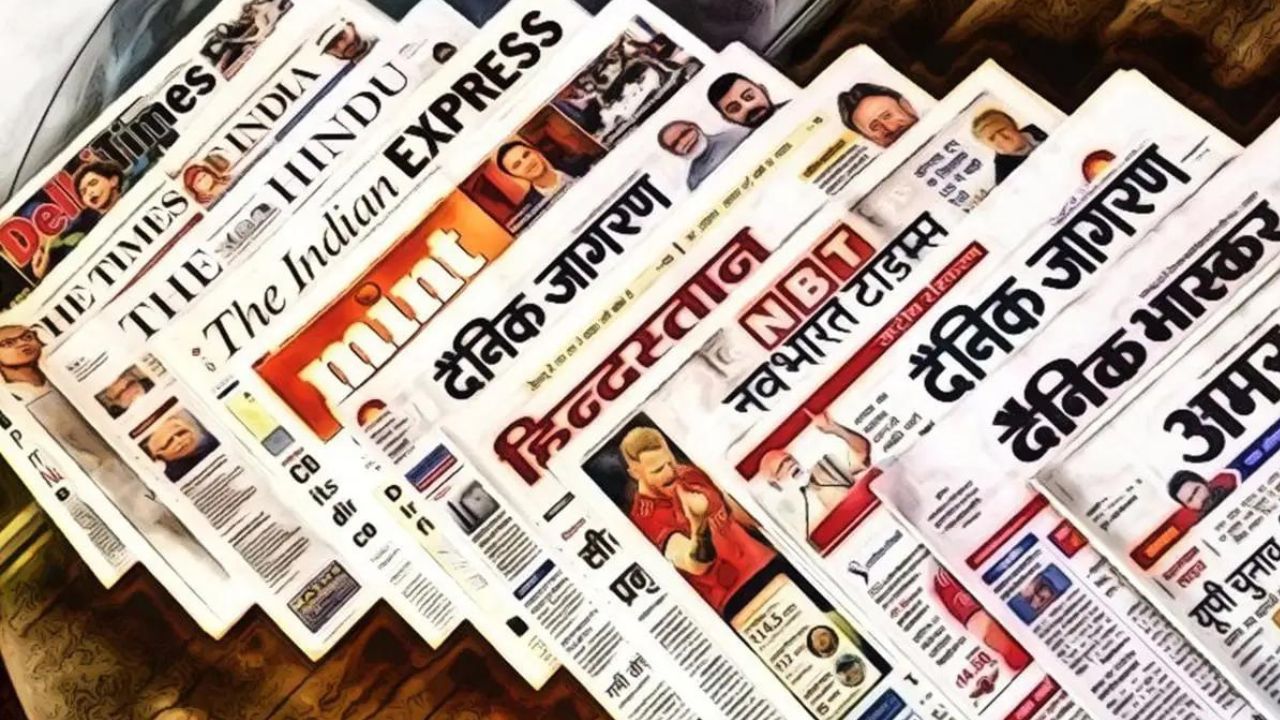
    Naimat Khan, a journalist working with Arab News, pointed out false news being widely circulated by Indian media.

    Indian news platforms have been reporting that Maulana Qaiser Farooq has been shot and killed in a target attack in Karachi, alleging that he was one of the prominent leaders of Lashkar-e-Taiba and was a close associate of Hafiz Saeed.

    Khan, however, fact checked and corrected the outlets by stating that Maulana Qaiser Farooq, killed by unknown assailants in Karachi, was associated with Gulshan-e-Umar, a branch of Binori Town, a top Deobandi seminary in Karachi. He pointed out that this institution has no connection with Hafiz Saeed.

  • Man hypnotised and robbed in Karachi

    Man hypnotised and robbed in Karachi

    A man in Karachi was robbed after being hypnotised in Saadi Town area.

    The victim’s brother said that the accused claimed that his card was stuck in the ATM, after which his brother put his card and password in the machine in front of him at his request.

    The accused fraudulently took his brother’s ATM card and fled in a car.

    The suspect is said to have withdrawn Rs 40,000 from the ATM on Jinnah Avenue, and blocked the brother’s card.

  • ‘This is no boarding house’; German Ambassador fact checks Indian ad

    ‘This is no boarding house’; German Ambassador fact checks Indian ad

    Dr Philipp Ackermann, German Ambassador to India and Bhutan, was forced to fact check an advertisement printed in an Indian newspaper on X (formerly Twitter).

    The ad was of a boarding school fair, complete with a picture of an impressive building. And while India does have numerous buildings built on European architecture styles, the one in the ad, however, was actually Schloss Bellevue — residence for the German Federal President’s principal official in Berlin.

    Ambassador Philipp factually corrected the advertiser as well as the newspaper with humour, directing the post to “Dear Indian parents” stating, “this building is no boarding school! It is the seat of the German President in Berlin. Our Rashtrapati Bhavan as it were.”

    Rashtrapati Bhavan is the official residence of the President of India in New Delhi.

    “There are good boarding schools also in Germany – but here, no child will be admitted”, he said, jokingly.

    Dear Indian parents – I found this in today’s newspaper. But this building is no boarding school! It is the seat of the German President in Berlin. Our Rashtrapati Bhavan as it were. There are good boarding schools also in Germany – but here, no child will be admitted

    People react:

  • Historic first: man booked for torturing birds

    For the first time, a case has been registered against a man in Lahore for keeping birds hungry and thirsty.

    According to the police, a case of animal cruelty has been registered in Township police station.

    Incharge Police Animal Rescue Center, Aroosa Hussain, has said that Shakeel kept birds on a rooftop, however, they were found starving and thirsty.

    There were bones and remains of dead animals on the roof which the hungry birds were forced to eat.

    The police have rescued eight partridges, 12 chickens and two ducks. The birds were then transferred to the Police Animal Rescue Center.

  • Japanese researchers discover microplastics in clouds

    Japanese researchers discover microplastics in clouds

    Researchers in Japan have claimed they have discovered the presence of microplastics in clouds. These small particles of plastic are believed to be affecting the climate in ways that scientists still do not fully understand.

    According to Al Jazeera’s report, a study published in the journal ‘Environmental Chemistry Letters’ details that Japanses scientists researched the collection of water from the fog covering Mount Fuji and Mount Aoyama.

    The research team found nine different types of polymers and one type of rubber in the samples, with particles ranging in size from 7.1 to 94.6 micrometers.

    The amount of plastic particles found in each liter (0.26 gallon) of cloud water ranged from 6.7 to 13.9.

    Lead author of the study from Waseda University, Hiroshi Okuchi, has warned that if the issue is not taken into account, climate change and environmental threats could cause serious environmental damage in the future.

    What is microplastic?
    Microplastics are small plastic particles measuring less than 5 mm which come from industrial waste, textiles, synthetic car tires, and similar products.

    These microplastics have also been found inside fish in the Arctic Ocean and in frozen snow in the Pyrenees mountains between France and Spain.

    In the research report, the author said that “according to our knowledge, this is the first report of the presence of microplastics in clouds.”

    Researchers have stated that humans and animals are ingesting and/or inhaling microplastics, and these small particles of plastic have been found in various human organs, including the lungs, heart, blood and faeces.

    One million tonnes of tiny plastic particles accumulate in the ocean which are often released into the air and then into the atmosphere. Hence, microplastics have also seemingly become an integral part of clouds, potentially contaminating several things including our food and drink.

    Recent findings also show that microplastics are linked to health problems, including effects on heart and lung, as well as cancer.

  • Risk of another poliovirus outbreak

    Risk of another poliovirus outbreak

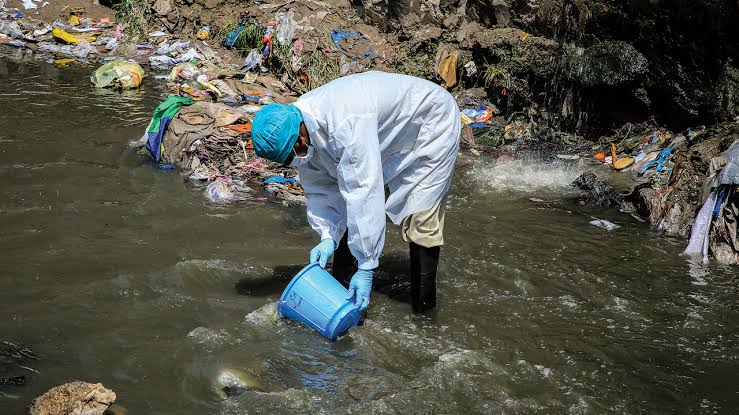
    More evidence of poliovirus was found in five samples in Peshawar and Karachi and so, the chances of a poliovirus outbreak in the country have now increased.

    According to the Ministry of Health, polio virus found in the five samples in Karachi are genetically linked to the virus in Afghanistan. Whereas, the genetic testing of the virus found in the positive sample from Peshawar is ongoing.

    Previously, five Union Councils of Karachi have been declared at high risk of polio virus.Other places of detection include Hangu and Pishin.

    Earlier this week, Egyptian authorities made it mandatory for travellers from Pakistan, Afghanistan, and other countries to provide a polio vaccination certificate.“

    As informed by the Egyptian Authorities, passengers travelling to Egypt from Pakistan, Afghanistan, Malawi, Mozambique and Congo are requested to provide an international certificate of vaccination specifically polio vaccine, OPV or IPV (both are acceptable),” Pakistan’s Civil Aviation Authority (CAA) said in an advisory on its website on Monday.

    Additionally, last month, the International Health Regulations (2005) Emergency Committee as well as the World Health Organisation (WHO) expressed concerns over Pakistan’s efforts in eliminating polio virus.

  • What was the backlash on Aurat March’s ‘people with uterus’ post all about? An organizer explains

    What was the backlash on Aurat March’s ‘people with uterus’ post all about? An organizer explains

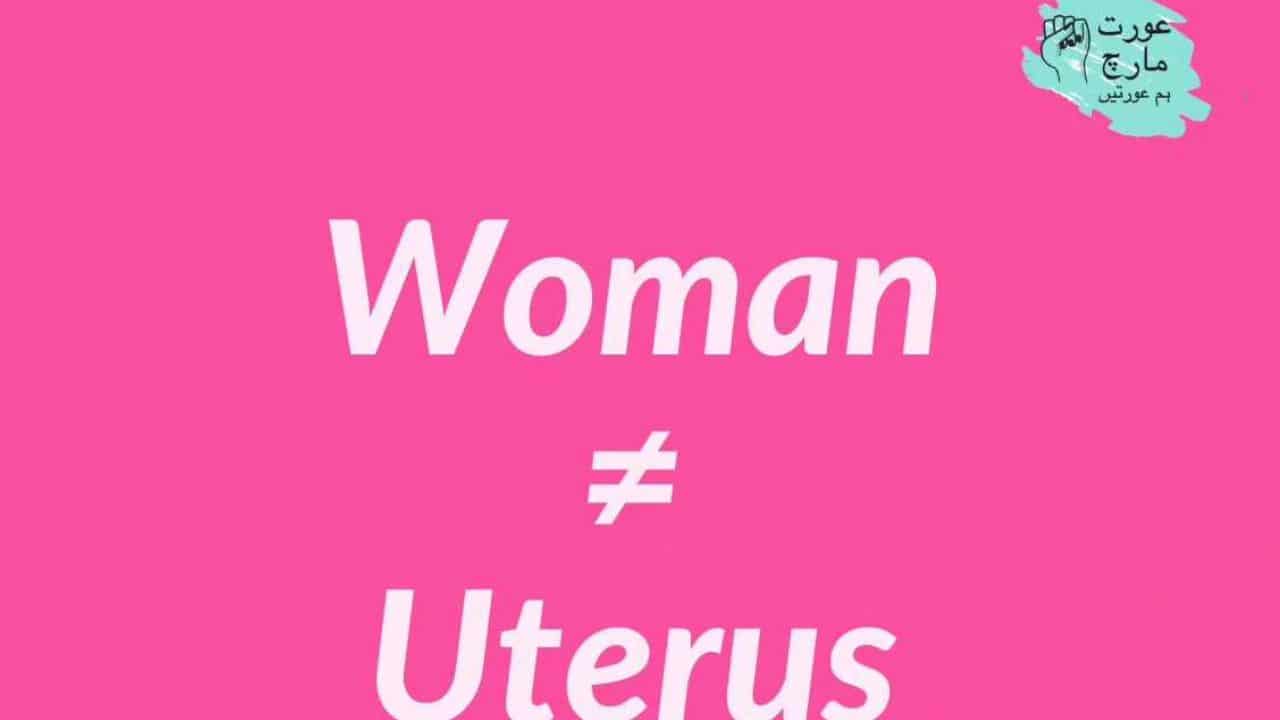
    Three days ago, the women rights movement Aurat March’s Karachi page uploaded a detailed statement on their Twitter account addressing the backlash surrounding the term ‘people with uteruses’. The term was used in a statement announcing a feminist baithak a few days ago, where women and people of other genders were invited to discuss the topic “Mensturation and Misogyny”.

    In their statement, Aurat March explained why mensturation has less to do with gender, because it’s a biological process since the uterus, or the womb is the main organ involved in it.

    “Mensturation is a biological process, with the uterus or the womb being the main organ involved in it. Needless to say, it has to do with the sex a person is assigned at birth rather than their gender. It only makes sense, then, to call anyone who mensurates a ‘person with uterus’ or ‘mensturator’.”

    “This form of criticism revolves around the deeply ingrained, patriarchal belief that a woman’s identity is inherently tied to her uterus, other reproductive organs, and ability to conceive and bear children. It is deeply misogynist, especially in our context, where many CIS women are considered baby making machines and girls are married off at a young age (often even in their teenage) with the belief that they would bear more children, often at the cost of the girl’s health or even life.”

    In their next post, Aurat March detailed on the misogynist attitude towards periods- and how it affects every person, woman or not.

    “Given that the majority of uteruses bleed almost every month for four decades, it is crucial to realize that the misogynist attitudes towards periods affect every person who mensurates- whether woman or not. We use the word misogyny here because the patriarchy views mensuration as inherently feminine thing (and hence, as cause of inferiority); therefore, this misogyny extends also to non-binary and trans-masculine mensurators.”

    “The bottom line is that the uteruses of many women, transgender men and non-binary persons (who were assigned female at birth) have been bleeding for centuries and will continue to do so.”

    The statement was slammed by several Twitter users as misogynist towards women, with Youtubers like Muzamil stepping in to label the movement elitist. To get to the bottom of the controversy and how can we craft more spaces for women, and people from the transgender community, to talk openly about their mensuration without facing backlash, we spoke with Aurat March organiser *Rosa.

    Q. What inspired you to write this statement, and did you anticipate that there would be such backlash?

    Truth be told, we did not expect the response to be this big. Aurat March regularly hosts baithaks where we discuss our politics with the poeple but also amongst ourselves. The use of inclusive and misogyny-aware language is something we’ve been consistently using over the years. Our movement is feminist and takes pride in the fact that we stand for all genders that are suppressed under patriarchy. We think the fact the tweet started with the word “people with uteruses” is what had people read it and have it make rounds.

    Q. Given the criticism the post has received, do you feel Aurat March could have worded the statement differently or toned it down?

    No. The criticism for a feminist voice in the political space has been there since day one. People criticize us mindlessly for anything that we do. They place an unfair burden of championing every single feminist issue in the country while those same men might not have gotten off their horses of privilege to raise a single finger for the feminist cause. The criticism is bandwagon-ish, misogynistic and transphobic, and it shows how much work we have to do in terms of the discourse around menstruation, the people it impacts, and the trauma of internalized misogyny that women in Pakistan carry. The hate isn’t even necessarily centered around the statement; it’s centered around Aurat March and what it represents.

    Q. Several users, including the YouTuber Muzzamil, criticised the post saying its proof that Aurat March is an elitist movement, that doesn’t address the ongoing issues faced by women in Pakistan. Do you feel this perspective is justified? 

    We think its funny that out of all the people, Muzzamil came out to call the Aurat March an elitist movement while he sits and tweets this from Dubai. There are several tiers of responses as to how the perspective isn’t justified. 

    The burden to prove whether AM is an elitist movement is not just unfair in the first place, it’s impossible to prove as well. Our marches regularly pulls in more than half of its audience from the working class communities we work with. We go and visit these hidden, impoverished and disenfranchised communities all year round: Zia Colony, Mauripur, Orangi Town, Kausar Niazi, Mehran Town, Race Course, Shikarpur, Surjani, Ibrahim Hyderi, Lyari are only some of the names. We then arrange their transport from their communities to the march as well. 

    But not just that, all that one has to do see where our priorities lie as a movement is go through our Instagram. For the last month or so, we’ve been working with effectees from Jaranwala, raising voices and protesting for the rehabilitation, protesting at Teen Talwar for recovery of Hindu missing persons while a delegation from our team has been facing harassment and abuse from the police at Jaranwala as we speak. 

    But of course, men like Muzzamil wouldn’t see the groundwork that Aurat March has done because he’s never visited these places himself, or maybe he doesn’t have binoculars big enough that can help him see all the way from Dubai. The truth is, our politics doesn’t revolve around just creating a feminist discourse or space on twitter, but a lot of people see it that way. They like to think that politics that does not exist beyond this digital space, and we couldn’t care less about these keyboard warriors. The work that we do, impacts the people we work with and it makes a difference in their lives, and that is all that the feminist cause is at the end of the day.

    Q. The ongoing backlash surrounding menstruation can have some implications on the mental health of Pakistani women because they don’t feel its safe for them to express their concerns out loud, even on social media. How can we continue to create spaces to openly speak about the issues Pakistani women want to talk about.

    We think it’s important to clarify our politics and position in this context. We believe it’s important to see a woman beyond her uterus. In many instances, this “bachadani” holds more value than her life. Her worth is gauged up on her ability to reproduce, her identity is centered around her motherhood, and her final goal is set out to become a mother. So many women lose their lives in forced pregnancies, so many battle uterine cancer and so many see their childhoods end the moment their uteruses start bleeding, married off to a man twice or thrice her age. So of course, when AM tries to separate the woman’s identity from her uterus, people lose their minds.

    It’s funny people think ‘people with uterus’ is dehumanizing language when so many people see only a uterus when they look at a woman. To think about how this experience might not be inherent to their existence would then, of course, be thought of as radical. At that same time, it’s important to remember that many women don’t necessarily have a uterus either. Alot of them have their removed due to complications, while many are simply born without one; the language is inclusive of their womanhood and identity, too. All the while, we also acknowledge all the people that menstruate or have uteruses but might not necessarily identify as women either, such transmen or non binary folks. The movement is just as much as for them and by them as it is for any gender.

    And understandably so, it becomes difficult for a woman to voice out her concerns regarding her body on social media. When our comments section becomes places of spewing hate or become dominated by men who think they’re invited to share their opinions about women’s bodies, they drown out any chances of having an open engagement and discussion on these topics. 
  • Four dead, 12 Injured in a suicide blast in Hungu Khyber Pakhtunkhwa

    Four dead, 12 Injured in a suicide blast in Hungu Khyber Pakhtunkhwa

    An explosion in a mosque in Hangu, Khyber Pakhtunkhwa, has caused four fatalities, including a police officer, and injuries to 12 individuals on Friday, local authorities have confirmed.

    The incident took place within the confines of Doaba Police Station during the Friday sermon, when a large number of worshippers gathered at the mosque for their weekly prayers.

    Hangu District Police Officer (DPO) Nisar Ahmed reported that a group of 30–40 individuals is currently trapped beneath the debris after the mosque’s roof collapsed, and an operation is underway to rescue them.

    Ahmed said two suicide bombers were involved in the attack; one targeted the gate of the police station, and the other blew himself up inside the mosque.

    He mentioned that the 12 individuals who were saved from the debris have been transferred to a nearby hospital.

    Caretaker Chief Minister Azam Khan of Khyber Pakhtunkhwa has taken notice and instructed officials to declare a state of emergency in all city hospitals.

  • Don’t miss this scholarship opportunity in the UK

    Don’t miss this scholarship opportunity in the UK

    If you are planning to pursue further studies abroad, apply for this ongoing scholarship in the UK.

    In a recent post, the Higher Education Commission (HEC) announced Commonwealth Scholarships for masters and PhD programmes for the next cohort.

    The Commonwealth Scholarship Commission in the UK (CSC) is a UK-based scholarship scheme led by international development objectives.

    The scholarship covers full tuition fees, airfare to and from the UK, and provides a living allowance to support you while you are there.

    Pakistan and Azad Jammu and Kashmir (AJK) students are also eligible for the scholarships.

    The deadline to apply is October 17 (Tuesday) on the CSC portal.

    According to HEC’s website, 26 nominations are available for masters, 30 for PhD and 10 for teaching faculty PhD.

    For further details and understanding of the requirements, eligibility and more, visit their website:

    1. HEC
    2. British Council
    3. Commonwealth Scholarship
    4. Commonwealth Scholarship Commission in the UK (CSC)