Category: Lifestyle

  • Girls from Peshawar take lead in annual SSC examinations

    Girls from Peshawar take lead in annual SSC examinations

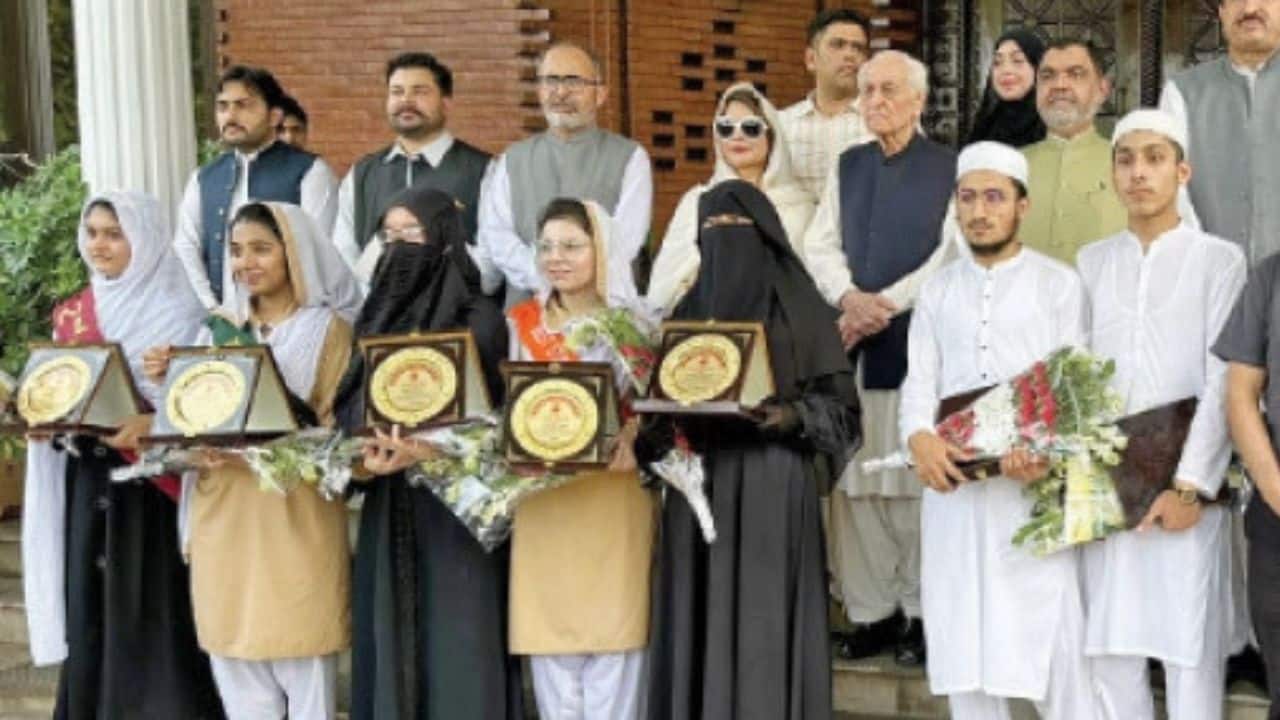
    As results were declared by all educational boards in Khyber Pakhtunkhwa, girls from Peshawar Model Schools secured the top three positions in the annual secondary school certificate (SSC) examinations.

    According to Dawn News, this is the first time in the history of the province that SSC examinations results were announced simultaneously by all the educational boards.

    Adan Shahid from Peshawar Model Girls High School-II Dalazak Road secured the first position by obtaining 1,086 marks out of 1,100. Lubna Alam of Peshawar Model School Charsadda is the runner up with 1,083 marks.

    The third position was taken by Aneeba Asad and Musfira Gul of PMS-II Dalazak Road by with 1,082 marks each.

    The four students not only topped the Board of Intermediate and Secondary Education Peshawar but also secured maximum marks in all the boards in the province. 

    A formal ceremony was held at the Chief Minister’s House on Tuesday. Chief Minister Mohammad Azam Khan was chief guest on the occasion.

    According to a statement issued by the Chief Minister’s House, the overall success rate in the examination under the BISE Peshawar is 86 percent.

  • Why homemade cable cars matter in Battagram: Safety steps for future

    In a daring rescue operation, the Pakistan Army’s Special Services Group (SSG) successfully saved eight stranded passengers from a cable car mishap in Allai Tehsil, located in Khyber Pakhtunkhwa’s Battagram district. This incident sheds light on the widespread use of homemade cable cars in the northern regions of Pakistan. These improvised transportation systems, though risky, play a crucial role in connecting remote communities that lack traditional infrastructure.

    Homemade cable cars have become a familiar sight in the remote corners of Pakistan, where conventional infrastructure is absent. While venturing onto these makeshift contraptions involves risks, they offer an indispensable solution to transportation challenges faced by communities with limited alternatives. This trend is particularly prevalent in eastern Mansehra, Azad Jammu and Kashmir (AJK), and Gilgit Baltistan, areas marked by geographical obstacles and scarce amenities such as schools and roads.

    Necessity breeds innovation, and in the absence of official provisions, locals in these remote regions have taken it upon themselves to construct cable cars using scrap materials. These rudimentary structures are often assembled from the discarded upper bodies of pickup trucks or Suzuki vehicles. These cabins are then affixed to cables, sometimes comprised of scrap iron, using ropes. The impromptu nature of these constructions often flouts legal requirements, but the cost-effectiveness and lack of viable alternatives drive the locals to resort to this approach.

    Risking it for convenience: Benefits and hazards

    The risks of using these cable cars are undeniable, yet they remain a popular choice for crossing rivers and shortening travel distances between mountain valleys. Take, for instance, the Allai region, where the recent incident unfolded. A local resident secured permission to construct a cable car named “Dolly,” transforming a two-hour, arduous trek into a mere four-minute cable car ride. The affordability factor, with fares as low as Rs20, renders these cable cars the preferred mode of transportation for numerous residents.

    While offering a practical solution, these cable cars have an unsettling history marred by safety concerns. In 2017, an illegal cable car crash in Murree, Punjab, led to the tragic loss of 11 lives. Similarly, in Abbottabad, Khyber Pakhtunkhwa, last December, a cable car’s rope snapped, prompting a rescue operation to save 12 stranded children. These incidents underscore the dangers associated with these makeshift transportation systems.

    In the wake of the recent mishap, Pakistan’s caretaker Prime Minister Anwaar-ul-Haq Kakar has taken a decisive step. He has ordered safety inspections for all private chairlifts, ensuring their safe operation. This move underscores the need to balance the convenience these cable cars offer with ensuring the safety and well-being of the passengers who rely on them.

    Despite the recurring safety concerns, these homemade cable cars are unlikely to disappear from the landscape anytime soon. The absence of substantial investments in new infrastructure means that these improvised transportation systems will remain the primary mode of conveyance for residents living in the rugged terrains of the mountainous regions. The onus lies on the authorities to find a way to harness the advantages while mitigating the risks associated with these makeshift marvels.

    The incident that unfolded in Allai Tehsil serves as a stark reminder of the significance and perils of homemade cable cars in northern Pakistan. These resourceful creations bridge the gap between isolated communities and essential services, even though they come with inherent risks. As Pakistan grapples with balancing necessity and safety, it becomes evident that while these makeshift cable cars fill a void in infrastructure, their continued usage necessitates a renewed focus on ensuring passenger safety and exploring long-term solutions for transportation in remote regions.

    What should Pakistan do to prevent something like this from happening again?

    To prevent incidents like the recent cable car mishap from happening again, the government can take several proactive measures:

    1. Regulatory Framework: 

    The government should establish comprehensive regulations governing the construction, operation, and maintenance of homemade cable cars. These regulations should include safety standards, inspection procedures, and penalties for non-compliance. The guidelines should be communicated clearly to the local communities involved in building and operating these cable cars.

    2. Safety Inspections: 

    Regular safety inspections of all cable cars, both existing and under construction, should be conducted by qualified engineers or inspection authorities. These inspections should identify potential risks, structural weaknesses, and maintenance needs, ensuring that the cable cars are in optimal condition for operation.

    3. Technical Training and Support: 

    The government can provide technical training and support to the local communities involved in building and operating cable cars. This training could cover proper construction techniques, rope and cable maintenance, emergency procedures, and passenger safety measures.

    4. Permits and Approvals: 

    The government should streamline the process of obtaining official permits and approvals for constructing cable cars. This would help ensure that the cable cars are built according to safety standards and guidelines, minimising the use of substandard materials and makeshift construction.

    5. Public Awareness Campaigns: 

    Launching public awareness campaigns about the risks and safety precautions associated with using homemade cable cars is crucial. Informing both passengers and operators about proper conduct, emergency procedures, and potential hazards can contribute to safer transportation practises.

    6. Subsidies for Safer Materials: 

    To discourage the use of substandard materials, the government can provide subsidies or incentives for purchasing safer materials and equipment for constructing cable cars. This can encourage communities to invest in higher-quality materials that enhance the overall safety of the transportation system.

    7. Alternative Infrastructure Development: 

    While homemade cable cars address an immediate need, the government should prioritise the development of safer and more sustainable transportation infrastructure in remote areas. This could involve building bridges, roads, and official cable car systems that meet safety standards and provide a reliable mode of transportation.

    8. Emergency Response Planning:

    Establishing clear and efficient emergency response plans for cable car incidents is crucial. Local authorities and rescue teams should be trained to respond quickly and effectively in case of accidents or cable car malfunctions.

    9. Collaboration with NGOs:

    Collaborating with non-governmental organisations (NGOs) and international agencies that specialise in infrastructure development and safety can provide valuable insights and resources for implementing safer transportation solutions in remote regions.

    10. Monitoring and Enforcement:

    The government should enforce the regulations and guidelines consistently to ensure compliance. Regular monitoring of cable car operations, construction sites, and safety measures will help identify potential risks and ensure corrective actions are taken.

    By implementing these measures, the government can work towards minimising the risks associated with cable cars and ensuring the safety of passengers and operators in remote areas of Pakistan.
  • Battagram incident: What, When, Where, Who?

    Battagram incident: What, When, Where, Who?

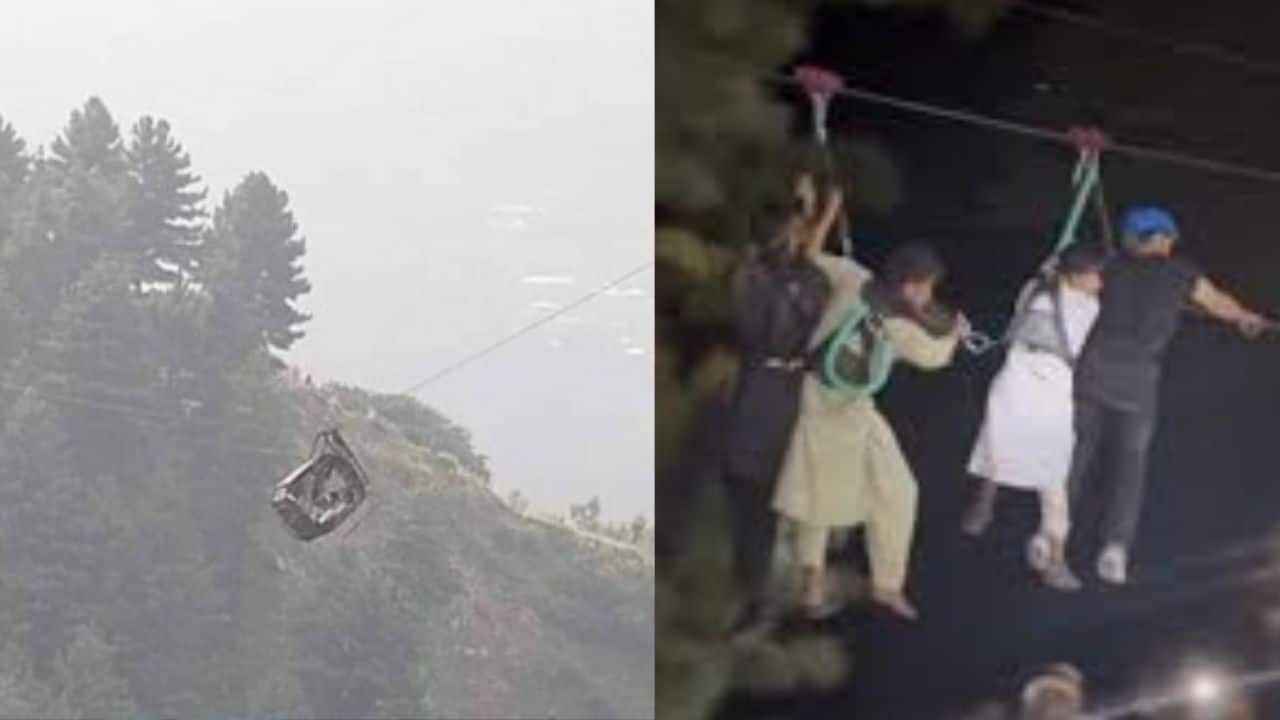
    After a long and tense 14 hours, all the eight passengers stuck on a cable car were rescued around 10: 45 p.m. on Tuesday night. Interior Minister Sarfaraz Bugti confirmed the mission’s completion on X (formerly Twitter).

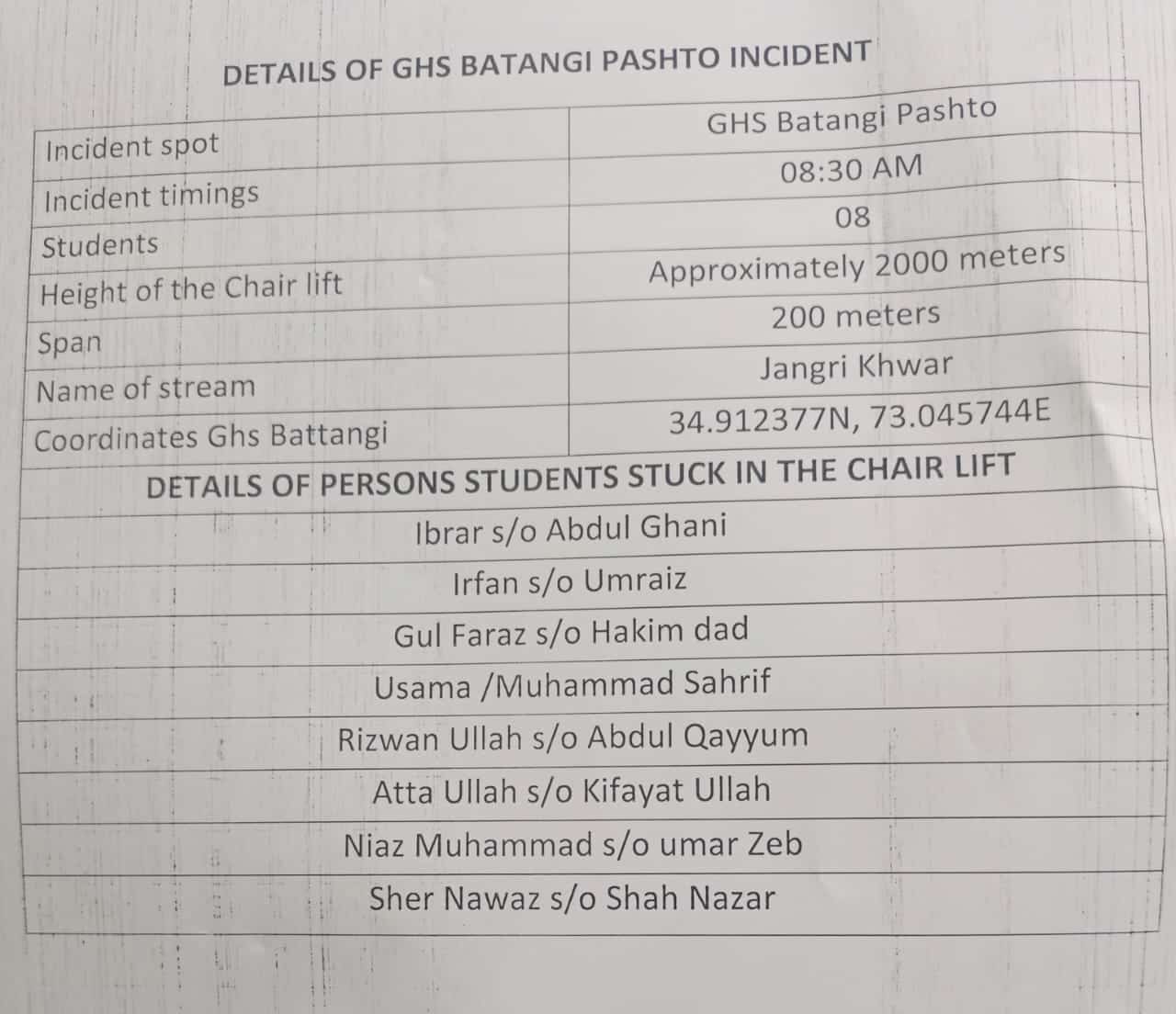
    The incident occurred at GHS Batangi Pashto spot where the cable car was suspended at the height of approximately 600 feet and its sling spanned over 200 meters. The cable car was crossing over Jangri Khwar stream carrying eight students. Around 8:30 a.m., while the passengers were making their way to school, two of the main cables that regulated the movement of the cable car snapped due to a technical malfunction.

    Makeshift cable cars are commonly used in eastern Mansehra, Azad Jammu and Kashmir (AJK), and Gilgit Baltistan, sometimes being the only alternative to traditional mediums of transportation in a topography that includes mountains and rivers. While there are no roads or schools in some of these areas, cable cars are the only means of travel for many.

    Who were the people stuck in the cable car?

    There were a total of eight passengers: seven students and one local. 20-year-old Gulfaraz spoke with Geo News over the phone while stuck in the cable car. According to him, the children were aged between 10 and 15. One boy had fainted because of fear and heat.

    The students present in the cable car were Ibrar (son of Abdul Ghani), Irfan (son of Umraiz), Usama (Muhammad Sharif), Rizwan Ullah (son of Abdul Qayyum), Atta Ullah (son of Kifayat Ullah), Niaz Muhammad (Umar Zeb), and Sher Nawaz (son of Shah Nazar).

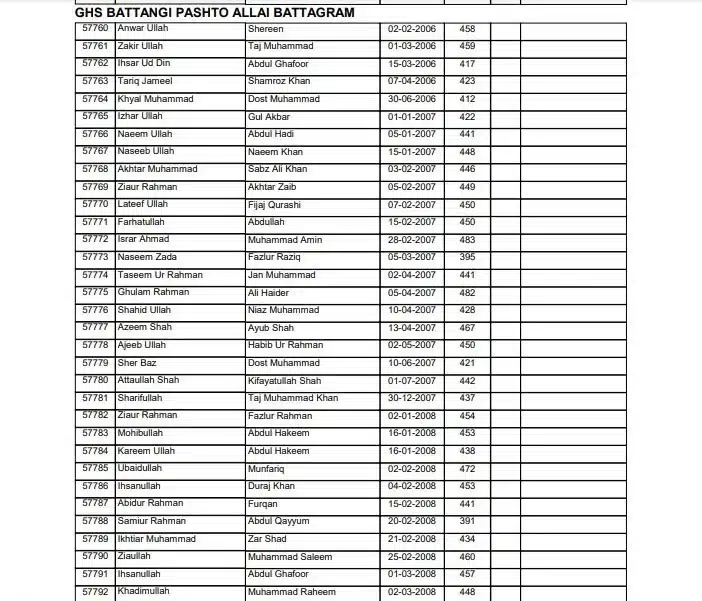
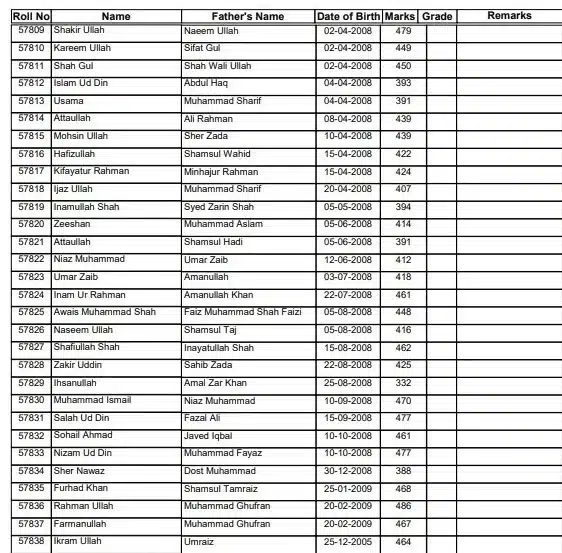
    While these students were stuck and awaiting rescue, Geo News reported that the Board of Intermediate and Secondary Education Abbottabad had announced results. Three of the students to receive results were among the trapped passengers, including Attaullah, who obtained 442 marks; Niaz Mohammad, who secured 412 marks; and Usama, who took 391 numbers. All the three boys had been promoted to class 10.

    The rescue operation

    Even though the operation began near noon, the first boy was not rescued till late evening. The situation got tricky with wind picking up speed and the looming darkness. By nighttime, the military helicopter rescue operation was called off with only two children rescued till then. However, ground-based rescue operation began, with flood lights and a platform quickly built along the cable. In the hours that followed, all the passengers were successfully saved.

  • Elon Musk’s X plans to remove headlines from links to news articles

    Elon Musk’s X plans to remove headlines from links to news articles

    (Reuters): Elon Musk is pushing for a change in news links on his social media platform X, formerly called Twitter, in a move that could potentially undermine the ability of news publishers to draw an audience.

    X is planning to remove the headline and text while retaining just the lead image from links to news articles shared on the platform, Musk said in a post late on Monday.

    The move is likely an attempt by Musk to get users to spend more time on X and push them to opt for the subscription service for more details.

    It is not immediately clear how the move will impact advertisers on the platform that Musk claimed in July had 540 million monthly users.

    Currently news links come up on the timeline of users as “cards” along with an image, source address and an abridged headline. Such a packaging helps draw clicks and helps publishers gain readers.

    But with the shortened links, users might end up writing some text along with their posts and eventually they could consider X’s premium service that allows a single post of up to 25,000 characters.

    With the changes, Musk is pitching X as a more relevant platform for content creators. Premium subscribers can now post longer videos, their posts are shown higher up and they also receive a cut of ad sales.

  • All still stuck in cable car after 10 hours; gusty winds and nighttime will make rescue process more difficult

    All still stuck in cable car after 10 hours; gusty winds and nighttime will make rescue process more difficult

    Another Pakistan Army’s Special Services Group (SSG) team has reached Battagram to rescue eight people who have been stuck in a cable car for about 10 hours now. They have not been able to rescue anyone so far even though a couple of rescue attempts have been made. However, they have supplied them with water and food.

    According to witnesses, gusty winds and with the night approaching, rescue process will get more difficult.

    At least eight students and two teachers are stuck in a chair lift 2000 meters above ground level in the Alai district of Battagram, Khyber Pakhtunkhwa after the two of the three cables of the pod snapped midway through their journey, ARY has reported.

    https://youtube.com/shorts/lzR96FgQho4?feature=share

    Videos show the chair lift suspended high above a valley, tethering at a precarious angle, connected to land via a single cable. The cables reportedly snapped around 6 am, with the children’s ordeal spanning five hours as of the time this report is being filed.

    Local police have said that Rescue teams have run out of options, prompting Sultan Aamir, the Commissioner of Hazara, to ask the caretaker government for a helicopter.

    The Commissioner has said that a helicopter of the Pakistan Army will arrive soon to begin a rescue attempt.

    Caretaker Prime Minister (PM) Anwaar ul Haq Kakar took to X (former Twitter) on Tuesday and said that the chairlift incident is “really alarming”. He has directed the National Disaster Management Authority (NDMA) and the Provincial Disaster Management Authority (PDMA) to “urgently ensure safe rescue and evacuation of the 8 people stuck in the chairlift”.

    Caretaker PM Kakar further added that he has also directed authorities to “conduct safety inspections of all such private chairlifts and ensure that they are safe to operate and use”.

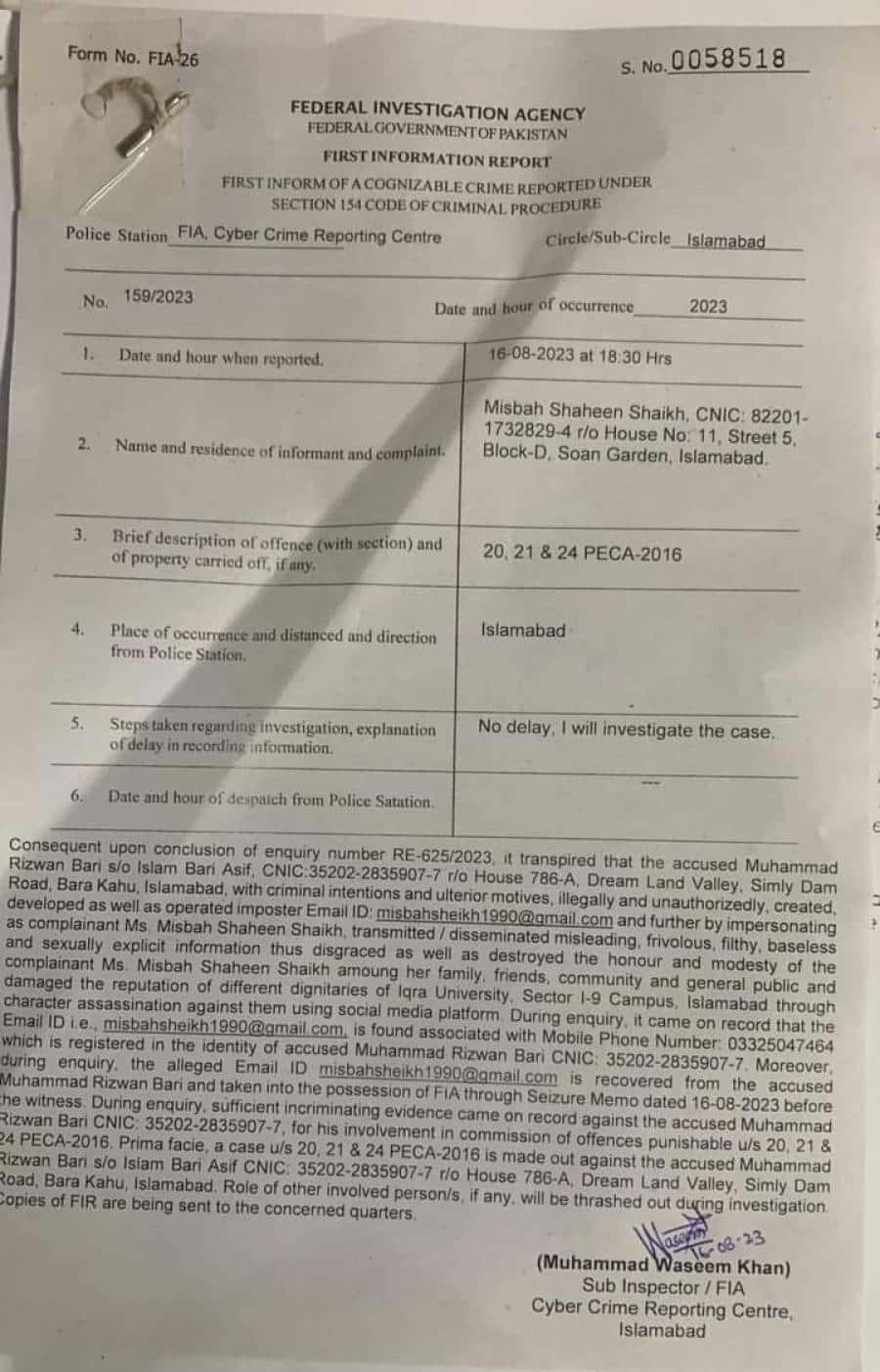
  • FIA arrests harasser, Iqra University denies any connection

    FIA arrests harasser, Iqra University denies any connection

    Iqra University Islamabad has denied association with its former director Rizwan Barri. 

    The Current has received an official email from Iqra University in which they denied any connection with Barri. 

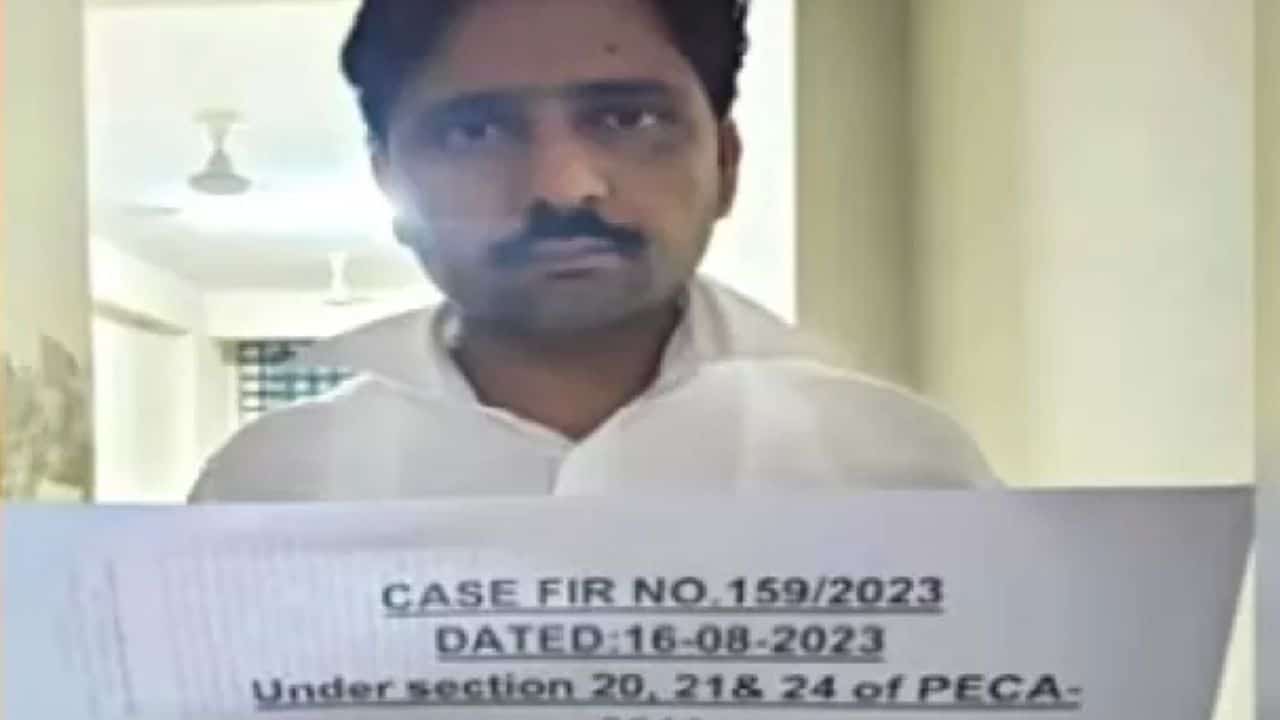
    The university has claimed that Barri procured his appointment at Iqra University on 11 October, 2022 through “fraud and misrepresentation” based on fake educational documents and degrees. Five months later, on March 10, 2023, he was terminated from the university. They claim that the on-going case pertains to conduct committed in his personal capacity and has nothing to do with Iqra Univeristy.

    On August 20, however, 24 News, Jang News, and PNN reported the case and referred to Rizwan Barri as the director of Iqra University. It was reported that he was arrested by the Federal Investigation Agency (FIA) on charges of harassing female students.

    As per FIA sources, Barri had made an email address as well as social media accounts in the name of a girl. By pretending to be a girl on social media, he sent objectionable content to several people.

    The case was registered under the Prevention of Electronic Crimes Act (PECA) Act and further investigations were underway.

    Source: PNN

    According to PNN news, Director Rizwan Bari had harassed more than 70 female students and resultantly, some girls left their degree midway due to the constant blackmail. Despite these cases, Barri continued to work there.

    When asked about Barri’s exact job description during his appointment at Iqra University, the university refused to provide the information.

  • ‘Baby killer’ Lucy Letby will spend the rest of her life in prison

    ‘Baby killer’ Lucy Letby will spend the rest of her life in prison

    Lucy Letby, the newborn murdering serial killer, has been sentenced to life imprisonment on Monday by a Manchester court. The 33-year-old nurse was convicted of murdering seven babies and attempting to kill six more while on duty in the children’s ward at the Countess of Chester Hospital in northwest England.

    Manchester Crown Court judge Justice Gross said at the sentencing, “You acted in a way that was completely contrary to the normal human instincts of nurturing and caring for babies.”

    Her offences also include “inappropriate remarks” she made after the deaths of the babies.
    “Lucy Letby has destroyed our lives. The anger and the hatred I have towards her will never go away. It has destroyed me as a man and as a father,” said a father of two babies murdered by Letby.

    The former nurse, however, was not present in the courtroom during her sentence hearing nor did she follow the hearing via videolink from prison.

    According to Sky New, Judges have the choice to compel people to appear before them for sentencing but it is reliant on prison governors to execute this order as it would be their staff who would have to force someone from their cell. Nonetheless, an extra two years can be added to a sentence if the person refuses to attend the court.

    UK’s prime minister, Rishi Sunak has said “I think it’s cowardly that people who commit such horrendous crimes do not face their victims”

    The parents of the victims were present at the sentencing. One mother said, “Even in these final days of the trial, she tried to control things, the disrespect she has shown the families and the court show what type of person she is.

    “We have attended court day in and day out, yet she decides she has had enough, and stays in her cell, just one final act of wickedness from a coward.”

    Journalists Josh Halliday, present in the courtroom, tweeted: “The most harrowing two hours I’ve ever spent in a courtroom. I spent some of it writing through tears. The families’ statements – delivered to an empty dock where Letby should have been sitting – were utterly shocking from start to finish.”

    The Letby Case

    Senior doctors became concerned with a sudden rise in medical emergencies and deaths of babies at the neonatal unit from January 2015 to a span of 18 months. In each case, the child would suddenly develop life threatening complications.

    Police were soon asked to look into the matter, and they quickly honed in to Lucy Letby, present at each of the emergencies, usually during the night shift.

    She was arrested in July 2018 and then in June 2019. She was arrested once again in November 2020 and was charged with murder and murder attempts between June 2015 and July 2016.

    According to the prosecutors, Letby tried to kill 17 babies. It is said that while the babies were in the ward, Letby would give them lethal amounts of insulin, inject air into their bloodstream or stomach, or give them excessive milk.

    Her victims include a pair of twins as well as two siblings whom she killed on consecutive days. The youngest victim was a day old while the oldest was an 11 weeks old girl who Letby tried to kill four times till she finally succeeded. Additionally, among premature babies were hopeful cases whose improving condition worsened during the nights shift when Letby was on duty.

    As per Reuters, the police have not been able to conclude the motive behind the attacks. “Unfortunately, I don’t think we’ll ever know unless she just chooses to tell us,” said Detective Superintendent Paul Hughes, who led the investigation.

    Detective Chief Inspector Nicola Evans, the deputy senior investigating officer, said that Letby had a “healthy social life, she had a circle of friends, she had her parents and holidays”. She claims that police could not find anything unusual for “a woman of her age at that point in her life”.

    However, as reported by CNN, handwritten notes and memos were found during a search of her house that read, “I don’t deserve to live. I killed them on purpose because I’m not good enough to care for them,” and “I am a horrible evil person” and in capital letters “I am evil I did this.”

    Police will be reviewing Letby’s career before the period covered under the charges at Countess of Chester Hospital and at the Liverpool Women’s Hospital where she had spent part of her training.

    More than 4,000 babies were admitted in the two hospitals between 2012 to 2016. And while every admission will be thoroughly reviewed, only the “concerning” cases will be further investigated, say Hughes.

  • Policemen being investigated for filming female colleagues for TikTok without their permission

    Policemen being investigated for filming female colleagues for TikTok without their permission

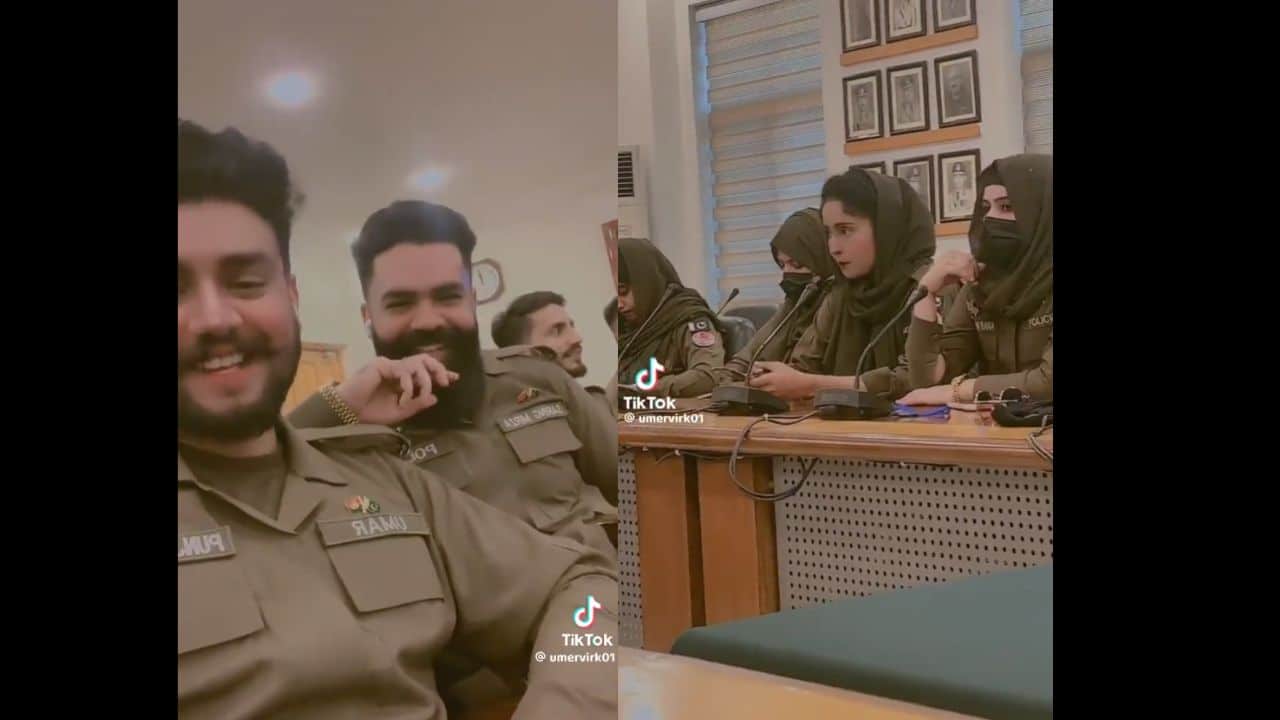
    A TikTok video has been circulating across Twitter (now X) recorded by two male police officers of the Punjab police. The video shows female police officers in the middle of a meeting, being recorded without their knowledge. The video has been dubbed with a Bollywood song while the policemen give unprofessional expressions.

    When the video was criticized by Twitter users, the official page of Punjab Police responded, condemning the action and stating that an investigation against the two men is underway.

  • Activist Malala Yousafzai sends support to Afghanistan women’s football team

    Women’s rights activist and Noble Prize winner Malala Yousafzai has expressed her support for the women’s football team from Afghanistan, who were banned by the current Taliban government from playing the sport after the takeover in 2021. Currently, the team resides in Melbourne, Australia, where they escaped to in 2021, but right now the football team is not recognised by the government or the FIFA organisation.

    “I’m very sad. I was expecting a lot more for football’s governing body,” said Khalida Popal, who was the former captain of the women’s football team.

    “[Fifa needs] to stand with these women. We want leadership – we need a strong voice to stand with us. Don’t keep silent.”

    Currently, the Afghanistan Women’s Football team is being sponsored by the Australian professional football club Melbourne Victory, and now activist and Nobel Prize winner Malala Yousafzai has joined the ranks in calling for the team to be recognised by FIFA.

    The producer behind ‘Joyland’ was in Melbourne to watch the Women’s World Cup and shared a post of her meeting the team members of the Afghanistan women’s football team, writing that she was inspired by their bravery and determination.

    “I came to Melbourne because of a story. The New York Times published an incredible account of the keeper for the Afghanistan Women’s Team and how its founder @khalida_popal_girlpower helped the players escape near-certain death after the Taliban gained control and banned women’s sports. I was inspired by their bravery and determination. They were so proud to play for their national team and now they were burying their jerseys to avoid being caught and killed.

    Today, I finally met the AWT in person— including Fatima and Khalida — to continue to support their campaign to be recognised by FIFA. This is the power of stories and why we must continue to share them. You never know who could be listening.”

    The Pakistan-born activist urged her followers to read more about the football team and to donate funds to help support them as they live in exile and away from their families

  • Islamabad police takes action against online propagandists

    Islamabad police takes action against online propagandists

    A spokesperson for Inspector General of Islamabad police, Dr. Akbar Nasir Khan, has said that the process of countering hate-mongering content and pages online that instigate conflicts in the capital city has been sped up. The action comes under the structure of the Violent Extremism Prevention Unit (VEPU) in order to prevent propaganda aimed against the state and its institutions.

    It has been claimed that more than 700 social media accounts, extensively investigated across Twitter, Facebook, and other media platforms, are unfurling religious hatred and terrorism. The Federal Investigation Agency (FIA) has been asked to shut down such accounts and so far, more than 200 have been suspended.

    The IGP is adamant to objectively curb extremism and VEPU has been prompt in taking measures against propagandists.

    Violent Extremism Prevention Unit (VEPU) was inaugurated earlier this year in February by Director General National Counter Terrorism Authority (NACTA) Muhammad Tahir Rai along with Inspector General of Police (IGP) Islamabad at Safe City Islamabad. The mission of the unit is to “monitor the political, linguistic, sectarian and religious extremist content on social media and websites and submit its report” supervised by SP.

    The police and Counter Terrorism Department (CTD) are to work together to fulfil the goal. Apart from identifying the suspects online, the goal is also to hold them accountable. Additionally, communication experts are included and recommendations for legislation are to be made as well.