A case has been registered against a married man who pretended to be single to remarry at the request of his wife.
The second wife of the accused, Wajid Mansoor, filed a case at Sadiqabad police station in Rawalpindi, alleging that he is already married and the father of a daughter.
The suspect reportedly entered into a second marriage to pursue his vested interests through lies, fraud, and deception. Mansoor has also been accused of stealing sixteen tolas of gold from his second wife.
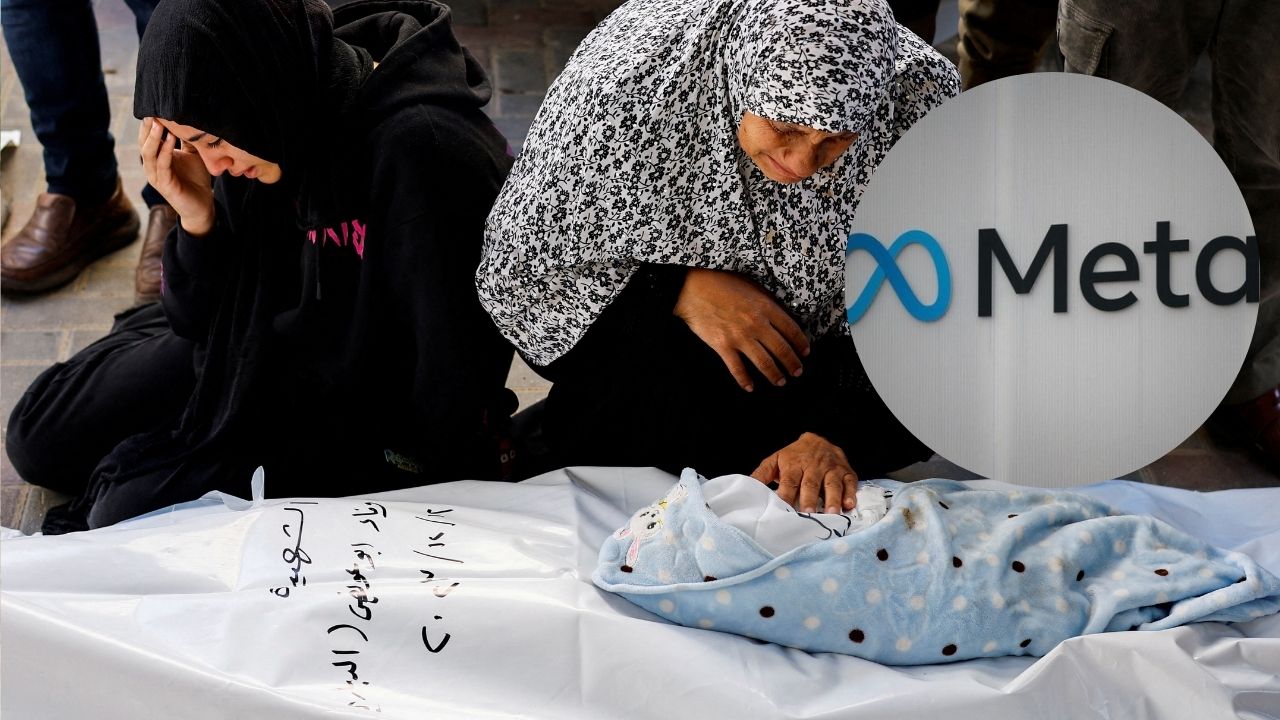
Meta Platforms have announced that they will lift its blanket ban on the word shaheed after a year-long review by its oversight board. The social media giant found out that its approach was “overboard”.
Meta, the parent company of Facebook and Instagram, has been criticised for years over its handling of content involving the Middle East. A 2021 study Meta itself commissioned said that its approach had an “adverse human rights impact” on Palestinians and other Arabic-speaking users of its services.
Those criticisms have escalated since October 7.
Meta funded the oversight board, but it works independently. It started its review last year because the word accounted for more content removals on the company’s platforms than any other single word or phrase.
The federal government has established targets to reduce population growth as part of its five-year plan. According to sources, the goal is to decrease the annual population growth rate to 1.1 percent by 2030.
Sources within the Ministry of Planning indicate that the population growth rate was 2.55 percent according to the 2023 census. The new target aims to lower the total fertility rate to 2.2 percent by 2030.
In the fiscal year 2024, the total fertility rate was reported at 3.32 percent, as stated by Ministry of Planning sources.
Additionally, Ministry of Planning sources report that the adoption rate of modern contraceptive methods was 39.36 percent in fiscal year 2024. The target is to increase this rate to 60 percent by 2030.
It’s reported that 2.5 million intentional abortions in Pakistan annually result from the lack of adoption of modern contraceptive methods.
According to the 2023 census, Pakistan’s population reached 24,149,000. The Prime Minister approved the Ministry of Planning’s plan during the NEC meeting.
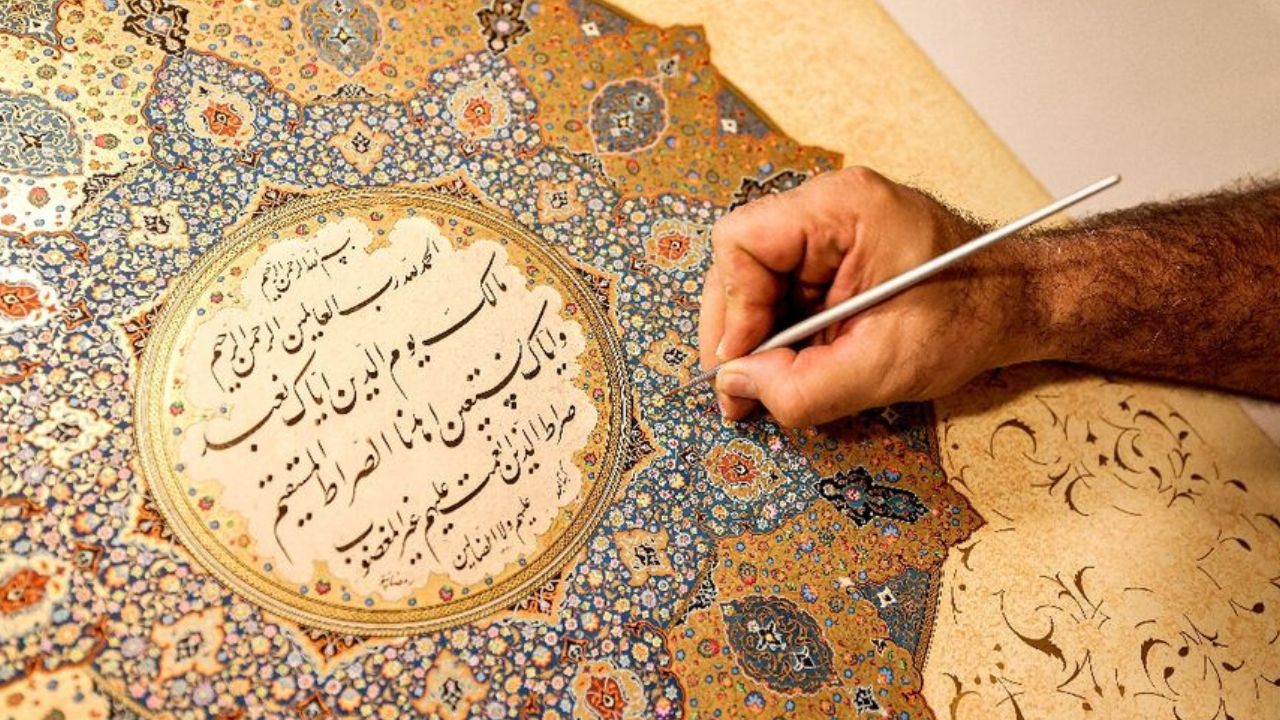
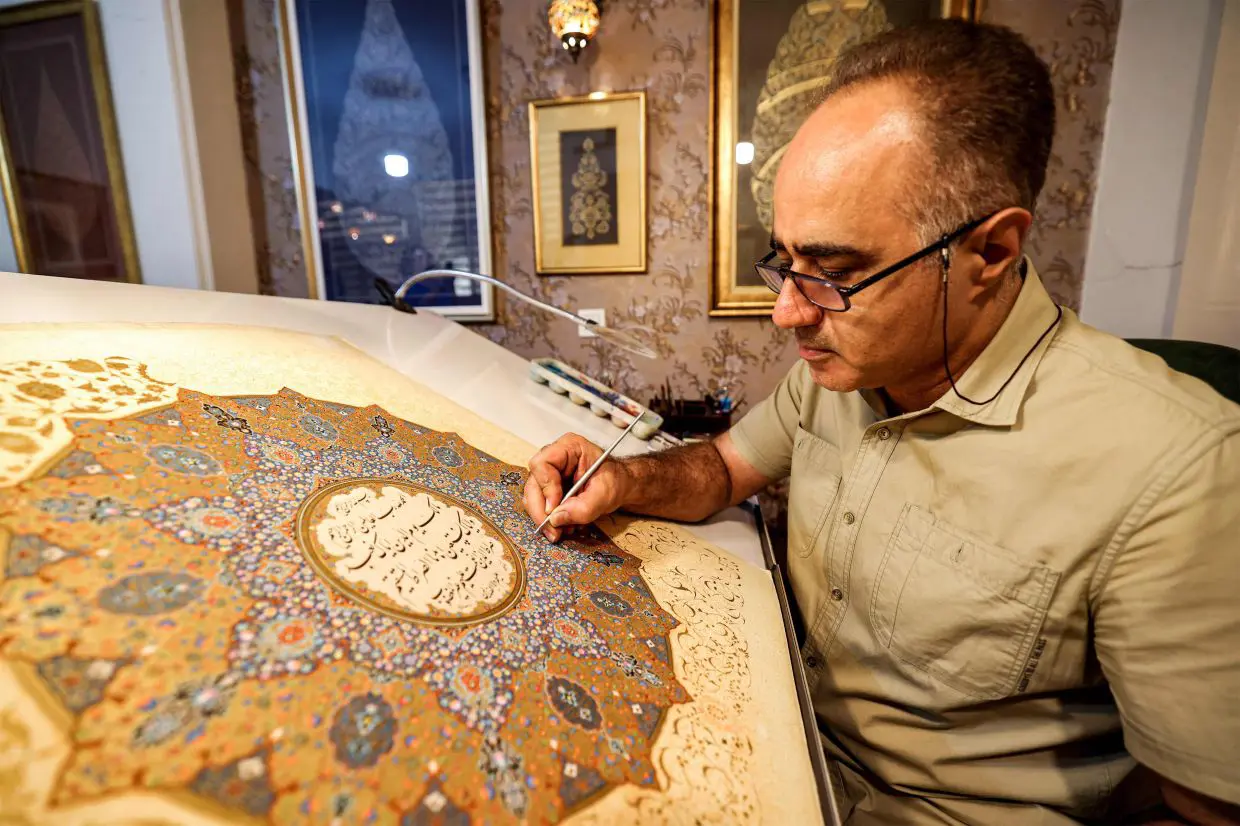
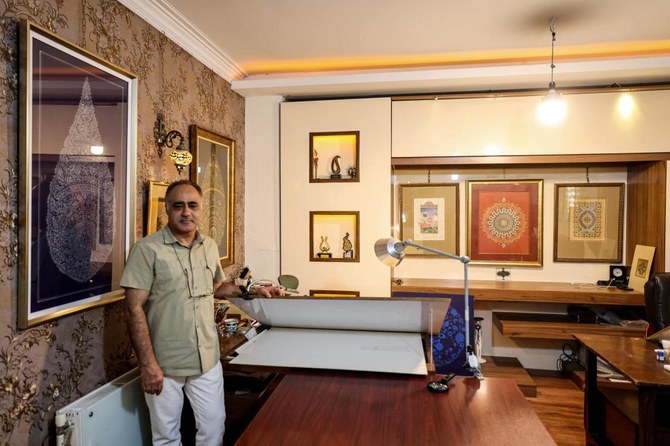
Iranian artist Mohammad Hossein Aghamiri sometimes labours for six months on a single design, very carefully — he knows a single crooked line could ruin his entire artwork.
In the age of AI-assisted graphic design on computer screens, the centuries-old tradition of Persian illumination offers an antidote to rushing the creative process.
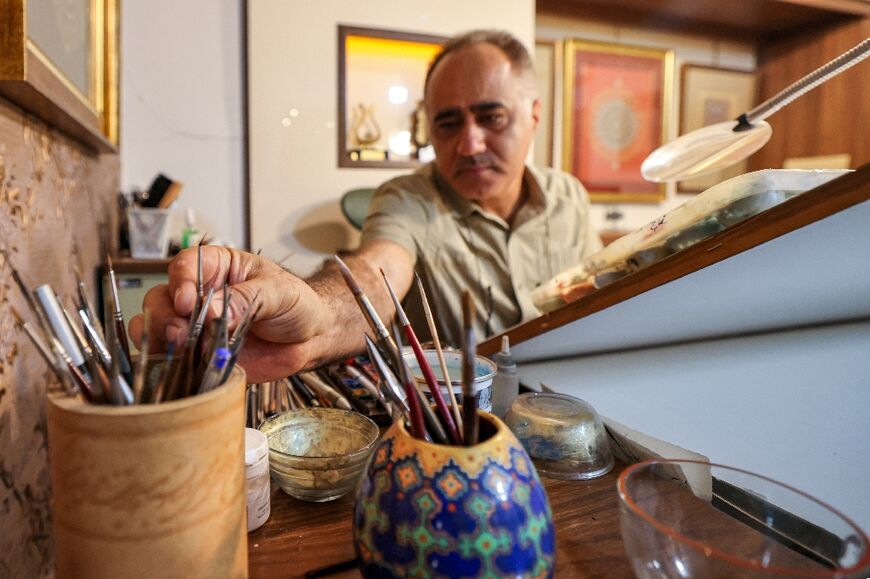
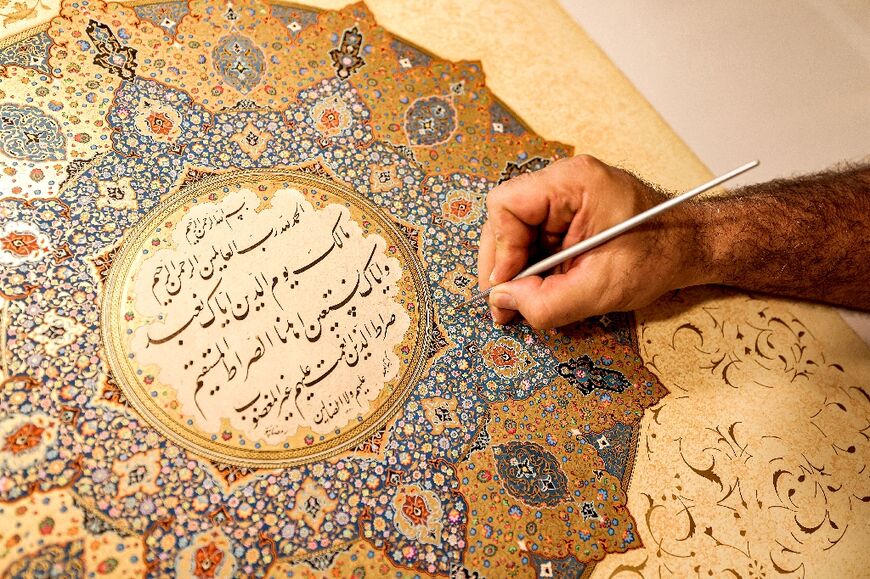
Aghamiri’s fine brush moves natural pigments onto the paper with deliberate precision as he creates intricate floral patterns, religious motifs and elegantly flowing calligraphy.
The exquisite artwork has for centuries embellished literary manuscripts, religious texts and royal edicts as well as many business contracts and marriage certificates.
Aghamiri, 51, is one of Iran’s dozen or so remaining masters of the ancient illumination art of Tazhib, which was inscribed last year on UNESCO’s list of intangible heritage.
“It is a very unique job that requires a lot of patience and precision,” Aghamiri, a veteran of the craft with over 30 years’ experience, told AFP in his downtown Tehran studio.
“It’s not accessible to everyone.”
Tazhib’s non-figurative and geometric flourishes have traditionally adorned the margins of holy books and epic poems.
The artform dates back to the Sassanid era in pre-Islamic Iran but flourished after the seventh century advent of Islam, which banned human depictions.
Aghamiri says it often takes him months to finish one design and that a single misplaced stroke that disrupts its symmetrical harmony can force him to start over.
– Global workshops online –
When AFP visited, he was working on a so-called shamsa design, a symbolic representation of the sun, about 50 centimetres across with intertwined abstract, geometric and floral patterns.
He said he started the piece over four months ago and aimed to finish it within six weeks, using natural pigments such as lapis lazuli, saffron, gouache and pure gold, from China.
“Gold has a very strong visual appeal,” said Aghamiri. “It’s expensive and it enhances the perceived value of the work.”
Aghamiri hails from a family of artists and artisans with a rich history in Iranian craft traditions including calligraphy, miniature painting and carpet design.
His work has been showcased in museums in Iran and in nearby Arab countries of the Gulf region where interest in Oriental and Islamic art continues to grow.
“Eighty percent of my works are sold in the region, especially in the Emirates and Qatar” as well as in Turkey, he said.
In recent years, Aghamiri garnered interest abroad and even began teaching the ancient art online to students from across the world, notably the United States.
Soon, he also hopes to hold workshops in Britain for his craft, which he says is fundamentally different from European illumination art, which flourished in the Middle Ages.
European designs, he said, are more figurative and can depict human faces, animals and landscapes, and often illustrate biblical scenes.
UNESCO labelled the Persian art of illumination as part of the Intangible Cultural Heritage of Humanity in December 2023, at the request of Iran as well as Turkey, Azerbaijan and Uzbekistan.
“Twenty years ago, I didn’t have much hope” for the future of Persian illumination, said Aghamiri. “But things have changed, and I see that this art is becoming more and more popular.”
Imported products used in make-up, skin and hair care have come under regulatory duty, after which these products have become more expensive by upto 55 percent, reports Geo.
Budget for the year 2024-25 has imposed heavy taxes on imported milk, fruits, honey, apples, cherries, figs, mangoes making them 20 to 45 percent more expensive while the government increased regulatory duty from 5 to 55 percent on several other products.
Apples and lychees 45 percent, imported cherries and frozen fish 35 percent, corn and natural honey 30 percent, imported milk, milk cream, dates, figs, pineapples, guavas and pomegranates are also subject to 25 percent regulatory duty. Curd, butter and fruits also became expensive after the implementation of 20 percent regulatory duty.
50 percent regulatory duty has been imposed on imported shaving cream and soap, 45 percent on imported jewelry, 10 percent on imported overcoats, caps, jackets, trousers, skirts and shorts for men and women.
Regulatory duties on waterproof leather shoes, wash basins, bathtubs and imported commodes have also been increased.
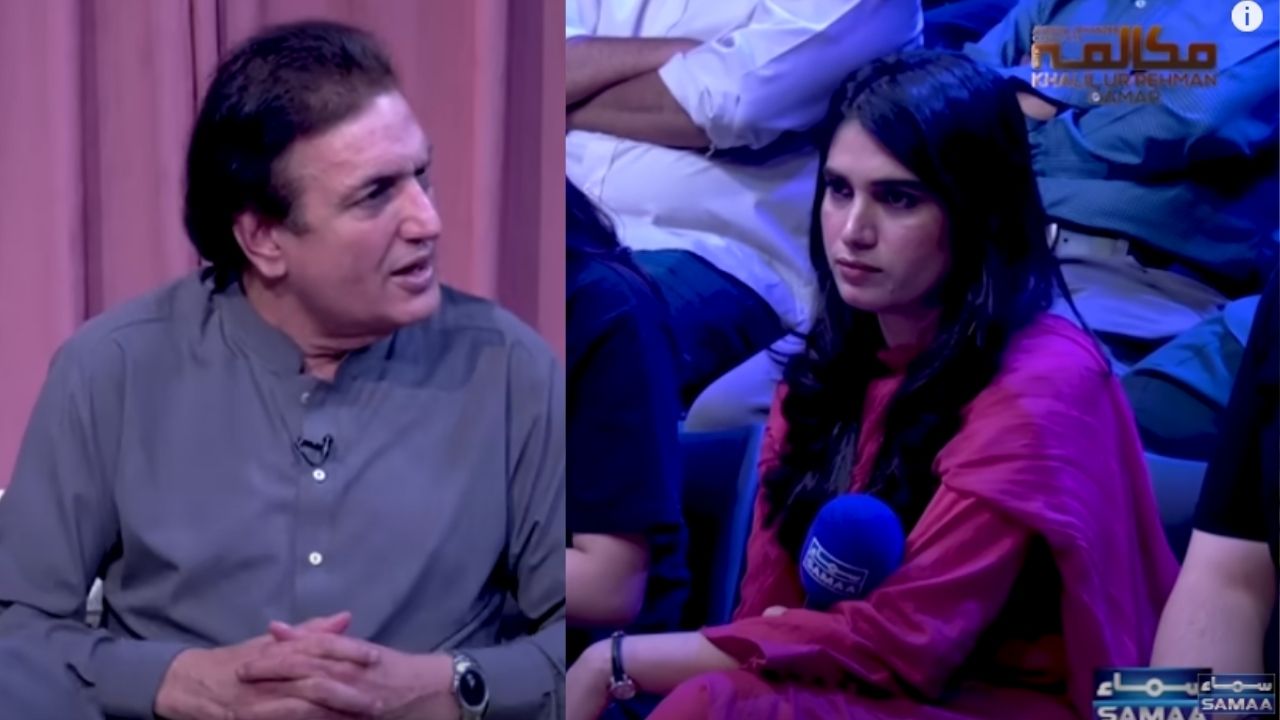
Pakistani controversial screenwriter Khalil ul Rehman Qamar recently made headlines with his outburst at a woman in Samaa TV’s show Mukalma
. The woman in the viral clip, Azba Abdullah, who was seen countering Sahil and Qamar, garnered praise from all over the social media. She posted a video of herself explaining that the debate was entirely impersonal and questions will be raised if anyone says something against women such as calling them ‘jahil’.
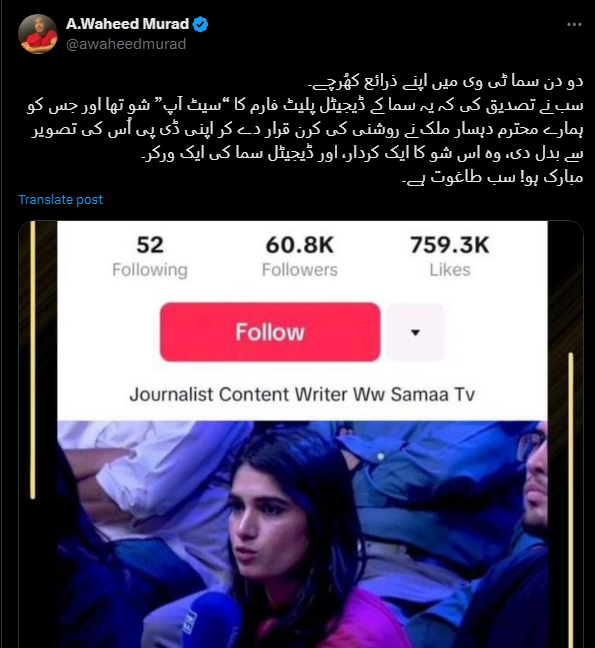
The statement prompted people to speculate whether the show was staged. Journalist Abdul Waheed Murad tweeted on X (formerly Twitter), claiming that the show was a “setup” and the woman was a worker at Samaa.
However, an inside source told The Current that the woman is indeed an employ of the channel but she sat down on the show as audience numbers were thin. The argument that transpired between the three of them was extemporaneous. The source claimed that nothing was staged.
In the recent viral footage Sahil Adeem claimed that 95 percent of women in Pakistan are uneducated, causing an uproar among the audience.“If you have called girls ‘Jahil,’ you should apologize or show me where the Quran says to use this word for those who don’t know certain things,” Azba said angrily. In response, Sahil shared Arabic verses, which angered the girl. Her reaction to the use of Arabic upset Khalil ul Rehman Qamar, leading to a heated argument between him and the girl.
The federal government has set targets to curb population growth as part of its five-year plan.
Sources report that the Prime Minister approved the Ministry of Planning’s proposal during the NEC meeting. According to the plan, the target is to reduce the annual population growth rate to 1.1 percent by 2030. The latest census in 2023 recorded a growth rate of 2.55 percent, one of the highest in the region.
The Ministry of Planning is aiming to decrease the total fertility rate to 2.2 percent by 2030. In FY 2024, the rate stood at 3.32 percent.
Sources indicate that efforts are underway to increase intentional contraception usage to 60 percent by 2030. As of FY 2024, the rate was 39.36 percent.
It has been reported that a limited adoption of modern contraception methods has caused Pakistan to witness 2.5 million intentional abortions annually.
As of now, Pakistan’s population is at 241.49 million according to the 2023 census.
Punjab Chief Minister Maryam Nawaz Sharif has given the green light to a tourist ‘glass train’ project connecting Rawalpindi and Murree, aimed at boosting tourism in the region.
The approval came during a meeting chaired by the Chief Minister in Murree.
The government plans to enlist international consultants for the execution of the glass train project.
The chief minister sanctioned several other development and beautification projects for Murree.
A decision was also made to demolish high-rise hotels that block out the natural scenery along Mall Road Rawalpindi.
The construction and extension of the old Rawalpindi-Murree-Kashmir Road was also approved.
Moreover, the government has committed to removing hotels around GPO Chowk and restoring historical buildings.
TikToker Ayesha Akram, the victim in the 2021 Minar-i-Pakistan assault case, has pardoned all suspects charged with assaulting her.
The victim appeared before the court on June 3 and submitted an affidavit in which she said she did not wish to pursue the case further as she had forgiven “all her suspects for the sake of Allah and his Holy Prophet (PBUH)”.
The female TikTok added that she had “no objection” to the suspects’ acquittal and wanted to record the statement “of her own consent and without any fear or threat.”
The official order was issued by Additional Sessions Judge Gul Abbas on June 25.
Case history
In August 2021, a video of a woman being sexually assaulted by a large group of men at Minar-e-Pakistan in Lahore on 14 August, Pakistan’s Independence Day, went viral on social media.
Sections 354-A (assault or use of criminal force against a woman and stripping her of her clothes), 382 (theft after preparation made for causing death, hurt or restraint in order to commit the robbery), 147 (rioting) and 149 (unlawful assembly) of the Pakistan Penal Code (PPC) had been included in the FIR. The case was in the court since then and many accused had been acquitted in multiple hearings over the years.
A local court in Shangla has convicted a person for the abduction and ‘marital rape’ of his minor wife and sentenced him to life imprisonment, and imposed a fine of Rs300,000 on him.
Dawn’s Umar Bacha, in his report, states that the judge convicted the accused on two counts and sentenced him under section 365-b (kidnapping) of the Pakistan Penal Code to life imprisonment with a fine of Rs100,000 and to 25 years imprisonment with a fine of Rs200,000 under section 376 (rape) of PPC.
The court acquitted seven of the convict’s family members due to a lack of evidence.
The lawyer appearing for the convict said that the victim was his client’s legal wife, and hence, he committed no offence.
However, the judge, in his judgement, observed that a close and critical reading of section 375 PPC, defining the offence of rape, made no exception to marriage.
“If the allegation of rape in marriage is ignored, yet another question is the victim’s juvenility. The victim, being just above 16 years of age, is still covered in the definition of ‘child,’ being under 18 years of age,” the verdict read.
The victim’s mother in the FIR stated that her husband died around ten years ago, and around two years ago, she arranged the Nikkah of her daughter (the victim) with the accused, but Rukhsati was yet to take place.
She had put a demand to the family of the accused to arrange separate accommodation for her daughter before formal marriage, but they declined. She alleged that on the night of the incident, the accused, along with his father and four other relatives, barged into their house and forcibly took away the victim while the complainant, her son and another daughter were beaten and tied.
In the beginning, FIR was registered for abducting the girl, but eventually, when she was recovered by police, different provisions of PPC and Khyber Pakhtunkhwa Child Protection and Welfare Act, dealing with sexual assaults and sexual abuse, were also included in it.
The girl, upon her recovery after four days, said in a statement that she was assaulted during captivity, and her medical examination also confirmed that she was subjected to sexual assault.
The court eventually found the accused guilty of the offence of the abduction of the victim and having sex without her consent.
Even though the lawyer Mian Safeer said it was the first-ever conviction in a case of ‘marital rape’ after amendments in 2021 but a man in Karachi was sentenced to three years in jail after he was found guilty of having non-consensual sex with his wife earlier in the year on January 20.