Category: Lifestyle

  • Diplomats say at least 550 pilgrims, mostly Egyptians, died during Haj this year

    Diplomats say at least 550 pilgrims, mostly Egyptians, died during Haj this year

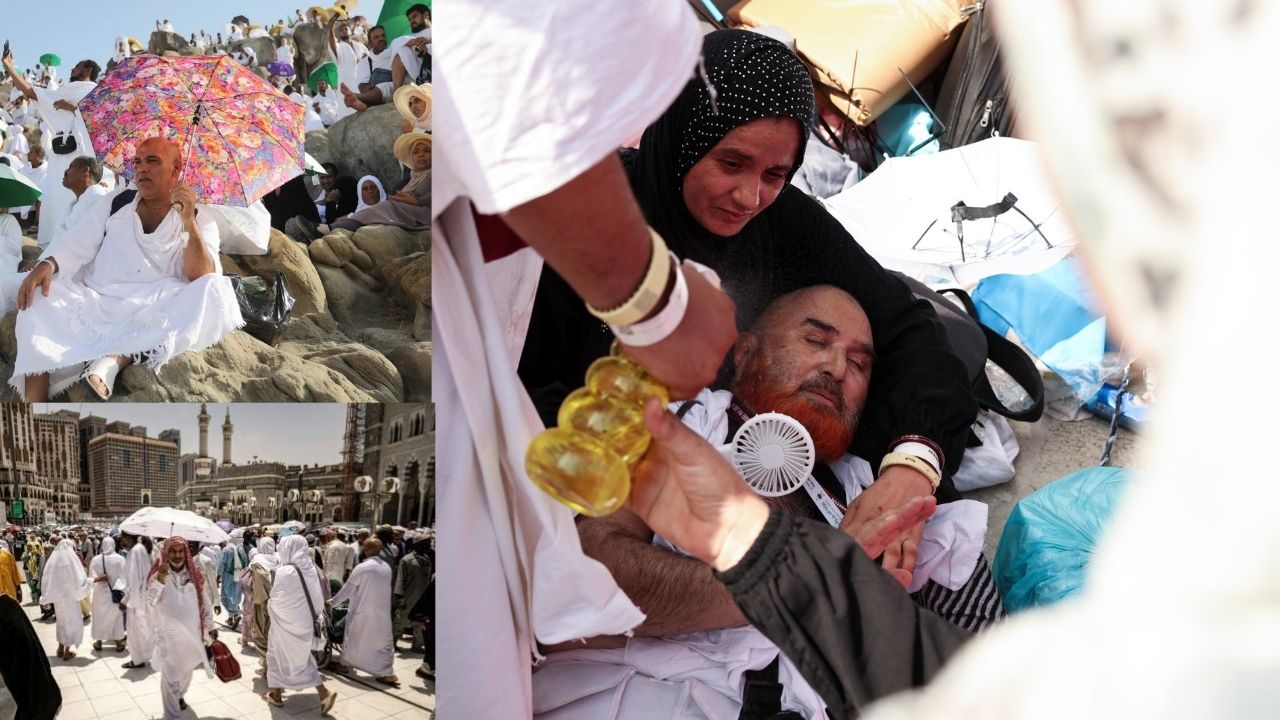
    Diplomats on Tuesday said at least 550 pilgrims died during the Haj, underscoring the gruelling nature of the pilgrimage which again unfolded in scorching temperatures this year.

    At least 323 of those who died were Egyptians, most of them succumbing to heat-related illnesses, two Arab diplomats coordinating their countries’ responses told AFP.

    “All of them (the Egyptians) died because of heat” except for one who sustained fatal injuries during a minor crowd crush, one of the diplomats said, adding the total figure came from the hospital morgue in the Al-Muaisem neighbourhood of Makkah.

    At least 60 Jordanians also died, the diplomats said, up from an official tally of 41 given earlier on Tuesday by Amman.

    The new deaths bring the total reported so far by multiple countries to 577, according to an AFP tally.

    The diplomats said the total at the morgue in Al-Muaisem, one of the biggest in Makkah, was 550.

    The Haj pilgrimage is increasingly affected by climate change, according to a Saudi study published last month that said temperatures in the area where rituals are performed were rising 0.4 degrees Celsius (0.72 degrees Fahrenheit) each decade.

    Temperatures hit 51.8 degrees Celsius (125 Fahrenheit) at the Grand Mosque in Makkah on Monday, the Saudi national meteorology centre said.
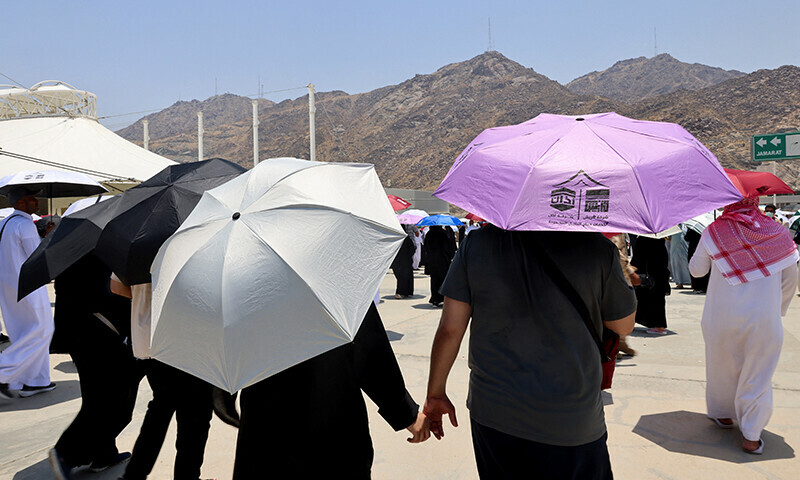
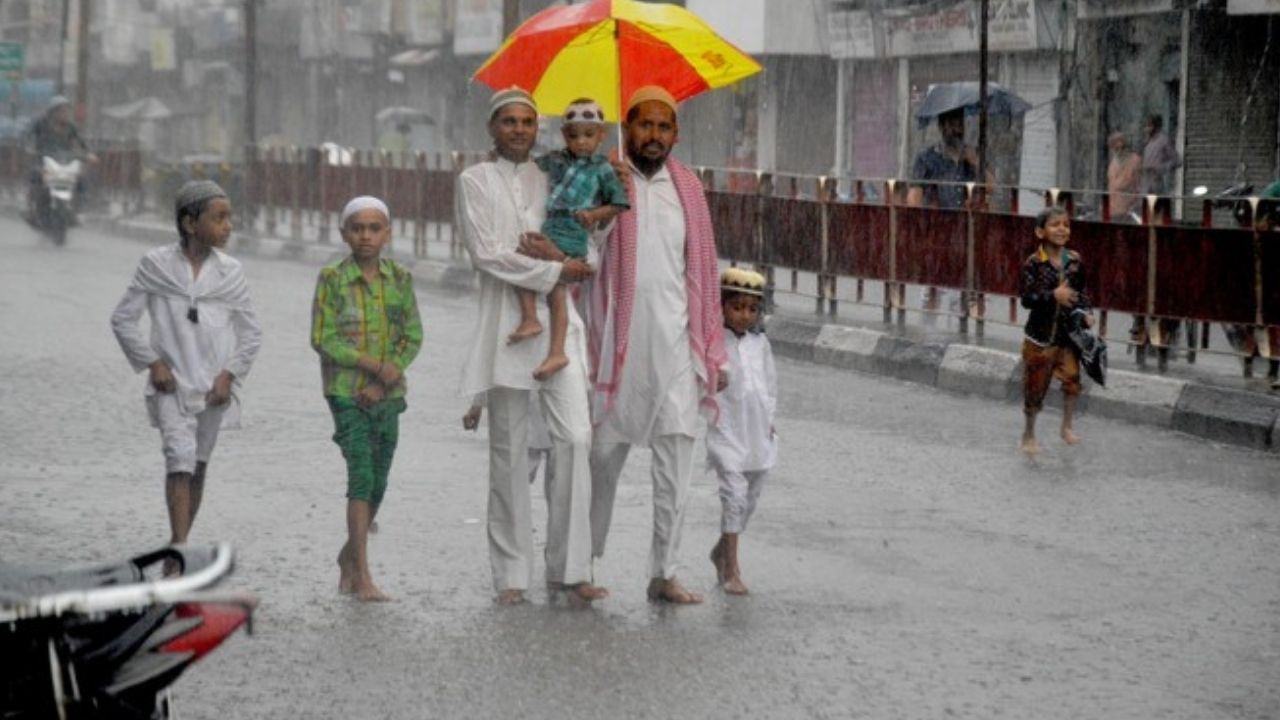
    Muslim pilgrims hold hands as they walk with umbrellas to the site where people take part in the Satan stoning ritual, during the annual haj pilgrimage in Mina, Saudi Arabia on June 18, 2024 — Reuters

    Heat stress

    Earlier on Tuesday, Egypt’s foreign ministry said Cairo was collaborating with Saudi authorities on search operations for Egyptians who had gone missing during the Haj.

    While a ministry statement said “a certain number of deaths” had occurred, it did not specify whether Egyptians were among them.

    Saudi authorities have reported treating more than 2,000 pilgrims suffering from heat stress but have not updated that figure since Sunday and have not provided information on fatalities.

    At least 240 pilgrims were reported dead by various countries last year, most of them Indonesians.

    AFP journalists in Mina, outside Makkah, on Monday saw pilgrims pouring bottles of water over their heads as volunteers handed out cold drinks and fast-melting chocolate ice cream to help them keep cool.

    Saudi officials had advised pilgrims to use umbrellas, drink plenty of water and avoid exposure to the sun during the hottest hours of the day.

    Some pilgrims described seeing motionless bodies on the roadside and ambulance services that appeared overwhelmed at times.

    Around 1.8 million pilgrims took part in the Haj this year, 1.6m of them from abroad, according to Saudi authorities.
    Unregistered pilgrims

    Each year tens of thousands of pilgrims attempt to perform the Haj through irregular channels as they cannot afford the often costly procedures for official Haj visas.

    This places these off-the-books pilgrims at risk as they cannot access air-conditioned facilities provided by Saudi authorities along the Haj route.

    One of the diplomats who spoke to AFP on Tuesday said that the Egyptian death toll was “absolutely” boosted by a large number of unregistered Egyptian pilgrims.

    “Irregular pilgrims caused great chaos in the Egyptian pilgrims’ camps, causing the collapse of services,” said an Egyptian official supervising the country’s Haj mission.

    “The pilgrims went without food, water, or air conditioning for a long time.”

    They died “from the heat because most people had no place” to take shelter.

    Earlier this month, Saudi officials said they had cleared hundreds of thousands of unregistered pilgrims from Makkah ahead of the Haj.

    Other countries to report deaths during the Haj this year include Indonesia, Iran and Senegal.

    Most countries have not specified how many deaths were heat-related.

    Saudi Health Minister Fahd bin Abdul Rahman Al-Jalajel said on Tuesday that health plans for the Haj had “been successfully carried out”, preventing major outbreaks of disease and other public health threats, the official Saudi Press Agency reported.

    Health officials “provided virtual consultations to over 5,800 pilgrims, primarily for heat-related illnesses, enabling prompt intervention and mitigating the potential for a surge in cases,” SPA said.

  • Earthquake hits Islamabad, Khyber Pakhtunkhwa

    Earthquake hits Islamabad, Khyber Pakhtunkhwa

    Earthquake tremors hit in Islamabad, Rawalpindi, and various cities in Khyber Pakhtunkhwa, including Peshawar, Swat, and Malakand on Wednesday, June 19.

    According to the seismological center, the earthquake had a magnitude of 4.7. The epicentre was in the South-East region of Afghanistan, with a depth of 98 kilometres.

    No loss of life and property has been recorded so far.

    Tremors were also felt in North Waziristan, Parachinar, Lower Dir, Hangu, and the surrounding areas, including Charsadda and Swabi.

  • Good News: Rain expected on Eid in various cities

    Good News: Rain expected on Eid in various cities

    Wind and rain are likely to descend in different cities of the country on the second day of Eid.


    The Meteorological Department says storms and rain are probably coming to different cities in the country between June 18 and June 22, reports Geo News.


    Clouds are expected in upper plains and hilly areas, including Islamabad, Punjab, Khyber Pakhtunkhwa, Gilgit-Baltistan and Kashmir, as per the report.


    Along with that, wind, squall and rain have been predicted in different areas of Balochistan from June 20 to 22.


    Meanwhile, wind and drizzling are expected in various Sindh cities on June 21 and 22, including Sukkur, Jacobabad, Kashmore, and Larkana.

  • US Bank fires employees for look-busy-do-nothing

    US Bank fires employees for look-busy-do-nothing

    US banking giant Wells Fargo has fired dozens of employees following claims that they were faking keyboard activity to fool the company into thinking they were working when actually they were not, reveals BBC.

    In a statement, Wells Fargo said staff had been fired or had resigned “after review of allegations involving simulation of keyboard activity creating impression of active work”.


    “Wells Fargo holds employees to the highest standards and does not tolerate unethical behaviour,” it added.

    The investigation was conducted when new rules recently came into effect in the US, according to which brokers working from home must be inspected every three years.

    However, is not yet clear how the issue was discovered or whether it was specifically related to people working from home.


    Since the work-from-home model has gained popularity post-pandemic, some large companies have been using increasingly specialised tools to monitor employees.

    Such services can track keystrokes and eye movements, take screenshots and log which websites are visited.


    Technology has also evolved to detect the so-called “mouse jigglers” which are aimed at making computers appear to be in active use which are widely available.


    About 13 percent of full-time employees in the US are fully remote, and another 26 percent enjoyed a hybrid arrangement, according to the BBC.

  • Illegal Afghan citizens banned from entering Peshawar during Eid, Muharram

    Illegal Afghan citizens banned from entering Peshawar during Eid, Muharram

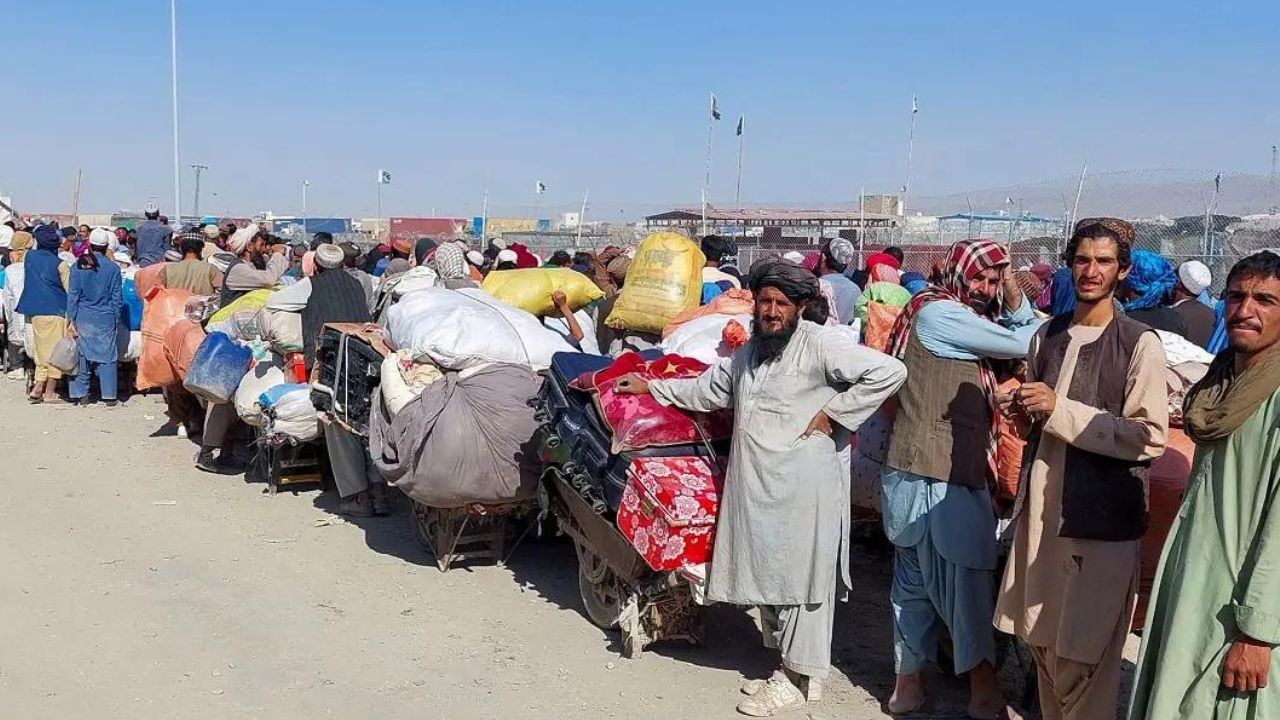
    The government has decided to ban illegal Afghan citizens from entering Peshawar during Eid-ul-Adha and Muharram.

    Speaking to Geo News, Capital City Police Officer (CCPO) Peshawar Qasim Ali Khan stated that this decision has been made due to security concerns and in order to control crime.

    He emphasised that ensuring a peaceful religious festival is the top priority, and during Eid and Muharram, illegal Afghan citizens will not be allowed to enter the city.

    Qasim Ali Khan further mentioned that security at sensitive locations and places of worship will be reassessed, and additional security measures will be implemented during Eid and Muharram.

    The CCPO added that practical steps will be taken to curb street crime.

  • No swimming or bathing on Karachi beach

    No swimming or bathing on Karachi beach

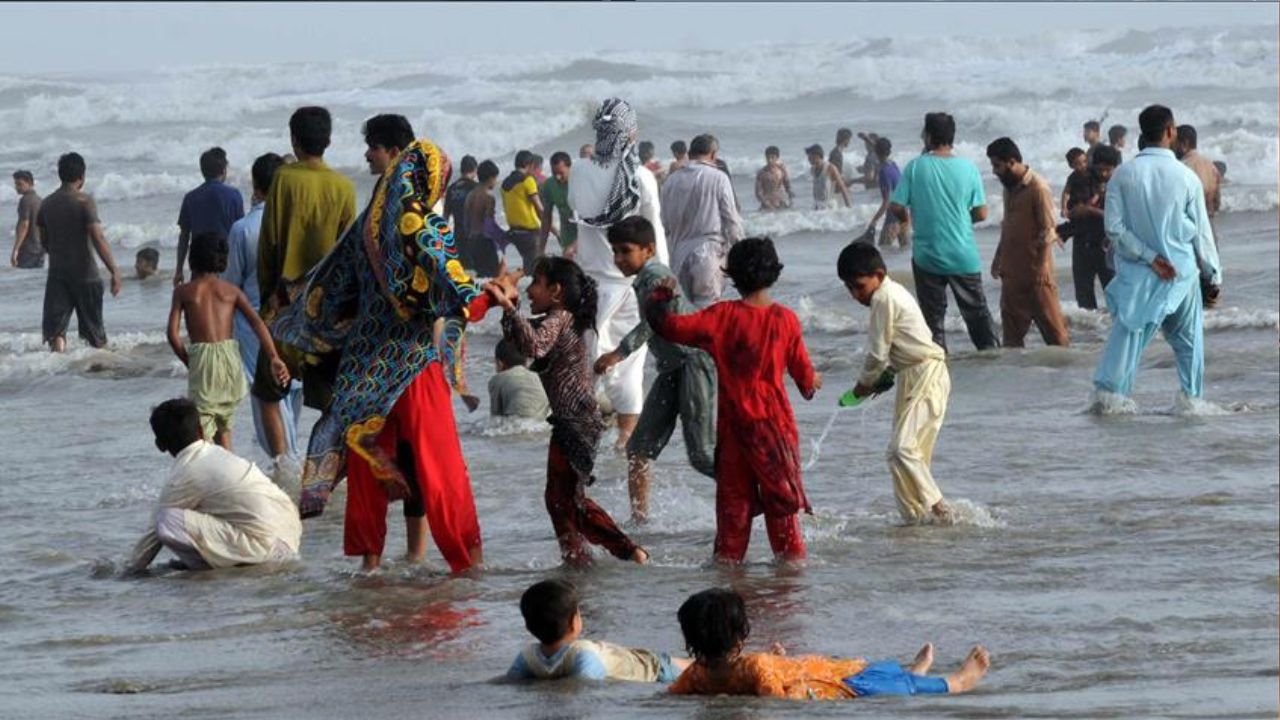
    Commissioner Karachi has banned bathing and swimming on various Karachi beaches for two months, from July 16 to September 15.


    The office of the Commissioner has directed Deputy Commissioners to ensure compliance with the ban.


    Citizens are advised to follow the orders to ensure safety.


    “There is apprehension expressed by the concerned Deputy Commissioners that a large number of public is expected to visit the beaches in Karachi during Eid Holidays and there is every likelihood of drowning incidents occurring due to public bathing and swimming in the sea, owing to the monsoon spell and high tides in the sea,” the notification read.

    However, bathing in the sea is banned at Canap Beach, Mubarak Village, and Sonera Beach until August 13, according to Geo News.

  • Pakistani bank statements unacceptable for UK visa? Fake news!

    Pakistani bank statements unacceptable for UK visa? Fake news!

    A letter circulating all over social media claiming that the United Kingdom will no longer accept financial documents from major Pakistani banks for visa or immigration applications and that English language tests, including IELTS, will be considered unacceptable for Pakistani students has turned out to be fake.


    In the letter allegedly issued by UK Visas and Immigration, it was stated that certain Pakistani banks’ statements would no longer be acceptable for UK visa applications.


    The letter then goes on to name nine major banks in the country.


    It also listed English language tests allegedly rejected by the UK, including Oxford ELLT Digital, IELTS Life Skills, and Pearson Test of English.

    The British High Commission in Islamabad debunked the letter as false, clarifying that no such restrictions have been imposed.


    The official statement by the Commission was posted on X (Twitter) account and confirmed by the Geo Fact Check team via mail. It stated that the Commission is aware of a “fake document being shared pretending to be from UK Visa and Immigration.”

  • Passengers strip, faint after AC breaks down on Qatar Airways plane

    Passengers strip, faint after AC breaks down on Qatar Airways plane

    A Qatar Airways flight endured three hours without air conditioning while the plane waited in the heat at Athens airport.


    Passengers scheduled to head to Doha on Monday (June 10) nearly suffocated after the plane’s air-conditioning system stopped working while it was waiting to take off.

    The heat resulted in some passengers stripping off their clothes while others fainted.

    Some passengers reportedly suffered nosebleeds, while others relied on oxygen masks to help with breathing.

    While passengers were stuck in the stifling heat inside the plane, the outside temperature reached a high of 43 degrees Celsius.


    A physical confrontation also nearly broke out between passengers and flight crew during the incident.


    Smoke was emitting from the aircraft’s rear while it was waiting to take off, prompting airport officials to put fire trucks on standby in case of fire.

    The passengers included 49 members of the Thai Muay Thai team returning from the world championship.

    Muay Thai athlete Thananchai Sitsongpeenong told reporters that he only spotted the smoke after he got off the plane.


    “I consider myself lucky to have survived this,” he told The Nation, adding that he and other passengers were practically melting in the sauna-like heat on board.

  • Two missing Japanese climbers spotted in Pakistan’s north

    Two missing Japanese climbers spotted in Pakistan’s north

    Two missing Japanese climbers were spotted by helicopter on Thursday in Pakistan’s mountainous north, home to some of the world’s tallest peaks, but their condition remains unknown, a tour operator said.

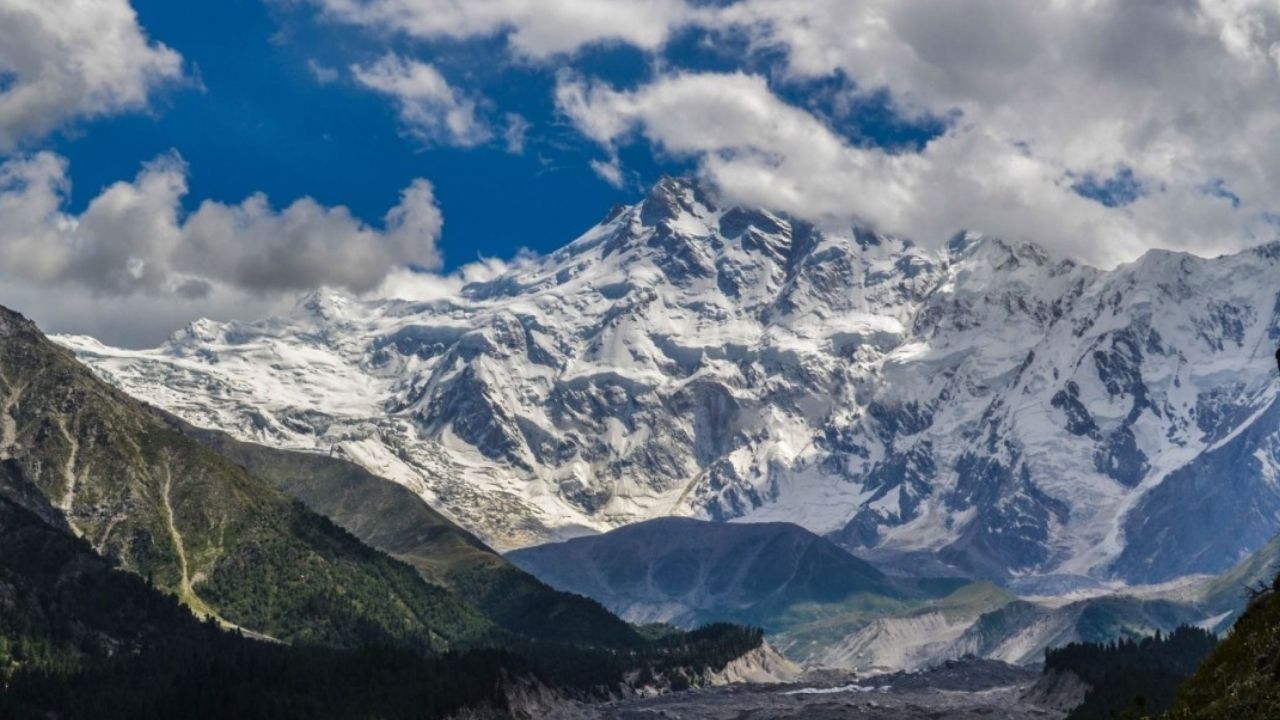
    The Japanese climbers Ryuseki Hiraoka and Atsushi Taguchi were attempting to summit the 7,027-metre (23,054-foot) Spantik mountain in the Karakoram range before they went missing.

    “The rescuers saw the climbers and recognised them by their clothes, but they could not determine their condition,” Naiknam Karim, the CEO of Adventure Tours Pakistan (ATP) which organised the tour, told AFP.

    The two were spotted during a military helicopter search on Thursday that was called off due to poor weather conditions.

    “There has been no communication between the two Japanese climbers and officials at basecamp since they started their expedition,” Karim earlier said.

    “They were seen on June 10 (for the) last time at above 5,000 metres.”

    Another team of Japanese climbers raised the alarm on Tuesday after arriving at Camp 2, at around 5,650 metres, where Hiraoka and Taguchi were scheduled to be.

    The search is scheduled to resume on Friday.

    “An 8-member rescue team including five Japanese climbers will ascent on foot and search for them,” Karim Added.

    The pair had reached base camp on June 3 and were attempting the climb without the help of porters.

    Spantik, also known as the Golden Peak, is described as a “relatively accessible and straightforward peak” on the website of a separate tourist company, Adventure Tours.

    The country is home to five of the world’s 14 mountains higher than 8,000 metres — including K2, the world’s second highest.

    More than 8,900 foreigners visited the remote Gilgit-Baltistan region in 2023, according to official figures from the government, where the summer climbing season runs from early June to late August.

  • No relief for babies: Heavy tax on formula milk

    No relief for babies: Heavy tax on formula milk

    The budget for 2024-25 was unveiled this Wednesday, on June 12, by Finance Minister Muhammad Aurangzeb.

    As the government depends on the International Monetary Fund’s (IMF) bailout package, citizens were further burdened with heavy taxes as per the administration’s commitments to the lender. Milk products for infants, a necessary item for many families, will now carry an 18 per cent tax.

    But why is this issue noteworthy?

    On January 21, 2022, the Finance (Supplementary) Bill—a ‘mini budget’—was passed by the National Assembly following extensive debate over the proposed taxes by the Pakistan Tehreek Pakistan (PTI) government. Among the contentious proposals was a 17 per cent sales tax on locally produced infant formula milk, classified as a “luxury product.”

    This classification sparked heavy criticism from both the public and the opposition, who argued that labelling a basic necessity for children as a luxury was unjust. In response, the-then Finance Minister Shaukat Tarin promised to push for the exclusion of children’s milk products from the Bill.

    However, two years later, heavy taxes are being imposed on infant milk products once again.

    According to Statista, a German data-centric platform, the Baby Milk & Infant Formula Market in Pakistan is projected to grow by 0.76 per cent from 2024 to 2029. This trend indicates increasing reliance on infant milk products due to various reasons.

    Traditionally, in South Asian countries like Pakistan, reliance on infant milk products is frowned upon, with a cultural preference for breastfeeding. However, several factors can make breastfeeding unfeasible.

    Certain health conditions, such as infections or breast surgeries, can prevent mothers from breastfeeding. Additionally, some mothers can not produce enough milk due to lactation insufficiency. In other cases, babies are born with conditions like galactosemia, which prevents them from digesting breast milk. Furthermore, specific nutritional deficiencies can not be addressed by breast milk alone and require formula milk supplementation.

    Moreover, not every mother is comfortable with breastfeeding, and many prefer to use formula milk to feed their children. Working mothers, in particular, may not have the flexibility to breastfeed and thus rely on formula milk.