Category: Lifestyle

  • Crackdown begins on anti-state content on social media

    Crackdown begins on anti-state content on social media

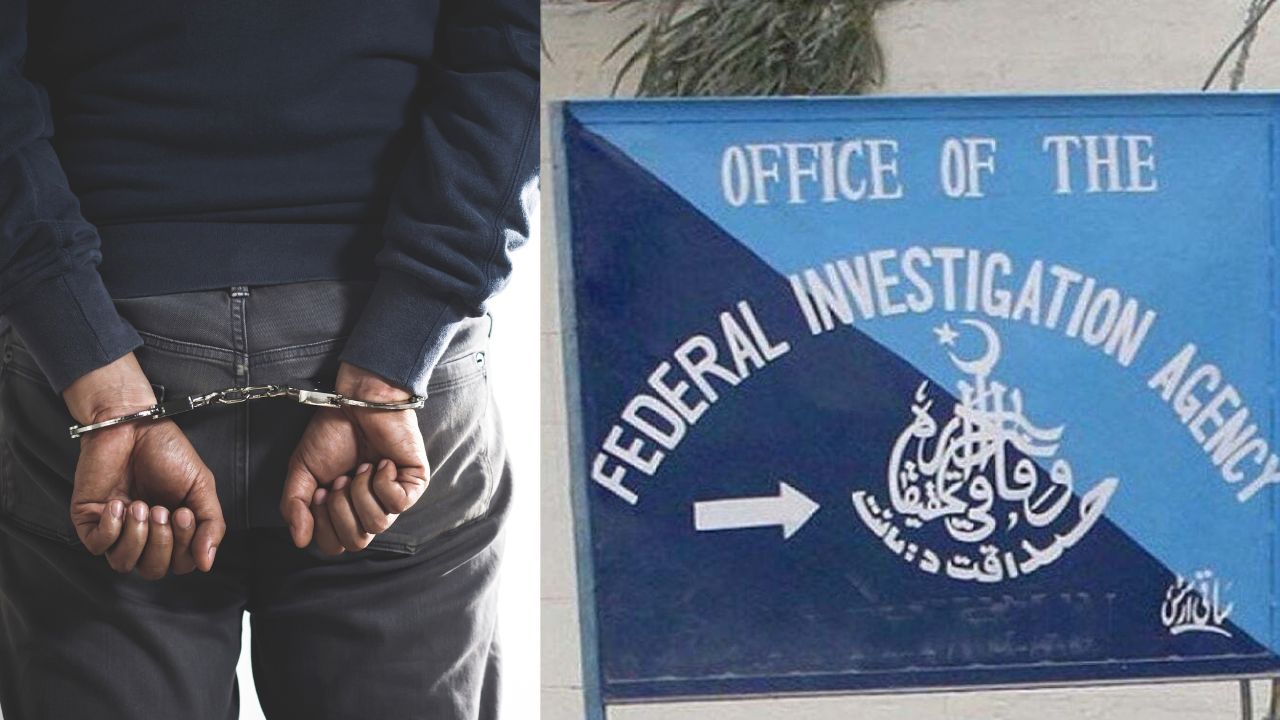
    A crackdown has been launched against people sharing anti-state content on social media. So far, the Federal Investigation Agency (FIA) has arrested two suspects from Rawalpindi.

    The FIA inquiry is aimed at people involved in propaganda against Pakistan’s military institutions and important personalities.

    FIA teams conducted raids at various locations in Rawalpindi and arrested two suspects, stating that the accused were involved in spreading fabricated and fake news against the armed forces.

    Among the arrested suspects are Yasir Arafat and Irfan Abbas who were taken into custody from Rawat and Gujar Khan areas.

  • ASP Shehar Bano appointed personal security officer of Mohsin Naqvi

    ASP Shehar Bano appointed personal security officer of Mohsin Naqvi

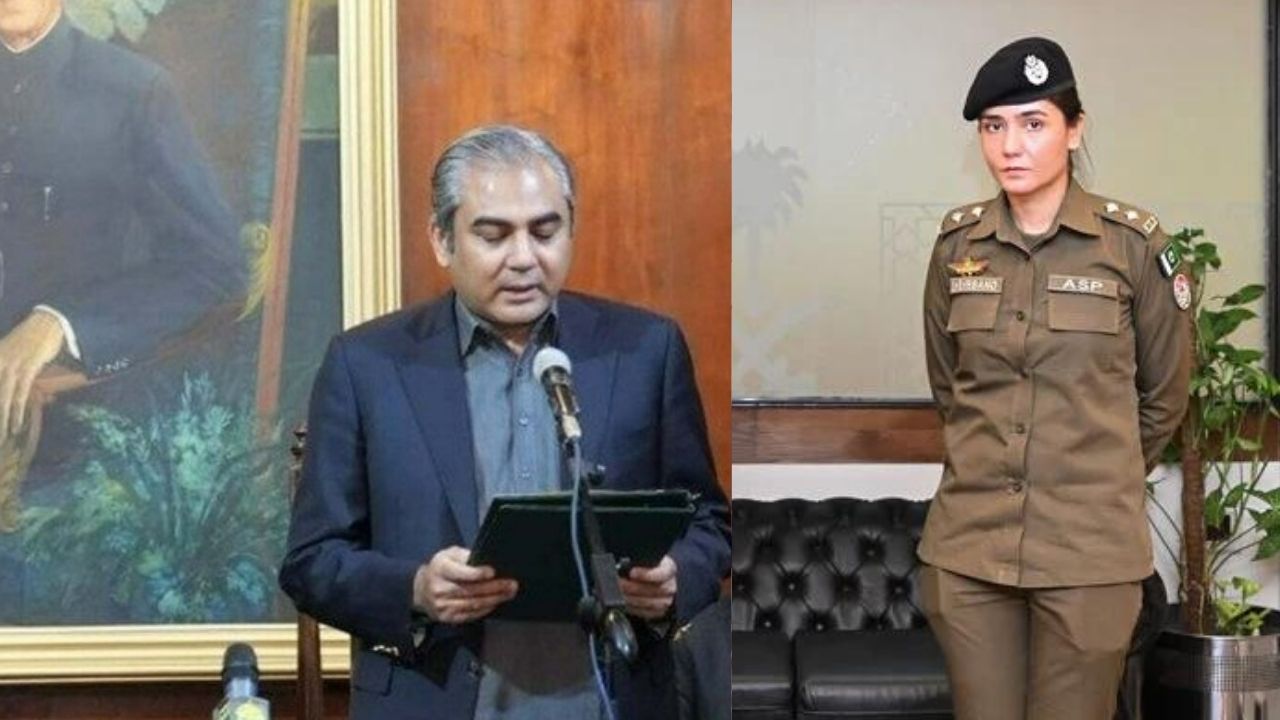
    ASP Shehar Bano has been appointed as the personal security officer of Federal Interior Minister Mohsin Naqvi.


    Naqvi will perform duties as PSO of Mohsin Naqvi, says the notification issued by the Ministry of Interior.


    She was previously working as Assistant Director of the Intelligence Bureau.


    In February 2024, Shahar Bano Naqvi came to the limelight by saving a woman from an angry mob in Lahore for which she garnered praise from public and governmental quarters.


    Shehar Bano Naqvi joined the police service after clearing the CSS exam in 2019.

  • Pakistan bus crash kills at least 27 people: hospital

    Pakistan bus crash kills at least 27 people: hospital

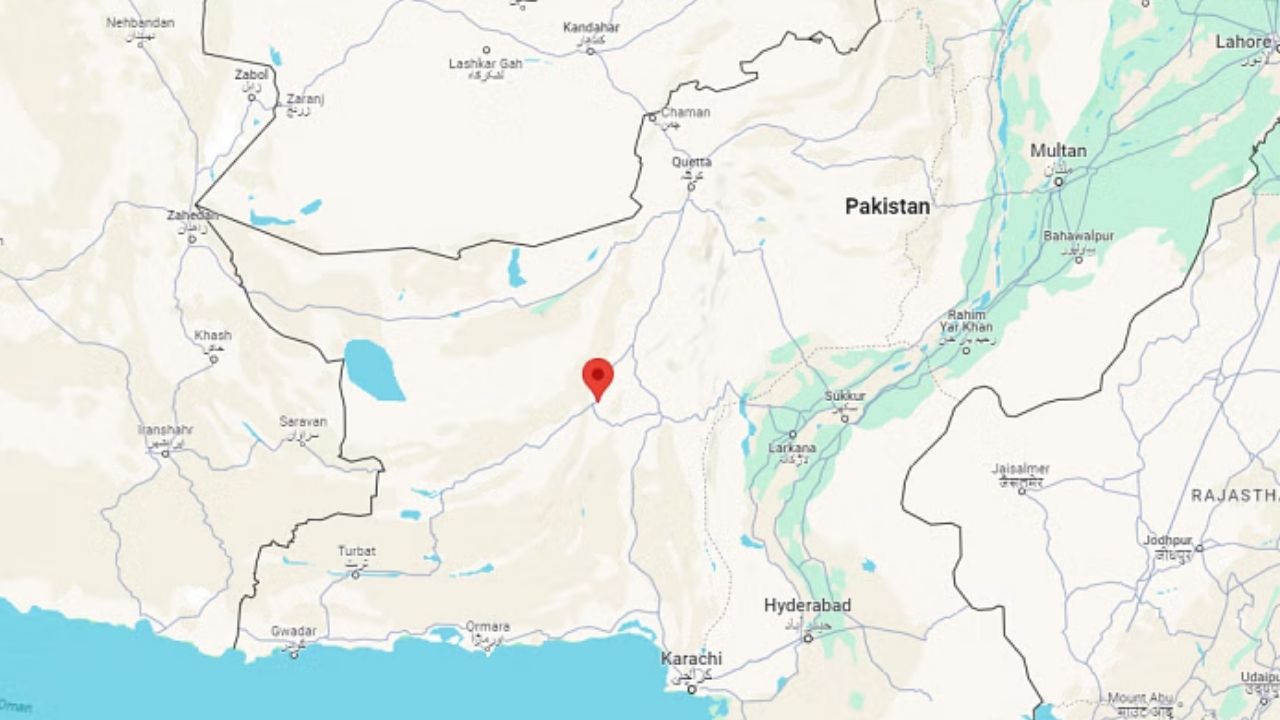
    Quetta, Pakistan – At least 27 people were killed on Wednesday when a bus plunged off the road into a deep ravine in southwestern Pakistan, hospital and government officials said.

    The crash happened around dawn in Basima town in Balochistan province while the bus was travelling from Turbat city to Quetta.

    “The driver was navigating a turn in a mountainous area when the vehicle lost control and fell into a ravine,” Ismail Mengal, a local government official said, giving a toll of 27 dead.

    “We are still investigating the cause of the incident. It could be that the driver fell asleep or was speeding, which led to the accident.”

    More than 25 others, including the driver, were injured.

    Noor Ullah, chief doctor at Civil Hospital Basima, told AFP that 27 bodies were taken there, including three women and two children.

    Prime Minister Shehbaz Sharif has “expressed deep sorrow and grief over the tragic traffic accident”, his office said in a statement.

    Road accidents with high fatalities are common in Pakistan, where safety measures are lax, driver training is poor and transport infrastructure often decrepit.

    At least 17 pilgrims were killed and 41 injured in a crash in April as they travelled to a shrine in Balochistan’s Hub district.

    In January last year, 41 people were killed when their bus, which was also loaded with containers of flammable oil, careered off the road into a valley and burst into flames.

    mak-zz/ecl/pbt

    © Agence France-Presse

  • Pakistan’s Sufi festivals reclaim spirit after violence

    Pakistan’s Sufi festivals reclaim spirit after violence

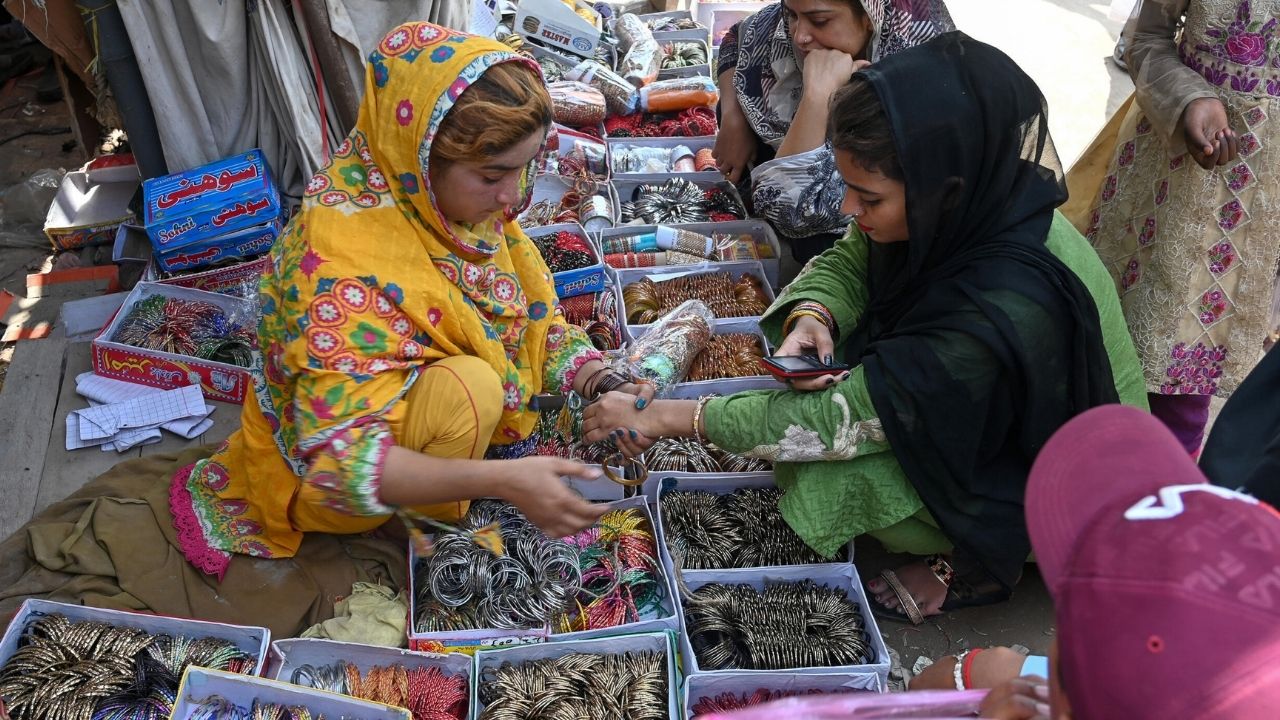
    Shah Jiwana (Pakistan) (AFP) – Rhythmic drums and spirited dancing are once again bringing life to the shrines of Pakistan’s saints, where festivals were long stifled by jihadist violence.

    As the harvest season ends and schools finish for the summer, villagers climb atop tractor trolleys, buses and rickshaws to head to the annual celebrations at Sufi shrines dotted across the country.

    “Those who cannot meet during the rest of the year reunite at the fair,” said Muhammad Nawaz, a farmer from Punjab province at the annual “mela” to honour saint Shah Jiwana in Jhang city in May.

    “These fairs and Punjab’s culture share a profound connection, one of love and brotherhood.”

    Fairgrounds, musicians, traditional wrestlers and motorcycle acrobats delight pilgrims lit by lanterns of all colours — but always under the watchful eye of hundreds of police officers.

    Centuries-old Sufi orders across the Islamic world have millions of followers, from Turkey to South Asia, and their beliefs are rooted in mysticism and a devotion to saints.

    Many orthodox hardliners consider Sufi beliefs heretical, however, and Sunni militant groups such as the Pakistani Taliban and Islamic State have carried out bloody attacks at shrines and festivals.

    In Pakistan, the attacks led authorities to ban festivals or limit their activities until recently.

    “The goal was to avoid risking public lives,” said Alloudin Mehmood, a government official at Bari Imam shrine in Islamabad, targeted by a 2005 suicide bombing that killed 19 people.

    Security has dramatically improved after several military operations, allowing celebrations to slowly return.

    “Only after receiving security clearance was the festival permitted last year, ending a 16-year hiatus,” Mehmood added.

    The event was shortened from five days to three, with mobile phone signals suspended for security reasons.

    ‘Culture is resilient’

    The landscape of rural Pakistan is adorned with thousands of Sufi shrines, varying in size from grand edifices to modest structures, each steeped in a tapestry of associated legends.

    Particularly in Punjab and Sindh, saints, commonly referred to as “Pirs,” are revered and miracles attributed to their spiritual presence.

    “These shrines have endured threats and persecution,” said anthropologist and author Zulfiqar Ali Kalhoro.

    “Culture always has a remarkable resilience, capable of absorbing shocks and persevering through challenging times.”

    The annual celebrations commemorate the anniversaries of a saint’s death and symbolise the spiritual union between devotees and the divine.

    “Pilgrims find solace, healing, release and entertainment at these events that celebrate the ‘friends of God’,” said Carl W. Ernst, who has authored several books on Sufism.

    Sufism has inspired some of Pakistan’s most beloved artists, writers and musicians.

    Sufi shrines often attract marginalised groups, including transgender women and drug addicts.

    “We are never as well-received as at festivals,” Khusbhoo, a transgender woman, told AFP.

    Come to the fair

    At the Shah Jiwana shrine, devotion gives way to entertainment in the late afternoon.

    A juice seller belts out a famous Punjabi song: “Forget about your responsibilities for a while; let’s head to the fair instead.”

    Thousands turn to the fields to witness traditional games such as Kabaddi, a rough contact sport where opponents slap each other around the face, and tent pegging, a more graceful display of horsemanship.

    Against the neon background of the fairgrounds, 16-year-old stunt girl Fatima Noor prepares her motorbike.

    Defying both gravity and social taboos, she circles the “wall of death” to the amazement of the crowd — a chance to earn some money for her family.

    “These fairs must be held, because we do not have any other employment opportunities,” she said.

    Eighteen-year-old Hamid Ijaz delighted in the celebrations, disrupted for much of his childhood.

    “Because of how widespread hate and sectarianism are in our country, it’s crucial to organise events like these where people can come together and foster love,” he told AFP.

  • Israel supporters, including Piers Morgan, changing stance after Rafah massacre

    Israel supporters, including Piers Morgan, changing stance after Rafah massacre

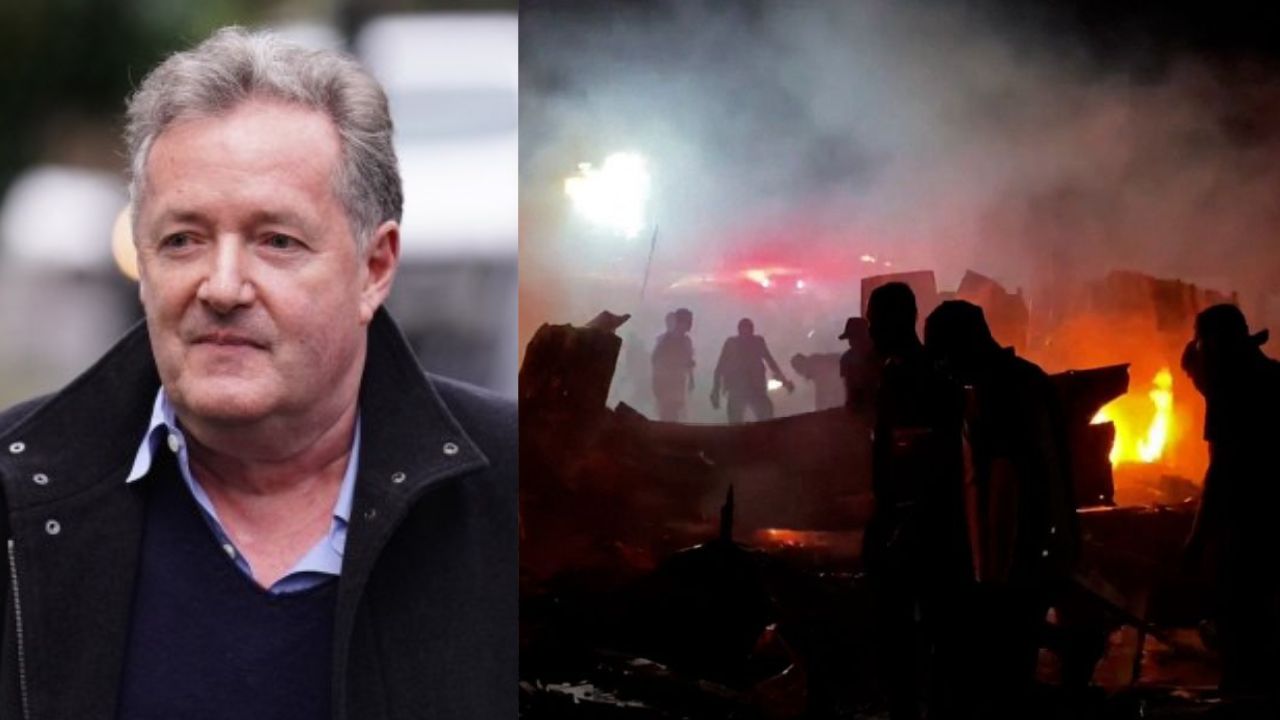
    Israel’s bombing of refugee tents in Rafah on Sunday night left the world horrified. As videos and images of decapitated children, Palestinians burning alive and bodies reduced to char appeared on social media, a wave of outrage spread across the globe.

    Among those who publicly spoke up were many supporters of Israel’s genocide in Gaza, including British television presenter Piers Morgan, who became a caricature of himself by continuously asking his pro- Palestinian panelists to “condemn Hamas”.

    On Sunday night, he tweeted, “The scenes from Rafah overnight are horrific.
    I’ve defended Israel’s right to defend itself after Oct7, but slaughtering so many innocent people as they cower in a refugee camp is indefensible.
    Stop this now @netanyahu”.

    Over in America, ‘free-speech activist’ Brianna Wu stopped her non-stop support of Israel to quote tweet Morgan’s tweet:
    “I agree with this.

    I said at the beginning that invading Rafah would be a mistake of historic proportions and would make it difficult for people to stand with Israel.

    None of this is going to make anyone safer.”

    As other Israel supporters scrambled to condemn the incident in Rafah, the internet was having none of it. Many reminded Piers of his complicity in the genocide.

    https://twitter.com/Partisangirl/status/1795046018720928202?t=wCpjAdqN6Os0PJcOcJPKPg&s=19
    https://twitter.com/TanausuX/status/1794998776655986878?t=E3p_Sx_w51nJUhY3MNRmuQ&s=19

    Even Andrew Tate popped up in the replies to simply say “Told you.”


  • Domestic abuse victim leaves her four children in Greater Iqbal Park

    Domestic abuse victim leaves her four children in Greater Iqbal Park

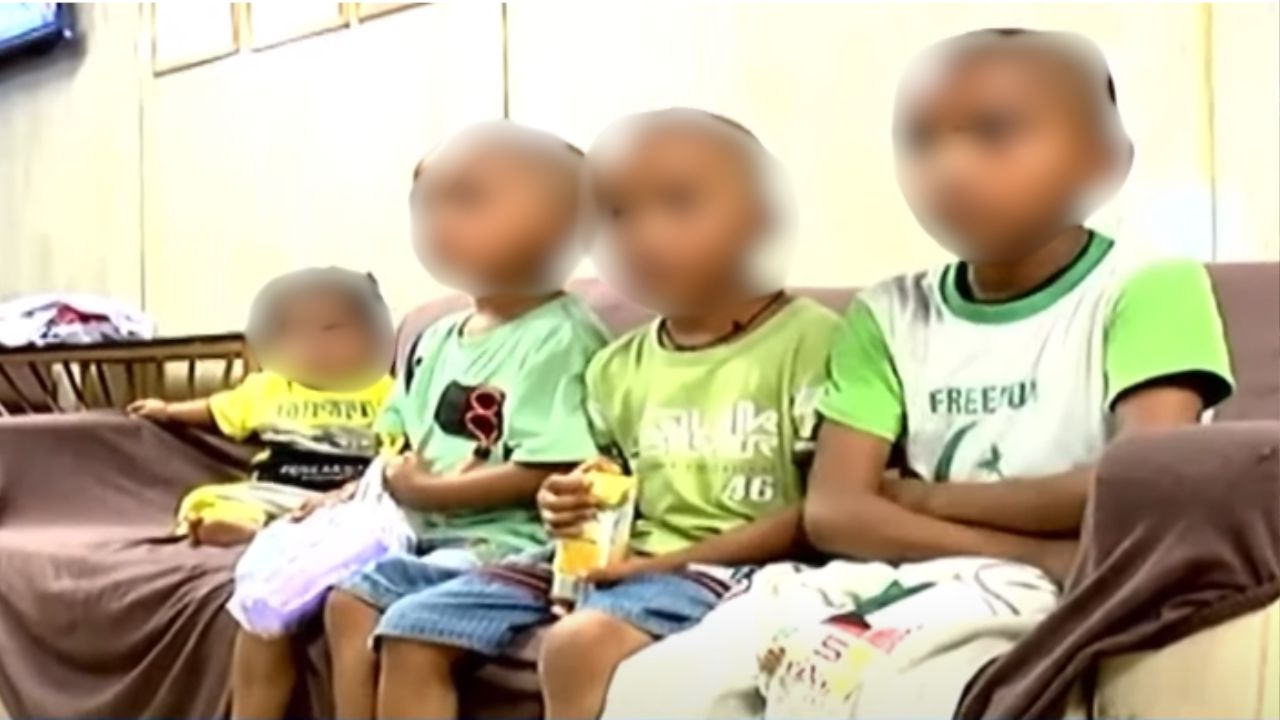
    A woman from Sambariyal in Sialkot district allegedly left her four children in the Greater Iqbal Park in Lahore after becoming fed up with the domestic abuse carried out by husband.


    The children were taken into protective custody by the Child Protection Bureau.

    The mother left her four young children homeless in Greater Iqbal Park, reports Geo News.

    One of the children, seven-year-old child Zain, told the police that he was a resident of Sambaryal and his father used to beat his mother daily. Police started the search for his parents on Zain’s information and handed over the children to the Child Protection Bureau team.

    Zain informed the police that their mother and father’s names are Urooj and Bilal respectively.


    Among the children found in Greater Iqbal Park, three girls and one boy are aged between 8 months and 7 years, as per the Child Protection Bureau.


    Chairperson Child Protection Bureau Sarah Ahmed informed Geo News that the children will be well taken care of in the Child Protection Bureau.

  • Watermelon growers send notice of damages to Dr. Affan

    Watermelon growers send notice of damages to Dr. Affan

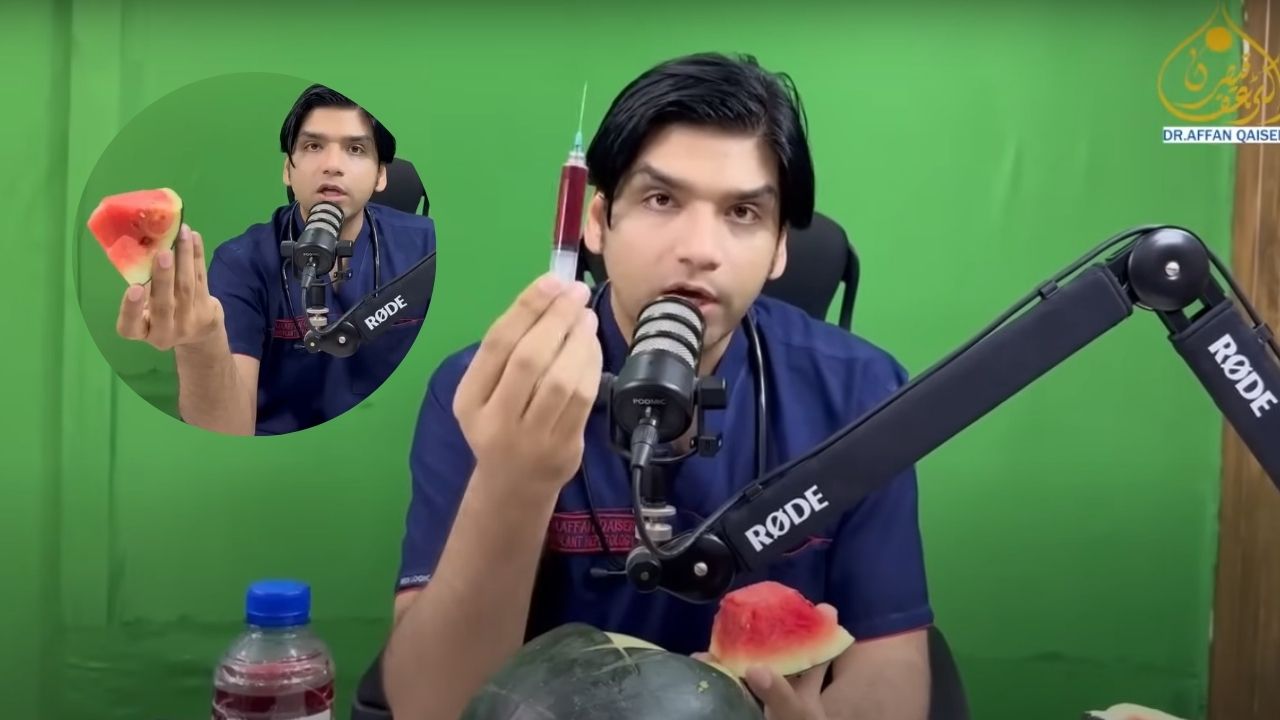
    Businessmen from Faisalabad have sent a notice of 10 billion rupees to Dr. Affan Qaiser against his statement about injecting watermelons.

    A request has also been made by Faisalabad engine traders to register a case against Dr. Affan in Ghulam Muhammad police station.

    According to the petition, Dr. Affan’s statement spread fear and panic and caused billions of rupees loss to businessmen and landlords.

    The YouTuber doctor was also sent a legal notice for damages of ten billion rupees.

    Background:

    In one of his latest videos, he raised the issue of “adulterated watermelons” i.e. injecting watermelons with chemicals in order to give them the red colour that consumers accept as a sign of the fruit being sweet.

    A couple days later, Dr. Qaiser released another video, justifying his claims with online articles while also pointing that he never put the blame on farmers.

  • Islamabad lit up the night with its first-ever ‘Islamabad Night Run’

    Islamabad lit up the night with its first-ever ‘Islamabad Night Run’

    If you think Islamabad is a boring city, you might want to rethink!

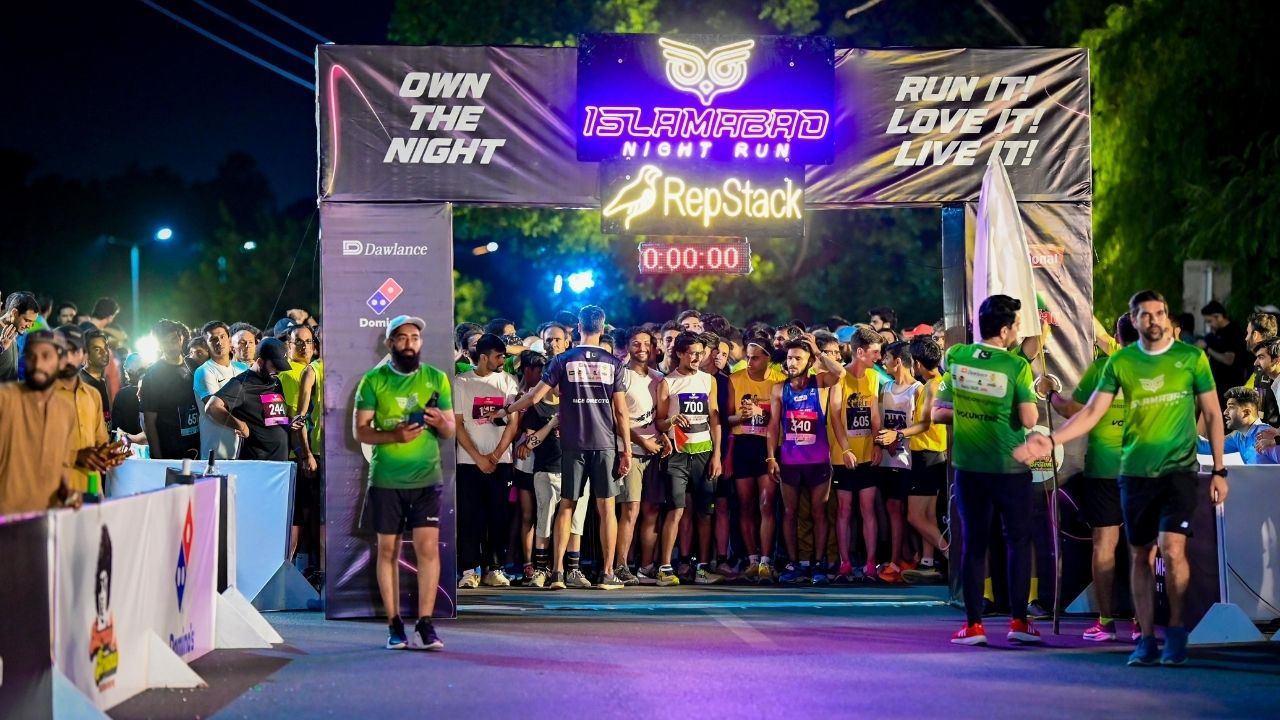
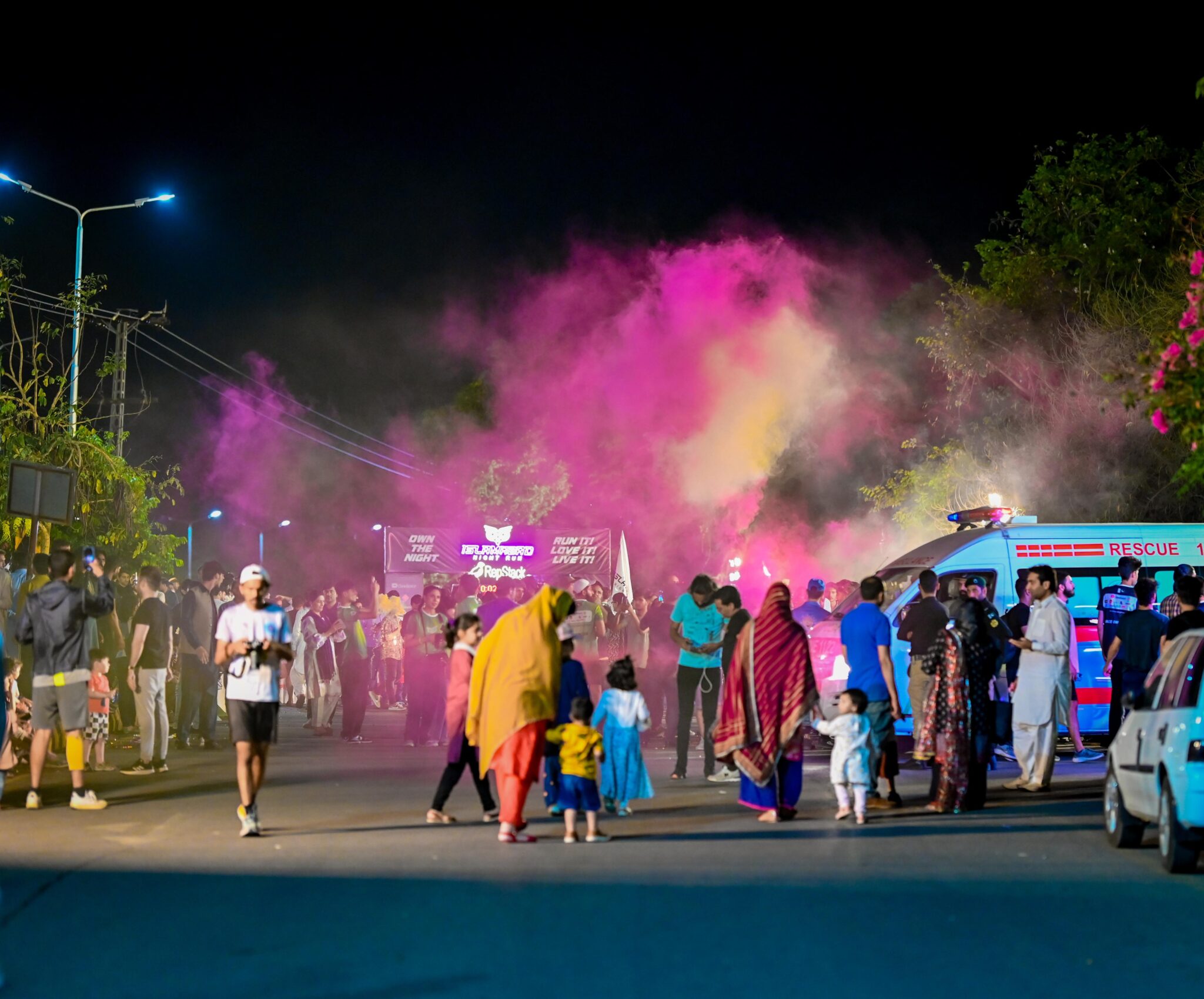
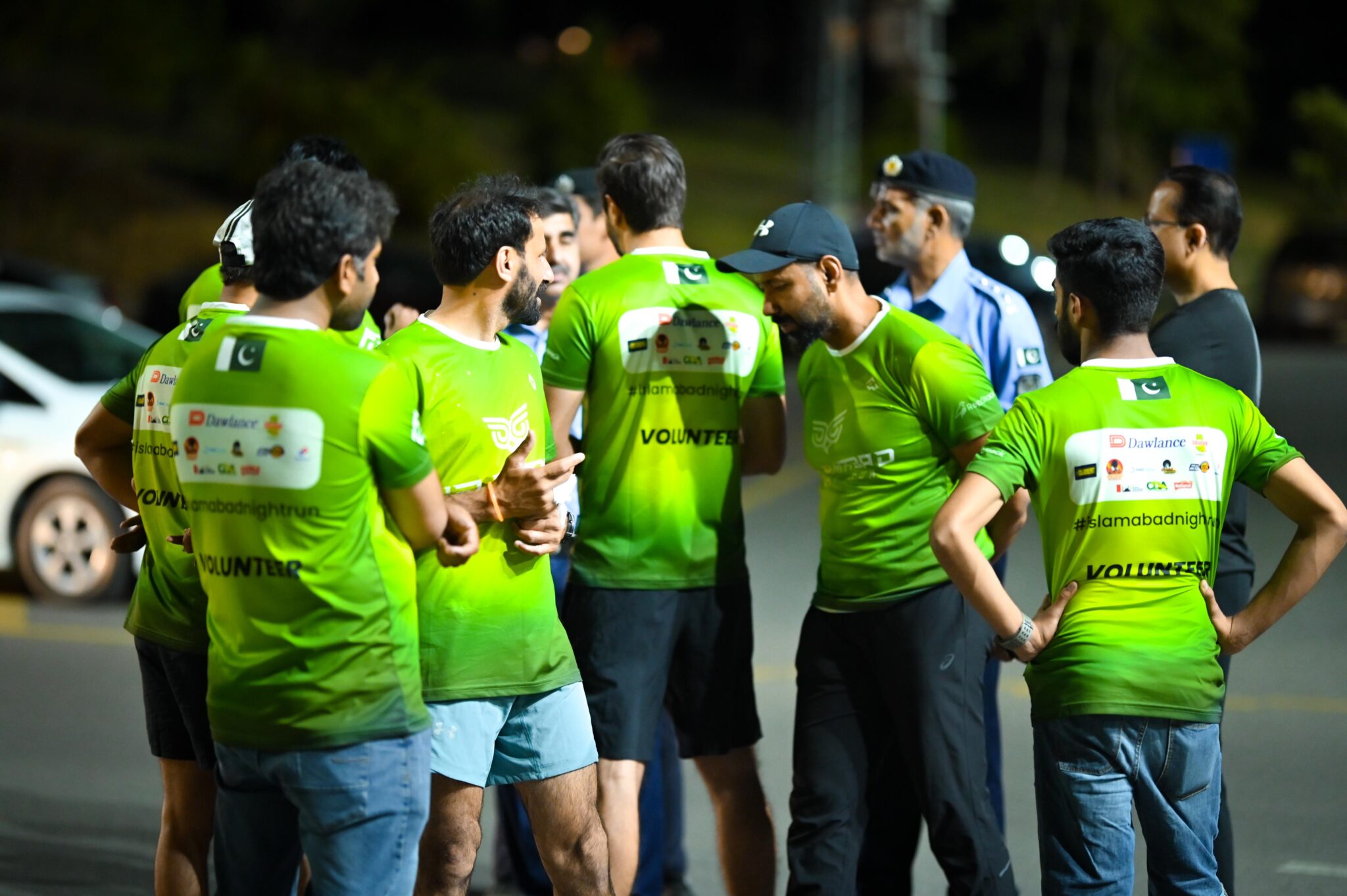
    The capital city just hosted the inaugural ‘Islamabad Night Run’ this weekend, which was attended by a record number of runners. The running community collaborated with the Capital Development Authority and ICT to organise the festival.

    The race route was the famous Constitution Avenue, passing through the city’s landmarks, including the Parliament, Prime Minister Secretariat, D-Chowk, Presidency, Supreme Court, and Foreign Office.

    The premier event was attended by more than 700 runners and their families. And featuring a variety of food stalls, the event also included a musical program.

    So, who won what?

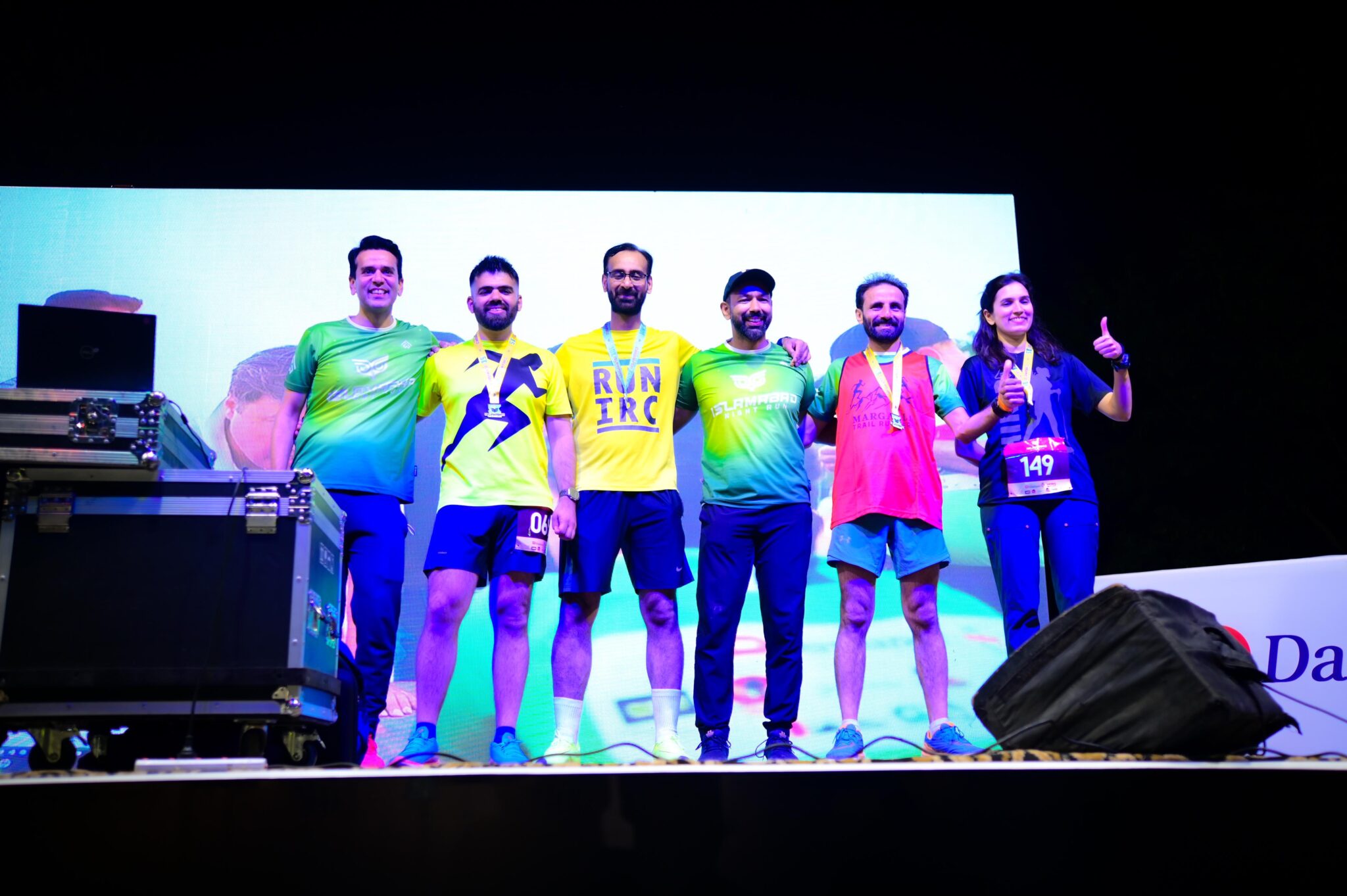
    Muhammad Riaz secured first place with a time of 16 minutes and 11 seconds in the 5-kilometre race, followed by Shahbaz and Umar Zaman, respectively.

    With a record number of female runners in the 5-kilometre category, Rabeela Farooq took the lead with a time of 23 minutes and 25 seconds, while Anga Myrtziet and Khadeeja came second and third, respectively.

    In the 10-kilometre category, Akhtar Haji was the fastest male runner with a time of 31 minutes and 10 seconds, whereas Waqar Ahmed was the runner-up and Mubariz Bukhari came in third place.

    Among females, Emily grabbed the top slot with a time of 54 minutes, Katherine Nett secured second place, and Aisha Mastoor was third.

    The race also featured an RFID system, a tracking system for runners similar to those used in international races.

    Runners and their families appreciated the organisation of the Islamabad Night Run and congratulated the organisers on adding another event to the calendar for runners in Islamabad.

  • For deaf children in Pakistan, school is life

    For deaf children in Pakistan, school is life

    Lahore (Pakistan) (AFP) – At a school for the deaf in Pakistan, the faces of students are animated, their smiles mischievous, as their hands twirl in tandem with their sign language teacher.

    The quiet classes exude joy, led often by teachers who are also deaf.

    “I have friends, I communicate with them, joke with them, we share our stories with each other about what we have done and not done, we support each other,” said Qurat-ul-Ain, an 18-year-old deaf woman who joined the school a year ago.

    More than 200 pupils, children and adults mostly from disadvantaged backgrounds, are among the few given a new fervour for life at this inner-city school in historic Lahore.

    Of more than a million deaf school-age children in Pakistan, less than five percent go to school.

    The figure is even lower for girls and, without a language to express themselves, many children are marginalised by society and even their families.

    “Life is a little difficult. There is a huge communication gap here where people generally don’t know sign language,” said Qurat-ul-Ain.

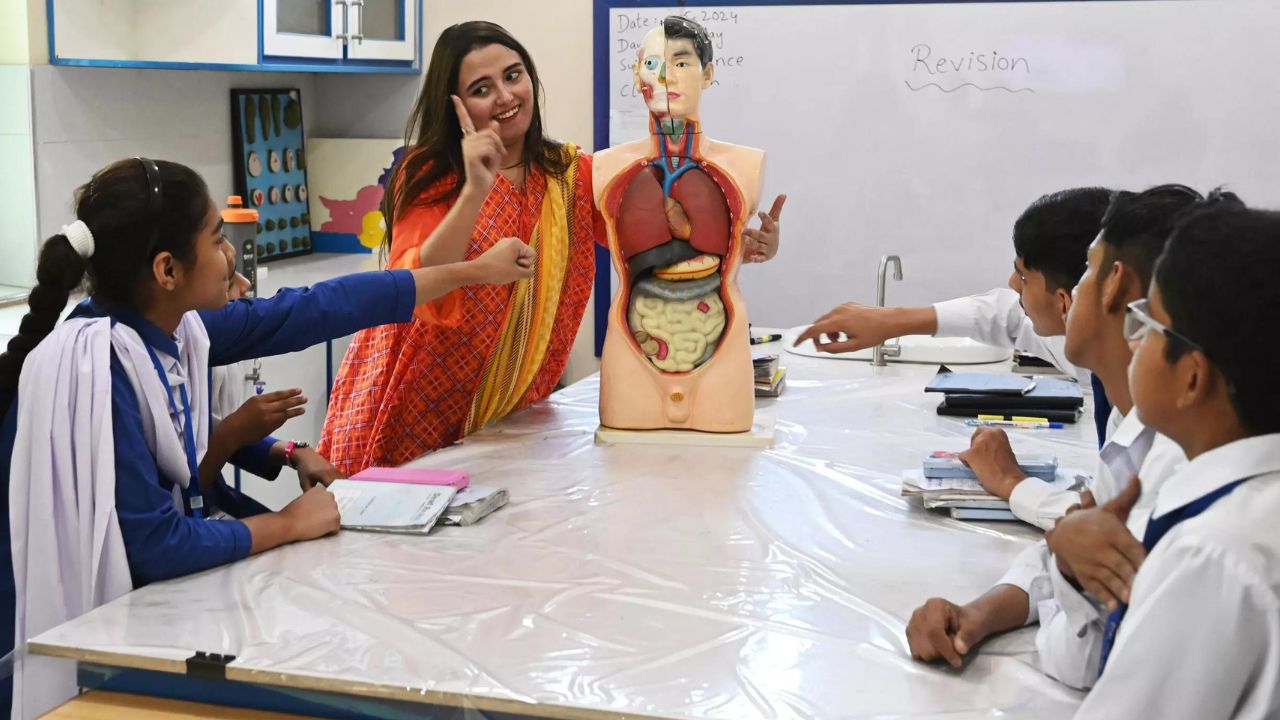
    At the school run by charity Deaf Reach, pupils learn sign language in English and Urdu before progressing on to the national curriculum.

    Everyone has a name in sign language, which often has to do with a physical characteristic.

    Younger children learn with visuals: a word and a sign are associated with an image.

    Their peers turn their thumbs down for a wrong answer and make the applause sign — twisting hands –- for a correct one.

    Families learning to sign

    Founded in 1998 by an American and funded with donations, Deaf Reach now has eight schools across the country, educating 2,000 students on a “pay what you can afford” basis, with 98 percent of children on scholarships.

    The vast majority of students at the school come from hearing families, who are also offered the chance to learn how to sign and break the language barrier with their son or daughter.

    Adeela Ejaz explained how she struggled to come to terms with her first born son — now 10 years old — being deaf.

    “When I couldn’t understand what he was trying to say he would bang his head against the wall and floor,” the 35-year-old told AFP.

    “It was tough for everyone because no-one knew how to communicate with him. Everyone would tell us he is deaf but I wasn’t prepared to accept that.”

    The mother and son pair are now both learning to sign.

    “I am getting better at signing and I am able to communicate with my son. He’s now become so attached to me.”

    The programme makes extensive use of technology, and offers an online dictionary and a phone app.

    It has also found employment for more than 2,000 deaf people with around 50 Pakistani companies.

    Huzaifa, 26, who became deaf after contracting a fever at a young age, was given a stitching apprenticeship at Deaf Reach to help him into the skilled workforce.

    “Teachers in the government school didn’t know any sign language. They would just write notes on the board and tell us to copy it. We used to get really disheartened, and I would be extremely worried for my future,” he told AFP.

    His family pushed for him to become educated, helping him to learn the basics of sign language before he received formal coaching.

    “My parents never threw me away. They spared no effort in ensuring I was able to continue my education,” he said.

    Without their dedication, he said: “I’d be working as a day labourer somewhere, cutting leaves or cementing walls.”

    Isolated and fearful

    Sign language varies from one country to another, with its own associated culture, and regional variations sometimes exist.

    According to World Federation of the Deaf, 80 percent of the approximately 70 million deaf people in the world have no access to education.

    “I used to sit idly at home, use the mobile or play outside. I never had a clue about what people were saying,” said Faizan, 21, who has been at Deaf Reach for 11 years and dreams of working abroad.

    “Before learning how to sign I used to feel very weak mentally and had an inferiority complex and fear. But thankfully there is none of that anymore.”

    Attitudes towards people with disabilities are slowly improving in Pakistan, which has introduced laws against discrimination.

    “We have seen over the years the mentality change tremendously. From many people hiding their deaf children, feeling embarrassed, ashamed,” noted Daniel Marc Lanthier, director of operations of the foundation behind Deaf Reach.

    Nowadays families are “coming out in the open, asking for education for their children, asking to find employment for them,” he said, though much work remains.

    “With a million deaf children who don’t have access to school, it’s a huge challenge, it’s a huge goal to be met.”
  • Fire at children’s hospital in India kills six babies, owner arrested

    Fire at children’s hospital in India kills six babies, owner arrested

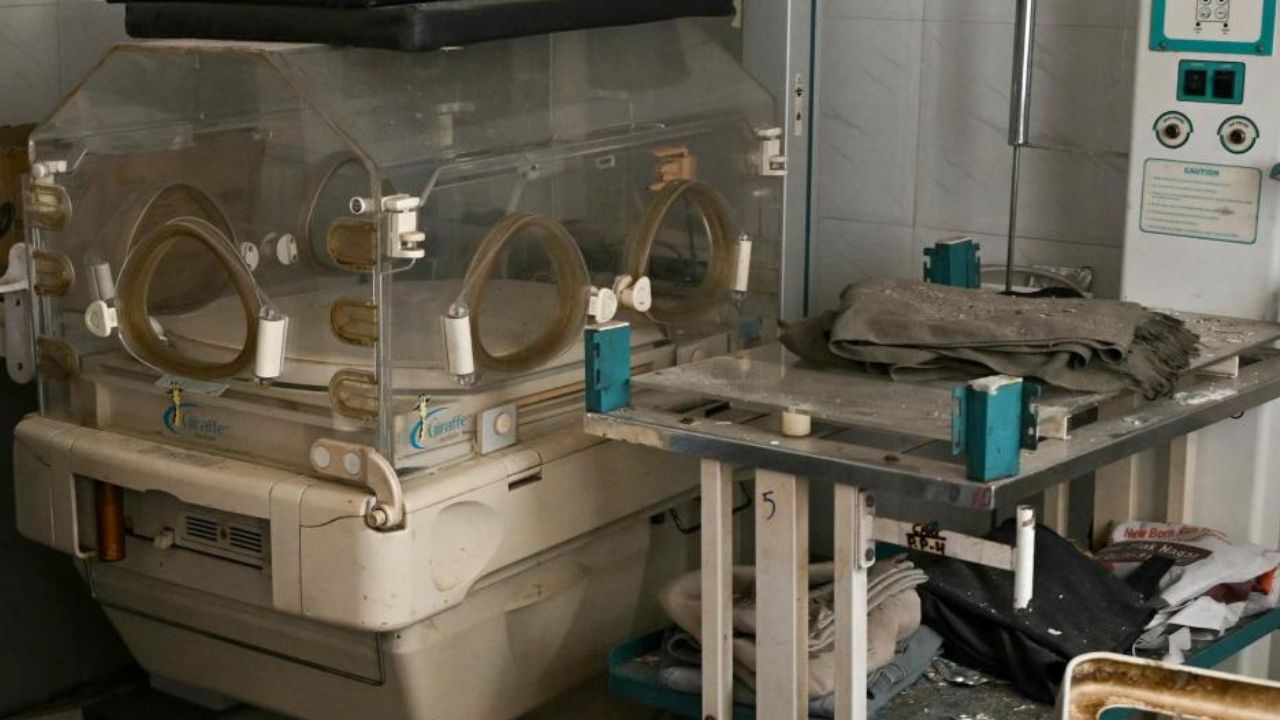
    Indian police said on Monday they had arrested a doctor and the owner of an unlicensed hospital where six newborn babies died when a fire erupted in a crowded ward without fire exits.

    The blaze broke out at the New Born Baby Care hospital in New Delhi’s Vivek Vihar area late Saturday evening. In the crucial first minutes, bystanders spotted the fire and braved the blaze to rescue the newborns inside.

    “We didn’t even name her […] I never even held her in my arms,” Anjar Khan, whose 11-day-old daughter died in the blaze, was quoted as saying by the Hindustan Times.

    Vinod Sharma, who lost his day-old baby boy, blamed the hospital authorities for the tragedy.

    “He had a problem with breathing. The doctor had said that he will be fine in a few days,” Sharma was quoted as saying by The Indian Express newspaper. “We didn’t know that the hospital would kill him.”

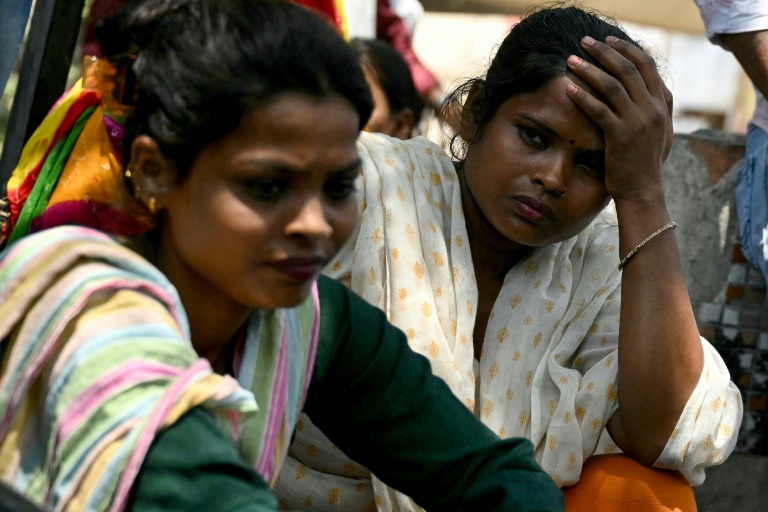
    Mothers wait to identify the bodies of their children a day after a fire broke out at a children’s hospital in New Delhi
    Arun SANKAR

    Five babies rescued alive

    Fires are common in India due to poor building practices, overcrowding and a lack of adherence to safety regulations. The narrow two-storey hospital building was squeezed between a row of homes, without space on either side, making it hard for fire engines to reach.

    “We were trying to control the fire, but there was no way to enter the building and rescue the 12 babies who were trapped,” local fire officer Atul Garg told reporters.

    Senior police officer Surendra Chaudhary told AFP that the hospital did “not have a fire exit system”.

    Its licence expired in March and the owner filled the ward with more than twice the number of beds it previously had permission for.

    “The hospital had permission for up to five beds but they had installed more than 10 beds,” he said. “In view of all this, we have made the arrests.”

    Five babies pulled out from the fire are still recovering in another hospital.

    ‘Highly flammable’

    The blaze in the hospital on Saturday broke out just hours after a separate fire at an amusement park in India’s western state of Gujarat. The toll from that fire rose to 28 on Monday, police said.

    The blaze — which ripped through a centre with a bowling alley and other games crowded with youngsters — was triggered by welding work on the ground floor, chief fire officer Ilesh Kher told reporters.

    “The CCTV footage clearly shows that a spark from the welding work fell on a stack of corrugated cardboard sheets below, causing the fire,” Kher said. “This spread very fast as the material was highly flammable.”

    The corpses were so badly burned they have not been identified so far.

    Police have charged seven people with culpable homicide in connection to that fire. The two fires came as northern India was gripped by intense heat, with temperatures in Delhi hitting 46.8°C.