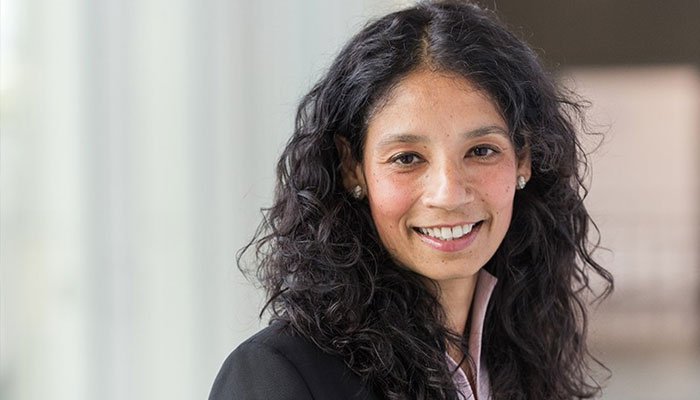
Pakistani-born Dr Asifa Akhtar has been selected to receive Germany’s highest scientific award, the ‘Leibniz Prize’. In addition to the award, she will also receive prize money of 2.5 million euros.
According to details, Dr Asifa Akhtar has been selected for the award on the basis of her “cell biological work on mechanisms of epigenetic gene regulation and understanding chromosome regulation (“dosage compensation”). This is a mechanism in which the genes of the X chromosome are produced in equal strength in the male and female sex.”
German Consulate General Karachi congratulated Dr Asifa on her achievement and said that she makes “both Pakistan and Germany extremely proud with your outstanding contributions to science!”
Dr Asifa received her PhD from the Imperial Cancer Research Fund in London in 1997. She continued her research at the European Molecular Biology Laboratory in Heidelberg, where – after a stopover at the LMU Munich – she headed a research group from 2001 to 2009. Akhtar has been a member of the National Academy of Sciences Leopoldina since 2019.
She is currently serving as the director at the Max Planck Institute for Immunobiology and Epigenetics in Freiburg. She is also the Vice President of the Max Planck Society. Established in 1948, the Max Planck Society is Germany’s most successful research organisation with 18 Nobel laureates from the ranks of its scientists. It is on par with the best and most prestigious research institutions worldwide.
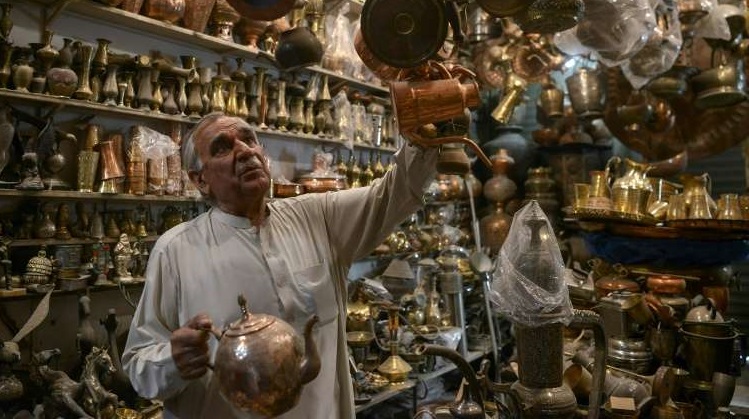
Mohammad Naseem’s eyes shine while he shares the legend of a remote, alpine lake nestled among snow-capped Himalayan peaks as a rare crowd of onlookers hears one of Pakistan’s last ‘storytellers’.
The story of Saif-ul-Malook — the winding saga of a brave prince who falls in love with a fairy — is just one of the 50 tall tales passed down to Naseem by his father.
“Usually people tell me I’m crazy when I tell these stories,” says Naseem, whose long white beard and traditional cloak give him the timeless appearance of a storyteller of old.
The 65-year-old shopkeeper says it would take days to recite all the stories he learned by heart that are imbued with “the history, the culture” of the land.
But few are still listening.
Naseem says he hasn’t bothered sharing the stories with his six children, and friends are no longer interested in hearing them as social media, video games, and soap operas have all but eclipsed his ancient art.
Video platform TikTok is now a major source of entertainment for the country’s youth, wildly popular in part because it is accessible to illiterate users in rural areas — just as the legends of old once were.
“When I die, these stories will die with me,” sighs Naseem outside his shop in northern Pakistan’s Shogran, where winter snows have blanketed the mountains.
Storytellers Bazaar
The city of Peshawar has long been the country’s stronghold of oral history, its Qissa Khawani or “storytellers bazaar” a Silk Road hub where travellers and locals alike congregated to hear a well-spun yarn.
The bustling frontier capital was once “the Times Square of the region” because of “the excellence of its storytellers,” explains Naeem Safi — a consultant at an Islamabad-based institute dedicated to Pakistani folk heritage, where cassettes of stories told at the bazaar have been archived.
“Writing was not very popular. The transfer of knowledge was verbal. Storytelling was fundamental — people considered themselves educated if they had heard enough stories,” says Safi.
Before tuk-tuks and buses clogged its narrow lanes the market was littered with Silk Road caravans of wandering traders who often stayed the night after the city’s sixteen gates were sealed at dusk.
In the evenings, the merchants would hear the city’s famed storytellers — who shared tales about the perils of the road, news of wars and local lore.
Bollywood legend Dilip Kumar, who grew up in the area recalled: “I have lovely memories of Qissa Khwani Bazaar, where I received my first lessons in storytelling, which later provided the impetus to choose meaty stories and scripts for my work. Every day as the trading closed in the market of Qissa Khwani Bazaar, a storyteller would sit in the centre of the square narrating stories of valour and victory, deceit and retribution which I would listen to with wide-eyed attention, seated next to my father and uncles.”
Kumar’s house has recently been acquired by the KP Government for restoration. Authorities say that the heritage sites will be converted into museums and tourist spots.
Similar, long-time Peshawar resident Khwaja Safar Ali, 75, remembers his youth in the city when the arrival of caravans was met with excitement.
During the day, “we used to run between the camels’ legs,” he recalls. And when evening came, “we would all sit together and listen to the storytellers”.
“They would tell us about Kabul, the USSR, Uzbekistan. We learned about these countries through them.”
Modern transportation eventually killed off the caravans, which even by the 1960s had become an increasingly rare sight in the area. While storytellers continued to perform for smaller circles, they were gradually replaced by radios and then televisions slowly fading away the art of storytelling.
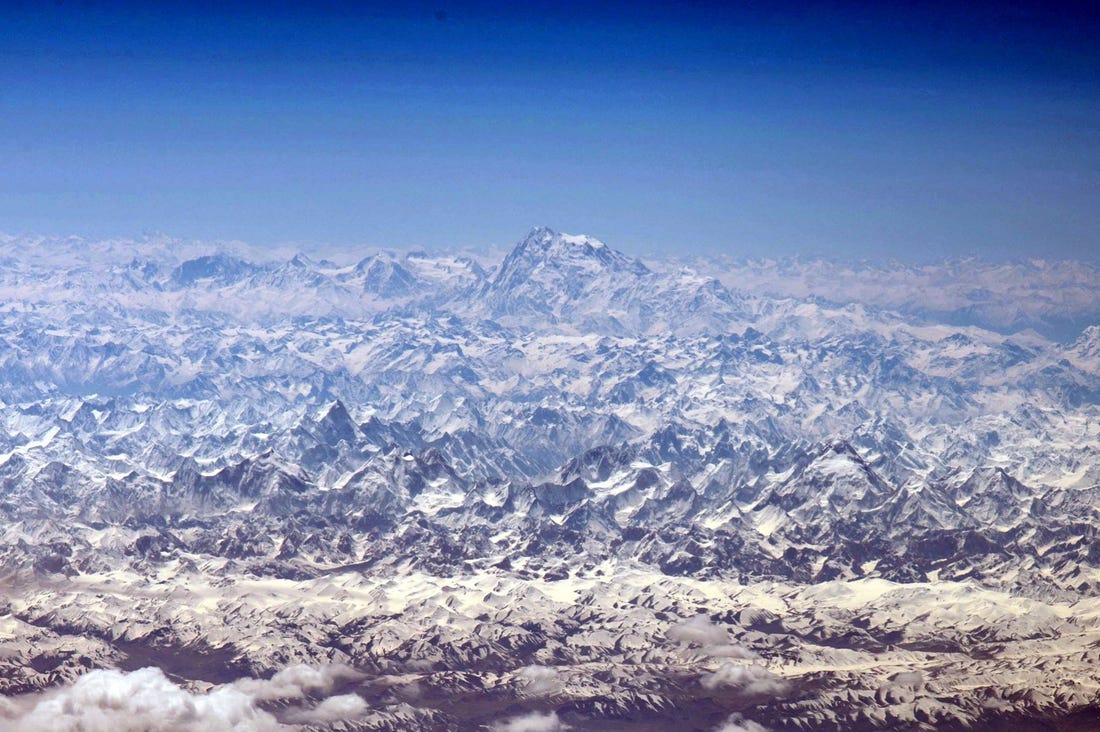
The National Aeronautics and Space Administration (NASA), which often shares pictures of the planet as seen from the space, has shared a picture of the snow-covered Himalayan ranges.
The long exposure shot sees not just the expanse of bright white mountain ranges but also captures the city lights of New Delhi and Lahore to the south and the arid Tibetan plateau, the “Roof of the world,” to the north.
Among these details is also a faint, orange airglow of atmospheric particles reacting to solar radiation. The horizon of the Earth adds the element of the beauty of this universe.
Following months of coronavirus lockdown, people were lucky to see the mighty Himalayan mountains from their cities due to reduced pollution.
The Himalayas are the highest mountain range in the world and are a sight to behold even on Earth. But the shot NASA shared from space is absolutely breathtaking. The picture has gone viral on social media with over a million likes and comments.
A Pakistani doctor based in Toronto has launched an instant COVID-19 diagnostic test using a smartphone.
Pakistan High Commissioner to Canada Raza Bashir Tarar has congratulated Dr Naqeeb Khalid for his achievement.
High Commissioner for Pakistan to Canada Raza Bashir Tarar has congratulated Toronto-based Pakistani Doctor Naqeeb Khalid for his extraordinary achievement in introducing an instant COVID-19 diagnostic test using a smartphone@ForeignOfficePkhttps://t.co/KSRJng2D5fpic.twitter.com/YBEEiOz5md
Dr Naqeeb Khalid has graduated from King Edward Medical University in 1983 and has experience in the invention of medical devices and systems. The doctor told High Commissioner for Pakistan to Canada Raza Bashir Tarar that his invention will be used with the help of a digital platform that shows the result promptly on any smartphone. It can also communicate or save the results along with time and GPS information.
He said that instant, precise and low-cost testing that does not rely on laboratory is vital in handling the pandemic. “Together with vaccines, we can control the COVID-19 outbreak and bring our lives and economies to normal.”
In a video conversation with Dr Khalid, the high commissioner said the idea of a Covid test being displayed and communicated by the smartphone is admirable.
He hoped such a quick, hassle-free, accessible and affordable invention would be of huge help to humanity in overcoming the current pandemic.
Tarar says that clinical trials of the innovation would prove its efficacy for the COVID-19 test and make the way for necessary approvals before put to use at the mass level.
The smartphone application would soon be available to download from the AppStore.
Prime Minister Imran Khan has extended his prayers and best wishes to Maulana Tariq Jamil after he tested positive for COVID-19. The renowned religious scholar has been admitted to the hospital on his doctor’s advise.
“Praying for Maulana Tariq Jamil’s speedy and full recovery from the COVID-19”, wrote PM Khan on social media.
Praying for Maulana Tariq Jamil's speedy and full recovery from Covid 19.
Maulana Tariq Jamil on Sunday had announced that he has tested positive for coronavirus.
“For the past few days, I have been feeling unwell. On getting tested for COVID, it came positive,” he shared on social media. “I have been admitted to the hospital on the advice of doctors, special prayers are requested.”
السلام علیکم ورحمة الله گذشتہ کچھ ایام سے طبعیت ناساز تھی، ٹیسٹ کروانے پر کورونا پازیٹو آیا ہے ، اطبّاء کے مشورے سے ہسپتال داخل ہو گیا ہوں، تمام محبین سے خصوصی دعاؤں کی درخواست ہے۔#tariqjamil
Stressed spelt backwards is desserts and nothing better than something sweet and delicious to make your day. Being a hard-core foodie with a very intense sweet-tooth, I love my desserts and pretty much spend all my money trying out new things. All through the year (and the pandemic), I have tried a vast variety of meetha from different home-based businesses and here are the ones I keep going back to.
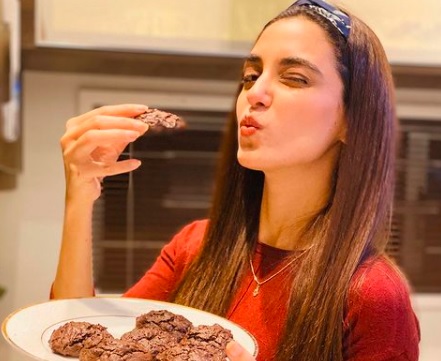
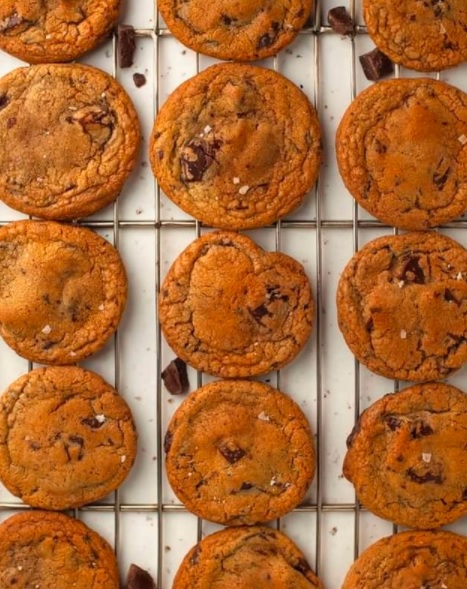
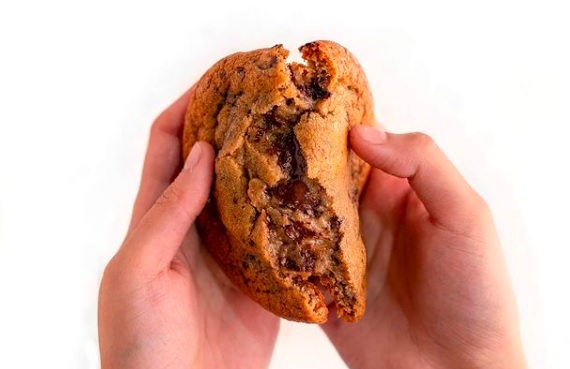
Without a doubt the best chocolate chip cookies I have had in Lahore. They are crispy on the outside but gooey on the inside and melt the moment they hit your mouth. The light dusting of sea salt adds to the flavour and I guarantee you that you will not stop at one. Priced at Rs 180 (without tax), they are a steal given that they are pretty big in size too.
Look at that chocolate!
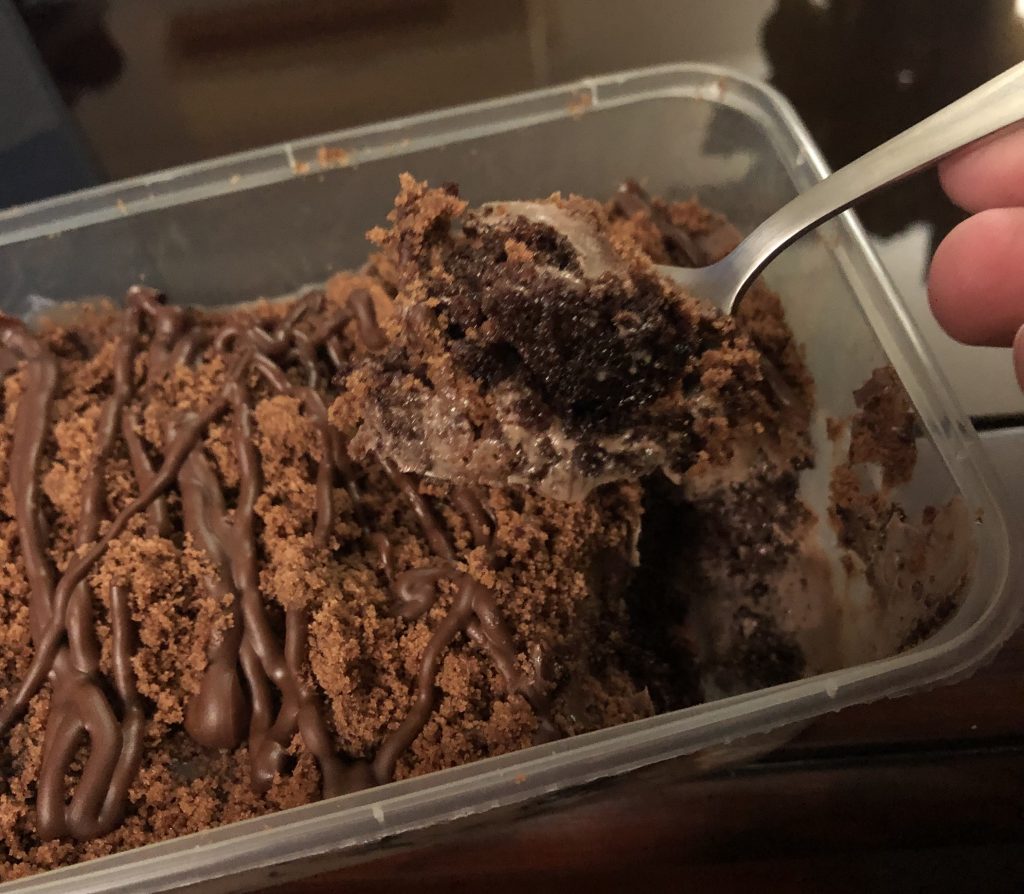
Chocolate Brownie Dessert Box by Deliciuex
There are often times when you feel like having something cool and sweet which is not ice-cream. Something that you can eat while watching your favourite season. Something that feeds the soul. In those situations, the Chocolate Brownie Box by Deliciuex is ideal for you. The dessert box, which includes layers of brownies, fudge and mousse topped with a layer of crunchy biscoff, is the stuff of dreams. You will not regret trying this.
P.s. Deliciuex does amazing Lotus Milk Cake also.
Frosti Ice-Cream
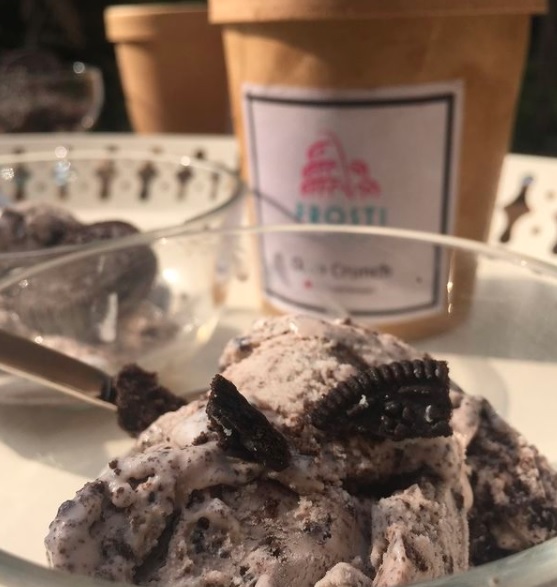
There is something very enjoyable about having cold ice-cream in the chilly weather. Frosti has one of the best gelatos the city has to offer and that too in a variety of flavours. Creamy, smooth and oh-so-delectable, Frosti is a must-try for those who love to spend their winters curled up in front of the television watching their favourite show.
Our picks – Salted Caramel, Oreo Crunch and Belgian Chocolate
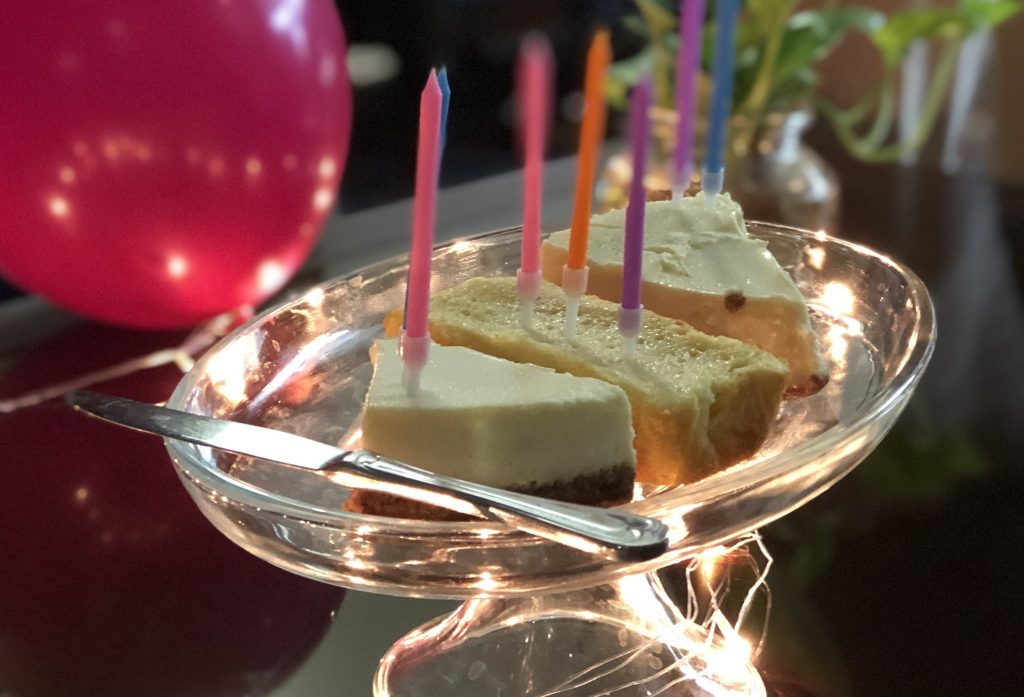
Cheesecake (Lotus, New York) by The Sweet Rack
I was not a big fan of cheesecakes till I tried the New York Cheesecake by The Sweet Rack. While the cream is rich and absolutely delicious, it was the base that set it apart from other cheesecakes. It does not have your usual biscuit base – it has hints of walnuts and cinnamon which add so much flavour to the overall experience. Highly recommended. The Sweet Rack Lotus Cheesecake is also great and I am sure Lotus lovers will thoroughly enjoy it.
P.s. Their brownies are also divine.
Donuts by Big Fat Rolls
Honestly speaking, I am a Dunkin Donuts loyalist. I have tried multiple donuts from multiple places at multiple food festivals but nothing came close to Dunkin for me…till I discovered Big Fat Rolls. Their donuts are ah-mazing: airy, soft and melt-in-your-mouth kind. My picks from their collection have to be Cherub Classic and Cupid Chocolate.
Note – Before someone attacks me for not including Layers, please note that these picks are from home-based businesses only.
The Punjab House in Murree has been handed over to the Higher Education Department (HEC) for the establishment of Kohsar University, as per a notification issued by Punjab Board of Revenue. The secretary of the Colonies Department has forwarded the notification to the Deputy Development Commissioner of Rawalpindi.
As per details, the Punjab House in Murree is a mansion built over 96 kanal. It comes under the provincial government and is used for different purposes.
PTI MNA Sadaqat Ali Abbasi, in a statement, said that along with theory, students will also be given practical education in tourism at the university.
He further added that in one block of the Punjab House, classrooms will be built and to generate extra income other blocks will be made available to tourists under the supervision of the university. The plan is likely to materialize within the next three years.
وزیراعظم کے ویژن کے مطابق تاریخی سرکاری عمارتوں کوحکمران وافسران کی تعیشات کی بجائے اجتماعی مفاد میں استعمال کرنے میں پنجاب ہاؤس مری اس کی ایک بڑی مثال ہے۔
پنجاب ہاؤس میں جامعہ کے سیاحت ڈیپارٹمنٹ کے زیرنگرانی طلبہ طالبات کو سیاحت کی نصابی تعلیم کے ساتھ عملی تعلیم بھی دی جائیگی۔ https://t.co/Fx4IHvFafX
The decisionto establish Koshar University in Punjab House was taken two years ago and is in the accordance with the vision of Prime Minister Imran Khan to use government buildings for the interest of the general public.
Earlier in 2018 and 2019 Punjab’s and Murree’s Governor’s House opened its doors for public respectively. In November 2020, Chaudhry Mohammad Sarwar inaugurated the Governor House Café that is set up in a double-decker bus inside the Governor House in Lahore for the general public.
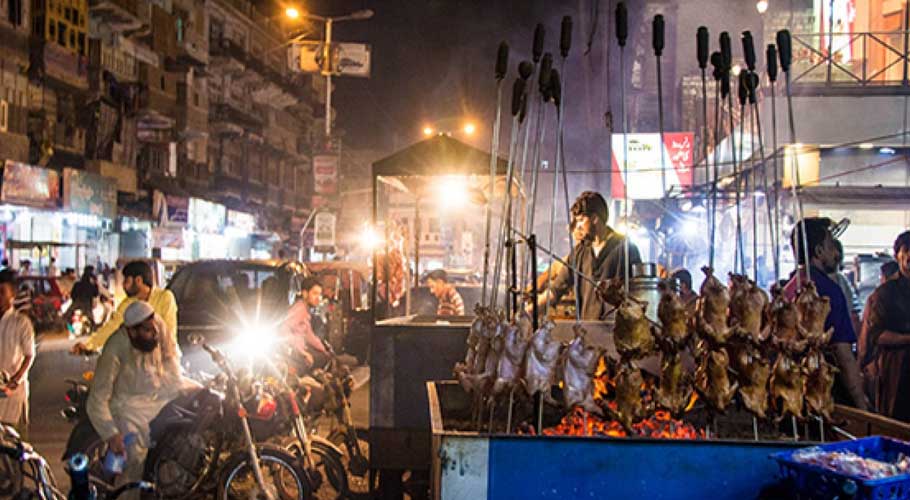
The district authority of South has decided to turn Karachi’s Burns Road famous for its food variety into a food street.
As per reports, the Deputy Commissioner for the South district has created a team of nine members to supervise the transformation of the spot.
The buildings constructed in the pre-partition era will be restored for their aesthetics, while furniture and signboards, inside and outside the cafes and restaurants will be designed to enhance the look.
The established team will present its suggestions and ideas on the cleanliness, sewerage and how to beautify Burns Road.
The food street will be lit with ornate lights after road repair work is completed with new tiles.
The management plans to make the food street made traffic-free in the evening and will divert the general traffic and pedestrians passing by.
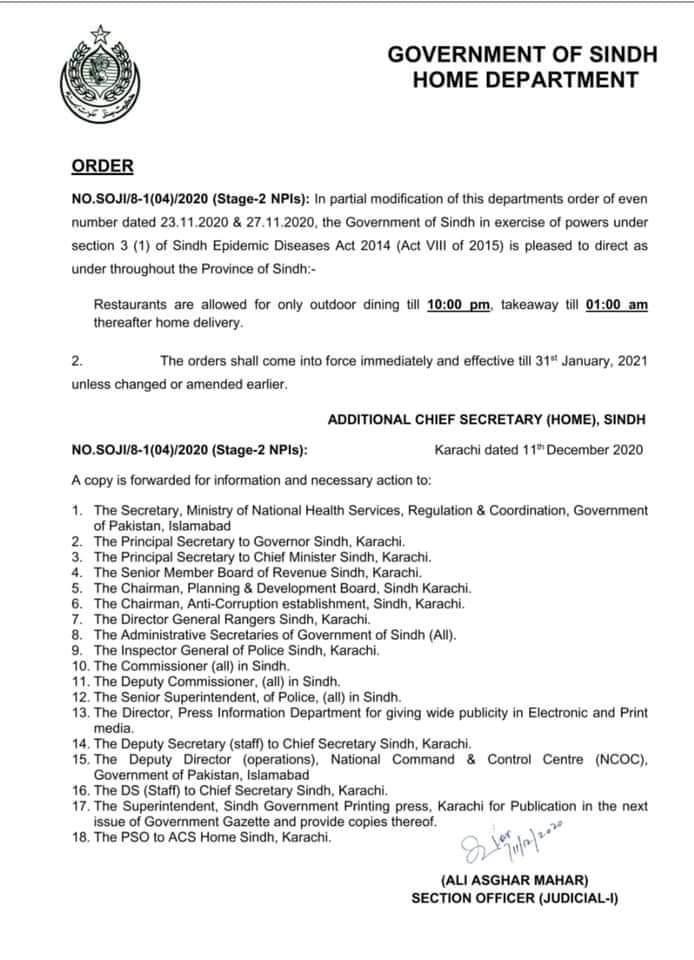
The home department of Sindh government has released new COVID-related instructions allowing take-aways and deliveries of restaurants till 1 am.
The notification reads that the restaurants can provide dine out service until 10 pm while they can facilitate customers for take-away services for up to an hour into the midnight.
Previously, the restaurants were only allowed to operate till 10 pm for dine-out, take-aways and deliveries.
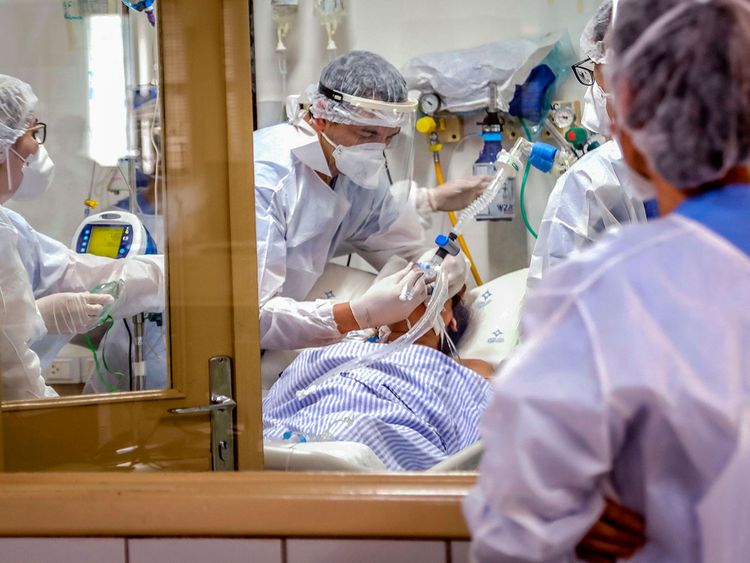
Men infected with COVID-19 are three times more likely to require intensive care than women and are at significantly higher risk of dying from the virus, scientists said Wednesday.
Researchers analysed over three million confirmed coronavirus cases from 46 countries and 44 states in the US between January 1 and June 1, 2020.
They found that the risk of Sars-Cov-2 infection was the same for women and men, as “exactly half” of the confirmed cases were male patients.
But men are almost three times more likely than women to be hospitalised in an intensive care unit and are 39 percent more likely to die from the virus, the study said.
“These data may help doctors to recognise that sex is a risk factor for severe disease when managing patients,” co-author Kate Webb told AFP.
“Sex is an under reported variable in many studies and this is a reminder that it is an important factor to consider in research,” the Cape Town University researcher said.
The trend is global – aside from a few exceptions – and can mostly be put down to biological differences, researchers said.
“Sex differences in both the innate and adaptive immune system have been previously reported and may account for the female advantage in Covid-19,” the authors said.
Women naturally produce more type I interferon proteins that limit the abnormal immune response known as a cytokine storm, believed to play a role in provoking severe forms of Covid-19.
The “female” oestradiol hormone may also help women to fend off grave forms of the virus, as it boosts the response of T cells – which kill infected cells – and increases the production of antibodies, the study said.
“In contrast, the male sex hormone testosterone suppresses the immune system,” the authors noted.
Sex-based differences in co-morbidities associated with severe Covid-19 may put men at outsize risk, they wrote in the study, published in Nature Communications.
But data to account for the role of other medical conditions is lacking, they added.
In addition, the authors noted the similarity in the proportions of women and men with hypertension and diabetes globally, “the most common reported comorbidities in hospitalised Covid-19 patients.”
The findings may have implications for future vaccines, the authors said.
Webb noted previous vaccines to other infections have shown differences in response between women and men.
“It is still to be determined whether the same will be true for Sars-CoV-2 vaccines,” Webb said.
“But we hope that our paper highlights the need to include sex as a variable when considering vaccine research.”