Hindutva extremism has penetrated into every aspect of Indian life, including zoos.
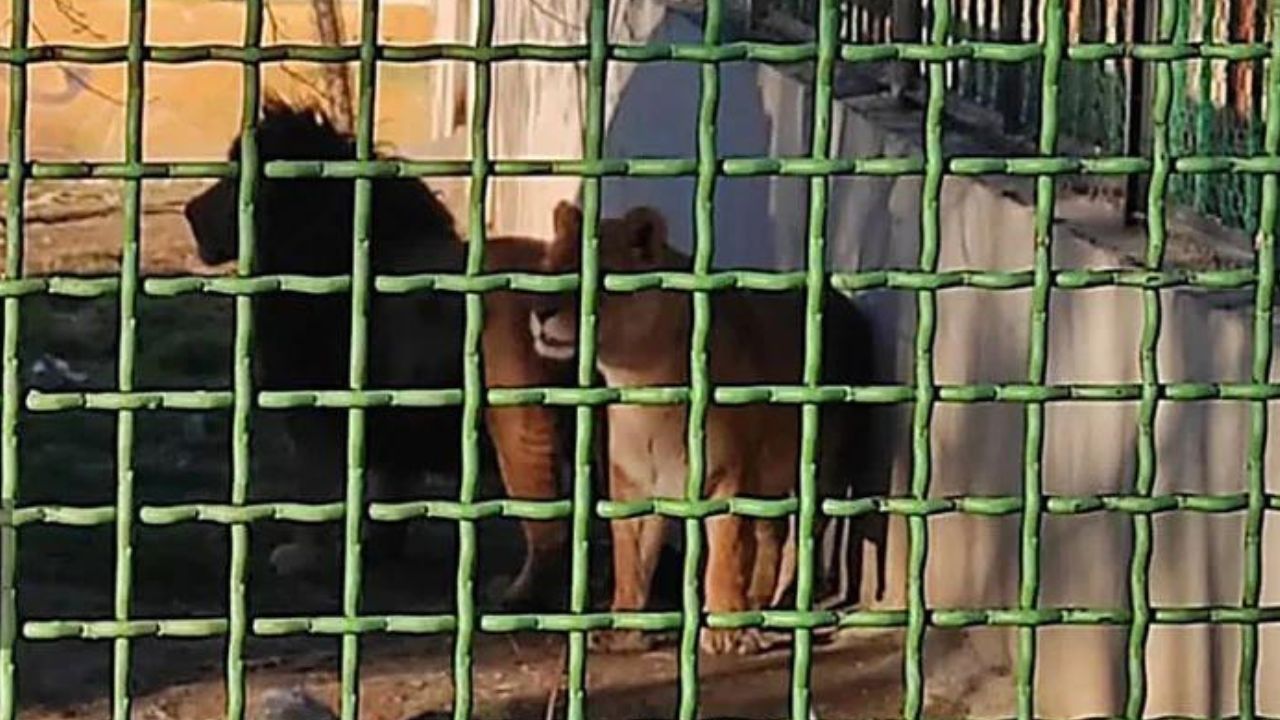
Extremist organisation, Vishwa Hindu Parishad (VHP), has filed a case against keeping a lion named Akbar and another named Sita in the same cage in West Bengal.
The lions brought to the West Bengal Safari Park were named by the management.
The Hindu organisation says that the authorities have hurt their religious sentiments by the two animals being housed together because they have names coming from different religions.
The VHP has filed a petition against the forest department in the Kolkata High Court, which will be heard on February 20.
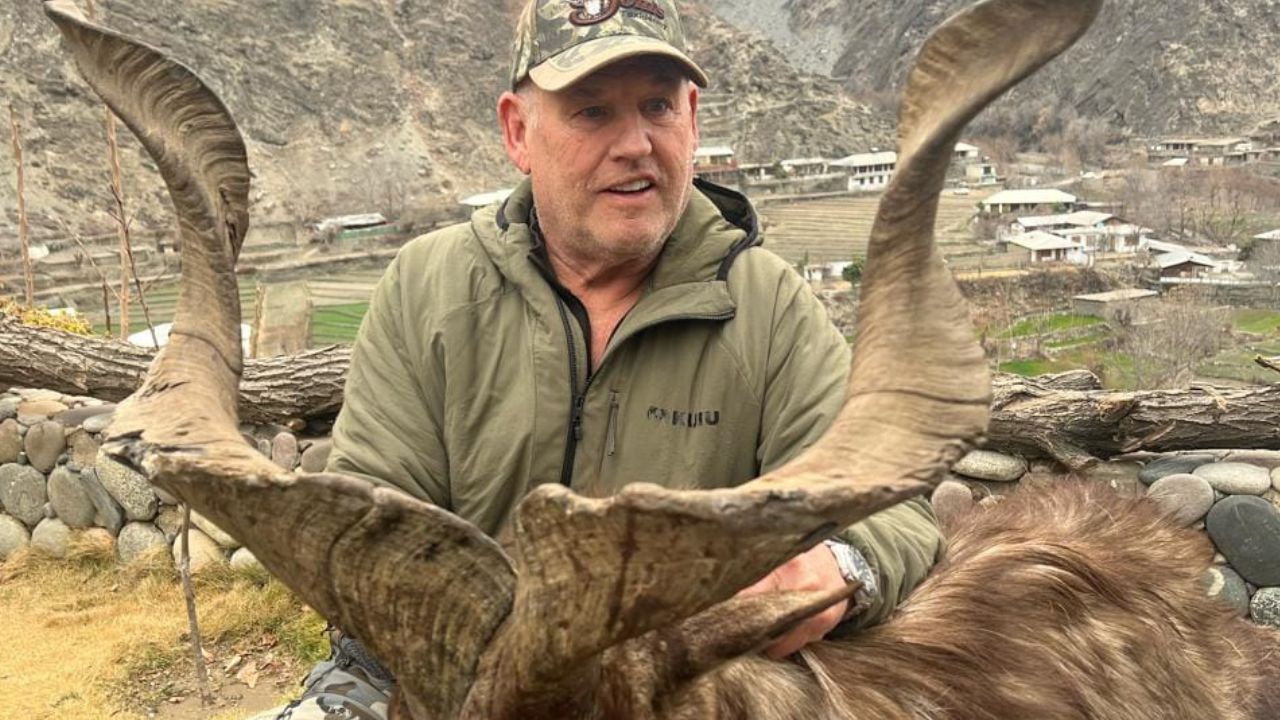
Another foreign hunter has hunted down a markhor in Pakistan with a license that preservation experts say helps in increasing the population of the endangered animal.
During the third trophy hunt, an American citizen, Robert Myles Hall, hunted a Kashmiri Markhor at the Gahirat-Golen community game for a trophy permit of $125,000.
The animal was reportedly about eight years old while the horns of the giant four-legged wild goat was around 38 inches.
According to Geo news, officials have claimed that the population of Kashmir Markhor has increased during the recent years, owing to community-based conservation.
Three hunting trophy licences are issued every year for Markhor hunting. 80 per cent of the total price is divided among local communities and 20 per cent is granted to the national exchequer.
Markhor is kept under the protection of local as well as international law like the Convention on International Trade in Endangered Species (Cites).
In October last year, 2023, Deron James Millman won a bid of $232,000 — the highest in history.
The Meteorological Department has predicted heavy rain and strong winds in Karachi today. In Lahore, strong winds have caused the temperature to drop.
According to the Meteorological Department, it may drizzle at some places in Karachi, Sajawal, and Thatta today. Strong winds will continue to blow in Karachi till this evening with cloudy skies.
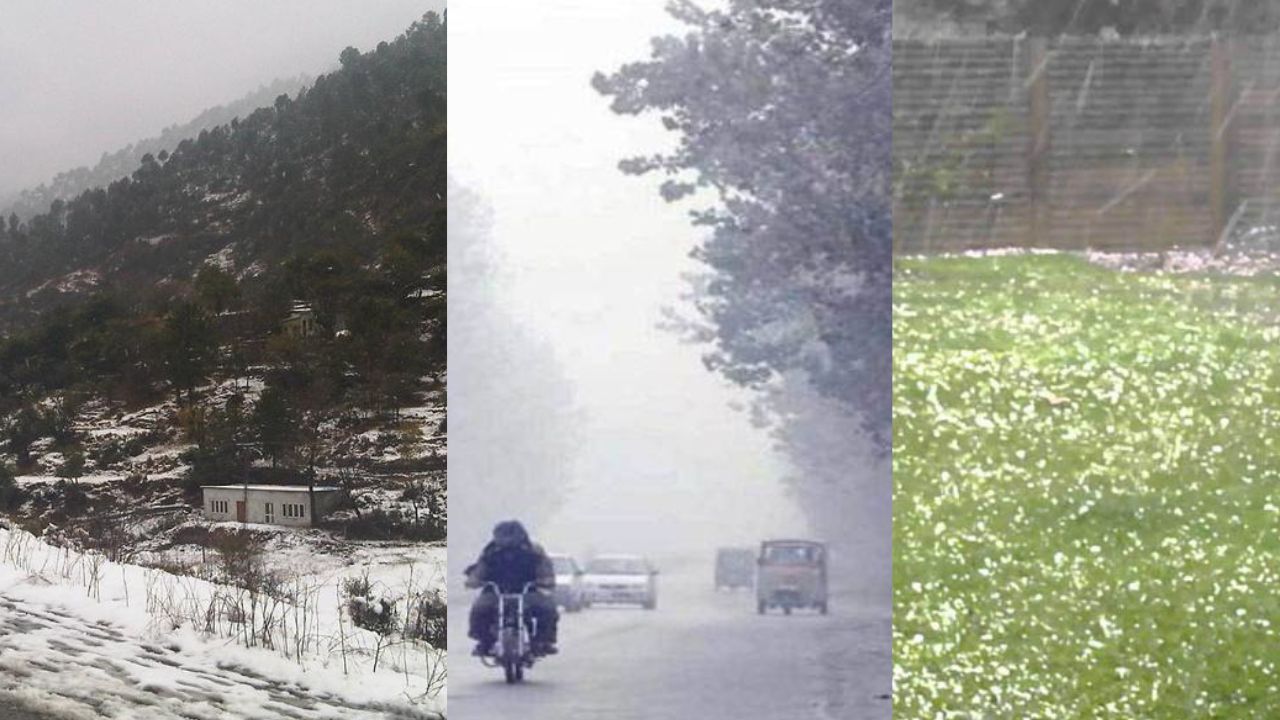
There is a possibility of rain and snowfall in the mountains today in the Pothohar region, Punjab, Khyber Pakhtunkhwa, North Balochistan, Kashmir, and Gilgit-Baltistan, reports Geo News. Various areas of the country including Islamabad, Rawalpindi, Peshawar, Kohat, Malakand, Muzaffarabad, Diamar, Chilas, and Chaman received rain while snowfall was recorded in the mountains.
Rescue teams have been put on high alert in Rawalpindi, Attock, Jhelum, Chakwal, Talagang, and Murree due to strong winds and rain.
Commissioner Rawalpindi said that they are monitoring the situation caused by wind and rain in Murree, the Deputy Commissioner has given specific instructions to Murree for necessary arrangements.
On the other hand, in Azad Kashmir and Khyber Pakhtunkhwa, heavy snowfall occurred in Neelum Jhelum Valley, which affected the movement of traffic due to slippage on connecting roads, the weather became colder due to snowfall in Swat, Upper and Lower Dir, Karam district.
Abbottabad and Mansehra are experiencing rain in the plains and light snow in the upper reaches, with up to 2 inches of snow in Shogran and 4 inches in Naran.
Additionally, the western system of rainfall entered North Balochistan after which heavy rain and hailstorms occurred in Pak-Afghan border areas including Chaman, Qila Abdullah, Muslim Bagh, Toba Kakadi, Toba Achakzai, and Sheila Bagh.
Social media site X, formerly Twitter, is down across Pakistan, causing problems for millions of users of the micro blogging app.
According to real-time internet and social media outage and monitoring service Downdetector.pk, X is down in Pakistan since 9 PM Saturday night, with users complaining that they are having trouble viewing tweets and new posts.
But users can acces itvby using VPN.
Cyber security watchdog, NetBlocks has also confirmed the shutdown of X in Pakistan. In the last few days, internet services including social media sites have been blocked several times across Pakistan.
Italy may be the land that launched Cosa Nostra, but today it is one of the safest countries in Europe, with a murder rate well below its neighbours.
From the mid-19th century through to the 1990s, thousands of people died in mafia violence, from rivals or traitors cast in cement or fed to pigs, to judges, priests and witnesses killed for daring to defy the mob.
There were also the traumatic “Years of Lead” from the end of the 1960s to the 1980s, when armed groups from the extreme left and extreme right brought terror to Italy with bombings and assassinations.
The brutal murder of former prime minister Aldo Moro by the Marxist-Leninist Red Brigades in 1978 is burned into the national psyche, although the largest number of the estimated 400 victims of the period were killed by neo-fascists.
But when this bloody period ended, and after a crackdown on mafias which pushed them into less violent financial crime, the murder rate plummeted.
Back in 1990, there were 34 murders per one million inhabitants in Italy, compared to 24 in neighbouring France, according to UN figures.
In 2021-22, this had fallen to 5.5 per million in Italy and 11 in France, eight in Germany and 10 in the UK.
In Europe, only Norway and Switzerland have a murder rate lower or equal to Italy’s, while Latvia, the worst, has a rate 6.5 times higher.
“Homicides in general have decreased in the last 25 years, especially the percentage of men” — who previously were the main victims of mafias, noted Raffaella Sette, a sociologist at the University of Bologna.
Just 10 percent of murders each year are now blamed on organised crime.
“The mafias — the Camorra, the ‘Ndrangheta, the Cosa Nostra — have radically changed their way of operating,” said Gianluca Arrighi, a criminal lawyer who writes police novels.
“Today, they operate from a more economic point of view, buying up real estate, entering into companies,” he said.
Analysing the causes of violence across different countries is always risky, but Arrighi believes several factors are at play.
While Italy is poorer than its comparable EU neighbours, he says this is not always detrimental to social well-being, saying “goodwill” between people can help compensate for life’s difficulties.
“The higher the conflict in a society, the higher the number of murders, committed by people who are in some state of anger,” Arrighi told AFP.
The murder rate is, however, higher in the south of Italy, the poorest part of the country.
But Stefano Delfini, head of criminal analysis at the government’s department of public security, agrees that “our society is less violent”.
“The social fabric is more resistant, probably because of the presence of family values which mean difficulties are felt in a less harsh way.”
Another factor that drives violence in other countries is alcohol or drug use, particularly in France and the UK.
Italy does not keep data on this, but consumption of alcohol is the lowest in the EU, according to the World Health Organization.
There is rising awareness in Italy about femicides — killing of a woman or girl by a partner, spouse or family member — with 97 recorded in 2023, out of a total 330 murders.
A lack of harmonised data on femicides makes comparisons with other European countries difficult.
But statistics compiled by the World Bank for 2021 show a rate of 3.9 murders of women per one million people in Italy, well below the 6.8 in France and 8.0 in Germany.
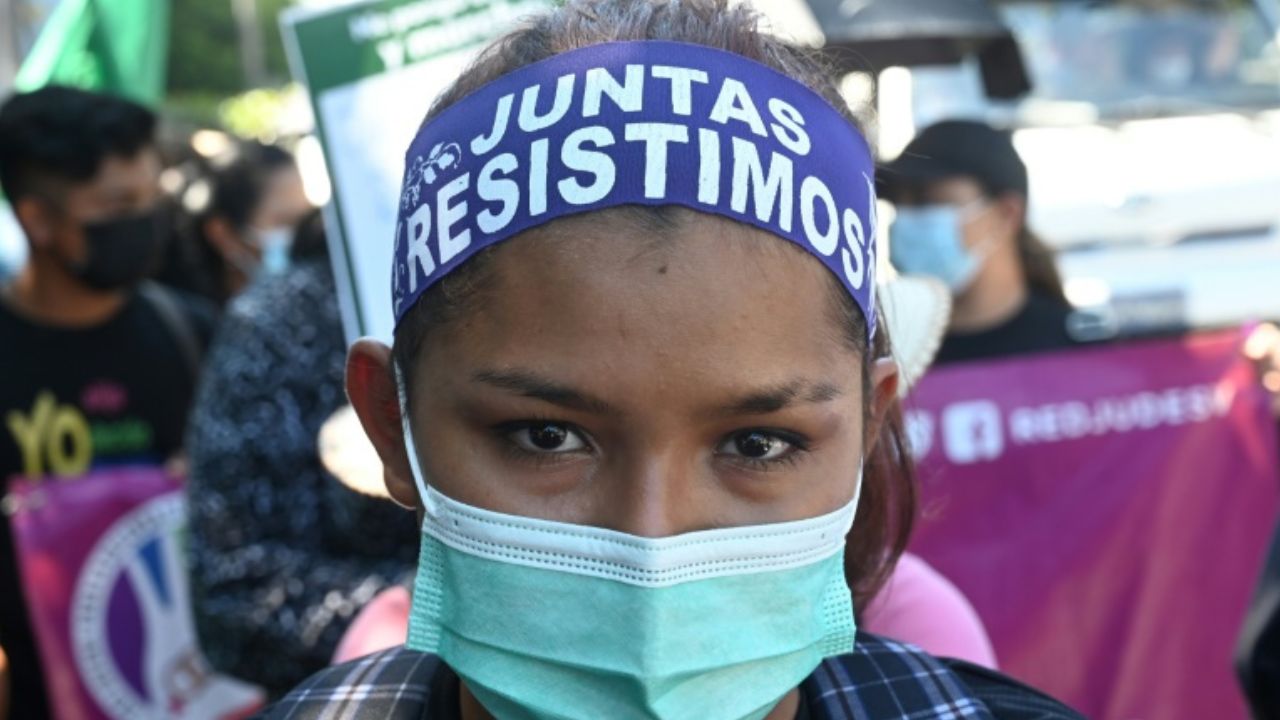
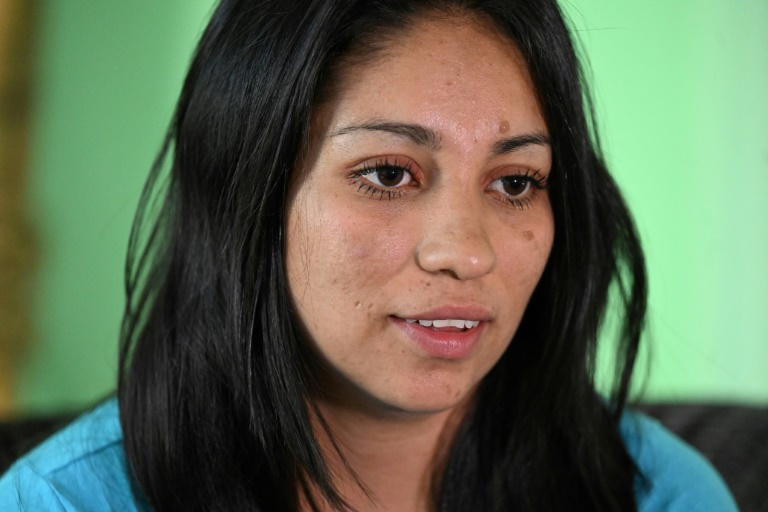
Lilian was 20 when her newborn baby died of medical complications at a hospital in El Salvador, where abortion is a crime and even the suspicion of one can land a woman in jail.
Lilian was arrested and sentenced to 30 years in prison for “aggravated homicide” after her infant daughter passed away at a public hospital in Santa Ana in the country’s west in November 2015.
“I gave birth naturally, but I had a tear in my uterus,” recounted Lilian, now 28, who declined to give her full name to protect her family.
She was sedated for a procedure to fix the tear, and when she awoke, “I knew my baby was dead.”
Her nightmare did not end there.
“I was first accused of abandonment and neglect, but the prosecution called it ‘aggravated homicide’ and I was convicted in May 2016,” she told AFP.
A report found Lilian’s baby had died of neonatal sepsis, yet she spent eight years behind bars for ‘aggravated homicide’
Last year, a medical report concluded that her baby had died of neonatal sepsis, a finding that resulted in Lilian’s early prison release in November with the aid of women’s rights NGOs.
By then, she had already served eight years behind bars.
“If she (the baby) had been treated in time, she would not have died. I wouldn’t have wasted so many years of my life in prison,” said Lilian, whose other daughter was just two when it happened and was raised by her grandparents.
“I only saw her twice, I did not see her grow up.”
Lilian is the last of 73 Salvadorans to be released from prison in the last decade under a campaign by rights groups to free women serving sentences of up to 50 years for abortions, miscarriages, or birthing complications.
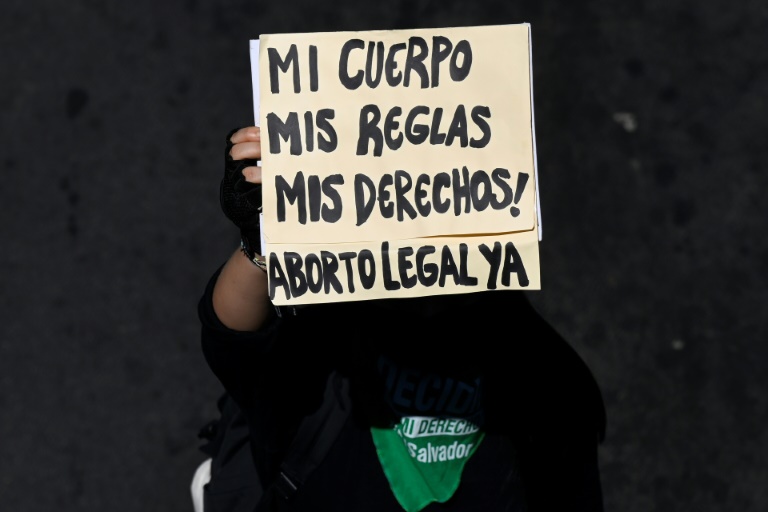
In Latin America, elective abortion is legal in Mexico, Argentina, Colombia, Cuba and Uruguay
Almost all are from poor backgrounds in rural areas where health services are precarious, said Arturo Castellanos, a social worker with the Citizens’ Group for the Decriminalization of Abortion.
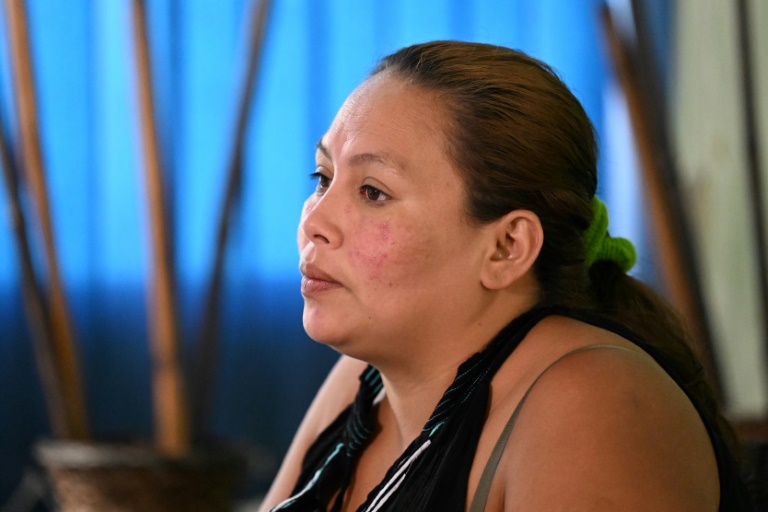
Alba Lorena Rodriguez, now 36, became pregnant at 21 after an acquaintance raped her.
Five months pregnant, she went into premature labor at home.
“I had to give birth to him myself, I fainted, I dropped” the baby, she told AFP.
A neighbor called the police, and Rodriguez, who has two other daughters, was arrested at the infant’s funeral.
“I felt the world come crashing down on me, because I knew I wasn’t going to see the girls, and they were punishing me for something I hadn’t done,” she said.
“The one who raped me was on the outside with his family and I (was)… imprisoned. The law is unfair,” said Rodriguez, who said she had no defense lawyer and no chance for anything like a fair trial.
Rodriguez served 10 years of a 30-year sentence before she, too, was released.
Both women chose to talk to AFP in the capital San Salvador, far from their own villages where the punishment has not stopped.
When the jailed women leave prison, “the community discriminates against them and stigmatizes them,” Castellanos said.
Alba Lorena Rodriguez, now 36, became pregnant after she was raped by an acquaintance at the age of 21
In Latin America, elective abortion is legal in Mexico, Argentina, Colombia, Cuba and Uruguay.
It is banned outright, without exceptions for health risks or other circumstances, in El Salvador, Nicaragua, Honduras, Haiti and the Dominican Republic.
Nowhere are the penalties as severe as in El Salvador, however.
Under the law there, abortion is punishable by two to eight years in prison. But the charge is often changed to “aggravated homicide,” which carries a penalty of 30 to 50 years.
Since 1998, when abortion was criminalized in El Salvador, 199 women have been sentenced.
Since Lilian’s release last year, none remain imprisoned, but seven women are awaiting trial, according to the Citizens’ Group.
“No one can give me back my lost time. I’m rebuilding the bond with my daughter,” said Lilian, who would like to see the law changed so that other women do not have to go through what she has.
But President Nayib Bukele, newly elected to a second five-year term with near-total control of parliament, has said there will be no change to abortion laws in the deeply Christian country.
“The struggle continues,” said Lilian.
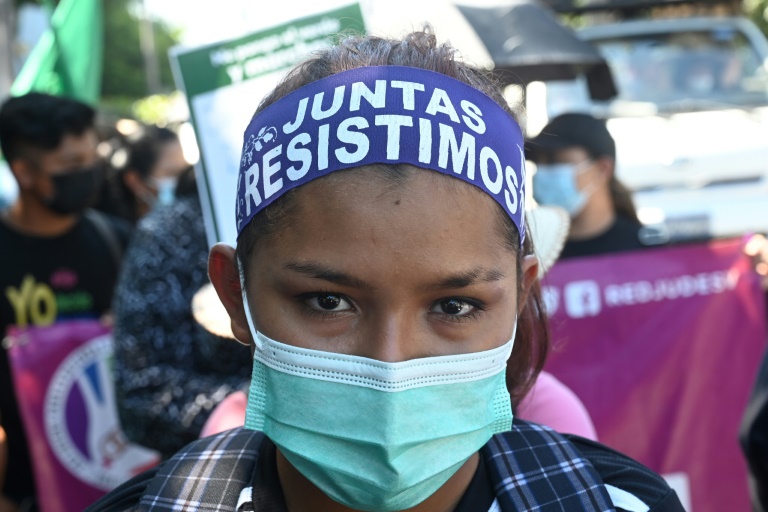
Since abortion was criminalized in El Salvador in 1998, a total of 199 women have been sentenced
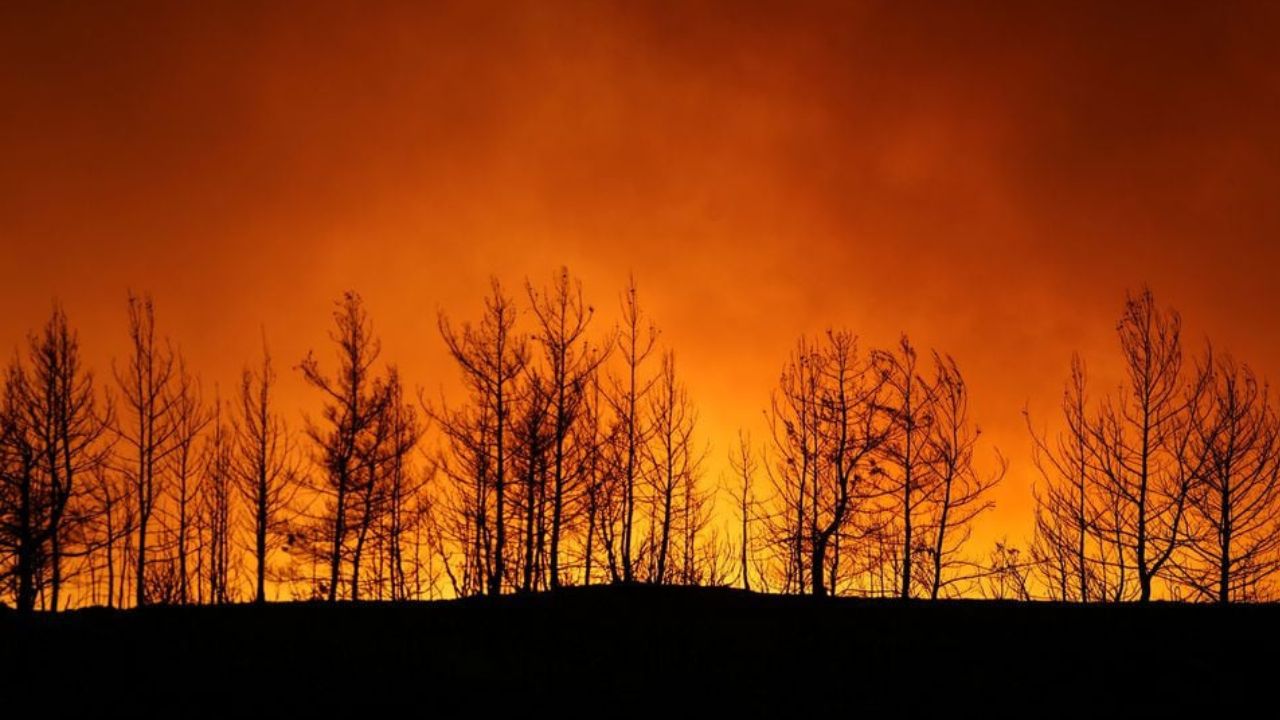
It has been three days since the forest fire in Zargat mountain in Balochistan’s Musa Khel district started spreading but local authorities have failed to control it.
On Thursday, fire ignited in the forests of the mountains. The fire is reportedly so intense that its flames can be seen 18 kilometers away from the city of Musa Khel, affecting olive groves and wildlife.
The caretaker chief minister of Balochistan had given instructions for emergency measures to extinguish the fire on Thursday, but the residents of the area say that the fire could not be controlled till now.
A New York judge ordered Donald Trump to pay $355 million over fraud allegations and banned him from running companies in the state for three years Friday in a major blow to his business empire and financial standing.
Trump — almost certain to be the Republican presidential nominee this November — was found liable for unlawfully inflating his wealth and manipulating the value of properties to obtain favorable bank loans or insurance terms.
Trump lashed out on social media calling the ruling a “Total SHAM,” the judge in the case “crooked” and the prosecutor who brought it “totally corrupt.” His legal team said he would “of course” appeal.
As the case was civil, not criminal, there was no threat of imprisonment. But Trump said ahead of the ruling that a ban on conducting business in New York state would be akin to a “corporate death penalty.”
Trump, facing 91 criminal counts in other cases, has seized on his legal woes to fire up supporters and denounce his likely opponent, President Joe Biden, claiming that court cases are “just a way of hurting me in the election.”
However, Judge Arthur Engoron said the financially shattering penalties are justified by Trump’s behavior.
“Their complete lack of contrition and remorse borders on pathological,” Engoron said of Trump and his two sons, who were also defendants, in his scathing ruling.
“They are accused only of inflating asset values to make more money… Donald Trump is not Bernard Madoff. Yet, defendants are incapable of admitting the error of their ways,” he added, referring to the perpetrator of a massive Ponzi scheme.
Trump’s sons Eric and Donald Trump Jr. were also found liable in the case and ordered to pay more than $4 million each, prompting Don Jr. to claim on social media that “political beliefs” had determined the outcome.
Engoron also extended the mandate of retired judge Barbara Jones as an independent monitor of Trump’s business affairs, as well as ordering the appointment of an independent director of compliance to the Trump Organization, with candidates to be nominated by Jones.
“Conditions that Judge Engoron imposed, such as having Judge Jones monitor the Trump companies, may be onerous. I do expect an appeal,” said Richmond University law professor Carl Tobias.
It was as a property developer and businessman in New York that Trump built his public profile which he used as a springboard into the entertainment industry and ultimately the presidency.
The judge’s order was a victory for New York state Attorney General Letitia James. She had sought $370 million from Trump to remedy the advantage he is alleged to have wrongfully obtained, as well as having him barred from conducting business in the state.
Palestinian Territories – There was growing concern Friday over a key Gaza hospital a day after a raid by the Israeli army, with the health ministry saying several patients had died there due to a lack of oxygen.
The health ministry said the power was cut off and the generators stopped after the raid at the Nasser hospital in the southern city of Khan Yunis, and that four patients had died Friday.
In recent days, intense fighting has raged in the vicinity of the hospital – one of the Palestinian territory’s last remaining major medical facilities that are still operational.
On Thursday Israeli army spokesman Daniel Hagari said there was “credible intelligence” to suggest hostages seized by Gaza militants in the October 7 attack that sparked the war had been held at the hospital, and that bodies of some of the captives may still be inside.
But the military said later it had “not yet found any evidence of this”, although forces had found “weapons, grenades and mortar bombs” at the hospital complex.
On Friday it said Israeli forces had taken into custody more than “20 terrorists” suspected of involvement in the October 7 attack at the hospital.
A witness who declined to be named out of fear for their safety told AFP the army had shot “at anyone who moved inside the hospital”.
The health ministry also raised fears over the fate of six other patients in the intensive care unit and three children, saying it held Israel “responsible for the lives of patients and staff considering that the complex is now under its full control”.
‘Pattern of attacks’
Medical charity Doctors Without Borders described a “chaotic situation” at the hospital, with one employee unaccounted for and another detained by Israeli forces.
“Our medical staff have had to flee the hospital, leaving patients behind,” it said.
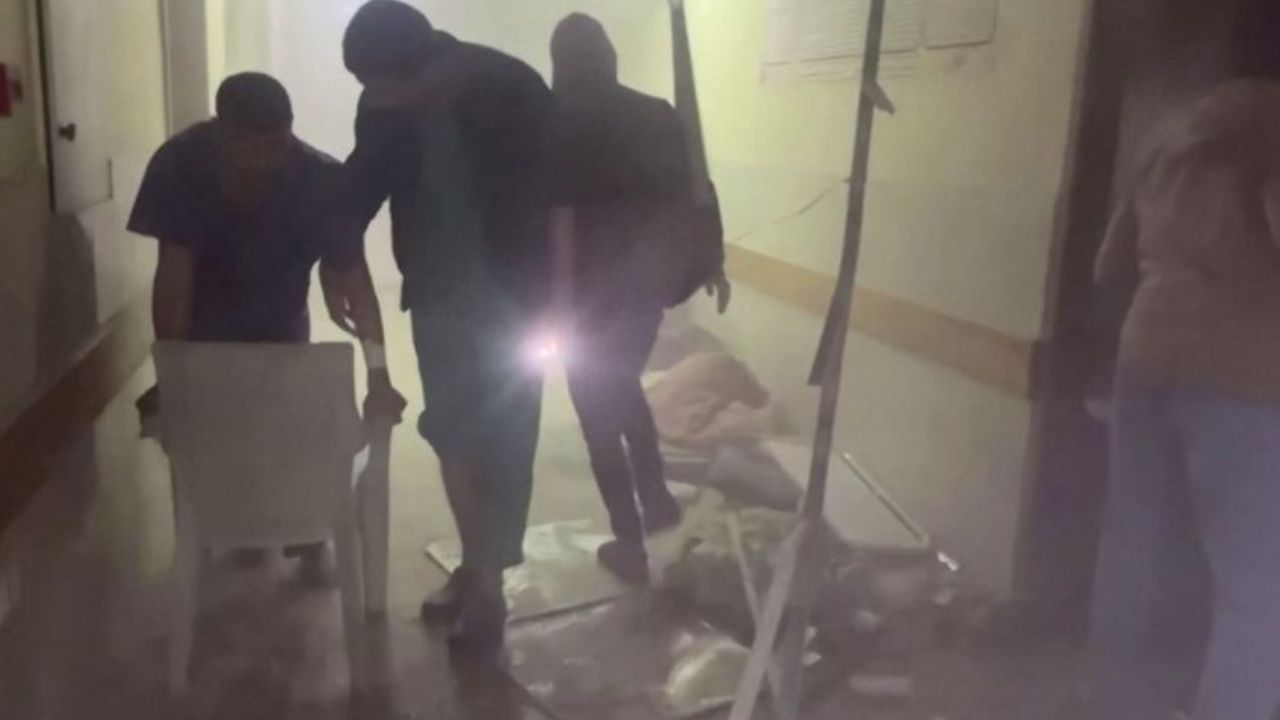
Footage circulating on social media, which AFP could not independently verify, showed rescuers trying to move patients through dust-filled corridors amid fallen debris.
At least 28,775 people, mostly women and children, have been killed in Israel’s assault on the Palestinian territory, according to the health ministry.
The UN Human Rights Office said Israel’s raid on the Nasser hospital appeared to be “part of a pattern of attacks by Israeli forces striking essential life-saving civilian infrastructure in Gaza, especially hospitals”.
The World Health Organization has described the Nasser hospital as a critical facility “for all of Gaza”, where only a minority of hospitals are even partly operational.
Israeli strikes continued in the besieged territory overnight, with the health ministry saying Friday another 112 people were killed.
‘Dying slowly’
Nearly 1.5 million displaced Palestinians are trapped in Rafah – more than half of Gaza’s population – seeking shelter in a sprawling makeshift encampment near the Egyptian border.
There are fears about a growing humanitarian disaster without adequate supplies.
“They are killing us slowly,” said displaced Palestinian Mohammad Yaghi. “We are dying slowly due to the scarcity of resources and the lack of medications and treatments in the city of Rafah.”
“There is no medicine,” said Jihan al-Quqa, who was displaced from Khan Yunis to Rafah.
“There are no antibiotics or any other treatments,” she added.
“Everyone is sick, children and the elderly, and there is no medicine.”
US President Joe Biden spoke by phone with Israeli Prime Minister Benjamin Netanyahu late Thursday, the White House said, and urged him again not to carry out an attack on Rafah without a plan to keep civilians safe.
Britain, Australia, Canada and New Zealand have also urged Israel not to launch a ground offensive in the city.
Despite international pressure, Netanyahu has insisted he would push ahead with a “powerful” operation in the overcrowded city to achieve “complete victory” over Hamas.
Media reports suggested Egyptian authorities were building a new wall near the frontier with Gaza, amid fears of an influx of refugees.
Truce talks
Mediators from the United States, Qatar and Egypt gathered in Cairo this week to try and broker a deal to halt the fighting and see the release of the remaining hostages in exchange for Palestinian prisoners held by Israel.
CIA director Bill Burns made an unannounced visit to Israel Thursday for talks with Netanyahu and the head of Israel’s Mossad intelligence agency, David Barnea.
Barnea had already held talks with Burns and Egyptian and Qatari representatives in Cairo on Tuesday, before a Hamas delegation visited Wednesday.
US Secretary of State Antony Blinken said he believed an agreement was still “possible”.
But there has been limited sign of progress.
Netanyahu said Thursday he rejected a plan for international recognition of a Palestinian state, following reports of the move in The Washington Post.
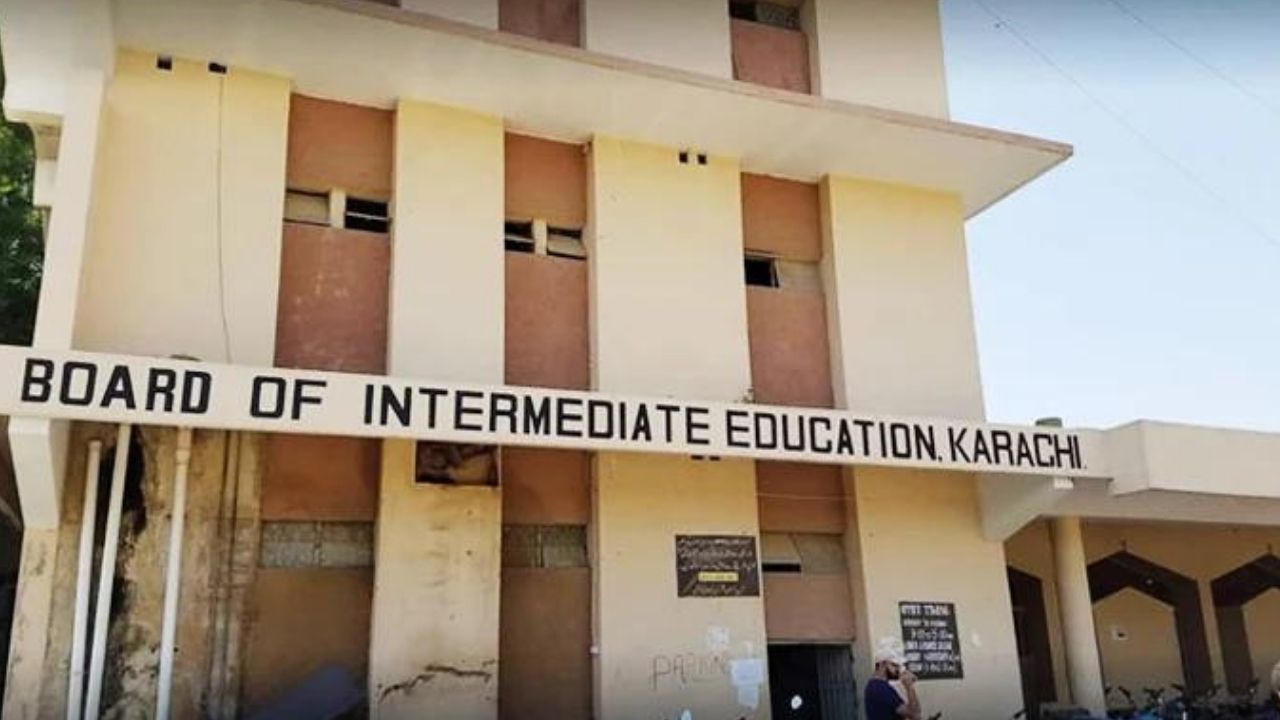
Caretaker Chief Minister Justice (retd) Maqbool Baqar has directed the Board of Intermediate Education Karachi (BIEK) to give the students of Pre-Engineering, Pre-Medical, and General Science Part-I up to 15 percent additional marks in their exams, reports Geo News.
The Sindh caretaker CM approved recommendations of a fact-finding committee formed to investigate Intermediate Part-I students’ getting unusually low marks this year.
The committee submitted its report to the chief minister, following which BIEK’s IT in-charge was removed from his post.
The CM said it had been decided on the committee’s recommendation that the students of pre-engineering, pre-medical, and general science would be given 15 percent extra marks.
The committee advised forming paper patterns and a scheme for giving marks before the beginning of the educational year. It also said that the paper pattern and marking scheme would be implemented for three years. The Sindh CM ordered the relevant departments to increase the number of paper inspection centres to 10 in the city. He added that the MCQs papers should be checked with an optical marks recognition system so that there is no mistake.
CM Baqar ordered that employees including head examiners, examiners, and invigilators should be trained, adding that the rules and regulations of BIEK should be strictly implemented.
“The controller of examinations, all deputy controllers, and the IT manager are responsible for conducting the examinations in 2023,” he said. He also mentioned that notices should be issued against the board officers who do not follow the rules and regulations.
Background
On January 23, the BIEK released the results for Part I (first year) of the examination, revealing a concerning decline in the students’ performance. The statistics indicated that 80% of candidates failed in Arts (Regular), 72% failed in Arts (Private) and 63% failed in Commerce (Private) groups. Earlier in the results released, only 36.51% of candidates were successful in Pre-Medical, 34.79% in Pre-Engineering, and 38.69% in computer science groups.
Most students who passed their matriculation exams with lower marks faced potential challenges in securing admissions to professional universities and colleges, given that admissions are typically based on Inter Part-I marks.