Category: National

  • Pakistan, India have agreed to ‘immediate, full’ ceasefire after US-led mediation: Trump

    Pakistan, India have agreed to ‘immediate, full’ ceasefire after US-led mediation: Trump

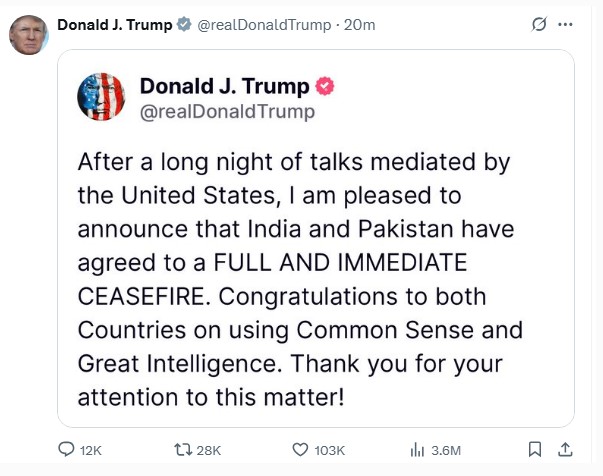
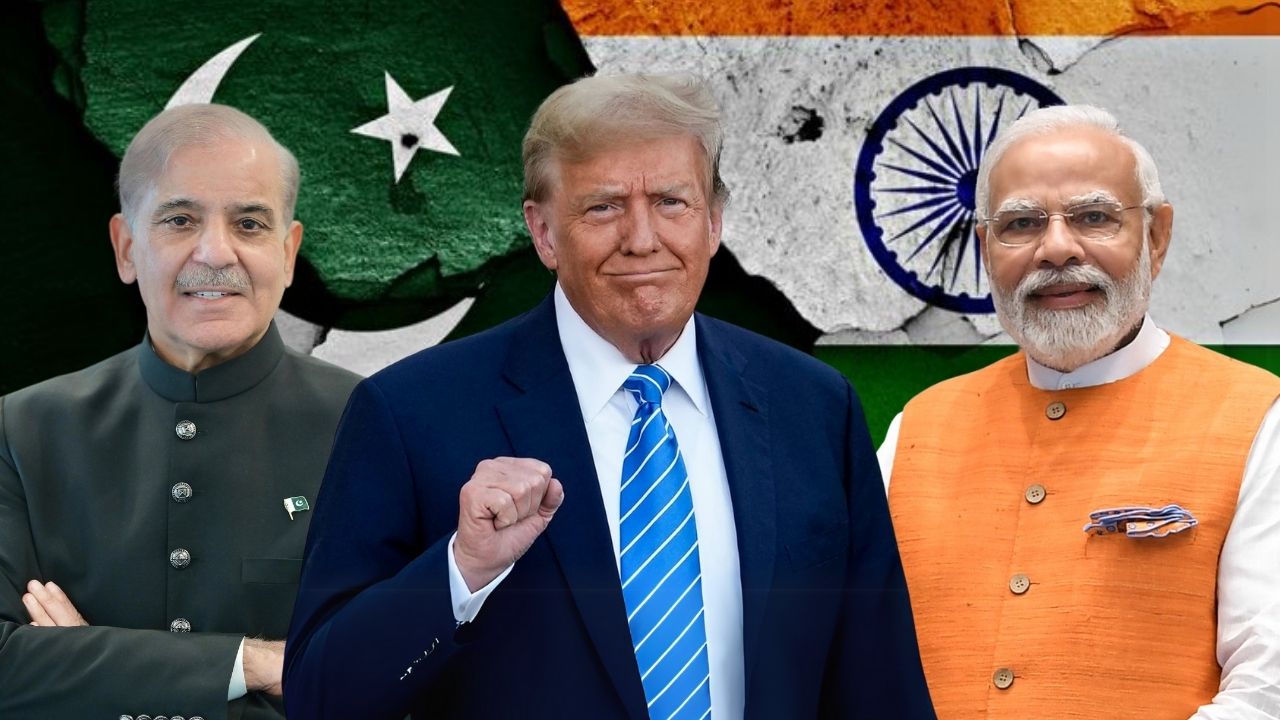
    United States (US) President Donald Trump on Saturday announced that Pakistan and India had both agreed to an “immediate and full” ceasefire after talks mediated by the US.

    “After a long night of talks mediated by the United States, I am pleased to announce that India and Pakistan have agreed to a FULL AND IMMEDIATE CEASEFIRE,” President Trump said in a post on his official Truth Social account.

    He went on to congratulate both countries on “using common sense and great intelligence”, and added, “Thank you for your attention to this matter!”

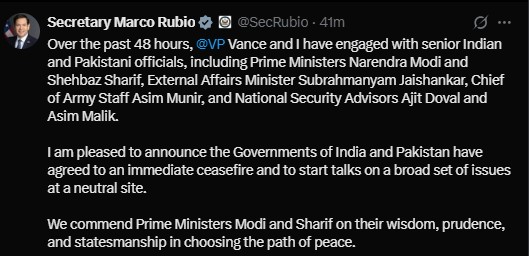
    The development was also announced by US Secretary of State Marco Rubio.

    “Over the past 48 hours, VP [Vice President] Vance and I have engaged with senior Indian and Pakistani officials, including Prime Ministers Narendra Modi and Shehbaz Sharif, External Affairs Minister Subrahmanyam Jaishankar, Chief of Army Staff Asim Munir, and National Security Advisors Ajit Doval and Asim Malik. I am pleased to announce the Governments of India and Pakistan have agreed to an immediate ceasefire and to start talks on a broad set of issues at a neutral site,” he said in a post on X.

    Secy Rubio went on to commend both PM Shehbaz and PM Modi on their “wisdom, prudence and statesmanship in choosing the path of peace”.

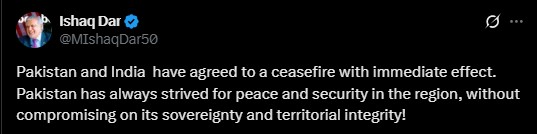
    Reacting to the development, Pakistan’s Deputy Prime Minister (DPM) and Foreign Minister Ishaq Dar. “Pakistan and India have agreed to a ceasefire with immediate effect. Pakistan has always strived for peace and security in the region, without compromising on its sovereignty and territorial integrity!” he said on X.

     
    A spokesperson for India’s External Affairs Ministry also confirmed the same. “Pakistan and India have agreed to a ceasefire,” read an official statement.

    It merits a mention that the ceasefire comes as tensions between the nuclear-armed neighbours reached an all-time high with multiple cross-border attacks over the past week. World leaders had repeatedly been expressing concern over the situation, calling for restraint and talks between Islamabad and New Delhi. 

  • Pakistan hacks Indian military websites, leaks data on dark web

    Pakistan hacks Indian military websites, leaks data on dark web

    Following a series of provocative and cowardly actions by India, Pakistan has responded with a successful counterstrike in the cyber realm. After hacking more than 200 Indian grid stations, hackers from Pakistan have also breached several high-profile Indian websites and made sensitive data public.

    According to reports, a number of critical Indian websites have been compromised in the latest Pakistani cyber offensive. Among the hacked platforms are the official website of the Assam Rifles, the Department of Atomic Energy portal, and the Indian Defence Production website, all vital components of India’s security and governance infrastructure.

    What makes this breach even more serious is that sensitive data from the Indian Defence Production website has reportedly been put up for sale on the dark web, exposing serious vulnerabilities in India’s cybersecurity defences.

    The hacked websites also display evidence of Indian involvement in terrorism and reveal the locations that Pakistan claims are used as hubs for state-sponsored terror activities by India.

    This cyber operation has dealt a significant blow to India’s reputation in the global tech community, especially as it continues to project itself as an emerging IT superpower.

    Pakistan’s latest digital retaliation has not only exposed weaknesses in India’s cyber infrastructure but also challenged its credibility on the international stage.

  • International Journalists question India’s narrative in cross-border crisis

    International Journalists question India’s narrative in cross-border crisis

    As tensions rise between Pakistan and India, top international journalists from CNN and BBC have reported on-the-ground realities, countering Indian claims and highlighting misinformation campaigns targeting Pakistan.

     
    Two of the most prominent news outlets in the world, CNN and the BBC, have published in-depth reports that highlight the military operations taking place on the ground as well as the accompanying online information war.

     
    CNN’s Nic Robertson reports from Rawalpindi
     
    Veteran CNN correspondent Nic Robertson visited the site of an alleged Indian drone attack in Rawalpindi and described the damage caused:

     
    “Look here, these are shrapnel marks from what Pakistani officials say was an Indian drone splattering along the ground here, one person killed, two people injured and the kicker here? That is the main cricket stadium in Rawalpindi. Right now, it’s been put on hold, the whole event is eventually moving now to Dubai.”

     
    Robertson emphasized that the Pakistan Super League (PSL) was affected due to safety concerns, causing massive financial losses and impacting international players present in the country.

     
    BBC Exposes Indian misinformation

     
    Meanwhile, the BBC’s investigative team exposed a series of false claims made by Indian media outlets following the escalation. One such claim included a viral headline stating: 

     
    “Pakistan’s Karachi Port completely destroyed.” 

     
    However, BBC reporters confirmed the port remained untouched:

     
    “The port had not been hit. We know this because our BBC colleagues visited the port and sent us this video confirming it was not damaged. This photo here is actually from the Gulf War in 1991. And this video is actually the aftermath of a blast on an Iranian port on 26th April.”


    The BBC noted how an account claiming to be the Karachi Port Trust first posted about heavy damage and later deleted the statement, claiming it had been hacked.

     
    “These false claims are part of the huge information war between the two countries, where misinformation is rife and it continues to fuel distrust and hostility.”


    CNN’s Matthew Chance highlights evidence of Indian Jet losses


    CNN’s Chief Global Affairs Correspondent Matthew Chance investigated Pakistan’s allegation that it shot down several Indian fighter jets:

     
     “There is growing evidence that India lost prized fighter jets. But there’s a stubborn reluctance here to admit a single loss. Let alone the five Indian aircraft that Pakistan insists it blasted out of the skies.”

     
    Speaking to BJP spokesperson Nalin Kohli, Chance asked:

     
    “So as far as you are concerned, there have been no Indian aircraft lost during this operation?”

    Kohli responded, “Because if that was the case, and if something of that extent had happened, we would have said so.”

     
    But CNN cited eyewitnesses and intelligence contradicting this:

     
    “Indian eyewitnesses tell CNN they saw one aircraft plunging from the darkness in flames. French Intelligence has already told us that a state-of-the-art Rafale fighter jet was downed.”

     
    The Washington Post faces Indian backlash

     
    Indian social media users criticized The Washington Post, another well-known international publication, for what they saw as pro-Pakistan coverage. The publishing was attacked by outraged voices on Instagram and X (previously Twitter) for failing to draw attention to Indian civilian casualties:

     
     “Big Breaking: The Washington Post is now The Pakistan Post! It has ignored Pakistan’s ongoing three-day assault on Indian civilian cities and instead amplified Pakistani propaganda worldwide.”

     
    Backlash from Indian social media:

     
    Following these reports, Indian users on X (formerly Twitter) accused international media of bias:

    “Are you really the BBC or Pakistan’s puppet?”

    • “As expected BBC has become Pakistan’s propaganda outlet.”

    • “Are you the spokesperson of Pakistan?”

    • “Are you Paki mouthpiece?”


    Pakistan appears to be winning the media war, at least globally, even though tensions at the borders remain high. Major international parties are endorsing Pakistan’s position, as seen by independent confirmations of Indian disinformation.

     
    Will the truth be able to break through the noise of nationalism in an area where media narratives frequently shape public opinion and policy direction?

     
    For now, the world is watching and reporting.
  • From Gulmarg to Bunyan-un-Marsoos: A history of Pakistani military operations against India

    From Gulmarg to Bunyan-un-Marsoos: A history of Pakistani military operations against India

    Pakistan has been avoiding escalation in its current conflict with India following the 22 April Pahalgam attack in Indian Illegally Occupied Jammu and Kashmir (IIOJK), which resulted in the deaths of 26 Hindu pilgrims. Since then, India has accused Pakistan of terrorist activity without carrying out an investigation or providing any solid evidence to support its claim.

    On 5 May, India initiated Operation Sindoor, a series of missile strikes targeting alleged militant camps in Pakistan and Pakistan-administered Jammu and Kashmir — including Kotli, Bahawalpur, Muridke, Bagh, and Muzaffarabad. Following additional attacks in the early hours of 10 May, Pakistan retaliated by launching Operation Bunyan al-Marsous, targeting Indian military facilities.

    The operation’s name, derived from a Quranic phrase meaning “a solidly cemented structure,” conveyed Pakistan’s message of resilience and unity — not an escalation of conflict.

    However, this is not the first time the two nuclear-capable neighbours have stood on the brink of all-out war.


    Operation Gulmarg (1947): The Initial Offensive

    Pakistan’s first military operation, Operation Gulmarg, named after the picturesque valley town in Kashmir, symbolised the belief that the liberation of Kashmir was both natural and destined.

    In October 1947, amid reports of Muslim massacres by Dogra forces and the Maharaja’s impending accession to India, Pakistani tribal militias, supported by army officers, invaded Kashmir. Their objective was to liberate the region before India could formally annexe it. As they advanced towards Srinagar, the Maharaja signed the accession document, prompting Indian troops to enter Kashmir, marking the beginning of the First Kashmir War and a conflict that persists to this day.

    Operations Gibraltar and Grand Slam (1965): The Gamble in Kashmir


    In August 1965, Pakistan launched Operation Gibraltar, named after the Islamic conquest of Spain, aiming to inspire rebellion in Indian-controlled Kashmir. Thousands of Pakistani soldiers, disguised as locals, infiltrated the region to incite an uprising. The mission failed, triggering a military response from India.

    To divert India’s attention, Pakistan followed up with Operation Grand Slam on September 1, targeting Akhnoor, a crucial Indian supply route. Though early advances showed promise, sudden changes in command stalled progress, leading to a full-scale war that ended in a military stalemate.

    Operation Chengiz Khan (1971): A Pre-emptive Strike That Misfired

    When tensions rose amid India’s support for separatists in East Pakistan, Pakistan launched Operation Chengiz Khan on December 3, 1971. It was named after the fearsome Mongol conqueror, while the operation aimed to disable Indian air power through surprise attacks on 11 Indian airbases. The damage, however, was minimal. India’s swift and decisive response led to a multi-front war, culminating in the fall of Dhaka and the creation of Bangladesh, Pakistan’s most devastating military and emotional loss.

    Operation Badr (1999): The Mountain Gamble

    In spring 1999, Pakistan initiated Operation Badr, named after the Prophet Muhammad (PBUH)’s first military victory. The plan involved Pakistani soldiers and Kashmiri fighters covertly occupying strategic peaks in the Kargil region, left vacant during winter by Indian forces. India discovered the intrusion in May, resulting in intense combat at high altitudes. Although tactically significant, the operation failed due to international pressure, especially from the United States, and led to Pakistan’s withdrawal. The conflict claimed hundreds of lives and damaged Pakistan’s diplomatic reputation.

    Operation Bunyan-un-Marsoos (2025): A Wall of Unity

    In 2025, as India carried out a new act of aggression under Operation Sindoor, Pakistan, after days of efforts to de-escalate, responded with Operation Bunyan al-Marsous on May 10.

    Named after a Quranic phrase from Surah As-Saff, meaning “a solidly cemented structure,” the operation symbolised national unity, steadfast defence, and spiritual strength. Pakistan’s strikes were precise and restrained, aimed at Indian military installations. It was not an escalation, but a firm signal that Pakistan would defend itself while resisting being dragged into India’s internal political drama.

    Once again, Indian media fulfilled its expected role. Instead of awaiting evidence, it marketed outrage as reality. News channels aired nationalistic montages, reporters shouted war cries, and anchors demanded retaliation, all before facts had emerged. This pattern, familiar to Pakistan, has played out repeatedly: where calls for peace are drowned out by sensationalist primetime theatrics. As a result, Pakistan, despite consistently advocating peace, finds itself forced to respond militarily, not out of choice, but necessity.

  • Pakistan Cyber Force attacks India, disables over 200 grid stations

    Pakistan Cyber Force attacks India, disables over 200 grid stations

    The Pakistani Cyber Force has reportedly carried out a successful cyberattack on the Renewable Energy Development Limited of the Indian state of Karnataka, disabling over 200 grid stations and forcing major parts of Karnataka into darkness.

    As per the details, solar and wind power grids across the state of Karnataka were shut down following the attack on 235 stations, a list of which has been publicly released by Pakistani Cyber Force:

    SPV KODANGAL MUKARTIHAL
    K N MUDDEBIHAL MUDEBIHAL
    BHURUKA GASES B BAGEWADI
    SUZLON HONNALI
    HARKANALU WIND ITAGI
    SUZLON HIREHADAGALI
    SUZLON SINDHANOOR
    ATRIA B BAGEWADI
    G M NAVARRA B BAGEWADI
    KANABARAGI LILO B W NARE
    ENERGON BIJAPUR
    RSR BHOJ
    DODALLUR CHIKKODI
    ENERCON PANDARAHALLI
    HUTTI GOLD CHITRADURGA
    NEG MICON CHITRADURGA
    SARJAN REALITIES PALAGAT
    VESTAS RRB BASAVAPATNA
    HARTI ENERCON LILO B N
    BPCL SHIRATTI
    ABHIMAANI TEKALKOTE
    BOSCH YARAGATTI
    SUZLON JOGIMATTI CHITRAD
    ENERCON DAMBAL
    ENERCON BELLATI
    MYSORE MERCENTAIL LAKSHM
    TEJASWI DEVELOPERS GADAG
    SUZLON S
    ENUR BYADGI
    ENERCON HIRIYUR
    ENERCON MATHOD
    PIONEER IMANGALA
    SUZLON HIRIYUR
    NANDAN HOSUR GROUP RAMAG
    SUZLON KUNDOOR
    ROHAN SOLAR KUNDOOR
    SUZLON HARAPANAHALLI
    SUZLON BENEHALLI
    SUZLON NICHAPUR KOTTUR
    JODHPUR MADIYAL
    RRB ENERGY GAJENDRAGAD
    SUZLON GUJARAT KUSHTAGI
    LATUR LINGASUGUR
    BHORUKA ITNAL
    GAMESA VADAVATTI
    PUGALUR SINDHANOOR
    ENERCON SOUDATTI
    SUZLON SOUDATTI
    NUZUVEEDU SEEDS JAGALUR
    SUZLON UDDUR KOPPALU
    WARDHA SOLAR TAKKALAKI
    DODDANAVAR NANADI
    ADITYA BIRLA BELLATTI
    J K PETROENERGY BETAGERA
    SURYODAY GHATAPRABHA
    ADANI BYADGI
    K N INDI VIJAYAPURA ATHA
    ADITYA BIRLA CHADCHAN
    MAYFAIR HIREHAL
    ADITYA BIRLA KATAKOL
    ANANTHAPUR SOLAR KONNUR
    TUNGABHADRA MANTUR
    ENRGON SOLEQ VAJRAMATTI
    ADANI CHIKKAGANGANAWADI
    ADANI MELLEHALLI
    ASIAN FAB TECH TUBAGERE
    ASIAN FAB GOWRIB
    ANUR
    GREENERGY V
    HURASHWATH
    ADITYA BIRLA AVANI
    ADANI GREEN MASTI
    CLEAN MAX P D HALLI
    WARDHA SOLAR SANTAPUR
    RENEW WIND SANTAPUR
    MARVEL SOLREN JANAWADA
    SHAHI EXPORTS KOLHAR
    B AR SOLAR BEMAKHED
    WARDHA SOLAR RAJESHWAR
    REJIYA SALEEM MORAGERE
    CLEAN MAX ITTAGI
    MADHAV SOLAR BEVOOR
    KAVIT INDUSTRIES BEVOOR
    TALETTUTAYI YELBURGA
    PARAMPUJYA YELBURGA
    EASTMAN YELBURGA
    PSOMACHANDRA CHIKKASUGUR
    BHUMI PRAKASH GABBUR
    CLEAN MAX SEDAM
    ADANI GREEN MANDEVAL
    RENEW WIND SAPAPUR
    PARAMPUJYA SHORAPUR
    RENEW WIND WADEGERA
    VOORA ENERGY DHADESUGUR
    ADANI BANDISHETTIHALLI
    LAXJEET HARADANAHALLI
    ADANIGREEN SANTEBACHALLI
    ADANI GREEN RAVANDUR
    ADANI GREEN THALAKADU
    WARDHA MADHUVANAHALLY
    ADANI GREEN ANKASANDRA
    JINDAL MAYAKONDA
    ASIANFABTECH BEVINAHALLY
    GOLDEN HATCHE BUKKAPATNA
    AVANTI MATHOD
    RENEW WIND KATTIGE
    RISHAB BENNIHALLI
    RENEW WIND SAMPIGE
    ADANI GREEN HONNAVALLI
    CLEAN MAX I D HALLI
    EMAMI POWER VENKATAPURA
    RNS INFRA NAGALMADIKE
    SRINIVAS SHETTY RAMPURA
    SAGITUR VENTURES THALLAK
    BPCL RANGENAHALLI
    BPCL KALMARANAHALLI
    CELESTIAL DYAVARAHALLI
    SOLITAIRE P D KOTE
    K N BIJAPURA SOLAR TAKKA
    KN SINDHAGI DEVARHIPPARG
    PRAGATHI HIREMALLANAHOLE
    WARDHA SOLAR NALWAR
    WARDHA SOLAR SHAHPUR
    INFOSYS JGHALLI
    EKIALDE SUN CHINCHOLI
    NANJ KARYA
    GAMESHA HANNUR
    DOSTI SAUNSHI
    AVANTI SHIGGOAN
    BELGAUM RENEWABLE ALABAL
    RENEW NIRNA
    TALETTUTAYI KEREHALLI
    ASIAN FAB TECH VADERAHAL
    SWELECT J DIGERE
    ESSEL TADAVALGA
    ECOREN NAVALI
    ADANI BYRAPATNA
    MMCL SOUDATTI
    PRATHIJNA NAVALI
    NVR RAMAGIRI
    AFTL BELAGUMBA
    AFTL SOMENAHALLI
    AFTL IRGAMPALLI
    AFTL KYASAMBALLI
    CHITRADURGA RENEWABLE HO
    AZURE POWER P D KOTE
    AZURE POWER RANGENAHALLI
    AZURE HIRIYUR
    VIVASVAT BABALESHWAR
    AKHILAGYA DAMBAL
    IZRA YADWAD
    NOKOR UDAKERI
    NOKOR NAVALGUND
    ATRIA WIND TURUVANUR
    ALPHA BHRAMAGIRI
    ATRIA SOLAR KOGALI
    C S SUNDERRAJU NAGALMADI
    ATRIA SOLAR KABBALLI
    RENEW SHIRAGUPPI
    SATYADEEPTHA CHITAGUPPA
    ABHA KALAGHATAGI
    TUPPADAHALLI SHIVANI
    RAVIUJRA ATHANI
    ACCIONA ANABUR HMHOLE
    ACCIONA ASGUNDI HMHOLE
    RADIANCE NAYAKANAHATTI
    AFTL BASAVANAKATTE
    AFTL SAVANUR
    CMESJUPITER HMHOLE WIND
    MATRIX GREEN VALKAMDINI
    MATRIX GREEN WADEGERA
    CLEAN SOLAR PD HALLI
    CLEAN SOLAR DASODI
    CLEAN SOLAR KANAKAGIRI
    CLEAN SOLAR NALWARA
    CLEAN SOLAR PD KOTE
    CLEAN SOLAR MUGUR
    CLEAN SOLAR KABBALLI
    CLEAN SOLAR SANTHPUR
    CLEAN SOLAR TURVIHAL
    GAMESA MANVIWIND KAVITAL
    CLEAN SOLAR WADGERA
    CLEAN SOLAR KURDICROSS
    CLEAN SOLAR MARAGUTTI
    CLEAN SOLAR BANDAHALLI
    HERO FUTURE RAMPURA
    CLEAN SOLAR NITRAHALLI
    CLEAN MANVISOLAR KAVITAL
    CLEAN SOLAR M IGESHI
    MYTRAH ADVAITH SINDAGI
    MYTRAH ADVAITH HUNGUND
    MYTRAH AKSHAY H KAL
    CMESJUPITER HMHOLE SOLAR
    HINDUJA MALLAT
    MYTRAH SAVALSUNG INDI
    FPEL TALIKOTI
    AVAADA KEMBHAVI
    SUNVIK ANKASANDRA
    BIJAPUR RE UJJINI
    AFTL HANUR
    ORBENERGY PANCHANAHALLI
    FP INFINITY ATHARGA
    HUBBALLI AIRPORT TARIHAL
    KIOCL KATHRIKEHAL
    RELIANCE JIO DUBALGUNDI
    AVAADA HANAGAL
    AVAADA KANAHOSAHALLI
    SOLARSYS BANAVIKAL
    SOLARSYS ILKAL
    ALPUR KARAJAGI
    ECOREN VENTI HANUR
    SEI DAIMOND THALLAK
    SEI VENUS THALLAK
    SUN EDISON MADHUGIRI NAG
    VAISHALI BIJAPUR
    FORTUNE FIVE B BAGEWADI
    MATRIX MUKARTIHAL
    ISHARAYS ENERGY BETAGERA
    ADITYA BIRLA BANAVIKAL
    AFTL HALLI
    AFTL V URASHWATHA
    WALWHAN RANGANATHPURA
    WALWHAN RAMPURA
    WALWHAN NAGASAMUDRA
    WALWHAN THALLAK
    SUNVIK STEELS KONASAGARA
    SUNVIK STEELS ANKASANDRA
    AVAADA MHCLEAN FIROZABAD
    FPEL UJWAL NIPPANI
    INTEGRUM EN CHORNUR W
    INTEGRUM EN CHORNUR S
    DODDANAVAR NANADI W
    ASHWAMEDHA BGKERE
    CMES JUPITER JAGALUR
    MATRIX SUNPOWER KONKAL

    As tensions continued to mount between Pakistan and India, a cyberattack red alert was also issued across Pakistan on May 7. In response, the National Cyber Emergency Response Team (NCERT) had issued an advisory, warning the public not to open suspicious links, messages, or emails.

    It had also recommended keeping systems and software updated, using strong and frequently changed passwords, enabling two-factor authentication and avoiding the spread of unverified information and rumors.

  • Operation Bunyan-un-Marsoos: A timeline

    Operation Bunyan-un-Marsoos: A timeline

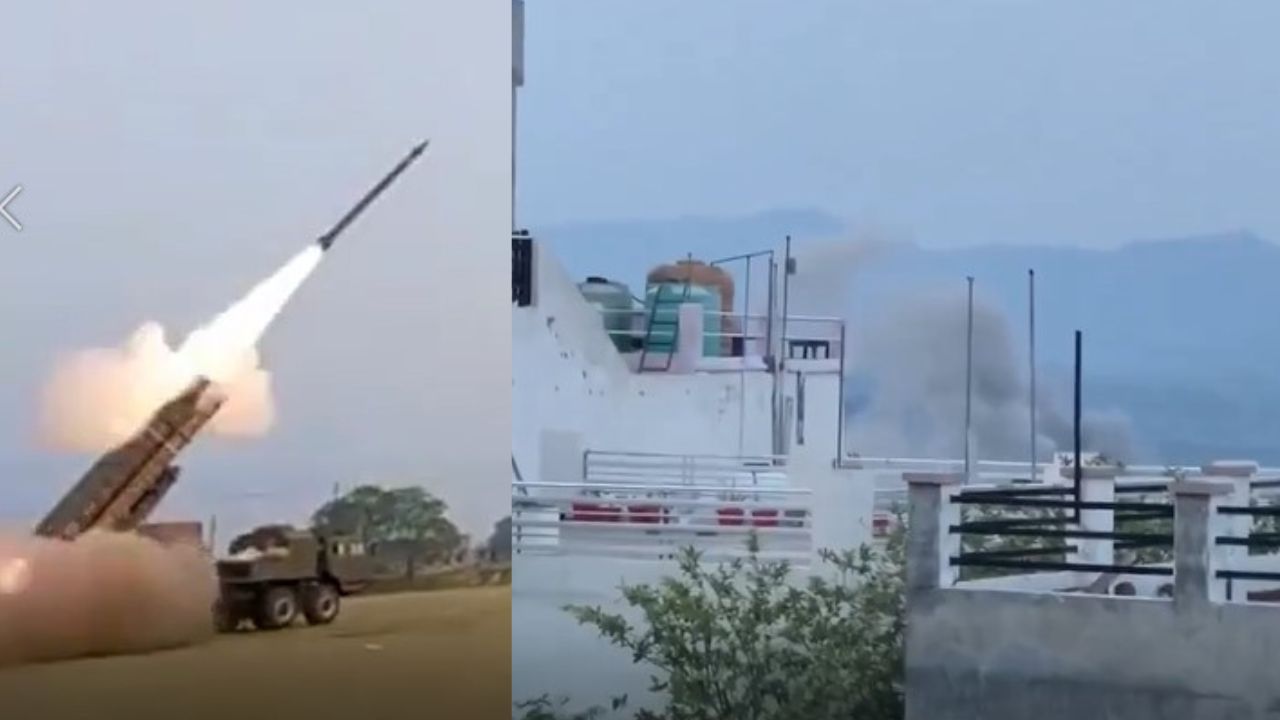
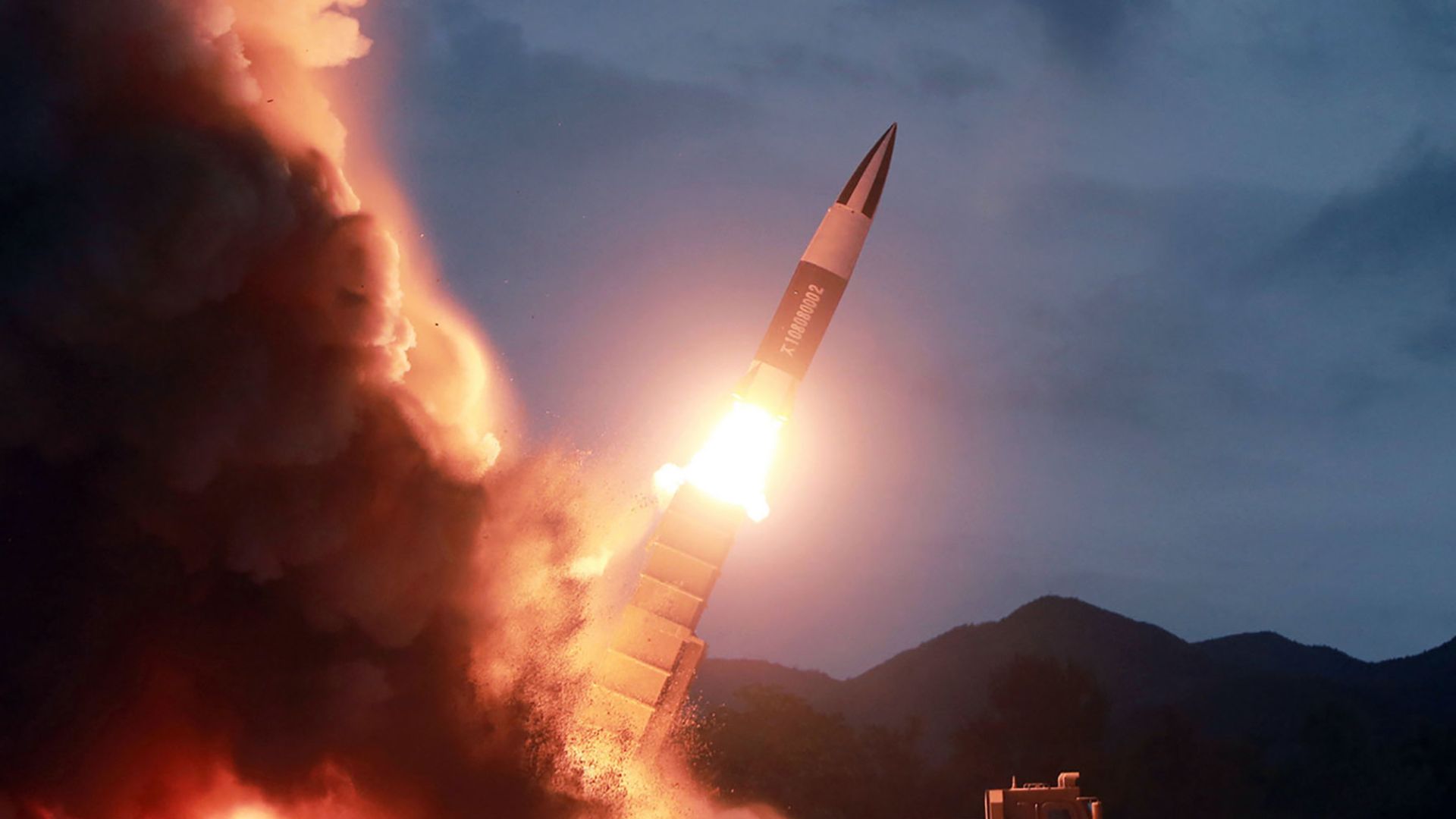
    During the wee hours of Saturday, Pakistan finally initiated a military operation named Bunyan-un-Marsoos against India as it launched Fatah-I missiles, targeting multiple Indian military installations in response to an unprovoked attack on its airbases.

    Drawn from a verse of the Holy Quran, Bunyan-un-Marsoos means “a wall constructed of molten lead”, symbolising strength, solidarity and impenetrability.

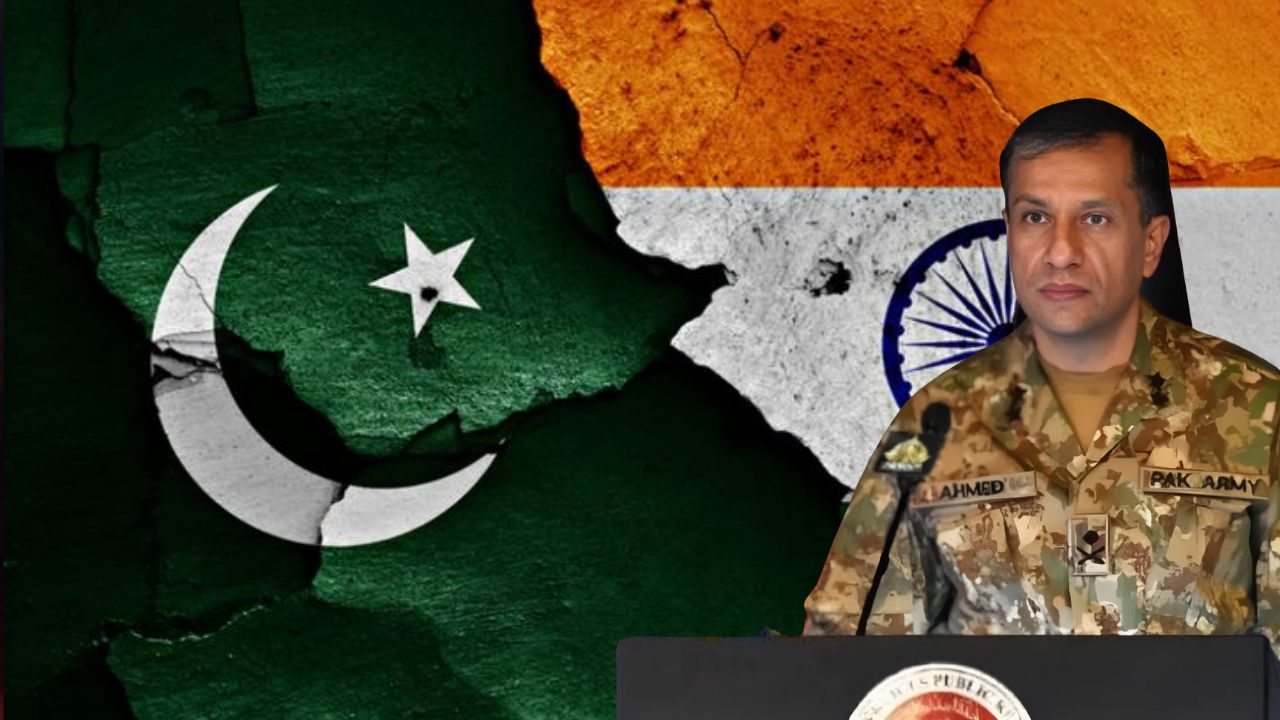
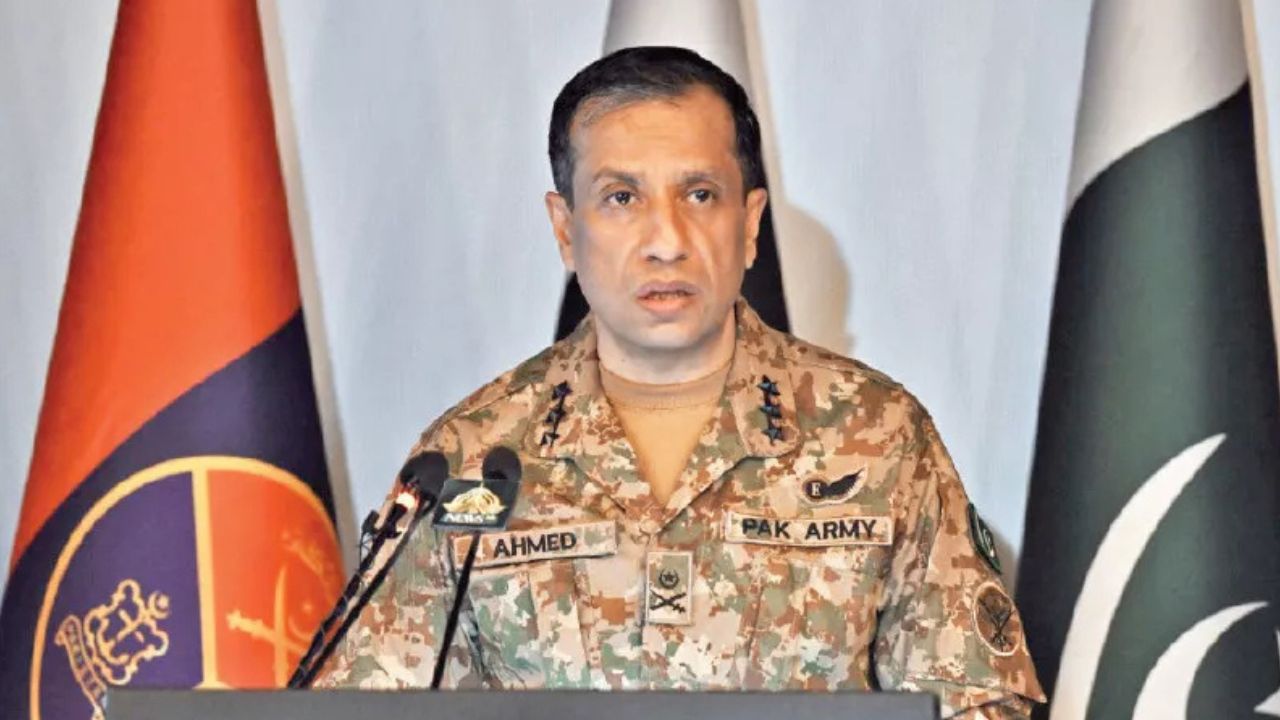
    The operation was launched moments after Inter-Services Public Relations (ISPR) Director General (DG) Lieutenant General Ahmed Sharif Chaudhry addressed a press conference confirming that India had attempted to attack the Pakistan Air Force’s (PAF) Nur Khan (Chaklala, Rawalpindi), Murid (Chakwal) and Rafiqui (Shorkot) airbases.

    He said that all assets of the PAF remained safe as a majority of the projectiles had been intercepted by Pakistan’s air defence systems, but India was “pushing the entire region towards a dangerous war with its madness, aggression and deceit” as New Delhi had also attempted to launch a drone strike on Afghanistan.

    “Now you just wait for our response,” he concluded.

    It wasn’t much later that state-run PTV News, at 4:38 am, reported that the Pakistani military had launched a counter-attack. At 5:52 am, it was revealed that the military had destroyed a storage site of the BrahMos missiles in India’s Beas region and at least two airfields, one each in Udampur and Pathankot, had also been destroyed.

    At 6:29 am, PTV reported that Pakistani drones were active in the skies of New Delhi and at 7:13 am, PAF’s JF-17 Thunder’s hypersonic missiles had destroyed India’s S-400 air defence system “worth approximately $1.5 billion”.

    While the military is yet to officially reveal details of the operation, Deputy Prime Minister (PM) Ishaq Dar has told a private media outlet that Pakistan is operating on the defensive and has no choice but to retaliate against Indian misadventures.

    “This operation that we started today will end in some way. It all depends on what India wants,” he said, adding that Pakistan had no choice, so the civil-military leadership had made the decision following the attack on Nur Khan Air Base.

    “No more patience. We are just giving them a response. We’ve exhibited a lot of patience so far. There is a threshold which we cannot go beyond, especially when it comes to hypocrisy and double standards,” DPM Dar said.

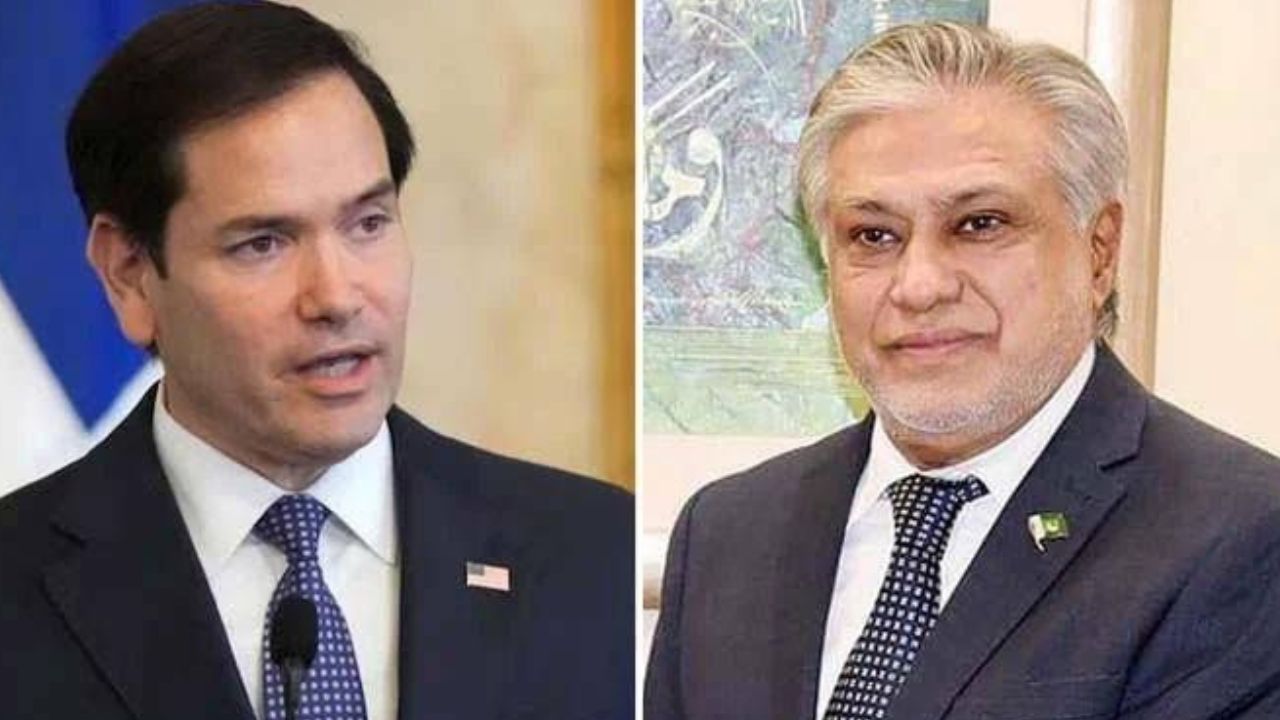
    Separately, US Secretary of State Marco Rubio has spoken to Chief of Army Staff (COAS) Gen Asim Munir, urging both Pakistan and India to “find ways to de-escalate” and offering assistance in starting constructive talks to avoid future conflicts.

    A meeting between President Asif Ali Zardari and Prime Minister (PM) Shehbaz Sharif is also reportedly underway.

  • ‘Find ways to de-escalate’, US calls Chief of Army Staff, Foreign Minister

    ‘Find ways to de-escalate’, US calls Chief of Army Staff, Foreign Minister

    US Secretary of State Marco Rubio spoke with Pakistani Army Chief Asim Munir on Saturday morning, urging both Pakistan and India to “find ways to de-escalate” and offering assistance in starting constructive talks in order to avoid future conflicts. The phone call comes after Pakistan has launched operation ‘Operation Bunyan ul Marsoos’ early on Saturday morning, successfully hitting multiple military targets in the heart of India. 

    Rubio has reportedly also spoken with Foreign Minister Ishaq Dar and according to GEO News, Dar has said that Pakistan is willing to de-escalate if India stops here. If India continues the aggression, Pakistan will respond further.


    In the early hours of May 10, around 1:45 am, DG ISPR chief Lt Gen Ahmed Sharif Chaudhry, in an emergency press conference, revealed that India fired six ballistic missiles on its own Sikh minority community from Adampur, one hit near Adampur itself, and five landed around Amritsar in Indian Punjab.

    India also fired air-to-surface missiles at PAF airbases in Nur Khan (Rawalpindi), Murid (Chakwal), and Rafiqui (Shorkot). DG ISPR called it continued aggression, but confirmed all air force assets are safe so far.

    DG ISPR told New Delhi to “now wait for the response” and soon launched Operation Bunyan-un-Marsoos.

    India also reportedly also launched missile strikes into Afghanistan and carried out drone attacks there, further destabilising and escalating tensions in the region.

    Most of the Indian missiles aimed at PAF airbases were shot down by Pakistan’s air defence systems. A few missiles did get through, but they didn’t cause any harm to PAF aircraft, according to early damage checks.

    The DG ISPR said India’s strikes didn’t meet their goals, thanks to effective defence.

    Pakistan also has the full electronic record of India’s missile launches, where they came from and what they were targeting.

    State-run PTV News reported that in response to India’s actions, Pakistan has hit back with a major cyberattack, hacking several Indian websites, including the BJP’s and Border Security Forces (BSF’s). Sites linked to defence, telecom, and ID systems were breached, with some data leaked. Over 2,500 surveillance cameras were also reportedly hacked in the ongoing digital retaliation.


    This phase of the tension follows Friday night’s press briefing, in which DG ISPR, along with officers of PAF and Pakistan Navy, said Pakistan has solid proof of India’s involvement in sponsoring terrorism within its borders. 

    DG ISPR criticised India for blaming Pakistan for the recent Pahalgam attack without evidence, calling it theatrics to distract from internal issues. He added that 77 Indian drones have been shot down inside Pakistani territory and none returned. He challenged India to show any real proof of Pakistan attacking Indian soil, saying the allegations are baseless. “If you want us to fire back,” he said, “we’ll do it on our own terms.”

  • ‘Now you just wait for our response,’ Pakistan tells India

    ‘Now you just wait for our response,’ Pakistan tells India

    After weeks of escalation, Islamabad on early Saturday morning told New Delhi to “now wait for the response” it had for India’s unprovoked aggression.

    Moments after Indian bids to attack three airbases in Pakistan were foiled by the military, Inter-Services Public Relations (ISPR) Director General (DG) Lt Gen Ahmed Sharif Chaudhry addressed a presser, telling neighbouring India to wait and watch.

    Earlier, India launched projectiles at Nur Khan, Mureed and Shorkot airbases in Pakistan, which were successfully intercepted by the country.

    Confirming the air-to-land attempts by Indian jets, the ISPR chief revealed that all of Pakistan Air Force (PAF) assets remained safe.

    “The Pakistani nation or its armed forces won’t be deterred by India’s nefarious actions,” he said, adding that the country was ready to deal with any misadventures from across the border.

    The ISPR chief further said that India had also launched a drone attack on Afghanistan to promote regional instability.

  • India fires six ballistic missiles; explosion heard in Lahore

    India fires six ballistic missiles; explosion heard in Lahore

    As tension between Pakistan and India continue to mount, New Delhi has fired six ballistic missiles, all of which have landed within its own borders.

    According to Inter-Services Public Relations (ISPR) Director General (DG) Lt Gen Ahmed Sharif Chaudhry, India fired six ballistic missiles past Friday-Saturday midnight, which landed in its own territory.

    Five of the missiles struck Amritsar whereas one landed in Adampur, it was reported.

    “India is targeting Sikh localities,” the military spokesperson said during a late night presser, adding that it was shocking to see the neighbouring country was targeting its own cities.

    He reiterated Pakistan’s support for the Sikh community and said that the country was strictly against targeting civilians regardless of their faith.

    Meanwhile, an Indian drone was shot down by Pakistan’s armed forces in the Narang Mandi area of Punjab.

    This is a developing story and there is no confirmation as to which of the incidents were the source of the explosion heard in different parts of Lahore.

  • Military exposes Indian facilitation of terror in Pakistan

    Military exposes Indian facilitation of terror in Pakistan

    Director General of Inter-Services Public Relations (DG ISPR) Lieutenant General Ahmed Sharif Chaudhry has said that there are loads of evidence available to expose the horrific stories of Indian-sponsored terrorism in Pakistan.

    In a media briefing in Islamabad on Friday (today), the military spokesperson flanked by Director General Public Relations (DGPR) of the Pakistan Air Force (PAF), Air Vice Marshal Aurangzeb Ahmed and Deputy Chief of the Naval Staff Operations Rear Admiral Raja Rab Nawaz, said that “for each and every incident we can tell you how the Indian hand was involved.”

    “The terrorist leaders who surrendered tell us about how India supports terrorism in Pakistan,” Ahmed Sharif added.

    DG ISPR said that India has “no evidence” for its allegations of Pakistan’s involvement in the Pahalgam attack or the supposed attacks inside Indian territory in the last 48 hours, adding, “You just concoct stories. I think the time has come to ask the real and bitter questions that the Indian government needs to stop living in cinema and theatrics.”

    Providing details of the way the Indian media blamed Pakistan shortly after the Pahalgam attack on April 22 without any evidence, DG ISPR Ahmed Sharif maintained that India had adopted a similar stance in the past as well.

    He questioned, “Is this the first time India is doing this? There is a history to it?”

    “How did the Indian government jump to the conclusion regarding who the attackers were within 10 minutes of the incident? When you don’t have any evidence, what do you do? You open up the military front.”

    The military’s media wing spokesperson went on to say that India was shifting the blame for the attack on Pakistan to divert attention from its internal problems.

    He called out India for launching attacks on Pakistan and targeting civilians, including women and children.

    Detailing about the Indian drones downed in Pakistani territory, he said that the military has neutralised 77 Israeli drones sent by India so far, noting, “We are taking each one of them out. Not one of them has been able to go back to India and not one of them will be able to go back.”

    He said in an apparent reference to India that “if you are so fond of Pakistan firing at you, we will fulfil your demand at a time, place and means of our choosing.”

    DG ISPR Ahmed Sharif also asked India to “show the debris of at least [one downed] Pakistani aircraft or drone that Pakistan has fired” as evidence that Pakistan attacked India last night.