Category: National

  • Hope that India’s response to Pahalgam does not lead to wider regional conflict: US Vice President Vance

    Hope that India’s response to Pahalgam does not lead to wider regional conflict: US Vice President Vance

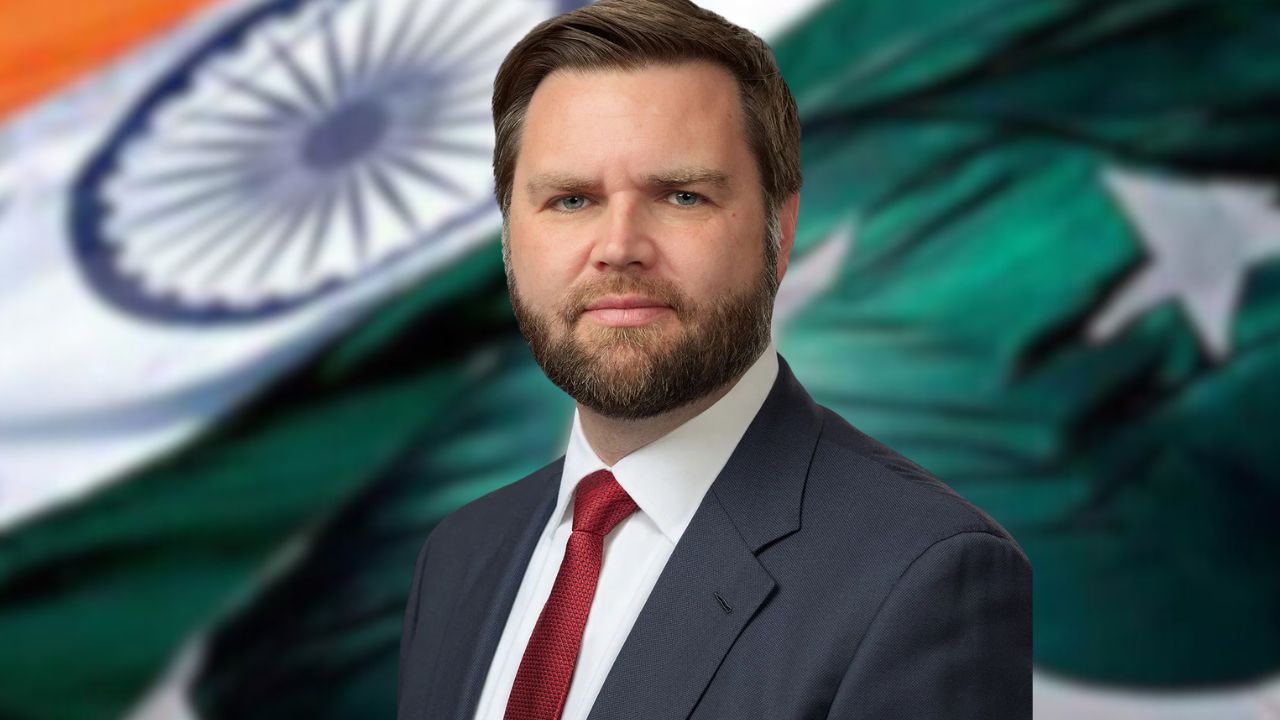
    US Vice President JD Vance has expressed hope that India’s response to the April 22 attack in Pahalgam in occupied Kashmir does not lead to a wider regional conflict.

    “Our hope here is that India responds to this terrorist attack in a way that doesn’t lead to a wider regional conflict,” the US Vice President said in an interview with FOX News on Thursday.

    Following last week’s attack in Pahalgam, a tourist spot in illegally occupied Kashmir, which had claimed the lives of 26 people, including a Nepalese national, India implied cross-border links without offering evidence or conducting an investigation. 

    Condemning the attack, Pakistan has strongly rejected the accusations and called for a credible, transparent and neutral international investigation into the incident.

    Asserting that the US is in close contact with friends in India and Pakistan, Vance said, “We hope frankly that Pakistan, to the extent that they are responsible, cooperate with India to make sure the terrorists, sometimes operating in their territory, are hunted down and dealt with. That’s how we hope this unfolds.”

    Vance’s statement followed a question asked by the host whether the US worried about India and Pakistan, as tensions were escalating after the Pahalgam attack.


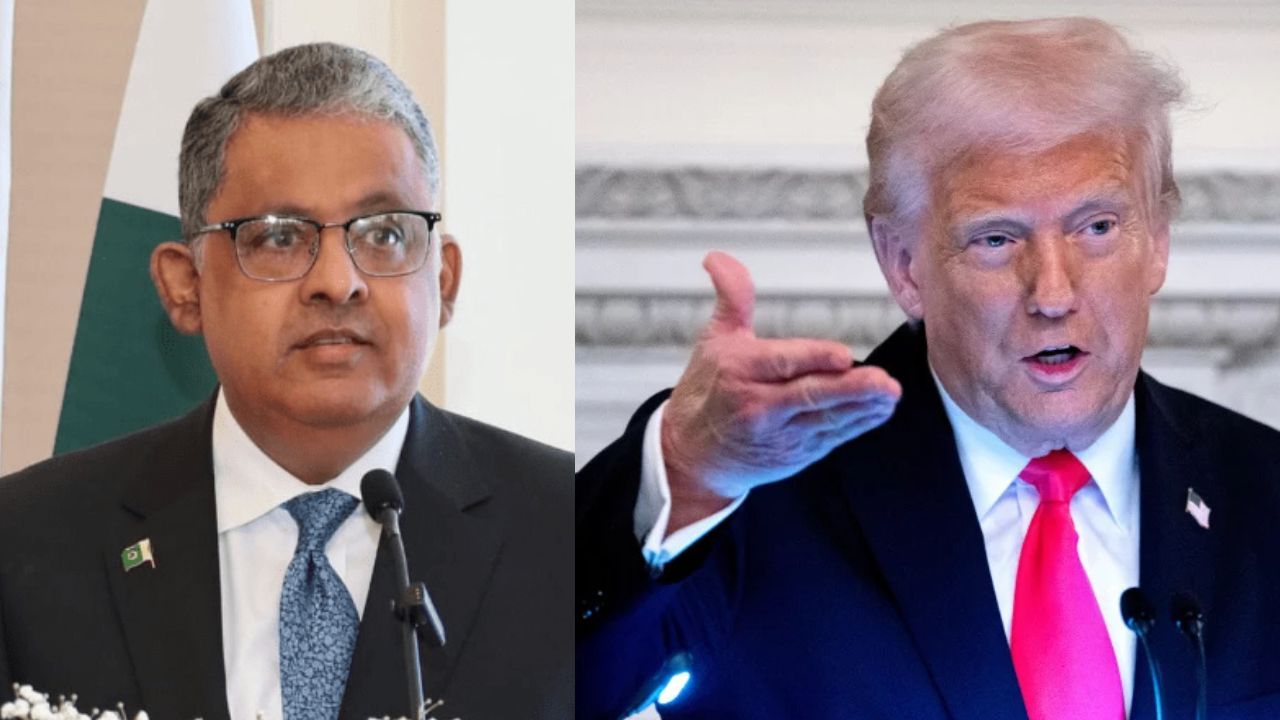
    Meanwhile, the Pakistan ambassador to the US, Rizwan Saeed Sheikh, in an interview with ABC News on Thursday, said that India has yet to provide any evidence related to the attack. 

    He made it clear that Pakistan desires peace, but this should not be misconstrued as weakness. “…We want peace with dignity, but it should not in any way be seen as a sign of weakness that we are interested in peace,” he added.

    He cautioned, “On our part, what we can do is exercise restraint, but if there is an attack on our territory, Pakistan will respond with full force and all that we have within our army. We do not want to initiate anything, but in a nuclear neighbourhood, if it gets started, nobody knows where it goes.”

    On Wednesday, the US State Department said that the US Secretary of State, Marco Rubio, urged Pakistan and India to work together to ease tensions.


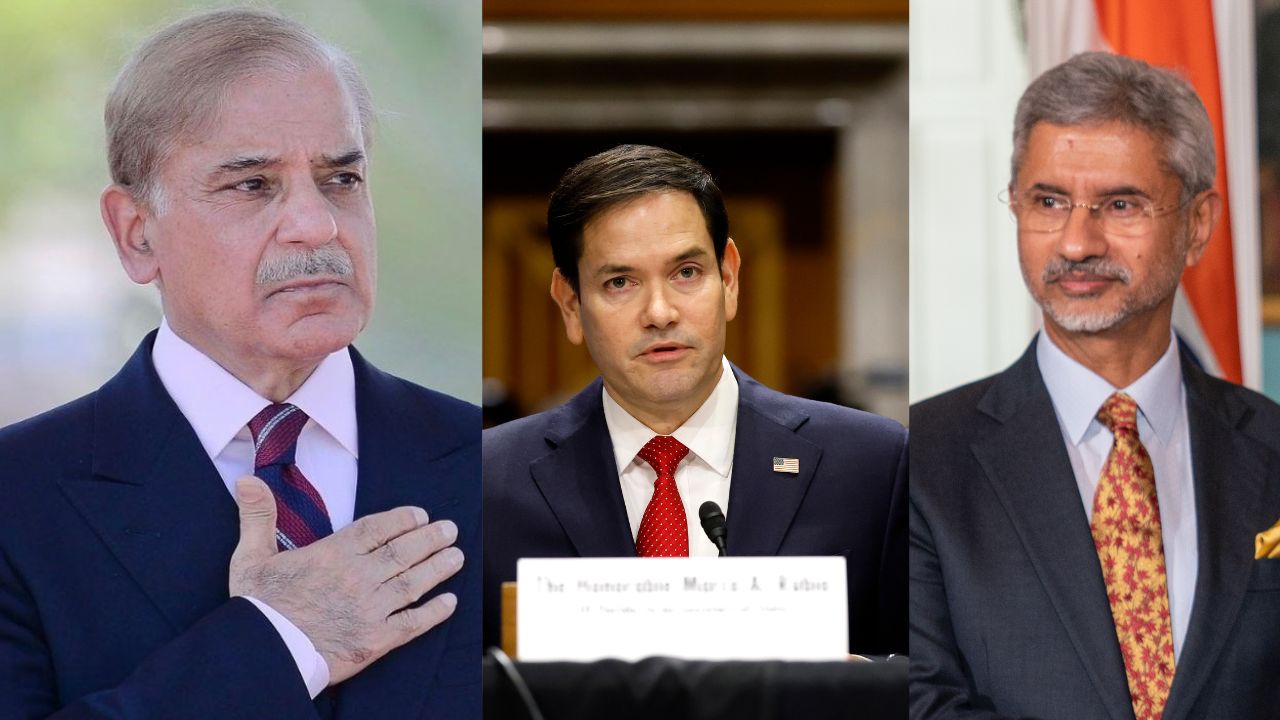
    Rubio conveyed the message in separate calls with Prime Minister (PM) Shehbaz Sharif and Indian External Affairs Minister S. Jaishankar.


    According to separate statements issued by the US State Department after the calls, the US Secretary of State called on Pakistan to cooperate in probing the attack in Pahalgam.

    US State Department spokesperson Tammy Bruce said that the Secretary of State encouraged Pakistan to work with India to ease tensions, restore direct communication, and promote peace and security in South Asia.


    “The Secretary spoke of the need to condemn the terror attack on April 22 in Pahalgam,” Bruce said, adding that both leaders reaffirmed their continued commitment to holding terrorists accountable for their heinous acts of violence.
  • India bans Shehbaz Sharif, Imran Khan’s YouTube channels

    India bans Shehbaz Sharif, Imran Khan’s YouTube channels

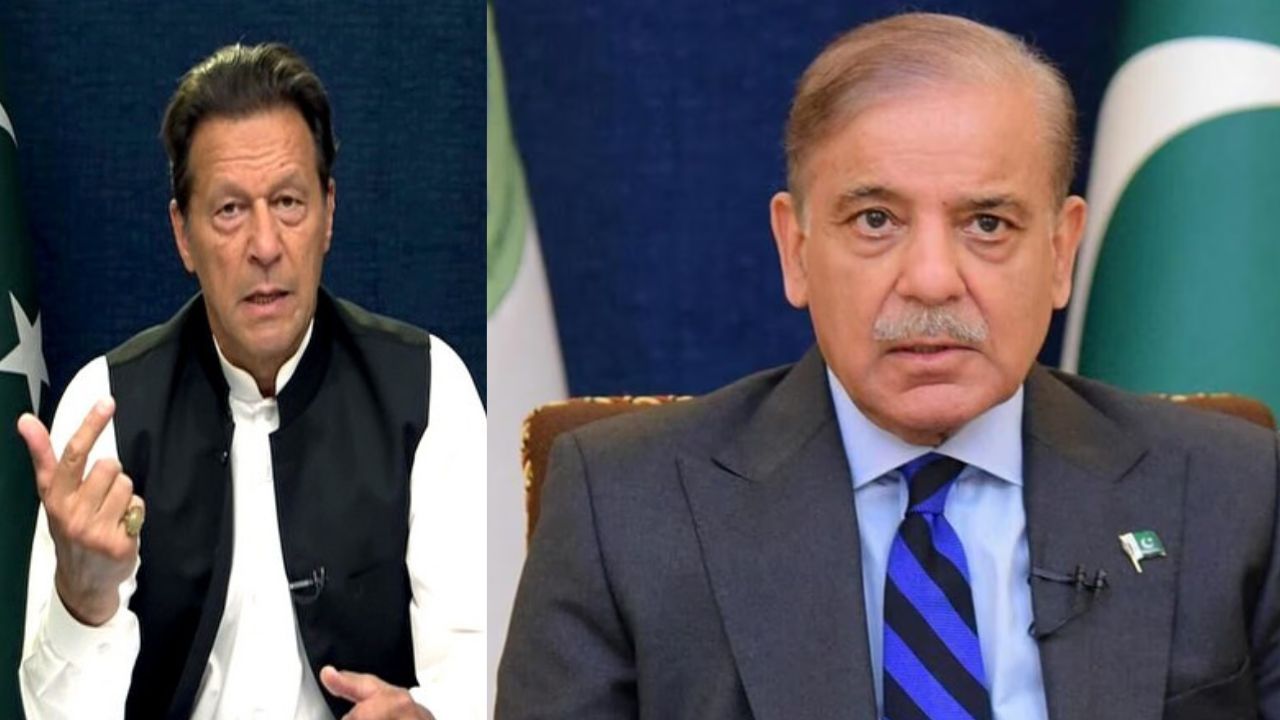
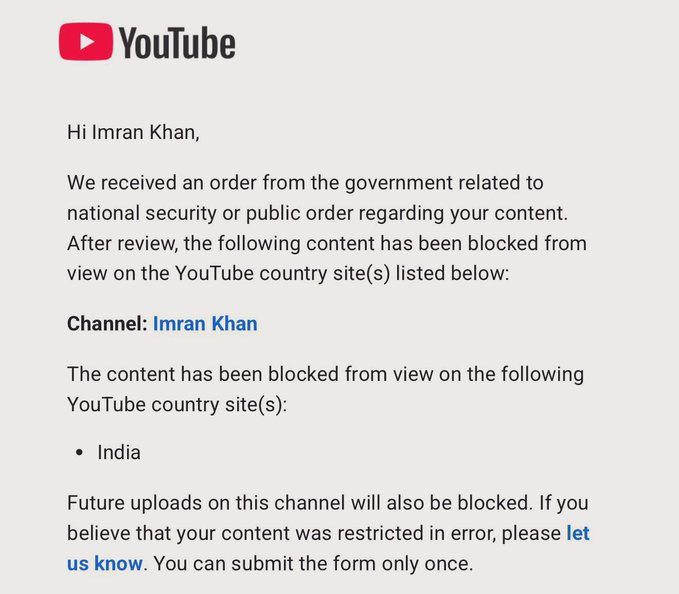
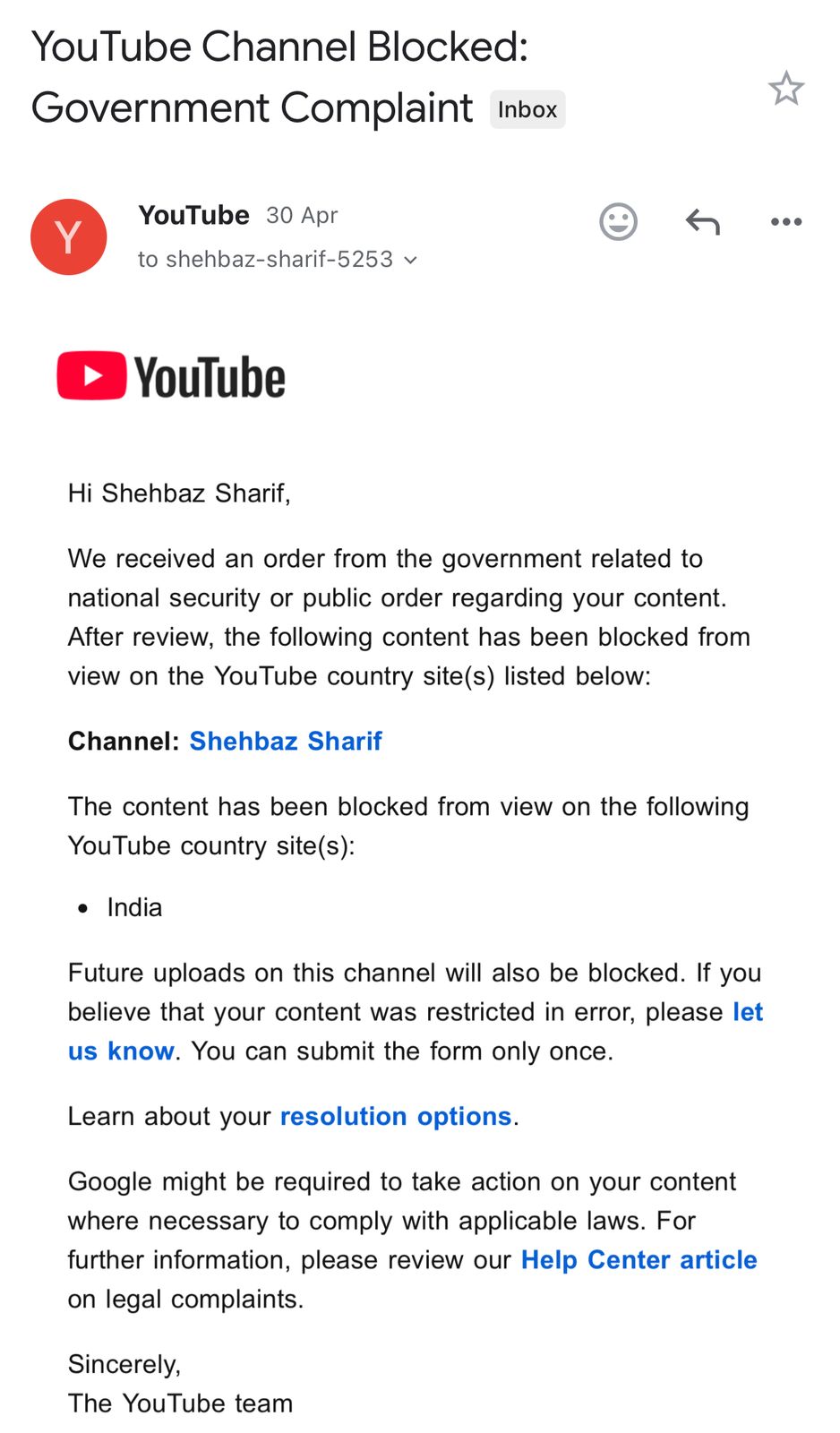
    Days after multiple Pakistani YouTube channels were banned in India, the founder of Pakistan Tehreek-e-Insaf (PTI), Imran Khan, and Prime Minister (PM) Shehbaz Sharif’s channels have also been banned on the platform amid rising tension between the two countries after the April 22 attack in Pahalgam, in Indian Illegally Occupied Kashmir.

    According to the emails sent by YouTube to the two channels, the ban follows an “order from the government related to national security or public order. And the future uploads on these channels will also be blocked.”

    Tensions between the two countries remain high, as India, without offering any concrete evidence, continues to imply cross-border linkages of the attackers, while Pakistan has firmly denied any involvement. PM Shehbaz Sharif has called for a neutral investigation into the incident.

    The bans by the Narendra Modi-led government in India are being perceived as attempts to restrict the alternative narrative surrounding the Pahalgam attack.

    Earlier, on the recommendation of its Ministry of Home Affairs, India reportedly banned 16 prominent YouTube channels, including Dawn News, Geo News, Samaa News, ARY News, Bol News, and Suno News.

    Journalists Irshad Bhatti, Asma Shirazi, Umar Cheema, and Muneeb Farooq’s channels were also blocked in India. The podcast The Pakistan Experience was among the channels that were also banned

    .

    The Indian Ministry of Home Affairs alleged that the above-mentioned YouTube channels were pushing “false narratives” against India, its army, and security agencies.

    Indian media reported that the Instagram accounts of multiple influencers and Pakistani actresses, including Hania Aamir, Iqra Aziz, and Mahira Khan, are no longer accessible to users in India.

    When users in India access the accounts, a message appears stating: “The account is not available in India. This is because we complied with a legal request to restrict this content’s message.”

  • Clothing brand sealed by FBR for alleged tax fraud

    Clothing brand sealed by FBR for alleged tax fraud

    The Federal Board of Revenue (FBR), through its Regional Tax Office (RTO) II, has sealed multiple outlets and offices of the Western clothing brand Sowears over alleged tax evasion exceeding Rs100 million.

    According to FBR officials, Sowears has not integrated its Point of Sale (PoS) system with FBR’s centralised system since 2018, following a thorough examination of the business’s financial operations.

    The non-compliance concealed taxable income,, costing the national exchequer money.

    At least four to five major brand stores in Karachi were sealed by FBR, including those in Saima Mall, Lucky One Mall, Dolmen Mall, Ocean Mall, and Hyderi Market. 

    Additionally, the brand’s factory in the SITE industrial area was raided, and digital evidence and business records were seized.

    The investigation also revealed that Sowears had reportedly been conducting undisclosed business in the United States and the United Arab Emirates. 

    The company’s Pakistani income statements made no mention of these transactions, which were reportedly handled via courier services. 

    The FBR is concerned about potential money laundering since it believes that these overseas transactions may include the use of fake companies and illicit bank accounts.

    The inquiry is being conducted under the Income Tax Ordinance and other relevant laws, and further investigation is ongoing.

  • Pakistan bans Indian songs on FM radio as tensions rise with arch-rivals

    Pakistan bans Indian songs on FM radio as tensions rise with arch-rivals

    The Pakistan Broadcasters Association (PBA) has decided to stop broadcasting Indian songs on FM radio stations nationwide, following the escalation of tensions between Pakistan and India.

    This decision comes in the wake of the 22 April attack in Pahalgam, Indian Illegally Occupied Kashmir, which led to the deaths of 26 Indian tourists. In response, India has reportedly imposed a ban on Pakistani artists, television dramas, and entertainment channels, and has restricted access to the Instagram accounts of Pakistani celebrities, including Mahira Khan and Hania Aamir. Users in India now encounter a message stating that these accounts are unavailable due to legal requests.

    Following these bans, the PBA announced the suspension of Indian content on local FM radio stations, a move that has received support from the Ministry of Information and Broadcasting. In an official letter, the ministry described the decision as a “principled” one, reflecting a unified national sentiment during a period of heightened political tension.

    Information Minister Attaullah Tarar expressed his support for the ban in a letter to PBA Secretary General Shakeel Masud. He commended the PBA for independently taking this initiative, highlighting that it reinforces a spirit of national unity. “This patriotic act is greatly valued and mirrors the collective sentiments of the entire nation,” he stated. He also mentioned that the decision demonstrates “a strong sense of national solidarity” and upholds “the dignity and sovereignty of the nation.”

    Tarar also praised the media’s role during what he called a pivotal time. According to him, such decisions reflect the commitment of media stakeholders to promoting peace, unity, and the national interest. He concluded his letter with gratitude to the PBA and all involved parties for aligning their actions with the government’s broader objectives.

    This is not the first time entertainment has become entangled in political disputes between the two nations, but this move marks a new chapter in the recurring cycle of bans that typically surface during periods of tension.

  • Trump asked to prevent nuclear war between Pakistan, India: report

    Trump asked to prevent nuclear war between Pakistan, India: report

    Pakistan’ Ambassador to the United States (US) Rizwan Saeed Sheikh has revealed asking President Donald Trump to intervene and help ease escalating tensions with India.

    In an interview with Newsweek, the Pakistani envoy referred to President Trump as a man who wants to establish “a legacy as a peacemaker during his administration”.

    “I don’t think there is any higher or flashier flashpoint, particularly in nuclear terms, as Kashmir, he said, contending that the Trump administration would need to pursue a more comprehensive and sustained initiative than in past US attempts to defuse crises that have erupted between Pakistan and India.

    “So, I think with this threat that we are facing, there is a latent opportunity to address the situation not just to focus on an immediate de-escalatory measure, or a de-escalatory approach, but to try and get this out of the way in a fashion that there is something more durable and lasting in terms of a durable solution to the Kashmir dispute rather than allowing the situation to stay precarious and pop up again and again at the next drop of a hat on this side or that side.”

    During his interview, Ambassador Sheikh rejected any Pakistani involvement in the Pahalgam attack and argued that the fallout of such an operation could only serve to harm rather than benefit Pakistan’s interests.

    “Pakistan is focusing on a matter of a deliberate, considered, pronounced shift of our foreign policy… a pivot from geopolitics to geoeconomics.”

    “We are focused on the geoeconomics side of our geography and our foreign policy. We are currently economically ascendant. The only thing that we need in terms of the broader region in such a pursuit and such a setting is a peaceful neighbourhood. We need a peaceful neighbourhood.”

    He went on to say it was outlandish and far-fetched, to blame Pakistan for it.


    On the Kashmir issue, he said it would persist until a final settlement was made. “The dispute should be resolved. If it is resolved, one-fifth of humanity can live in peace. All the other issues between Pakistan and India are not major issues.”

    “We do not want to fight, particularly with a bigger country… we want peace. It suits our economic agenda… it suits our nationhood. It suits every objective that we have currently. But we want peace with dignity. We would not want to do it, but if it is imposed, then we would rather die with dignity than survive with indignity.”

    On violation of the Indus Water Treaty (IWT) by India, Sheikh cautioned that if there was even an attempt, or a semblance of an effort, to stop or hold the water back for an agrarian economy, it would be a “declaration of war. All bets, he added, would be off if it was about the food security of 250 million people.

    “If you threaten me with such a situation… which is existential… what response do you expect?”

  • US urges Pakistan, India to work together to ease tensions

    US urges Pakistan, India to work together to ease tensions

    Amid rising tensions and warmongering following last week’s Pahalgam terror attack that killed 26 people, US Secretary of State Marco Rubio has urged Pakistan and India to work together to ease tensions, the US State Department said on Wednesday.

    US Secretary of State Marco Rubio conveyed the message in separate calls with Prime Minister (PM) Shehbaz Sharif and Indian External Affairs Minister S. Jaishankar.

    According to separate statements issued by the State Department after the calls, the US Secretary of State called on Pakistan to cooperate in probing the attack in Pahalgam.

    US State Department spokesperson Tammy Bruce said that the Secretary of State encouraged Pakistan to work with India to ease tensions, restore direct communication, and promote peace and security in South Asia.

    “The Secretary spoke of the need to condemn the terror attack on April 22 in Pahalgam,” Bruce said, adding that both leaders reaffirmed their continued commitment to holding terrorists accountable for their heinous acts of violence.
    A separate readout of Rubio’s conversation with India’s foreign minister shared by Bruce said: “[Secretary of State Marco Rubio] encouraged India to work with Pakistan to de-escalate tensions and maintain peace and security in South Asia.”

    Earlier, the Prime Minister’s Office (PMO) in Pakistan also issued a statement, saying that during the call, PM Shehbaz shared Pakistan’s perspective on developments in South Asia since the Pahalgam incident.

    Condemning terrorism in all its forms and manifestations, PM Shehbaz termed India’s “escalatory and provocative” behaviour as deeply disappointing and worrisome.

    As per the statement, the premier also highlighted Pakistan’s leading role in the fight against terror, noting that the country had sacrificed over 90,000 lives and suffered more than $152 billion in economic losses.

    Rejecting India’s attempts to link Pakistan to the Pahalgam attack, he repeated his call for a transparent, credible, and neutral investigation.

    On the long-standing Indus Water Treaty (IWT), the PM said that India had “weaponised” water, a vital resource for 240 million Pakistanis, emphasising that the IWT did not allow either country to unilaterally back out of its commitments.

  • Gilgit, Skardu flights cancelled amid rising Pak-India tension

    Gilgit, Skardu flights cancelled amid rising Pak-India tension

    All commercial flights scheduled to operate to and from Gilgit and Skardu have been cancelled amid security concerns, as tensions between Pakistan and India remain high following the April 22 attack in Pahalgam.

    Pakistan has also increased monitoring of its airspace amid rising security concerns about possible aggression from India, media outlets quoted aviation sources as reporting on Wednesday.

    Air traffic control authorities have issued new directives to closely monitor all flight activities, including those of foreign airlines passing through Pakistani airspace.

    According to details, particular attention is being paid to flights arriving from India or operated by Indian carriers. Monitoring of suspicious aircraft has also been enhanced, and clearance for such flights will now require high-level approval.

    Officials have said that the measures are precautionary and aimed at ensuring national airspace security during a period of elevated regional tension.

    Meanwhile, special instructions reportedly have been issued to air traffic controllers at all major airports, including Lahore’s Allama Iqbal International Airport. Controllers have been directed to demand air defence clearance numbers from pilots of any suspicious aircraft prior to departure. No aircraft will be cleared without proper documentation and identification.

  • Ex-PM Imran calls on India to ‘act responsibly’

    Ex-PM Imran calls on India to ‘act responsibly’

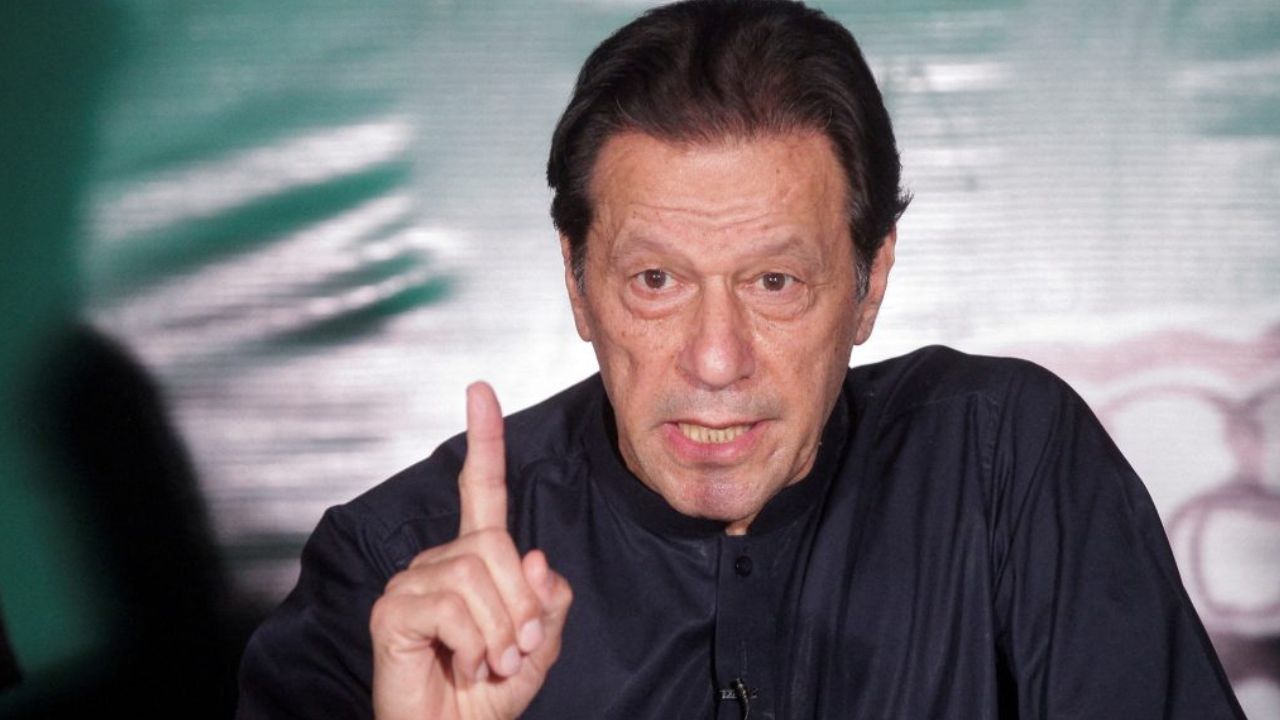
    Former Pakistani prime minister Imran Khan on Tuesday suggested that India must act responsibly in the “nuclear flashpoint” region as the two arch-rivals countries face-off amidst warmongering from Indian media. 

    A statement posted on Imran Khan’s official X (formerly Twitter) account reads, “Being a country of 1.5 billion people, India needs to act responsibly instead of messing with a region already known as ‘nuclear flashpoint’.”

    Reportedly, Imran Khan told the substance of the statement to his lawyers during a meeting at Adiala Jail in Rawalpindi.

    He recalled that when he was the Prime Minister in 2019, following the “false flag operation incident” in Pulwama in February of that year, his government had offered to extend all-out cooperation to India.

    “However, India failed to produce any concrete evidence. As I predicted in 2019, the same is happening again after the Pahalgam incident. Instead of introspection and investigation, Modi Sarkar is again placing the blame on Pakistan,” he said.

    Maintaining that peace is the priority of the country, he cautioned that it should not be mistaken for cowardice. “Pakistan has got all the capabilities to give a befitting response to any Indian misadventure, as My Government, backed by the whole nation, did in 2019,” he claimed.

    Imran Khan reiterated that India, led by RSS ideology, is a grave threat beyond the region. “Narendra Modi’s aggression has united the people of Pakistan in one voice against Indian hostility… we stand firmly as one Pakistani nation and strongly condemn Modi’s war-mongering and his dangerous ambitions that threaten regional peace,” he added.

    “Indian oppression in Kashmir, intensified after the illegal abrogation of Article 370, has further fueled the Kashmiri people’s desire for freedom.”

    Read More: ‘Credible intel’ indicates India intends military action against Pakistan within 36 hours: Tarar

    Separately, the United States (US) State Department Spokesperson Tammy Bruce said on Tuesday that Secretary of State Marco Rubio is expected to speak with the foreign ministers of both India and Pakistan.


    “We are reaching out to both parties, and telling them of course not to escalate the situation. The secretary is expected to speak with the foreign minister of Pakistan and India as early as today or tomorrow,” the State Department spokesperson said when a journalist posed a question during the press briefing.


    Following the Pahalgam incident, without providing verifiable evidence, India has attempted to link Pakistan to the attack. Pakistan has firmly denied the allegations and has offered to participate in a neutral and transparent international investigation.


    Bruce said that the Secretary of State is also encouraging other foreign ministers and national leaders to reach out to the nuclear-armed arch rivals in a bid to diffuse tensions, adding that action is being taken every day.

  • Indian army’s nursing college website hacked by Pakistani group: reports

    Indian army’s nursing college website hacked by Pakistani group: reports

    Tensions between India and Pakistan have grown worse after the recent militant attack in Pahalgam, Indian Illegally-Occupied Jammu & Kashmir (IIOJK). 

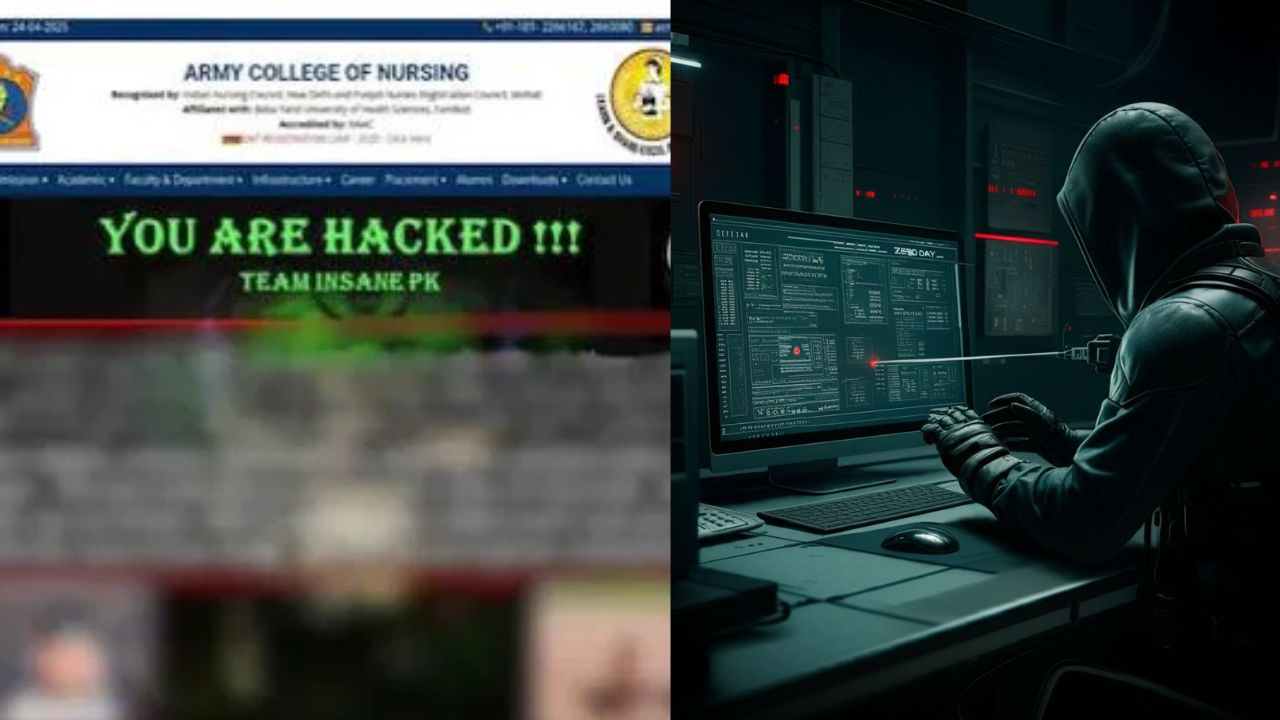
    Days after the attack, the website of the Indian Army College of Nursing has reportedly been hacked. Indian media reports have said that a Pakistani hacker group called Team Insane PK may be behind the cyberattack. 

    However, it is yet to be established that the group has any link to Pakistan. 

    Hackers reportedly posted messages referring to the two-nation theory. Although the college operates under the Army Welfare Education Society, it will need help from India’s national cybersecurity team, CERT-In, to investigate the attack and fix the website.

    Experts are now warning that, apart from political and military conflict, cyberattacks could become a serious part of future confrontations between the nuclear-armed neighbours.

    India had already taken controversial and illegal steps against Pakistan after the Pahalgam incident. These include suspending the Indus Waters Treaty—a key water-sharing agreement between the two nations. India also expelled Pakistani defence advisors from its capital, New Delhi, labelling them “persona non grata.”

    India also cancelled all Pakistani visas, except for a few long-term ones issued to Hindu Pakistani nationals. Most Pakistanis living in India were told to leave the country within 72 hours.

    Pakistan didn’t stay silent either. Officials in Islamabad announced that they would freeze all agreements with India, including the important Simla Agreement. Pakistan also shut down its airspace to Indian flights, affecting both international and local travel routes. This decision is expected to cause delays and losses in trade and cargo movement.

    Social media has also become a battleground. After the Pahalgam attack and India’s tough measures, many Pakistani users shared humorous memes and sarcastic posts, mocking India’s actions.

  • US expected to try to diffuse tension between Pakistan, India within next 24 hours

    US expected to try to diffuse tension between Pakistan, India within next 24 hours

    Amid escalating tension between Pakistan and India after the Pahalgam incident, the United States (US) State Department Spokesperson Tammy Bruce said on Tuesday that Secretary of State Marco Rubio is expected to speak with the foreign ministers of both India and Pakistan.


    “We are reaching out to both parties, and telling them of course not to escalate the situation. The secretary is expected to speak with the foreign minister of Pakistan and India as early as today or tomorrow,” the State Department spokesperson said when a journalist posed a question during the press briefing.


    Following the Pahalgam incident, without providing verifiable evidence, India has attempted to link Pakistan to the attack. Pakistan has firmly denied the allegations and has offered to participate in a neutral and transparent international investigation.


    Bruce said that the Secretary of State is also encouraging other foreign ministers and national leaders to reach out to the nuclear-armed arch rivals in a bid to diffuse tensions, adding that action is being taken every day.

    While the State Department stopped short of commenting on specific allegations, the spokesperson reiterated the US position: “We are watching the situation closely and remain in direct touch with both governments. We are, of course, encouraging all the parties to work together for a responsible solution. The world is watching this.”

    On being asked about recent collaboration following Pakistan’s facilitation in the arrest of an Islamic State Khorasan suspect, Bruce acknowledged Pakistan’s cooperation, noting: “We appreciated that arrest when it occurred.”

    When asked about Pakistani minister Khwaja Asif’s statement about historic cooperation with the US, Bruce declined to offer specific commentary, instead highlighting ongoing multi-level engagement with Islamabad.