In what netizens are calling “another U-Turn by the ruling party”, the federal government has reportedly withdrawn its decision of including Ahmadis to the National Commission for Minorities.
According to reports, following recommendations from the Ministry of Religious Affairs, the government on Tuesday withdrew its earlier decision to give representation to the Ahmadi community in the minorities commission.
They said that the decision was reconsidered after the move sparked fierce criticism from the religious right on mainstream and social media.
Meanwhile, the federal cabinet has approved the reconstitution of the commission.
A Hindu community member from Sindh, Chela Ram Kewlani has been named as chairman of the commission while Maulana Syed Muhammad Abdul Khabir Azad and Mufti Gulzar Ahmed Naeemi will represent the Muslim community.
Three members each have been selected from the Hindu and Christian communities, while two members have been named from the Sikh community and one member each will represent Kelash and Parsi communities in the commission. The chairman of the Council of Islamic Ideology (CII) will be the commission’s ex-officio member while the religious affairs secretary will also act as the commission’s secretary.
The federal cabinet on April 15 had decided in principle that the Ahmadi community, being a minority in accordance with the Constitution of Pakistan, should also be represented in the commission.
The Ahmadi community of Pakistan was to be included in the commission for the first time since 1974, when they were declared non-Muslim by the then Pakistan People’s Party (PPP) government.
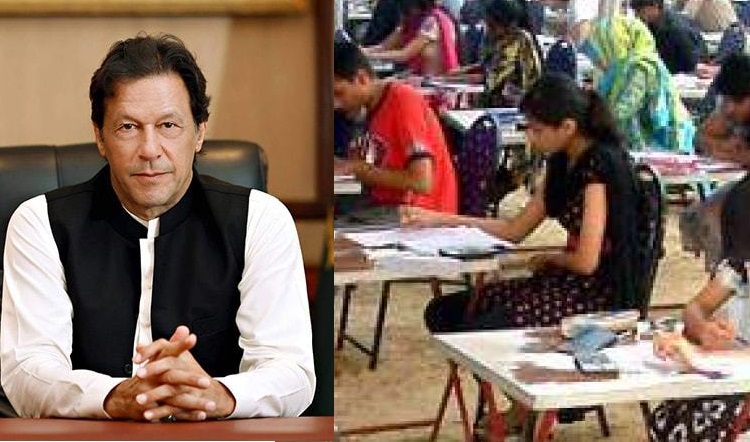
Prime Minister (PM) Imran Khan has approved the special Central Superior Service (CSS) exam to fill 188 vacancies.
“Balochistan 49, Rural Sind 41, Urban Sind 19, KP 22, ex Fata/GB 16 & AJK 2. We truly believe in giving equal opportunities to all federating units [sic],” tweeted Special Assistant to Prime Minister (SAPM) on Establishment Shehzad Arbab.
And 39 for Punjab minorities which I forgot to mention.
Speaking to a private media outlet, Arbab said the exam is likely to be conducted by year-end.
Annual CSS examinations are held to recruit candidates to the permanent elite bureaucratic authority, and the civil service that is responsible for running the civilian bureaucratic operations and government secretariats and directorates of the Cabinet of Pakistan. The premier is the final authority on all matters regarding the civil service.
One pilot and three flight attendants of the Pakistan International Airlines (PIA), who had performed duties on a special flight from Melbourne to Lahore, have tested positive for the new coronavirus — COVID-19.
As per the details, the national carrier last month ran a one-off flight from Melbourne to Lahore to help hundreds of Pakistanis return home from Australia.
With the country having blocked all international commercial flights since mid-March — a ban that’s now set to continue for an indefinite period of time — many of the country’s residents have struggled to find a path back to their homeland, making government repatriation flights a necessity.
A PIA Boeing 777-200LR first flew from Lahore to Melbourne on Friday, April 24. PK8962 departed Pakistan at 5 pm local time, reaching Melbourne the next day at 10:30 am after a journey of 12 hours and 30 minutes.
Allowing time for the crew to rest before the return leg, the Melbourne-Lahore flight, PK8972, departed at 1 pm on April 26, reaching the provincial capital of Punjab at 9 pm the same day, 13 hours after wheels-up.
PIA’s Boeing 777-200LR jets can normally accommodate up to 310 passengers, but this repatriation service from Melbourne was capped at 250 passengers.
Over a week on, reports say that three crew members of the special flight have tested positive for coronavirus.
The crew members of PIA were earlier awaiting their COVID-19 test results and have now been shifted to Combined Military Hospital (CMH) Lahore. Among them are flight attendants Waqar Farooqui, Sofia Shaikh and Ahmed Ammad as well as first officer Shakil Akram.
Pakistan’s fastest-growing digital media start-up, The Current, has won the Google News Initiative (GNI) Innovation Challenge, becoming the only media organisation in the country to have secured the coveted spot and that too within just a year of its launch.
Under the challenge, Google received applications from over 255 news organisations and technology companies from across the Asia Pacific, including media giants like Japan’s Nippon Television Network, out of which 18 were selected to receive $2.3 million in funding.
The first round of the challenge focused on diversifying revenue and saw dozens of examples of creative new approaches. The applicants were asked for proposals to increase reader engagement, which ultimately leads to greater loyalty and willingness to pay for content.
The 255 strong submissions revolved around topics like user-generated content, community management, fact-checking and the use of technologies such as machine learning to tackle business challenges.
As part of the project, The Current will develop a membership model that will be the first of its kind in Pakistan — with three levels of membership provided for its most avid followers. The plan is to provide content and training that members want, and also test a viable alternate stream of revenue for digital news startups.
The challenge had been won by Jang Media Group in Pakistan last year. As part of the project, the media organisation developed state-of-the-art Artificial Intelligence (AI) and Augmented Reality (AR) platforms for digitising its historical news archives. The project was similar in scale and ambition to the New York Times collaboration with Google in transforming its archives.
Here’s what you should know about the selected projects from 2020 and the previous years.
The global coronavirus pandemic has resulted in either a partial or full closure of most industries, wreaking havoc on the country’s economy. Though food scarcity is not a problem yet, during Ramzan, the closures can spell misery for people despite the government’s assurance of consistent supply. In order to simmer down the current food panic and hoarding of goods, it is to be ensured that the production and availability of essential goods are not halted by the arrival of COVID-19 in Pakistan.
There are two sources of concern in this situation.
First, despite growth in livestock, which contributes to almost 2/3 of the agricultural output in Pakistan and accelerated slightly to 4.0% in fiscal year (FY) 2019; agricultural production as a whole expanded by only 0.8%. Second, with COVID-19 escalating, Pakistan has recently suspended its trade and closed its borders, leaving many distressed and worrying about the shortage of essential Iftar items.
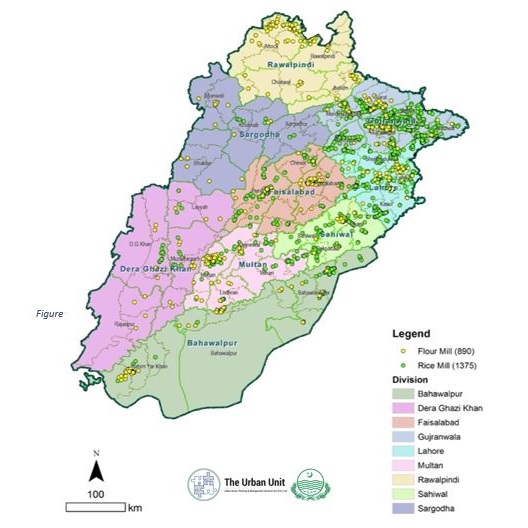
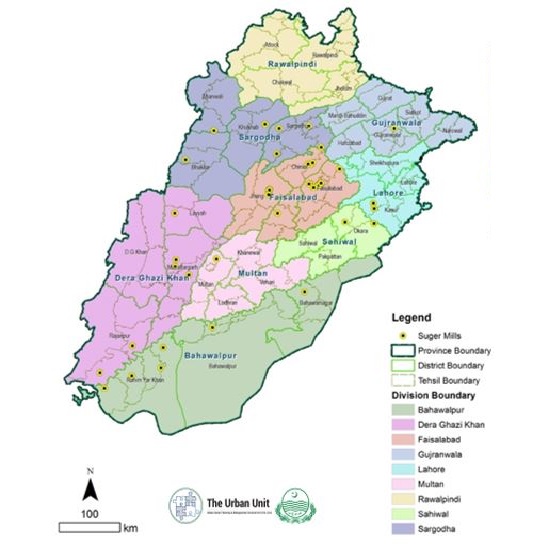
In order to address the first concern, it is imperative to note that an overall decline in all sectors was already being witnessed before COVID-19. The slowdown in the agriculture industry was exacerbated by weaker demand and higher costs until the disease arrived. As for the shortage of essentials food items, Punjab alone is a mass producer of many food essentials that will be easily available during Ramzan. An analysis by the Urban Unit states the availability of most essential items from April to June 2020:
Tomatoes: Punjab’s production was recorded 1,38,397 tons during 2018-19
Potatoes: Punjab has 96.94% share in the total domestic production of potato and the total arrival in local wholesale markets was recorded at 510 to 515 trucks/day on an average
Garlic: Domestic production was recorded at 72,598 tons in 2018/2019.
Chilies: Production of chilies in Punjab is 11,698 tons
Onions: 20% in total domestic production
In addition to these, all forms of meat and dairy will be available as 3.7 million litres of milk are supplied per day and the daily supply of beef and mutton is 518,861 tonnes and 130,000 tonnes per day, respectively.
Under essential items, rice is the only commodity that is expected to suffer a blow by the pandemic, but it is harvested in September. All vegetables and fruits such as capsicum, cabbage, cauliflower, bittergourd, cucumber, turnip, guava, melons and strawberries will be available in an abundant amount.
While no serious panic has been witnessed in consumer behavior in Pakistan unlike in Europe or the United States (US), the government must exercise extreme vigilance on supply-demand trends during Ramzan. There should be no hoarding, and a robust price control mechanism must be put in place at the grass-root level by respective provincial and district administrations.
For example, the Food Department of the Punjab government has taken effective and strict measures and warned of a crackdown on unnecessary stock holdings.
So far, collective efforts by the Food Department along with the Deputy Commissioner’s Office and the Industries Department have led to the collection of fines worth Rs2,883.71 million from accumulators of food items, out of which Rs882.03 million was collected within just 40 days i.e. from March 1 to April 9.
In an attempt to reduce the current wheat prices, the department is further identifying and disqualifying ghost mills from the official quota and borders are also being sealed, barring wheat transportation outside the province and ensuring food security.
The founder and CEO of ARY Digital Network, Salman Iqbal, has tweeted that eight out of 20 random test results at ARY’sIslamabad office came positive for coronavirus, following which the channel has closed the office and all of its staff will be tested.
As a precautionary measure random testing was done in ARY Isb office ,8 reported positive out of 20 tests, 2 have shown symptoms.We have closed our isb office ,all staff will be tested and office to be sanitised.Till all staff is tested employees have been asked to stay at home.
ARY anchor Sabir Shakir has tweeted that three staff members tested positive after they went to Faisal Edhi’s home and other three after going to a mosque that has been sealed. Most of the affectees were field reporters or staff.
متاثرہ سٹاف میں تین لوگ فیصل ایدھی کےگھرریکارڈنگ کیلئےگئےتھےجبکہ تین لوگ قریبی مسجدجوsealeکیجاچکی ہےمیں جاتےتھےمتاثرہ لوگوں میں زیادہ تر فیلڈکےلوگ ہیں۔باقی سٹاف کےٹیسٹ کیلئےمتعلقہ آفیشلزسےرابطےمیں ہیں۔اللہ تعالی رحم فرمائے اورسب پر اپناکرم کرے۔ https://t.co/PU3aZyypCL
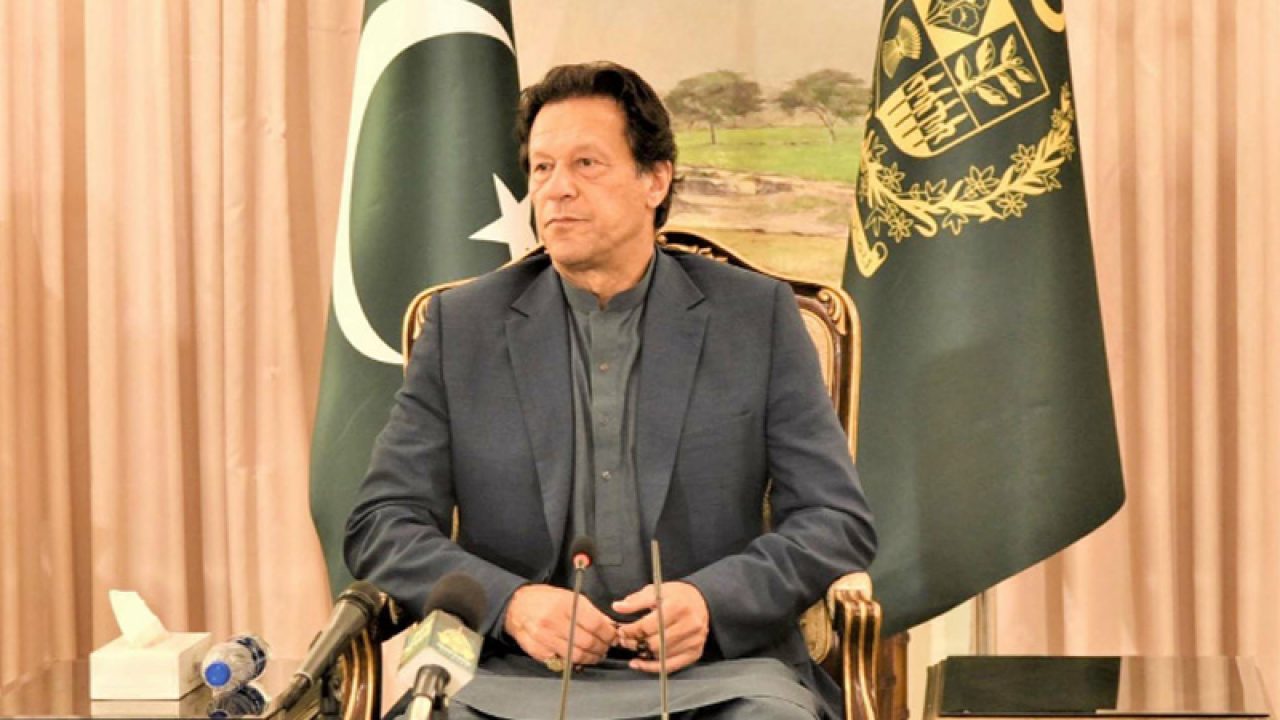
Prime Minister Imran Khan on Thursday raised Rs550 million through his Ehsaas Telethon bid for coronavirus affectees, a private media outletreported.
The telethon was held at Prime Minister House with journalists Mohammad Malick, Mansoor Ali Khan, Hamid Mir, Nadeem Malik, and Kashif Abbasi in attendance. Shiffa Yousafzai and Muniba Mazari were the hosts of the transmission.
PM Imran urged people to adopt safety precautions against the coronavirus. “The virus spreads at a very fast rate,” he said. “There have been viruses and people have been infected with the flu before. But this is unprecedented,” he added.
Former cricketing greats, including Javed Miandad, Wasim Akram and Waqar Younis also called in the telethon to express their views and wished best of luck to the country and prime minister.
Speaking about COVID-19, PM Imran said that “No single government can battle the pandemic. The entire nation needs to join hands to fight this virus, keeping in mind the times that are ahead.”
Speaking on the occasion, PM Imran said, “I always tell this to my children and to others as well; whenever you spend in the way of Allah, it brings you a lot of other rewards, such as the feeling of contentment. He further added “one’s bank balance should not be the measure of his wealth. True wealth is what you feel inside.”
Speaking about the lockdown, PM Imran said that the country will have to move towards a “smart lockdown.” The prime minister made it clear that an indefinite lockdown was not an option and any decision on a smart lockdown should be for all Pakistanis and not just the elite.
On the conference of doctors from yesterday, he said that their concern for complete lockdown is valid but it is not sustainable in the long-term.
The transmission was concluded with the special prayer by Maulana Taiq Jameel, who also advised the people to recite supplications like Ayat Kareema to seek Allah Almighty’s forgiveness and blessings in the distressing situation.
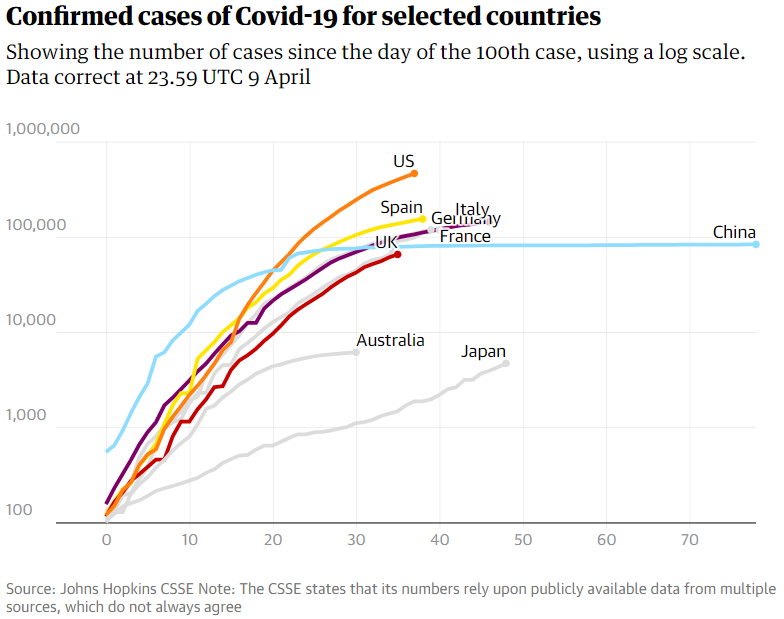
The first case of COVID-19 was reported in the Chinese city of Wuhan in late November 2019. Since then, the virus has spread across the globe, infecting over 2.5 million people as of April 22.
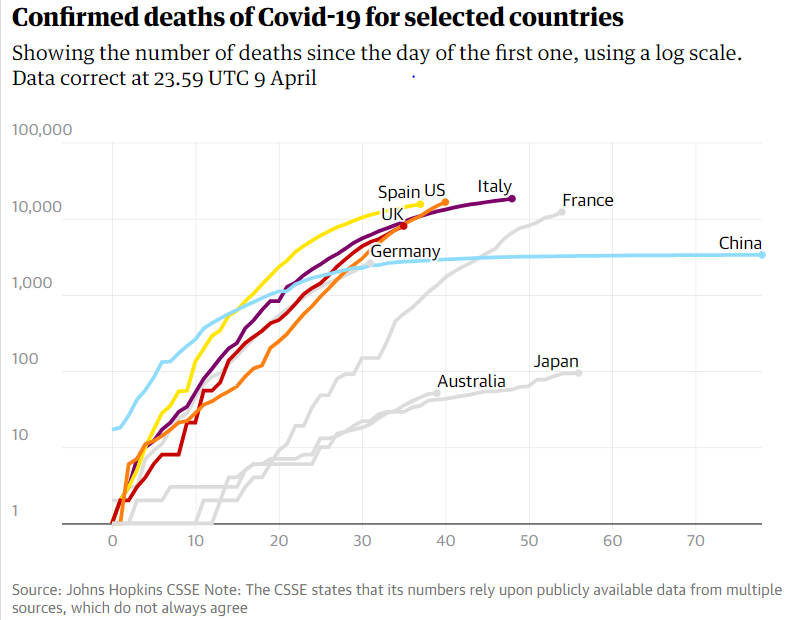
However, the disease that has wreaked havoc in the developed world, has failed to prove as severe in a developing country like Pakistan. While the number of confirmed cases has risen far beyond a few hundred thousands in countries such as the United States (US) and Italy, Pakistan’s tally of COVID-19 cases stands at a relatively meager rate of 10,072 of which 2,156 have recovered and 212 have lost their lives.
This raises an interesting question: how has a country with far less resources successfully weathered a storm that has brought wealthier states to their knees?
The first possible explanation can be that the countries’ populace is more resistant to being infected by the virus. Usually, this resistance can only be imparted to humans based on previous exposure to the organism, which is also the basis of most vaccinations used to immune the masses.
The second possibility can be other diseases and vaccines that most probably granted resistance to people living in these areas.
Many diseases are endemic to this part of the World. Tuberculosis is one of the most commonly seen conditions, the treatment of which is also available. The Bacillus-Calmette Guerin (BCG) Vaccine is mandatory for newborns in countries such as Pakistan, India and Nigeria.
This same vaccine, however, is not mandatory in the developed world. It seems that countries that administer the BCG vaccine have reported far less cases of COVID-19 than those who do not.
No direct evidence, however, has so far surfaced in this regard.
Another disease endemic to these parts of the world is Malaria. At least 19 countries, including Pakistan bear 98 per cent of the global Malaria burden and hydroxychloroquine is used to treat it.
It has been observed that countries, where Malaria is rampant and hydroxychloroquine is routinely administered to patients, have encountered far less cases of COVID-19. Pakistan, India and Nigeria are among these countries. Unfortunately, just like the BCG vaccine, the effectiveness of hydroxychloroquine in treating COVID-19 cases has not yet been proven, but it has been approved for use in emergency cases by the US’ Food and Drug Administration (FDA).
The diseases commonly encountered in a region are not the only distinctive feature of the environment of that region — a widely held perception is that COVID-19 is less dangerous in warmer parts of the world. It is to be noted that warmer countries have also been hit by the pandemic.
Several other factors can be at play here.
Perhaps a less virulent strain of COVID-19 is encountered by people in these regions?
COVID-19 exists as two strains; a less common S-type strain (seen in 30% of COVID-19 cases) which was the original strain, and the more frequently encountered L-type strain (inflicting 70% of COVID-19 cases).
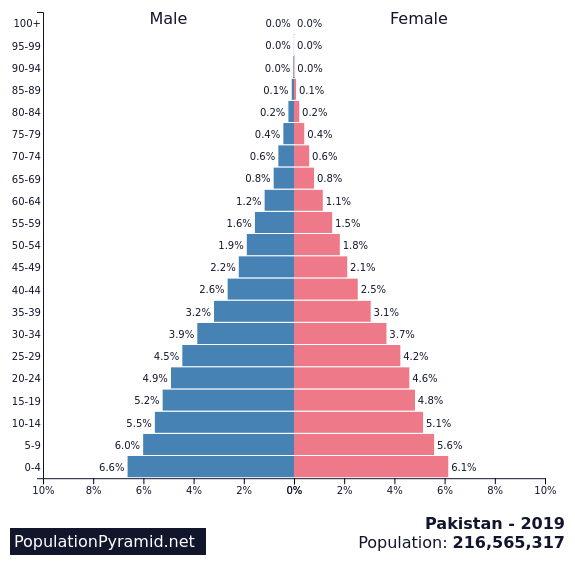
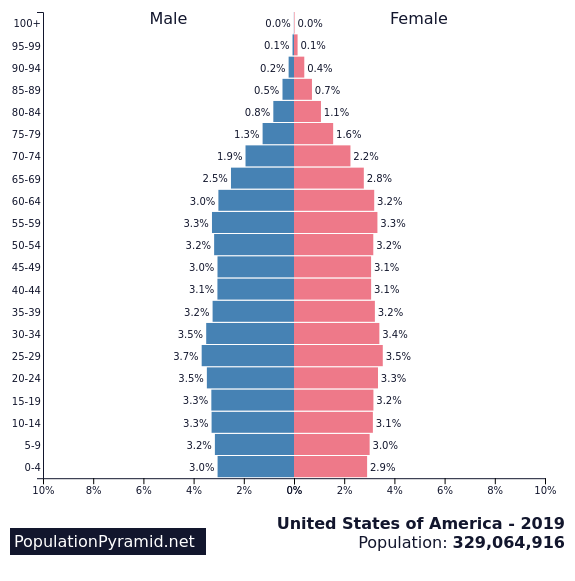
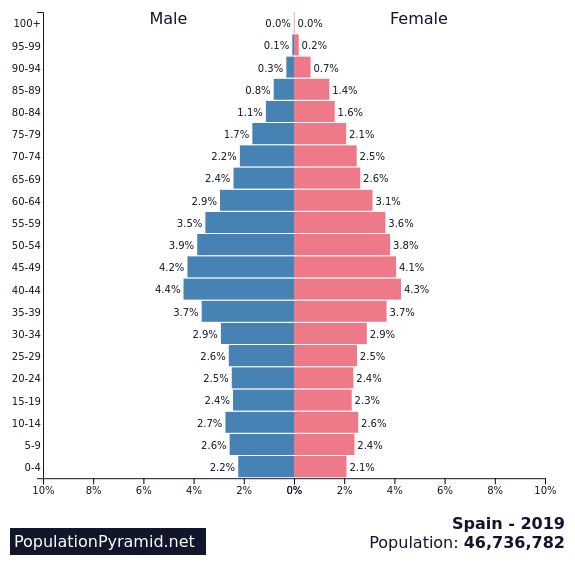
The World Health Organization (WHO) believes it is natural for viruses to mutate from one form to another and no strain is particularly more dangerous than the other. Age may play an important role in how rapidly the virus spreads as countries such as Italy and France, which have a higher percentage of old people, have fared worse against COVID-19 than countries such as Pakistan with a younger population.
There is also the possible case that less people are being tested for COVID-19 in developing countries leading to a lower number of confirmed cases. It must be noted, however, that the mortality rate is lower as well.
Clearly more research has to be conducted into what has allowed countries such as Pakistan to handle the COVID-19 pandemic better than the others across the globe. It could be any one of the factors discussed here or a combination of the variables that allowed it to withstand the worst of the COVID-19 situation.
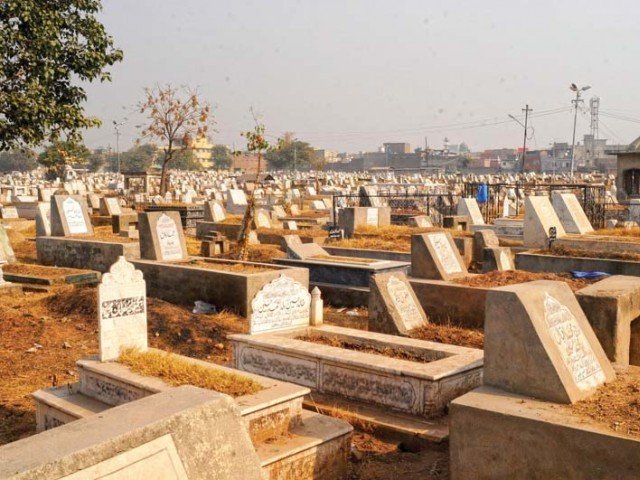
At least 3,265 dead bodies were brought to graveyards of Karachi within the past 49 days — between February 20 and April 9 –, reports quoted a top administrative official as saying.
According to reports, the development comes after reports were published regarding spikes of deaths in Karachi’s different hospitals. However, there is no official confirmation from the authorities if the fatalities are connected to COVID-19.
As per data obtained from government hospitals in Karachi, 10,791 patients were brought to emergencies during the first three months of 2020. Total 121 were dead when they arrived, which makes the fatality rate 1.12%.
Within the past 15 days, 109 patients have been brought in dead and 90 others were brought in a very critical condition and died mysteriously in a very short time at JPMC.
While private hospitals are reluctant to share any details in this regard, they have confirmed that the number of pneumonia-like symptoms in patients has been climbing. Indus Hospital sources also admitted that the number of patients in critical condition had soared sharply.
However, published reports, statistics and tests conducted in hospitals does not authenticate that the deaths were linked to the novel virus.
Claim: Chief Justice Gulzar Ahmed has contracted COVID-19
Fact: CJP Gulzar Ahmed has not tested positive for COVID-19
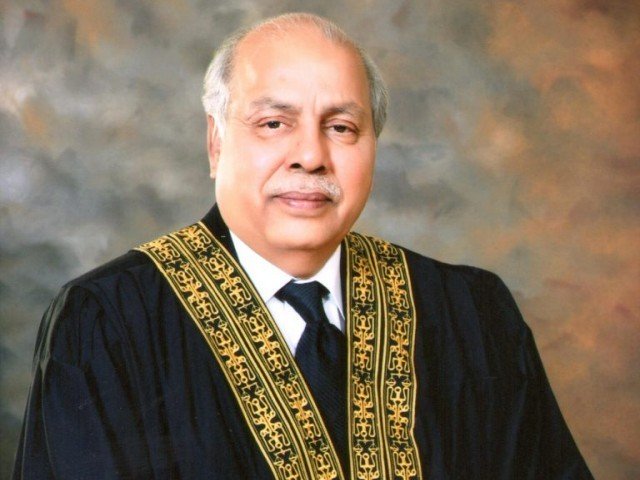
Authorities have rubbished claims regarding Chief Justice of Pakistan (CJP) Gulzar Ahmed contracting coronavirus, which had surfaced after an employee reportedly from the top judge’s chamber at the Supreme Court (SC) tested positive for COVID-19 on Tuesday.
According to Dawn, the apex court, in a statement, has said that the CJP, his family and his secretary have all tested negative for the coronavirus.
The statement added that the top judge’s tests were conducted after an employee of the court developed symptoms of Covid-19, following which he was put under quarantine as a suspected coronavirus patient.
The employee, a Naib Qasid at the apex court, had first tested negative for the virus, but the result was “doubtful” and another test was conducted which turned out to be positive, the statement read.
The employee has now been isolated at a polyclinic in Islamabad.
Earlier in the day, reports circulated on local media that an employee in the CJP’s chamber had tested positive. However, the statement did not clarify whether the coronavirus-positive employee worked in the chief justice’s chamber but merely referred to him as an “employee of the Supreme Court”.
The reports had led to claims that the top judge had also tested positive for COVID-19.