Category: National

  • No meetings with Imran Khan till Feb 8, says federal minister

    No meetings with Imran Khan till Feb 8, says federal minister

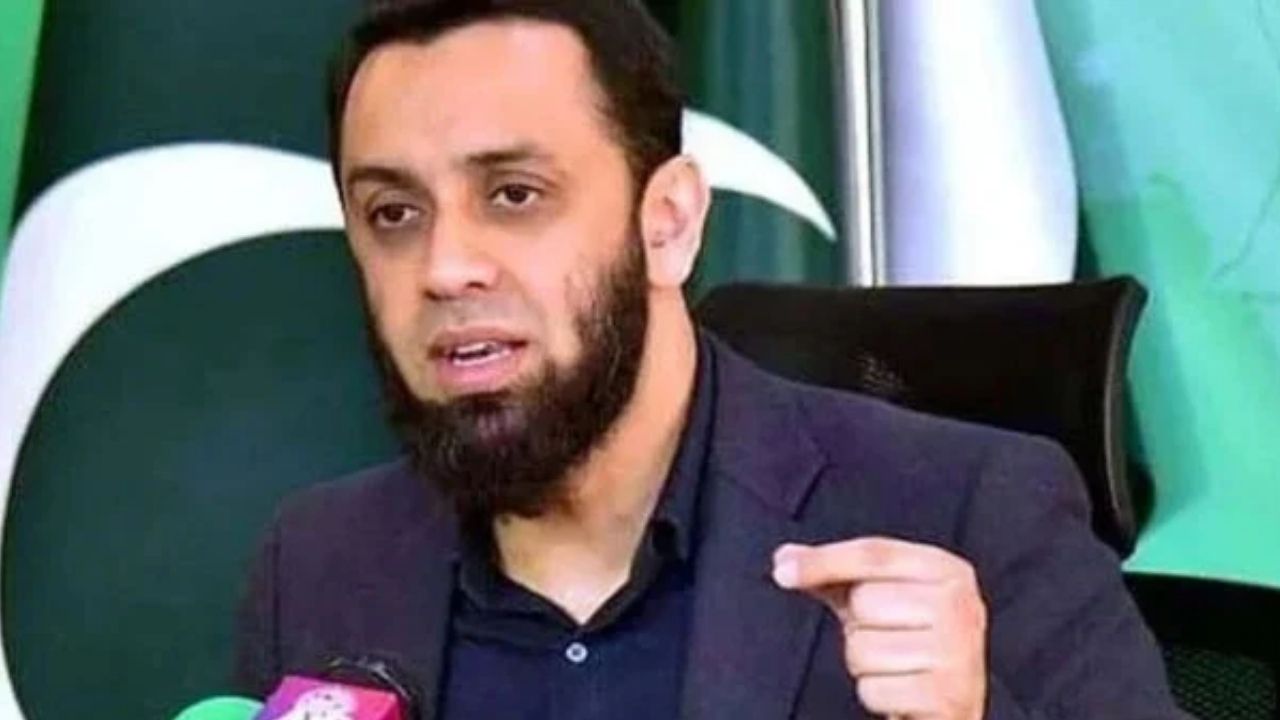
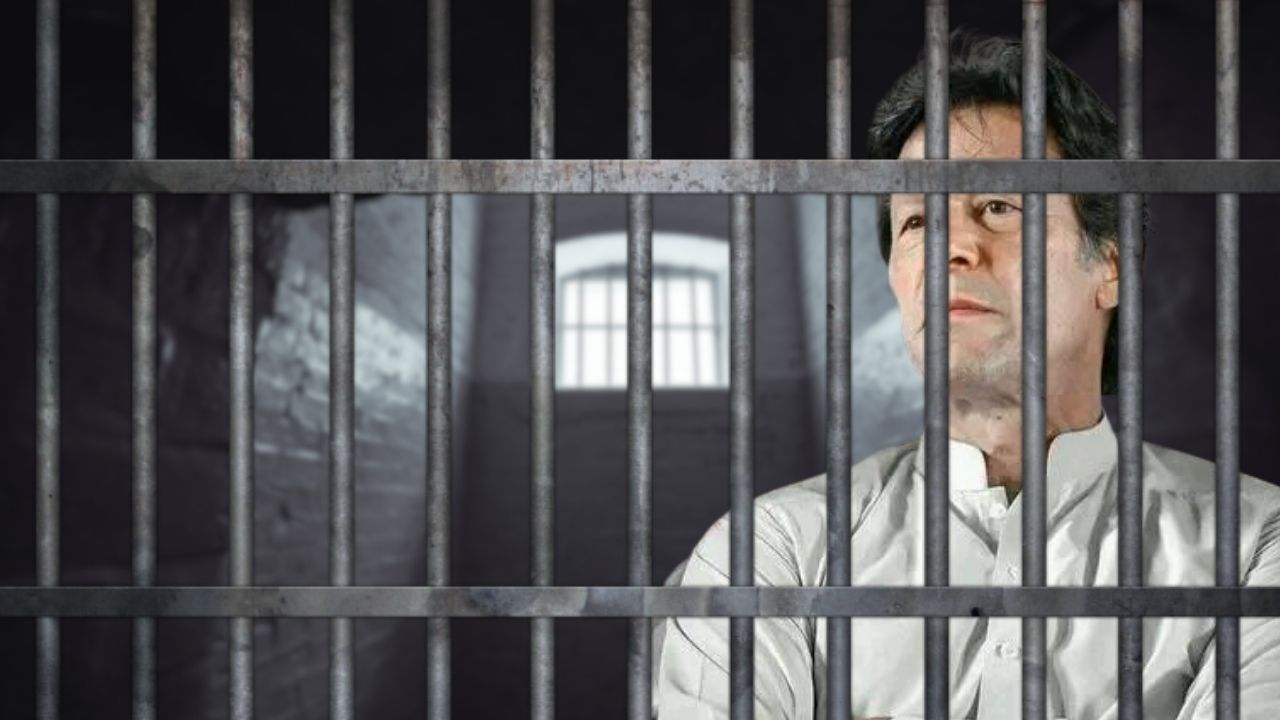
    The federal government will maintain its prohibition on meetings with jailed PTI founder Imran Khan until February 8, 2026, Federal Minister for Parliamentary Affairs Dr Tariq Fazal Chaudhry announced on Monday.

    According to reports, he confirmed the decision during a television appearance on Monday evening, weeks after authorities first imposed the ban earlier this month.

    Reports added that officials justified the restrictions by pointing to prison rule violations by Khan’s sisters. Information Minister Attaullah Tarar explained that prison regulations prohibit political discussions with inmates, forming the basis for blocking meetings between Khan and his sisters along with other PTI leaders.

    The former prime minister has spent over two years behind bars since his August 2023 detention. Authorities have charged him in multiple cases spanning corruption to terrorism allegations after his April 2022 removal from office through an opposition no-confidence vote.

    PTI Senator Barrister Ali Zafar challenged the legality of Khan’s detention conditions, asserting that both international and Pakistani law prohibit solitary confinement.

    Khan’s sons recently raised alarms about their father’s treatment in custody. During an interview with journalist Mehdi Hasan, Sulaiman and Kasim Khan described prolonged communication blackouts and alleged that authorities have failed to honor court-approved contact permissions.

    “They [jail authorities] are not even allowing guards to speak to him [Imran Khan] because they want total isolation from any other person just to try and break him,” Kasim stated.

    The federal minister addressed separate political tensions, dismissing speculation about removing PTI-backed Khyber Pakhtunkhwa Chief Minister Sohail Afridi within six weeks. Dr Chaudhry emphasized that the Centre prefers Afridi to continue his duties.

    Prime Minister’s Adviser on Political Affairs Rana Sanaullah countered PTI claims of being politically cornered, arguing in a separate television interview that the party refuses to pursue available options.

    “PTI members do not want to take any path,” the PML-N senator said, accusing the party of favoring rebellion and opponent elimination over dialogue.

    Sanaullah questioned delays in May 9 case verdicts, asking, “If the decision on the May 9 cases will not be made even in 2025, then when will it be?”

    His comments followed a special court’s decision to sentence Khan and his wife Bushra Bibi to 17 years each in the Toshakhana-2 case.

    “A group [PTI] is bent upon spreading chaos, anarchy and sedition,” Sanaullah warned, promising legal consequences for lawbreaking.

    Addressing PTI’s planned Islamabad march, the PM’s aide questioned the wisdom of such action, asking, “Is the conquest of Islamabad in the interest of the country and the nation?”

    He firmly stated that authorities will not permit any group to occupy the capital.

  • Pakistan signs $4bn military equipment deal with Libyan National Army

    Pakistan signs $4bn military equipment deal with Libyan National Army

    Pakistan has signed a multi-billion-dollar agreement to supply conventional military equipment to the Libyan National Army (LNA), joining a select group of countries that export such arms.

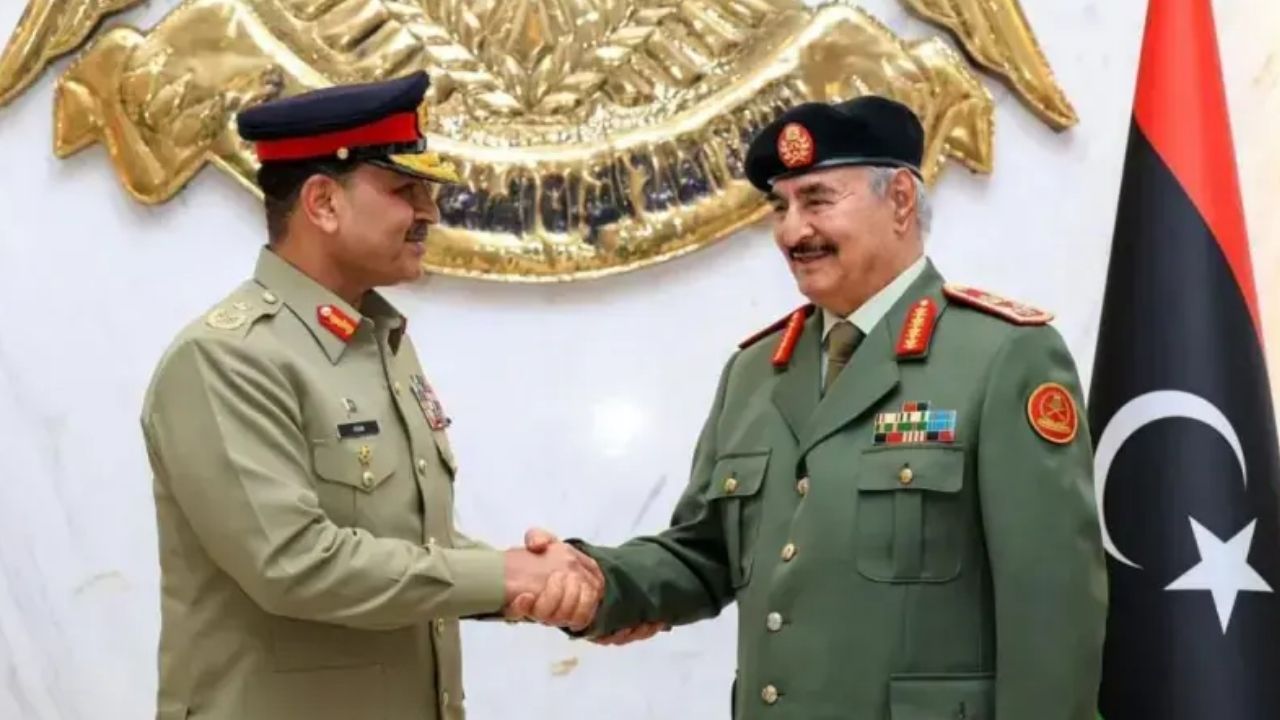
    According to an international news agency, the deal, valued at over $4 billion, is among Pakistan’s largest weapons sales to date. It was finalised following a meeting last week in Benghazi between Chief of Defence Staff Field Marshal Asim Munir and LNA deputy commander-in-chief Saddam Khalifa Haftar, officials said.

    While the foreign ministry, defence ministry, and military did not respond to requests for comment, military officials described the agreement as “historic in terms of size and financial impact.”

    According to a copy of the agreement obtained by Reuters, Super Mushak trainer aircraft, which are used for basic pilot training, and JF-17 fighter fighters, which are jointly built by China and Pakistan, were purchased. The agreement also covers air, sea, and ground equipment over a 2.5-year period and may include more JF-17 fighter fighters, according to a Pakistani official.

    Libya has been subject to an arms embargo since 2011, which means that any transfers of weapons must be approved by the United Nations (UN). Senior Pakistani military officials defended the sale, noting that many Western and Middle Eastern states have supplied equipment to Libya despite the embargo.

     They described the restriction as a “paper embargo” and said the move aligns with the prime minister and army chief’s vision of an “export-driven, self-sustained economy.”

    Libya remains divided between the internationally-recognised Government of National Unity, led by Prime Minister Abdulhamid Dbeibah in the west, and Haftar’s LNA in the east and south, which controls major oilfields and does not recognise the Unity government.

    Libya’s continued instability after the 2011 NATO-backed uprising that overthrew Muammar Gaddafi means that any arms deal with the LNA is likely to be scrutinized.

    The LNA’s official media reported on Sunday that it had entered a defence cooperation pact with Pakistan, covering weapons sales, joint training, and military manufacturing, without providing further details. 

    Haftar said in a broadcast by Al-Hadath television, “We announce the launch of a new phase of strategic military cooperation with Pakistan.” Authorities in Benghazi did not immediately respond to requests for comment.

    Pakistan has been seeking to expand defence exports, leveraging decades of counterinsurgency experience and a domestic defence industry that includes aircraft production and overhaul, armoured vehicles, munitions, and naval construction. 

    Field Marshal Munir was quoted on Al-Hadath as saying, “Our recent war with India demonstrated our advanced capabilities to the world.”

  • Tarar rules out social media ban, accuses PTI of anti-state propaganda

    Tarar rules out social media ban, accuses PTI of anti-state propaganda

    Federal Information Minister Attaullah Tarar on Saturday dismissed reports of an impending ban on social media platforms, saying the government has no intention of shutting down digital platforms and only wants global tech companies to establish offices in Pakistan.

    During a discussion on a private news channel programme, Tarar indicated that assumptions about potential restrictions were unfounded, emphasizing that the government’s priority lies in regulation and a local presence rather than outright prohibitions. 

    His comments follow similar briefings from Minister of State for Interior Talal Chaudhry and Minister of State for Law and Justice Barrister Aqeel, who suggested the possibility of restricting X, formerly Twitter.

    During the televised discussion, Tarar appeared visibly firm as he shifted focus to political tensions, saying dialogue was necessary but could not move forward unless Pakistan Tehreek-e-Insaf (PTI) first apologised before the world. 

    He accused the party of running propaganda campaigns against the Pakistan Army and Field Marshal Asim Munir, and demanded that PTI clearly distance itself from social media accounts allegedly operated from the UK and the US.

    The information minister claimed that PTI had damaged Pakistan’s reputation on the international stage by sending letters to the International Monetary Fund (IMF), adding that the party had no option left except dialogue.

    Tarar said that Pakistan had moved beyond economic uncertainty, declaring that the country was no longer on the verge of default. He stated that Field Marshal Asim Munir, Prime Minister Shehbaz Sharif, and Pakistan itself are now receiving international recognition, with the economy stabilizing and the country moving forward.

    In one of his strongest remarks, Tarar lashed out at what he described as a dangerous political mindset, saying, “Curse be upon the thinking that if Imran Khan does not exist, Pakistan should not exist.” He said any dialogue that threatened Pakistan’s integrity should be “picked up and thrown away”, adding that no political party or leader was bigger than the state. “Anyone who considers themselves above Pakistan needs to fix their mindset,” he said.

    Touching on foreign policy, Tarar mentioned that any decision about a Gaza peace force would be made strictly in accordance with Palestinian rights and international law. He reaffirmed Pakistan’s longstanding support for Palestine, noting that Palestinian leadership has consistently recognized Pakistan’s role during bilateral discussions.

    He also acknowledged humanitarian efforts concerning Gaza, mentioning that it would be unjust not to recognize Alkhidmat Foundation, while also crediting Jamaat-e-Islami for its contributions. Tarar said that any decisions related to Gaza would reflect the desires of both the Pakistani and Palestinian people.

    These comments have sparked a renewed discussion online, particularly amidst worries over digital freedoms, political division, and Pakistan’s changing approach to social media governance and dissent.

  • Field Marshal Asim Munir receives King Abdulaziz medal

    Field Marshal Asim Munir receives King Abdulaziz medal

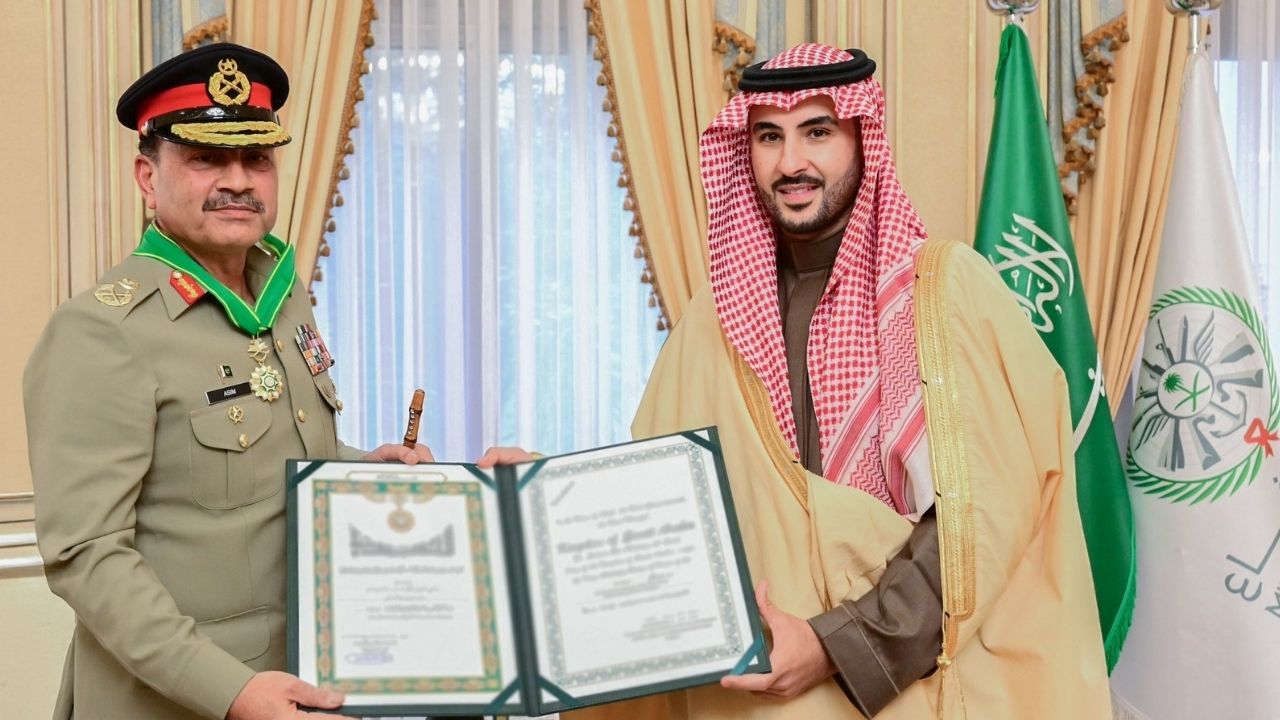
    Saudi Arabia’s Defence Minister Prince Khalid bin Salman bin Abdulaziz awarded the King Abdulaziz Medal of Excellent Class to Pakistan’s Chief of Defence Forces and Chief of Army Staff, Field Marshal Asim Munir, highlighting his contributions to reinforcing the relationship between both nations.

    The development was reported on Monday, with the Saudi Press Agency indicating that the medal was conferred in appreciation of Field Marshal Munir’s “exceptional efforts to enhance the strategic partnership and collaboration between the two countries.” The award ceremony occurred in Riyadh during a meeting between the Saudi defence minister and the Pakistani military leader.

    As reported by the Saudi Gazette, the King Abdulaziz Medal consists of five distinct classes: Excellent, First, Second, Third, and Fourth. This accolade is granted to individuals who have made significant contributions to Saudi Arabia or its institutions.

    During their meeting, Prince Khalid extended fecilitations to Field Marshal Munir on his recent appointment as Pakistan’s chief of defence forces and conveyed hopes for his success in this position. The Saudi publication noted that discussions encompassed Saudi-Pakistani relations, defence cooperation, and various issues related to international peace, security, and shared interests.

    In a post on X, Prince Khalid stated, “Following the direction of the Custodian of the Two Holy Mosques, I presented Pakistan’s Chief of Army Staff Field Marshal Asim Munir with the King Abdulaziz Medal of Excellent Class for his outstanding contributions to enhancing our partnership and advancing Saudi-Pakistani relations.”

    Meanwhile, the Inter-Services Public Relations (ISPR) mentioned that the meeting also covered topics such as regional security, military and defence cooperation, strategic collaboration, and geopolitical developments. The military’s media wing highlighted that the engagement represents the enduring relationship between Pakistan and Saudi Arabia.

    ISPR characterized the King Abdulaziz Medal as the highest national honor in Saudi Arabia. The announcement emphasized the recognition of Field Marshal Munir’s military service and leadership, as well as his efforts in promoting defence cooperation, strategic alignment, and institutional collaboration between the two nations.

    The statement also alluded to cooperation in counterterrorism and security-related endeavors, linking these efforts to broader regional stability. It noted that the award reflected the contributions made in these areas through the ongoing partnership between Islamabad and Riyadh.

    Earlier in the year, Pakistan and Saudi Arabia finalized a Strategic Mutual Defence Agreement, which stipulates that an attack on either nation would be regarded as aggression against both. In November, the chief of the Saudi armed forces expressed the kingdom’s intention to enhance defence and strategic cooperation with Pakistan.

  • Imran Khan, Bushra Bibi sentenced to 17 years in Toshakhana-2 case

    Imran Khan, Bushra Bibi sentenced to 17 years in Toshakhana-2 case

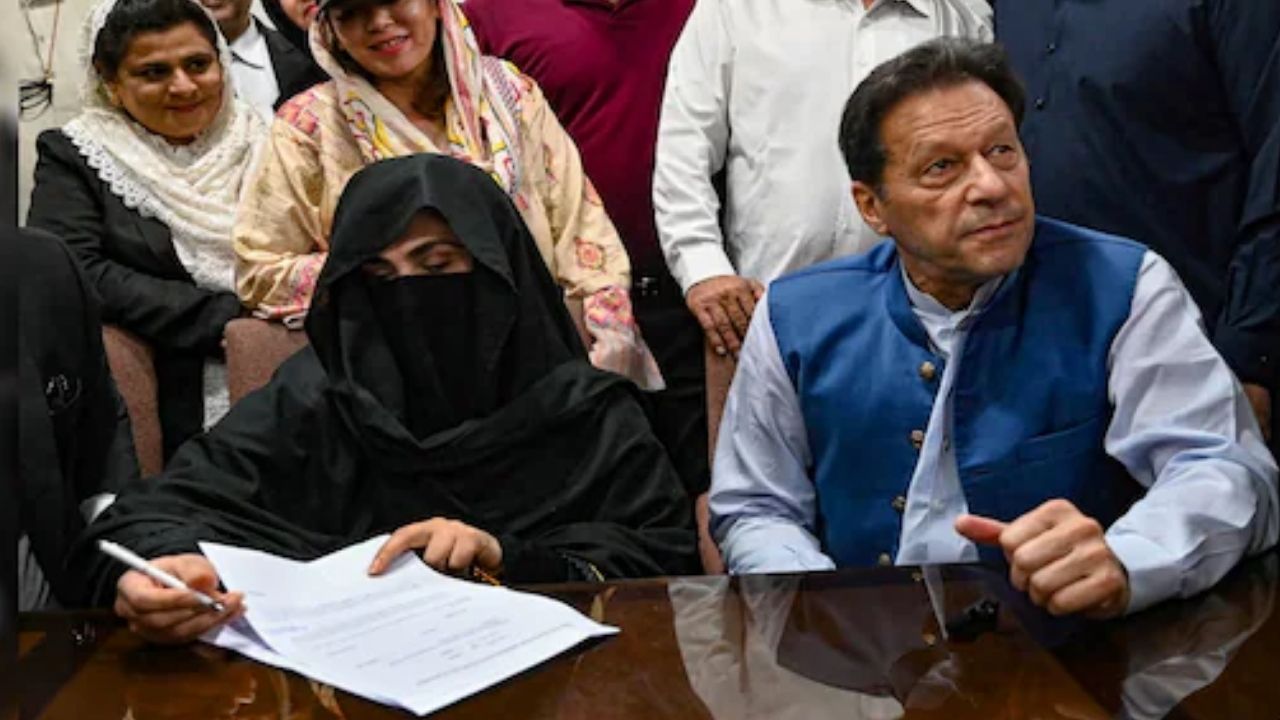
    A special court on Saturday sentenced Pakistan Tehreek-e-Insaf (PTI) founder Imran Khan and his wife Bushra Bibi to 17 years’ imprisonment each in the Toshakhana-2 case.

    The verdict was announced by Special Judge Central Shahrukh Arjumand after a series of hearings conducted inside Rawalpindi’s Adiala Jail, where Imran Khan is currently incarcerated.

    The case revolves around an expensive Bulgari jewelry set that the Saudi crown prince gave to Imran Khan during an official visit in May 2021. The luxury set, which authorities estimated at over Rs70 million, was deliberately undervalued and bought at a nominal price, according to the prosecution, resulting in a loss for the national exchequer. 

    The prosecution maintained that the jewellery was retained after payment of only a few million rupees and was neither correctly valued nor deposited in the Toshakhana as required.

    According to the judgment, Imran Khan was awarded 10 years’ rigorous imprisonment under Sections 34 (common intention) and 409 (criminal breach of trust) of the Pakistan Penal Code, along with seven years under Section 5(2) (criminal misconduct by public servants) of the Prevention of Corruption Act. 

    Bushra Bibi was handed the same cumulative sentence under the same legal provisions.

    Both convicts were also fined Rs16.4 million each. Failure to pay the fines will result in additional imprisonment, as per law.

    The court stated in its court order that it had taken Bushra Bibi’s gender and Imran Khan’s age into account while deciding on the sentencing, noting that a lenient view was taken in imposing a lesser punishment.

    The court also granted the benefit of Section 382-B of the Criminal Procedure Code, allowing time already spent in custody to be counted towards the sentence.

    In December of last year, Bushra Bibi and Imran Khan were charged in the case. Both denied the accusations in October, calling the reference politically motivated and intended to keep the former prime minister out of politics.

    Following the verdict, the PTI strongly criticised the decision. In a statement on X, the party alleged that Imran Khan’s family was barred from entering the jail premises and described the proceedings as a “kangaroo court”. The party also shared footage of Imran’s sister Aleema Khan questioning why she was stopped outside the jail.

    Aleema Khan then accused the verdict of being rushed and pre-written in an interview with the media. She said the family had been waiting for such a decision for weeks and questioned the timing of the announcement. She also raised concerns over Bushra Bibi’s confinement conditions.

    “Even at night, I felt they wanted to announce the verdict quickly, taking advantage of the foggy weather,” she said, questioning the timing of the announcement. She added that those behind the cases were “not intelligent people” and that she failed to understand their scripts.

    “What difference does it make whether you sentence them to ten years or fourteen years? Earlier, you already gave them 14 years,” Aleema remarked. She warned that the public’s patience had run out and alleged that the authorities planned to announce a new decision every six months.

    Separately, PTI leader Salman Akram Raja stated that the case was being conducted based on promissory notes and lacked credible evidence.

     “They have no witnesses except the person whom the PTI founder himself brought forward,” he said. He described the case as absurd, adding, “A person stands up and says pressure was put on him, and you accept that as evidence.”

    Information Minister Attaullah Tarar said that the punishment awarded on Saturday would run consecutively, starting after the sentence in the £190 million corruption case concluded. 

    Speaking to a private media outlet, he welcomed the judgment and said the former prime minister and his wife had “committed fraud” by acquiring the gifts at undervalued rates and retaining them for personal use.

    “They had no right to harm the exchequer and retain gifts,” Tarar stressed. “During the trial, when these gifts were properly assessed, it emerged that the actual price was quite high,” he added. He termed the judgment “completely fair and grounded in the principles of justice,” stating that misuse of office, dishonesty with government property, and criminal breach of trust had all been proven.

    Minister of State for Law and Justice Barrister Aqeel Malik said the verdict was “in line with the Constitution and the law,” asserting that there was no political bias. “If you violate the law, it is clear that a punishment is expected,” he remarked.

    “The trial that went on for 15-16 months, it was proven that PTI founder and his wife caused the national exchequer significant harm as the set’s valuation was under-reported,” Malik said. “The gift was not even submitted,” he added.

    Minister of State for Finance Bilal Azhar Kayani said that the judgment followed lengthy proceedings and mirrored the Toshakhana-I reference. He explained that the gifts were not deposited as legally required and that Imran Khan and Bushra Bibi had attempted to purchase the set at throwaway rates. “All the facts have now been established in light of today’s judgment,” he concluded.

    The Toshakhana-2 case was transferred to the FIA Anti-Corruption Court on September 9, 2024. Charges were framed under Section 5 of the Prevention of Corruption Act, 1947, and Section 409 of the Pakistan Penal Code.

    The trial formally began on September 16, 2024, with Special Judge Central Shahrukh Arjumand presiding at Adiala Jail. Bushra Bibi was granted bail by the Islamabad High Court on October 23, 2024, and released the following day. Imran Khan also received bail on November 20, 2024. On December 12, 2024, formal charges were framed against both accused.

    Over the course of nearly a year, the court conducted more than 80 hearings at Adiala Jail. The prosecution recorded statements of 24 witnesses and completed cross-examinations of 20 key witnesses, including former Military Secretary Brigadier (retd) Muhammad Ahmad, private appraiser Sohaib Abbasi, and Imran Khan’s former Principal Secretary Inamullah.


    The FIA prosecution team was led by Federal Prosecutor Zulfiqar Abbas Naqvi, assisted by Barristers Umair Majeed Malik, Bilal Butt, and Shahvez Gilani. The defence was represented by Arshad Tabrez, Qausain Faisal Mufti, and Barrister Salman Safdar.
  • Multan hospital breaks silence after ‘negligence kills patient’, doctor shows grieving family his middle-finger

    Multan hospital breaks silence after ‘negligence kills patient’, doctor shows grieving family his middle-finger

    Multan’s Nishtar Medical College Hospital has responded to claims that doctors’ negligence led to the death of a female patient.

    Hours after a viral video – recorded on Dec 18 – showed the patient’s son grieving and accusing hospital staffers of refusing blood transfusion to his mother, officials assured the affected family that if doctors were found guilty of negligence, strict action would be taken.

    Per the details of the patient, the family had brought her to the hospital for a stomach ailment but she died during treatment.

    A video recorded shortly after the death showed the survivors of the deceased accusing the medical staff of negligence in handling the case.

    The patient’s son claimed that doctors asked the family to arrange blood for transfusion but failed to administer it in time.

    “The doctor told us to arrange blood, but they did not transfuse it to my mother on time, which led to her death,” he said.

    The video also showed at least one doctor in the emergency ward showing the grieving family his middle finger as they sought answers.

    Said house officer has been suspended, the hospital administration said.

  • Rubio hints Pakistan could play ‘key role’ in Gaza stabilisation force

    Rubio hints Pakistan could play ‘key role’ in Gaza stabilisation force

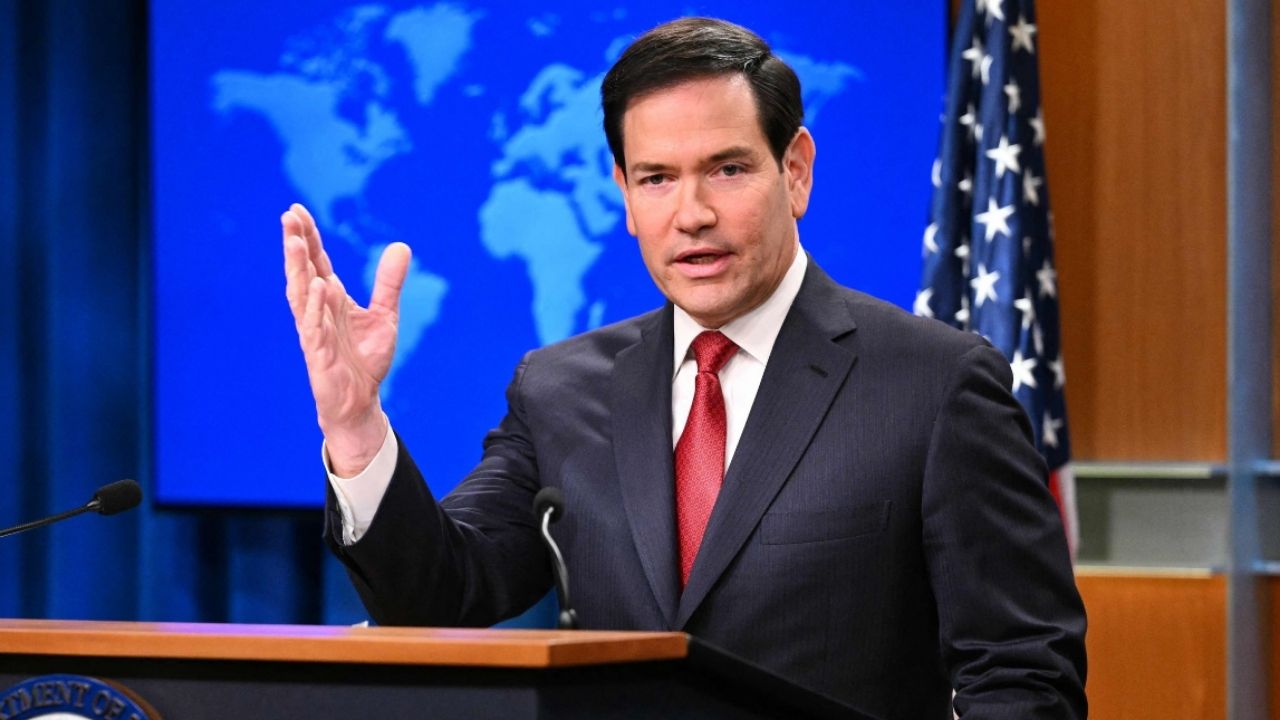
    US Secretary of State Marco Rubio has said that Pakistan has expressed willingness to be part of a proposed International Stabilisation Force (ISF) for Gaza, though no formal commitment on troop deployment has yet been made.

    During a press conference on Friday, Rubio confirmed that Islamabad was one of numerous nations participating in discussions for the International Stabilisation Force (ISF), a US-backed initiative for post-war (genocide) peacebuilding in the Gaza Strip.

    Last week, Pakistan attended a high-level conference in Qatar hosted by US Central Command, where representatives from nearly 45 countries gathered to deliberate on the ISF’s command structure, mandate and unresolved operational details. 

    According to diplomatic sources, Pakistan is considering the deployment of around 3,500 troops, though talks remain at an exploratory stage.

    In response to a question about whether Washington D.C. had secured Pakistan’s approval to send troops to Gaza, Rubio stated that the US was very grateful” for Pakistan’s willingness to consider participation, adding that several key questions still needed to be addressed before any country could be asked to formally commit.

    “I feel very confident that we have a number of nation-states acceptable to all sides who are willing to step forward and be a part of that stabilisation force, and certainly Pakistan is key if they agree to do so,” Rubio said, stressing that clarity on funding, mandate and rules of engagement was essential.

    He noted that discussions were centered around the force’s role, including issues of demilitarisation, command authority and financial responsibility. Rubio added that the next step would involve announcing a proposed “Board of Peace” and a Palestinian technocratic group that would oversee daily governance in Gaza.

    Pakistan’s Foreign Office, however, struck a cautious note a day earlier. Spokesperson Tahir Andrabi said Islamabad had not yet decided on contributing troops, emphasising that consultations were still underway and no final position had been adopted.

    The US State Department has reportedly approached more than 70 countries seeking troops, funding or logistical support for the ISF, with at least 19 countries indicating some level of willingness to assist. International deployment could begin as early as next month, according to US officials.

    After over two years of Israel’s military genocide, the Gaza Strip has been largely destroyed. A deal between Israel and Hamas was signed in October after US President Donald Trump released a 20-point peace plan in September. 

    The creation of the ISF, largely comprising troops from Muslim-majority countries, remains a central pillar of that framework.

    A US-drafted resolution supporting the plan and approving the deployment of the stabilization force was approved by the UN Security Council in November. China and Russia abstained, while thirteen members including Pakistan voted in favor. 

    The proposal, however, was rejected by Hamas, which opposes any international force deployed to disarm Palestinian resistance groups.

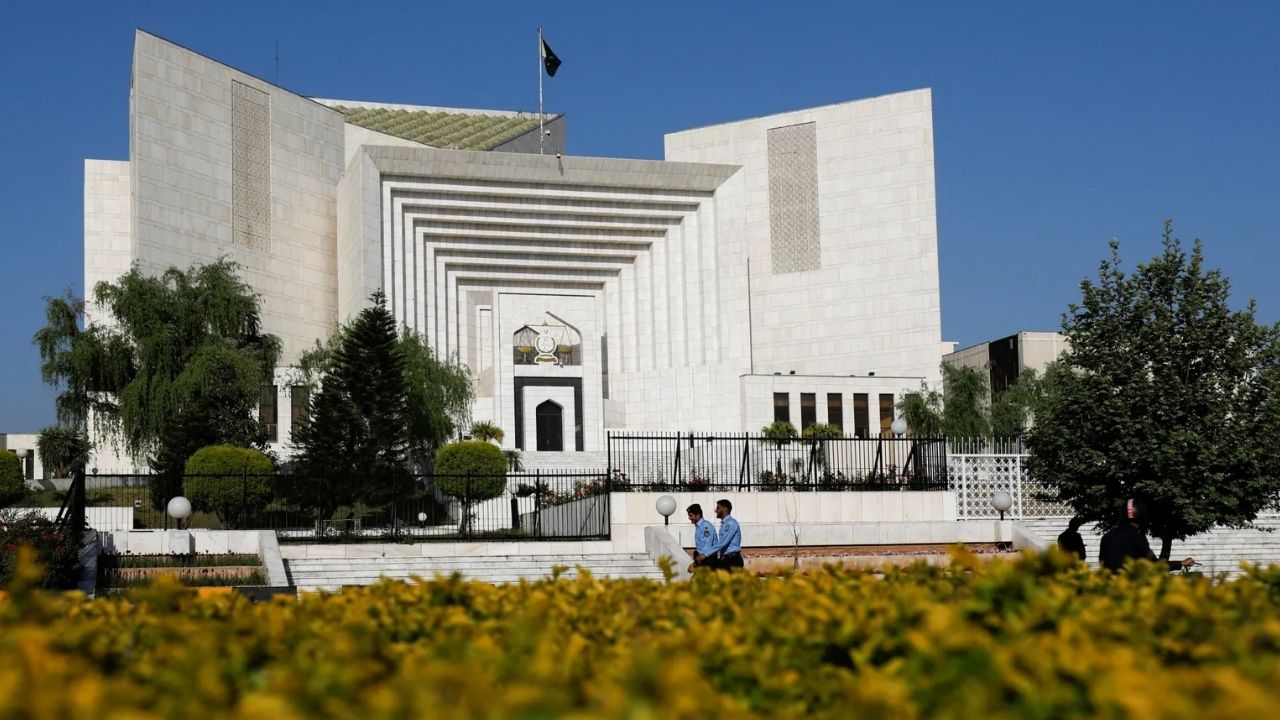
  • Supreme Court converts rape conviction into ‘consensual adultery’, reduces sentence of accused

    Supreme Court converts rape conviction into ‘consensual adultery’, reduces sentence of accused

    The Supreme Court (SC) has converted a rape conviction into a case of consensual adultery, reducing the sentence of the accused from 20 years in jail to five years’ rigorous imprisonment.

    The imposed fine was also reduced from Rs500,000 to Rs10,000; however, in case of default, the accused will serve an additional two months in prison.

    In a six-page judgment, authored by Justice Malik Shahzad Khan of the apex court, it was said that the majority of the bench found the evidence did not prove rape, but established consensual sexual relations.

    While Justice Salahuddin Panhor dissented from the majority view, the court noted that in cases of consensual adultery, the complainant may also be liable to punishment.

    However, in this case, she was neither served a challan nor given the opportunity to defend herself during trial. The court ruled that no punishment could be imposed on her at the appellate stage without granting a hearing.

    Referring to the facts, the judgment highlighted that the FIR [First Information Report] was lodged nearly seven months after the alleged incident and the prosecution failed to explain how the accused knew the complainant would be present at the location at a specific time.

    The judgment further pointed out that the complainant did not resist during the incident, no marks of violence or injuries were found in the medical report and her clothes were neither produced as evidence nor shown to be torn.

    In his dissenting note, Justice Panhor maintained that the case was one of rape and the conviction should have been upheld. He observed that many rape cases go unreported due to social pressure, stigma and threats, and delay in lodging an FIR should not be used against victims.

    He added that a lack of resistance in the presence of a weapon and absence of injuries after months were not unusual in such cases.

  • Fact Check: Did Australia ban visas for Pakistanis after Bondi Beach attack?

    Fact Check: Did Australia ban visas for Pakistanis after Bondi Beach attack?

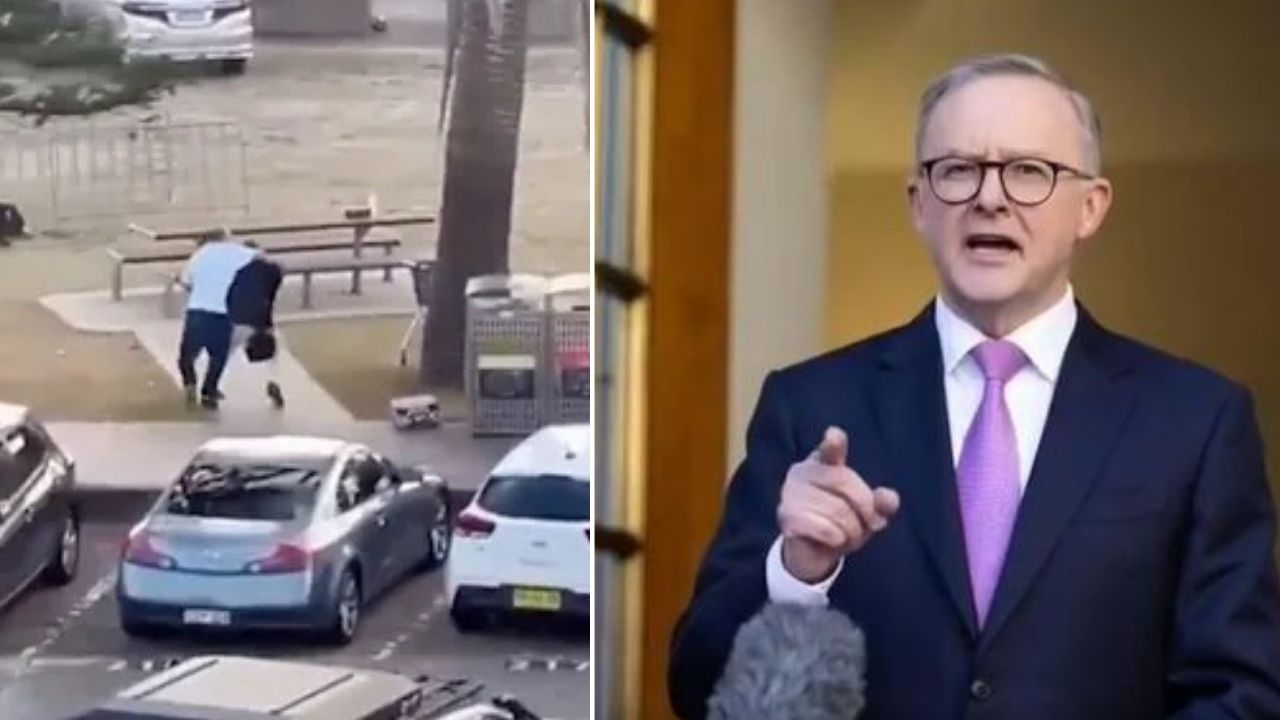
    A video circulating on social media claims that Australian Prime Minister Anthony Albanese announced a blanket ban on visas for Pakistanis following the deadly Bondi Beach shooting. The claim is false.

    The six-second video appears to show Albanese saying, “Pakistani-origin terrorist Naveed Akram has been arrested in today’s terrorist attack. Australia is suspending all visa services for Pakistanis effective immediately.”

    Social media users shared the video widely after Albanese promised a sweeping crackdown to eliminate antisemitism following the December 14 shooting at Sydney’s Bondi Beach, where gunmen killed 15 people at a beachside Jewish festival.

    Authorities have identified the suspects as father and son, 50-year-old Sajid Akram and 24-year-old Naveed Akram. Police killed Sajid in a shootout, while Naveed survived and remains in custody.

    At a press conference on December 15, Home Affairs Minister Tony Burke confirmed the son is an Australian citizen, while the father had entered the country on a student visa in 1998 and later secured a partner visa.

    The prime minister announced several measures, including giving the home affairs minister new powers to cancel or reject visas for those who spread hate and division. However, he never announced a visa ban for Pakistanis.

    A spokesperson for Australia’s Department of Home Affairs confirmed on December 19, “There have not been any changes on visa services or applications for those applying for a visa from Pakistan.”

    According to media reports, Indian authorities have identified Sajid as an Indian citizen. Police in India’s southern state of Telangana said Sajid originally hailed from Hyderabad and migrated to Australia seeking employment in November 1998, approximately 27 years ago.

    Analysis of the circulating video reveals clear signs of AI manipulation. Albanese’s lip movements do not match his speech, which sounds stilted and bears no resemblance to his actual speaking voice.

    A reverse image search using keyframes from the video found the images match reports from The Age and The Guardian from August 4, 2022, showing Albanese at a press conference about his Labor Party’s climate bill passing the lower house.

  • Security Council report rubbishes Kabul’s denial, supports Pakistan’s claims of support for TTP

    Security Council report rubbishes Kabul’s denial, supports Pakistan’s claims of support for TTP

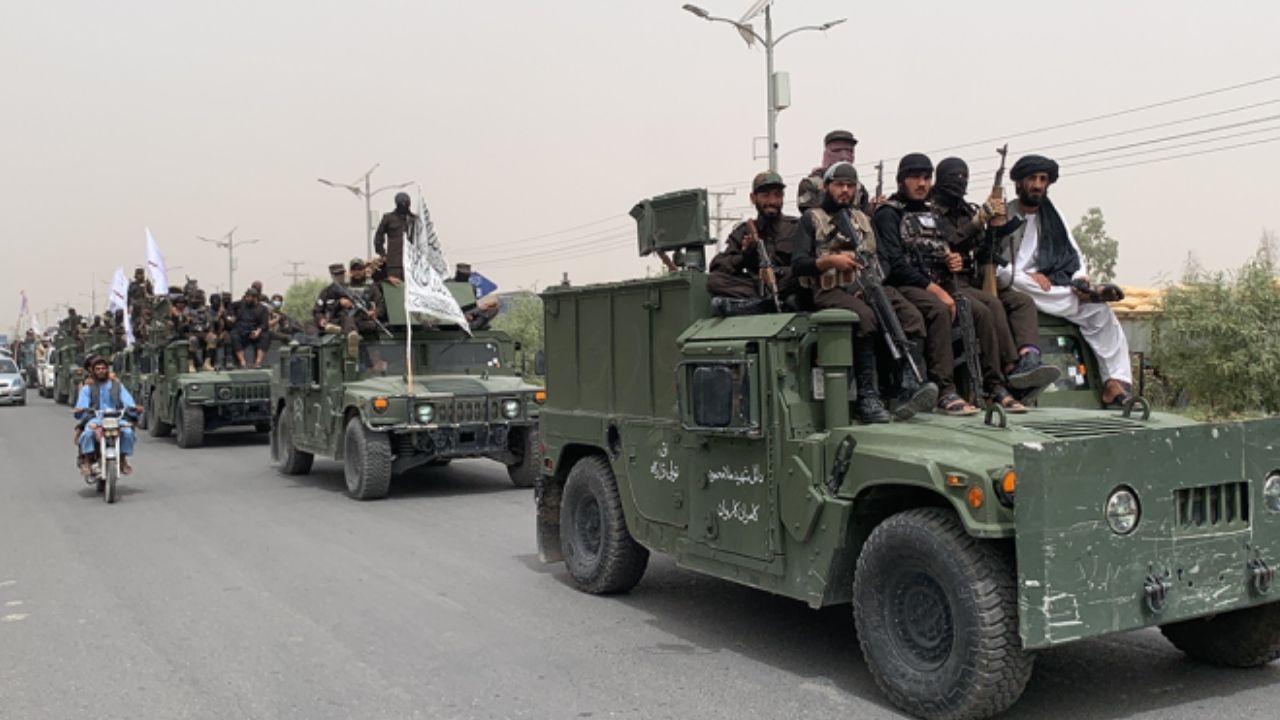
    A United Nations Security Council (UNSC) monitoring report has rejected the Taliban’s claim that Afghan territory is not being used by militant groups for cross-border attacks, calling the assertion “not credible” and warning that neighbouring countries increasingly see Afghanistan as a source of regional insecurity.

    The assessment appears in the 16th report from the Analytical Support and Sanctions Monitoring Team, presented to the UNSC, over four years after the Taliban assumed control in August 2021. 

    The report states that despite repeated denials by the de facto Afghan authorities, multiple terrorist organisations continue to operate from Afghan soil.

    “The de facto authorities continue to deny that any terrorist groups have a footprint in or operate from its territory. That claim is not credible,” the report said, directly contradicting Taliban statements made under the 2020 Doha Agreement, in which they pledged not to allow Afghan soil to be used to threaten other states.

    According to the UN assessment, member states consistently report the presence of Islamic State-Khorasan Province (ISIL-K), Tehreek-i-Taliban Pakistan (TTP), Al Qaeda, the Eastern Turkistan Islamic Movement (ETIM/TIP), Jamaat Ansarullah and Ittihadul Mujahideen Pakistan among other militant groups inside Afghanistan.

    Some of these groups, the report warned, continue to use Afghan territory to plan and prepare attacks beyond its borders.

    Although the Taliban have aggressively targeted ISIL-K, described as their main rival, the UN noted a clear difference in how they handle other groups. ISIL-K’s territorial control has been degraded, but the group remains resilient, continuing to carry out attacks inside Afghanistan and abroad.

    By comparison, Al Qaeda is assessed to maintain close ties with the Taliban, operating quietly across several provinces in what the UN called a “permissive environment” that allows training and reorganisation.

    The report highlighted that the TTP represents the most pressing and immediate risk to regional stability. It characterised the group as operating from Afghan safe havens, receiving backing from segments within the Taliban.

    “Taliban authorities continue to deny and deflect responsibility for failing to restrain TTP,” the report said, adding that sympathy and allegiance toward the group exist within Taliban ranks.

    While some senior Taliban figures reportedly see TTP as a liability that strains relations with Pakistan, others remain openly supportive. Given the historical ties between the two groups, the report concluded that the Taliban are unlikely to act decisively against TTP, even under sustained pressure from Islamabad, and may lack the capacity to do so even if they wished.

    According to the UN, TTP has executed “numerous high-profile attacks in Pakistan from Afghan soil”, marking it as the most destabilising element in Pak-Afghanistan relations. 

    The frequency of these attacks has gradually risen throughout 2025, with estimates indicating over 600 incidents this year.

    Many of these attacks have been described as complex and coordinated, featuring vehicle-borne improvised explosive devices and teams of suicide bombers conducting operations on foot. 

    Alarmingly, the report noted that the majority of suicide attackers involved in Pakistan were reported to be Afghan nationals.

    The UN estimates that approximately 6,000 TTP fighters are currently located in Afghanistan, predominantly in Khost, Kunar, Nangarhar, Paktika and Paktia, while the group’s leader, Noor Wali Mehsud, is allegedly residing in Kabul.

    One unnamed member state asserted that Mehsud’s family receives a monthly stipend of three million Afghanis (approximately $43,000) from the Taliban.

    The ongoing dispute over TTP’s presence has significantly compromised relations between Kabul and Islamabad, leading to cross-border military confrontations, casualties and recurrent interruptions in trade. The report estimated that the closure of border crossings with Pakistan is costing the Afghan economy around $1 million each day.

    Despite the wider militant footprint, the report acknowledged counterterrorism gains by Pakistan, including the arrest of ISIL-K spokesperson Sultan Aziz Azam on May 16. It also cited the mid-2025 arrest of Ozgur Altun, also known as Abu Yasir al-Turki, by Turkish and Pakistani authorities as a key factor behind the suspension of ISIL-K’s media outlet Voice of Khorasan.