Category: National

  • Attacks on journalists rise by 60% in Pakistan

    Attacks on journalists rise by 60% in Pakistan

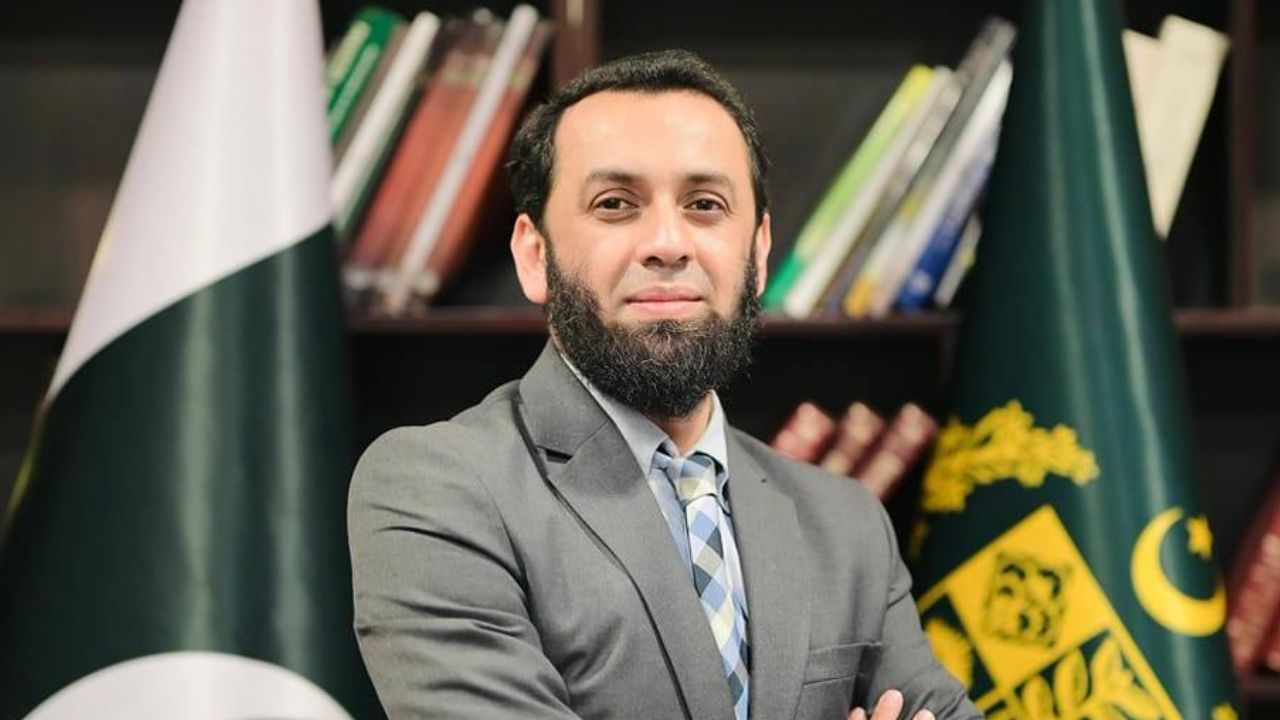
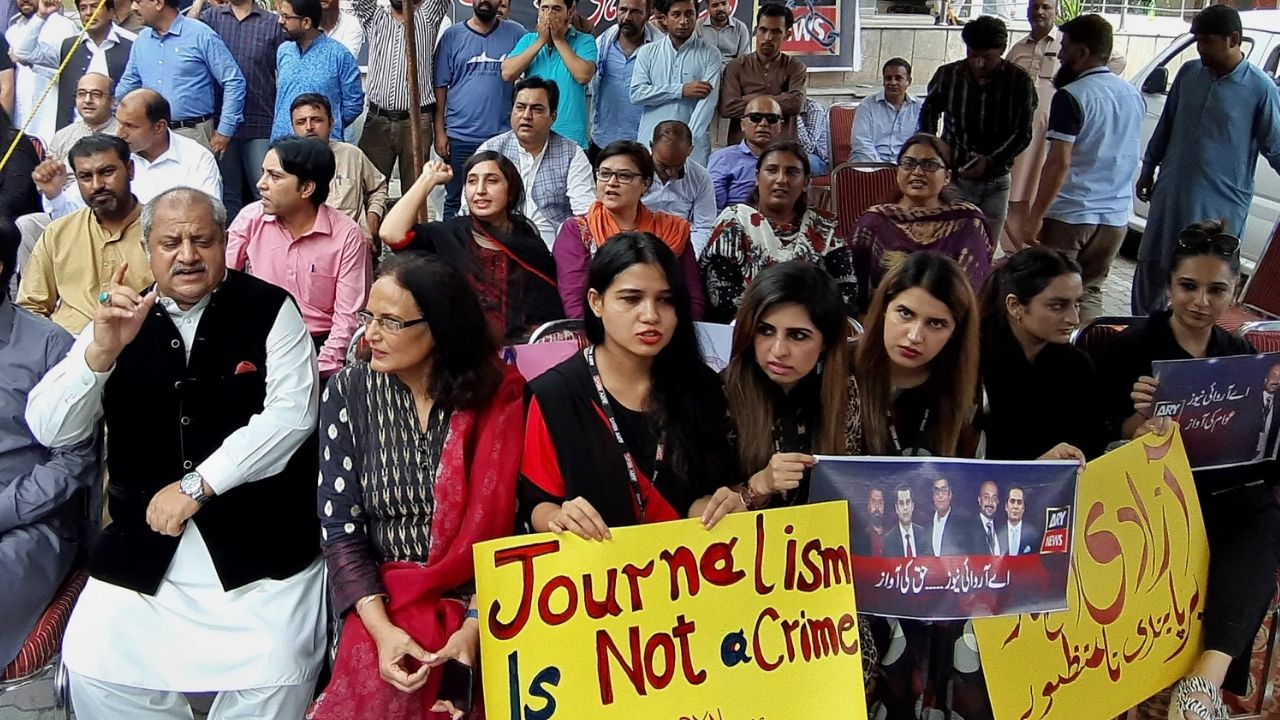
    Pakistan has seen a rise of almost 60 percent in violations against journalists in the past 12 months, Freedom Network’s Annual Impunity Report 2025, supported by International Media Support (IMS) has stated.

    The report highlights a worsening climate for press freedom and journalist safety under Prime Minister Shehbaz Sharif’s government.

    The findings show that at least 142 cases of attacks and violations against journalists were recorded, a sharp rise compared to the previous year. The report says that after the February 2024 general elections, media environment became more hostile, making almost every region unsafe for journalists.

    During the first year of the current government, at least 36 legal cases were filed against 30 journalists under the Prevention of Electronic Crimes Act (PECA) and the Pakistan Penal Code (PPC). Most cases were registered in Punjab. PECA was amended in early 2025, making punishments tougher for journalists and raising public concern.

    “The government is using the law to suppress free expression and target critical voices,” said Freedom Network Executive Director Iqbal Khattak. “Pakistan cannot afford to silence its media.”

    The report covers violations from November 2024 to September 2025. Punjab and Islamabad were found to be the most dangerous places for journalists, each accounting for 28 percent of the total violations. Khyber Pakhtunkhwa, Sindh, Balochistan, and Azad Jammu and Kashmir also reported cases, while none came from Gilgit Baltistan.

    Television journalists faced the most attacks, followed by those in print and digital media.

  • Top TTP commander among four terrorists killed while attempting to enter Pakistan

    Top TTP commander among four terrorists killed while attempting to enter Pakistan

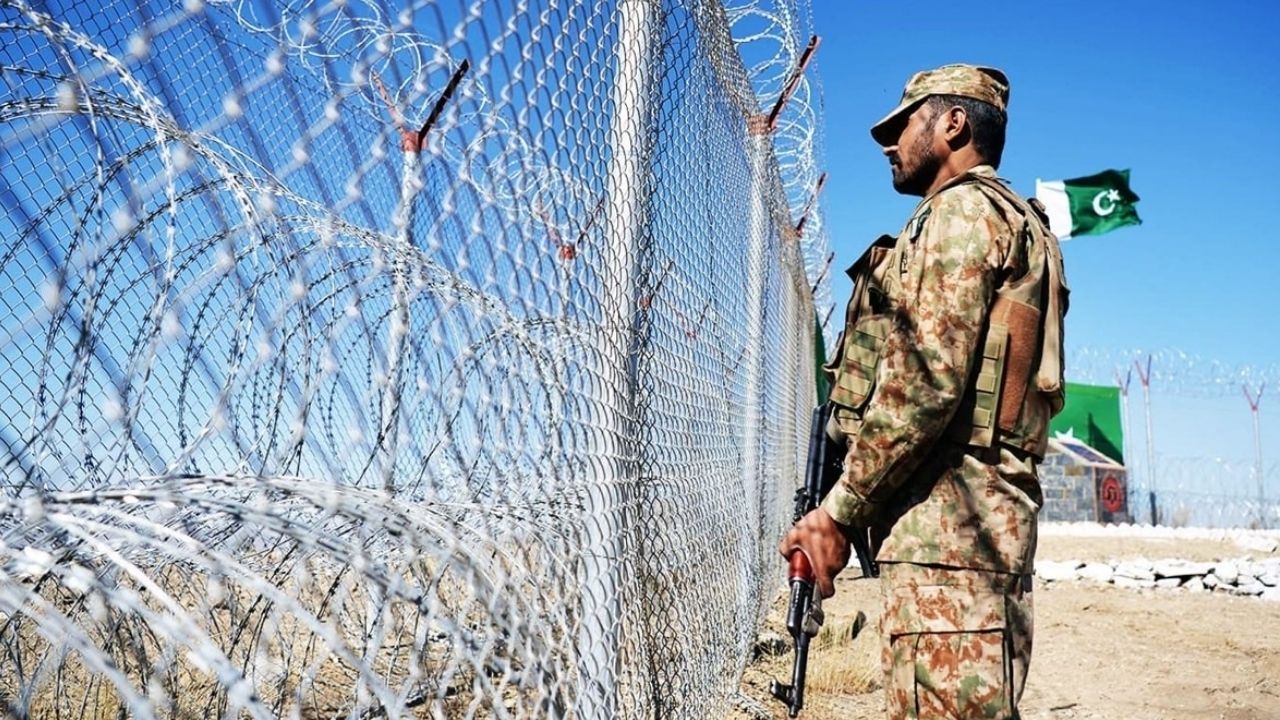
    Security forces in Bajaur have killed four terrorists, including a top Tehreek-e-Taliban Pakistan (TTP) commander, the Inter-Services Public Relations (ISPR) said on Thursday.

    According to the military’s media wing, the movement of a group of terrorists was detected by security forces as they attempted to infiltrate through the Pak-Afghanistan border.

    “Own troops effectively engaged and thwarted Khawarij’s attempt to infiltrate,” read a statement issued by ISPR, adding that as a result of precise and skillful engagement, four militants, including a high-value target Amjad alias Mazahim, were sent to hell.

    The statement said that the killed TTP commander was second-in-command to Noor Wali, and was the head of Rehbari Shura of Indian proxy Fitna al-Khwarij. He was highly wanted by Pakistani law enforcement agencies (LEAs) and the government had also issued on his head a bounty amounting Rs5 million for perpetuating numerous terrorist activities inside Pakistan.

    “Sanitisation operation is being conducted to eliminate any other Indian-sponsored Kharji found in the area as a relentless counterterrorism campaign under vision Azm-e-Istehkam by security forces, and LEAs will continue at full pace to wipe out the menace of foreign-sponsored and supported terrorism from the country,” the ISPR statement read.

    The military’s media wing further said that the TTP leadership, while residing in Afghanistan, is orchestrating infiltration attempts into Pakistan to project an impression of domestic presence and to raise the diminishing morale of terrorists amid effective security operations by Pakistan.

    “It is once again reiterated that the interim Afghan government must take concrete measures to ensure that Afghan soil is not used by kharji proxies to perpetrate terrorism against Pakistan. It also validates our stance that Afghan soil is continuously being used as a safe haven by khwarij belonging to Fitna al-Khwarij against Pakistan,” the ISPR said.

    “The security forces remain resolute and unwavering in their commitment to defend the nation’s frontiers,” the statement concluded.

    It may be noted that the operation and subsequent come while Pakistan and Afghanistan are engaged in peace talks in Türkiye.

    The talks follow week-long clashes between the two neighbours earlier this month amid Islamabad’s repeated demands against Afghan support, and the use of Afghan soil, for terror activities in Pakistan.

  • India celebrates female fighter pilot that Pakistan never claimed capturing

    India celebrates female fighter pilot that Pakistan never claimed capturing

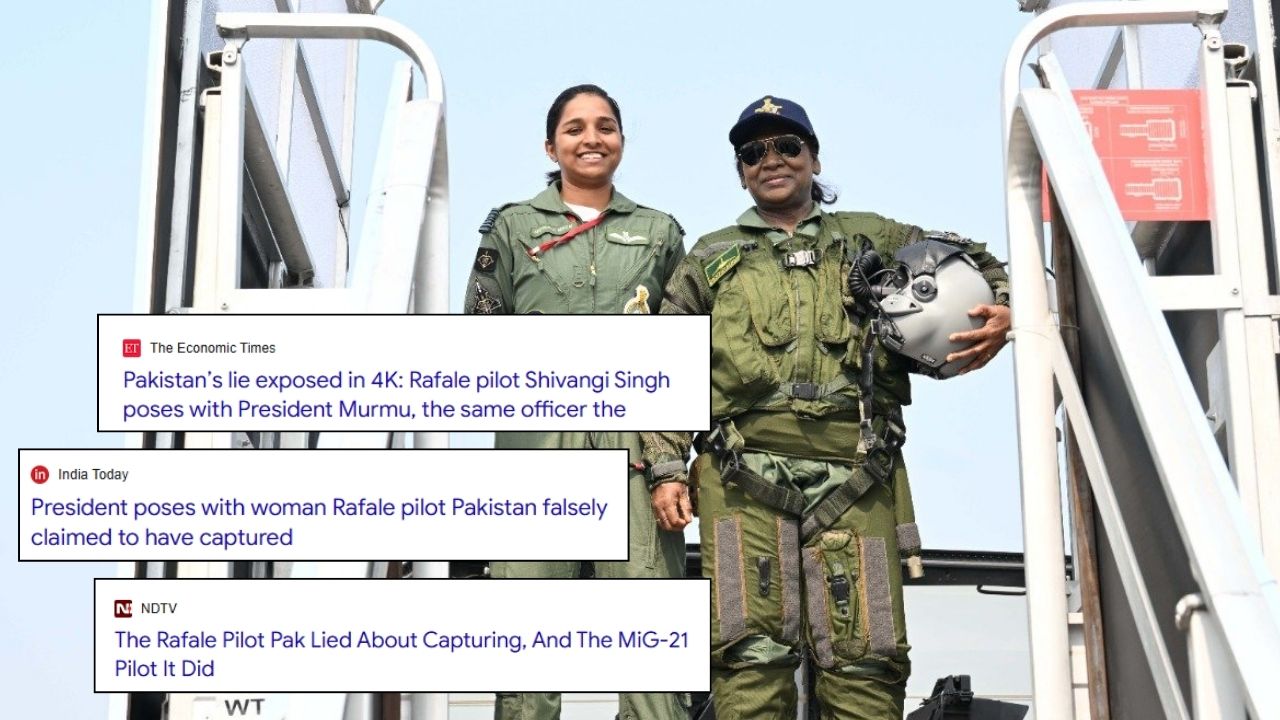
    With Indian President Droupadi Murmu posing for a photograph with Indian Air Force (IAF) pilot Shivangi Singh following the former’s sortie in a Rafale fighter jet, Indian media outlets are having a field day calling Pakistan out over its “lies”.

    As per the details, several Indian media outlets have published fact checks regarding Singh not being in Pakistani custody since after May’s military clashes – a claim that Islamabad never even made.

    Pakistan military’s media wing, the Inter-Services Public Relations (ISPR), had during a joint presser made it clear that no Indian pilot was in the country’s custody.

    “No Indian pilot is in Pakistani custody,” the ISPR chief had said on May 11, calling the reports on social media “baseless and fabricated”.

    He had gone on to explain that all Indian aircraft were shot down inside Indian territory after releasing their payloads that hit civilian areas in Pakistan. However, Indian media outlets had gone on to believe the fabricated story, only to reject it as a Pakistani claim five months later.

    It merits a mention that in May this year, South Asia witnessed one of its most intense military escalations in recent years as Pakistan responded to cross-border Indian aggression, engaging in a four-day confrontation marked by air combat, electronic warfare and strategic strikes.

    The confrontation that saw the downing of seven Indian aircraft, including at least three state-of-the-art Rafale jets, ended with a United States (US) brokered ceasefire following Pakistani strikes on multiple Indian military targets.

  • Pakistan agrees to resume talks with Afghanistan over Türkiye’s insistence

    Pakistan agrees to resume talks with Afghanistan over Türkiye’s insistence

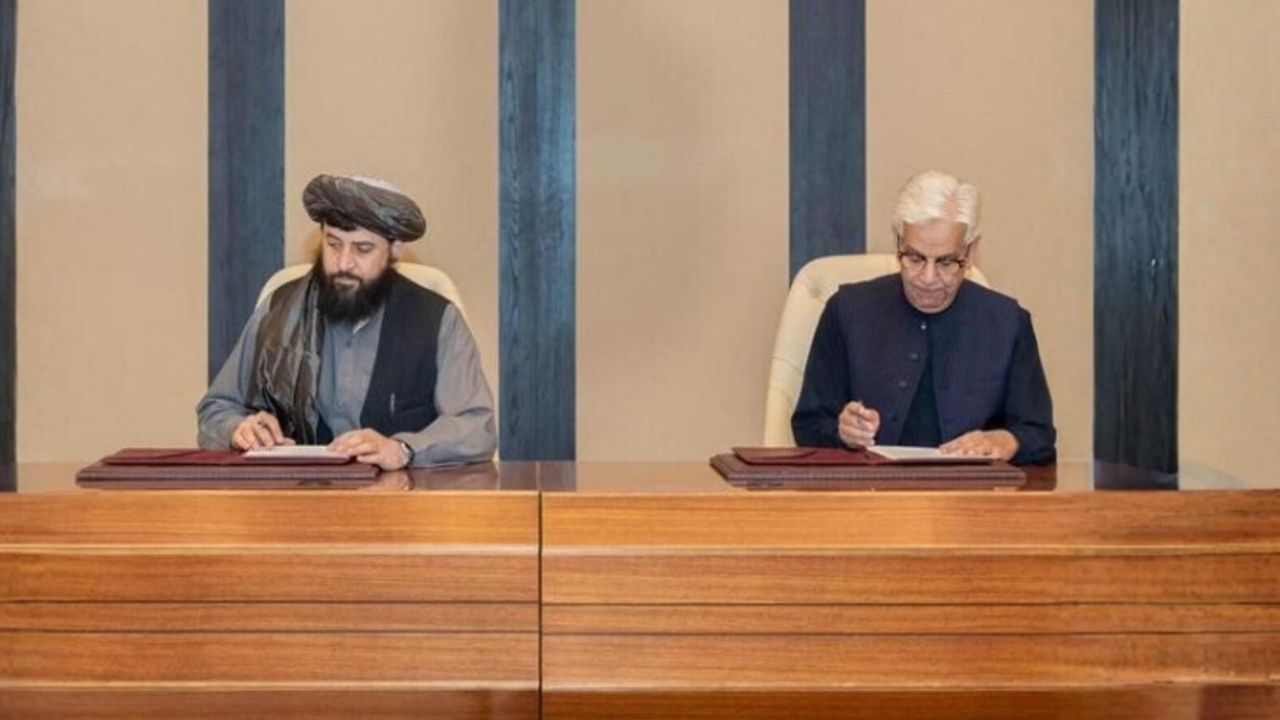
    In what could lead to a major breakthrough in Pakistan-Afghanistan tensions, Islamabad has agreed to resume diplomatic negotiations with Kabul following a renewed push by Turkish officials to salvage the stalled peace process.

    According to reports, the Pakistani delegation was initially scheduled to return home today (Thursday) after previous rounds of talks failed to yield meaningful progress. However, Turkish hosts, who reports said are keen to ensure concrete outcomes, requested the delegation to remain in Istanbul, prompting Pakistan to reconsider its position.

    Reports quoted diplomatic sources as saying that Afghan officials had also initiated contact at the diplomatic level, paving the way for the resumption of bilateral discussions.

    The Pakistani delegation, which had been preparing to depart, will now extend its stay in Istanbul to give peace another chance. The talks will focus on Pakistan’s longstanding demand that Afghanistan take clear, verifiable and effective action against terrorist groups operating from its soil.

    While the development marks a cautious step forward in efforts to stabilise relations between the two neighboring countries, Pakistan has reiterated its stance that Afghan territory must not be used for terror activities on this side of the border.

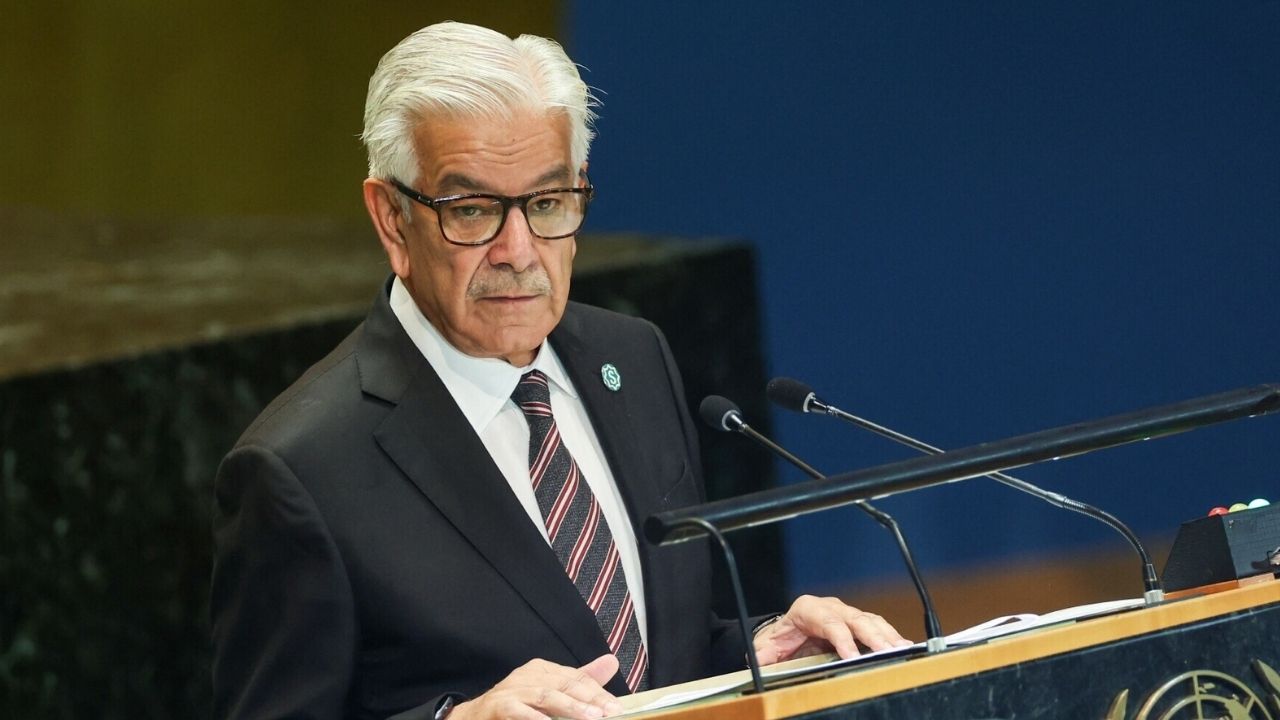
    It may be noted that Defence Minister Khawaja Asif had on Wednesday also issued a stern warning to the Afghan Taliban.


    In a post on X, the defence minister said that Pakistan had engaged in talks at the request of brotherly countries in an effort to give peace a chance, but “venomous statements” by certain Afghan officials clearly reflected the devious and splintered mindset of the Taliban regime.


    “Let me assure them that Pakistan does not require to employ even a fraction of its full arsenal to completely obliterate the Taliban regime and push them back to the caves for hiding. If they wish so, the repeat of the scenes of their rout at Tora Bora with their tails between the legs would surely be a spectacle to watch for the people of the region,” he said.


    The defence minister further said that it was sad to see how the Taliban regime was “blindly pushing Afghanistan into yet another conflict just to retain its usurped rule and maintain the war economy that sustains them”.


    “Despite fully knowing their inherent limitations and hollowness of their war cries, they are beating the war drums to maintain their crumbling facade. If the Afghan Taliban regime is madly hellbent upon ruining Afghanistan and its innocent people once again then so be it.”


    On the Afghan narrative of “graveyard of empires”, Asif said Pakistan certainly didn’t claim to be an empire but Afghanistan was “definitely a graveyard, surely for its own people”.


    “Never a graveyard of empires but certainly a playground of empires you have been throughout history,” he said, adding that the warmongers amongst the Taliban regime, “who have vested interests in the continuation of instability” in the region, should know that they have probably misread Pakistan’s resolve and courage.


    “If the Taliban regime wants to fight us, the world will INSHAALLAH see that their threats are only performative circus!”


    He went on to say that Pakistanis have “borne Afghanistan’s treachery and mockery for too long, but no more”.


    “Any terrorist attack or any suicide bombing inside Pakistan shall give you the bitter taste of such misadventures. Be rest assured and test our resolve and capabilities, if you wish so, at your own peril and doom,” he concluded.


    Asif had posted the statement hours after Tarar said that Pakistan had repeatedly engaged with the Afghan Taliban over “persistent cross-border terrorism” by Indian-abetted Fitna al Khawarij and Indian proxy Fitna al Hindustan.


    “The Afghan Taliban regime have been asked time and again to fulfil their written commitments to Pakistan and to the international community in the Doha Agreement. However, Pakistan’s fervent efforts proved futile due to the Afghan Taliban regime’s unabated support to anti-Pakistan terrorists,” Tarar had said.

  • Pakistan issues visas to 2,100 Indian Sikh pilgrims for Baba Guru Nanak’s birth anniversary

    Pakistan issues visas to 2,100 Indian Sikh pilgrims for Baba Guru Nanak’s birth anniversary

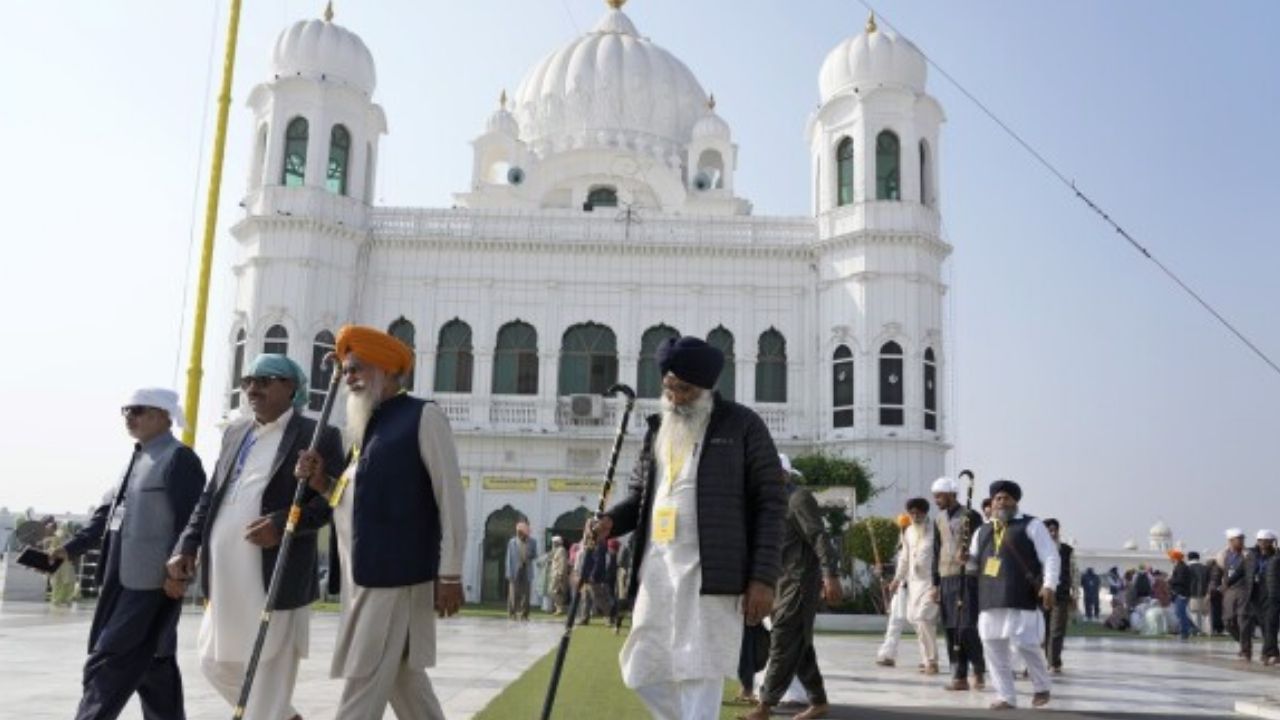
    The Pakistan High Commission in New Delhi has issued visas to more than 2,100 Sikh pilgrims from India to attend the birth anniversary celebrations of Baba Guru Nanak – the founder of Sikhism.

    According to reports, the visas were issued under the 1974 Protocol on Religious Pilgrimages – an agreement between Pakistan and India allowing citizens from both countries to visit each other’s religious sites.

    The celebrations will be held in Pakistan from November 4 to 13 with thousands of Sikh devotees expected to join the annual festivities.

    During their visit, the pilgrims will travel to several sacred gurdwaras, including Gurdwara Nankana Sahib, the birthplace of Baba Guru Nanak; Gurdwara Panja Sahib in Hasan Abdal and Gurdwara Darbar Sahib Kartarpur, which is one of Sikhism’s holiest sites.

    These historic shrines hold deep religious and cultural importance for the global Sikh community, drawing thousands of pilgrims every year for prayers and community gatherings.

    Earlier, Chargé d’Affaires Saad Ahmed Warraich welcomed the pilgrims at the Pakistan High Commission in New Delhi and extended his best wishes for a “blessed and spiritually fulfilling journey”.

    He reaffirmed Pakistan’s commitment to supporting Sikh pilgrims from around the world, saying such initiatives highlight the country’s dedication to interfaith harmony, religious tolerance and cultural understanding.

    “Pakistan will continue to extend full support to Sikh pilgrims to make their spiritual journeys meaningful and memorable,” Warraich said.

  • Vehicles without green stickers to be banned in Lahore

    Vehicles without green stickers to be banned in Lahore

    The Punjab Environmental Protection Agency (EPA) has announced that vehicles without “Green Stickers” will not be allowed on Lahore’s roads after November 15.

    As per the details, EPA Director General (DG) Dr Imran Hamid Sheikh on Wednesday said that exhaust testing is now mandatory for all vehicles in the city, confirming that the agency has launched a strict crackdown on vehicles causing air pollution.

    “From November 15, any vehicle found on the road without an Exhaust Testing System (ETS) certificate or a green sticker will be impounded,” Dr Sheikh warned.

    “Only vehicles meeting Punjab’s environmental standards will be permitted to operate on the roads.”

    The EPA reminded drivers that both emissions and noise testing are compulsory.

    Dr Sheikh said the emission testing system was formally launched in July 2025 to control vehicular pollution ahead of the smog season. He added that vehicles manufactured between 2010 and 2015 are being targeted in the first phase of enforcement.

    The previous deadline for green stickers was August 31.

    Dr Sheikh said the agency has adopted a zero-tolerance policy toward vehicles that harm the environment. Vehicles not verified through the ETS will face legal action and possible confiscation.

    The EPA urged citizens to have their vehicles tested immediately, saying this is the toughest anti-pollution campaign ever launched in Lahore.

  • Kh Asif threatens to ‘push Afghan Taliban back to caves for hiding’ as talks fail

    Kh Asif threatens to ‘push Afghan Taliban back to caves for hiding’ as talks fail

    Hours after Information Minister Attaullah Tarar announced that the Pak-Afghanistan dialogue in Istanbul “failed to bring about any workable solution”, Defence Minister Khawaja Asif has issued a stern warning to the Afghan Taliban.

    In a post on X, the defence minister said that Pakistan had engaged in talks at the request of brotherly countries in an effort to give peace a chance, but “venomous statements” by certain Afghan officials clearly reflected the devious and splintered mindset of the Taliban regime.

    “Let me assure them that Pakistan does not require to employ even a fraction of its full arsenal to completely obliterate the Taliban regime and push them back to the caves for hiding. If they wish so, the repeat of the scenes of their rout at Tora Bora with their tails between the legs would surely be a spectacle to watch for the people of the region,” he said.

    The defence minister further said that it was sad to see how the Taliban regime was “blindly pushing Afghanistan into yet another conflict just to retain its usurped rule and maintain the war economy that sustains them”.

    “Despite fully knowing their inherent limitations and hollowness of their war cries, they are beating the war drums to maintain their crumbling facade. If the Afghan Taliban regime is madly hellbent upon ruining Afghanistan and its innocent people once again then so be it.”

    On the Afghan narrative of “graveyard of empires”, Asif said Pakistan certainly didn’t claim to be an empire but Afghanistan was “definitely a graveyard, surely for its own people”.

    “Never a graveyard of empires but certainly a playground of empires you have been throughout history,” he said, adding that the warmongers amongst the Taliban regime, “who have vested interests in the continuation of instability” in the region, should know that they have probably misread Pakistan’s resolve and courage.

    “If the Taliban regime wants to fight us, the world will INSHAALLAH see that their threats are only performative circus!”

    He went on to say that Pakistanis have “borne Afghanistan’s treachery and mockery for too long, but no more”.

    “Any terrorist attack or any suicide bombing inside Pakistan shall give you the bitter taste of such misadventures. Be rest assured and test our resolve and capabilities, if you wish so, at your own peril and doom,” he concluded.

    Asif posted the statement hours after Tarar said that Pakistan had repeatedly engaged with the Afghan Taliban over “persistent cross-border terrorism” by Indian-abetted Fitna al Khawarij and Indian proxy Fitna al Hindustan.

    “The Afghan Taliban regime have been asked time and again to fulfil their written commitments to Pakistan and to the international community in the Doha Agreement. However, Pakistan’s fervent efforts proved futile due to the Afghan Taliban regime’s unabated support to anti-Pakistan terrorists,” Tarar said.

    “Since the Taliban regime bears no responsibility towards the people of Afghanistan and thrives on a war economy, it desires to drag and mire the Afghan people into a needless war,” he said.

    The minister said Pakistan had always desired and sacrificed for the peace and prosperity of the Afghan people. “In the same spirit, Pakistan has held countless rounds of talks and parleys with the Afghan Taliban regime but, unfortunately, they have always remained indifferent to Pakistan’s losses. Sadly, after sustaining such huge losses of men and material for four long years, Pakistan’s patience has run its course.”

    He explained that to “give peace a chance” and at the request of Qatar and Turkiye, Pakistan engaged with the Afghan Taliban first in Doha and then in Istanbul. The focus was a single-point agenda: to ensure the Afghan Taliban stop terrorist organisations from using Afghan soil as a “training-cum-logistics base and jump off point for terrorist activities in Pakistan”.

    Tarar thanked Qatar and Turkiye for facilitating the talks and for their efforts to convince Kabul to “desist from the use of terror proxies as leverage against Pakistan.” But he reiterated that the Afghan side kept moving away from the main issue.

    “Over the last four days of dialogue, the Afghan Taliban delegation repeatedly agreed to Pakistan’s logical and legitimate demand for credible and decisive action against [militant] organisations and terrorists. Sufficient and irrefutable evidence was provided by Pakistan which was acknowledged by Afghan Taliban and the hosts, however, regrettably, the Afghan side gave no assurance,” Tarar said.

    “The Afghan side kept deviating from the core issue, evading the key point upon which the dialogue process was initiated. Instead of accepting any responsibility, the Afghan Taliban resorted to blame game, deflection and ruses. The dialogue thus failed to bring about any workable solution,” he wrote. 

    Tarar again thanked the governments of Qatar, Turkiye, and other friendly states for their efforts to “bring about a peaceful solution to the problem of terrorism, for the prosperity and security of the two countries and the region at large”.

    “The security of its people is of paramount importance to Pakistan. We will continue to take all possible measures necessary to protect our people from the menace of terrorism and assure them that the government of Pakistan will continue to employ all the resources which are required in this regard to decimate the terrorists, their sanctuaries, their abetters and supporters,” he said.
  • 18 dead, 12 Pakistanis among survivors as migrant boat capsizes off Libya

    18 dead, 12 Pakistanis among survivors as migrant boat capsizes off Libya

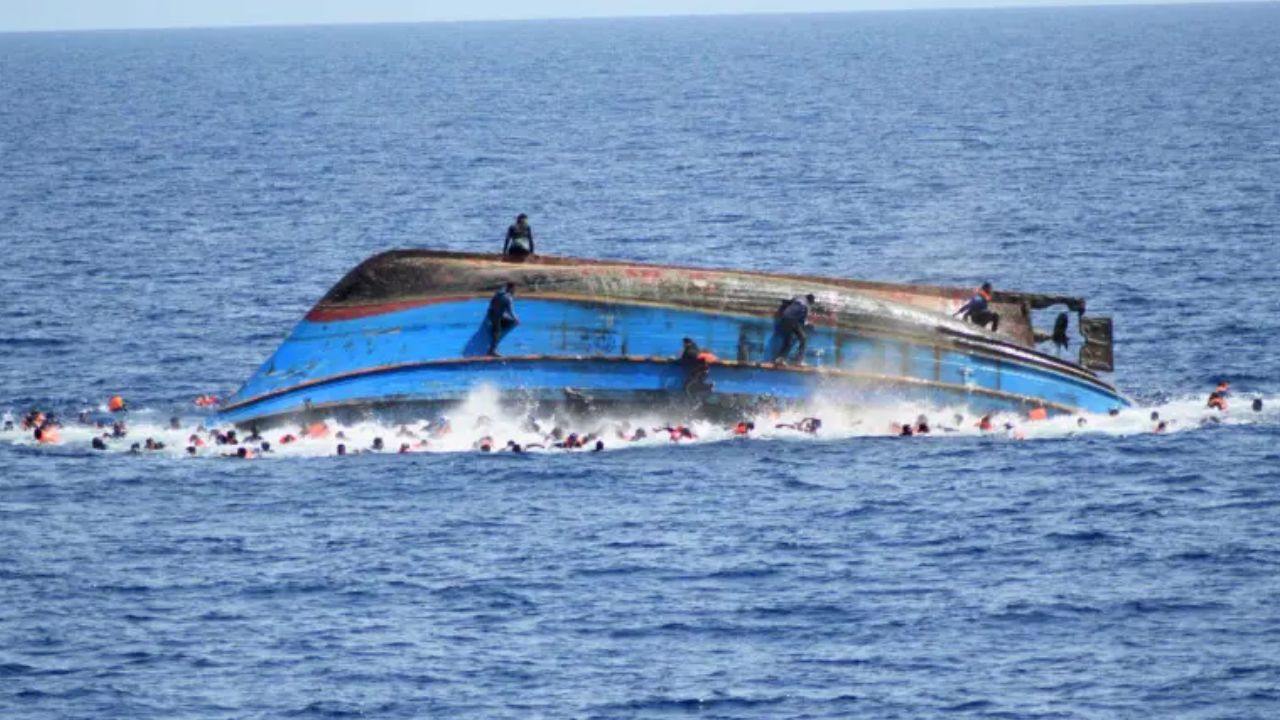
    At least 18 people lost their lives and 64, including 12 Pakistanis, were rescued after a wooden boat carrying dozens of migrants capsized off the coast of Libya, the United Nations’ (UN) migration agency reported.

    According to a statement issued by the International Organisation for Migration (IOM), the vessel “capsized only a few hours into its journey due to high waves” near the coastal city of Surman.

    Among the rescued were 29 Sudanese men, one Sudanese woman and one Sudanese child; 18 Bangladeshi men, 12 Pakistani men, and three Somali men. The nationalities of those who passed away have not yet been confirmed.

    “This latest shipwreck is a stark reminder of the grave dangers faced by people undertaking perilous sea journeys in search of safety and opportunity,” the IOM said, noting that the central Mediterranean route connecting North Africa to Europe continues to be “one of the world’s deadliest migration corridors”.

    So far this year, the IOM’s Missing Migrants Project has recorded 1,046 deaths and disappearances along said route, including 527 off the Libyan coast. 

    The tragedy follows an accident off the coast of Tunisia last week that claimed the lives of 40 migrants from sub-Saharan Africa.

    The IOM added that it is coordinating with local partners to provide survivors with healthcare and essential services, and urged for “urgent action to prevent further tragedies at sea”.

  • Fact check: Meteor, missile or cloud? Truth behind mysterious glow in Quetta sky

    Fact check: Meteor, missile or cloud? Truth behind mysterious glow in Quetta sky

    Early on Tuesday, October 28, 2025, Quetta and several other parts of Balochistan witnessed the rare phenomenon of glowing lights above the Koh-e-Murdar mountain range.

    The “lenticular cloud formation,” observed around 6:20 a.m., appeared briefly before sunrise and lasted for nearly 20–25 minutes, leaving people across the province puzzled about its origins. 

    Widespread curiosity was sparked by the spectacle. Social media was swamped with images and videos, and citizens shared their theories as to why the sky glowed. 

    Some claimed the phenomenon was a UFO sighting, comparing its saucer-like shape to flying spacecraft. Others suggested it might be a secret hypersonic missile test or even an ICBM (intercontinental ballistic missile) experiment.

    Later that day, the Pakistan Meteorological Department (PMD) took to social media platform X (formerly Twitter) to clear the confusion. Their official statement identified the sight as a “rare lenticular cloud formation” observed early morning over the Koh-e-Murdar region of Quetta. 

    PMD spokesperson Anjum Nazir further explained that the spectacle occurred when moist, stable air flowed over the eastern mountain range, forming a stationary, lens-shaped cloud.

    He added, “These cloud formations are stationary, lens-shaped structures that typically form on the downwind side of mountains. Their flying-saucer-like shape sometimes leads people to mistake them for UFOs.”

    What are Lenticular clouds? 

    Lenticular clouds, also known as altocumulus lenticularis, are lens-shaped orographic wave clouds created as air travels across hills or mountains at different altitudes in a stable environment, according to the UK Met Office.

    When moist air flows over a mountain range, it creates standing waves in the atmosphere. At the crests of these waves, air cools to its dew point, causing moisture to condense into cloud droplets. As the air descends again, it warms and evaporates, giving the cloud its distinct, smooth, layered appearance.

    “These strange, unnatural-looking clouds sometimes form downwind of hills or mountains,” the Met Office notes.

    “They look a lot like the traditional shape of flying saucers in science fiction, and real lenticular clouds are believed to be one of the most common explanations for UFO sightings across the world.”

  • Pak-Afghan talks in Istanbul have ‘failed’, confirms Atta Tarar

    Pak-Afghan talks in Istanbul have ‘failed’, confirms Atta Tarar

    Federal Minister for Information and Broadcasting Attaullah Tarar said early on Wednesday that the latest round of talks between Islamabad and Kabul held in Istanbul, Turkey, “failed to bring about any workable solution.” 

    He added that Pakistan will continue taking all possible measures to protect its citizens from terrorism.

    After days of fighting along the Pak-Afghan border and Islamabad’s strikes on Gul Bahadur group camps inside Afghanistan, both countries met in Doha. That meeting led to a temporary ceasefire and an agreement to reconvene in Istanbul to find lasting peace and stability. The second round began last week in the Turkish capital.

    In a tweet posted on X (formerly Twitter) Tarar wrote that Pakistan had repeatedly engaged with the Afghan Taliban over “persistent cross-border terrorism” by Indian-abetted Fitna-al-Khawarij and Indian proxy Fitna-al-Hindustan.

    Fitna-al-Khawarij refers to terrorists from the banned Tehreek-i-Taliban Pakistan (TTP), while Balochistan-based groups are labelled Fitna-al-Hindustan to highlight India’s alleged role in terrorism and destabilisation across Pakistan.

    “The Afghan Taliban regime have been asked time and again to fulfil their written commitments to Pakistan and to the international community in the Doha Agreement. However, Pakistan’s fervent efforts proved futile due to the Afghan Taliban regime’s unabated support to anti-Pakistan terrorists,” Tarar said.

    “Since the Taliban regime bears no responsibility towards the people of Afghanistan and thrives on a war economy, it desires to drag and mire the Afghan people into a needless war,” he said.

    The minister said Pakistan had always desired and sacrificed for the peace and prosperity of the Afghan people.

    “In the same spirit, Pakistan has held countless rounds of talks and parleys with the Afghan Taliban regime but, unfortunately, they have always remained indifferent to Pakistan’s losses. Sadly, after sustaining such huge losses of men and material for four long years, Pakistan’s patience has run its course,” he stated. 

    He explained that to “give peace a chance” and at the request of Qatar and Turkiye, Pakistan engaged with the Afghan Taliban first in Doha and then in Istanbul. The focus was a single-point agenda: to ensure the Afghan Taliban stop terrorist organisations from using Afghan soil as a “training-cum-logistics base and jump off point for terrorist activities in Pakistan.”

    Tarar thanked Qatar and Turkiye for facilitating the talks and for their efforts to convince Kabul to “desist from the use of terror proxies as leverage against Pakistan.” But he reiterated that the Afghan side kept moving away from the main issue.

    “Over the last four days of dialogue, the Afghan Taliban delegation repeatedly agreed to Pakistan’s logical and legitimate demand for credible and decisive action against [militant] organisations and terrorists. Sufficient and irrefutable evidence was provided by Pakistan which was acknowledged by Afghan Taliban and the hosts, however, regrettably, the Afghan side gave no assurance,” Tarar said.

    “The Afghan side kept deviating from the core issue, evading the key point upon which the dialogue process was initiated. Instead of accepting any responsibility, the Afghan Taliban resorted to blame game, deflection and ruses. The dialogue thus failed to bring about any workable solution,” he wrote. 

    Tarar again thanked the governments of Qatar, Turkiye, and other friendly states for their efforts to “bring about a peaceful solution to the problem of terrorism, for the prosperity and security of the two countries and the region at large.”

    “The security of its people is of paramount importance to Pakistan. We will continue to take all possible measures necessary to protect our people from the menace of terrorism and assure them that the government of Pakistan will continue to employ all the resources which are required in this regard to decimate the terrorists, their sanctuaries, their abetters and supporters,” he said.
    Defence Minister Khawaja Asif also said Afghan negotiators “changed their minds four or five times” after calling Kabul. He also said that Delhi was pulling their strings and using Afghans to wage a proxy war against Pakistan. When asked what Pakistan would do if Afghanistan “attacks Islamabad”, Asif replied, “If Afghanistan even looks at Islamabad, we will gouge their eyes out.”