Category: Others

  • Gen Bajwa allowed to continue serving as army chief

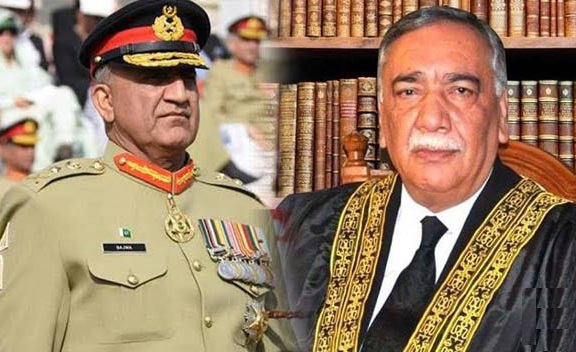
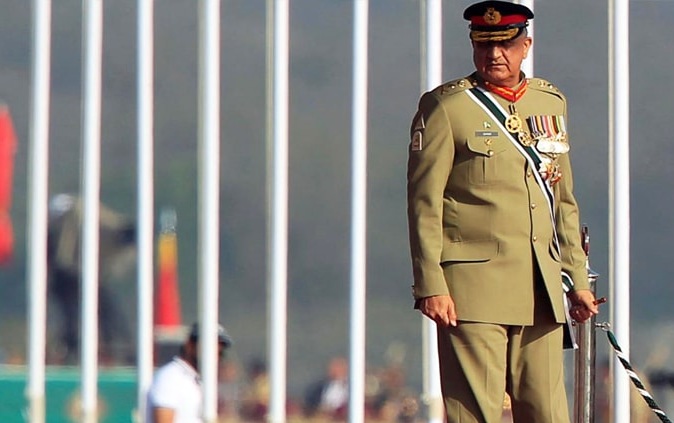
    The Supreme Court (SC) on Thursday granted a six-month conditional extension to Chief of Army Staff (COAS) General Qamar Javed Bajwa as it directed the federal government to furnish a fresh summary of the army chief’s extension of services.

    According to details, announcing the verdict in the COAS’s extension case, which was reserved earlier in the day, a three-member bench of the apex court, headed by Chief Justice of Pakistan (CJP) Asif Saeed Khan Khosa, sought an undertaking from the government that it would legislate on the matter within six months.

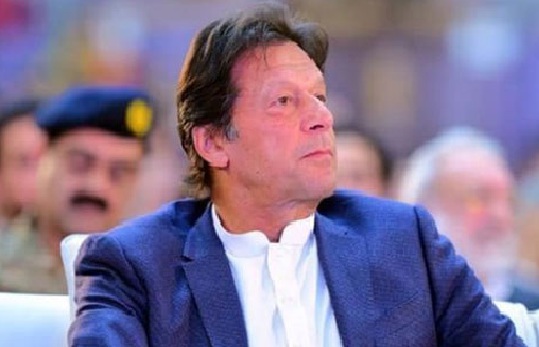
    Meanwhile, Prime Minister (PM) Imran Khan also took to Twitter to comment on the development.

    For the third day, the bench heard the petition challenging the extension. When the hearing resumed, the CJP asked Attorney General (AG) Anwar Mansoor Khan to present the notifications of extension granted to former army chief General (r) Ashfaq Pervez Kayani, as well as the notification of the retirement of Gen (r) Raheel Sharif.

    The attorney general informed the court that General Qamar Bajwa has been reappointed under Article 243, to which the CJP remarked that the government had to convince them it was legal.

    After arguments made by the AG and Gen Bajwa’s counsel Farogh Naseem, the bench stated that a 10-member full court will announce the short order in the afternoon, whereas the detailed verdict would be issued in the evening.

    In the meantime, the court granted General Bajwa permission to continue working, conditionally. It further instructed the government to prepare a fresh notification, which does not list the tenure of the extension.
  • Imran govt considering imposing emergency to tackle any unrest regarding Gen Bajwa’s extension: report

    Imran govt considering imposing emergency to tackle any unrest regarding Gen Bajwa’s extension: report

    It is being considered at the highest level in the Prime Minister (PM) Imran Khan-led government that emergency may be promulgated to overcome any untoward situation arising due to developments regarding the extension in service for Chief of Army Staff (COAS) General Qamar Javed Bajwa.

    A state of emergency is a situation in which a government is empowered to perform actions or impose policies that it would normally not be permitted to undertake. A government can declare such a state during a disaster, civil unrest, or armed conflict.

    According to The News, no conclusive decision has been made by the high-ups concerned since most of the senior officials are dissenting with the proposal, but the possibility of imposition of emergency cannot be entirely ruled out.

    The report quoted sources as saying that pro-emergency segment of the leaders was of the view that “positive outcome was attained in the past through imposition of emergency-plus”, and suggested experimenting the same for a short time now since it wouldn’t be harmful.

    “It will also help the government create harmony in society and chaos could be averted that will be helpful in mitigating suffering of the people,” the pro-emergency leaders reportedly said.

    STATE OF EMERGENCY 2007:

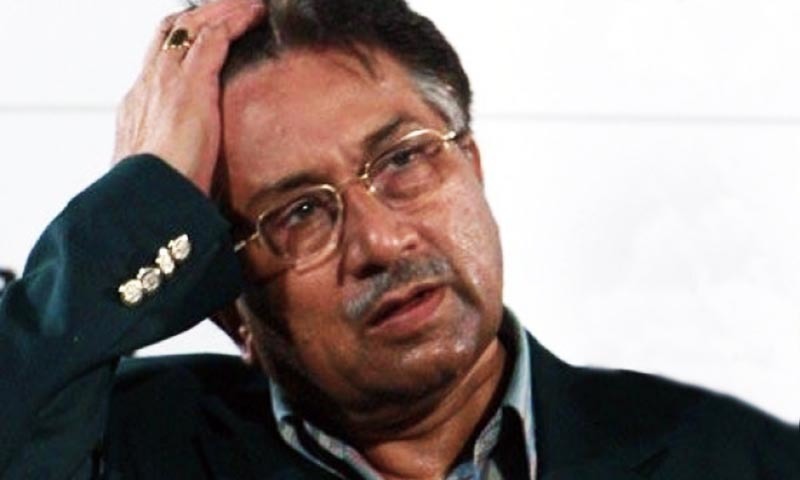
    A state of emergency was declared on November 3, 2007, by former military ruler Gen (r) Pervez Musharraf, which lasted until December 15, 2007, during which the constitution remained suspended.

    When the state of emergency was declared, Musharraf controversially held both positions of president and COAS. He later resigned as army chief 25 days into the emergency on November 28.

    The state of emergency and its responses are generally attributed to the controversies surrounding the re-election of Musharraf during the presidential election on October 6, 2007, including his holding of both offices of president and army chief at the time.

    Then Chief Justice of Pakistan (CJP) Iftikhar Muhammad Chaudhry reacted promptly to the emergency declaration, convening a seven-member bench which issued an interim order against the action. He also directed the armed forces of Pakistan not to obey any illegal orders. Subsequently, the 111th brigade of Pakistan army entered the Supreme Court (SC) building and removed Chaudhry as well as several other judges and arrested them.

    It was announced earlier that the state of emergency would likely end in late November or early December 2007. After being sworn in for a second presidential term on November 29, 2007, Musharraf immediately declared that the state of emergency would end on December 16, 2007, although the emergency actually ended one day earlier, on December 15, 2007.

    Aftermaths of the emergency include the high treason case against Musharraf.

  • ‘Increase in dollar rate benefits us as we only pay in rupees,’ says PTI minister

    ‘Increase in dollar rate benefits us as we only pay in rupees,’ says PTI minister

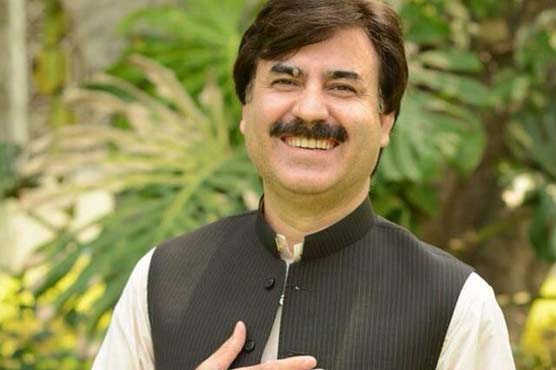
    Khyber Pakhtunkhwa (KP) Information Minister Shaukat Yousafzai has said that the increase in dollar benefits Pakistan greatly as we only have to pay in rupees, not in dollars.

    While addressing the media on Wednesday, the KP minister said that the 3 billion rupees increase in Peshawar Bus Rapid Transit (BRT) project due to rupee devaluation has not affected the national treasury, as we have paid that amount from our savings.

    “The increase in dollar value has increased the cost of BRT by Rs3 billion and at the same time helped us save over Rs3 billion because we only have to pay that amount in rupees, not in dollars”, the minister said.

    Shaukat also said that all those saying that the rupee devaluation is going to increase the amout have no idea what they are talking about.

    Watch Video:

    Meanwhile, Peshawar metro bus project misses its 6th deadline

    The Pakistan Tehreeke Insaf (PTI) led KP government has missed its sixth deadline despite announcements by the KP information minister that the project would be completed in time.

    Shaukat Yousafzai had earlier claimed that the project would be completed in 2020 and people would start getting its benefits from next year.

    He also claimed that 87% work on the mega project has been completed, adding that 30 stations had been finalised, while work on the remaining 10 stations was underway.

    Earlier, the minister had said the project would be finished by December this year, but reports claimed that the flagship project of the PTI government was unlikely to be completed in December, citing completion of only 16 stations out of over 40.

    Moreover, three bus depots made for Peshawar BRT were reportedly also under construction.

    “Even 10 per cent work has not been done on the Haytabad bus depot. No work has been done on the route from Hayatabad to Karkhano Market,” claim reports.

  • Army chief belongs at border, but he was getting his summary fixed at PM House last night: CJP

    Army chief belongs at border, but he was getting his summary fixed at PM House last night: CJP

    Chief Justice of Pakistan (CJP) Asif Saeed Khan Khosa, who is heading the Supreme Court (SC) bench hearing the case pertaining to Chief of Army Staff (COAS) General Qamar Javed Bajwa’s extension, has said that “the army chief belongs at the border, but he was getting his summary fixed at the Prime Minister (PM) House last night”.

    On Wednesday night, the federal government, aided by the military’s counsel, drafted a new summary removing all legal lacunae pointed out by the apex court earlier in the day, as it heard the petition challenging Gen Bajwa’s extension.

    For the first time, the paperwork was completed with the assistance of Judge Advocate General (JAG) Branch of the GHQ, according to The News.

    According to the publication, input from the JAG Branch was sought by the ministry concerned after the SC highlighted serious errors in the drafts presented to it following the suspension of the army chief’s extension.

    The fresh summary was inked by midnight, and has replaced the words “re-appointment” with “extension in service”. Once finalised, the summary was sent to the federal cabinet through a circulation process late on Wednesday night and then submitted to the president, who issued the requisite notification.

    The meeting was chaired by Prime Minister (PM) Imran Khan and the attendees included the COAS himself.

    “The army chief’s job is to protect the country’s borders, but last night he stayed at the PM House to get his summary fixed. It’s embarassing,” the top judge reportedly said Thursday as the three-member bench resumed hearing the case.

    He added that it was regrettable how the COAS’s time was wasted because of the incompetence of the government at such a crucial time for national security. “He [Gen Bajwa] had to be there to guide them,” CJP Khosa was quoted as saying.

  • Musharraf treason case: Special court refuses to obey IHC’s order to halt verdict

    Musharraf treason case: Special court refuses to obey IHC’s order to halt verdict

    The special court overseeing former military ruler Gen (r) Pervez Musharraf’s high treason case has refused to accept Islamabad High Court’s (IHC) order to halt the verdict due Thursday, a private media outlet reported Thursday.

    According to reports, the special court has said that they “are not bound to accept IHC’s order” that on Wednesday had stopped it from issuing a ruling in the case filed against Musharraf by the Pakistan Muslim League-Nawaz (PML-N) government for the imposition of an extra-constitutional emergency in November 2007.

    The special court was set to announce the ruling in the treason case Thursday, however, the IHC, which was hearing petitions filed by former president Musharraf and the Pakistan Tehreek-e-Insaf (PTI) government to postpone it, had told the court to not announce the verdict just yet.

    It had also directed the special court to admit the arguments of all parties in the case before announcing the ruling and ensure a fair trial.

    MUSHARRAF TREASON CASE:

    The PML-N government had in 2013 filed the treason case against Musharraf over the president’s imposition of extra-constitutional emergency in November 2007.

    Earlier this year, head of the prosecution, Mohammad Akram Sheikh, tendered his resignation. In his resignation letter sent to the interior secretary, Sheikh expressed his inability to proceed with the case after the imminent change of government at the centre.

    Akram was appointed as the head of the prosecution in the case in November 2013, by the then ruling PML-N.

    Musharraf was indicted in the case in March 2014 after he appeared before the court and rejected all charges.

    On March 18, 2016, the former president left the country for Dubai for medical treatment after his name was removed from the exit control list (ECL) on the orders of the Supreme Court (SC).

    A few months later, the special court had declared him a proclaimed offender and ordered the confiscation of his property owing to his continuous inability to appear.

    Later, his passport and identity card were also cancelled on orders of the apex court.

  • ‘You want a three-year extension for Gen Bajwa, will it be 20 years for a better general?’ CJP reportedly asks govt

    With hearing of the case pertaining to Chief of Army Staff (COAS) General Qamar Javed Bajwa’s extension resuming Thursday, the Supreme Court (SC) has once again put the government in a tight spot as it asked “if a better general would be given a 20-year extension”.

    “You’re seeking a three-year extension for now. If another general, who is exceptional, comes next, will you give him a 20-year extension?” journalist Omar Qureshi quoted the three-member bench of the apex court, headed by Chief Justice of Pakistan (CJP) Asif Saeed Khan Khosa, as asking the government representatives.

    Earlier, the bench resumed hearing the petition challenging the extension of COAS Gen Bajwa. As proceedings continued, the CJP asked Attorney General (AG) Anwar Mansoor Khan to present the notifications regarding the extension in the tenure of former army chief Gen (r) Ashfaq Pervez Kayani and retirement of Gen Raheel Sharif.

    “We were told yesterday that generals never retire,” remarked CJP Khosa.

    The AG informed the court that Gen Bajwa had been reappointed under Article 243, to which the CJP remarked that the government had to convince the court that it was legal.

    The SC then reserved the verdict that will be announced later in the day by a 10-member full court.

    On Wednesday night, the federal government, aided by the military’s counsel, drafted a new summary removing all legal lacunas pointed out by the apex court earlier in the day.

    The paperwork was completed with the assistance, for the first time, of the Judge Advocate General (JAG) Branch of the General Headquarters (GHQ), according to The News.

    Those privy to the developments told the publication that input from the JAG Branch was sought by the ministry concerned, which had till then failed to produce the required documents and after the SC highlighted serious errors in the drafts presented in court.

    The fresh summary was inked by midnight and has replaced the words “re-appointment” with “extension in service”. Once finalised, the summary was sent to the federal cabinet through a circulation process late on Wednesday night and then submitted to the president, who issued the requisite notification.

  • JUI-F’s Mufti Kifayatullah injured in attempt on life

    JUI-F’s Mufti Kifayatullah injured in attempt on life

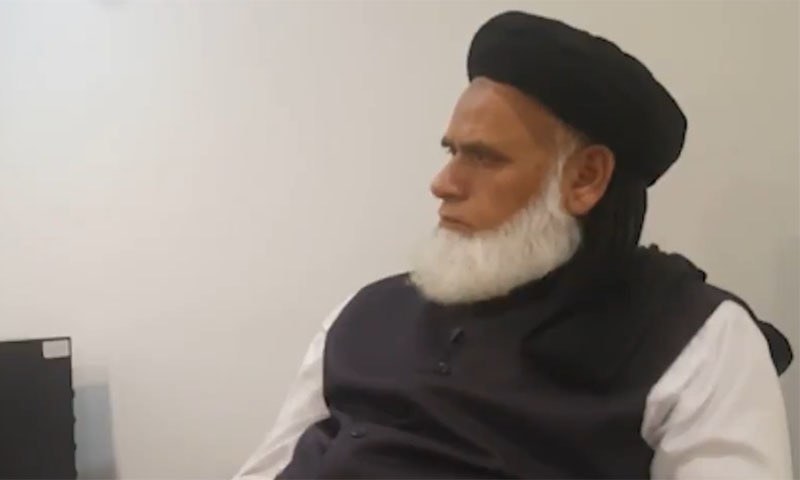
    Jamiat Ulema-e-Islam’s (JUI-F) senior leader Mufti Kifayatullah was injured in an assassination attempt near Mansehra Interchange on Wednesday morning, Geo News reported. 

    According to the details, Kifayatullah along with his two sons and a companion were travelling to Mansehra from Islamabad when another vehicle hit their car from behind and stopped it near Mansehra Interchange.

    The attackers tried to pull the JUI-F leader from his car and attacked them with iron rods, leaving all inhabitants of the car wounded.

    Mufti and the others were later shifted to the King Abdullah Teaching Hospital Mansehra for treatment. 

    Police have registered a case and launched an investigation into the attack.

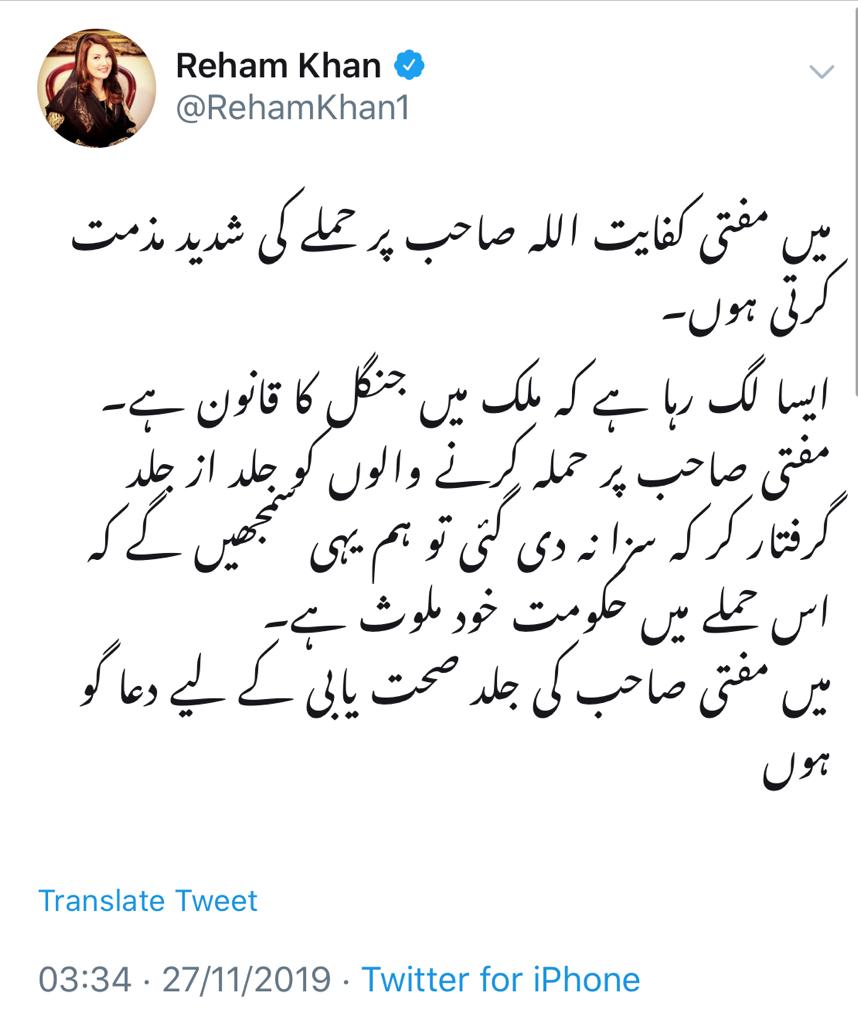
    Meanwhile, Prime Minister Imran Khan’s former wife Reham Khan has condemned the attack and said, “If the culprits behind this attack are not arrested immediately we will consider that the incumbent government is itself involved in this attack”.

  • Extension or no extension? All you need to know about Gen Bajwa’s case hearing from Wednesday

    Extension or no extension? All you need to know about Gen Bajwa’s case hearing from Wednesday

    A three-member bench of the Supreme Court (SC), headed by Chief Justice of Pakistan (CJP) Asif Saeed Khan Khosa and comprising Justice Mazhar Alam and Justice Syed Mansoor Ali Shah, has adjourned the hearing of the case regarding the extension in service of Chief of Army Staff (COAS) General Qamar Javed Bajwa until Thursday morning.

    Here are key points of Wednesday’s hearing as the extension of Gen Bajwa, who is set to retire on November 29, hangs in balance:

    • Federal Law Minister Farogh Naseem, who resigned from office on Tuesday to to represent the army chief, submits his power of attorney to the court
    • CJP asks Attorney General (AG) Anwar Mansoor Khan if the government has accepted the points raised by the court on Tuesday. AG says they have not accepted the mistake.
    • “We will hear everyone as it is an important issue. Earlier, this question was never raised and now that it has been brought forward, all legal aspects will be reviewed. We are not in a hurry,” CJP Khosa remarks.
    • “In the past, five or six generals had their tenures extended by themselves and no one questioned them,” Khosa maintains.
    • Top judge comments on government’s reliance on Article 255 of Army Regulations, says the rule applies to officers and not the army chief.

    Following the SC’s suspension of notification of Gen Bajwa’s extension Tuesday, the federal cabinet had met in two sittings led by Prime Minister (PM) Imran Khan and decided to amend Section 255 of the Army Rules, which pertains to “suspension or limitation of retirement”.

    As per the amendment, it will now also contain “extension in tenure” of the army chief. According to Federal Minister Shafqat Mehmood, the amendment is in line with the premier’s intention to grant an extension to Gen Bajwa.


    • CJP rubbishes media reports claiming Gen Bajwa’s case is a suo motu case. Says court is hearing the petition filed by Advocate Riaz Hanif.
    • Justice Shah wonders how an army chief can be reappointed to the office “when he is no longer part of the staff”, to which, CJP once more inquires whether a retired officer can be reappointed.
    • Hearing gets adjourned twice before top court shifts focus to Army Act.
    • CJP emphasises that the court is looking at the rules regarding the tenure of the army chief, not a general; it must understand Army Act before AG’s arguments.
    • “This is a court of law; it is the law we are looking at, not personalities,” He remarks. “If something is wrong as per the law, we cannot say that it is correct. If [the decision] is not correct as per the law, we will give our verdict,” apex judge says.
    • CJP reiterates he is apolitical. “I will never involve myself in any political activities. This sentence is also part of the oath. It is a very good thing to stay away from political activities.”
    • Hearing has been adjourned until Thursday.

    The government on August 19 had reappointment Gen Bajwa, extending his tenure for three years, citing the “regional security environment”. However, on Tuesday, the SC suspended the notification and issued notices to the federal government, COAS through the Ministry of Defence and the Ministry of Law.

  • Army is embarrassed over Gen Bajwa’s extension controversy: Lt Gen (r) Amjad Shoaib

    Defence Analyst Lt Gen (retd) Amjad Shoaib has said that the controversy surrounding the extension of Chief of Army Staff (COAS) General Qamar Javed Bajwa is a matter of embarrassment for the army.

    While speaking on Geo News talk show, the analyst said that the army had no role in the process and the real work was supposed to be done by the bureaucracy.

    The analytst Amjab Shoaib said that usually the ministers do not know about such matters and get details from the bureaucrats, adding “that those involved in the process should be held accountable”.

    “I can tell you that General Bajwa was not interested in extension but the government convinced him after PM Imran Khan’s US visit”, the former military officer said.

    He also noted that the COAS has helped the government foreign policy and economic affairs and he also arranged loans from the Middle East to assuage the crippling economy.

    When asked about the response of the army chief in Supreme Court, he said Gen Bajwa, in his opinion, would tell the court that it is the prerogative of the government and that the civil bureaucracy must be aware of the procedure and the rules and regulations in this regard.

  • PTI’s ally criticises govt over ‘messed up priorities’

    PTI’s ally criticises govt over ‘messed up priorities’

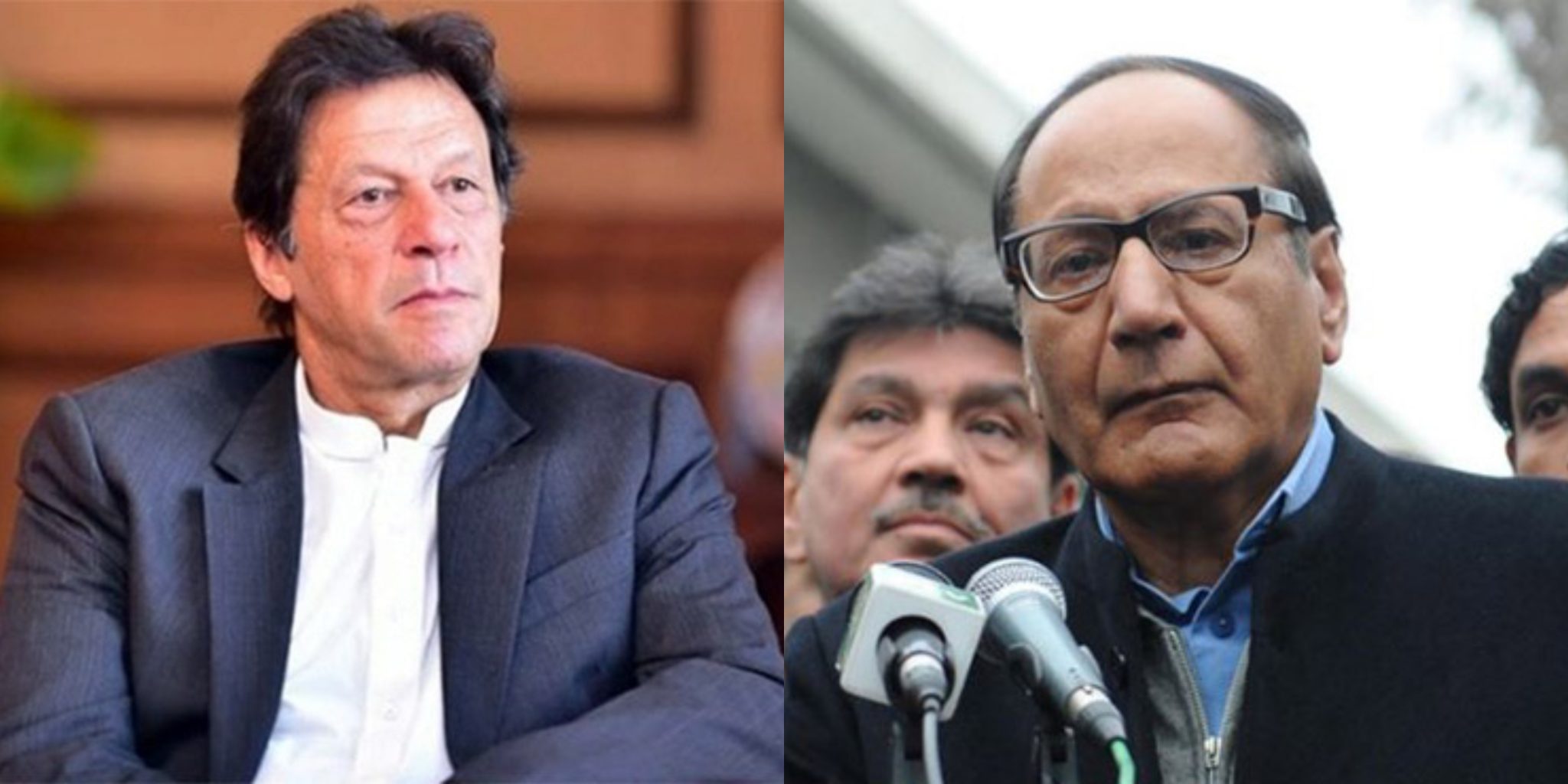
    Chaudhry Shujaat Hussain, the chief of Pakistan Muslim League-Quaid (PML-Q) – a coalition partner of Pakistan Tehreek-e-Insaf (PTI) government in Centre and Punjab – has criticised the ruling party for bringing the matter of former military ruler General Musharraf’s high treason case to fore again, Express Tribune reported.

    According to the details, Shujaat said that the common man would not benefit from the case even if it continues for five more years in the courts.

    “This [case] will also not help in controlling inflation, unemployment and other crises,” PML-Q leader said.

    He also said that his party was deliberating upon the option of moving the Supreme Court (SC) to identify those responsible for the rising inflation in the country.

    “It is important to identify the real culprit behind prevailing inflation, unemployment and other issues that have led the country to the current situation,” Shujaat said while addressing the media in Lahore on Tuesday.

    Shujaat asked, “Are previous governments responsible for these crises or is it the current one?”.

    The PML-Q chief said that all politicians who are betraying the general public by giving them false hope must be unmasked, adding that “We are consulting our legal advisers for moving the apex court so that those responsible for the current mess are identified”.

    On Monday, the government [prosecution in this case] petitioned the Islamabad High Court (IHC) to set aside the November 19 order of a special court trying Pervaiz Musharraf for “subverting the Constitution” in 2007.

    The move came on a day when a Lahore High Court (LHC) bench took up a similar plea filed by Musharraf, asking his attorney to argue on the maintainability of his client’s petition on Tuesday. It is the first time in Pakistan’s history that a former army chief has faced prosecution for high treason.

    Shujaat advised his coalition partners avoid fresh conundrums, asking that “Will they be able to control soaring tomato price even in next five years with such performance”.