Category: Politics

  • Punjab’s first Sikh minister, Ramesh Singh Arora, takes oath

    Punjab’s first Sikh minister, Ramesh Singh Arora, takes oath

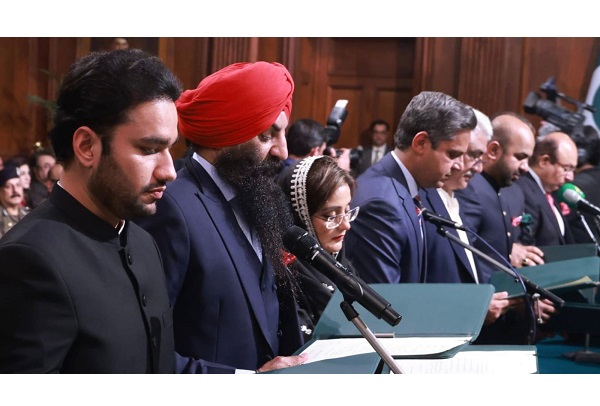
    After Maryam Nawaz became the first female chief minister of Punjab and the first female chief executive of a province in the country, history was made yet again with the inclusion of the first Sikh minister in the provincial cabinet.

    Ramesh Singh Arora, a member of the Pakistan Muslim League-Nawaz (PML-N), took oath to become a minister in the provincial cabinet. The Sikh politician has returned to the provincial assembly for the third term, this time with the portfolio of a minister.

    Arora, who hails from Narowal, has been allotted the minorities portfolio. He was also the first-ever Sikh lawmaker of Punjab, taking oath as a member of the provincial assembly in 2013.
    Meanwhile, the provincial cabinet has appointed Khalil Tahir Sindhu, a member of the christian community from Punjab, to serve alongside Arora. Sindhu will handle the human rights portfolio.
    Since 1970, various political parties or alliances, such as the PML-N, Pakistan Peoples Party, Islami Jamhoori Ittehad, Pakistan Muslim League Quaid, and Pakistan Tehreek-e-Insaf, have formed governments. However, the PML-N stands out as the only party to bring the first Sikh MPA to the house and include him in the cabinet.

  • PML-N, allies secure two-third majority in National Assembly

    PML-N, allies secure two-third majority in National Assembly

    The coalition government, led by Pakistan Muslim League-Nawaz (PML-N) and allies has secured a two-thirds majority in the National Assembly (NA) after the Election Commission of Pakistan (ECP) allocated them reserved seats but not to opponent Sunni Ittehad Council (SIC).

    A total of 224 seats out of 336 are a requirement for any government to secure a two-thirds majority in NA.

    Considering the current numbers, the Shehbaz Shairif-led coalition government — comprising Pakistan Peoples Party (PPP), MQM-Pakistan (MQM-P), Pakistan Muslim League-Quaid (PML-Q), Istehkam-e-Pakistan Party (IPP), Pakistan Muslim League-Zia (PML-Z), Balochistan Awami Party (BAP), and National Party (NP) —  has 230 members in the lower house. 

    The PML-N currently has 123 seats in NA, of which 75 are general seats, which the party won in the February 8 polls. After that, nine independent MNAs joined the party, taking the number to 84. However, PML-N secured 23 reserved seats, including 16 for women and 4 for minorities.

    Similarly, after the ECP ruling on the remaining reserved seats, the party got the lion’s share, bagging 15 out of the remaining 20 reserved seats for women and one out of the three remaining seats reserved for minorities. 

    The PML-N now has 123 members, becoming the largest party in the NA.

    On the other hand, the Pakistan Tehreek-e-Insaf (PTI)-backed SIC stands at the second position with 82 seats, PPP now has 73 seats, including 54 general seats, 16 women and another three reserved seats for minorities.

    Moreover, MQM-P stands at number four with a tally of 22 MNAs, including 17 general seats and five reserved seats — four women and one minority.

    IPP has four seats in the National Assembly, including three general and one reserved for women.

    Similarly, six political parties have one general seat, including BAP, Majlis Wahdat-e-Muslimeen (MWM), PML-Z, Balochistan National Party (BNP), Pashtunkhwa Milli Awami Party (PkMAP) and the National Party (NP).

  • Akbar S Babar challenges fresh PTI’s intra-party polls in ECP

    Akbar S Babar challenges fresh PTI’s intra-party polls in ECP

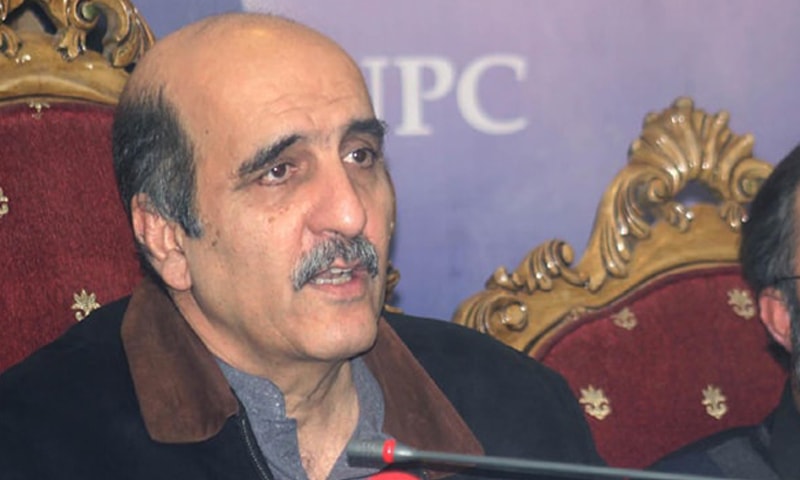
    Disgruntled Pakistan Tehreek-e-Insaf (PTI) founding member Akbar S Babar filed two separate petitions with the Election Commission of Pakistan (ECP) to challenge the party’s intra-party elections for the second time.

    The Supreme Court (SC) on January 13 upheld the ECP’s verdict regarding the party’s intra-party elections as invalid, leading the party to lose its ‘bat’ electoral symbol.

    A five-member ECP bench headed by Chief Election Commissioner (CEC) Sikandar Sultan Raja declared the PTI’s internal polls unlawful.

    In the fresh petition, Babar has requested the ECP to declare the recent intra-party polls invalid too.

    PTI’s fresh intra-party elections were held on March 3.

    The beleaguered party’s federal election commissioner Raoof Hasan formally announced last Sunday that Barrister Gohar Ali Khan and Omar Ayub Khan had been elected as the party’s chairman and secretary general unopposed, respectively, in the intra-party polls.

    Taking to journalists, Babar said that he moved the ECP against the “fresh fraud” of the PTI, adding that he was kept away from the intra-party elections.

  • Zulfiqar Ali Bhutto was not given a fair trial: Supreme Court

    Zulfiqar Ali Bhutto was not given a fair trial: Supreme Court

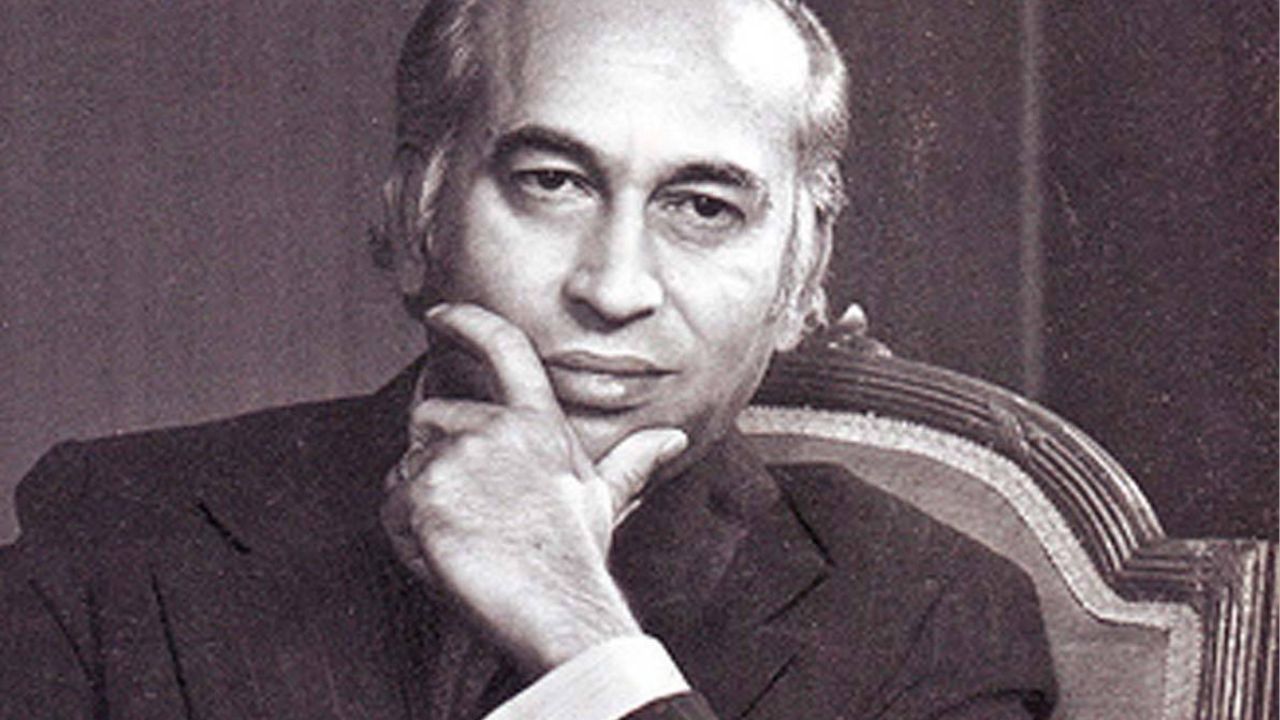
    A nine-member bench of the Supreme Court has reserved its verdict on the murder trial of PPP founder and former Prime Minister Zulfiqar Ali Bhutto.

    The Chief Justice of Pakistan, Qazi Faez Isa, has said on Wednesday, “The proceedings of the Lahore High Court and of the appeal by the Supreme Court of Pakistan don’t meet the requirement of the fundamental right to fair trial and due process enshrined in the articles 4 and 9 of the constitution.”

    “This court can’t reappraise the evidence and undo the decision of the case. However, in a detailed reason, we shall identify the major Constitutional and legal lapses that occurred with regard to fair trial and due process.”

    Talking to media outside the court, Bhutto’s grandson, PPP Chairman Bilawal Bhutto Zardari said that the court has acknowledged that his grandfather was not given a fair trial.

    What is the Zulfiqar Ali Bhutto case?

    Zulfiqar Ali Bhutto, the leader who saw his elected government toppled by General Zia-ul-Haq in 1977, faced a controversial trial resulting in his execution.
    Former president Asif Ali Zardari brought back the long-dormant presidential reference on the death sentence of the late Prime Minister Zulfikar Ali Bhutto.

    The reference, filed in 2011 under Article 186 of the Constitution of Pakistan, resurfaced as a 9-member Supreme Court bench, led by Chief Justice Qazi Faez Isa, took up the case on December 12.

    The reference is based on the assertion by former Supreme Court Chief Justice Naseem Hasan Shah that the trial bench was influenced by the Zia-ul-Haq government.

    It also questions the constitutionality of conducting the murder case in the Lahore High Court instead of the Sessions Court.

    Article 186 and the President’s right

    Article 186 of the National Constitution empowers the President to seek the Supreme Court’s opinion on matters of public importance.

    The current hearing revolves around five crucial questions posed by Asif Zardari, aiming to address issues related to human rights, judicial precedent, fairness of the death sentence, adherence to Quranic orders, and the sufficiency of evidence.
    Questions from presidential reference

    Asif Ali Zardari’s reference poses pivotal questions, challenging the legality and fairness of Bhutto’s trial:

    1. Were Bhutto’s human rights, as enshrined in the constitution, respected during the trial?
    2. Will the Supreme Court’s decision set a precedent for all high courts, as per Article 189?
    3. Was the death sentence impartial and free from bias?
    4. Does the death penalty align with Quranic principles?
    5. Was the evidence and testimony presented during the trial sufficient for conviction?

    What was the case?

    Bhutto, who served as President of Pakistan from 1971 to 1973 and later as Prime Minister until 1977, was at the center of a storm of controversy that ultimately cost him his life.

    The narrative begins with the fall of Dhaka in December 1971, which marked a significant turning point in Pakistan’s history. Following this, Bhutto rose to power, first as President and later as Prime Minister under the newly established 1973 Constitution.

    However, his reign was short-lived as General Zia-ul-Haq seized control through a martial law imposition on July 5, 1977.

    Bhutto’s troubles escalated when he was arrested on September 3, 1977, in connection with the murder of political opponent Nawab Muhammad Ahmad Khan Kasuri in March 1974.

    Despite being released just ten days later due to “contradictory and incomplete” charges, Bhutto found himself back behind bars, this time under martial law. His trial commenced on October 24, 1977, with allegations of conspiracy to murder hanging over his head.

    Masood Mahmood, the Director General of the Federal Investigation Agency, testified against Bhutto, claiming he had ordered Kasuri’s assassination.

    The trial was marred by interruptions and allegations of bias, culminating in Bhutto’s conviction for murder on March 18, 1978. Despite appeals and pleas for clemency, Bhutto’s fate was sealed when the Supreme Court upheld the verdict on February 6, 1979.

    The final blow came on March 24, 1979, when the Supreme Court dismissed Bhutto’s appeal, clearing the way for his execution. Bhutto’s appeal in the Supreme Court in front of a seven-member bench was dismissed with a 4-3 verdict against him in February 1979.

    General Zia-ul-Haq, who had been calling Bhutto a murderer throughout the trial, ordered his hanging on April 4, 1979, sparking widespread condemnation and accusations of judicial misconduct.
  • Khyber Pakhtunkhwa cabinet set to take oath today

    Khyber Pakhtunkhwa cabinet set to take oath today

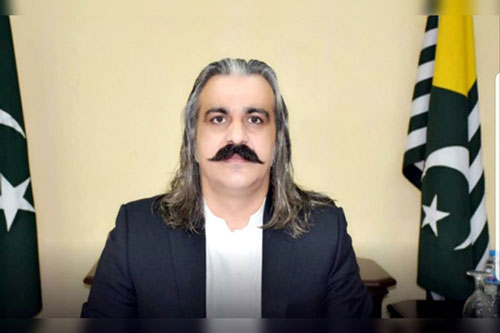
    The Khyber Pakhtunkhwa (KP) cabinet is set to take its oath of office today after Chief Minister of the province Ali Amin Gandapur got approval from Pakistan Tehreek-e-Insaf (PTI) founder Imran Khan, who is currently in Adiala jail serving sentences in multiple cases.

    Ali Amin Gandapur said in a statement that he discussed the formation of the KP cabinet with Imran Khan in Adiala jail.

    “Cabinet members will take oath today,” he confirmed.

    After meeting the founder of PTI, the newly-elected chief minister came back to Peshawar and asked relevant authorities to arrange the oath taking ceremony in the Governor House.

    However, the names of cabinet members have not been revealed yet.

    Interestingly, a majority of those considered and approved as cabinet members by Imran Khan were unaware of their selection. The News learnt from its sources that KP CM Gandapur did not disclose the names of his cabinet members, as he was under pressure by certain factions within the party to accommodate their nominees.

  • Senator withdraws resolution to ban Social Media in Pakistan

    Senator withdraws resolution to ban Social Media in Pakistan

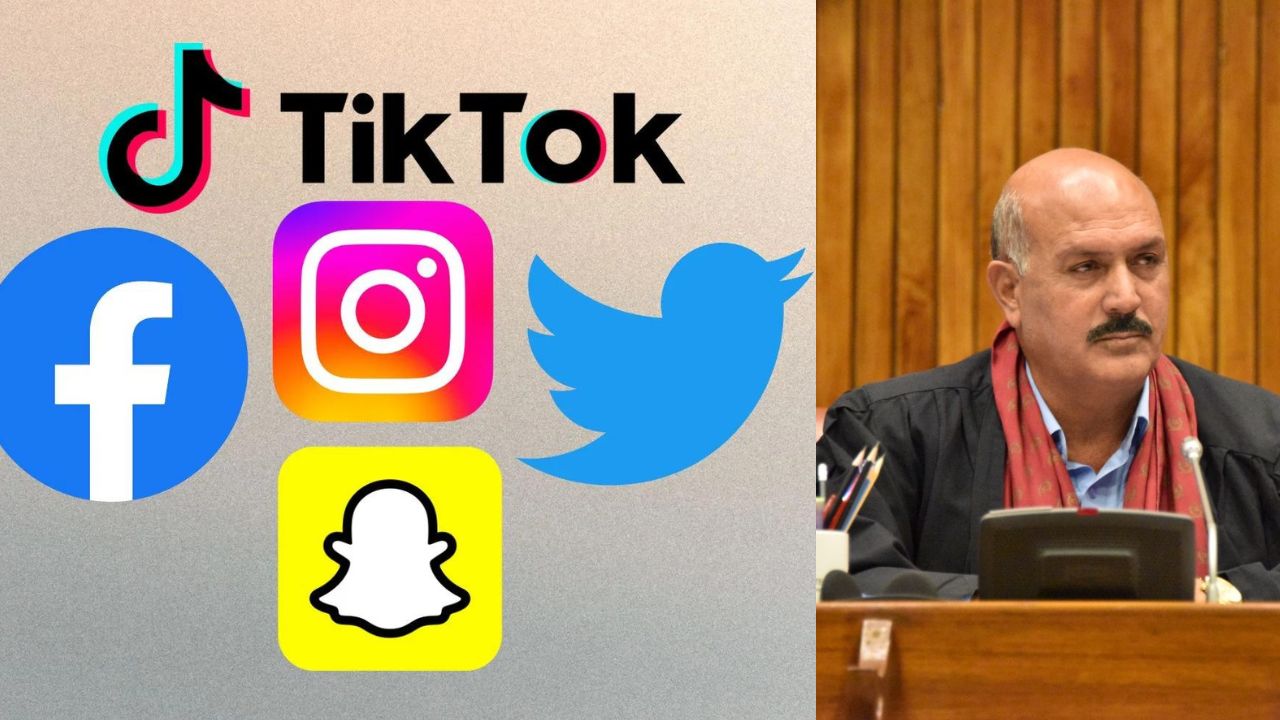
    Senator Bahramand Khan Tangi has withdrawn his resolution aimed at imposing a blanket ban on several major social media platforms in the country.

    The resolution, which sparked controversy before its introduction in the house, called for the government to prohibit access to Facebook, TikTok, Instagram, X (formerly Twitter), and YouTube, citing concerns over their perceived negative impact on the younger generation.

    Even before reaching the floor of the house, Tangi’s resolution faced significant criticism from digital rights activists and journalists.

    Critics argued that the proposed ban would further restrict freedom of expression in Pakistan. The timing of the resolution’s emergence added to its contentious nature, coinciding with ongoing disruptions to access X following allegations of electoral rigging during the February 8 polls.

    Senator Brahmand Tangi, who was expelled by the Pakistan Peoples Party (PPP) one month ago, had moved a resolution in the senate asking that all social media platforms including X (formerly Twitter), Facebook, YouTube, and Instagram be banned in Pakistan to protect the next generation from what he has dubbed their “negative and devastating” effects.

    Tangi was expelled by the PPP last month after he went against party policy and remained silent on a resolution asking for delay in Balochistan and KP general elections. However, DAWN has reported that the party has till now not moved a reference against him.
    The resolution has alleged that social media platforms were being used to promote norms “against our culture and religion” and creating hatred among the general populace.

    The document also charges the platforms with being used to run “malicious” campaigns against the army and spreading fake news.
    PPP has said that the senator should not use the party’s name anymore, swiftly distancing itself from the controversial resolution. Nonetheless, it will be on Monday’s agenda.

    Senator Tangi is set to retire on March 11.

  • PTI to launch movement against alleged rigging in February 8 Polls

    PTI to launch movement against alleged rigging in February 8 Polls

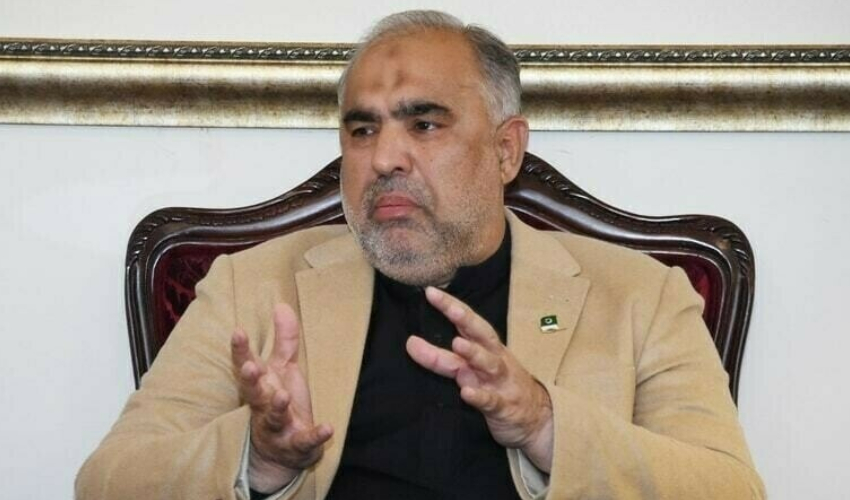
    Pakistan Tehreek-e-Insaf (PTI) leader Asad Qaiser said on Tuesday that his party is planning to launch a street movement against the “stealing” of their mandate by their opponents in the February 8 elections.
    “We will unite all political forces and will launch a movement within the law and Constitution,” said Qaiser while speaking to media persons in Islamabad on Tuesday.
    The PTI leader said that they are planning to take to the streets in all provinces so their demands are met, adding that they will snatch their rights. “Our movement will continue and will bring together all political forces,” he said, adding that they will forge an alliance.

    The former National Assembly (NA) speaker stated that they will peacefully protest because they don’t trust the government led by Shehbaz Sharif, which they consider fake.

  • Indian PM Narendra Modi congratulates Shehbaz Sharif

    Indian PM Narendra Modi congratulates Shehbaz Sharif

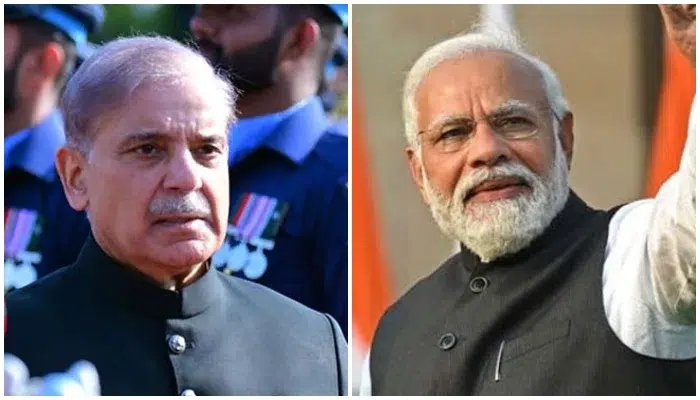
    Indian Prime Minister, Narendra Modi, congratulated Shehbaz Sharif on taking oath as the 24th prime minister of Pakistan.

    “Congratulations to @CMShehbaz on being sworn in as the Prime Minister of Pakistan,” read a short statement on the Indian prime minister’s official X handle.

    On Monday, President Dr Arif Alvi administered the oath to Shehbaz Sharif after he was elected as the 24th prime minister of Pakistan on Sunday by receiving 201 votes in the National Assembly (NA).

    Pakistan Muslim League-Nawaz (PML-N) president Shehbaz Sharif will serve the country as the Premier for the second time, after remaining the PM of Pakistan from April 2022 to August 2023.

    Various world leaders and diplomats, including Crown Prince and Prime Minister of Saudi Arabia Mohammed bin Salman, Turkey’s President Recep Tayyip Erdogan, Iran’s Ebrahim Raisi, Malaysian Prime Minister Anwar Ibrahim, United Kingdom Foreign Secretary David Cameron, US Ambassador to Pakistan Donald Blome, and others have also congratulated Shehbaz on taking the helm as the country’s chief executive.

  • Notices issued to PTA and Information Ministry on closure of X

    Notices issued to PTA and Information Ministry on closure of X

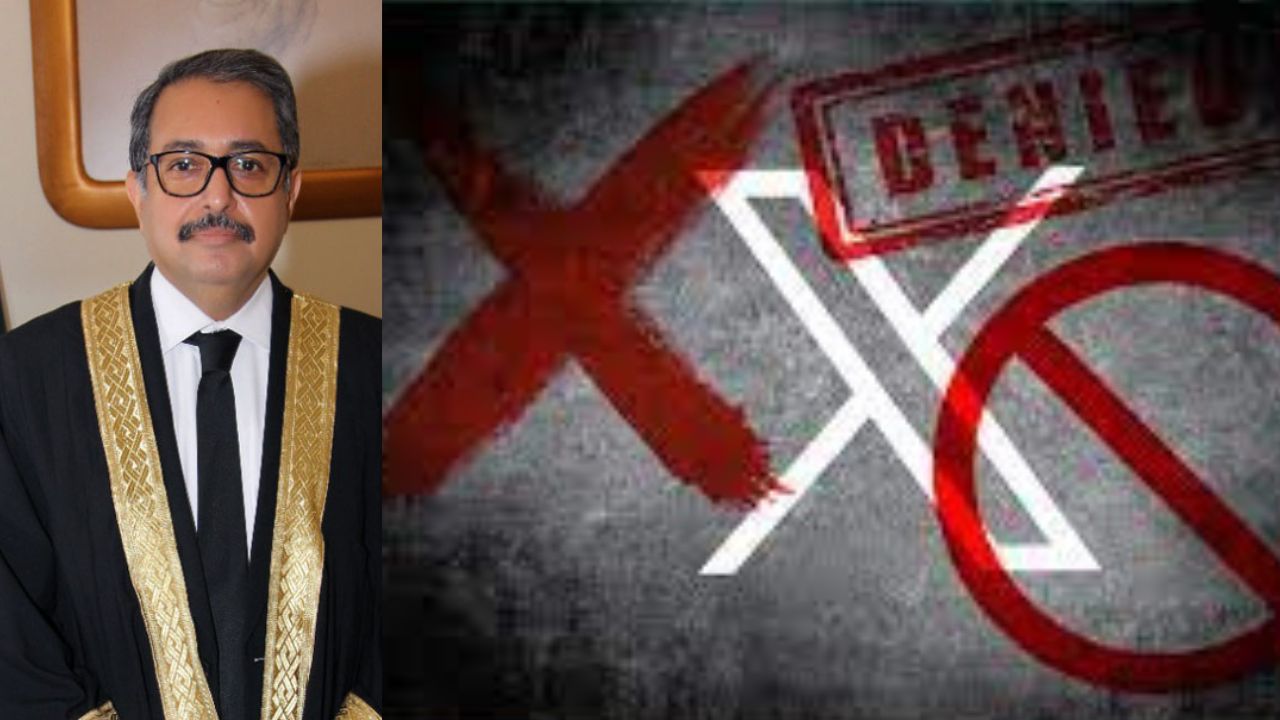
    The Islamabad High Court (IHC) has taken a significant step in response to the closure of the social media platform X, formerly known as Twitter, in Pakistan. The court issued notices to the Ministry of Information and the Pakistan Telecommunication Authority (PTA) concerning the shutdown of the said platform within the country.

    IHC Chief Justice Aamer Farooq presided over the hearing of a petition challenging the closure of X, which has been mostly inaccessible in Pakistan since February 17, with users resorting to VPNs for access.

    During the hearing on the plea today, the IHC CJ asked: “Is X closed?”

    At this, the petitioner’s lawyer replied that X had been closed in Pakistan since February 17.

    “This matter was also before the Sindh High Court (SHC), what happened to it?” asked Justice Farooq.

    The lawyer disclosed that a similar matter is pending before SHC where a petition related to contempt of court is scheduled for a hearing today.

    Following these discussions, Justice Farooq announced the issuance of notices for the next week, indicating a significant development in the legal pursuit to address the closure of X in Pakistan.

    SHC Chief Justice Aqeel Ahmed Abbasi issued orders on a plea filed by multiple petitioners including Zarrar Khuhro, Amber Shamsi, Zebunnisa Burki, and others against intermittent disruptions faced by users in accessing the renowned social media platform which has witnessed various “unannounced” sporadic suspensions in recent weeks.

    The disruptions in accessing the platform have been a cause of distress for users, especially in the aftermath of the February 8 general elections, during which several social media sites were rendered inaccessible.

    While authorities attributed these disruptions to technical errors and security concerns during the polling day, users continued to experience intermittent suspensions in accessing X post-election.

    In a recent statement to a local media outlet, Information Minister Murtaza Solangi clarified that the caretaker government had no involvement in the shutdown of X in Pakistan.

    Solangi emphasized that the caretaker cabinet had not deliberated or decided on the closure of the microblogging website. He suggested directing inquiries regarding the matter to the Chairman of the Pakistan Telecommunication Authority (PTA).

    With the legal proceedings underway in both the Islamabad High Court and the Sindh High Court, the fate of X in Pakistan hangs in the balance, while users await a resolution to ensure uninterrupted access to the popular social media platform.

  • ‘Cracks in the glass’; What does the US think about Maryam Nawaz as CM Punjab?

    ‘Cracks in the glass’; What does the US think about Maryam Nawaz as CM Punjab?

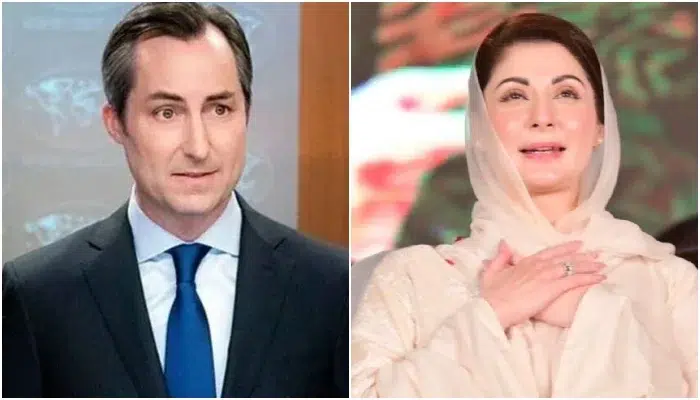
    The United States (US) state department spokesperson, Matthew Miller, said on Monday that the selection of Maryam Nawaz as the first woman chief minister of an important province Punjab is a “milestone in Pakistani politics.”

    “We look forward to cooperating with Pakistan more broadly on integrating women more fully into the country’s political life and economy, including through the US Pakistan Women’s Council, civil society, and other decision-making spaces,” Mathew Miller said in response to a question at his daily news briefing.

    “An inclusive Pakistan makes for a strong, prosperous country, which all Pakistanis benefit from, and so we are always pleased when we see cracks in the glass ceiling anywhere in the world,”  Miller stated.

    Maryam Nawaz was elected the first female Chief Minister of Punjab on the previous Monday.