Category: Politics

  • Democracy slides amid wars and political polarisation, study says

    Democracy slides amid wars and political polarisation, study says

    Democratic standards across the world fell in 2023 amid the spread of wars, authoritarian crackdowns and declining levels of trust in mainstream political parties, the Economist Intelligence Unit (EIU) said on Thursday.

    While the number of countries categorized as democracies increased by two last year, the global average index score fell to 5.23 in 2023 from 5.29 the year before, its lowest level since the first study was published in 2006.

    “The world has entered an age of conflict, and the contours of a future major war are already visible,” said the study titled “Age of Conflict.”

    “Today’s wars are concentrated in countries where democracy is absent or in trouble.”

    Western Europe was the only region to improve its score, moving ahead of North America. The study said it was the first time that North America has not placed as the world’s highest-scoring region.

    Joan Hoey, the editor of the report, said scores fell for “not only those nations prosecuting wars (Azerbaijan and Russia), but for those on the receiving end (Armenia and Ukraine).”

    “However, growing democratic resilience and consolidation in EU member states in Central Europe, as well as in Balkan and Baltic countries, ensured that the overall regional score did not significantly fall,” Hoey added.

    “The narrative of democracy in Eastern Europe and Central Asia can be best summed up as a tale of resilience.”

    The London-based analysis group pointed to intensifying anti-immigration sentiment in many countries, saying the political landscape in the Americas and Europe has become increasingly polarised.

    “Three years after the COVID-19 pandemic, which led to a rollback of freedoms around the globe, the results for 2023 point to a continuing democratic malaise and lack of forward momentum.”

    “More countries are experiencing declining levels of trust in mainstream political parties and leaders, and succumbing to ‘culture wars’ of the sort that have long characterised the U.S.,” the study said.

    “Western Europe is plagued by low levels of trust in government.”

    The 27-nation EU holds elections for its European Parliament later this year and polls suggest the far-right could rise to become the third-biggest grouping in the legislature.

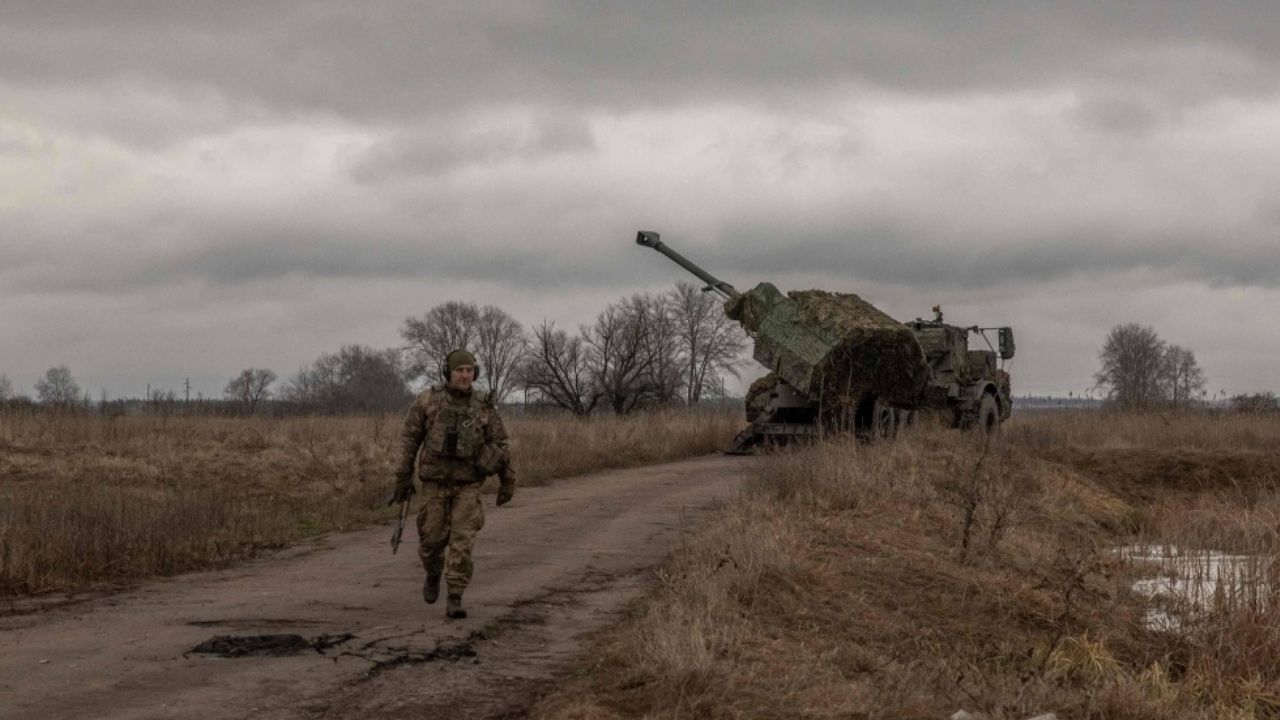
    The report said that Ukraine’s battle to repel Russia’s two-year invasion was taking a toll on its democratic institutions and practices, while Russia continued its steady slide toward “outright dictatorship.”

    Only 7.8% of the global population reside in a “full democracy” and substantially more than one-third live under authoritarian rule.

    The number of democracies increased by two in 2023, with Paraguay and Papua New Guinea being upgraded from “hybrid regimes” to “flawed democracies.”

    Greece became a “full democracy” while Pakistan was downgraded to an “authoritarian regime.” The United States remains a “flawed democracy.”

    The top three places in the index are occupied by Norway, New Zealand and Iceland, while the final three countries are North Korea, Myanmar and Afghanistan.
  • Dead politicians come back to life for Indian elections

    Dead politicians come back to life for Indian elections

    Dead Indian politicians are coming back to life with the help of artificial intelligence as the election is around the corner in the country.

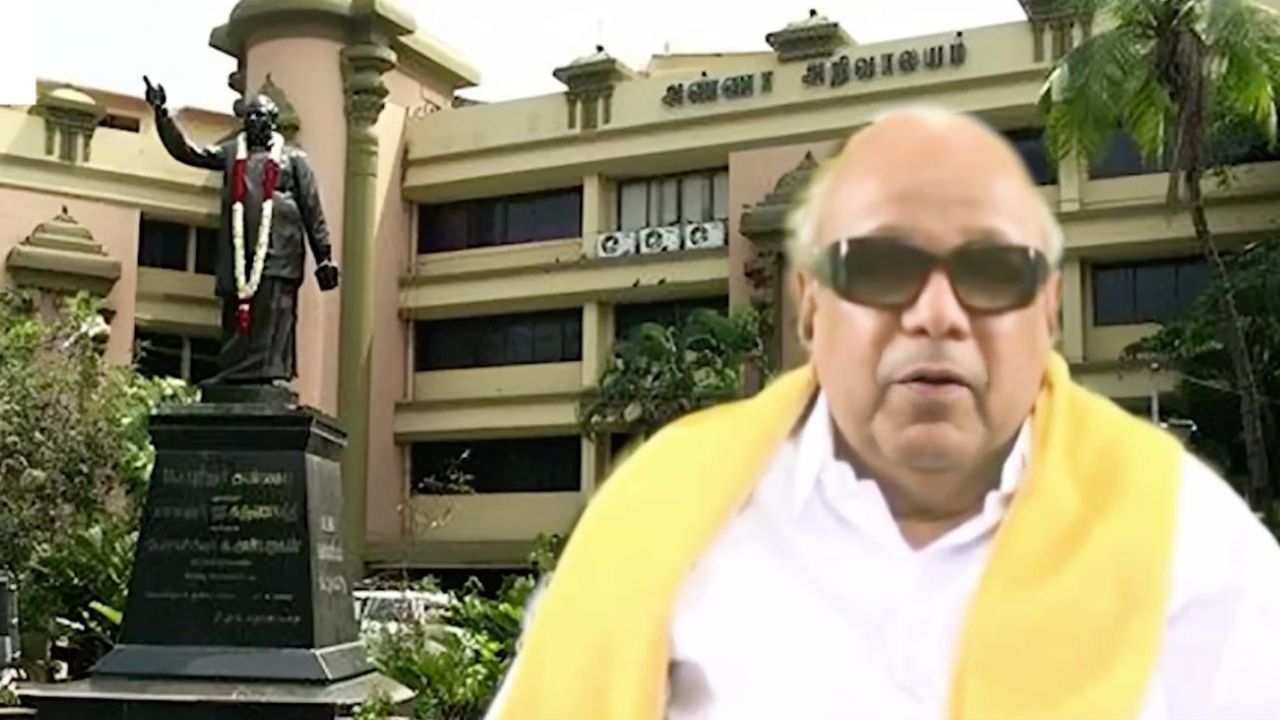
    As election campaigns are underway, certain political contenders are resorting to resurrecting dead politicians to appeal to the public. In January, M Karunanidhi, Indian writer and politician, made an appearance during a live assembly via projected screen, and congratulated his “82-year-old friend and fellow politician” TR Baalu on the launch of his autobiographical book.

    Karunanidhi, who died in 2018, has been resurrected thrice as of yet.

    Deep fake speeches have also been used to highlight his son’s achievements, MK Stalin, who is leading the Dravida Munnetra Kazhagam (DMK) party.

    This development raises profound questions about the ethical and legal implications of using AI to resurrect deceased individuals and ascribe opinions to them.

    The decision to utilise AI for elections has multiple downsides such as lack of authenticity, ethics etc.

  • More voters, less turnout: FAFEN on Feb 8 polls

    More voters, less turnout: FAFEN on Feb 8 polls

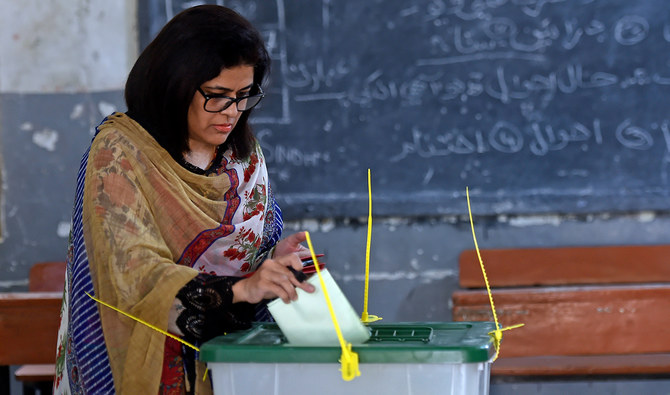
    The Free and Fair Election Network (FAFEN) has reported that around 60.6 million Pakistanis voted in the country’s 12th general elections, held on February 8. This number was higher than 2018 elections, in which least 54.8 million citizens participated. The number this increased by 5.8 million voters, according to FAFEN post-election analysis report.

    The election watchdog reported that fewer people voted in the recent general polls compared to the total number of registered voters. In 2018, 52.1 percent of registered voters participated in the polls whereas this year, only 47.6 percent turned out to vote.

    The decrease in turnout, however, can be largely attributed to the increase in registered voters from 106 million in 2018 to 128.6 million in 2024. A considerable rise of 22.6 million registered voters between the 2018 and 2024 elections was highlighted in the report.

    The report suggested that the turnout might have been affected by several factors, including severe winter in some areas, concerns about violence and terrorism in Khyber Pakhtunkhwa (KP) and Balochistan, and uncertainty regarding how the elections would be conducted.

    The analysis report on voter turnout reveals that KP had the lowest turnout. The report also notes that voter turnout varies across National Assembly (NA) constituencies, with Islamabad Capital Territory recording the highest turnout.

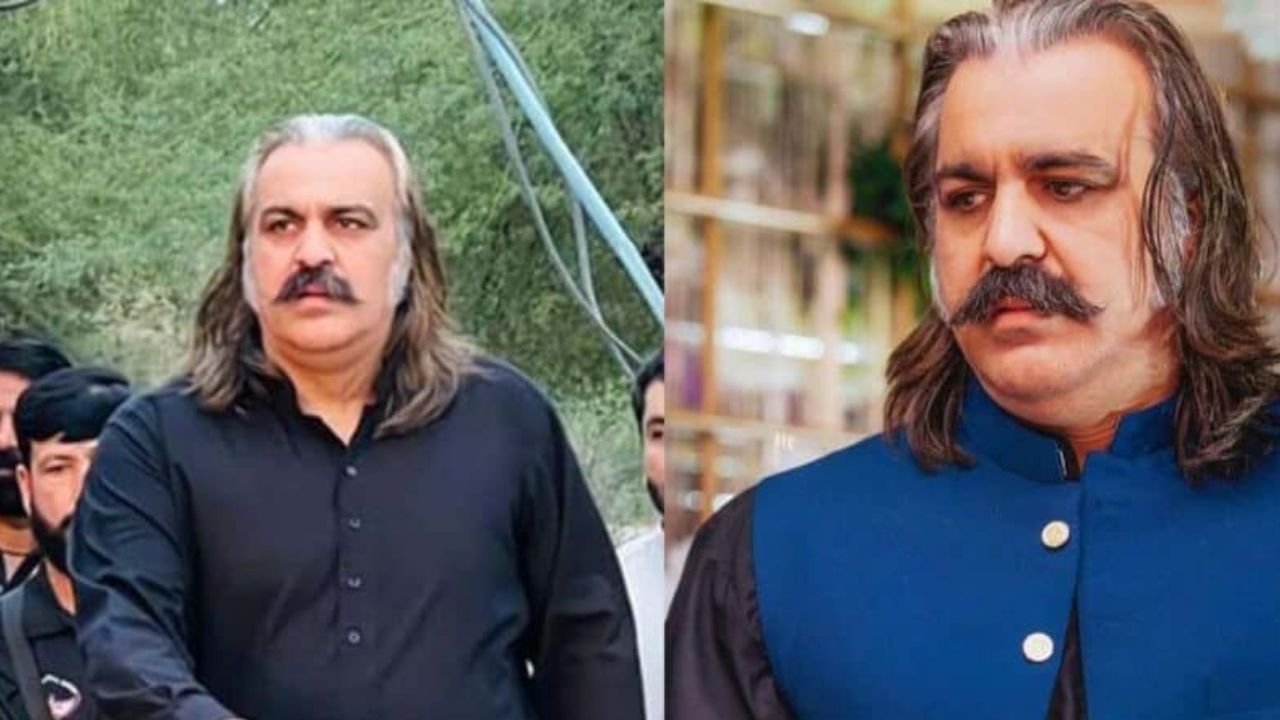
  • Arrest warrants issued for future Chief Minister KPK Ali Amin Gandapur

    Arrest warrants issued for future Chief Minister KPK Ali Amin Gandapur

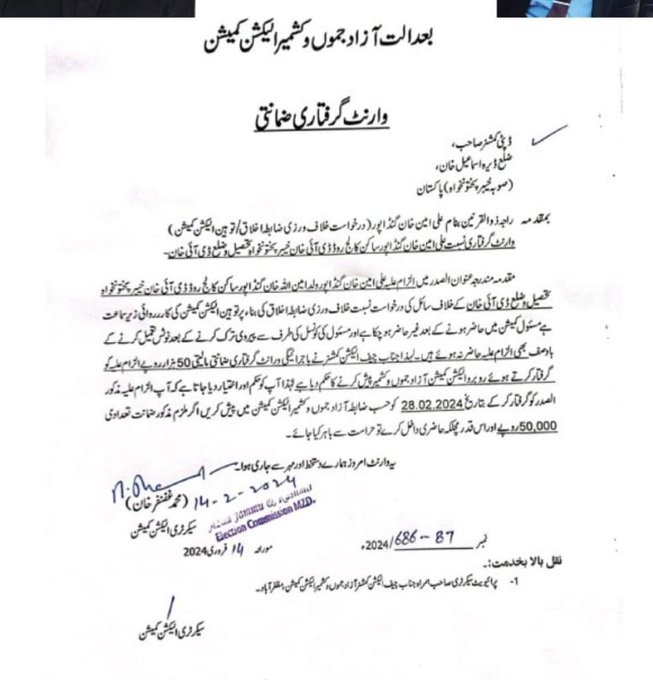
    The Azad Kashmir Election Commission has issued an arrest warrant for Pakistan Tehreek-e-Insaf (PTI) nominated Chief Minister of Khyber Pakhtunkhwa, Ali Amin Gandapur.

    A case was filed Gandapur for violation of code of conduct in Azad Kashmir elections. Deputy Commissioner Dera Ismail Khan has also been issued an arrest warrant for the PTI leader,in which he has been directed to appear before the Election Commission of Azad Kashmir on February 28.

    The petition against Ali Amin was filed by lawyer Raja Zulqarnain during the 2021 election.

    Differences have emerged in PTI over the nomination of the controversial leader for the highest post in the province.

    According to sources, Asad Qaiser, Mushtaq Ghani, Atif Khan and Shehram Tarkai are unhappy with the nomination.

  • Will PTI secure reserved seats in National Assembly?

    Will PTI secure reserved seats in National Assembly?

    The Election Commission of Pakistan (ECP) has confirmed that Pakistan Tehreek-e-Insaf (PTI) will not get reserve seats despite an alliance with other political parties, including Majlis Wahdat-e-Muslimeen (MWM), ARY News reported on Wednesday.

    ECP sources revealed that the MWM did not submit a list of reserved seats for women as required by Section 104 of the Election Act, and they missed the submission deadline.

    Furthermore, it was revealed that political parties are allowed to submit the list of reserved seats until the deadline for the submission of nomination papers. 

    However, once the deadline passes, no political party can submit a list of reserved seats.

    A day earlier, Pakistan Tehreek-e-Insaf (PTI) announced plans to form an alliance with MWM to create a government in the centre.

  • ‘Nawaz will oversee PML-N-led governments’: Maryam Nawaz

    ‘Nawaz will oversee PML-N-led governments’: Maryam Nawaz

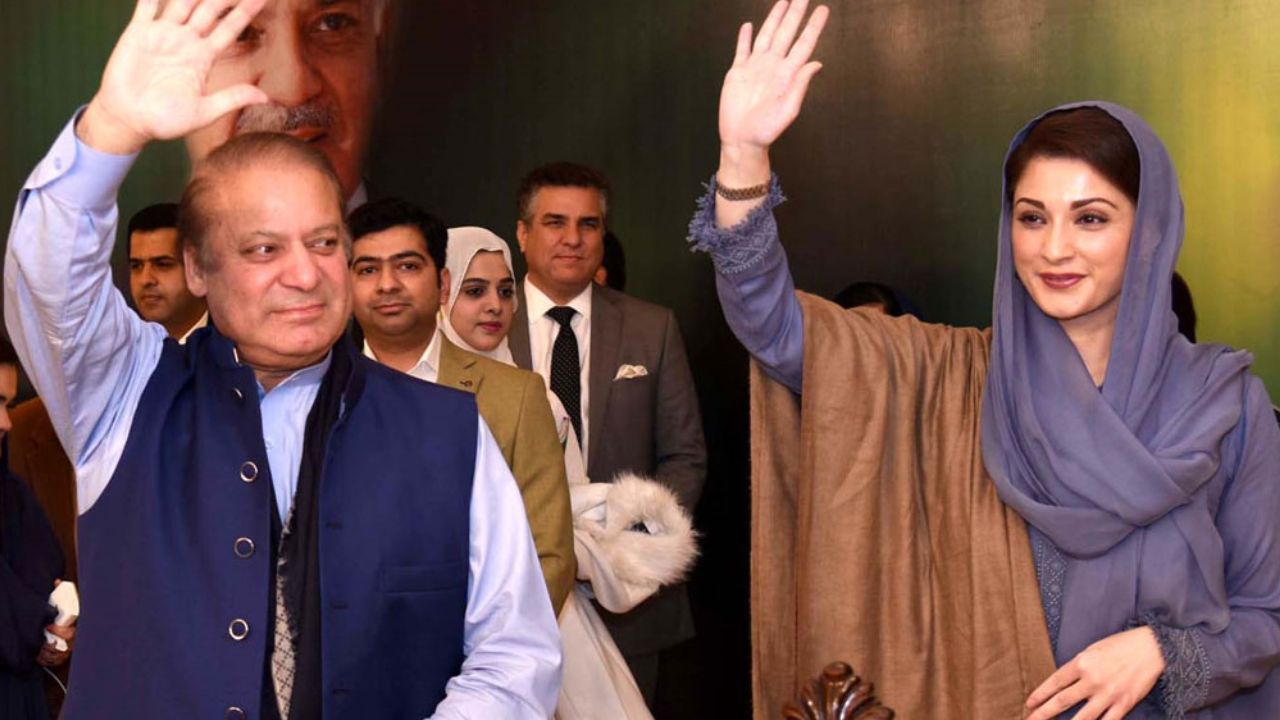
    Maryam Nawaz, the Senior Vice President of Pakistan Muslim League (PML-N), has dismissed speculations suggesting that party head Nawaz Sharif has withdrawn from active politics following his nomination of younger brother Shehbaz Sharif for the prime ministerial post.

    Maryam Nawaz has been nominated as the party’s candidate for Chief Minister of Punjab.

    In a statement shared on X (former Twitter), Maryam emphasized that Nawaz Sharif is poised to remain actively engaged in politics for the next five years. She declared that Nawaz Sharif will not only participate in political affairs but will also oversee the PML-N-led administrations in both Punjab and at the federal level.

    Addressing concerns over Nawaz Sharif’s future role, Maryam pointed out that her party has secured clear mandates in the three previous governments under Nawaz Sharif’s leadership.

    She highlighted Nawaz’s explicit stance during election speeches, affirming his intention to refrain from joining any coalition government.
    “… he has made it clear in his election speeches that he will not be a part of any coalition government.”
    She added that those who are aware of Nawaz’s nature know his principled stance.
    “Shehbaz Sharif and I are his soldiers, bound by his orders and will work under his leadership and supervision. May Allah grant us success. Ameen,” Maryam said.
    Maryam Nawaz’s statement comes amid widespread speculation regarding Nawaz Sharif’s political future, with many expressing disappointment over his decision to step back from the prime ministerial race in favor of Shehbaz Sharif.

    Former spokesperson for Nawaz Sharif, Mohammad Zubair, expressed his disappointment saying: “He was the one who inspired me to join politics. Whatever name I made in politics & positions earned were all due to his confidence. Sad to see him go like this. The votes N got were all due to him but the party did not do justice to him. Was this his last political battle?”

  • Need the government to give assurances that the army will not do business: CJ Isa

    Need the government to give assurances that the army will not do business: CJ Isa

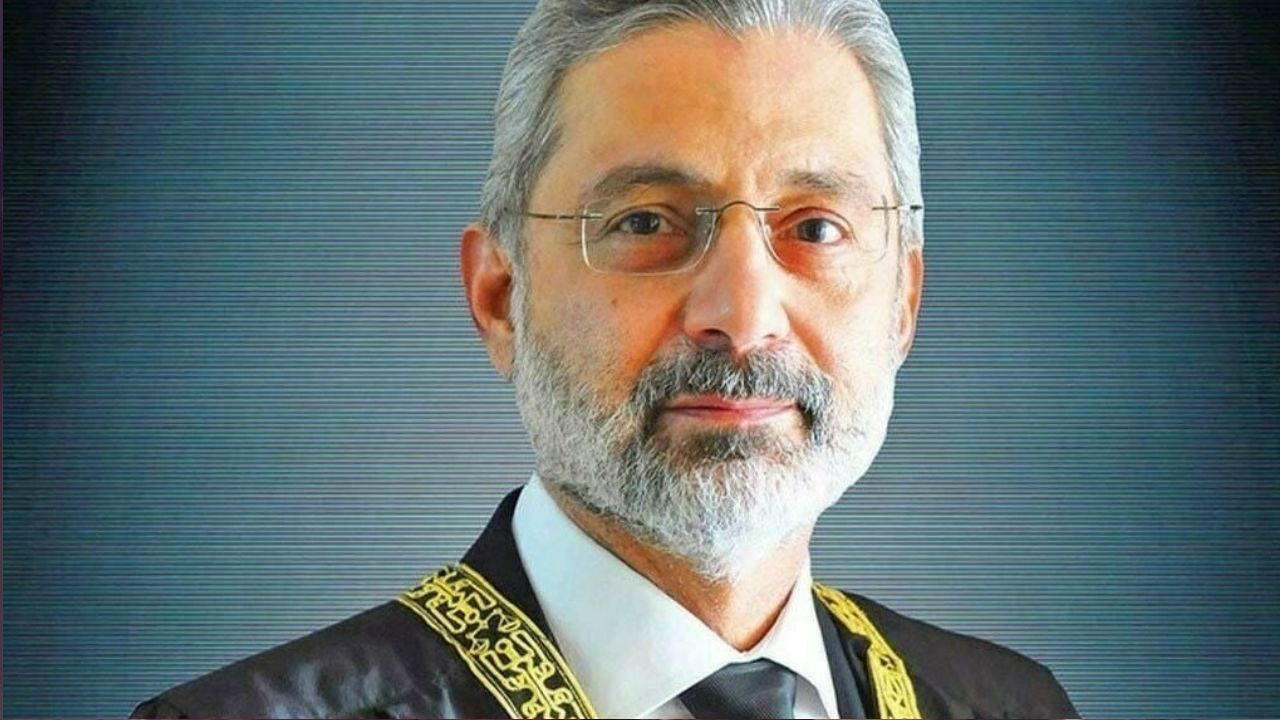
    Chief Justice of Pakistan (CJP) Qazi Faez Isa has raised concerns over commercial activities being conducted on military land and sought assurance from the attorney general that the army would solely focus on defense-related matters, refraining from engaging in business ventures.

    The request came up during a hearing of a petition regarding commercial activities on military-owned land.

    CJP Isa highlighted instances where the army had ventured into business activities, including the establishment of marriage halls on military premises.

    The Chief Justice then sought assurance from the attorney general that the army would remain the “protector” and not do any business.

    “Can you get this assurance?” CJP Isa asked the attorney general. He also added that everyone should work as per their mandate.
    “The army should do its own work and courts will do their job,” said CJP Isa.

    In response, AGP Mansoor Usman Awan stated that as per principle, everyone should do their job.

    However, CJP Isa insisted on receiving a direct assurance from the attorney general regarding the military’s commitment to refrain from business activities.

    During the proceedings, the lawyer representing the Evacuee Trust Property Board (ETPB) intervened, shedding light on the dispute involving a building constructed on ETPB-owned land. Justice Muhammad Ali Mazhar remarked on the ETPB’s passive role during the building’s construction.

    CJP Isa underscored the necessity of investigating the involvement of the Sindh Building Control Authority (SBCA) in the construction process. He called for a thorough examination of assets belonging to SBCA officers above the rank of inspector, emphasizing the need for transparency.

    “The Karachi sub registry’s assets should also be audited by the FBR. The residents of demolished buildings should receive money from all assets beyond means,” said the CJP. He also added that the Sindh government would never do an inquiry on this.

    The DG informed the court that currently there are 1,400 employees with the SCBA out of which 600 are building inspectors and 300 are senior inspectors.

  • Jamat-e-Islami will not join hands with PTI to form government in centre

    Jamat-e-Islami will not join hands with PTI to form government in centre

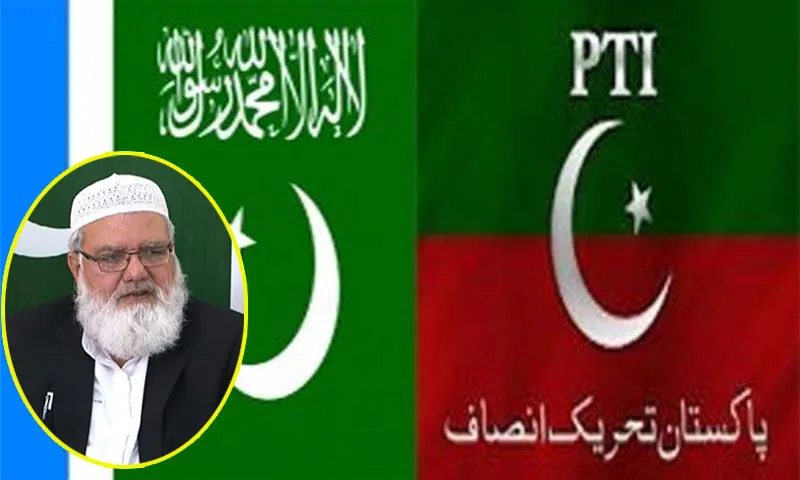
    Jamat-e-Islami (JI) confirmed on Wednesday that they will not form a government with Pakistan Tehreek-e-Insaf (PTI), despite PTI-backed independent candidates leading with higher number of seats in the February 8 general elections.

    JI leader Amir Liaqat Baloch said while talking to Geo News that his party is not going to join hands with the PTI for the formation of a government in centre.

    “There is no reason for us to form an alliance with PTI only in Khyber Pakhtunkhwa,” said Baloch, adding that talks with PTI were related to both governments — federal and provincial. 

    PTI leader Barrister Muhammad Ali Saif said that there is no point of forming a government with JI as it has no representative in Khyber Pakhtunkhwa (KP).
    A day earlier, the PTI founder said that his party will not talk with mainstream political parties, including the Pakistan Peoples Party (PPP), Pakistan Muslim League-Nawaz (PML-N), and Muttahida Qaumi Movement-Pakistan (MQM-P).

  • Zardari might be our next president; Bilawal wants Murad as CM Sindh

    Zardari might be our next president; Bilawal wants Murad as CM Sindh

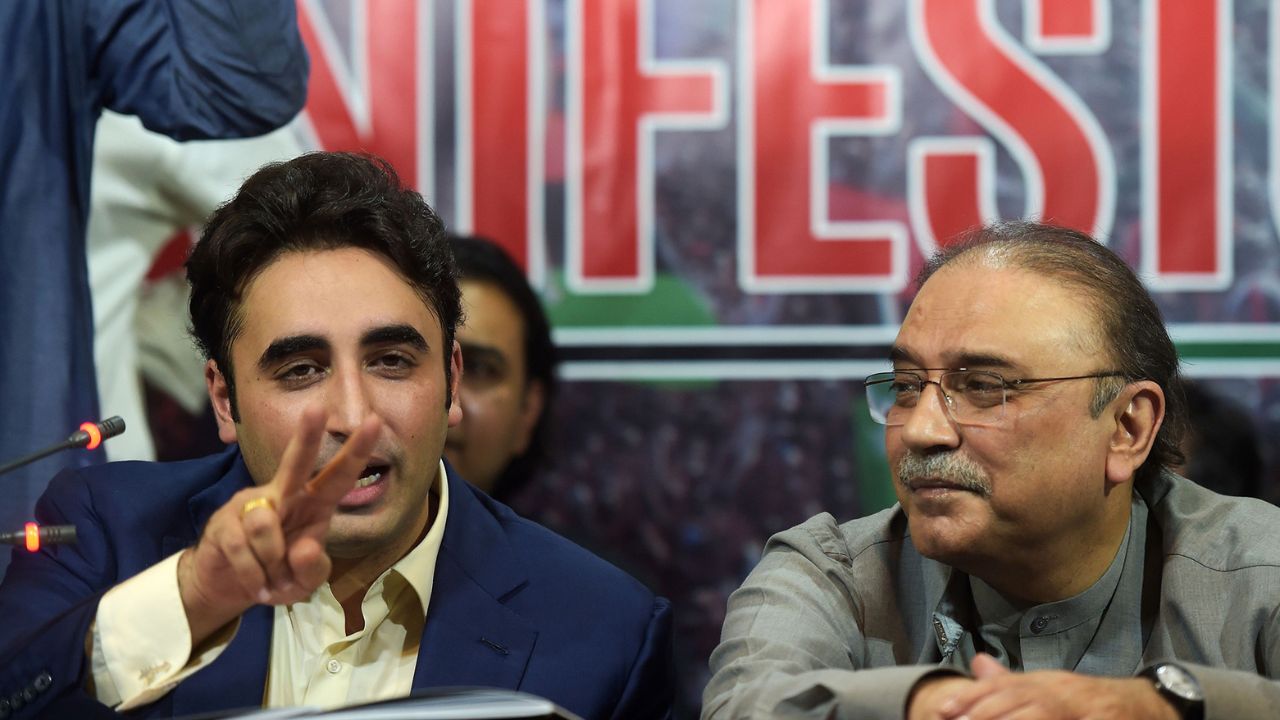
    In a recent development reported by Geo News, Bilawal Bhutto Zardari, the chief of the Pakistan Peoples Party (PPP), has expressed his preference for Murad Ali Shah to serve as the Chief Minister of Sindh for the third consecutive term.

    Sources revealed that alongside Shah, other names under consideration for the Sindh CM post include Faryal Talpur, Nasir Hussain Shah, and Sharjeel Memon.

    It’s noted that some leaders within the PPP advocate for Faryal Talpur to potentially become Sindh’s first woman chief minister, adding an intriguing dynamic to the selection process.

    Furthermore, amidst political alliances forming in the country, a six-party coalition consisting of PML-N, PPP, MQMP, PML-Q, IPP, and BAP has been announced.

    This alliance, reminiscent of the Pakistan Democratic Movement (PDM), aims to form the next government at the federal level.

    Notably, Asif Ali Zardari, the former president, is expected to lead the country for the second time, pending the coalition’s success.

    Bilawal Bhutto Zardari affirmed PPP’s support for PML-N in electing its prime minister, though without direct involvement in the federal government.

    However, discussions surrounding key constitutional posts, including the National Assembly speaker, Senate chairman, and president, have ensued. Bilawal expressed his desire for Asif Ali Zardari to assume the presidency, citing the need for experienced leadership in addressing the country’s challenges.

    In addition to the presidency, PPP is reportedly eyeing the post of Balochistan chief minister, with Sarfraz Bugti briefing the party on the province’s political landscape.

    Sources suggest that PML-N leadership has agreed to support Zardari for the presidency in exchange for PPP’s backing of Shehbaz Sharif for the prime minister’s post, potentially shaping the future political landscape with a PML-N prime minister and a PPP president.

    Meanwhile, PML-N senior leader Rana Sanaullah said PPP did not not demand the top constitutional post of president.
    In a statement, Sanaullah said that Shehbaz had experience of working with allies, while Asif Ali Zardari has the political acumen to take prudent decisions.

    He said that neither the PPP demanded the position of the president nor did they make any commitment. “We hope that [JUI-F chief] Fazlur Rehman will become part of the government,” he added.

  • ‘PTI can talk to all parties to solve country’s problems’; Ali Muhammad Khan offers olive branch

    ‘PTI can talk to all parties to solve country’s problems’; Ali Muhammad Khan offers olive branch

    Pakistan Tehreek-e-Insaf (PTI)-supported independent candidates are currently leading in numbers after the recent general elections. However, the party’s leadership seems unsure about their stance on discussions with other political parties in the context of forming a government in Islamabad.

    A day earlier, former Prime Minister Imran Khan said that his party will not talk to mainstream parties, including, Pakistan Peoples Party (PPP), the Pakistan Muslim League-Nawaz (PML-N), and the Muttahida Qaumi Movement-Pakistan (MQM-P).

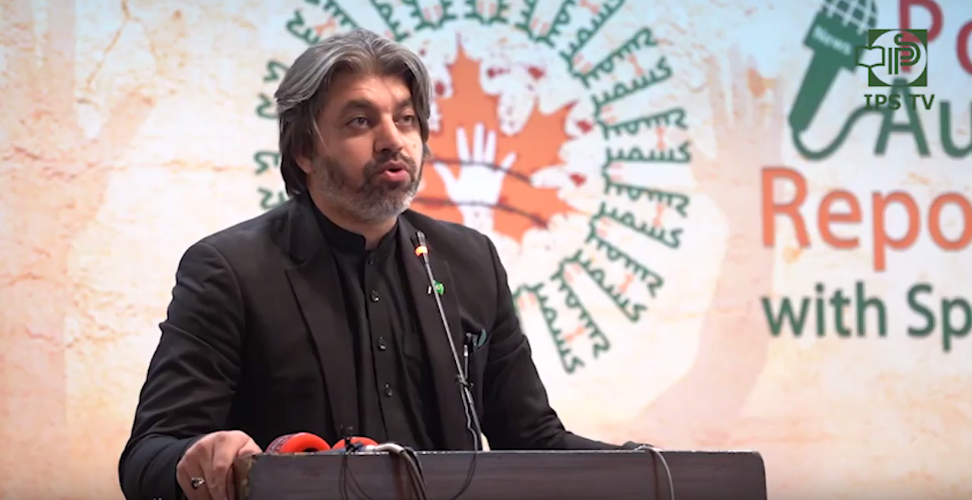
    On the other hand, PTI leader Ali Muhammad Khan said in an interview with Geo News programme ‘Aaj Shahzeb Khanzada Kay Sath’ that PTI can talk with all political parties to solve the country’s problems, offering an olive branch as opposed to his party’s hard-line stance.

    “We have no personal fight with these parties,” Ali said pointedly, adding that PTI is ready to sit with other political stakeholders, as soon as “tomorrow morning”.