Category: Politics

  • Mobile internet suspended across Pakistan

    Mobile internet suspended across Pakistan

    The federal Ministry of Interior has confirmed on Thursday morning that internet services on mobile data across the country have been suspended after a dramatic surge of terror attacks just a day before the country goes to polls.

    “Recent surge in terrorist activities resulting in precious lives have stirred security environment in the country. In the light of deteriorating security situation and to mitigate potential security threats, need has risen to take by measures to safeguard against it. Therefore, it has been decided to temporarily suspend the mobile services across the country,” a statement issued by the ministry said.

    However, WiFi services have not been suspended and remain operational.

    The news has been met by dismay on social media as users say it hinders the voting process and blocks candidates from communicating with their polling staff.

    On Wednesday, two attacks just a short while apart from each other, killed 27 people in Balochistan while more than 50 people were injured. A grenade attack in Karachi got foiled when the ammo detonated in the hands of the motorcyclist carrying it, while JUI-F’s Hafiz Hamdullah was attacked by gunfire in an assassination attempt that failed.

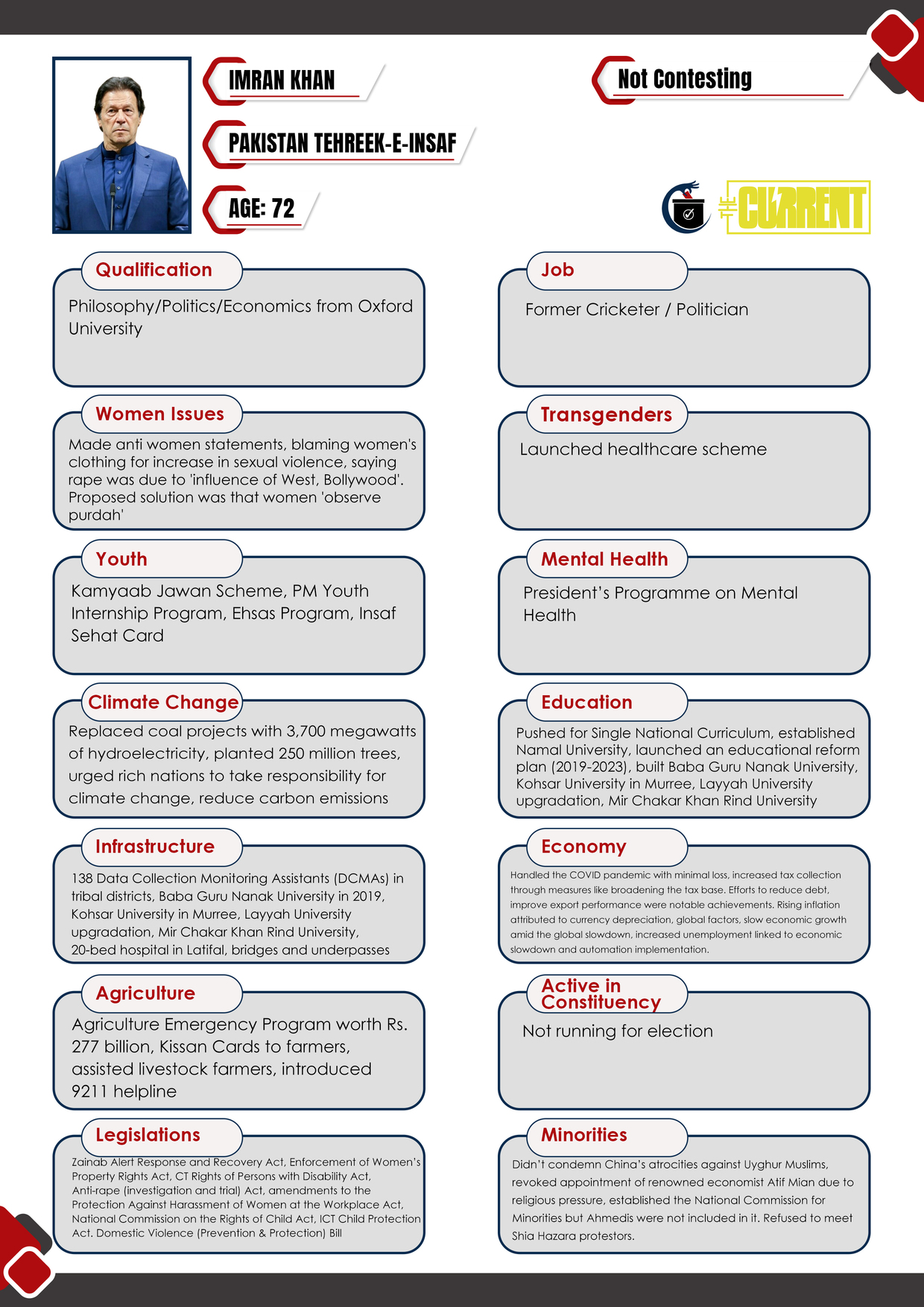
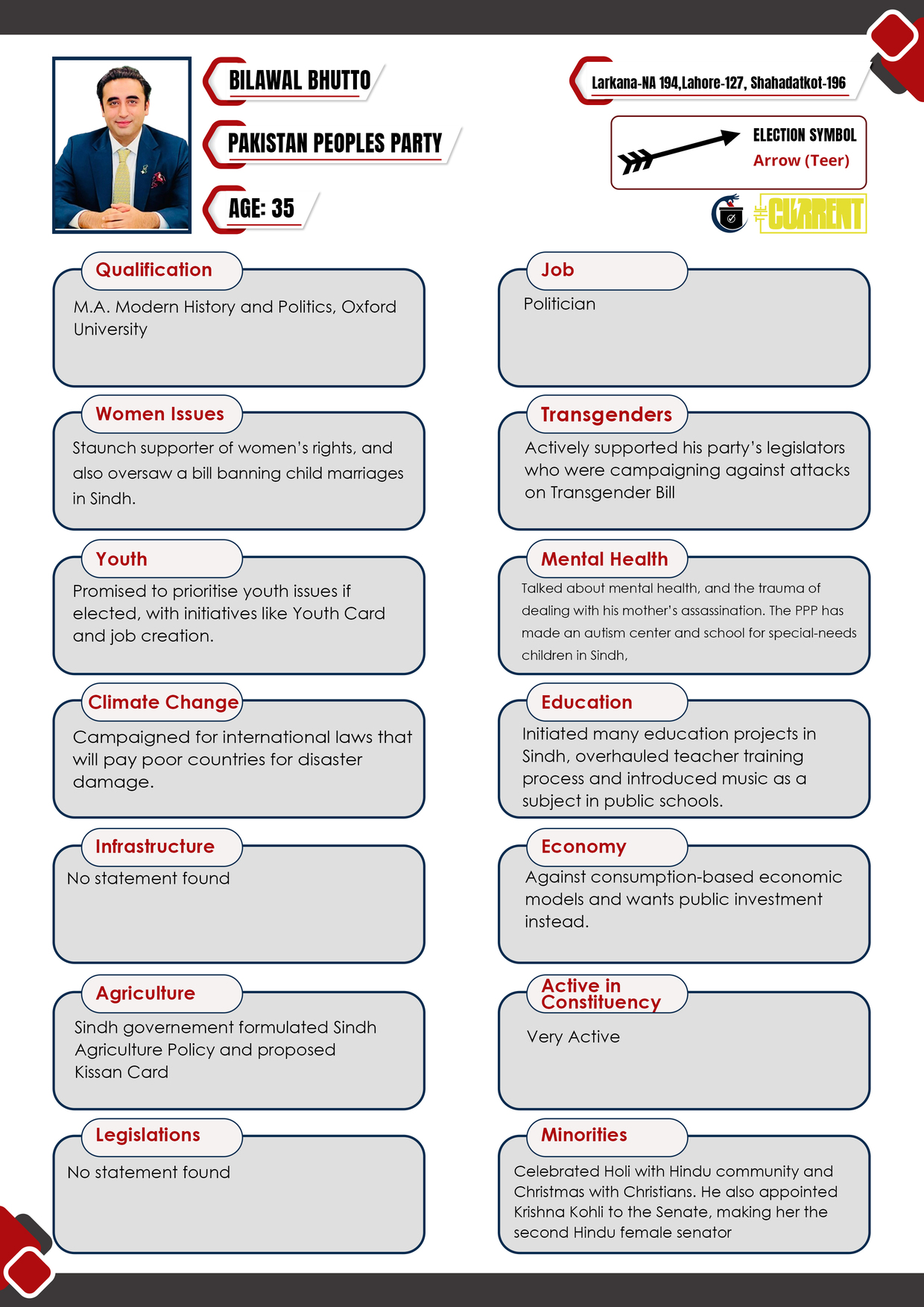
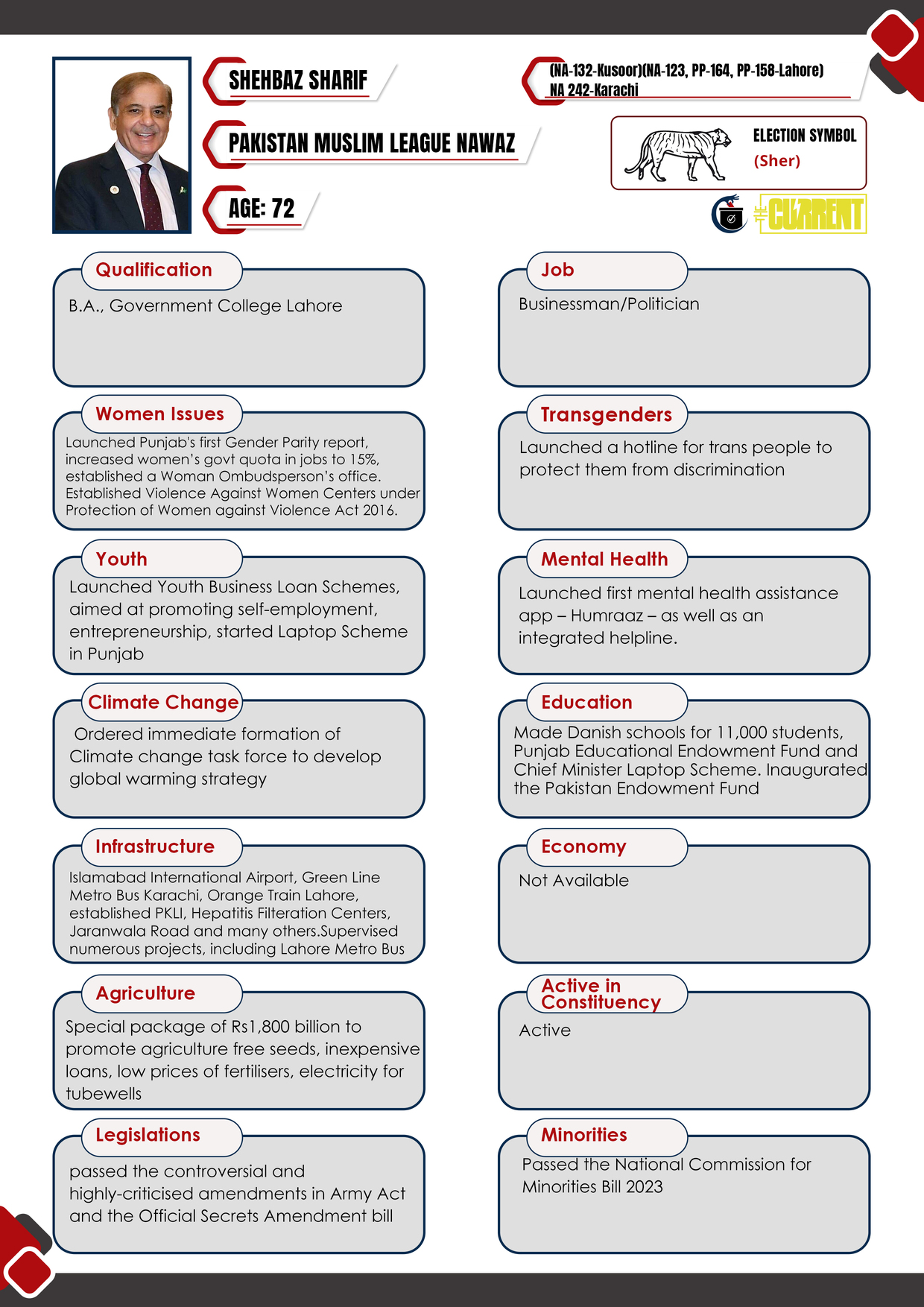
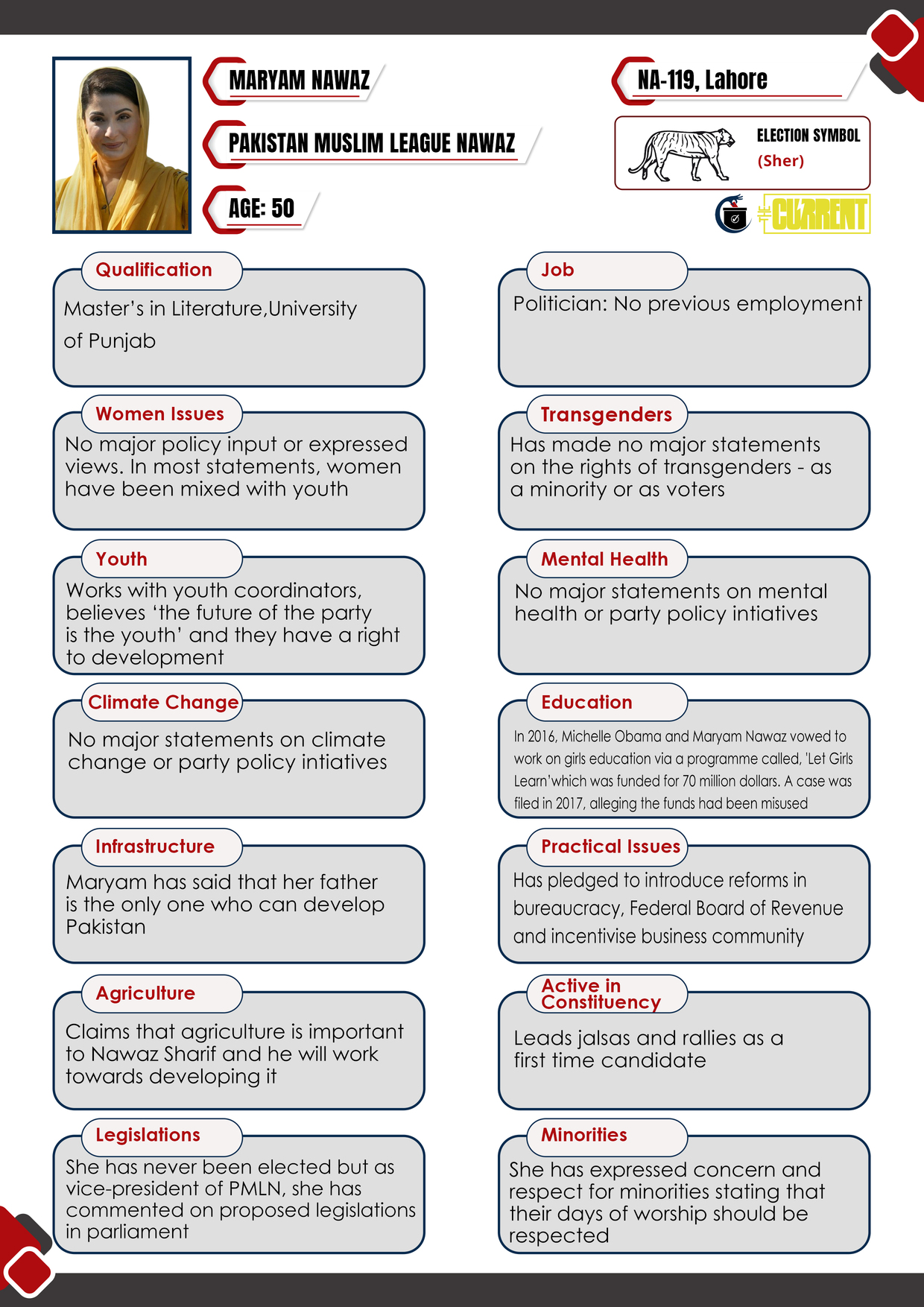
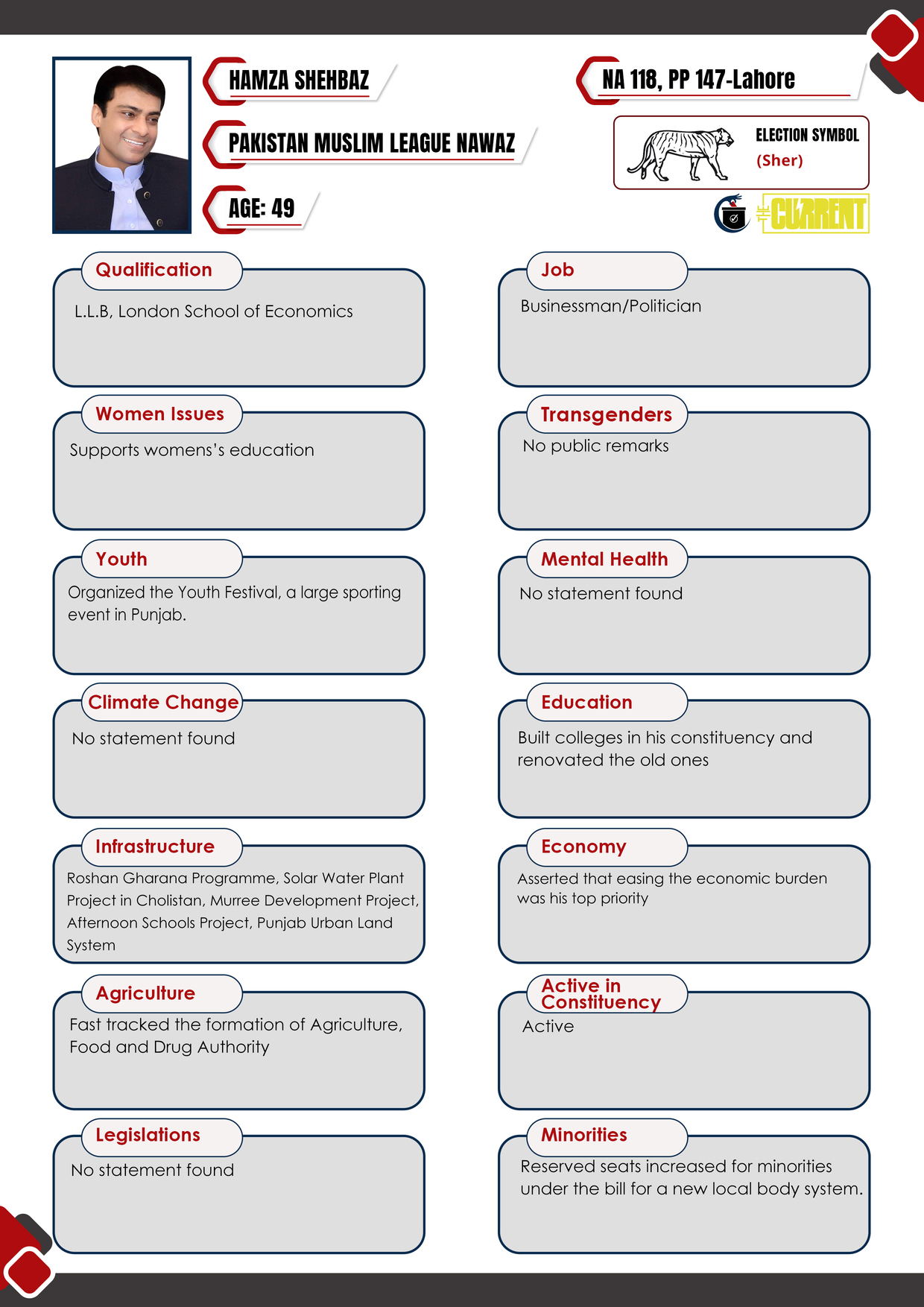
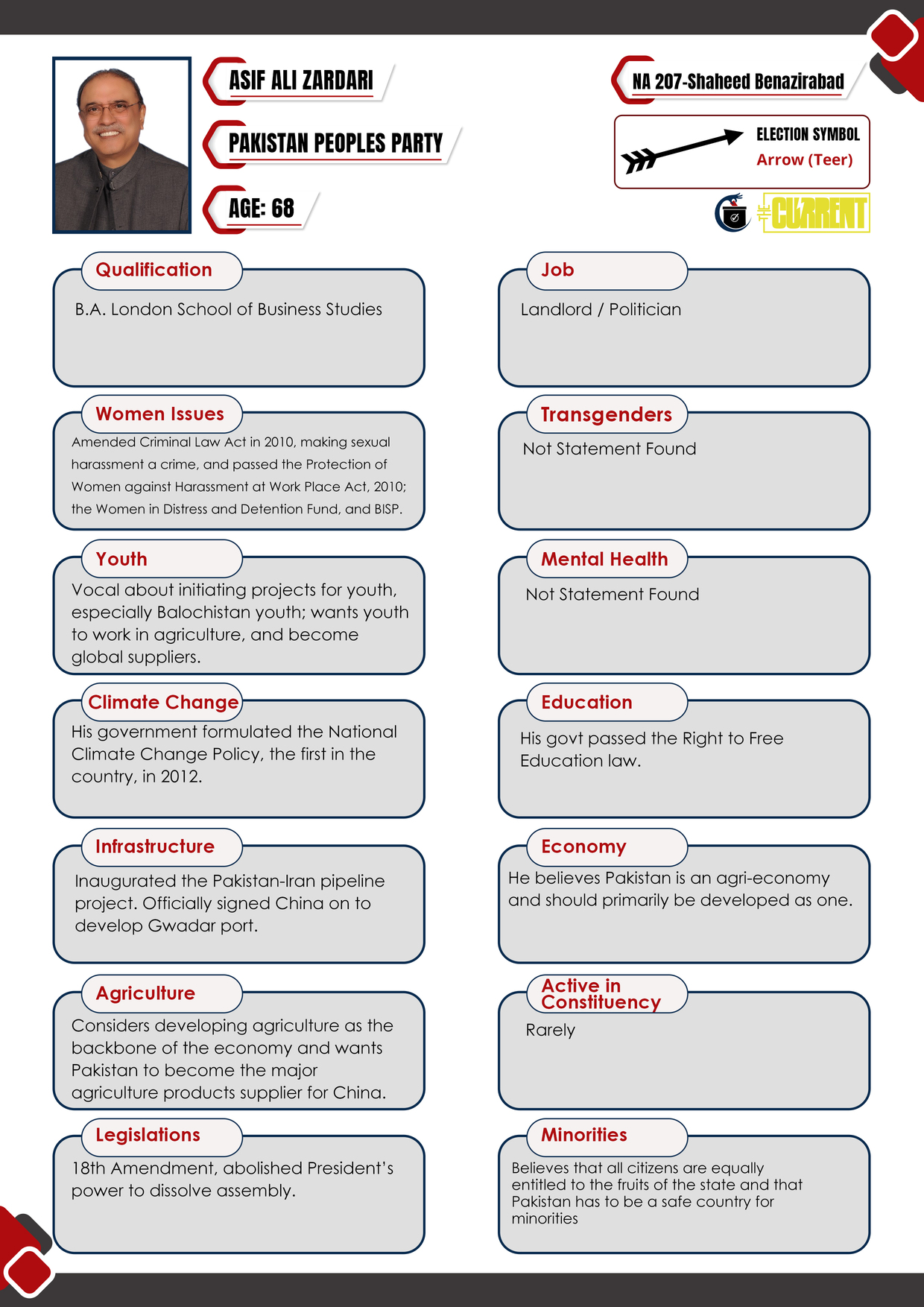
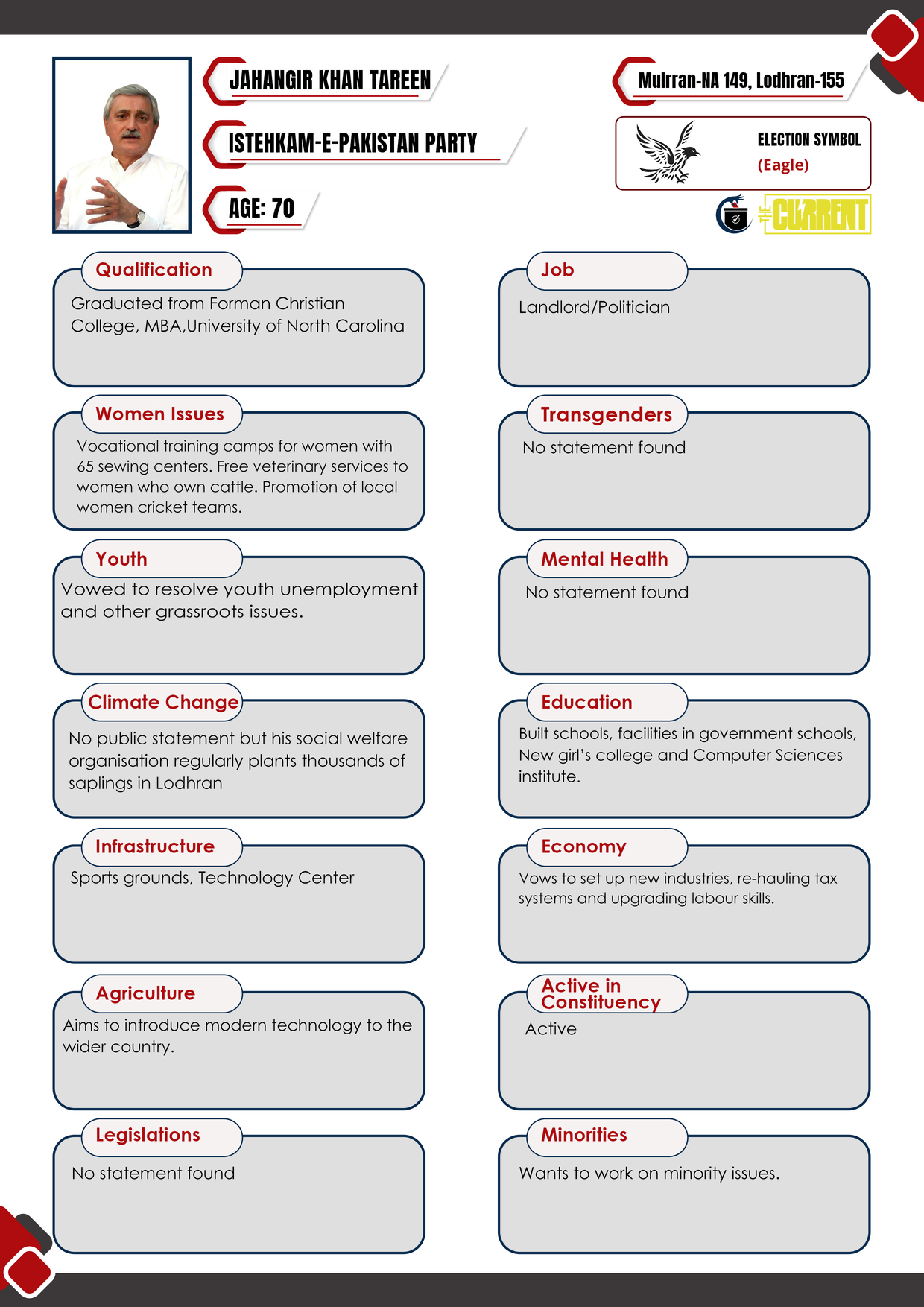
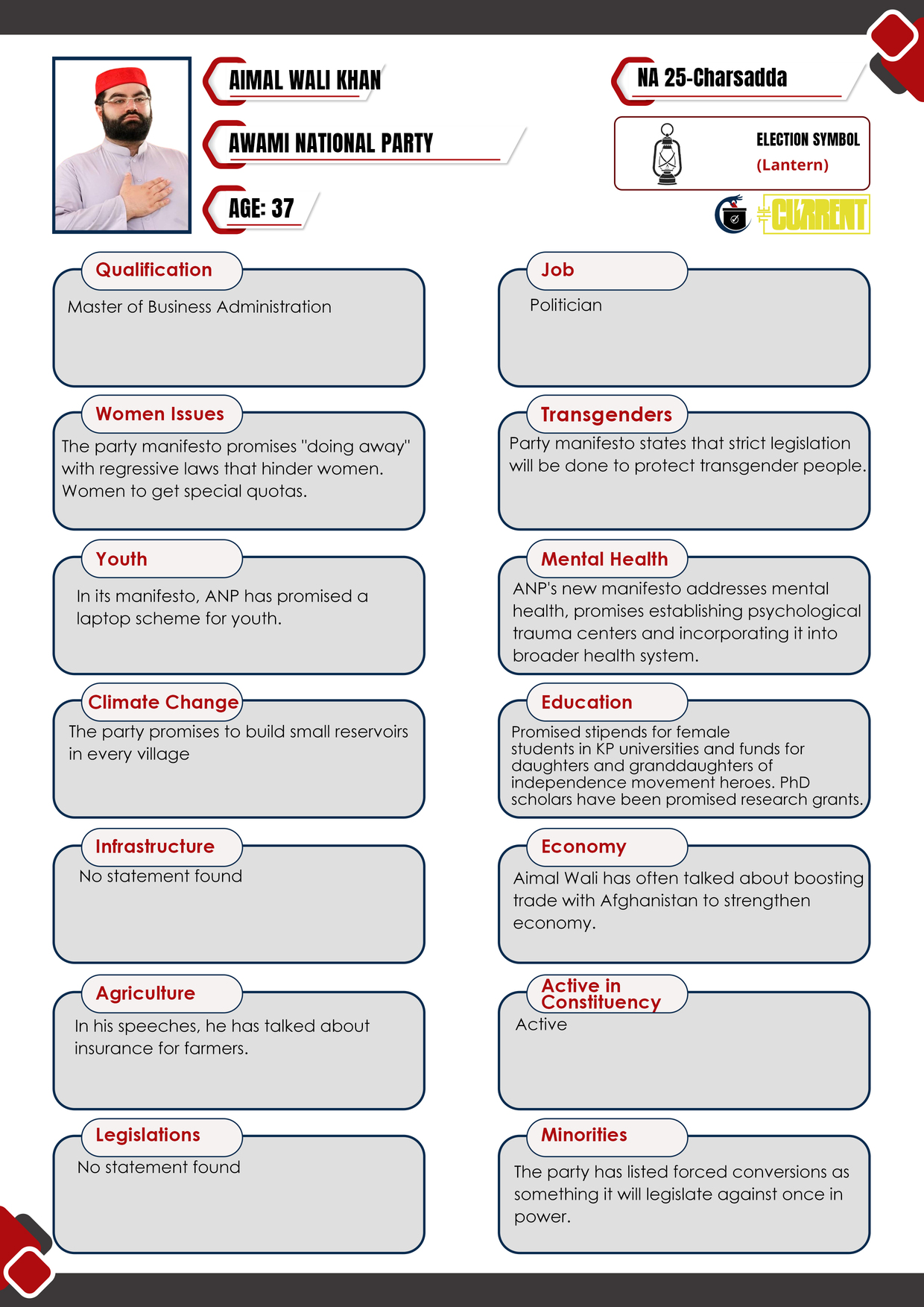
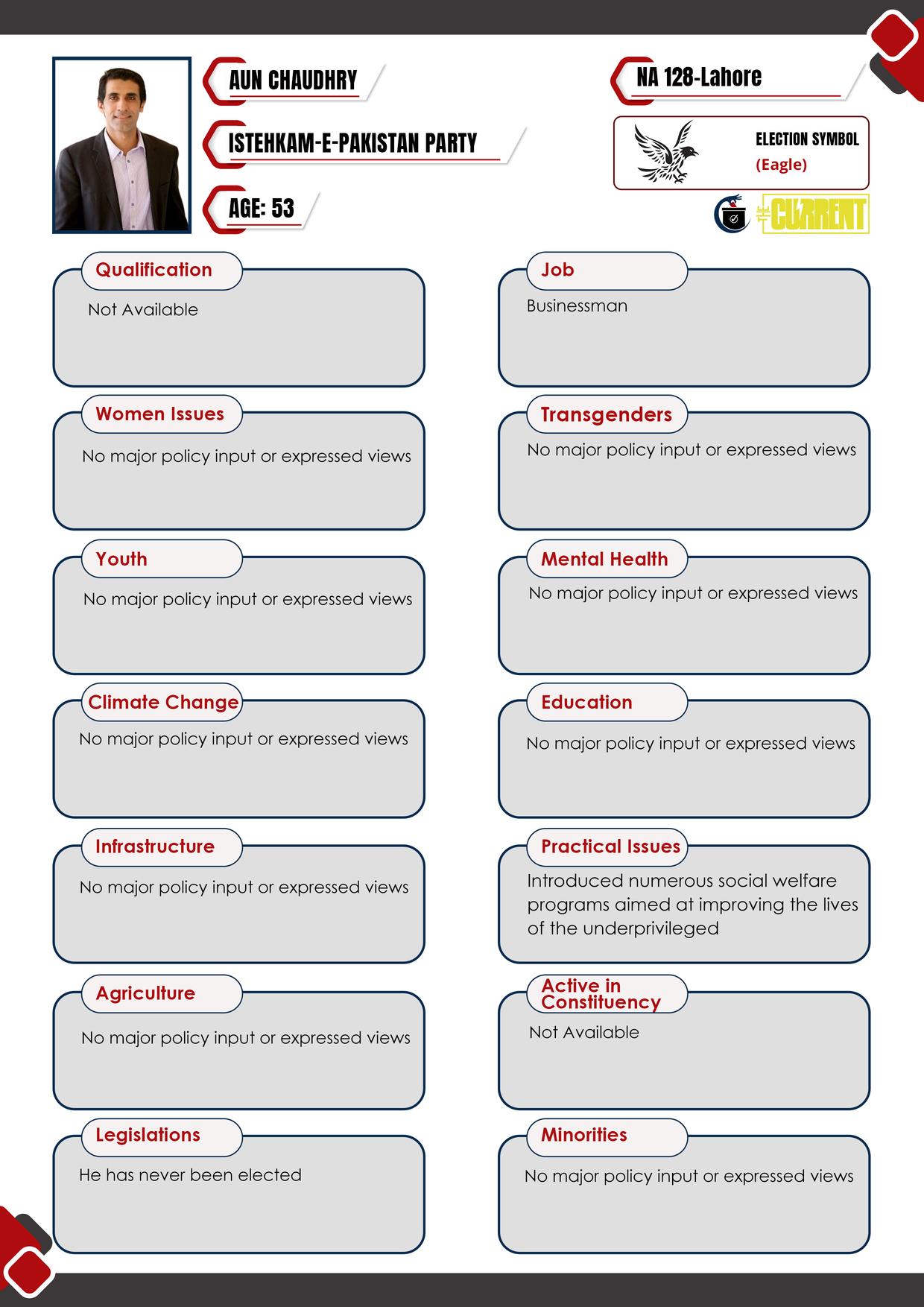
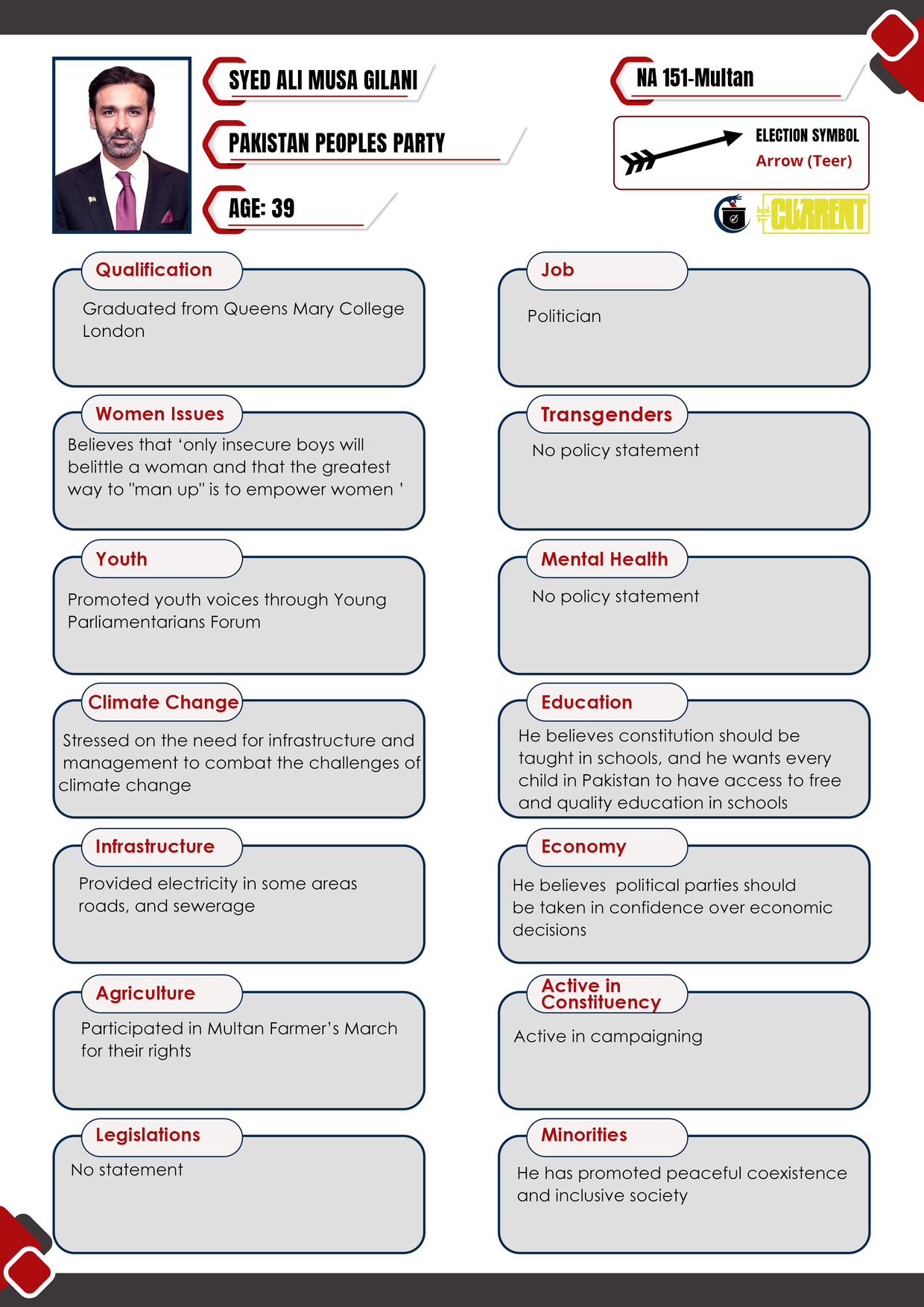
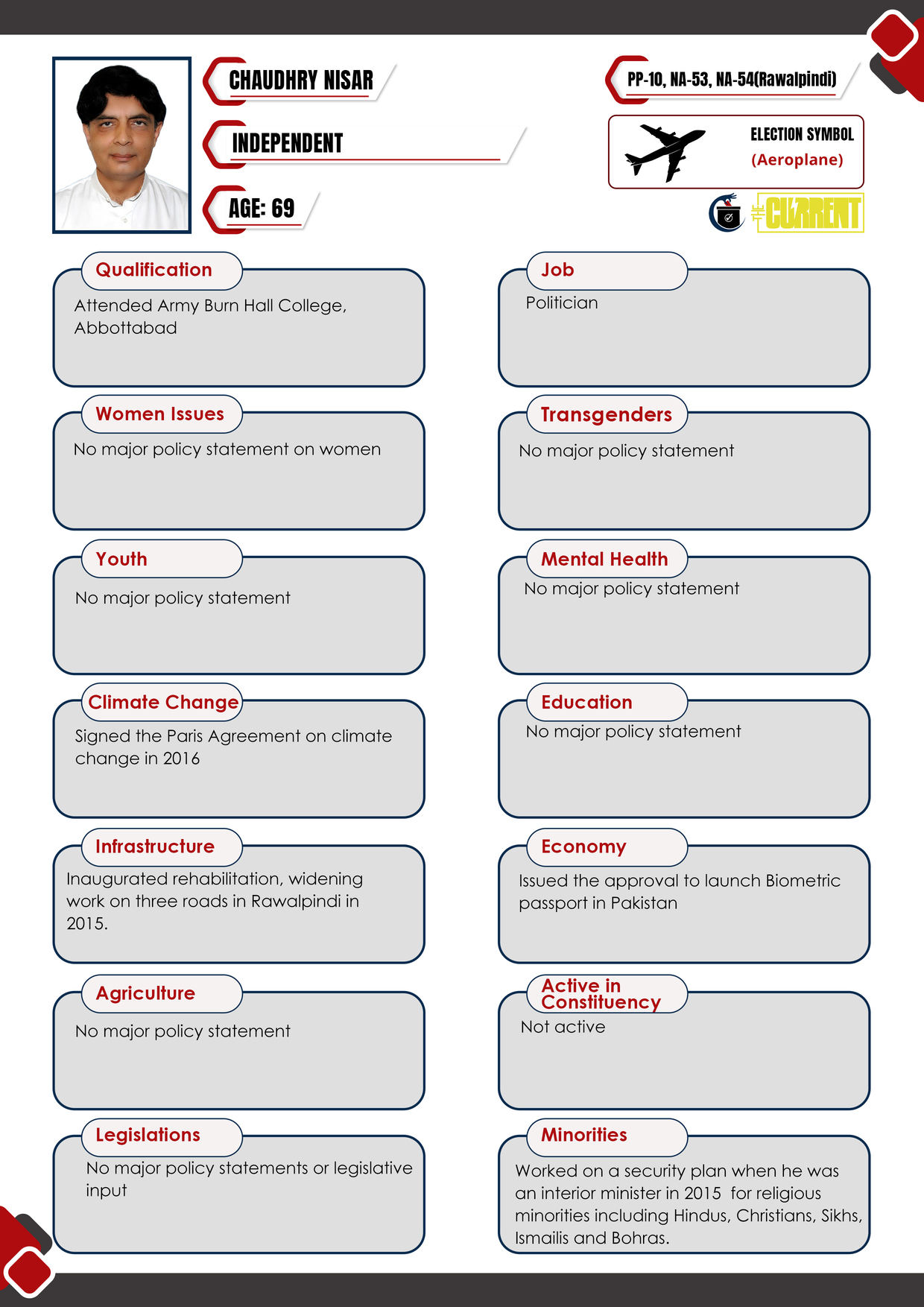
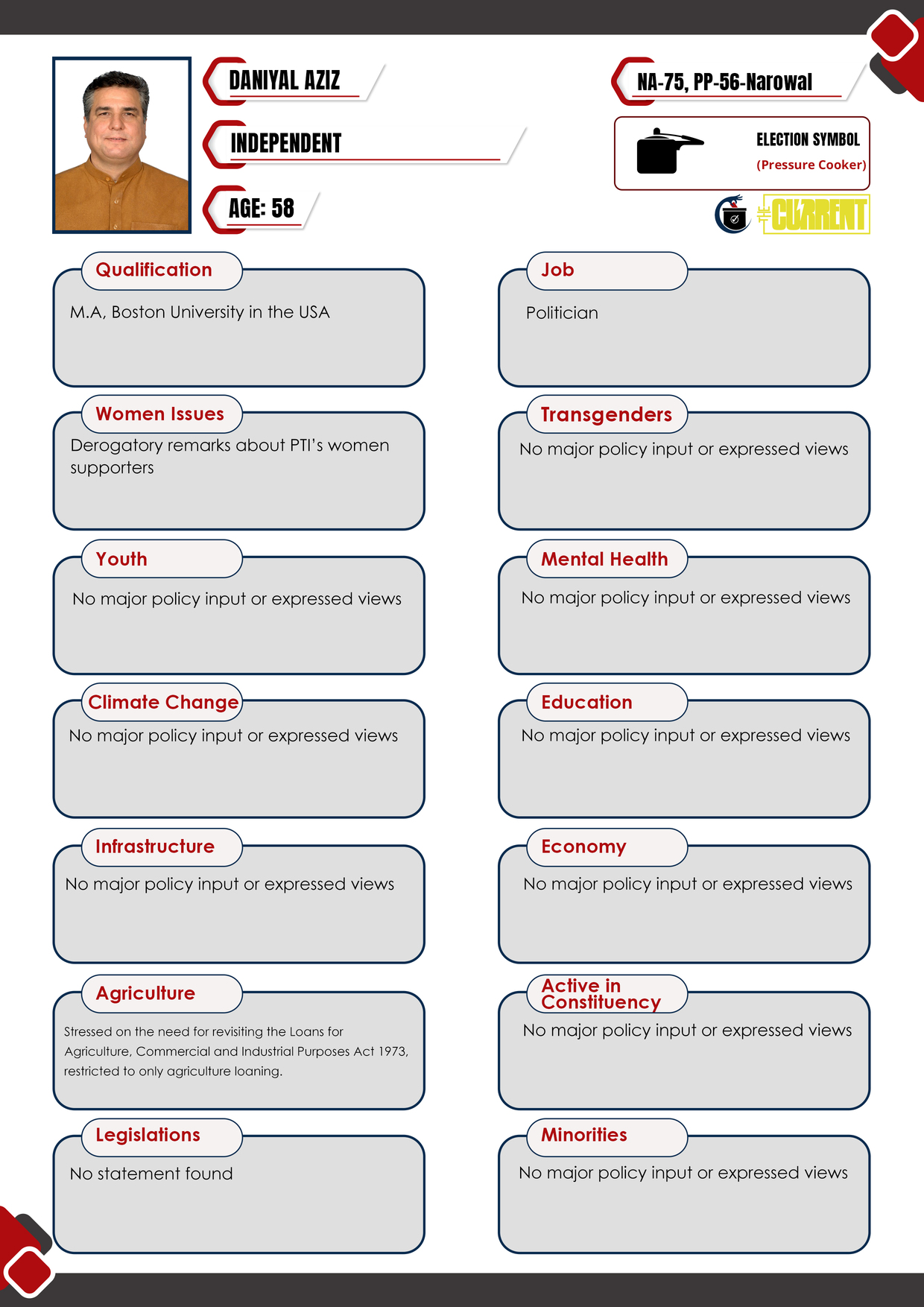
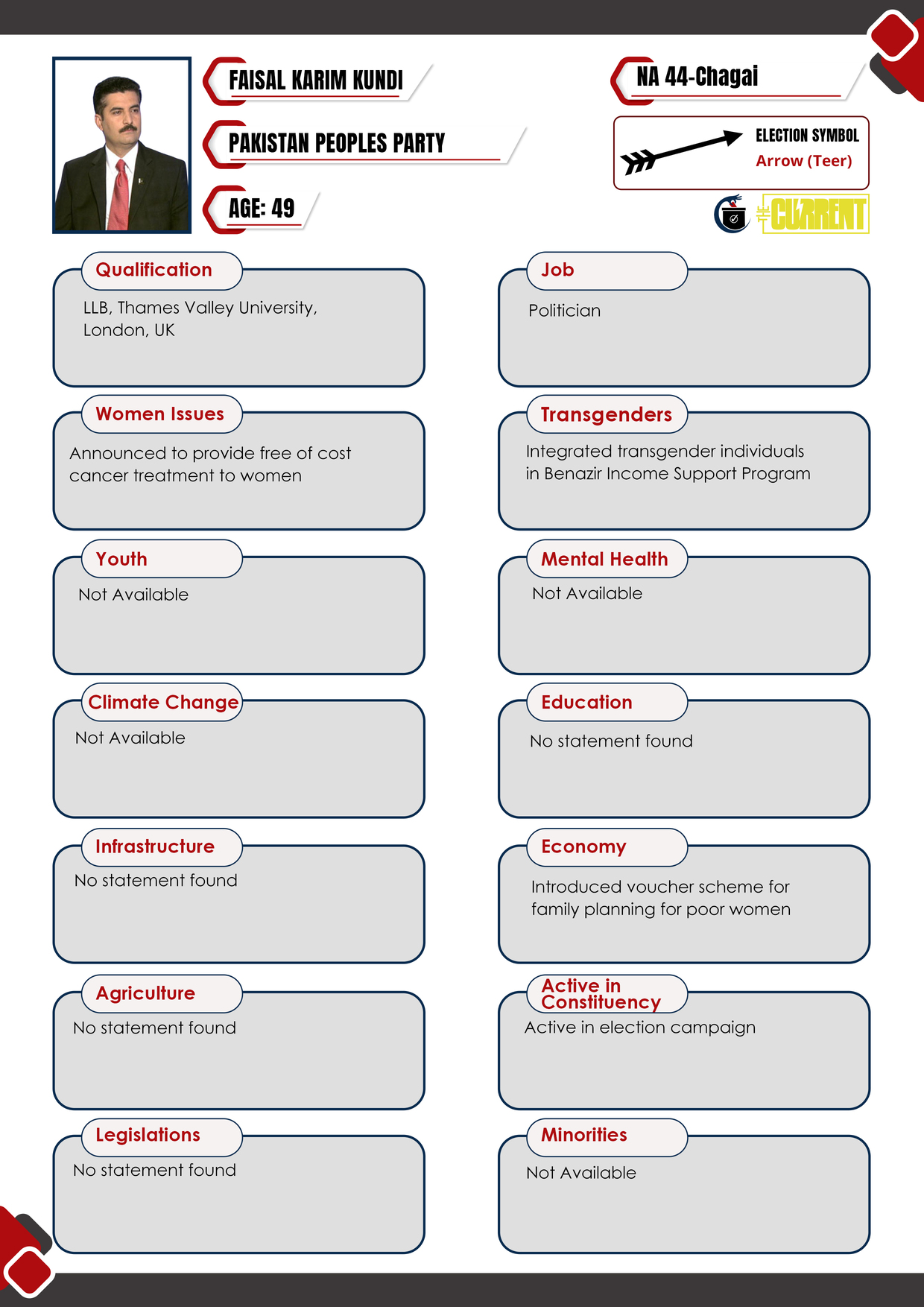
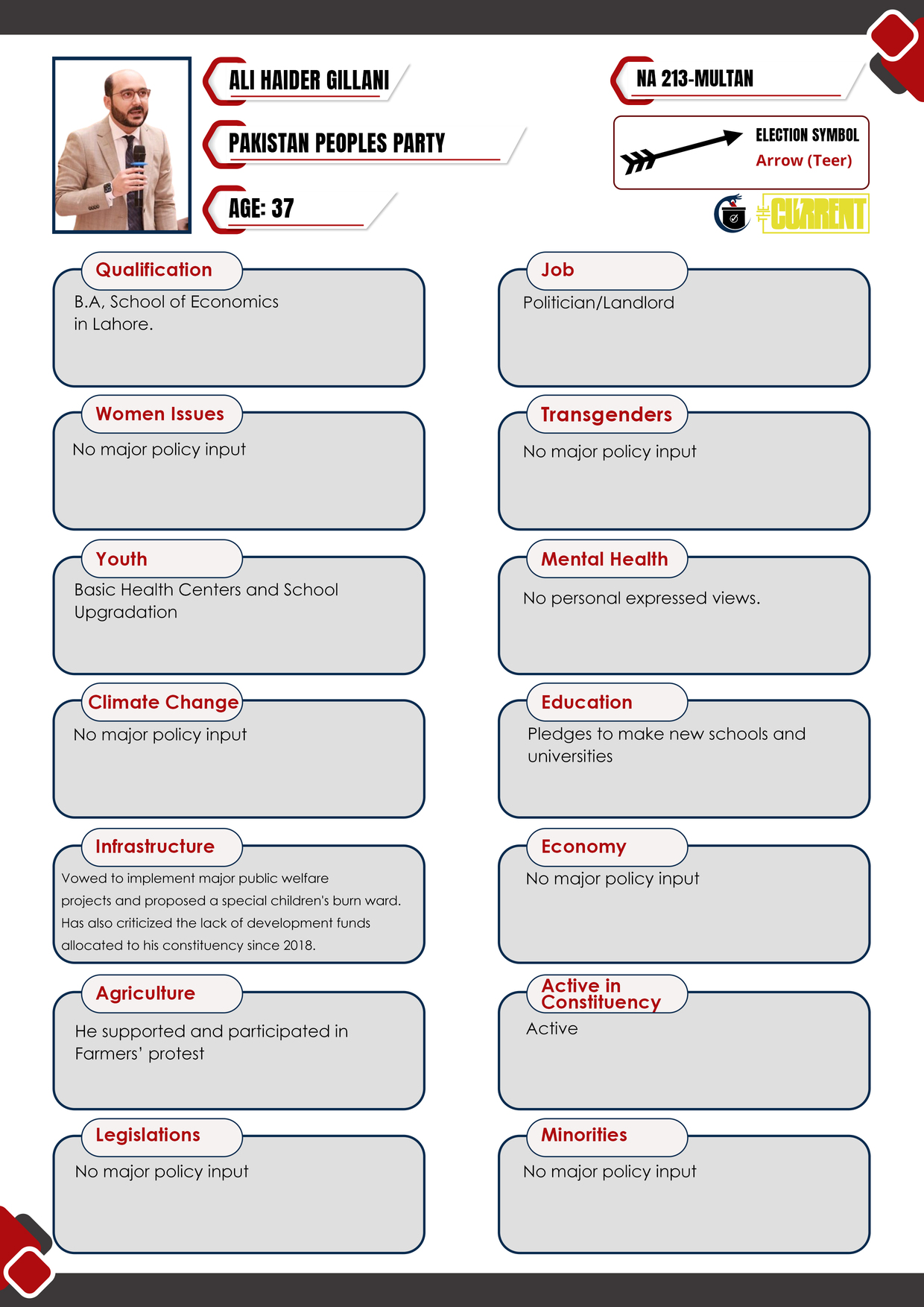
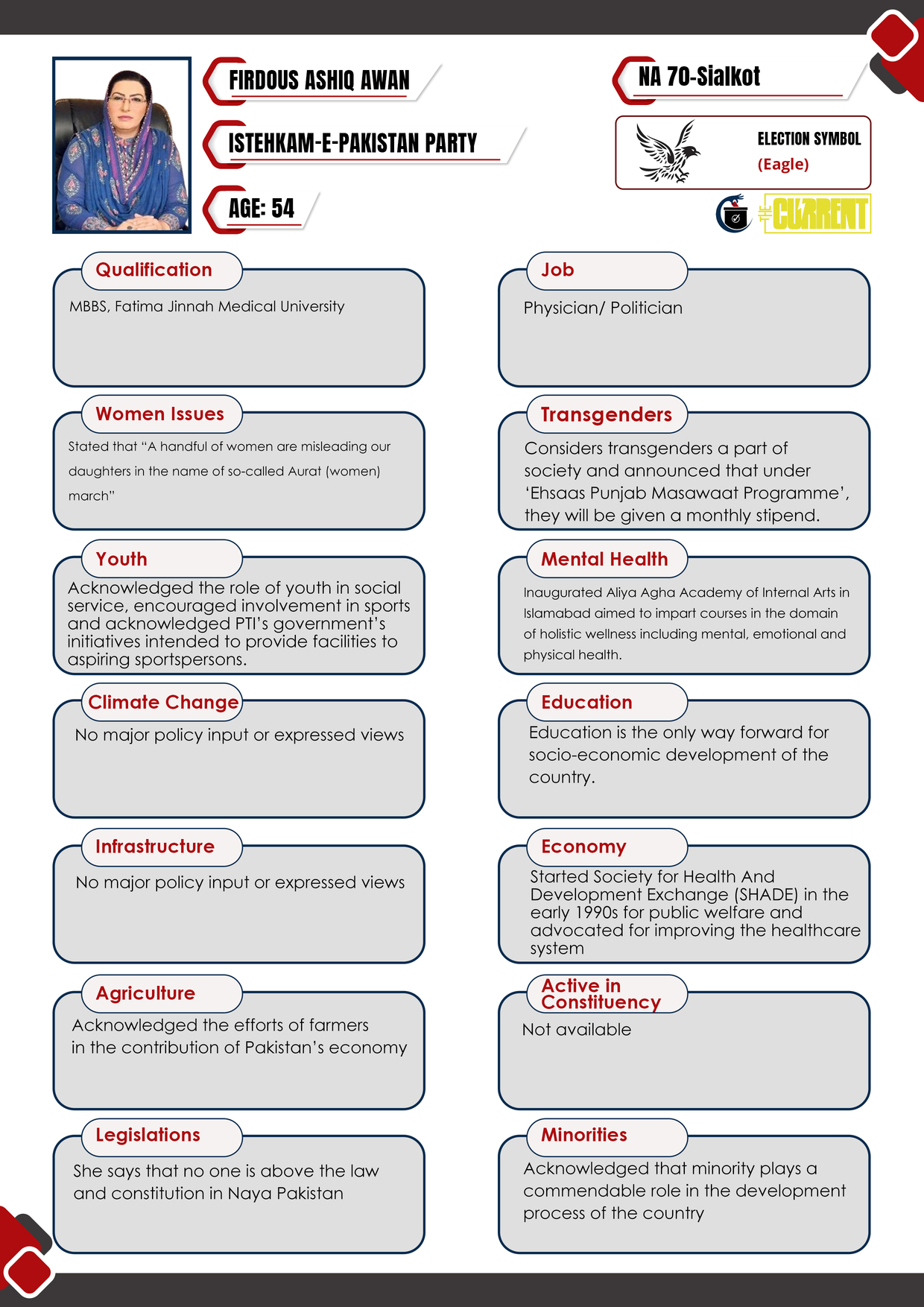
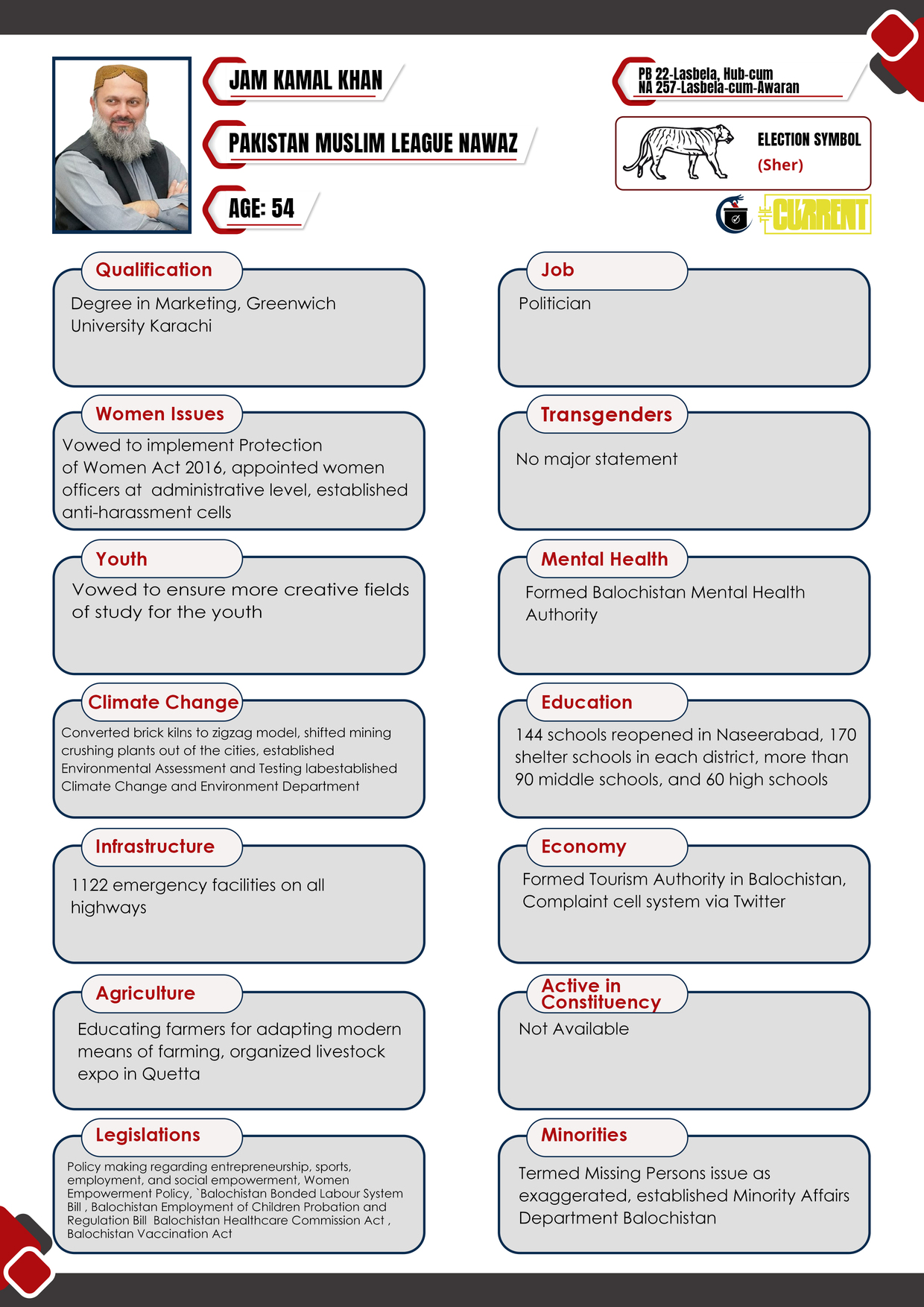
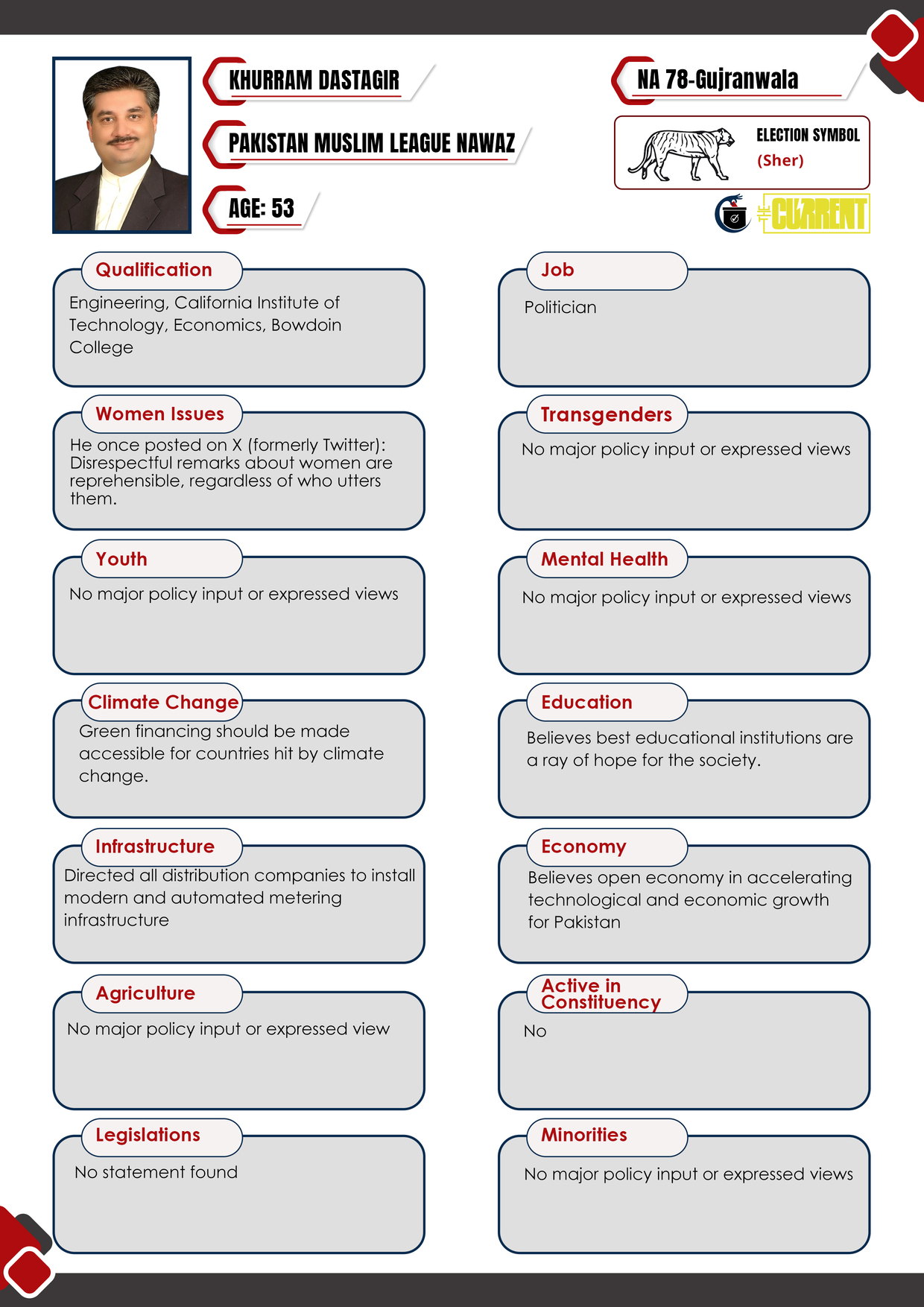
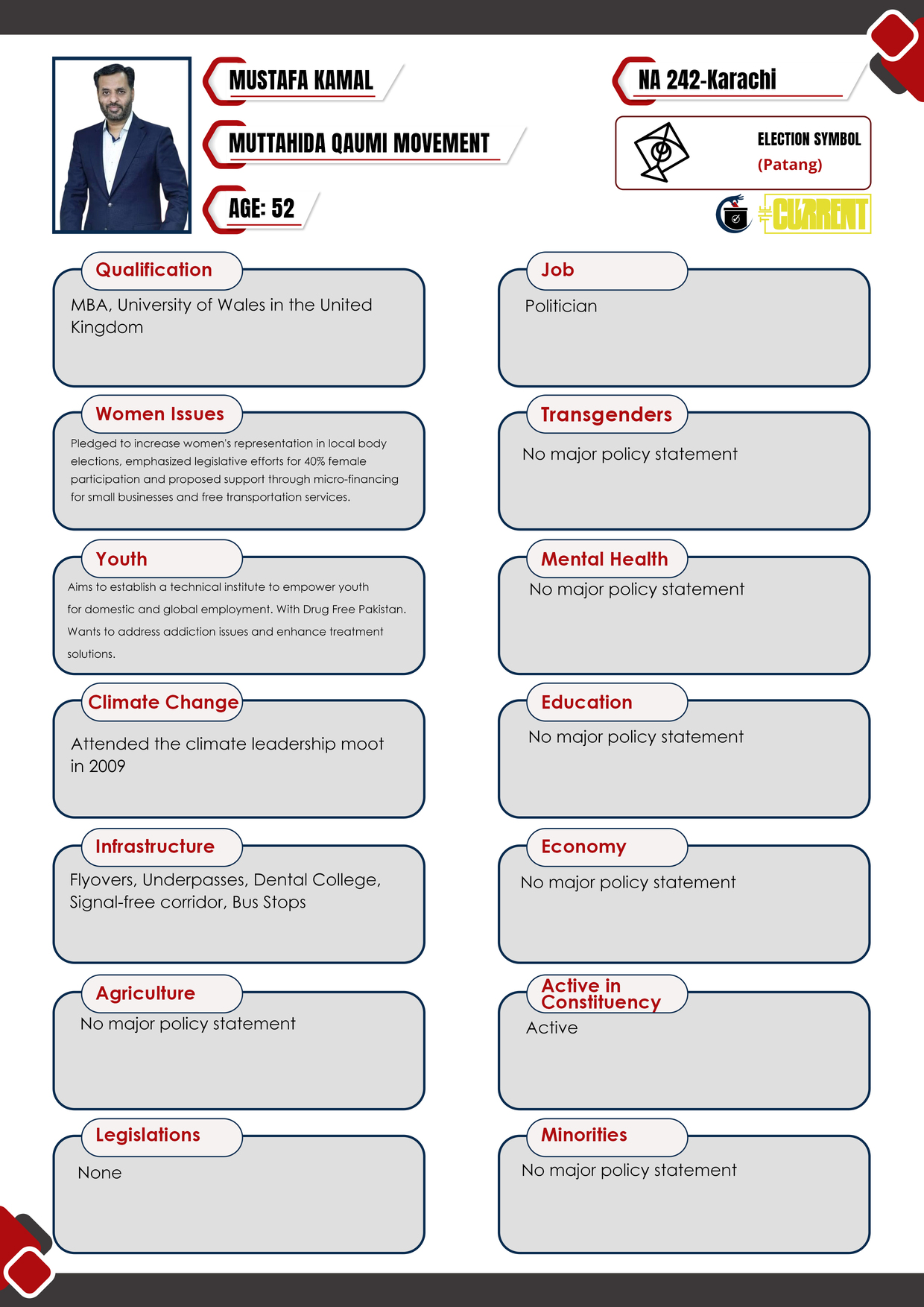
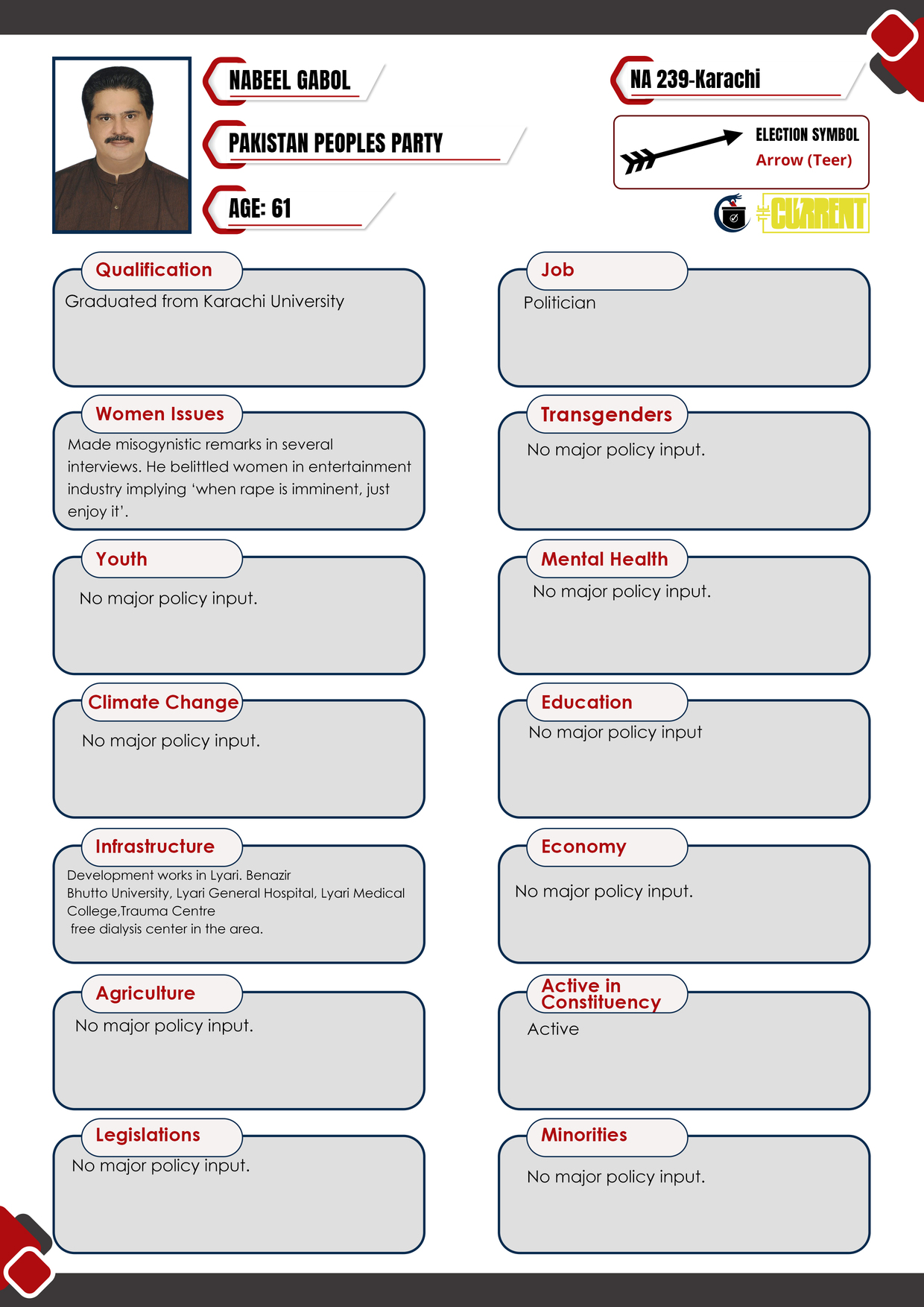
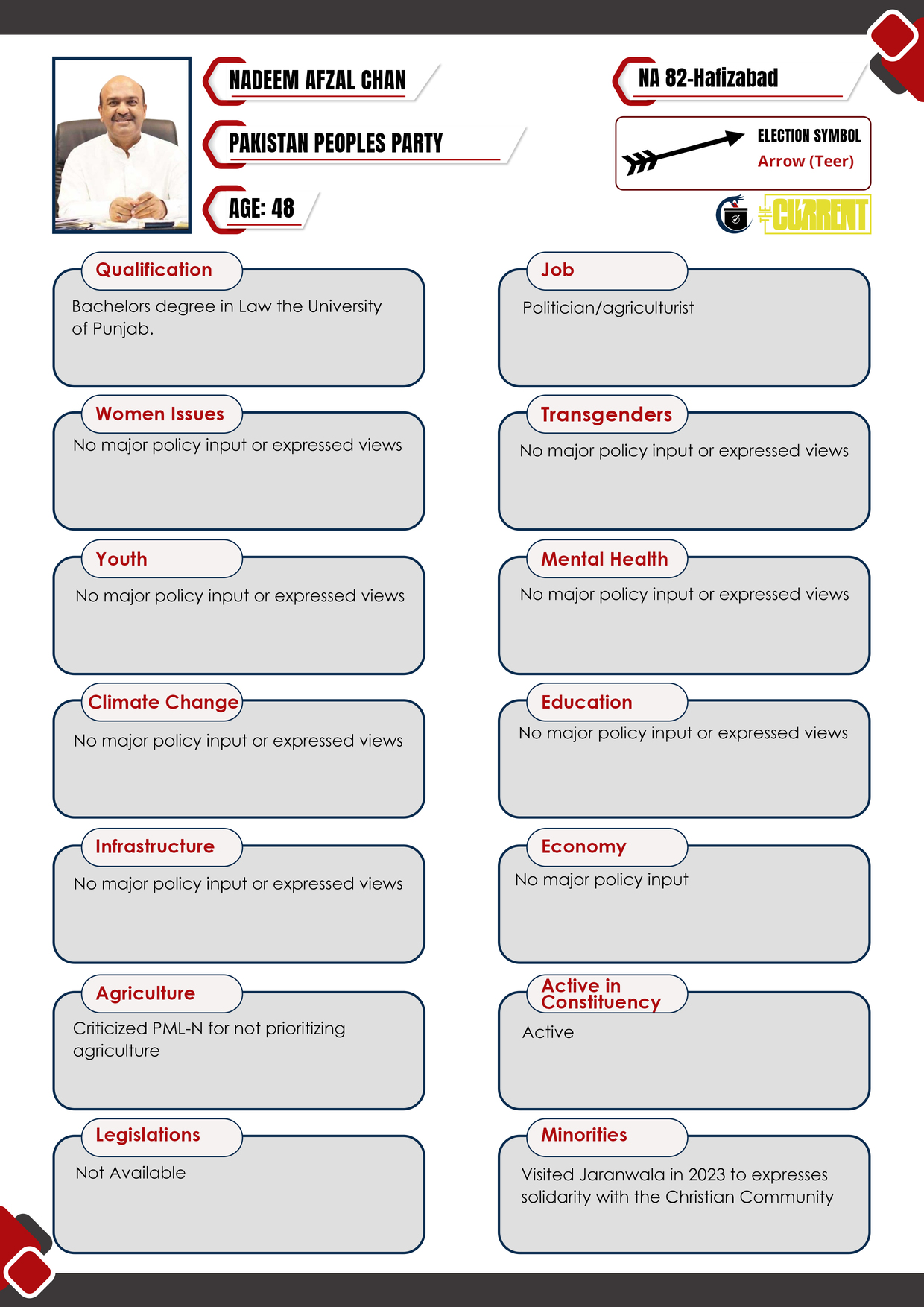
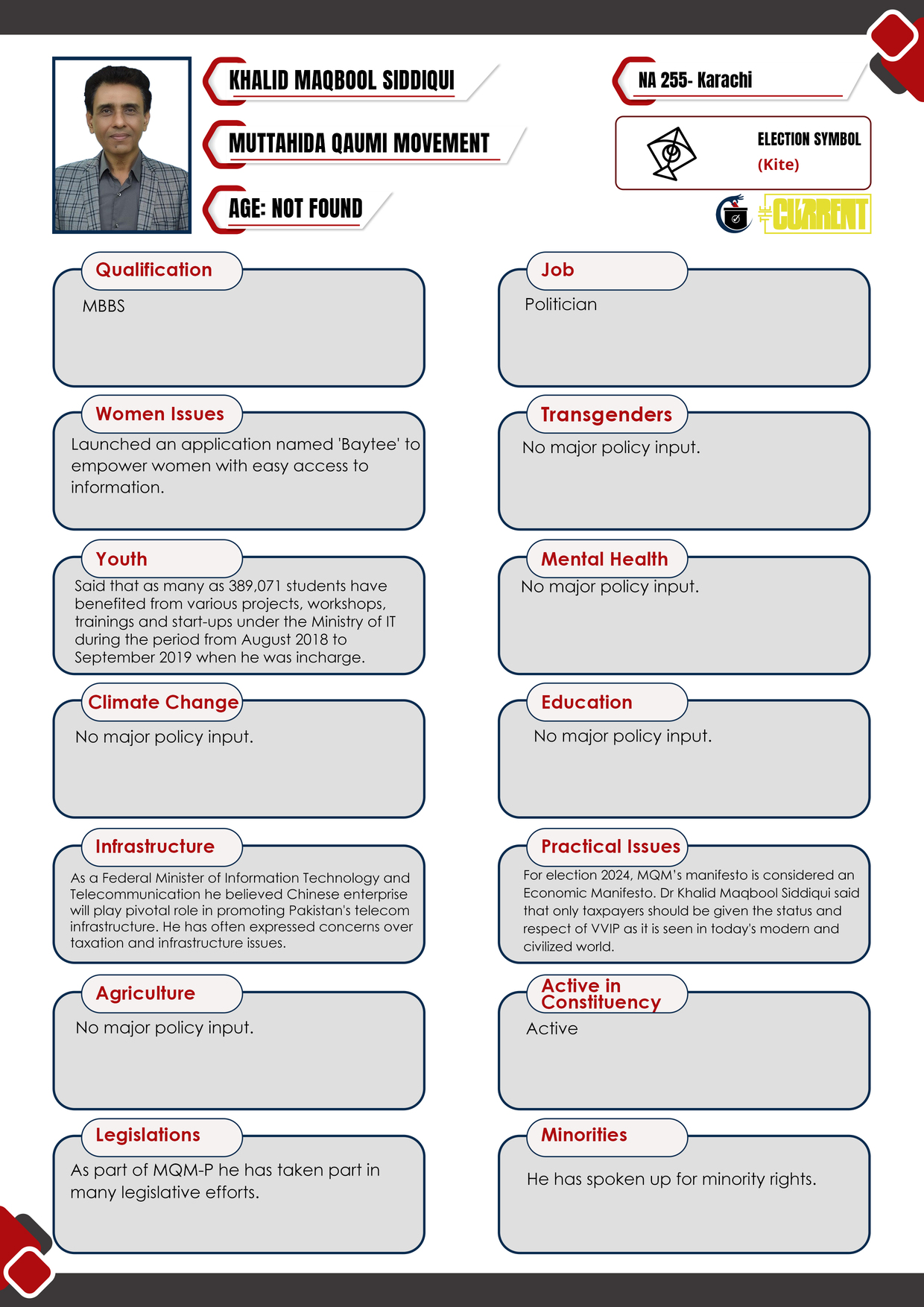
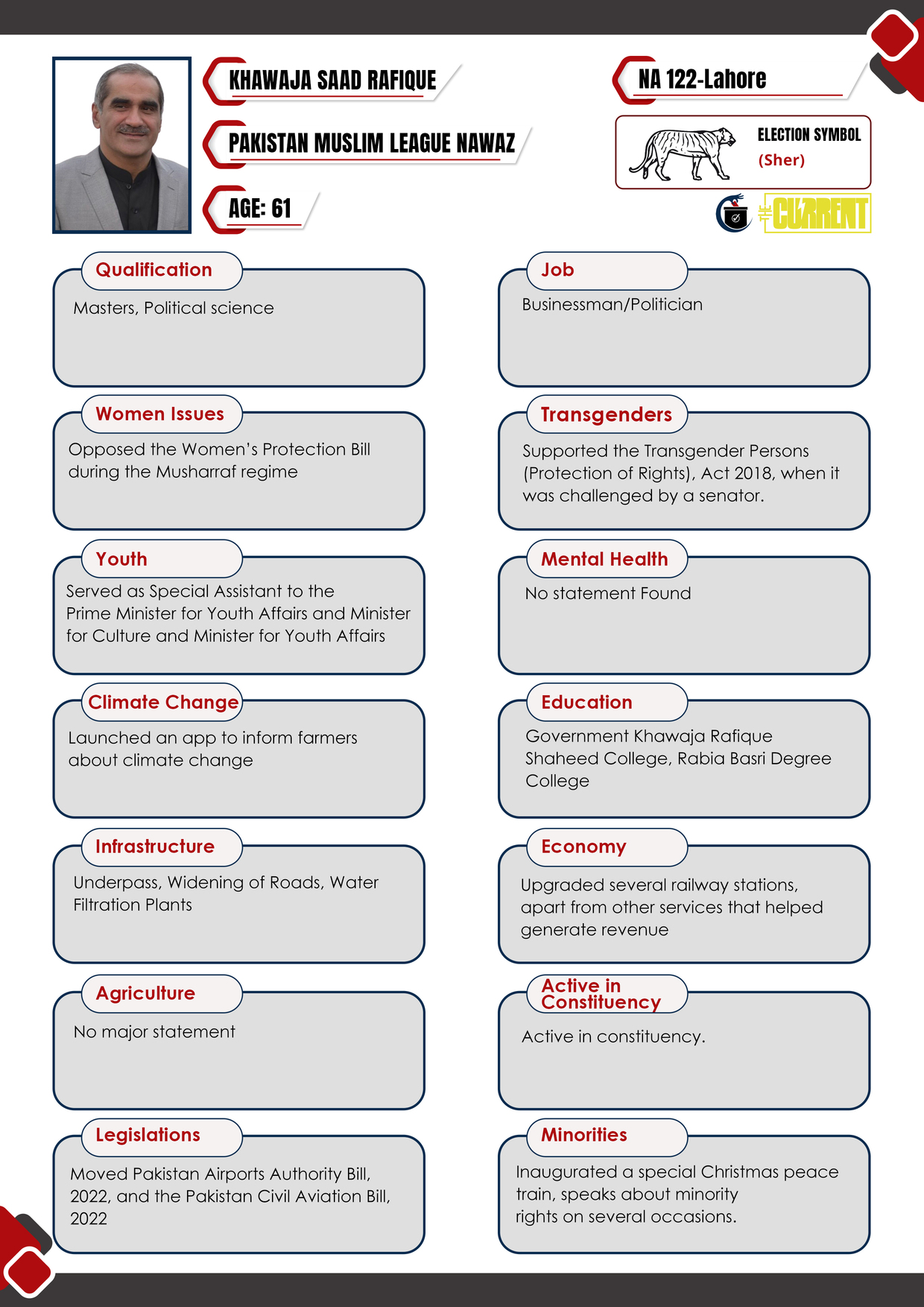
  • The Current’s Election Handbook: Your candidate, their views on issues that matter to you

    The Current’s Election Handbook: Your candidate, their views on issues that matter to you

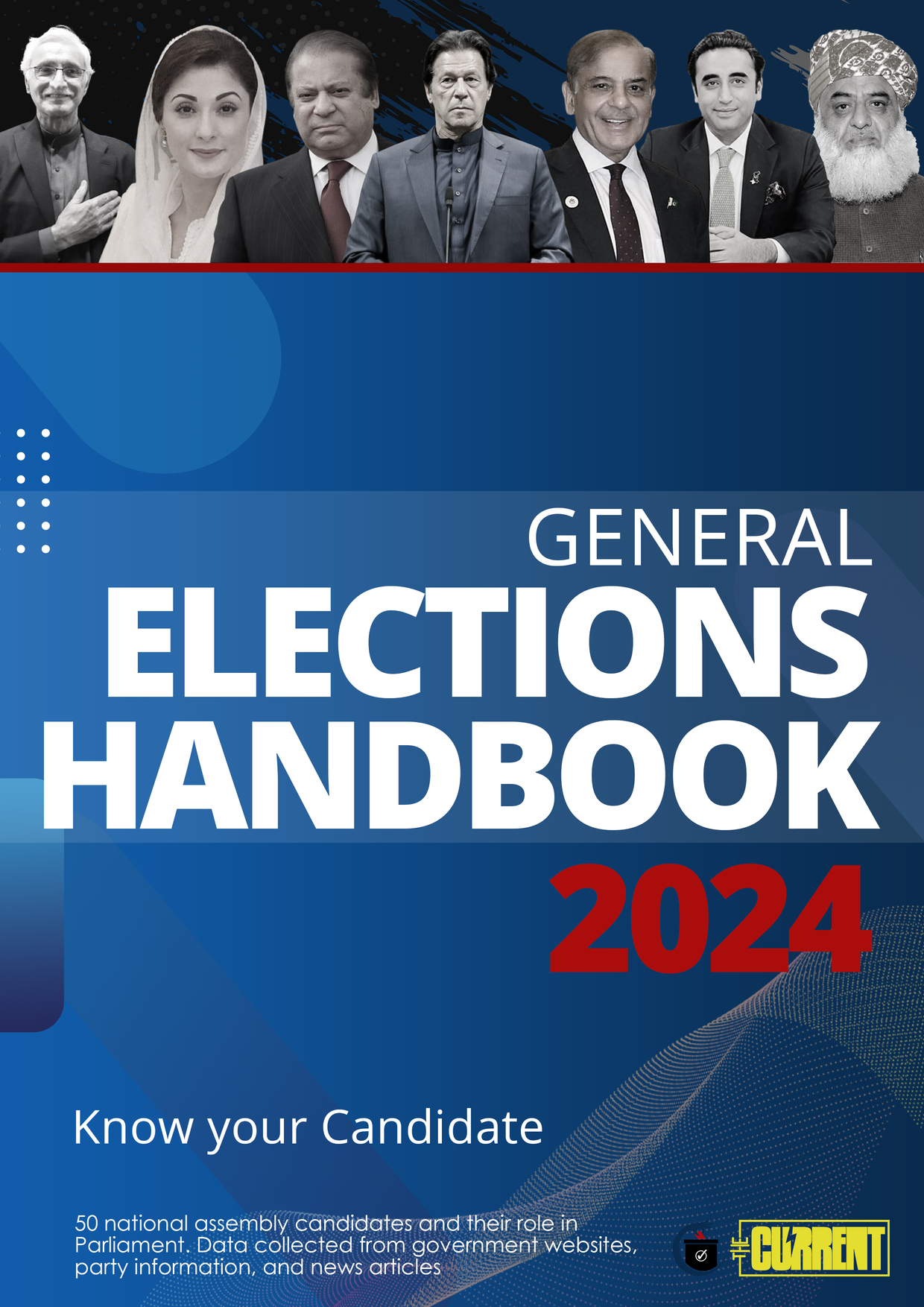
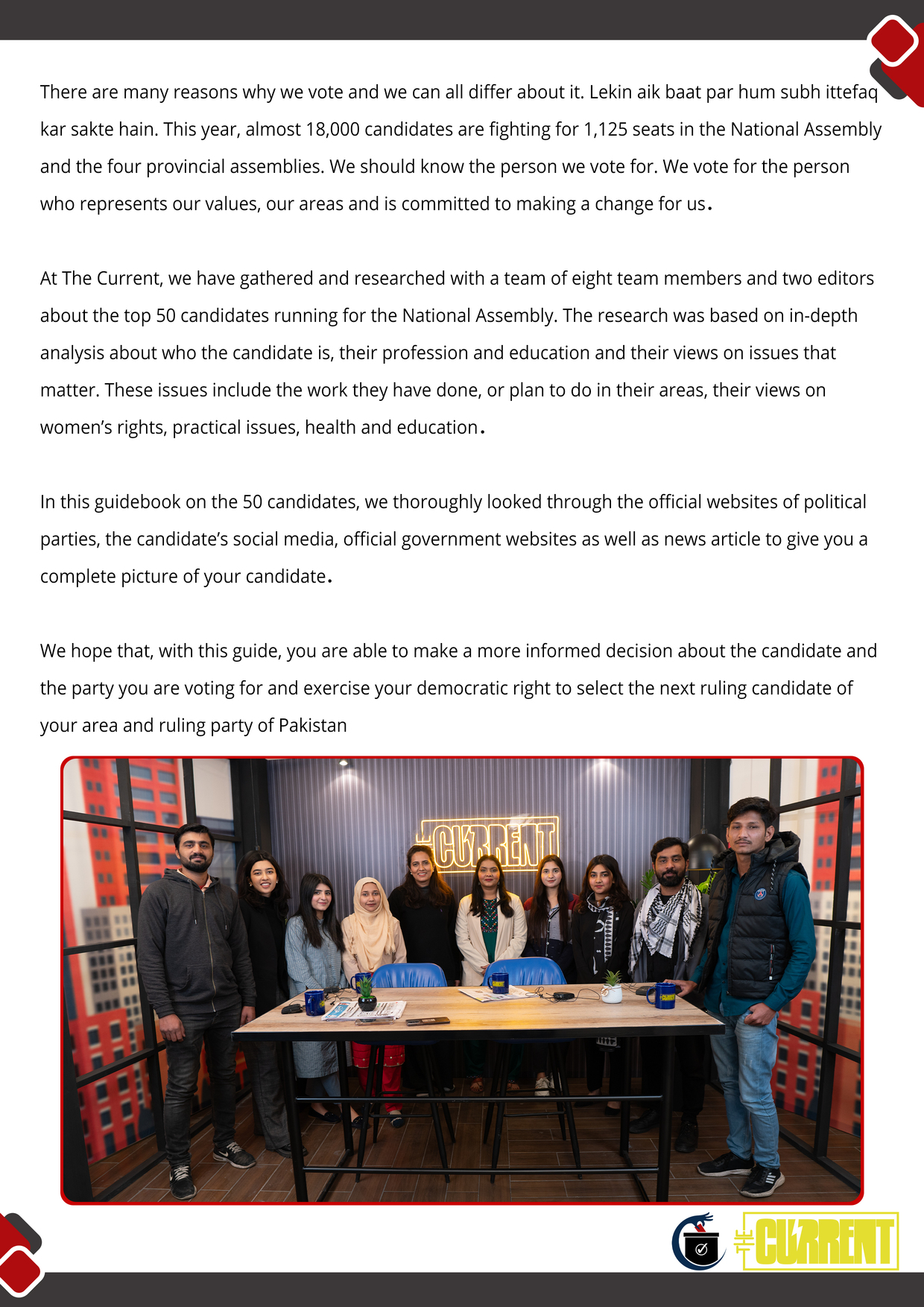
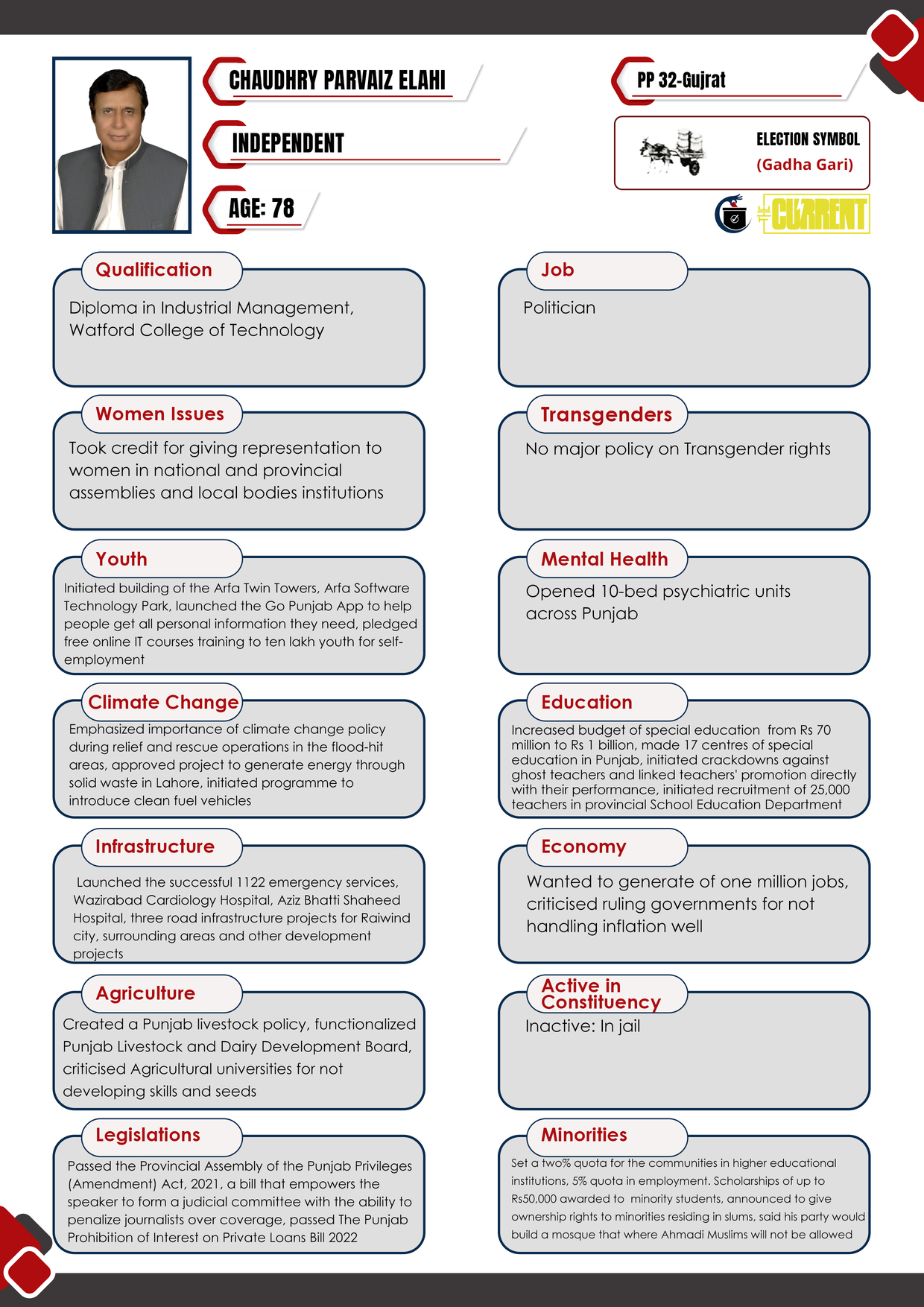
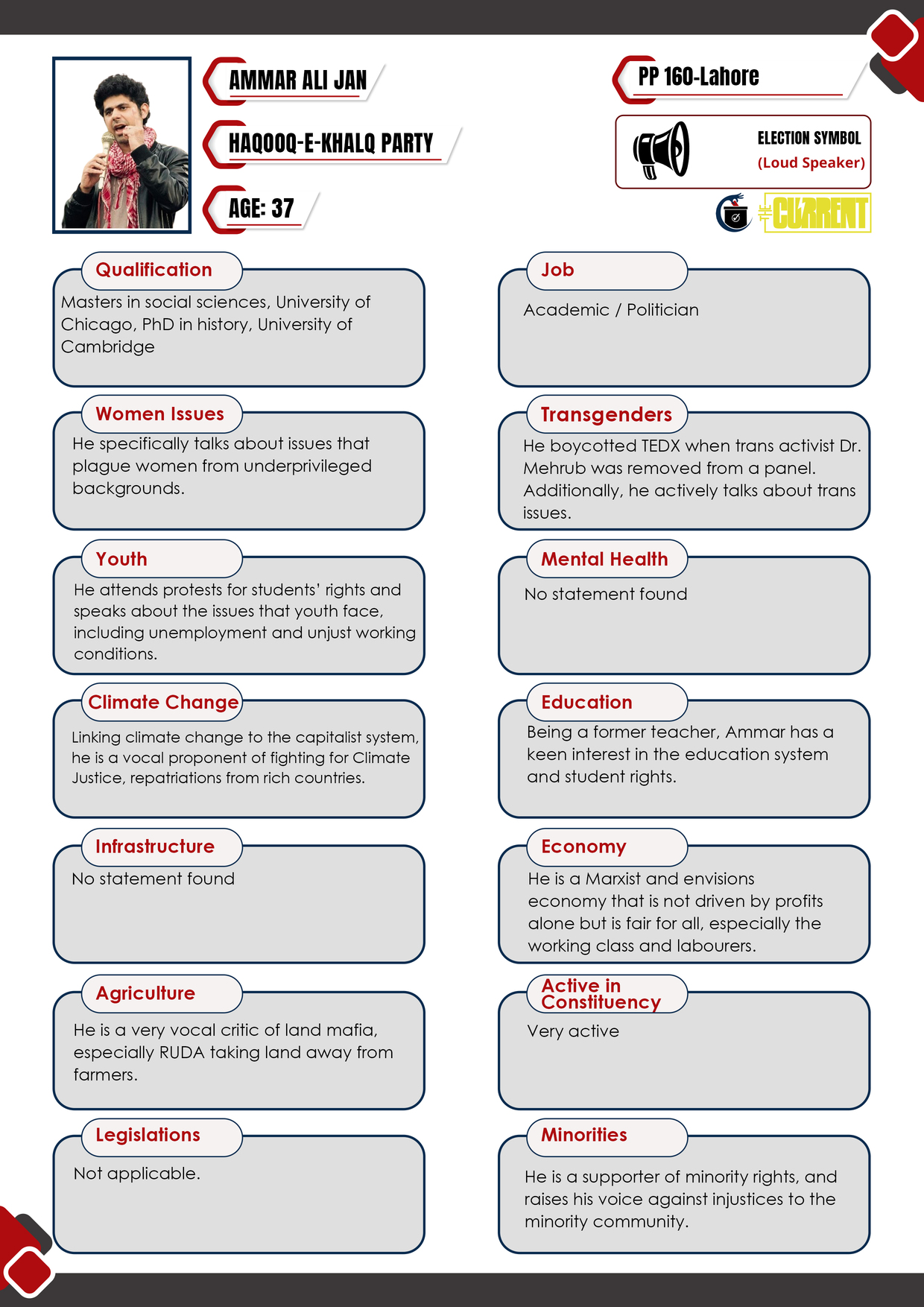
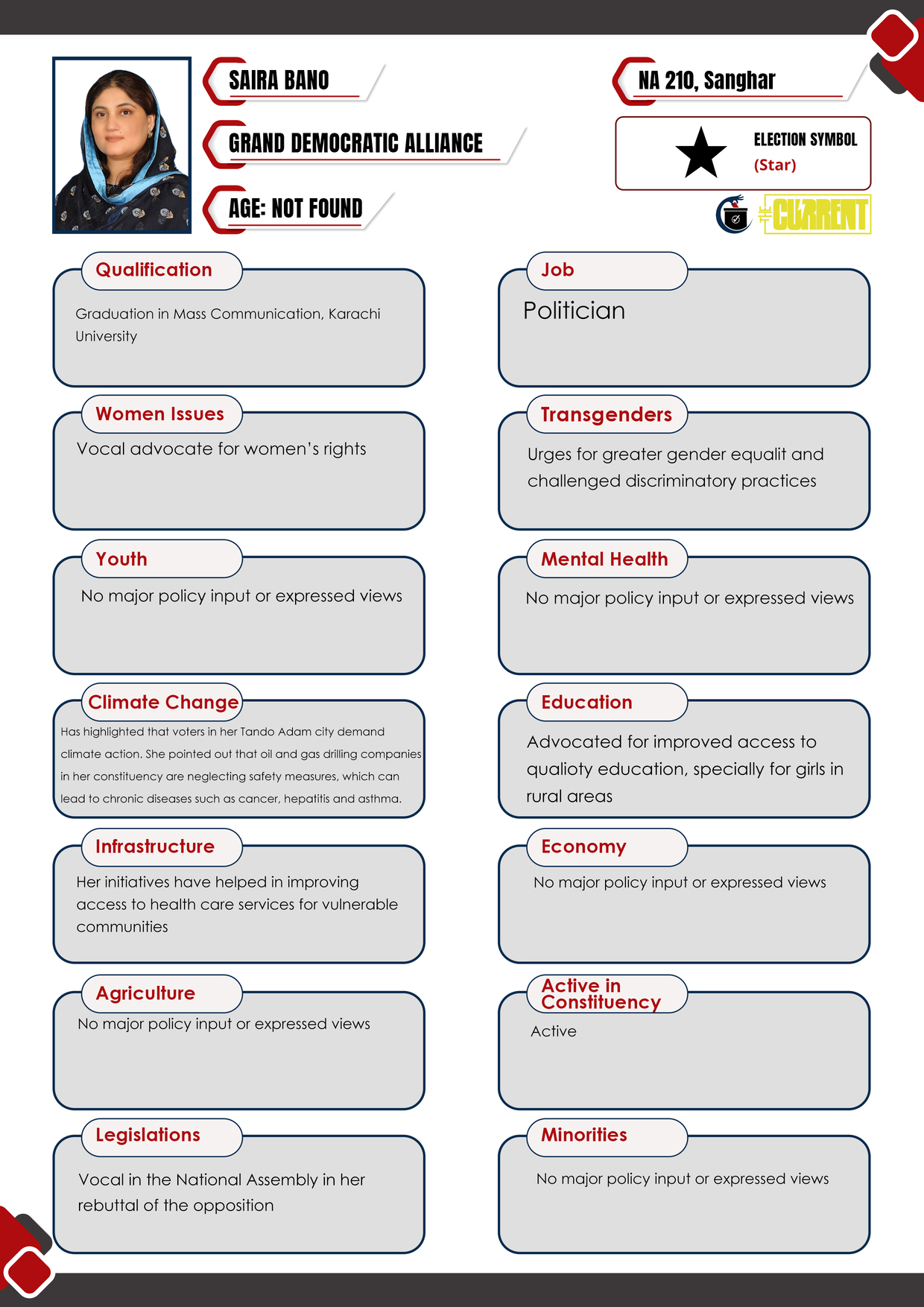
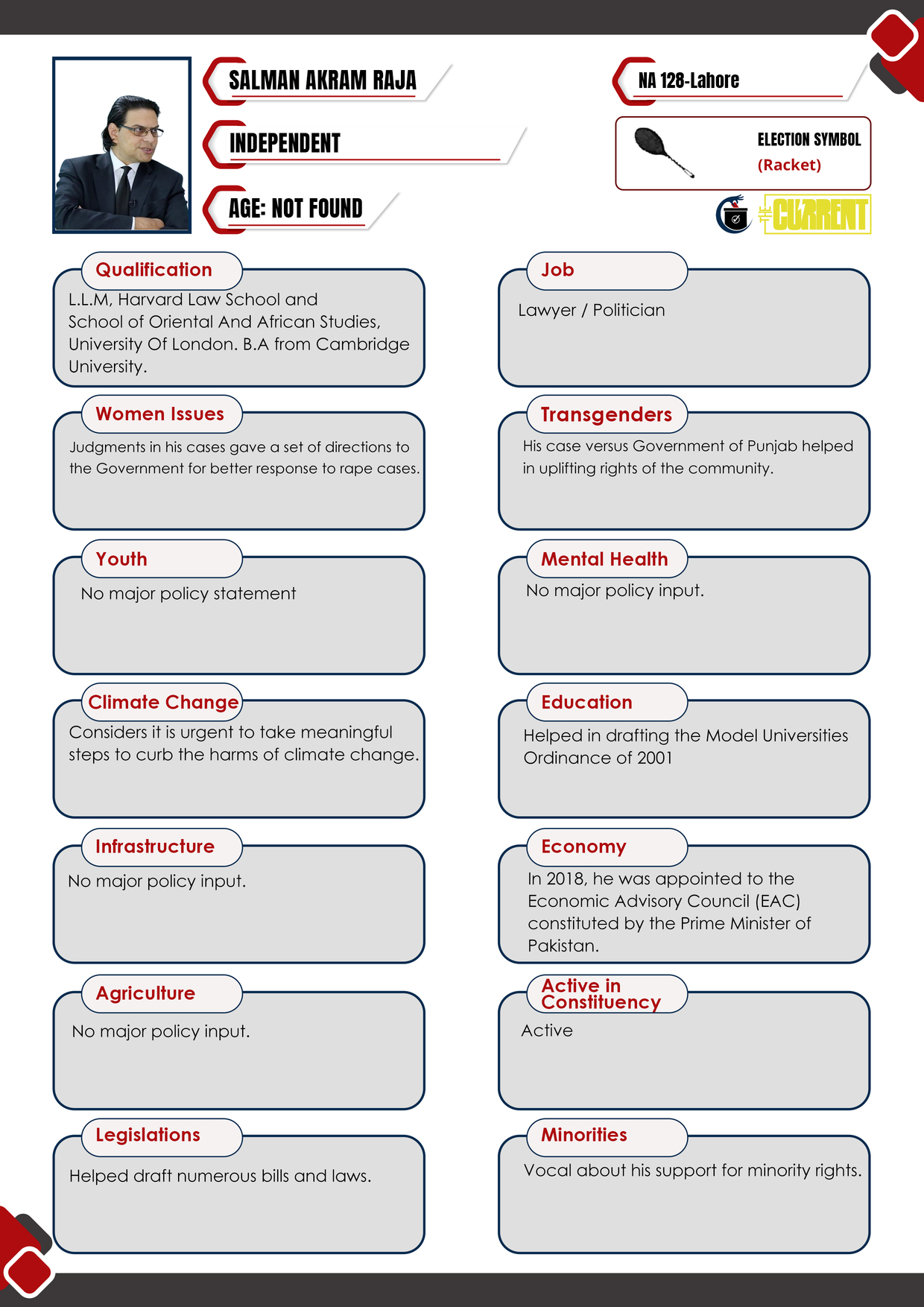
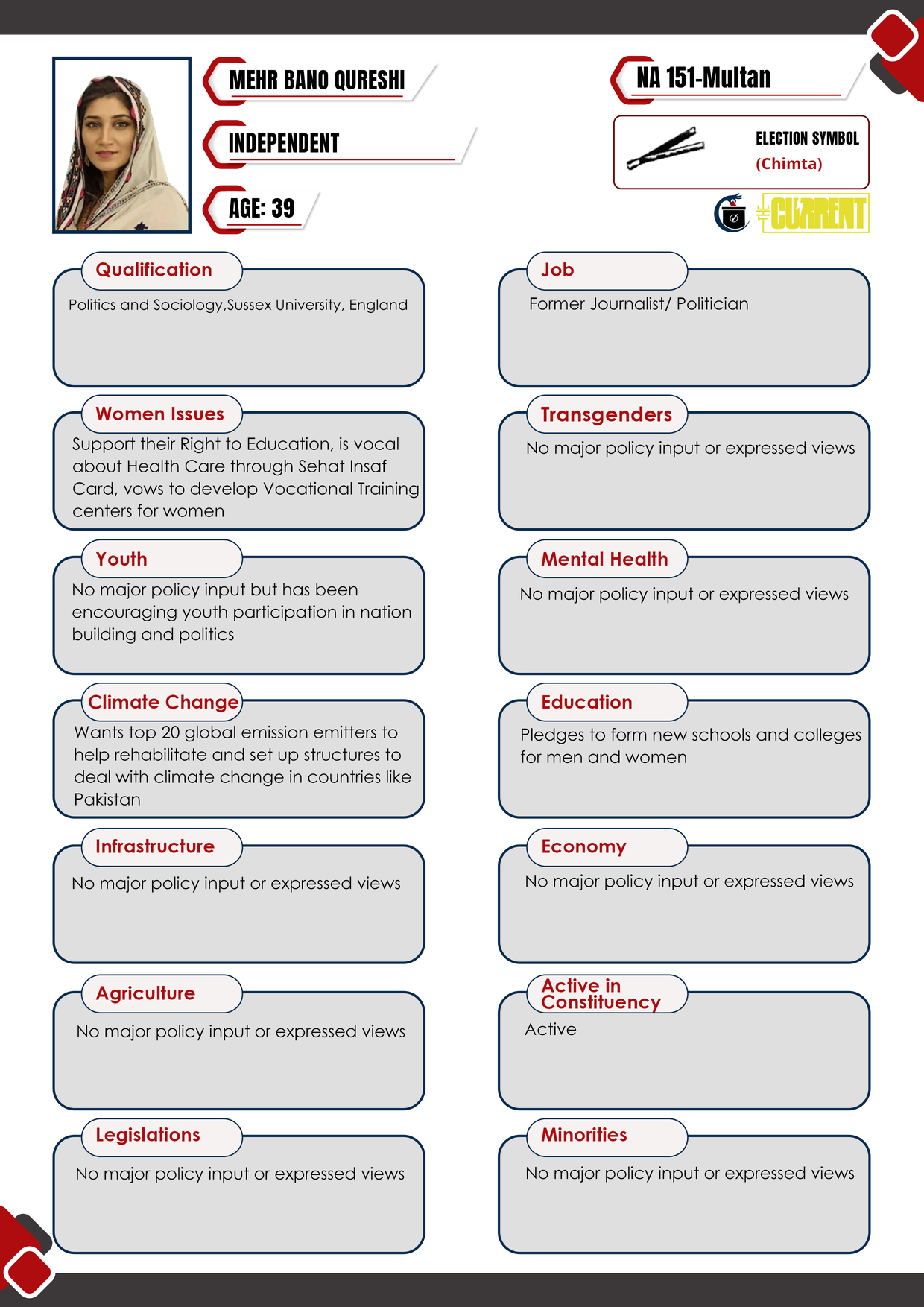
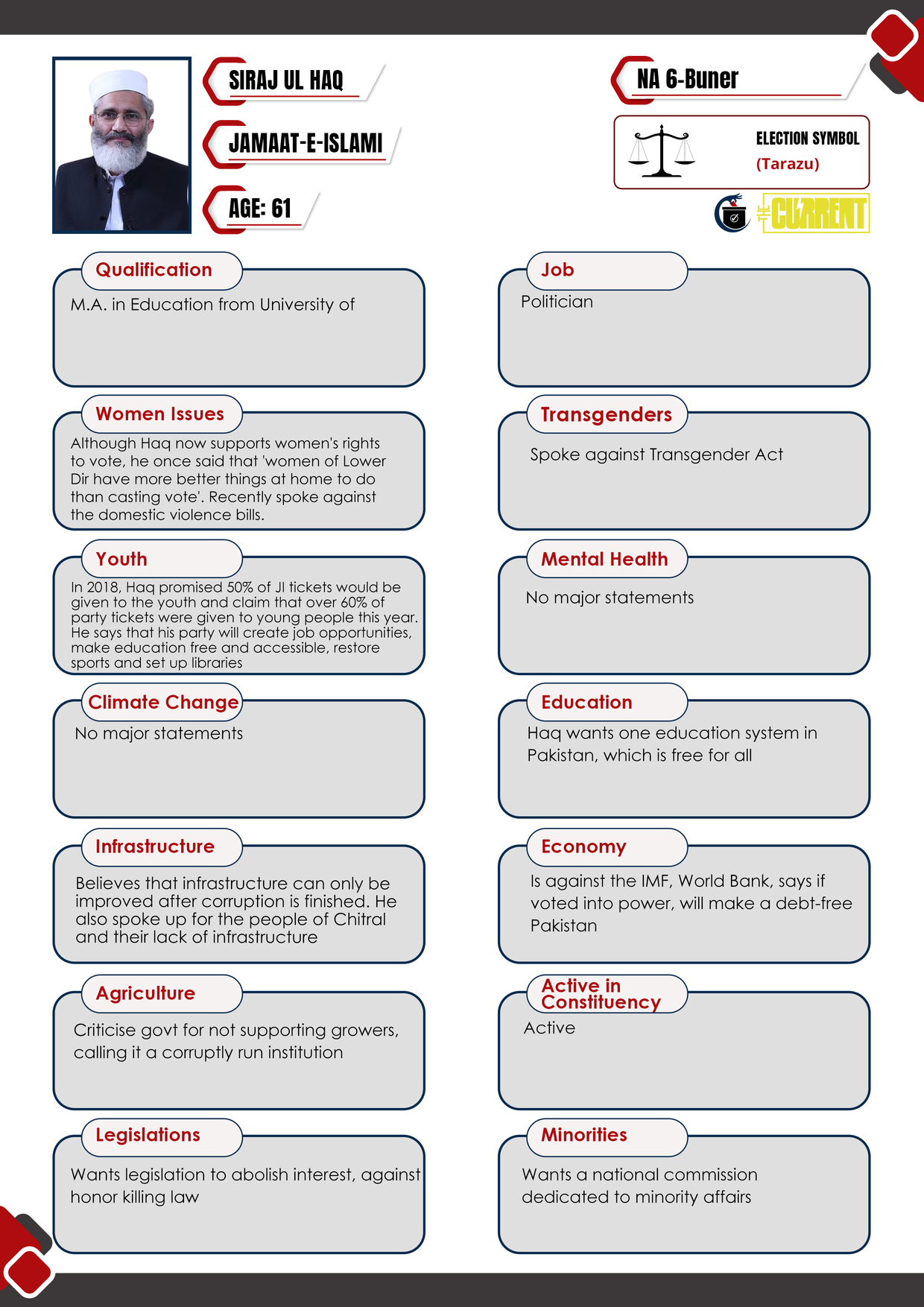
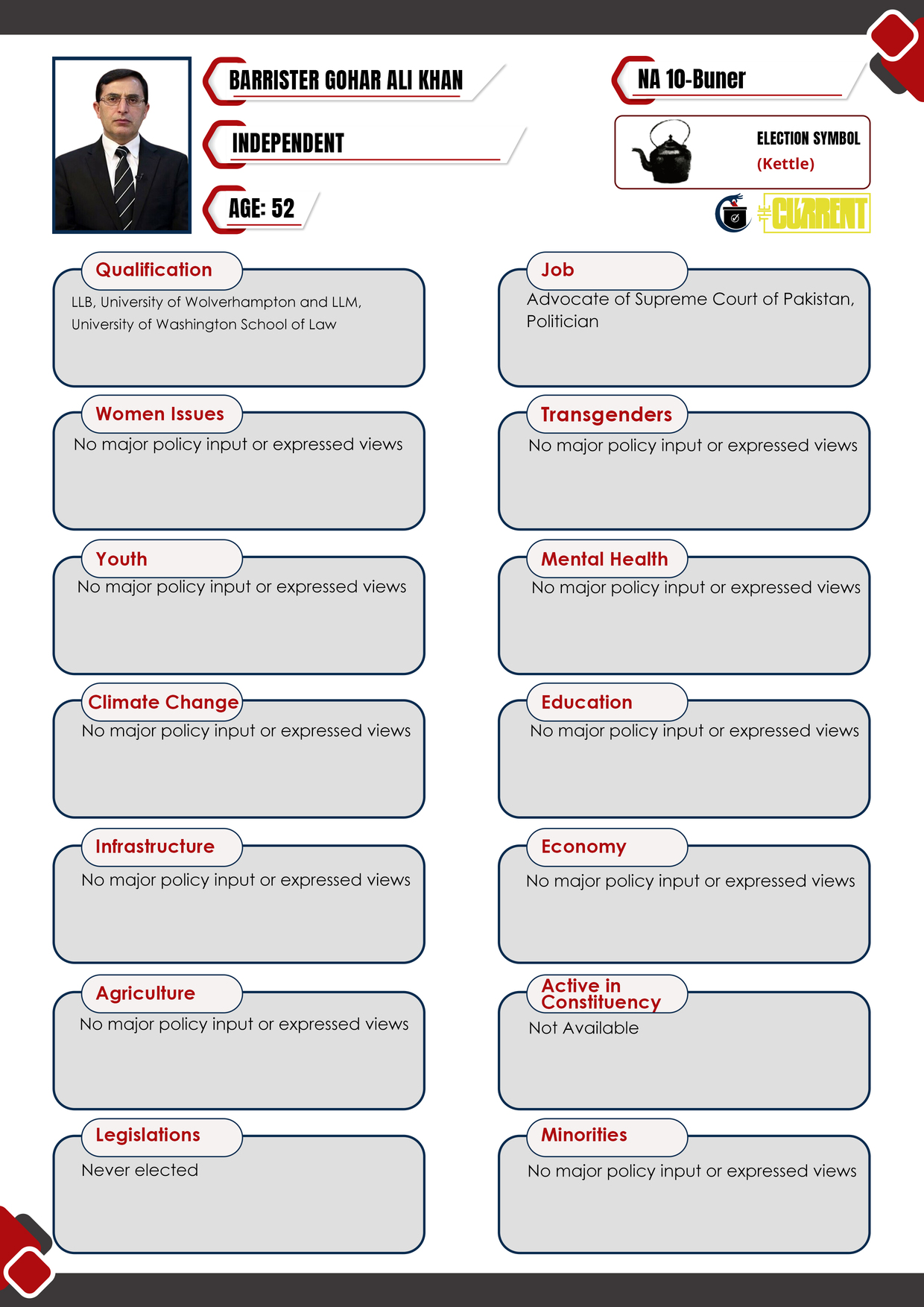
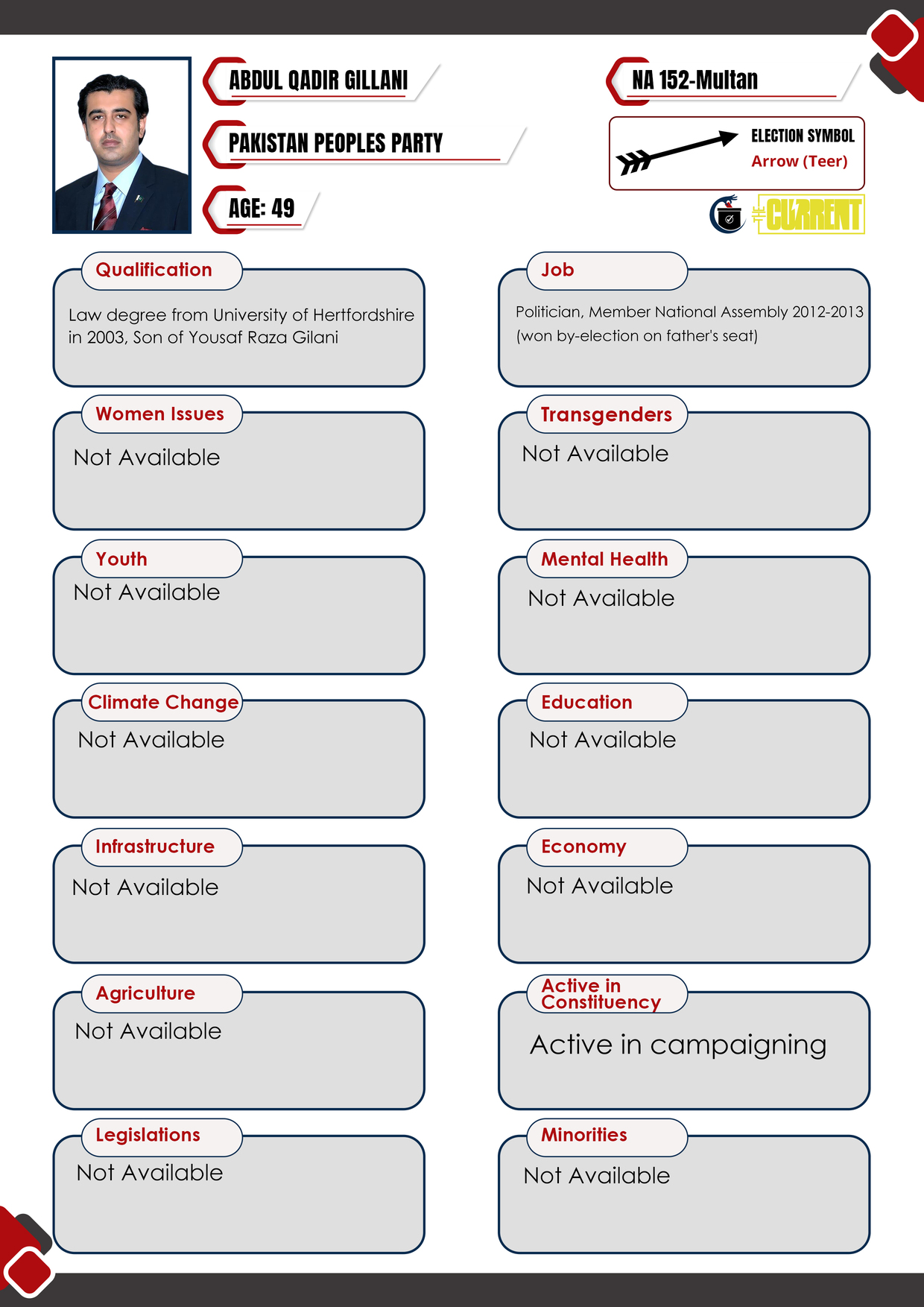
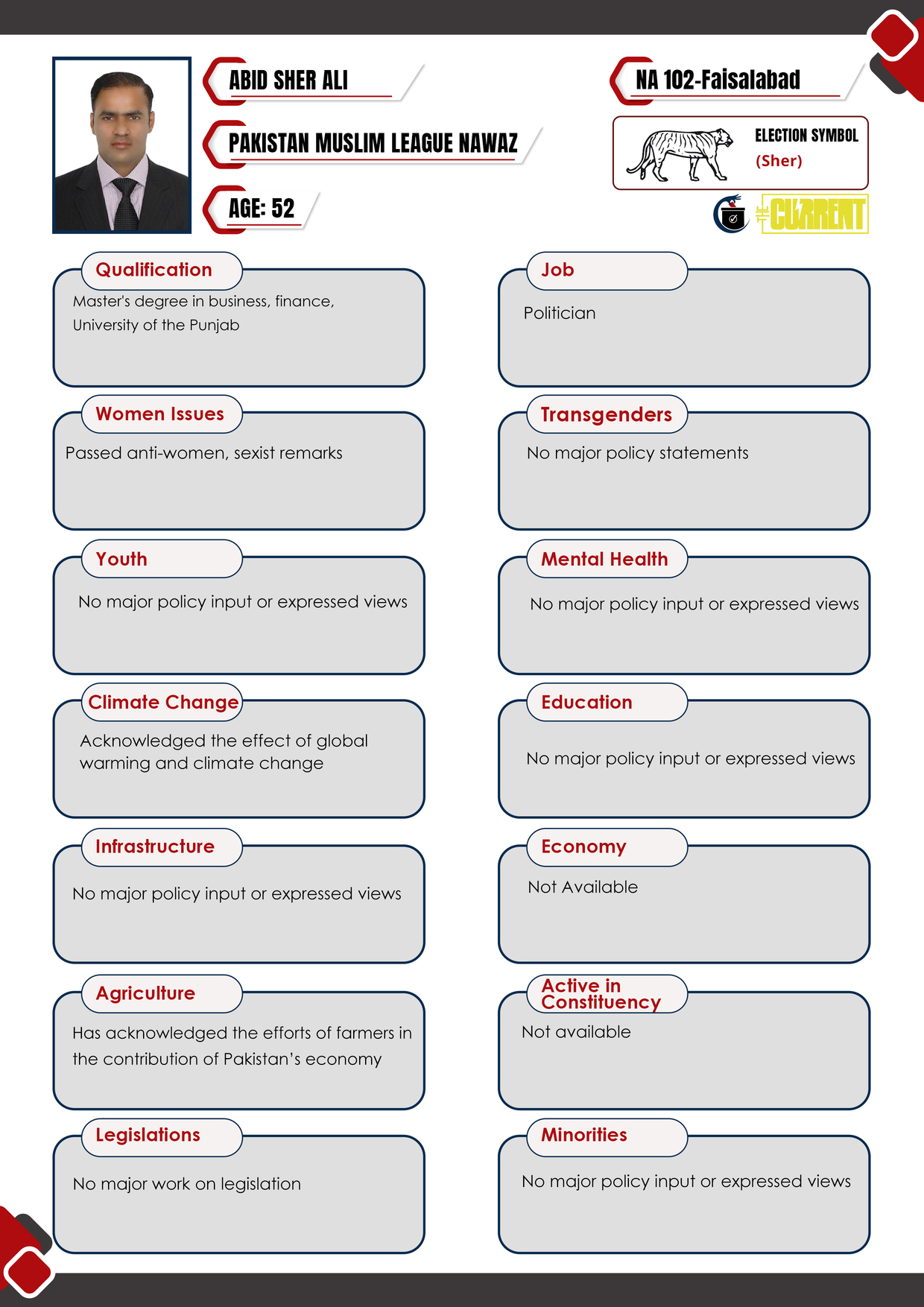
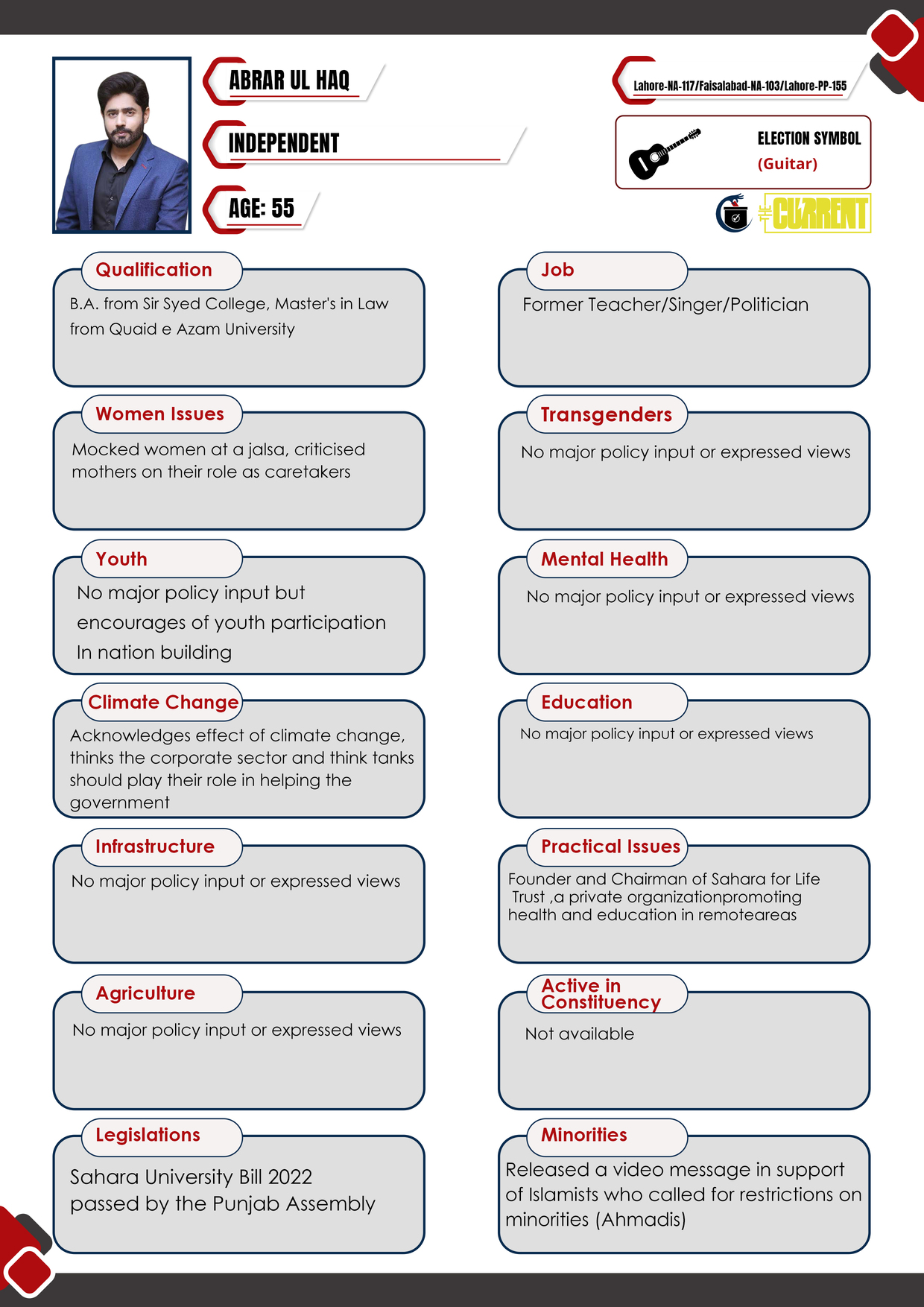
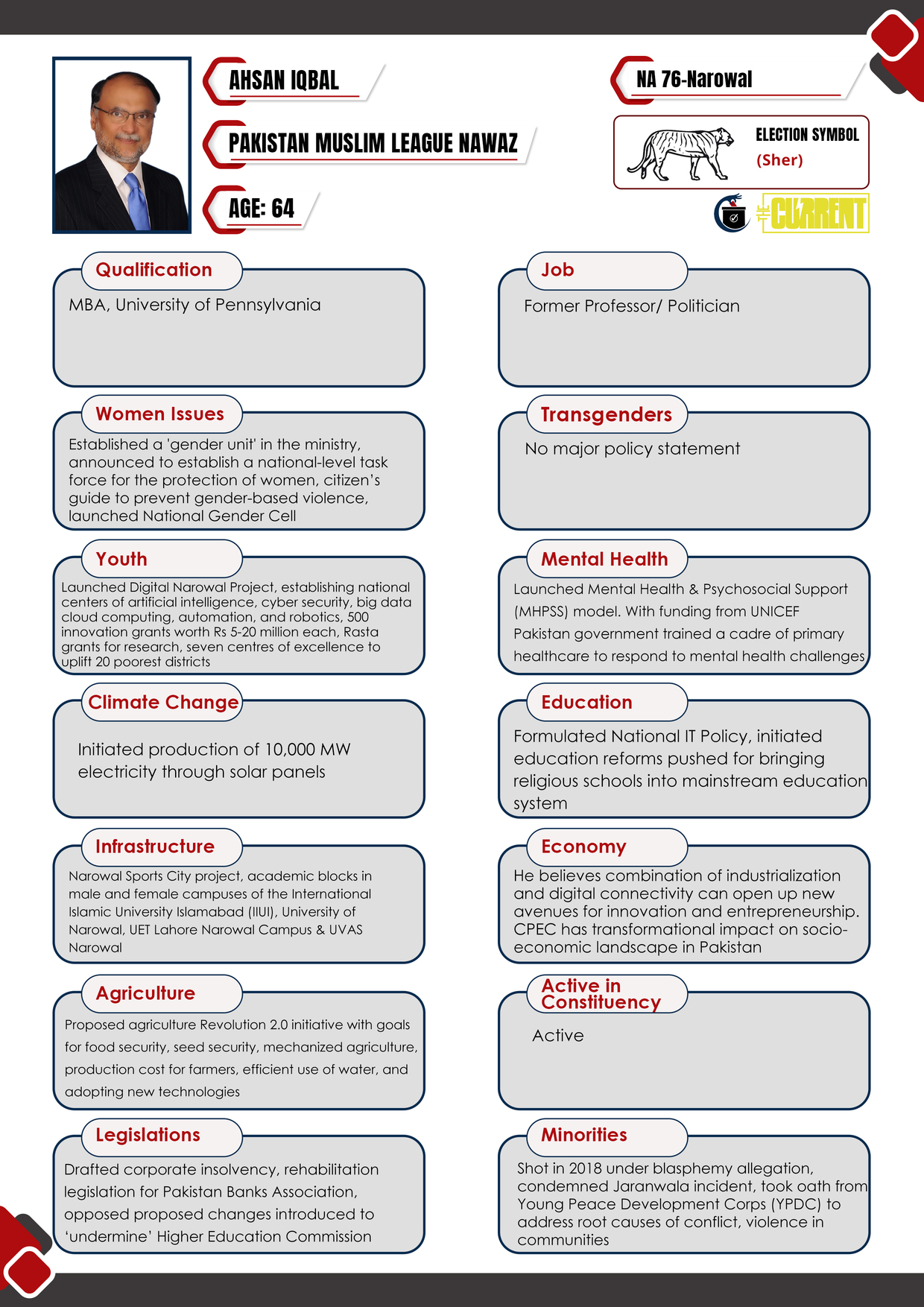
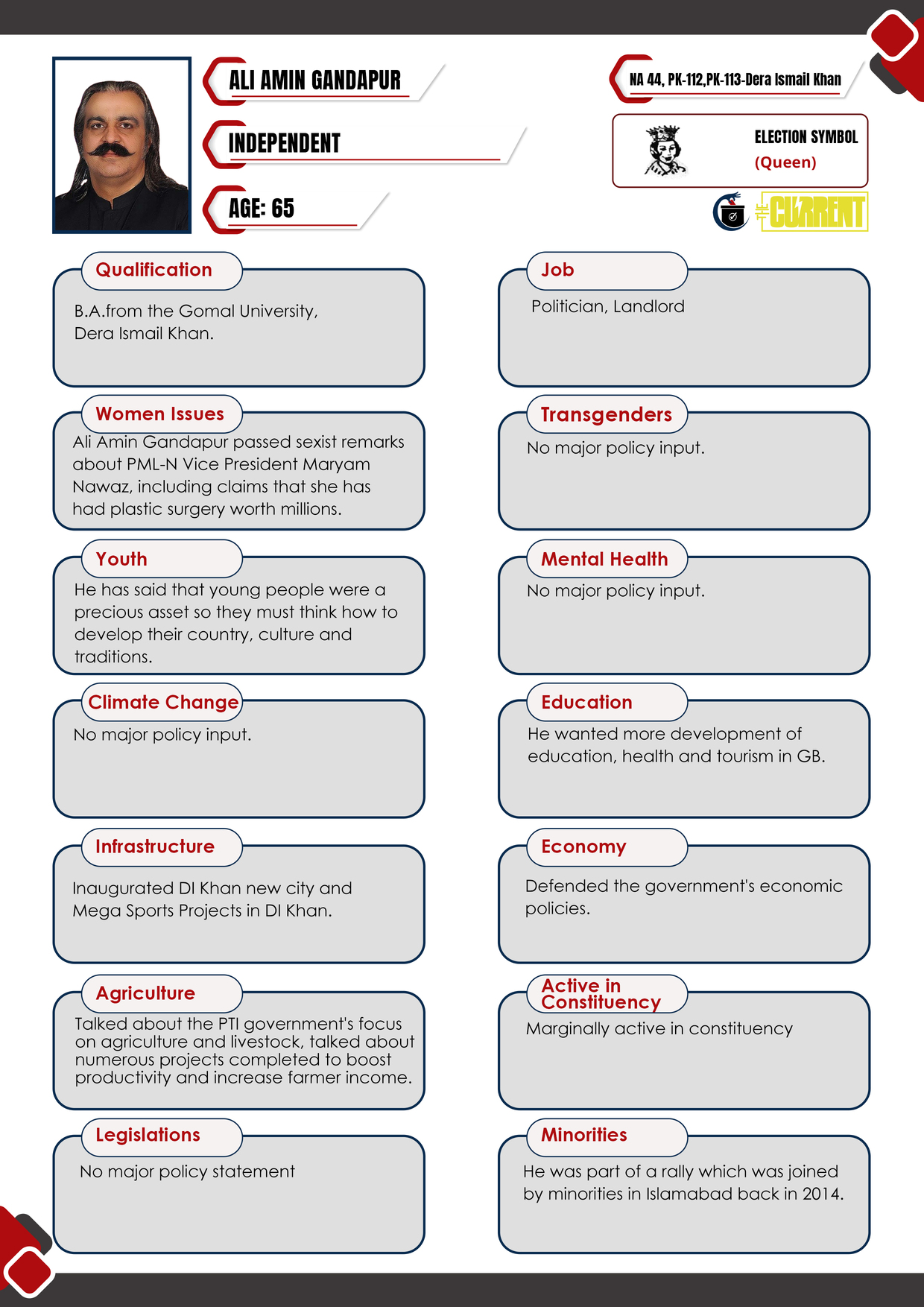
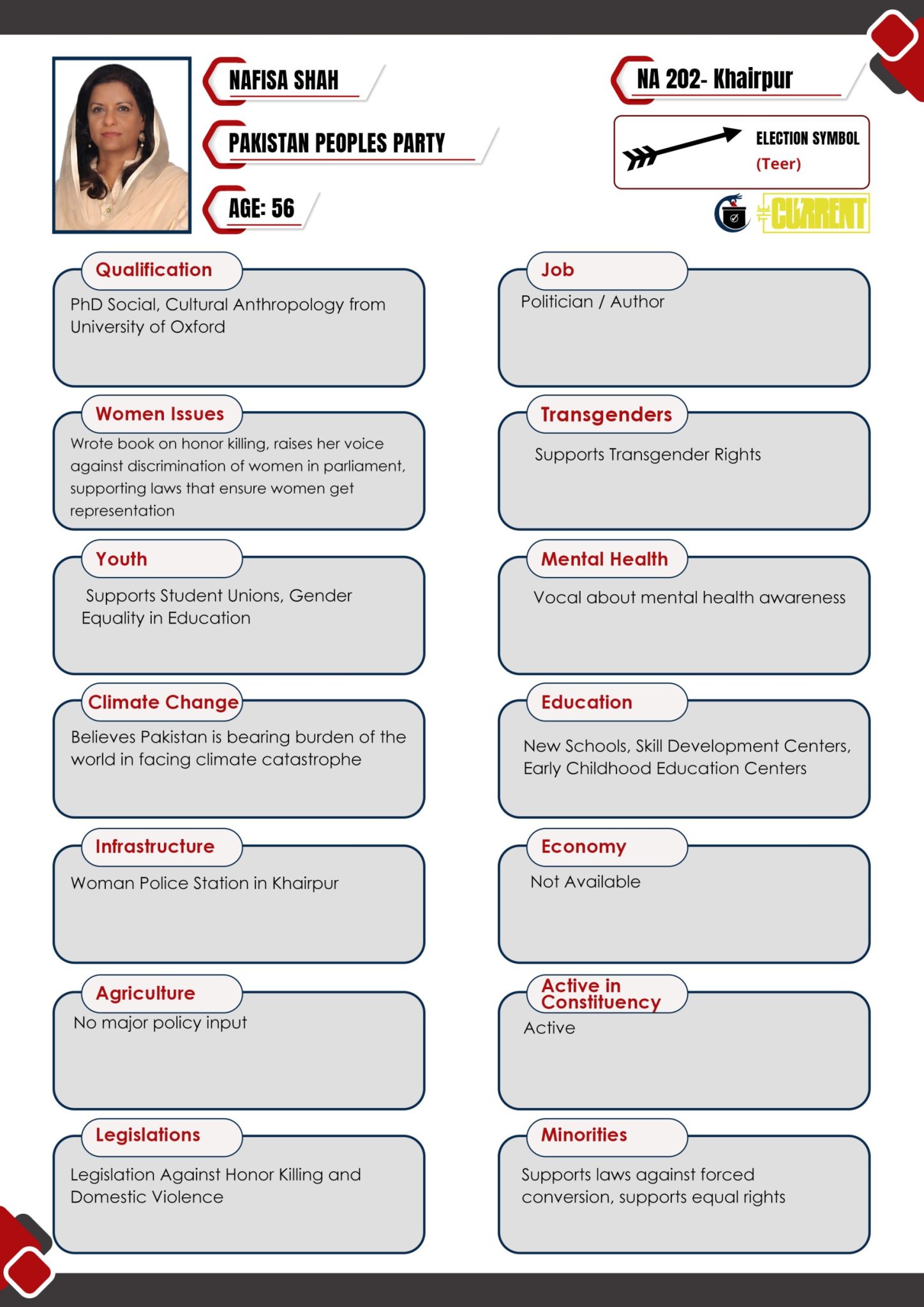
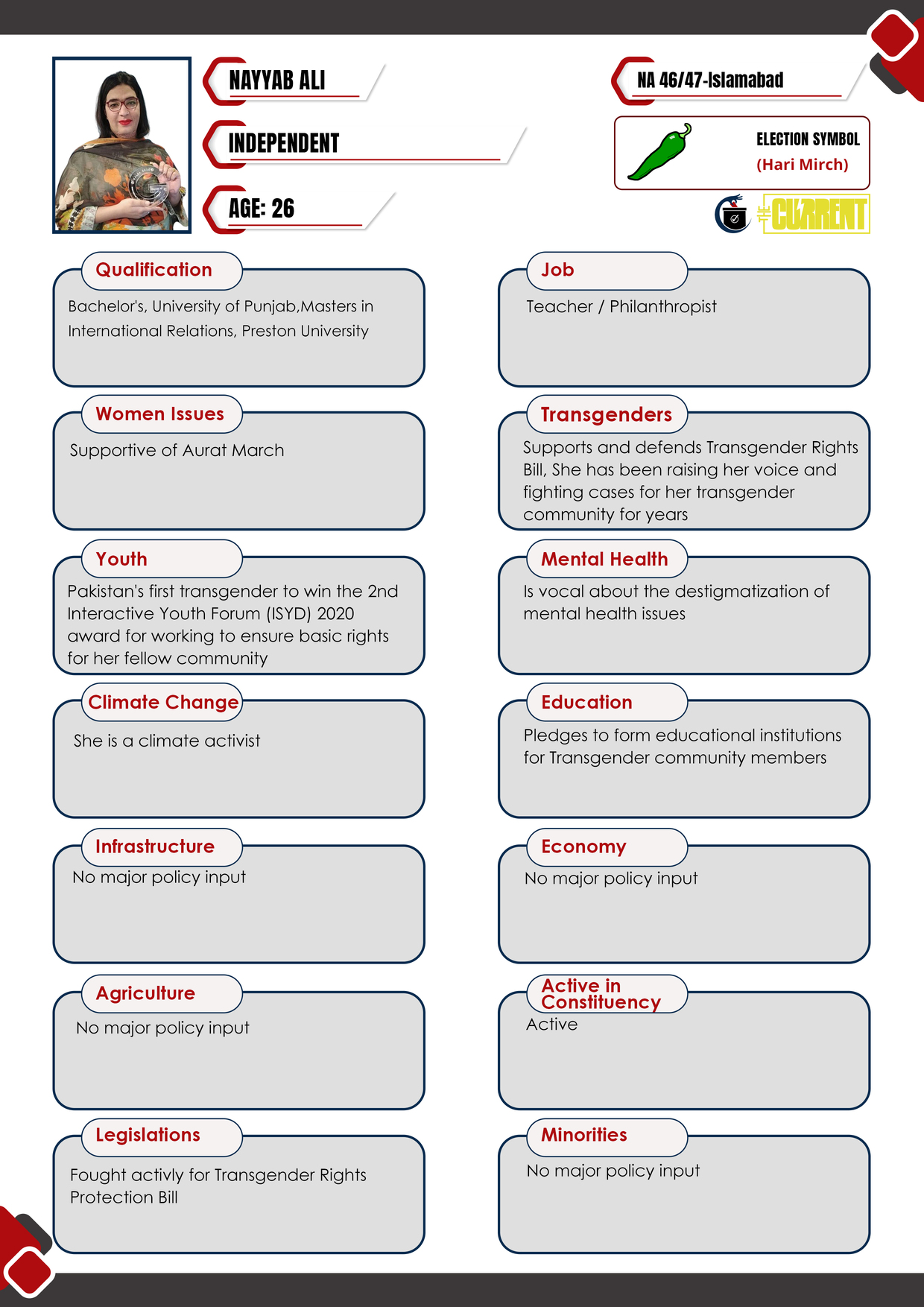
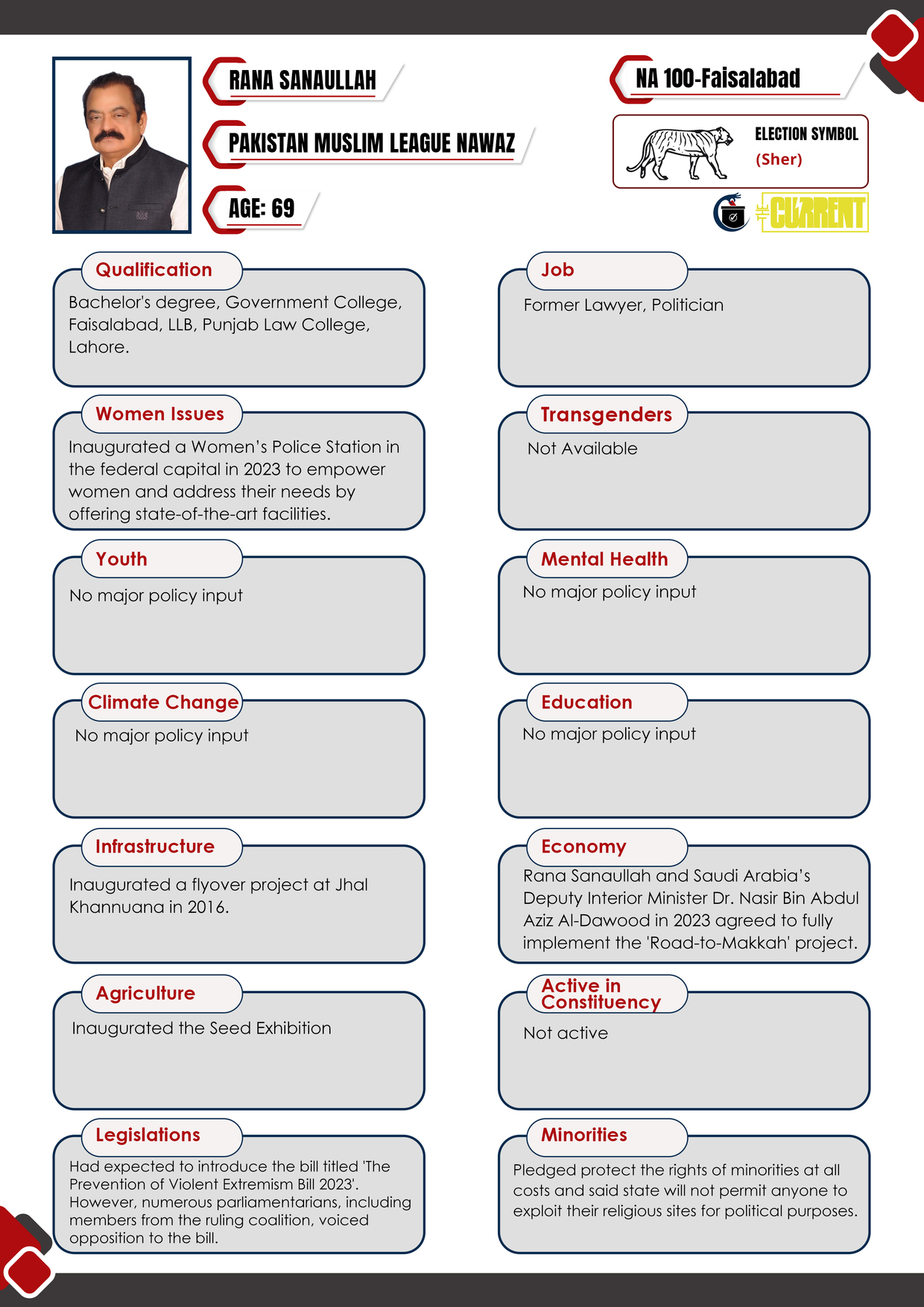
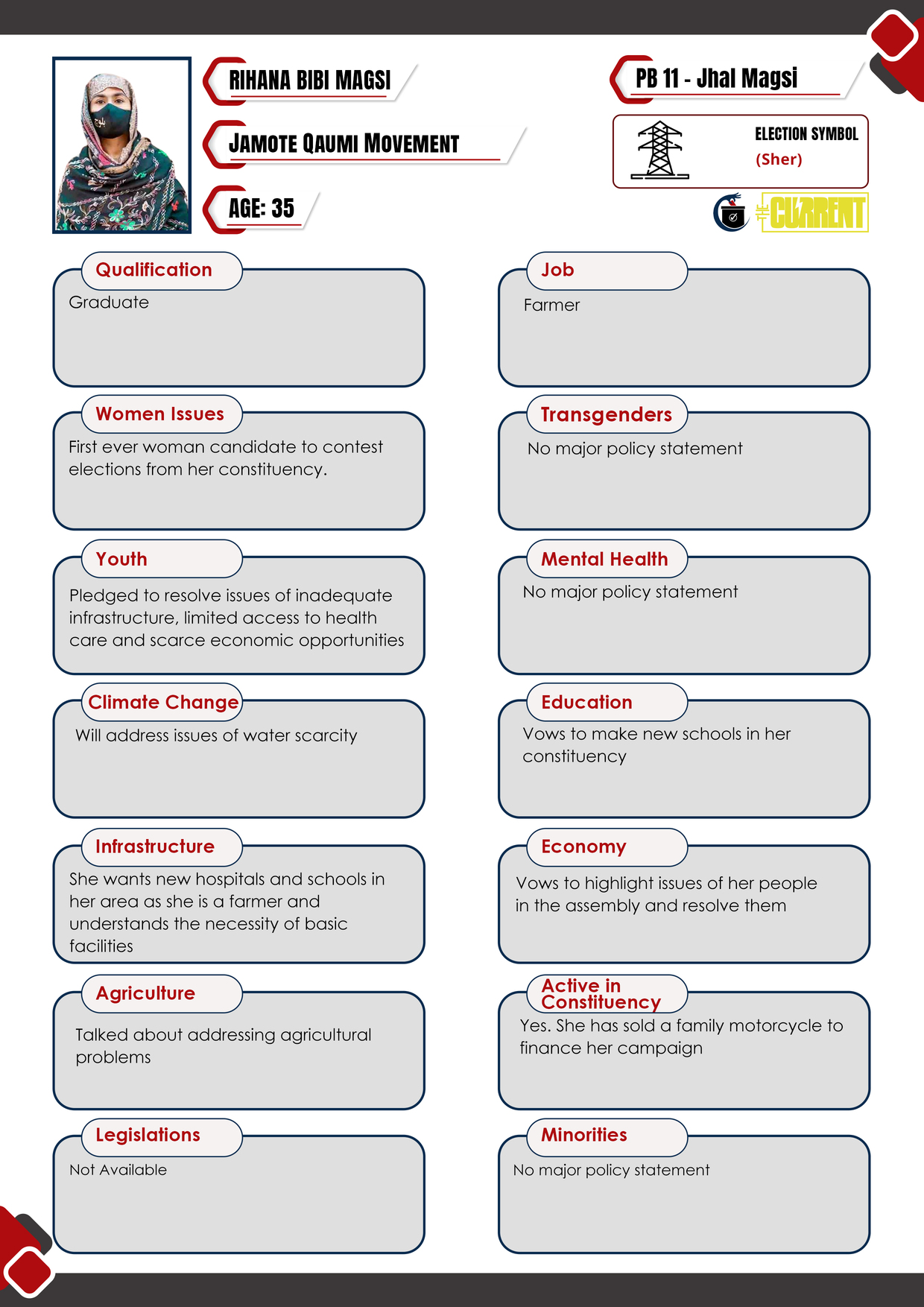
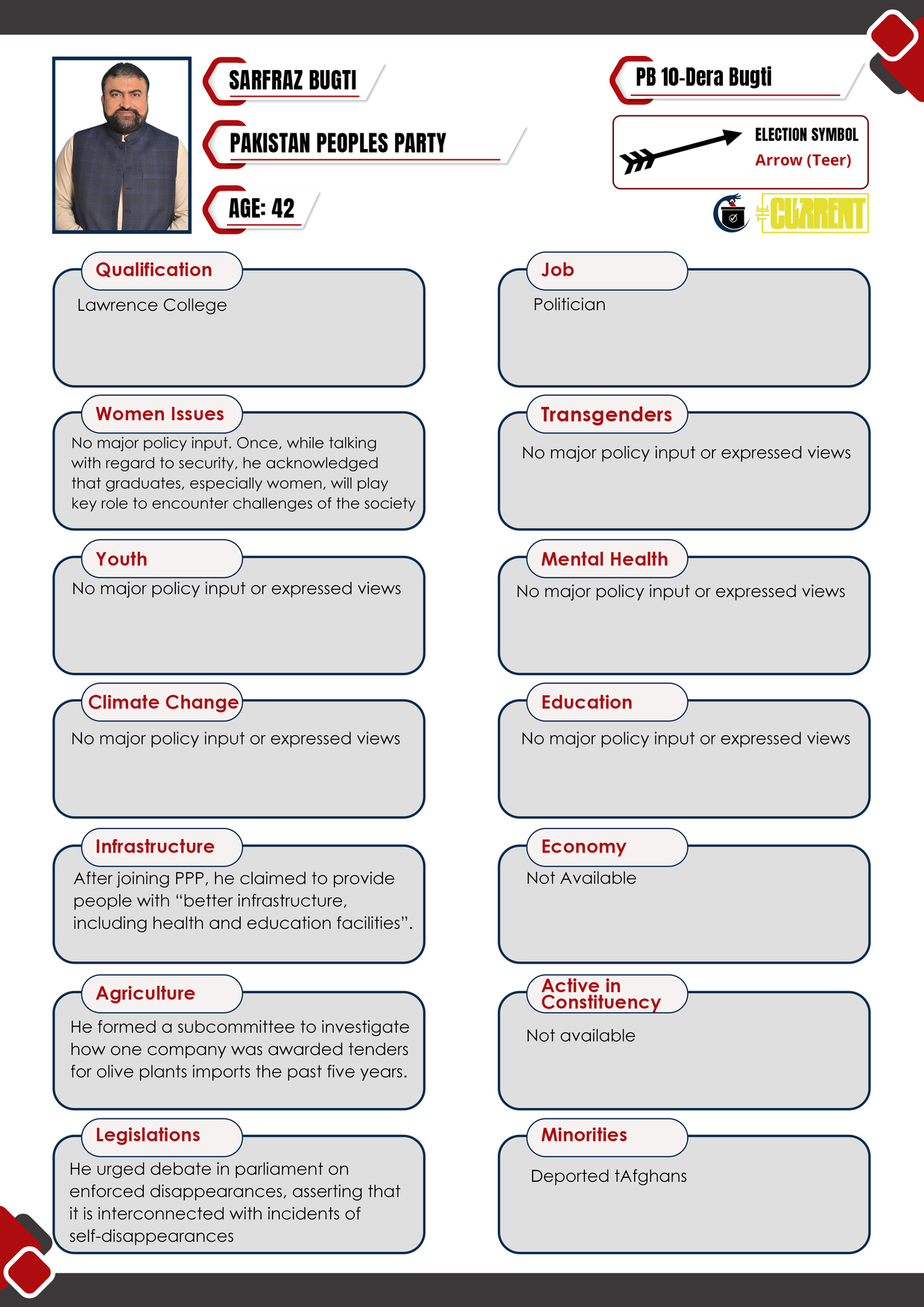
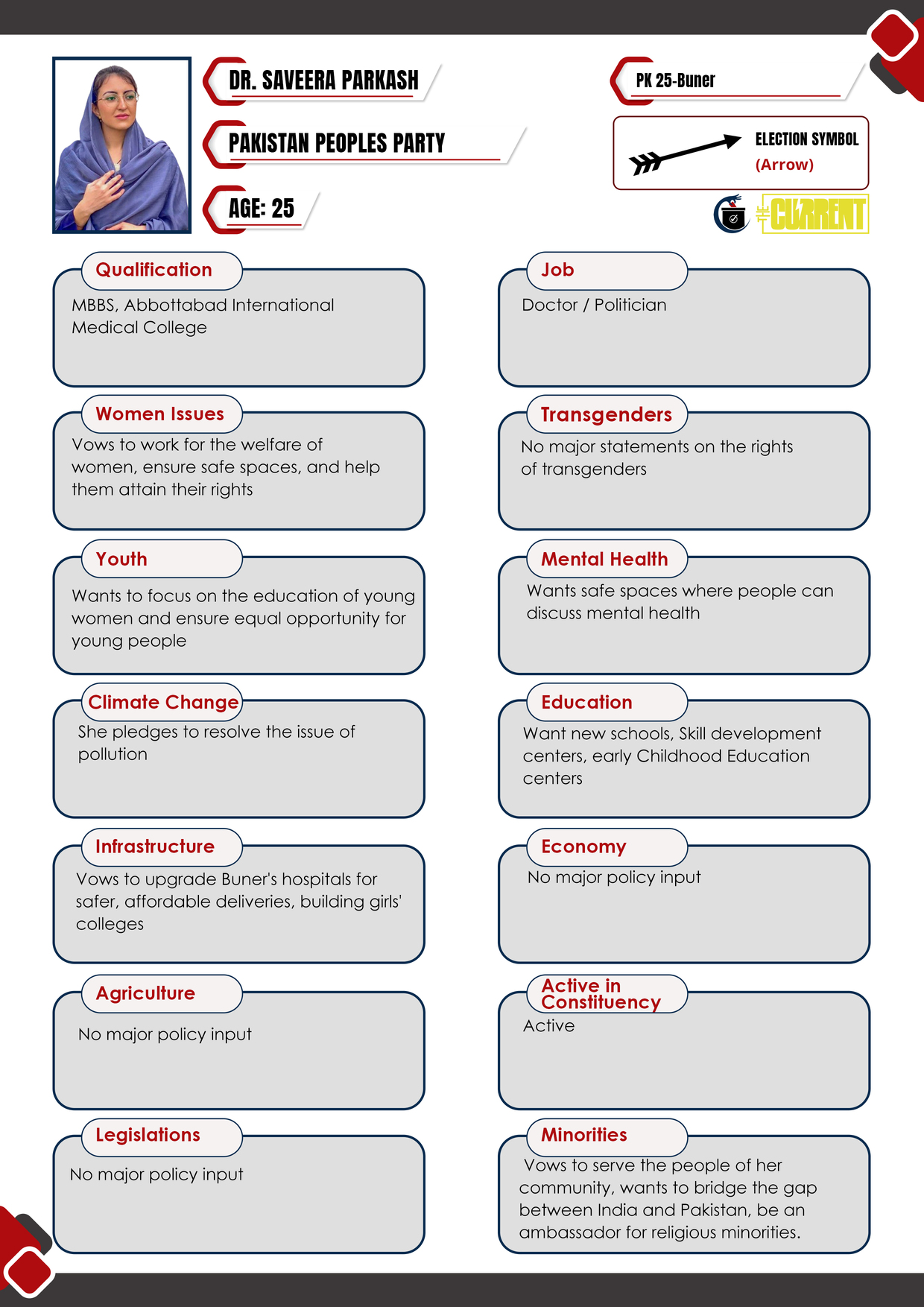
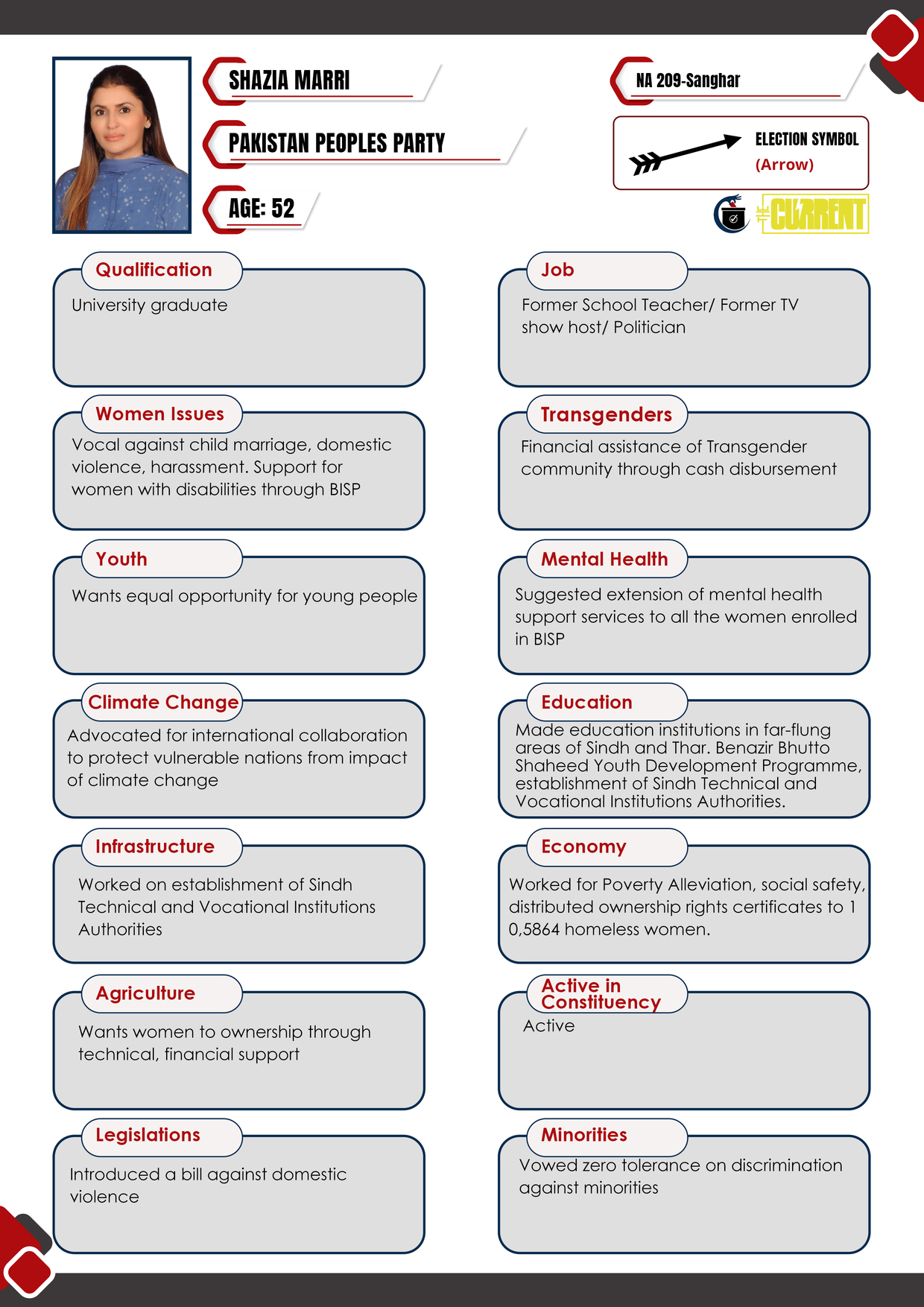
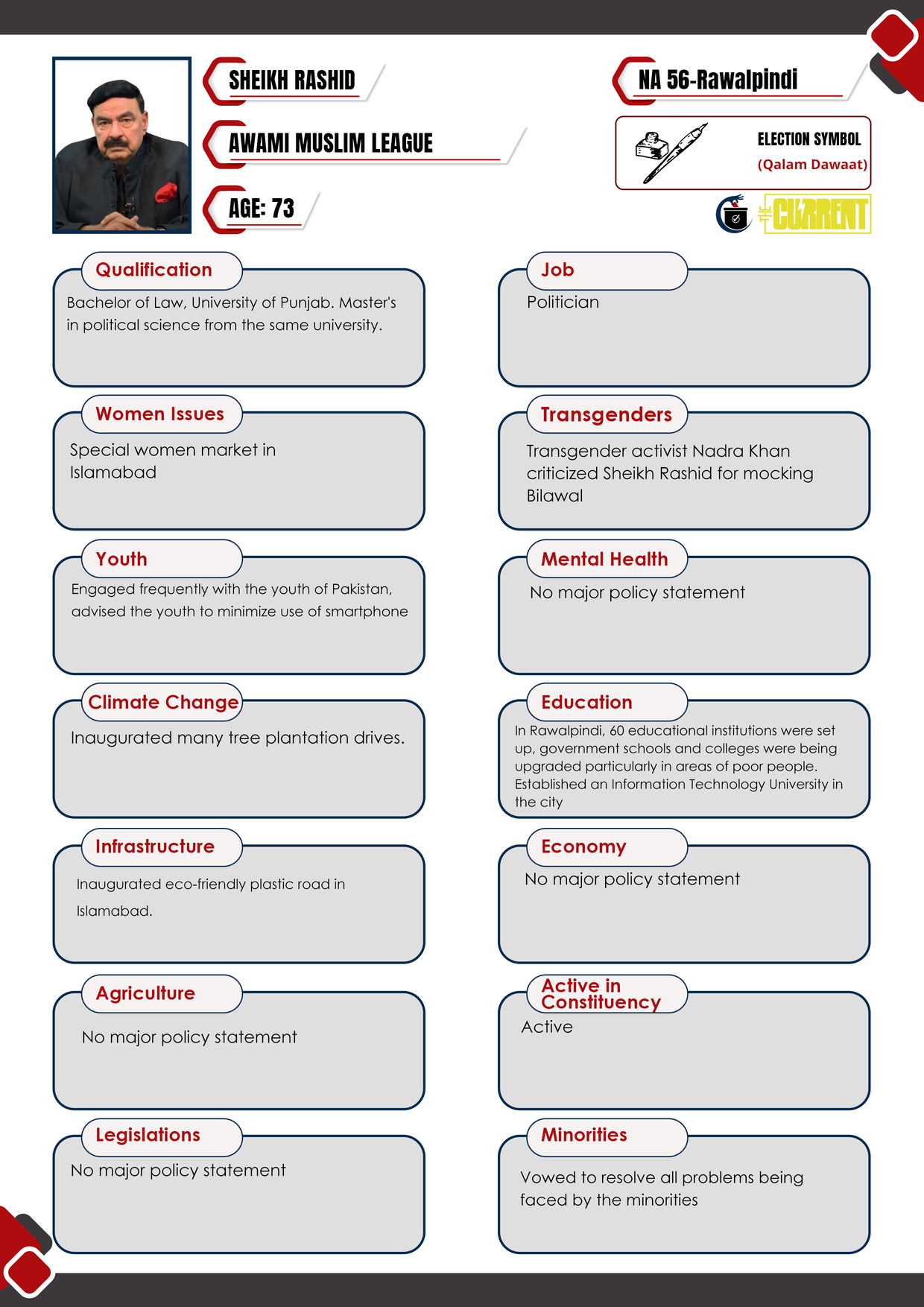
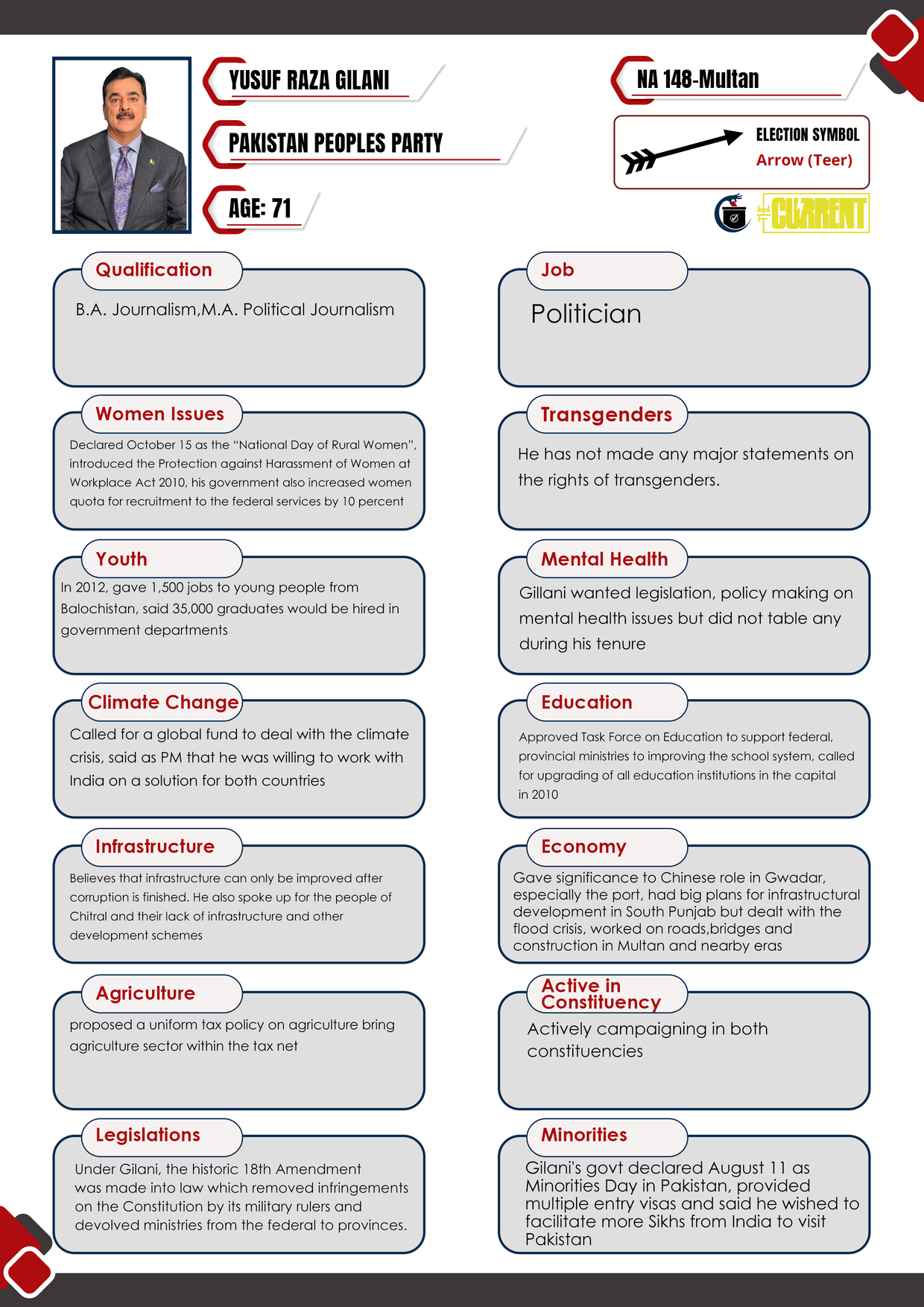
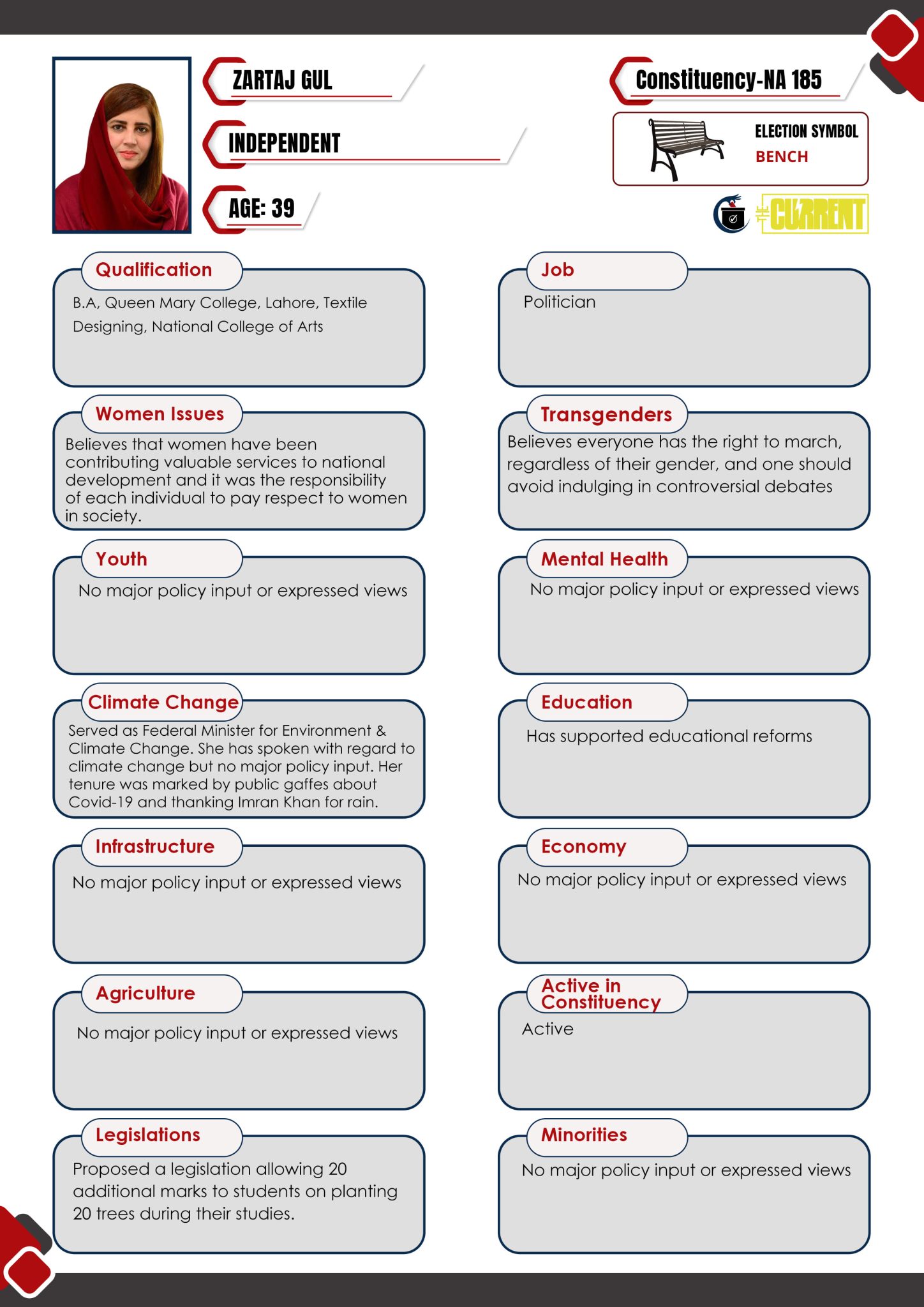
    Our Election Handbook is finally here.

    It’s been a long journey filled with tears, sweat, and countless sleepless nights (quite literally) as we meticulously researched your candidate.

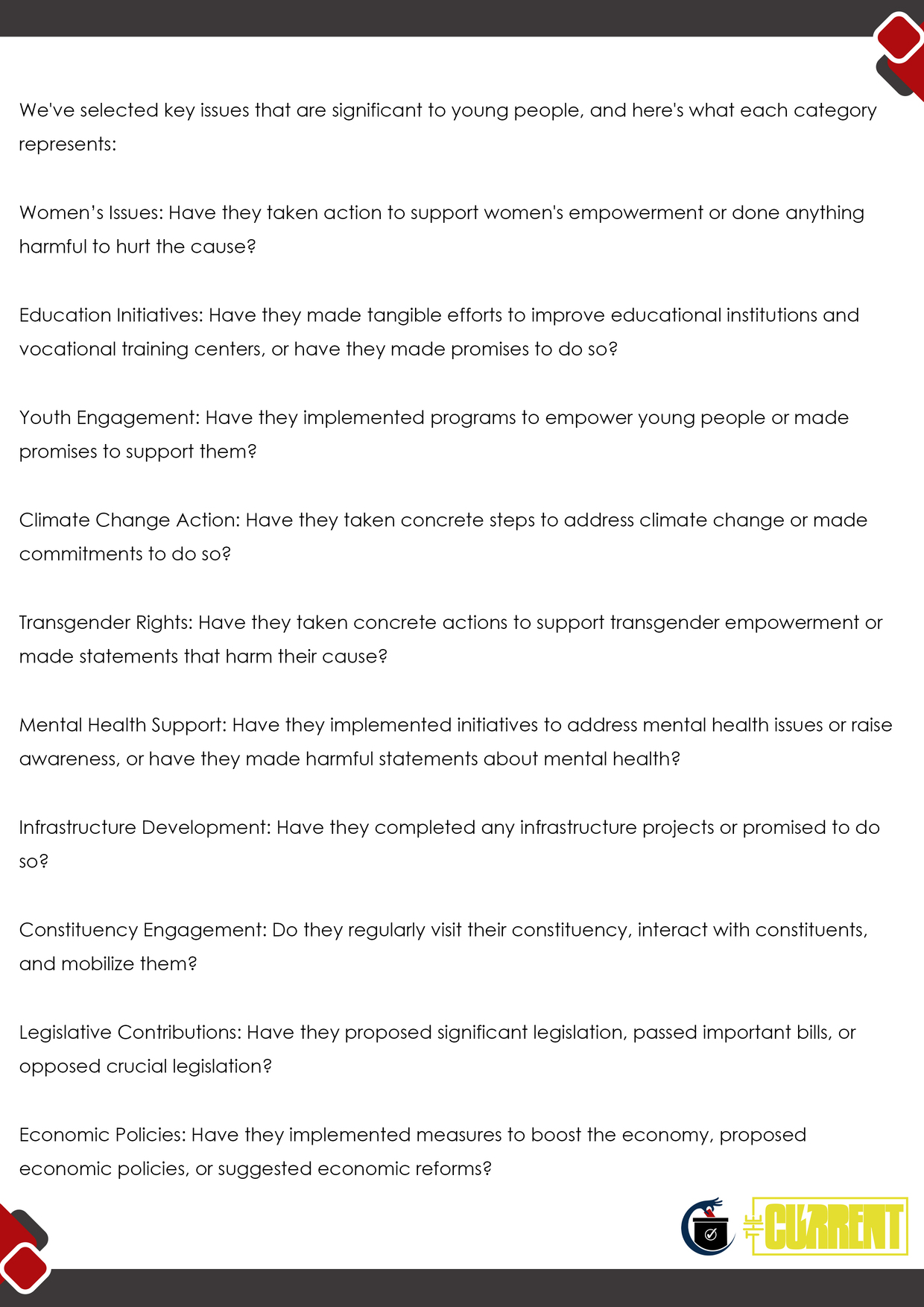
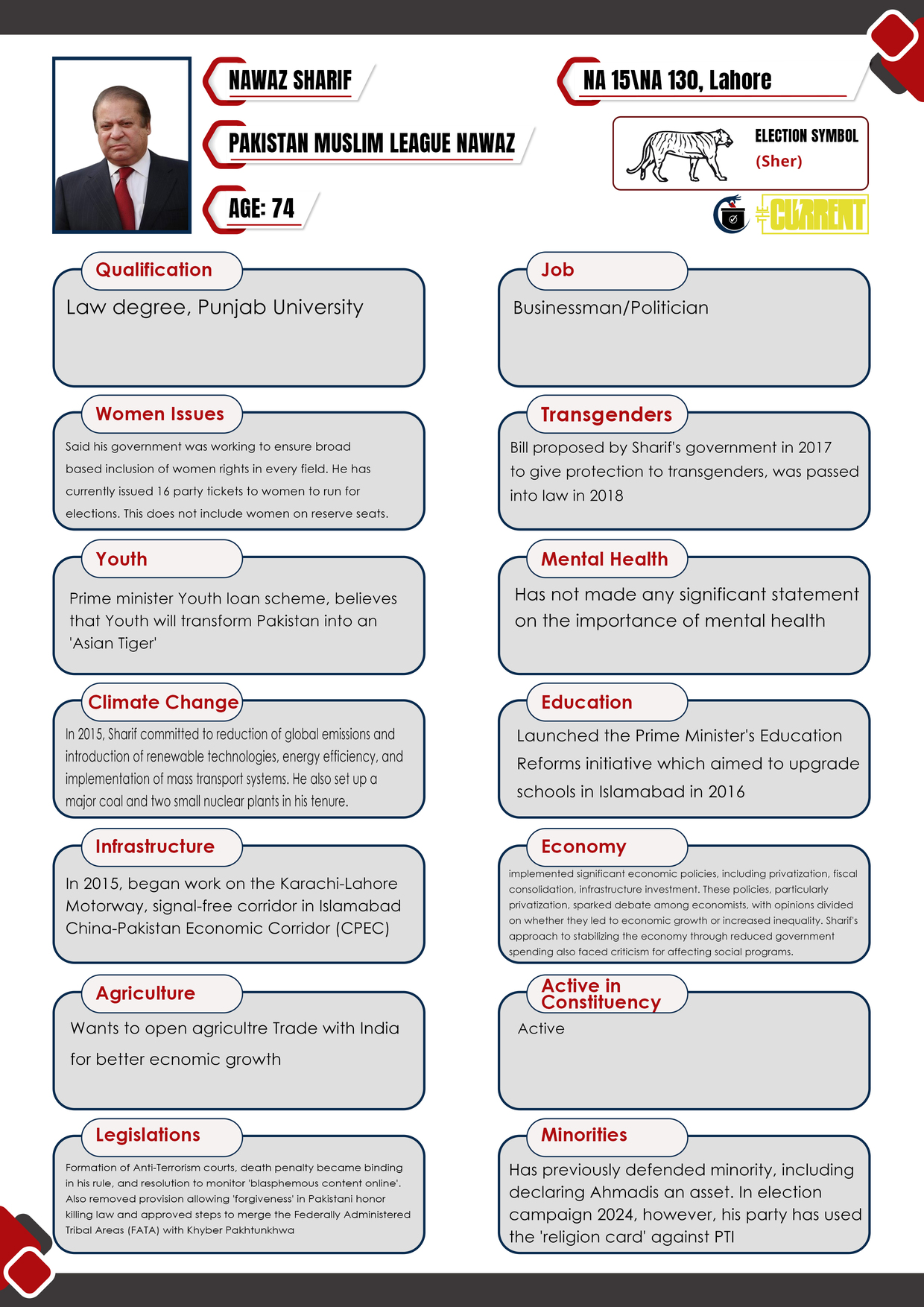
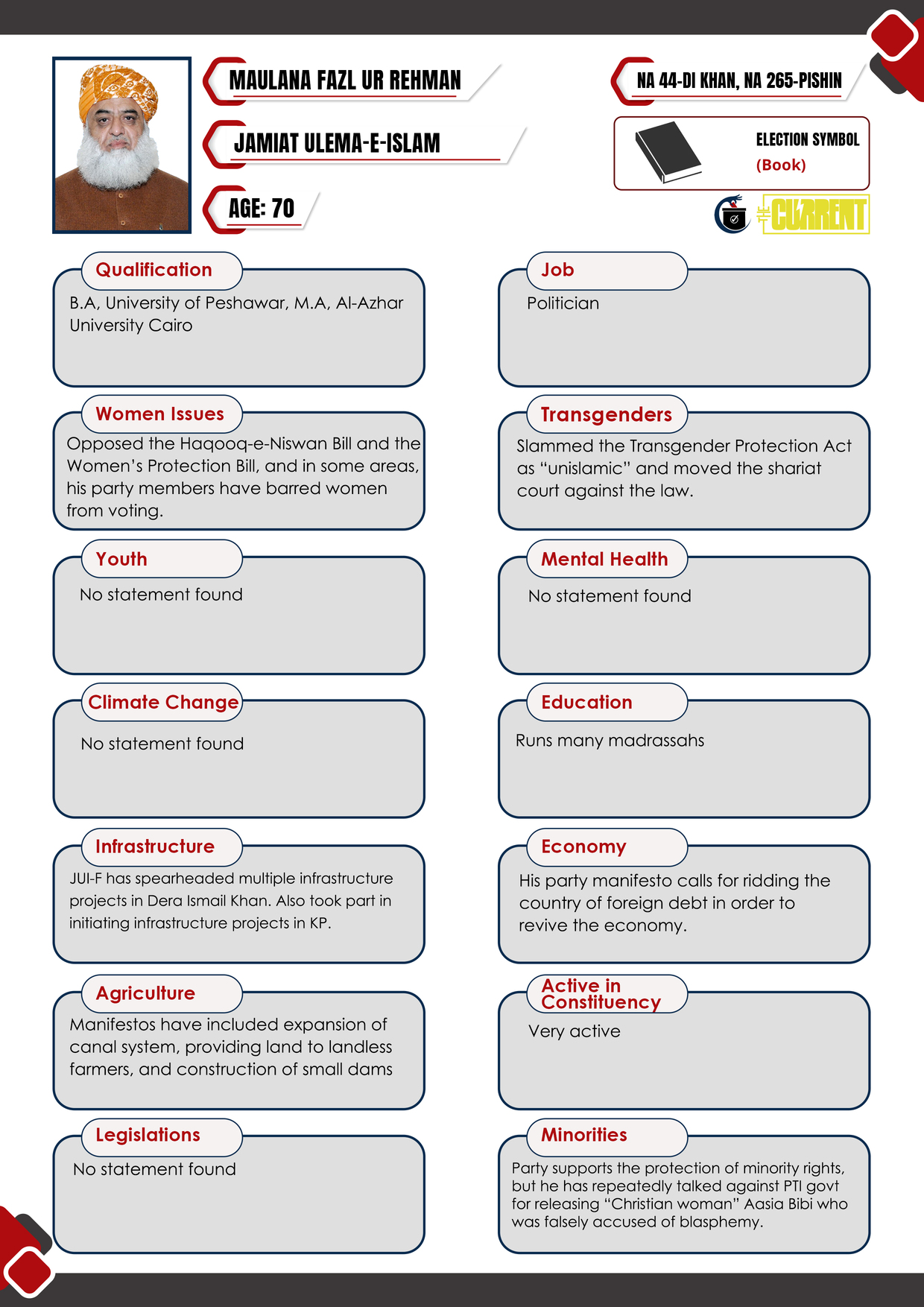
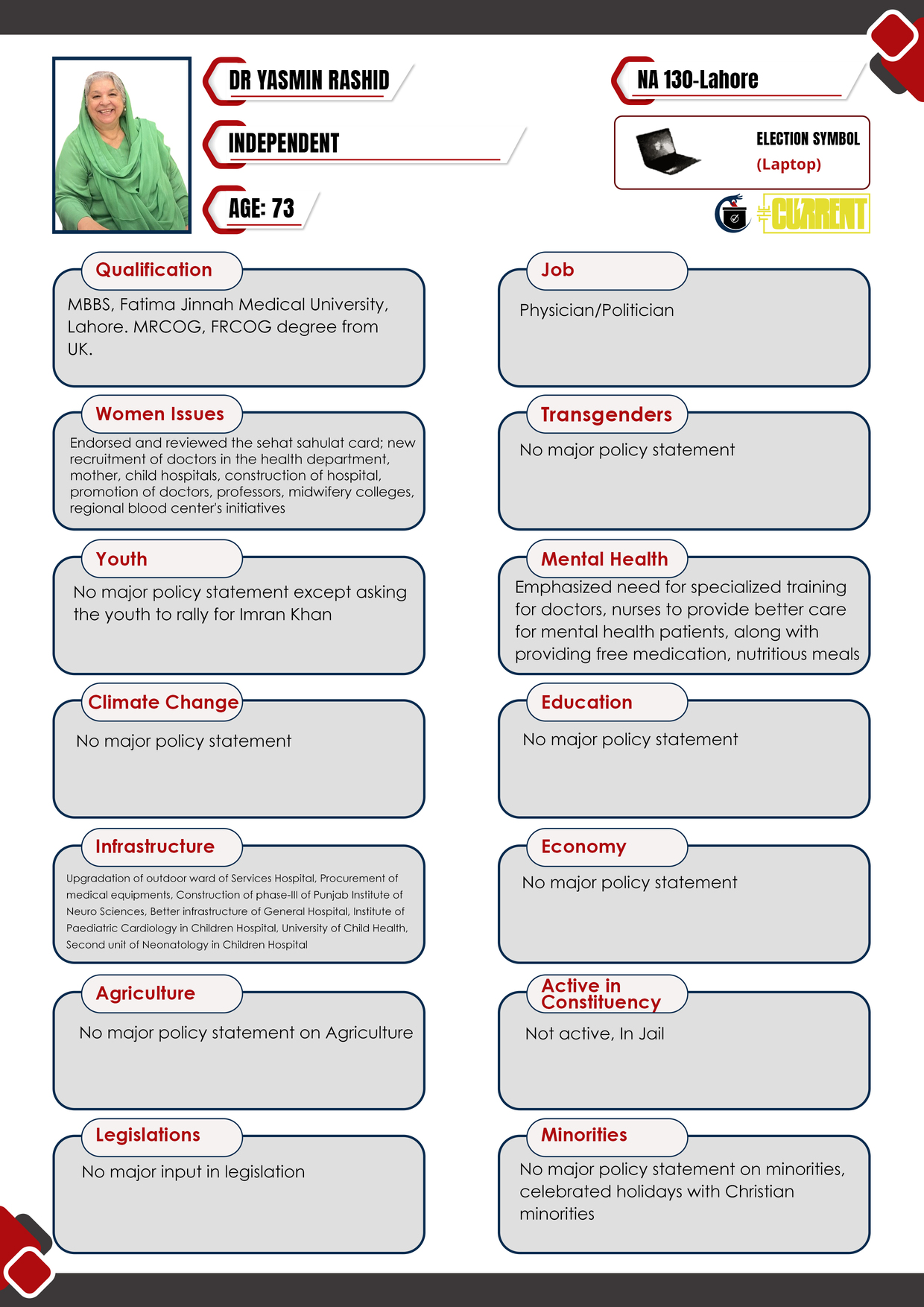
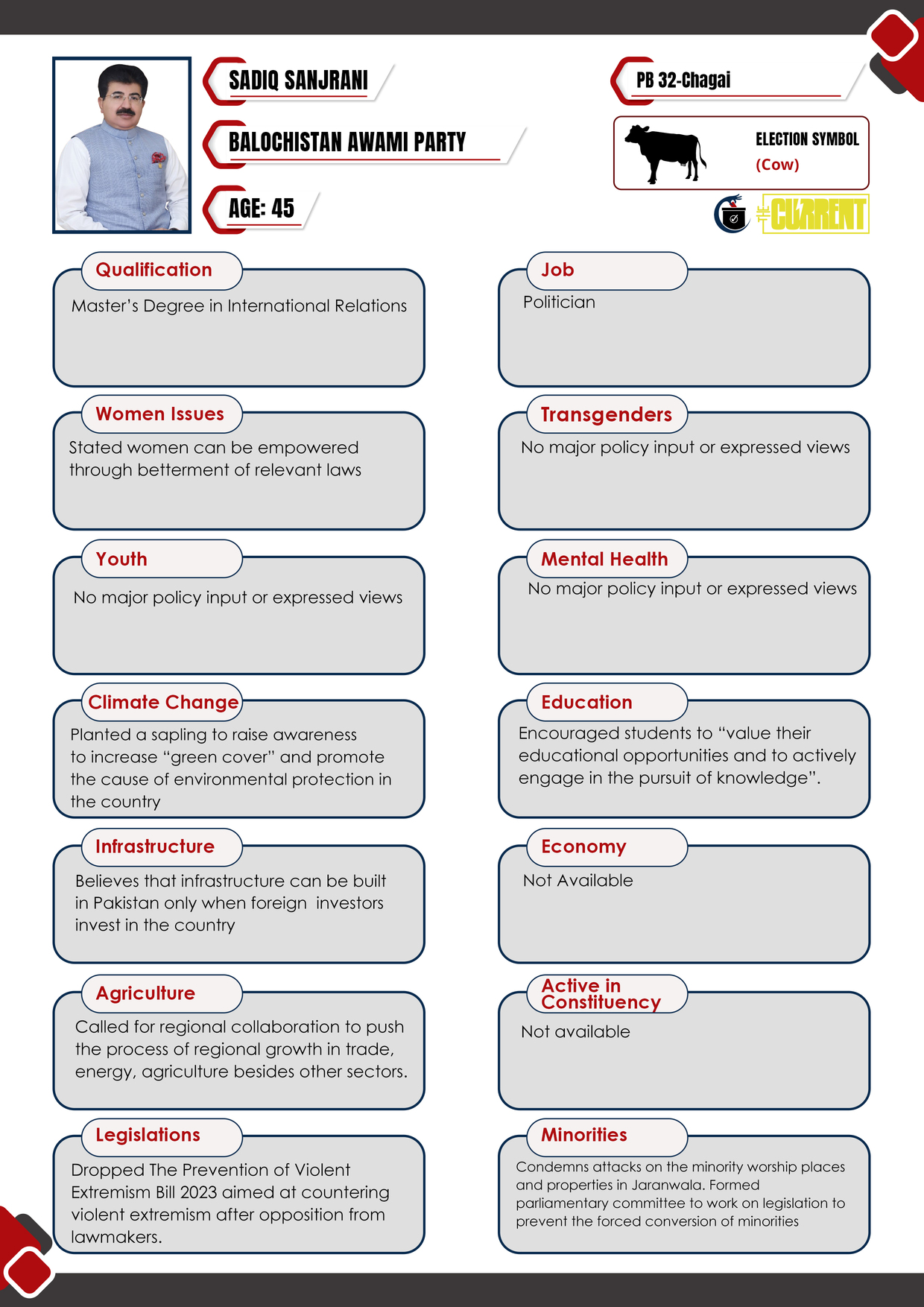
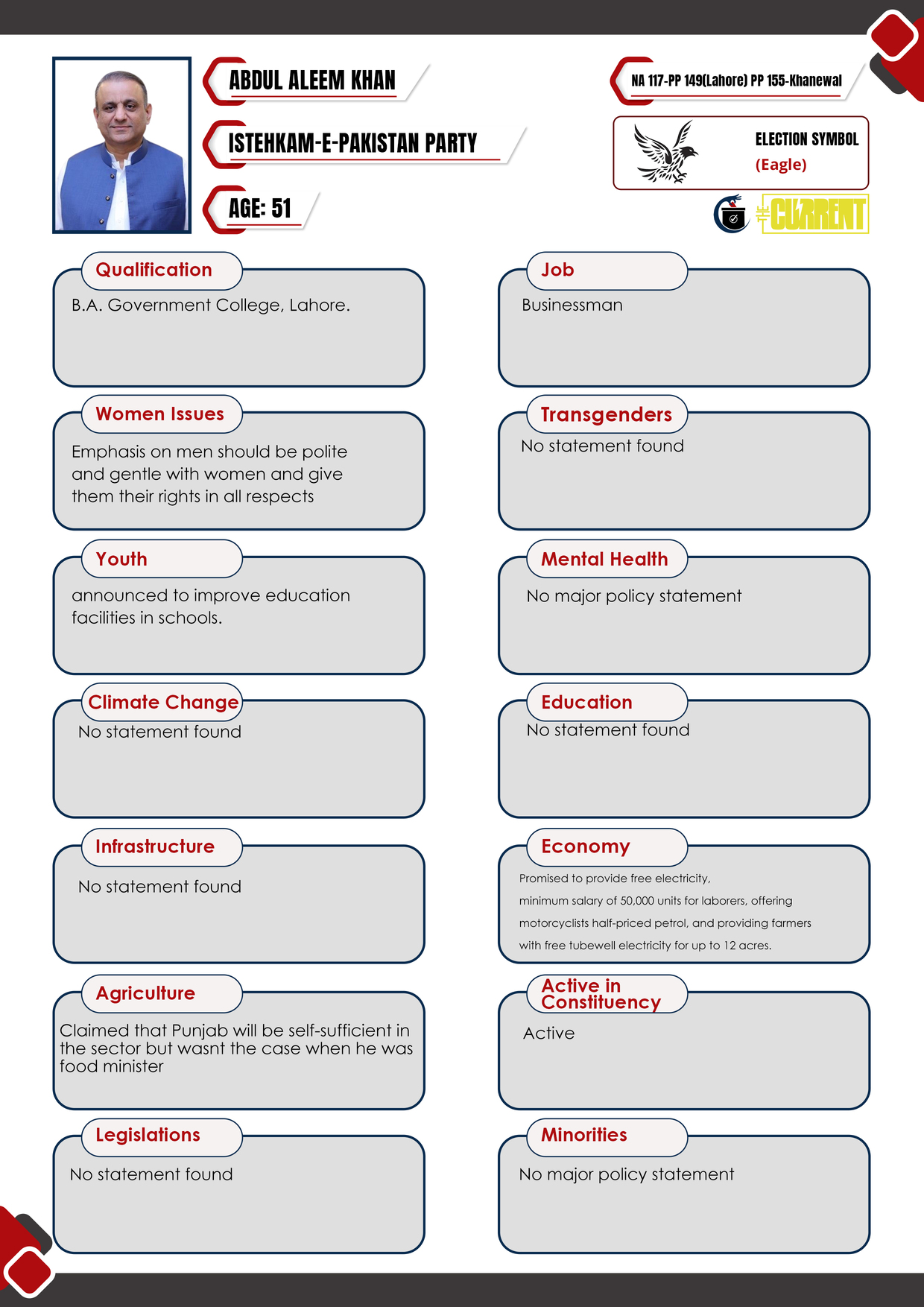
    Do you know what your candidate thinks about women’s rights, transgender rights, climate change, and minority issues? We looked through official government and party websites, news articles, news videos to find information on what your candidate thinks about issues that matter to you. We only had the manpower to do 50 candidates and hope it helps you make the decision on who to vote for in your city. The handbook is added, page by page, below but if you rather download it, here is the link:


    Download PDF File:

    Download General Elections Handbook 2024

  • Voices of the Future: Youth’s Perspective on Elections 2024

    Voices of the Future: Youth’s Perspective on Elections 2024

    by Hareem Nauman and Huba Shahid

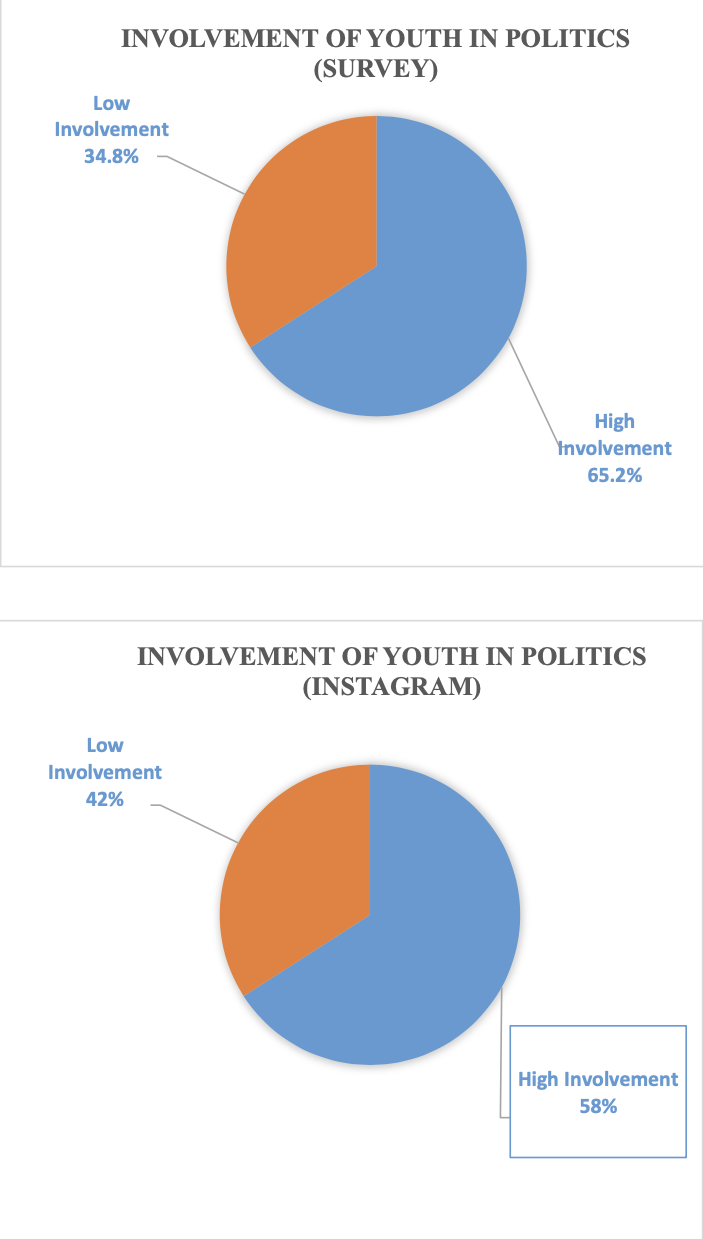
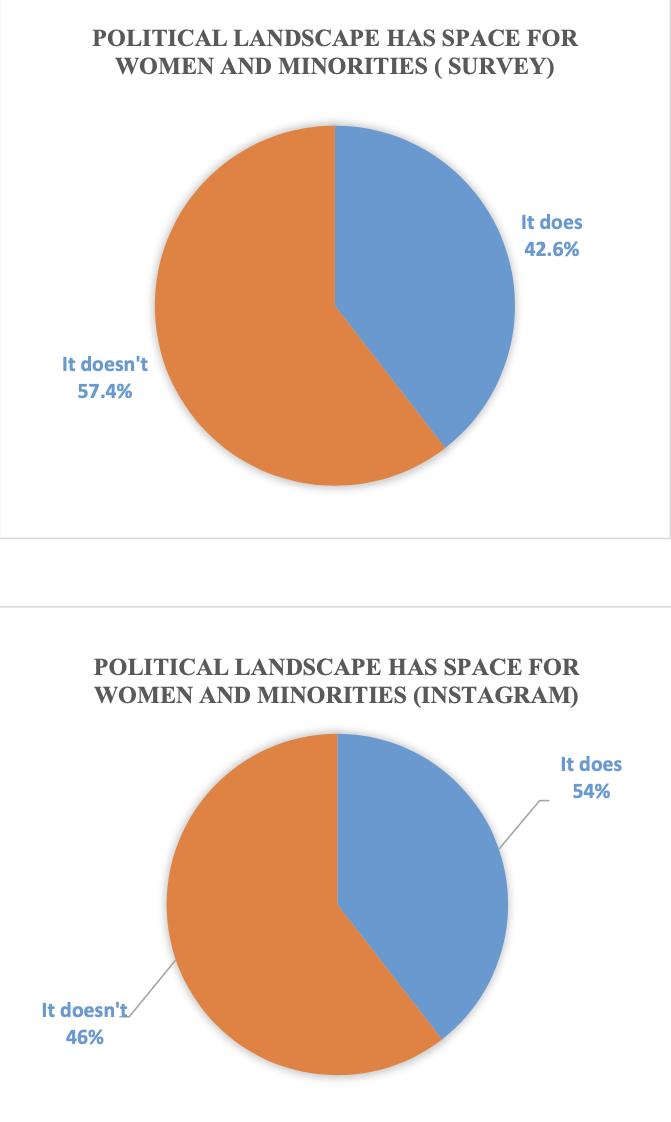
    Pakistan’s political landscape is undergoing a significant transformation as the country prepares for critical elections. The young, energetic youth, a demographic powerhouse, holds significant potential to shape the country’s political future, making their thoughts, worries, and aspirations crucial.

    Youth Voter Turnout 2018:

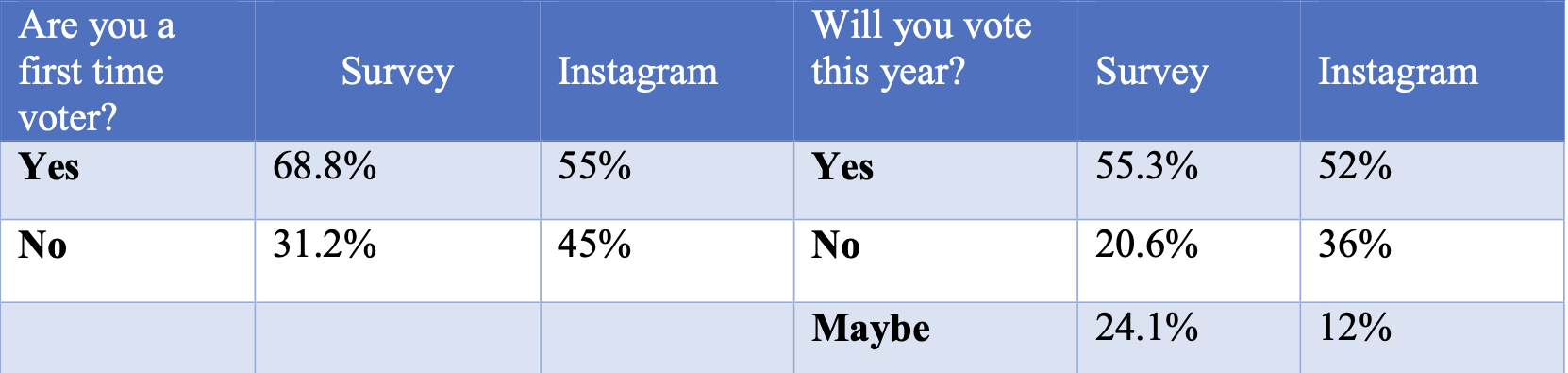
    According to empirical Analysis of Elections in Pakistan done by Gallup Pakistan, average Youth voter turnout estimates are a mere 31.5% compared to 40% for women voter turnout and 53% for average national voter turnout during the last two elections in 2013 and 2018.

    Youth Driven Digital Democracy:

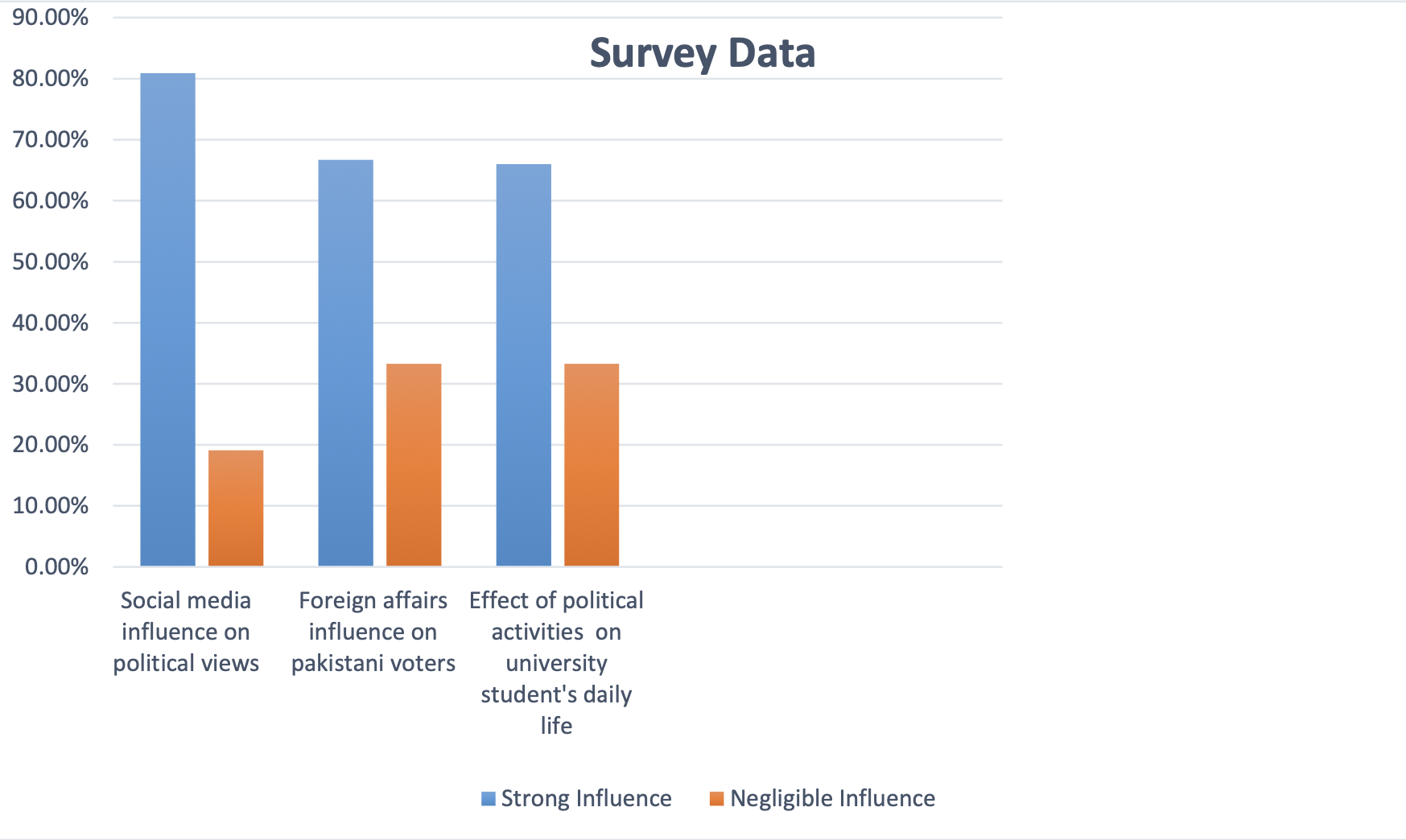
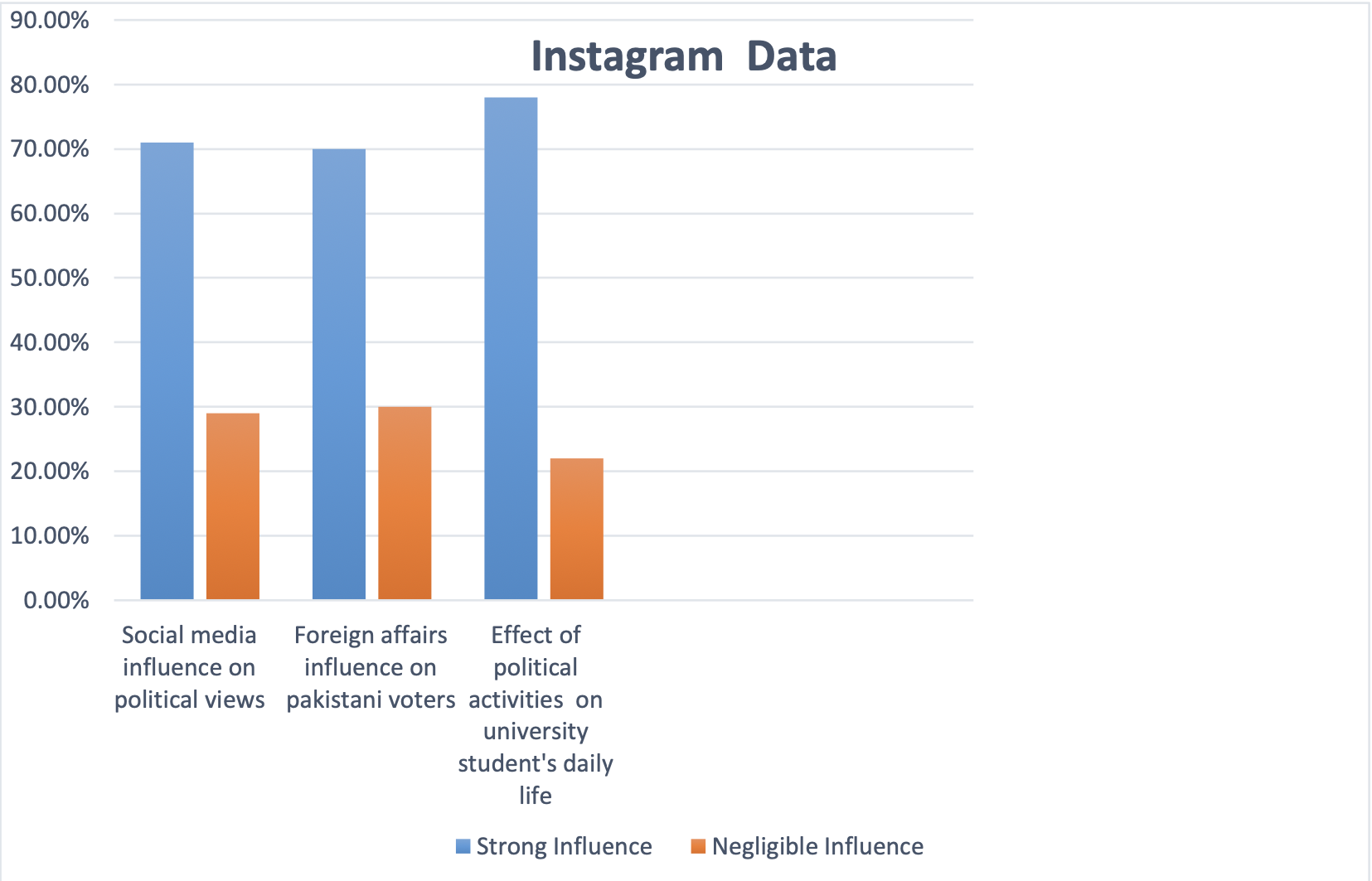
    To help the voices of the future, we also need to explore the influence of social media on political opinions and decisions driven by the youth. In the diverse society we are living in, social media is the strongest tool at the disposal of Pakistani political parties which can have a profound effect on youth’s minds and political parties and vice versa. Social media platforms enable young people to participate in conversations, express their opinions, and contribute to an active online political dialogue. Hashtags and trending topics frequently serve as vehicles for political speech, emphasizing certain concerns and establishing a virtual arena for political discourse.

    Critical issues for upcoming 2024 election:

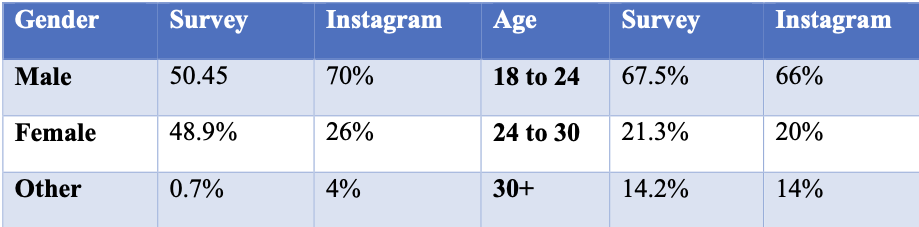
    The 2024 elections survey by The Current Forum in Pakistan raised important concerns: 51.8% prioritized economic stability, 32.6% emphasized governance and accountability, 8.5%% focused on social services such as education and healthcare, 3.5% were conscious of climate change, and 3.5% were concerned about national security. Instagram polls echoed similar sentiments: 45% prioritized governance and accountability, 42% emphasized economic stability, 11% supported education and healthcare, and 2% were concerned about climate change. These findings highlight the different electorate objectives, emphasizing the necessity for policymakers to develop comprehensive policies that meet several issues

    Request for political candidates for immediate impact on universities and student bodies:

    The Current Forum’s 2024 elections survey found a wide range of student demands: 40.4% emphasized active engagement in decision-making for inclusive governance, 32.6% requested immediate financial assistance, and 24.8% increased funding for education. Notably, 2.1% prioritized increased campus security. According to Instagram surveys, 43% priorities student assistance, 34% advocate for student involvement in decision-making, 19% demand increased education financing, and 4% emphasize enhanced campus security.

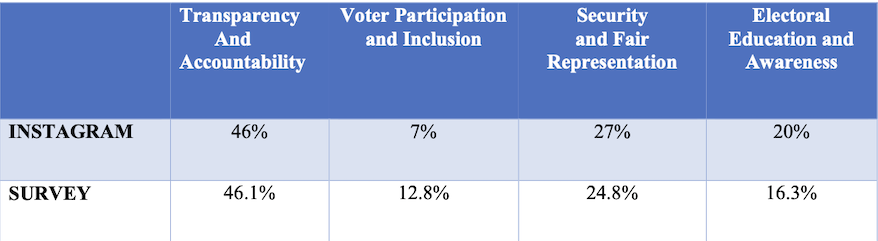
    Concerns about the electoral process in Pakistan that need attention and improvement:

    Initiatives or strategies that could encourage greater political awareness and participation among the youth in Pakistan:

    The study indicates a variety of opinions on improving political engagement among Pakistani young. Notably, 29.8% prefer youth-focused political participation events, while 30.5% support greater young representation. 18.4% favor expanding civic education programs, while 21.3% support easily available information platforms.

    According to Instagram polls, 25% prefer greater civic education, while 24% support youth-focused engagement activities. A majority (35%) advocate for expanded youth representation, while 16% support accessible information platforms.

    Immediate Priorities for Universities and Students: Requests to Political Candidates in Pakistan’s 2024 Elections

    The survey responses highlight a range of concerns and requests from students in Pakistan for political candidates to address in the 2024 elections. Key issues include the restoration of student unions, regulation of private institution fees, compulsory on-campus jobs, and student policies that positively impact the student body. The lack of governance in certain regions, particularly in Balochistan, is also a concern. Students advocate for changes in grading systems, tackling harassment issues, ensure affordable fees, and creating job opportunities post-graduation. They also advocate for free education, scholarships, and support for those unable to afford fees. The survey participants urged candidates to address the specific needs and concerns voiced by the student community, fostering a more responsive and accountable approach to policymaking.

  • I had good working relationship with Shehbaz Sharif, says Bilawal Bhutto

    I had good working relationship with Shehbaz Sharif, says Bilawal Bhutto

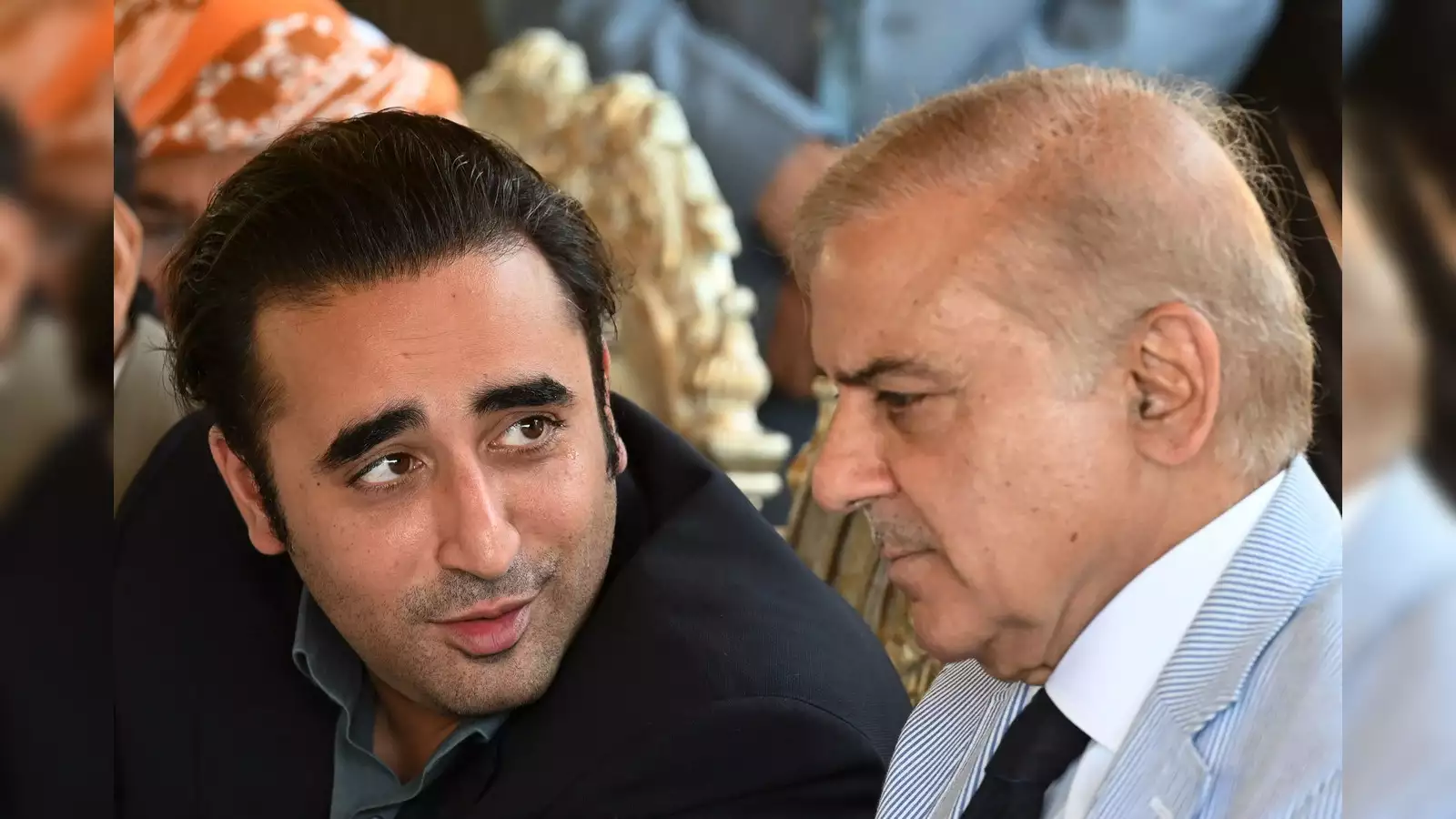
    The Pakistan Peoples Party (PPP) Chairman Bilawal Bhutto Zardari, while talking to GEO News, said that he had a good working relationship with Shehbaz Sharif. The former foreign minister also said that Pakistan Tehreek-e-Insaf (PTI) and Pakistan Muslim League-Nawaz (PML-N) are doing ‘politics of hate’.

    Bilawal also stated that the politics of hate needs to end, as all politicians should respect each other. On the question of missing persons in the country, a young politician said his party will try to resolve this issue He was also not satisfied with what the caretaker federal government did to the Baloch Long March protesters in December.

  • Nawaz will be PM if we get a simple majority in elections: Shehbaz Sharif

    Nawaz will be PM if we get a simple majority in elections: Shehbaz Sharif

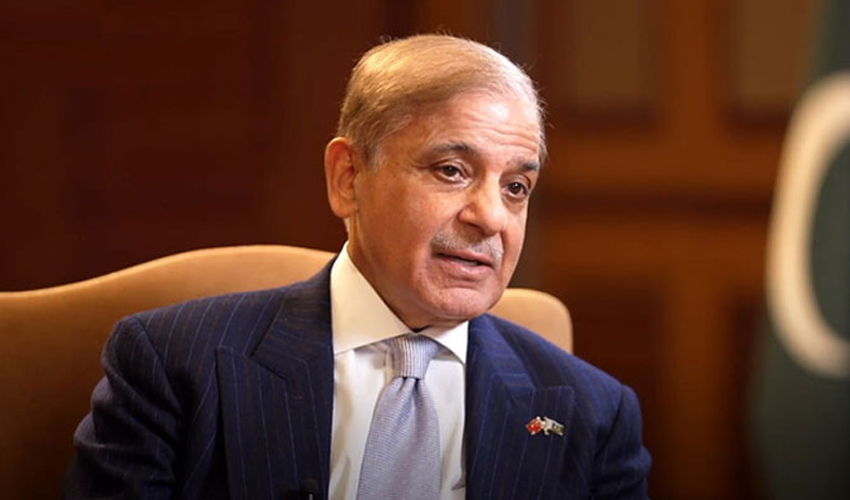
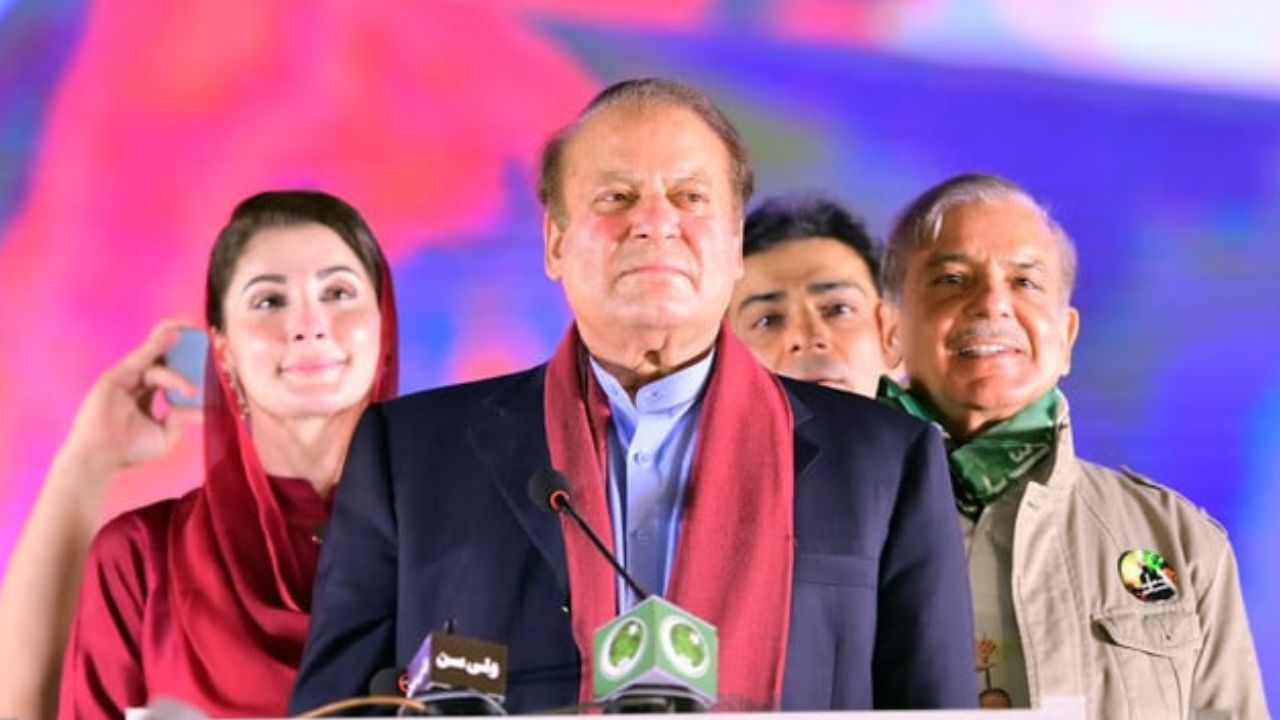
    The former prime minister Shehbaz Sharif, while talking to GEO News, said that if Pakistan Muslim League-Nawaz (PML-N) gets a simple majority in elections, then PML-N chief Nawaz Sharif will be the next prime minister of Pakistan.

    The former prime minister also said that PML-N needs to do more work for women’s empowerment, as the party is lacking in addressing this issue. He also said that the party is geared up to fix the economy when they win the election.

  • PML-N will emerge as the biggest party in election, government survey

    PML-N will emerge as the biggest party in election, government survey

    A review report of a government organization has revealed that in the general elections to be held on February 8, Pakistan Muslim League-Nawaz (PML-N) will emerge as the largest party, followed by the Pakistan Peoples Party (PPP). The third in line is Pakistan Tehreek-e-Insaf (PTI) while other parties will follow.


    Geo’s Umar Cheema reported an official who spoke to The News on the condition of anonymity and said that the government body came up with the analysis based on information gathered through interviews with police sources, revenue department, labor unions and professionals in various sectors.


    He explained that the review has been carried out at the police station and union council level. The survey has been done scientifically to remove the possibility of wrong estimates, although the popularity rate of PML-N has been lower in the surveys conducted so far. An optimistic estimate has been made as the party has recorded an increase in popularity since the return of Nawaz Sharif, but no one has so far given an estimate of how many seats the party can win.

    International media has also presented Nawaz Sharif as the future prime minister, but whether he will be able to get a simple majority or not is not clear. According to this official assessment, the PML-N will bag between 115 and 132 seats in the National Assembly.


    The inclusion of reserved seats for women and minorities would mean that the party would have a chance to form a government alone with a simple majority. It can get close seats, which means PML-N can get a complete majority in the provincial assembly.


    PML-N can make a clean sweep in Punjab except for a few districts, says the survey.


    According to the estimate, PML-N will form a government with a possible two-thirds majority in Punjab, PML-N will succeed in forming coalition governments in Khyber Pakhtunkhwa and Balochistan, while the PPP has the possibility of forming a government only in Sindh.


    The review report says that PPP can get 35 to 40 seats at the center while the independent candidates of PTI can get between 23 to 29 seats. MQM may get 12 to 14 seats, JUI six to eight seats, Q-League and Satwat Pakistan Party are expected to get two to three seats in the National Assembly.

  • Imran Khan could be the next chancellor of Oxford University

    Imran Khan could be the next chancellor of Oxford University


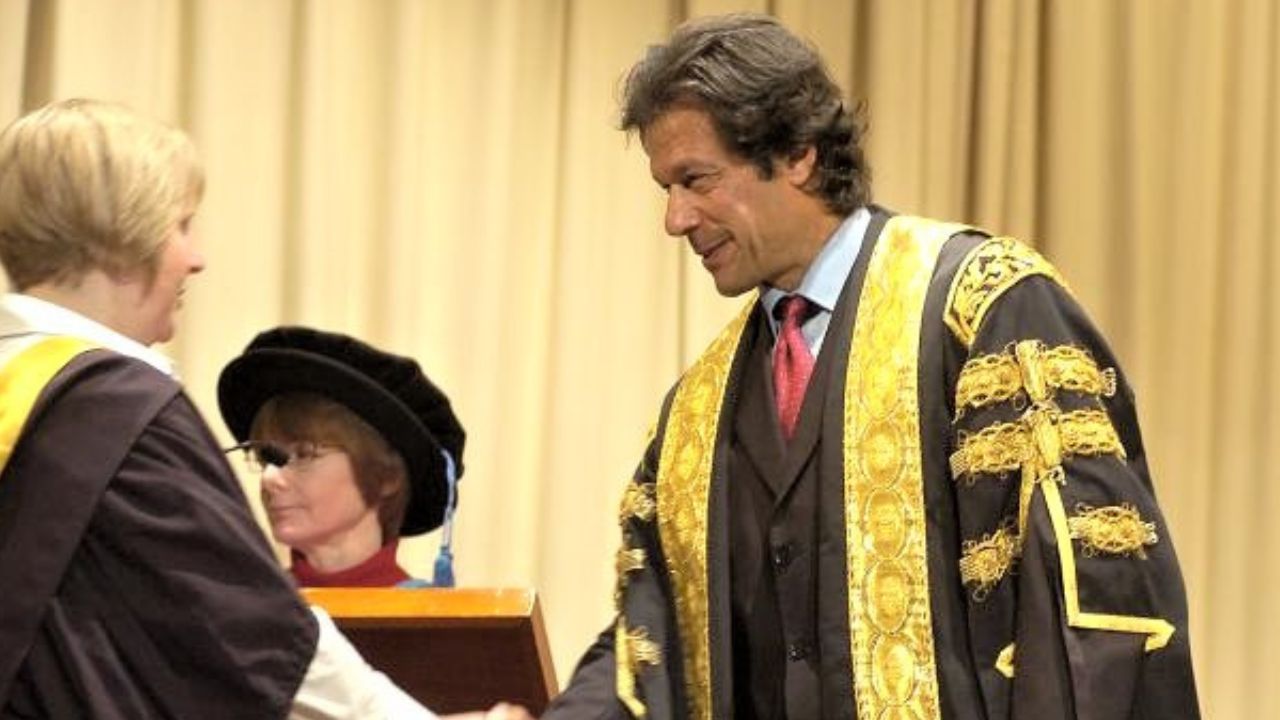
    Former Prime Minister Imran Khan is among the candidates being considered to be elected the next Chancellor of Oxford University following the resignation of Chris Patten. The seat is vacant after 80-year-old Patten, who held the post for 21 years, resigned.


    The position of Chancellor is largely ceremonial and is typically awarded to a former politician. Patten was the governor of Hong Kong and a Tory deputy prime minister.


    For the first time, elections for the chancellor will be held online compared to the traditional process in which graduates were required to attend the process in full academic dress. The prestigious chancellorship goes to graduates of the university, usually politicians.


    Among the candidates competing for the position is Imran Khan who studied Economics and Politics at Kelbe College, Oxford in 1972. He captained Oxford’s cricket team in 1974, and previously served as the chancellor of Braddford University for eight years before stepping down in November 2014.


    Other contenders include former British Prime Ministers Theresa May, Tony Blair, and Boris Johnson.

  • Nawaz, Shehbaz, Hamza sher ko vote nahin dein gay

    Nawaz, Shehbaz, Hamza sher ko vote nahin dein gay

    After a hectic election campaign, prominent leaders of the Pakistan Muslim League-Nawaz (PML-N) find themselves in an a quandary, as they gear up for the upcoming general elections.

    Despite urging voters to support the party’s ‘sher’ electoral symbol, key figures within the PML-N will be unable to cast their votes for the animal on the National Assembly seat. Instead, they might vote for another animal.

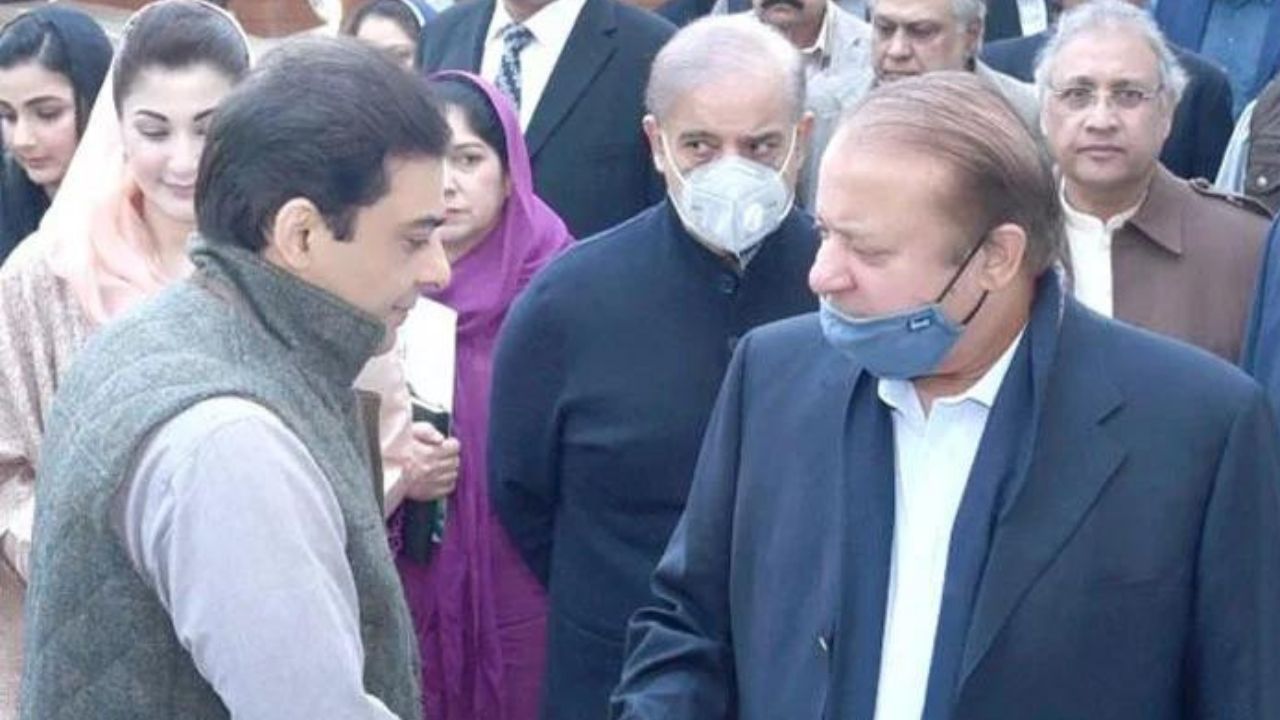
    Nawaz Sharif, Shehbaz Sharif and Hamza Shehbaz, all integral figures within the PML-N, are registered to vote in NA-128, where the party has entered into a seat adjustment agreement with the Istehkam-e-Pakistan (IPP) party.

    Interestingly, in NA-128, the PML-N has decided not to field a candidate for the National Assembly seat, instead throwing their support behind IPP leader Aun Chaudhry, whose symbol is an eagle.

    However, despite this alliance, the three PML-N leaders will still exercise their voting rights for PML-N candidate,Umar Sohail in PP-161.

    The PML-N’s election strategy spans across the country, with the party contesting 212 NA constituencies on February 8, while leaving 51 NA seats open for rivals or allies.

    Notable among their candidates are Nawaz Sharif, who will be contesting in NA-15 (Mansehra) and NA-130 (Lahore), Maryam Nawaz in NA-119 (Lahore), and Hamza Shehbaz in NA-118 (Lahore). Shehbaz Sharif is set to participate in the elections from NA-123 (Lahore) and NA-132(Kasur).

    However, there are several constituencies where the PML-N has chosen not to field candidates, including NA-4 (Swat-III), NA-19 (Swabi-I), and NA-117 (Lahore-I), among others, as part of their strategic alliances and considerations for bolstering their position in the province.

    The constituencies where the PML-N has not fielded its candidates are: NA-4 (Swat-III), NA-19 (Swabi-I), NA-20 (Swabi-II), NA-21 (Mardan-I), NA-22 (Mardan-III), NA-44 (Dera Ismail Khan-I), NA-45 (Dera Ismail Khan-II), NA-48 (Islamabad-III), NA-54 (Islamabad-III), NA-64 (Gujrat-III), NA-88 (Khushab-II), NA-92 (Bhakkar-II), NA-117 (Lahore-I), NA-128 (Lahore-XII), NA-143 (Sahiwal-III), NA-149 (Multan-II).


    Moreover, the candidates are also not contesting on NA-165, NA-185, NA-190 to NA-204, NA-206 to NA-210, NA-212, NA-214, NA-215, NA-217, NA-218, NA-221, NA-223, NA-224, NA-228, NA-239, NA-245, NA-264 and NA-266.


    The former ruling party, in its bid to strengthen its position in the province ahead of the upcoming elections, had entered a seat adjustment agreement with Jahangir Tareen’s IPP.

  • 28 killed, 40 injured in two separate blasts in Balochistan

    28 killed, 40 injured in two separate blasts in Balochistan

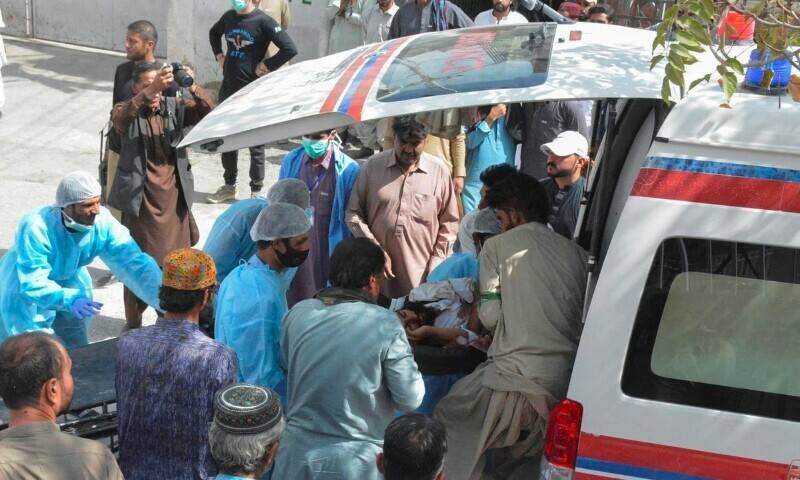
    At least 28 people have been killed and 40 injured in two separate blasts in Balochistan on Wednesday afternoon, just a few short hours before polling starts on election day.

    The first attack claimed at least 15 people’s lives while over 30 were injured after an explosion took place outside an independent candidate’s office in Balochistan’s Pishin. The second blast took place outside a Jamiat Ulema-e-Islam Fazl (JUI-F) office in the Killa Saifullah district.
    The Pishin blast happened outside the political office of independent candidate Asfand Yar Khan Kakar in the Khanozai area.

    Injured people have been shifted to the Tehsil Hospital Khanozai, while the bodies have also been transferred, the hospital’s MS Dr Habib told Geo News.

  • The ever-looming threat of disinformation in Pakistan

    The ever-looming threat of disinformation in Pakistan

    2024 is surely the most significant global election year in history so far as about 60 countries around the world will hold elections.

    Eyes are on major economies like Russia, India, USA, United Kingdom, and European Union that will also determine the alteration of the geopolitics of the next decade.

    But looming over the polls like a dark cloud is one danger that democracies are, or should be, wary of.

    The World Economic Forum (WEF) recently warned that misinformation and disinformation is a grave threat to the democratic process. This challenge cannot only mislead and influence the opinions of potential voters in already polarised societies, but also “disrupt” economies and even “trigger civil unrest and confrontation”.
    Additionally, with access to Artificial Intelligence (AI), deep fake videos, photoshopped images, voice cloning and illegitimate internet websites are a major hindrance in ensuring free elections and security.
    While AI is meant to serve in public’s advantage, it has been exploited in the worst possible ways.

    To give the most recent example, the Financial Times revealed in a report that a number of AI-generated videos were used during the days leading to the election day in Bangladesh to spread disinformation against the opposition Bangladesh Nationalist Party (BNP) and the U.S. This put in question the integrity of the Bangladeshi government in ensuring free and fair elections.

    Disinformation and Pakistan

    Since the ouster of former prime minister Imran Khan in April 2022 through a vote of no confidence, he has been in and out of court due to cases related to the diplomatic cipher, toshakhana gifts, his marriage to Bushra Bibi and more. Now jailed for 14 years, Khan and his party Pakistan Tehreek-e-Insaf are out of the election however, his party members are independently bearing the flag and have been campaigning for votes.

    Always being ahead of the campaigning game, PTI has conducted virtual jalsas after getting banned from holding in-person assemblies. The party went a step further by putting up an AI generated speech in the voice of Imran Khan.

    So while PTI has been “innovative” in their use of social media since the party has not been allowed to fully carry out their political activities, editor at Geo Fact Check, Benazir Shah, believes that with the lack of regulation in the use of AI, it poses a serious threat in a weak democracy like Pakistan.

    According to DataReportal, with a population of 238.1 million (as of January 2023), and 87.35 million internet users at the start of 2023, Pakistan has been home to 71.70 million social media users i.e. 30.1 percent of the total population.

    Considering the large number of users residing in the country, Hyra Basit, Cyber Harassment Lead at Digital Rights Foundation, asserts that widespread disinformation is primarily linked with lack of digital literacy among the general public. She explains that while media usage is seeped into people’s daily lives, there is no concept of double checking.

    In the recent past, posts on social media circulated with videos from Aurat March 2021 falsely transcripted to blasphemous slogans, deeming the movement as sacrilegious. FIRs were filed against the officials while some women went into hiding due to threats.

    By the time the misleading videos were countered and fact-checked, disinformation had already spread to a wide audience since disinformation tends to spread more quickly than facts.

    Responsibility and Solution

    Journalist Umar Cheema believes that when it comes to countering disinformation, the responsibility largely falls on media as fact-checking is considered one of its domains. Over and above, whenever the state has brought about laws in countering disinformation, it has directly affected journalists in the shape of censorship.

    “We need a paradigm shift in thinking”, he states. “[As journalists] We have learned to question and speak, but we do not know how to find a solution — because it is not considered a part of our duty. However, we must also learn to bring about solutions since disinformation as well as censorship affects us directly.”

    He also points at media platforms and independent journalists who report information without verifying and counter questioning interviewees, and how the use of click-baits also fall in the ambit of disinformation.

    “Our journalism should move beyond this [cursory journalism] or else there is no difference between a layperson and a journalist”, he says.

    However, along with media platforms and fact-checkers, Benzair Shah considers the civil society responsible for ensuring truth in information sharing.

    “When I say “collective effort”, it doesn’t only include journalists, state, and the civil society but especially young people who actively use social media and need to use it more responsibly.

    “The question arises with fact-checking is that how do we pre-bunk disinformation — to ensure [it beforehand] that there is authentic information out there,” she points out.

    She highlights easily available and accessible tools like Google reverse image search that can be used to verify videos and images circulating social media apps.

    Similarly, Hyra Basit asserts that if disinformation in Pakistan is to be countered, “you have to educate and equip people receiving information so they can accept to reject mis/disinformation, question and verify the information they receive.

    Over and above, users need to understand what disinformation is and how they can protect themselves from it.”

    Executive director for Media Matters for Democracy, Asad Baig, underlines that while there are organisations actively countering disinformation in Pakistan, they are not enough and will take a while to establish their footprint on the internet.

    “We need to take a holistic approach towards solving problems around disinformation. Initiatives taken for, for example, elections are temporary and act like a bandaid for a short while.

    “It is important to realise that the challenges for the media in countering disinformation will remain the same before and after the elections as they are right now”.