Category: Politics

  • ECP ready to conduct polls on February 8, despite security challenges

    ECP ready to conduct polls on February 8, despite security challenges

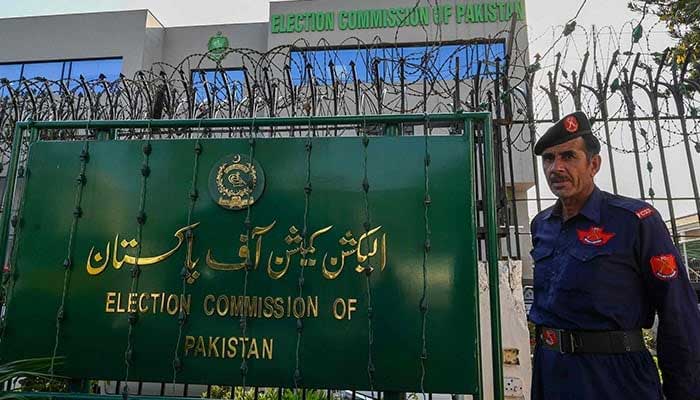
    The Election Commission of Pakistan (ECP) has declared on Thursday that it is determined and ready to conduct upcoming elections on February 8 as per schedule, despite facing security challenges in Khyber Pakhtunkhwa and Balochistan provinces.

    With only one week remaining until the February 8 polls, election preparations and campaigns are in full swing. However, the country is grappling with a series of violent incidents that have led to multiple deaths, particularly at political party rallies in the two provinces most affected by terrorism.

    Law enforcers have tightened security across the country to maintain law and order during the upcoming general elections.

    “The February 8 polls will take place on time. Though the security challenges exist but the election commission is fully ready [to hold the elections], and with the help of Law Enforcement Agencies (LEAs) and Pakistan Army, the elements involved in hindering the electoral process and disrupting security situation will be dealt strictly,” Chief Election Commissioner (CEC) Sikandar Sultan Raja said during the ECP’s security meeting.

    On Thursday evening, the electoral body held an important meeting on the worsening law and order situation in two provinces.

    After the meeting ended, the ECP released a statement saying that the CEC voiced concerns about the worsening security situation in KP and Balochistan. However, he emphasised that the electoral process will continue despite the challenges.

  • One dead, four injured in multiple blasts in Balochistan

    One dead, four injured in multiple blasts in Balochistan

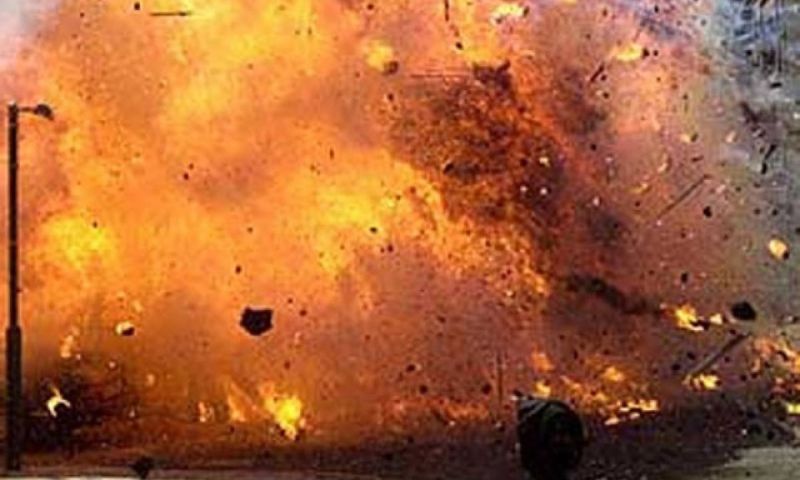
    At least one person was killed and four injured as multiple blasts occurred on Thursday in different areas of Balochistan, including the provincial capital, Quetta, the police confirmed.

    The blast took place in the Spinny Road area of Quetta. Police have cordoned off the area and are figuring out what caused the explosion.

    Blasts also happened in Turbat and Naseerabad district.

    According to the police, at least three people were injured when a hand grenade exploded at the Dera Allah Yar Bhatti gate area in Naseerabad, while one person was injured in a grenade blast in Turbat’s main market.

    Bomb disposal squads and rescue teams have arrived at the site of the blast in Quetta, where, according to police, at least one person has died in the explosion.

    According to Senior Superintendent of Police (SSP) Operations Quetta, Tariq Jawad, eight to 10 kg of explosives were used in the blast in Quetta.

  • PTI will hold new intra-party polls

    PTI will hold new intra-party polls

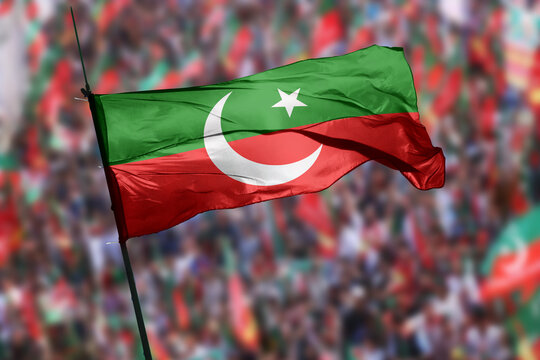
    The central media department of Pakistan Tehreek-e-Insaf (PTI), announced on Thursday that the party has issued the official schedule for its intra-party elections, set to take place on February 5.

    The party’s spokesperson has been named as the federal election commissioner.

    “The PTI Federal Election Commission is pleased to announce the Election Schedule for the Intra-party Elections (IPE) of Pakistan Tehreek-e-Insaf to elect the Chairman, Central and Provincial Organisations,” the statement read.

    According to the released statement, all party members registered before January 31 will be allowed to vote for their favourite panel as well as for the chairman candidate. Party members can use the ‘Raabta Application Intra Party Election Module’ to record their votes.

    Details regarding all the panels participating in the intra-party elections as well as the procedure of the elections are explained in the Election Rules, 2020, which will be available on the party’s official website and Raabta application.

    The polling will begin at 10am and end at 4pm.

    The last date for submission of nomination papers will be February 2, 2024, until 10pm. Candidates can submit their nomination papers at central and provincial secretariats and also digitally through email.

  • ECP calls emergency meeting over worsening law and order

    ECP calls emergency meeting over worsening law and order

    The Election Commission of Pakistan (ECP) is set to conduct a crucial meeting today, focusing on the worsening state of law and order in Khyber Pakhtunkhwa (KP) and Balochistan, as general elections are set to take place on February 8, The News reported on Thursday.

    In the past few weeks, there has been a significant increase in attacks on political rallies, camp offices, and candidates, as well as terror incidents, especially in the two restive provinces.

    The ECP directed KP’s chief secretary and inspector general of police to submit a detailed report on the murder of independent candidate, Rehan Zeb Khan, contesting for the National Assembly (NA) seat from NA-8 Bajur.

    The unidentified persons gunned down the young political activist on Wednesday in his hometown while he was canvassing for votes.

    An ECP notification stated that “The scheduled meeting in Islamabad on Thursday at 3pm will be attended by the minister and secretary of interior, chief secretaries, inspectors general of KP and Balochistan, and officials from intelligence agencies.”

    ECP also asked for an immediate report from the Balochistan chief secretary and inspector general of police on the bomb attack at a political party’s election office.

  • Electioneering in Sindh – I

    Electioneering in Sindh – I

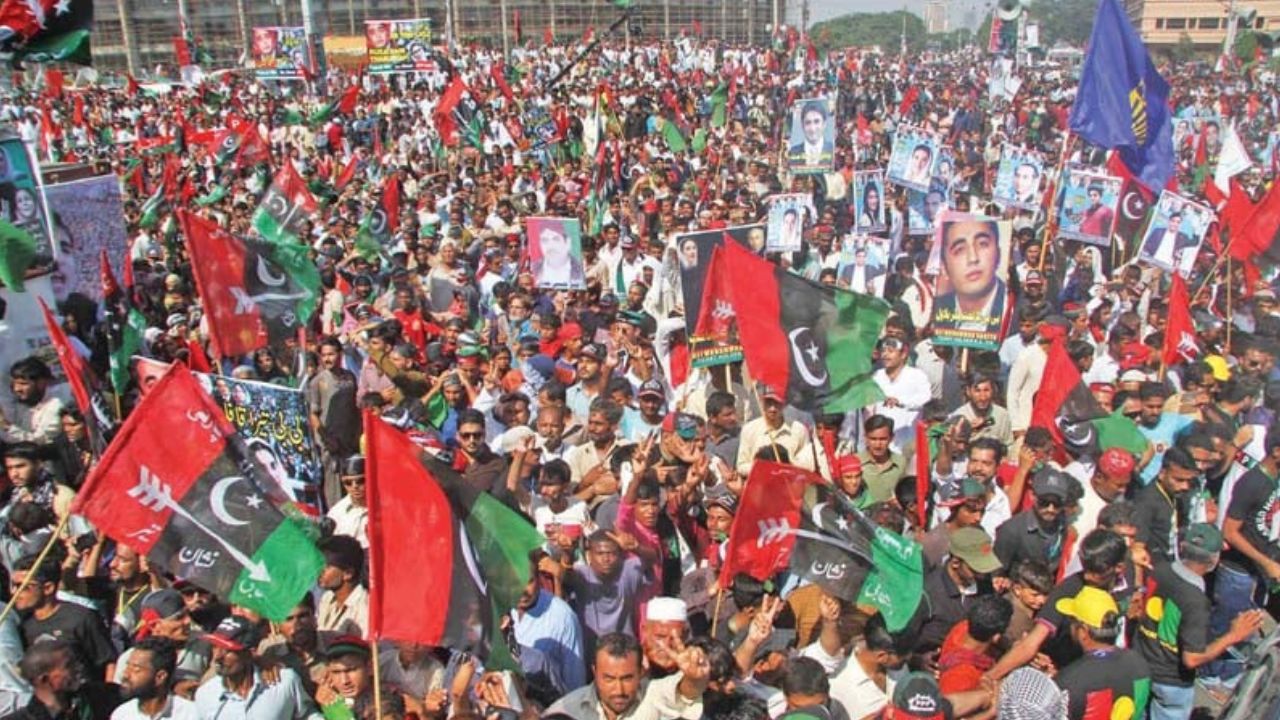
    For a long time, anti-Pakistan People’s Party (PPP) political parties in Sindh have had a desire to keep it away from power. To achieve their target, they have formed alliances and engineered seat adjustments since 2013, but they have failed at every occasion. Keeping their tradition alive, they have again joined hands by expanding an already existing alliance – the Grand Democratic Alliance (GDA) – and by making seat adjustments with the remaining anti-PPP parties: the Pakistan Muslim League-Nawaz (PML-N), Jamiat Ulema-e-Islam-Fazl (JUI-F), etc., and personalities.

    Administratively, Sindh is divided into six divisions and 30 districts. Voters in Sindh have to directly elect 61 MNAs and 130 MPAs to represent them in the National Assembly (NA) and provincial assembly (PA). PPP leadership is confident that this time it will increase its seat tally from Sindh, but the party’s biggest impediment is internal rivalry of its candidates in different areas.

    On most seats in Sindh, PPP candidates have a clear lead over their opponents, unless a miracle happens. Today we will discuss national and provincial assembly seats in Larkana (eight NA and 17 PA seats) and Sukkur (seven NA and 14 PA seats) divisions, where a close contest is expected or where important candidates are in the running.

    On NA 190 Jacobabad-I, a neck-to-neck fight is expected between traditional rivals, 2018 winner Mohammad Mian Soomro, who is running as an independent candidate, and PPP’s Ijaz Jakhrani. Similarly on PS 1, Jacobabad-I, PPP’s first-time runner Sher Mohammad Mugheri is facing independent candidate Abdul Razzaque Khan. On PS 3 Jacobabad-III, Mumtaz Jakhrani, PPP’ ex-provincial minister and relative of NA candidate Ijaz Jakhrani has rebelled against party decision and is in the race against PPP candidate Aurangzeb Panhwar. This constituency will see a close fight. All these independent candidates have the support of GDA and its allies. Past results suggest that PPP’s Sohrab Sarki is favourite on PS 2 Jacobabad-II. However, JUI-F’s Shafique Khoso is possibly giving him nightmares.

    PPP’s Shabbir Ali Bijarani and JUI-F’s Dr. Ibrahim Jatoi are in the race on NA 192 Kashmore cum Shikarpur. A close contest is expected here because both the candidates have not only party votes at their disposal but they have strong personal support bases too. On PS 5, Kashmore II, JUI-F’s Rab Nawaz Chachar, with the help of his community and the influential Tegho Khan Teghani, can surprise Ghulam Abid Sundrani of PPP. On PS 7 Shikarpur-I, Agha Taimoor Khan of JUI-F, whose peers were associated with the PPP and he himself has remained PPP MPA, is contesting the election against PPP where an interesting contest is expected. PPP’s Arif Mahar is up against JUI-F’s Abid Jatoi on PS 8 Shikarpur-II, where a fierce battle is expected.

    Although JUI-F’s Rashid Mehmood Soomro is up against PPP’s fresh inductee Shahryar Mahar, son of ex-federal minister Ghous Bux Mahar on NA 193 Shikarpur, his actual constituency is NA 194 Larkana where he is contesting elections against PPP Chairman Bilawal Bhutto-Zardari. His brother Nasir Mehmood Soomro is contesting NA 196 Kamber-I against Bilawal Bhutto-Zardari. According to local sources, PPP candidates have an edge over their rivals on these seats. However, PPP will have challenging contests on PS 12 Larkana-III and PS-14 Kamber I.

    On NA 198, PPP’s Khalid Lund will be challenged by independent candidate Faqeer Abdul Haq alias Mian Mithoo, infamous for forced conversion cases. Similarly on PS 18 Ghotki-I, PPP candidate Shahryar Shar is facing sitting PPP Senator Jam Mehtab Dahar and on PS 19 Ghotki-II, PPP candidate Bari Khan Pitafi is facing independent candidate Nadir Akmal Leghari. Both these independent candidates enjoy the support of PPP rivals.

    The PPP has smooth sailing in Sukkur, where former federal minister Khursheed Shah and others are in the run. GDA’s Deedar Jatoi will offer a bit of resistance against PPP’s Nauman Shaikh on NA 200 Sukkur-I and independent candidate Mubeen Jatoi against PPP’s Nasir Shah on PS 25 Sukkur-IV. Nafisa Shah, Qaim Ali Shah and Halar Wassan enjoy one-way traffic on NA 202 Khairpur-I, PS 26 Khairpur-I and PS 27 Khairpur-II respectively. There is a close contest on NA 203 Khairpur-II between Sadaruddin Shah of GDA and Fazal Shah of PPP. While in NA 204 Khairpur-III, PPP’s Javed Shah has a small lead over Moazzam Abbasi of GDA. On PS 27 Khairpur-III and PS 31 Khairpur-VI, PPP candidates Sajid Banbhan and Syed Bachal Shah are in difficult positions against their rivals Ismail Shah and Rashid Shah of GDA. PPP’s Shiraz Rajper and Naeem Kharal are slightly better off against their rivals Rafique Banbhan and Khalid Shaikh of GDA on PS 29 Khairpur-IV and PS 30 Khairpur-V respectively.

    In the next part of this series, we will discuss Shaheed Benazirabad and Mirpur Khas divisions of Sindh.

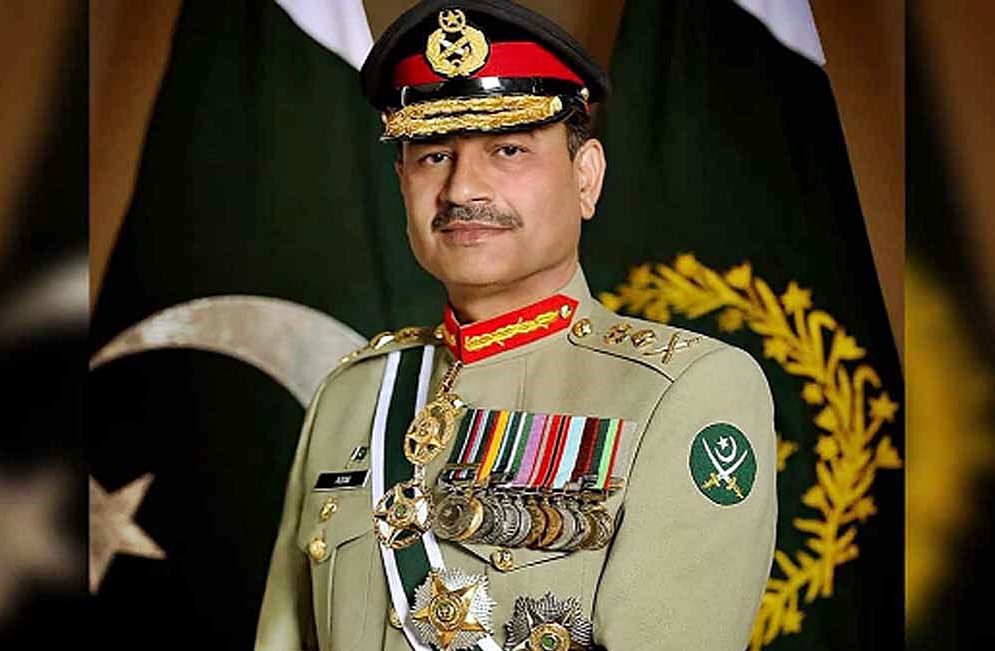
  • General Syed Asim Munir presides 262nd Corps Commanders’ Conference

    General Syed Asim Munir presides 262nd Corps Commanders’ Conference

    General Syed Asim Munir, NI (M), Chief of Army Staff (COAS) presided over the 262nd Corps Commanders’ Conference (CCC) held at GHQ, today. Forum paid rich tribute to the supreme sacrifices of Shuhadas including officers and men of the Armed Forces, Law Enforcement Agencies and the citizens who have laid their lives for ensuring peace and stability in the country.

    Forum resolved that terrorists, their facilitators and abettors, working on behest of hostile forces to destabilise Pakistan, will be dealt with full might of the state. COAS stated that Pakistan’s sovereignty and territorial integrity are sacrosanct and inviolable. Pakistan believes in peaceful co-existence with all states, however, there would never be any compromise over country’s sovereignty, national honour and aspirations of Pakistani people.

    The forum was briefed on the callous Indian campaign of extra-territorial and extra-judicial killings, perpetuating state-sponsored terrorism and targeting Pakistani citizens. The forum agreed that blatant violation of international laws by India and its real face be exposed to the world. The international community has already shown serious concerns over the criminal behaviour of India and its use of state apparatus for killing spree around the world.

    The forum reiterated unequivocal support for Palestine and the people of Gaza while noting the extremely negative fallout of the conflict and the potential to spill over in the wider region. The immediate need for a permanent ceasefire and enduring solution to the Palestinian question was unanimously recognised. In the same vein, Pakistan’s resolve to support the people of IIOJK for their right of self determination was reiterated.

    Pakistan would continue to morally, politically and diplomatically support Kashmir brothers and sisters till justice is served in accordance with relevant UNSC resolutions. The forum also discussed deployment of Pakistan Army to assist Election Commission of Pakistan (ECP) in the peaceful conduct of General Elections 2024.

    Pakistan Army will perform assigned duties as per the Constitutional mandate, under the guidelines of ECP. No one would be allowed to indulge in violence in the name of political activity and sabotage the quintessential democratic exercise of conduct of free and fair elections. The forum acknowledged and appreciated the steps taken against spectrum of illegal activities and criminal mafias including smuggling, hoarding, money laundering, power theft and illegal aliens. The participants emphasised that such actions and their positive impact on the economy and well being of the people need to continue without any let up. The forum was briefed on operational preparedness of the formations. COAS asked formation commanders to continue their focus on the training, administration and morale of the soldiers.

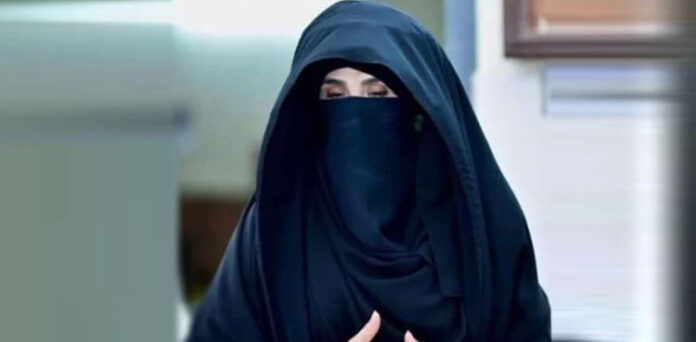
  • Bushra Bibi surrenders herself at Adiala jail for arrest

    Bushra Bibi surrenders herself at Adiala jail for arrest

    After being sentenced by the Accountability Court in the Toshakhana case, former First Lady Bushra Bibi reached the jail to surrender herself for arrest.

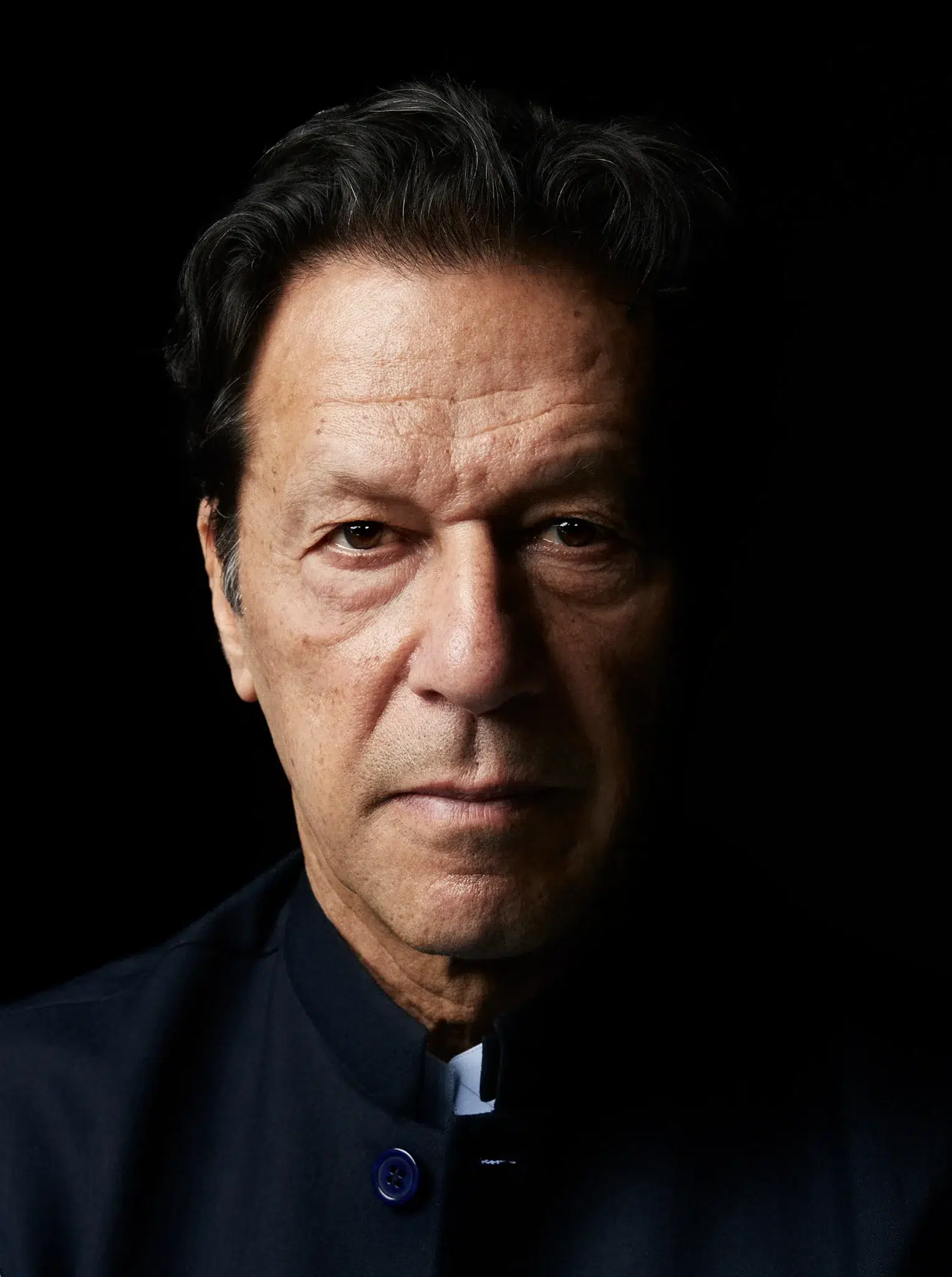
    The Accountability Court has earlier todat sentenced Pakistan Tehreek-e-Insaf (PTI) founder Imran Khan and his wife to 14 years imprisonment with hard labor in the Toshakhana case, while the court has also disqualified Imran Khan for 10 years.

    According to sources in Geo, Bushra Bibi is currently sitting in the office of the Deputy Superintendent of Jail, and she has not been arrested yet.

    A day earlier, Imran Khan and senior PTI leader Shah Mahmood Qureshi were sentenced to 10 years imprisonment each in the cipher case.

    Judge Abual Hasnat Muhammad Zulqarnain heard the cipher case and delivered the verdict at the Adiala Jail in Rawalpindi.

  • Lahore High Court orders equal media coverage for Imran Khan

    Lahore High Court orders equal media coverage for Imran Khan

    The Lahore High Court (LHC) has on Wednesday ordered equal media attention for all candidates taking part in the February 8 general elections, including jailed former Prime Minister Imran Khan.

    The Lahore High Court issued a directive in response to a plea filed by the founder of Pakistan Tehreek-e-Insaf (PTI), who claimed there was a ban on media coverage of his speeches.

    Earlier this month, the LHC disposed of the PTI founder’s petition with the observation that directions with regard to telecasting the speeches of the PTI leader would be issued in a detailed judgement.

    LHC’s Justice Shams Mirza Mehmood issued a 10-page written verdict on Imran Khan’s appeal regarding a ban on media coverage.

    The LHC verdict stated that, according to Article 17, every citizen has freedom of speech.

    The LHC also said that running an election campaign and promoting a party’s manifesto are fundamental rights of political parties.

  • Actions speak louder than symbols

    Actions speak louder than symbols

    Elections are just around the corner. There has been a lot of debate and discussion brimming with political hubris in the months running up to it. As usual, nothing of substantial interest to the people – no concrete plans to try to put the economy on a path to recovery; no public schemes that can mature in the months after the election; nothing for an ordinary Pakistan.

    For months, the political arena has been abuzz with hours of ‘political debate’ on non-issues and as already mentioned, nothing to do with the people of Pakistan. Political parties have focused on everything and anything – as usual – that is important for their leaders. The most important discussion all through December 2023 was on the allocation of political symbols, with some parties afraid their ‘traditional’ symbols would be given to someone else. Can you blame them? These symbols are the only way their voters can identify them on the ballot paper, as a majority are either politically blind or illiterate. The political symbols are like a book with pictures that help everyone to their conclusions about the story regardless of the accompanying words.

    Most parties know the way to their followers’ votes is through their emotions rather than intellect. This helps them since most have not done anything for the people that can be used to woo the voter. Political workers have a special affinity with their party’s symbol, and it works. Many political parties lack substantial projects or even indications that they even attempted to begin any people-friendly projects; therefore, it is better to rile up emotions than logic. Logical voters ask too many questions. Hence the importance of political symbols.

    Promises made during elections are old ones- regurgitated and patched up – echoing for decades without any action to back them up. The only way voters can determine who to vote for is to study a party’s manifestos past and present, which should have been released weeks or months before the polling.

    The main Pakistani political parties launched their manifestos in the last week of January 2024 for elections to be held on February 8, 2024. There is no explanation or apology for this delay, maybe because the parties are aware of how their voters think and behave – at least devoted loyalists will believe anything they promise as a tradition of Pakistani politics.

    They have not impressed critics who commented that the manifestos “lack substance and fail to address the pressing realities of Pakistan”, adding that they rely on promises without offering concrete implementation plans. Others commented that “some have promised much, but most have not bothered at all”.

    Why isn’t this a surprise?

    The main reason for this is that parties know their voters won’t demand to see manifestos – past and present – which allows them space to play as they like.

    Even though the political parties have not given their voters much time – less than 10 days – it wouldn’t hurt for people to do a comparative study of these manifestos with past ones of not only their own party but the others as well.

    A manifesto is an extremely important document that informs voters what to expect from someone they elect to run the country for many years. It should be the first thing to be launched and made available to the public. It is the resume of the party vying for the reins of the country.

    People should not only question parties about what they have planned to make the public’s life better and hold governments accountable throughout their tenure on the promises they had made in their manifesto.

    They should ask what policies and plans has the government made to shield people from miseries; what they planned to stop people from murdering their children and partners, and committing suicide; to provide them employment in the country so that they don’t fall prey to human traffickers; to protect the rights of vulnerable groups like religious minorities; allocating funds to provide basic health and education.

    But this is too much to ask. Voters are indifferent, which is quite dangerous for society and the country. The only beneficiaries are those in power.

    However, it would make an interesting study to see why there is so much public indifference. One reason for this could be the unnatural public devotion to political leaders, some of whom have become demigods. Devotees flock around them regardless of their flaws. It is almost as if they are members of a cult – a political cult. They follow their leader with blank minds, no queries, or interests of their own, believing the mere presence of the leader will solve everything.

    This is not a new phenomenon in Pakistan or global politics, political cult behaviour takes root over years, weakening a conscious society and forcing it to stop asking questions. It has also damaged the political process and democracy itself.

    Like other cults political cults revolve around a personality and their agenda, with followers believing everything and anything, even if it is detrimental to the very structure of society.

    Commenting on the political cult behaviour, Bethany Burum, a research scientist in psychology who teaches a Harvard course on cult behaviour, said in an interview (The Harvard Gazette):

    “Cults manage to shift people’s beliefs rapidly away from the broader society and away from the beliefs they had before they joined. The second thing I emphasize is that cult members act against their own interests and their families’ interests quite strikingly.”

    Pakistan’s political history is a good example cult politics throughout the decades – one person calling the shots devoutly followed by thousands of people from the entire social spectrum and different backgrounds.

    The cult followers don’t care about the larger consequences that directly affect their lives, all they care about are the leader’s words and promises that hold an almost divine value for them. If their leader fails to fulfill a promise, the devotees blame the failure on other forces because their political (cult) leader cannot do wrong.

    And it doesn’t help that the political (cult) leaders provide quick fixes that are temporary but enough to reinforce their powers among the followers.

    Unfortunately, decades of political cults in Pakistan have done nothing to improve the society and bring prosperity to the people. It has only damaged the social psyche and ingrained hopelessness in the people forcing them to wait for the next and ‘real’ messiah. And begin following anyone who promises to break the status quo but never intended to do so.

    Pakistani voters seem to have reached a certain level of complacency that allows them to tolerate the superficial political claims from inefficient people running the country in the name of politics. They rather watch an argument around the allocation of political symbols than worry about what their leader(s) has promised them. It seems they rather believe in miracles than expect change, as that has never really worked out for them.

    It will take decades for the voter to understand the importance of the written manifesto and that actions speak louder than political symbols.
  • PTI leader who was refused party ticket shot dead in Bajaur

    PTI leader who was refused party ticket shot dead in Bajaur

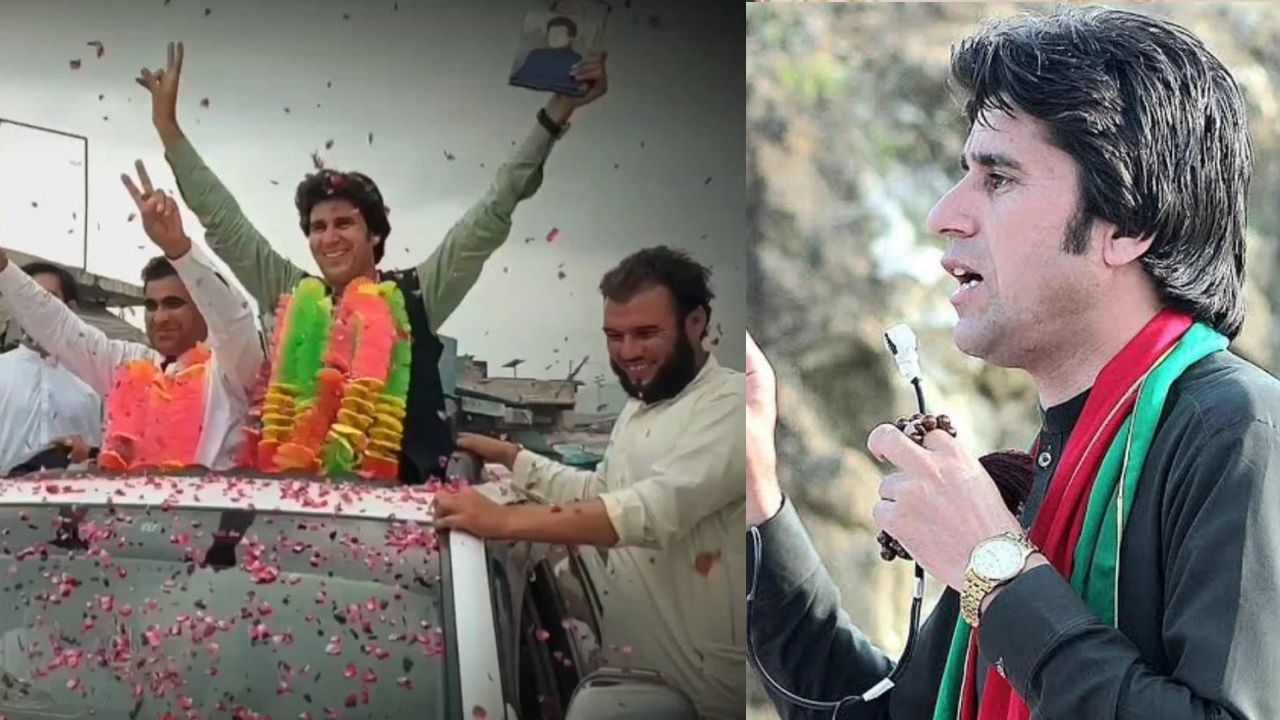
    In a tragic turn of events, Rehan Zeb Khan, a Pakistan Tehreek-e-Insaf (PTI) leader and independent candidate from NA-8 Bajaur, was fatally shot by unidentified assailants in the Siddiqabad Phatak Bazar area on Wednesday.

    The district police officer and SHO Rashid Khan have confirmed the news of the PTI leader’s murder.

    Khan, who was contesting as an independent, was also a candidate for the provincial assembly seat PK-22. Reports suggest that he had tried to get a PTI ticket but had been refused by the party.

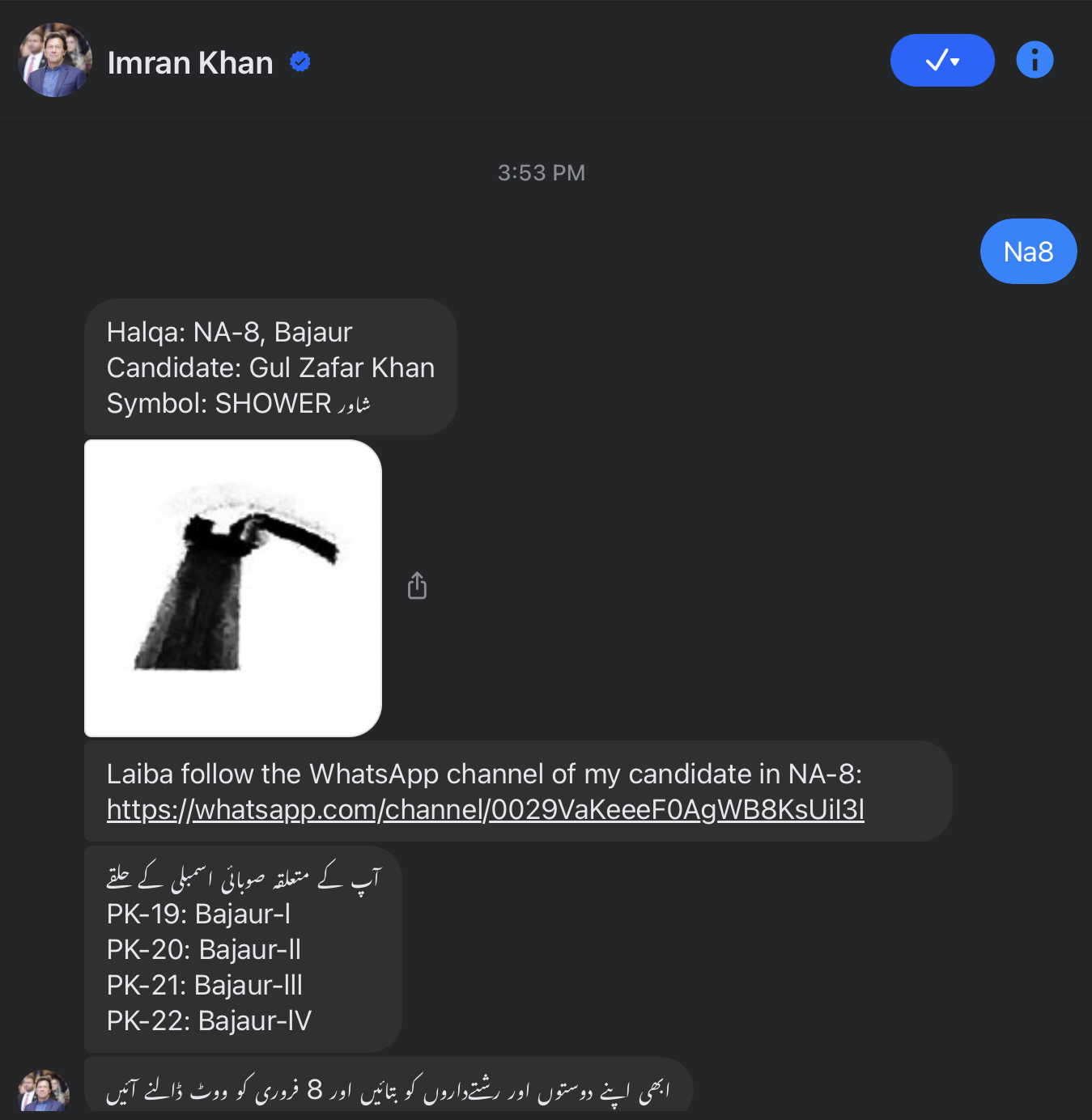
    The official candidate for PTI from NA 8 is Gul Zafar Khan, as per a reply from Imran Khan’s Facebook page message, “Halqa: NA-8, Bajaur, Candidate: Gul Zafar Khan, Symbol: SHOWER شاور”

    The incident occurred when Khan was at Siddiqabad Gate, engaging in canvassing activities for the upcoming general elections. The assailants targeted him while he was in his vehicle, marking a disturbing incident of violence against a political figure.

    This unfortunate incident comes on the heels of another attack on PTI’s electioneering within the past 24 hours. A day earlier, a bomb detonated at a PTI rally in Sibi, claiming the lives of at least four people and injuring five others, as reported by both police and witnesses.

    Saddam Tareen, the PTI candidate for the National Assembly constituency of NA-253, who was leading the rally on Jinnah Road in Sibi, fortunately escaped unharmed. The injured individuals were promptly transported to the Sibi district headquarters (DHQ) hospital for urgent medical attention.

    Unidentified Persons shot dead Awami National Party (ANP) local leader Zahoor Ahmed and injured another in a firing raid attacking the ANP office, in Chaman district, Balochistan as per officials.

    At least three were injured in a grenade attack on the Pakistan Peoples Party (PPP) election office in Quetta, ARY News reported.

    According to police officials, the attack occurred on Saryab Road Quetta where a hand grenade attack was launched on the PPP election office that injured three people.

    Reacting to the incident, the Election Commission of Pakistan (ECP) took notice of the attack and sought a report from the chief secretary and IG Balochistan.

    The ECP spokesperson said that suspects involved in such incidents will be tried under the election laws.

    The incidents underscore the growing concerns over the safety of political candidates and campaigners as the general elections approach.