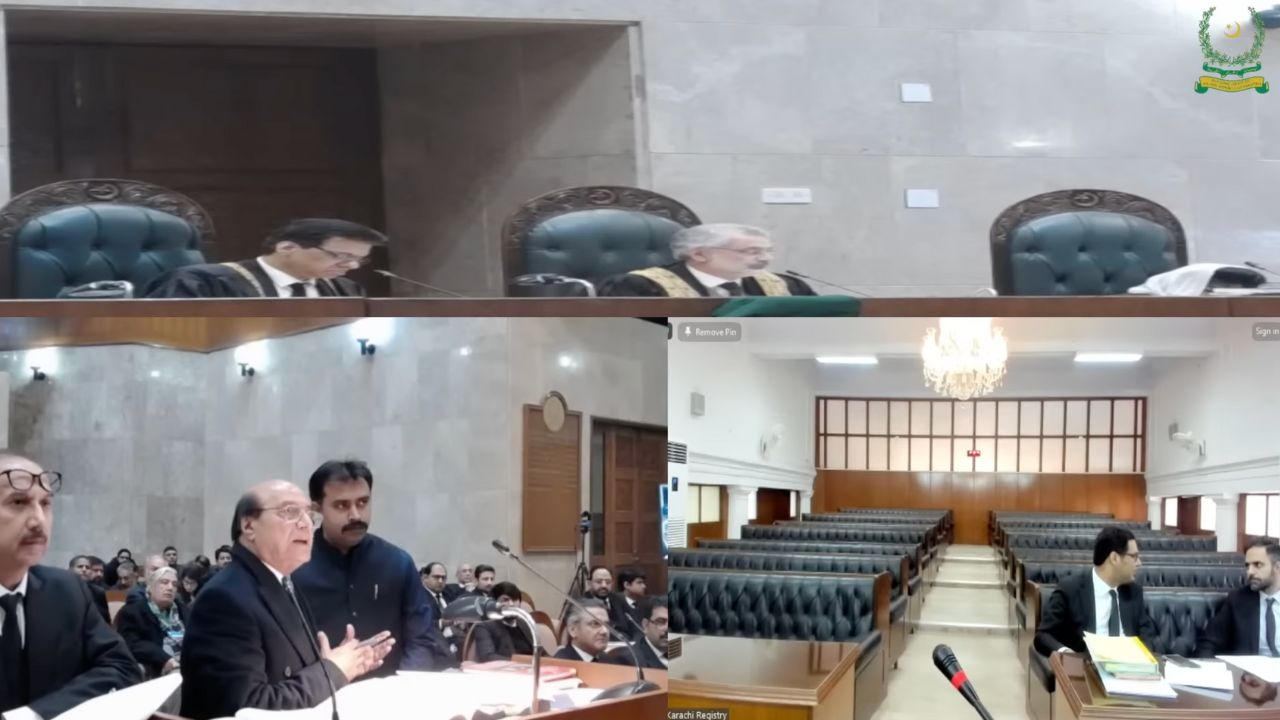
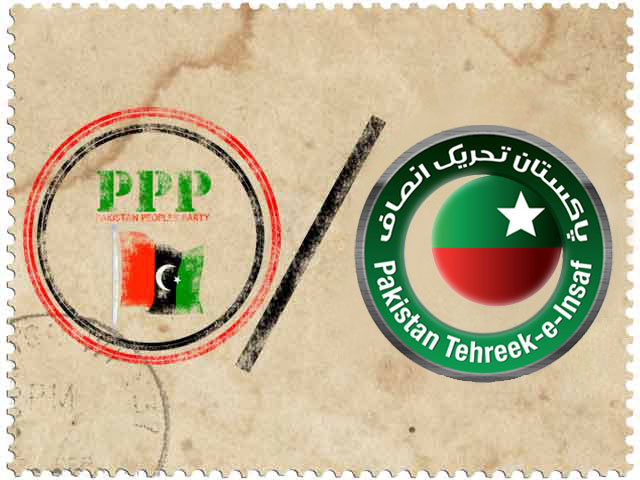
Pakistan Tehreek-e-Insaf (PTI) has officially withdrawn its petition from the Supreme Court in which it sought a level playing field in the upcoming general elections.
The party’s decision was revealed during the hearing on Monday, after counsel Latif Khosa conveyed the PTI’s intention to pursue the matter through what he referred to as the “court of 250 million people.”
The three-judge bench, led by Chief Justice of Pakistan Qazi Faez Isa and including Justices Muhammad Ali Mazhar and Musarrat Hilali, presided over the hearing.
During the proceedings, Khosa gave words to PTI’s discontent, claiming that the court had deprived the party of 230 seats through a previous judgment. “We do not want to fight this case in your [Chief Justice of Pakistan Qazi Faez Isa’s] court. Thank you very much,” said Khosa.
He highlighted the alleged humiliation faced by the party, citing instances where symbols like glass, eggplant, and a bowl were assigned to PTI candidates.
CJP Qazi Faez Isa inquired whether the PTI intended to pursue the case, to which Khosa responded that he had been instructed to withdraw the application. “We came to you for a level playing field for fair and transparent elections,” he remarked.
Chief Justice Isa reminded the PTI that the court had repeatedly sought evidence of intra-party elections, emphasizing that the judges should not be held responsible for the verdict.
He asserted that the court’s role is to ensure elections are conducted within the confines of the law, and if the PTI disliked the decision, they should consider legislative changes.
Khosa argued that the court’s decision would undermine democracy and claimed that the PTI was being pushed out of parliamentary politics. He disclosed that the party’s leaders would now participate in elections as independent candidates. “You are destroying all the institutions of Pakistan,” the CJP told Khosa. Meanwhile, Justice Musarrat Hilali raised reservations over the ECP’s conduct and its handling of matters related to PTI ahead of the polls on February 8. “The Election Commission is not fair. It is running behind one party,” she remarked during the hearing, asking whether the electoral body can see any other parties or not. “Does the Election Commission not see other parties?”
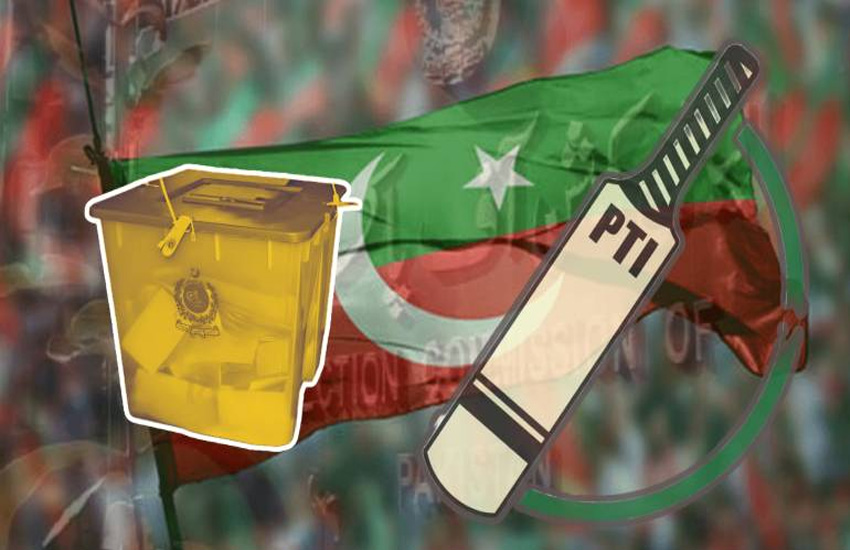
The Supreme Court had previously revoked PTI’s cricket bat symbol, citing irregularities in the party’s internal elections held in the preceding year. The court asserted that the PTI failed to comply with the Election Commission of Pakistan’s directive to conduct intra-party polls in 2021.
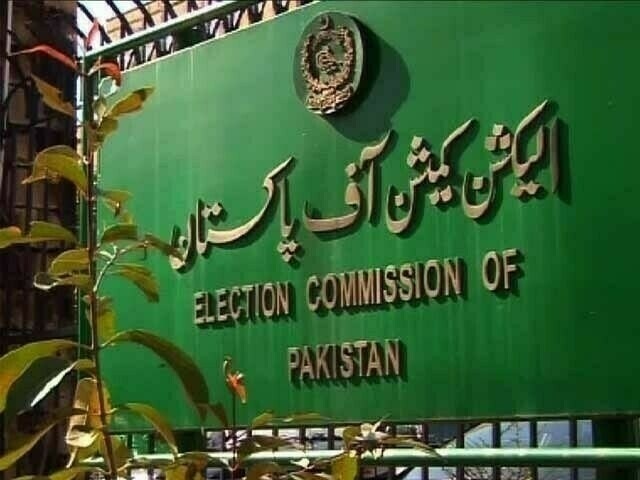
The Election Commission of Pakistan (ECP) has on Monday allotted election symbols to 150 political parties that are contesting seats in the National Assembly (NA) and provincial assemblies for the upcoming general election set to take place on February 8, 2024.
After the Supreme Court’s ‘bat’ symbol verdict announced late on Saturday, former ruling party Pakistan Tehreek-e-Insaf (PTI) was missing from the list of published on the ECP website.
Pakistan Muslim League-Nawaz (PMLN) has been allotted ‘tiger’ symbol, Pakistan Peoples Party Parliamentarians (PPPP) ‘arrow’, Pakistan Peoples Party (PPP) ‘sword’, Pakistan Tehreek-e-Insaf-Nazriati (PTI-N) ‘batsman’, Istehkam-e-Pakistan Party (IPP) ‘eagle’, Muttahida Qaumi Movement-Pakistan (MQM-P) ‘kite’, Jamiat Ulema-e-Islam Fazl (JUI-F) ‘book’, Jamaat-e-Islami Pakistan (JI) ‘scale’, Pakistan Tehreek-e-Insaf Parliamentarians (PTI-P) ‘turban’, Balochistan National Party (BNP) ‘axe’, Awami National Party (ANP) ‘lantern’, Balochistan National Party Awami ‘camel’ and Balochistan Awami Party (BAP) ‘cow’.
Last week on Saturday, the ECP issued a notice to returning officers to not allot an election symbol to any election candidate who belongs to another political party.
The five-member bench of the commission, headed by Chief Election Commissioner Sikandar Sultan Raja, issued the order, which said: “Therefore, in exercise of powers, conferred upon the commission under Section 4 of the Elections Act, 2017, the commission hereby, directs that no symbol of any political party be allowed to any such candidate who is member of another political party and seeks allocation of symbol of other political party.”
Electoral authorities had already allotted poll symbols to 117 independent candidates.
100 days back, on October 7, 2023, Hamas took Israel by surprise in a move that came as a consequence of more than seventy years of occupation, killings, destruction, and displacement of the Palestinians.
Israel took this instance of response as an excuse to go all out in attempts to exterminate Gazans from their land: On October 8, Israeli prime minister Benjamin Netanyahu declared war against Hamas and butchered, internally displaced, detained, and tortured thousands of Palestinians in Gaza as well as the Occupied West Bank.
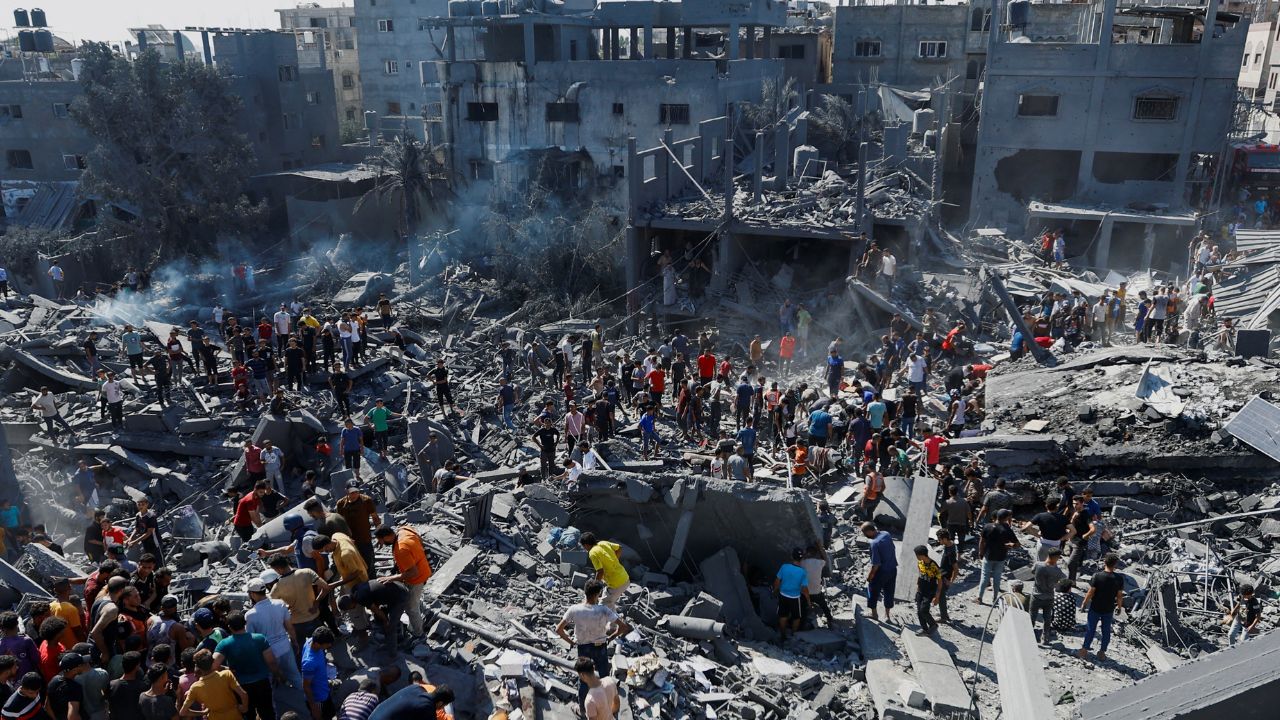
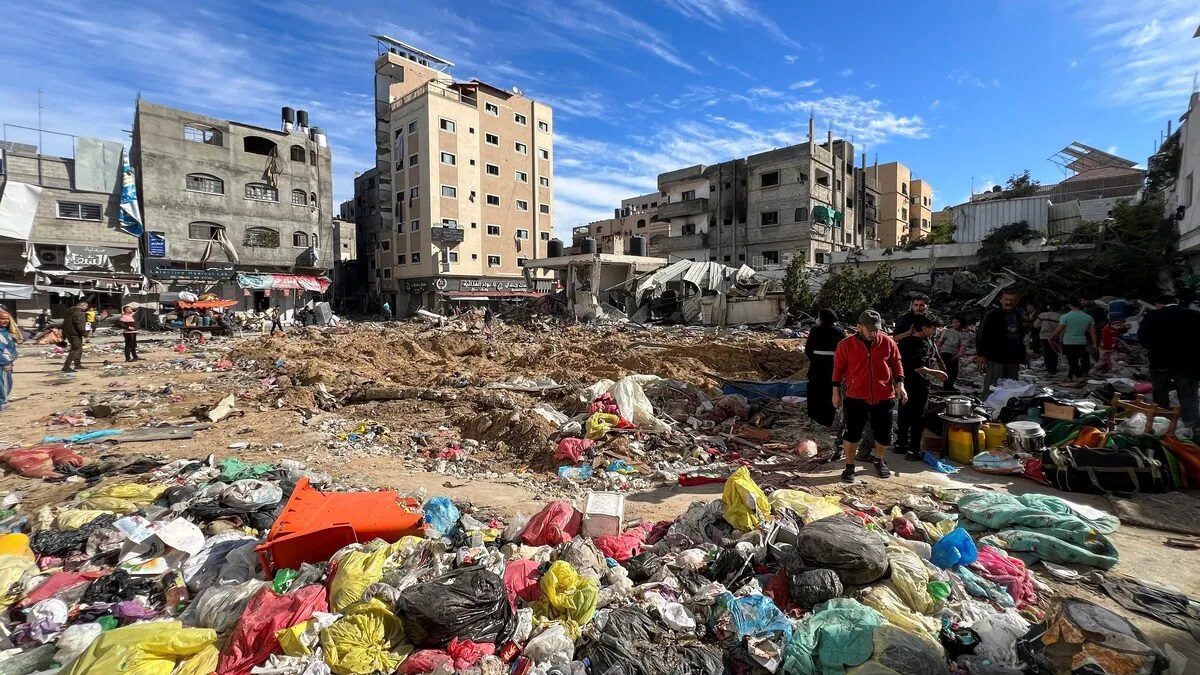
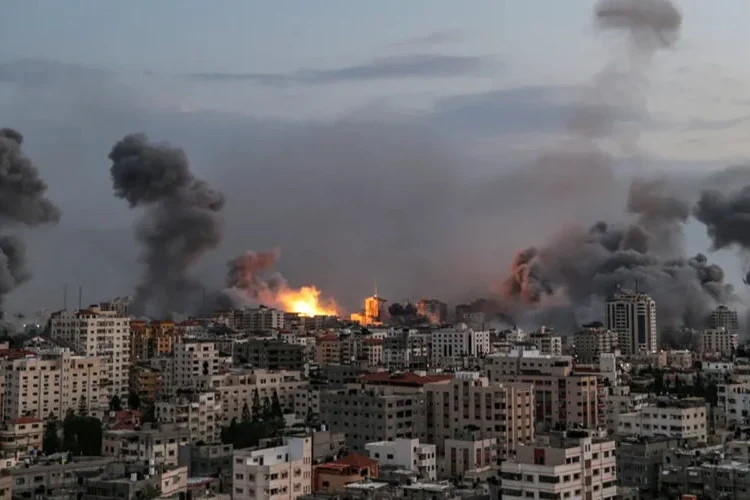
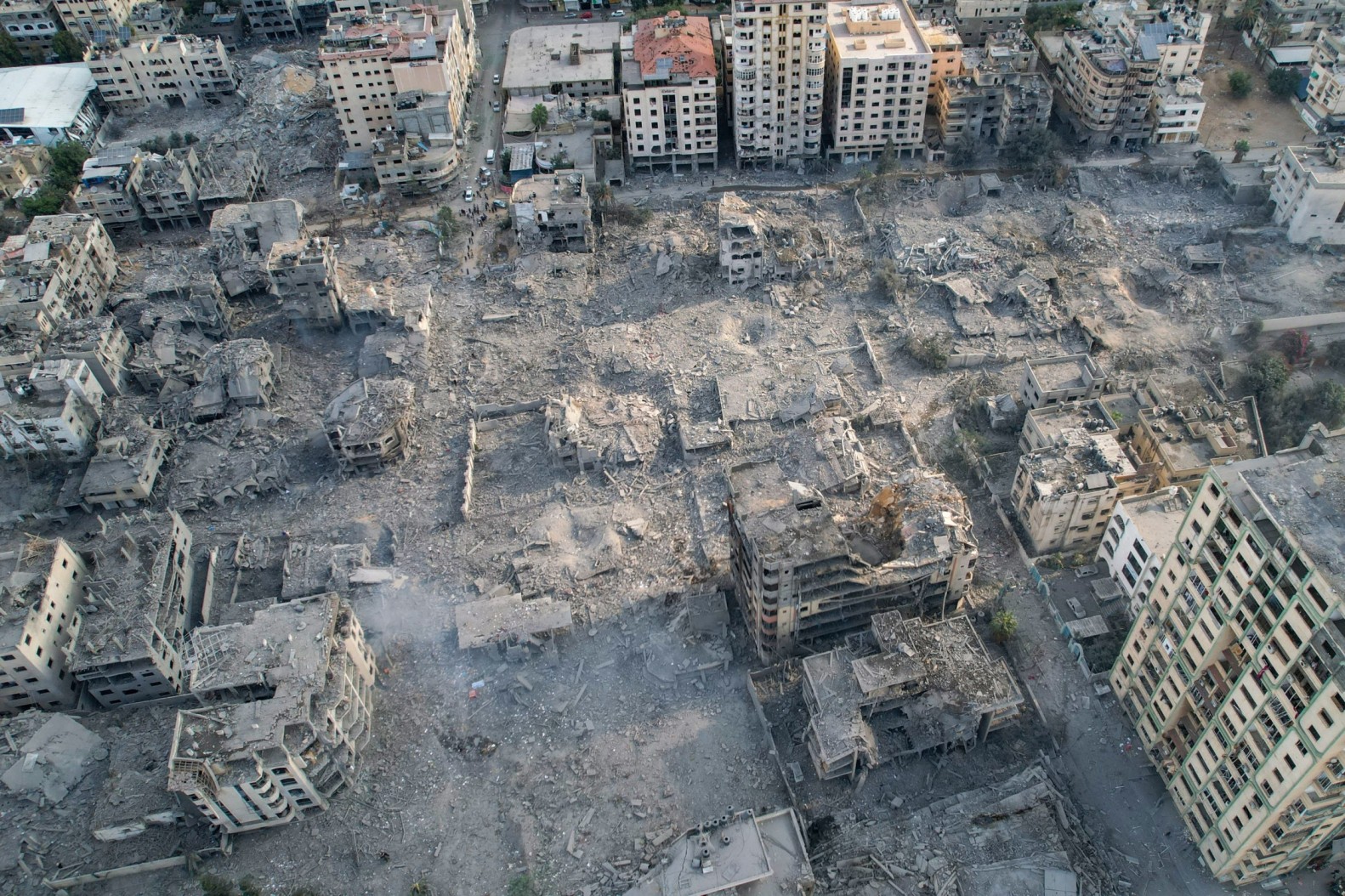
Since October 7 alone, more than 23,600 people have been killed and more than 58,000 wounded in Israeli attacks on Gaza.
Widespread use of and access to social media across the world has exposed Israeli atrocities against the Palestinians more than ever. A number of Palestinians have been reporting from the targeted strip, giving the world insights to the heights of atrocities touched by the Israeli military.
As the Irish lawyer Blinne Ní Ghrálaigh, representing South Africa in the International Court of Justice (ICJ) in The Hague on January 11 deemed it as “The first genocide in history where its victims are broadcasting their own destruction in real time in the desperate, so far vain hope that the world might do something.”
Nonetheless, the international community has collectively failed to ensure a ceasefire amidst all the loss and blatant violation of human rights..
While the breaches and enormities by Israel are innumerable and immeasurable to say the least, here are some of the most important moments and developments to have taken place the past 100 days.
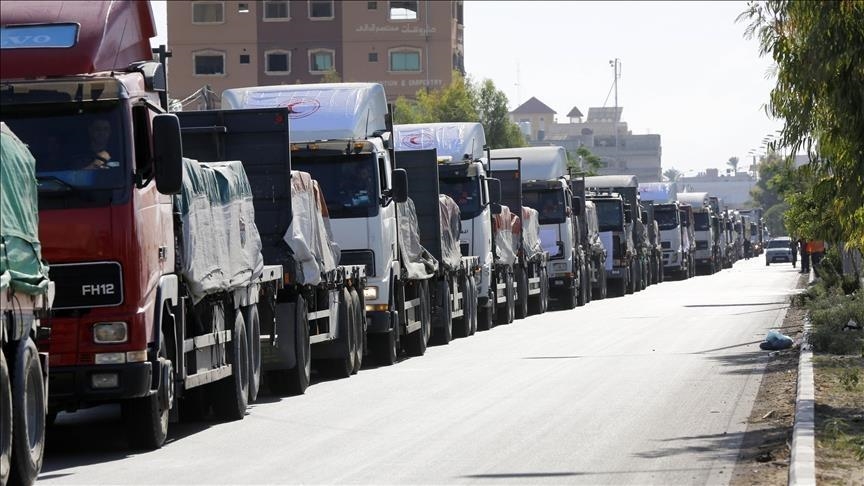
Israel had declared a “complete siege” on Gaza on October 9 2023, hindering the supply of electricity, food, water and fuel into the strip. While a few aid trucks were permitted on 21 October 2023, the aid has been inadequate, and starkly lower than the quantity sent before October 2023.
Additionally, fuel imports are “well below the minimum requirements for essential humanitarian operations”.
The UN Secretary-General has asserted that the level of destruction in Gaza is now so catastrophic that “[t]he conditions for the effective delivery of humanitarian aid no longer exist . . . But even if sufficient supplies were permitted into Gaza, intense bombardment and hostilities, Israeli restrictions on movement, fuel shortages, and interrupted communications, make it impossible for UN agencies and their partners to reach most of the people in need.”
No Facilities
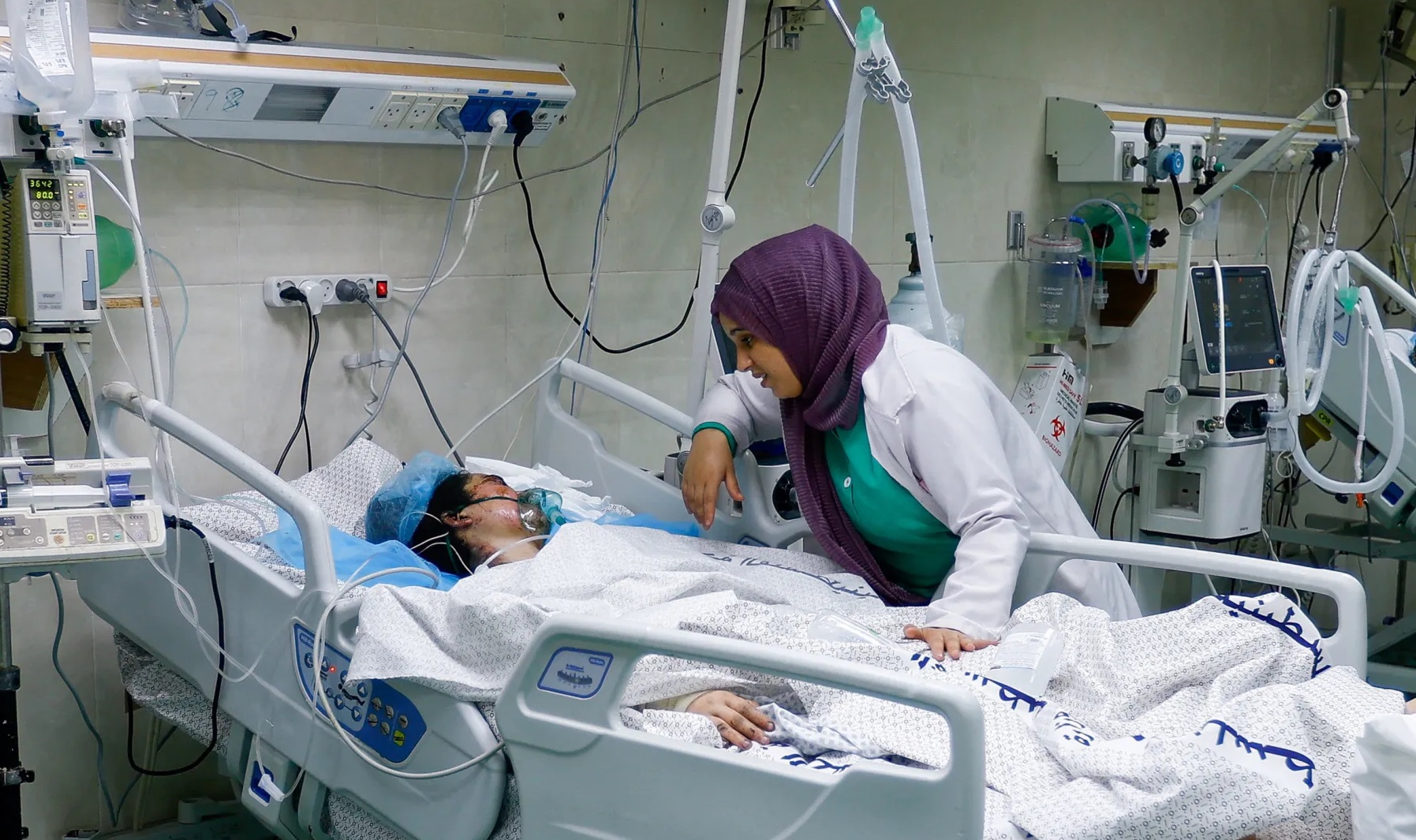
The majority of Gazan hospitals are out of order due to the Israeli air raids and the blockade. According to WHO, 15 out of Gaza’s 36 hospitals are partially functional; nine in the south and six in the north.
Additionally, there is lack of electricity, desalination facilities, and bakeries to shut down and contributed to telecommunications blackouts.
Looming Fears of Famine and Diseases
Credit: Reuters
Due to lack of health facilities and access to water and sanitation, WHO has warned that Gaza is now heading towards proliferation of disease. As of January 1, nearly 200,000 respiratory infections and tens of thousands of cases of scabies, lice, skin rashes, and jaundice were reported whereas the number of diarrhoea cases among children under five has increased 20-fold since October 7.
Additionally, the World Health Organization has warned that “[a]n unprecedented 93% of the population in Gaza is facing crisis levels of hunger, with insufficient food and high levels of malnutrition” and that “[a]t least 1 in 4 households are facing ‘catastrophic conditions’:
“Israeli forces are deliberately blocking the delivery of water, food and fuel, while wilfully impeding humanitarian assistance, apparently razing agricultural areas, and depriving the civilian population of objects indispensable to their survival,” Human Rights Watch has stated.
Internally Displaced
Among the total population of 2.3 million, 1.9 million Palestinians — approximately 85 per cent of the total population — have been internally displaced. People living in Northern Gaza were initially forced to flee their homes on short notice for “safety” to the south, but they were bombed again in the so-called safe south, and were once again forced to flee to
further south or the south west, and have been to live in makeshift tents with no water, sanitation or other facilities.
This situation has thus been declared as the Second Nakba as it resembles the ethnic cleansing of Palestinians by the Israelis in 1948.
Women of Gaza
Credit: Al Jazeera
The United Nations has estimated 50,000 pregnant women presently living in Gaza, with more than 180 births taking place every day despite the lack of health facilities.
Similarly, women have also resorted to norethisterone tablets (that are usually prescribed in times of severe menstrual bleeding, endometriosis, and painful periods) as they are internally displaced, living in poor conditions among a large number of people with no privacy, and having no access to water or menstrual hygiene products like sanitary napkins and/or tampons.
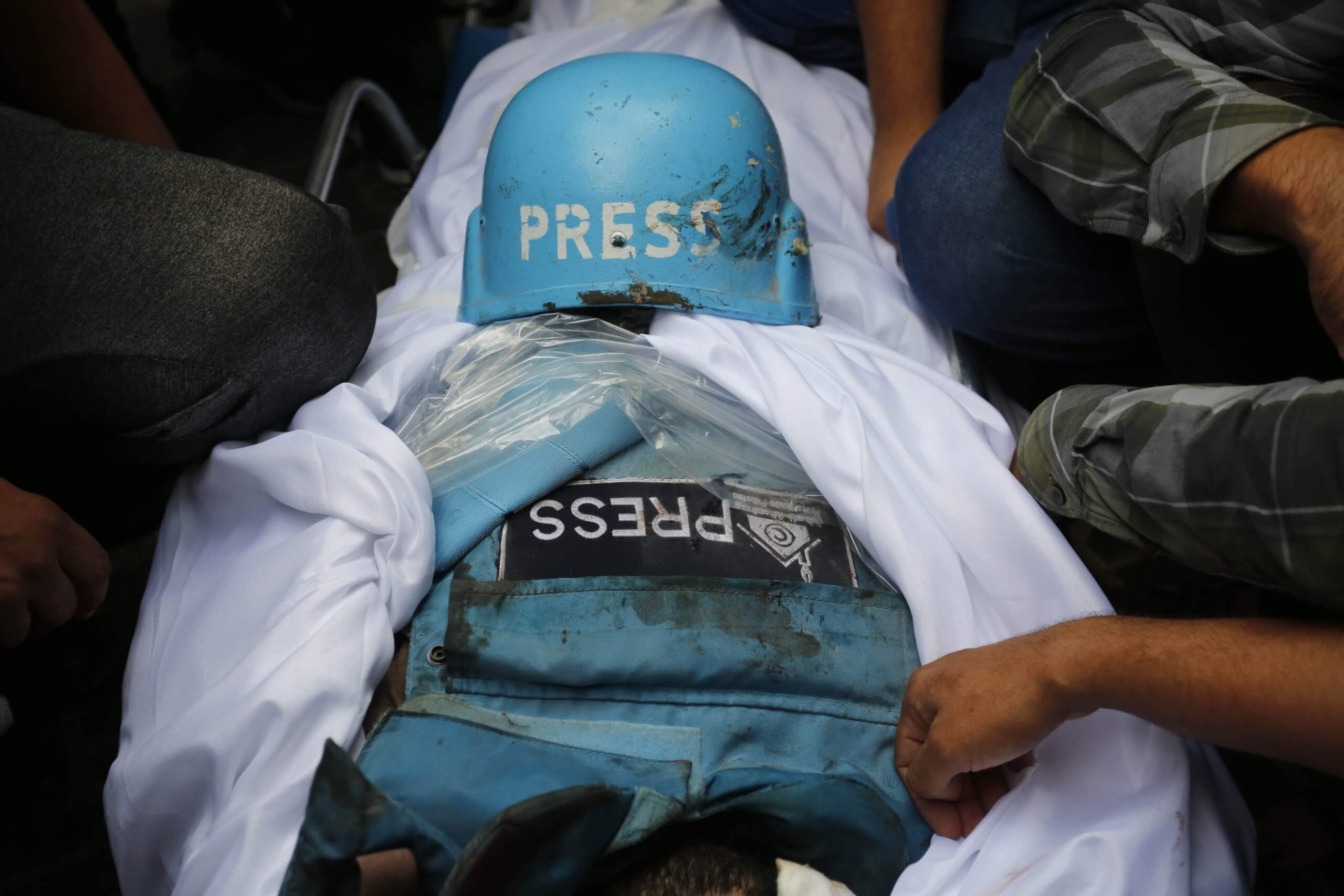
November was deemed as the deadliest month for journalists when at least 50 were killed. According to the Committee to Protect Journalists (CJP), as of January 11, 79 journalists and media workers have been killed among whom are 72 Palestinian, 4 Israeli, and 3 Lebanese whereas three journalists are reported missing and 21 arrested.
Additionally, multiple assaults, threats, cyberattacks, censorship, and killings of family members have also been recorded.
Moreover, literary figures like Heba Abu Nada and Dr Refaat Alareer, who were vocal against Israel, have also been killed in targeted attacks.
Hostages
Hamas took Israeli hostages on October 7 in order to prompt Israel to return Palestinian hostages who have been in Israeli captivity since years.
While Israel has portrayed Hamas as barbaric, Israeli hostages released have had different stories to tell. Danielle Aloni and her daughter Emilia were held hostage by Hamas for 49 days and on their release on November 24, Aloni wrote a “thank you” letter to Hamas saying, “I thank you from the bottom of my heart for your extraordinary humanity shown towards my daughter, Emilia.”
Similarly, in an interview, Hin and Ajam, another mother-daughter duo, told that they were kept together and that the militants were respectful to them, taking every precaution to make them comfortable.
On the contrary, Palestinians have returned from Israeli captivity physically and mentally tortured while some have reportedly died in detention.
Back in December, Israeli troops even “mistakenly” killed three Israeli hostages in the course of combat with Hamas in the Gaza Strip on Friday.
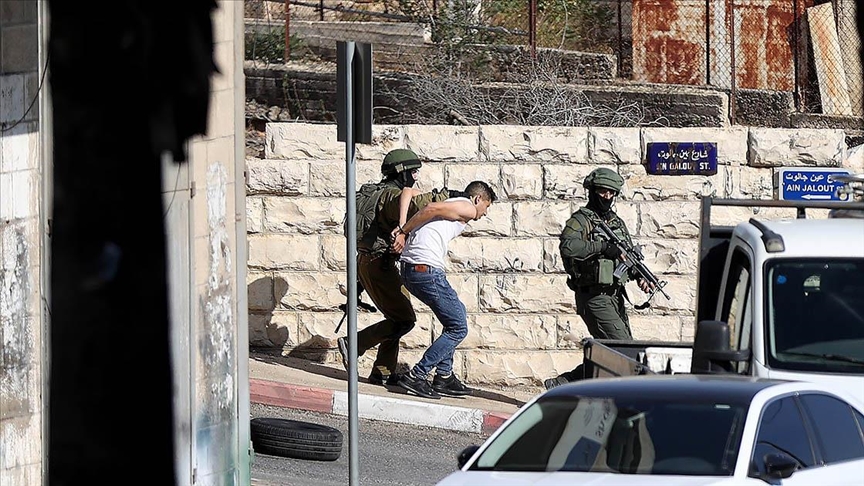
As of January 11, the arrests of Palestinians in the Occupied West Bank reached up to 5,810 since October 7.
According to figures released in December, at least 8,800 Palestinians, including 80 women, were held at Israeli prisons.
These arrests are reportedly “marked by abuse, severe beatings, and threats against detainees and their families, in addition to widespread acts of sabotage and destruction of citizens’ homes”. Many are even targeted and shot by the Israeli soldiers.
Additionally, in November 2023, it was reported that around 390,000 Palesinians jobs were lost — 182,000 in Gaza and 208,000 in the occupied West Bank.
In December, the US State Department approved the emergency sale to Israel of nearly 14,000 rounds of tank ammunition — a sale of 13,981 high-explosive 120mm tank cartridges and related equipment worth $106.5 million.
The State Department said the secretary of state had determined that “an emergency exists that requires the immediate sale to the Government of Israel” of the weaponry, thereby waiving the normal requirement of Congressional review.
Israel vs Middle East
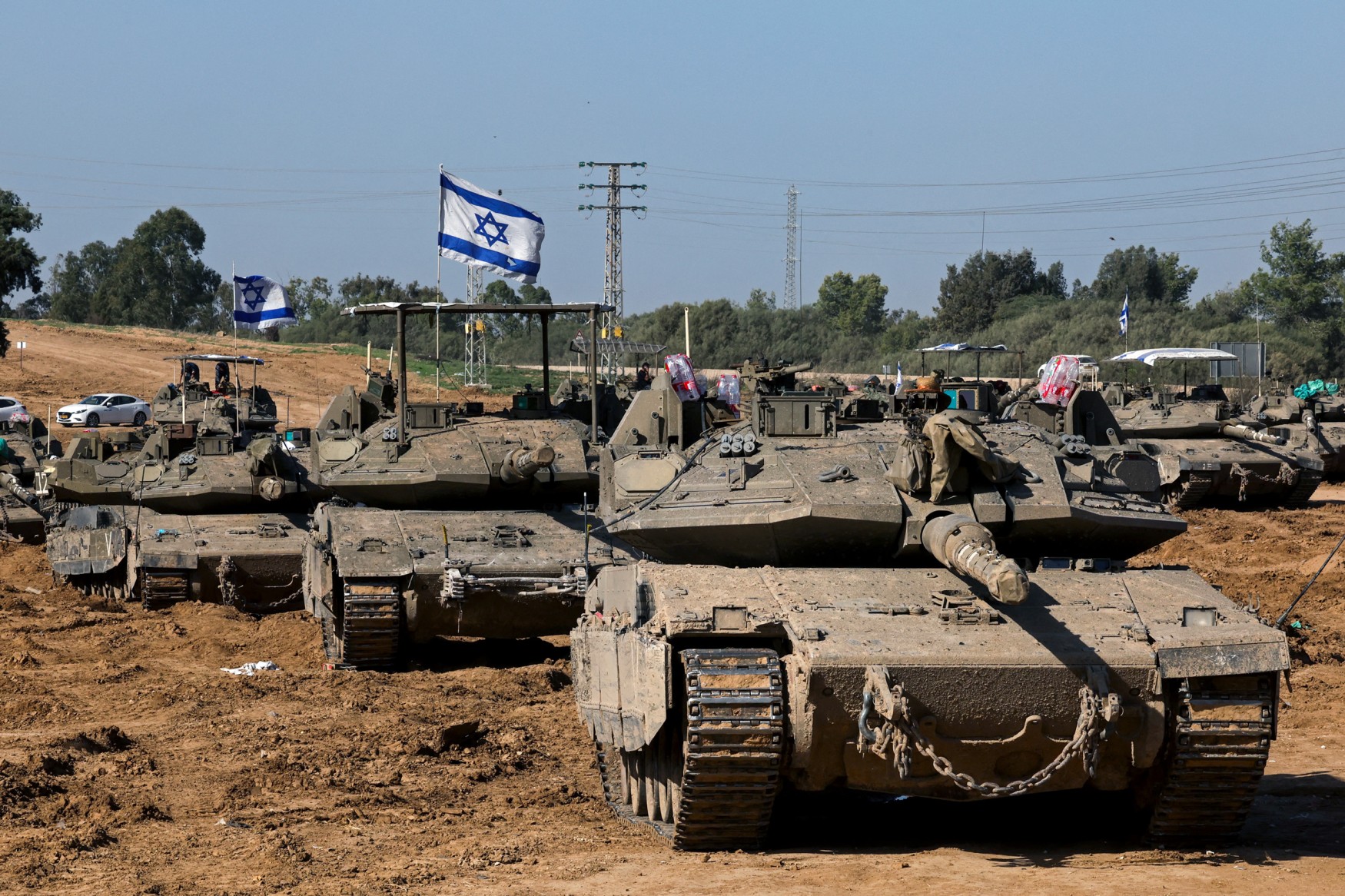
Since the war began, Hezbollah, a close ally of the Palestinian group Hamas, and Israel have been engaged in intense fighting.
In December, The United States announced a 10-nation coalition to end Houthi attacks on ships transiting the Red Sea, with Britain, France, Bahrain and Italy among countries joining the “multinational security initiative.”
The U.S. and British Air Force, in fact, have launched airstrikes against Yemen in retaliation which the American president Joe Biden called it a success, adding that he will “not hesitate to direct further measures to protect our people and the free flow of international commerce as necessary.”
On the other hand, Israel and Hezbollah have been exchanging fires across the Lebanese border, the West Bank since 7 October.
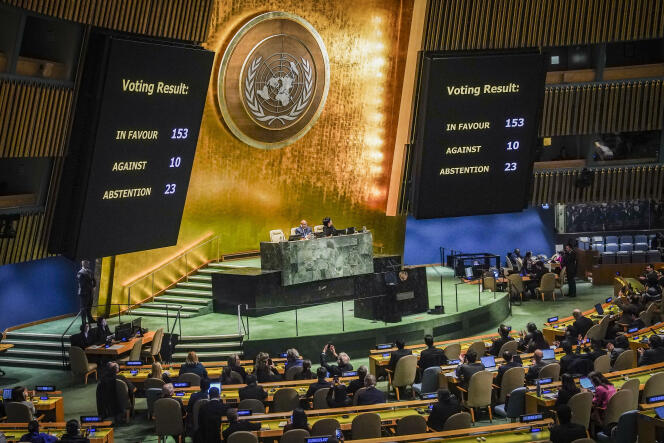
On Day 60 since October 7, United Nations Secretary-General António Guterres, in a rare move, invoked Article 99 of the UN Charter “to bring to the attention of the Security Council a matter, which in my opinion, may aggravate existing threats to the maintenance of international peace and security.” He also reiterated his call in the letter he sent to the rotating president of the Council for a “humanitarian ceasefire” and urged the Council to “avert a humanitarian catastrophe.”
Nonetheless, like any other UN action, it was merely a political move with no legal implications — same as the UN Resolutions calling for a ceasefire in Gaza the past few months since October 7. With more than 100 countries voting in support of the ceasefire, the resolution ended in vain since the US and a couple of its allies chose to vote against it.
On the other hand, while powerful Muslim countries have sided with Palestine, their support has, however, been shallow. For instance, in November, the Saudi Minister of Investment, Khalid bin Abdulaziz al-Falih, remarked that the Kingdom was still willing to consider normalising relations with Israel, depending on a peaceful solution to the Palestinian issue. And when asked if Saudi Arabia would use economic devices like oil to push for a ceasefire in the Gaza Strip, he reportedly laughed and replied: “This is not on the table today. Saudi Arabia is trying to achieve peace through talks that seek peace.”
South Africa vs Israel
Credit: Al Jazeera
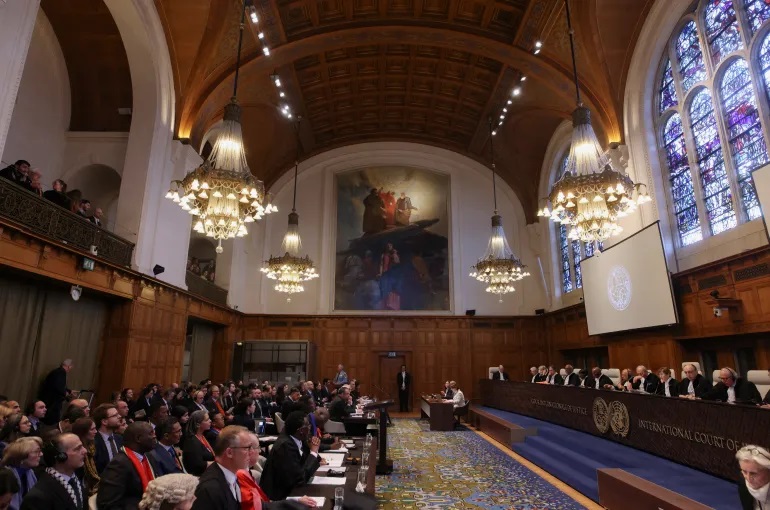
South Africa filed a case in the International Court of Justice (ICJ) in The Hague, Netherlands, asking the court to look into the genocide being committed by Israel against Palestinians.
The imposition of charges did not only pertain to the crimes perpetrated during the last few months since October 7 that have killed more than 23,000 people till now, but also the 75-year long apartheid, 56-year hostile occupation, and 16-year blockade on Gaza.
Israel was accused of committing genocidal acts during their military operations which included mass killings of Palestinians, bodily and mental harm, forced displacement and food blockade, destruction of the healthcare system, and preventing Palestinian births.
It is, however, pertinent to note, that while this case can take years, an “interim measure” intended to halt Israel’s attack in Gaza can be taken “within weeks”. If the interim measure is implemented, Israel will be legally obligated to put an end to its offences. And while the “court’s rulings are final”, it has no authority to impose them, nonetheless.
On the other hand, if the court does not implement an interim measure, “it could still decide it has jurisdiction and proceed with the case”.
Post-war Gaza Plans
Israel’s defence minister publicly presented proposals for the post-war administration of Gaza i.e. after it has dismantled Hamas’s “military and governing capabilities” and secured the return of hostages.
According to the minister, after the objectives are achieved — for which the proposal sets no timeline — Palestinian “civil committees” will begin assuming control of the territory’s governance.
“Hamas will not govern Gaza, (and) Israel will not govern Gaza’s civilians,” the plan said, while offering little concrete detail.
“Palestinian bodies will be in charge, with the condition that there will be no hostile actions or threats against the State of Israel.”
Pakistan Tehreek-e-Insaf (PTI) suffered a significant setback as the Supreme Court (SC) overturned the Peshawar High Court’s (PHC) January 10 decision, stripping the former ruling party of its ‘iconic’ electoral symbol, the bat. This development comes just days before the upcoming general elections, Geo reported on Saturday.
A three-member bench — headed by Chief Justice of Pakistan (CJP) Qazi Faez Isa and comprising Justice Muhammad Ali Mazhar and Justice Musarrat Hilali — announced the verdict after a day-long hearing.
The election commission had on December 22 barred the PTI party from keeping its ‘bat’ symbol for the upcoming February elections, citing irregularities in their internal polls that did not comply with the party’s own constitution and election laws.
Instead of mentioning constitution provisions, Supreme Court's order just narrated the facts and deprived one larger party from its elections symbol. pic.twitter.com/GD6TZVQkM2
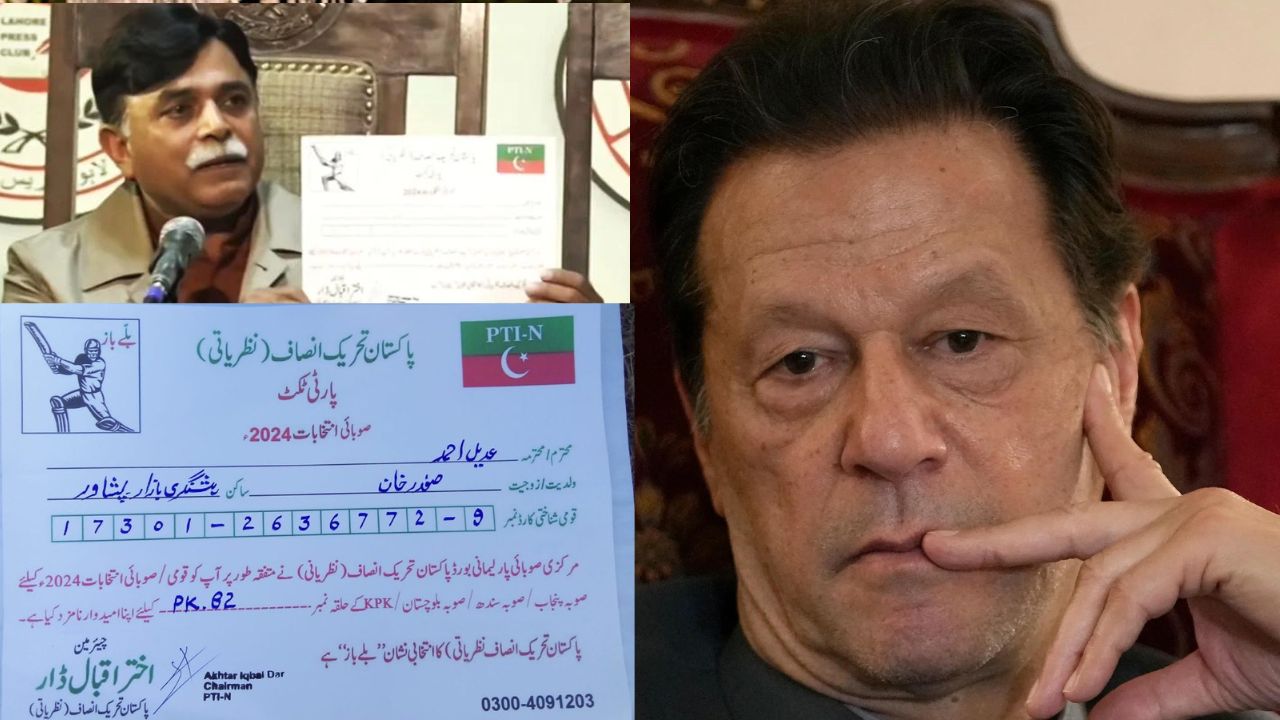
The leader of Pakistan Tehreek-e-Insaf Nazriati (PTI-N), Akhtar Iqbal Dar, has leveled serious accusations against Pakistan Tehreek-e-Insaf (PTI), alleging the submission of fake tickets by PTI candidates under the banner of PTI-N.
Speaking at a press conference in Lahore, Dar expressed bewilderment at the emergence of PTI candidates allegedly utilizing PTI-N tickets.
پی ٹی آئی نظریاتی کے چئیرمین اپنی اصلی پارٹی ٹکٹ دکھا رہے ہیں۔
دوسری جانب وہ ٹکٹیں جو PTI نے جعلی طور پر پی ٹی آئی نظریاتی کی ازخود جاری کروائیں۔
He adamantly declared, “I do not know from where the PTI candidates got our tickets. PTI submitted our fake tickets; I issued tickets to PTI Nazriati candidates.”
Accusing PTI of forgery, Dar underscored the gravity of the situation, emphasizing that candidates from one political party cannot exploit the platform of another. He urged the Election Commission of Pakistan (ECP) to conduct a thorough investigation into the matter and take appropriate action against instances of electoral forgery.
Dar asserted the distinct identity of PTI-N, stating, “PTI-N has its own manifesto, its own constitution; our slogan is the death penalty for corruption.” He called for transparency in the electoral process and adherence to ethical standards.
Responding to rumors circulating since midnight, Dar revealed that the distinguishing mark on PTI-N tickets is the unmistakable ‘batsman’ symbol. He claimed that Returning Officers (ROs) had inquired about their tickets, and PTI-N clarified that their tickets bear the clear mark of the regular ‘batsman,’ a symbol consistent with their 2018 election tickets.
Journalist Murtaza Ali Shah took to X (former Twitter) and said, “ECP has stopped the retuning officers not to allow the candidates to get the Batman symbol while deceiving to be the members of an other party – after PTI decides to get Batman symbol of PTI-N”
ECP has stopped the retuning officers not to allow the candidates to get the Batman symbol while deceiving to be the members of an other party – after PTI decides to get Batman symbol of PTI-N pic.twitter.com/qwe0wJjw8x
Displaying a PTI-N ticket to the media, Dar said, “This is our ticket. PTI has submitted our fake tickets. The ECP has issued a clear and blunt order that no candidate of any party can use the ticket of any other party.”
Dar explained the genesis of PTI-N, stating, “In 2007, I felt the need to discourage rigging, hooliganism, money politics, electorate politics, and promote transparency. That’s why PTI-N was formed, and I must be a part of PTI-N.” PTI-Nazriati was formed by Akhtar Iqbal Dar in 2012 after differences with PTI founder Imran Khan. Like many past members, he alleged that the party established in the name of justice had become a party of turncoats with the inclusion of politicians from other parties.
PTI-N was registered with the country’s top electoral authority in 2016 after accepting an application from Dar. At that time, the Khan-led party had filed an application in the Lahore High Court against the decision which was rejected.
The PTI-N fielded 35 candidates in the 2018 elections. Although, they did not win any seats they secured over 21,000 votes from Punjab and Khyber Pakhtunkhwa. The party has a base in Punjab.
It’s not just the symbol and name; both parties also have the same flags.
In June 2022, PTI had urged the ECP not to grant the symbol to PTI-Nazriati, citing potential confusion among voters. However, the ECP did not entertain PTI’s request.
Earlier today, PTI initiated a “plan B” by aligning with its splinter group, PTI-Nazriati, to secure the “batsman” symbol for its candidates, as the fate of its long-held “bat” symbol hangs in the balance pending a Supreme Court hearing.
جن افراد کے پاس ”تحریک انصاف نظریاتی “کے ٹکٹ ہیں وہ فوری طور پر جمع کروا دیں
Amidst the Supreme Court’s deliberations on the Election Commission of Pakistan’s petition challenging the restoration of PTI’s “bat” symbol by the Peshawar High Court, PTI instructed its candidates to submit PTI-Nazriati tickets to Returning Officers. The move comes as a backup plan in case the iconic “bat” symbol is denied.
The official PTI account posted on X, stating, “Whoever has PTI-Nazriati tickets should immediately submit them and take any kind of hindrance to the Election Commission of Pakistan (ECP) and high courts.”
The move to secure an alternative symbol gained traction following Chief Justice of Pakistan Qazi Faez Isa’s remarks during a recent hearing.
ہر پولٹیکل پارٹی کی پہچان اس کا نشان ہوتا ہے پاکستان میں کسی پارٹی نے ایسے الیکشن نہیں کروائے جس طرح پی ٹی آئی نے کروائے لیکن الیکشن کمیشن کے پاس دو چشمے ایک سے تحریک انصاف اور دوسرے سے باقی پارٹیوں کو دیکھتا ہے – پاکستان کی تاریخ میں کبھی اس طرح کسی پارٹی سے اس کا نشان نہیں… pic.twitter.com/qrb1T9pxbO
While the Supreme Court’s decision is pending, tensions rise within the political landscape. PTI leader Shoaib Shaheen submitted a plea to the ECP, requesting acceptance of PTI Nazriati tickets for candidates. However, the ECP issued a statement warning against attempts to deceive the commission through such requests.
The evolving situation poses challenges for PTI-Nazriati candidates who have already received tickets in constituencies where PTI is fielding its candidates. The uncertainty surrounding the electoral symbol deadline adds further complexity to the political landscape, with the Supreme Court expected to announce its decision soon.
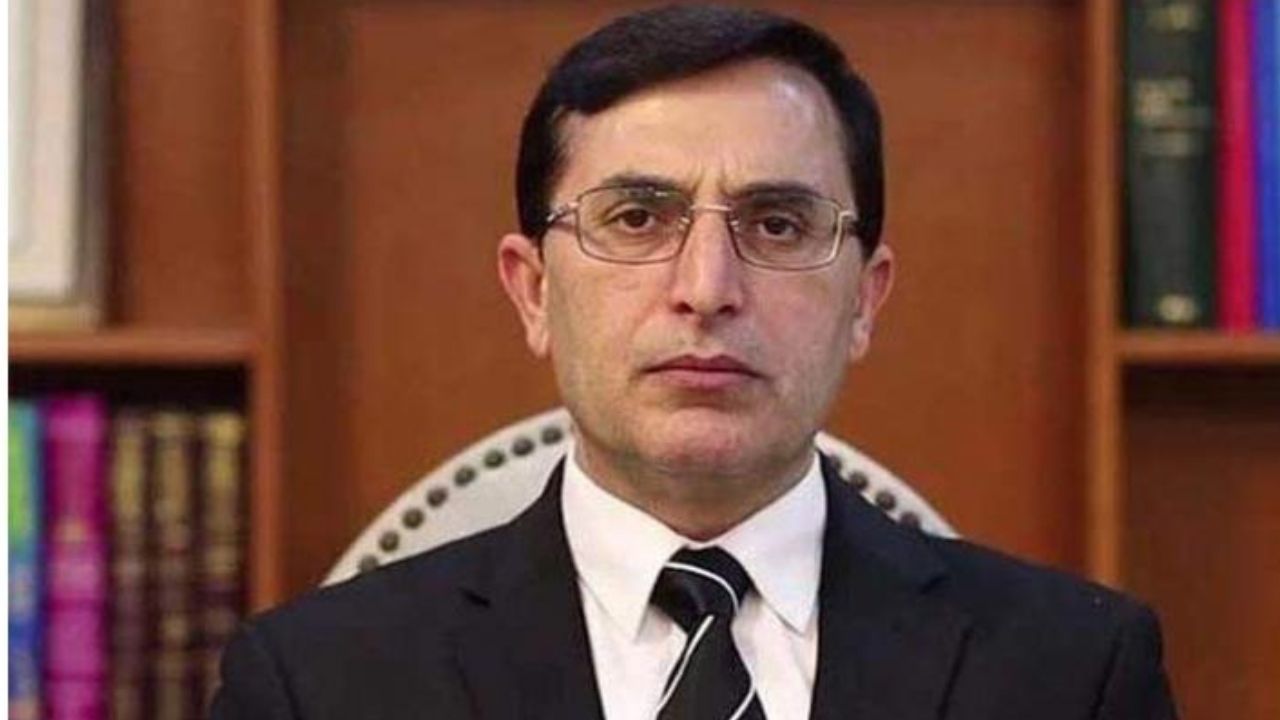
Pakistan Tehreek-e-Insaf (PTI) Chairman Barrister Gohar Khan has alleged that his family was subjected to an attack while he was present in the Supreme Court on Saturday. The incident unfolded during the hearing of the Election Commission of Pakistan’s (ECP) plea challenging the Peshawar High Court’s (PHC) verdict favoring the PTI in the bat symbol and intra-party polls case.
Upon receiving the distressing update, the PTI chief promptly left the premises of the Supreme Court. During a conversation with his colleague and fellow party member Barrister Ali Zafar, Barrister Gohar expressed concern over the safety of his family.
“News has just come from home. People came in four double cabins and took the computer,” he stated, highlighting the severity of the incident.
Barrister Gohar informed his colleague that his sons and nephews had been physically assaulted during the attack. The PTI lawyer, addressing the courtroom, emphasized the gravity of the situation, stating that some people reached his home and beat up his family members.
X (former Twitter) user Salaar Khan wrote, “Barrister Ghar Ali Khan informs the Supreme Court that unidentified personnel have entered his home and beaten up his family. He asks the court for indulgence and is told people are looking into it. He begs the court for indulgence to explain. The scene cuts.”
Barrister Ghar Ali Khan informs the Supreme Court that unidentified personnel have entered his home and beaten up his family. He asks the court for indulgence and is told people are looking into it. He begs the court for indulgence to explain. The scene cuts. pic.twitter.com/nth6XjPLCR
In response to the unsettling news, Chief Justice of Pakistan (CJP) Isa expressed disapproval, stating, “Whatever happened should not have happened.” He then summoned the additional attorney general to address the matter promptly.
The additional attorney general assured the court that he would investigate the incident and left the courtroom. The reported attack on Barrister Gohar Khan’s family adds a concerning dimension to the ongoing legal proceedings, and further details are expected to emerge as the investigation unfolds.
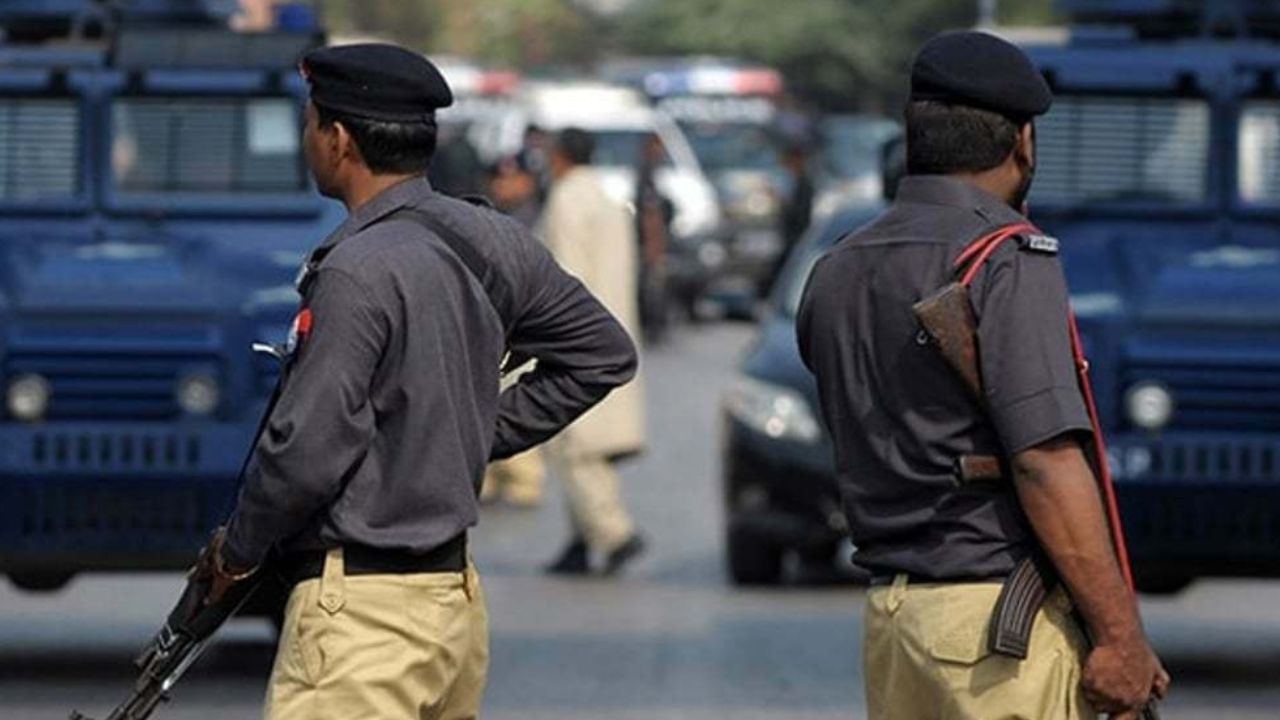
As the nation braces for the upcoming general elections, Karachi police is facing a substantial shortage of 14,300 security personnel, including female officers.
As per The News, Khadim Hussain Rind, the additional inspector general (AIG) of Karachi, revealed that the city’s police force had initiated robust security arrangements for the elections scheduled for February 8.
However, he underscored the significant shortfall in required personnel.
“Over 46,076 police personnel are needed for the election security plan, while Karachi Police have only 31,776. The required number of female police personnel is also not available,” said the AIG.
He elaborated on the specific needs for female personnel, highlighting, “At least 3,200 female personnel are required for security arrangements at women’s polling stations while we have 1,200 female personnel. The KPO faces a shortage of 2,000 lady cops.”
As per the security plan, eight police personnel are required for the most sensitive, six for sensitive and four for normal polling stations each. In Karachi, there are 2,033 most sensitive stations, 3,008 sensitive stations, and 308 polling stations are declared normal, while 16,264, 18,048, and 1,232 personnel respectively are required for them.
Rind disclosed that 35,544 personnel would be assigned to duty at 5,349 polling stations in the megacity.
Additionally, a quick response force is set to be deployed at polling stations, with 3,892 personnel assigned to 2,774 buildings. Furthermore, 4,210 police officers will be placed on reserve duty under the supervision of the Deputy Inspector General (DIG), accompanied by nine Senior Superintendents of Police (SSPs), 16 Superintendents of Police (SPs), 57 Deputy Superintendents of Police (DSPs), and 107 Station House Officers (SHOs).
The AIG outlined plans to allocate 2,430 personnel for various election commission offices, welfare duties, hospitals, and miscellaneous tasks.
However, he emphasized the glaring shortage of 14,300 police personnel and revealed that multiple options were under consideration to address this gap. Possibilities include deploying lady health workers, and polio staff, or hiring private security guards, anti-encroachment, excise police, anti-corruption, or forest department personnel to bolster the existing security measures.
As the elections draw near, efforts are underway to mitigate the shortfall and ensure the safety and integrity of the electoral process in Karachi.
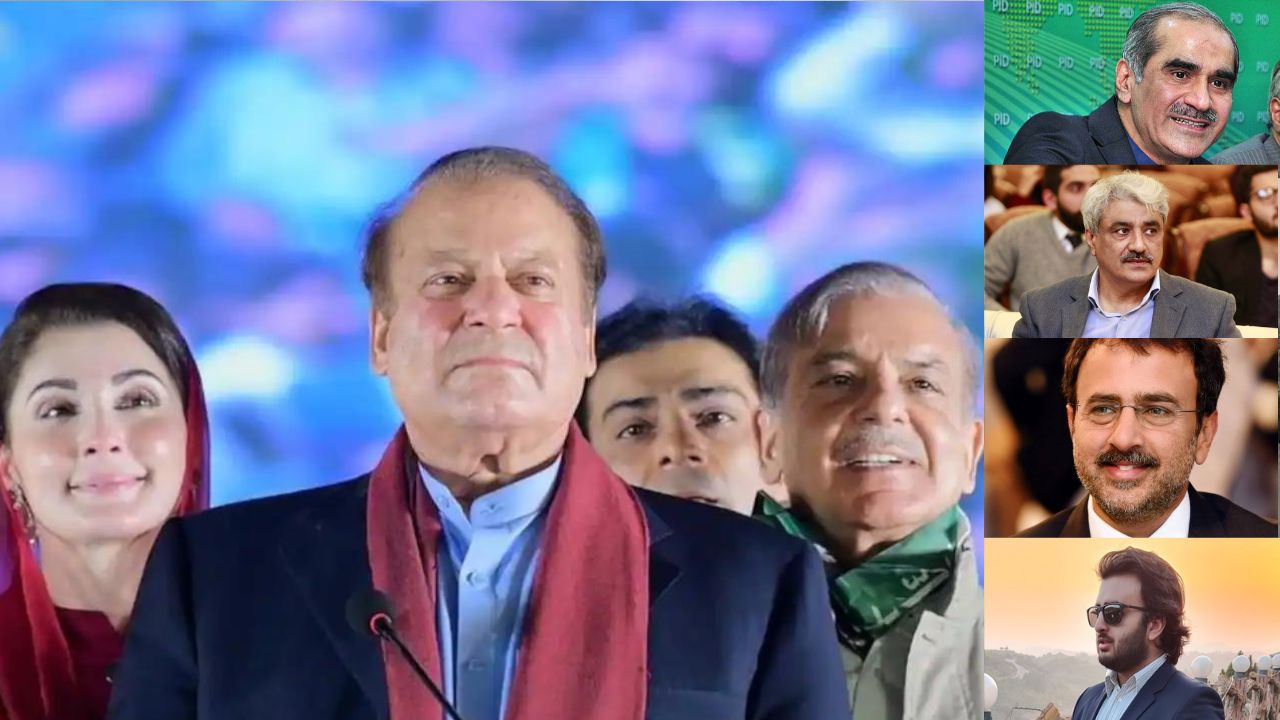
As the general elections loom closer, the Pakistan Muslim League-Nawaz (PML-N) has disclosed its roster of candidates for both the National and Punjab Assemblies, drawing attention for granting tickets to more than 30 family members, as reported by The News.
The announcement was made by Ishaq Dar, PML-N’s Head of Election Cell, marking a pivotal moment in the party’s preparations for the upcoming political showdown.
In a notable revelation, 36 candidates have familial ties, including father-son, father-daughter, husband-wife, brother-in-law, mother-son, father-in-law, and uncle-nephew relationships among them.
Candidates of PMLN who are father-son, father-daughter, husband-wife, brother-in-law, mother-son, father-in-law and uncle-nephew.
Nawaz Sharif and his daughter will contest the National Assembly polls from Lahore.
Similarly, Shehbaz Sharif and his son Hamza Shehbaz will…
PML-N stalwarts Nawaz Sharif and his daughter Maryam Nawaz are set to contest the National Assembly polls from Lahore, while PML-N President Shehbaz Sharif and his son Hamza Shehbaz will participate in both the National Assembly and provincial assembly polls.
Malik Saif ul Mulook Khokhar, the President of PML-N Lahore, and his son Faisal Ayub, have secured tickets for the National and provincial assemblies, respectively.
Afzal Khokhar and his nephew Irfan Shafi Khokhar from Lahore are also contesting on PML-N tickets.
From Dera Ghazi Khan, former minister Awais Leghari and his son Amar Leghari are nominated for National Assembly seats in Rajanpur.
Additionally, former minister Khawaja Saad Rafique is vying for a National Assembly seat, while his brother Salman Rafiq is contesting for a provincial assembly seat, both from Lahore.
In Muzaffargarh, former minister Syed Basit Bukhari and his daughter Syeda Shahr Bano Bukhari have been fielded as candidates.
From Bahawalpur, Iqbal Chanar is nominated for a National Assembly seat, with his son Zaheer Iqbal Chanar is contending for a provincial assembly seat.
Chaudhry Khalid Javed Waraich and his son Uqba Waraich are PML-N’s candidates for the National and provincial assemblies from Toba Tek Singh, respectively.
Yaqoob Shaikh is contesting for the National Assembly from Jhang, while his wife Rashida Yaqoob is running for a provincial assembly seat.
Notable leaders like Daniyal Aziz didn’t make it to the list.
PML-N ticket distribution extends to various regions, including Kasur, Vehari, Dera Ghazi Khan, Taunsa, Lodhran, Khanewal, and Sheikhupura, with candidates such as Rana Hayat, Begum Tahmina Daultana, Amjad Farooq Khosa, Siddique Baloch, and Mian Javed Latif, among others.
Notably, the PML-N has introduced eight new faces in Punjab for National Assembly tickets, including Bilal Azhar Kayani and Attaullah Tarar. The party has also allocated tickets to six women for the National Assembly and three for the provincial assembly in Punjab, showcasing a diverse candidate pool.
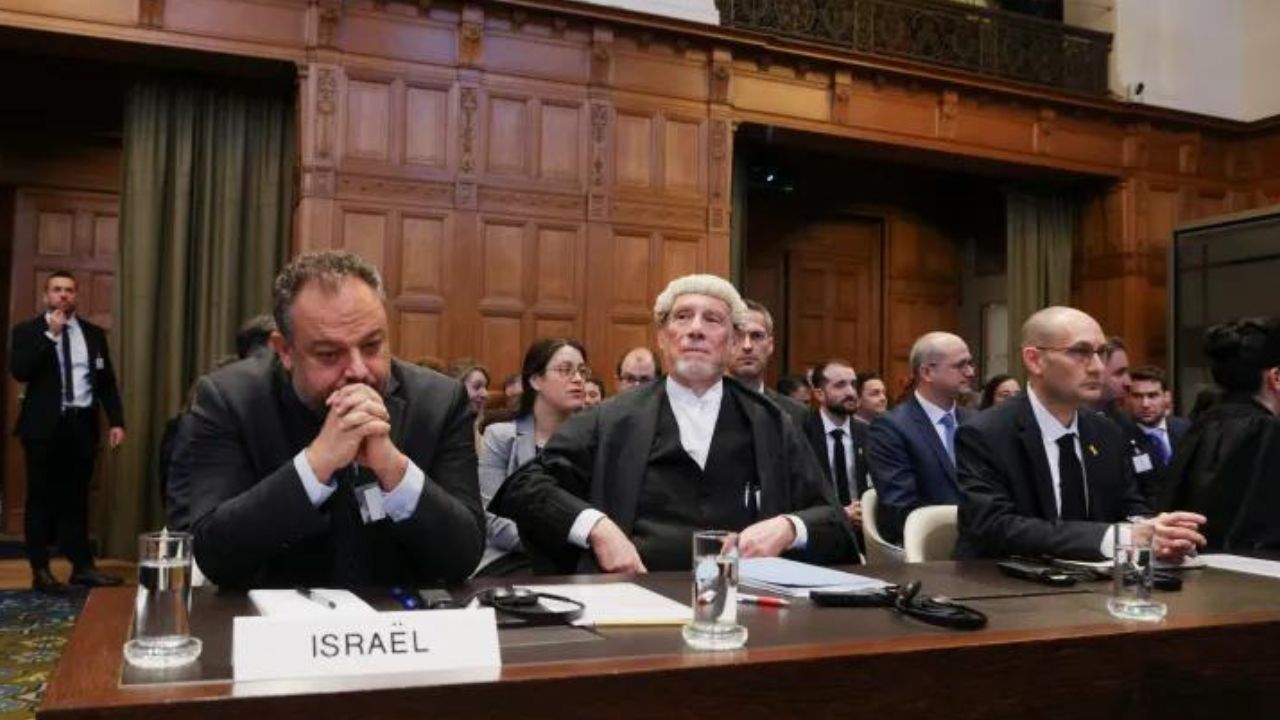
On January 11-12, the International Court of Justice (ICJ) heard the genocide case filed against Israel by South Africa.
On Day 1, South Africa’s legal team put forward its case, pointing at the atrocities being committed against Palestinians in Gaza by Israel.
Israel is accused of committing genocidal acts during their military operations which included mass killings of Palestinians, bodily and mental harm, forced displacement and food blockade, destruction of the healthcare system, and preventing Palestinian births.
On Day 2, Israel defended itself against the charges, arguing that South Africa “ignored” the incident of October 7 and that Israel had the right to defend itself, adding that the court should put provisional measures against South Africa, accusing it of having ties with Hamas. Israel did not submit any evidence to support its claims that Hamas was the cause of the attacks in Gaza whereas South Africa submitted video evidence of Israeli atrocities in Gaza.
They also blamed Hamas for the high civilian death toll in Gaza, claiming that Israel did not bomb hospitals and that they enabled humanitarian aid.
What’s next?
Al Jazeera explains that even though South Africa’s case against Israel can take years, an “interim measure” intended to halt Israel’s attack in Gaza can be taken “within weeks”.
If the interim measure is implemented, Israel will be legally obligated to put an end to its offences. And while the “court’s rulings are final”, it has no authority to impose them, nonetheless.
On the other hand, if the court does not implement an interim measure, “it could still decide it has jurisdiction and proceed with the case”, adds Al Jazeera’s explainer.
Pakistan People’s Party (PPP) has awarded four party tickets for general seats in provincial and national assemblies to minority candidates.
Pakistan Tehreek-e-Insaf (PTI) has given one party ticket to minority candidate Lalchand Malhi from NA-213 Umerkot Sindh.
The PPP nominated Sakhawat Masih, a ground worker from Narowal, for NA-76 Narowal, along with giving tickets to Doctor Mahesh Kumar Malani from Tharparkar for NA-215 Mithi/Tharparkar.
Malani was the only Hindu MNA on general seat in the National Assembly from 2018–2023.
PPP is also fielding Seth Hari Ram Kishori Lal from Mirpurkhas, for P.S-45 Mirpurkhas-I.
He was also the only Hindu member of the provincial assembly (MPA) on a general seat from 2018–2023.
Dr. Saveera Parkash from PK-25 Buner is also a PPP candidate, the first female Hindu candidate from the region.