Category: Politics

  • All you need to know about Indian farmers’ protests as world shames Modi govt

    With international celebrities, including Rihanna and Greta Thunberg, voicing concerns over the law and order situation in India as farmers continue to give the Narendra Modi-government a tough time while seeking fulfillment of their demands, ‘#FarmersProtest’ has become the top trend on Twitter even beyond Indian borders — in Pakistan.

    But what do the protesters, who have now been on roads for two months, really want?

    The ongoing demonstrations caught most attention when Indian law enforcement resorted to violence against the farmers who had converged on New Delhi on the country’s Republic Day.

    According to Associated Press (AP), farmers hailing from northern Punjab and Haryana states, the two biggest agricultural producers, are demanding the repeal of laws passed by the parliament in September that they say will favor large corporate farms, devastate the earnings of many farmers and leave those who hold small plots behind as big corporations win out.

    Modi has billed the laws as necessary to modernise Indian farming.

    In recent weeks, people who are not farmers have also joined in, and the protests gained momentum in November when the farmers tried to march into New Delhi but were stopped by police. Since then, they have promised to hunker down at the edge of the city until the laws are repealed.

    At the heart of these protests are Indian farmers’ fears that the government’s moves to introduce market reforms to the farming sector will leave them poorer — at a time when they are already frustrated over their declining clout as the government aims to turn India into a hub for global corporations.

    The new legislation is not clear on whether the government will continue to guarantee prices for certain essential crops — a system that was introduced in the 1960s to help India shore up its food reserves and prevent shortages.

    While the government has said it is willing to pledge the guaranteed prices will continue, the farmers are skeptical and want new legislation that says such prices are their legal right.

    Farmers also fear that the legislation signals the government is moving away from a system in which an overwhelming majority of farmers sell only to government-sanctioned marketplaces. They worry this will leave them at the mercy of corporations that will have no legal obligation to pay them the guaranteed price anymore.

    The Modi government argues that this is designed to give farmers more choice in who to sell their produce to. It also says the legislation will benefit farmers by boosting production through private investment.

    The government has offered to amend the laws and suspend their implementation for 18 months — but that has not satisfied farmers who want a full repeal.

    Clauses in the legislation also prevent farmers from taking contract disputes to courts, leaving them with no independent means of redress apart from government-appointed bureaucrats.

    These perceived threats to their income terrify India’s farmers, who are mostly smallholders as around 70% of them own less than 1 hectare of land.
  • Global Democracy Index ranks Pakistan 105/167; says Islamabad has ‘hybrid democracy’

    Democracy has had yet another bad year globally, according to the latest edition of the Democracy Index from The Economist Intelligence Unit (EIU).

    The annual EIU’s Democracy Index provides a snapshot of the state of democracy worldwide in 167 countries. This covers almost the entire population of the world and the vast majority of the world’s states (microstates are excluded).

    The index is based on five categories, electoral process and pluralism, the functioning of government, political participation, political culture and civil liberties.

    Based on its scores on a range of indicators within these categories, each country is then itself classified as one of four types of regime: “full democracy”, “flawed democracy”, “hybrid regime” or “authoritarian regime”.

    This year, the index classified 23 countries as full democracies, 52 as flawed democracies, 35 as hybrid regimes and 57 as authoritarian regimes.

    Securing the 105th slot, Pakistan, like last year, has been placed under the head of hybrid democracy, next to Turkey at the 104th rank. India, on the other hand, has been classified as a “flawed democracy” along with countries such as the United States (US), France, Belgium and Brazil.

    Among the countries topping the list are Norway, Iceland, Sweden, New Zealand and Canada, followed by Finland, Denmark, Ireland, Australia and Netherlands.

    “The authorities’ handling of the coronavirus pandemic led to a further erosion of civil liberties in 2020,” the report said.

  • PM Imran gaining record weight because of workload: report

    The workload that entails one’s election as the chief executive of a country can not even be imagined by someone who hasn’t been there, and requires spending a lot of time sitting in the office.

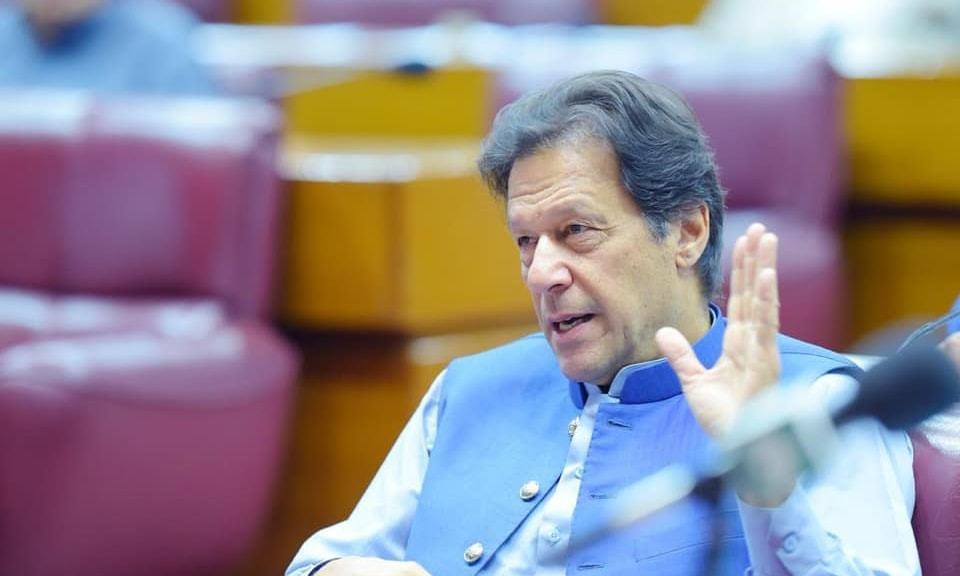
    There have been no exceptions for Pakistan’s very own cricketer-turned-politician, Prime Minister (PM) Imran Khan, who, according to Geo, now weighs around 15 pounds (6 kgs) more than he has ever weighed as a sportsperson, philanthropist or struggling politician.

    According to the premier, he has never weighed more than 185 pounds (83 kgs) but now weighs 200 pounds (90 kgs), the report said.

    PM Imran, who is well-known for maintaining good health through regular exercise, has lately not been exercising at all, the report quoted his close associates as saying.

    Back in 2018 when he had recently assumed office, PM Imran made it a routine for himself to work out in the morning before starting his official duties.

    At that time, pictures of the premier enthusiastically exercising had gone viral on social media, with people commending his healthy lifestyle.

    No holiday when there is a country to be run, Prime Minister Imran Khan has reached office #PMIK

    Posted by Imran Khan on Sunday, August 19, 2018

    What do you think of it? Let The Current know in the comments below…

  • PTI takes ‘U-turn’ after Imran offers open hearing of foreign funding case

    PTI takes ‘U-turn’ after Imran offers open hearing of foreign funding case

    The Pakistan Tehreek-e-Insaf (PTI) doesn’t agree with Prime Minister Imran Khan over the open hearing of the foreign funding case against the party.

    On Jan 20, Imran addressed a ceremony in Waziristan, wherein he had called for the open hearing of the foreign funding cases against all political parties, including the PTI, to come clean.

    It seems that the PTI legal team doesn’t consider it as a good idea. According to a statement filed by PTI lawyer Shah Khawar in the Election Commission of Pakistan, the PTI has no plans to make its financial statement accessible and the statement of the PTI chairman was “misconstrued”.

    “The statement of party Chairman has been wrongly construed which is not tantamount to provide [sic] documents furnished by the answering respondents (PTI) and material collected by this scrutiny committee,” Dawn reported the lawyer as saying.

    The statement was filed in response to a plea submitted by PTI founding member Akbar S Babar — the petitioner in the foreign funding case. Babar had urged the ECP to make public the records of the PTI in the wake of the statement by the PM.

    Speaking to media, Babar said that PM Imran attempted to mislead the public by his statement. “The PTI has a poor record when it comes to transparency in the case,” he told reporters. Babar said that he and his lawyers would decide their future course of action after the committee’s order on Feb 9.

    The foreign funding against the ruling party case was filed by its founding member Akbar S Babar in 2014. The ECP had started fresh scrutiny of the PTI accounts — a process going on since March 2018.

    The PTI had admitted last month that its agents in the US might have been involved in the illegal funding without the knowledge of the party chief, Imran Khan.

  • After FIA, NAB too cannot probe BRT project

    After FIA, NAB too cannot probe BRT project

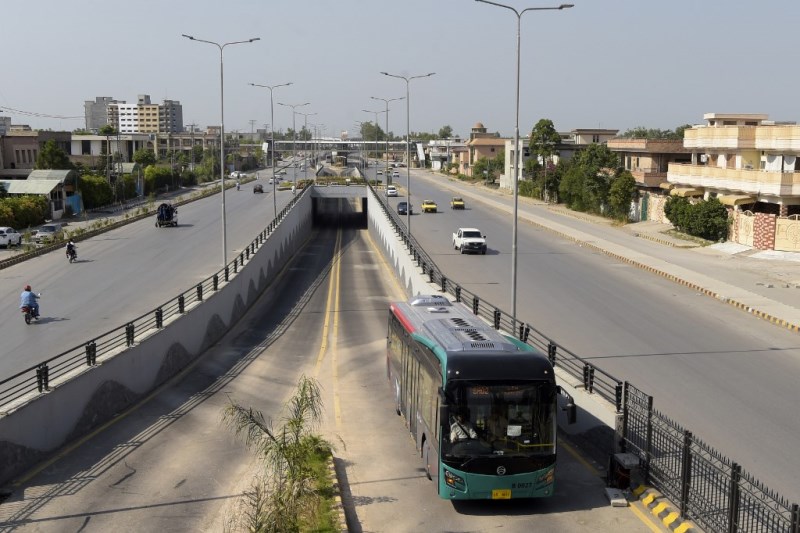
    The Supreme Court has stopped the National Accountability Bureau (NAB) from investigating alleged irregularities in the Peshawar Bus Rapid Transit (BRT) project.

    The Khyber Pakhtunkhwa government had approached the apex court against a ruling by the Peshawar High Court wherein the court had asked NAB to probe the mass transit project over alleged corrupt practices that resulted in massive losses to the national exchequer.

    A three-member bench headed by Justice Umar Ata Bandial set aside the decision of the high court, saying it was based on speculations.

    According to the petition filed in the high court, the project was transferred to the Peshawar Development Authority despite the formation of a special BRT cell in the provincial transport department that also hired staffers and consultants. The court had observed the project was not coordinated well, resulting in delay and loss of money. 

    This is not the first time that NAB has been barred from touching the BRT. In 2018, after the PHC asked NAB to probe the BRT project, then chief justice Saqib Nisar had suspended the decision in Sept 2018.

    In Feb 2020, an SC bench headed by Justice Bandial had stopped the Federal Investigation Agency to stop the BRT investigation. At this time, the KP government’s lawyer had alleged that the PHC had issued its verdict without any reasoning.

    PESHAWAR METRO:

    The BRT bus service was launched on Aug 13 last year by Prime Minister Imran Khan after much delay as it missed several deadlines.

    The KP government and the project’s execution agency had promised to open the project, launched in October 2017, within six months on April 20, 2018. However, the deadline was missed.

    The project managers kept changing the launch dates from May 20 to June 30 to December 31 in 2018 to March 23, 2019, but the project was finally launched in Aug 2020. Since then, multiple buses of the BRT have broken down or caught fire.

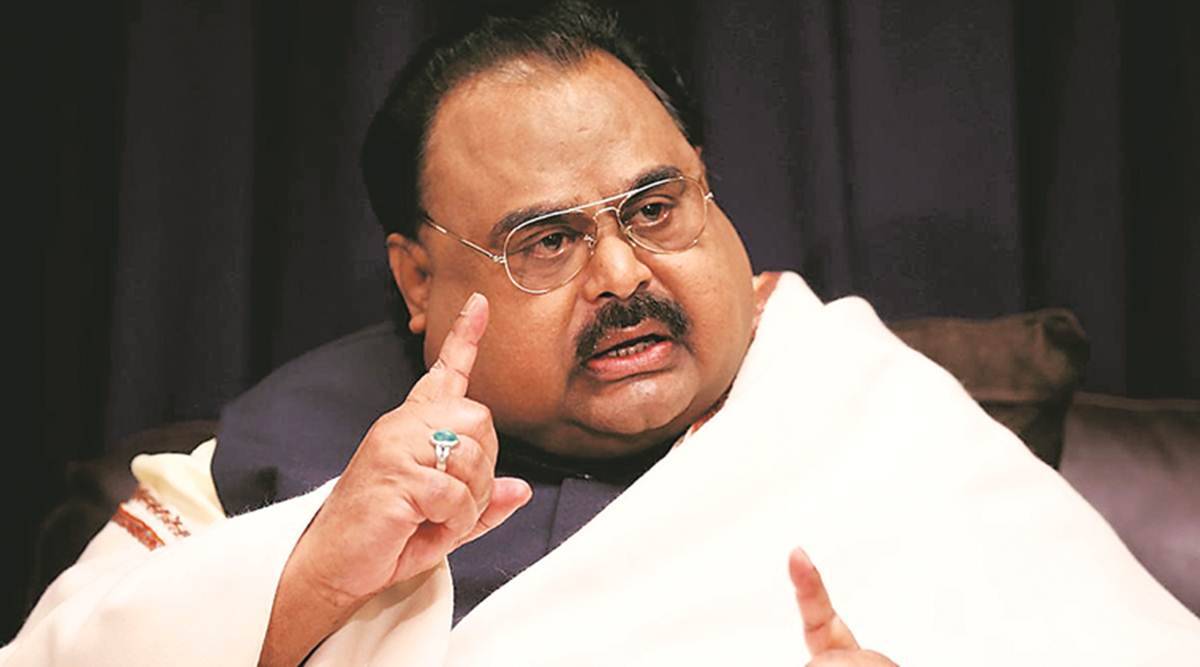
  • MQM founder Altaf Hussain in ICU due to COVID

    MQM founder Altaf Hussain in ICU due to COVID

    Muttahida Qaumi Movement (MQM) founder Altaf Hussain has been under treatment for nearly three weeks in Britain due to coronavirus.

    Altaf urged his followers to continue praying for him, saying he would speak to them again after recovering.

    “May Allah protect everyone from this disease, COVID-19,” he was quoted by a news media outlet as saying. The MQM founder also appealed to listeners to “take precautions and help each other” in the times of a pandemic.

    On Jan 23, the MQM from its official Twitter handle tweeted: “MQM founder leader Mr Altaf Hussain got ill. After the check-up, the doctor advised him to rest and suspend his political activities.”

    Britain has had one of the world’s highest Covid-19 mortality rates and has recorded more than 106,000 deaths — the worst toll in Europe. The country is currently under a third national lockdown as it battles new strains of the coronavirus.

    On October 10, Hussain was charged by the UK’s Crown Prosecution Services with the terrorism offence in a case related to his incendiary speech relayed from the UK to his followers in Pakistan in 2016.

    After the speech, a crackdown was launched against the MQM and the government sealed its headquarter, Nine Zero, in Karachi. Later, MQM leaders in Pakistan also distanced themselves from him and removed his name from the party constitution, resulting in the formation of MQM-Pakistan.

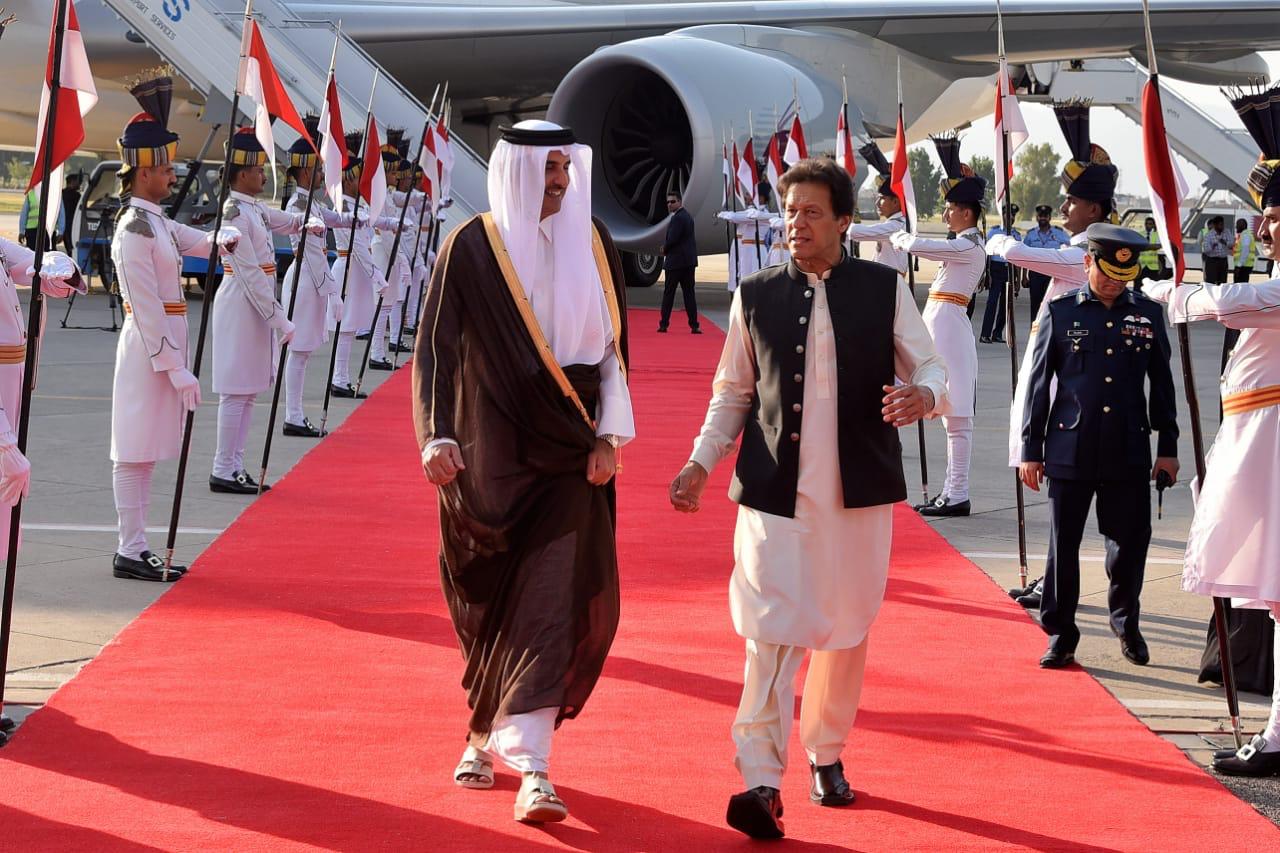
  • Senior journalist accuses close aide of PM of disrupting Pak-Qatar ties; Twitter is guessing who…

    Senior journalist accuses close aide of PM of disrupting Pak-Qatar ties; Twitter is guessing who…

    Senior journalist Arif Hameed Bhatti has accused a close aide of Prime Minister (PM) Imran Khan of disrupting Pakistan-Qatar business ties.

    Speaking during a talk show on Saturday, Bhatti claimed that a cabinet member, who is also an advisor of the premier, visited Qatar and snubbed the government by asking to start personal business ties.

    He went on to claim that the issue was also discussed in the recently-held cabinet meeting.

    When the host of the current affairs programme, Paras Jahanzaib, asked Bhatti to name the advisor who visited Qatar and told the authorities to end business ties with the Pakistan government, Hameed seemed reluctant to answer, but Twitterati have not been holding back their guesses.

    What do they owe their guesses to? Well, this clip from the show…

    WATCH VIDEO:

    What do you think of the claims? Let The Current know in the comments below…

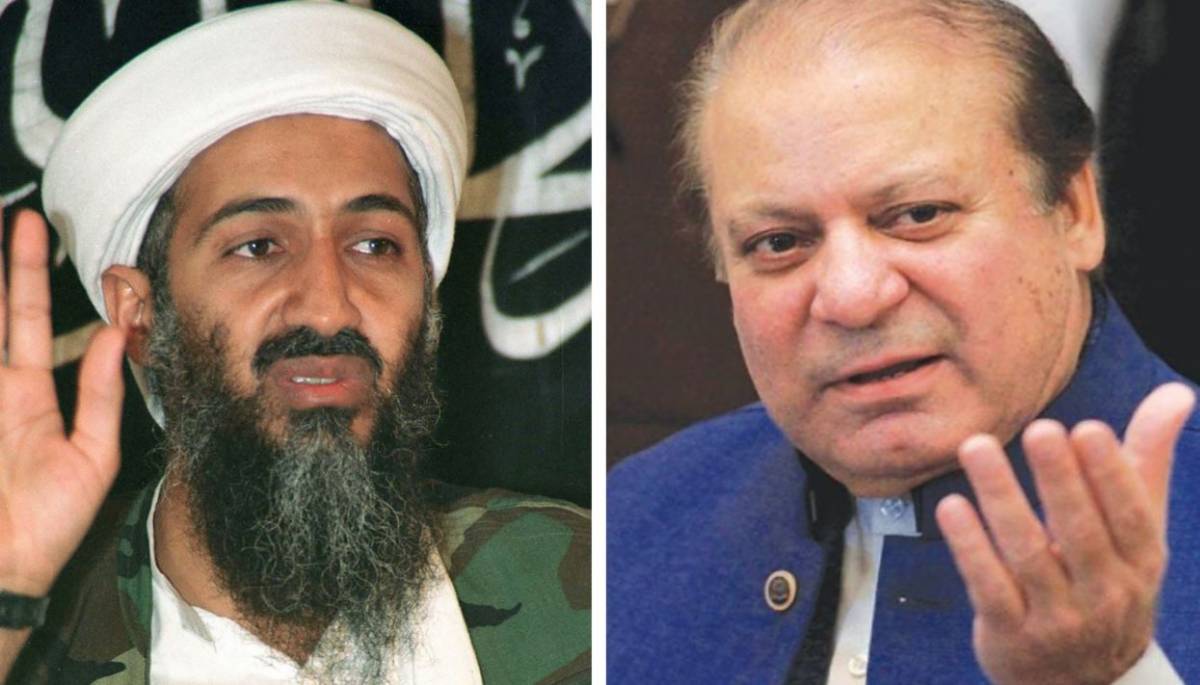
  • Osama bin Laden funded Nawaz govt in 1990s, says ex-envoy

    Osama bin Laden funded Nawaz govt in 1990s, says ex-envoy

    The government of former prime minister Nawaz Sharif was supported and funded by global terrorist Osama bin Laden at some point during the 1990s, said Pakistan’s former envoy to the United States Abida Hussain.

    In an interview with Samaa on Saturday, the former ambassador said that the claims that OBL supported Nawaz are true. She, however, added that the story of Nawaz-OBL relationship is a “complicated one”.

    Abida Hussain also talked about Pakistan’s nuclear programme, saying Nawaz Sharif was not aware of the developments regarding the project due to an unfriendly relationship with then president Ghulam Ishaq Khan.

    She said that the nuclear programme was completed in 1992 and not 1983, adding that Pakistan was under a lot of pressure from US envoys and lawmakers to roll back the programme.

    Osama bin Laden, the al Qaeda chief who was killed by the US special forces in a midnight raid in Abbottabad in May 2011, was the mastermind of the 9/11 attacks that left over 3,000 people dead. These attacks resulted in the US invasion of Afghanistan — a 20-year-long conflict that has claimed countless lives.

    Bin Laden made headlines last year when PM Imran Khan called him a “shaheed” during a National Assembly session.

    https://twitter.com/ventdeInde/status/1276144510121148417

    “Pakistanis were deeply embarrassed when Americans killed Osama bin Laden in Abbottabad. Shaheed kar diya [was martyred]. But what happened after that? The entire world hurled abuses at us. Our ally [the US] entered our country and killed someone without even telling us. It was a big humiliation,” he said before going on to describe the drone attacks as the second set of incidents that embarrassed the country.

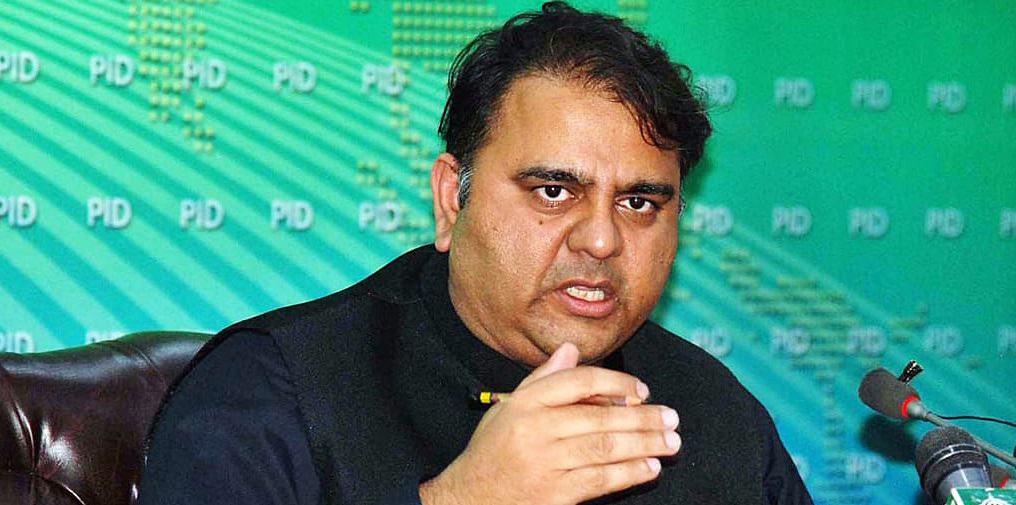
  • Fawad Ch disqualification case: IHC chief justice wants people to be the judge

    Fawad Ch disqualification case: IHC chief justice wants people to be the judge

    Islamabad High Court (IHC) Chief Justice Athar Minallah has said that the judiciary has faith in decisions made by the people, who are responsible even if they elect to power the wrong representatives.

    “If eligibility or disqualification are to be decided, do so outside courtrooms,” the top Islamabad judge said while hearing a petition seeking the science and technology minister’s disqualification for allegedly hiding his assets.

    Justice Minallah was due to hear the plea on February 1 (today). The court had already issued notices to Fawad and the Election Commission of Pakistan (ECP) for the hearing.

    The petitioner has claimed that the minister did not disclose details of the land he owns in Jhelum in his nomination papers for the 2018 general elections. “He is no longer ‘sadiq and ameen’ and should be disqualified,” the petitioner had argued.

    During the course of proceedings on Monday, the IHC ruled that it will hear the disqualification petitions against all MNAs and MPAs together and give a combined ruling on it.

    The combined cases will be heard on March 9. The cases will be wrapped up together so that the court can listen to other petitioners, the court remarked.

    The court has a clear stance on hearing cases against the representatives of the government. Courts should not be used for political motives, said Justice Minallah. “Why should we hear cases that will eventually lead to the criticism of the courts?”

    The petitioner said that the court has to make a decision if the law is violated anywhere, the petitioner said, adding that former PM Nawaz Sharif was also disqualified by the courts.

    Former CJ of Pakistan Asif Saeed Khosa had said that Parliament should amend Article 62 (1)(f). If it remains the same, then all of us could be disqualified under it, the court added.

    Article 62 (1)(f) of the Constitution is a provision requiring elected officials to be ‘sadiq and ameen’ or honest and righteous. Former prime minister Nawaz Sharif and PTI leader Jahangir Tareen were disqualified under this clause.

    Fawad, who attended the hearing, said that whatever has been presented in court is nothing but a classic example of blackmailing. “Courts are supposed to protect us from being blackmailed.”

    Responding to Fawad, Justice Minallah said that the politicians should play their role in changing the blackmail culture. “People hurl abuses at judges on social media,” he remarked, adding that MPAs and MNAs should try to change this culture too.

  • Faisalabad man refuses to marry daughter into family that praised PM Imran

    Faisalabad man refuses to marry daughter into family that praised PM Imran

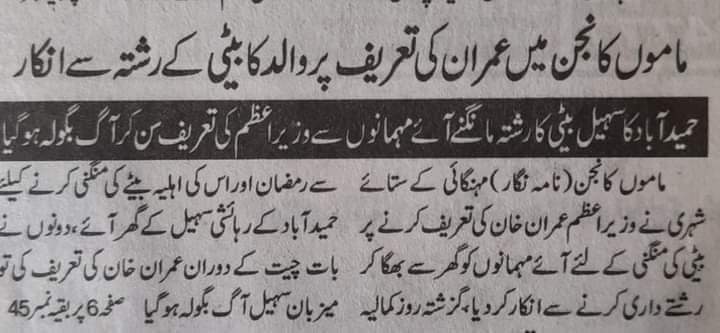
    A man in Faisalabad rejected a marriage proposal for his daughter after the other side praised Prime Minister (PM) Imran Khan, an undated Urdu newspaper clipping claimed.

    According to the report, the man, namely Hameed of Mamu Kanjan town in Tandlianwala, lost his temper when his potential son-in-law’s family praised the ruling Pakistan Tehreek-e-Insaf (PTI) and PM Imran.

    Done of inflation, Hameed lost his cool when Kamalia’s Ramzan and his wife praised the Imran-led PTI as the two families met to discuss the kids’ engagement, the report said.

    “He [Hameed] kicked the guests out of his house and refused to forge relations with them,” read the clipping.

    A massive loyalty shift has been reported among the supporters of the now ruling PTI as the opposition continues to support people against the government’s economic policies.

    Pakistan’s inflation rate, which was until recently at a record high, was 10.58% for 2019, a 5.5% increase from 2018.

    The premier claimed on Sunday that inflation had currently declined from the level of 2018 when the PTI came to power.

    “The government’s efforts are coming to fruition as both the consumer price index and core inflation had touched lower than the time of government’s formation,” he tweeted.

    “More good news on the economic front. Consumer price index and core inflation are both now lower than when our government was formed,” he said.

    Planning Minister Asad Umar also said on Twitter that inflation during January was down to 5.7% while core inflation was at 5.4%.

    “In July 2018, prior to the PTI government’s formation, CPI [consumer price index] was 5.8% and core inflation was 7.6%,” the minister said in his tweet.

    However, the Economic Survey 2019-20 released by the government as part of the current fiscal year’s budget documents and the current official data of the Pakistan Bureau of Statistics (PBS) depict a contrary picture about food inflation as the prices of essential items have gone up to between 50% and over 80% in the retail market as compared to prices in 2017-18.