Blog

  • Block pornographic and blasphemous content, ministry urges PTA

    Block pornographic and blasphemous content, ministry urges PTA

    The Pakistan Telecommunication Authority (PTA) has been urged to block and restrict public access to pornographic, blasphemous and other harmful online content.

    The Ministry of Religious Affairs, in an official communique to the top telecom regulator, showed concerns that Pakistan is becoming “one of the leading countries in terms of viewing pornographic content, which is highly alarming, especially in light of its negative impact on public morality and the well-being of our society”.

    “Despite the proactive measures taken by the PTA to block such content in line with the Supreme Court orders issued in January 2016, May 2016, and March 2018, it has been observed that pornographic and blasphemous material is still readily accessible on multiple online platforms.”

    The ministry acknowledged the PTA’s efforts to curb this issue by blocking the accessibility of such content, but noted with concerns that such material “is still online accessible that violates our cultural and religious values”.

    The letter further states that the widespread availability of such content undermines efforts to protect citizens, particularly young people, from exposure to harmful material.

    It also raises concerns regarding the adherence to the directives of the top court and the authority’s ability to enforce content regulations effectively.

  • Constitutional bench set to begin hearings on Nov 14

    Constitutional bench set to begin hearings on Nov 14

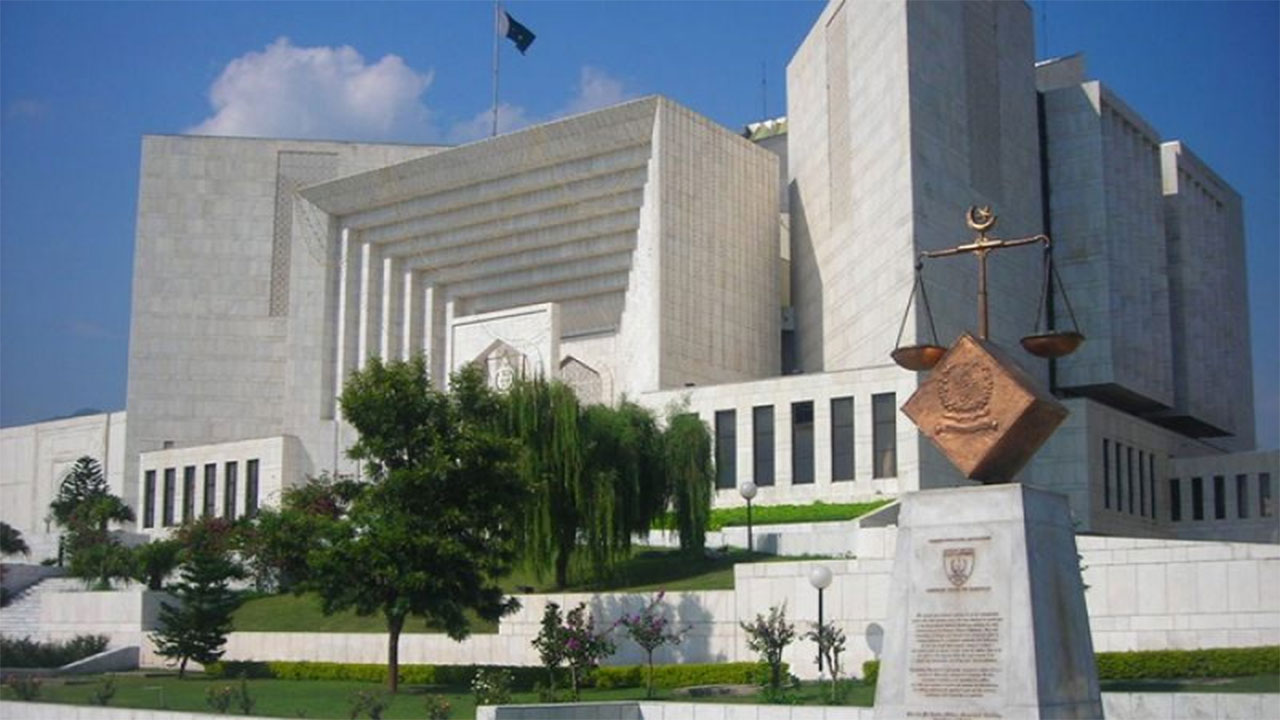
    The recently established constitutional bench will begin hearing cases on November 14 and 15 based on a first in and first out, the Supreme Court of Pakistan announced on Tuesday.

    Earlier, the appellate court formed a three-judge committee to fix cases, issue court rosters, form benches, and decide weekly caseload for its recently established constitutional bench.

    Justice Aminud Din Khan, the head of the constitutional bench, chaired the committee on Tuesday which was attended by Justice Jamal Khan Mandokhail and Justice Muhammad Ali Mazhar telephonically from Karachi.

    According to a press release issued by the SC, the purpose of the meeting was to discuss matters for the formation of the constitutional bench.

    The court’s registrar’s office briefed the committee members about the pending constitutional cases. The committee resolved that priority would be accorded to the oldest cases.

    The Judicial Commission of Pakistan (JCP), in its first session on November 5, had picked Justice Amin as head of the constitutional bench by a seven-to-five majority.

    A seven-member constitutional bench comprised Justices Ami­nud Din Khan, Jamal Khan Mandokhail, Muha­m­mad Ali Mazhar, Ayesha A. Malik, Hassan Azhar Rizvi, Musarrat Hilali and Naeem Akhtar Afghan. Chief Justice of Pakistan (CJP) Justice Yahya Afridi reconstituted the JCP.

    Per the SC’s release, Justice Ayesha Malik will not be available on Nov 14 and 15 and a bench comprising all available Judges will be constituted to proceed with cases on these dates.

    Muhammad Salim Khan, the Registrar at SC, released the court roster of a six-member constitutional bench which will begin hearing cases at 9:30am on Nov 14.

    The bench will include Justice Jamal Khan Mandokhail, Justice Muhammad Ali Mazhar, Justice Hasan Azhar Rizvi, Justice Musarrat Hilali and Justice Naeem Akhtar Afghan.

    The SC directed the Registrar to schedule cases for hearing before the bench. The committee will meet again at 12:30pm on Nov 13.

  • Mosque suicide attack: Police arrest officer linked to attacker

    Mosque suicide attack: Police arrest officer linked to attacker

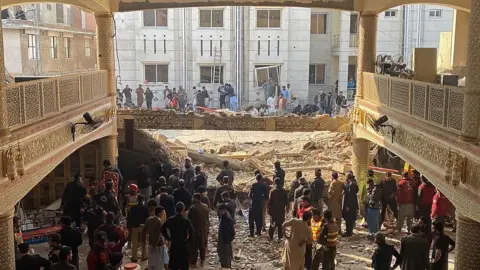
    Khyber Pakhtunkhwa (KP) police arrested a cop involved in facilitating the suicide bomber behind the blast at the police line mosque in Peshawar last year.

    Inspector General (IG) of Khyber Pakhtunkhwa, Akhtar Hayat Gandapur, speaking at a press conference on Tuesday in Peshawar, revealed that a policeman named Mohammad Wali was arrested a few days ago from Jamil Chowk, and two suicide jackets were recovered from him.

    “It was revealed during the investigation that the suspect belonged to the police department,” KP IGP said.

    The incident took place on January 2023 at the Central Hall mosque, located in the Police Line area, leading to over 100 casualties.

    The suicide attacker was reportedly present in the first row of the prayer during Zuhur time when he exploded himself.

    The Fitna al Khawarij (formerly Tehreek-e-Taliban Pakistan) had taken the blast responsibility in 2023.

    IG Khyber Pakhtunkhwa stated that following Mohammad Wali’s contact with the Jamaat-ul-Ahrar (JuA) in 2021, he travelled to Afghanistan, where he met with terrorists, including Mohammad Khurasani, spokesperson of JuA.

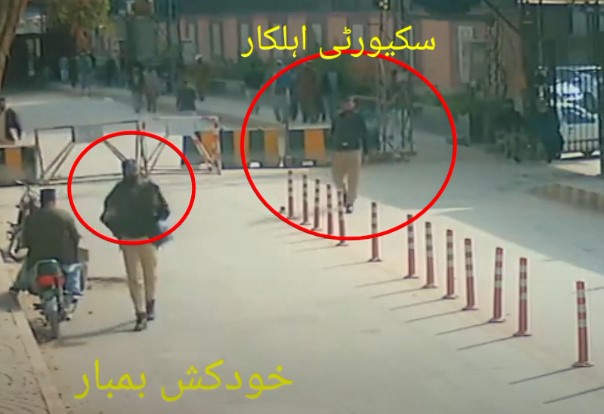
    Moreover, IGP unveiled that Wali transported the suicide bomber on January 20, 2023, identified as Qari, an Afghan national, from Charsadda Mosque to the Police Line mosque for reconnaissance.

    Wali took the bomber on a motorcycle to Rahman Baba Cemetery, where the bomber was given a police uniform and a suicide vest. Wali then left “suicide attacker near the Police Line,” IGP added.

    Additionally, Akhtar Hayat Gandapur claimed: “Mohammad Wali did this in exchange for Rs 2 lac, received via hawala-hundi at Chowk Yadgar,” further noting that the suspect was also involved in the Warsak Road bomb blast.

    A video was shown in which Wali confessed to his horrific crimes during a press conference.

    He stated that after his arrest by Afghan forces, a Jamaat-ul-Ahrar member, Junaid, helped secure his release.

    He further confessed that he contacted the JuA’s member Junaid through social media in 2021, noting, “I personally expressed my intent to join Jamaat-ul-Ahrar, support it, and work for it.”

    Mohammad Wali maintained that he joined the police department on December 31, 2019.

    He, however, mentioned that following the suicide blast at the police line, he was then posted to the BRT.

  • Debt-to-GDP falls to six-year low, boosting business optimism

    Debt-to-GDP falls to six-year low, boosting business optimism

    Lawmakers in Islamabad felt relieved when the State Bank of Pakistan (SBP) announced the debt-to-GDP ratio had fallen to just 65.7 per cent in September. This figure is in stark contrast to the 94 per cent debt-to-GDP ratio in 2020, A time when Islamabad was struggling to pull the nation out of the economic quagmire it found itself in.

    Islamabad has achieved this feat by aggressively implementing import controls, restructuring debt and increasing tax collection levels. Restrictions on imports in the past few years have reduced the trend of financing imports via loans. Meanwhile, lawmakers have consistently been on the lookout to reprofile and restructure Pakistani loans to get better conditions on preexisting loans.

    However, policymakers are not the only ones celebrating, as the drop in debt-to-GDP ratio spells great news for businesses, too.

    With over 90 per cent of the domestic economy depending upon consumption, a drop in consumer-based taxes will greatly boost the growth of the economy. This is because reduced taxes will translate into a fall in the prices of goods, causing an increase in consumers’ purchasing power.

    The government has already proposed tax breaks for New energy vehicles (NEVs), and business owners across the country are hoping for a decline in taxes for their sectors, too.

    The fall in prices due to potential tax cuts is expected to bring about an increase in consumption levels as goods and services will seem more affordable to customers. Businesses are the primary beneficiaries of this expected rise in consumption levels. This is bound to increase profit margins for business owners.

    These increased profit levels, in turn, will allow businesses to expand the scope of their operation in the most organic of ways. This is because this trajectory of expansion does not require business owners to take on any debt or to give up an ownership stake to finance new ventures.

    Aside from taxation concerns, a drop in the debt-to-GDP ratio is expected to increase government expenditure. This is especially true for projects which are currently not being pursued due to the austerity measures set in place by international lenders such as the IMF (International Monetary Fund).

    As it stands, all provincial governments are expected to maintain a fiscal surplus. In simple terms, this is the inflow of funds, and the government should exceed the outflow. With the debt-to-GDP ratio dropping, the government will have more breathing room when it comes to borrowing funds for projects. This will spell great news for businesses that rely on government contracts to make a living.

    Economic indicators have been moving in a positive direction recently, which is a great win for Islamabad. What experts are wondering is if Pakistan has finally broken free from the chains of economic destitution or if it will fall back into the vicious cycle of borrowing. Time shall tell.

  • Champions Trophy could be shifted to South Africa: reports

    Champions Trophy could be shifted to South Africa: reports

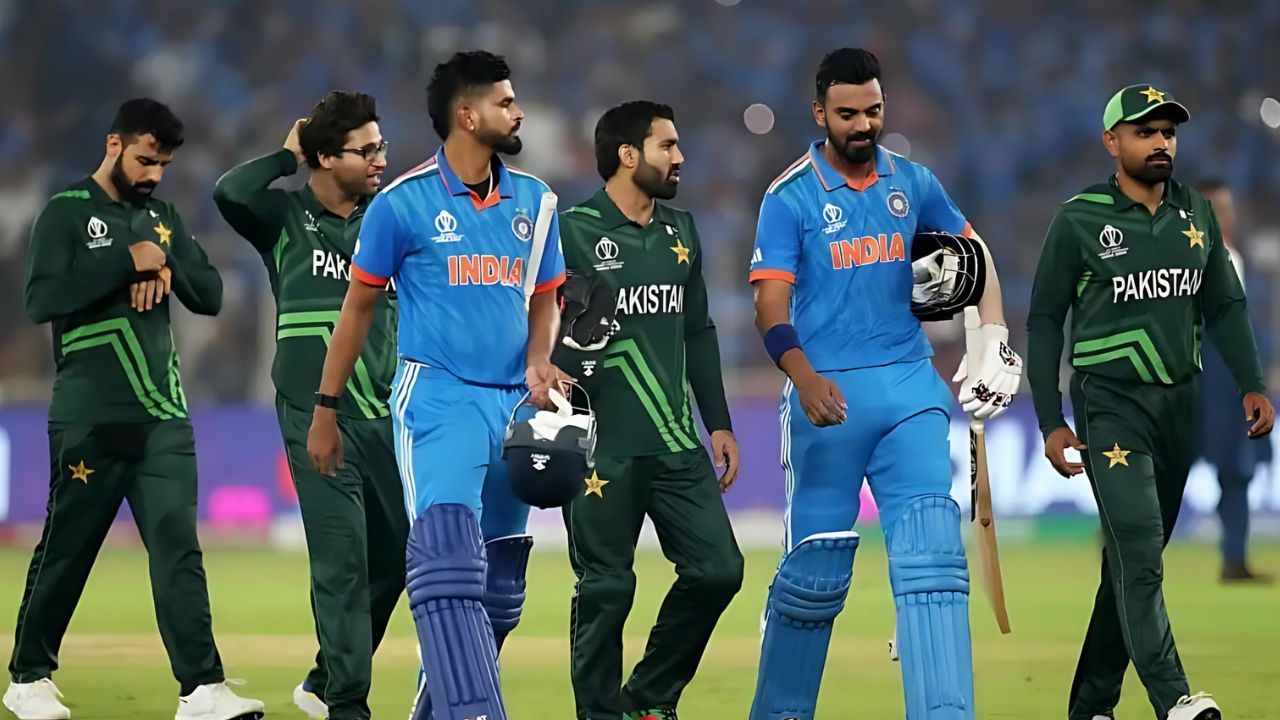
    Indian media reports are claiming that the Champions Trophy will be shifted to South Africa if Pakistan rejects the hybrid model.

    The decision will be made at the board meeting where a poll will be necessary for transferring Champions Trophy from Pakistan.

    The International Cricket Council (ICC) is awaiting the Pakistan Cricket Board (PCB) response to an email sent on Friday, and ICC’s next course of action will depend on the PCB’s reaction, the report said. 

    On the issue of hosting the Champions Trophy, PCB has written a letter to the ICC asking for the reasons for India’s refusal to come to Pakistan.

    Earlier, there were reports that PCB is taking a tough stance on the Board of Control for Cricket in India’s (BCCI) decision not to send its team to the Champions Trophy in Pakistan: considering a ‘minus-India’ formula in response.

    The PCB has decided to use the examples from the 1996 and 2003 World Cup in its initial stance to adopt a tough stance against India.

    In 1996, Australia and West Indies refused to play in Sri Lanka, while in 2003, New Zealand refused to play in Kenya and England refused to play in Zimbabwe. In response, the International Cricket Council (ICC) awarded points to the teams that were present on the ground for the scheduled matches, putting the teams that refused to participate at a disadvantage.

    Geo reports that based on these examples, the PCB will assert that the ICC has never changed a venue in the past when teams failed to show up, and as a result, Pakistan will adopt a firm stance.

    Pakistan may also propose a ‘minus India’ Champions Trophy on this basis, as India has not yet spoken about the Champions Trophy in writing. PCB will insist to the ICC that India submits all its positions in writing, sources have claimed.

    Earlier, it was also reported that Pakistan would write a letter to the ICC in light of the government guidelines in the next day or two, for which the Board had also completed a legal consultation.

    Earlier, the PCB denied all claims about the Indian team refusing to travel to Pakistan for the Champions Trophy 2025.

    PCB source told The Current, “All speculations about Indian cricket board’s letter to PCB or India not coming to Pakistan are baseless. PCB chairman Mohsin Naqvi’s press conference in Gaddafi Stadium on November 8 is the latest update on this issue.”

    Mohsin Naqvi said that there should be no politics in the game and assured that the Board will continue preparations despite India not coming.

    On the other hand, reports claimed that the government of Pakistan is likely to make tough decisions regarding India’s refusal to come to the Champions Trophy.

    The government is considering that if India does not participate at the agreed venues, Pakistan will not play any future matches with India, and until relations with India improve, they will not play any game with India in any tournament.

    They are of the view that Pakistan always makes goodwill gestures, but India is always involved in politics.


    If India does not participate in matches in Pakistan and the host country doesn’t agree on the hybrid model, then there is a strong chance that Sri Lanka will replace India.

  • After Minahil Malik, alleged leaked videos of TikToker Imsha Rehman go viral

    After Minahil Malik, alleged leaked videos of TikToker Imsha Rehman go viral

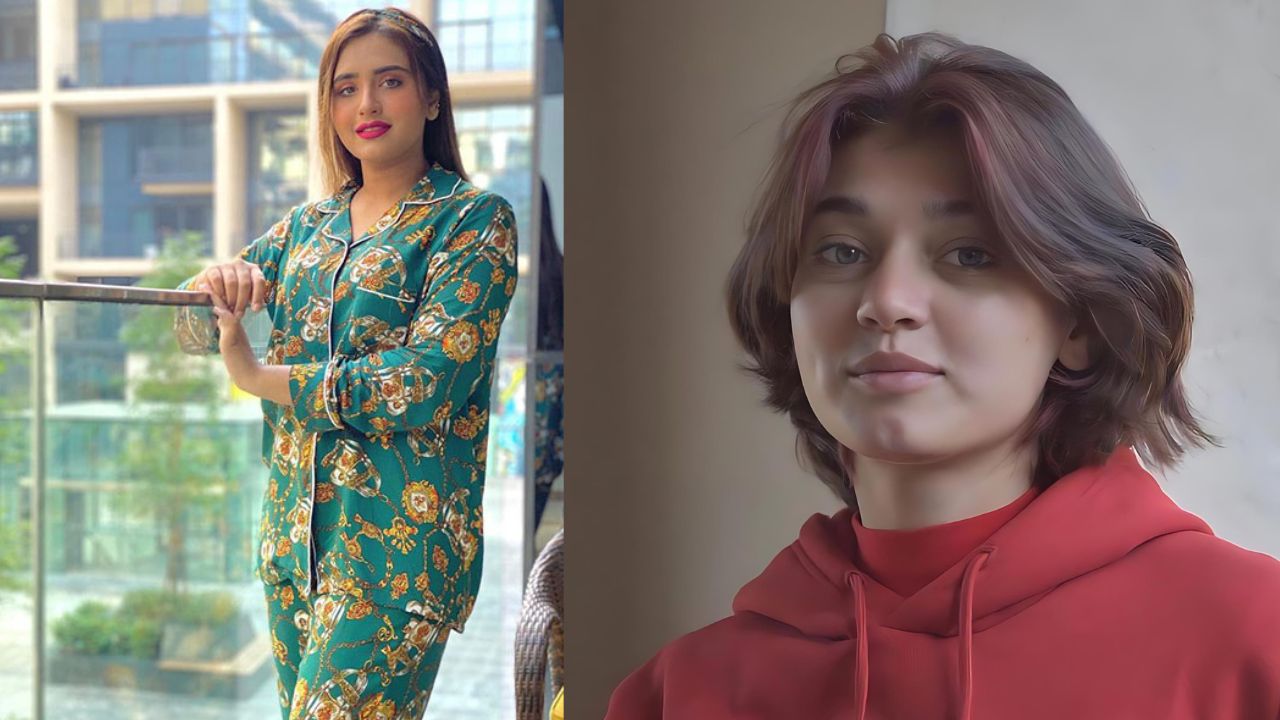
    In the latest episode of privacy breaches surrounding social media celebrities, multiple private videos allegedly showing TikToker Imsha Rehman have been leaked over the internet.

    As per the details, Imsha became the latest victim of social media leaks when at least two alleged controversial videos of her went viral on Monday night. The videos, which allegedly show the social media influencer sharing an intimate moment with a male friend, have drawn strong reactions from netizens as they express concern over the sudden hike in number of cases pertaining to digital privacy violations. 

    While Imsha is yet to issue an official statement, she has deactivated her social media accounts on Instagram, Tiktok, Snapchat and Facebook. “Jab tak video viral hai mein ne id off kar di hai [I have deactivated my accounts for as long as the video is doing the rounds],” she wrote in a message on her Instagram channel. 

     Social media activist and fellow influencers have also called for the removal of the viral clips, advocating for a more compassionate response to  such sensitive situations.  


    It may be noted that just last month, another TikToker, Minahil Malik, found herself in a similar situation when a number of videos allegedly showed her sharing an intimate moment with social media influencer Rana Sharyar. The videos sparked a wave of criticism against Minahil, prompting her to take a break from social media which is still ongoing.

    Minahil’s departure from social media came following a video statement wherein she highlighted the severe harassment, trolling and cyberbullying she was being subject to.

    “I am feeling very tired. I have taken this decision after a lot of thought. You all have given me a lot of support and love. I am grateful for that, but this world doesn’t let anyone live peacefully. The world is very cruel. I hope I never see you all again. I am feeling very helpless. Minahil is dead inside,” she also wrote in an Instagram story.  

    1731416816-XUKBHQ7H9I.jpg

    “And please, I request that you give as much love and time as you can. Spend time with your loved ones, you don’t know what time will bring. Stop spreading hatred and holding grudges in your heart. And please apologise for your mistakes on time, and mistakes happen to everyone, but if you apologise, then you have to act on it and not repeat that mistake. And the most important thing is to learn to forgive. Life is only two days, you don’t know when it will end,” Minahil had added

  • WhatsApp group admins will need licenses

    WhatsApp group admins will need licenses

    Zimbabwe has taken the lead in controlling misinformation spread through WhatsApp, with the African nation gearing up to ask group admins to acquire a licence.

    Group admins will now have to register with the Post and Telecommunication Regulatory Authority of Zimbabwe (POTRAZ), which will then issue a licence to administer the group. 


    The Zimbabwean Minister of Information, Publicity, and Broadcasting Services, Monica Mutsvangwa, said that the licensing would assist in tracking sources of false information which incite violence and unrest.


    Group admins will be required to provide personal information for the licensing process, which will cost at least 50 dollars.


    The government has defended the move, which could raise privacy issues, by saying that it is necessary for maintaining law and order in the country.


    The Zimbabwean government argued that the imposition of licensing for group admins will help authorities to identify and hold accountable those responsible for disseminating misleading information that may lead to social unrest.


    This requirement aligns with WhatsApp’s encryption policy and efforts to enhance user experience and security. However, it is intended to align with the country’s Data Protection Act (DPA) as well, which allows the authorities to have access to personal information that can be used to identify a person directly or indirectly. WhatsApp group admins will then come under DPA. 


    In October 2024, WhatsApp introduced new features, including a ‘Search on Web’ tool for users to verify shared images, an improved chat widget for iPhone users, expanded chat themes, and a new call link feature for easier video and voice calls. 


    Critics of the new regulation have reservations on privacy concerns, data breaches, curbing freedom of speech and government surveillance. 


    Notably, the new rules came amid a growing global concern about the role of social media apps in spreading misinformation and disinformation. Recently, Canada asked TikTok to pack up its operation in the country.

  • Bushra Ansari was served by Indian KMKT fan in Canadian restaurant

    Bushra Ansari was served by Indian KMKT fan in Canadian restaurant


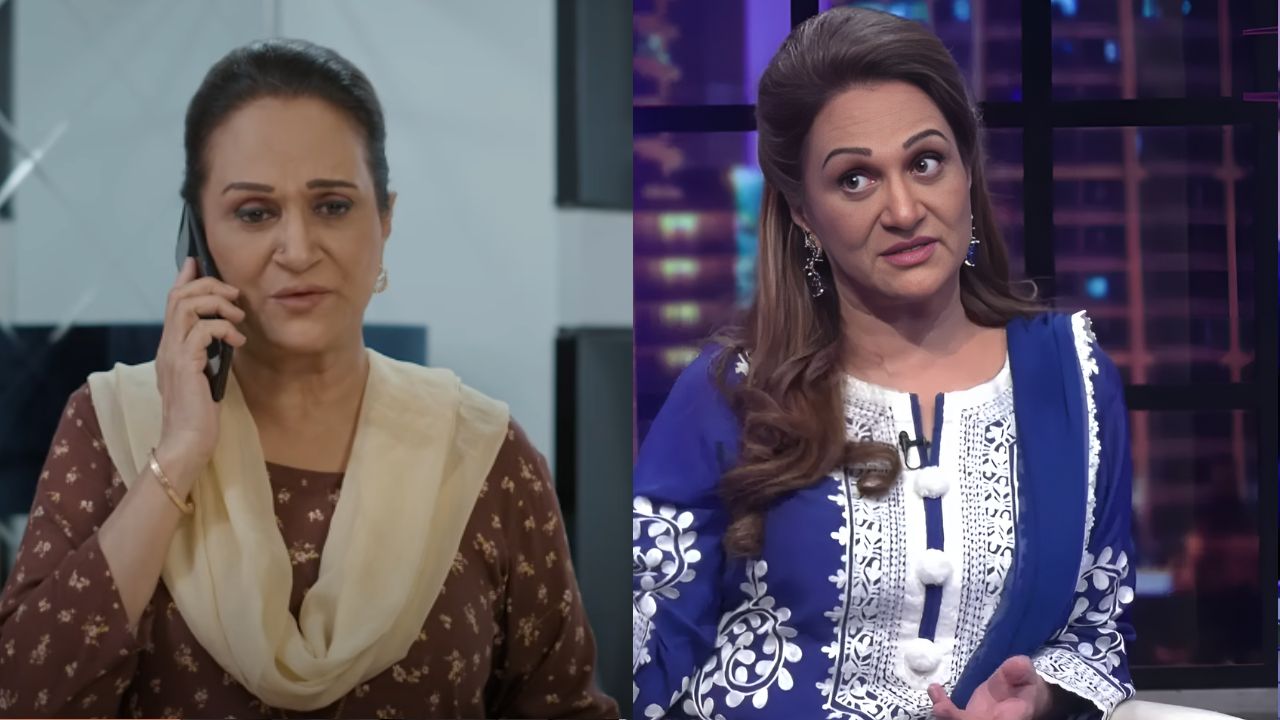
    As Kabhi Main Kabhi Tum wrapped up, fans went into mourning, bereft of their favourite show. Millions across the border tuned into the finale and then through a cosmic touch, one Indian fan ran into the series’ star Bushra Ansari at a restaurant.


    Veteran actress Bushra Ansari thanked the audience for making the drama a huge success, even though she missed the final episode. She portrayed the character of Shagufta in Kabhi Main Kabhi Tum.

    The finale episode of Kabhi Main Kabhi Tum aired on November 5, 2024.


    Bushra Ansari talked about the show in a recent vlog on her YouTube channel, offering details of her emotions after the drama ended.

    “Well, Kabhi Main Kabhi Tum has ended, and I was here, I missed it, the last episode where everyone was there.
    Watching it made my heart happy and sad at the same time because I wasn’t there. But you all liked it so much, it was so good, MashaAllah, our project. This is what you call when Allah’s help is with you, everything works out well. And all our lovely children, Emmad, Fahad, Naeema, and Hania, they have won everyone’s hearts. You guys liked them so much, and I’m really, really happy.”

    Reflecting on the international impact of the drama, the Kabhi Main Kabhi Tum actress shared a fun anecdote when she met an Indian fan.


    “Alhamdulillah, and I’m so grateful to God and all of you for appreciating it so much, and I’m really happy that you all took this play so far. MashaAllah, our Indian audience is also very encouraging. One night, I went to a restaurant for dinner, and the girl serving us was so nervous, smiling, and acting a little restless.
    Then she came up and said, ‘You’re a Pakistani artist, we watched Kabhi Main Kabhi Tum.’ I said, ‘Yes, absolutely.’ She even took pictures. It feels good that our work is appreciated across the border as well,” Bushra Ansari added.

    She praised the team behind the success of Kabhi Main Kabhi Tum.

    “Farhat Ishtiaq wrote such a beautiful romance in such a unique style, I had done a play written by her before, and she writes very well. This is all a team effort, everyone behind the camera is part of it, there are so many elements that go into making it.
    And my own collaboration with Javed has always been so lovely. We had so much fun on set, you must have seen an old clip I posted a few months ago where Javed and I were having a blast,” the Aangan Terha actress said.

    Bushra Ansari thoughts concluded with a powerful message about the universal appeal of good content.

    “Our kids are such a hit there. Now, I think if there were no boundaries, no fights between India and Pakistan, our kids would be at the top right now. The point is that content is what matters. It doesn’t matter whether you’re wearing simple clothes or bold clothes. People enjoy it when the content is good,” Bushra Ansari concluded.

  • Punjab govt reveals total number of cases against Imran Khan

    Punjab govt reveals total number of cases against Imran Khan

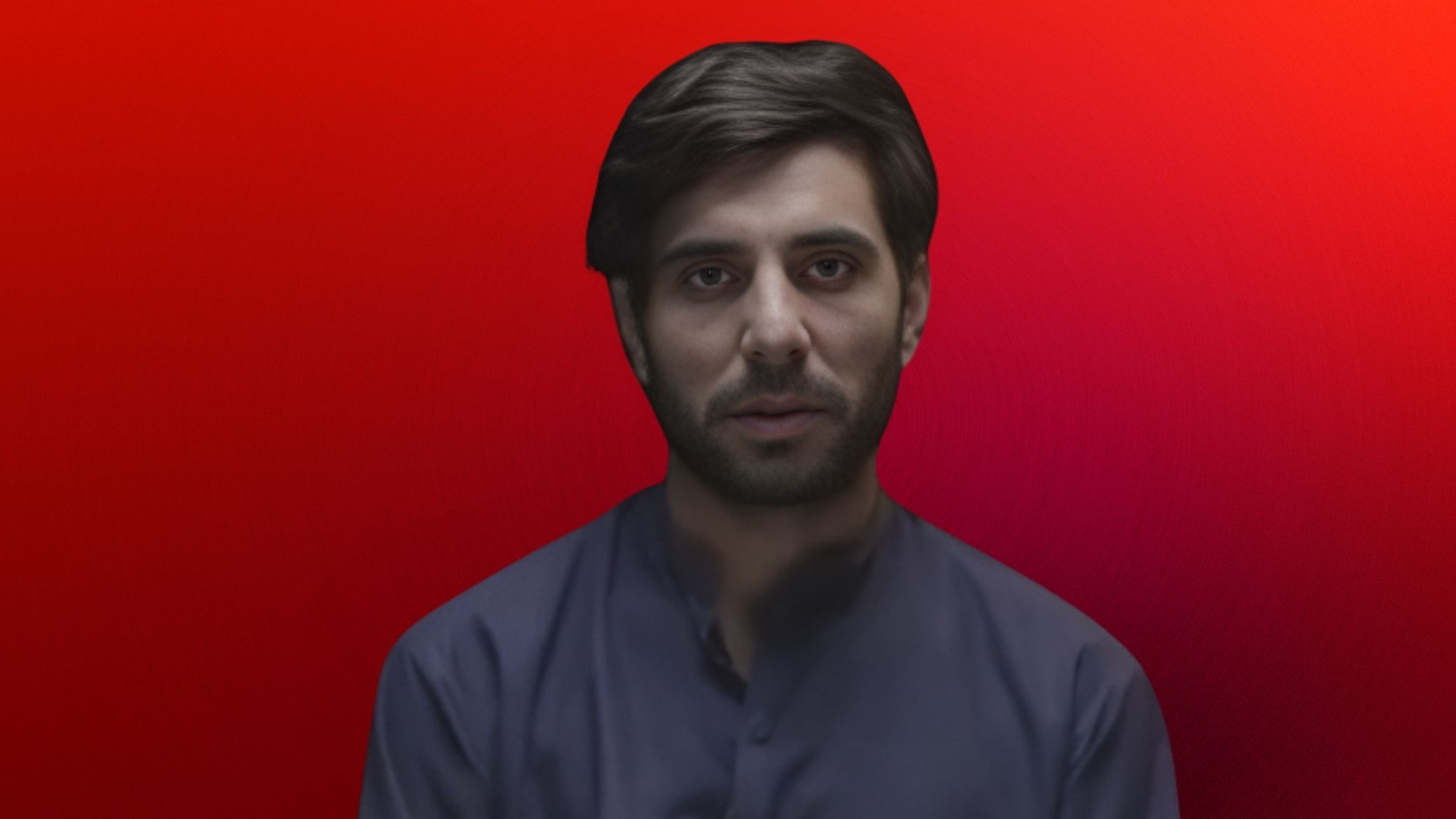
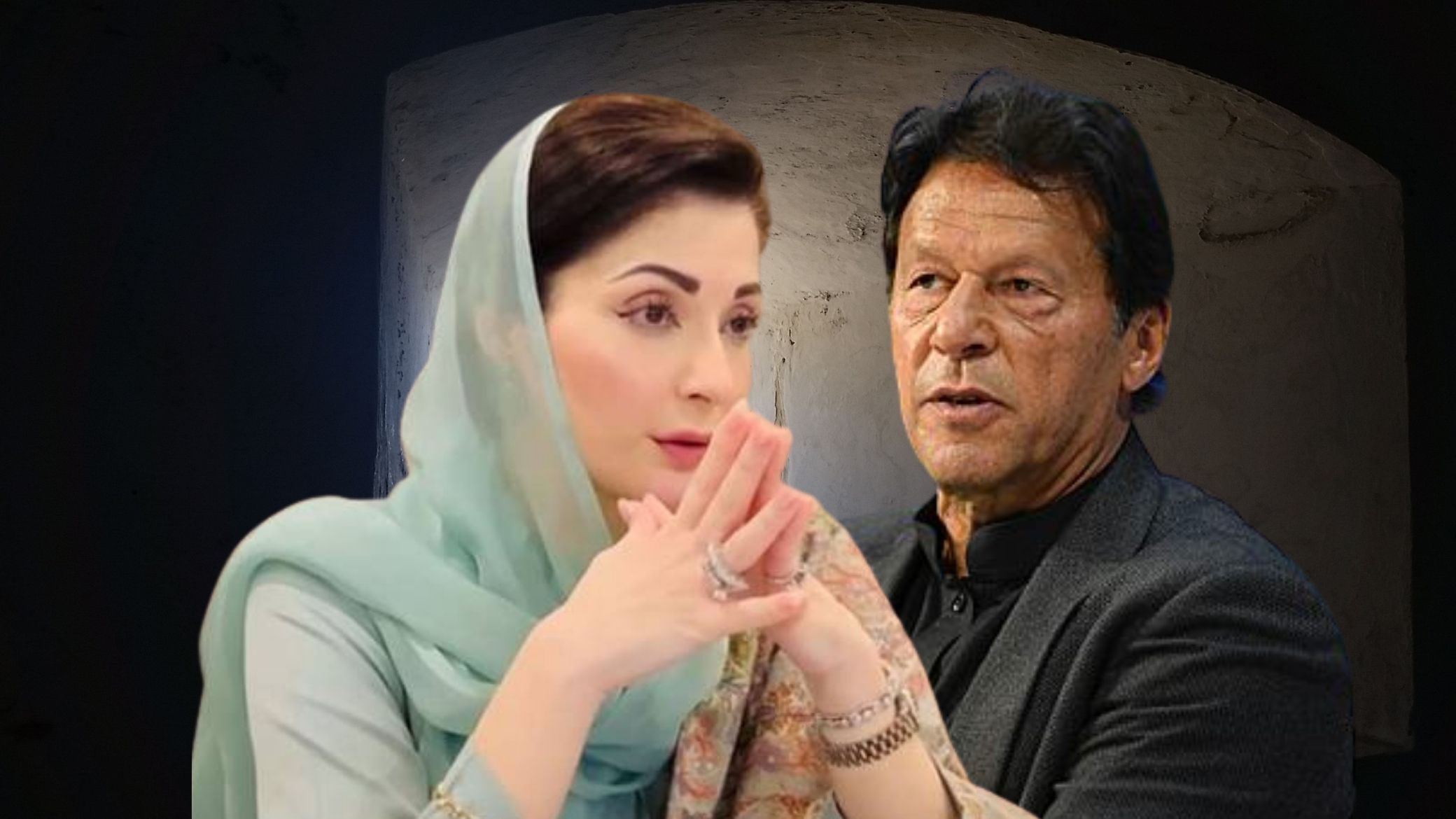
    The Punjab government on Tuesday submitted a report to the Lahore High Court (LHC) regarding the total number of registered cases against the founder of Pakistan Tehreek-e-Insaf (PTI), Imran Khan, in the province.

    According to a report submitted by Punjab Assistant Advocate General Muhammad Farrukh Lodhi, 54 cases have been registered against the former premier in Punjab.

    “Out of 54 cases, 21 cases have been registered against incarcerated founder PTI in Lahore alone, 19 cases in Rawalpindi division, and seven in Sheikupura,” the report said.

    “Five cases in Faisalabad and one case in Gujranwala have also been registered against Imran Khan,” it added.

    Assistant Attorney General Sardar Ameer Hamza Dogar also submitted a report in LHC, as per which, the Federal Investigation Agency (FIA) had registered three cases against the incarcerated former PM.

    The development comes after Noreen Khan, sister of PTI founder Imran Khan, filed a petition in the LHC seeking details of the cases against her brother in Punjab.

    It may be noted that former PM Khan was arrested from his residence in Zaman Park, Lahore, shortly after his conviction in the Toshakhana case in August last year and has been in jail since then on multiple charges.

    Currently, he is held in Rawalpindi’s Adiala Jail under high security and with B-class facilities due to his status as a former prime minister.

    Earlier, the founder of PTI was also kept in Attock Jail.

    He is facing several cases, including the £190 million reference and a new Toshakhana case.

    Meanwhile, speaking to journalists on Tuesday, Barrister Salman Safdar, the lawyer of the PTI founder, claimed that Imran Khan will soon be acquitted in the Al-Qadir Trust case, noting that in the worst scenario, if the party founder was even convicted, “the sentence will be suspended within 15 days.”

    “All cases against Imran Khan have vanished, including both Toshakhana one and Toshakhana two,” Barrister Salman Safdar said.

  • Hajj 2025 Policy: Pilgrims allowed to pay fee in instalments

    Hajj 2025 Policy: Pilgrims allowed to pay fee in instalments

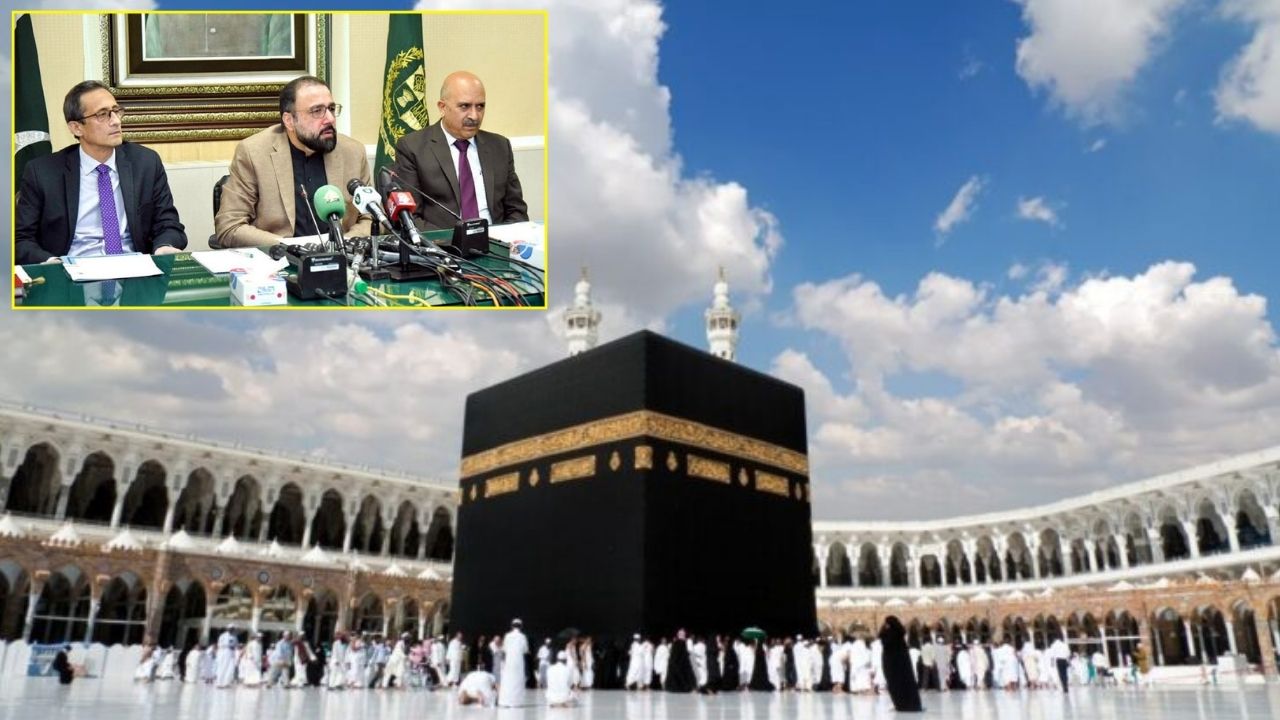
    The federal government has announced the Hajj Policy for 2025, which permits pilgrims to pay their Hajj fee in instalments.

    The authorities have stated that a total of 179,210 pilgrims from Pakistan will perform Hajj in the coming year.

    Minister for Religious Affairs and Interfaith Harmony Chaudhry Salik Hussain shared the Hajj Policy 2025 in a presser on Monday.

    While millions of Muslims from around the world come to Saudi Arabia for the annual religious congregation, Pakistan notably receives one of the highest Hajj quotas from Saudi Arabia.


    Hajj quota

    The minister informed the media that the “Hajj quota has been divided with a ratio of 50-50 between the government and private Haj schemes”, with 89,605 seats each reserved for the state and the private Hajj schemes, respectively.

    However, 5,000 seats will be kept for sponsorship under the government Hajj scheme and 
    30,000 seats will be reserved for sponsorship by private Hajj tour operators.

    Additionally, foreign exchange must be sent through a banking channel to participate in the sponsorship scheme.

    Unlike in previous years, the government clarified that the sponsorship scheme will operate on a ‘first come, first served’ basis and will be exempt from balloting.

    The minister also mentioned that the government will use foreign exchange collected through the sponsorship scheme exclusively for Hajj-related expenses in Saudi Arabia.


    Details of stay in Saudi Arabia

    The Government Hajj Scheme includes the traditional long stay of 38 to 42 days.

    Meanwhile, the short stay will be for 20 to 25 days.

    Religious Affairs Minister also asserted that each organised private Hajj group must consist of at least 2,000 pilgrims in compliance with Saudi rules.


    Cost of Hajj

    As per Hajj Policy 2025, the cost of Hajj is expected to range between Rs1,075,000 to Rs1,175,000, while the additional cost for the Qurbani as part of the mandatory ritual of Hajj will be Rs55,000.

    The minister has revealed that all the applicants choosing double-bed and triple-bed accommodation in Makkah will have to deposit an additional amount of Rs 75,000 and 220,000, respectively.


    Instalments

    The government has also introduced an instalment policy for paying Hajj dues.

    Rs200,000 must be deposited along with the Hajj application under the Government Hajj Scheme as the first instalment.

    The second instalment of Rs400,000 must be deposited within 10 days of balloting. 

    The remaining amount, however, as part of the third and last instalment, must be deposited by February 10.

    The minister noted that there would be a deduction of Rs50,000 on a refund of the first instalment and a deduction of Rs200,000 if the third instalment is not deposited after the balloting, but there would be no deduction for refunds if an application is withdrawn before the last date of submission. 

    No refund policy will apply after February 10. 

    In case of the applicant’s death, the deductions will not be applied.

    The process of receiving applications for the upcoming Hajj will begin from November 18 to December 3, while balloting will be held on December 6.