Blog

  • 20 wickets fall on day one of Australia-England Boxing Day Test

    20 wickets fall on day one of Australia-England Boxing Day Test

    Australia seized control of the fourth Ashes Test as the Melbourne Cricket Ground saw 20 wickets tumble on day one, making it unlikely for the match to last for a full five days.

    English captain Ben Stokes won the toss and chose to bat first, but Australia bowled out the visitors for just 152 runs in the first innings.

    England’s bowling attack responded strongly, dismissing the entire Australian team for 110 runs, giving the hosts a modest 42-run lead.

    By stumps on day one, Australia had reached 4 runs without any loss in their second innings, extending their overall lead to 46 runs.

    The second day’s play will begin at 4:30 am (Pakistan Standard Time) on Saturday.

    Australia already holds an unassailable 3-0 lead in the five-match Ashes series. They defeated England by 8 wickets in the first Test, followed by another eight-wicket victory in the second Test at Brisbane.

    They clinched the series with an 82-run win in the third Test at Adelaide.

    The fifth and final Test between the two teams will take place at the Sydney Cricket Ground from January 4 to 8, 2026.

  • Shehryar Zaidi reveals that he wrote Kaavish’s monster hit ‘Teray Piyar Mein’

    Shehryar Zaidi reveals that he wrote Kaavish’s monster hit ‘Teray Piyar Mein’

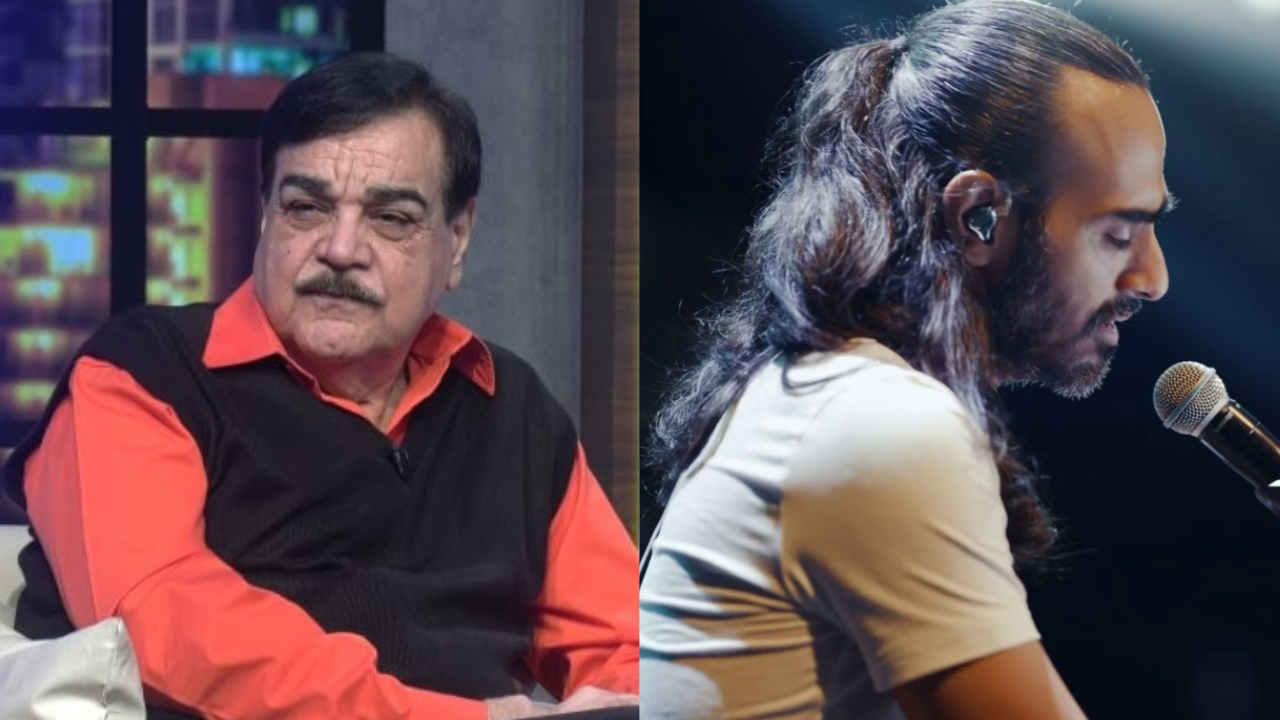
    Veteran actor Shehryar Zaidi recently disclosed on a show that he was the writer of Kaavish’s monster hit song “Teray Piyar Mein.” The revelation was a surprise to the host and the audience. Clips from the discussion quickly spread online, prompting fans to revisit the track.

    Kaavish is fronted by Jaffer Zaidi, who is the son of singer Nayyara Noor and Shehryar Zaidi. The band has experienced a resurgence of interest in recent months, attracting listeners from various age groups. Younger fans stream their music online, while older audiences enjoy attending live concerts to experience the performances firsthand. The reaction to Kaavish illustrates that success in music can be defined in various ways, including streaming statistics, concert attendance, or the emotional impact a song can have on an individual.

    The band’s music has consistently distinguished itself through its composition and lyrics, resonating with a wide-ranging audience. Many listeners share that their songs evoke nostalgia related to childhood, friendships, and past experiences. The combination of melodic elements and introspective lyrics has enabled Kaavish to sustain their presence in Pakistan’s music industry, despite the rapidly changing musical trends.

    The insight regarding “Teray Piyar Mein” adds depth to the band’s narrative, emphasizing contributions that were previously unrecognized. It also highlights the collaborative aspect of music creation, where songwriting, performance, and interpretation intertwine over time.

    Kaavish’s increasing popularity demonstrates that in the realm of music, acknowledgment is not always immediate or easily measurable. Their songs continue to thrive through digital platforms and live shows, captivating both new and long-standing fans.

    The band’s charm spans across generations, illustrating how music can resonate on both personal and communal levels without depending solely on financial success.

  • VIDEO: Man attempts suicide at Masjid Al Haram; hero guard saves him

    VIDEO: Man attempts suicide at Masjid Al Haram; hero guard saves him

    A man attempted to take his own life at the Grand Mosque in Makkah by jumping off an upper floor, however, he was saved by a guard who swiftly responded to catch him, preventing a fatal fall.

    According to reports, the security guard immediately intervened to break the man’s fall and sustained injuries while attempting the rescue.

    Both individuals were rushed to nearby medical facilities for treatment.

    Meanwhile, the administration of Masjid Al Haram has assured the public that they are handling the matter and have followed all necessary procedures.

    Authorities said they are investigating the incident but have not released further details about what led to the attempted suicide.

    It may be noted that this is not the first time when someone attempted suicide at the Holy Mosque in Makkah.

    A similar incident occurred in 2017, when a man died by suicide near the Kaaba after jumping from the third floor of the Grand Mosque while thousands of pilgrims were performing tawaf.

  • Chinese tourist dies after jumping from residential building in Islamabad

    Chinese tourist dies after jumping from residential building in Islamabad

    A Chinese national has died after jumping from the rooftop of a residential building in Islamabad’s G-8 sector, police officials said on Wednesday.

    According to authorities, the woman, identified as Wan Rou Ping, was in Pakistan on a tourist visa at the time of her death. She is said to have fallen from the building’s rooftop and suffered head injuries that resulted in her demise.

    Police stated that the event took place within the G-8 residential precinct. Police were alerted shortly after the fall and arrived at the location to initiate preliminary procedures.

    The woman’s remains were transported to a local hospital to undergo medico-legal processes. Hospital personnel confirmed that her injuries were consistent with a fall from a significant height. Police indicated that further examinations will be conducted as part of the ongoing investigation.


    This incident follows another case in Islamabad, where a young Afghan refugee girl died after jumping from the fifth floor of her building in a residential structure.

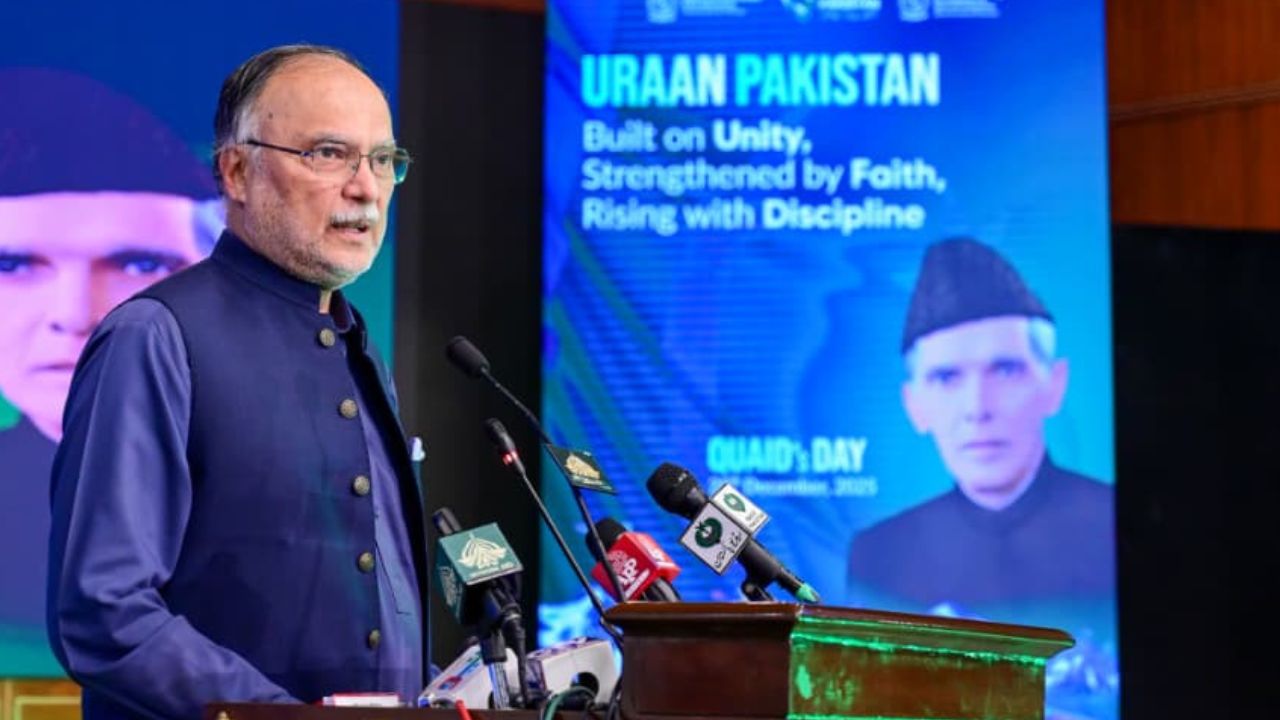
  • Ahsan Iqbal presents URAAN Pakistan as manifestation of Jinnah’s vision, stresses involvement in public discourse

    Ahsan Iqbal presents URAAN Pakistan as manifestation of Jinnah’s vision, stresses involvement in public discourse

    Federal Minister Ahsan Iqbal hosted what became Islamabad’s sole comprehensive commemoration of Quaid-e-Azam Muhammad Ali Jinnah’s birth anniversary, presenting URAAN Pakistan as the practical manifestation of the founder’s vision for the nation.

    The event distinguished itself from routine ceremonial observances by systematically connecting Jinnah’s foundational principles to Pakistan’s current developmental challenges.

    The keynote address rejected hollow nostalgia in favor of actionable national renewal. “Quaid-e-Azam gave us Pakistan. Now history asks us: Can we give Pakistan the future he dreamed of?” the speaker challenged, establishing honest assessment as the evening’s foundation.

    Unlike typical commemorations, the speech confronted Pakistan’s unrealized potential: “We did not lag because of lack of resources—we lagged because of lack of discipline, continuity, unity, and vision.”

    Minister Iqbal emphasized aspects of the Quaid’s vision often absent from public discourse:

    Women’s Empowerment: Jinnah understood no nation progresses with half its population marginalized—a message critically relevant as Pakistan’s female labor participation remains among the world’s lowest.

    Youth as Nation-Builders: With 64% of Pakistan’s population under 30, the Quaid’s faith in youth as “nation-builders of tomorrow” transforms from historical sentiment to urgent imperative.

    Knowledge Economy: Jinnah wanted Pakistan self-reliant through export-oriented growth based on industry, science, and modern skills—not dependent on loans or raw material exports.

    Character Over Chaos: The founder achieved Pakistan through disciplined organization and constitutional politics, not mobs or noise. “Great nations are not built on noise—they are built on discipline, sacrifice, and hard work,” the speaker reminded attendees.

    URAAN as Policy Translation

    The event’s central argument positioned URAAN Pakistan’s five pillars as systematic translation of Jinnah’s vision:

    • Exports address his vision of economic self-reliance

    • E-Pakistan modernizes his emphasis on modern skills for the knowledge economy

    • Equity and Empowerment fulfill his commitment to women and youth

    • Environment and Food Security ensure sustainable development

    • Energy and Infrastructure build foundations for competitive growth

    “URAAN Pakistan converts Quaid’s dream into a development strategy. It calls for merit over sifarish, productivity over rhetoric, exports over dependency, unity over division,” the speaker declared.


    The event’s composition reflected its message. Celebrities attended as nation-building stakeholders. Quaid scholars provided historical context demonstrating that Jinnah’s principles regarding governance, social justice, education, and healthcare remain directly applicable to contemporary challenges.

    Minister Iqbal emphasized Jinnah’s personal journey—his solitary dedication when few believed Pakistan possible, his ability to unify the Muslim League, his resilience through opposition. “We must learn from his determination and resilience,” Iqbal stressed, connecting historical example to contemporary necessity.

    The event concluded with calls for Pakistanis to pledge: unity above division, institutional strength, merit-based systems, universal education, women and youth empowerment, and economic self-reliance.

    “With faith, discipline, unity, and URAAN Pakistan’s vision, the answer must be: Yes—Pakistan will rise. Yes—Pakistan will prosper. Yes—Quaid’s dream will be fulfilled.”

    That this remained Islamabad’s only substantial Quaid-e-Azam birthday celebration underscores its unique approach. Rather than perfunctory observances, Minister Iqbal’s leadership demonstrated that genuine tribute requires connecting foundational principles to contemporary solutions.

    The gathering proved that Jinnah’s message about development, governance, socioeconomic transformation, youth empowerment, and resilience carries greater relevance today than ever—if Pakistan has the courage to implement it.

  • Pakistan, ADB seal $730m financing package to strengthen power transmission network

    Pakistan, ADB seal $730m financing package to strengthen power transmission network

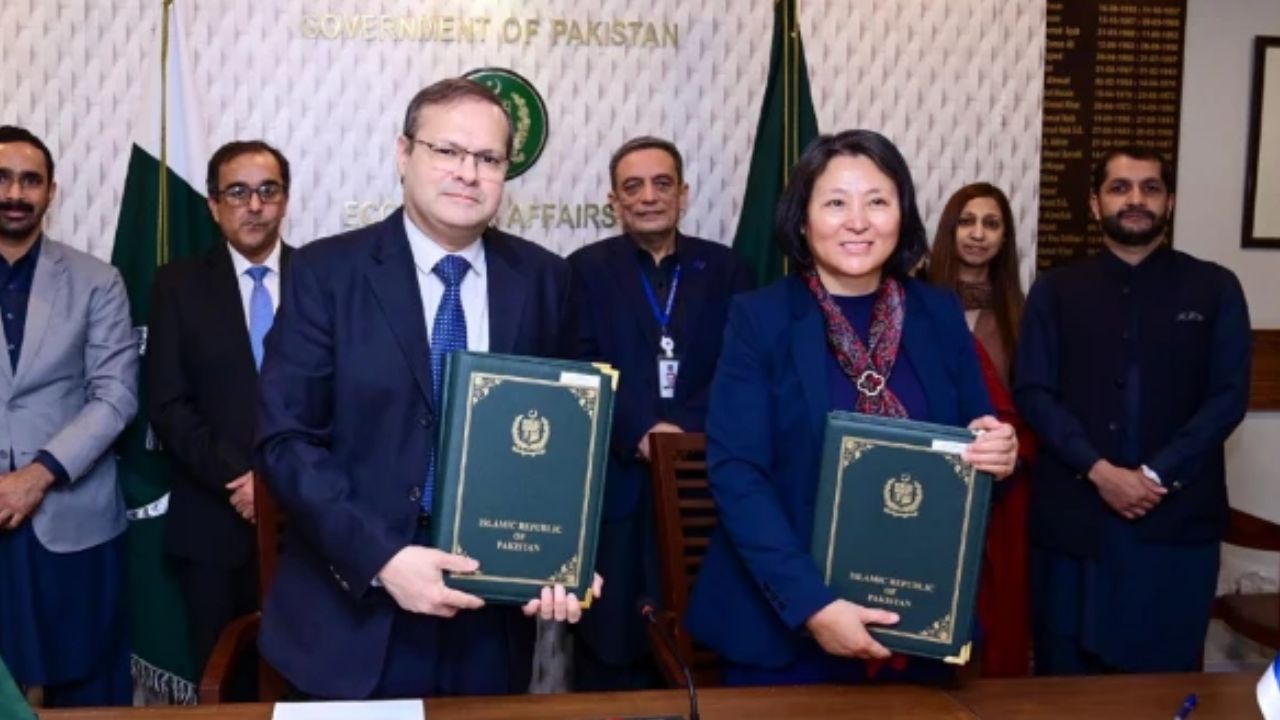
    Pakistan and the Asian Development Bank (ADB) have signed two financing agreements worth a combined $730 million to strengthen the country’s power transmission network and push forward reforms in state-owned enterprises (SOEs), officials said on Thursday.

    An official statement released after the signing ceremony stated that the agreements include a $400 million program to speed up SOE transformation and a $330 million second power transmission strengthening project.

    The initiatives aim to encourage long-overdue governance reforms across important public-sector enterprises, enhance operational efficiency, and relieve pressure on overburdened transmission lines.

    ADB Country Director Emma Fan welcomed the latest agreements, praising Pakistan’s commitment to structural reforms and underscoring the strategic importance of investment in the power sector. She said the SOE transformation programme comes at a critical time and would further strengthen reform efforts, according to the statement.

    As part of broader efforts to stabilize and modernize the national grid, the ADB approved two loans totaling $330 million last month for the building of a new transmission line connecting Islamabad with Faisalabad, a significant industrial hub in Punjab.

    However, analysts warn that until underlying structural concerns are addressed, finance and project design alone might not be sufficient.

    The $730 million package, according to Dr. Khalid Waleed of the Sustainable Development Policy Institute (SDPI), is a significant step, but he cautioned that its success will depend on addressing long-standing inefficiencies across SOEs.

    He cited the Bi-Annual Report on Federal SOEs for FY2025 from the Ministry of Finance, which reveals cumulative losses of more than Rs5.8 trillion. The National Highway Authority accounts for nearly Rs2 trillion of these losses, largely due to debt-driven expansion and an unsustainable toll-revenue model.

    “This is not a sector-specific problem; it is systemic,” Dr Waleed said.

    In infrastructure, NHA’s rising debt stock reflects asset creation divorced from cash-flow realism. In energy, the situation is arguably worse. Once subsidies are stripped out, power distribution companies (DISCOs) are estimated to be bleeding close to Rs600 billion annually due to high technical losses, poor recoveries, and governance failures, losses that feed directly into circular debt and escalating capacity payment obligations upstream.

    Analysts argue that while strengthening transmission infrastructure is necessary, it risks being only a partial solution if distribution-level problems remain unresolved. Dr Waleed likened reforming generation or transmission without fixing distribution to “installing a smart meter on a leaking pipe”.

    There have also been complaints that the SOE Transformation Program’s current scope may be too limited. While reforming the NHA is seen as a logical starting point, experts say it must go beyond incremental efficiency improvements to include deeper restructuring, such as asset recycling, toll securitisation and concession-based highway operations.

    Similarly, analysts argue that energy-sector SOEs particularly DISCOs need to be explicitly incorporated into the reform framework through options such as privatisation, long-term concessions or performance-based management contracts, supported by aggressive loss-reduction targets.

    The discussion also touches on Pakistan’s more general energy transition challenges. The power industry is dealing with rising capacity payments and growing underutilization of generation assets, which is made worse by rooftop solar’s explosive rise. This dynamic is expected to intensify as export-oriented industries seek cleaner power in response to the European Union’s Carbon Border Adjustment Mechanism.

    According to experts, ADB should support an energy transition mechanism in addition to grid upgrades. Dr. Waleed proposed that an organized, financially supported early transition of loss-making thermal plants, beginning with the Jamshoro coal power plant sponsored by the ADB, might reduce the strain on circular debt and future capacity payments.

    “The transmission project strengthens the backbone of the grid, but it does not resolve the contradiction between surplus capacity and mounting fiscal stress,” he said.
    Analysts warn that without politically difficult but economically necessary reforms, the $730 million package risks adding new assets to a system still burdened by losses, debt and weak governance.

  • CM Maryam allows Sikhs to ride motorcycles without helmets

    CM Maryam allows Sikhs to ride motorcycles without helmets

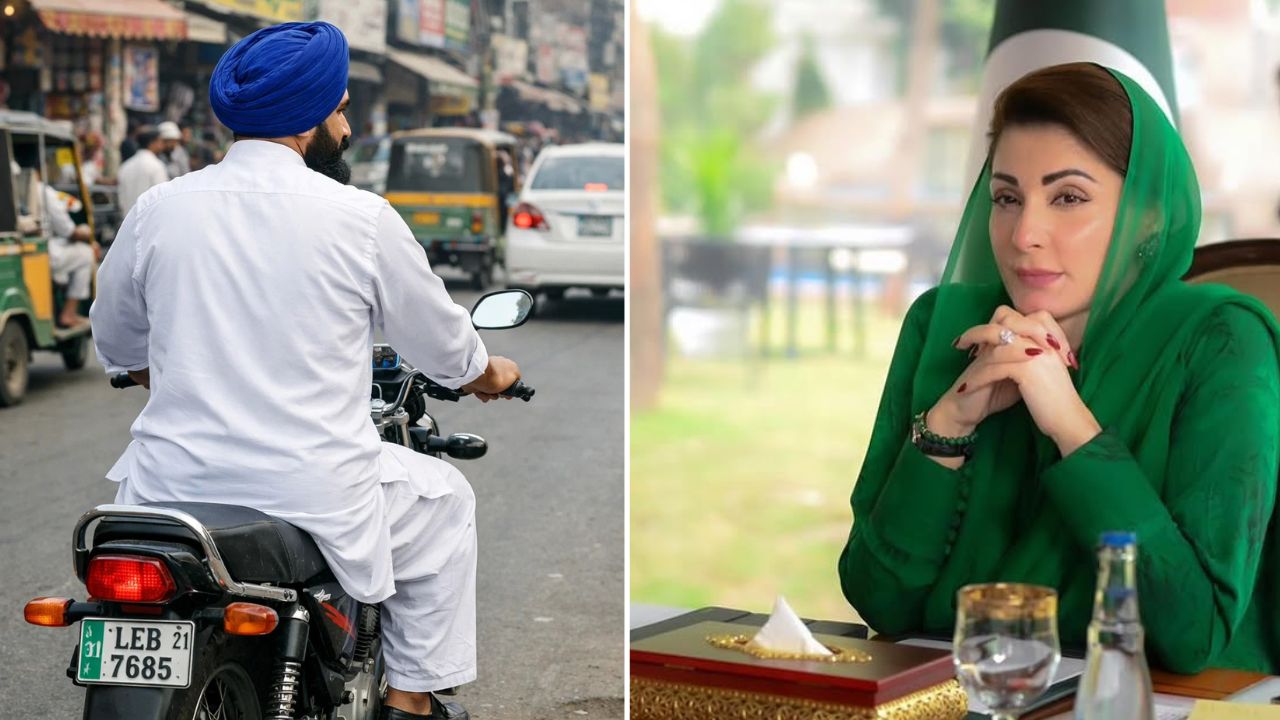
    Punjab Chief Minister Maryam Nawaz Sharif has announced an exemption for the Sikh community from the motorcycle helmet law and approved an increase in minority cards from 75,000 to 100,000.

    Speaking at a Christmas ceremony on Thursday, the chief minister said, “The government has exempted Sikh riders from wearing helmets because of the religious requirement to wear turbans, which makes helmet use difficult.”

    “Punjab stands committed to protecting minorities. Their safety is a key measure of our government’s success,” she said.

    She warned that the state would respond firmly to any attempt to harm minorities or deprive them of their rights. “Making Punjab minority-friendly should be a shared goal for all citizens. The responsibility is greater for the majority community,” she added.

    Addressing the Christian community, the chief minister extended Christmas greetings and announced the expansion of the minority card program to benefit more families.

    She said, “The province marked Christmas by decorating cities, displaying festive messages, and installing large Christmas decorations, including a Christmas tree and Santa Claus display at Liberty Chowk.”

    The helmet exemption addresses a long-standing concern within the Sikh community, where religious practice conflicts with traffic safety regulations. 

    The expansion of minority cards will provide additional financial and social support to 25,000 more families across Punjab.

    The announcement comes amid a strict helmet crackdown, where bike riders face a fine of Rs 2,000 for riding without a helmet. The updated penalty system became effective from December 1, 2025, with authorities issuing 28,000 helmet violation challans in a single day during the crackdown.

  • VIDEO: Hardik Pandya’s reaction to fan telling him ‘bhaar mein jao’

    VIDEO: Hardik Pandya’s reaction to fan telling him ‘bhaar mein jao’

    Indian star all-rounder Hardik Pandya has earned widespread praise for his composed response to an unpleasant encounter with a fan outside a New Delhi restaurant on Thursday.

    The Indian cricketer was leaving the venue with his girlfriend Maheika Sharma after a Christmas dinner when a crowd of fans gathered on the spot, hoping for selfies. Pandya obliged several fans before heading toward his car with security personnel. 

    However, one frustrated fan, unable to get through the crowd and security, reportedly shouted an insulting remark at him.

    “Bhaad mein jao [Go to hell],” the fan yelled. Despite the provocation, Pandya chose to ignore the comment and continued walking without engaging in a confrontation.

    A video of the incident went viral on social media, with users commending the all-rounder for his restraint. 

    On the field, Pandya has been delivering exceptional performances. He played a crucial role in India’s recent Twenty20 International series against South Africa, helping secure a 3-1 series victory. In the opening match, he scored 59 runs off just 28 balls, rescuing India from a difficult position.

    His most explosive performance came during the fifth T20I in Ahmedabad, where he smashed 63 runs from only 25 balls. He reached his half-century in just 16 balls, making it the second-fastest fifty by an Indian in T20I history, behind only Yuvraj Singh’s legendary 12-ball record from 2007. Pandya’s innings helped India post a commanding total of 231 runs.

    After his match-winning performance, Pandya celebrated by blowing flying kisses to Sharma from the field, a moment that quickly  spread on social media.

  • Talha Anjum, Bohemia to judge Pakistan’s first reality rap contest

    Talha Anjum, Bohemia to judge Pakistan’s first reality rap contest

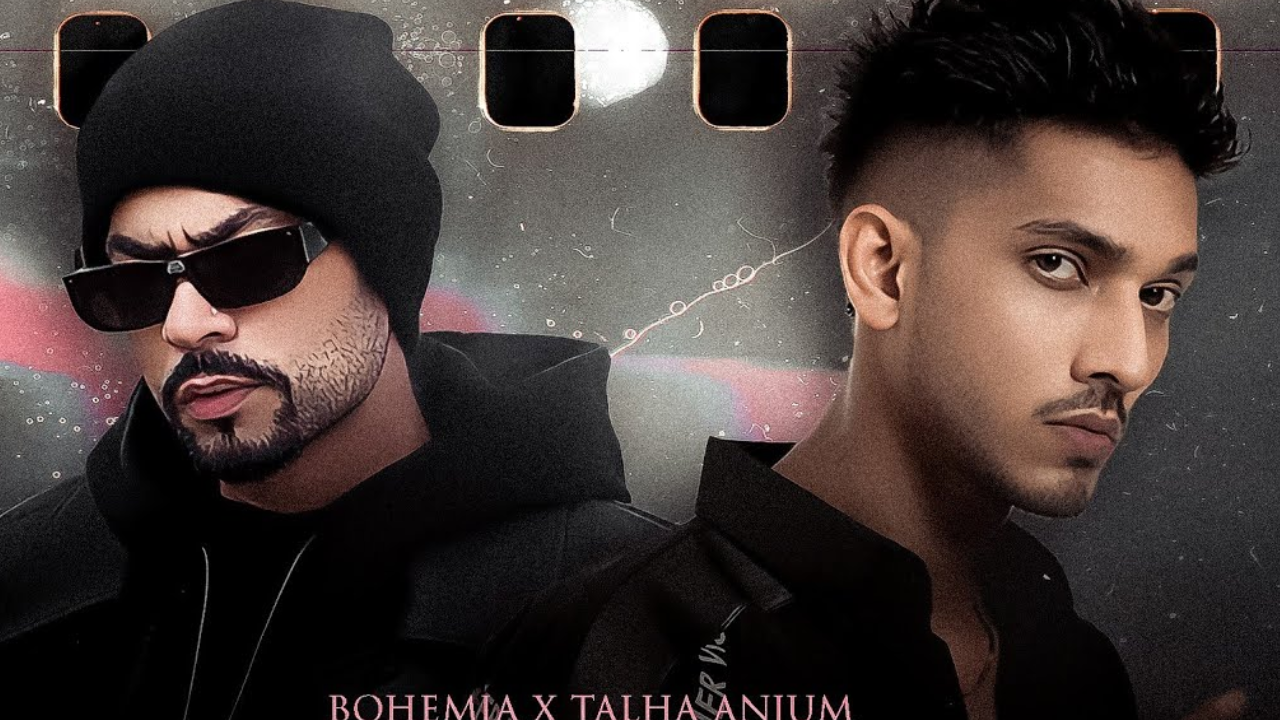
    Pakistan is about to premiere its first reality TV contest focused on rap, as Pixel Entertainment has announced a new show called Rap Icon Pakistan. The program will showcase megastarsTalha Anjum and Bohemia as judges.

    Pixel Entertainment, known for producing programs like Shark Tank Pakistan and MasterChef Pakistan, confirmed that the show will adopt a competitive reality format and is set to be broadcast after Eidul Fitr. The series will comprise 10 episodes.

    In an interview with a private media outlet, Rizwan Siddiqui, the CEO and executive producer of Pixel Entertainment, stated that the show’s purpose is to uncover fresh rap talent. “The aim was to discover the next Talha Anjum or the next Bohemia,” Siddiqui explained.

    According to the event organizers, Rap Icon Pakistan will have between 10 and 12 contestants. Participants will take part in various rap-themed challenges designed around different styles and concepts. Contestants will be eliminated throughout the episodes, with those who remain advancing to a final episode where one individual will be crowned the Rap Icon.

    The organizers announced a call for submissions on Saturday, inviting aspiring rappers to send in a video of themselves performing a rap based on the phrase “Rap Icon Pakistan.” The entry submission process is currently underway.

    Siddiqui mentioned that the production team intends to hold auditions and narrow down contestants over the upcoming month. He also indicated that filming for the show is anticipated to conclude before Ramazan.

    In recent years, competitive reality TV shows have secured a spot in Pakistan’s primetime television landscape, with programs such as MasterChef Pakistan and Pakistan Idol airing on weekends. Rap Icon Pakistan will be the first domestically produced reality show that is solely dedicated to rap music.

    Similar competitions have been aired internationally in past years. The U.S. saw The Rap Game run for five seasons from 2016 to 2019. Netflix’s Rhythm + Flow featured judges like Cardi B, Chance the Rapper, DJ Khaled, and Ludacris. Meanwhile, India’s MTV’s Hustle has completed four seasons with judges including Badshah, Raftaar, and Raja Kumari.

  • Murree Brewery gets permission for export after almost 50 years

    Murree Brewery gets permission for export after almost 50 years

    Pakistan’s oldest and largest brewery, Murree Brewery, is preparing to expand operations after receiving approval to export its products, ending a ban that had been in place for nearly five decades.

    Founded in 1860 to serve British soldiers and colonial communities during the Raj, Murree Brewery has operated through decades of strict regulation and social opposition to become one of the country’s most recognised companies. Its production facility, once located in the hills near Islamabad, is now based in Rawalpindi.

    Calling the development a “milestone”, Managing Director Isphanyar Bhandara said the export approval followed years of effort by his family. “My grandfather and late father tried to get the export licence but couldn’t,” he told AFP, attributing the difficulty to Pakistan’s status as an Islamic country.

    Bhandara said he was surprised in 2017 when a Chinese-operated brewery, Hui Coastal Brewery and Distillery, was granted permission to produce beer in Pakistan, primarily for Chinese nationals working on infrastructure projects. Following that decision, Murree began lobbying authorities to lift the export restriction.

    The company’s revenue exceeded $100 million in the fiscal year that concluded in June. Just over half of total earnings came from the production of glass bottles and non-alcoholic drinks.

    Murree had sold its goods in the US, Afghanistan, India, and a number of Gulf states prior to the export ban.Bhandara noted that the company has already made limited shipments to Japan, the United Kingdom and Portugal as it tests international markets.

    “At this stage, the focus is not on revenue but on understanding new markets,” he said. The company, which employs around 2,200 people, is primarily targeting Europe, while also considering expansion into Asian and African markets.

    Bhandara said exporting could allow Murree to highlight its history and brand identity abroad, something not possible domestically due to advertising restrictions. “We are not allowed to advertise, so we keep our heads down and focus on making a good product,” he said.