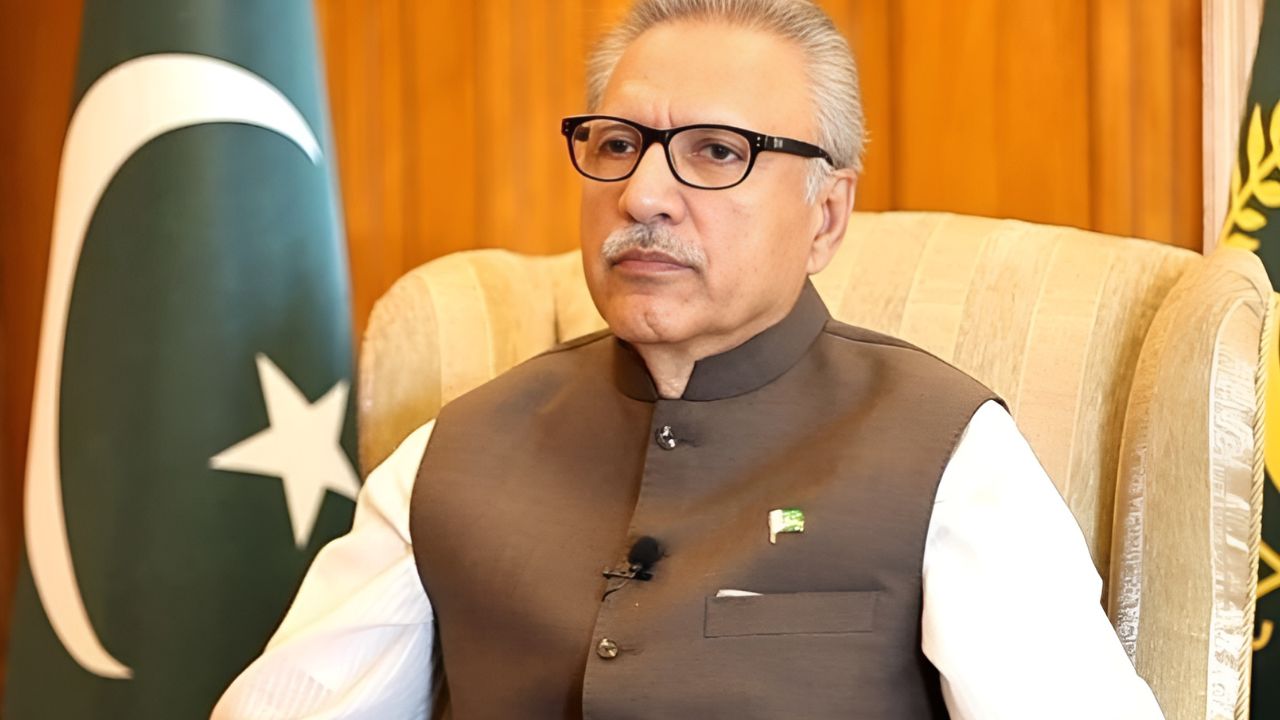
Former President of Pakistan Arif Alvi has apologised for sharing pictures of a rally held in the past on the internet, assuming the pictures were of the PTI rally held in the Sangjani area near Islamabad on September 8.
Alvi apologised after Punjab Information Minister Maryam Aurangzeb pointed out the error.
In an X (formerly Twitter), Alvi wrote, “After fact check, I have deleted two posts, as they were images of the previous occasion. I apologise for the error.”
“Social Media is too big to be bagged or shut down. Only error connections can tame this leviathan,” he added.
PTI held a rally in the Sangjani area on Sunday. Many fake rally images were posted on the internet, and the former President fell victim to one by sharing it on social sites.
Arif Alvi was President of Pakistan from 2018 to 2024.
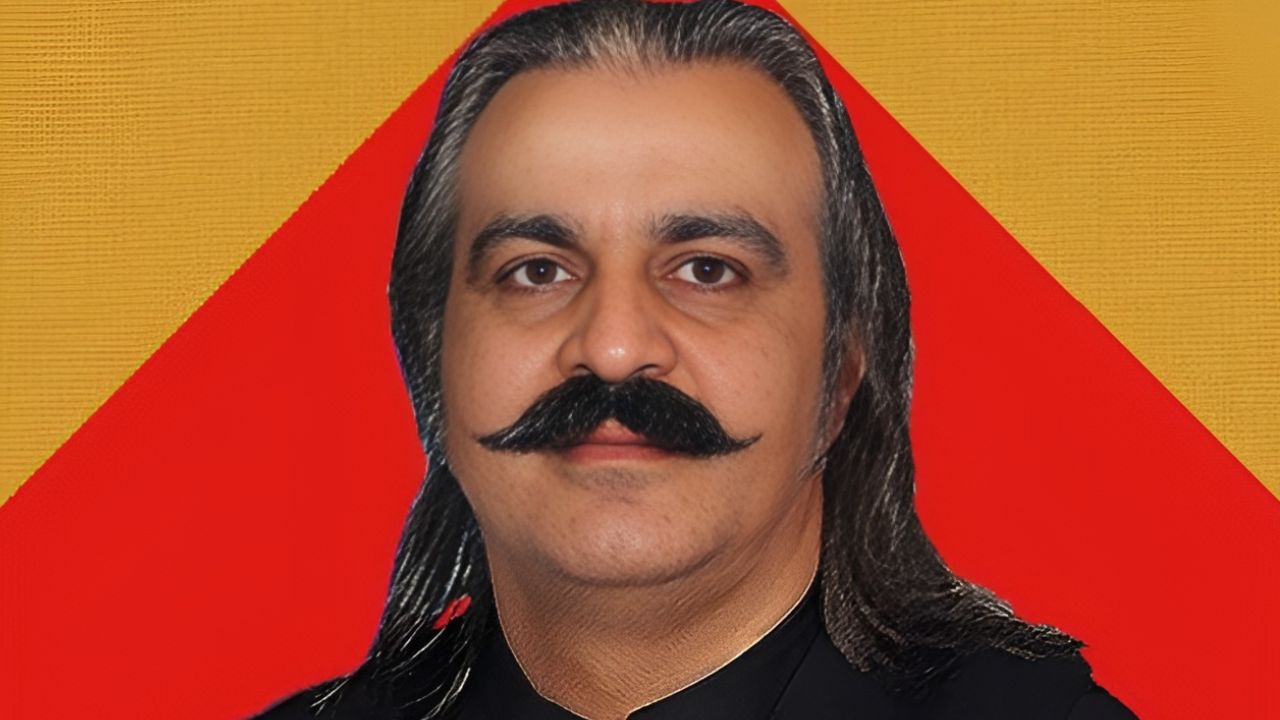
Khyber Pakhtunkhwa Chief Minister Ali Amin Gandapur gave a hard-hitting, controversial speech at the September 8 party rally, even threatening Defence Minister Khawaja Asif by remarking, “Not even your father can do a military trial of Khan!”
“Those whom you [Khawaja Asif] consider your father, they cannot do it [military trial of Khan] as well. He [Khawaja Asif] says that Gen Faiz contacted us after retirement. Did we get Gen Faiz in dowry or inheritance? He was your father…your general… fix your institutions and generals,” exclaimed the KP CM.
Journalist Muneeb Farooq, speaking on the Geo News programme last night, revealed the military establishment’s perspective on the KP CM’s speech, saying, “Whatever they’ve said in the rally, the military reply is this: whatever is ‘inevitable’, PTI is pushing it at jet speed.”
Farooq also quoted a high-level official regarding the stark difference between Gandapur’s speech at the rally and his soft-spoken attitude during meetings with the military establishment.
“Ali Amin Gandapur may not stay in his post for long for many reasons,” predicted Muneeb Farooq.
Furthermore, Ali Amin Gandapur also vowed that if Imran Khan is not released within two weeks, the party would “set him free” themselves.
The Pakistani rupee (PKR) dropped by 13.38 paisa, or 0.05 per cent, against the US dollar in the interbank market on Monday, ending the day at PKR 278.70, according to the State Bank of Pakistan (SBP).
During the session, the highest bid for Pakistani currency was 278.90, while the lowest ask was 278.70.
In the open market, exchange companies quoted the greenback at 279.10 for buying and 280.94 for selling.
Since the start of the financial year, the PKR has depreciated by 35.88 paisa or 0.13 per cent against the US dollar, while in the current calendar year, it has appreciated by 3.16 rupees, or 1.13 per cent.
Currency
Previous rate
Today’s rate
Change
US Dollar
PKR 278.57
PKR 278.70
13.38 paisa
British Pound
PKR 367.19
PKR 365.22
1.97 PKR
Euro
PKR 309.58
PKR 308.21
1.37 PKR
Chinese Yuan
PKR 39.32
PKR 39.19
12.96 Paisa
Saudi Riyal
PKR 74.21
PKR 74.26
4.75 Paisa
Swiss Franc
PKR 330.82
PKR 329.37
1.44 PKR
UAE Dirham
PKR 75.88
PKR 75.84
3.64 Paisa
Japanese Yen
PKR 1.9549
PKR 1.9475
0.74 Paisa
Exchange rates
The British Pound on Monday became cheaper, falling by 1.97 rupees to close at 365.22, down from 367.19 the previous day. The PKR strengthened by 1.37 rupees against the Euro, ending at 308.21 compared to the earlier value of 309.58.
The Chinese Yuan lost 12.96 paisa, closing at 39.19 compared to 39.32 from the last session. The Saudi Riyal gained 4.75 paisa, finishing at 74.26, up from 74.21 the day before.
The Swiss Franc declined by 1.44 rupees, closing at 329.37, down from 330.82. The UAE Dirham increased by 3.64 paisa, rising to 75.84 from 75.88.
Against the Japanese Yen, the PKR gained 0.74 paisa, closing at 1.9475 compared to 1.9549 the previous day.
Khyber Pakhtunkhwa Chief Minister Ali Amin Gandapur gave a hard-hitting, controversial speech at the September 8 party rally, even threatening Defence Minister Khawaja Asif by remarking, “Not even your father can do a military trial of Khan!”
“Those whom you [Khawaja Asif] consider your father, they cannot do it [military trial of Khan] as well. He [Khawaja Asif] says that Gen Faiz contacted us after retirement. Did we get Gen Faiz in dowry or inheritance? He was your father…your general… fix your institutions and generals,” exclaimed the KP CM.
Journalist Muneeb Farooq, speaking on the Geo News programme last night, revealed the military establishment’s perspective on the KP CM’s speech, saying, “Whatever they’ve said in the rally, the military reply is this: whatever is ‘inevitable’, PTI is pushing it at jet speed.”
Farooq also quoted a high-level official regarding the stark difference between Gandapur’s speech at the rally and his soft-spoken attitude during meetings with the military establishment.
“Ali Amin Gandapur may not stay in his post for long for many reasons,” predicted Muneeb Farooq.
Furthermore, Ali Amin Gandapur also vowed that if Imran Khan is not released within two weeks, the party would “set him free” themselves.
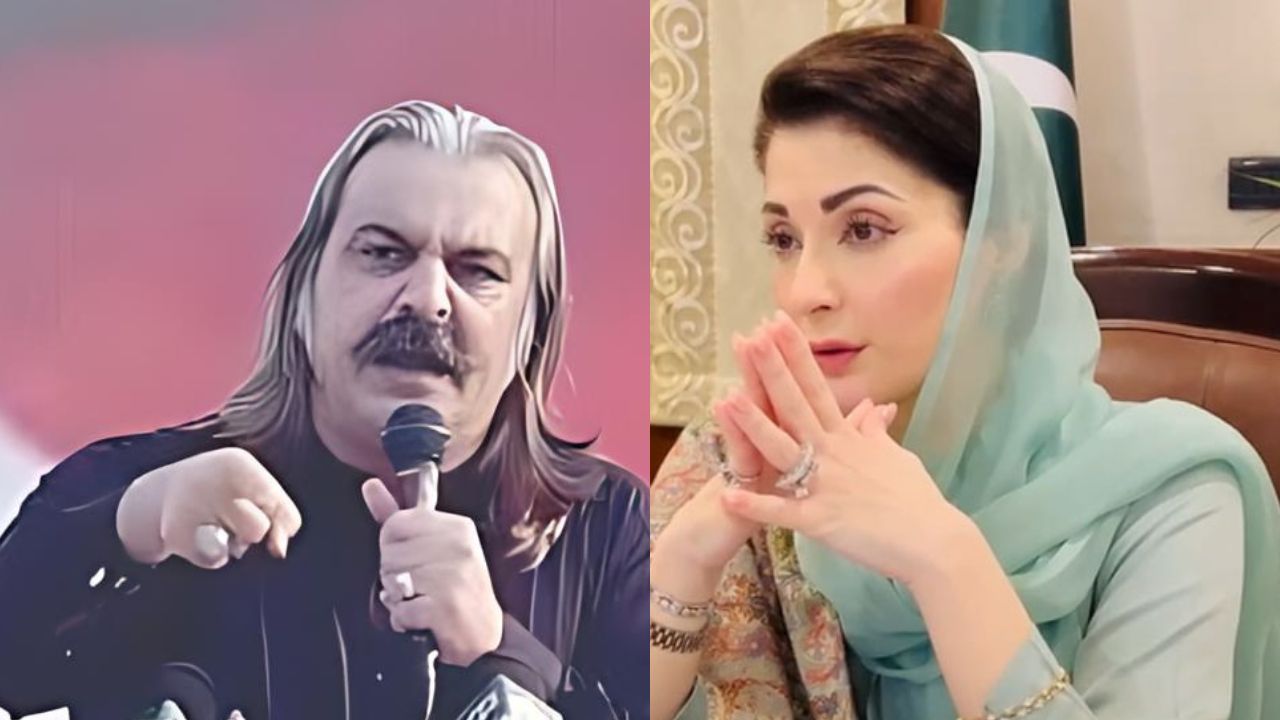
He also announced that the next party rally would be conducted in Lahore while inciting violence against CM Punjab Maryam Nawaz, saying, “Tumhara wo haal karenge kay tum Bangladesh bhool jao gay.”
Boeing’s beleaguered Starliner made its long-awaited return to Earth on Saturday without the astronauts who rode it up to the International Space Station (ISS), after NASA ruled the trip back too risky.
After years of delays, Starliner had launched in June for what was meant to be a roughly weeklong test mission — a final shakedown before it could be certified to rotate crew to and from the orbital laboratory.
But unexpected thruster malfunctions and helium leaks on the way to the ISS had derailed those plans, and NASA had decided it was safer to bring back crewmates Butch Wilmore and Suni Williams on a rival SpaceX Crew Dragon though they will have to wait until February 2025.
The gumdrop-shaped Boeing capsule touched down softly at the White Sands Space Harbor in New Mexico at 4:01am GMT on Saturday, its descent slowed by parachutes and cushioned by airbags, having departed the ISS around six hours earlier.
As it streaked red-hot across the night sky, ground teams reported hearing sonic booms. The spacecraft endured temperatures of 3,000 degrees Fahrenheit (1,650 degrees Celsius) during atmospheric reentry.
NASA had praised on Boeing during a post-flight press conference where representatives from the company were conspicuously absent.
“It was a bullseye landing,” said Steve Stich, program manager for NASA’s commercial crew program. “The entry in particular has been darn near flawless,” he added.
Still, he acknowledged that certain new issues had come to light, including the failure of a new thruster and the temporary loss of the guidance system.
He added it was too early to talk about whether Starliner’s next flight, scheduled for August next year, would be crewed, instead stressing NASA needed time to analyse the data they had gathered and assess what changes were required to both the design of the ship and the way it is flown.
Ahead of the return leg, Boeing had carried out extensive ground testing to address the technical hitches encountered during Starliner’s ascent, then promised — both publicly and behind closed doors — that it could safely bring the astronauts home. In the end, NASA disagreed.
In response to whether he stood by that decision, NASA’s Stich said: “It’s always hard to have that retrospective look. We made the decision to have an uncrewed flight based on what we knew at the time and based on our knowledge of the thrusters and based on the modelling that we had.”
History of setbacks
Even without a crew aboard, the stakes were high for Boeing, a century-old aerospace giant.
With its reputation already battered by safety concerns surrounding its commercial jets, its long-term prospects for crewed space missions hung in the balance.
Shortly after undocking, Starliner executed a powerful “breakout burn” to swiftly clear it from the station and prevent any risk of collision — a manoeuvre that would have been unnecessary if crew were aboard to take manual control if needed.
Mission teams then conducted thorough checks of the thrusters required for the critical “deorbit burn” that guided the capsule onto its reentry path around 40 minutes before touchdown.
Though it was widely expected that Starliner would stick the landing, as it had on two previous uncrewed tests, Boeing’s program continues to languish behind schedule.
In 2014, NASA had awarded both Boeing and SpaceX multibillion-dollar contracts to develop spacecraft to taxi astronauts to and from the ISS, after the end of the Space Shuttle program left the US space agency reliant on Russian rockets.
Although initially considered the underdog, Elon Musk’s SpaceX has surged ahead of Boeing, and successfully flown dozens of astronauts since 2020.
Meanwhile, the Starliner program has faced numerous setbacks, from a software glitch that prevented the capsule from rendezvousing with the ISS during its first uncrewed test flight in 2019 to the discovery of flammable tape in the cabin after its second test in 2022 to the current troubles.
With the ISS scheduled to be decommissioned in 2030, the longer Starliner takes to become fully operational, the less time it will have to prove its worth.
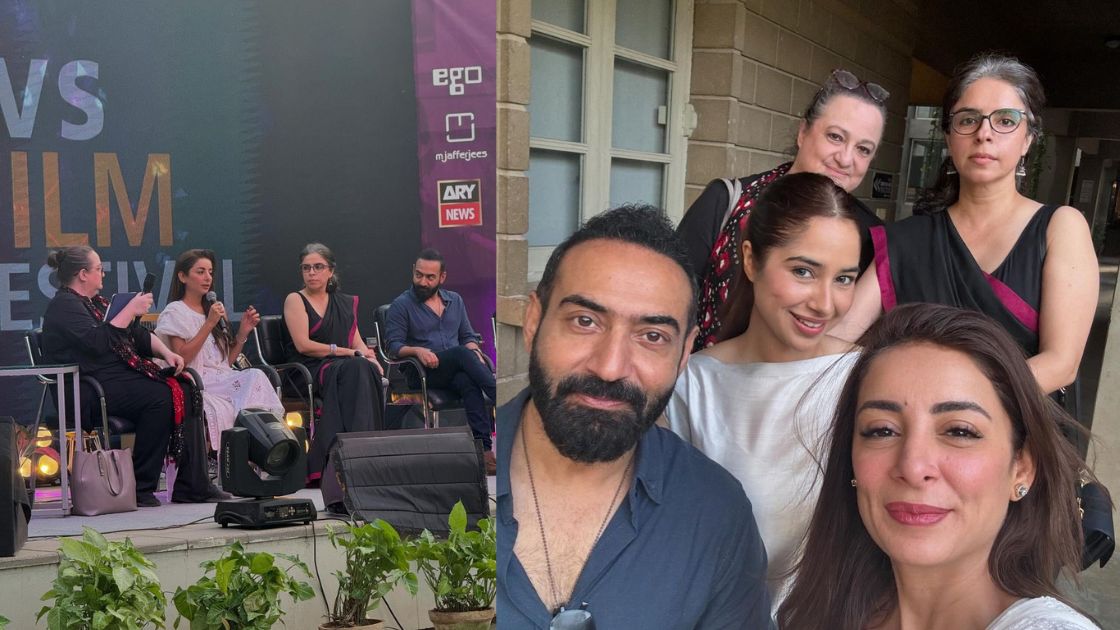
The three-day Indus Valley School (IVS) Film Festival wrapped up on Sunday with an engaging panel discussion on the creation of characters in mainstream dramas and films.
The panel, titled ‘Heroes and Villains – Stereotypes and Nuances in Film and TV’, included drama writer Bee Gul, director Nadeem Baig, and actors Sarwat Gillani and Sabeena Farooq.
The discussion was moderated by famed journalist Fifi Haroon, who discussed fixing the concept of heroes and villains.
Gul stated, “I feel a villain is way more liberated, free of fear of judgment, as compared to a hero…because he is not cautious of what people will say about him.”
“In Pakistan, we create kind of ‘cardboard’ villains…we never get to refer to the back story or the psychology behind even the characters,” Gul added.
Haroon then asked Gul if there was enough space for impactful heroes. “There is not a lot of space, but as an artist, you have to create the space. For example, in Raqeeb Se, I have created a villain who is a domestic abuser. However, the audience couldn’t hate him completely because there is a backstory, so in the same way, we can create heroes with human elements,” she responded.
Sabeena Farooq shared her experience from the drama Tere Bin, in which she couldn’t relate to the character she played: Haya. She noted that while some characters might not resonate with actresses, that doesn’t mean they don’t exist.
“My director and co-actors told me that such characters exist, and then I went to research on my own. That is how I was able to manufacture this character the way the audience saw it,” she added.
When asked about the lack of ambitious female heroes in Pakistani media, Farooq expressed hope for more layered female characters in the future.
“I wish that someday we progress enough to show layers of ambitious characters the way we unwrap characters in love because we need it.” She acknowledged the presence of strong female leads but noted that “there are not enough; however, we’re trying.”
Baig also shared the challenge of writing and directing multiple female characters in a show. He emphasised the importance of believable writing and the creative process of making different characters’ stories fit together.
“The major craft lies in writing, and then it is up to the director how they weave these multiple characters with different backstories together,” he explained. He shared that during Sinf-i-Aahan, he asked Umera Ahmed, the writer, “to change the approaches of a few scenes.”
“One person’s protagonist can be another person’s antagonist,” Gillani said.
The discussion concluded with a call for more female-led films in Pakistan and characters that drive change. The festival ended with an award ceremony for aspiring filmmakers and a musical performance.
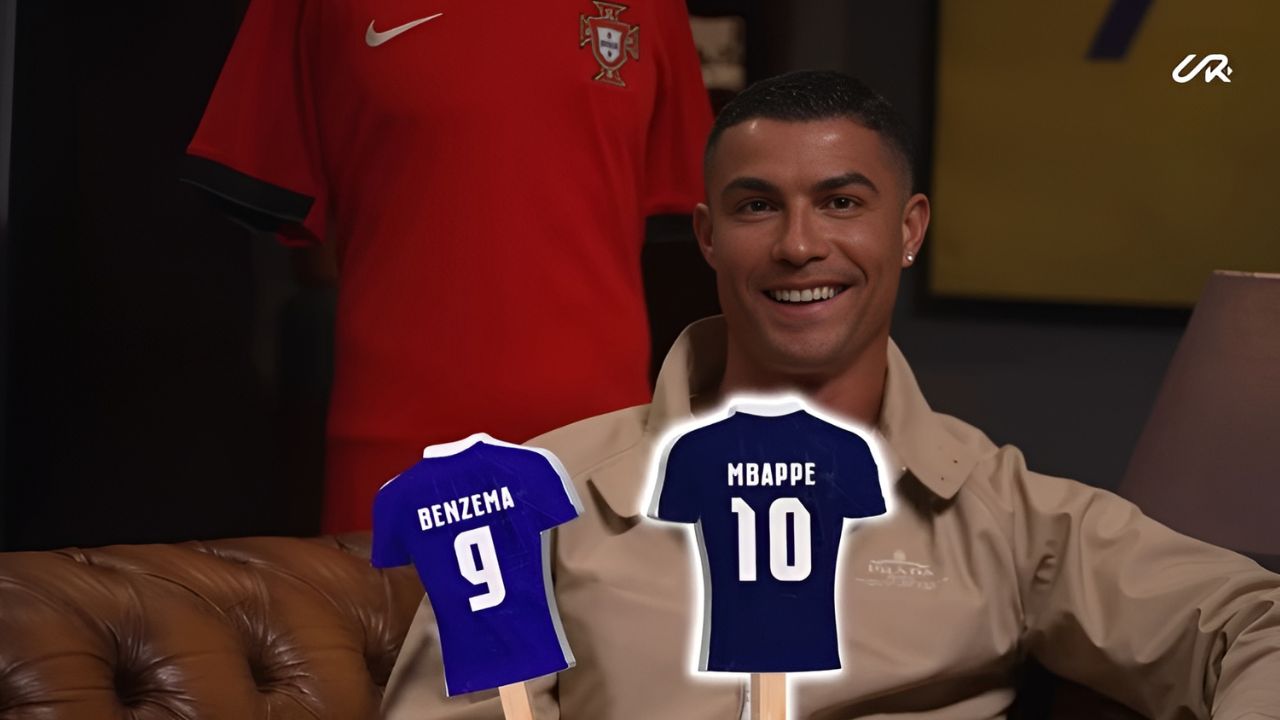
Portuguese football star Cristiano Ronaldo was asked to choose between his long-time teammate and French sensation Kylian Mbappe and French footballer Karim Benzema.
All three footballers have played for Real Madrid, while Karim and Ronaldo have been on the team for nine years.
On his YouTube channel, when asked to choose between the two, Ronaldo picked Mbappe over Benzema.
Ronlado’s choice has sparked debate among fans of both stars.
Trigger Warning: The details of the story could be painful to read.
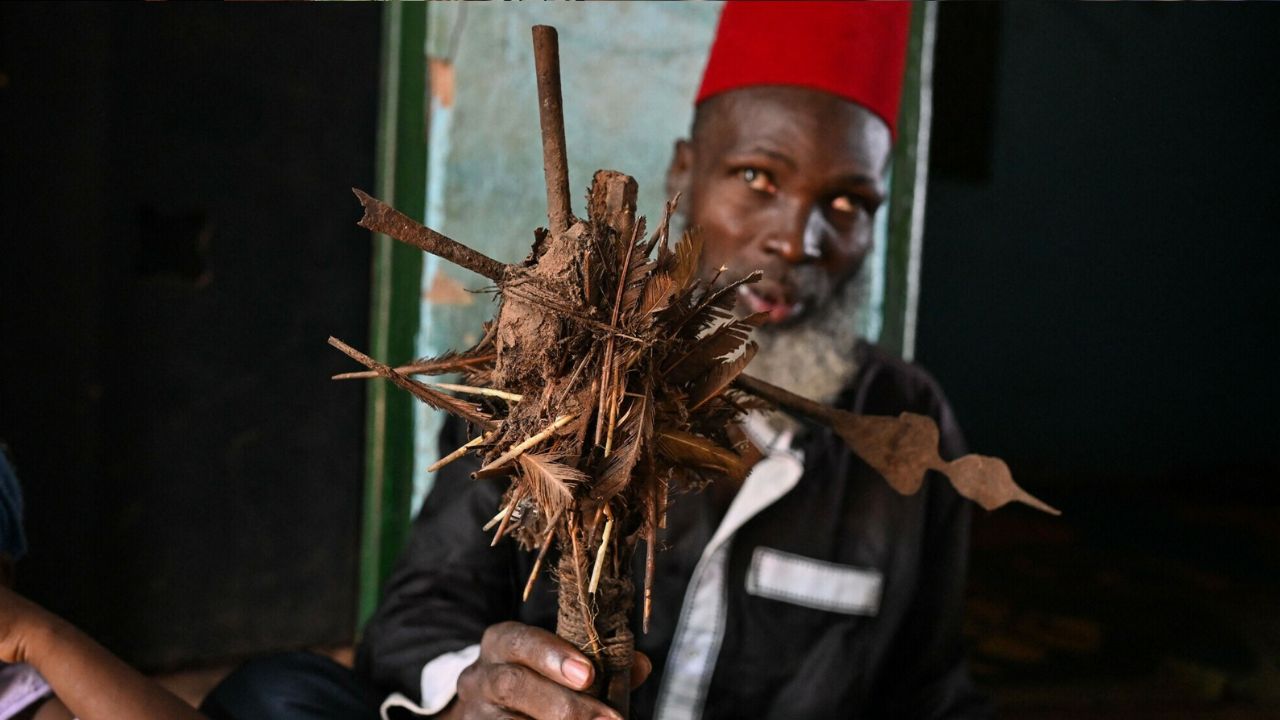
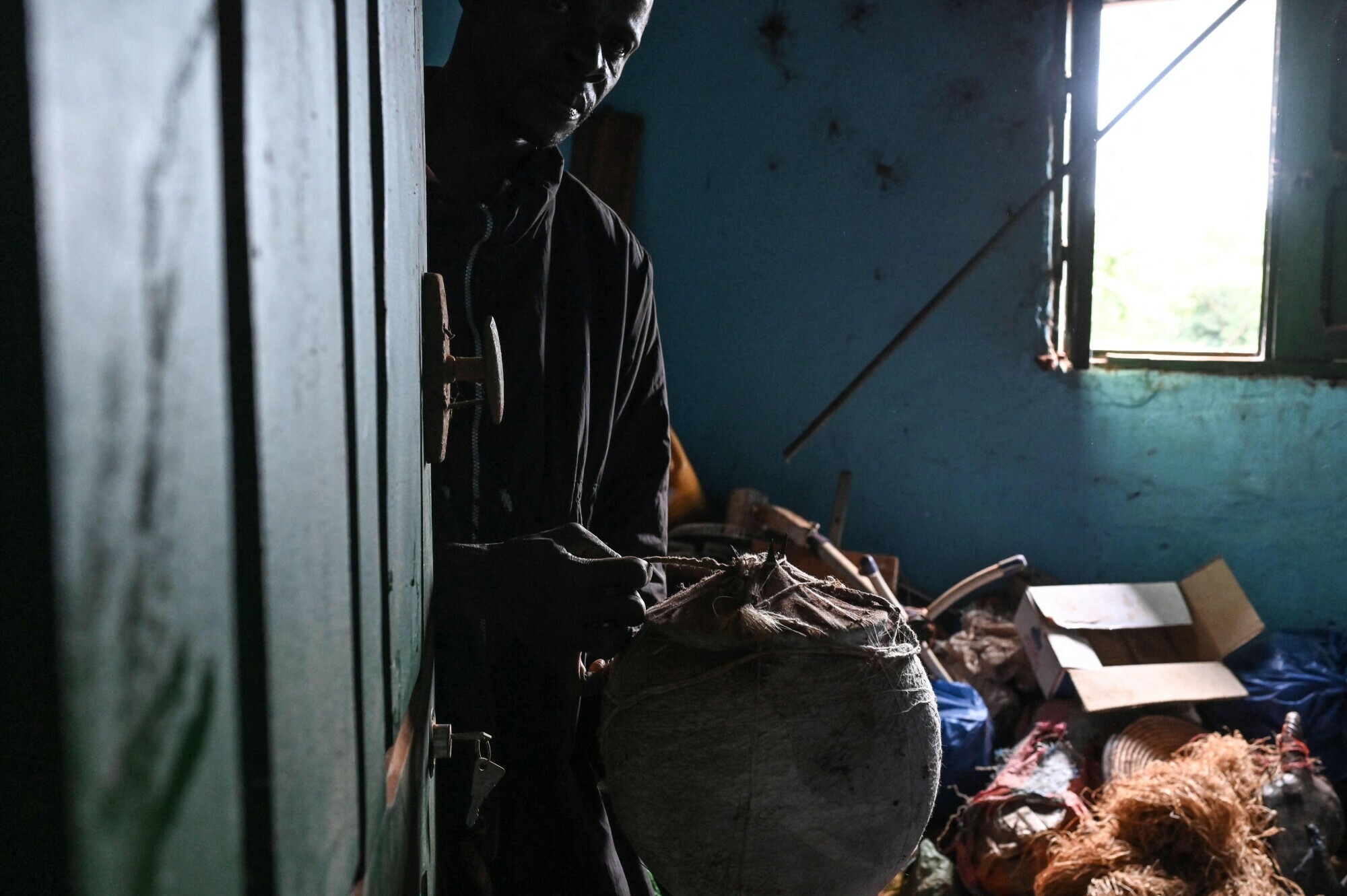
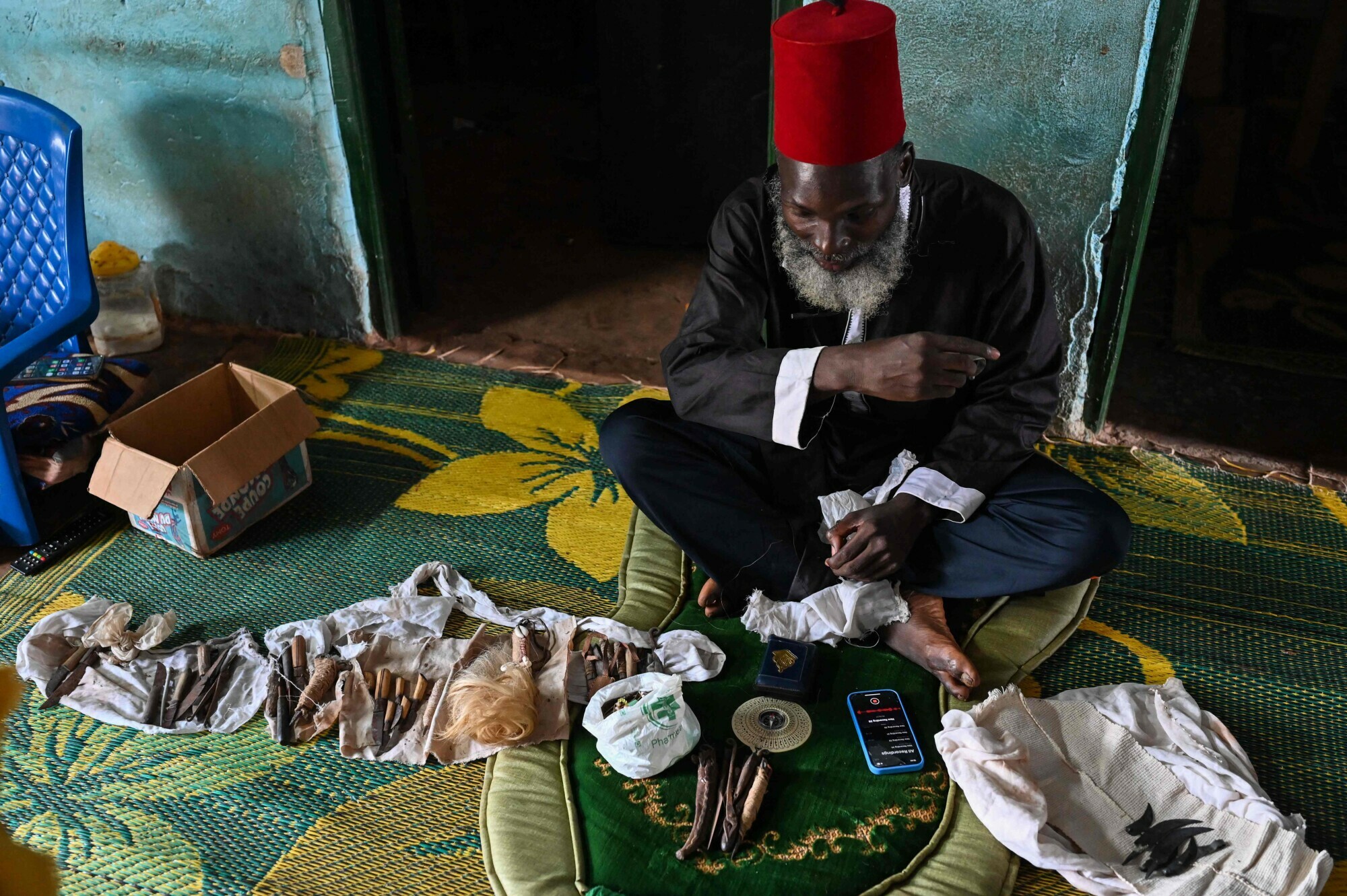
When he was a witch doctor, Moussa Diallo would regularly smear himself in a lotion made from a clitoris cut from a girl subjected to female genital mutilation.
“I wanted to be a big chief, I wanted to dominate,” said the small but charismatic fiftysomething from northwest Ivory Coast.
“I put it on my face and body” every three months or so “for about three years”, said Diallo, who asked AFP not to use his real name.
Genitalia cut from girls in illegal “circumcision” ceremonies is used in several regions of the West African country to “make love potions” or magic ointments that some believe will help them “make money or reach high political office”, said Labe Gneble, head of the National Organisation for Women, Children and the Family (ONEF).
A ground-down clitoris can sell for up to around $170, the equivalent of what many in Ivory Coast earn in a month.
Diallo stopped using the unctions a decade ago, but regional police chief Lieutenant N’Guessan Yosso confirmed to AFP that dried clitorises are still “very sought after for mystical practices”.
And it is clear from extensive interviews AFP conducted with former faith healers, circumcisers, social workers, researchers and NGOs, that there is a thriving traffic in female genitalia for the powers they supposedly impart.
Many are convinced the trade is hampering the fight against female genital mutilation (FGM), which has been banned in the religiously diverse nation for more than a quarter of a century.
Despite that, one in five Ivorian women are still being cut, according to the OECD, with one in two being mutilated in parts of the north.
Cut and mixed with plants
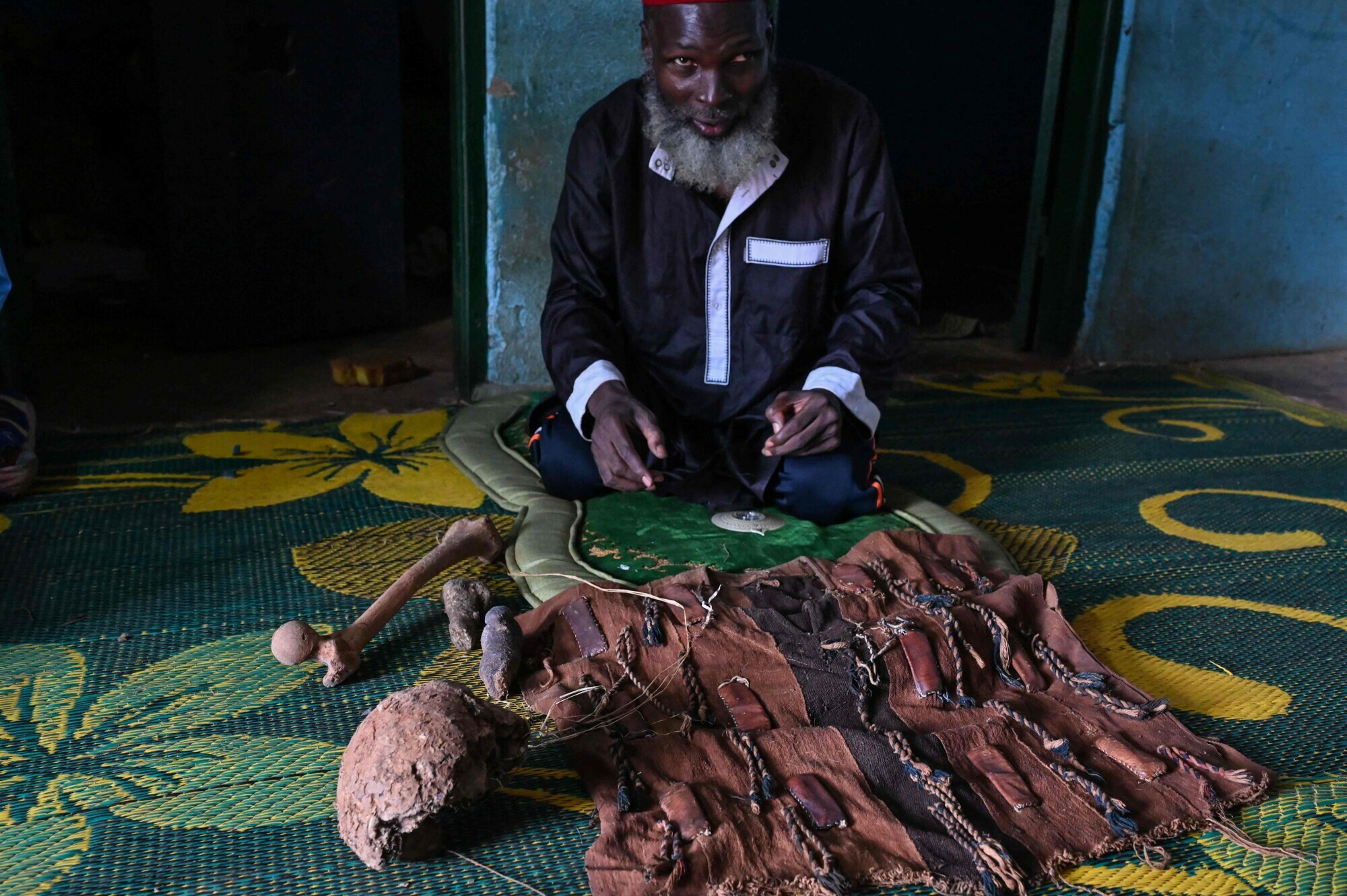
Before he had a crisis of conscience and decided to campaign against FGM, Diallo said he was often asked by the women who performed excisions around the small town of Touba to use his powers to protect them from evil spells.
Female circumcision has been practised by different religions in West Africa for centuries, with most girls cut between childhood and adolescence.
Many families consider it a rite of passage or a way to control and repress female sexuality, according to the UN Children’s Agency UNICEF, which condemns cutting as a dangerous violation of girls’ fundamental rights.
Beyond the physical and psychological pain, cutting can be fatal and lead to sterility, birth complications, chronic infections and bleeding, not to mention the loss of sexual pleasure.
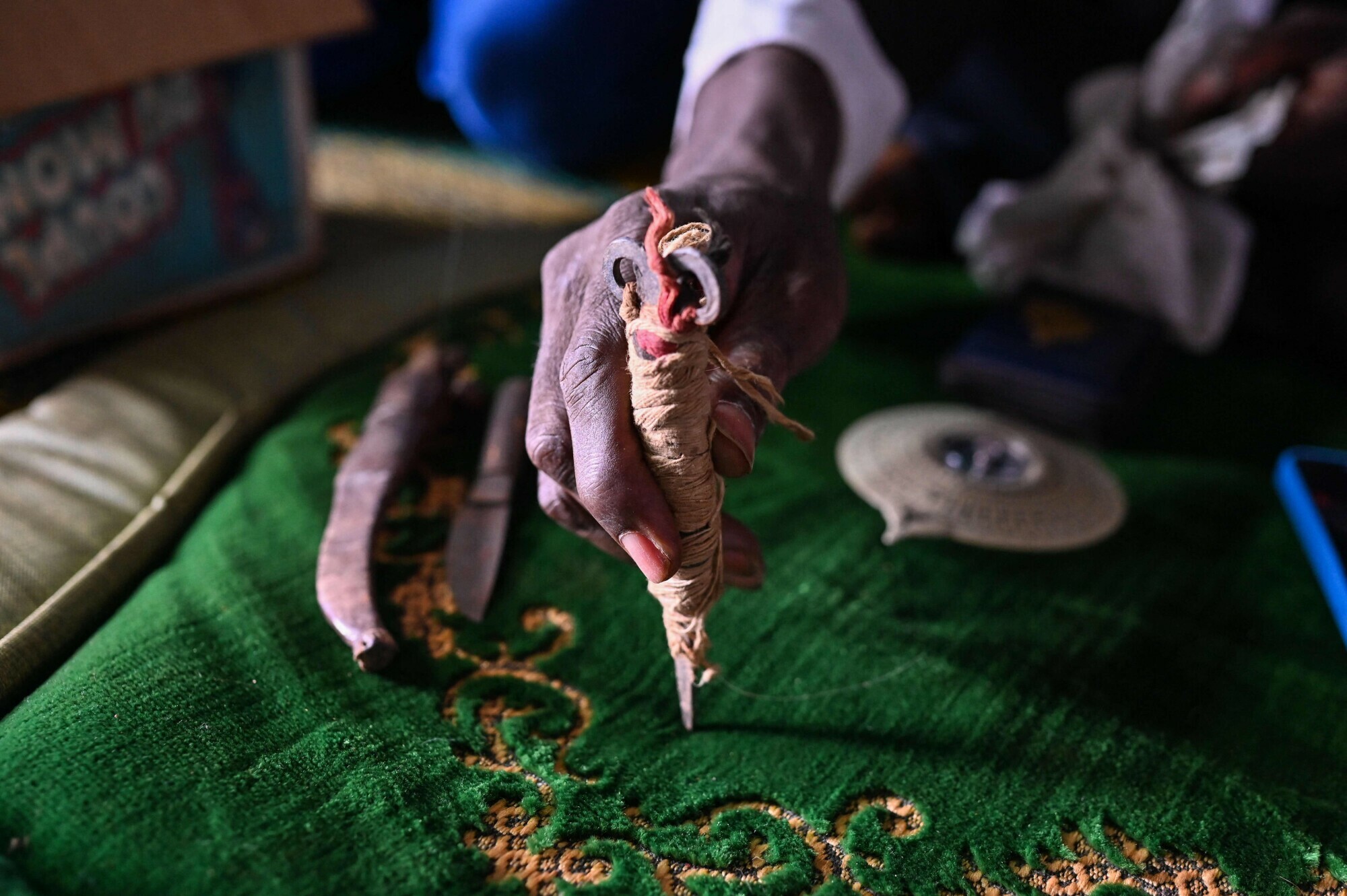
Diallo would often accompany the women who do the cutting out into the forest or to a home where dozens of girls would be circumcised, often surrounded by fetishes and sacred objects. So it was relatively easy for the former faith healer to obtain the precious powder.
“When they would cut the clitorises they would dry them for a month or two then pound them with stones,” he said.
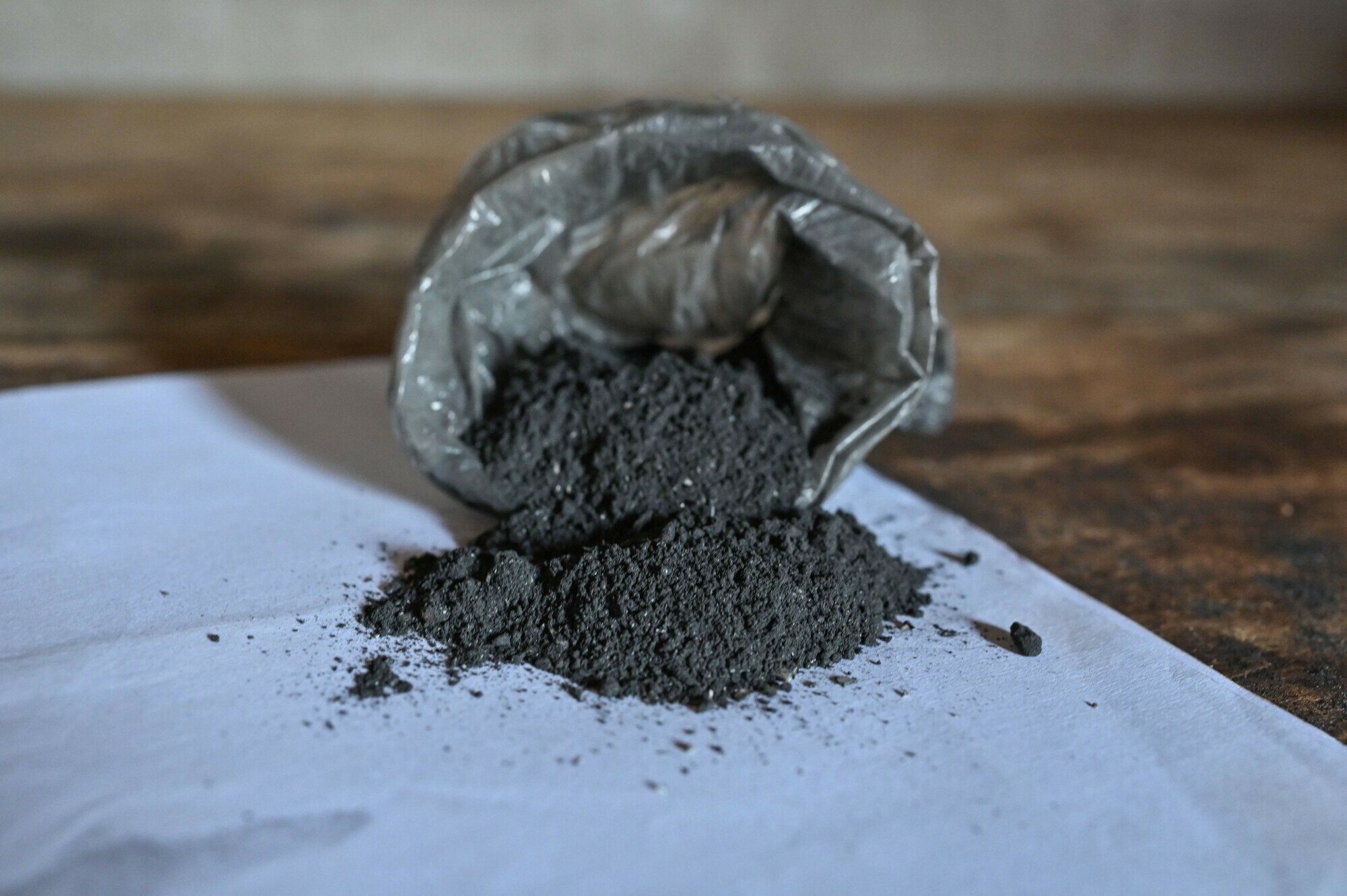
The result was a “black powder” which was then sometimes mixed with “leaves, roots and bark” or shea butter that is often used in cosmetics.
They could then sell it for around “100,000 CFA Francs (152 euros) if the girl was a virgin” or “65,000 (99 euros) if she already had a child” or barter it for goods and services, Diallo added.
The ex-witch doctor said he was able to get some of the powder recently — a mix of human flesh and plants, he believes — from a cutter in his village.
AFP was shown the powder but was unable to analyse it without buying it.
‘Organ trafficking’
Former circumcisers interviewed by AFP insisted that clitorises cut from girls are either buried, thrown into a river or given to the parents, depending on local custom.
But one in the west of the country admitted some end up being used for magic.
“Some people pretend they are the girls’ parents and go off with the clitoris,” she said.
Witch doctors use them for “incantations” and sell them afterwards, she claimed.
Another circumciser said some of her colleagues were complicit in the trade, “giving (genitalia) to people who are up to no good” for occult purposes.
Mutilated when she was still a child, one victim told AFP that her mother warned her to bring home the flesh that had been cut.
The trade is regarded as “organ trafficking” in Ivorian law and is punishable — like FGM — with fines and several years in prison, said lawyer Marie Laurence Didier Zeze.
But police in Odienne, who are in charge of five regions in the country’s northwest, said no one has ever been indicted for trafficking.
“People won’t say anything about sacred practices,” lamented Lieutenant N’Guessan Yosso.
The cutters themselves are both feared and respected, locals told AFP, often seen as prisoners of evil spirits.
‘Just nuts’
“A clitoris cannot give you magical powers, it’s just nuts,” said gynaecologist Jacqueline Chanine based in the country’s commercial capital Abidjan.
Even so, the practice is still stubbornly widespread in some parts of the country, according to researchers.
Dieudonne Kouadio, an anthropologist specialising in health, was presented with a box of the powder in the town of Odienne, 150 kilometres north of Touba.
“It contained a dried cut organ in the form of a blackish powder,” he said.
His discovery was included in a 2021 report for the Djigui foundation, whose conclusions were accepted by the Ministry for Women.
Farmers in Denguele district, of which Odienne is a part, “buy clitorises and mix the powder with their seeds to increase the fertility of their fields”, said Nouho Konate, a Djigui foundation member who has been fighting FGM in the area for 16 years.
He said parents of young girls were “gutted” when he told them of the trafficking.
Further south and in the centre west of the country, women use clitoris powder as an aphrodisiac, hoping to prevent their husbands straying, said criminologist Safie Roseline N’da, author of a 2023 study on FGM which also pointed to the trade.
She and her two co-authors discovered that blood from cut women was also being used to honour traditional gods.
They are far from the only Ivorian folk remedies that use body parts, according to lawyer Didier Zeze.
Mystic beliefs keeps it going
“The mystic has a central place in daily life” in the Ivory Coast — where Islam, Christianity and traditional animist beliefs co-exist — said the Canadian anthropologist Boris Koenig, a specialist in occult practices there.
“It touches every sphere of people’s social, professional, family and love lives,” he said, and there is generally nothing illegal about it.
The trade, however, is “one of the reasons that FGM survives” in the Ivory Coast, NGOs argue, where the rate of cutting is generally falling and is below the West African average of 28 per cent, according to the OECD.
Back near Touba, the former witch doctor Diallo recalled how up to 30 women would be cut in a day in the places his magic protected.
The dry season between January to March was the favoured period for circumcisions when the hot Harmattan wind from the Sahara helps scars heal, he said.
Staff at the region’s only social work centre say the cutting is still going on but hard to quantify because it never happens in the open.
Instead, it goes on in secret, hidden behind traditional festivals which have nothing to do with the practice, kept going, they say, by circumcisers from neighbouring Guinea — only a few kilometres away — where FGM rates are over 90pc.
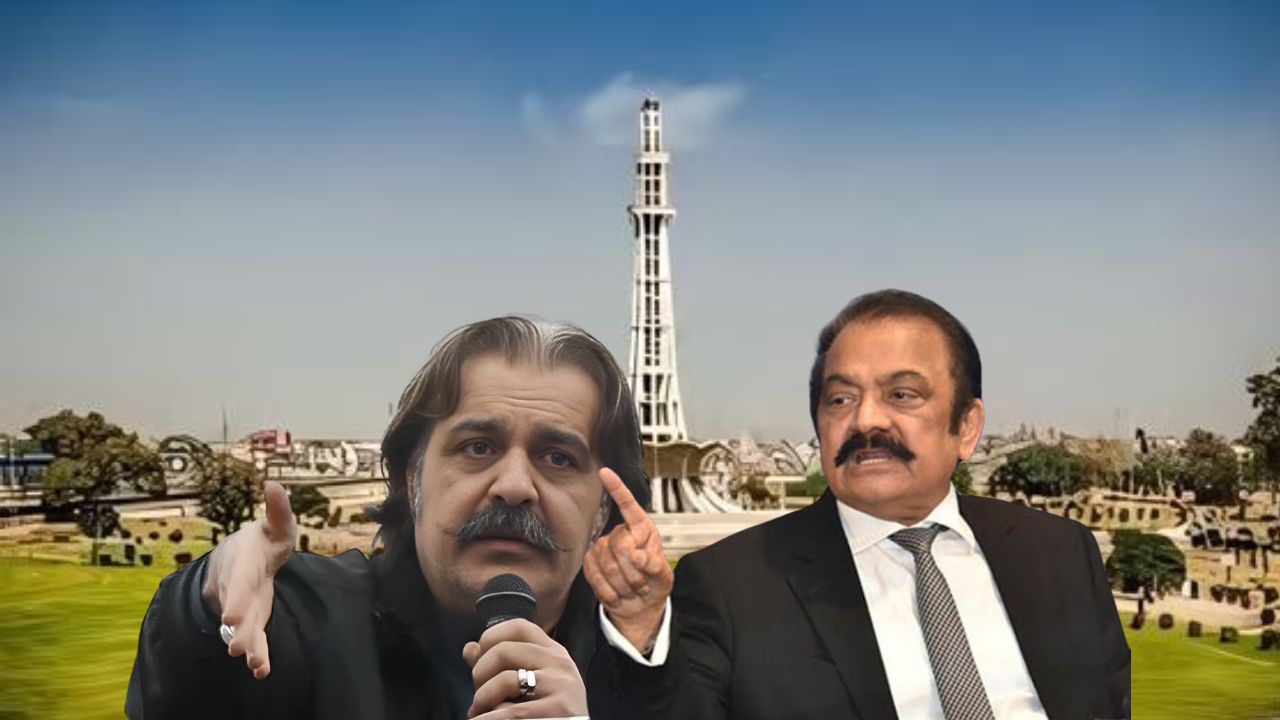
Prime Minister Shehbaz Sharif’s Special Assistant for Political Affairs Rana Sanaullah has declared that Chief Minister (CM) Khyber Pakhtunkhwa (KP) Ali Amin Gandapur’s controversial speech at Sunday’s Sangjani rally was intended to spread anarchy in the country.
Speaking at the ‘Naya Pakistan’ talk show, Sanaullah dismissed Gandapur’s statements by saying, “It was not a political speech” and advised the political parties to remain within constitutional limits.
“These types of rallies should not be permitted,” Sanaullah stated.
Responding to Gandapur’s remarks about the two-week ultimatum to free founder Pakistan Tehreek-e-Insaf (PTI) Imran Khan from prison, Sanaullah questioned, “In which rally did the Pakistan Muslim League Nawaz (PML-N) give an ultimatum?”
Sanaullah challenged Gandapur’s claims to hold a rally in Punjab, saying, “He won’t even cross the Attock bridge for a rally in Lahore; the government will answer in the same language that the CM KP understands.”
On September 8, at a rally in Sangjani, CM KP remarked, citing former Prime Minister (PM) Imran Khan’s military trial speculation, “Not even your father can do a military trial of Khan.”
“Tumhara wo haal karenge kay tum Bangladesh bhool jao gay,” Gandapur remarked while challenging CM Punjab Maryam Nawaz that he will hold PTI’s next rally at Lahore.
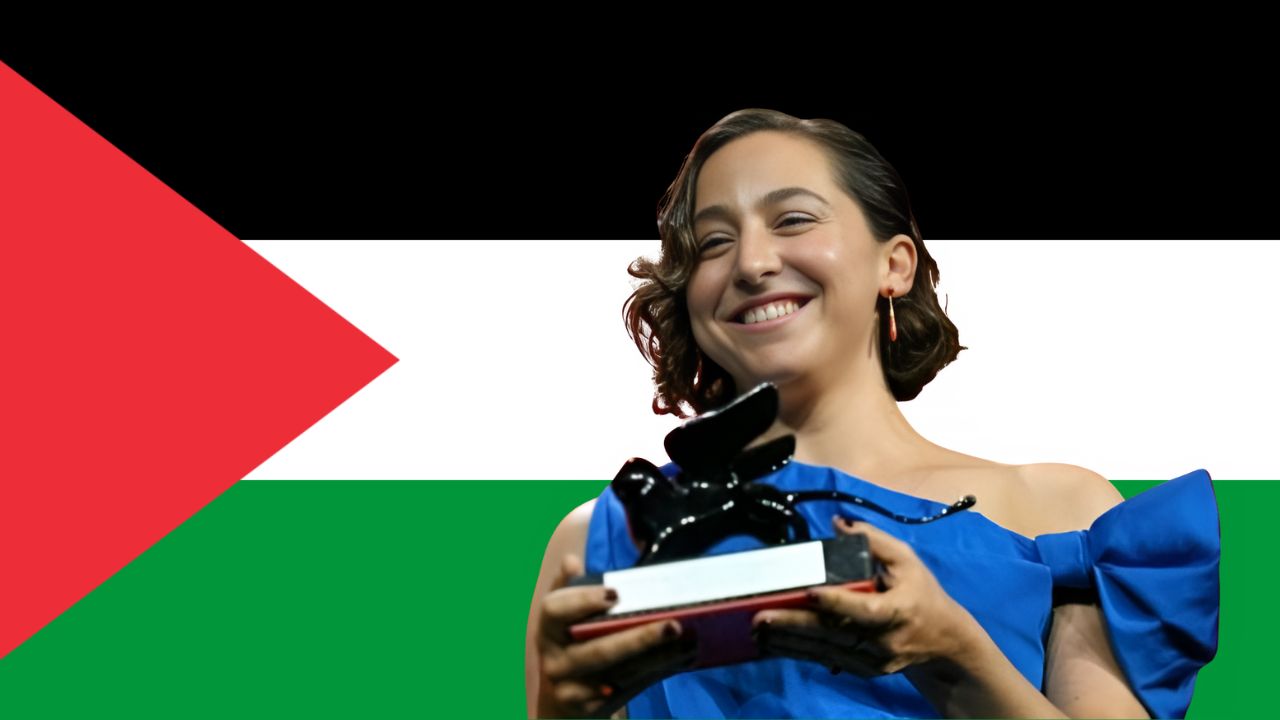
Jewish- American filmmaker Sarah Friedland spoke out against Israel’s genocide of Gaza during an awards ceremony at the Venice Film Festival on Saturday. While accepting the Luigi de Laurentiis prize for best first film for ‘Familiar Touch,’ Sarah Friedland said, “I’m accepting this award on the 336th day of Israel’s genocide in Gaza and 76th year of occupation,” as loud applause broke out in the packed hall.
“I believe it is our responsibility as filmmakers to use the institutional platforms through which we work to redress Israel’s impunity on the global stage. I stand in solidarity with the people of Palestine and their struggle for liberation,” Friedland stressed as the applause continued.
Israel’s genocide in Gaza has now entered its 12th month, with over 40,939 people killed and 94,619 wounded since October 7, 2023.