Blog

  • PepsiCo Launches PepsiCo Rise Together Initiative in Pakistan to Help Rebuild Livelihoods for Flood-Affected Food Cart Vendors

    PepsiCo Launches PepsiCo Rise Together Initiative in Pakistan to Help Rebuild Livelihoods for Flood-Affected Food Cart Vendors

    PepsiCo Pakistan, in partnership with the PepsiCo Foundation and leading micro-entrepreneurship nonprofit SeedOut, has launched the PepsiCo Rise Together Program, Economic Empowerment Program a flagship social and economic empowerment initiative designed to help restore livelihoods and strengthen community resilience across Pakistan.

    For decades, Pakistan’s street-food culture has been more than a culinary tradition, it has been a source of income for hundreds of thousands of micro-entrepreneurs whose carts bring flavor, familiarity, and vibrancy to city streets. But rising inflation, declining consumer spending, and the devastating 2025 floods have pushed this vital sector to the edge, leaving many vendors without carts, savings, or the means to support their families.

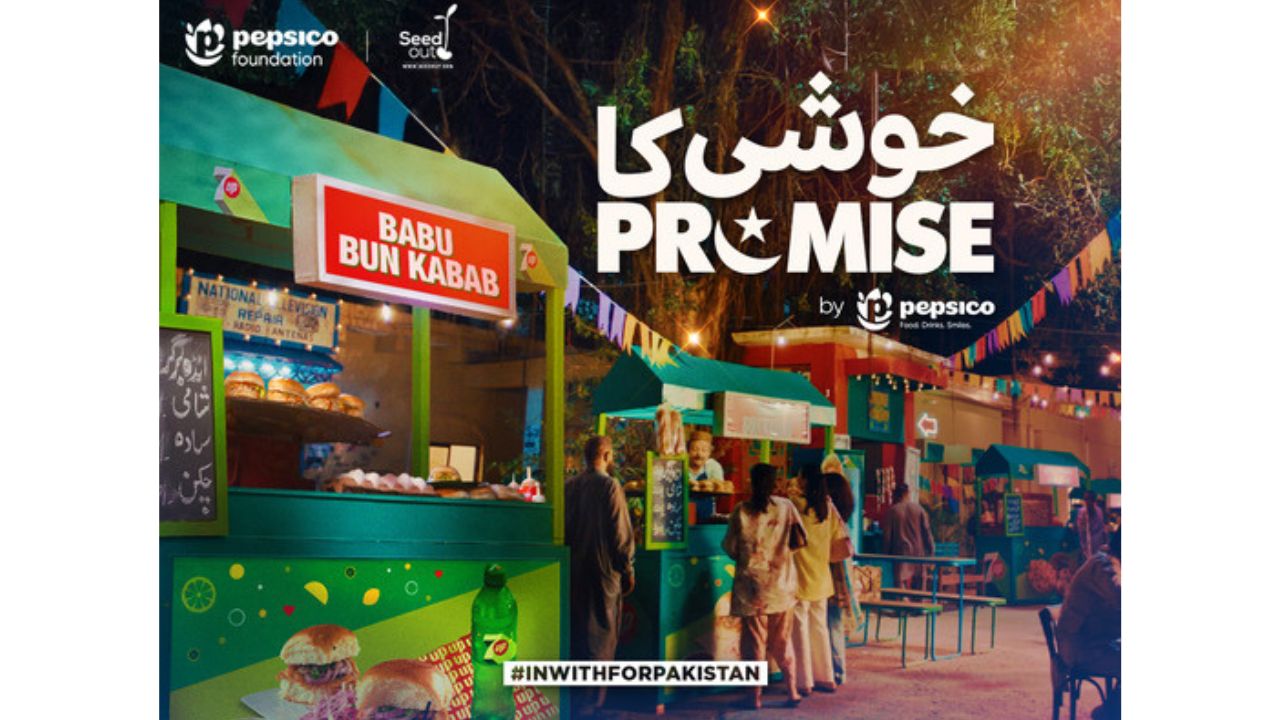
    Against this backdrop, PepsiCo Pakistan and its iconic brand 7UP, with support from the PepsiCo Foundation, have stepped forward with a program that blends economic recovery with human dignity. This two-year economic empowerment program aims to reintegrate over 200+ street-food vendors in year 1, positively impacting more than 1,600+ individuals, by providing modern food carts, interest-free microfinancing, and formal training in food hygiene, financial literacy, customer service, and business planning. Implemented by SeedOut, the initiative combines global corporate standards with community- level expertise, helping ensure support reaches the households most affected by recent economic and environmental shocks.
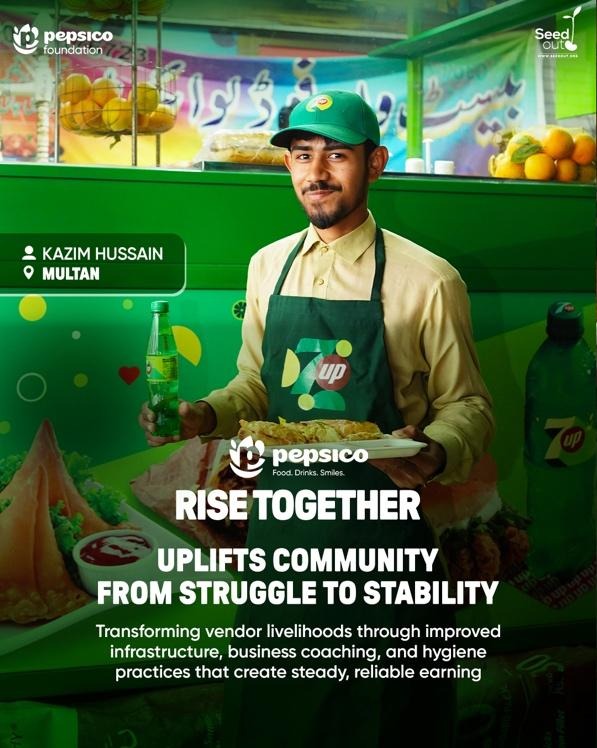


    7UP’s leadership in this effort builds naturally on its long-standing connection to Pakistan’s vibrant food culture. 7UP will amplify the stories of participating vendors through a 360-degree storytelling campaign, spotlighting their resilience, their challenges, and their journey back to stability. The initiative reinforces PepsiCo Pakistan’s broader #InWithForPakistan focus on uplifting communities and contributing to sustainable national recovery.

    “Street-food vendors are an essential part of both our culture and our economy,” said Furqan Ahmed Syed, Chief Commercial Officer, PepsiCo International Beverages & General Manager, PepsiCo Pakistan Beverages. “Helping them rebuild their livelihoods is the need of the hour, and this programme reflects our belief that corporations must play an active role in strengthening the communities they serve. Street food shapes the pulse of our youth and our culture, and with this program, PepsiCo together with 7UP is proud to help uplift the vendors who keep that heartbeat alive every day.”

    “True recovery begins when families regain dignity and the ability to earn sustainably. Through the PepsiCo Rise Together Program, we are not only restoring livelihoods, but rebuilding confidence, resilience, and long-term economic stability at the community level. At SeedOut, we believe sustainable impact comes from empowering people with opportunity, not dependency,” said Zain Ashraf Mughal, Founder & President, SeedOut.
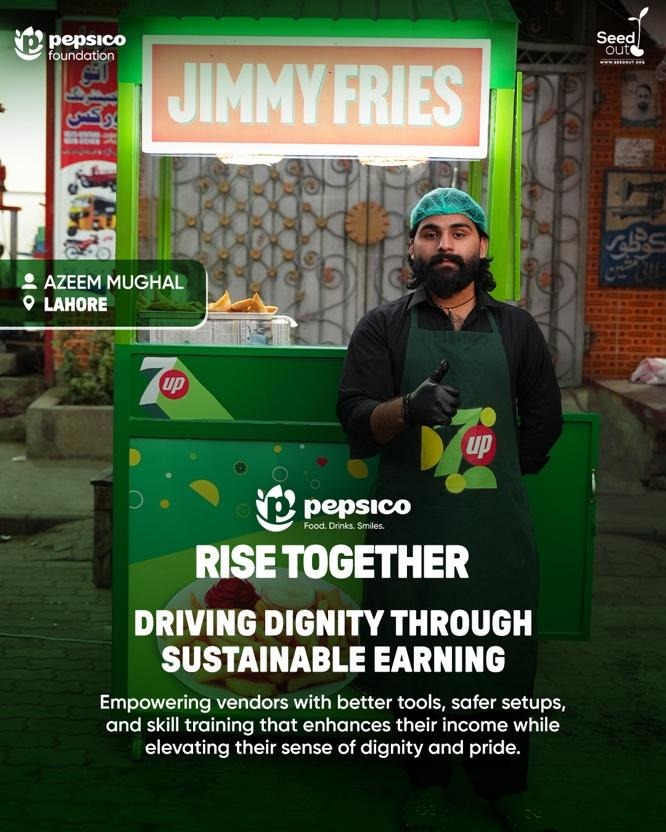
     

    This sentiment is shared by the PepsiCo Foundation. “This effort goes far beyond financial assistance, it is about restoring confidence, dignity, and opportunity,” said Hatim Khan, Senior Director, PepsiCo Foundation.

    The PepsiCo Rise Together Program is a testament to the power of collaborative, purpose-led action. By rebuilding one cart, one vendor, and one family at a time, the initiative aims to support sustainable economic recovery while helping preserve the flavors and traditions that define Pakistan’s street-food heritage.
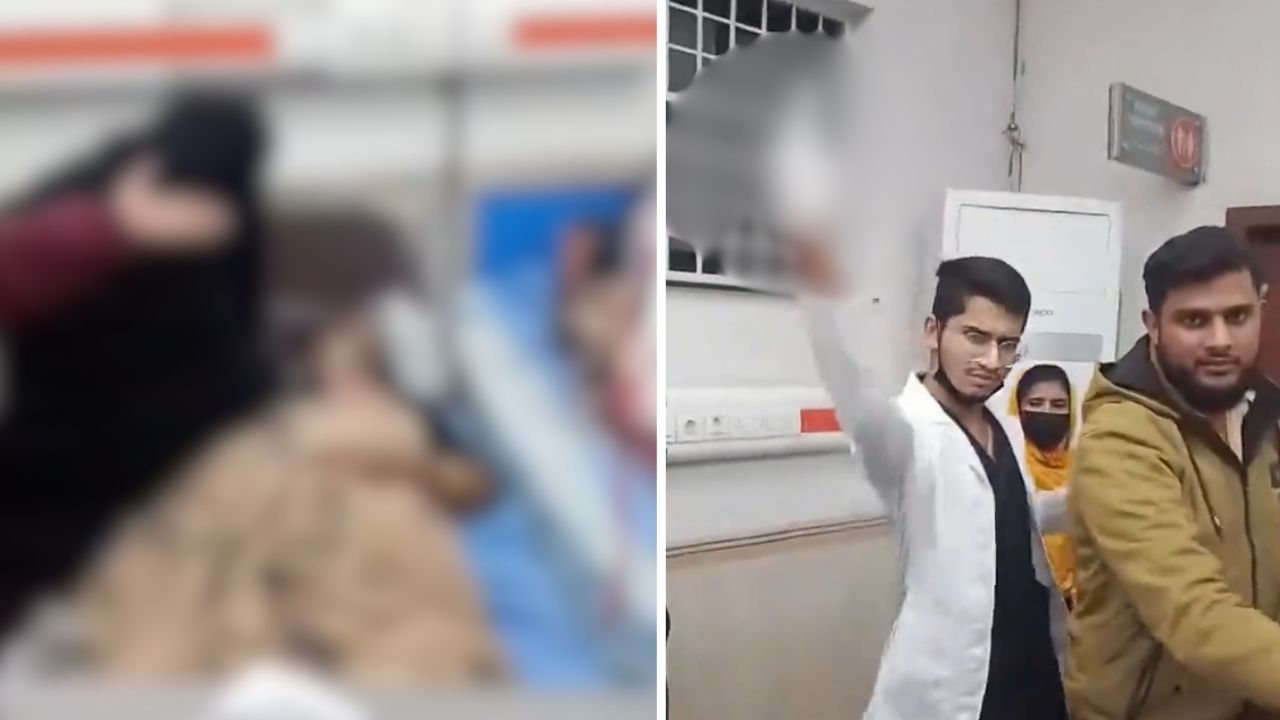

  • Multan hospital breaks silence after ‘negligence kills patient’, doctor shows grieving family his middle-finger

    Multan hospital breaks silence after ‘negligence kills patient’, doctor shows grieving family his middle-finger

    Multan’s Nishtar Medical College Hospital has responded to claims that doctors’ negligence led to the death of a female patient.

    Hours after a viral video – recorded on Dec 18 – showed the patient’s son grieving and accusing hospital staffers of refusing blood transfusion to his mother, officials assured the affected family that if doctors were found guilty of negligence, strict action would be taken.

    Per the details of the patient, the family had brought her to the hospital for a stomach ailment but she died during treatment.

    A video recorded shortly after the death showed the survivors of the deceased accusing the medical staff of negligence in handling the case.

    The patient’s son claimed that doctors asked the family to arrange blood for transfusion but failed to administer it in time.

    “The doctor told us to arrange blood, but they did not transfuse it to my mother on time, which led to her death,” he said.

    The video also showed at least one doctor in the emergency ward showing the grieving family his middle finger as they sought answers.

    Said house officer has been suspended, the hospital administration said.

  • Facebook could soon start charging users for sharing links

    Facebook could soon start charging users for sharing links

    In a move that could serve another blow to news outlets and digital publishers already struggling for online reach, Facebook is testing a new system that could restrict how often users share web links unless they pay for a subscription.

    According to reports, Meta has acknowledged that it is conducting a “limited test” where users without a Meta Verified subscription will only be permitted to share two external links each month. The paid subscription starts at £9.99 per month and can rise significantly depending on the tier.

    The trial seems to be focused on a specific group of Facebook pages and user profiles configured under Professional Mode, a feature typically utilised by content creators aiming to monetise their posts. Although news organisations are not part of this test, the limitations could adversely affect publishers by restricting how frequently users can share their articles.

    The move comes as newsrooms are still recovering from Meta’s earlier decision to deprioritise news content in favour of short-form videos and viral posts. Although traffic from Facebook to news sites showed signs of recovery earlier this year but some estimates show it fell by as much as 50% year-on-year in 2024.

    Screenshots circulating online indicate that Facebook is notifying users that, starting December 16, profiles lacking Meta Verified accounts will encounter limits on “organic” link-sharing unless they subscribe. The message promotes paid verification as a way to unlock more link-sharing, alongside added features and account security.

    Media analysts say the experiment fits into Meta’s broader shift away from news. David Buttle, founder of media consultancy DJB Strategies, said the company has been steadily retreating from journalism for years, pointing to its withdrawal from publisher payments and its decision to block news links entirely in Canada following regulatory disputes.

    “This latest experiment reinforces a shift away from free distribution and towards monetising reach,” Buttle said, adding that Meta appears focused on extracting more value from its legacy platforms as it pivots towards artificial intelligence after costly investments in the metaverse.

    Nonetheless, Meta has minimised the significance of the trial. A representative mentioned that the test aims to evaluate whether the ability to share more links is beneficial for Meta Verified subscribers, emphasising that it remains limited in scope.

    Earlier this year, Meta also revealed it would allow users to view more political content if they so desired, a modification that analysts say has already contributed to a slight resurgence of news on the platform. Data cited by Press Gazette and Similarweb indicates that Facebook traffic to certain outlets, like the Express, rose sharply, with the platform being responsible for the majority of the paper’s social media referrals in March.

  • ‘Even I was not ready’: Hania Aamir reacts to Meri Zindagi Hai Tu plot twist

    ‘Even I was not ready’: Hania Aamir reacts to Meri Zindagi Hai Tu plot twist

    Actress Hania Aamir has joined the conversation around her latest drama Meri Zindagi Hai Tu after a major plot twist from episode 13 left viewers stunned and social media buzzing with excitement.

    The actress took to Instagram to post a behind-the-scenes clip from the drama shoot, featuring her character Ayra confessing her love to Kamyar, played by Bilal Abbas Khan. 

    She captioned the clip with a candid admission: “Even I was not ready for it.”

    The behind-the-scenes moment quickly went viral, with fans sharing it widely across social media platforms.

    Viewers flooded comment sections with their reactions. One user wrote, “Itni Khushi mujy apni exams main pass hony ki nai hoti jitni ayra ky izhar e mohabat ki hoi,” while another exclaimed, “Ayra luv you ho gya yaar.” A fan quipped, “Ab samjh aya ARY ne itna kyu intizaar krwaya,” referring to the anticipation built around the moment.

    Many praised the emotional intensity and chemistry between Hania Aamir and Bilal Abbas Khan, calling the scene a turning point in the drama’s narrative. Fans admitted they didn’t see the confession coming, which made the twist even more impactful.

    Airing on ARY Digital, Meri Zindagi Hai Tu is a romance drama that explores complex relationships and emotional conflicts. 

    The 13th episode aired last night, delivering the much-anticipated moment that has now become the talk of social media. 

    The series features a strong ensemble cast including Hania Aamir as Ayra and Bilal Abbas Khan as Kamyar, alongside Meher Jaffri, Ali Rehman, Vardah Aziz, Alyy Khan, and Javeria Abbasi in pivotal roles.

  • Rubio hints Pakistan could play ‘key role’ in Gaza stabilisation force

    Rubio hints Pakistan could play ‘key role’ in Gaza stabilisation force

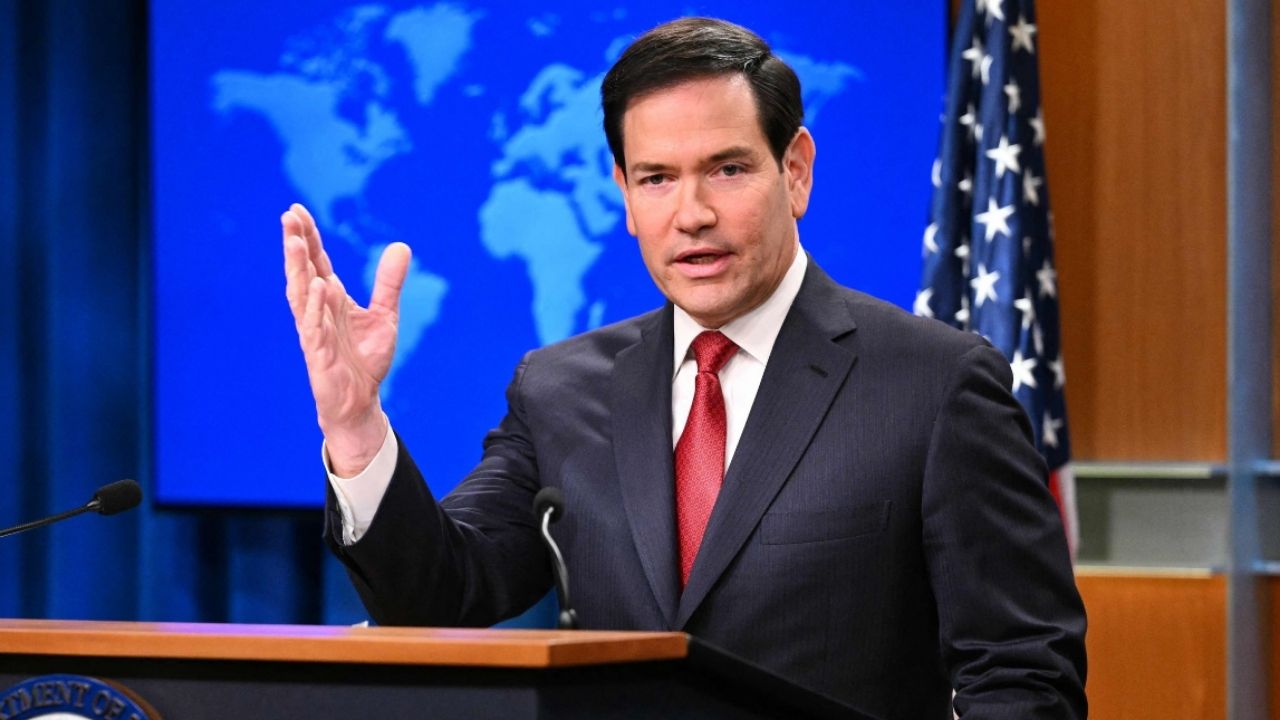
    US Secretary of State Marco Rubio has said that Pakistan has expressed willingness to be part of a proposed International Stabilisation Force (ISF) for Gaza, though no formal commitment on troop deployment has yet been made.

    During a press conference on Friday, Rubio confirmed that Islamabad was one of numerous nations participating in discussions for the International Stabilisation Force (ISF), a US-backed initiative for post-war (genocide) peacebuilding in the Gaza Strip.

    Last week, Pakistan attended a high-level conference in Qatar hosted by US Central Command, where representatives from nearly 45 countries gathered to deliberate on the ISF’s command structure, mandate and unresolved operational details. 

    According to diplomatic sources, Pakistan is considering the deployment of around 3,500 troops, though talks remain at an exploratory stage.

    In response to a question about whether Washington D.C. had secured Pakistan’s approval to send troops to Gaza, Rubio stated that the US was very grateful” for Pakistan’s willingness to consider participation, adding that several key questions still needed to be addressed before any country could be asked to formally commit.

    “I feel very confident that we have a number of nation-states acceptable to all sides who are willing to step forward and be a part of that stabilisation force, and certainly Pakistan is key if they agree to do so,” Rubio said, stressing that clarity on funding, mandate and rules of engagement was essential.

    He noted that discussions were centered around the force’s role, including issues of demilitarisation, command authority and financial responsibility. Rubio added that the next step would involve announcing a proposed “Board of Peace” and a Palestinian technocratic group that would oversee daily governance in Gaza.

    Pakistan’s Foreign Office, however, struck a cautious note a day earlier. Spokesperson Tahir Andrabi said Islamabad had not yet decided on contributing troops, emphasising that consultations were still underway and no final position had been adopted.

    The US State Department has reportedly approached more than 70 countries seeking troops, funding or logistical support for the ISF, with at least 19 countries indicating some level of willingness to assist. International deployment could begin as early as next month, according to US officials.

    After over two years of Israel’s military genocide, the Gaza Strip has been largely destroyed. A deal between Israel and Hamas was signed in October after US President Donald Trump released a 20-point peace plan in September. 

    The creation of the ISF, largely comprising troops from Muslim-majority countries, remains a central pillar of that framework.

    A US-drafted resolution supporting the plan and approving the deployment of the stabilization force was approved by the UN Security Council in November. China and Russia abstained, while thirteen members including Pakistan voted in favor. 

    The proposal, however, was rejected by Hamas, which opposes any international force deployed to disarm Palestinian resistance groups.

  • Anant Ambani gifts Messi rare watch almost worth footballer’s monthly salary

    Anant Ambani gifts Messi rare watch almost worth footballer’s monthly salary

    Argentine football star Lionel Messi concluded his India tour with a ultra-luxury watch gifted by billionaire heir Anant Ambani, which costs just slightly less than his $1.7 million monthly salary at Inter Miami.

    Anant, who founded the Vantara wildlife conservation and rehabilitation centre, hosted Messi at the facility and gave him a tour showcasing the organisation’s animal welfare initiatives. The footballer also met a lion cub named “Lionel” in his honour and played football with Maniklal, a baby elephant, in a moment that went viral on social media.

    Eagle-eyed social media users quickly noticed that Messi arrived at the centre without a watch but later appeared sporting a rare Richard Mille timepiece.

    Indian media reported that Anant gifted Messi the watch during the visit, identifying it as the Richard Mille RM 003-V2 GMT Tourbillon “Asia Edition” – one of only 12 pieces made globally.

    The gift’s value represents a significant sum, though it falls short of Messi’s monthly earnings. Data released by the MLS Players Association shows the Inter Miami forward takes home a total of $20.45 million per year, or approximately $1.7 million per month.

    Earlier, Messi’s three-day GOAT India Tour took him across Kolkata, Hyderabad, Mumbai and New Delhi, marking his first trip to the country in 14 years. He travelled with Inter Miami teammate Luis Suarez and Argentina midfielder Rodrigo De Paul.

    The tour began chaotically at Kolkata’s Salt Lake Stadium on Dec 13 when fans threw objects, ripped up seats and invaded the pitch. Enraged supporters vandalised the stadium after the Argentine soccer great made only a brief appearance at a ticketed event. Tickets ranged from around $38.65 to $130, with the lower prices exceeding half of the average weekly income in India.

    In Hyderabad, Messi participated in an exhibition football match featuring the state’s chief minister, Revanth Reddy, and met Leader of the Opposition in the Lok Sabha Rahul Gandhi.

    At Mumbai’s Wankhede Stadium, Messi shared a special moment with Indian football legend Sunil Chhetri, presenting him with a signed Argentina jersey. 

    Cricket icon Sachin Tendulkar presented Messi with a Team India jersey during the event.

    His final appearance at Delhi’s Arun Jaitley Stadium went smoothly as he greeted chanting supporters. During the Delhi visit, ICC Chairman Jay Shah presented Messi and his teammates with Indian cricket team jerseys and tickets to the upcoming T20 World Cup India-USA match.

  • Supreme Court converts rape conviction into ‘consensual adultery’, reduces sentence of accused

    Supreme Court converts rape conviction into ‘consensual adultery’, reduces sentence of accused

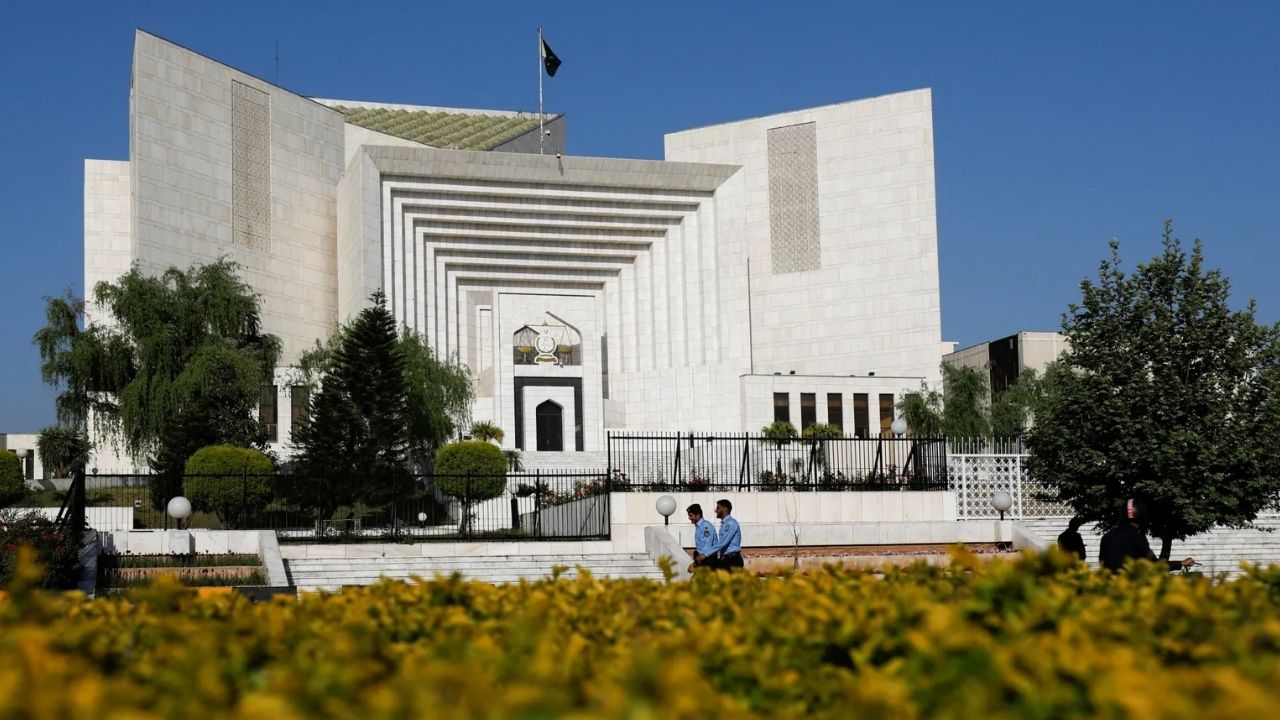
    The Supreme Court (SC) has converted a rape conviction into a case of consensual adultery, reducing the sentence of the accused from 20 years in jail to five years’ rigorous imprisonment.

    The imposed fine was also reduced from Rs500,000 to Rs10,000; however, in case of default, the accused will serve an additional two months in prison.

    In a six-page judgment, authored by Justice Malik Shahzad Khan of the apex court, it was said that the majority of the bench found the evidence did not prove rape, but established consensual sexual relations.

    While Justice Salahuddin Panhor dissented from the majority view, the court noted that in cases of consensual adultery, the complainant may also be liable to punishment.

    However, in this case, she was neither served a challan nor given the opportunity to defend herself during trial. The court ruled that no punishment could be imposed on her at the appellate stage without granting a hearing.

    Referring to the facts, the judgment highlighted that the FIR [First Information Report] was lodged nearly seven months after the alleged incident and the prosecution failed to explain how the accused knew the complainant would be present at the location at a specific time.

    The judgment further pointed out that the complainant did not resist during the incident, no marks of violence or injuries were found in the medical report and her clothes were neither produced as evidence nor shown to be torn.

    In his dissenting note, Justice Panhor maintained that the case was one of rape and the conviction should have been upheld. He observed that many rape cases go unreported due to social pressure, stigma and threats, and delay in lodging an FIR should not be used against victims.

    He added that a lack of resistance in the presence of a weapon and absence of injuries after months were not unusual in such cases.

  • Most proceeds from auction to be reinvested in PIA

    Most proceeds from auction to be reinvested in PIA

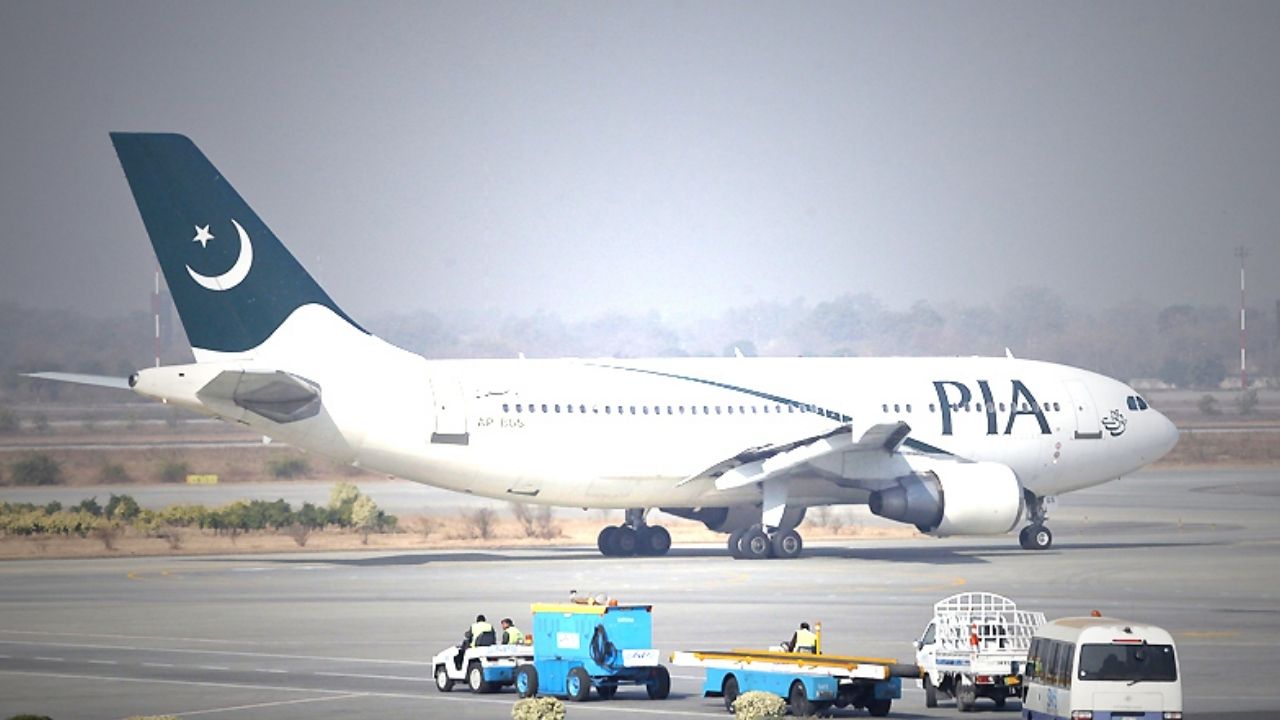
    The government is set to auction a 75% stake in Pakistan International Airlines (PIA) with a commitment to reinvest most of the proceeds back into the national carrier struggling with financial troubles, reports said Friday.

    According to reports, officials have briefed a Senate panel about the plan as Prime Minister’s (PM) Adviser on Privatisation Muhammad Ali said 92.5% of the bidding proceeds would be reinvested in PIA to support its turnaround.

    He added that the airline would still require an additional Rs80 billion in financing after privatisation to stabilise operations and fund growth.

    Ali told the Senate Standing Committee on Privatisation, chaired by Senator Afnan Ullah Khan, that PIA currently operates 18 aircraft and needs fresh investment to induct new planes. He said the reference price for the bidding has not yet been finalised.

    Only the airline’s core aviation business is being privatised. Assets such as the Roosevelt Hotel in New York will remain under government ownership and will be developed through a joint venture instead of privatisation.

    Privatisation Commission Secretary Usman Bajwa informed the committee that the government could sell up to 100% of PIA shares depending on investor interest and final approvals.

    He said major obstacles that undermined a previous privatisation attempt have been removed including Rs33 billion in liabilities that investors were earlier required to assume. Tax-related issues including those linked to sales tax have also been resolved.

    Bajwa noted that the reopening of routes to Britain and Europe has strengthened PIA’s commercial outlook. Negotiations with investors over final commercial terms have entered the last stage and are expected to conclude soon.

    Following privatisation the airline will immediately need about Rs80 billion in financing to sustain operations.

  • Pakistan explores strategy to avoid IMF after 2027

    Pakistan explores strategy to avoid IMF after 2027

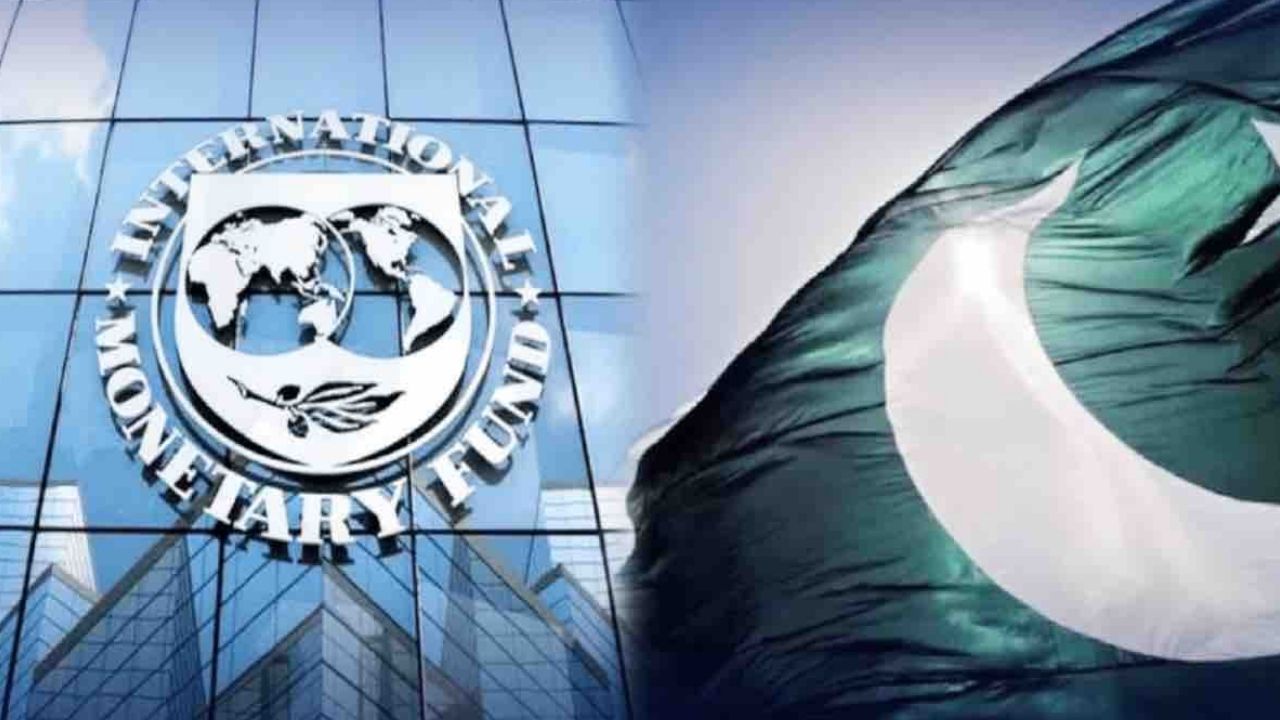
    The federal government has begun internal discussions on developing a credible strategy to permanently exit the International Monetary Fund (IMF) framework once the ongoing $7 billion bailout package expires in September 2027, amid growing concern that weak economic buffers could push Pakistan back into yet another rescue package.


    Government sources told a private media outlet that a high-level meeting has recently been held to assess whether Pakistan can sustain its economy without the IMF’s backing after the package ends. The discussion focused on the country’s capacity to manage external financing needs while transitioning from economic stabilisation to growth.


    According to a Planning Commission report, Pakistan may be at risk of falling into another IMF program if deep-rooted reforms, including building adequate foreign exchange reserves and establishing complete industrial value chains to increase exports, are not immediately implemented.

    When contacted, Ahsan Iqbal, Minister of Planning, stated that the commission had outlined specific requirements for the current bailout the country’s last.

    “Our recommendation was that if we are to make the current IMF programme the last one, then we need to commit ourselves to $63 billion in exports by 2029; otherwise, we will face an external sector gap,” he said.

    According to officials, the assessment assumes that if Pakistan shifts from stabilisation to growth mode, the current account deficit may momentarily increase to less than 2% of GDP, or more than $10 billion a year. 

    This would require additional external financing of $4 billion in 2027-28, $5.5 billion in 2028-29, and another $3 billion in 2029-30.

    Despite these challenges, the Planning Commission thinks Pakistan can manage an external financing requirement of more than $12 billion between 2028 and 2030 and survive without IMF assistance if immediate structural changes are implemented.


    According to the internal assessment, Pakistan could secure $3 billion in new foreign direct investment, increase exports by $4 billion, attract an additional $4 billion in remittances, and reduce imports through agriculture-based substitutes in order to meet its additional gross financing needs during the 2028–31 period.

    According to sources, the commission believes that if Pakistan develops robust fiscal and external buffers, it can still avoid a 27th IMF program. However, because of the country’s low reserves and severe financial strains, whole-of-government ownership of reforms is crucial.

    The commission has also advised the government to explore converting $14 billion in short-term bilateral loans into long-term financing to reduce external repayment stress. The Ministry of Finance spokesperson did not respond to questions on whether it agreed with the commission’s assessment or the feasibility of restructuring short-term loans.

    Following recent public remarks by the State Bank of Pakistan (SBP) and the Special Investment Facilitation Council (SIFC), both of which acknowledged the flaws of existing development models, discussions regarding Pakistan’s long-term economic direction have become more heated. 

    The failure of government measures to significantly improve Pakistan’s macroeconomic prospects, leaving the nation dependent on the IMF and other creditors, has also been questioned.

    A three-tier reform roadmap has been suggested by the Planning Commission. Fiscal management, energy sector reforms, governance, human resource development, and export alignment are the main topics of the first phase, which will last from the next year until 2027.

    With a focus on industrialization, export expansion, technological adoption, and agricultural modernization, the second phase, which runs from 2029 to 2032, asks for faster investment-led growth.

    In order to transform Pakistan into a techno-economy, the commission proposes moving toward high-quality growth drivers in the third phase.

    Sources said Prime Minister Shehbaz Sharif has directed the Planning Commission to develop a results-based strategy to convert long-term plans into measurable outcomes, with the explicit goal of ending Pakistan’s reliance on the IMF.

    The assessment presents a bleak image of Pakistan’s economic fundamentals. Public and private investment is declining, productive sectors remain underfunded, and there is poor alignment between investment decisions and strategic priorities.

    Economic growth has averaged 3.9 percent since 2000, compared to six percent in regional economies, reflecting falling total factor productivity. Unemployment has risen sharply, increasing from 4.7 million in 2020-21 to an estimated six million by 2024-25. Pakistan now ranks 168 out of 193 countries on the Human Development Index.

    Despite increasing resource transfers through the 7th NFC Award and devolution under the 18th Constitutional Amendment, regional disparities have grown.

    The commission cautioned that, in contrast to the existing level of about 14 percent of GDP, sustainable growth requires investment surpassing 20 percent of GDP. Pakistan’s exports have grown only 4.1 times this century, while Vietnam’s expanded 26 times over the past 24 years.

    Pakistan also has some of the highest tax rates across income brackets, with a top rate of 45 percent for high earners compared to 30 percent in India and Bangladesh, which need to be rationalised to encourage business activity.

  • Fact Check: Did Australia ban visas for Pakistanis after Bondi Beach attack?

    Fact Check: Did Australia ban visas for Pakistanis after Bondi Beach attack?

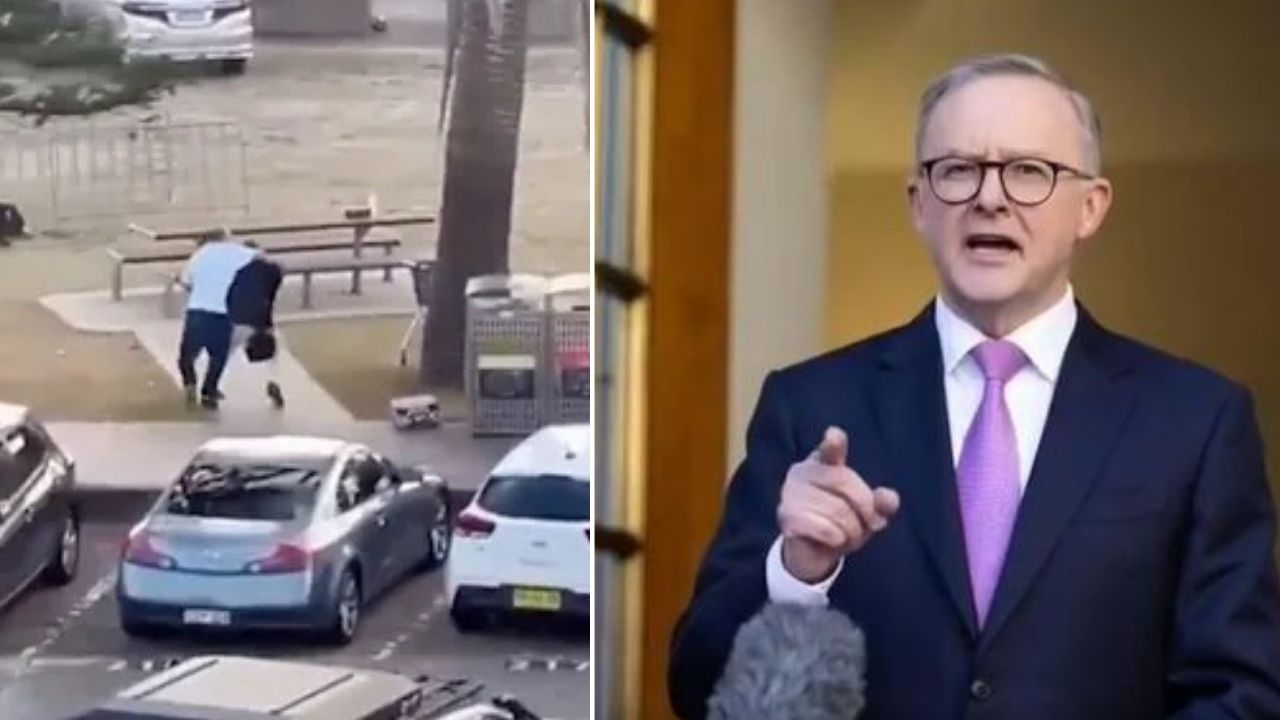
    A video circulating on social media claims that Australian Prime Minister Anthony Albanese announced a blanket ban on visas for Pakistanis following the deadly Bondi Beach shooting. The claim is false.

    The six-second video appears to show Albanese saying, “Pakistani-origin terrorist Naveed Akram has been arrested in today’s terrorist attack. Australia is suspending all visa services for Pakistanis effective immediately.”

    Social media users shared the video widely after Albanese promised a sweeping crackdown to eliminate antisemitism following the December 14 shooting at Sydney’s Bondi Beach, where gunmen killed 15 people at a beachside Jewish festival.

    Authorities have identified the suspects as father and son, 50-year-old Sajid Akram and 24-year-old Naveed Akram. Police killed Sajid in a shootout, while Naveed survived and remains in custody.

    At a press conference on December 15, Home Affairs Minister Tony Burke confirmed the son is an Australian citizen, while the father had entered the country on a student visa in 1998 and later secured a partner visa.

    The prime minister announced several measures, including giving the home affairs minister new powers to cancel or reject visas for those who spread hate and division. However, he never announced a visa ban for Pakistanis.

    A spokesperson for Australia’s Department of Home Affairs confirmed on December 19, “There have not been any changes on visa services or applications for those applying for a visa from Pakistan.”

    According to media reports, Indian authorities have identified Sajid as an Indian citizen. Police in India’s southern state of Telangana said Sajid originally hailed from Hyderabad and migrated to Australia seeking employment in November 1998, approximately 27 years ago.

    Analysis of the circulating video reveals clear signs of AI manipulation. Albanese’s lip movements do not match his speech, which sounds stilted and bears no resemblance to his actual speaking voice.

    A reverse image search using keyframes from the video found the images match reports from The Age and The Guardian from August 4, 2022, showing Albanese at a press conference about his Labor Party’s climate bill passing the lower house.