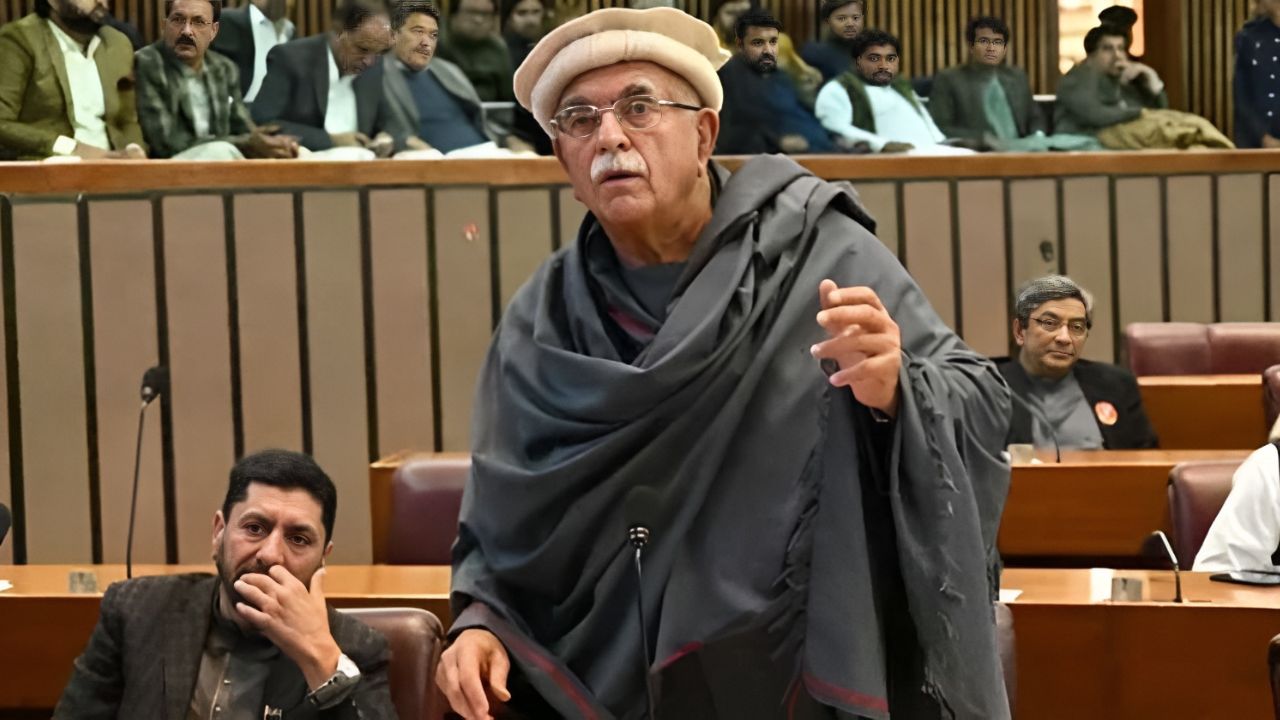
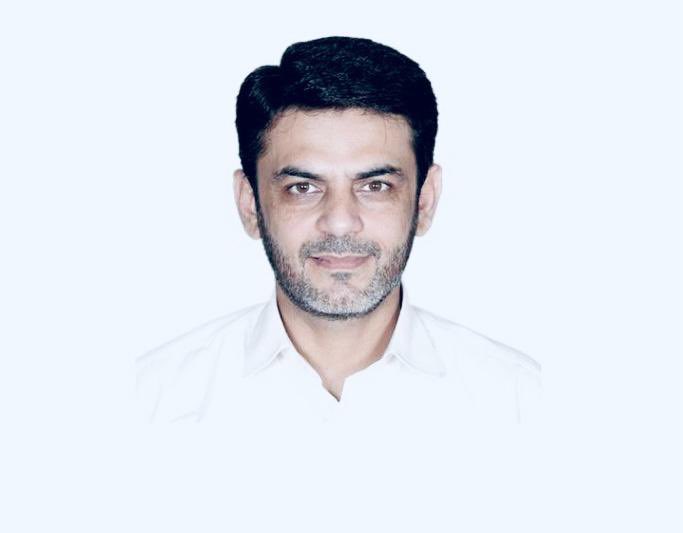
The Youm-I-Istehsaal-i-Kashmir Day Resolution, presented by Safron and Kashmir Affairs minister Amir Maqam in the national assembly, was unanimously supported, demonstrating strong unity in the cause of Kashmir except for one lawmaker, Chief of the Pakhtunkhwa Milli Awami Party (PKMAP) Mahmood Khan Achakzai.
The Member National Assembly opposed the resolution, arguing that the draft should be amended before being passed by parliament.
In a hard-hitting speech, he said, ‘‘We should ask the Kashmiris which country they want to join’’.
The resolution demanded India release political prisoners, stop the ongoing violation of human rights, provide humanitarian aid, and sincerely implement the relevant resolution of the United Security Council so that Kashmiri people can determine their future through the democratic process of a fair and partial plebiscite under the define guidance of the United Nations.
In response, after being called ‘havaldar’ by the achakzai, the speaker elaborated that he was proud of being called a havaldar as he is the country’s frontline soldier.
Ambassadors from Western countries including the United States will skip a ceremony marking the 79th anniversary of the bombing of Nagasaki after Israel was snubbed, officials said Wednesday.
Nagasaki’s mayor last week said that Israel’s ambassador Gilad Cohen was not invited to Friday’s event in the southern Japanese city because of the risk of possible protests over the Gaza conflict.
The US and British embassies said on Tuesday that their ambassadors would not take part as a result, and that their countries would be represented by lower-ranking diplomats.
Media reports said that Australia, Italy, Canada and the European Union, who together with the US, Britain and Germany signed a strongly worded joint letter to Nagasaki’s mayor last month, would follow suit.
US ambassador Rahm Emanuel will not attend “after the mayor of Nagasaki politicised the event by not inviting the Israeli ambassador”, an embassy spokesperson told AFP.
Instead Emanuel, 64, who was ex-president Barack Obama’s chief of staff, will go to a separate event at a temple in Tokyo, the spokesperson said.
The British embassy said that ambassador Julia Longbottom would also not be in Nagasaki, saying that not inviting Israel “creates an unfortunate and misleading equivalency with Russia and Belarus — the only other countries not invited to this year’s ceremony.”
A spokesperson for the French embassy said that its number two would attend, telling AFP that the “decision not to invite the representative of Israel is regrettable and questionable”.
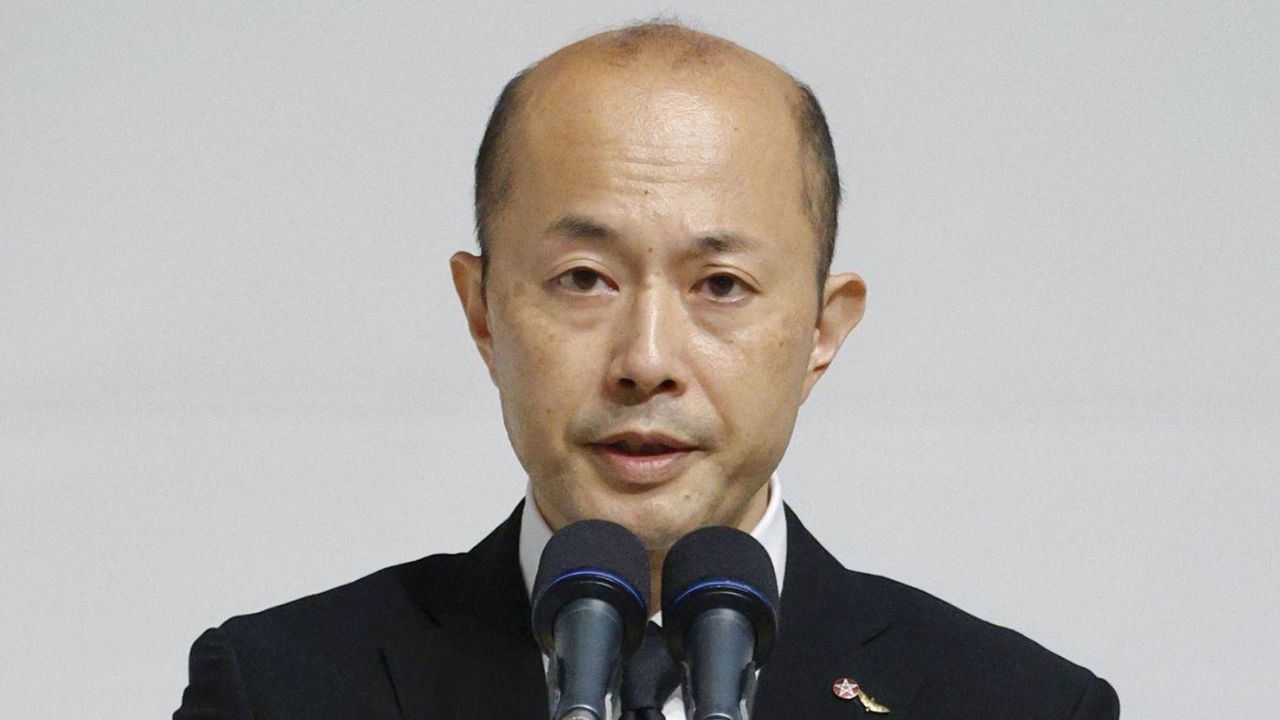
Nagasaki mayor Shiro Suzuki had said last week that the decision not to invite Cohen was “not politically motivated” but based on a desire to “hold the ceremony in a peaceful and sombre atmosphere”.
In June Suzuki said Nagasaki had sent a letter to the Israeli embassy calling for an “immediate ceasefire” in Gaza.
Cohen, who was invited to and attended a memorial ceremony on Tuesday in Hiroshima, last week had said the Nagasaki decision “sends a wrong message to the world”.
“As a close friend and like-minded nation of Japan, Israel has attended this ceremony for many years to honor the victims and their families,” he wrote on social media platform X.
On Monday Cohen told US broadcaster CNN that the security concerns were “invented” and that he was “really surprised by (Suzuki) hijacking this ceremony for his political motivations.”
In their letter to Suzuki seen by AFP, the six Western envoys had warned that if Israel was excluded “it would become difficult for us to have high-level participation at this event.”
Government spokesman Yoshimasa Hayashi on Wednesday declined to comment, saying invitations were “a decision for the organiser, Nagasaki City.”
A Nagasaki official in charge of the ceremony said it was “obviously better to have high-level individuals, like ambassadors themselves, taking part”.
“What is important is that representatives of the countries will attend the ceremony,” he told AFP.
A United States Federal court in Brooklyn has charged a Pakistani national with close ties to Iran, Asif Merchant, also known as “Asif Raza Merchant,” 46, with murder-for-hire as part of a scheme to assassinate a politician or U.S. government officials on U.S. soil, including potentially former President Donald Trump.
Asif travelled to New York in June to meet with people he thought he was recruiting for carrying out assassinations, including paying $5,000 advance to two men, who turned out to be undercover law enforcement officers, Associated Press reported.
He was arrested in July after he told his would-be assassins that they would get further instruction, including the targets’ identities, in August or September after he returned to Pakistan.
“This dangerous murder-for-hire plot exposed in today’s charges allegedly was orchestrated by a Pakistani national with close ties to Iran and is straight out of the Iranian playbook,” said FBI Director Christopher Wray.
The Associated Press also reported that Asif also indicated to his associate that he wanted a “political person” to be killed, mapping out on a napkin the different strategies on how the target could be killed.
Journalist Iftikhar Firdous posted on X, “His case file on the U.S. Justice Department’s website shows that he has a wife and children both in Iran and Pakistan while he has been consistently travelling to Iran, Syria and Iraq. This would be the second incident this year where Pakistani nationals with ties to Iranian militias in the Middle East have been arrested by the FBI.”
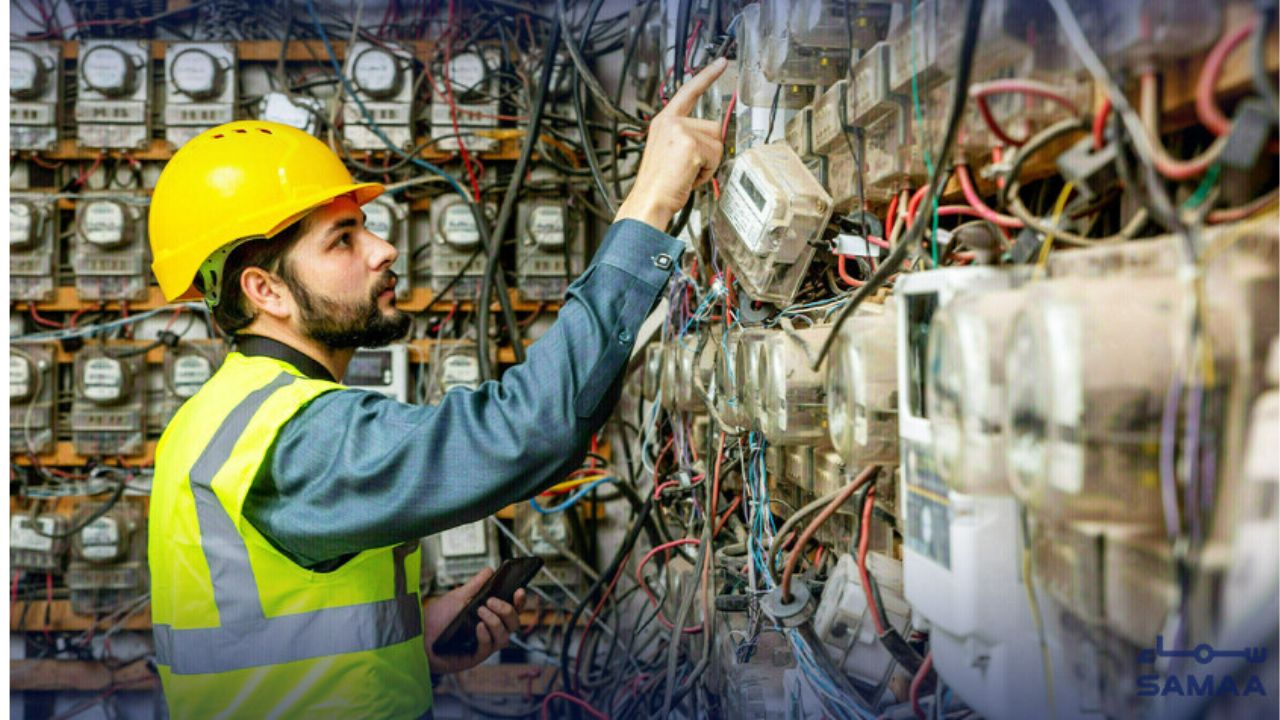
The Senate’s Standing Committee on Energy has been briefed by the Secretary of Power Division that 190,000 employees are being given free electricity worth 15 billion rupees annually.
He said, “Our electricity demand for industry is about 25 percent, decreasing over time.”
The Secretary explained that 25 million employees of 400 units received a 592 billion subsidy, which has now increased by Rs 692 billion. “244 billion was taken from industry and given to domestic consumers,” he told the Committee.
Senator Mohsin Aziz remarked, “IPP has become a dragon, and people are on the streets.”
The federal minister for power and energy said, “Even if we get five rupees from IPP payments, we will help poor people.”
The minister opined that electricity theft can be reduced with privatisation and digitisation.
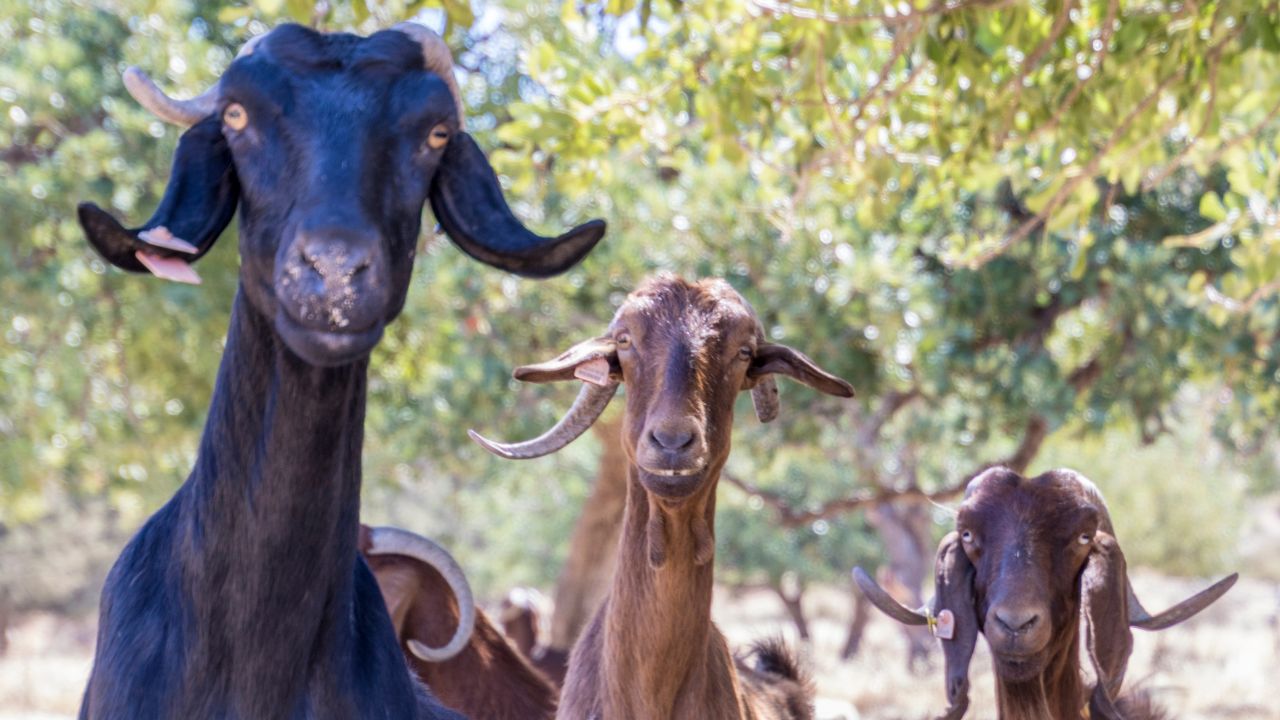
A landlord from 26 WB, a village on the outskirts of Vihari in South Punjab, broke the legs of three goats after they entered his fields.
The three pet goats belonged to Mohammad Aslam Tawari, who reported to Jang News that the landlord was angered by their intrusion and threw bricks at the goats, injuring them.
Tawari took the injured goats to the Sadar police station, where they were subsequently sent to the veterinary hospital for treatment.
The Police have stated that a medical docket (a request for injury documentation for the government hospital) was issued for the broken legs of the goats.
Medical aid is being provided to the injured goats, and a case will be registered once the medical report is received.
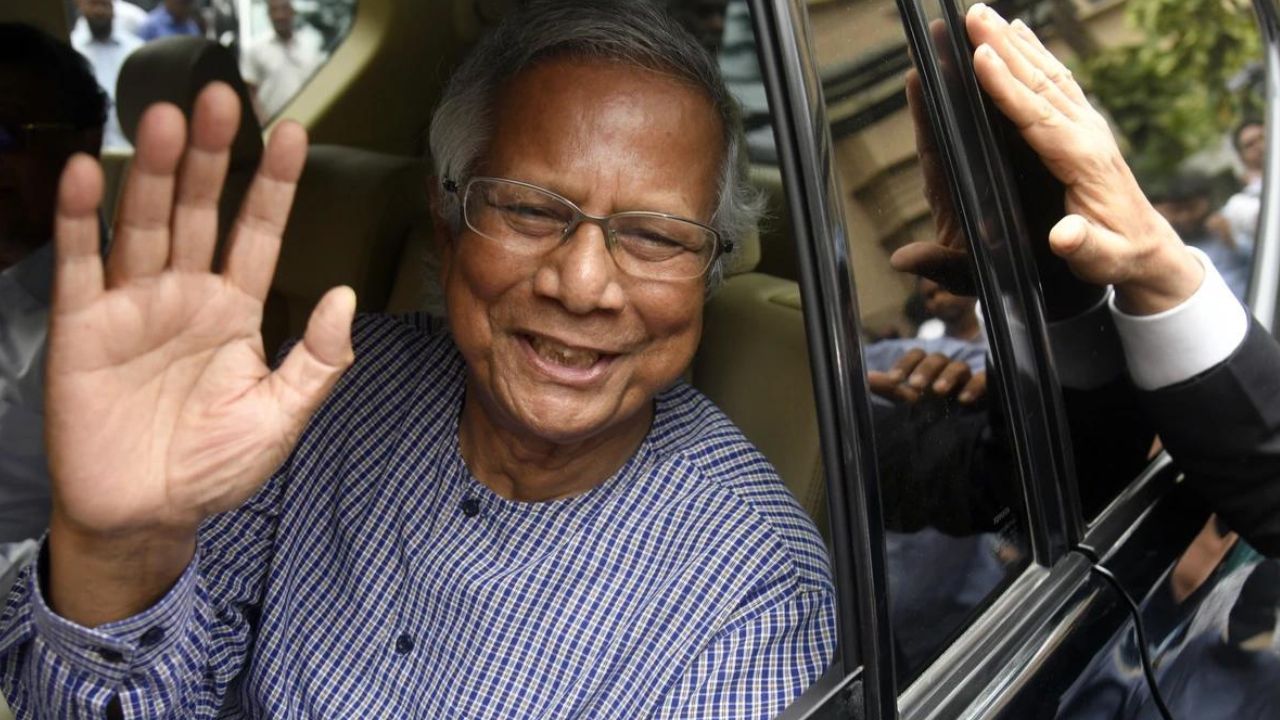
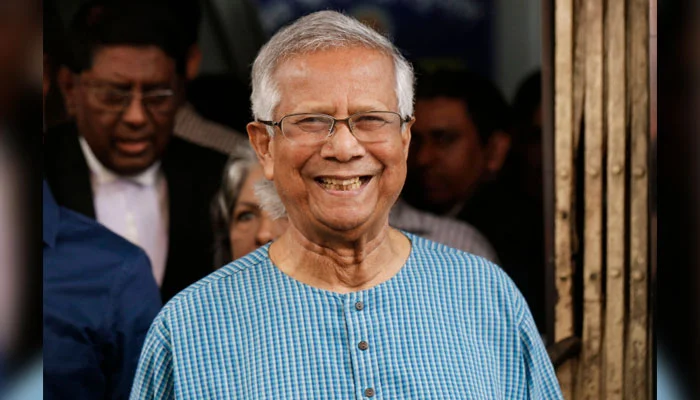
The appointment came quickly after student leaders called on the 84-year-old Yunus — credited with lifting millions out of poverty in the South Asian country — to lead.
The decision was made in a meeting with President Mohammed Shahabuddin, the heads of the army, navy and air force, and student leaders.
“(They) decided to form an interim government with Professor Dr Muhammad Yunus as its chief,” Shahabuddin’s office said in a statement.
“The president has asked the people to help ride out the crisis. Quick formation of an interim government is necessary to overcome the crisis.”
Yunus will have the title of chief advisor, according to Haid Islam, one of the leaders of Students Against Discrimination who participated in the meeting.
Shahabuddin agreed that the interim government “will be formed within the shortest time” possible, Islam told reporters.
Islam described the meeting as “fruitful”.
However, there were few other details about the planned government, including the role of the military.
Yunus, who is currently in Europe, told AFP on Tuesday he was willing to lead the interim government.
“If action is needed in Bangladesh, for my country and for the courage of my people, then I will take it,” he said in a statement, also calling for free elections.
Muhammad Yunus: Bangladesh’s ‘banker to the poor’
Nobel-winning microfinance pioneer Muhammad Yunus has been asked by Bangladeshi protest leaders to helm an interim government to replace ousted premier Sheikh Hasina, who had hounded him in speeches and through the courts.
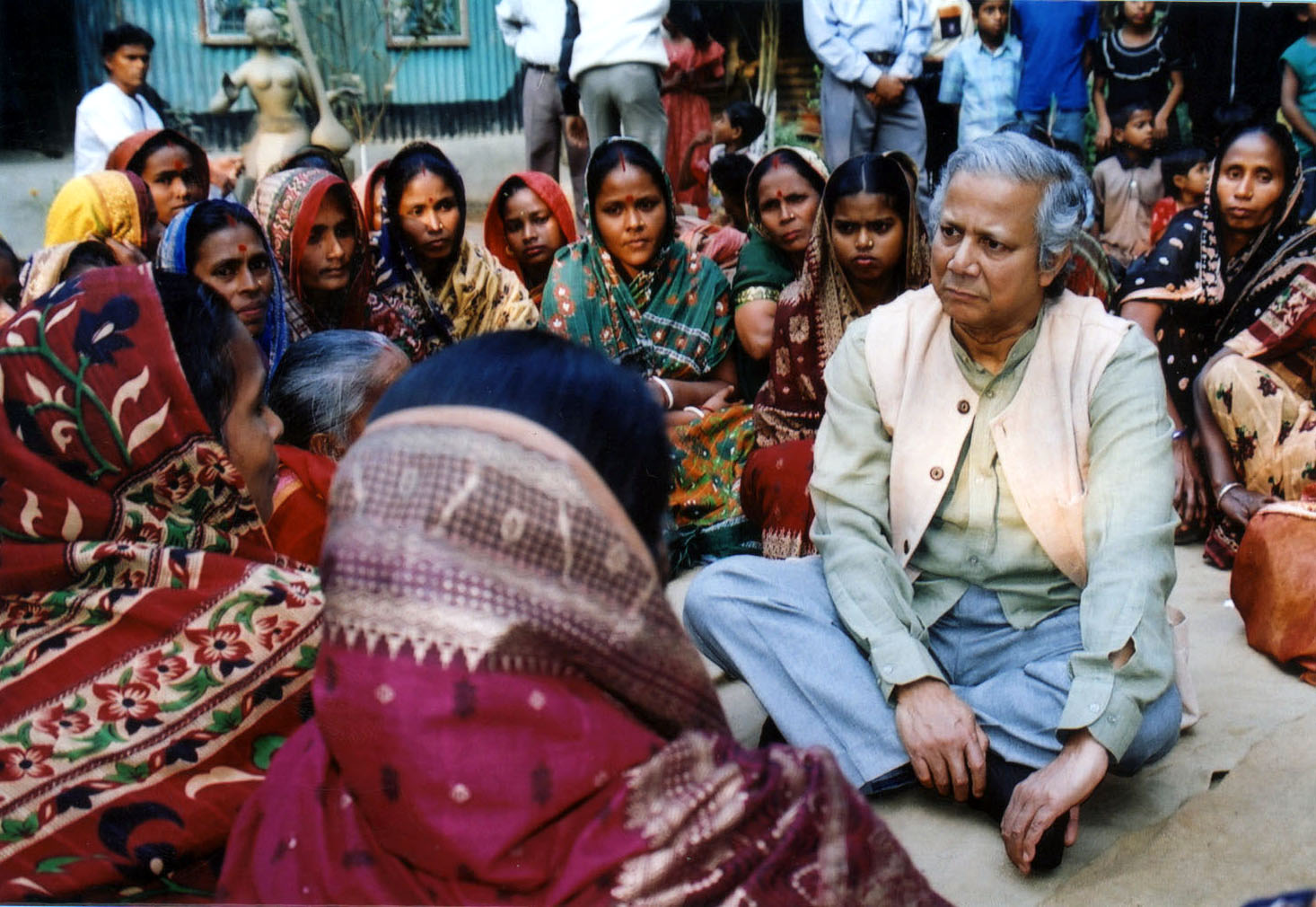
The 84-year-old, known as the “banker to the poorest of the poor”, was awarded the Peace Prize in 2006 for his work loaning small cash sums to rural women, allowing them to invest in farm tools or business equipment and boost their earnings.
Grameen Bank, the microfinance lender he founded, was lauded for helping unleash breakneck economic growth in Bangladesh. Since then, scores of developing countries have copied its work.
“Human beings are not born to suffer the misery of hunger and poverty,” Yunus said during his Nobel lecture, daring his audience to imagine a world where deprivation was confined to history museums.
But his public profile in Bangladesh earned him the hostility of Hasina, who once accused him of “sucking blood” from the poor.
In 2007, Yunus announced plans to set up his own “Citizen Power” party to end Bangladesh´s confrontational political culture, which has been punctuated by instability and periods of military rule.
He abandoned those ambitions within months, but the enmity aroused by his challenge to the ruling elite has persisted.
Yunus was hit with more than 100 criminal cases and a smear campaign by a state-led Islamic agency that accused him of promoting homosexuality.
The government unceremoniously forced him out of Grameen Bank in 2011 — a decision fought by Yunus but upheld by Bangladesh´s top court.
In January he and three colleagues from one of the companies he founded were sentenced to jail terms of six months — but immediately bailed pending appeal — by a Dhaka labour court which found they had illegally failed to create a workers´ welfare fund.
All four had denied the charges and, with courts accused of rubber-stamping decisions by Hasina´s government, the case was criticised as politically motivated by watchdogs including Amnesty International.
Yunus was born into a well-to-do family — his father was a successful goldsmith — in the coastal city of Chittagong in 1940.
He credits his mother, who offered help to anyone in need who knocked on their door, as his biggest influence.
Yunus won a Fulbright scholarship to study in the United States and returned soon after Bangladesh won its independence from Pakistan in 1971 war. When he returned, he was chosen to head Chittagong University´s economics department, but the young country was struggling through a severe famine and he felt compelled to take practical action.
“Poverty was all around me, and I could not turn away from it,” he said in 2006.
“I found it difficult to teach elegant theories of economics in the university classroom… I wanted to do something immediate to help people around me.”
After years of experimenting with ways to provide credit for people too poor to qualify for traditional bank loans, he founded Grameen Bank in 1983.
The institution now has more than nine million clients on its books, according to its most recent annual report (2020), and more than 97 percent of its borrowers are women.
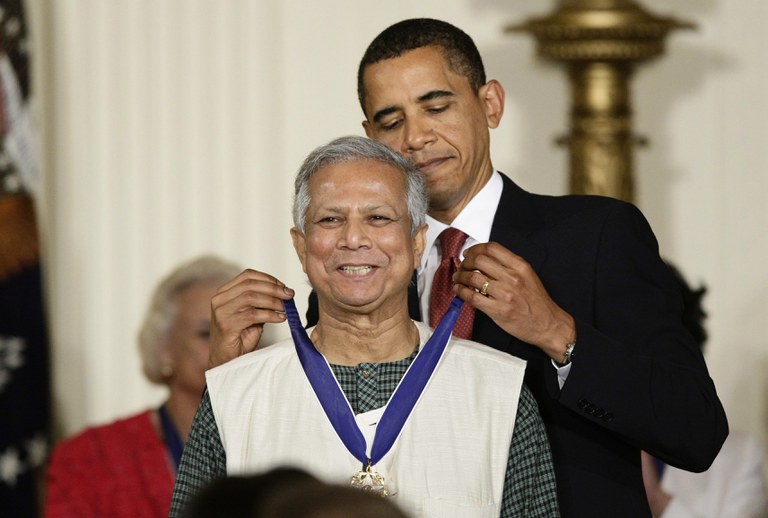
Yunus has won numerous high honours for his life´s work, including the US Presidential Medal of Freedom, which Barack Obama awarded him.
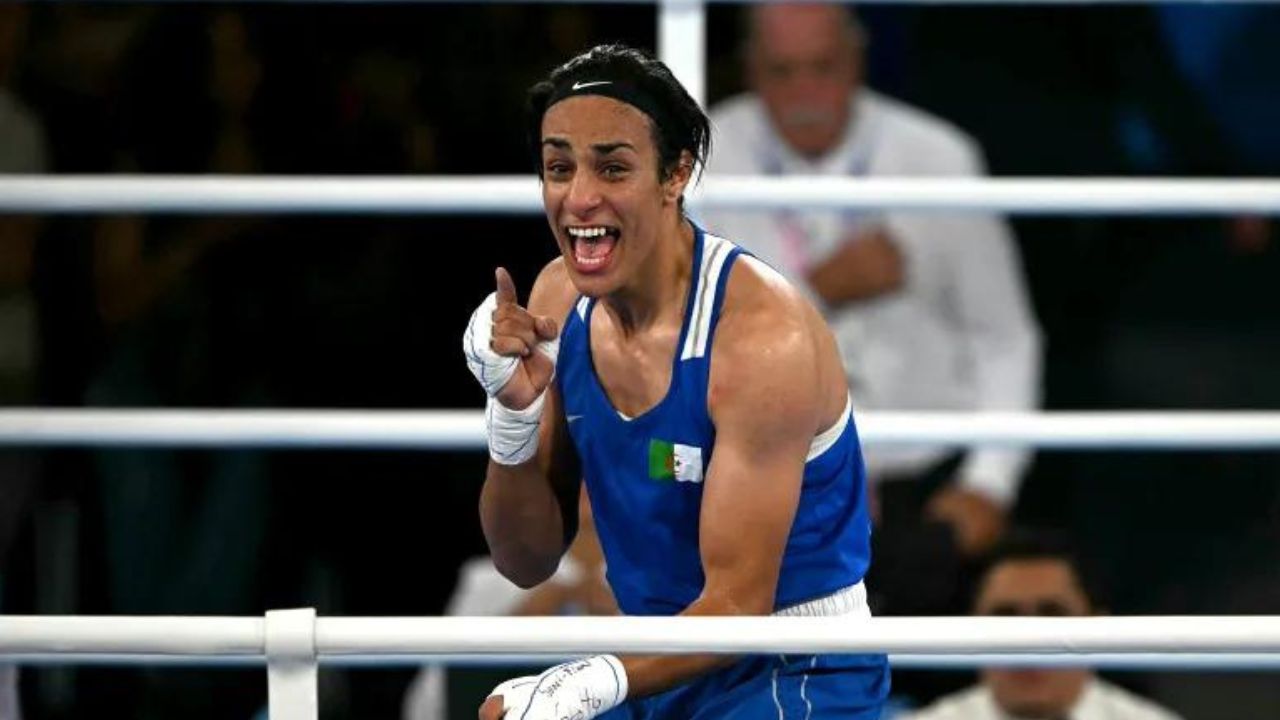
Algerian boxer Imane Khelif, the victim of racist attacks on her gender, is now getting closer to winning a gold medal in Paris Olympics. Despite the controversy about her eligibility, she won her semi-final match against Thailand’s Janjaem Suwannapheng in Paris.
The event was extraordinary in many ways, with the Algerian standing out with her rock solid performance. The long line outside Roland Garros before the match was filled with people waving Algerian flags and wearing football shirts.
Imane will fight for an Olympic gold medal on Friday against China’s Yang Liu.
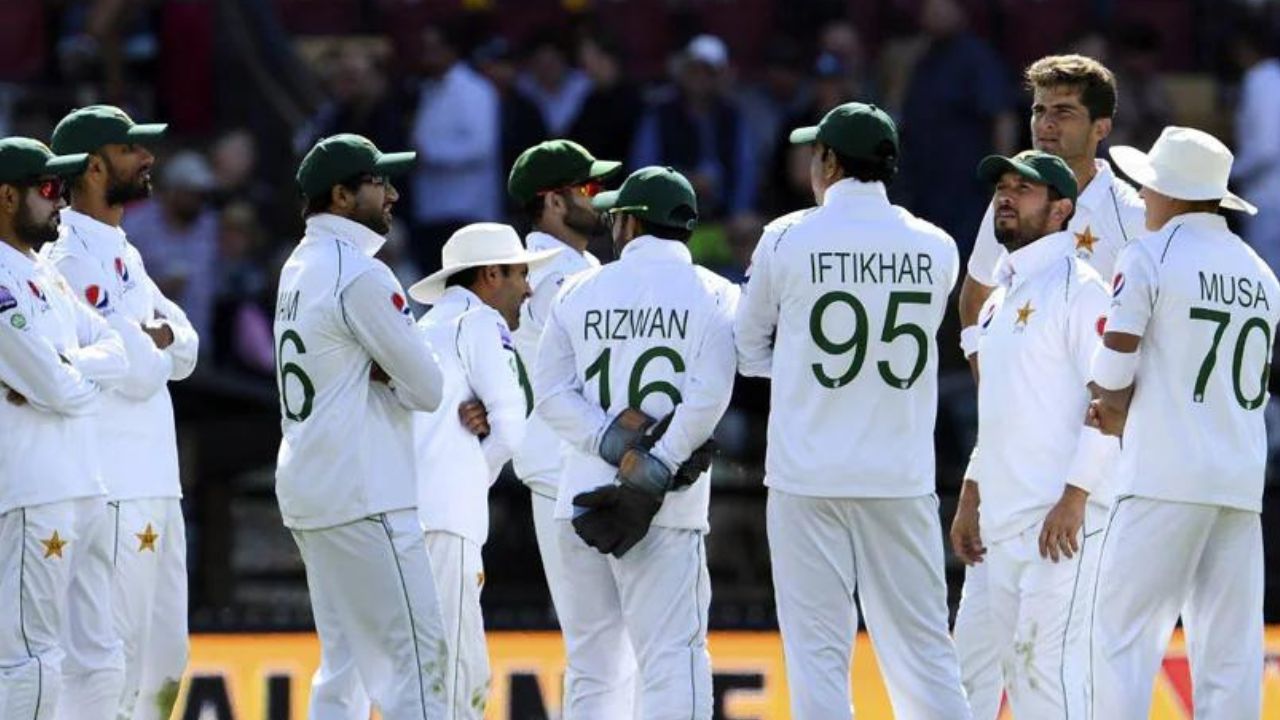
The Pakistan Cricket Board (PCB) has announced the 17-member squad for the Test series against Bangladesh, with Saud Shakeel replacing Shaheen Shah Afridi as vice-captain.
This decision aims to handle Shaheen Afridi’s workload during this hectic season. The Pakistan team has to play nine Tests, 14 T20Is, and at least 17 ODIs from August 21, 2024, to April 5, 2025.
Pakistan Shaheens stars Mohammad Huraira, Kamran Ghulam, and Muhammad Ali are in the squad along with Shan Masood, Saud Shakeel, Aamir Jamal, Abdullah Shafiq, Abrar Ahmed, Babar Azam, Khurram Shahzad, Mir Hamza, Muhammad Rizwan, Naseem Shah, Saim Ayub, Salman Ali Agha, Sarfaraz Ahmed, and Shaheen Shah Afridi.
The first Test between Pakistan and Bangladesh will be played in Rawalpindi from August 21 to 25, while the second Test will be played in Karachi from August 30 to September 3 under Shan Masood’s leadership.
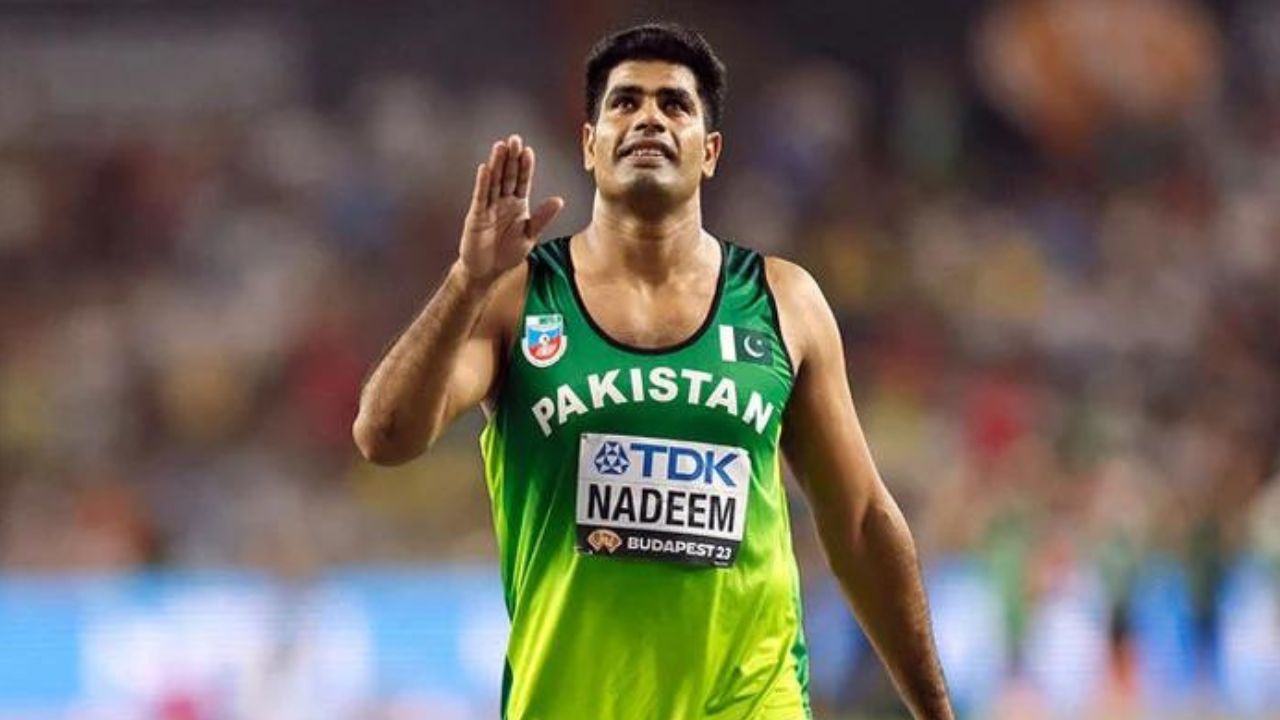
Pakistan Javeling star Arshad is set to fire at the Paris Olympics. He will compete for the gold on August 8, after qualifying for the top six.
Ali Tareen, the owner of the Pakistan Super League (PSL) franchise Multan Sultans, who has sponsored and supported Nadeem has expressed his best wishes for the Javelin thrower.
“Although Pakistan’s Olympians’ early exit was a sad reminder of how little support our athletes get and how much we currently lag behind other nations, it was still a great feeling for all of us to see the Pakistan flag during the events, especially for me watching with my two young daughters,” Ali said, in an exclusive conversation with The Current.
Highlighting Arshad’s abilities, Tareen said, “Arshad is a phenomenal athlete. The fact that he has achieved so much with such little support is a testament to his skill and determination. Athletes like Arshad need to be celebrated and supported. When we spoke, I realised the short-term nature of his finances/budgets. That is why we are supporting him long-term, regardless of injuries or tournament participation.”
Talking about how athletes need to be nurtured and taken seriously, he stressed, “Athletes need the peace of mind that constant monthly income provides—income they can use to support their families and themselves. Athletes can’t perform to their full potential when worrying about next month’s expenses.”
“We are excited to see Arshad at the Olympics and hope he makes it to the finals,” he said.
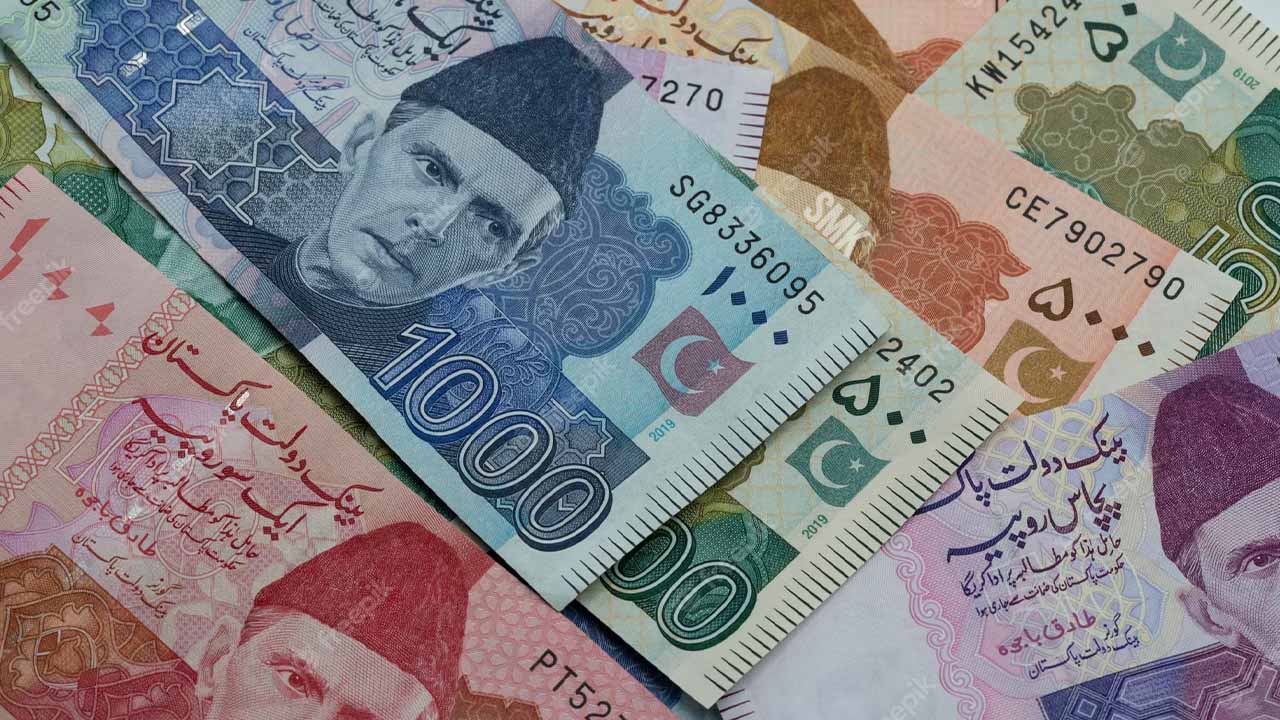
As of July 26, 2024, Pakistan’s broad money supply, known as M2, has decreased by Rs140.43 billion week-on-week, bringing the total to Rs35.15 trillion, according to provisional data from the State Bank of Pakistan (SBP).
This represents a notable reduction from Rs36.56 trillion recorded at the end of the previous fiscal year in June 2024, marking a decline of Rs1.41 trillion.
A closer look at M2 components reveals a decrease in currency circulation. As of the latest report, currency in circulation has fallen by Rs158.06 billion week-on-week to Rs9.07 trillion. Compared to the end of June 2024, this reflects a reduction of Rs83.01 billion from Rs9.15 trillion.
The proportion of currency in circulation relative to M2 stands at 25.81 per cent, down from 26.15 per cent the previous week and slightly higher than 25.04 per cent in June 2024.
Total deposits held with banks have reached Rs25.93 trillion, showing a week-on-week increase of Rs18.1 billion. However, this figure marks a decrease of Rs1.31 trillion since the start of the fiscal year. It is important to note that these deposits exclude inter-bank deposits, government deposits, and foreign constituents.
Currency in circulation includes all banknotes and coins held by the public and financial institutions. In Pakistan, M2 is the primary measure of broad money, calculated on the liability side as the sum of currency in circulation, total non-government sector deposits (including residents’ foreign currency deposits), and other deposits with the SBP.
On the asset side, M2 comprises net domestic assets and net foreign assets of the banking system, including both the SBP and scheduled banks.