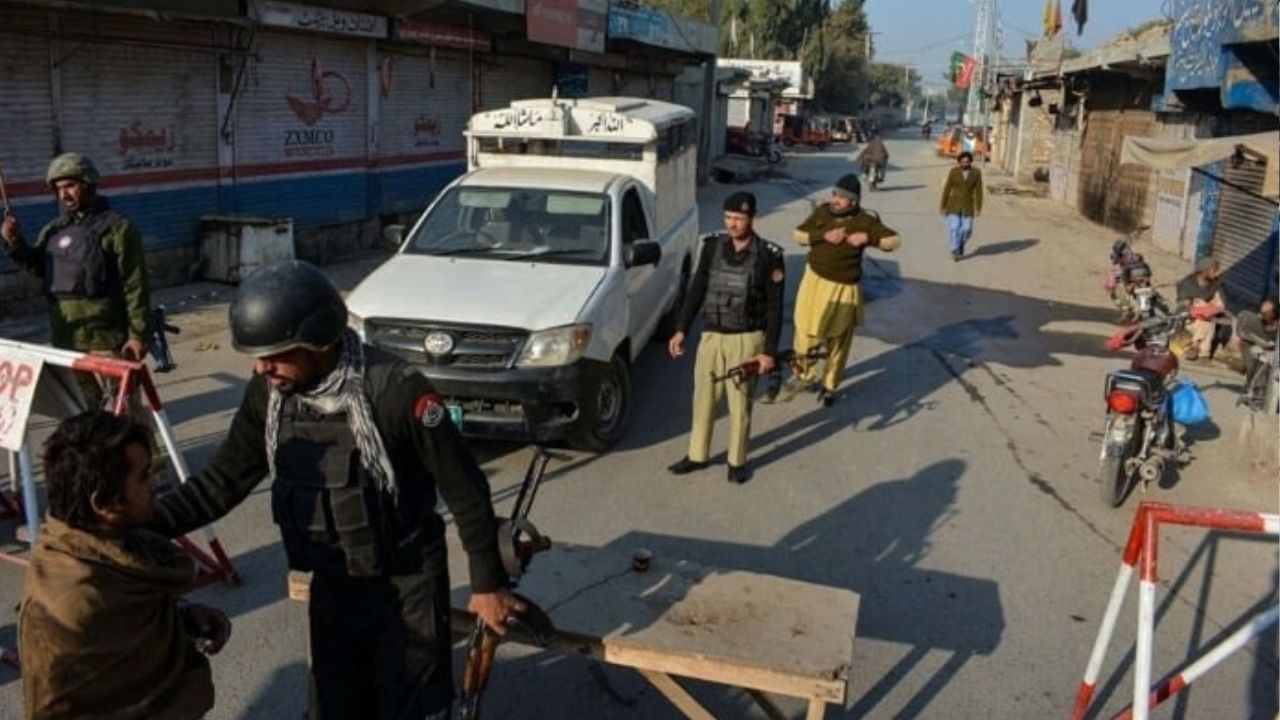
Khyber Pakhtunkhwa Police have been targeted by terrorists this year, with 76 officers killed so far.
Police force in the province is frequently targeted by terrorists. This year, 76 police personnel have been martyred and 113 have been injured.
According to a report by the Counter Terrorism Department (CTD), 23 police personnel were martyred and 23 were injured in DI Khan, 12 martyred and 12 injured in Bannu, 11 martyred and 32 injured in Bajaur, and 11 policemen martyred and 11 injured in Peshawar.
Following the American withdrawal from Afghanistan, terrorists have reportedly been using thermal guns and other modern weapons against security forces in Pakistan.
Government representatives indicate that the provincial government has begun equipping the police with modern weapons.
Last year, 184 police officers and personnel were martyred, and 408 were injured in terrorist incidents.
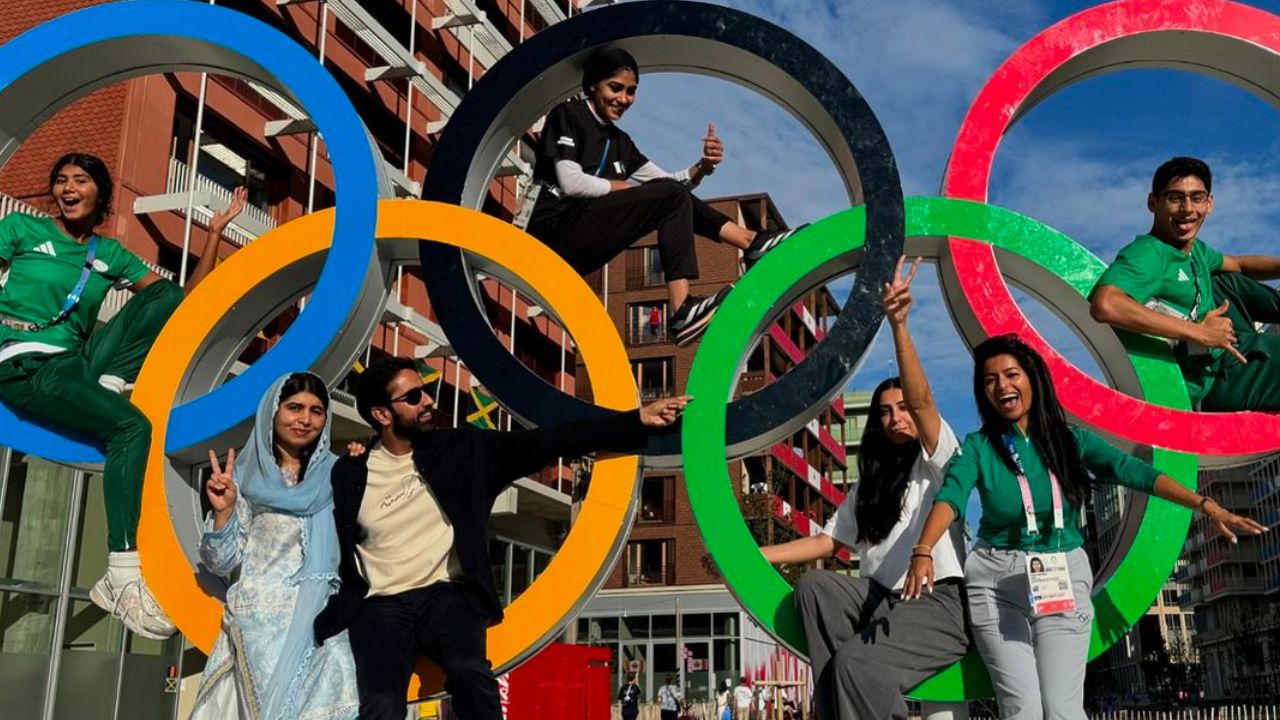
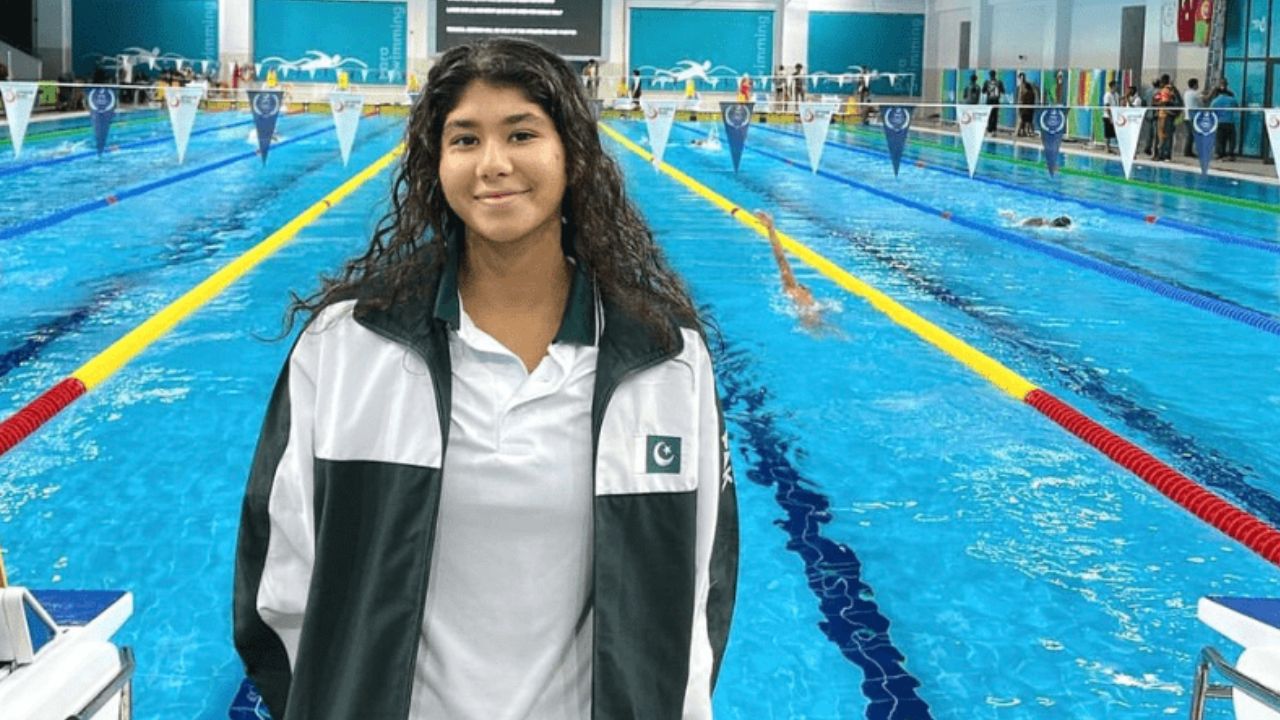
Pakistani Nobel laureate Malala Yousafzai met Pakistani athletes Faiqa Riaz, Jahan Ara Nabi, and Ahmed Durrani at the Paris Olympics. During the meeting, she encouraged the athletes and took pictures with them.
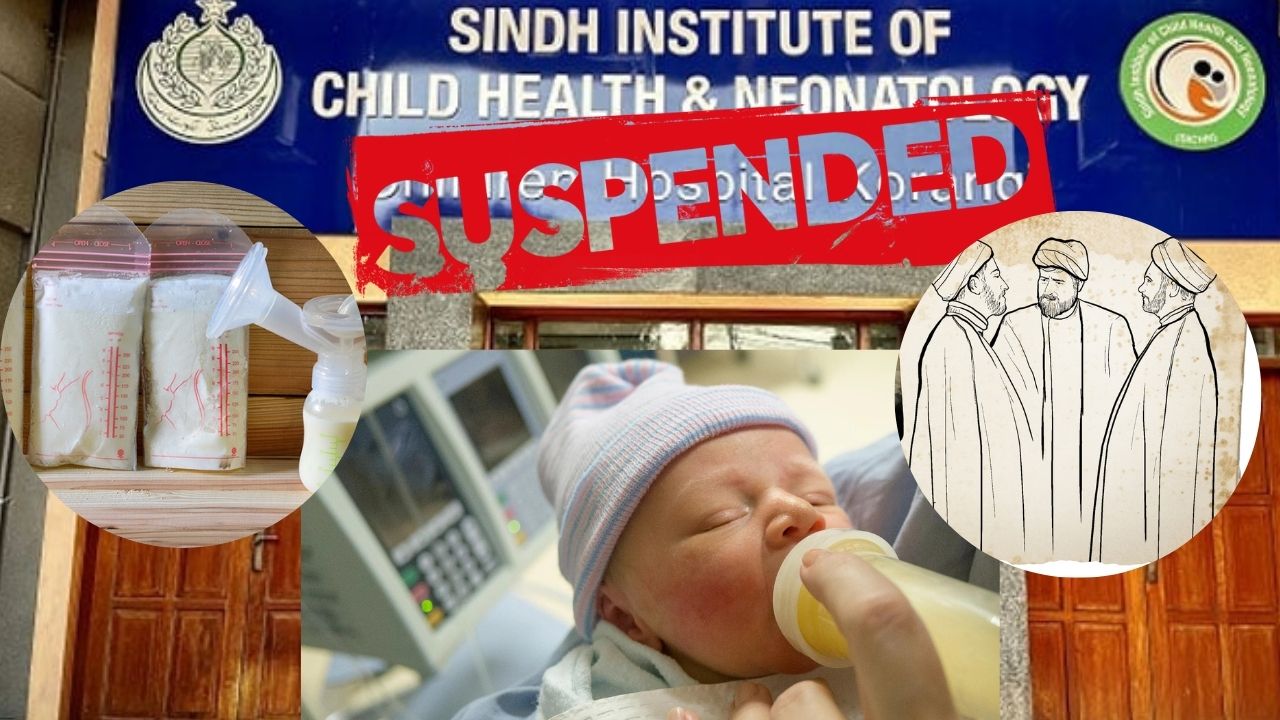
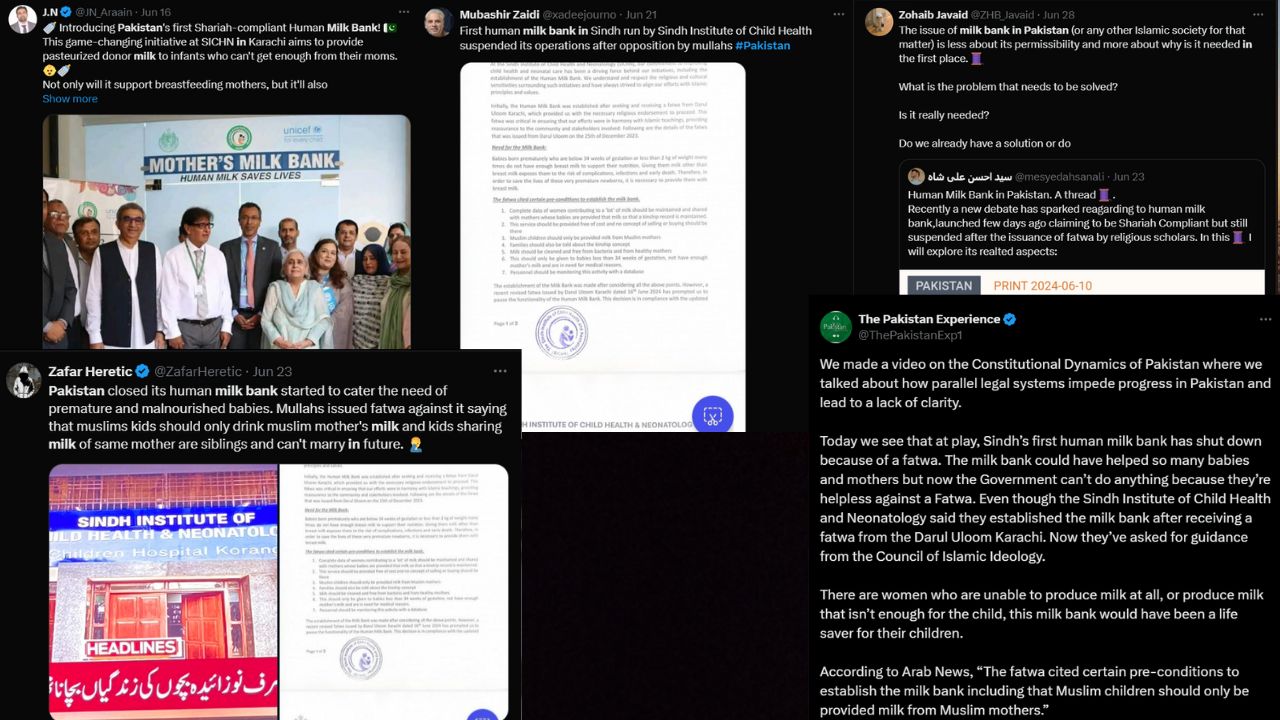
The establishment and suspension of the first ever human milk bank in Pakistan is an issue that has been making headlines all over the world.
While local media pinpoint the very nature of the issue to be controversial, international media frames it as an example of the perpetuated backwardness of our society. What perturbed me the most was the fact that the project started after getting approval from a prestigious religious body, Darul Uloom Karachi, patronized by Mufti Taqi Usmani. The approval got suspended because of a revised fatwa from the same institute.
What led to the suspension just two weeks after the inauguration, and how will this impact the mortality rate of premature children?
The human milk bank has been in the works since last year. I talked to the Executive Director of SICHN, Professor Jamal Raza, who explained that the institute had formally applied for the fatwa and, after six months of waiting, had an interview at Darul Ifta of Darl Uloom Karachi where they answered all the questions asked by distinguished muftis. “Subsequently, the fatwa was given last December, after which the equipment was procured from the UK and other places as it is not available in Pakistan,” Jamal said.
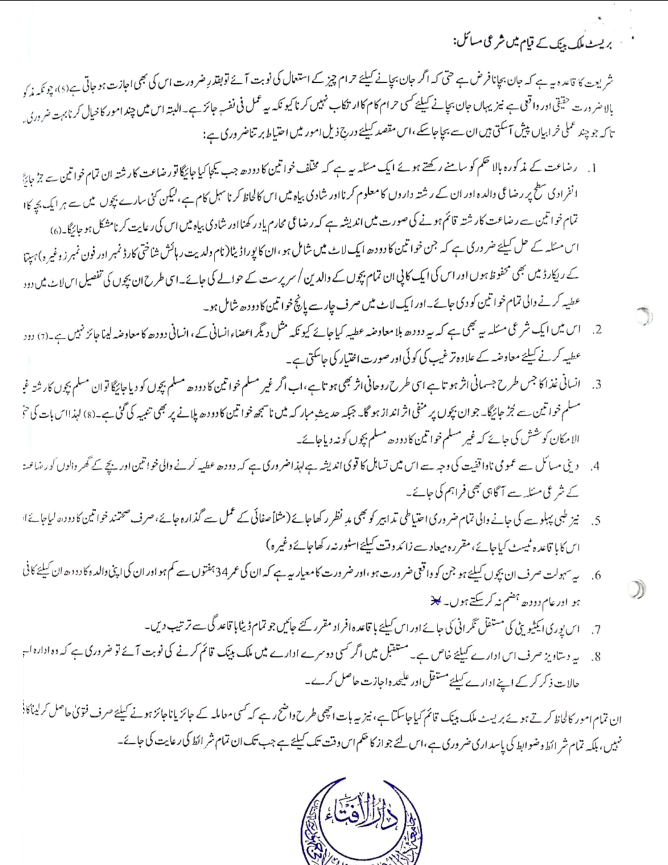
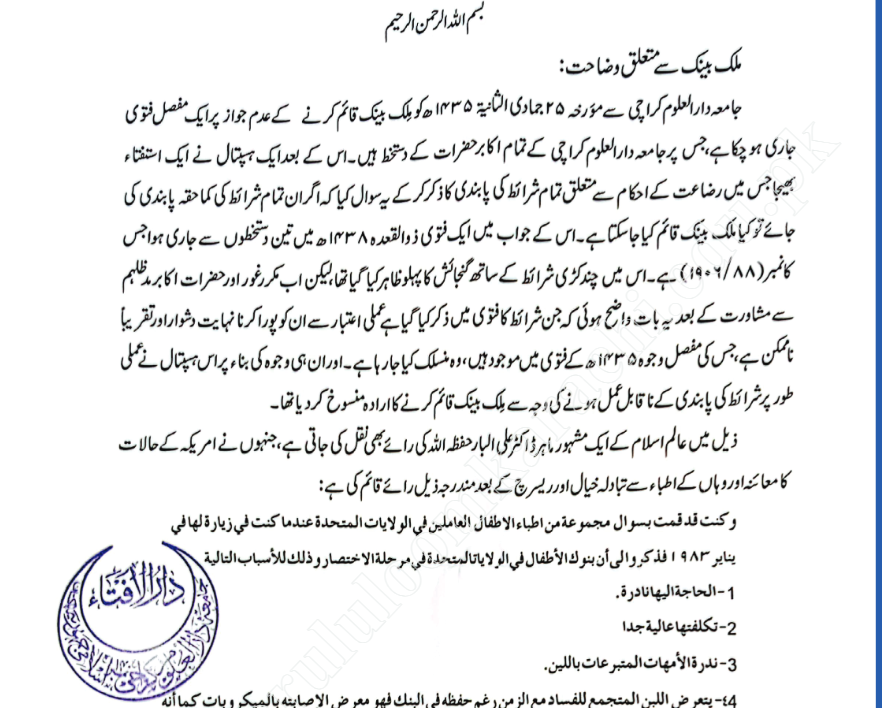
The first fatwa, issued on December 25, 2023, laid out basic tenets of Islam for breast feeding in a detailed manner. That document has been reviewed by The Current.
It outlined eight conditions that need to be followed.
The first and foremost condition was regarding the age of the child. The exclusive facility of breast milk is to be given to premature children with a gestation period of less than 34 weeks and less than 2 kilogrammes of weight.
The tenet strictly suggests a bond of milk kinship (Raḍāʿah), stating that a parent-child bond is formed when a woman gives milk to a baby who isn’t biologically related to her. To avoid future incestuous marriages between milk siblings and relations, the tenet says, the foster relationship must be clearly shared. The fatwa delineates that the bio-data of all the women in one lot (with a maximum of four to five women) must be kept in the hospital’s record and shared with the parents of the child and vice versa.
The second condition extrapolates that the act of donating milk for the child should be done voluntarily and free of cost, just like the donation of organs.
The third condition explains the spiritual impact of the milk bond, because of which it is imperative that only the breast milk of Muslim women is given to the children.
The fourth condition makes it mandatory for the women and families of the children to be educated about Shariah laws regarding the practice of Raḍāʿah.
Further conditions stress that the milk be cleaned and pasteurized, not stored for long, and only given to children who need it most desperately and cannot digest powdered milk.
The last two conditions demand that the whole activity be supervised by a group of people and assert that this provisional permission is specific to SICHN. If some other institute wants to open the same facility, then it would have to ask for it.
On June 10, 2024, Pakistan’s first Shariah-compliant ‘Human Milk Bank’ was inaugurated by Sindh Health Minister Dr Azra Pechuho. It was set up in collaboration with UNICEF.
Journalist Waqar Bhatti wrote in The News that Prof Jamal Raza, who spoke at the inauguration ceremony, described mother’s milk as the ‘original fast food’, emphasizing that it delivered all the necessary nutrients, healthy components, and disease-fighting properties that a newborn needs.
Bhatti’s report elaborated that Pakistan has a neonatal mortality rate (NMR) of 41 deaths per 1000 live births, which is one of the highest in the world, and this facility in Sindh understands that a mother’s breast milk is the best source of food and has all the antibodies that may protect the immunity of children.
Bhatti, while talking to journalists Mehtab Haider and Waqar Gillani, identified the artificial powdered milk industry as the real reason behind mothers shying away from feeding their children, not realizing that this is extremely harmful to a child’s health. As for the suspension, he claimed that the wayward discourse on social media actually misguided Mufti Taqi Usmani; otherwise, the facility was really proving to be helpful.
Since the inauguration, public sentiment has been against the establishment of the milk bank.
In a YouTube video made by Urdu Point, host Shabana asks the public about the opening of the milk bank in Sindh. All the people she talked to voiced their opinions against establishing the bank, stating religious reasons.
The reaction on social media was mixed; it either pronounced the suspension a “conspiracy of mullahs” or called it a decision in accordance with Islamic rules.
“The second fatwa directly did not mentioned this fatwa but was in response to some other question which we are not aware of, as we were not approached for any clarification nor our centre was visited for procedural verification,” Jamal Raza stressed while talking to TheCurrent.
Emphasising that they don’t intend to do anything remotely unislamic and open to all sort of suggestions, Raza added, “We feel that most of the criticism was based around lack of information to the general public and the general tendency to criticise without fact finding, thus if any religious body is willing to sit down with us to understand the process, they should not have any objection to the establishment of this bank.”
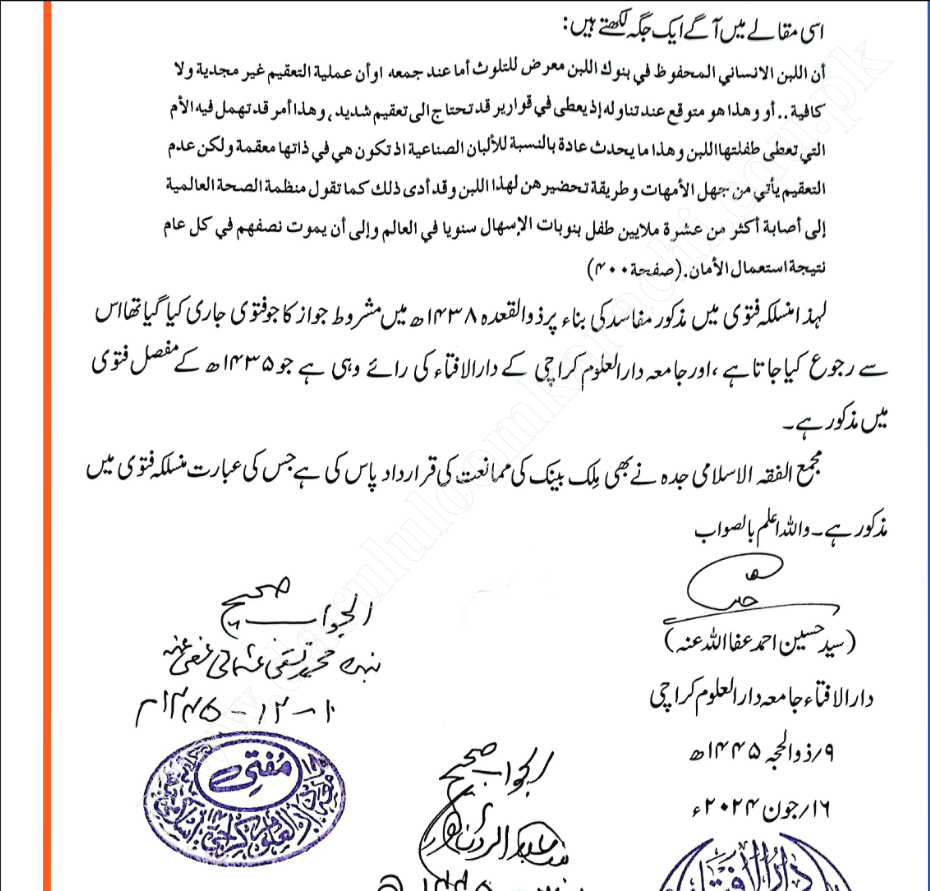
A revised fatwa issued by Darul Uloom Karachi dated June 16, 2024, prompted SICHN to discontinue the functionality of the Human Milk Bank and seek further guidance from Dar ul Uloom and Islamic Ideology Council.
I tried to talk to Dar ul Uloom about why they felt the need to have a revised fatwa and know the reason for taking back the permission they accorded earlier. The singular answer from all the multiple scholars I talked to stated that the revised fatwa is the only response they want to put out there and that they are not going to entertain any other query about this issue.
The revised Fatwa available on Dar ul Uloom Karachi’s official website includes a detailed analysis of the establishment of a milk bank that did not comply with Shariah laws because of the demanding maintenance of the concept of kinship at the facility as observed by the scholars sitting in Dar ul Ifta. It quotes an American scholar and a Jeddah’s Islamic think tank declining the establishment of a milk bank along with a detailed note from Mufti Taqi Usmani extrapolating other religious concerns entailing the issue of breast milk bank but no word on the specific issue of the establishment of milk bank in the city.
In a panel discussion about the Human Milk Bank on Samaa TV’s Mufti Online, Dr. Shawana Mufti, a prominent gynaecologist practising in America, shared her take on the issue of establishing a milk bank in the country. She highlighted that the idea is not feasible in the present socio-economic conditions of Pakistan, especially considering the high protocols there are for the milk donors to meet in the countries where they are operational. She started off by saying that she respects the opinion of all the scholars and the tenets of Islam and she totally agrees with all the scholars here, saying that this wouldn’t be successful in Pakistan because the idea of a milk bank to be formed was coined in the West as it was found out that for children who are premature at birth and can only survive if given the breastfeed. “Here they start with screening as it is checked what is the social and medical history of donor mother,” she stressed. Further, Shawana laid out how strict the screening criteria for a donor mother are, to the extent that it is considered that the mother takes painkillers or any sort of narcotics, “In Pakistan, a regular woman doesn’t even go to a doctor until she is dying or expecting a child. The financial stress in the country would never be up to the screening criteria (of international standard). Who will donate milk here? The elite women won’t donate milk here.”
Her argument was seconded by Professor Naaureed Fatima in the panel as she said that this is sadly a reality that elite class won’t donate and the commoners are so unaware about the complexity of the milk kinship that it requires a campaign to educate them about that. In this case, a milk bank in Pakistan is not a feasible idea.
I talked to Mufti Sohail Sialwi from Nottingham, UK, who opined that the basic rules delineated in both the fatwas are the same. It is clearly stated in the first fatwa that conditional permission is given because the strict criteria are hard to fulfil. That is why the fatwa asserted not just keeping a strict record but also educating both the parents and donor women about the complexities of the concept of Raḍāʿah. However, in the second fatwa, the verdict is shared after analysing the conditions in which record-keeping is an uphill task, and even if things are recorded, tempering them isn’t very difficult as the incidents of these records getting destroyed, burnt and modified. Thus, in a country like ours, the officers (liable to be corrupt or oblivious to sensitivity) cannot be trusted with a sensitive issue like this.
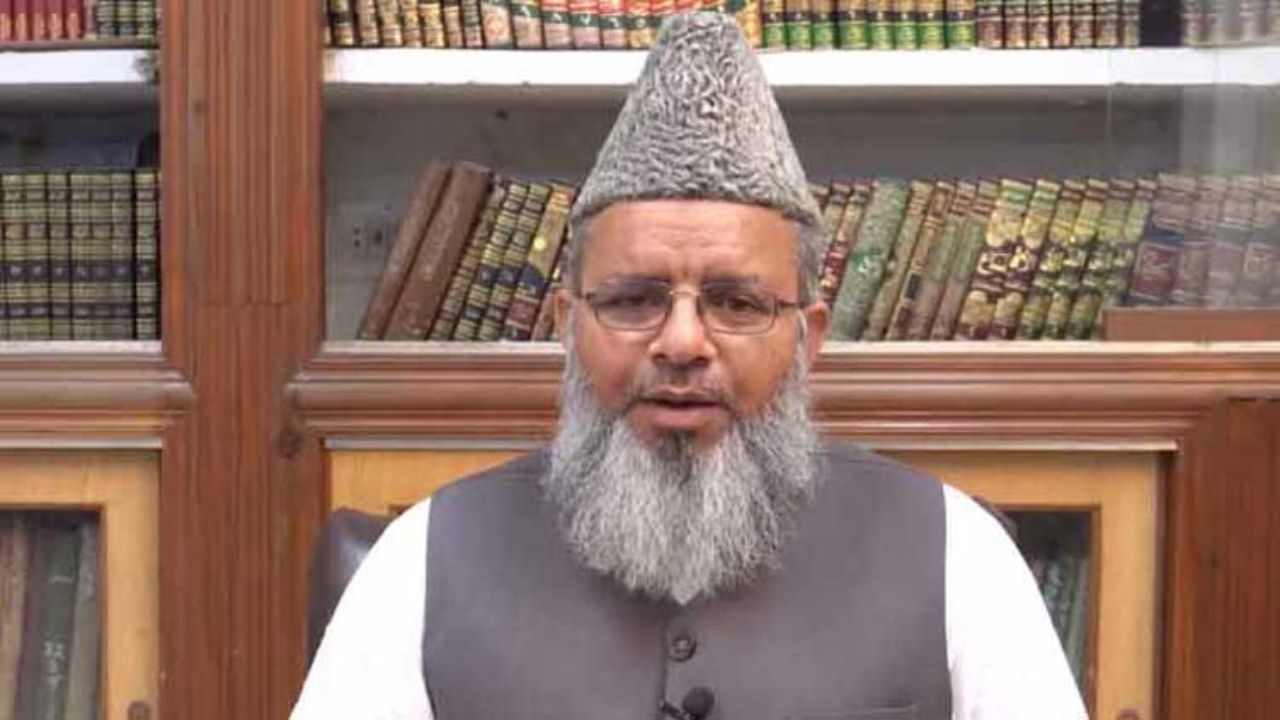
The matter now rests with the Islamic Ideology Council, the most high-profile religious authority in the country. I talked to the Chairman of the Islamic Ideology Council, Dr. Raghib Naeemi, who informed me that a delegation from SICHN came to the Council to defend their case, and the discussion around the topic is ongoing. However, a simple Google search revealed that a similar issue rose in 2014, and the IIC ruled against the legitimacy of a human milk bank.
Dr. Raghib Naeemi, Chairman of the Islamic Ideology Council
Islam as a religion defines the social fabric of the Pakistani nation. The concept of milk donation is considered esteemed and sacred for Muslims as derived from the religious tradition inspired by the life of the Prophet (PBUH). The need of the hour is a large-scale awareness campaign patronized by the government addressing all the misconceptions and educating mothers to not just breastfeed their children but also donate milk to premature children. The government could curb neonatal mortality by advertising for lactating mothers to feed their children inside the hospitals or even for children who, for some reason, cannot have their mother’s milk fed. Although involving money in this activity is proscribed, a form of recognition for such mothers could be to facilitate them with a healthy diet and transportation for the time they feed the child. In this way, the government can easily record these mothers and ensure the exclusivity and intimacy of the donor mother-child bond at the core of the concept of Raḍāʿah.
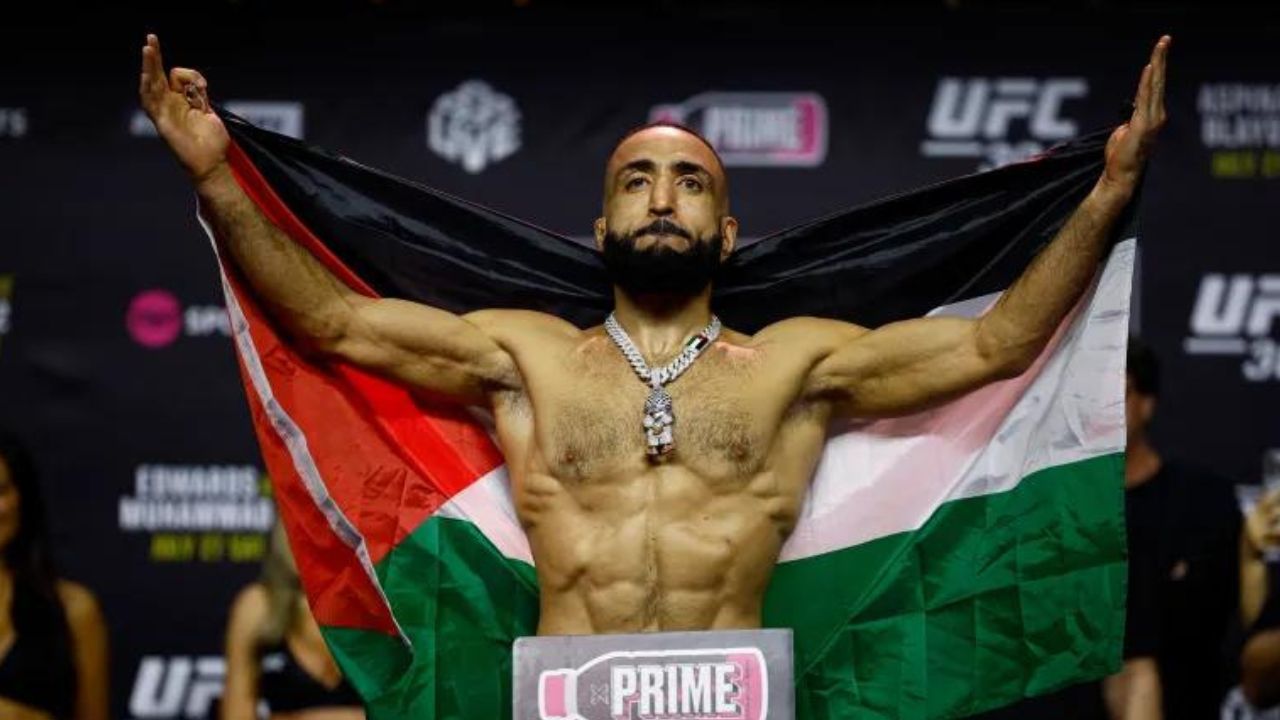
Belal Muhammad has created history, becoming the first Palestinian-American mixed martial arts fighter to win a UFC title on Saturday. He snatches the welterweight crown from English champion Leon Edwards. His winning scores were 48-47, 48-47, and 49-46.
Muhammad fell to his knees right after winning his 11th straight fight and getting the championship belt. He hasn’t lost a fight since 2019.
The 36-year-old Palestinian-American fighter was born in Chicago to Palestinian immigrant parents.
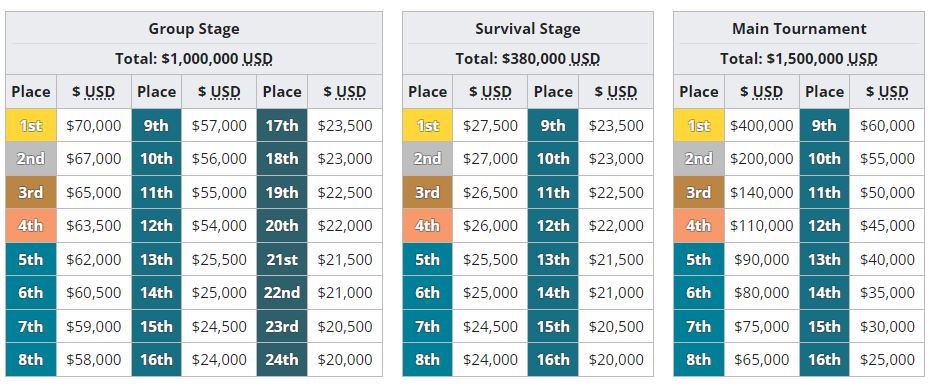
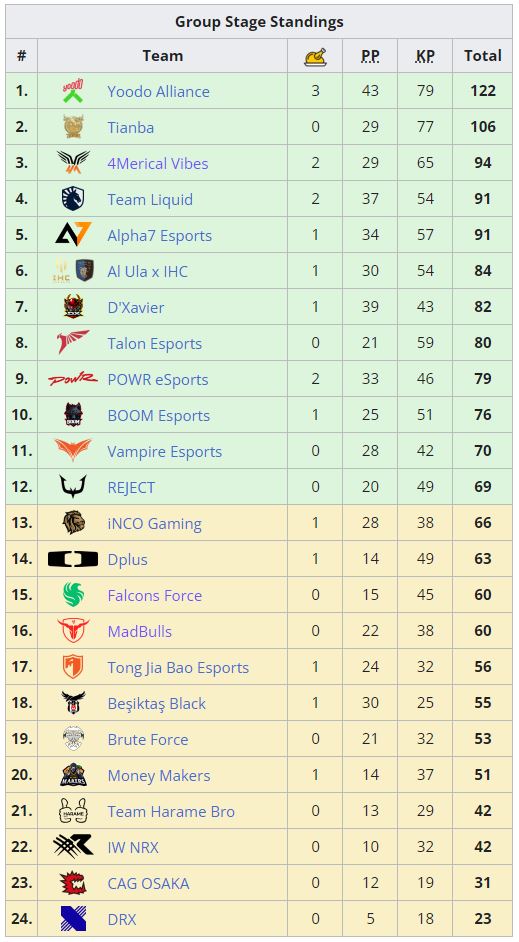
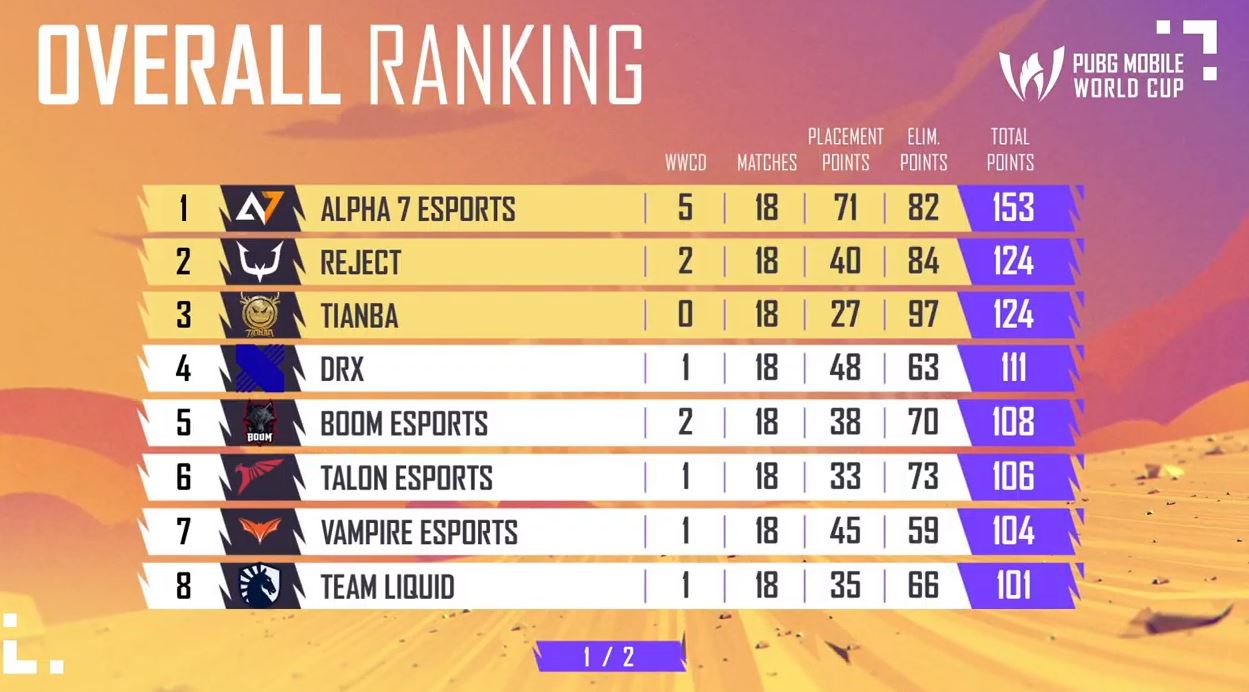
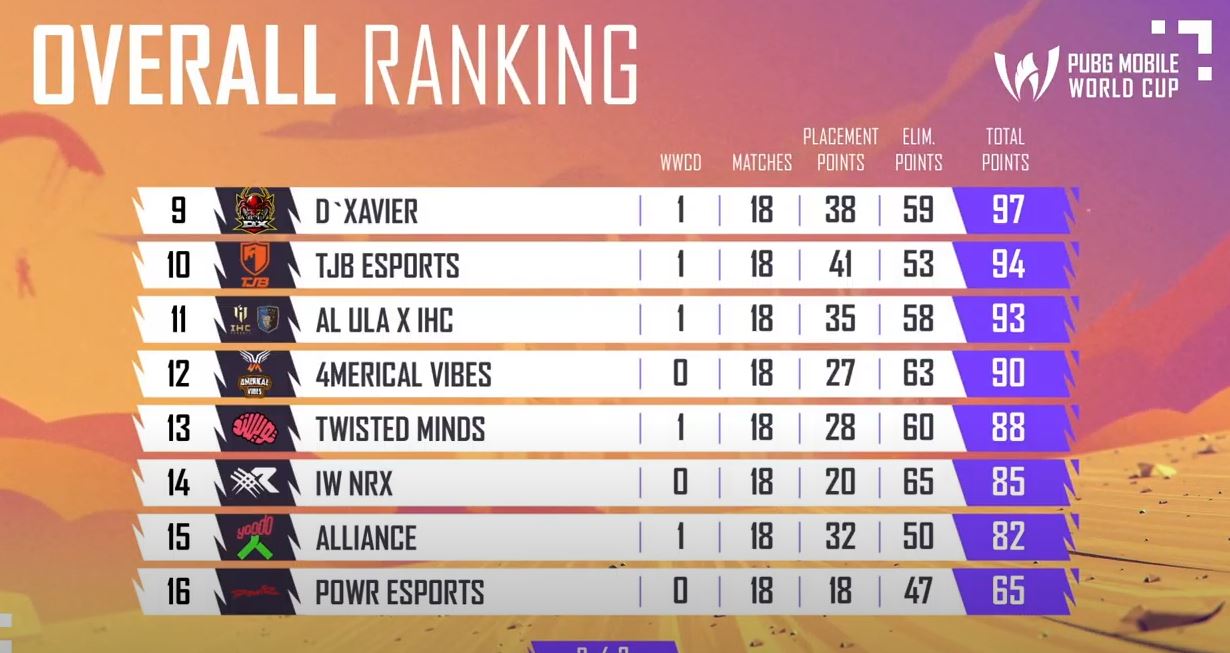
Brazil’s Alpha7 won the PUBG mobile World Cup 2024, securing $470,000. They won $70,000 from the league stage while $40,000 from the finals. This event, with a prize pool of $3,000,000, consists of three stages: the League Stage, the Survival Stage, and the Final Stage.
A total of 24 teams participated in the league stage. The top 12 teams qualified for the final, while the remaining 12 teams advanced to the survival stage.
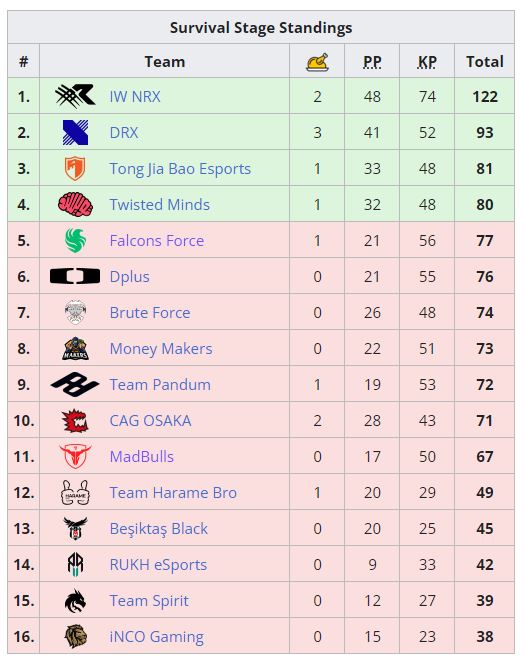
In the survival stage, four more teams were invited from the regional Pubg Mobile Super League events. From the survival stage, the top four teams qualified for the final.
A total of 16 teams participated in the final stage. In the three-day final stages, Alpha7 dominated from day one and finished in the first spot at the end of day three.
The Olympics looks grim for Pakistan as four contestants don’t make it to the finals.
Pakistani swimmer Jehanara Nabi finished 26th out of 30th in the 200m freestyle heat at the Paris Olympics 2024. Nabi did not manage to break through in the top 16. Swimmer Ahmed Durrani finished last in the 200m freestyle heats and missed the semifinals.
Earlier, Pakistani shooters Gulfam Joseph and Kishmala Talat failed to qualify for the finals in the 10m air pistol event.
In the Olympics, Australia is leading the race for medals at the Paris Olympics, winning three gold and two silver medals to take the top spot with five medals. Kangaroos won one gold medal in cycling and two in swimming.
China is in second place, winning three gold and one silver medal, while Korea is in third place with five medals, winning two gold, two silver, and one bronze.
All eyes are on javelin thrower Arshad Nadeem now who might take Pakistan forward for a win. He will compete on August 6.
In a recent press conference, Minister for Petroleum Musadik Malik announced that the federal government has decided to keep gas tariffs unchanged. He confirmed that consumers will not experience any increase in gas prices.
Malik highlighted that the government’s economic policies are beginning to yield positive results. He reported a substantial reduction in food inflation, which has decreased from 48 per cent to just 2 per cent.
Overall inflation has also dropped significantly, falling from 38 per cent to 12 per cent, with a continued downward trend anticipated. Malik stated that all economic indicators suggest the country is moving towards greater stability.
The minister emphasised that the government’s primary objectives are to alleviate poverty, control inflation, and create job opportunities for the youth. He revealed that Prime Minister allocated Rs600 billion in the current federal budget to support the underprivileged.
Development projects are being prioritised, particularly in underserved areas, to generate local employment. Additionally, Rs50 billion has been earmarked to protect 86 per cent of electricity consumers for the upcoming three months.
Malik reiterated the government’s commitment to providing further relief to the public by enhancing healthcare facilities, digitising the Federal Board of Revenue (FBR), and pursuing the privatisation of state-owned enterprises.
Criticising the previous Pakistan Tehreek-e-Insaf (PTI) administration, Malik accused them of distributing $4 billion to the wealthiest individuals during their tenure. He also addressed the issue of terrorism, asserting that while the government is working to combat it, opposition parties are criticising these efforts.
The minister expressed disappointment with the opposition’s approach, which he described as destructive and confrontational. He specifically criticised the Sunni Ittehad Council (SIC) for its negative campaign against state institutions and its focus on sit-ins without offering viable solutions.
Furthermore, Malik accused PTI leaders of inconsistency, recalling that they previously claimed their government was overthrown by the US, yet they are now seeking assistance from the same country.
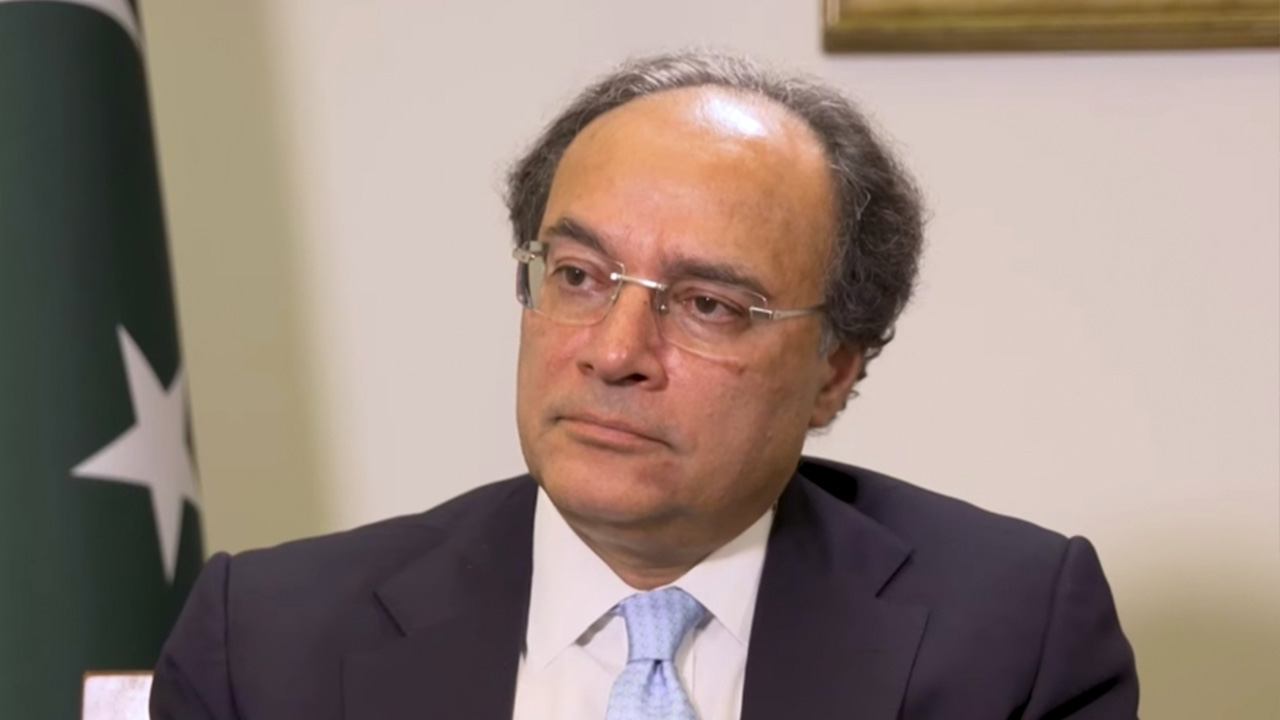
Finance Minister Muhammad Aurangzeb said Sunday that the government is taking robust measures to improve the country’s economy.
Addressing a press conference in Islamabad, he said reforms are being done in the Federal Board of Revenue (FBR) to increase revenue collection.
He said weekly meetings are being held under the chair of Prime Minister Shehbaz Sharif. He said that putting less burden on the lower-income class is the government’s top priority.
Expressing gratitude to the Chief Ministers of all four provinces for supporting the government’s tax reforms agenda, he expressed hope that they will introduce tax legislation for the inclusion of the Agricultural sector in the taxation regime.
He said without including the untaxed and under-taxed community in the tax regime, we cannot achieve certainty and ease of collection which is vital for economic stability.
Regarding facilitation to the business community, Aurangzeb said claims worth 68 billion rupees have so far been now refunded.
The Minister said notices will be sent through a centralized system, while field formations will be authorized to collect taxes accordingly.
Mentioning the details of tax evasions and frauds, he said we have identified a tax potential worth 600 billion rupees that was not collected, out of which one billion rupees has been recovered so far.
In customs, through misclassification, tax worth around 50 to 200 billion rupees has been identified.
He urged the media to start a campaign against the under-tax and un-taxed community.
The Minister said the government is also working on the simplification of the tax processes to facilitate the business and salaried persons.
Through this simplified process, they will be able to respond to our system in a very simple and easy manner without the involvement of any tax consultant.
Stressing the importance of rightsizing, the Minister said five ministries, including Kashmir and Gilgit Baltistan, SAFRON, Industries and Production, IT and Telecom, and Health have been short-listed in this regard.
He said Prime Minister Shehbaz Sharif will take the final decision to this effect, he said.
In Tamil Nadu Premier League 2024, Lyca Kovai Kings captain Shahrukh set a record by scoring 50 off 17 balls.
Chasing a target of 172 runs, Shahrukh came in to bat in the 13th over of the innings and hit two consecutive sixes in the 15th over.
In the 17th over, he hit the bowler Harish Kumar for a boundary and two towering sixes and completed his aggressive half-century in 17 balls.
However, the situation became interesting when they lost three wickets in four balls, and captain Shahrukh was also out. At that time, the team score was 168 runs in 18 overs, and eight players were out.
Thanks to a four on the last ball of the last over, Shah Rukh’s team won this sensational match.
In a new twist to the story, the assault against Pakistan Muslim League-Nawaz (PML-N) worker by a Tehreek-e-Insaf (PTI) worker, Aneela Riaz, turned out to be fake as it allegedly pre-planned, Geo News reported.
According to police sources, Tahir Anjum and Anila Riaz, aka Neeli Pari, had a telephone conversation before the incident, and she also went to Anjum’s house.
Both have, to the police, confessed that the entire incident was pre-planned. Interestingly, she was present at Tahir Anjum’s house at the time of her arrest.
Earlier, videos emerged on social media in which Neeli Pari was seen assaulting Anjum by stopping his car and even tearing his clothes outside the Punjab Assembly.