Blog

  • Will there be tax on graves in Punjab?

    Will there be tax on graves in Punjab?

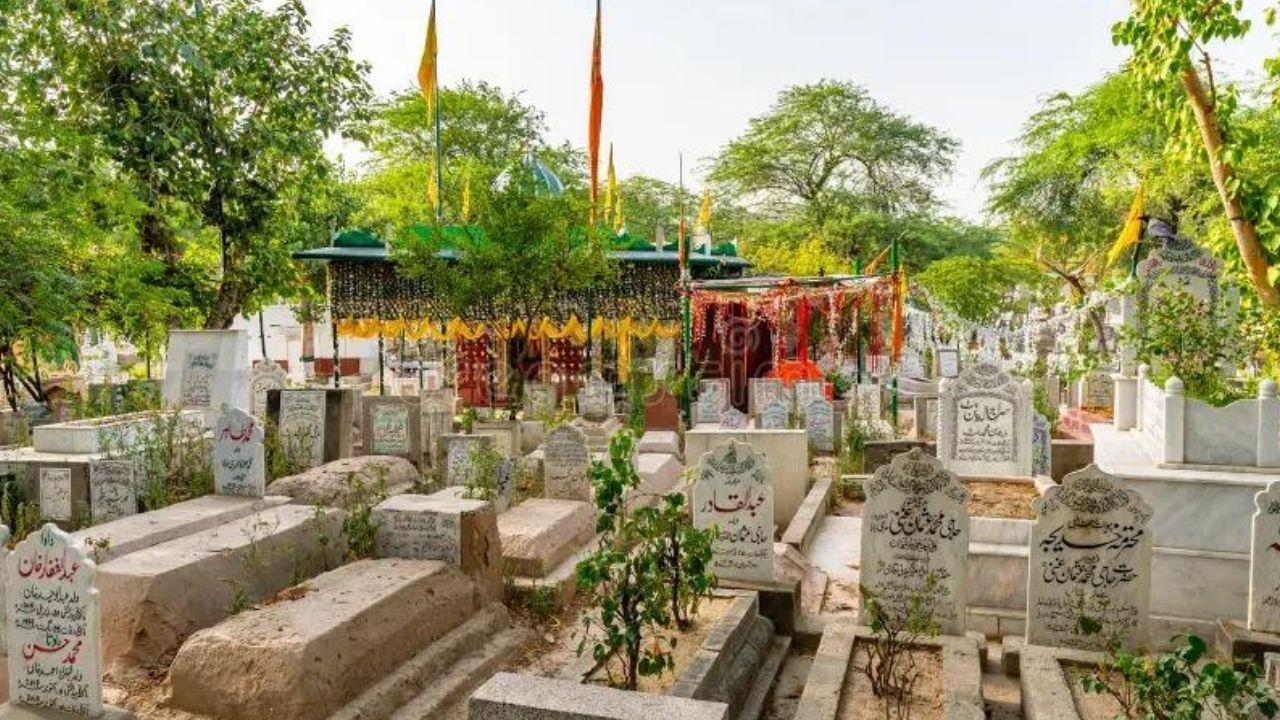
    In a bid to clear the air around tax being imposed on graves in Punjab, the government has said that no ‘grave tax’ has been levied in Punjab and no proposal for such a tax is under consideration.


    Recently, a widely shared clip from Samaa News in 2019 resurfaced, which claimed that the government is imposing a tax for about 1500 rupees on the graves of adults and children in the budget for the next year.

    Asia Gul, Special Secretary for Local Government and Community Development in Lahore, told Geo Fact Check that the news is “fake”.


    “The local government department has neither initiated any such proposal nor has the government approved any such proposal,” she said.

    Aslam Nadeem, director of administration and finance at the Punjab Shahr Khumshan Authority, who is responsible for establishing model cemeteries across the province, also confirmed that he has not seen any such proposal and was unaware of any tax on graves in the province.

    The Punjab budget for 2024-25 also has no mention of a tax on graves.

  • At least 174 killed, more than 2,500 arrested amid Bangladesh protests

    At least 174 killed, more than 2,500 arrested amid Bangladesh protests

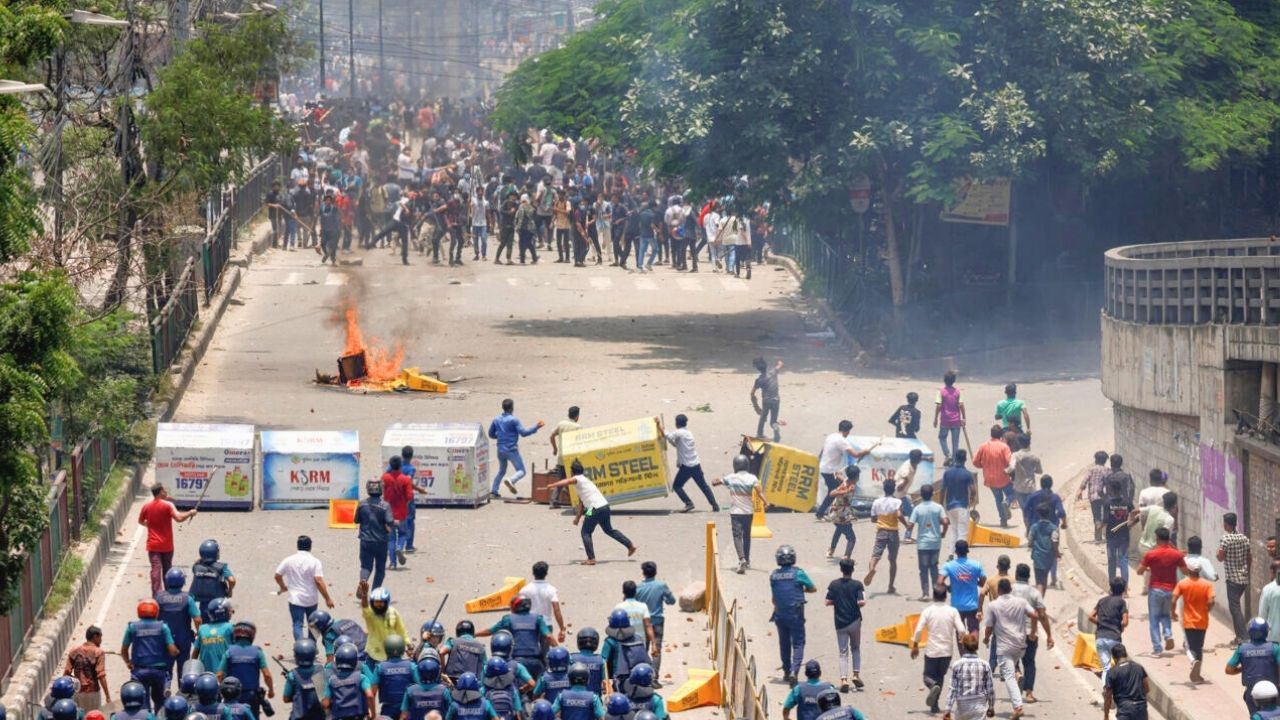
    The number of arrests in days of violence in Bangladesh passed the 2,500 mark in an AFP tally on Tuesday, after protests over employment quotas sparked widespread unrest.

    At least 174 people have died, including several police officers, according to a separate AFP count of victims reported by police and hospitals.

    What began as demonstrations against politicised admission quotas for sought-after government jobs snowballed last week into some of the worst unrest of Prime Minister Sheikh Hasina’s tenure.

    A curfew was imposed and soldiers deployed across the South Asian country, and a nationwide internet blackout drastically restricted the flow of information, upending daily life for many.

    On Sunday, the Supreme Court pared back the number of reserved jobs for specific groups, including the descendants of “freedom fighters” from Bangladesh’s 1971 liberation war against Pakistan.

    The student group leading the demonstrations suspended its protests Monday for 48 hours, with its leader saying they had not wanted reform “at the expense of so much blood”.

    The restrictions remained in place Tuesday after the army chief said the situation had been brought “under control”.

    There was a heavy military presence in Dhaka, with bunkers set up at some intersections and key roads blocked with barbed wire.

    But more people were on the streets, as were hundreds of rickshaws.

    “I did not drive rickshaws the first few days of curfew, But today I didn’t have any choice,” rickshaw driver Hanif told AFP.

    “If I don’t do it, my family will go hungry.”

    The head of Students Against Discrimination, the main group organising the protests, told AFP in his hospital room Monday that he feared for his life after being abducted and beaten, and the group said Tuesday at least four of its leaders were missing, asking authorities to “return” them by the evening.

    ‘Killed at random’

    The authorities’ response to the protests has been widely criticised, with Bangladeshi Nobel Peace Prize laureate Muhammad Yunus urging “world leaders and the United Nations to do everything within their powers to end the violence” in a statement.

    The respected 83-year-old economist is credited with lifting millions out of poverty with his pioneering microfinance bank but earned the enmity of Hasina, who has accused him of “sucking blood” from the poor.

    “Young people are being killed at random every day,” Yunus told AFP. “Hospitals do not reveal the number of wounded and dead.”

    Diplomats in Dhaka also questioned the government’s actions, with US Ambassador Peter Haas telling the foreign minister he had shown a one-sided video at a briefing to diplomats.

    Government officials have repeatedly blamed the protesters and opposition for the unrest.

    More than 1,200 people detained over the course of the violence — nearly half the 2,580 total — were held in Dhaka and its rural and industrial areas, according to police officials who spoke to AFP.

    Almost 600 were arrested in Chittagong and its rural areas, with hundreds more detentions tallied in multiple districts across the country.

    ‘Sheikh Hasina never flees’

    With around 18 million young people in Bangladesh out of work, according to government figures, the June reintroduction of the quota scheme — halted since 2018 — deeply upset graduates facing an acute jobs crisis.

    With protests mounting across the country, the Supreme Court on Sunday curtailed the number of reserved jobs from 56 percent of all positions to seven percent, mostly for the children and grandchildren of “freedom fighters” from the 1971 war.

    While 93 percent of jobs will be awarded on merit, the decision fell short of protesters’ demands to scrap the “freedom fighter” category altogether.

    Late Monday, Hasina’s spokesman told AFP the prime minister had approved a government order putting the Supreme Court’s judgement into effect.

    Critics say the quota is used to stack public jobs with loyalists to Hasina’s ruling Awami League.

    Hasina, 76, has ruled the country since 2009 and won her fourth consecutive election in January after a vote without genuine opposition.

    Her government is also accused by rights groups of misusing state institutions to entrench its hold on power and stamp out dissent, including by the extrajudicial killing of opposition activists.

    bur-sa/slb/

    © Agence France-Presse

  • Vawda alleges Faiz Hameed had evidence of Khan’s involvement in May 9

    Vawda alleges Faiz Hameed had evidence of Khan’s involvement in May 9

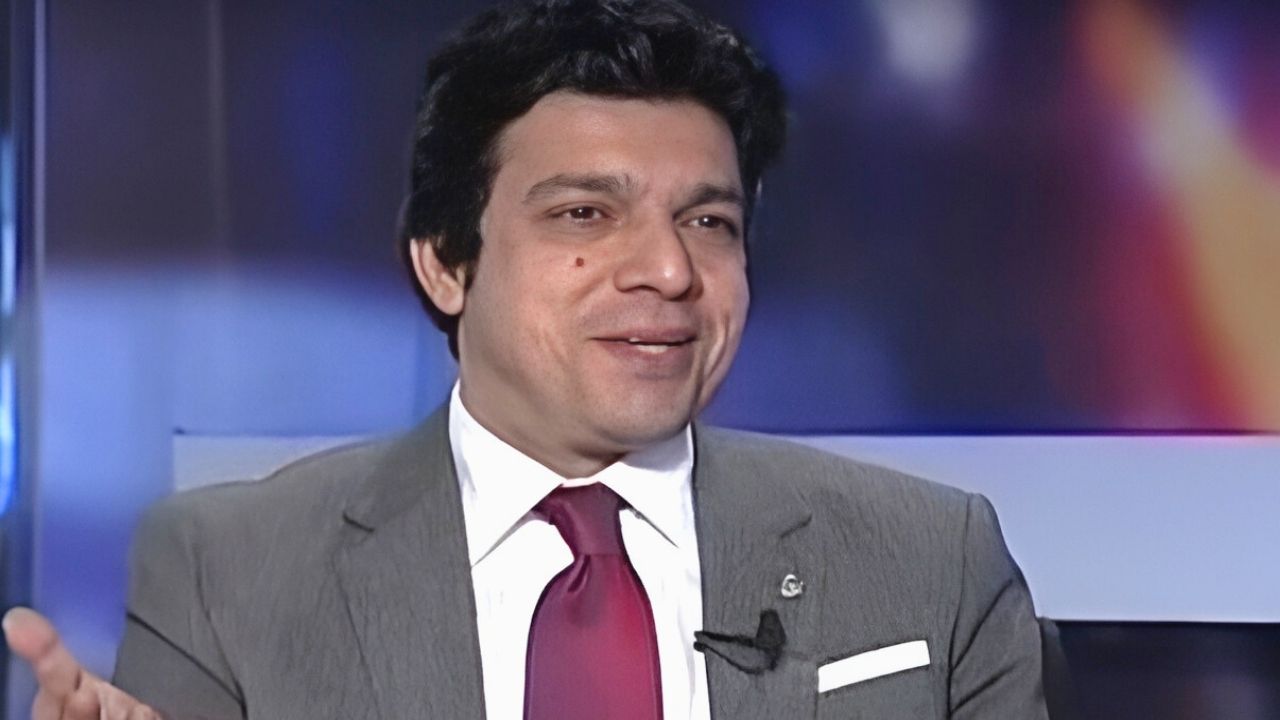
    Senator Faisal Vawda has alleged that former Prime Minister Imran Khan, citing evidence provided by former director general Inter-Services Intelligence Lt Gen (retd) Faiz Hameed, was responsible for creating political instability due to his direct involvement in the May 9 violence last year, Express Tribune reported.

    “Some time ago, I revealed that Imran Khan’s close associate, Faiz Hameed, provided evidence of Khan’s involvement in the May 9 vandalism,” stated Vawda.

    He further said, “This was not Faiz Hameed’s suggestion; however, Imran Khan was part of the entire scheme.”

    The senator clarified that the government doesn’t face any threats from a technocrat government or martial law but rather from the ongoing power struggle within the PML-N.

    He opined that the government should renegotiate electricity agreements with IPPs, saying, “These political parties were responsible for the agreements that ensure payments to IPPs regardless of power supply. Such contracts involve kickbacks.”

  • Pakistan extends stay of registered Afghan refugees by one year

    Pakistan extends stay of registered Afghan refugees by one year

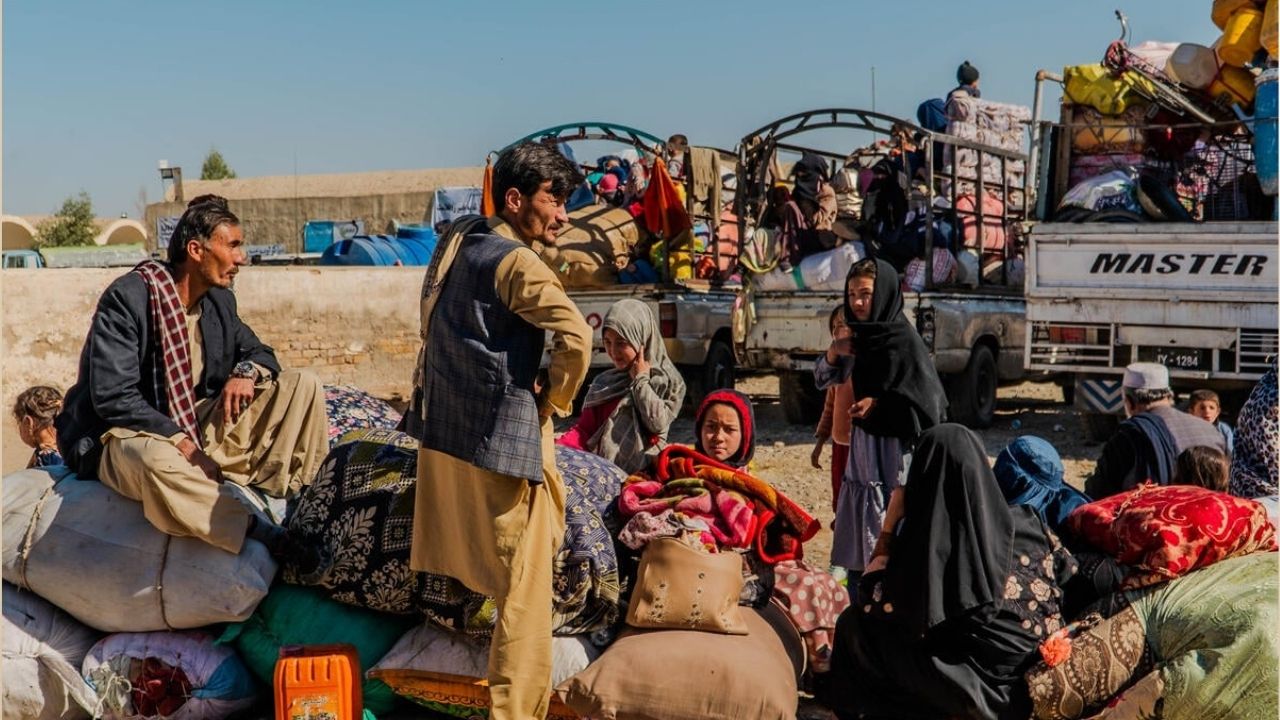
    The Ministry of States and Frontier Regions (SAFRON) issued a notification to extend the period that card holding Afghan refugees can stay in Pakistan.

    According to the notification, the extension will be applicable from July 1, 2024 to June 30, 2025. The extension of POR will be applicable to registered Afghan refugees residing in Pakistan.

    Sources said that the registration card for registered Afghan refugees had expired on June 30, 2024 and the number of registered Afghan refugees in Pakistan is about 1.45 lakh.

  • All passport problems to be resolved by September

    All passport problems to be resolved by September

    Director General (DG) Passport and Immigration Mustafa Jamal Qazi has announced that all passport-related issues will be fully resolved by September.

    During a briefing to the National Assembly Standing Committee on Interior, DG Passport mentioned that there have been complaints regarding delays in passport printing due to inactive machinery. Approval has been granted to procure e-passport machinery, and six new printers will also be installed for passport printing.

    DG Passport assured that steps are being taken to control the delay in the passport printing process, with a commitment to resolving all passport-related issues by September.

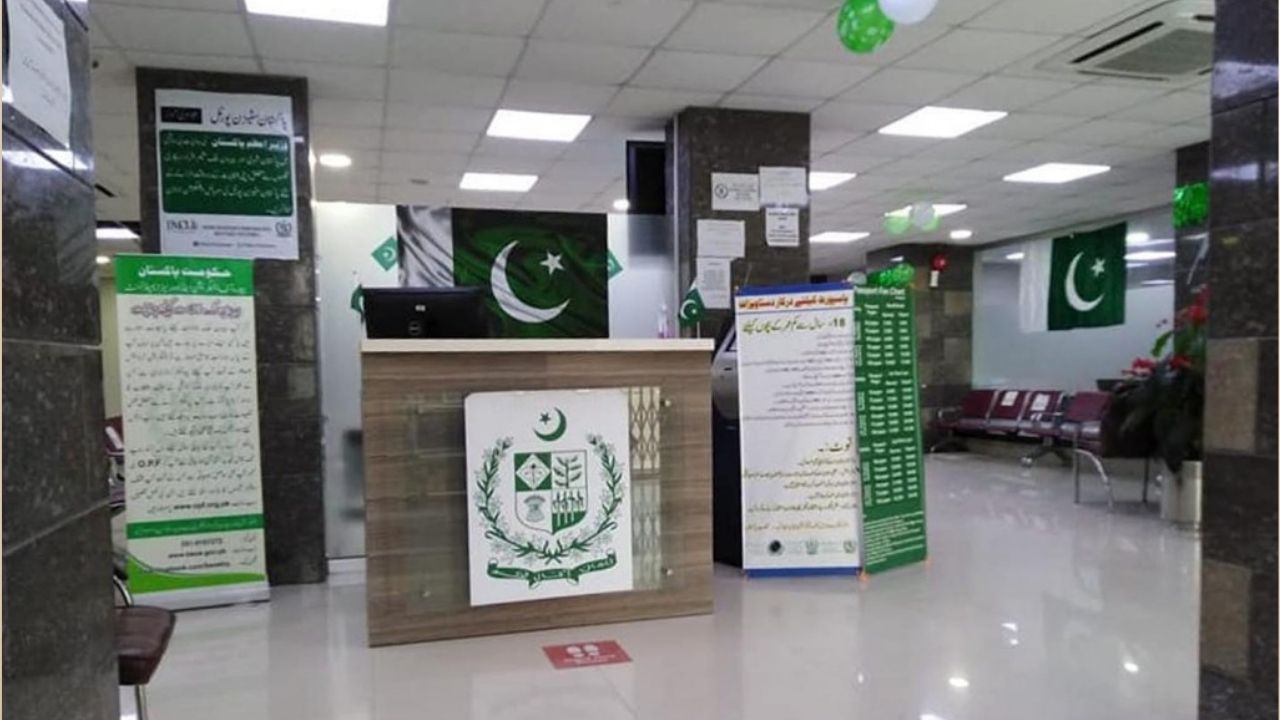
    He further stated that additional counters have been established in passport offices. The existing passport system, which is 20 years old, currently has 20 printers, out of which only 13 are operational. The issue of lamination papers, affected by the dollar rate, has been addressed.

  • Hamas announces ‘national unity’ deal with Palestinian rivals

    Hamas announces ‘national unity’ deal with Palestinian rivals

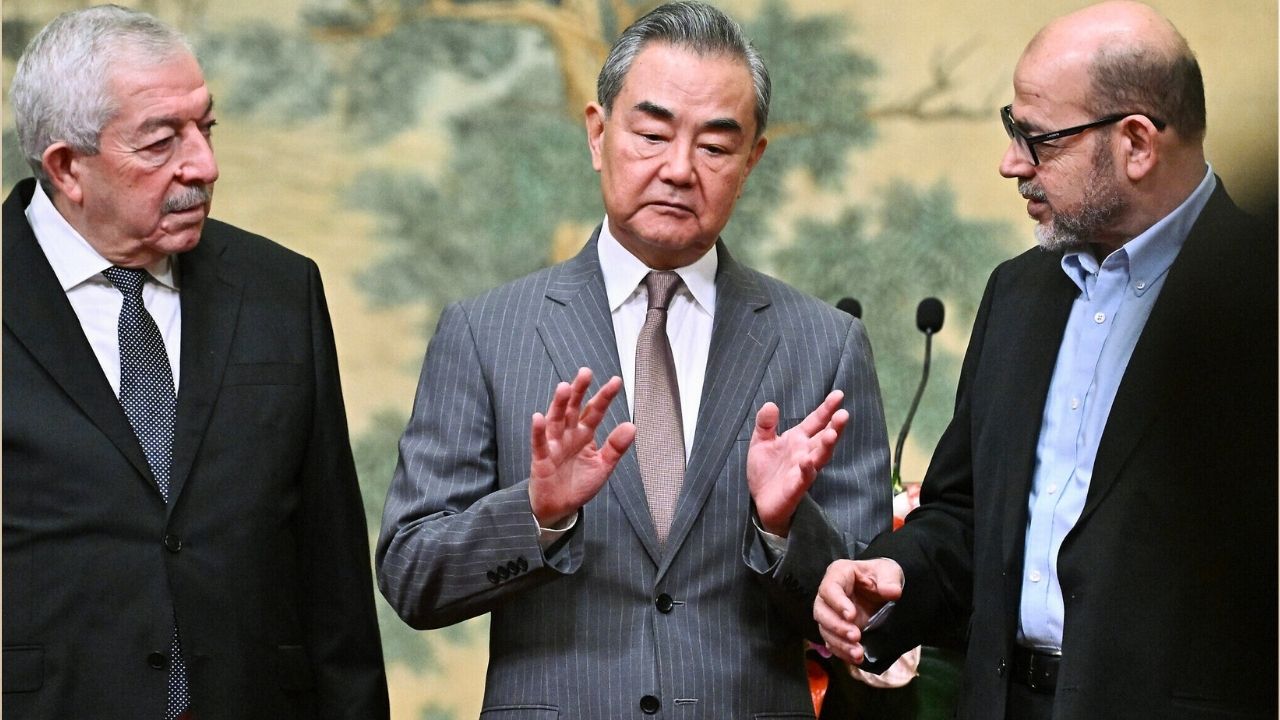
    Hamas announced Tuesday it had signed an agreement in Beijing with other Palestinian organizations, including rivals Fatah, to work together for “national unity”, with China describing it as a deal to rule Gaza together once the war ends.

    Chinese Foreign Minister Wang Yi, who hosted senior Hamas official Musa Abu Marzuk, Fatah envoy Mahmud al-Aloul and emissaries from 12 other Palestinian groups, said they had agreed to set up an “interim national reconciliation government” to govern post-war Gaza. “Today we sign an agreement for national unity and we say that the path to completing this journey is national unity. We are committed to national unity and we call for it,”

    Abu Marzuk said after meeting Wang and the other envoys. The announcement comes more than nine months into the genocide.

    Israel’s retaliatory military campaign in Gaza has killed more than 39,000 people, also mostly civilians, according to data from the health ministry in Gaza.

    The relentless fighting has plunged Gaza into a severe humanitarian crisis. China has sought to play a mediator role in the conflict, which has been rendered even more complex due to the intense rivalry between Hamas, which rules the Gaza Strip, and Fatah, which partially governs the occupied West Bank.

    Israel has vowed to keep fighting until it destroys Hamas, and world powers, including key Israeli backer the United States, have scrambled to imagine scenarios for the governance of Gaza once the war ends. As Tuesday’s meeting wrapped up in Beijing, Wang said the groups had committed to “reconciliation”.

    “The most prominent highlight is the agreement to form an interim national reconciliation government around the governance of post-war Gaza,” Wang said following the signing of the “Beijing Declaration” by the factions in the Chinese capital.

    “Reconciliation is an internal matter for the Palestinian factions, but at the same time, it cannot be achieved without the support of the international community,” Wang said. China, he added, was keen to “play a constructive role in safeguarding peace and stability in the Middle East”. Beijing, Wang said, called for a “comprehensive, lasting and sustainable ceasefire”, as well as efforts to promote Palestinian self-governance and full recognition of a Palestinian state at the UN.

    Hamas and Fatah have been bitter rivals since Hamas fighters ejected Fatah from the Gaza Strip after deadly clashes that followed Hamas’s resounding victory in a 2006 election.

    Fatah controls the Palestinian Authority, which has partial administrative control in the Israeli-occupied West Bank. Several reconciliation bids have failed, but calls have grown since October 7, with violence also soaring in the West Bank, where Fatah is based.

    China hosted Fatah and Hamas in April, but a meeting scheduled for June was postponed. China has historically been sympathetic to the Palestinian cause and supportive of a two-state solution to the Israeli-Palestinian conflict.

  • What is ‘Firewall’, and how does it threaten freedom of expression?

    What is ‘Firewall’, and how does it threaten freedom of expression?

    Since the beginning of 2024, there has been an increase in the targeted killing of journalists in Pakistan, where eight journalists have lost their lives so far. Four journalists were killed in May alone, which, according to the Committee to Protect Journalists (CPJ), is the highest number of journalists killed in a single month since 1992.

    The topic of discussion in Pakistan is not how to protect those who convey information to the people, but restrictions are being imposed on the sources of information.

    Here, we are talking about implementing a system similar to China’s ‘Firewall’ in Pakistan, which will monitor all online traffic.

    Details regarding this firewall are kept secret, and authorities are refusing to comment on the matter. Limited data is being made available to the public, so the information regarding the functioning of this system is very limited.

    Why is the government of Pakistan implementing the ‘Firewall’?

    According to several news reports, the firewall will use Deep Packet Inspection (DPI) and block IP. DPI can monitor objectionable content through online data packets and track the sender’s IP address as soon as such content is found. This will help the authorities determine the location where the controversial content was created and disseminated.

    In other countries, such technology is used to prevent serious crimes such as child pornography. In Pakistan, this technology is likely to be used to suppress ‘anti-state sentiments’.

    Use of VPN (Virtual private network)

    No one was surprised by this latest attack on human rights in Pakistan. After all, we belong to a country that has a long history of violating human rights in the name of ‘national security’.

    However, it is surprising that our policymakers lack knowledge of the digital world. The recent ban on social media platform X is the best example.

    Although access to X is restricted in the country, many ordinary citizens and almost all government officials access it through VPNs. This has failed the efforts to ban the social media platform.

    The ban has significantly increased the business of VPN service providers internationally. According to a Forbes report, the use of VPN services in Pakistan has increased by more than 100 per cent since the ban, while some reports have seen a 400 per cent increase in the number of new VPN users in Pakistan.

    According to a report by Technopedia, a leading digital technology platform, the number of VPN users in China has seen a sharp increase of more than 90 percent since 2022. The report said that VPNs have mainly been successful in “crossing the Great Firewall of China”, similar to the type of technology being speculated to be implemented in Pakistan.

    How is this technology a threat to freedom of expression?

    If we have evidence of how VPNs bypassed the Chinese firewall, why are Pakistani authorities still investing in such technology?

    Freedom of expression has historically been a constant issue for the ruling forces in Pakistan, even though it is an integral part of any developing society. They believe the firewall plan is part of the government’s efforts to stifle dissenting voices.

    Although it is too early to say how effective this firewall will be, users will crack it. Pakistan’s civil society has a long history of resisting restrictions on freedom of expression. However, such actions will further undermine public confidence in the government.

    Now, the question is why the state is moving in a circle, where instead of devoting its energy to taking action for its people, it is creating conflicts with the subjects.

    Ultimately, the current government will make the final decision, but these policies will lead to its downfall.

  • SBP to introduce digital currency in Pakistan with technical support from IMF, World Bank

    SBP to introduce digital currency in Pakistan with technical support from IMF, World Bank

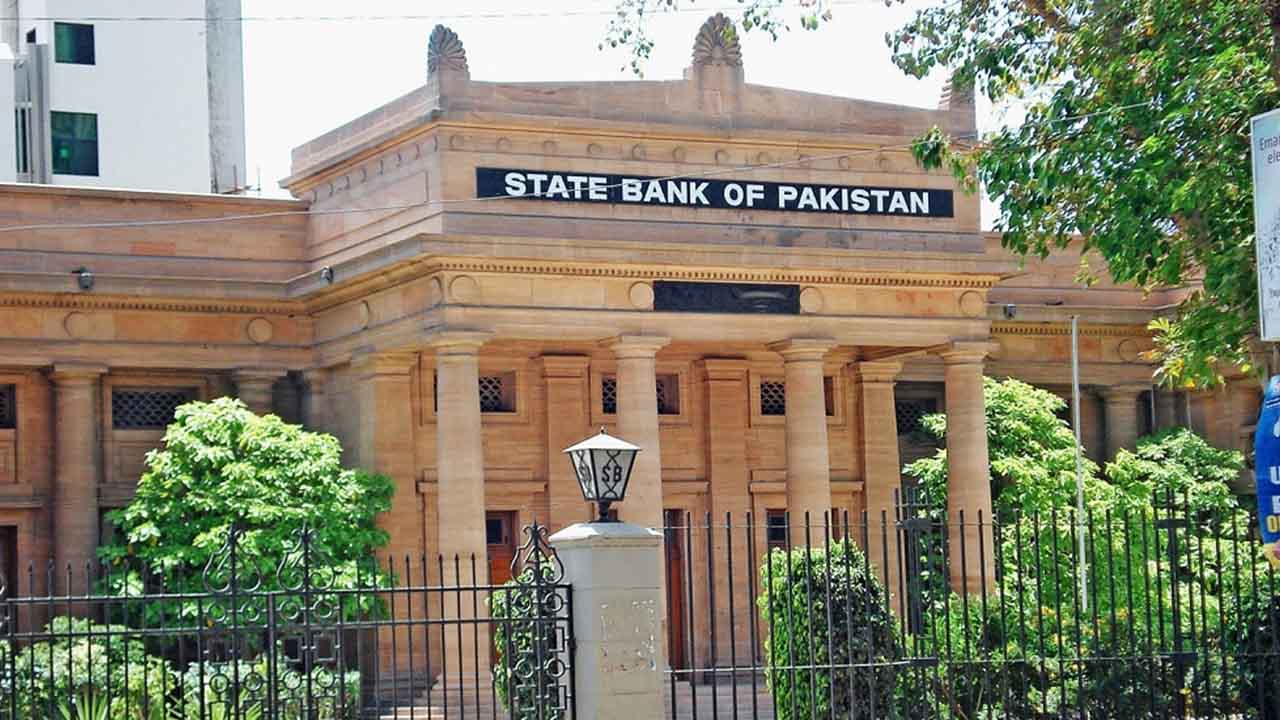
    In a media briefing held today in Karachi, Deputy Governor of the State Bank of Pakistan (SBP), Salimullah, announced that the central bank is currently evaluating the introduction of a digital currency.

    This project is being pursued with technical support from the World Bank, in collaboration with the International Monetary Fund (IMF).

    Salimullah highlighted that efforts are underway to link Pakistan with 60 countries, including those in the Middle East, to enhance remittance flows.

    Looking ahead, the governor revealed that the Raast payment system will be integrated with the Arab Monetary Fund’s cross-border payment platform, Buna, by next year.

    Buna facilitates secure, cost-effective, and transparent transactions for financial institutions and central banks across the Arab region and beyond, enabling payments in both Arab and major international currencies.

    The integration with Buna is expected to provide 60 million Pakistanis living abroad with the capability to transfer funds instantly and at minimal costs, significantly boosting economic and financial connectivity.

  • ‘Pray to be wealthy’; Naumaan Ijaz defends lavish Ambani wedding

    ‘Pray to be wealthy’; Naumaan Ijaz defends lavish Ambani wedding

    Veteran Pakistani actor Nauman Ijaz has responded strongly to critics of Anant Ambani and Radhika Merchant’s lavish wedding.


    Nauman took to Instagram to defend Mukesh Ambani and his family. Sharing a smiling picture of himself, the actor addressed the critics directly. “I don’t understand why people are criticizing Anant Ambani and Radhika Merchant’s wedding,” Ijaz wrote.


    He urged people to stop criticizing the wedding, saying that it is the Ambani family’s money, happiness, and life, and they should be allowed to enjoy it.
    Ijaz advised critics to ignore the wedding if they cannot be happy for the Ambanis. He stressed that giving negative opinions is not appropriate.


    The actor also suggested that critics should “pray to become wealthy enough to afford such a wedding.”

  • What we know about the Paris Olympics opening ceremony

    What we know about the Paris Olympics opening ceremony

    Organisers of Friday’s opening ceremony for the Paris Olympics — the first time it will be held outside a stadium — have provided teasers for their spectacular plans but refused to give specifics.

    Here is what we know about the concept, the artists and music based on public statements over the last few months and press leaks:

    – What’s the concept? –

    Instead of using the main athletics stadium for the opening parade, as is customary, organisers have moved the event outside and into the heart of the capital — in keeping with their motto “Games Wide Open”.

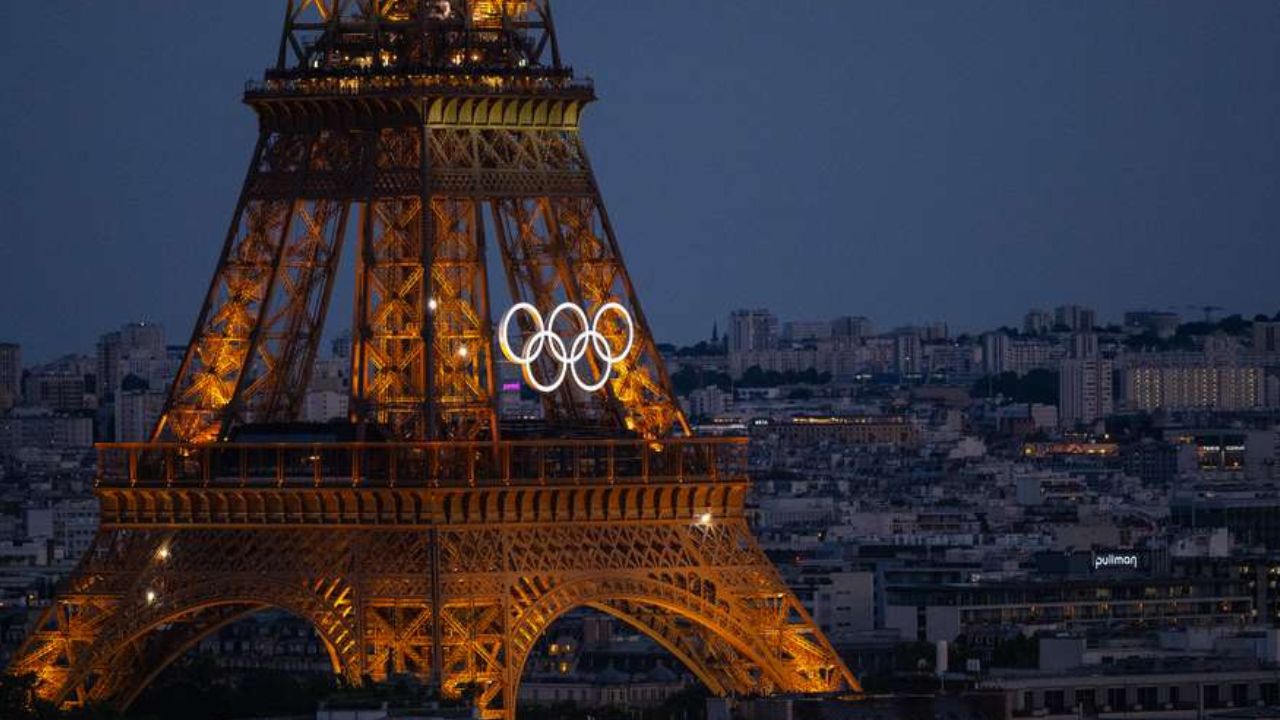
    Around 6,000-7,000 athletes are set to sail down a six-kilometre (four-mile) stretch of the river Seine from the Austerlitz bridge in the east to the Eiffel Tower, on 85 barges and boats.

    Up to 500,000 people are set to watch in person from specially built stands, where tickets have sold for up to 2,700 euros ($2,900), on the river banks for free and from the overlooking balconies and apartments.

    “Organising a ceremony on the Seine is not easier than doing it in a stadium… but it has more punch,” chief organiser Tony Estanguet told AFP earlier this month.

    Because of the size and complexity of the parade, it has never been rehearsed in full.

    – What about the entertainment? –

    The show has been designed by prodigious theatre director Thomas Jolly, a 42-year-old known for hit rock-opera musical “Starmania”.

    He brought on board a creative team that includes the writer of French TV series “Call My Agent”, Fanny Herrero, as well as best-selling author Leila Slimani and renowned historian Patrick Boucheron.

    The show has been split into 12 different sections, with around 3,000 dancers, singers and entertainers positioned on both banks of the river, the bridges and nearby monuments.

    A tribute to Notre-Dame cathedral, in the process of being renovated after a devastating fire in 2019, is guaranteed, possibly with dancers on its scaffolding.

    Starting at 07:30pm (1730 GMT), two thirds of the ceremony will take place in daylight, then dusk — Jolly is hoping for one of Paris’s stunning summer sunsets — and will end with a light show.

    The music will be a mix of classical, traditional ‘chanson francaise’, as well as rap and electro.

    Franco-Malian R&B star Aya Nakamura is widely tipped to perform despite criticism from far-right politicians, including Marine Le Pen who suggested an appearance by her would “humiliate” France.

    French electro superstars Daft Punk said they had turned down an invitation to play, while globe-trotting French DJ David Guetta has been overlooked — much to his irritation.

    – What’s the message? –

    Asked to sum up his message last week, Jolly said it was “love.”

    Despite the risk of irking conservatives, he said his work would be a celebration of cultural, linguistic, religious and sexual diversity in France and around the world.

    “I think the people who want to live together in this diversity, this otherness, are much more numerous, but we make less noise,” he told AFP.

    It is fair to assume it will be nothing like the widely panned retro-styled opening ceremony of last year’s rugby World Cup, which featured a succession of French cliches from baguettes to berets and the Eiffel Tower.

    Jolly’s team is also wary of over-emphasising France’s historic contribution to the development of democracy and the concept of universal human rights thanks to its Enlightenment philosophers and 1789 Revolution.

    “We wanted to avoid our natural tendency to lecture people,” Herrero told Le Monde newspaper recently.

    And don’t expect a three-hour tribute to French greatness to rival the nationalistic pageantry seen at the Beijing Games in 2008.

    “The opening ceremony in Beijing in 2008 was exactly what we did not want to do,” Boucheron told Le Monde.

    – What will be the big moments? –

    With so much still under wraps, it’s hard to predict.

    A performance by Aya Nakamura, after so much controversy about her role, would be a major moment so soon after parliamentary elections that saw the anti-immigration far-right gain a historic 143 seats in the national parliament.

    Jolly has strongly hinted that a submersible or submarine could emerge from the waters of the Seine at some point.

    “You have the sky, you have bridges, you have water, you have banks, you have so much space to make poetry,” Jolly told reporters last week. “So why not under the river also?”

    The biggest moment of all might simply be the end if everyone gets home safely.

    The ceremony has given French police cold sweats ever since it was unveiled in 2021 because of the difficulty of securing so many people over such a vast urban area.

    Around 45,000 members of the security forces will be on duty.