The International Monetary Fund (IMF) has forecasted a 3.5 per cent growth rate for Pakistan’s economy in the fiscal year 2024-25 (FY25), slightly below the government’s target of 3.6 per cent.
This comes after Pakistan’s economy grew by 2.4 per cent in the fiscal year 2023-24, missing the government’s target of 3.5 per cent.
Pakistan’s economic challenges are compounded by chronic mismanagement, the aftermath of the COVID-19 pandemic, the war in Ukraine, inflationary pressures from supply chain disruptions, and severe flooding in 2022.
The IMF’s World Economic Outlook (WEO) update warns of modest global growth over the next two years, influenced by cooling activity in the US, stabilization in Europe, and stronger consumption and exports from China, but significant risks remain.
Globally, the IMF has maintained its 2024 growth forecast at 3.2 per cent and slightly increased its 2025 forecast to 3.3 per cent. IMF Managing Director Kristalina Georgieva has expressed concern over these tepid growth rates. The US growth forecast for 2024 has been revised down to 2.6 per cent, reflecting slower consumption, while the 2025 forecast remains at 1.9 per cent due to a cooling labor market and moderated spending.
The IMF has raised China’s 2024 growth forecast to 5.0 per cent, reflecting a rebound in private consumption and strong exports, but recent data showing lower-than-expected GDP growth poses a downside risk.
The IMF also highlighted persistent risks to inflation due to high services prices and wage growth in labor-intensive sectors, alongside potential trade and geopolitical tensions that could exacerbate price pressures. Additionally, the IMF warned of the impact of economic policy shifts from upcoming elections, which could lead to increased protectionism and fiscal irresponsibility.
The IMF advised policymakers to restore price stability, gradually ease monetary policy, rebuild fiscal buffers, and implement policies to promote trade and productivity growth.
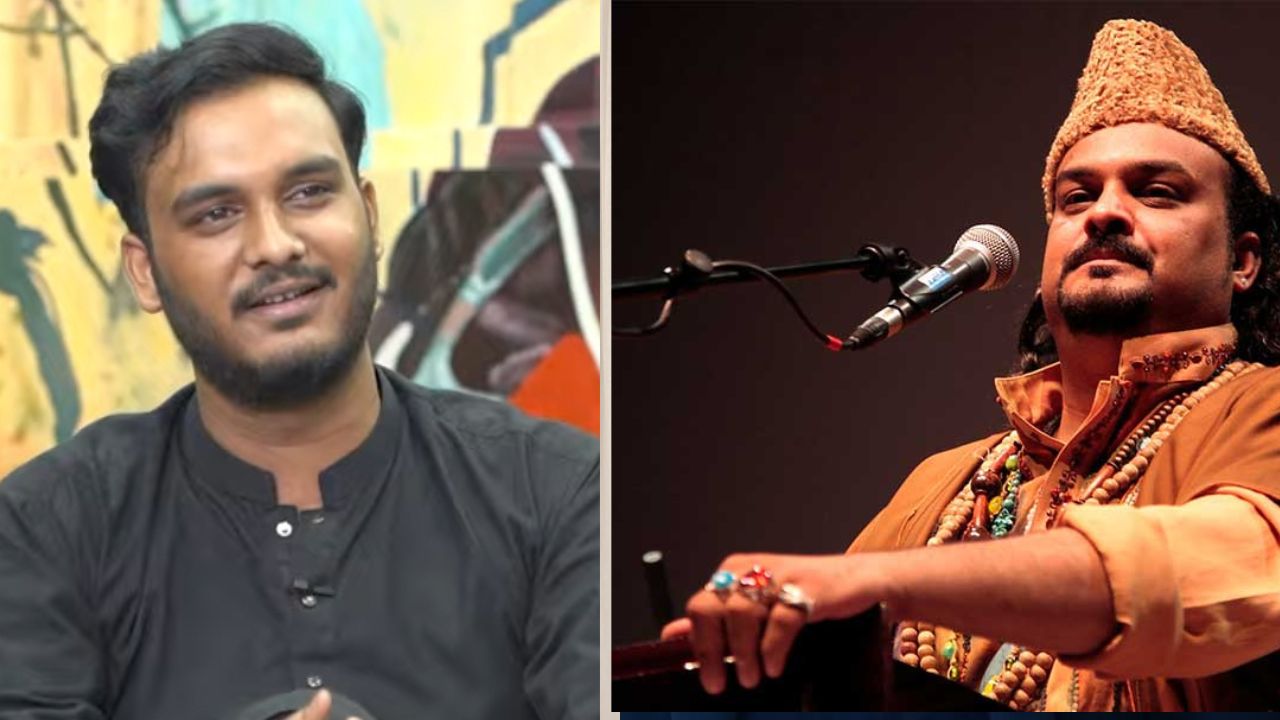
Amjad Sabri’s son reveals shocking encounter with robbers in India Amjad Sabri, the famous qawwali singer known for his beautiful voice and soulful melodies, left a lasting impact on the world of music.
Recently, Majid Amjad Sabri appeared as a guest on the Nadir Ali podcast, where he discussed his late father’s memories. The host asked, “Alright, tell me, I remember an incident about Late Amjad Sabri Sahib in India where he was kidnapped by dacoits. How did the dacoits become friends with him, and how was he eventually released under protection?”
Majid replied, “During a program organized by Amjad Sabri in the Indian city of Jhansi, where the area was known for dacoits, attendees at the event did not allow his father to leave after the program concluded. They insisted on additional performances, resulting in a delay of three hours. This caused their return journey to become significantly delayed into the night.
“Due to the flight scheduled back to Lahore that night, my father had to depart on the same evening. During their return journey, they stopped at a tea stall where they heard the phrase fill up your bags, which was already playing on the radio, his grandfather’s famous qawwali, ‘Bhar Do Jholi’.” On June 22, 2016, Ramazan 16, in Karachi, unknown persons opened fire on Amjad Sabri. He was shot in the head and died as a result of the attack.
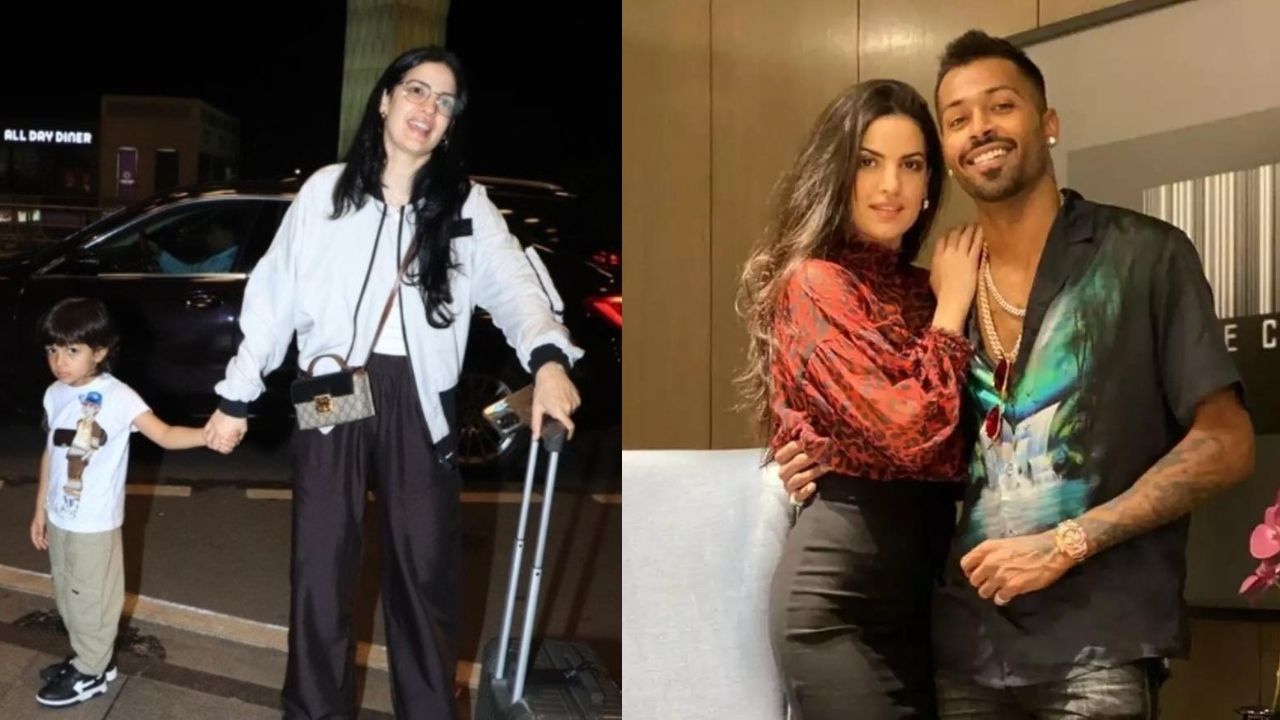
Indian all-rounder Hardik Pandya’s wife, Serbian actress and model Nataša Stanković has left India and gone to Serbia with her son.
According to Indian media reports, videos of Natasha Stankovich leaving India, in which she and her son Agastya are seen at the Mumbai airport, are going viral on various social media platforms.
On the other hand, the model has also shared a story about this on Instagram. In his Insta story, he shared pictures of himself packing a bag and driving a car.
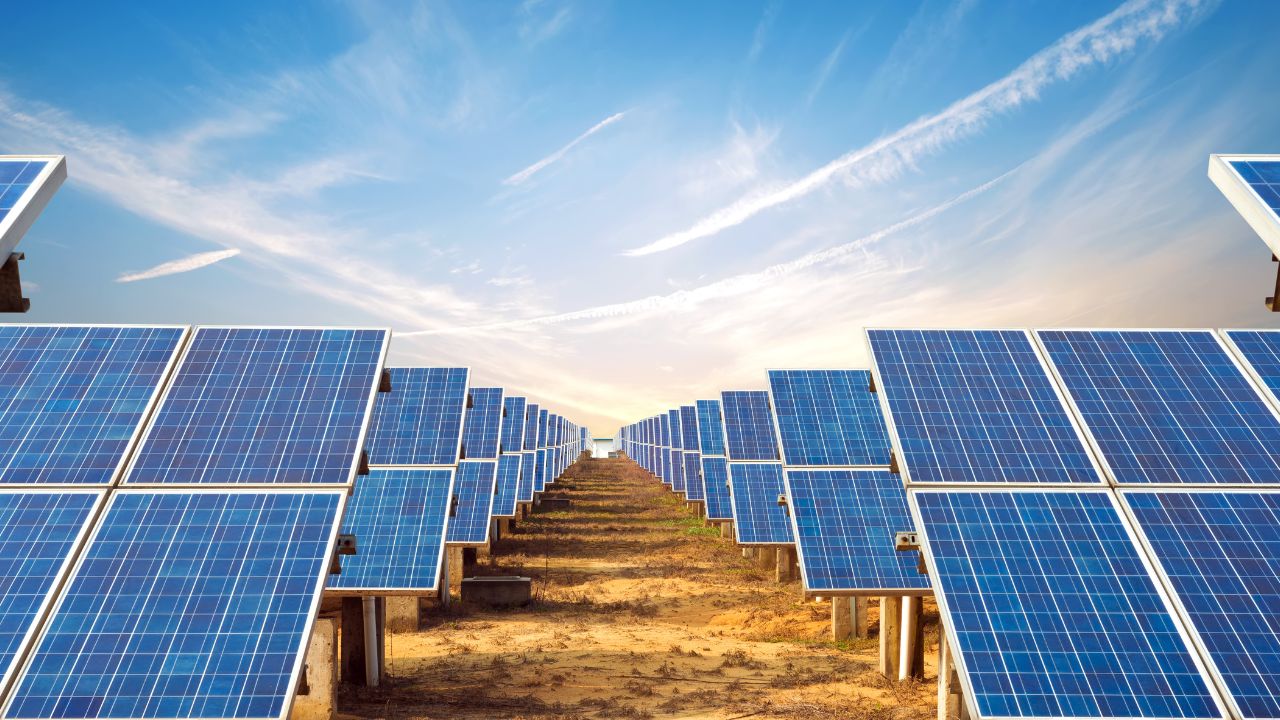
The Khyber Pakhtunkhwa government has decided to provide free solar systems to one lakh families across the province.
Chief Minister Ali Amin Gandapur has instructed officials to provide solar systems to impoverished families experiencing load shedding in the province. Under this initiative, each eligible family in Pakhtunkhwa will receive a 2 KV solar system.
These include solar panels, inverters, wiring equipment, bulbs, and fans.
YouTube has announced a new feature for users who create short videos, part of several new features for vloggers who post short videos like TikTok.
These features will be available to users immediately, while the availability of other features will be ensured in a few weeks.
The new feature is similar to TikTok’s text-to-speech video narration, which will feature voice-over based on artificial intelligence (AI) technology.
In YouTube shorts, you can select any voice from the four currently provided by clicking on the Advice button at the top left corner of the screen.
Another new feature YouTube has introduced is auto-generated captions. You can also change caption styles using different fonts and colours. Similarly, a new set of Minecraft effects is also part of the video service.
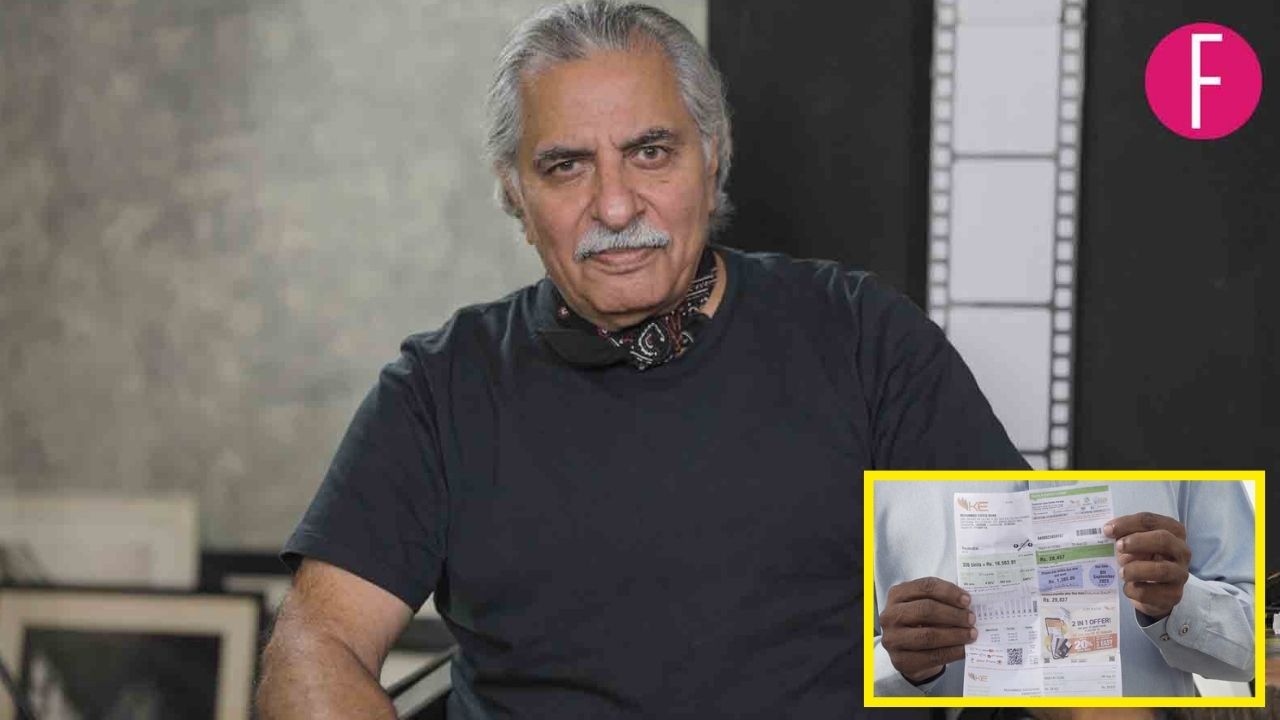
Actor Usman Peerzada, a respected figure in the world of arts, is shocked by the electricity bill he has received.
Rising electricity bills and increasing taxes have made life difficult for many people in Pakistan. Even those who are financially stable are struggling to cope with growing costs.
This summer, Usman Peerzada expressed his shock over an exceptionally high electricity bill. Despite using only one air conditioner for his entire family, the bill was still very high. He mentioned that even with alternative technologies, the government is imposing taxes on them as well. Peerzada warned that he might disconnect his house from the grid if the situation does not improve.
“I received such a high bill that I don’t know what will happen in the future. I feel like I might have to get my electricity disconnected. And then I think about those who don’t have as many resources; what must they be going through? The heat is so intense that we can’t live without electricity,” he remarked. Here is what he had to say:
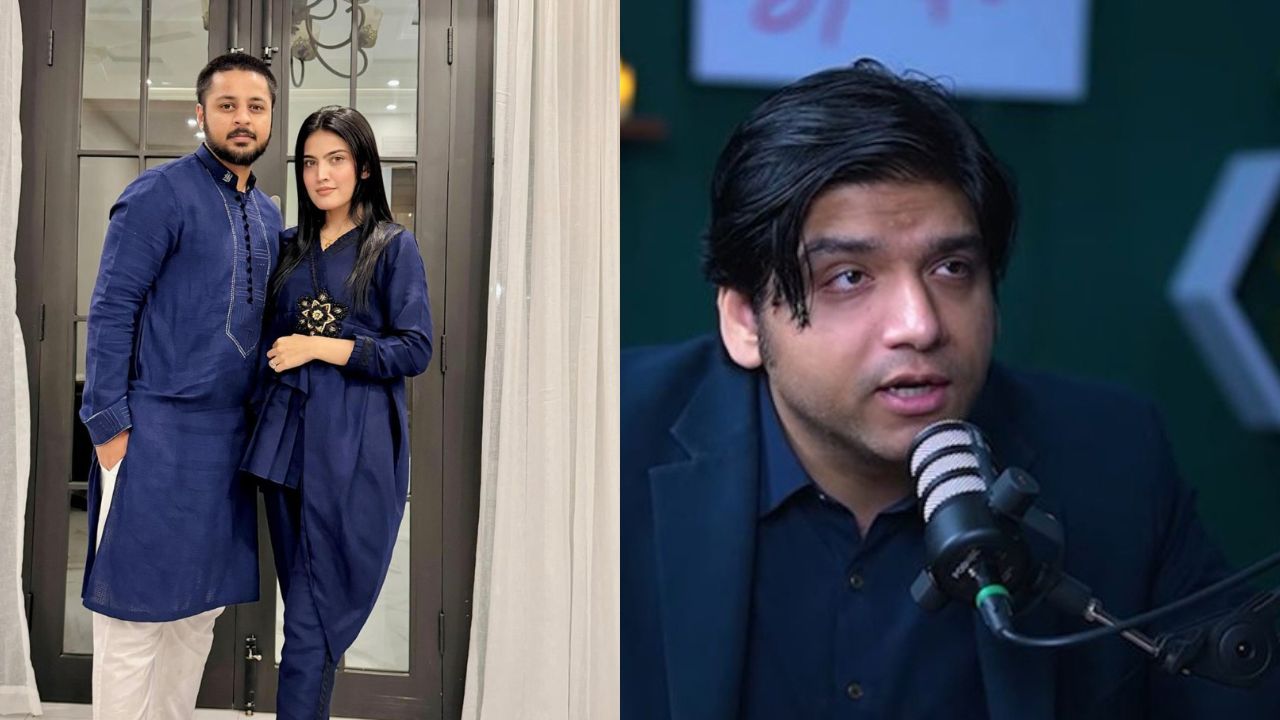
YouTuber Iqra Kanwal, along with her sisters, runs the online channel “Sistrology Group’, where they share vlogs about their daily lives and adventures.
However, another YouTuber, Dr. Affan Qaiser has repeatedly targeted Sistrology, and after Iqra Kanwal’s marriage, he criticized a video she shared, calling her bridal look inappropriate in his podcast.
Areeb, without naming Affan, addressed how his wife was targeted for having wet hair in a vlog.
Areeb said, “Such people should think about what they are saying. It was harmless content, and do family members of these people not shower?”She went on to say, “Some people use our names to get views, but my advice to them is to focus on creating positive content and working hard. That’s the way to succeed.” Areeb and Iqra tied the knot in December 2023.
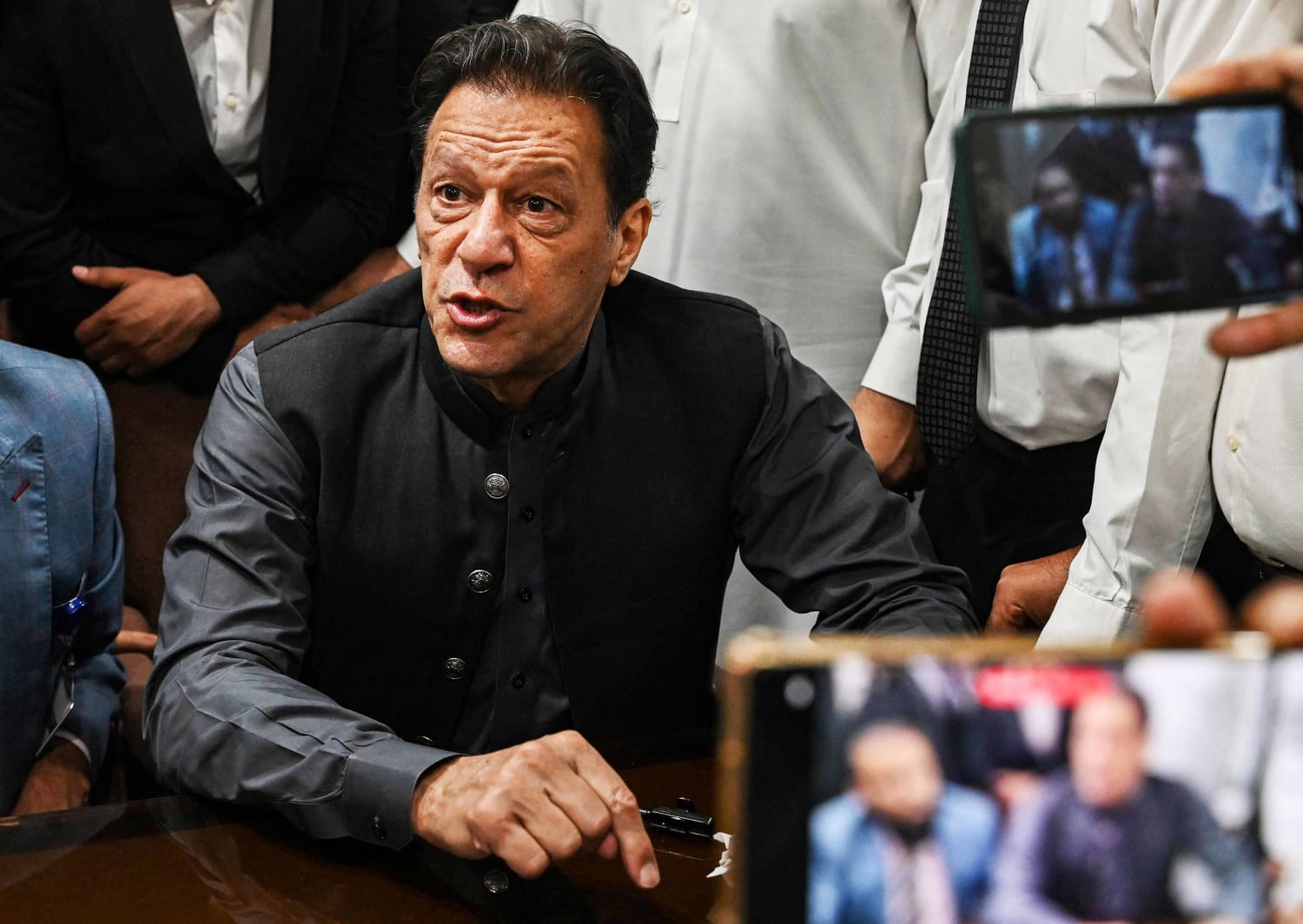
An Anti-terrorism Court (ATC) in Lahore has approved a ten-day physical remand of founder Pakistan Tehreek-e-Insaf (PTI), Imran Khan in cases related to May 9 violence.
In the written order issued by Judge Khalid Arshad of ATC, the investigating officer has stated that Khan asked his party workers to attack military installations across the country in case he was arrested.
Khan has also been accused of spreading criminal conspiracy through modern technology devices.
The investigating officer requested a physical remand for voice-matching polygraphic and photogrammetric tests.
The court ordered that Imran should be produced in court through video link on July 25.
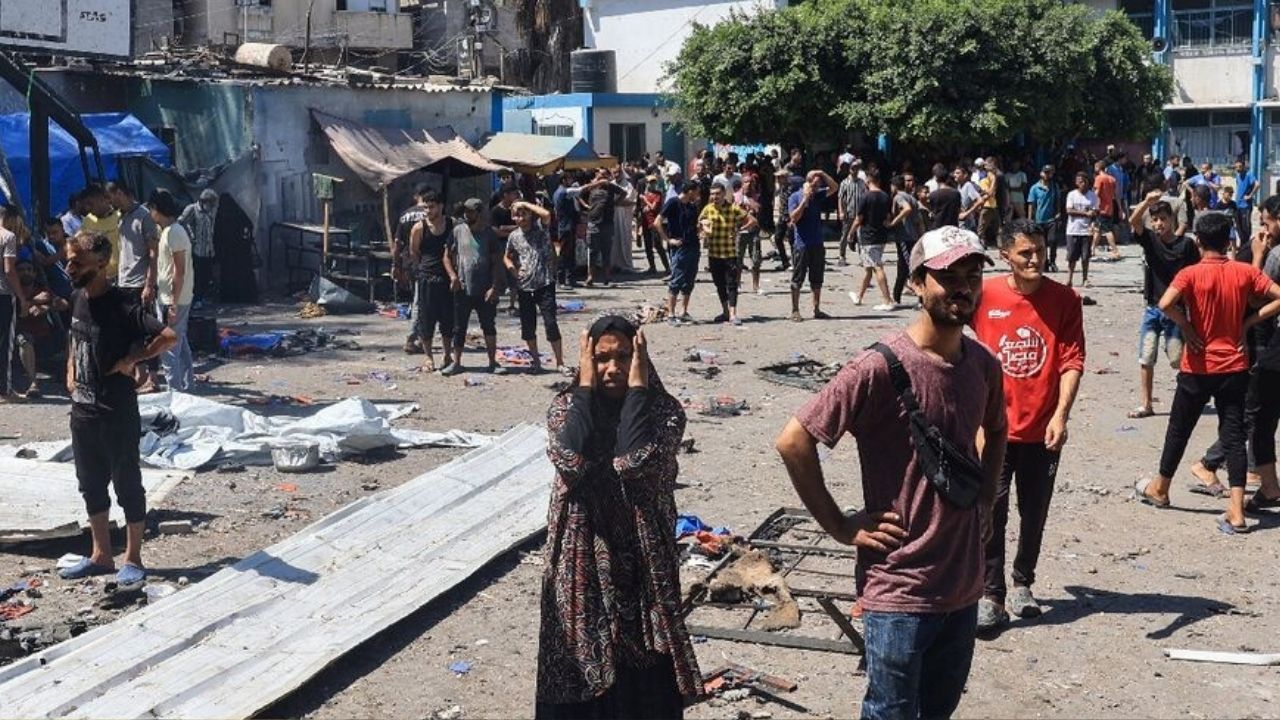
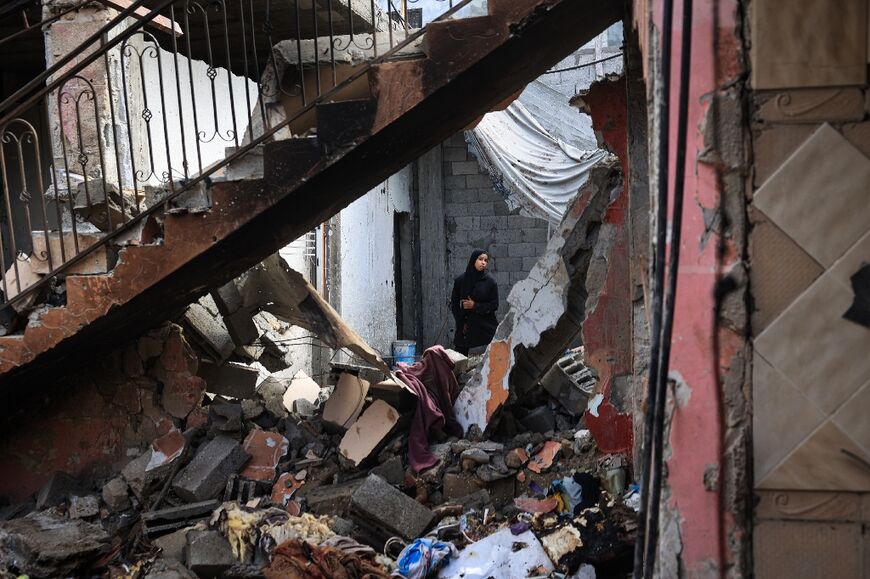
Authorities in Gaza said dozens of Palestinians were killed in three separate strikes, as Israel pounded the territory despite renewed US criticism of the high civilian toll.
Gaza civil defence spokesman Mahmud Bassal said the three air strikes killed at least 44 people and wounded dozens within an hour across the war-torn Palestinian territory. Israel confirmed it carried out two of the strikes.
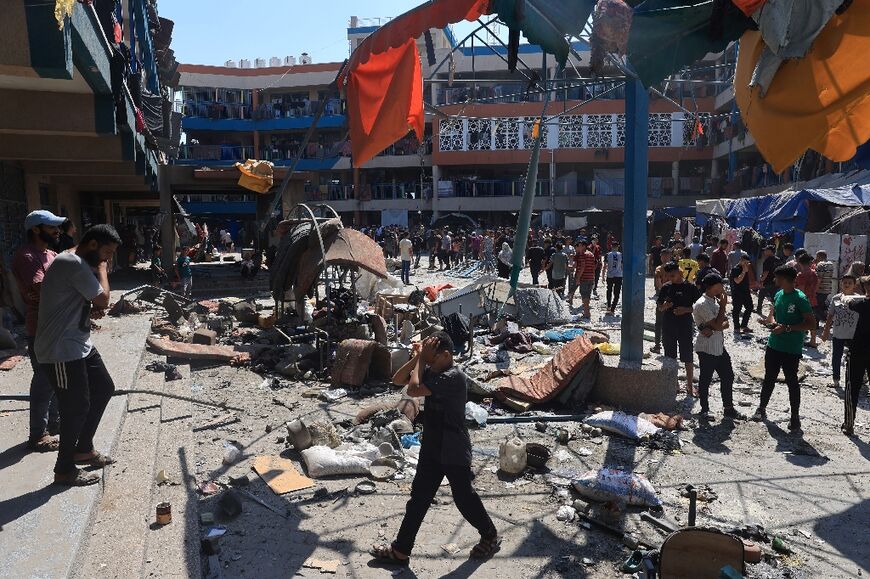
The health ministry said a strike on a fuel station in Al-Mawasi in southern Gaza killed 17 people, and the Palestinian Red Crescent said a separate strike almost simultaneously hit the UN-run Al-Razi School in the Nuseirat refugee camp in central Gaza, killing five people.
The civil defence agency said the third strike was on a gathering of people near a roundabout in northern Gaza, but did not provide a breakdown of casualties.
US Secretary of State Antony Blinken earlier conveyed Washington’s “serious concern” to two senior Israeli officials regarding deadly Israeli strikes in Gaza, his spokesman said.
“We have seen civilian casualties come down from the high points of the conflict… but they still remain unacceptably high,” spokesman Matthew Miller said after Blinken met Strategic Affairs Minister Ron Dermer and National Security Adviser Tzachi Hanegbi.
Washington has been pushing for a truce between Israel and Hamas.
A senior Hamas official said Sunday the group was pulling out of indirect talks for a deal in protest at Israeli “massacres”, including a major strike that Gaza’s health ministry said killed at least 92 people on that day.
Hamas was ready to return to the indirect talks once Israel “demonstrates seriousness in reaching a ceasefire agreement and a prisoner exchange deal”, he said.
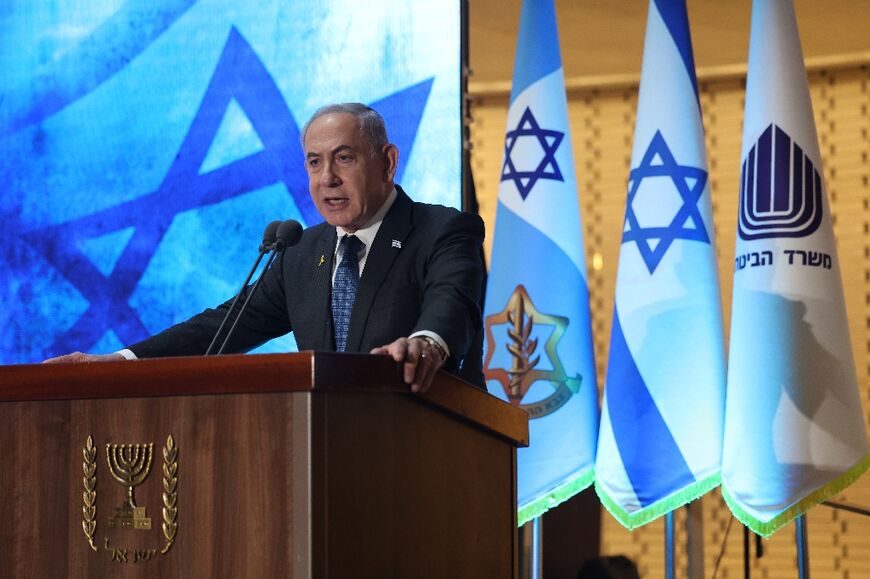
On Tuesday, Israeli Prime Minister Benjamin Netanyahu vowed to ramp up pressure on Hamas.
“This is exactly the time to increase the pressure even more, to bring home all the hostages -– the living and the dead –- and to achieve all the war objectives,” he said.
Prisoner abuse allegations
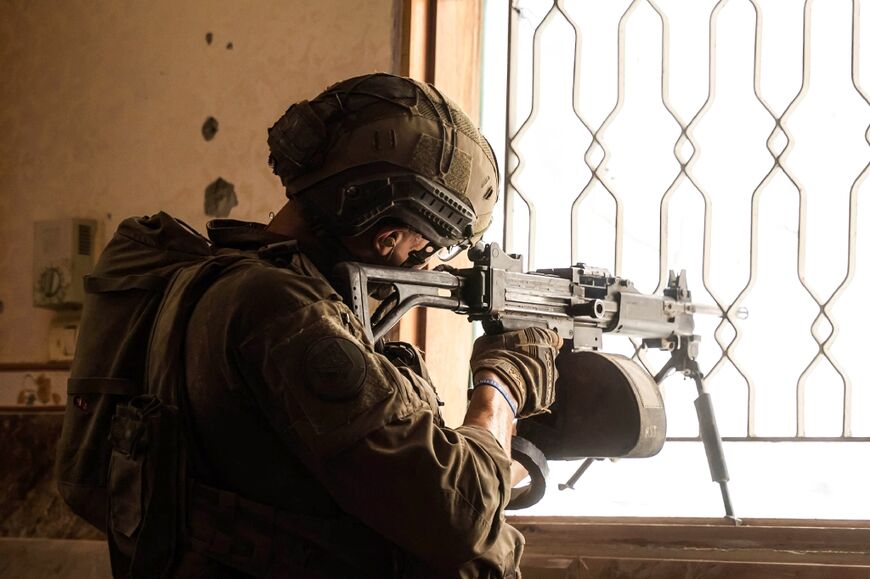
Israel’s military said aircraft struck about “40 terror targets” in Gaza, including “sniping posts, observation posts, Hamas military structures, terror infrastructure, and buildings rigged with explosives”.
It said troops were continuing targeted raids in the southern city of Rafah and in central Gaza.
The UN humanitarian office OCHA said multiple strikes across Gaza on Tuesday killed and wounded dozens.
Hamas seized 251 hostages after October 7, 116 of whom are still in Gaza including 42 the Israeli military says are dead.
Israel has killed at least 38,713 people, also mostly civilians, according to figures from the Gaza health ministry.
Israel’s military has also detained scores of Gazans, who have made allegations of torture, rape and other abuses in custody that Israeli authorities have denied.
Palestinian lawyer Khaled Mahajna said Monday that prisoners had recounted guards using “electric prods” on inmates.
In one prisoner’s case, a “fire extinguisher tube was inserted into his buttocks and the fire extinguisher was turned on,” Mahajna said after visiting detained Palestinian journalists.
Mass displacement
Indirect talks on ending the devastating war have been brokered by Qatar and Egypt, with US support, but months of negotiations have failed to bring a breakthrough.
At the end of May, US President Joe Biden outlined a ceasefire roadmap he said had been drawn up by Israel that triggered an intensification of the talks.
But despite meetings in both Cairo and Doha, there has been no sign of progress on how this might be implemented.
Critics in Israel, including tens of thousands of demonstrators demanding a deal to bring home the hostages, have accused Netanyahu of prolonging the war.
The conflict has forced 90 percent of Gaza’s 2.4 million people to flee their homes. Many have sought refuge in UN-run schools, seven of which have been hit by Israeli strikes since July 6.
“Why do they target us when we are innocent people?” asked Umm Mohammed al-Hasanat, sheltering with her family at a UN-run school in Nuseirat, which was among those hit.
“We do not carry weapons but are just sitting and trying to find safety for ourselves and our children.”
The war has also sparked near-daily exchanges of fire between Israeli forces and Lebanon’s Hezbollah movement, which says it is acting in support of Hamas.
Lebanese official media said Israeli strikes Tuesday on southern Lebanon killed five people, including three Syrian children, with Hezbollah announcing rocket fire at Israel in retaliation.
Meanwhile near Tel Aviv ultra-orthodox Jewish protesters fought police, hours after the Israeli military said it would begin issuing draft notices for men in the community from Sunday.
Historically exempt from compulsory military service, ultra-Orthodox seminary students are being called up as the Gaza war and potential conflict with Hezbollah sap resources and fuel resentment against those who do not have to serve.
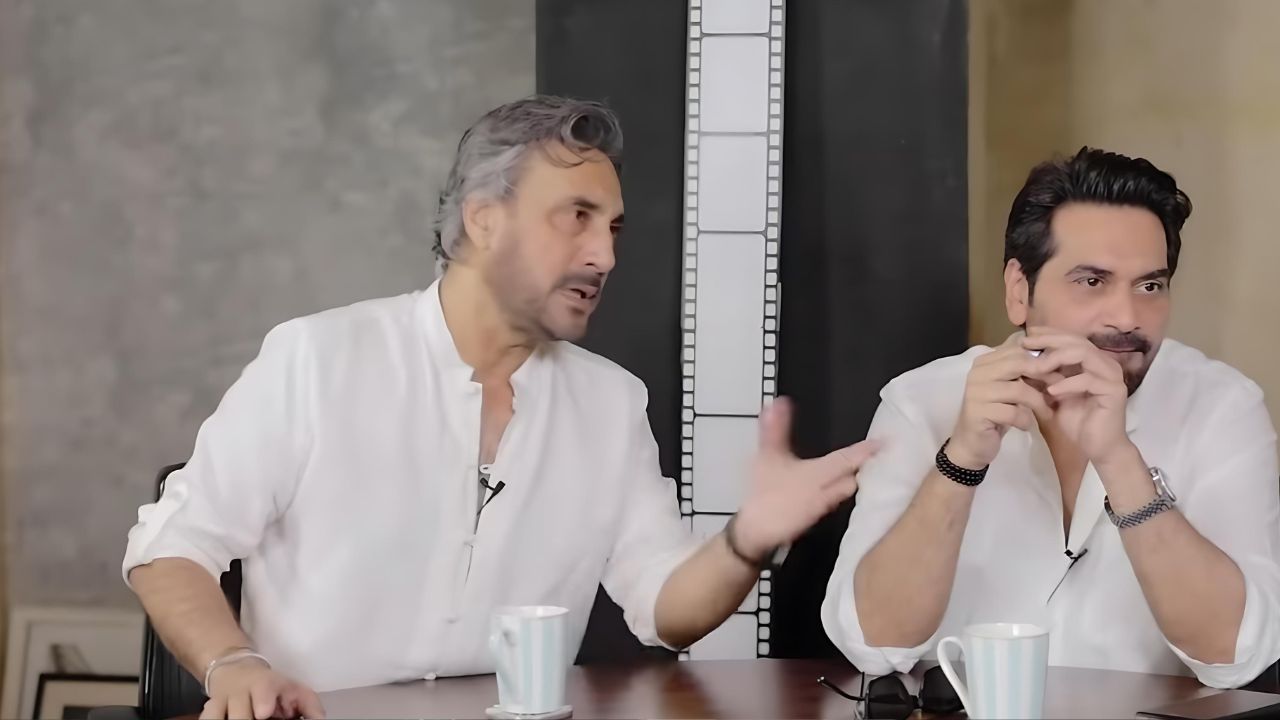
The dynamic duo of Pakistani television, Humayun Saeed and Adnan Siddiqui, consistently captivate audiences with their on-screen chemistry.
Recently the two A-listers appeared as guests on ‘Fuchsia Magazine’, where both discussed professional insecurities. “Adnan used to quietly take the good roles,” Humayun said.
Adnan responded by explaining, “If there are three production houses, I pick the role I want from the one that isn’t Humayun’s. At Humayun’s production house, they choose the role for me. Despite this, we never felt insecure or jealous professionally. There was never any bitterness in our relationship. We never thought like that.”
While talking about Meray Paas Tum Ho, Saeed said, “I create dramas for the people, with characters that reflect Pakistani society. Mere Paas Tum Ho showcased middle-class life and achieved unprecedented ratings in the Pakistani drama industry. MPTH had an unmatched impact and became extremely famous. Mehwish’s character wasn’t presented negatively; any lady in her circumstances has the right to move on. In my opinion, I would have acted similarly. Danish was not he right partner since, as a character, he did not satisfy his wife’s desires. I became sympathetic to Danish by the end.”
Humayun and Adnan have worked together in dramas like Ishq Junoon, Deewangi, Mehndi, and Mere Paas Tum Ho. Currently, there are starring in Gentleman, which airs on Green Entertainment’s every Sunday at 8:00 p.m.