Blog

  • Internet thinks Akshaye Khanna copied father Vinod Khanna’s dance in Dhurandhar

    Internet thinks Akshaye Khanna copied father Vinod Khanna’s dance in Dhurandhar

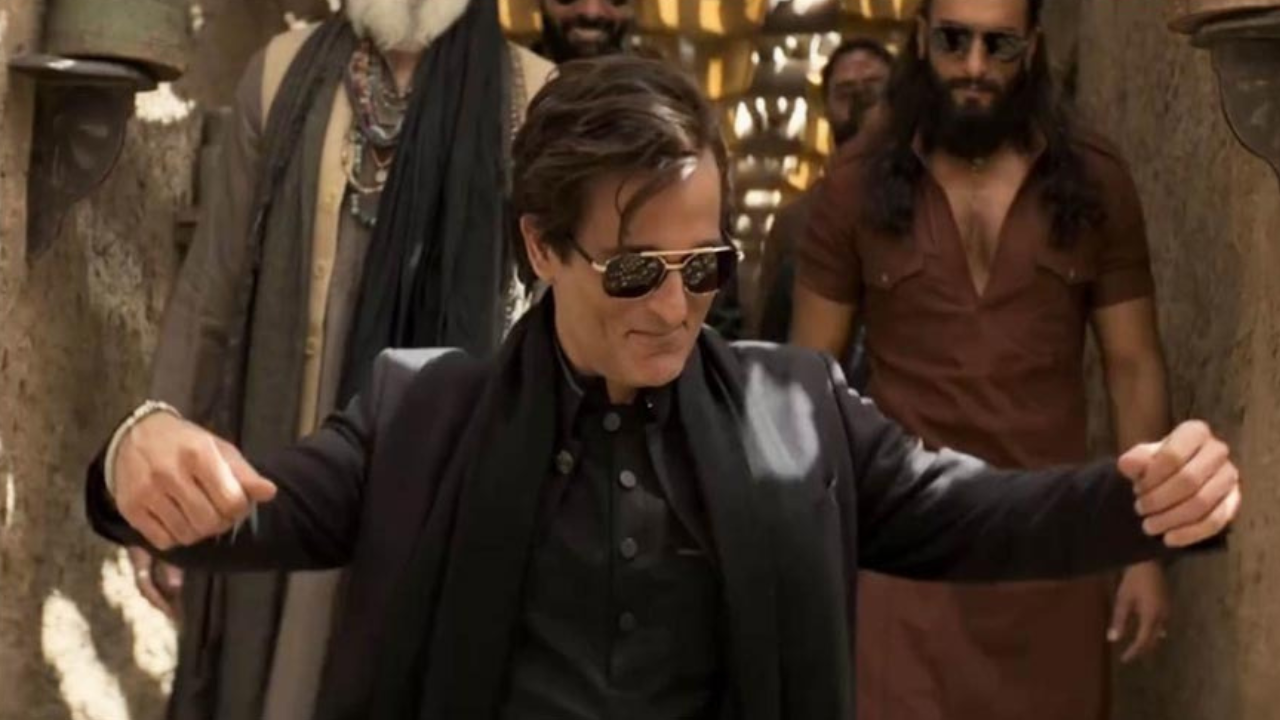
    Akshaye Khanna’s entry scene in controversial Indian film Dhurandhar has become a talking point across social media, with fans sharing clips of the actor dancing during a sequence in the film. 

    In an interview, Danish Pandor, who plays Akshaye’s on-screen brother Uzair Baloch, revealed that the dance was not part of the script.
    Danish said the sequence was filmed in Leh-Ladakh, with Vijay Ganguly choreographing the track. “Aditya sir was explaining the shot to Akshaye sir. The whole choreography was happening, and in the middle of that, Akshaye sir asked Aditya, ‘Can I dance?’ Aditya sir said, ‘Do whatever you like,’” Danish recalled. 

    During the take, Akshaye observed the other dancers and began performing steps on his own. Danish said everyone on set was stunned, and the team applauded after the shot.

    In the scene, Akshaye, playing Rehman Dakait, steps out of a car in a black suit, greets the crowd, and unexpectedly joins a group of dancers before taking his seat. The song, Fa9la by Flipperachi, had been released in 2024 but went viral after the film’s release on December 5, 2025. Ranveer Singh, who plays Hamza Ali Mazari, shared the clip on Instagram, noting the track from the movie.

    The entry has also drawn comparisons with a 1989 charity concert in Lahore, Pakistan, where Vinod Khanna danced alongside Rekha, Imran Khan, and Javed Miandad. Social media users highlighted similarities between Vinod’s moves and Akshaye’s sequence. One user on X wrote, “NVM I got it, Akshaye Khanna has copied his father in Dhurandhar,” and shared clips from both performances.

    The sequence has generated reactions from Pakistani viewers as well. One comment noted, “Filmmakers must be unaware of the MQM situation in Karachi.” Another user posted on X , “I am convinced that Pakistan is the bread and butter of Bollywood. The unhinged obsession this country has with Pakistan is quite flattering. Peek, obsessed, crazy, ex-energy.”

    Another stated, “No matter our internal differences, no one, including India, gets to insult our country, our forces, or our leaders. We may disagree at home, but we stand united against any external hostility.”

  • Nida Yasir finally apologises to food delivery riders

    Nida Yasir finally apologises to food delivery riders

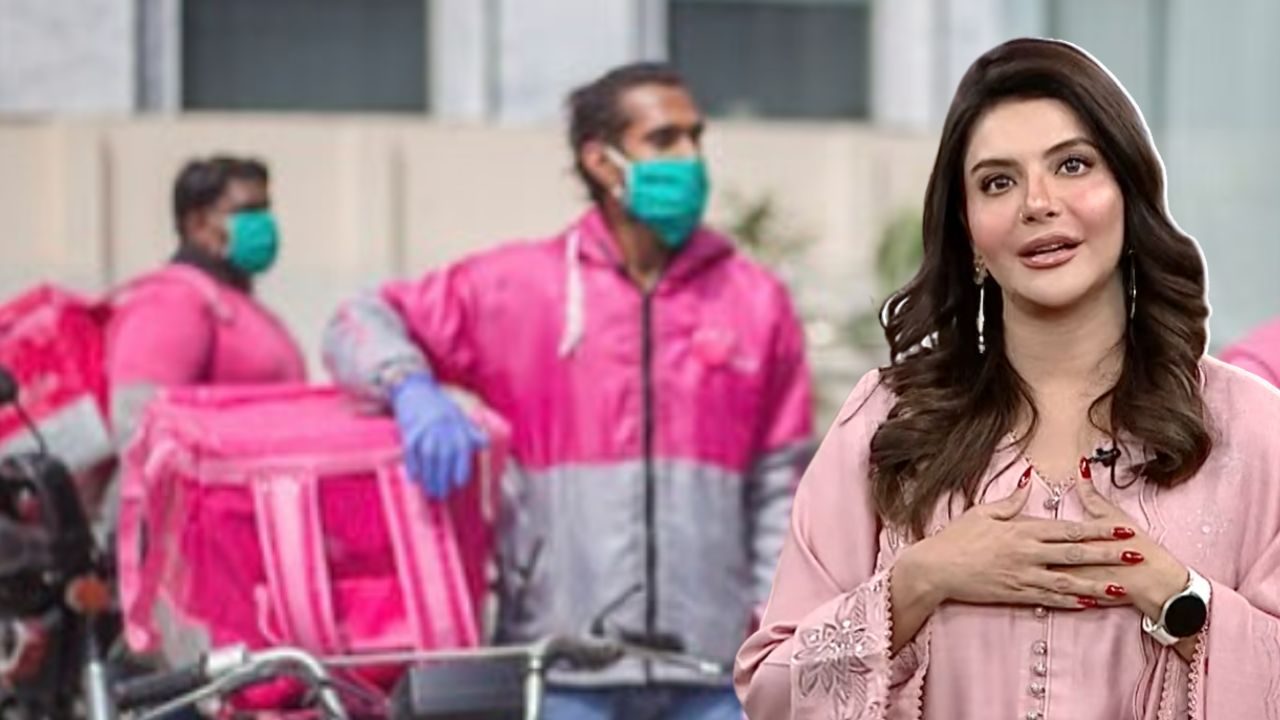
    TV host Nida Yasir has apologised for her “choice of words” after facing widespread criticism for accusing Foodpanda riders of lying to pocket extra cash and admitting she deliberately delays their deliveries to “teach them a lesson.”

    During a new episode of her morning show, Nida opened with a clarification. “A few days ago, during my programme, I shared my personal experience with you, an experience that was not pleasant. But my mistake was my choice of words, the way I chose to retell that experience,” she said. 

    She added that because her show is live, “we often aren’t careful about how we’re coming off.”

    She then argued that she should have said “some people” instead of speaking broadly, as she insisted she never meant to target all riders.

    “There are so many riders; in fact, the majority of the riders are working very hard to make ends meet. I am not sitting here to hurt anybody,” she said. 

    “I carry my heart on my sleeve, but I am human, not an angel, and sometimes what is in our hearts may not always come out right.”

    Addressing the riders directly, she concluded: “However many rider friends of mine were hurt, I want to apologise to them. I salute hardworking riders. I didn’t mean to make light of their struggles.”

    Yasir had originally said she believes riders “make a habit” of pretending they have no change, so customers must pay extra. 

    When she suspects this happens, she tells her driver to fetch change and makes the rider wait, knowing it will delay their next delivery. She said she does this to ensure they “learn a lesson.”

    The controversy drew sharp criticism from fellow television host Fiza Ali, who openly condemned Yasir’s remarks.

    Fiza highlighted the daily struggles riders face, noting they sacrifice sleep and comfort while risking their lives in harsh weather to deliver food. “Riders are not machines. They are humans with feelings and responsibilities,” she said, adding that while tipping is not compulsory, insulting someone is never acceptable.

    She also pointed out that people easily spend 500 rupees on food but hesitate to offer even 20 rupees to riders. “Delivery may be late, but humanity should never be late,” she said.

    Her comments became even more jarring after the FoodPanda app itself notified customers to keep the change ready when the rider arrives, clearly indicating that arranging change is the customer’s responsibility.

  • No more PTA tax? National Assembly body sets deadline for report on possible revisions

    No more PTA tax? National Assembly body sets deadline for report on possible revisions

    The National Assembly’s Standing Committee on Finance and Revenue on Tuesday directed the Federal Board of Revenue (FBR) and Pakistan Telecommunication Authority (PTA) to prepare a detailed report on mobile phone taxes with instructions to include policy options, economic impact, international comparisons, and proposed revisions.

    Chairing the meeting, MNA Naveed Qamar voiced his concerns about increasing mobile phone taxes, arguing that these devices have been misclassified as luxury goods. “I am not pleased with the current designation of mobile phones as luxury items,” he remarked. Mr. Qamar directed both the FBR and the Tax Policy Office to reassess the existing tax rates applied to the import of mobile phones under personal baggage and registration programs. He indicated that the report should be finalized by March 2026, enabling the committee to review the situation ahead of the upcoming budget.

    MNA Qasim Gilani pointed towards the impact on consumers, emphasizing that taxes are levied again if phones are lost or stolen. “Individuals are utilizing smartphones for content creation, video sharing, and e-commerce,” he noted, mentioning that the taxes for older iPhone 6 models can soar to Rs35,000, whereas imports of iPhone 12 can incur taxes up to Rs100,000.

    MNA Sharmila Faruqi highlighted the expense associated with newer models. “The latest iPhone retails for Rs350,000, with an additional tax burden of Rs190,000,” she stated. Officials from the FBR clarified that taxes are based on the prices of devices rather than specific models.

    MNA Mirza Ikhtiar Baig emphasized the necessity for the government to establish a clear taxation system and dismissed the idea that smartphones are exclusively for affluent individuals.

    The PTA Chairman informed the committee that only six percent of premium phones are imported, while the majority are produced domestically. He also mentioned that 5G licenses are anticipated to be granted between February and March of the following year.

    FBR Chairman Rashid Mahmood Langrial noted that, in general, smartphone prices and taxes have declined, with the exception of certain major brands. He added that the mobile phone sector generated Rs82 billion in tax revenue during the last fiscal year.

    The committee proposed placing smartphones under the Eighth Schedule to provide relief for consumers. Tax officials explained that the Ninth Schedule currently governs telecom items, whereas the Eighth Schedule offers concessions. They also highlighted that except for Apple, most smartphones are now produced locally.

  • Father, son confess to killing three women found dead in Karachi flat

    Father, son confess to killing three women found dead in Karachi flat

    The case of three women who were found dead in mysterious circumstances inside a Gulshan-e-Iqbal flat in Karachi has taken a major turn after the detained father and son confessed to the killings. 

    Officers have now formally arrested both suspects. Police say the two men cite severe financial problems as the reason for the murders, while investigators are reviewing all aspects of the case.

    Earlier the family had reportedly committed mass suicide under the strain of financial debt, a note written by hand by one of the victims has said. Statements from the  head of the family, who survived the poisoning, seem to corroborate the suicide. 

    Three women were discovered dead inside a flat in Gulshan-e-Iqbal Block 1 Karachi on Sunday: 52-year-old Samina, her 19-year-old daughter Samreen, and her 22-year-old daughter-in-law Maha. 

    Samina’s son, Muhammad Yaseen, was found unconscious at the scene and transported to the hospital; the incident was apparently initially reported by his father Muhammad Iqbal.

    Iqbal and Yaseen have been identified as major suspects in the case, and police have made significant progress in their investigation. 

    Authorities were informed by Yaseen that he and his father were originally going to consume the poison together, but his father backed out after watching Yaseen’s condition deteriorate.

    Authorities are examining a handwritten letter allegedly written by Samina, in which she claimed that mounting debt had driven the family toward suicide.

     Its authenticity is still under verification. Another letter recovered from Iqbal is also being analyzed, while autopsy reports for the deceased women are awaited.

    The family owed more over Rs15 million in debt, according to investigators, and police had already received a complaint about an additional Rs7.5 million debt. On Tuesday, a police team returned to the apartment and found more evidence.

    According to initial investigations, the family may have made the decision to take their own life because of extreme financial strain.

     SHO Gulshan-e-Iqbal Naeem Rajput said that toxic medications and rodent- killing chemicals were discovered at the scene.

    Police believe these substances were mixed into a drink and given to the women.

  • Pakistan women’s football team earns first ever FIFA Series spot

    Pakistan women’s football team earns first ever FIFA Series spot

    The Pakistan women’s football team has achieved a historic milestone by securing a spot in FIFA Series.

    The Pakistan Football Federation (PFF) announced that FIFA has granted approval for the women’s team to participate in the biennial invitational football tournament promoted by FIFA, which features international friendlies between national teams from different confederations.

    “Pakistan Women’s National Team has been accepted into the FIFA Series for the first time ever, a landmark step for women’s football and a huge achievement for the Pakistan Football Federation. A new era begins,” PFF said in a social media post.

    The inclusion represents a major breakthrough for women’s football in Pakistan. Players will now compete at the international level alongside teams from around the world.

    FIFA will host the series in March and April 2026, with the women’s tournament taking place in Brazil, Ivory Coast and Thailand. 

    Officials expect to announce all the women’s FIFA Series groups in early 2026.

  • ‘Talk to Camera’: Punjab deploys AI to spot hazards in real time

    ‘Talk to Camera’: Punjab deploys AI to spot hazards in real time

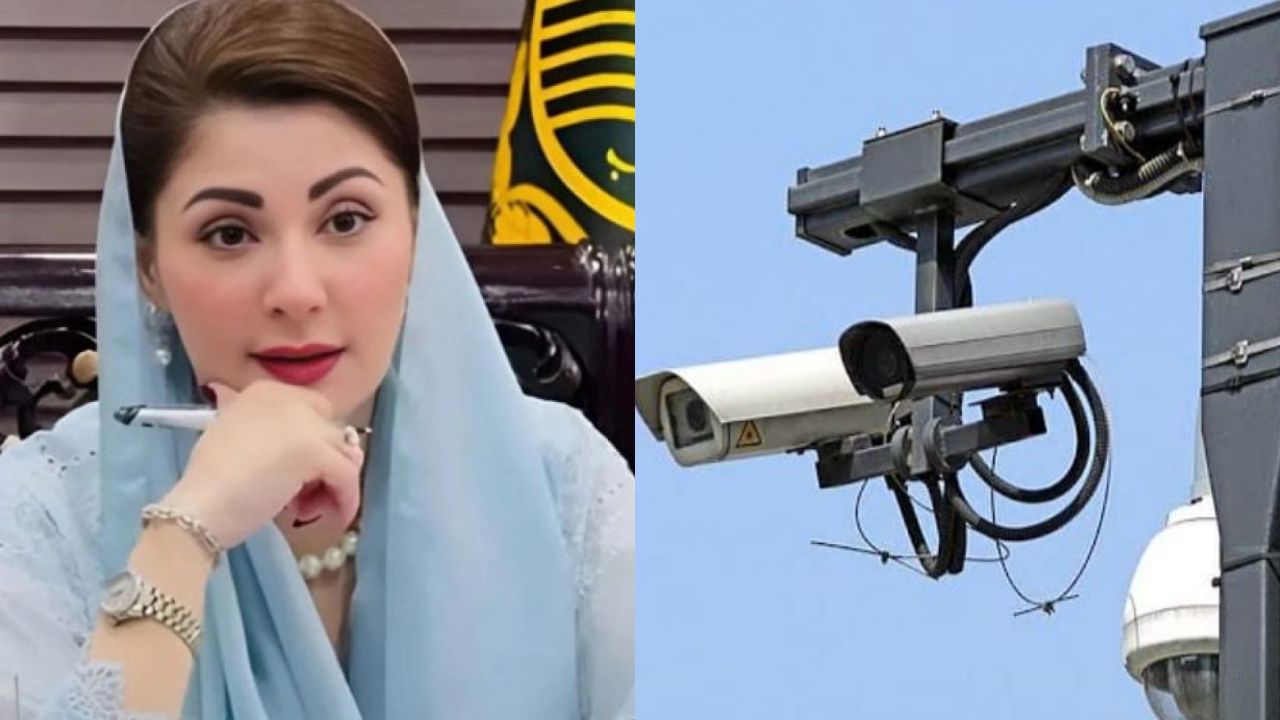
    Following the death of a seven-year-old boy who fell into an open manhole in Lodhran, the Punjab government has launched an AI-powered monitoring system, Talk to Camera, across the province, with the aim to improve public safety and support rapid response to urban hazards.


    Developed by the Punjab Safe Cities Authority (PSCA), Talk to Camera aims to identify dangers such as exposed manholes, overflowing trash bins, and visible smoke. The system also enables officers to interact with the camera network using natural language, granting them the ability to identify threats in real-time.

    Chief Minister Maryam Nawaz unveiled the initiative on Tuesday, directly linking it to the incident in Lodhran. In a message on X, she stated, “In light of the devastating event in Lodhran, where a valuable life was lost due to an uncovered manhole, the Punjab Safe Cities Authority has created ‘Talk to Camera’, an innovative AI system that allows officers to inquire about the entire camera network using natural language.”

    The system was initially tested in Lahore and Sheikhupura, where officials reported positive outcomes. Following these trials, the provincial government decided to expand the system’s implementation across Punjab to bolster rapid response and enhance smart city management.

    Maryam Nawaz stated that cameras would also be installed in schools as part of the initiative to stop preventable accidents. She expressed, “After successful pilot launches in Lahore and Sheikhupura, Talk to Camera is now being extended throughout Punjab to improve rapid response capability and advance smart city management.”

    This rollout is an aspect of a broader initiative by the Punjab government to enhance civic surveillance and utilize technology for accident prevention. According to PSCA, the system automatically detects hazards, enabling authorities to respond promptly when potential threats appear in public areas.

    Officials indicate that the system can recognize various types of risks at the same time and can be accessed through straightforward language requests, minimizing delays in emergency reporting and response.

    The implementation signifies a commitment to incorporating artificial intelligence into city governance, with the government framing the initiative as a mechanism to decrease accidents and enhance safety in urban areas and public facilities.

  • Hamid Mir hints at ban on PTI, treason case against Imran Khan

    Hamid Mir hints at ban on PTI, treason case against Imran Khan

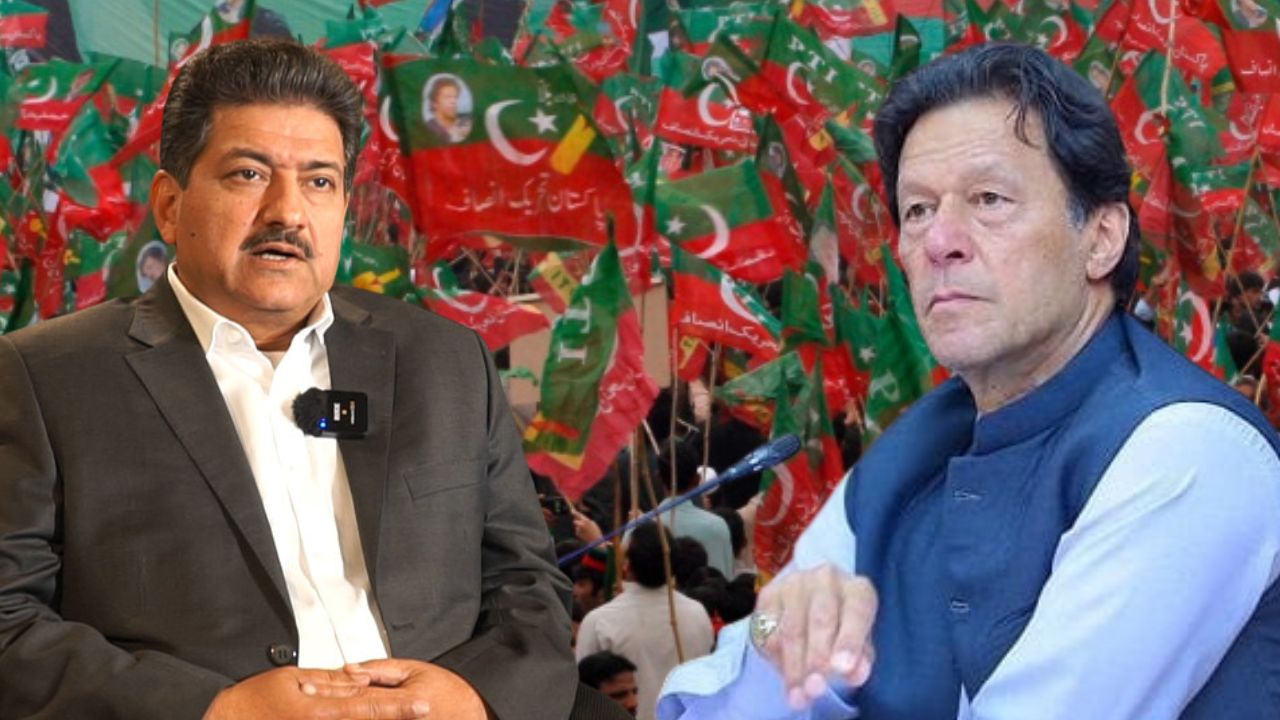
    Amid growing speculation regarding a harsher crackdown on the former ruling Pakistan Tehreek-e-Insaf (PTI), senior journalist Hamid Mir has hinted at the possibility of a formal ban on the party.

    Speaking during his show on Geo News Tuesday night, the journalist said that statements from some federal officials and state ministers were giving the impression that a decision to ban the PTI had already been made.

    “Not only that, but it appears that a treason case could also be filed against Imran Khan, his sisters and some other leaders of the PTI,” he said hours after a press conference by Federal Parliamentary Secretary for Information & Broadcasting Barrister Danyal Chaudhry and Minister of State for Law and Justice Barrister Aqeel Malik.

    During the presser, Malik said that “certain elements” continued to propagate a negative and misleading narrative against Pakistan, causing serious harm to the country’s political environment and youth.

    He said that the individuals routinely made delusional and baseless statements, which their party members immediately echoed.

    In his remarks, Chaudhry said the PTI was engaged in propaganda against Pakistan and its state institutions.

    He said the party’s politics was built on false narratives that damaged the country’s reputation during its tenure and was now attempting to undermine the positive and upward economic trajectory Pakistan is experiencing today.

    The press conference came as the Punjab Assembly, separately, adopted a resolution to ban incarcerated PTI founder and former prime minister Imran Khan and his party for being “anti-state”.

    The resolution followed Inter-Services Public Relations (ISPR) Director General (DG) Lt Gen Ahmed Sharif Chaudhry’s presser from last week wherein he assailed Khan for creating and spreading an “anti-army” rhetoric.

    Such narratives, he said, were now out of the realm of politics and had become a “national security threat”.

    PML-N MPA Tahir Pervaiz moved the resolution in the provincial house on Tuesday, which was passed by the treasury members amid a boycott of the proceedings by PTI parliamentarians.

    While the resolution did not specifically name the PTI or its founder, it said, “The institutions that safeguard Pakistan on every front and have successfully countered an enemy five times larger, such as India, are vital to the country’s integrity and stability.”

    “A ban should be imposed on the political party and its founder for acting as a tool of the enemy state. He is also accused of making statements against the country and spreading chaos.”

    The resolution demanded that action be taken against any leader, whether belonging to political or non-political groups, in accordance with the law, and that they be awarded “appropriate punishment”.

    It merits a mention that the federal government in 2024 decided to ban the PTI and sought Article 6 proceedings against Khan, ex-president Dr Arif Alvi and former National Assembly (NA) deputy speaker Qasim Suri.

    However, the government did not follow through with the ban.

  • Israel tops list of countries killing journalists in 2025

    Israel tops list of countries killing journalists in 2025

    Israel killed more journalists in 2025 than any other country, a report by Reporters Without Borders (RSF) has revealed.

    According to the report, Israeli forces – carrying out the genocide in Gaza – were responsible for the deaths of 29 Palestinian reporters. This marks the third consecutive year that Israel has been named the top killer of journalists.

    The annual report also revealed that 67 journalists were killed worldwide this year, which is one more than in 2024. Israeli forces were responsible for about 43 percent of those killings.


    “This is where the hatred of journalists leads!” said Thibaut Bruttin, RSF’s director general. “It led to the death of 67 journalists this year… not by accident, and they weren’t collateral victims. They were killed, targeted for their work.”


    Bruttin attributed the rise in journalist killings to the “failure” of international organisations to protect reporters in conflict zones, calling it a consequence of a global decline in the “courage of governments”. 

    “Journalists do not just die, they are killed.”

    It may be noted that the report comes months after a “double-tap” attack on a hospital in the southern part of the enclave resulted in the deadliest single attack in Gaza this year.


    Five journalists were killed in the attack in August, among whom were contributors to Reuters and The Associated Press, and photographer Mohammad Salama of Al Jazeera.

    According to monitoring site Shireen.ps, nearly 300 journalists and media workers have been killed in Israeli attacks in Gaza over 26 months of genocide, averaging about 12 journalists each month. 


    Israel continues to bar foreign reporters from Gaza, except for tightly controlled tours organised by the Israeli military, despite repeated calls from media and press freedom groups for access.


    Mexico ranked as the second most dangerous country for journalists in 2025 with nine deaths. Other high-risk countries include war-torn Ukraine, where three journalists were killed, and Sudan, which recorded four deaths over the year.


    RSF also tracks journalists imprisoned for their work. With 121 reporters detained, China tops the list, followed by Russia (48) and Myanmar (47).


    503 journalists were being held in 47 nations as of December 1. 

    Additionally, the organisation said that 20 journalists are presently being held hostage and that 135 journalists are missing in 37 countries.

  • Waste challenge requires collective national reform: Climate Minister Musadik Malik

    Waste challenge requires collective national reform: Climate Minister Musadik Malik

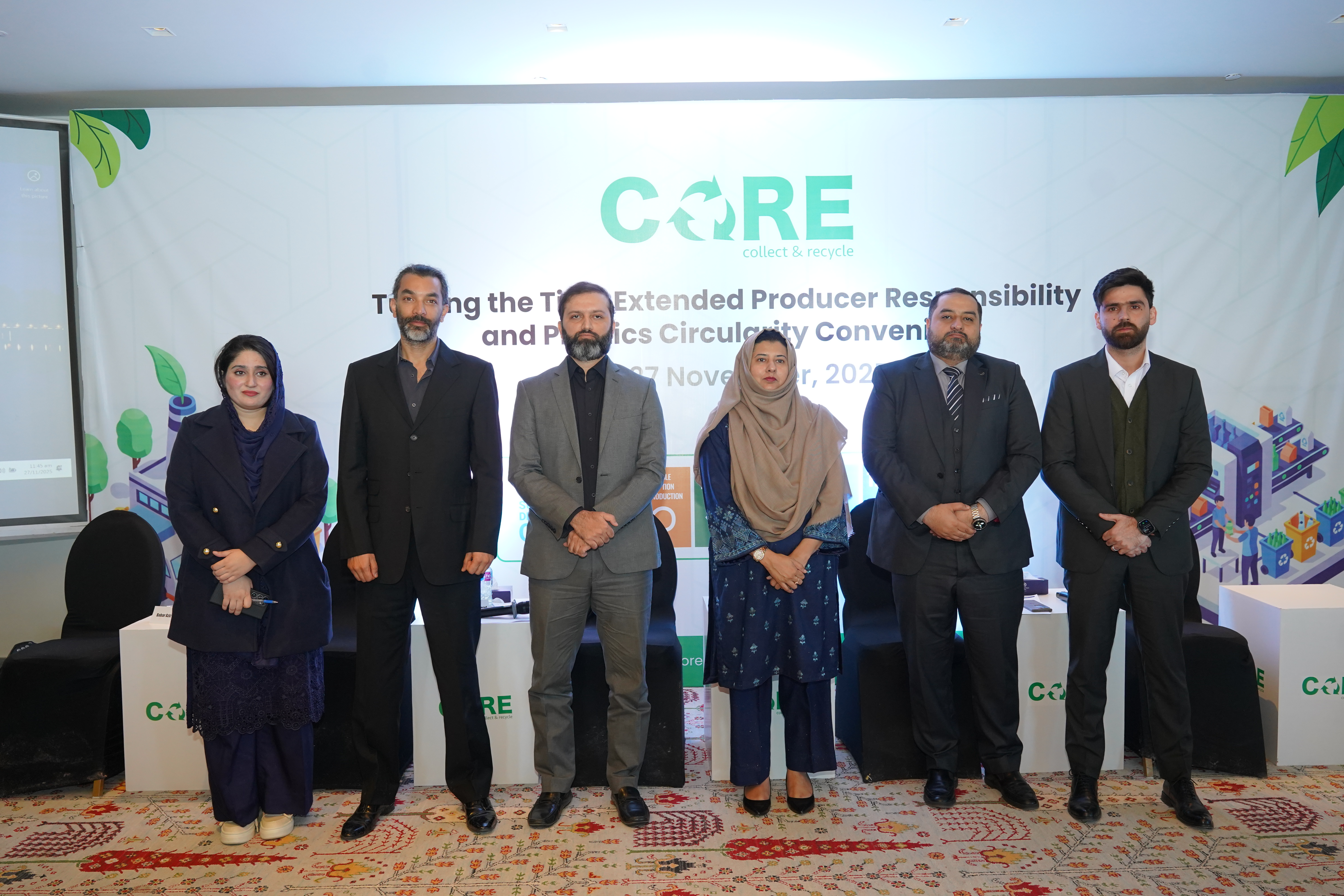
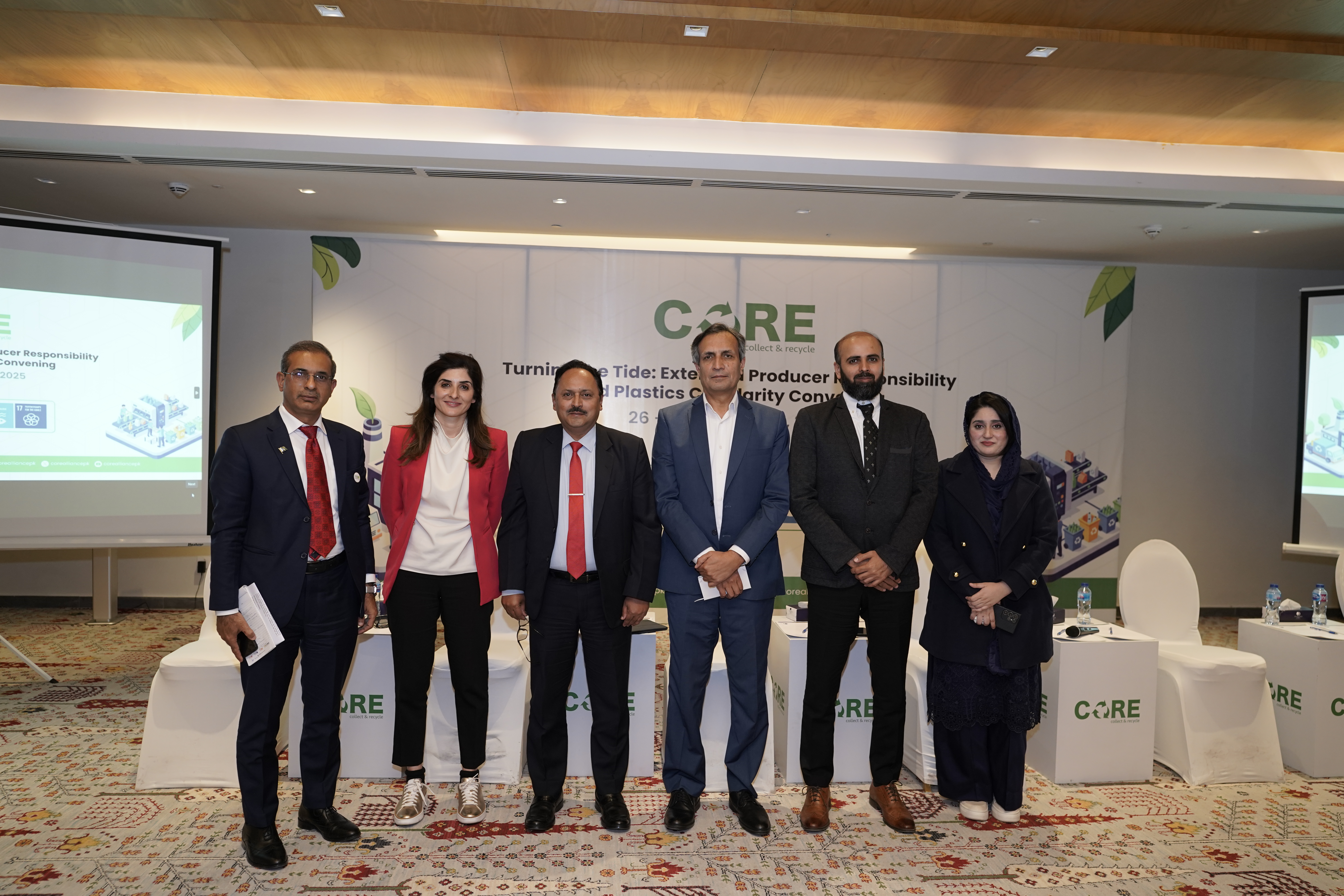
    Calls for national-level alignment on Extended Producer Responsibility (EPR) gained momentum as policy makers, industry leaders, finance experts, development partners and academics convened to chart Pakistan’s next steps in plastics circularity. While some territories have made steady progress on developing EPR frameworks, participants stressed that a unified national system is essential to ensure scale, efficiency and predictable compliance for producers and recyclers.

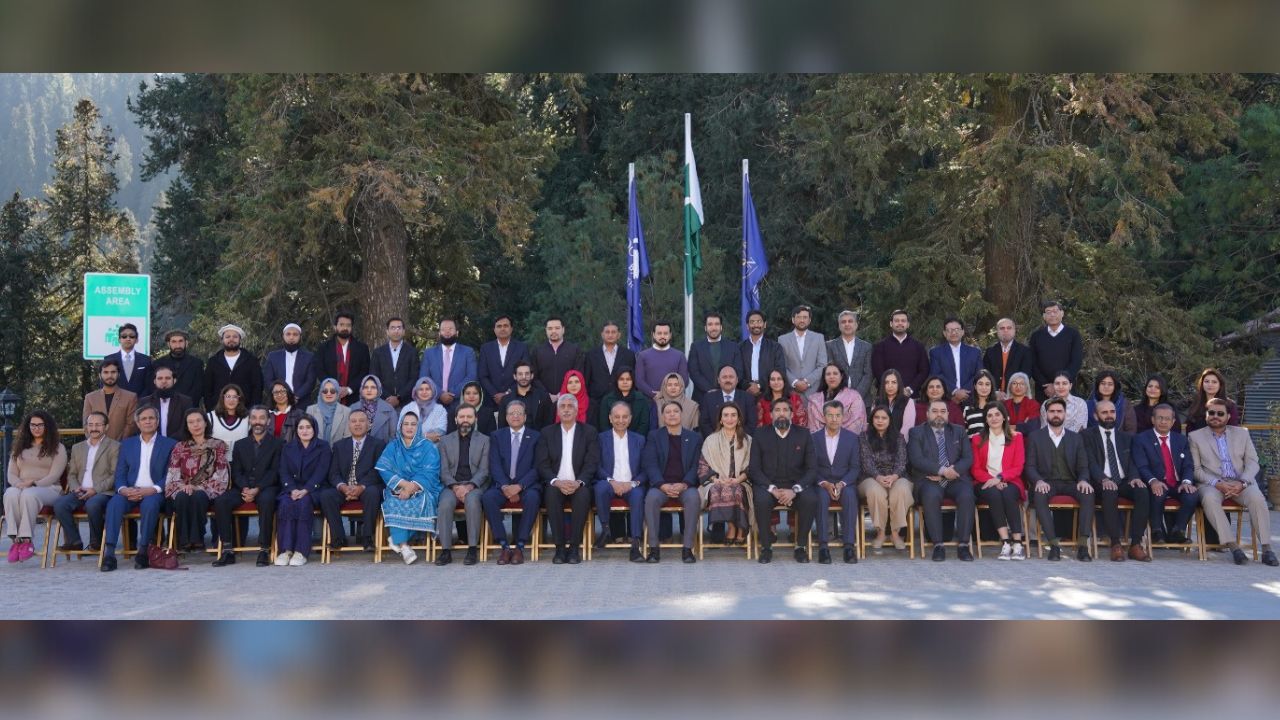
    The two-day convening, “Turning the Tide: Extended Producer Responsibility and Plastics Circularity”, organized by the CoRe Alliance, brought together more than 80 representatives from federal and provincial governments, waste management companies, environment protection agencies, State Bank of Pakistan as well as major FMCGs, recyclers, packaging companies, financial institutions, UN agencies, think tanks, academia and media. Discussions focused on policy harmonization, global lessons from the Global South, packaging innovation, social inclusion of waste workers and green financing mechanisms for recycling infrastructure.

    Giving the opening address, Senator Dr. Musadik Masood Malik, Federal Minister for Climate Change and Environmental Coordination, said Pakistan’s waste challenge requires collective national reform. “Harmonizing provincial regulations and creating the right incentives will be central to building a climate-resilient waste ecosystem. A unified approach strengthens enforcement, encourages innovation and ensures that producers can meet their responsibilities in a transparent and efficient manner,” he said, concluding, “Injustice is unsustainable as the onus of responsibility also lies towards the west that is generating more than 80% of the world’s waste.”

    While addressing the multi-stakeholder convening, Romina Khurshid Alam, Member National Assembly & Coordinator to the Prime Minister on Climate Change and Aisha Humera, Federal Secretary Ministry of Climate Change, both highlighted that EPR directly suports Pakistan’s climate and economic reform agenda. Circular systems reduce waste, create green jobs and position Pakistan to attract international climate finance.

    Offering an industry perspective, Sheikh Waqar Ahmad, CEO CoRe Alliance and Head of Corporate Affairs and Sustainability at Nestlé Pakistan said, “The private sector is ready to collaborate with government to build the systems required for circularity. A transparent, structured and nationally aligned EPR framework will help scale recycling infrastructure, strengthen traceability and integrate informal workers in a fair and sustainable way.”

    Senator Bushra Anjum Butt and Senator Dr. Afnan Ullah Khan, members of the Standing Committee on Climate Change and Environment and Standing Committee on Science & Technology respectively, both emphasized that predictable, long-term policies are the backbone of successful EPR models globally. They stressed that countries that have advanced circularity did so with clarity, consistency and sustained regulatory backing inclusive to all sectors such as textiles, fertilizers, e-waste and telcos etc.

    The convening concluded with CoRe board member and Unilever Head of External Affairs Hussain Talib announcing the ten policy recommendations that will be submitted as a policy document to the Ministry of Climate Change and Environmental Coordination, and the Ministry of Finance. These include harmonized EPR legislation, clearly defined roles and responsibilities, phased and realistic compliance timelines, strengthened scavenger economics, extended consumer responsibilities, fiscal incentives for recycling infrastructure, and a national digital traceability and monitoring system. Participants agreed that coordinated action can support Pakistan’s transition to a circular economy and align with global environmental commitments.

    CoRe (Collect and Recycle) is Pakistan’s first multi-stakeholder packaging alliance working to eliminate packaging waste through collective action. Created by leading industry players, NGOs, recyclers and packaging manufacturers, CoRe aims to build a circular economy by enabling formal collection, improving recycling systems and promoting sustainable packaging solutions across the country.

  • BJP lawmaker threatens to turn mosque foundation into ‘graveyard for Muslims’

    BJP lawmaker threatens to turn mosque foundation into ‘graveyard for Muslims’

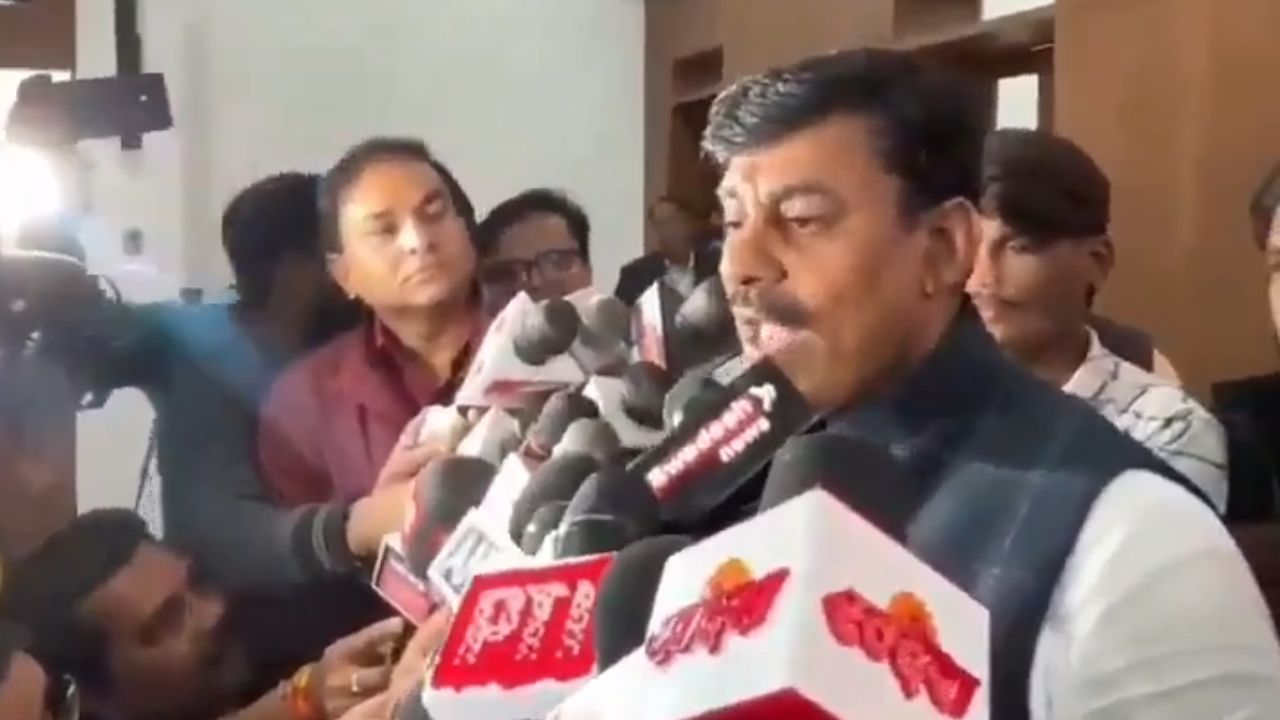
    Bharatiya Janata Party (BJP) Member of Legislative Assembly (MLA) Rameshwar Sharma from Bhopal’s Huzur constituency has sparked outrage with his threats targeting the minority Muslim community across the border.

    The politician, known for his history of anti-Muslim remarks, made the threats while responding to reports that Trinamool Congress (TMC) MLA Humayun Kabir laid the foundation for a Babri Masjid-style-mosque in Murshidabad.

    “The TMC MLA from West Bengal is talking about the bricks of the Babri Masjid. I want to tell that MLA, TMC, and Muslims that they should dig a strong foundation for the mosque because the Babri Masjid will not be built, but that foundation might be used to make their graves,” Sharma said.

    The statement came as Muslim communities across India observed December 6 as “Black Day” to mark the anniversary of the Babri Masjid demolition. Members of a hardliner Hindu organisation had on Dec 6, 1992, demolished the historic mosque in Ayodhya, triggering deadly communal violence across the country.

    This year, as Muslims commemorated the anniversary, Kabir laid the mosque foundation in Murshidabad. Hardliner Hindu organisations, including the ruling BJP, immediately criticised the TMC and the lawmaker.

    Sharma has a record of making threatening remarks against religious minorities. Earlier, he declared that anyone who praises Mughal emperor Aurangzeb “will be sent to the graveyard”.