Blog

  • The memes might make you feel better: Pakistan’s embarrassing defeat to USA

    The memes might make you feel better: Pakistan’s embarrassing defeat to USA

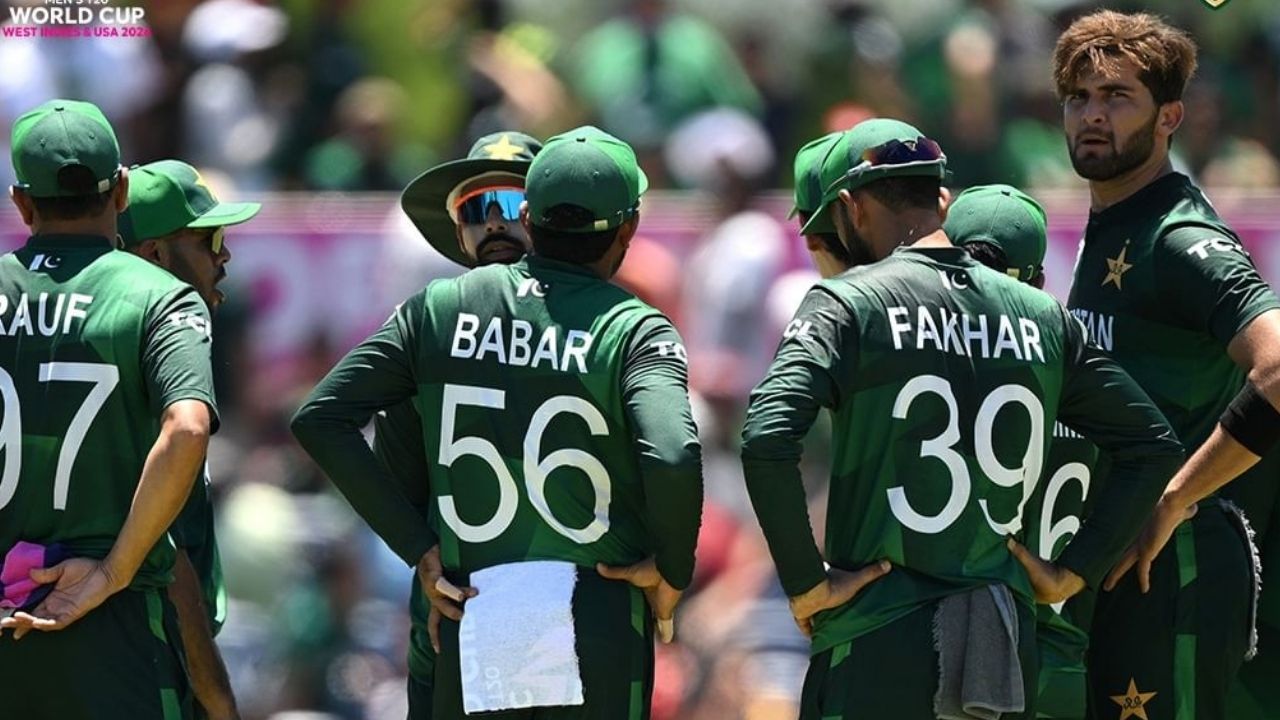
    On Thursday, America defeated Pakistan by five runs in the Super Over in the International Cricket Council (ICC) Men’s T20 World Cup match in Dallas.

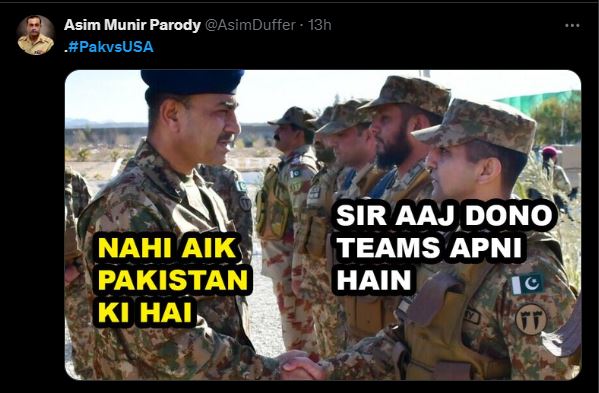
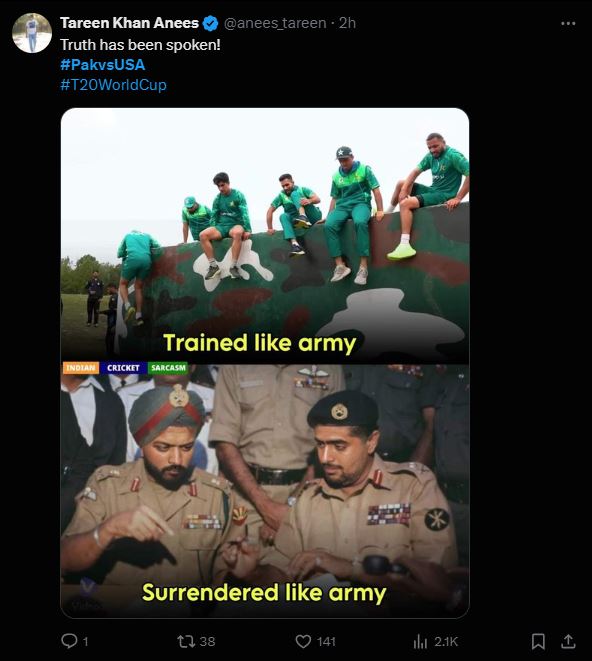
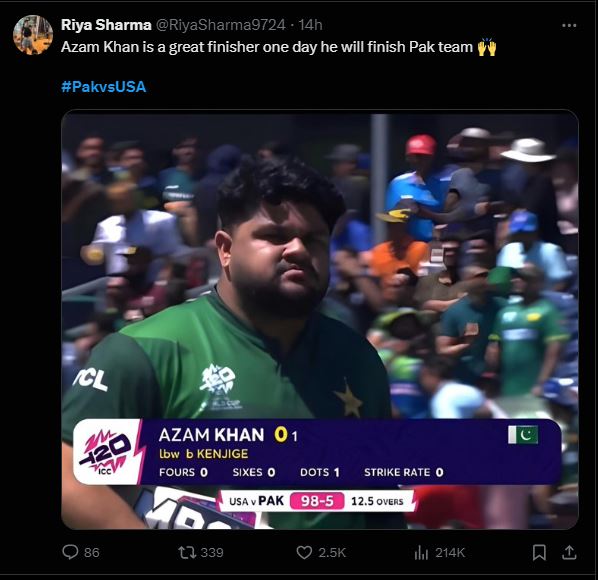
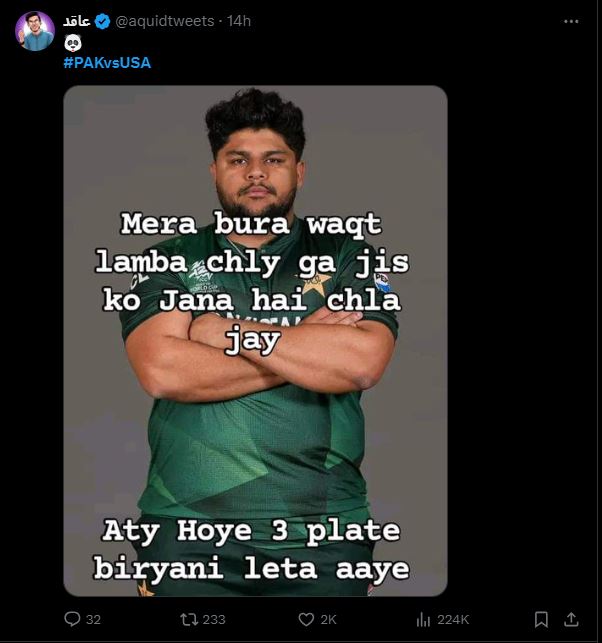
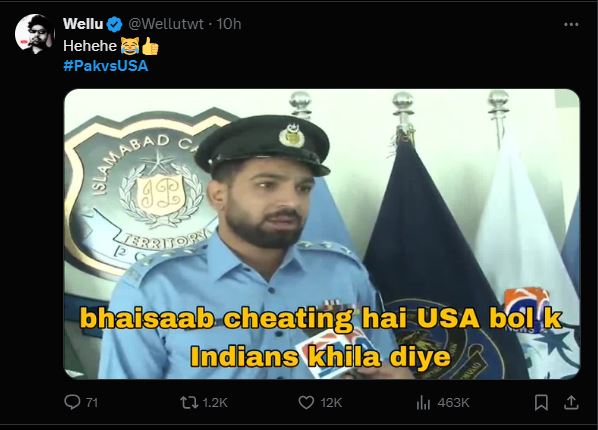
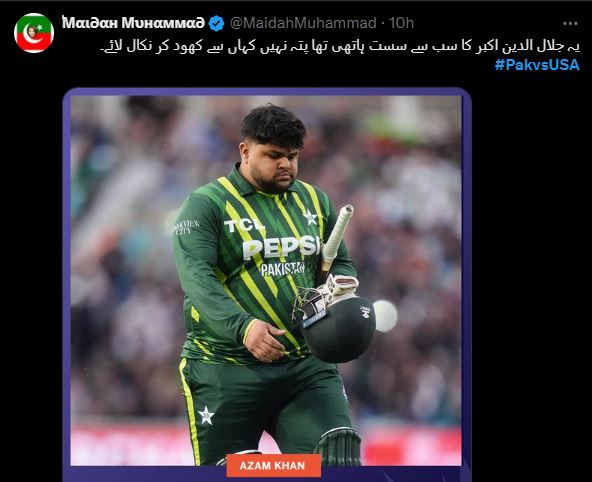
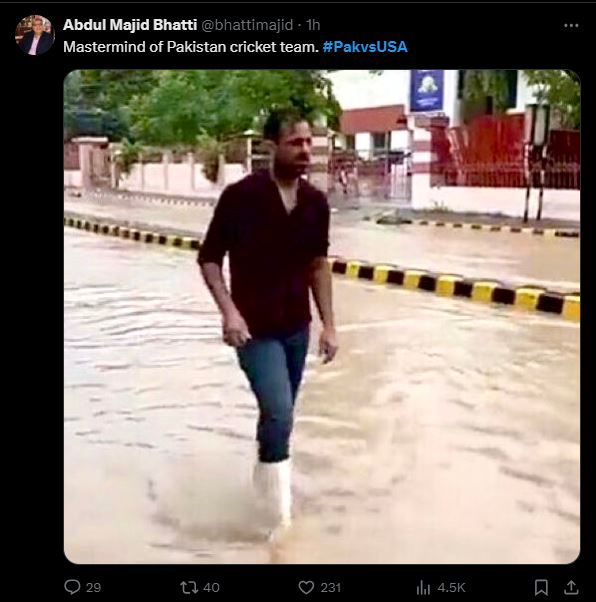
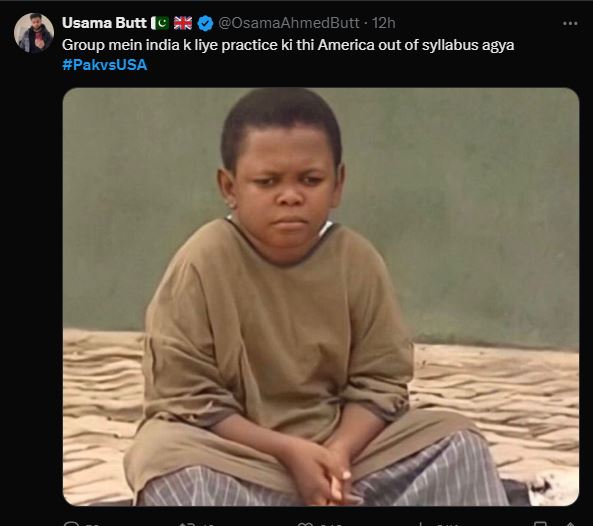
    The Pakistani team faced severe criticism from cricket fans on social media after the loss, while former cricketers are criticising the national team. Social media is full of memes as a first time team, defeated Pakistan’s best.

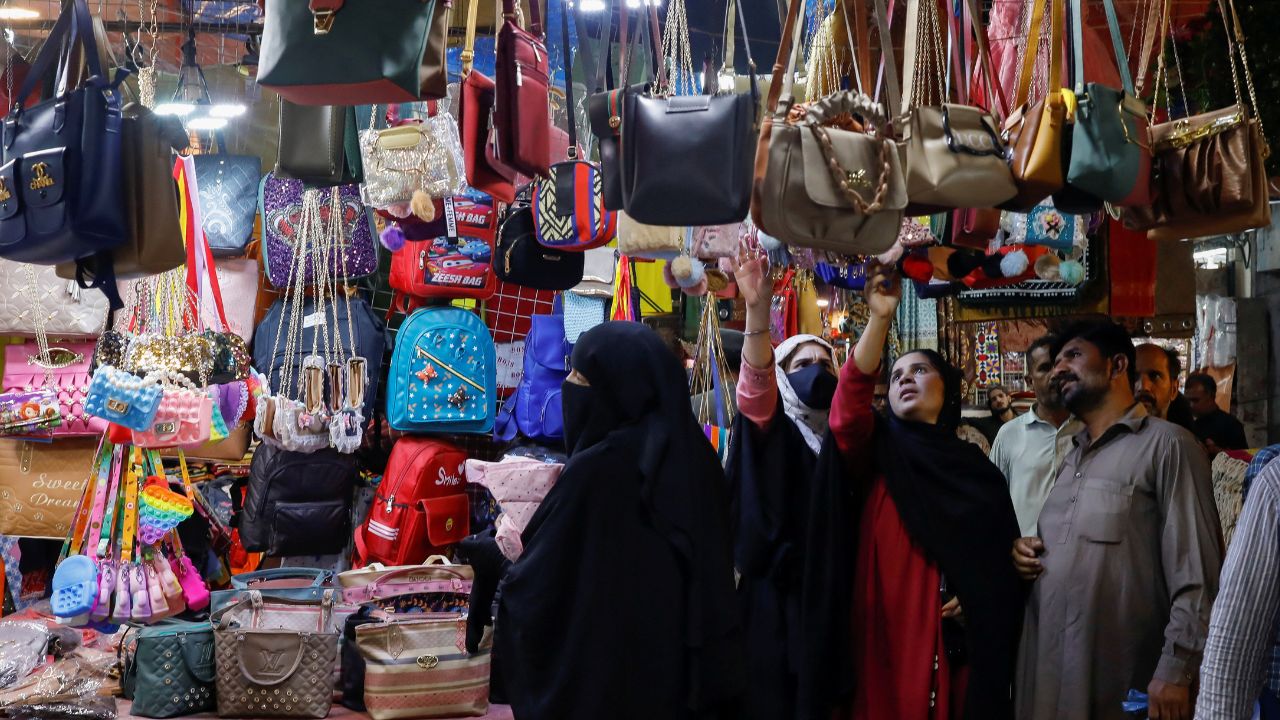
  • More time to shop as Eid-ul-Adha around the corner: LHC

    More time to shop as Eid-ul-Adha around the corner: LHC

    Lahore High Court (LHC) has extended the hours of markets on the occasion of Eid-ul-Adha. Shops will now remain open till 12 midnight and 1 am on the weekends.

    The order came during a hearing on the petitions filed for countering smog.

    During the hearing, Punjab Food Authority also submitted a report on the dead chickens case in the court, detailing 46 thousand 670 kg of dead chickens were disposed off from Tollington market.

    94 cases have also been registered against meat sellers while raids are being conducted on a daily basis to keep meat in check.

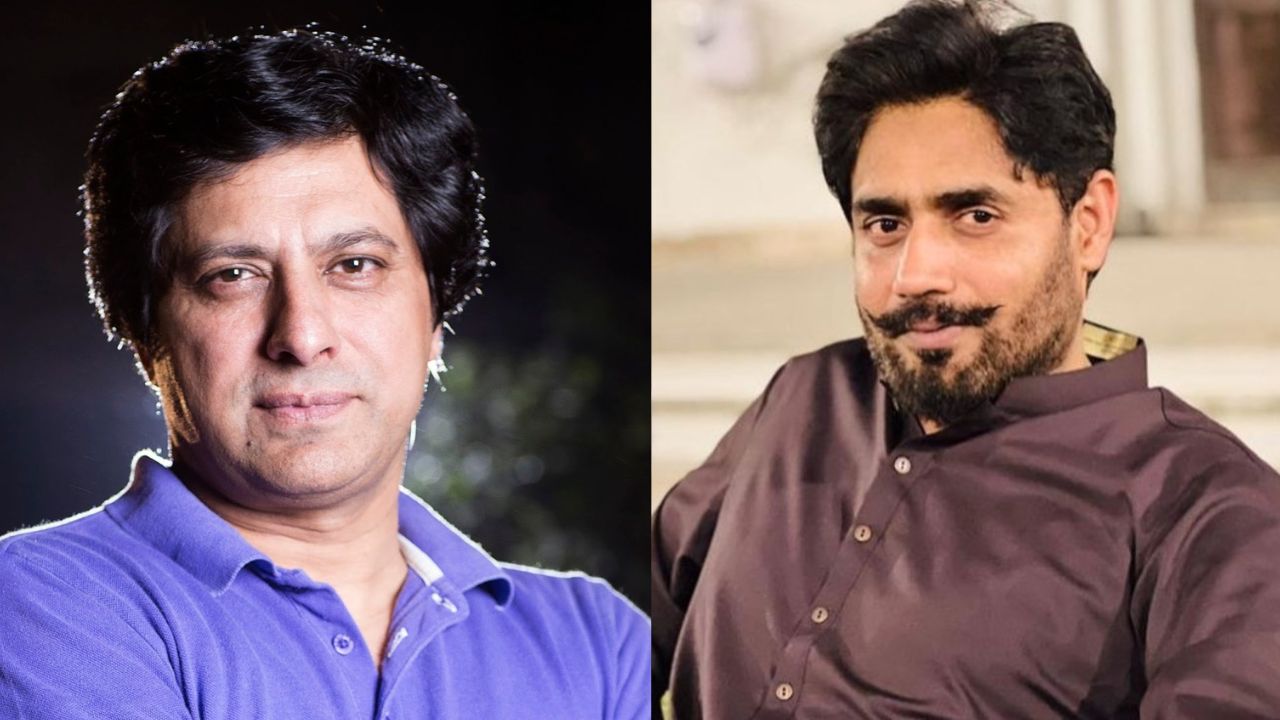
  • Jawad Ahmed vs Abrar Ul Haq: The war of words goes on

    Jawad Ahmed vs Abrar Ul Haq: The war of words goes on


    Music legends Abrar Ul Haq and Jawad Ahmed ruled the 90s with their catchy bhangra and pop tunes. However, the two have been at odds since many years now, often exchanging harsh words.

    In a recent appearance on Public News, Abrar Ul Haq addressed allegations made by Jawad Ahmed, providing his side of the story. “When Jawad Ahmed called me a religious hypocrite, I was taken aback. I believe only Allah can judge me. Even if Jawad thinks I’m a hypocrite, I’ve reflected on my actions and don’t agree with his assessment. I often mention Allah in my statements, which seems to bother Jawad. He says a sinner like me shouldn’t talk about Allah. But I think people are just jealous. I pray to Allah to protect me from their envy. It’s a well-known saying that jealous people are consumed by anger due to their own failures.”

    Abrar then said he used to feel bad forJawad, “since I used to win honors based on the public’s vote, the jury’s verdict, or my popularity.” He alleged that Jawad copied him when it came to charity. “First he said that those who gave to charity were the ones who had failed in their careers. He used to pretend to be a caller in order to disrupt my charitable efforts, but it never hurt me.”

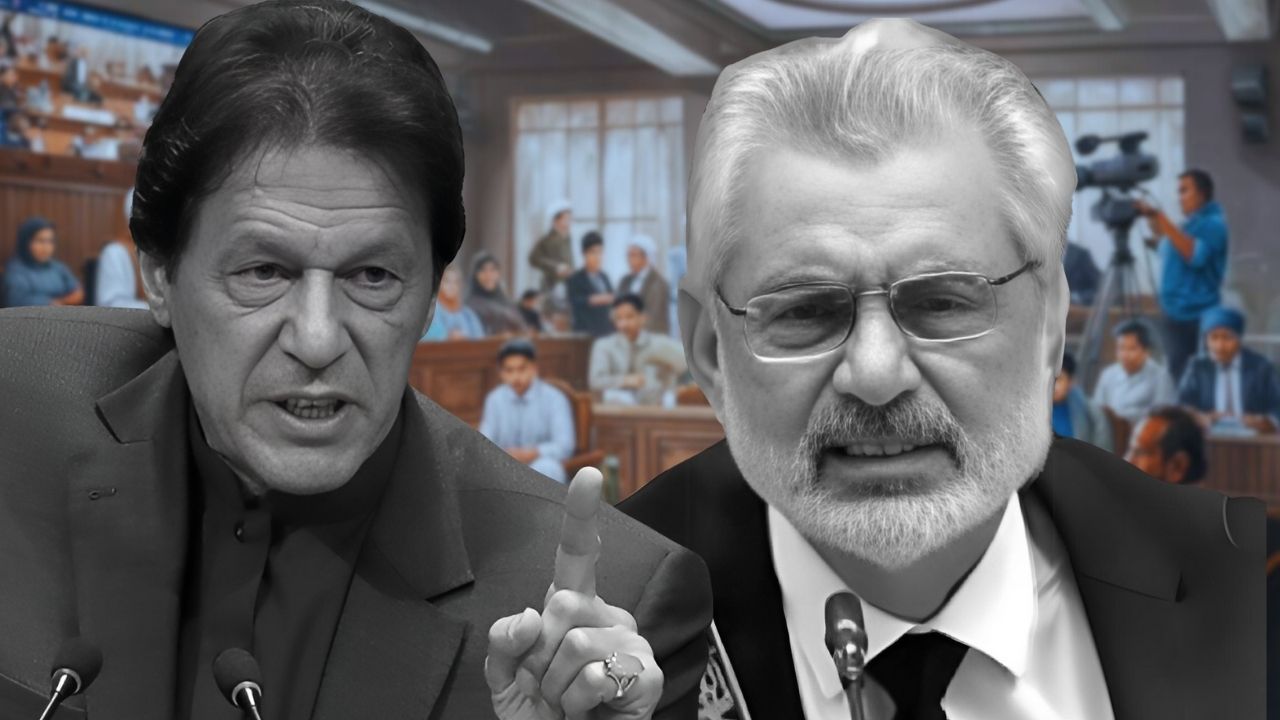
  • Khan tells Supreme Court that country under unannounced martial law

    Khan tells Supreme Court that country under unannounced martial law

    Pakistan Tehreek-e-Insaf (PTI) founder Imran Khan on June 6 told Supreme Court judges that the country was facing an “unannounced martial law” during the hearing of the NAB amendments case hearing.

    Khan also talked about the “victimisation” he had to face since his ouster from power in April 2022.

    The jailed PTI founder appeared before the Supreme Court’s five-member bench via video link from Rawalpindi’s Adiala jail, where has been incarcerated since his conviction in the Toshakhana case last year.

    The SC bench headed by Chief Justice Qazi Faez Isa and comprising Justice Aminuddin, Justice Jamal Khan Mandokhail, Justice Athar Minallah and Justice Hasan Azhar Rizvi heard the case.

    Interestingly, Khan quoted India’s example during his argument that Delhi Chief Minister Arvind Kejriwal was released on bail ahead of the Indian elections to run his campaign.

    Furthermore, Khan expressed dissatisfaction with the top court’s judgement rejecting Khyber Pakhtunkhwa’s government plea requesting the live streaming of the case saying to CJP Isa, “You wrote [in the judgment] that I did political point scoring during the last hearing. I did not get it, what political scoring did I resort to?”

    CJP replied that a judge does not owe an explanation to anyone and that he can “file a review petition.”

    Criticising alleged political victimisation, the PTI chairman suggested that the Supreme Court should appoint a NAB chairman.

    “When opposition and government fail to evolve consensus on the name of NAB chairman appointment then a ‘third umpire’ makes the decision,” he said, adding that the NAB is working under the “third umpire”.

    “Solve the problems by sitting in parliament. This country needs to move forward,” the CJP said to Khan.

  • 85 per cent of Pakistanis content with their mental health: Survey

    85 per cent of Pakistanis content with their mental health: Survey

    85 per cent of Pakistanis are fully satisfied with their mental health while 14 per cent have expressed concerns, reveals a new survey by Gallup Pakistan.

    50 per cent of the people admitted to facing stress in their daily life — often or sometimes — while 50 per cent said that they do not have any stress.

    In the survey, 17 per cent of Pakistanis cited their family or domestic problems as the main cause of mental stress, 15 per cent cited lack of money, 14 per cent said unemployment, 13 percent cited their job, and eight percent cited their health as the main cause of mental stress.

    The rate of Pakistanis suffering from mental stress is clearly lower than the global opinion as a total of 79 per cent are suffering from mental stress globally, while 24 per cent deem their job as the main reason for mental stress.

    Globally, 21 per cent are affected by lack of money while 19 per cent quote family problems as the main cause of mental stress.

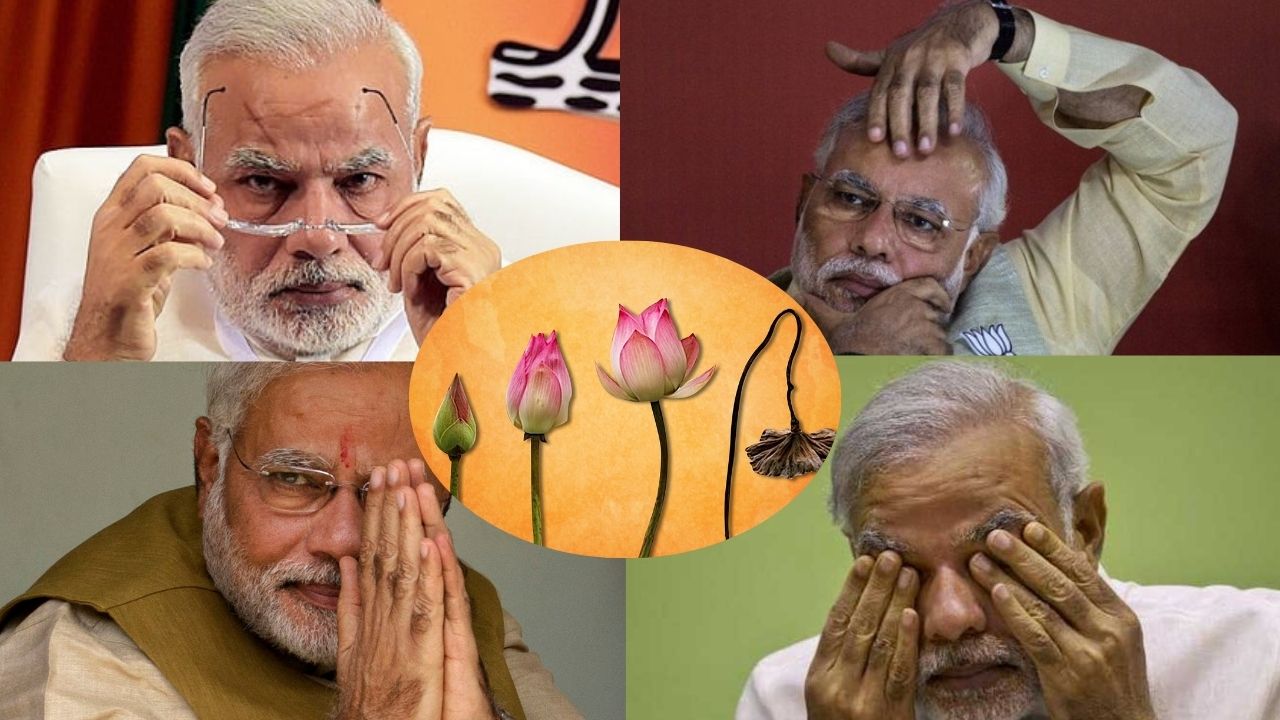
  • Ab ki baar, 400 nahin hua paar; Why did Modi falter in Indian elections?

    Ab ki baar, 400 nahin hua paar; Why did Modi falter in Indian elections?

    Elections in 2024 are surprising, to say the least. Many polls across the globe have given a jolt to political pandits, dismantling their expectations. Be it in Pakistan or in neighbouring India; the results sent a shock wave among observers. In India, particularly, the result defied exit polls and set a precedent of what is called the power of vote.

    While the expected Leader of the Opposition, Rahul Gandhi, was on a country-wide tour titled “Bharat Joro Yatra,” Prime Minister Narendra Modi and the leading party, BJP, were conniving for a change in the constitution.  Campaigning for a third time in the office, “400 paar” was the slogan Modi chanted all along. With more than 65 percent voter turnout and a six-week-long grueling process of polls amid the heatwave, the climax showcased the fruit of the exhaustive exercise. The total number of seats won by the ruling party was 240, far behind the magic number of 272, and it lost 63 seats compared to the election of 2019. Economist and author Parakala Prabhakar called this “a very clear tight slap on PM’s face,” but what led to the results?  

     In the span of the last five years, the BJP government led by Narendra Modi outrightly showed hate against minorities, especially Muslims, and promoted the saffron-tainted movement of Hindutva. It started off with the revocation of the Special Status of Kashmir, followed by the Citizen Amendment Act, and culminated with the inauguration of Ram Mandir. 

    303 seats in 2019 enabled BJP to strip Kashmiris of their statehood on August 5, 2019, because it was seen as the biggest hurdle in the drive for development in the region. However, in the garb of this modernization, the aim was to alter the disputed area’s demographics eventually.  

    With CAA, the Modi government further pushed Muslims to the periphery. This “fundamentally discriminatory” piece of law endangered the citizenship of a large number of Muslims in the country. It declared them illegal immigrants, but the Modi government remained unfazed in the face of all criticism. 

    The mishandling of the pandemic, coupled with the high unemployment rate of eight percent, proved to be a catalyst, but it was the largest farmer’s protest in Punjab that turned out to be a major blow. Millions on the road, the police crackdown on protestors, and the rigidity of the government made headlines all across the globe. Resultantly, Congress dominated the polls in Punjab with a high voter turnout of 62.80 percent.

    Islamophobic rhetoric, anti-Dalit sentiment, a spiraling economy, and unconstitutional motives of the sitting government resulted in the BJP’s defeat in Uttar Pradesh and Maharashtra, the two most significant states. 

    The party of “saffron parakeets” kept on ignoring the pulse of the nation and inaugurated Ram Mandir with glitz and glamour in Ayodhya, above the ruins of the demolished Babri Masjid. Modi proudly claimed that the Mandir will be a “temple of national consciousness”. The voters ironically consciously rejected him. Though the BJP will again form the government under the umbrella of the National Democratic Alliance, this will be a coalition government, weak at its core and unable to execute the idea of changing the system of governance from Parliamentary to Presidential.

    Although it is true to democratic traditions, the credit for this stupendous result goes to the voices of reason, who relentlessly stood in the way of Modi’s aim to establish his “taana shahi”.  YouTuber Dhruv Rathee, who has been named by renowned publications as one of the “factors,” made it his mission to create awareness of all the inconsistencies in the election process, scandals in Modi’s governance, and the wildly objectionable things Modi has said and done. His videos were watched by a whooping number of 476 million people, got screened in some areas while he flexed as the “power of the common man”. Some journalists like Rana Ayuub and Karan Thapar and writers like Arundhati Roy chose to call a spade a spade and will go down in history for being on the right side. 

    With the coalition government in place, will there be a new more introspective Modi or a rather aggressive one? It is yet to be seen, but he surely wouldn’t be the same as he was in the last five years.

  • Pakistan power crisis deepened by mountain tourism

    Pakistan power crisis deepened by mountain tourism

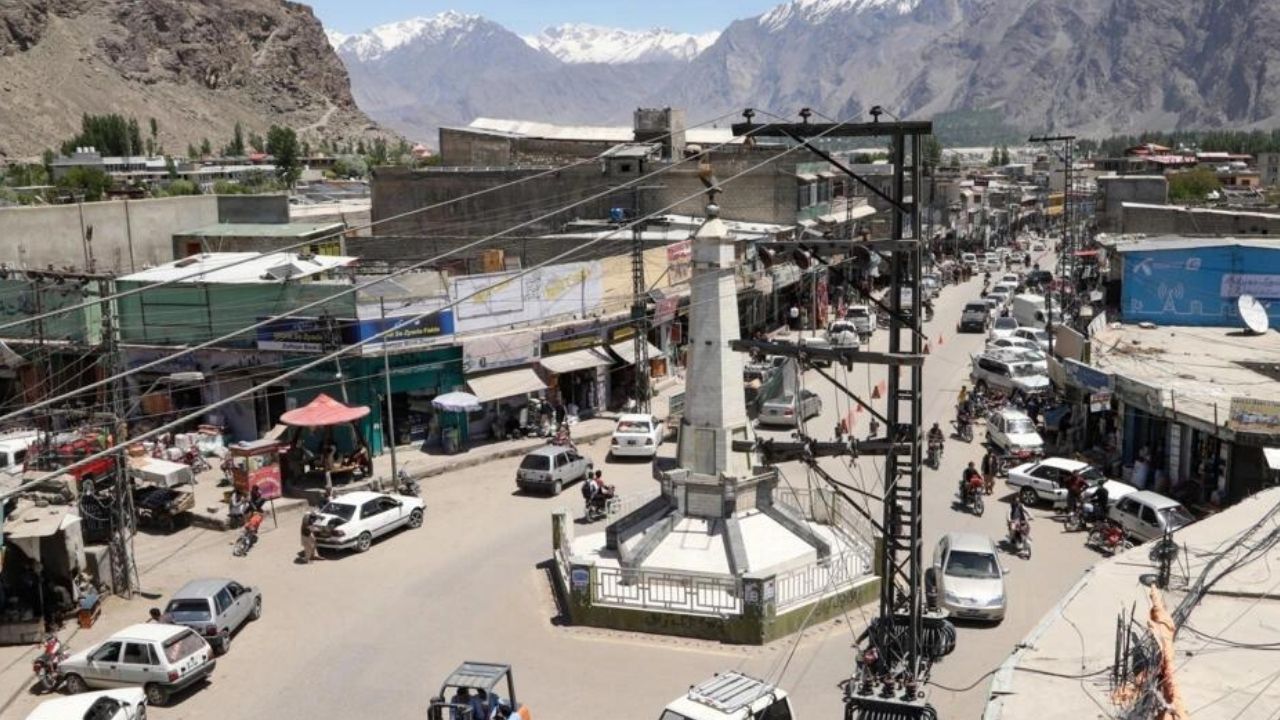
    Skardu (Pakistan) (AFP) – In the mountainous valleys of Pakistan, 18-hour daily power cuts have meant local teacher Aniqa Bano uses her fridge as a cupboard for storing books and kitchen utensils.

    Load shedding is typical across much of fuel-short Pakistan, but few areas consistently suffer the same prolonged outages as Skardu city.

    A surge in mountain tourism, driven by climbers and Pakistanis looking to escape heatwaves, is rapidly depleting the limited energy supply at the gateway to ascend K2, the world’s second-highest peak.

    While higher-end hotels can supplement their supply with solar panels or fuel generators, many locals cannot afford such luxuries.

    “We have to reinvent everything that once used electricity,” said Bano.

    Tourism boom

    Skardu is the largest city in the region of Gilgit-Baltistan, where almost impossibly high peaks tower over the Old Silk Road, still visible from a highway transporting tourists between cherry orchards, glaciers and ice-blue lakes.

    Normally home to around 200,000 people, Skardu becomes heavily bloated in summer when Pakistanis seek the relief of its cooler climate at 2,228 metres (7,310 feet) above sea level.

    The region hosted 880,000 domestic visitors in 2023, up from 50,000 in 2014.

    As the country grapples with energy shortages -– owing to dwindling forex reserves, mismanagement, rapid population growth and climate change –- the tourism boom has proved too much for local power.

    “Due to the increase in population and tourism activities, load shedding hours have increased,” Muhammad Yunus, a senior engineer for the regional government’s water and power department, told AFP.

    There are up to 22 hours of load shedding in winter and between 18 and 20 hours in summer — an increase of around 10 percent each year for the past six years, according to the department.

    Siddiqa, a tailor and handicraft maker who goes by one name, has seen her earnings fall alongside the number of hours of electricity.

    “When we started this business in 2014, there was no issue of power,” she told AFP. “Now, I have replaced all the electric machines and brought hand sewing machines.”

    “In the presence of light, we could prepare 10 to 12 suits every three days. Now, to prepare a single suit, it can take 10 to 15 days.”

    The tourism flow does not appear to be letting up any time soon. There are up to 15 domestic flights a week to the region and, since March, international flights began landing from Dubai.

    In Skardu alone, the number of hotels has increased more than fourfold since 2014, according to the tourism department.

    7,000 melting glaciers

    Owing to its remoteness, Gilgit-Baltistan is not connected to the national grid, so it relies on its own power generation from dozens of hydro and thermal plants.

    But Pakistan’s 7,000 glaciers — more than anywhere outside the poles — are rapidly melting.

    This can temporarily increase the availability of water for energy production, but the glaciers’ long-term ability to store and release water gradually decreases, affecting energy production.

    “The availability of water for hydroelectric plants is becoming unpredictable,” said Salaar Ali, head of the Department of Environmental Science, University of Baltistan.

    Damage to energy infrastructure is also a regular setback.

    Record heatwaves in 2022 caused dozens of glacial lakes to burst their banks, washing away more than 20 power plants, 50 bridges and countless homes.

    Inadequate planning and mismanagement of the power sector can also play a role, engineers have said.

    The Satpara dam on the edge of Skardu city, completed in 2008 for $26 million of aid funding, was supposed to supply 40,000 homes with power.

    But it generates just a fraction of its potential after plans to divert a river were halted, government engineers admit.

    “It has been full only once since its formation,” said Yunus, the engineer in Skardu.

    Without a reliable energy supply, Wajahat Hussain, a 36-year-old carpenter, uses a fuel generator to keep his business in operation — puffing out emissions that contribute to global warming.

    “We run the generator to fulfil the demands,” he told AFP. “There is no work without the generator.”

  • Irfan Pathan, Harsha Bhogle slam Babar Azam after USA debacle

    Irfan Pathan, Harsha Bhogle slam Babar Azam after USA debacle

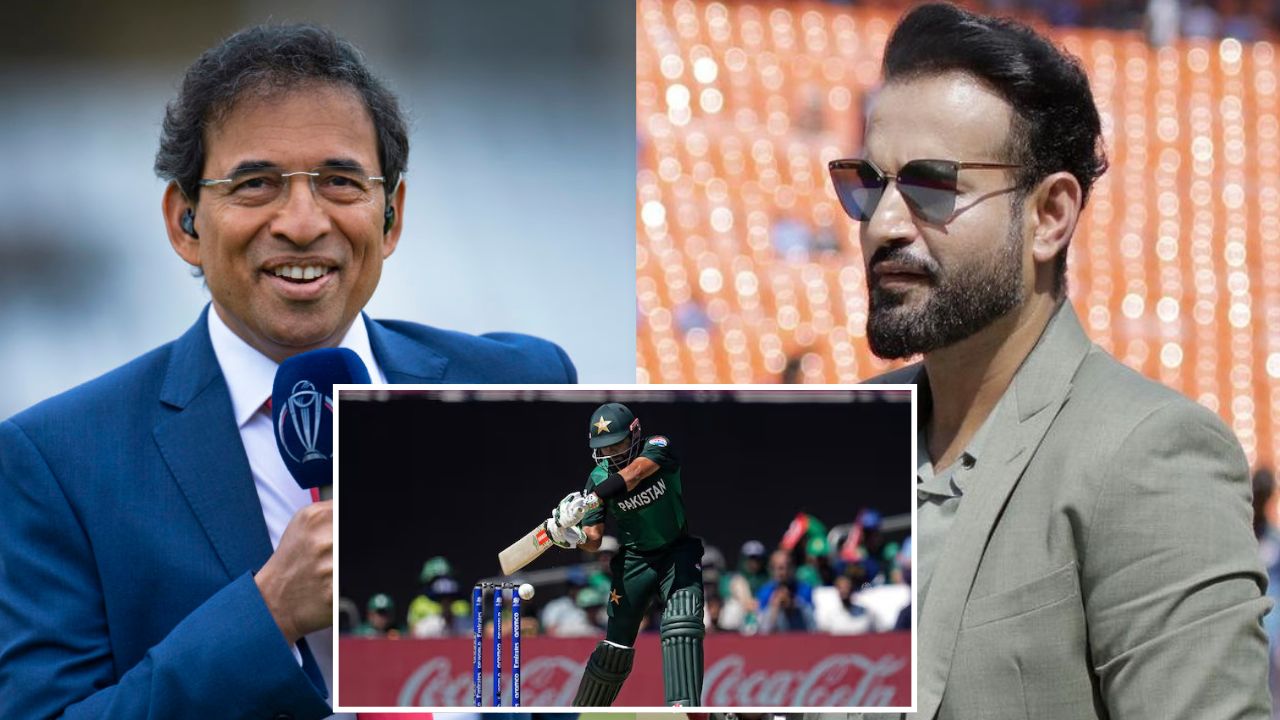
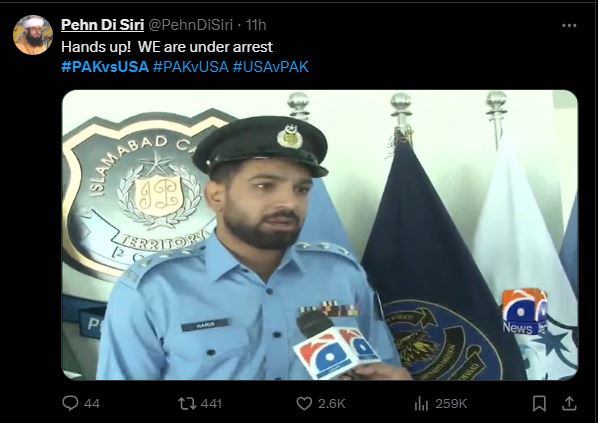
    Indian commentators Harsha Bhogle and Irfan Pathan have raised questions about Pakistan captain Babar Azam’s batting approach after the humiliating defeat at the hands of USA in the T20 World Cup on Thursday.

    Pakistan lost its first three wickets on just 21 runs. After that Captain Babar Azam and Shadab Khan took charge and made a partnership of 72 runs. Skipper scored 44 runs on 43 balls, while Shadab Khan scored 40 runs.

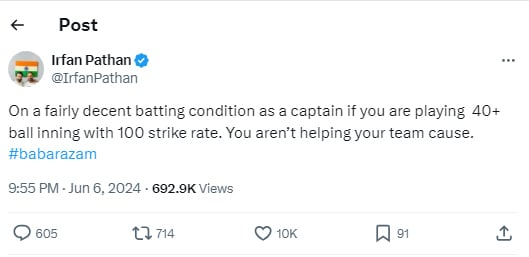
    Irfan Pathan wrote on X (Twitter), “Despite having a good batting position as a captain, if you are playing 40+ balls with a strike rate of 100, it will not benefit the team.”

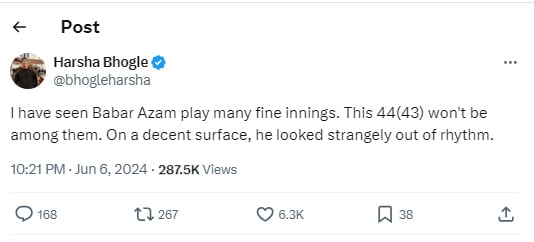
    On the other hand, well-known Indian commentator Harsha Bhogle wrote, “I have seen Babar Azam play many good innings. This 44 (43) will not be among them, they have not looked quite in form in major tournaments.”

    The USA has occupied the first position in the points table.

  • T20 World Cup 2024: Scotland defeats Namibia by five wickets

    T20 World Cup 2024: Scotland defeats Namibia by five wickets

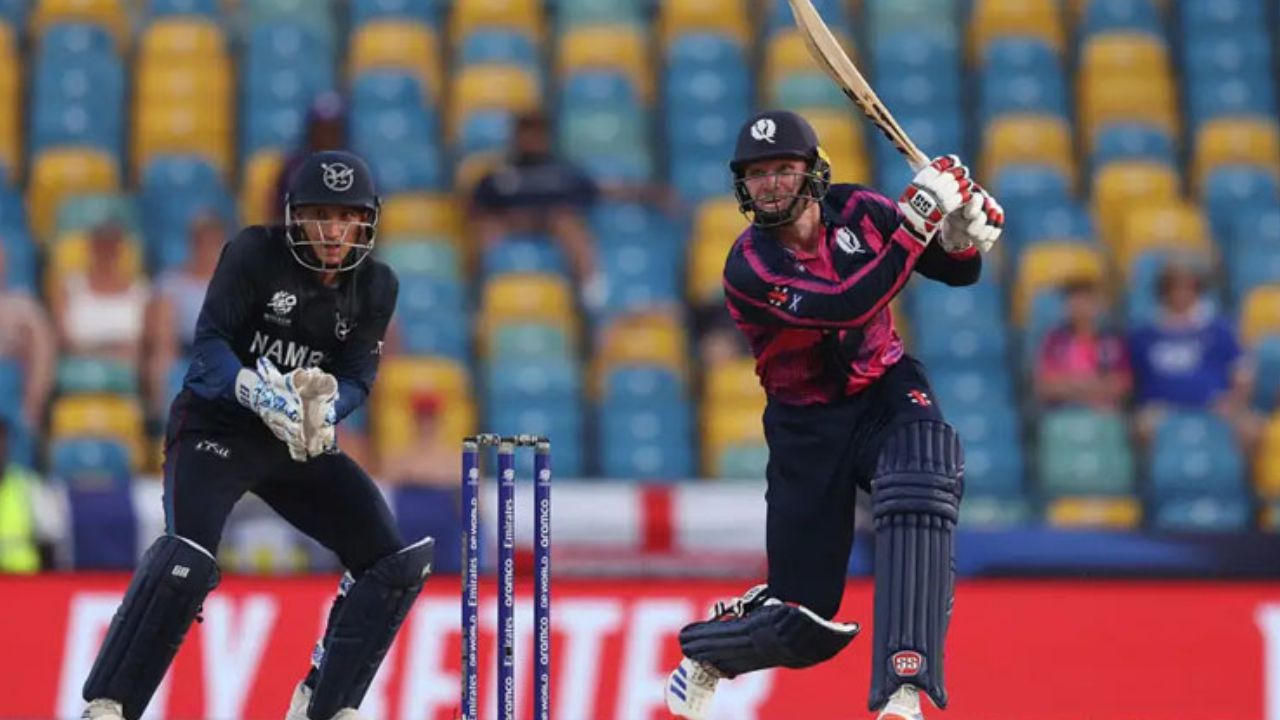
    In the 12th match of the ICC Men’s T20 World Cup, Scotland defeated Namibia by five wickets in Kensington Oval cricket stadium Barbados.

    Namibia captain Gerhard Erasmus won the toss and batted first.

    First inning:


    Namibia’s innings did not get off to a good start and top JB Cotner returned to the pavilion without scoring a run.

    In the first innings, Namibian captain Gerhard Erasmus scored 52 runs off 31 balls with the help of 2 sixes and 5 fours, Zane Green scored 28 runs and Nicholas Dion scored 22 runs.

    Scotland’s Brad Wheel took 3 wicket while Broad Currie 2, Chris Soule, Chris Graves and Michael Lesk managed to get 1 wicket each.

    Second inning:

    On behalf of Scotland, captain Richie Barrington scored 47 runs off 35 balls with 2 sixes and 2 fours, Michael Leask 35, Michael Jones 26 and Brandon McMullen scored 19 runs.

    For Namibia, Gerhard Erasmus took 2 wickets, Ruben Trumpelman, Tanjani Langemani and Bernard Schulz took one wicket each.

  • Huge upset: USA defeats Pakistan in super over

    Huge upset: USA defeats Pakistan in super over

    It was a typical start for the Pakistan cricket team as the USA defeated Pakistan in a super over. The USA gave Pakistan a target of 19 runs to win in the Super Over, but the Green Shirts could only score 13 runs.

    Earlier, the USA’s captain, Monank Patel, won the toss and invited Pakistan to bat first.

    First inning:

    Under the leadership of captain Babar Azam, Pakistan scored a respectable 159 runs for the loss of 7 wickets in the allotted 20 overs. Azam himself contributed 44 runs, while Shadab added 40 runs to the total.

    Nosthush Kenjige took three, Saurabh Netravalkar took three, and Ali Khan took one wicket for the USA.

    Second inning:

    In response to Pakistan’s target of 160 runs, the USA batted with confidence, and the batters kept pushing the score.

    In the last five overs, Green Shirts made a comeback at the end. The USA needed five runs off the last ball to win the match, on which Nitish Kumar hit Haris Rauf for a boundary, and the match was tied.

    Mohammad Amir bowled a super over on behalf of Pakistan. The USA scored 18 runs for the loss of one wicket, giving Pakistan a target of 19 runs to win. Pakistan scored only 13 runs from 6 balls for the loss of one wicket. The USA won the match by five runs, setting the T20 World Cup 2024 historic upset.

    Pakistan will play thier next match agaisnt Inida in Nassau County Cricket Stadium on Sunday.