Blog

  • ‘Wife owns properties not only in Dubai but in UK as well,’ reveals Mohsin Naqvi

    ‘Wife owns properties not only in Dubai but in UK as well,’ reveals Mohsin Naqvi

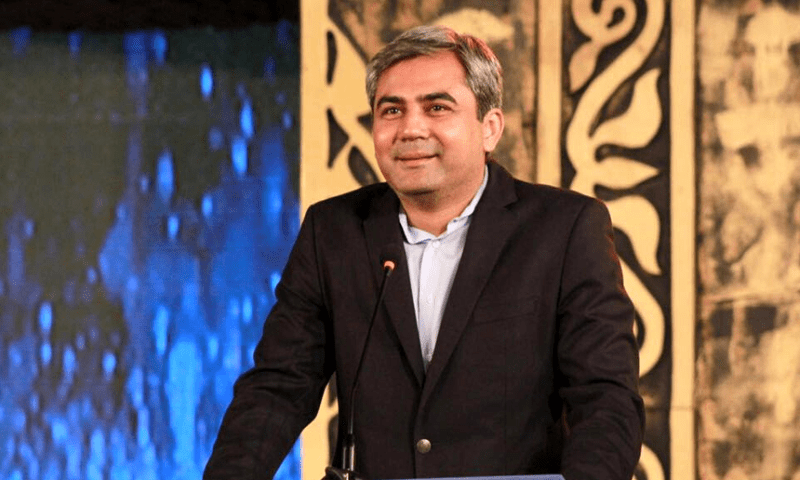
    Federal Interior Minister Mohsin Naqvi has said on Thursday that he and his wife declared their properties a decade ago. Naqvi, a media baron who became Punjab’s caretaker Chief Minister and now also holds the coveted position of Chairman, Pakistan Cricket Board (PCB), stressed that there is nothing new in the “Dubai unlocked” project. 

    Naqvi revealed that his wife not only owns properties in Dubai but also in the United Kingdom (UK).

    He gave a detailed response to the Dubai leaks in a press conference in Lahore after the leaked property records named several prominent personalities in Pakistan, including government officials, politicians, military generals, and other individuals.

    He also said that it is necessary for the national media to report about major developments, but portraying that someone owned property with illegal means is wrong.
    The former caretaker chief minister of Punjab also stated that he was not in any official position 10 to 12 years ago, but he had properties at that time as well.

  • Supreme Court to hear Suo Moto against Faisal Vawda today

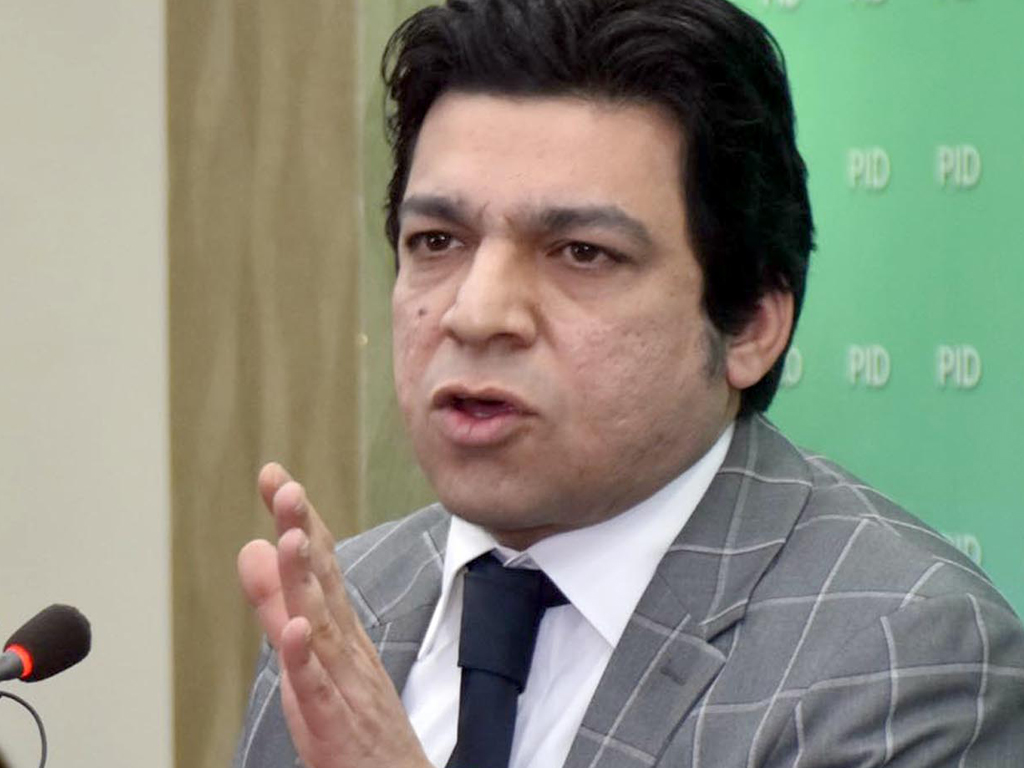
    Supreme Court to hear Suo Moto against Faisal Vawda today

    The Supreme Court, on 17 May, will hear the suo moto case against independent Senator Faisal Vawda for his verbal attack against judges of the Islamabad High Court (IHC).

    The case will be heard by a three-member bench led by Chief Justice of Pakistan Qazi Faez Isa and comprising Justice Naeem Akhtar Afghan and Justice Irfan Saadat Khan.

    Earlier, Vawda held a press conference in which he strongly criticised the IHC judges who penned the explosive letter a few weeks back to the Supreme Judicial Council alleging interference of intelligence agencies in judicial affairs.

    Faisal Vawda said that institutions are being attacked.

    “Stop targeting the institutions, enough is enough. If there is any interference by institutions, then provide evidence and we will stand together [against it],” said Vawda.

    IHC also responded to the Senator’s remarks saying that the rules do not dictate that a High Court judge needs to renounce foreign residency or citizenship.

  • Why Humayun Saeed praises Yumna Zaidi’s work ethic in ‘Gentleman’

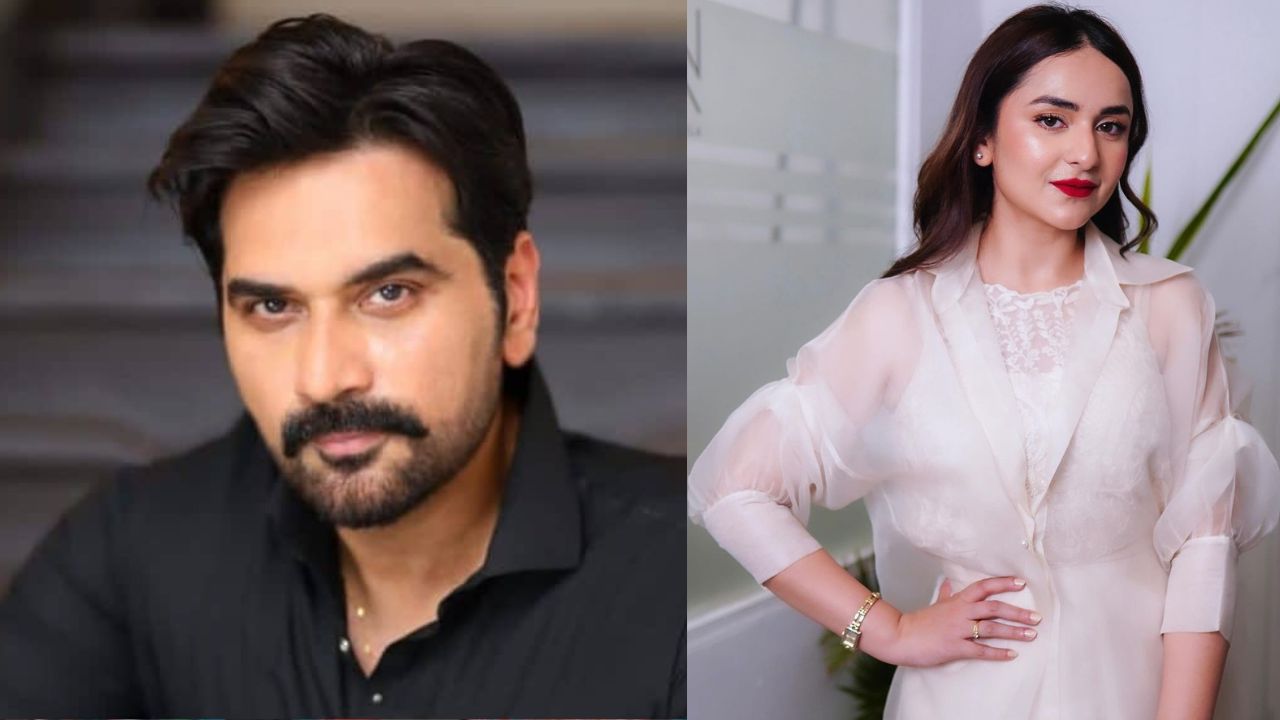
    Why Humayun Saeed praises Yumna Zaidi’s work ethic in ‘Gentleman’

    Actor Humayun Saeed complimented fellow actress Yumna Zaidi’s on her work ethic, saying that she is entirely focused on her work and not on her styling or makeup.
    During a recent interview on Ambreen Fatima Youtube channel, Humayun Saeed gave Yumna Zaidi a lot of compliments and said he had always seen her as a journalist in the drama.

    “Working with Yumna Zaidi was a remarkable experience, realizing that the praise I had heard about her before was insufficient compared to her actual performance after working with her.”
    Humuyun said that when the role was offered to Yumna Zaidi, she asked for his opinion. “They had chosen her after considering her suitability for the character, and encouraged her to read the script to confirm that the role was perfect for her.”

  • ‘Hindu nation’: Religion trumps caste in India vote

    ‘Hindu nation’: Religion trumps caste in India vote

    Agra, India – Born at the bottom of the Hindu faith’s rigid caste system, voters like Anil Sonkar will determine whether Indian Prime Minister Narendra Modi returns to power next month.

    More than two-thirds of India’s 1.4 billion people are estimated to be on the lower rungs of a millennia-old social hierarchy that divides Hindus by function and social standing.

    Politicians of all stripes have courted lower caste Indians with affirmative action programmes, job guarantees and special subsidies to mitigate long-standing discrimination and disadvantage.

    But Modi’s Hindu-nationalist Bharatiya Janata Party (BJP) has established itself as India’s dominant political force with a different pitch: think of your religion first, and caste second.

    “There are no economic opportunities and business has never been so bad for me,” said Sonkar, a 55-year-old fishmonger and a member of the Dalit castes, once disparagingly known as “untouchables”.

    “But under this government, we feel safe and proud as Hindus,” he told AFP in the tourist city of Agra, home of the Taj Mahal. “That is why, despite everything, I voted for Modi.”

    Modi’s party is expected to easily win this year’s national election once it concludes in June, in large part due to his government’s positioning of the Hindu faith at the centre of its politics.

    His government has been accused in turn of marginalising the country’s 200-million-plus Muslims, leaving many among them fearful for their futures in India.

    But its strategy of appealing to pan-Hindu unity, and directing the faith’s internal frictions outwards, has reaped political dividends.

    “The BJP’s base among the marginalised has grown over every election since 2014,” political scientist and author Sudha Pai told AFP.

    The party, she added, had successfully forged a new pan-Hindu political coalition by showing respect to the “cultural symbols, icons and history” of low-caste voters, and in the process furthering its goal of building a “Hindu nation”.

    Station in life

    Caste remains a crucial determinant of one’s station in life at birth, with higher castes the beneficiaries of ingrained cultural privileges, lower castes suffering entrenched discrimination, and a rigid divide between both.

    Modi himself belongs to a low caste, but the elite worlds of politics, business and culture are largely dominated by high-caste Indians.

    Less than six percent of Indians married outside their caste, according to the country’s most recent census in 2011.

    Modi’s political coalition has managed to bridge this internal divide by trumpeting a vision of a resurgent and assertive Hindu faith.

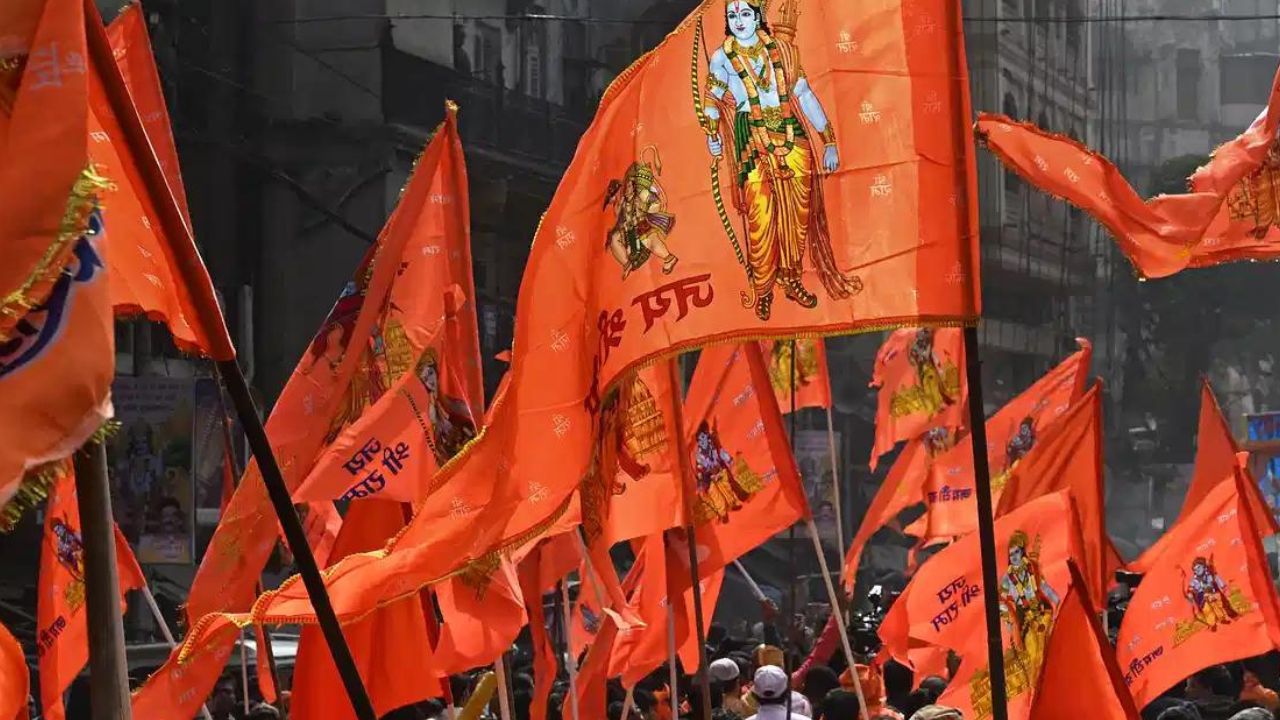
    The prime minister began the year by inaugurating a grand temple to the Hindu deity Ram, built on the site of a centuries-old mosque razed by Hindu zealots decades earlier.

    Construction of the temple fulfilled a long-standing demand of Hindu activists and was widely celebrated by Hindu voters, whatever their caste group.

    Modi’s rise also coincided with the declining fortunes of caste-based political parties that had dominated politics for decades in Uttar Pradesh, India’s most populous state with more people than Nigeria and its most important electoral battleground.

    Many in the state accused these parties of directing welfare programmes and other benefits of political power to their own caste groups, a situation they say changed when Modi came to power and made them available for all disadvantaged voters.

    “The soles of my slippers wore off as I ran around trying to get a card for free rations,” homemaker Munni Devi, 62, told AFP at a BJP campaign rally over the din of frenzied drum beats and music.

    “But Modi gave me one immediately after coming to power,” she told AFP.

    ‘Demons of those contradictions’

    The BJP has been able to unite a broad array of caste groups into a single bloc of support, but caste discrimination remains a fact of life both in politics and society at large.

    Despite Modi’s own low-caste origins, the senior ranks of his ministry, party and civil service remain overwhelmingly dominated by upper-caste functionaries.

    “Our lawmaker is from our caste and from the BJP,” said farmer Patiram Kushwaha, a Modi supporter reconsidering his allegiance.

    “He cannot do anything for us because those sitting at the top don’t listen to him.”

    More than two dozen opposition parties in this year’s poll have campaigned on a joint pledge to address the structural causes of discrimination by staging a caste-based national census and redirecting resources to the most disadvantaged.

    Analysts nonetheless expect Modi to triumph convincingly over the opposition bloc, but Neelanjan Sircar, of the Centre for Policy Research think-tank in New Delhi, said the BJP faced a monumental challenge in holding its coalition together over the long term.

    “This balancing act of keeping together groups which don’t really get along with each other is extremely tough in the long run,” he told AFP.

    “At some point, you have to face the demons of those contradictions.”

    sai/gle/sco

    © Agence France-Presse
  • Pakistan will not participate in warm up matches of T20 World Cup

    Pakistan will not participate in warm up matches of T20 World Cup

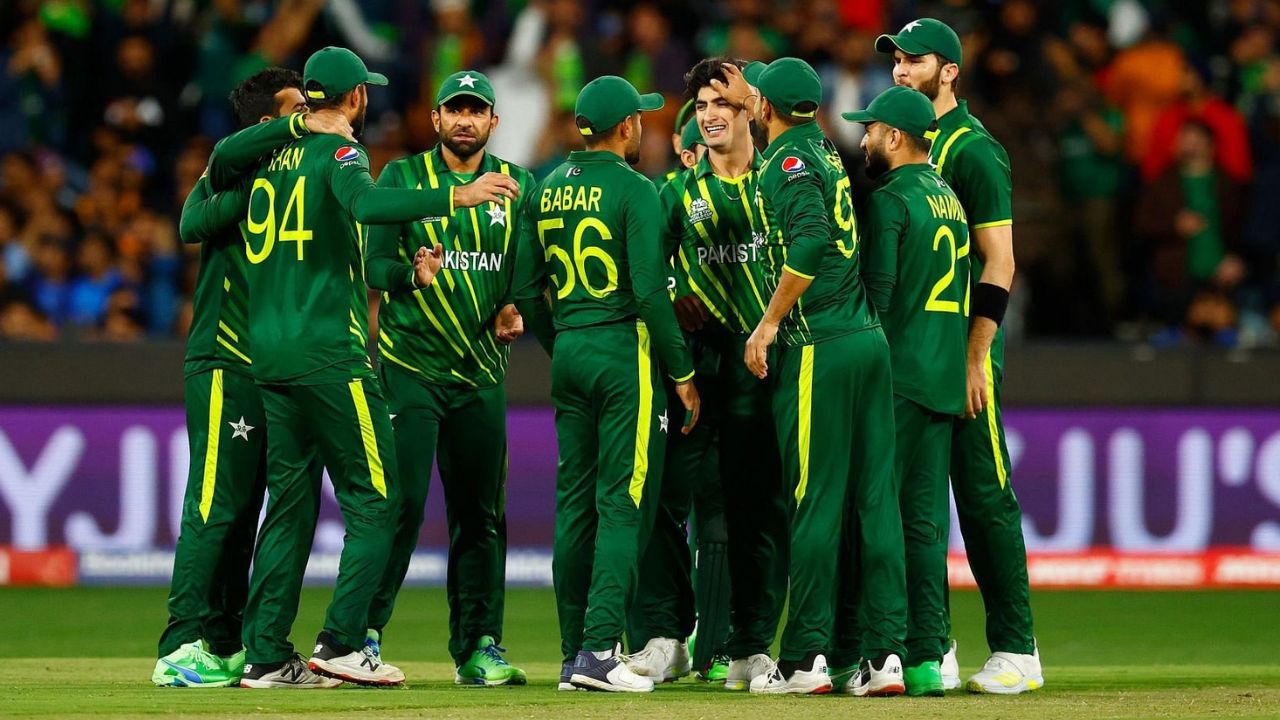
    The schedule of International Cricket Council (ICC) T20 World Cup 2024 warm-up matches has been released, Pakistan will not participate in warm up matches due to the series against England. Four T20 matches between Pakistan and England will be played between May 22 and 30.

    New Zealand and England are also not participating in warm up matches.

    The warm-up matches of the World Cup will be played between May 27 and June 1. A total of 17 teams will be participating in the World Cup warm-up matches before the event.

    Pakistan will leave England for America on June 1, playing its first match in the tournament against America on June 6.

  • SBP-held foreign exchange reserves rise to $9.14 billion

    SBP-held foreign exchange reserves rise to $9.14 billion

    During the week ending May 10, 2024, the State Bank of Pakistan (SBP) reported a notable uptick in its foreign exchange reserves, marking an increase of $15.2 million or 0.17 per cent week-on-week (WoW), bringing the total to $9.14 billion.

    This data, released by the central bank on Thursday, underscores a positive trend in the country’s monetary reserves.

    Notably, the SBP did not provide specific insights into the driving factors behind this increase.

    According to a statement issued by the SBP, “During the week ending May 10, 2024, SBP reserves experienced a $15 million increment, reaching $9.14 billion.”

    Simultaneously, Pakistan’s overall reserves recorded a significant rise, climbing by $167.5 million or 1.16 per cent WoW to $14.63 billion.

    This increase encompasses reserves held by commercial banks as well, which surged by $152.3 million or 2.85 per cent WoW to reach $5.49 billion.

    Examining the broader fiscal landscape, the current fiscal year has witnessed a substantial uptick in total liquid foreign reserves, surging by $5.47 billion or 59.68 per cent. Moreover, the ongoing calendar year has seen a notable increase of $1.95 billion or 15.41 per cent.

    This surge in reserves reflects positively on Pakistan’s economic stability and its ability to manage external financial obligations, contributing to investor confidence and fostering a favorable environment for economic growth.

  • Gold price increases by Rs1,600 to Rs245,600 per tola

    Gold price increases by Rs1,600 to Rs245,600 per tola

    Gold prices in Pakistan continued their upward trend on Thursday, mirroring the surge in the global market rates.

    According to the latest data from the All Pakistan Gems and Jewellers Sarafa Association (APGJSA), the price of gold per tola reached Rs245,600, marking a notable increase of Rs1,600 within a single day.

    Similarly, the 10-gramme gold rate climbed to Rs210,562, reflecting a rise of Rs1,371.

    The international gold rate also experienced an upswing on Thursday, as reported by APGJSA. It reached $2,390 per ounce, with an additional premium of $20, following a $25 increment throughout the day.

    In parallel, silver prices witnessed a hike, settling at Rs2,730 per tola after an uptick of Rs80.

    This surge in gold and silver prices comes after a recent record high last month, where gold soared to Rs252,200 per tola in the domestic market. Notably, just the previous day, gold prices in Pakistan had risen by Rs2,900 per tola.

    The continuous rise in precious metal prices both domestically and internationally underscores the ongoing volatility in the global economic landscape, influencing investment patterns and consumer sentiments in Pakistan’s bullion market.

  • Bahrain calls for peace conference at Gaza-focused Arab League

    Bahrain calls for peace conference at Gaza-focused Arab League

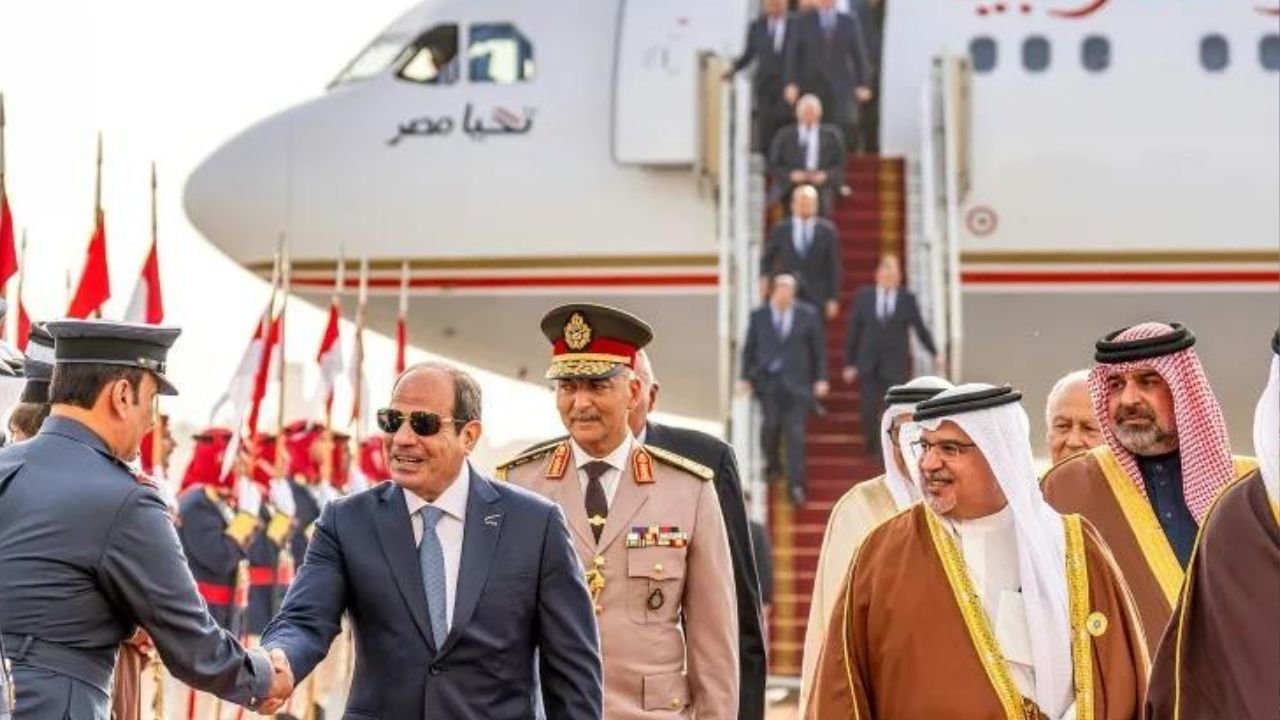
    Host Bahrain called for a Middle East peace conference Thursday at the start of an Arab League summit dominated by Israel’s war on Gaza, which has been raging in the Gaza Strip without a ceasefire in sight.

    King Hamad bin Isa Al Khalifa was addressing fellow heads of state and government at the 22-strong grouping in the capital Manama, more than seven months into a conflict that has convulsed the region.

    “(We) call for an international conference for peace in the Middle East, in addition to supporting full recognition of the State of Palestine and accepting its membership in the United Nations,” said the king.

    It is the first time the bloc has come together since an extraordinary summit in Riyadh, the capital of neighbouring Saudi Arabia, in November that also involved leaders from the 57-member Organisation of Islamic Cooperation, based in the Saudi city of Jeddah.

    At that meeting, leaders condemned Israeli forces’ “barbaric” actions in Gaza but declined to approve punitive economic and political steps against the country, despite growing anger in the region and widespread support for the Palestinian cause.

    That could change this time around as backing builds globally for a two-state solution long advocated by Arab countries, said Kuwaiti analyst Zafer al-Ajmi.

    Western public opinion has become “more inclined to support the Palestinians and lift the injustice inflicted on them” since Israel’s creation more than 70 years ago, Ajmi said.

    Meanwhile, Israel has failed to achieve its war objectives including destroying Hamas and is now mired in fighting, he said.

    Change of ‘tone’

    Israeli Prime Minister Benjamin Netanyahu on Wednesday said nearly 500,000 people had been evacuated from the southern Gaza city of Rafah, where he is insisting on going after remaining Hamas despite objections from US President Joe Biden.

    He also disputed claims that Israeli operations there would trigger a “humanitarian catastrophe”, though much of the international community remains squarely opposed to a Rafah invasion.

    Against that backdrop, and with mediator Qatar describing talks on a truce and hostage release deal as close to a stalemate, “the tone of Arab countries has changed”, Ajmi said, raising the possibility that the final declaration out of Thursday’s summit could include “binding” measures.

    The message would be especially strong coming from a summit held in Bahrain, one of two Gulf countries along with the United Arab Emirates to normalise ties with Israel in 2020 under the US-brokered Abraham Accords.

    Beyond the Israel-Hamas war, Arab leaders are also expected to discuss conflicts in Sudan, Libya, Yemen and Syria, whose President Bashar al-Assad is due to attend after returning to the Arab fold last year.

    Attacks by Yemen’s Huthis on Red Sea shipping, which the rebels say are intended as a show of solidarity with Palestinians, could also be on the agenda, said Bahraini analyst and journalist Mahmeed al-Mahmeed.

    Bahrain joined a maritime coalition organised by Washington to counter those attacks.

    “These vital sea lanes are not only important for countries in the region, but also for the global economy,” Mahmeed said.

  • IHC bans entry of intelligence officials within court premises

    IHC bans entry of intelligence officials within court premises

    The Islamabad High Court (IHC) on May 16 prohibited the entry of spy agency officials within the court’s premises.

    Justice Tariq Mahmood Jahangiri gave the ruling which was confirmed by a police official at the court.

    The development followed the release of an explosive letter penned to the Supreme Judicial Council by six judges if IHC on March 27, alleging the interference of intelligence agencies in judicial matters.

    The six judges of the IHC who wrote the letter were Justice Mohsin Akhtar Kiyani, Justice Tariq Mehmood Jahangiri, Justice Babar Sattar, Justice Sardar Ejaz Ishaq Khan, Justice Arbab Muhammad Tahir, and Justice Saman Rafat Imtiaz.

  • Kalash Valley’s Chilam Joshi festival: A colorful celebration of spring and tradition

    Kalash Valley’s Chilam Joshi festival: A colorful celebration of spring and tradition

    The Kalash Valley is celebrating the yearly spring festival for five days.

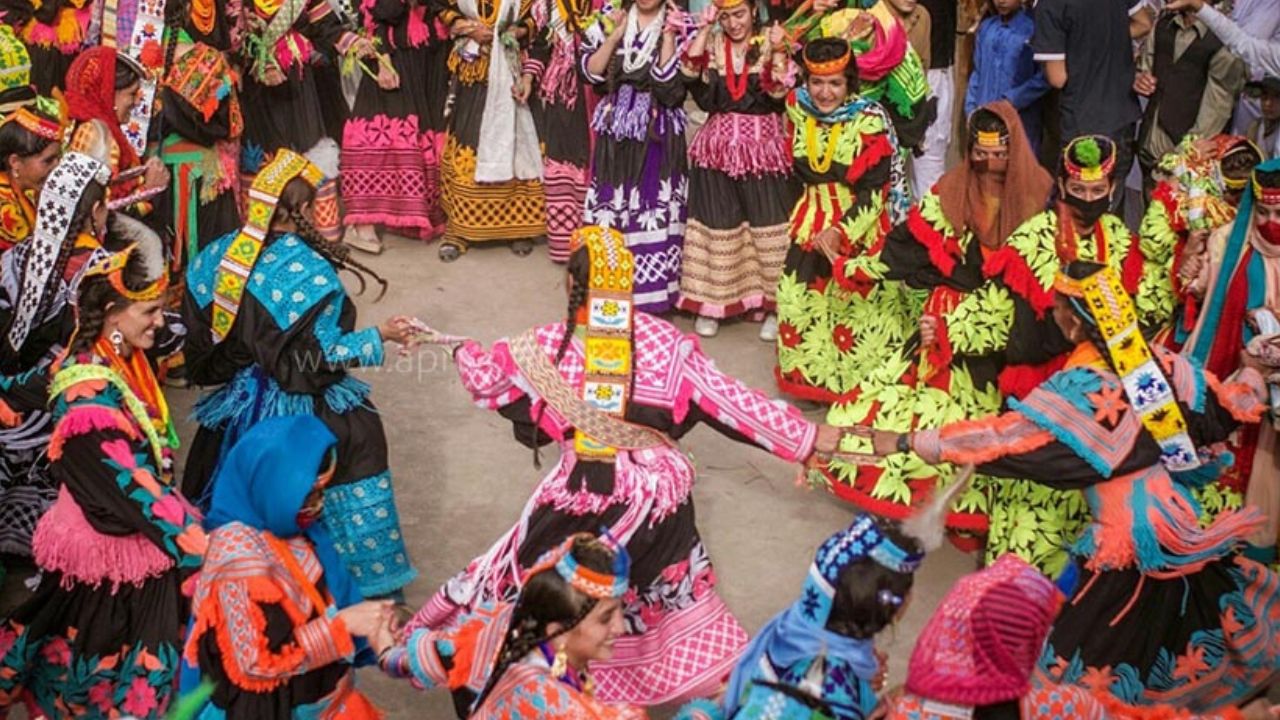
    The Kalash people are celebrating their annual Chilam Joshi holiday in the Rumbur valley of Chitral. The festival began on May 13 and will end today, May 16 2024.
    The Kalasha village commemorates this event annually, which marks the advent of spring.

    It is a major part of the cultural heritage of the area and draws tourists from all over the world.
    Men wear traditional Shalwar Kameez with woolen waistcoats, while women wear brightly colored traditional clothing embellished with gold and silver pieces and elaborate headdresses.

    Men and women from Kalash dance and sing in a circle while drum beats create a rhythm.

    The Kalashi people share milk with their loved ones as a kind of prayer for the protection of their farms and livestock during this holiday.
    The event, which drew a wide range of attendees, including foreign tourists as well as officials from the district administration and tourism office, was scheduled across three days.

    For the festival, the district government made sure there were enough security measures in place, and the Tourism Police assisted guests.

    The event, which features customary dances and ceremonies, is a joyful and exciting occasion. The Kalash people will then move their livestock to higher pastures.